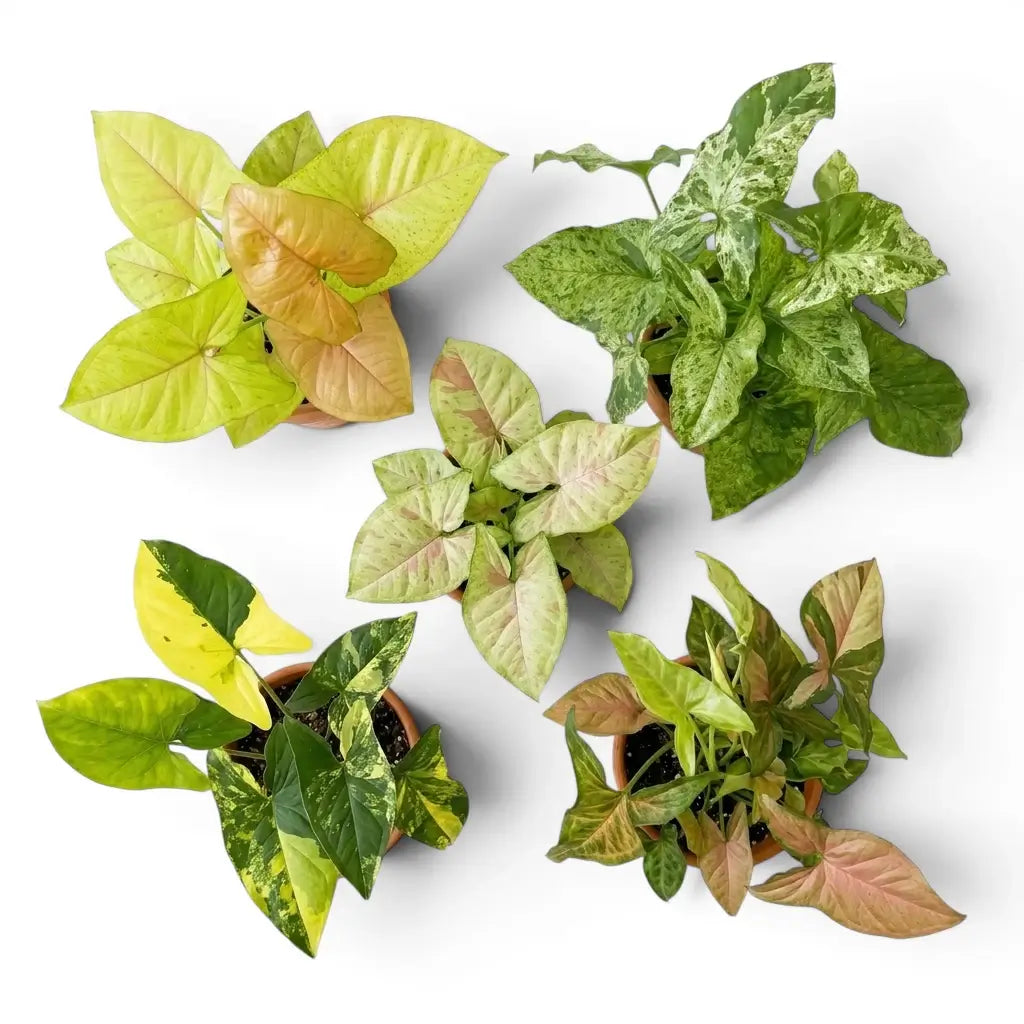
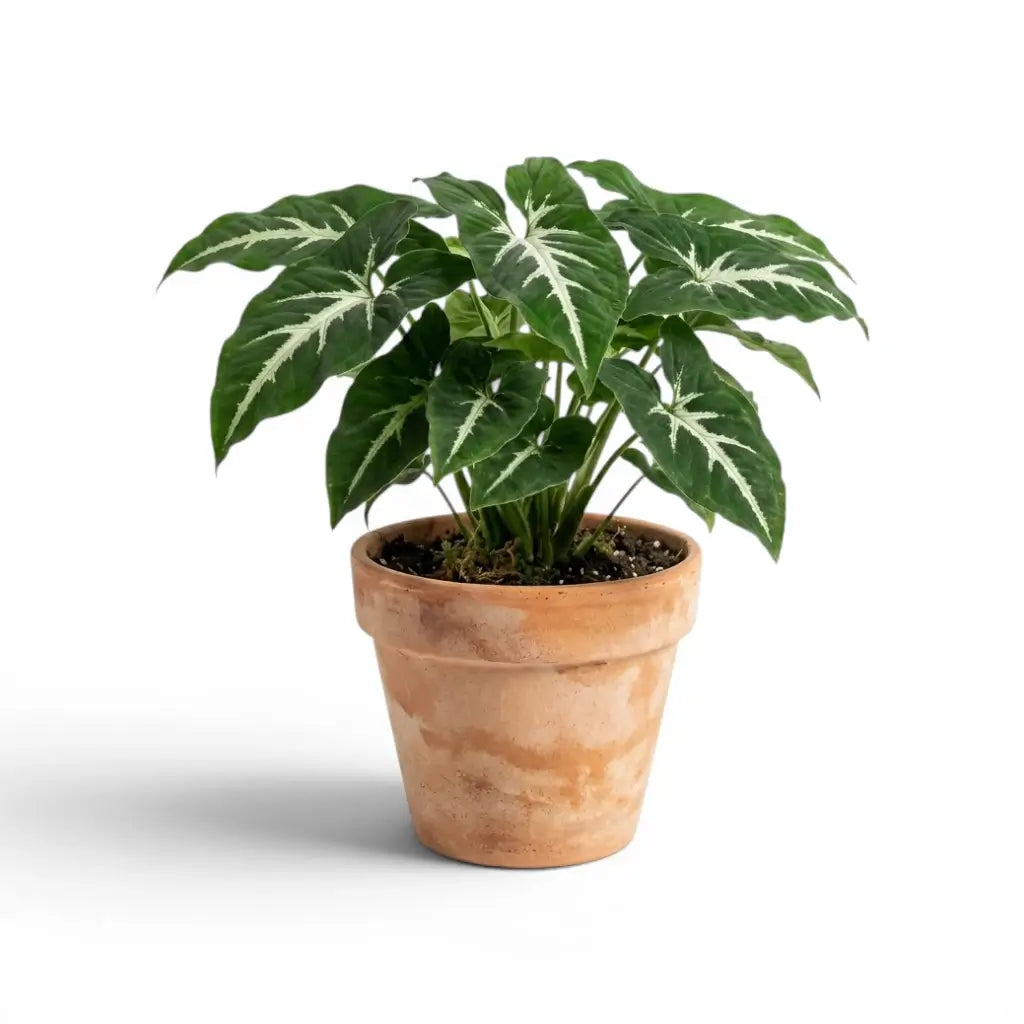
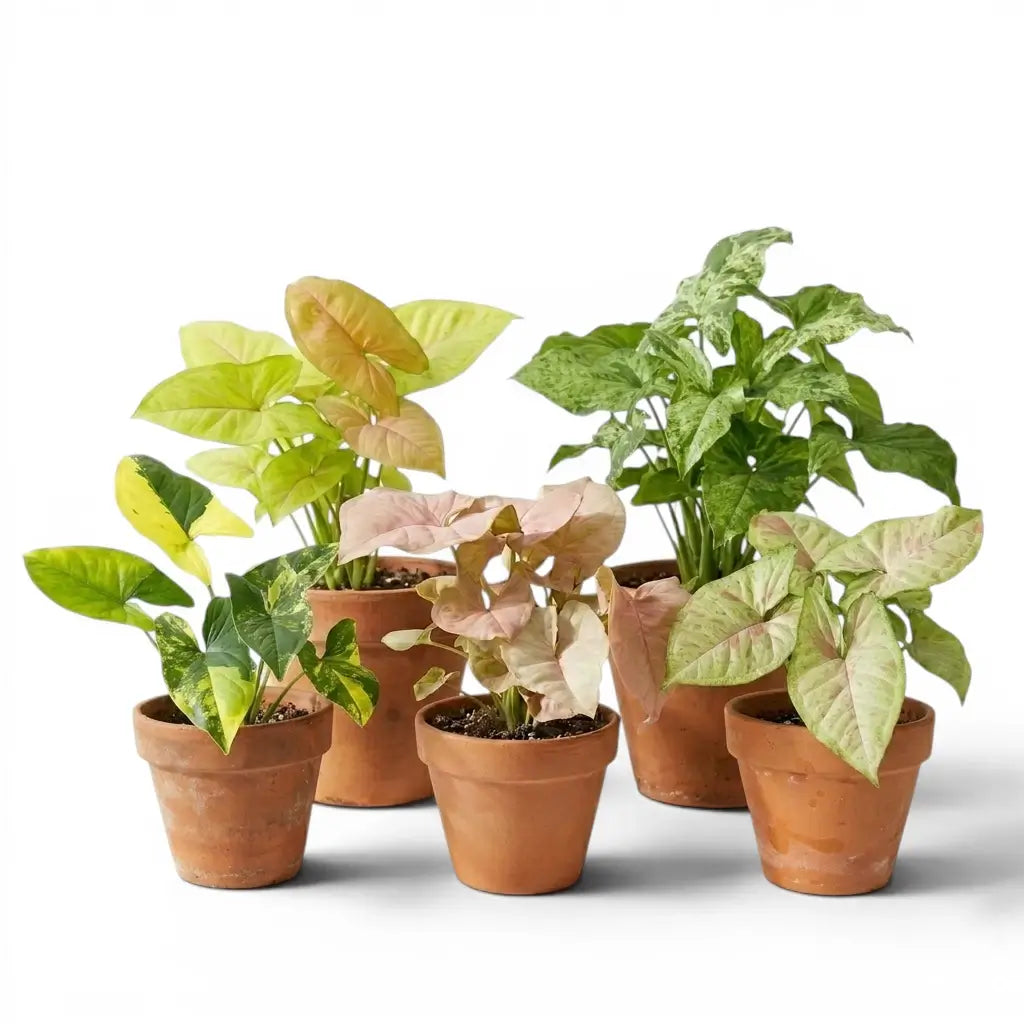
Juvenile Syngonium leaves
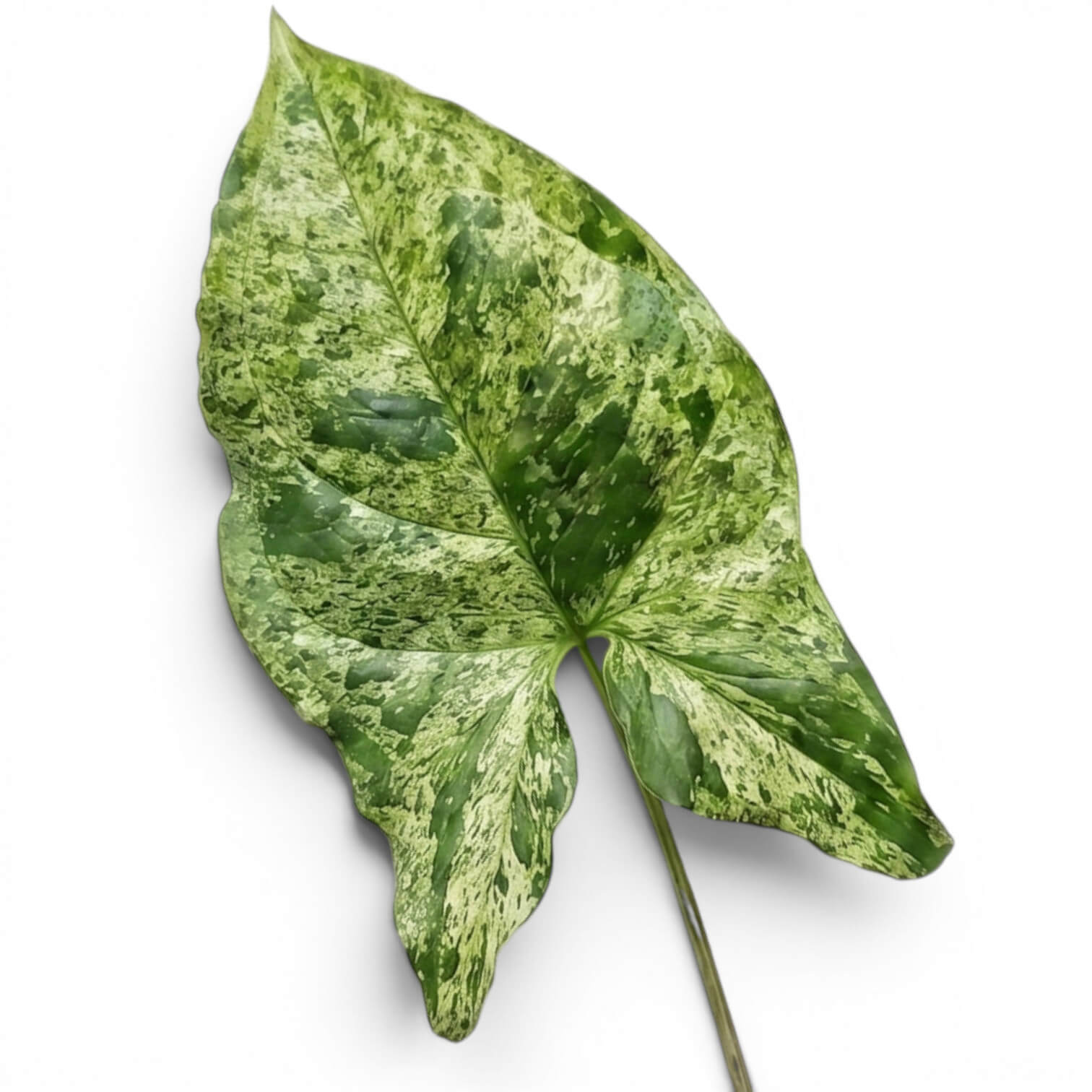
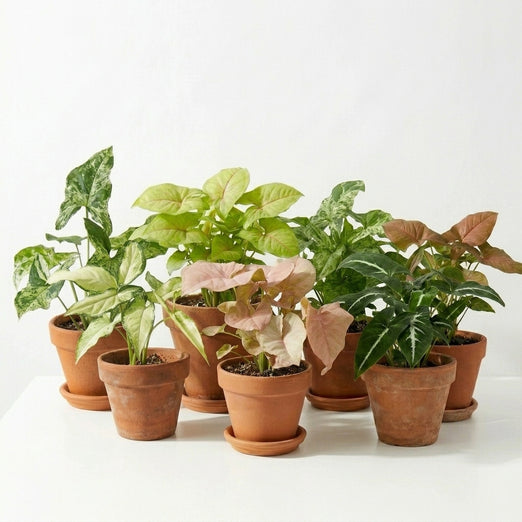
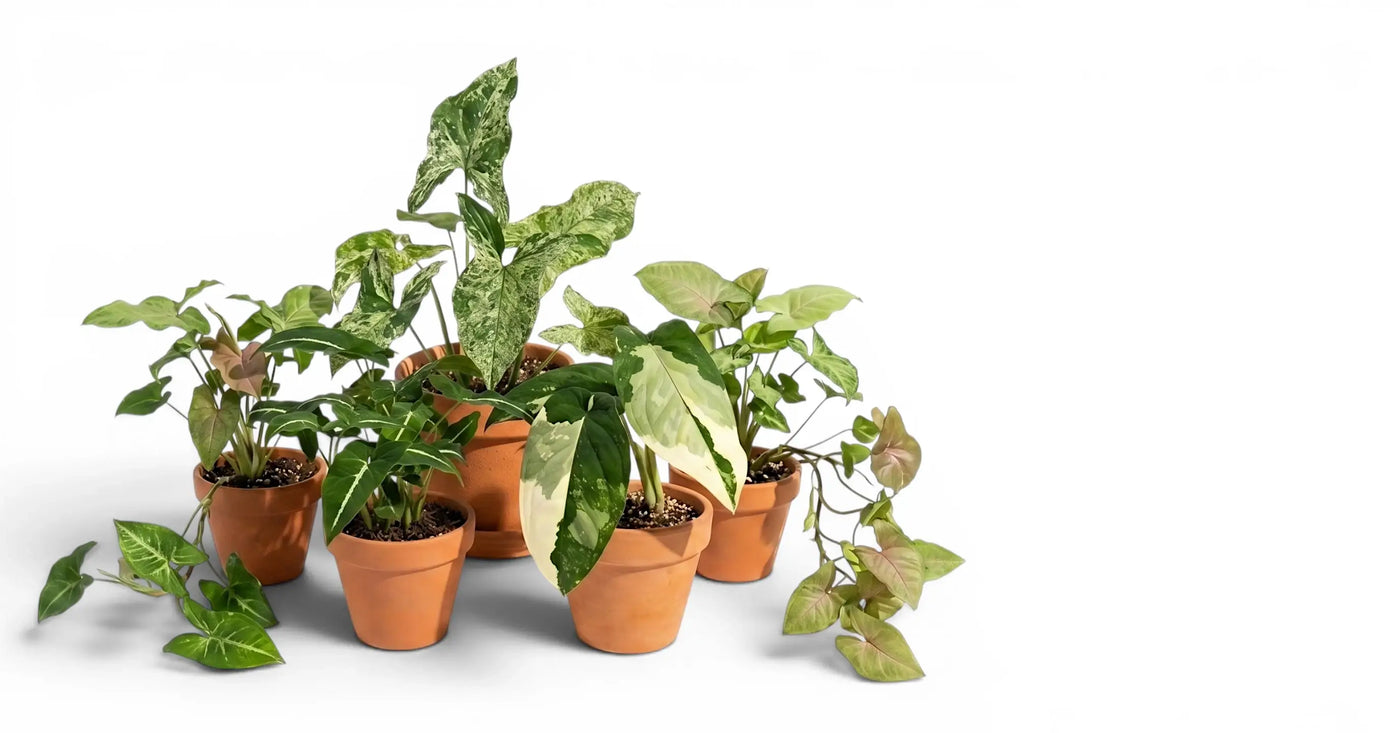
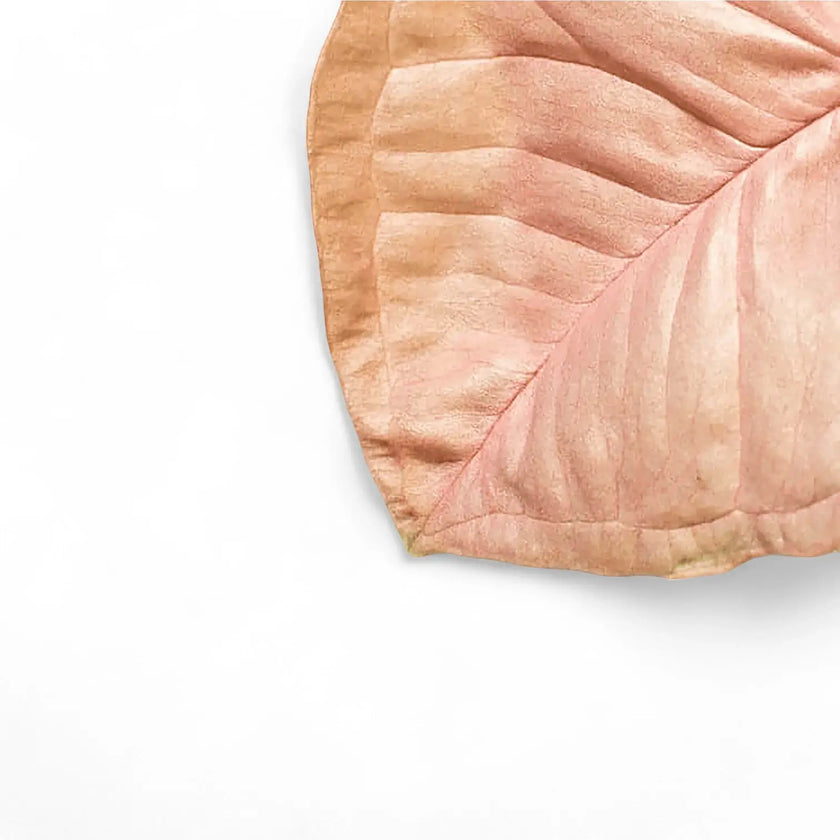
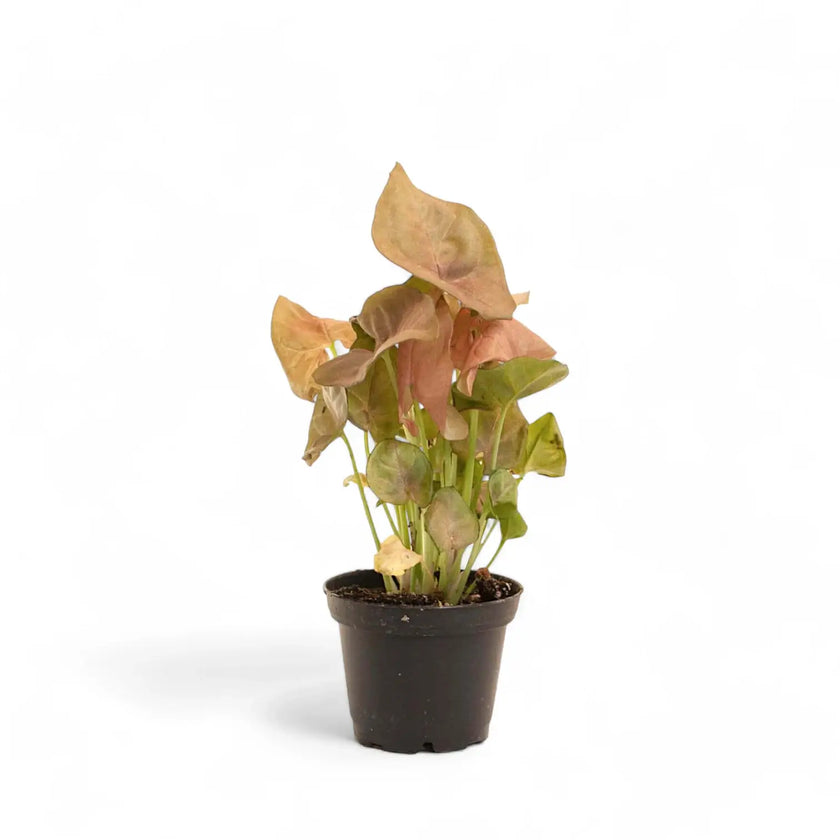
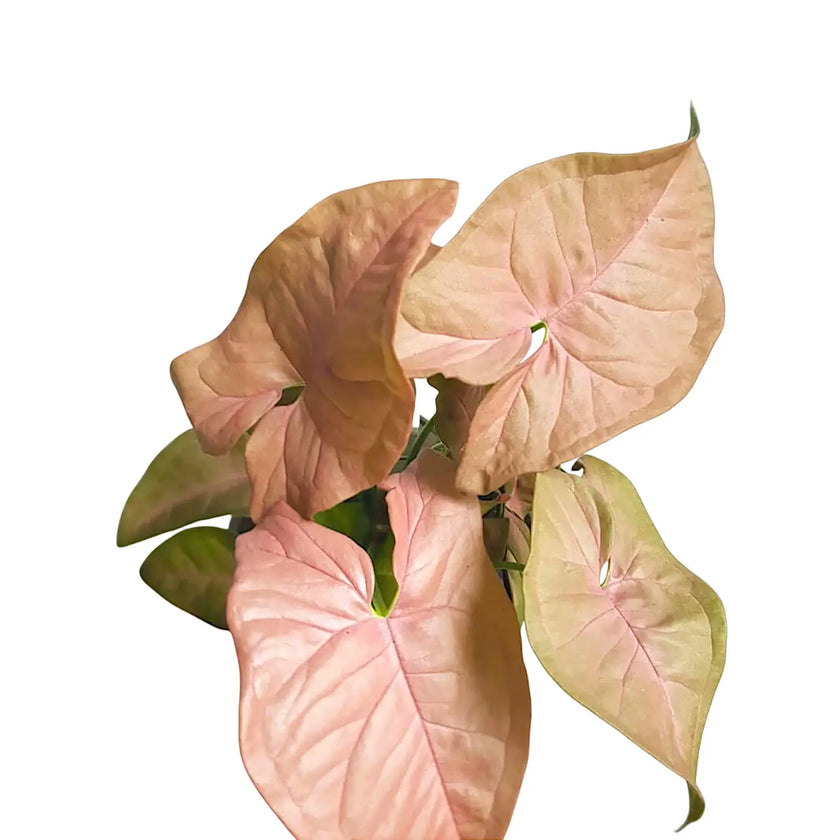
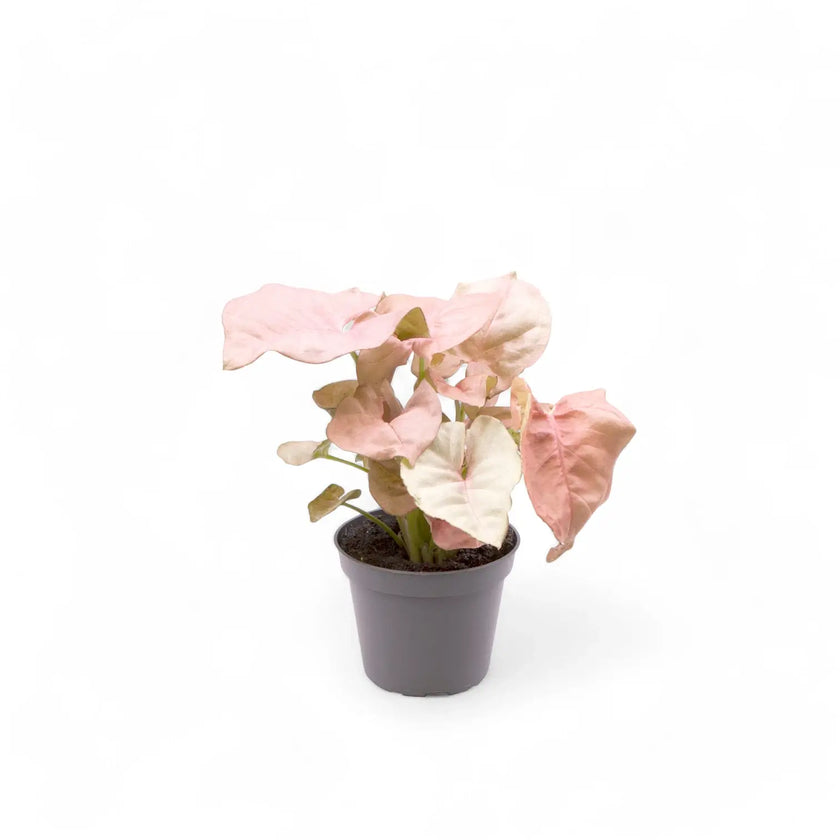
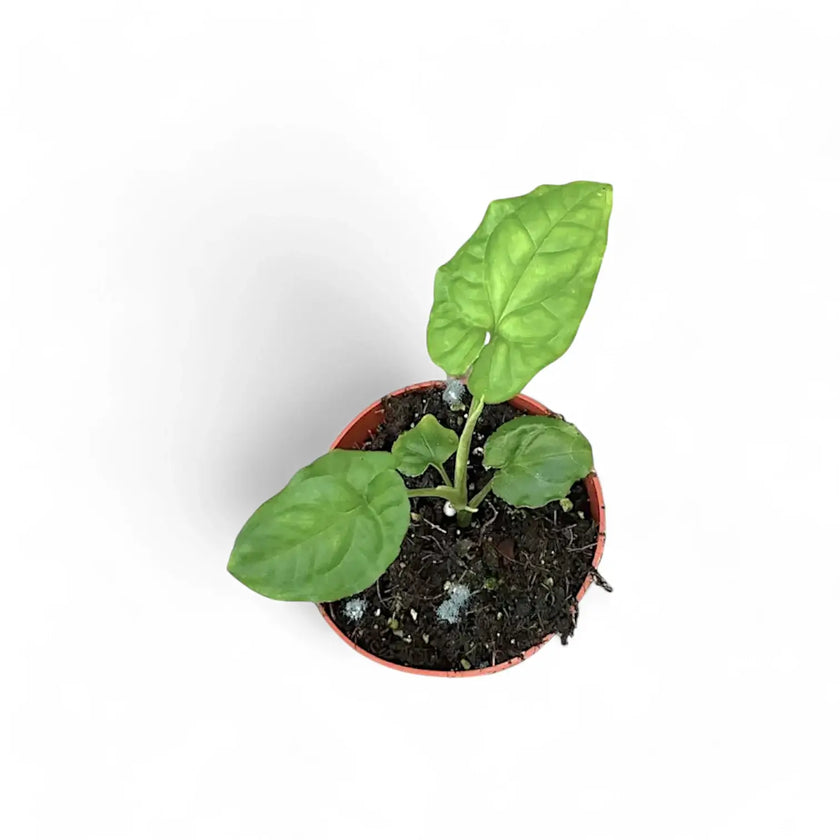
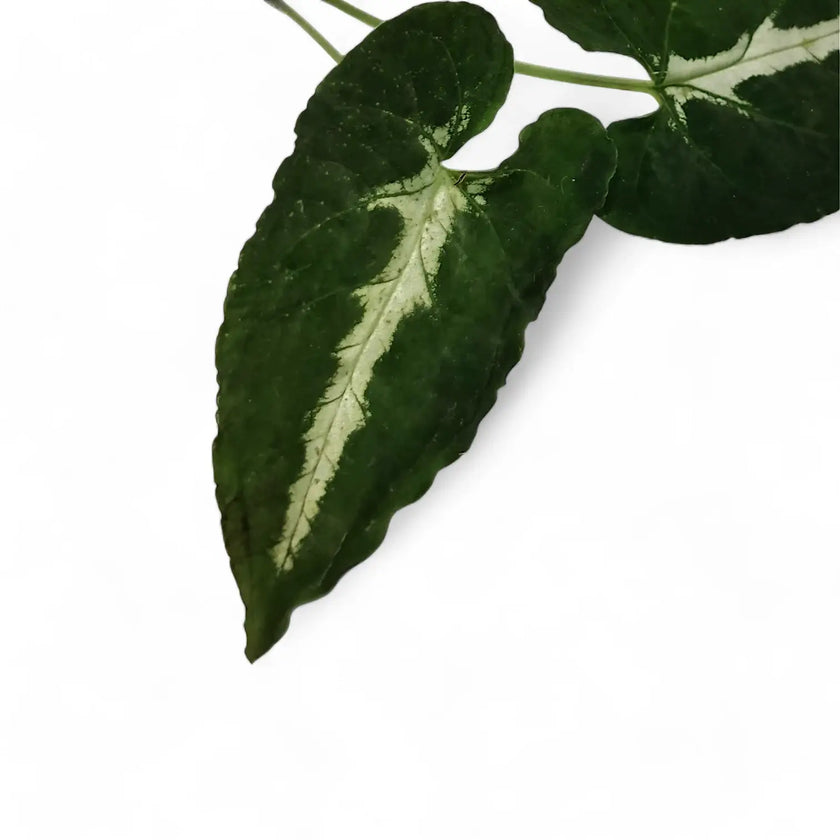
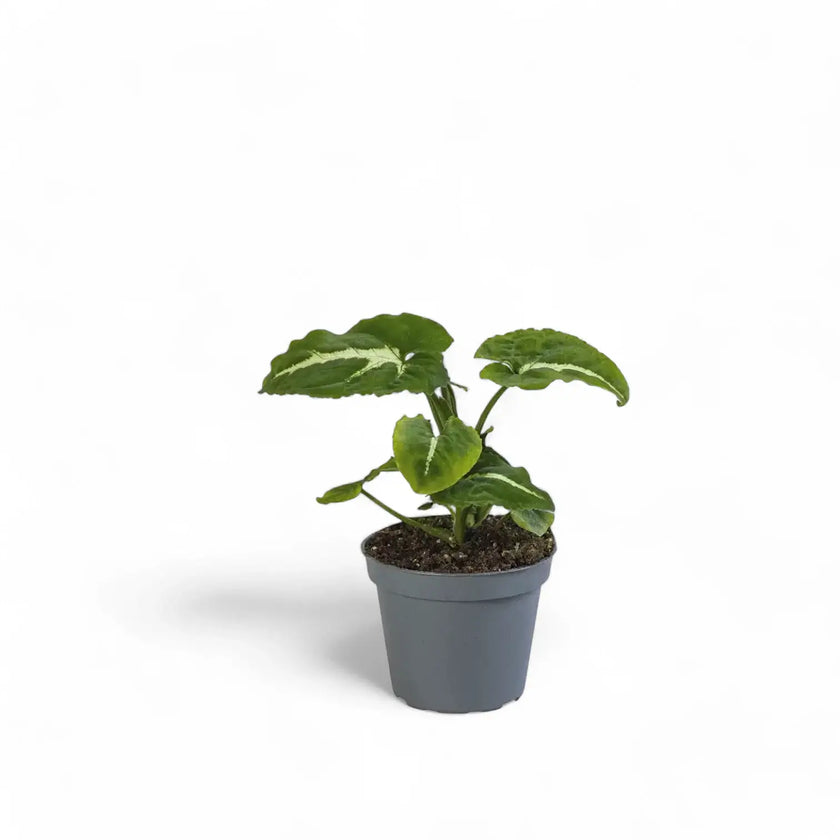
Young Syngonium usually has the classic arrowhead leaf shape. Leaves are smaller, internodes are shorter and the plant can be kept dense with pruning. This juvenile stage is the familiar arrowhead plant look.
Nodes, internodes and climbing stems
Syngonium grows from jointed stems. Nodes carry buds, roots and leaf attachments; internodes are the stem sections between them. A cutting needs a node because new roots and shoots develop from this stem tissue. As stems lengthen, those nodes also give the plant places to attach when support is available.
Hanging or unsupported stems
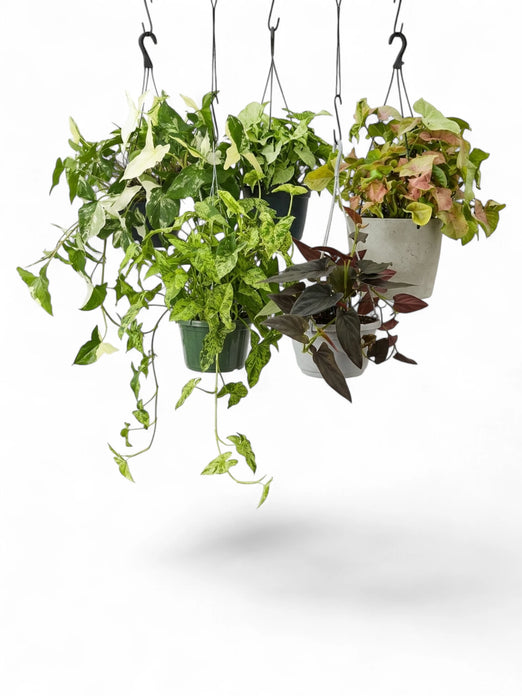
Extending stems can hang from the pot when they are left unsupported. This is a display choice within the natural climbing habit. Hanging stems stay fuller with pruning and rooted cuttings because density comes from multiple active growing points.
Support-grown Syngonium
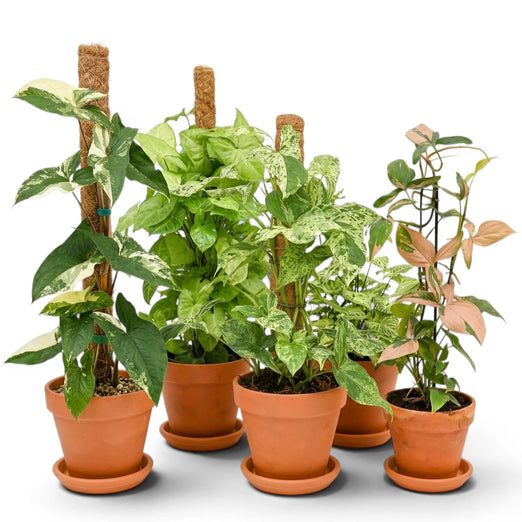
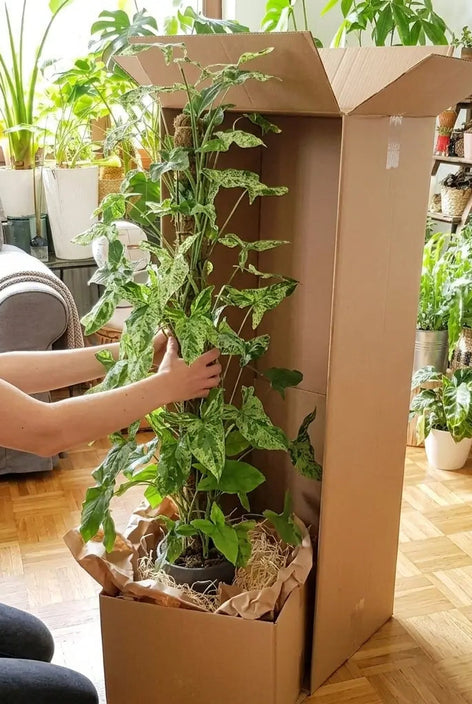
When stems are guided upward on textured support, some Syngonium can produce stronger, larger or more mature-looking foliage over time. Support gives aerial roots a surface to follow and keeps growth vertical, especially in species-led plants and vigorous forms.
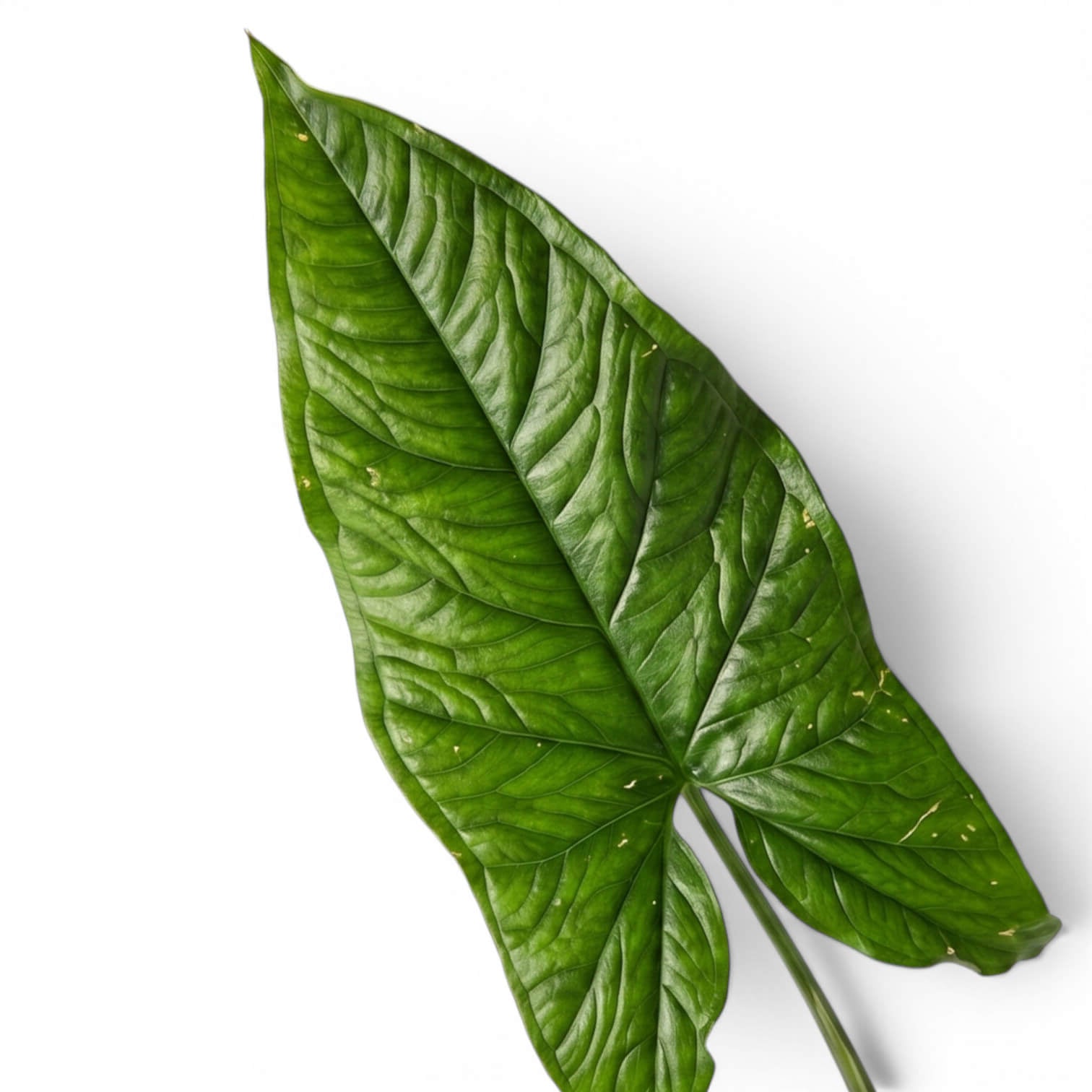
Mature Syngonium leaves
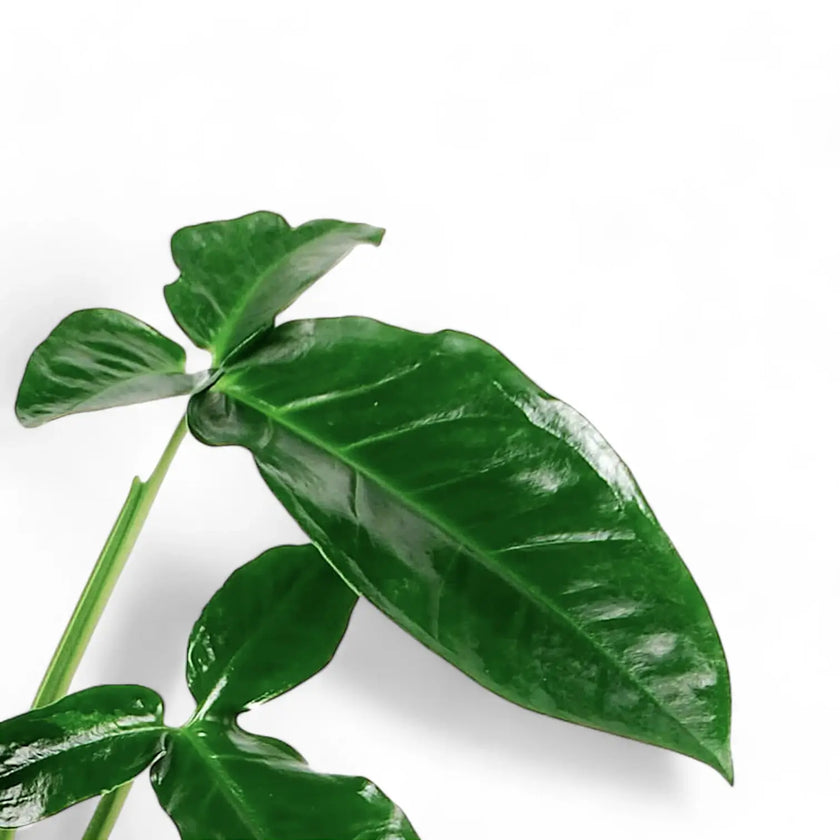
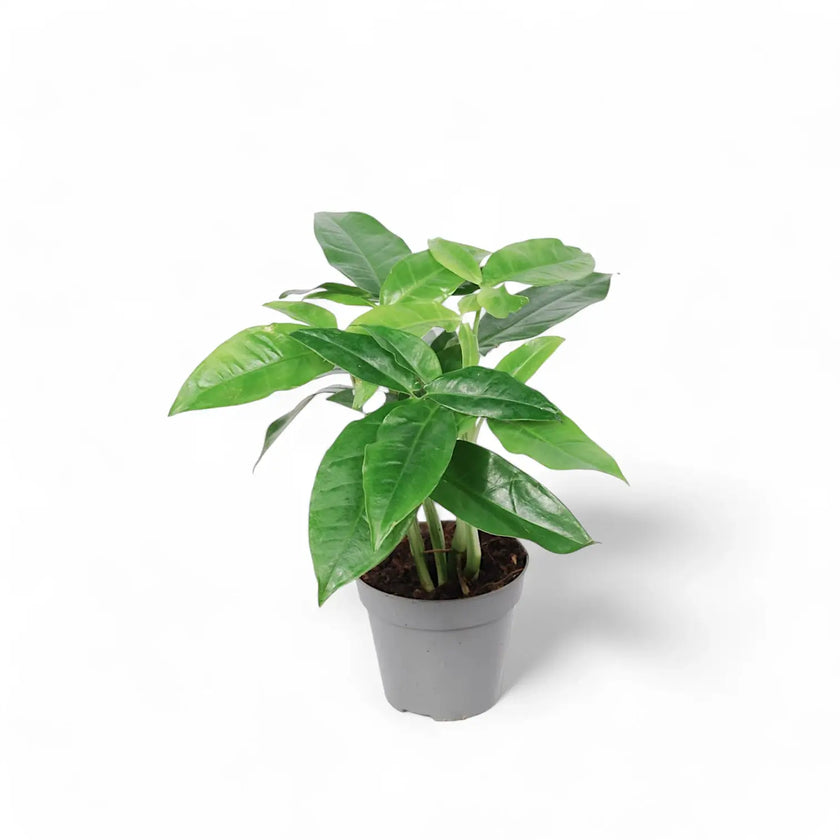
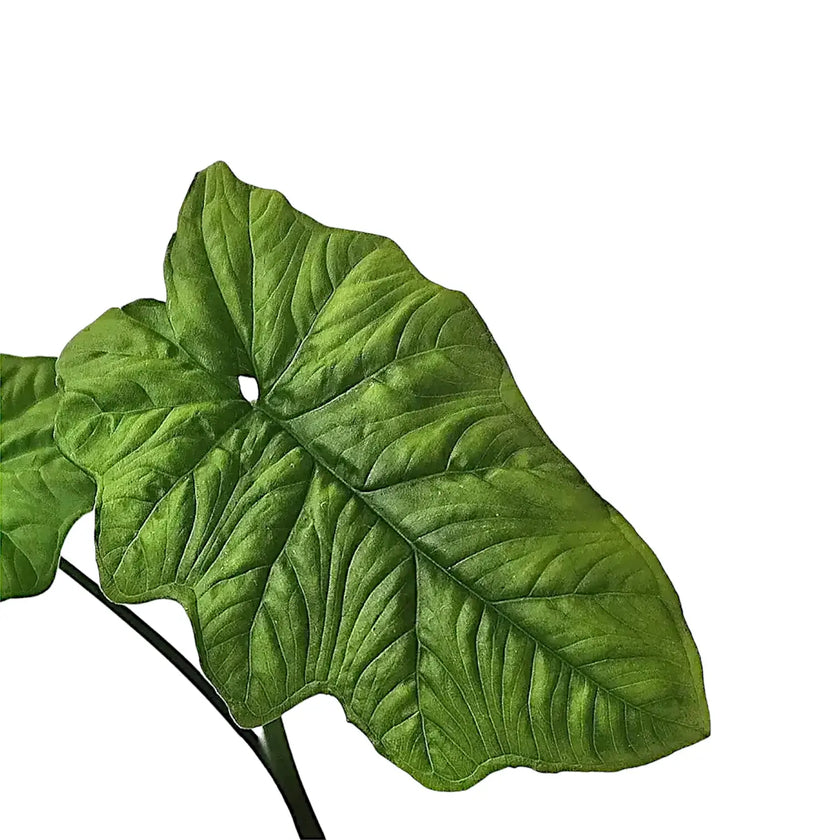
Some Syngonium forms move beyond simple juvenile arrowhead leaves as they age. Leaves may become larger, more lobed or more divided, depending on species, cultivar, support, warmth, light, root health and time. This leaf-shape shift is heteroblastic growth: the plant can produce different leaf forms at different stages of development.
For indoor growing, the main decision is training. The same climbing plant can be pruned into a fuller pot, allowed to hang, or grown upward for a more structural plant.