
Skip to content

Cart

Your cart is empty.

Syngonium (Arrowhead Vines)

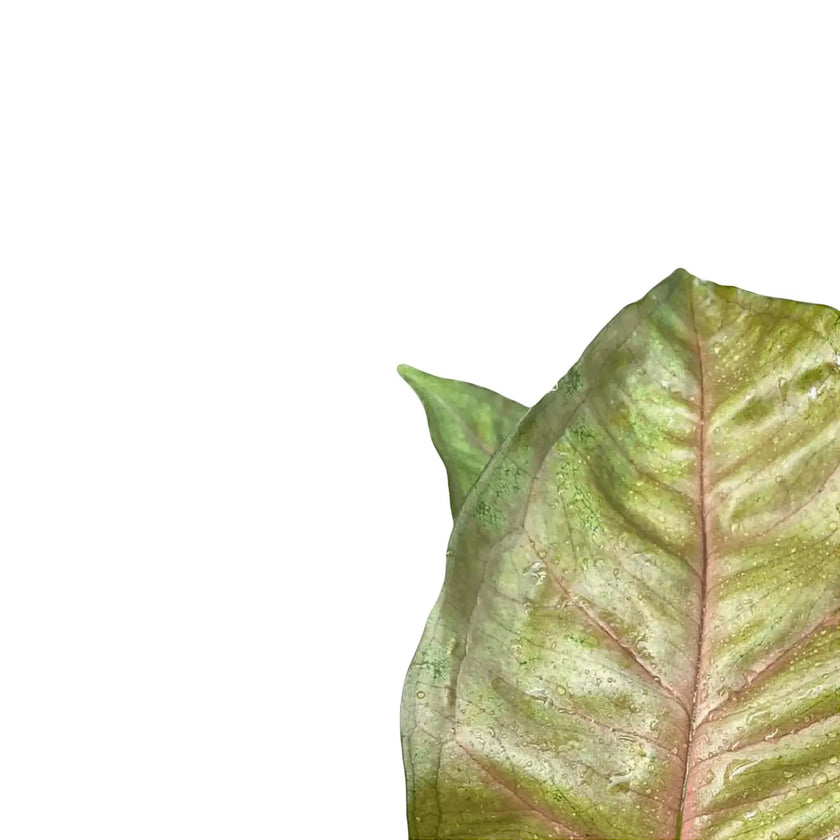
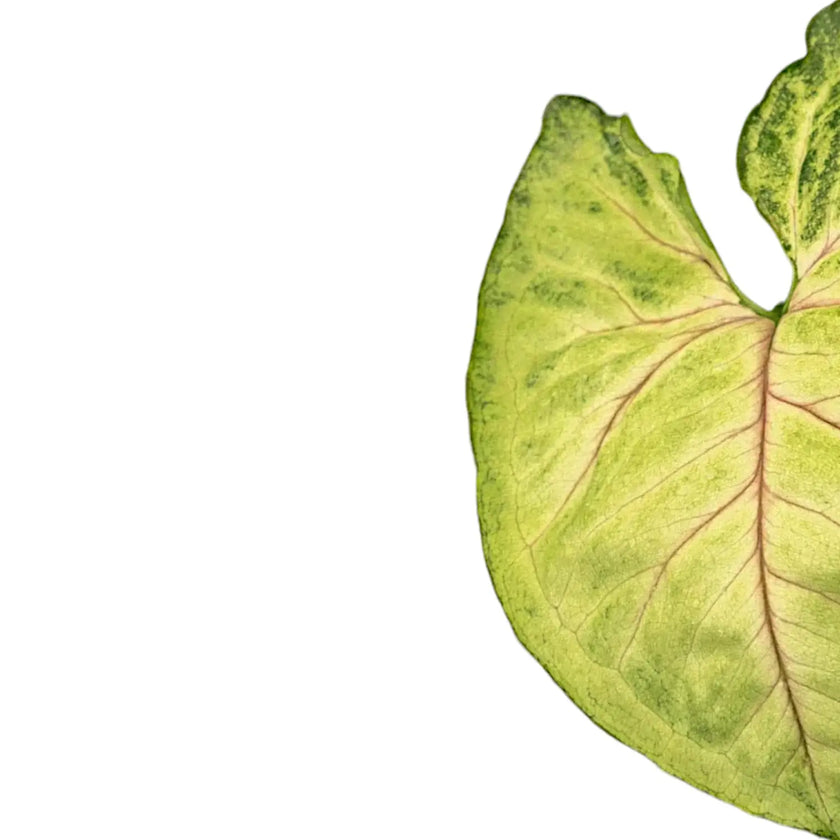
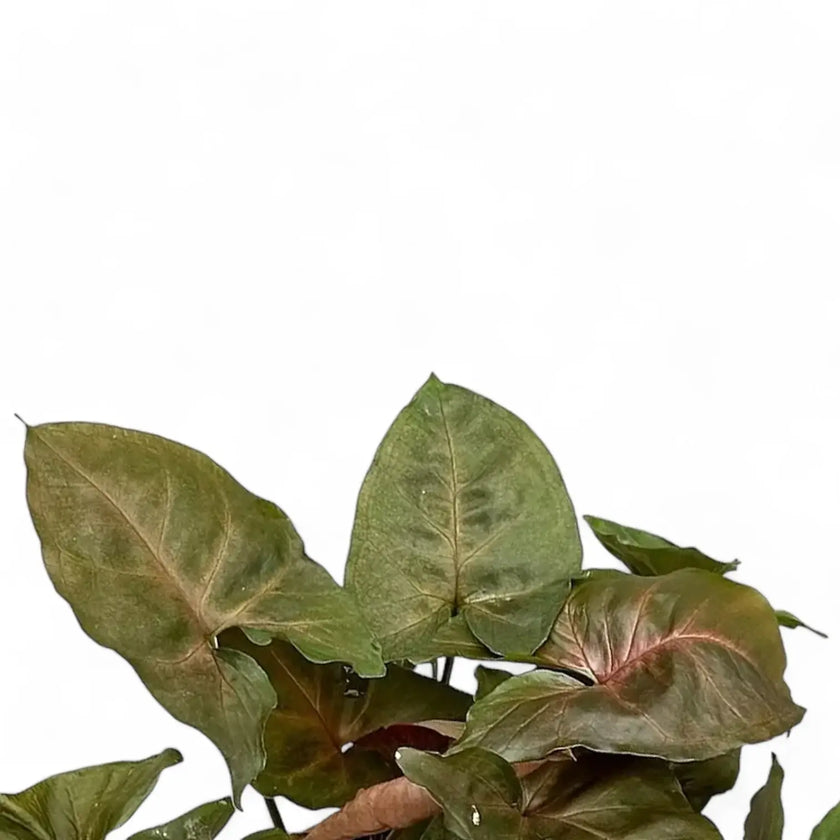
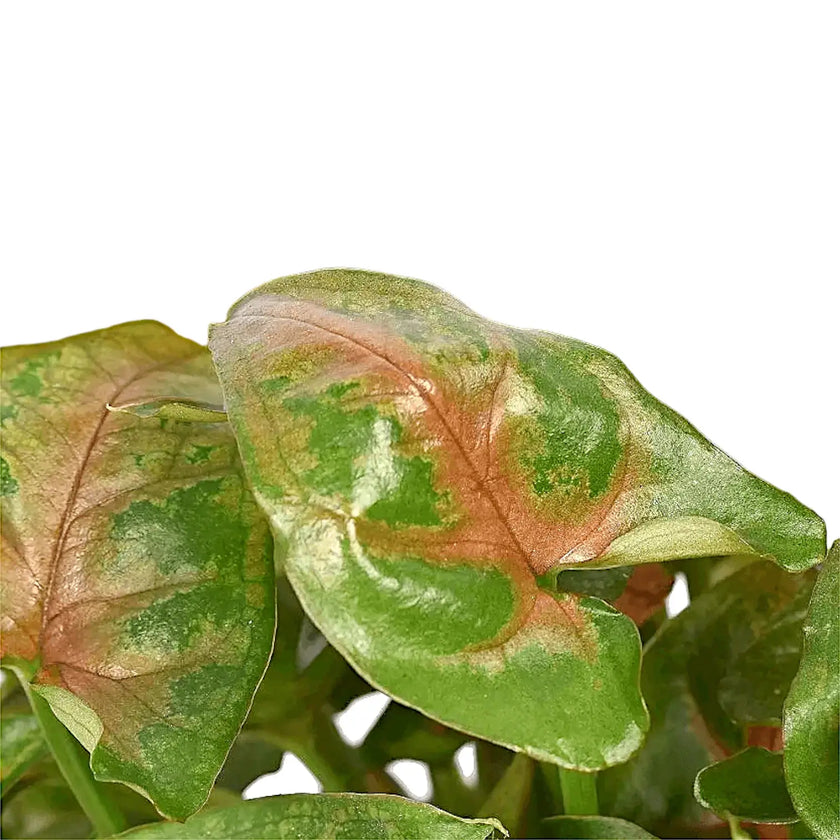
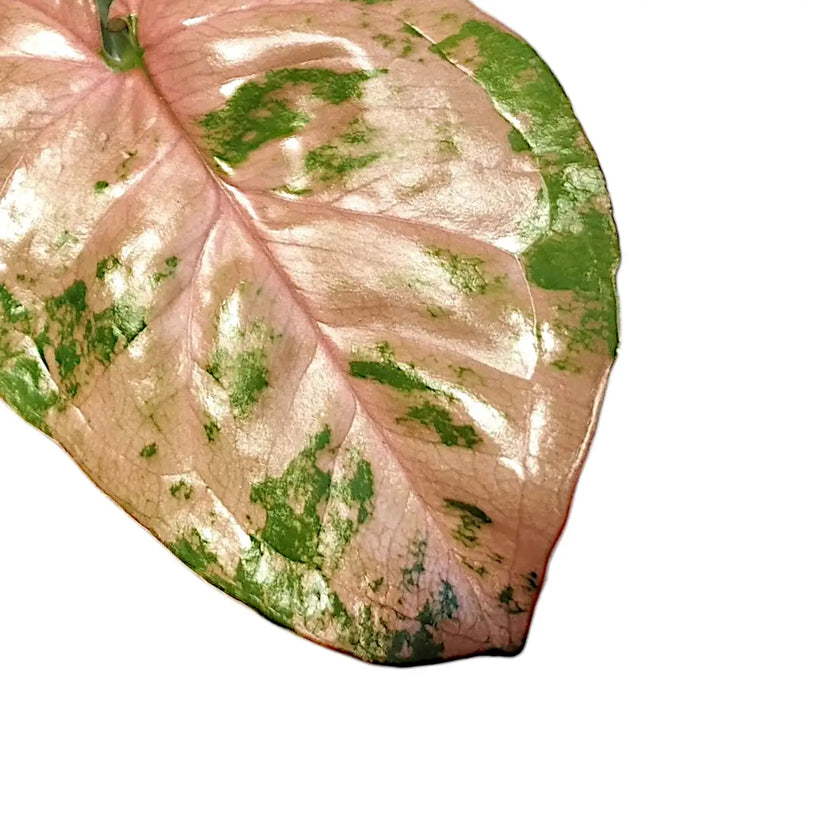
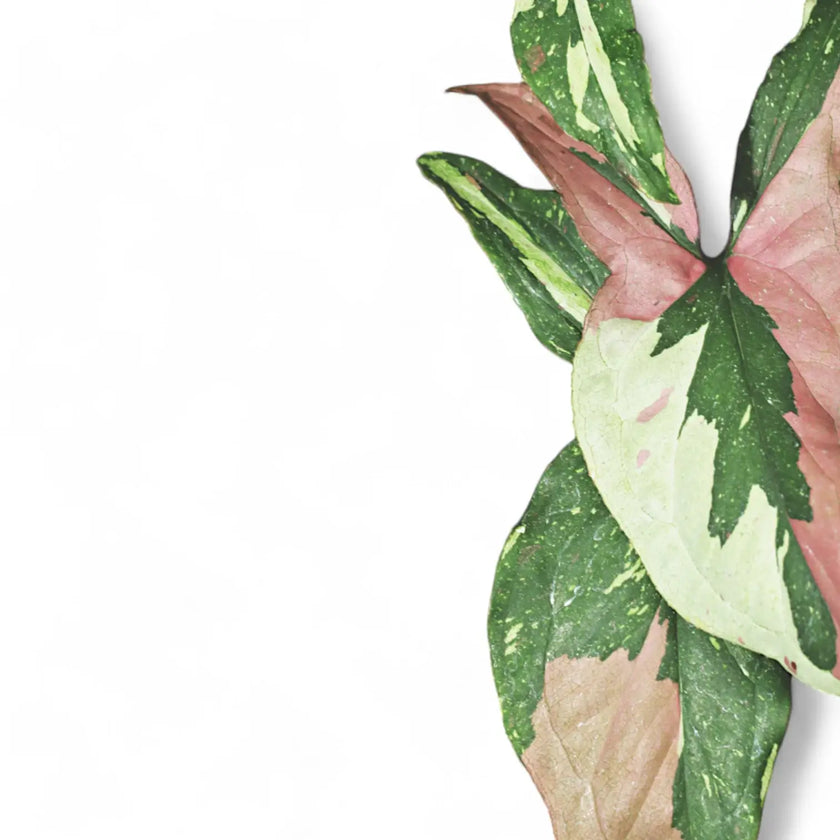
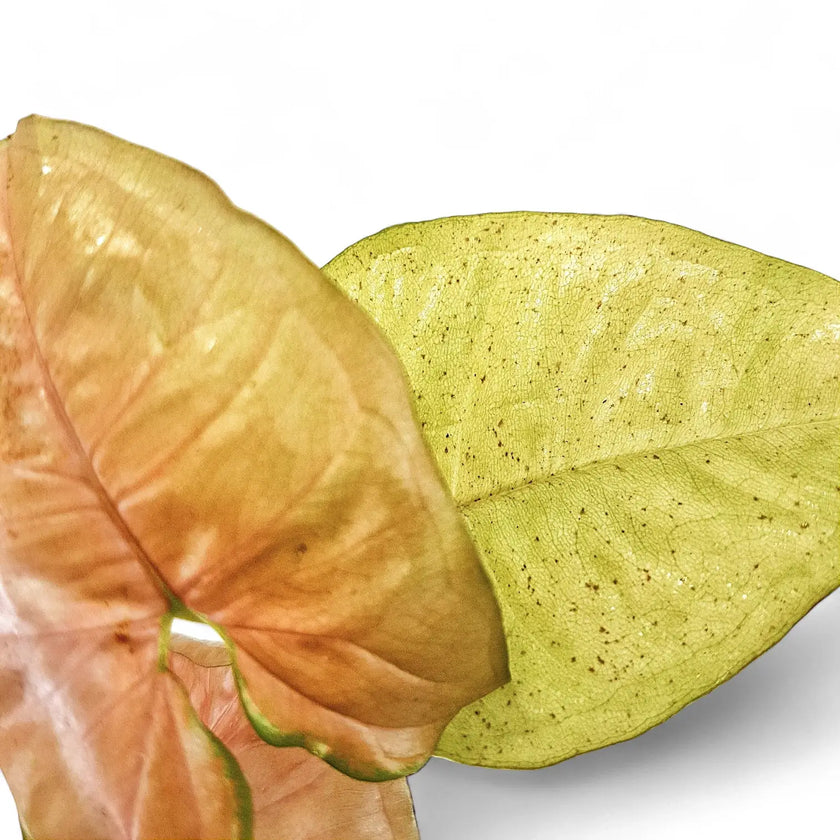
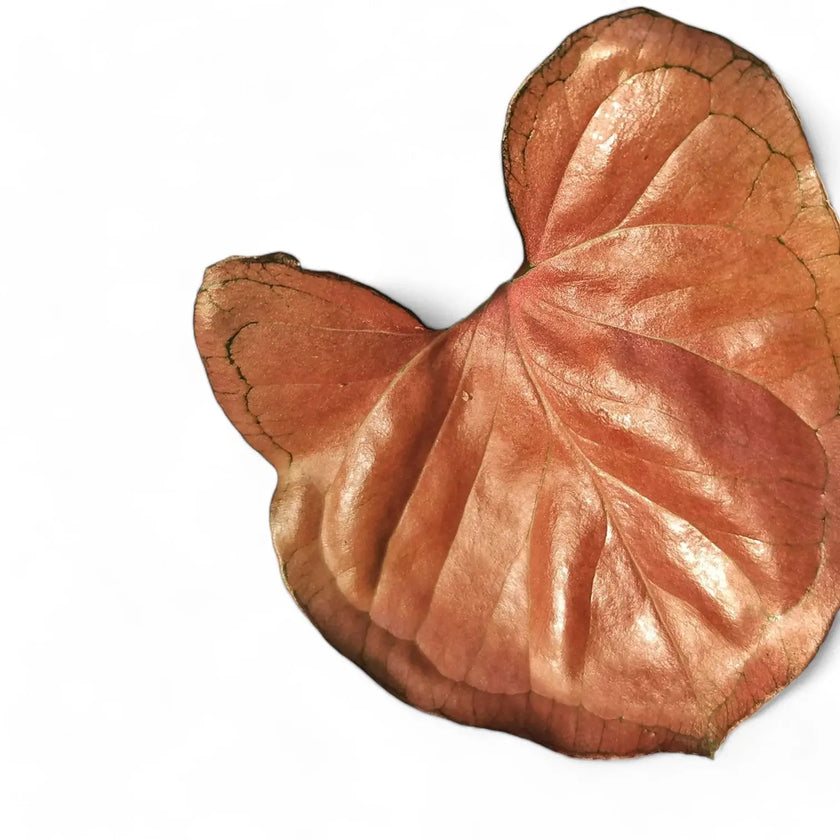
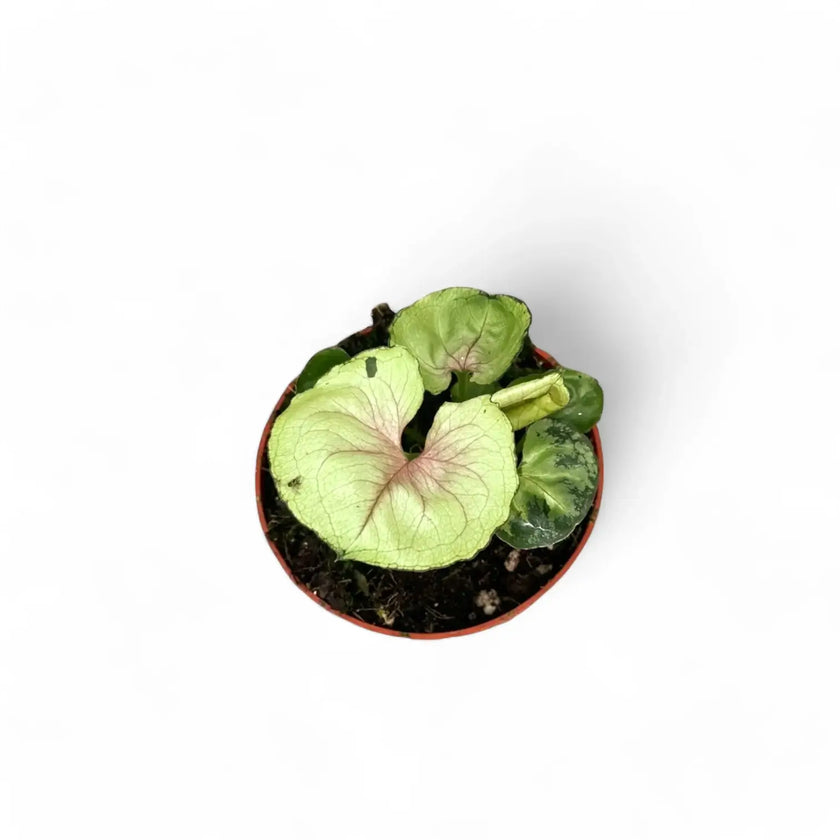
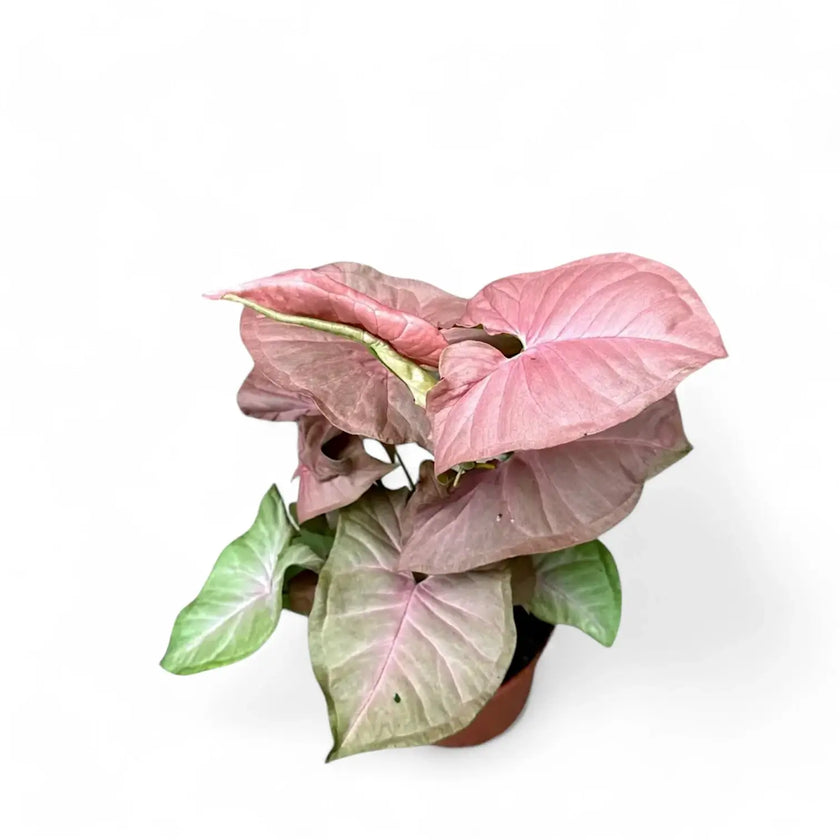
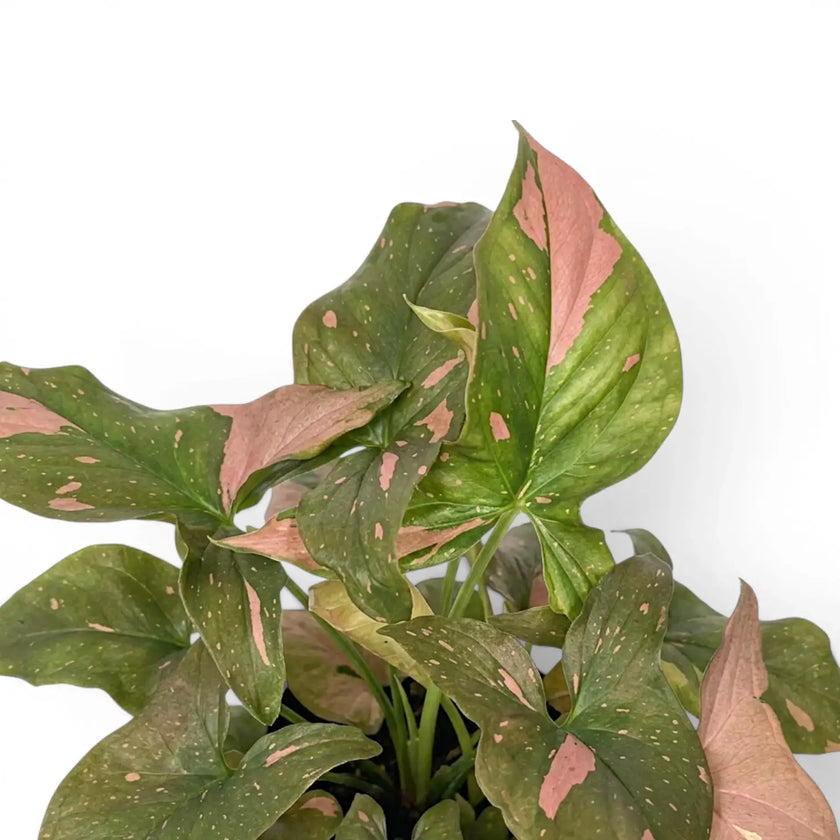
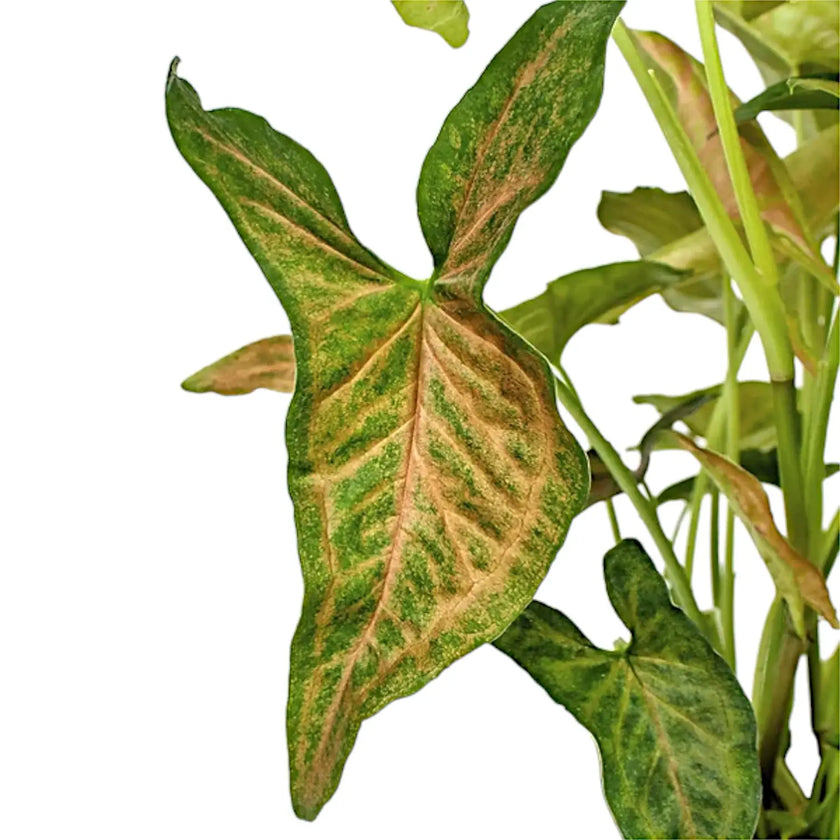
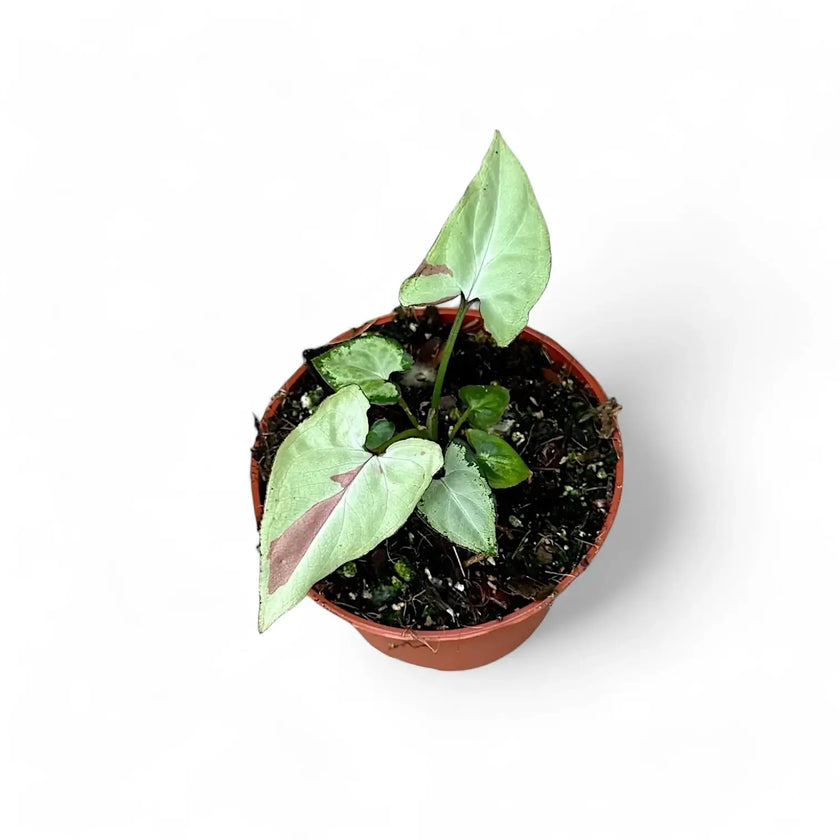
Pink and green leaf of Syngonium 'Red Spot' on a white background

Substrate help

Aroid roots need structure, not dense compost

Choose airy ingredients and ready-to-mix substrate starters for Monstera, Philodendron, Anthurium and related indoor aroids.

Sort by:

Filters

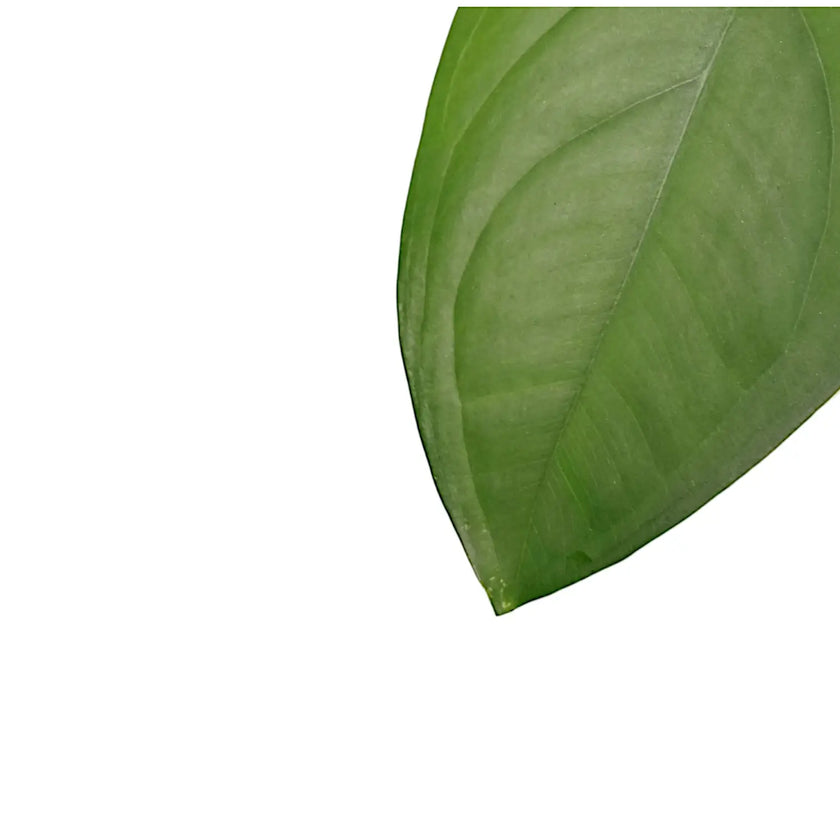
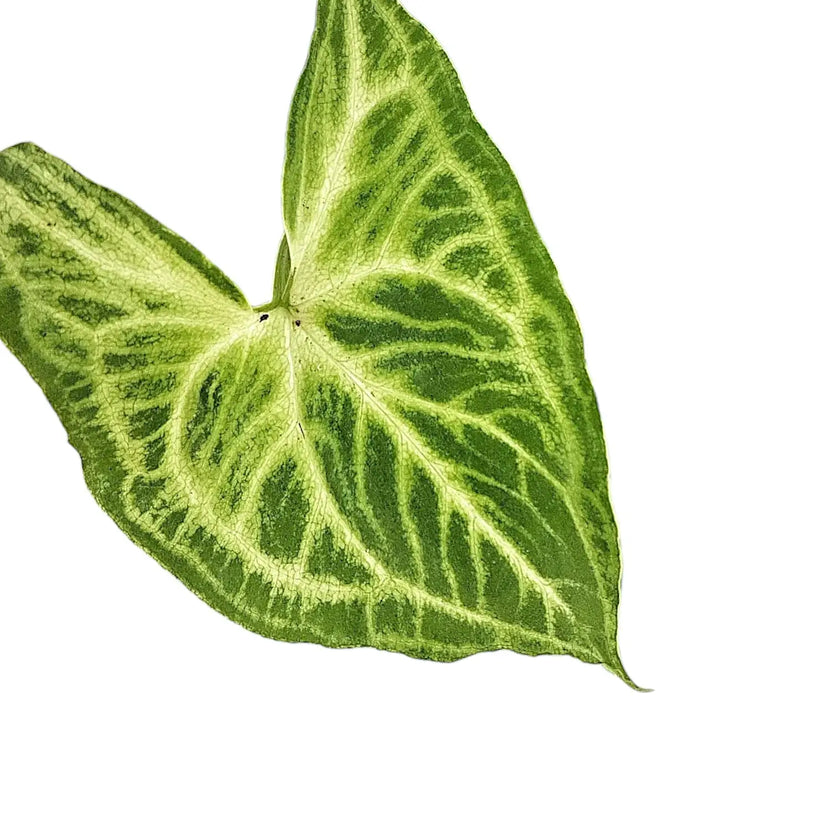
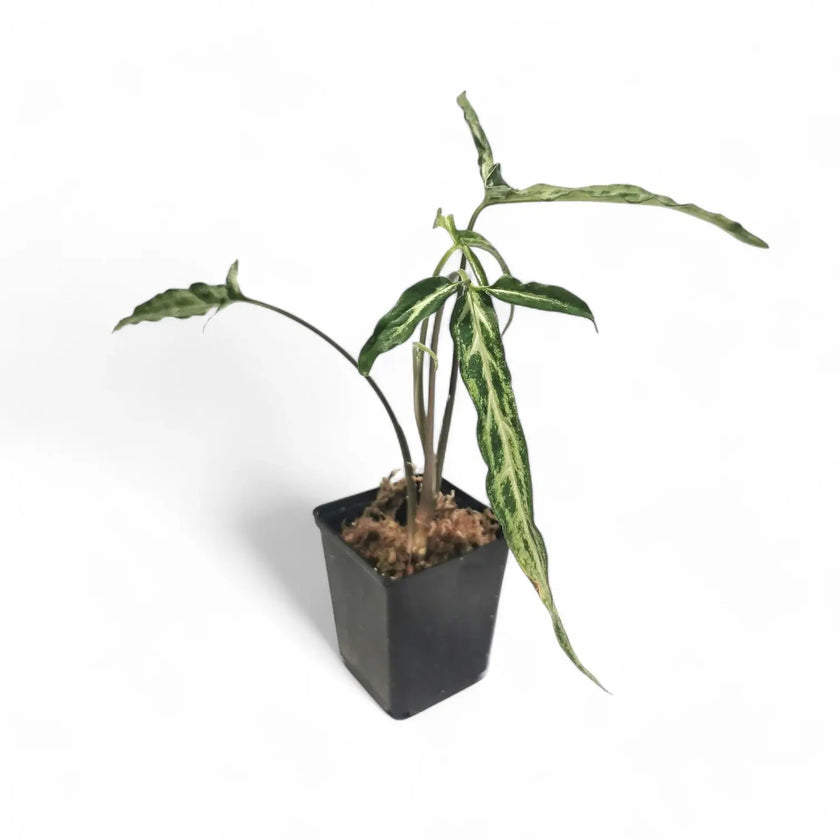
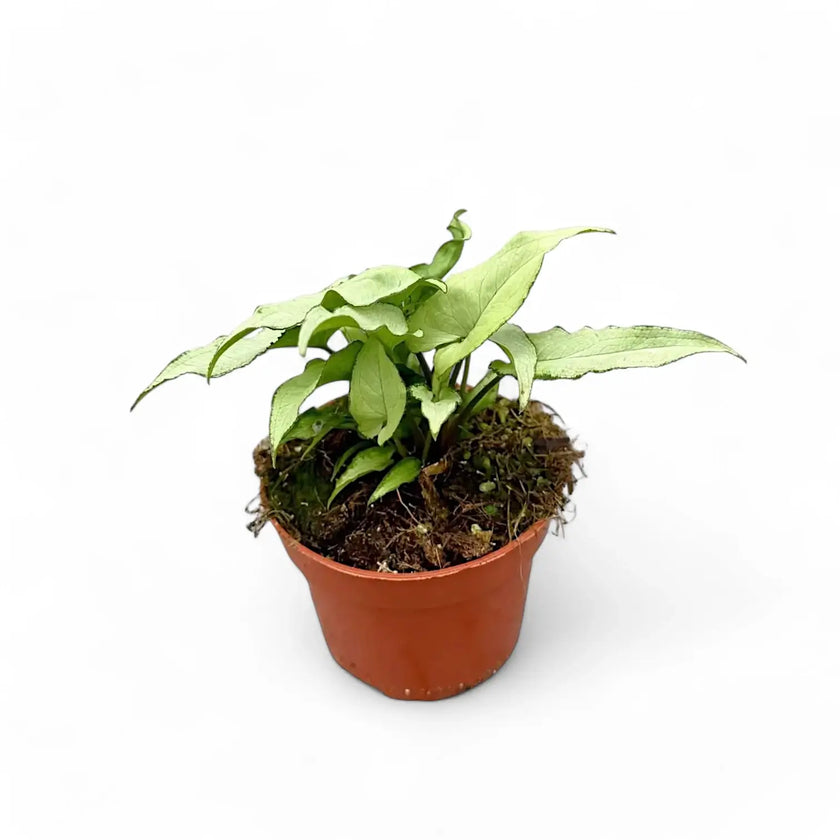
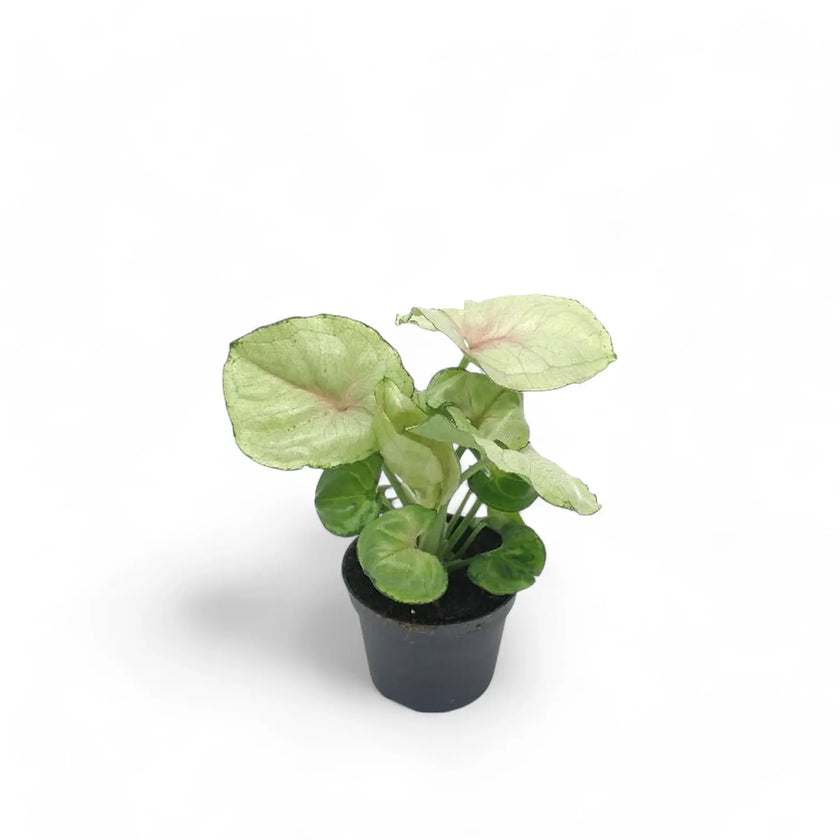
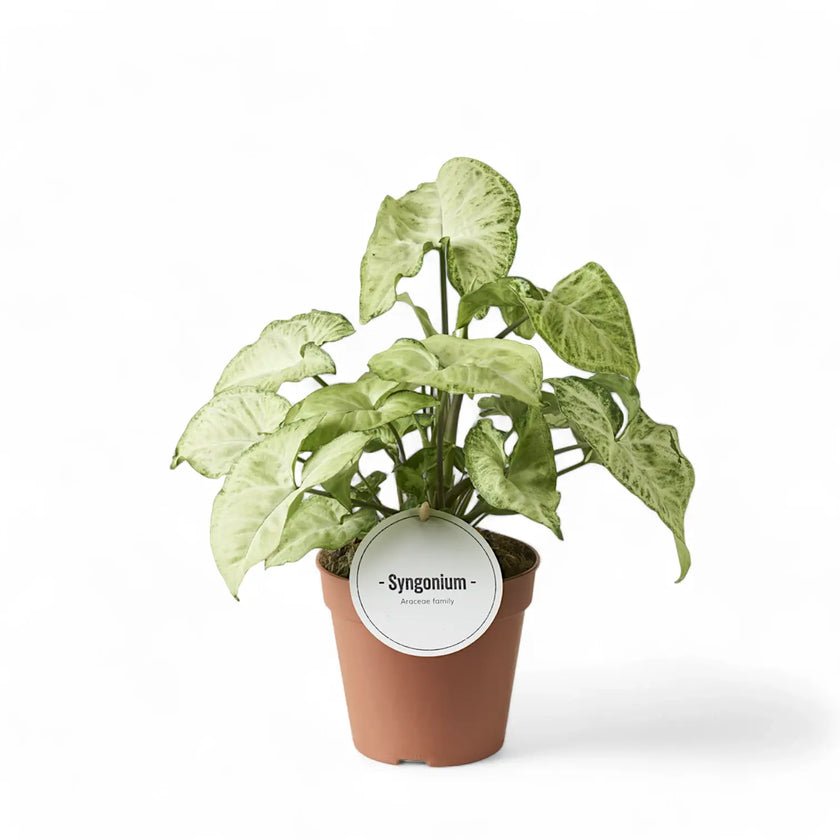
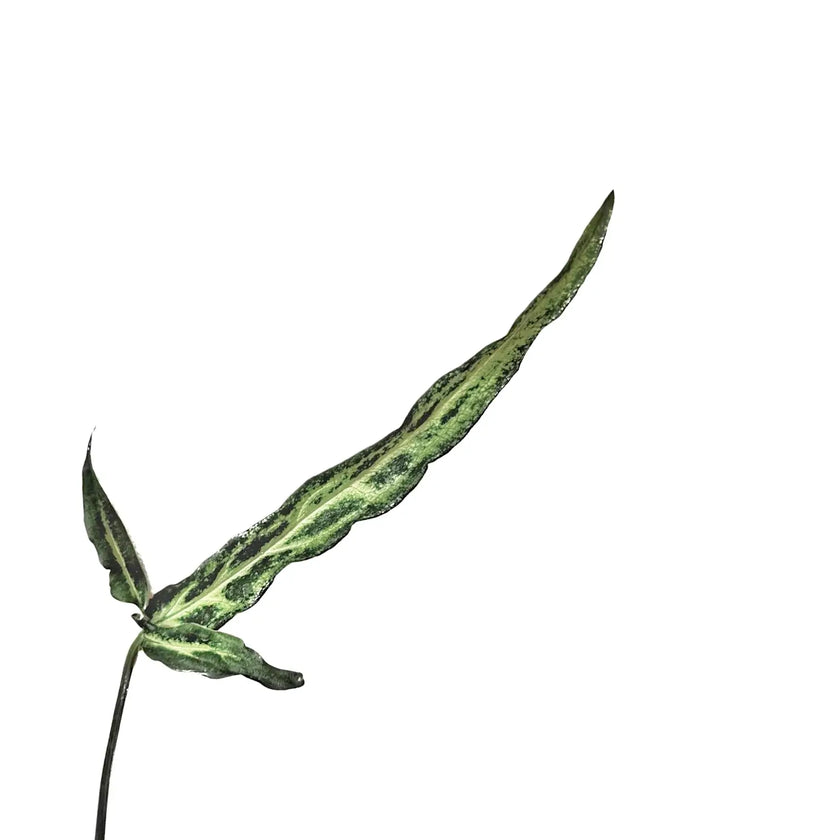
Syngonium angustatum 'Little star' leaf detail on white background.
Syngonium angustatum 'Ribbon' close-up of leaf on white background.
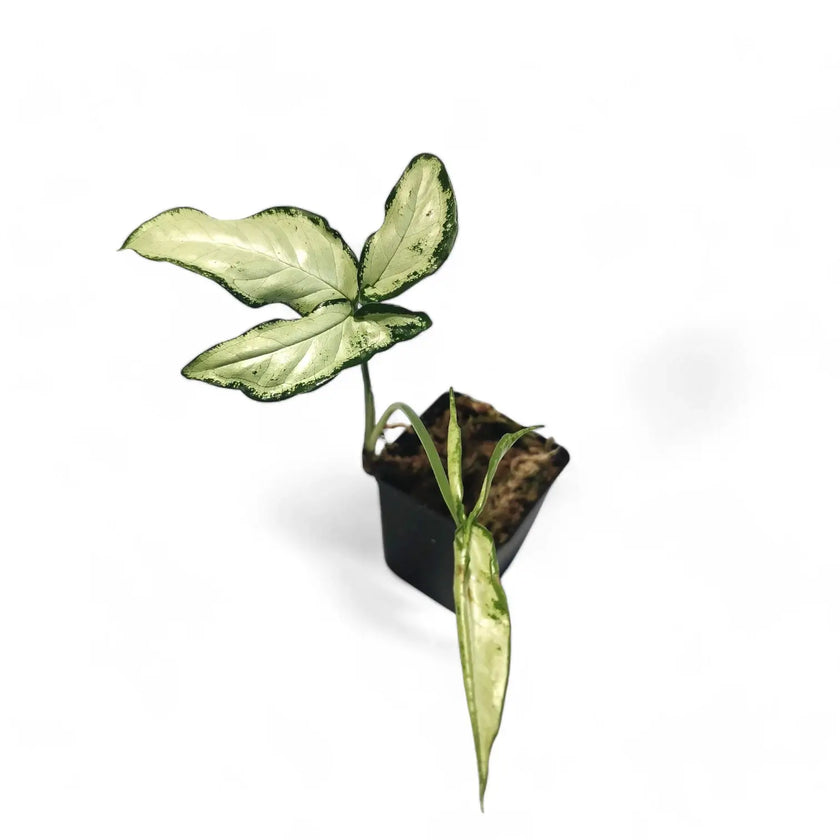
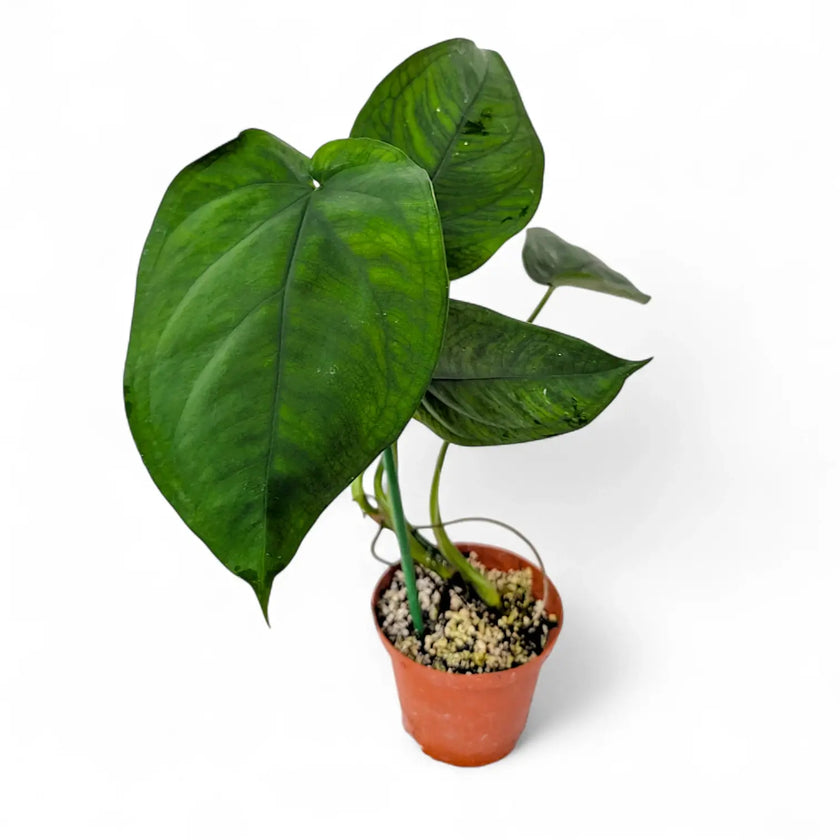
Syngonium chiapense close-up of leaf on white background.
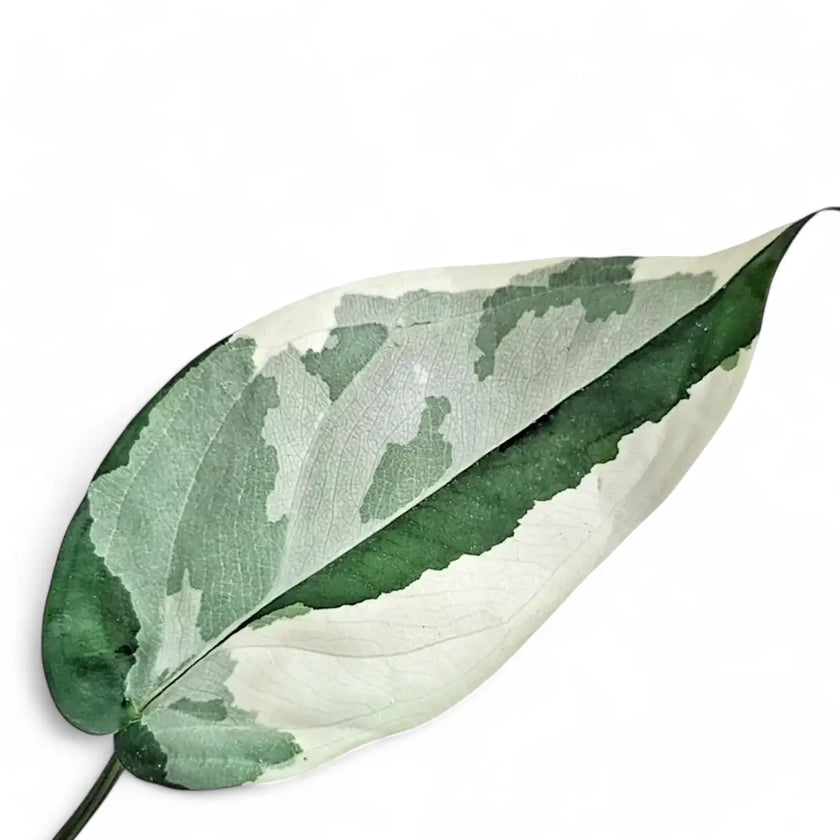
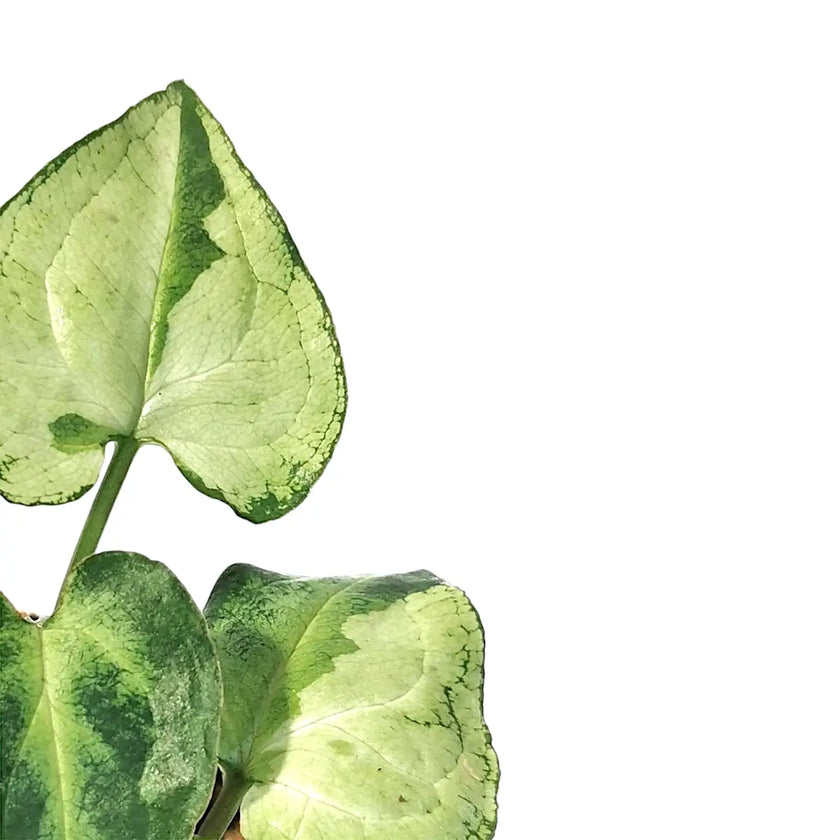
Syngonium chiapense variegata close-up of leaf on white background.
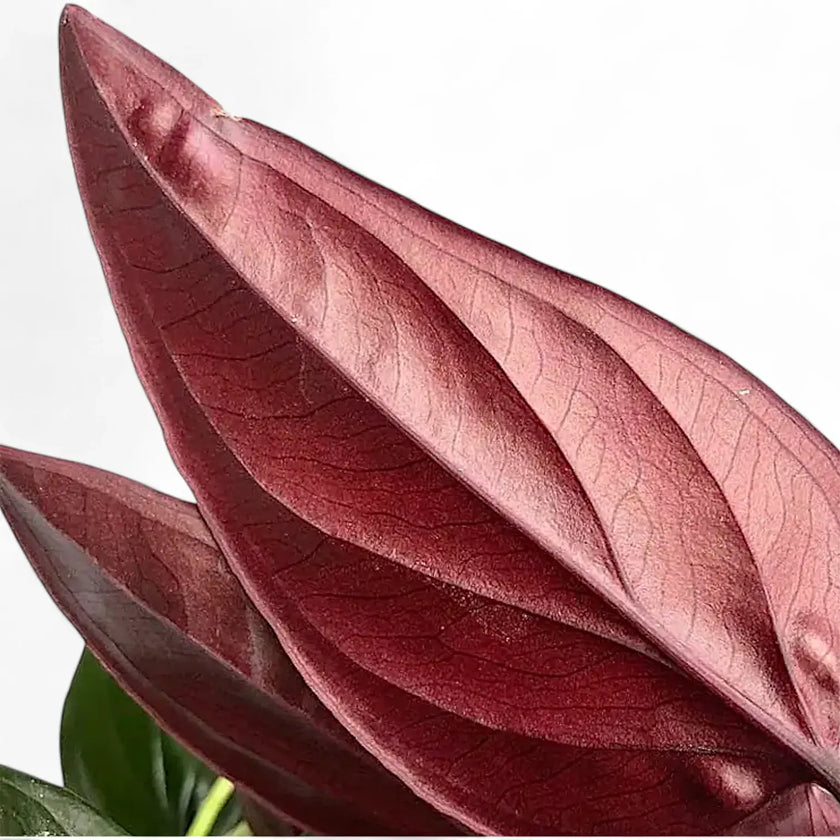
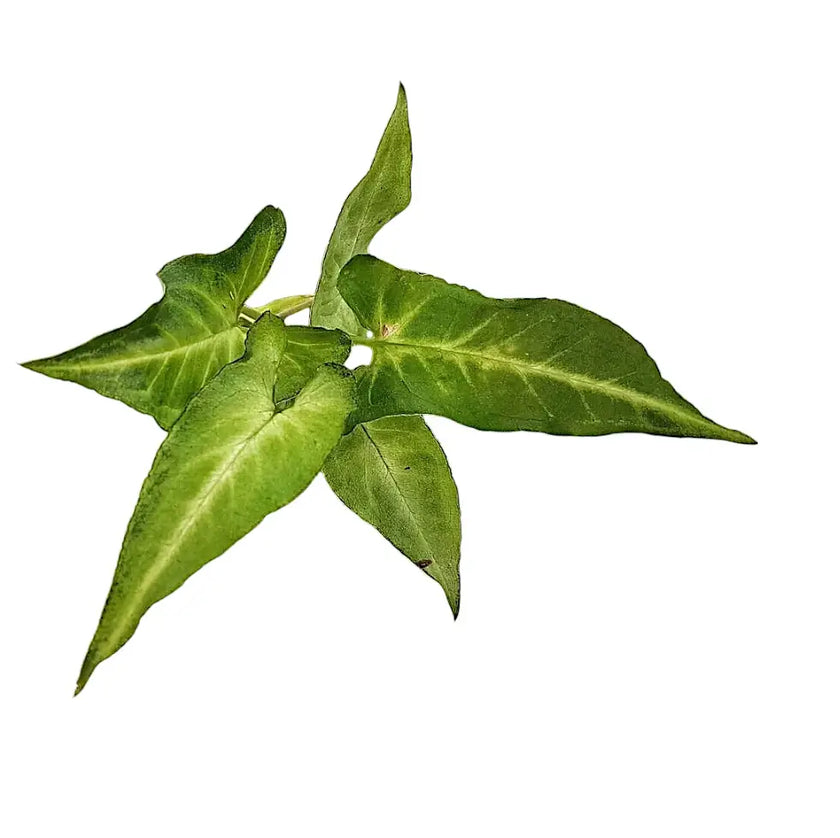
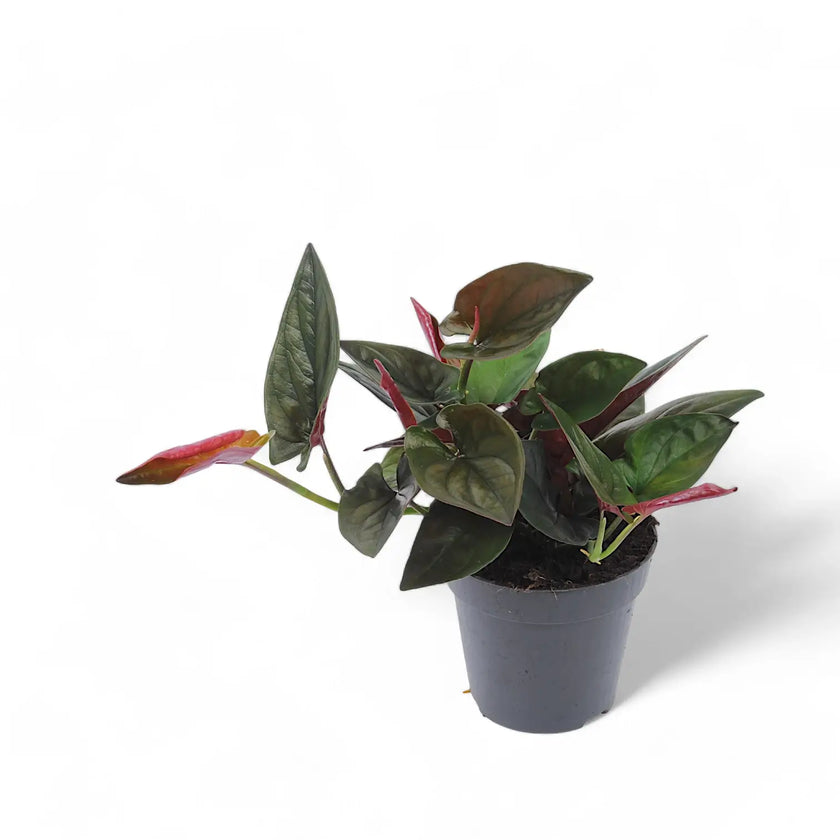
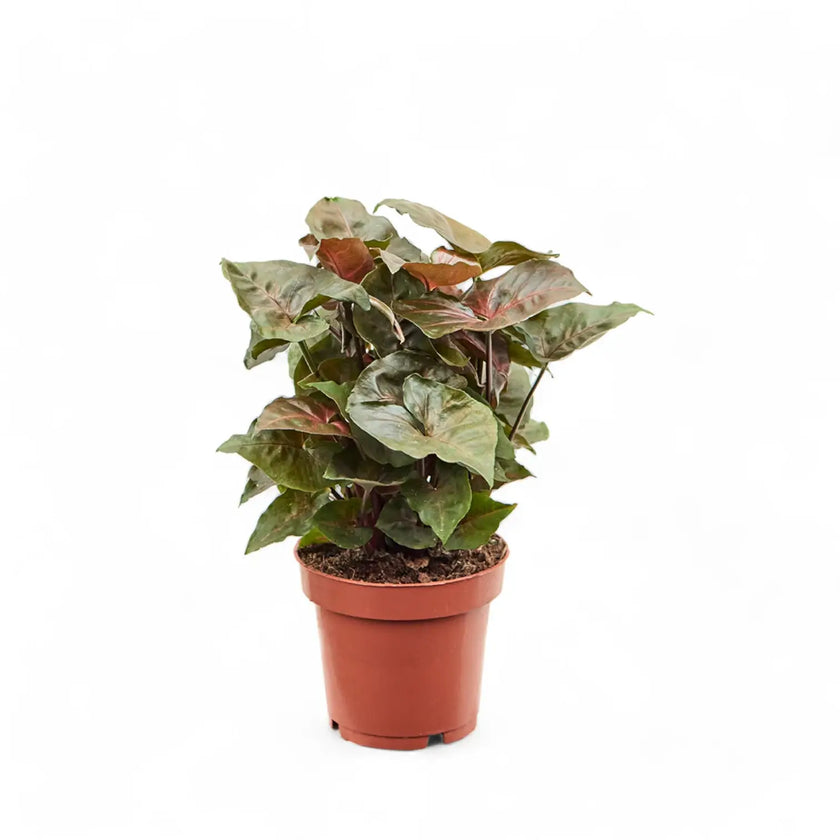
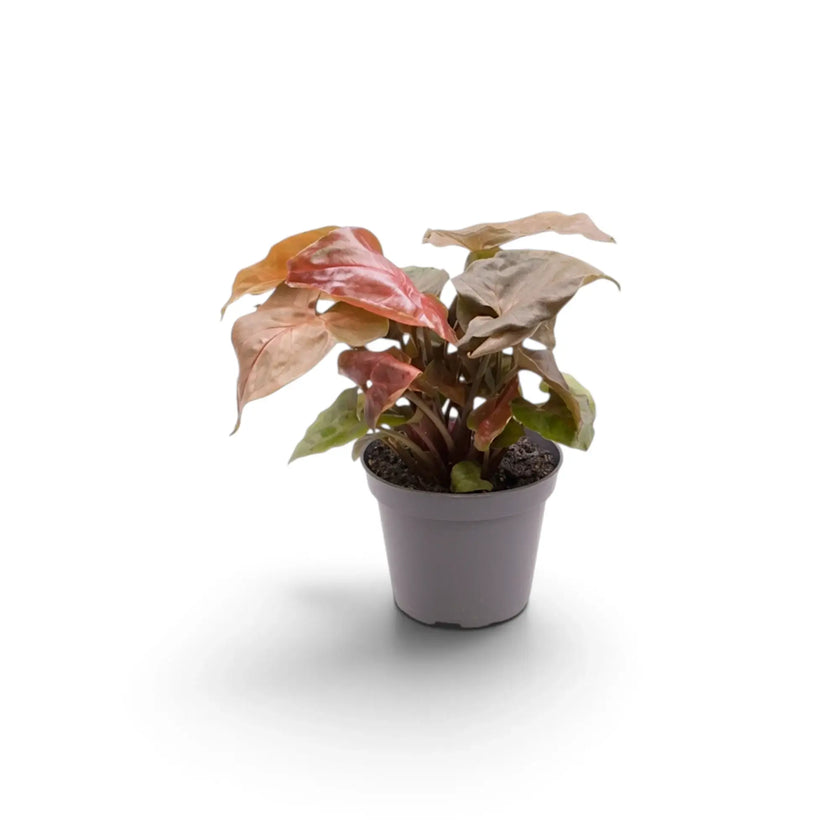
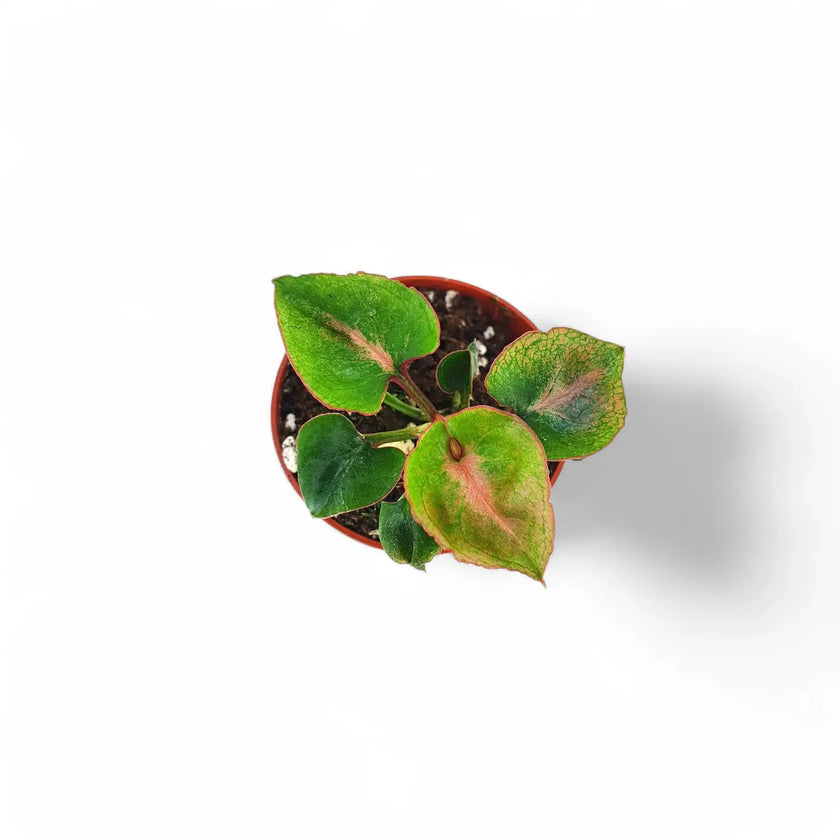
Syngonium erythrophyllum 'Red Arrow' close-up of leaf on white background.
Syngonium erythrophyllum 'Red Arrow' Regular price €16,00
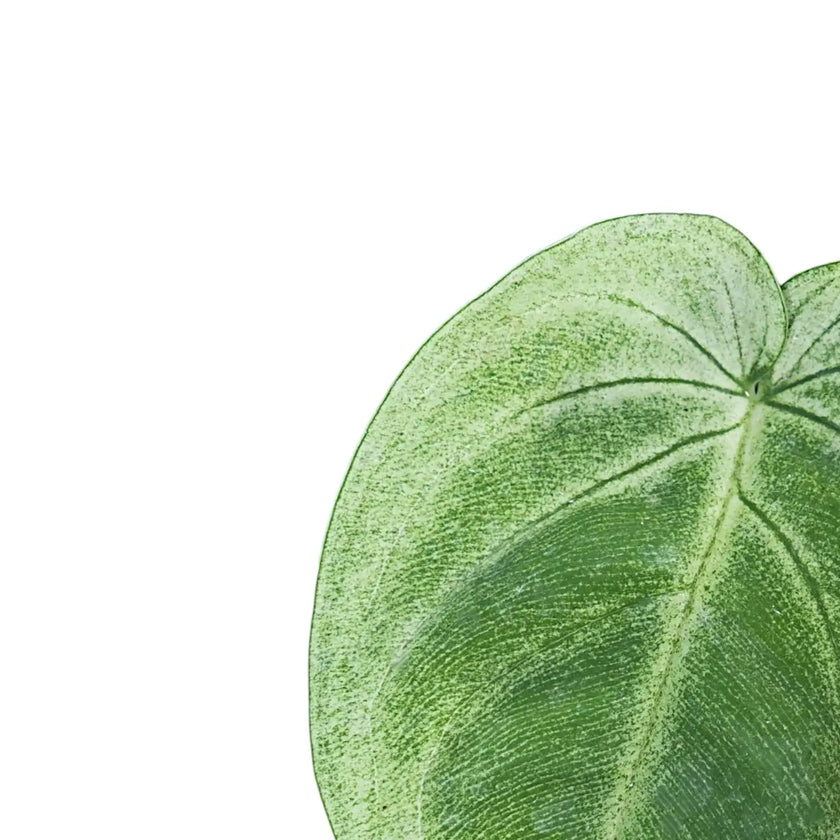
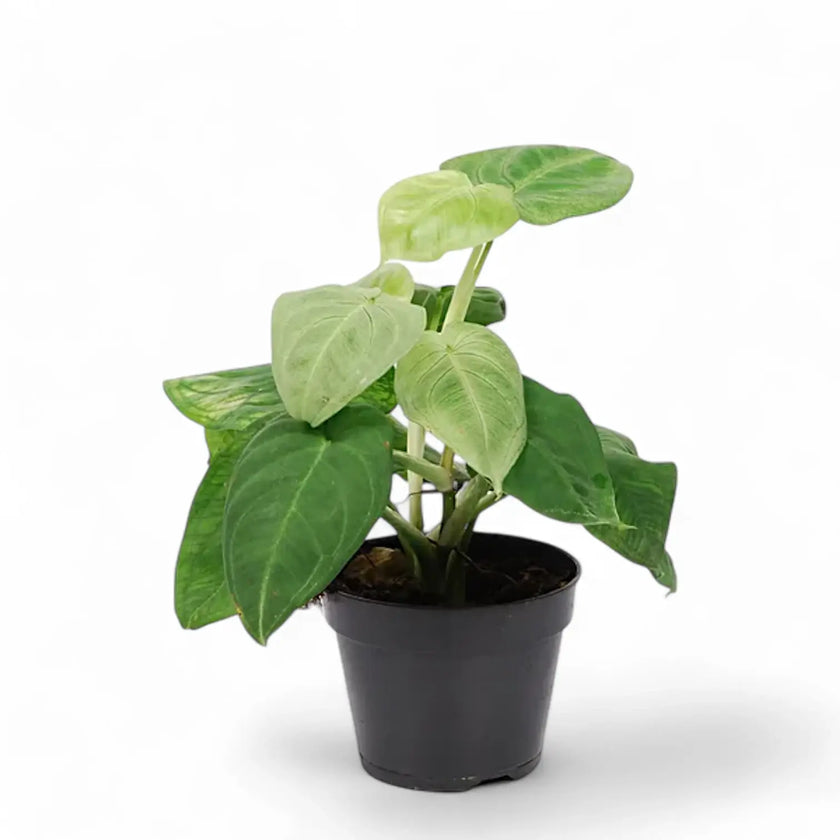
Syngonium macrophyllum 'Ice Frost' ('Frosted Heart') leaf detail on white background.
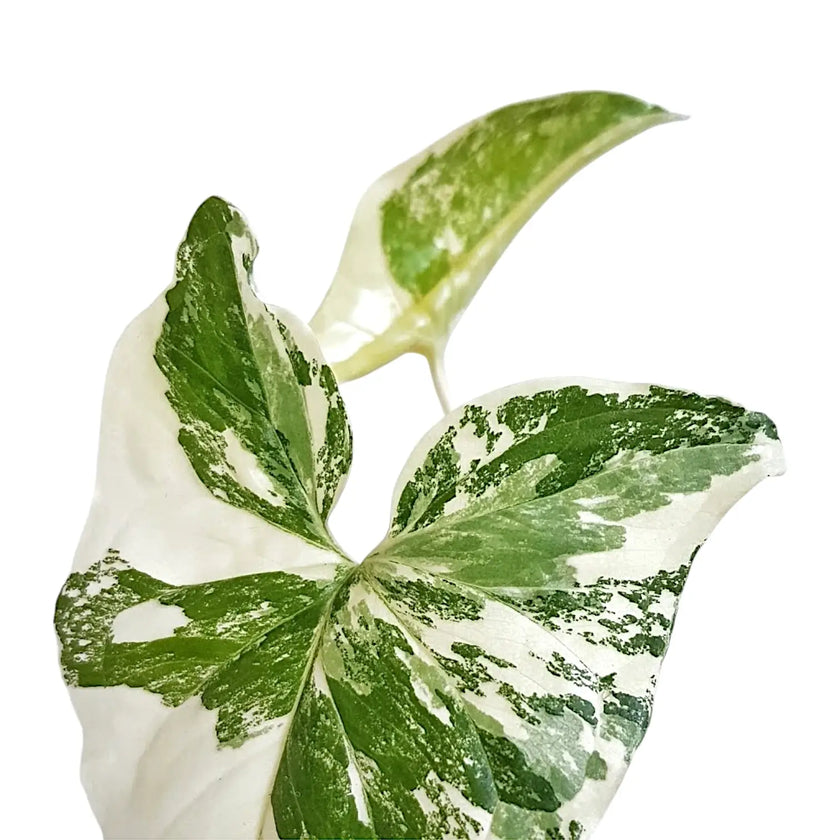
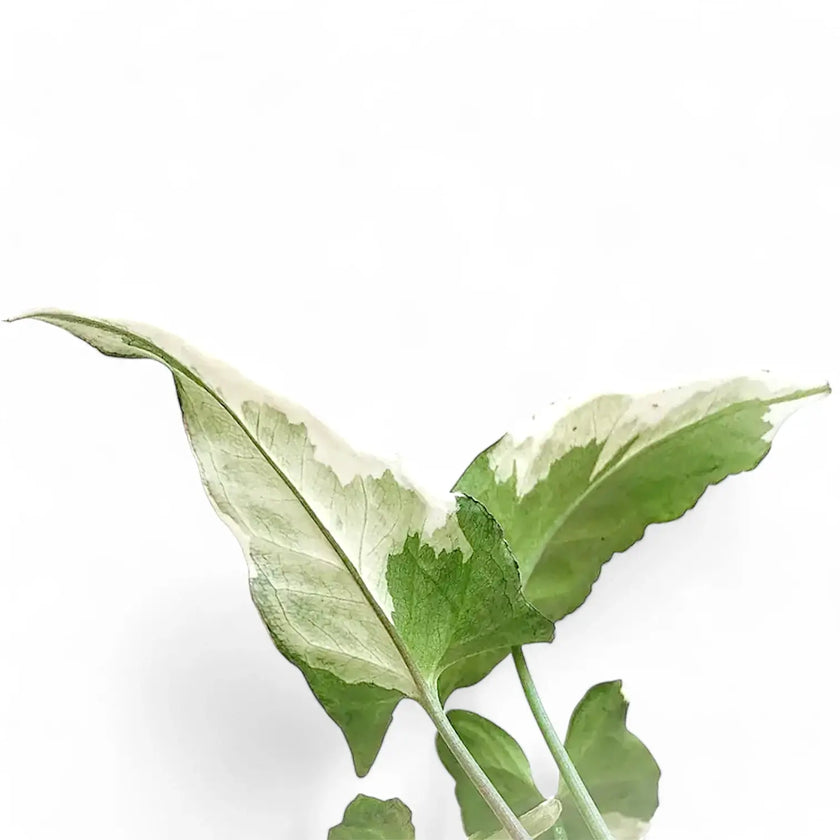
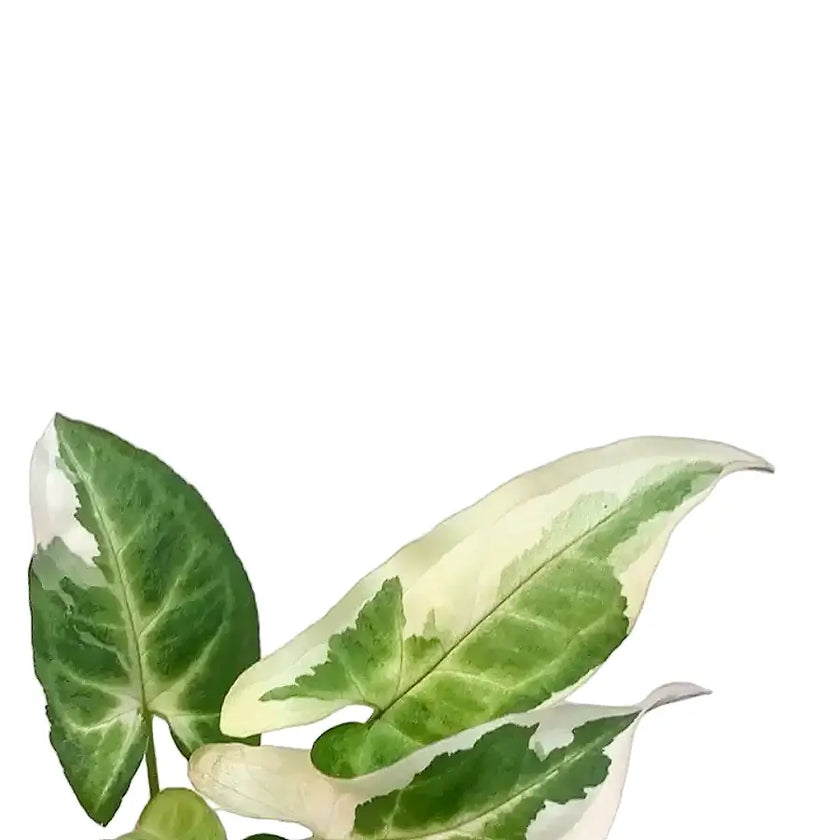
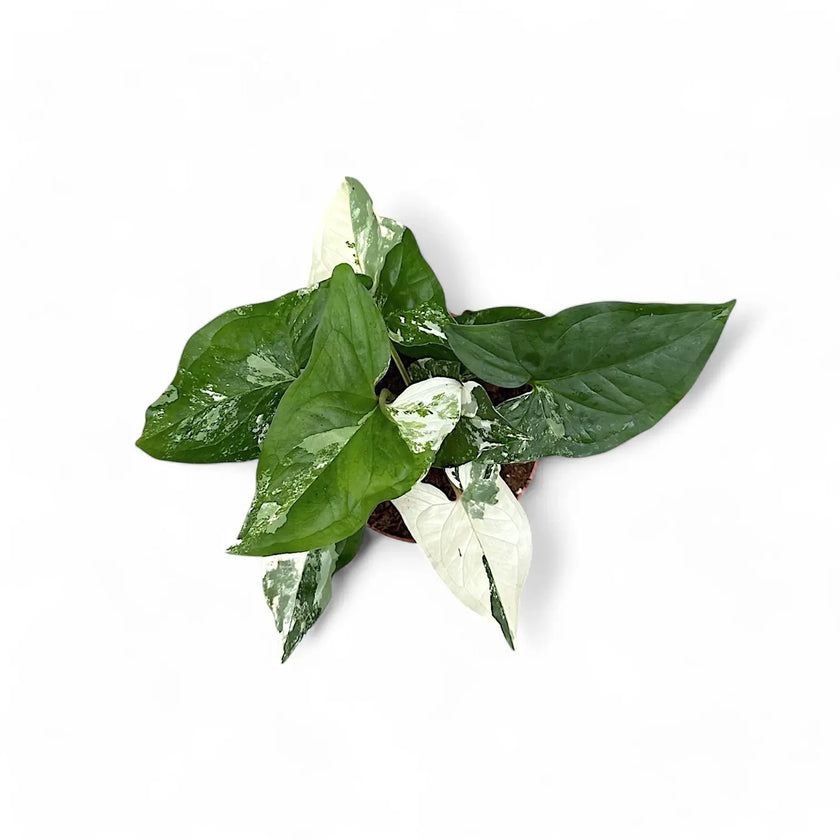
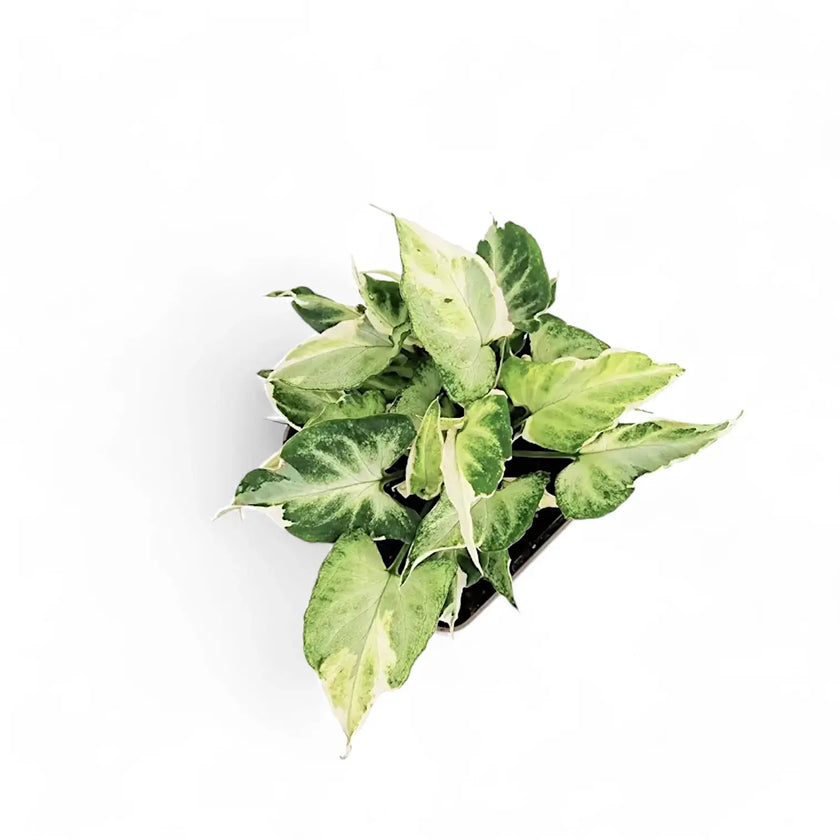
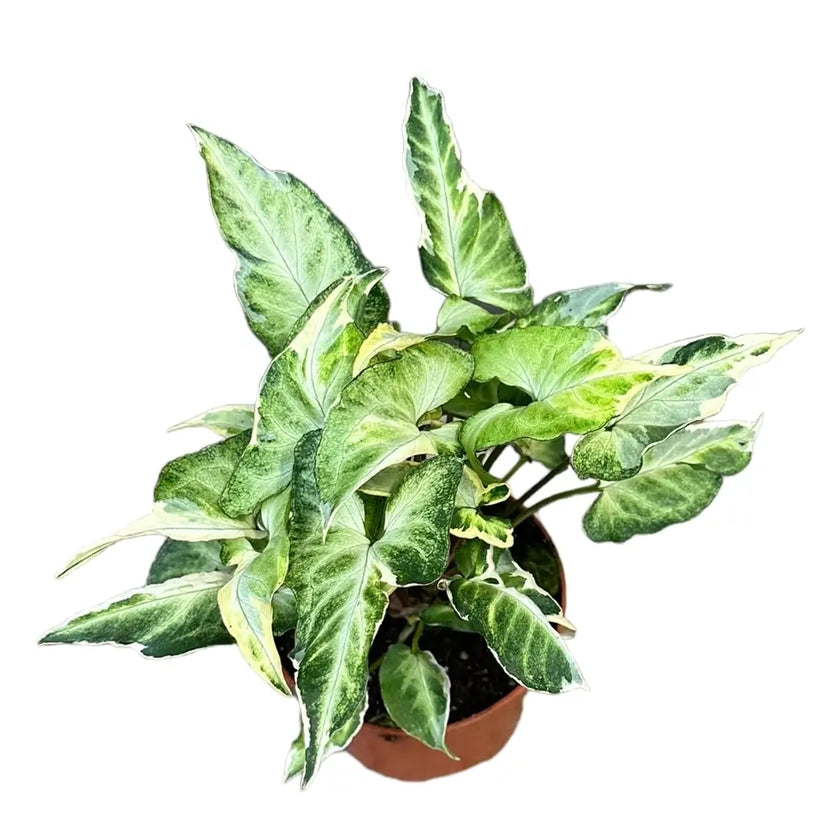
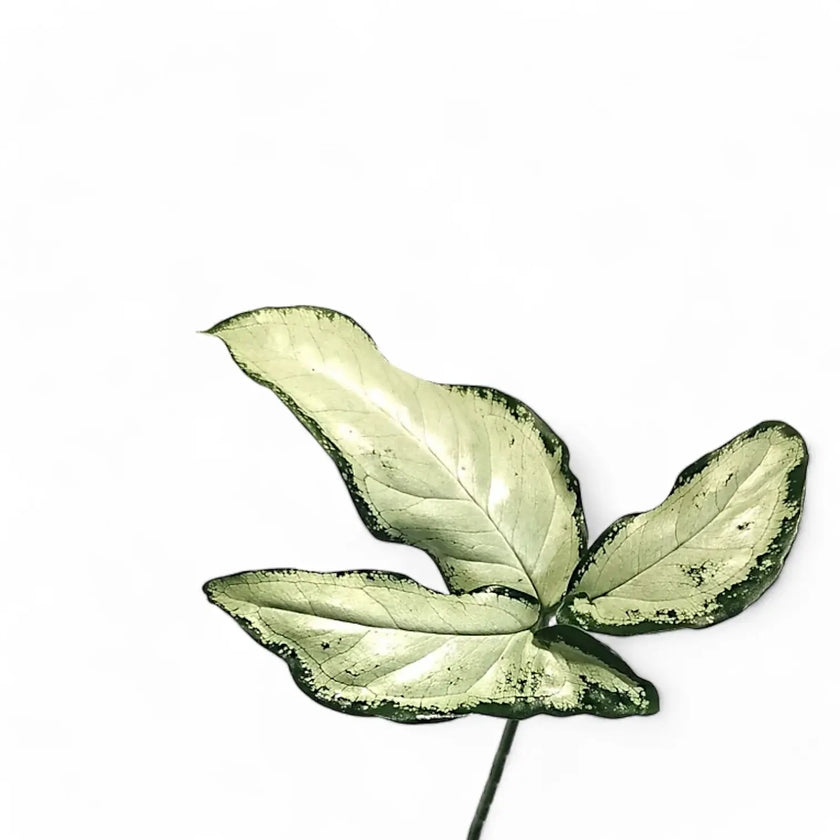
Syngonium podophyllum 'Albo Variegata' leaf detail on white background.
Syngonium podophyllum 'Aom nak' ('Neon tetra', 'Orm nak') leaf detail on white background.
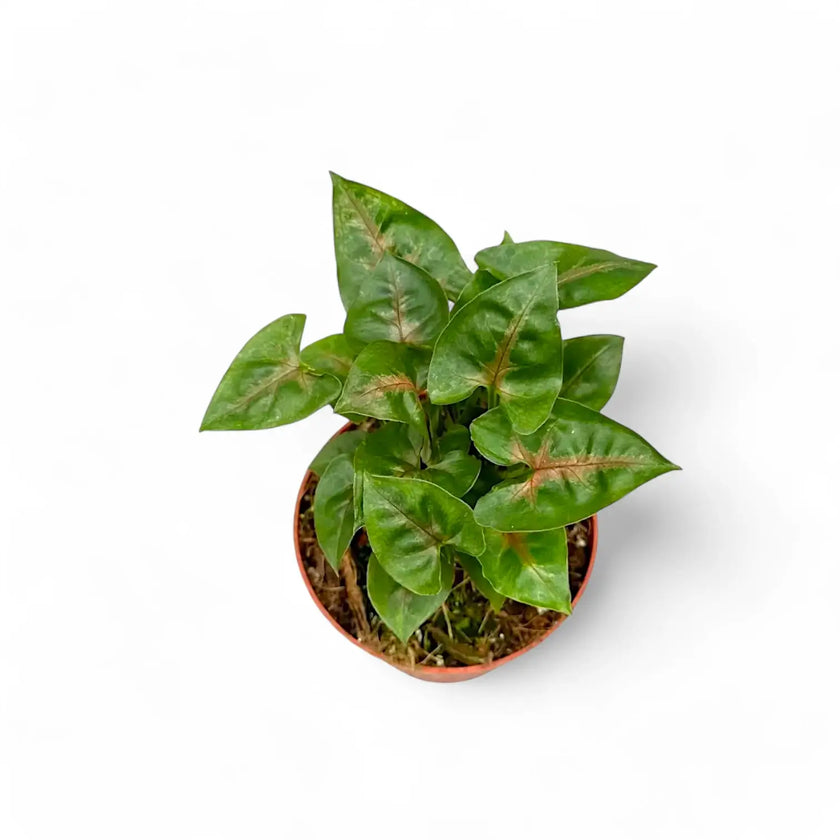
Syngonium podophyllum 'Arrow' leaf close-up on white background.
Syngonium podophyllum 'Arrow' Regular price €12,00
Syngonium podophyllum 'Aureum' leaf close-up on white background.
Syngonium podophyllum 'Batik' ('Golden venation') leaf detail on white background.
Syngonium podophyllum 'Berry allusion' close-up of leaf on white background.
Syngonium podophyllum 'Bob Allusion' leaf detail on white background.
Syngonium podophyllum 'Brocante' close-up of leaf on white background.
Syngonium podophyllum 'Christmas' close-up of leaf on white background.
Syngonium podophyllum 'Confetti Tricolor' close-up of leaf on white background.
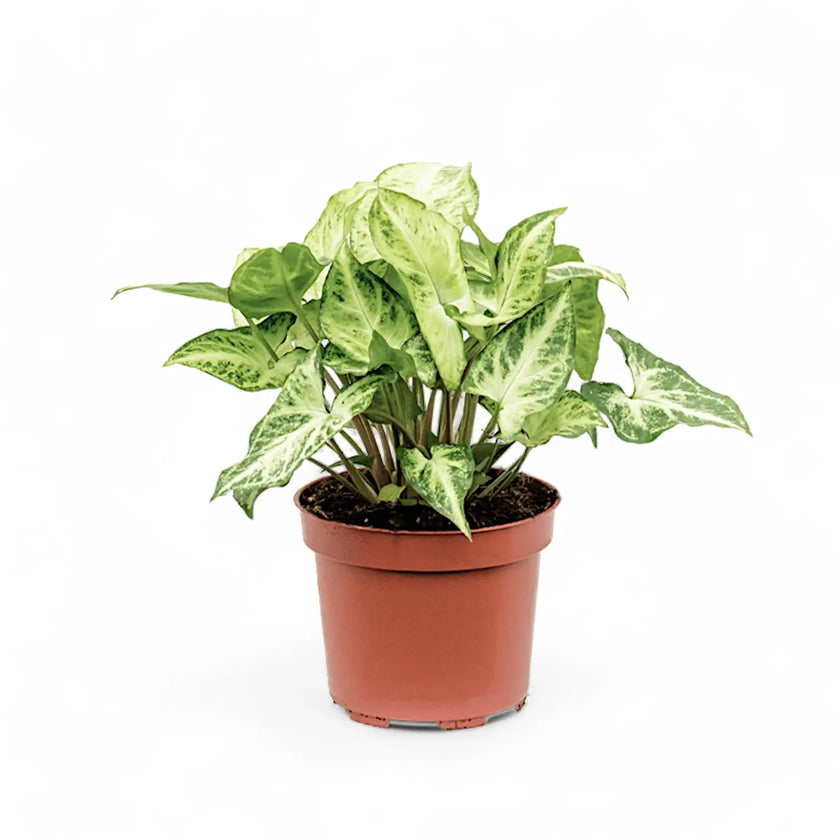
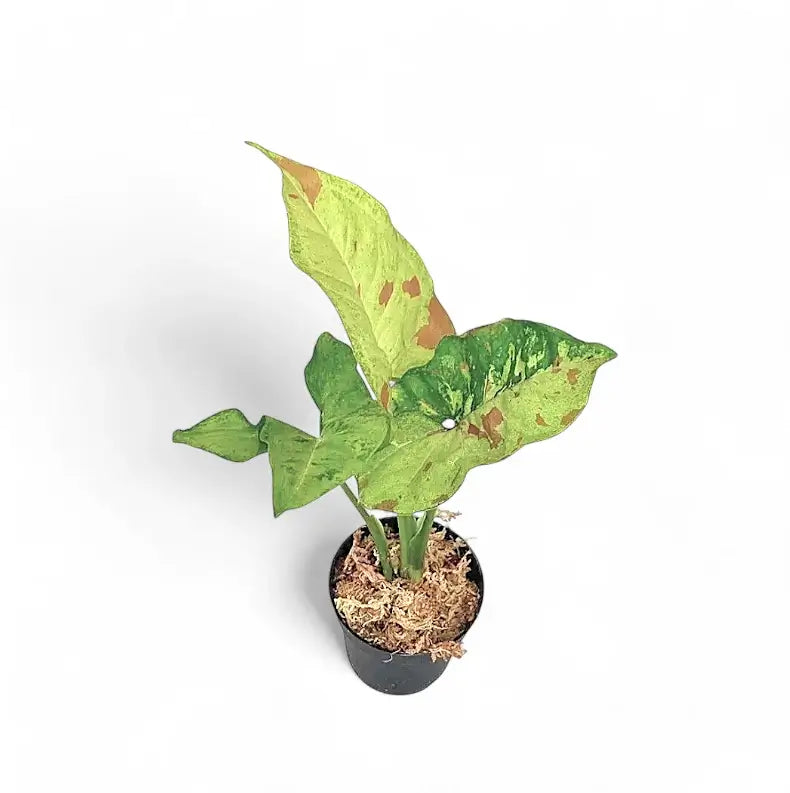
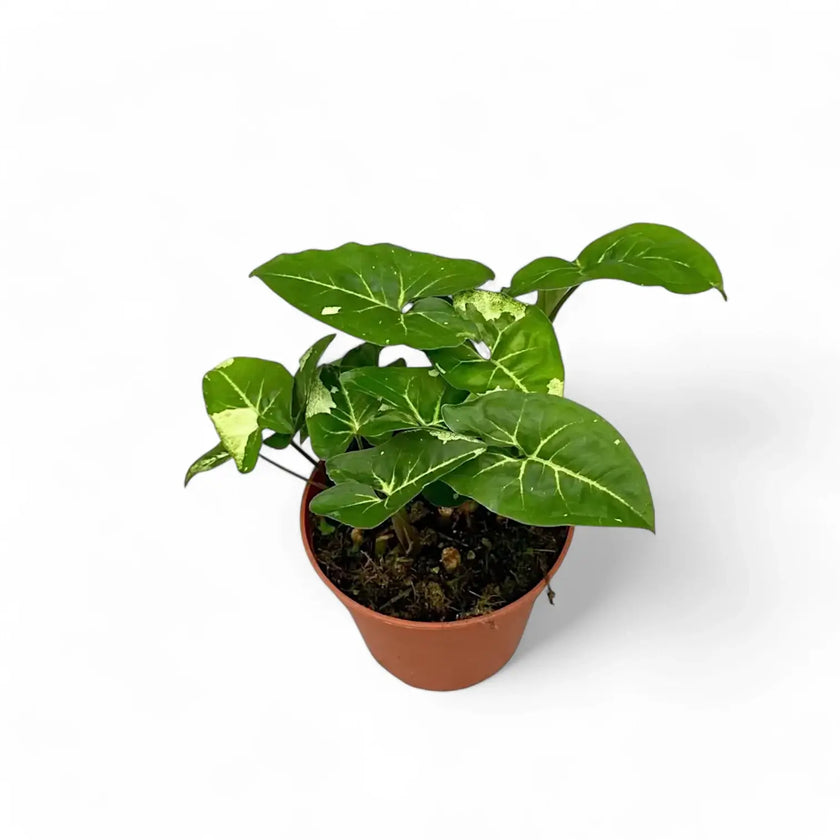
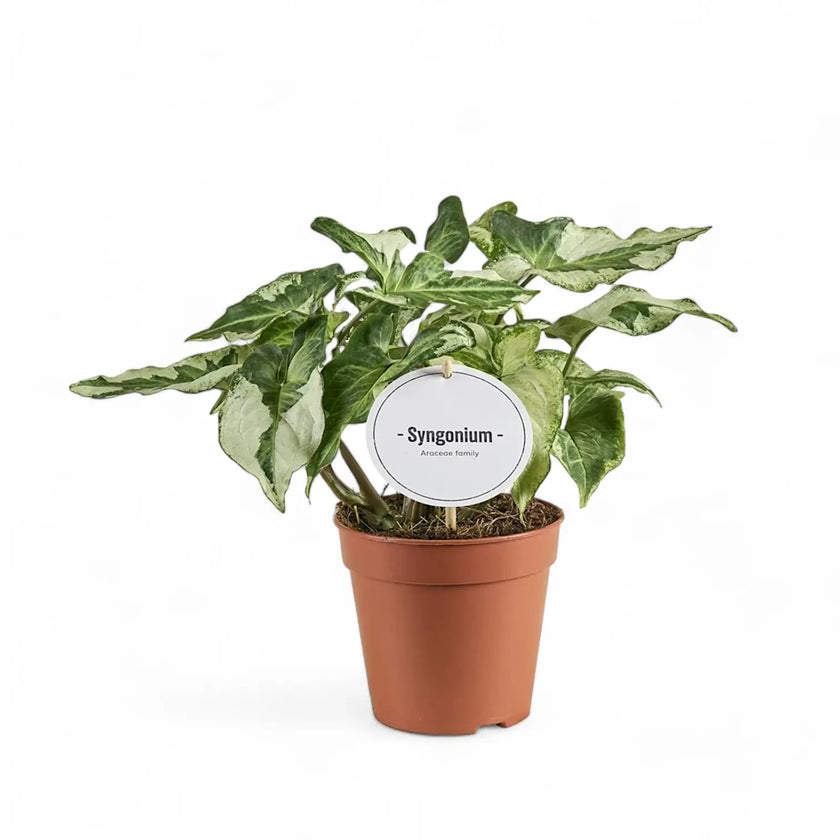
Syngonium podophyllum 'Confetti' leaf detail on white background.
Syngonium podophyllum 'Confetti' Regular price From €13,50
Syngonium podophyllum 'Eclipse' leaf detail on white background.
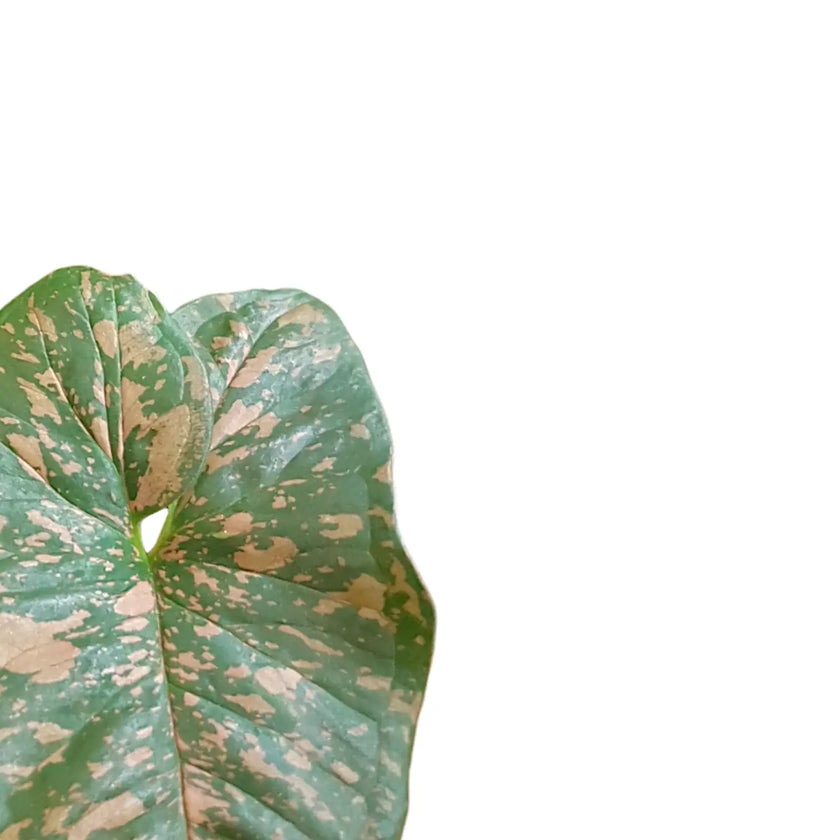
Syngonium podophyllum 'Freckles' close-up of leaf on white background.
Syngonium podophyllum 'Frizzly' leaf close-up on white background.
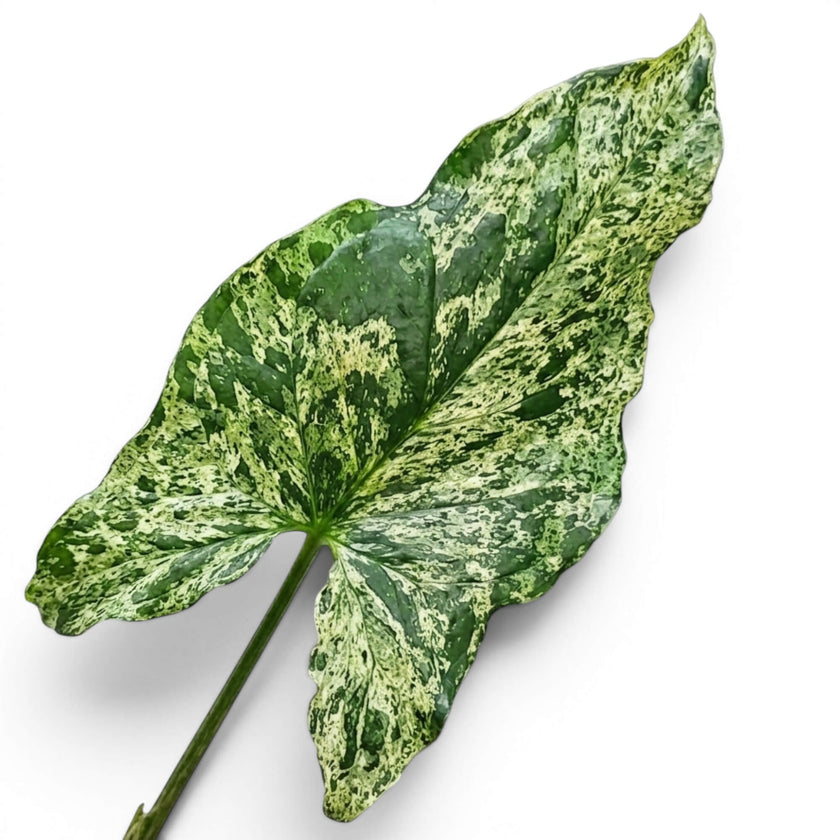
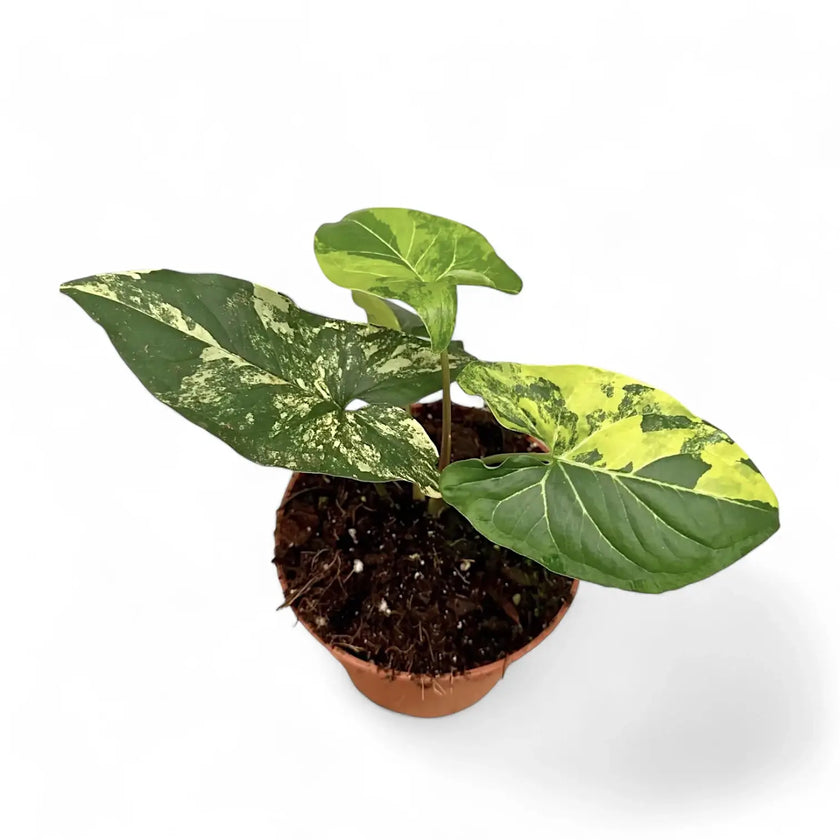
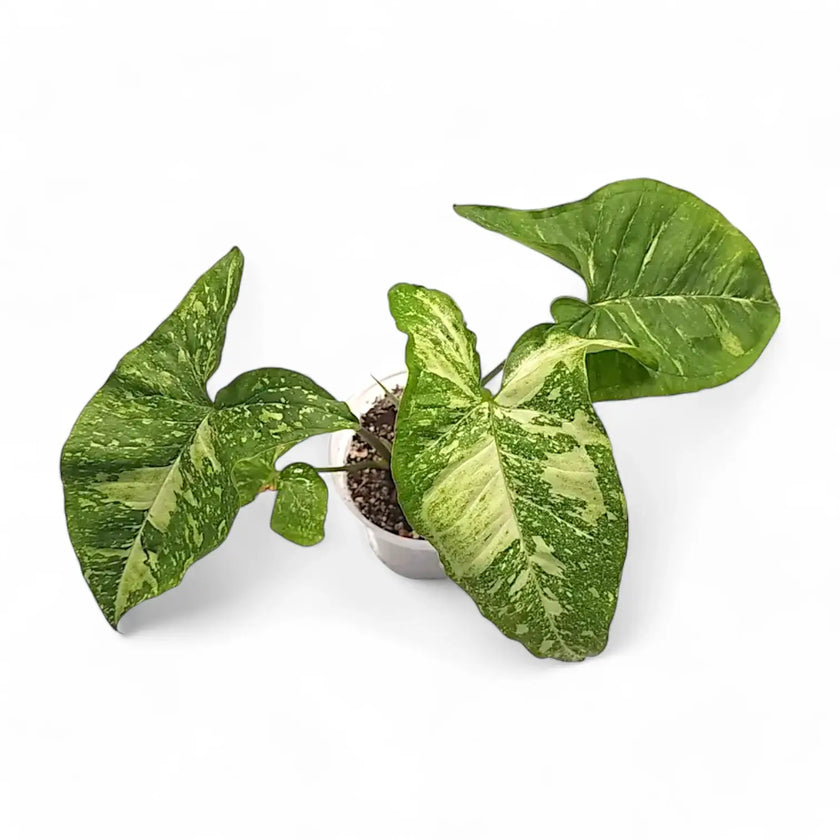
Syngonium podophyllum 'Godzilla' leaf detail on white background.
Syngonium podophyllum 'Green Splash' ('Grey Ghost') close-up of leaf on white background.
Syngonium podophyllum 'Mango allusion' leaf close-up on white background.
Syngonium podophyllum 'Maria Allusion' leaf close-up on white background.
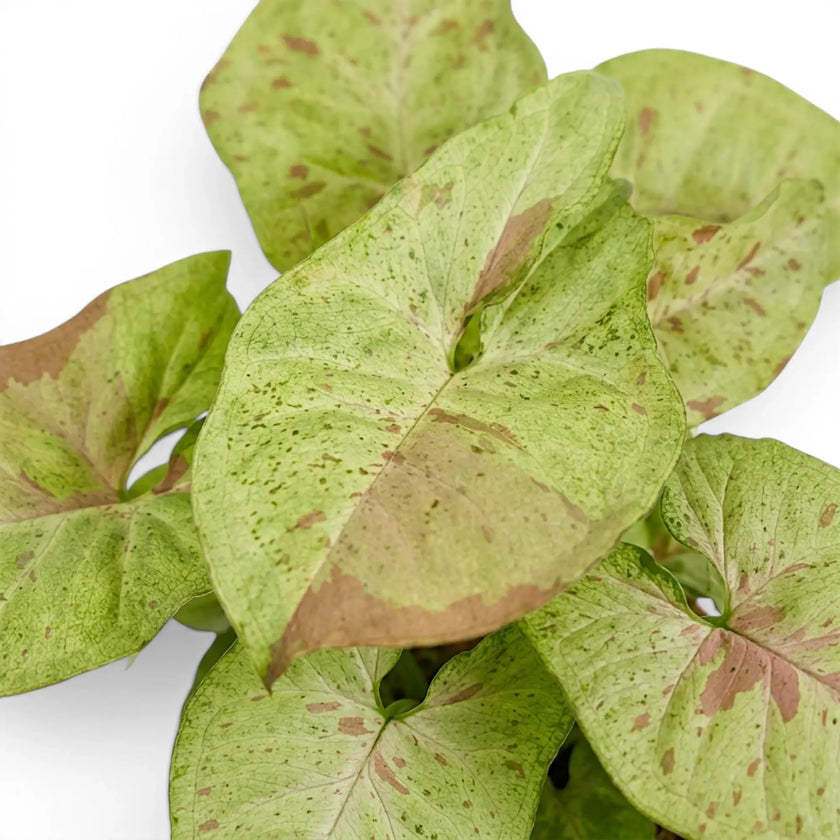
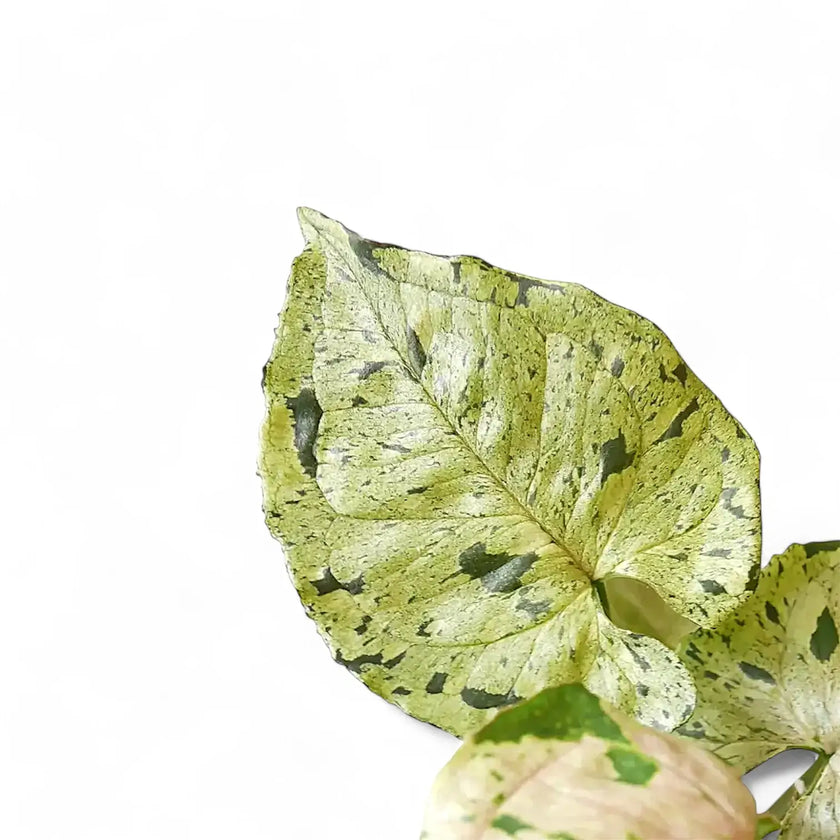
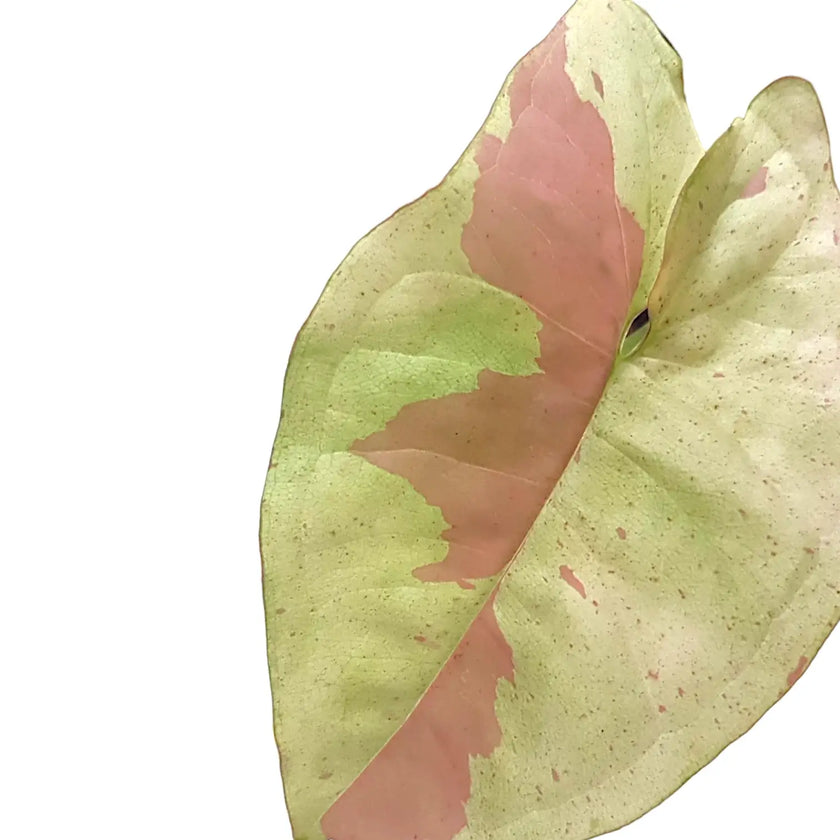
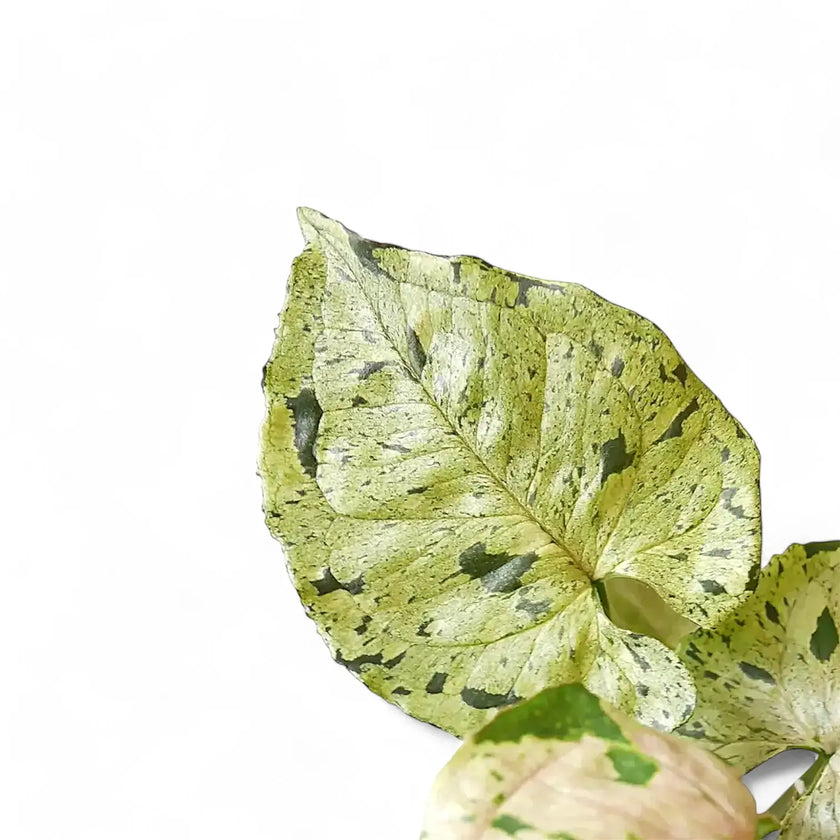
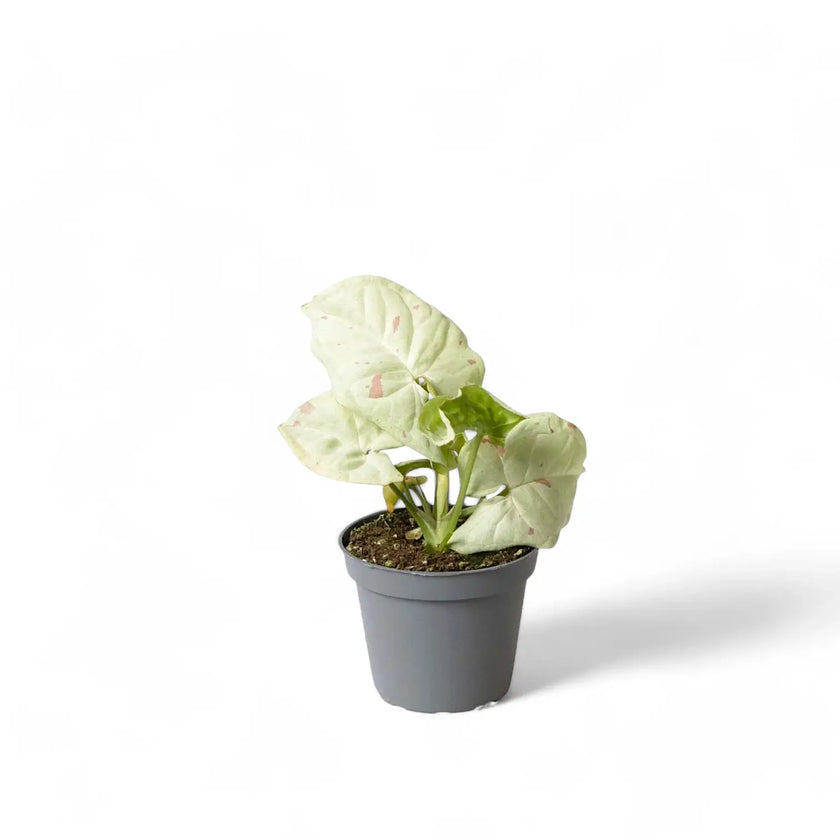
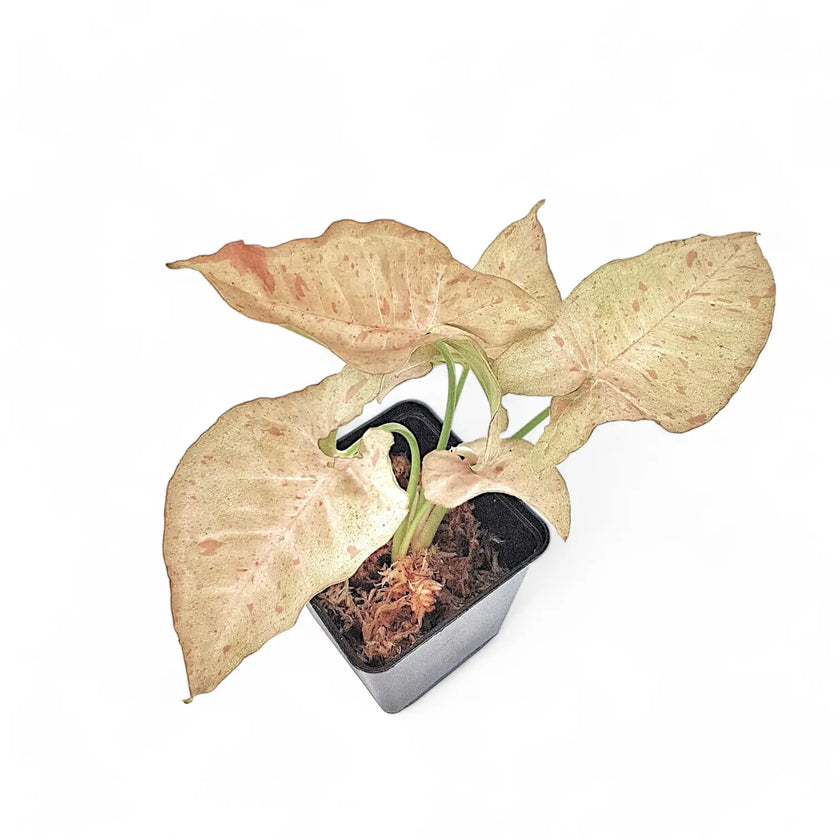
Syngonium podophyllum 'Milk confetti' leaf detail on white background.
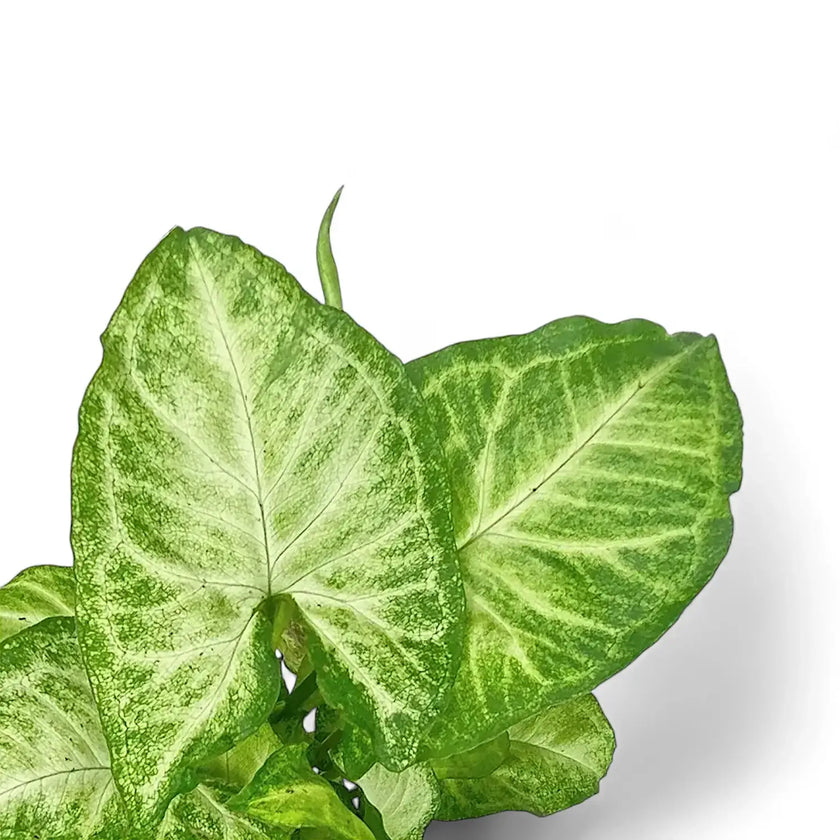
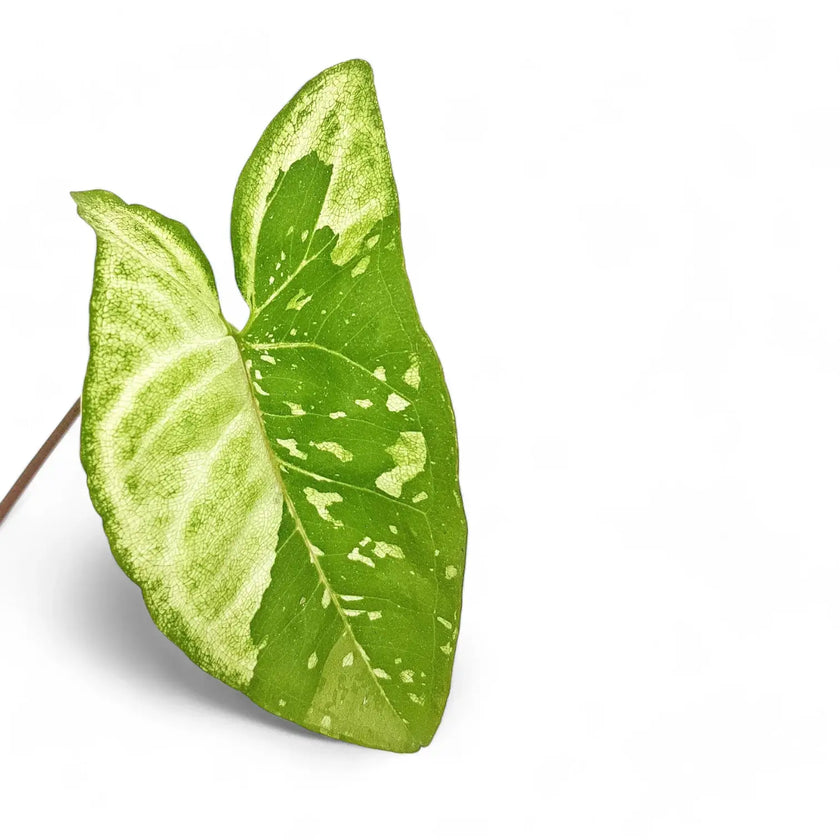
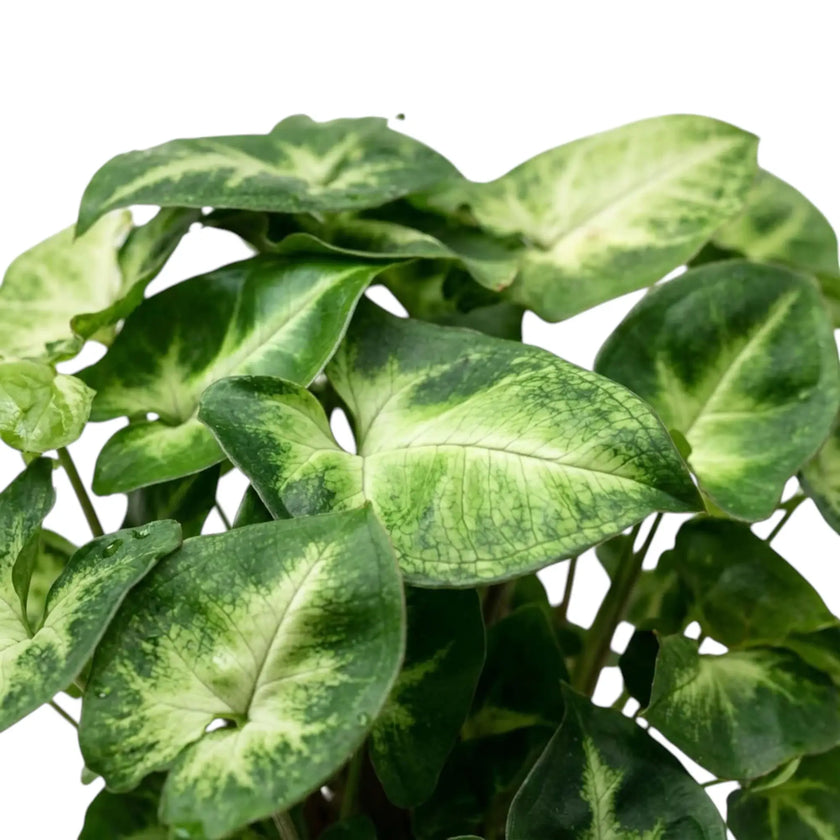
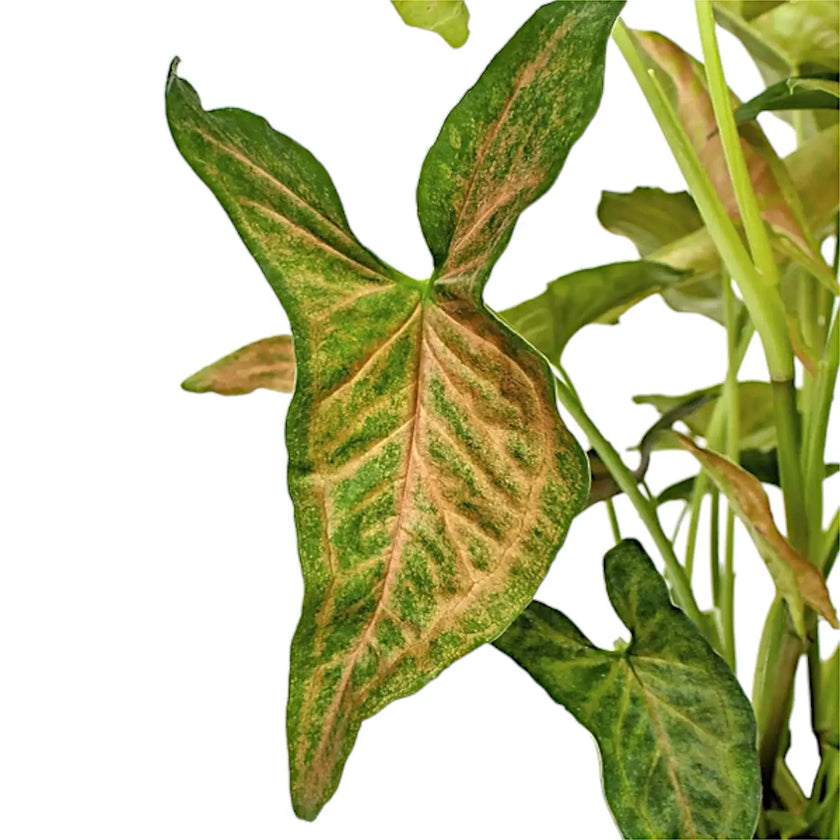
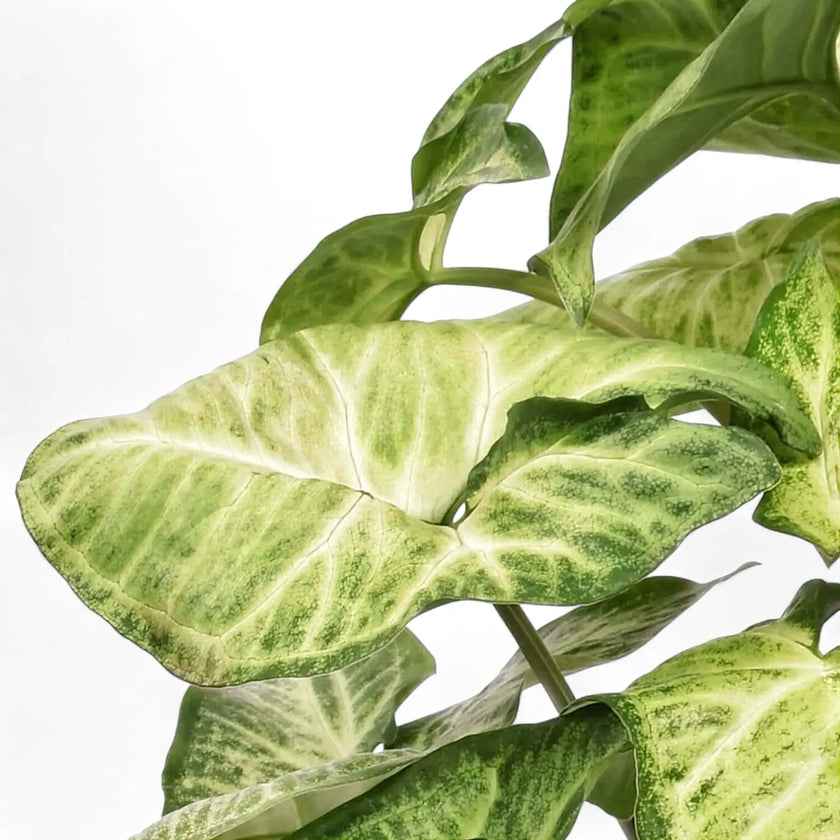
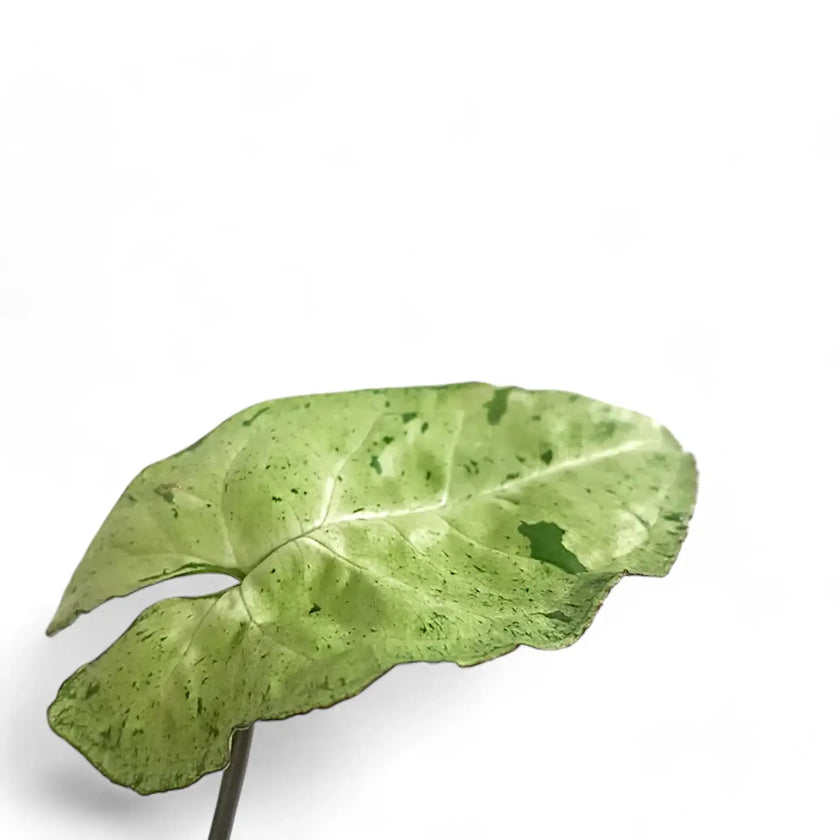
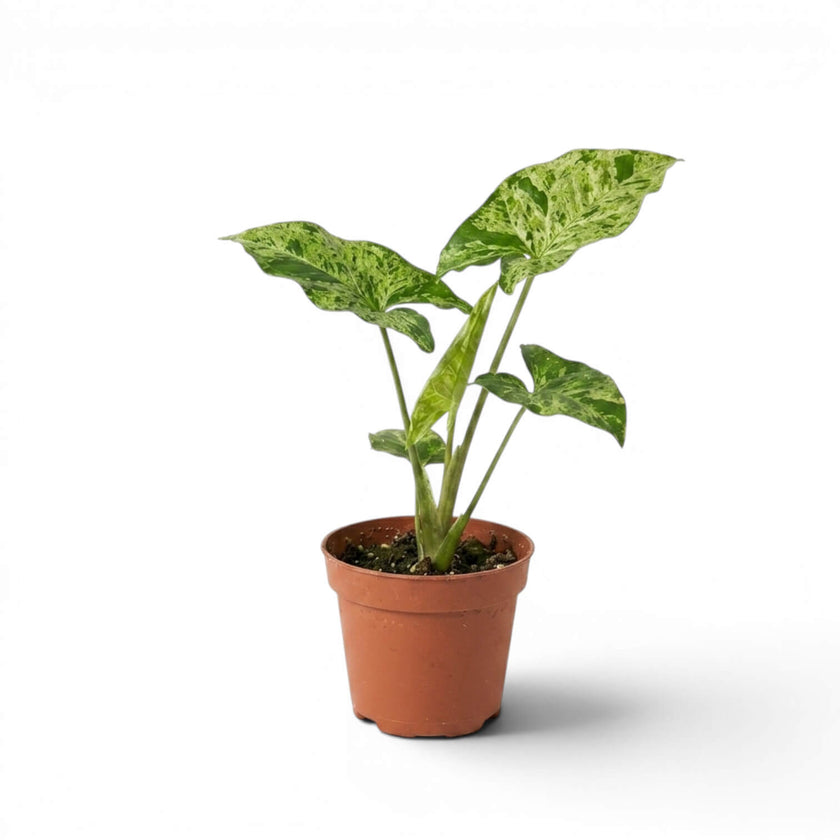
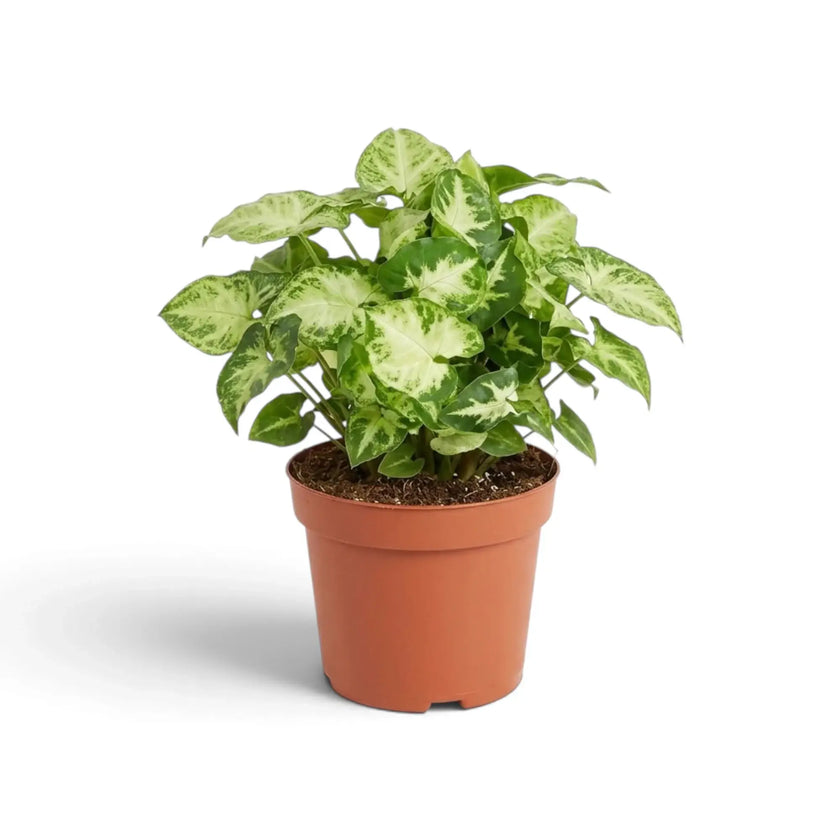
Syngonium podophyllum 'Mottled' leaf detail on white background.
Syngonium podophyllum 'Mottled' Regular price From €9,50
Syngonium podophyllum 'Mouse Ears' close-up of leaf on white background.
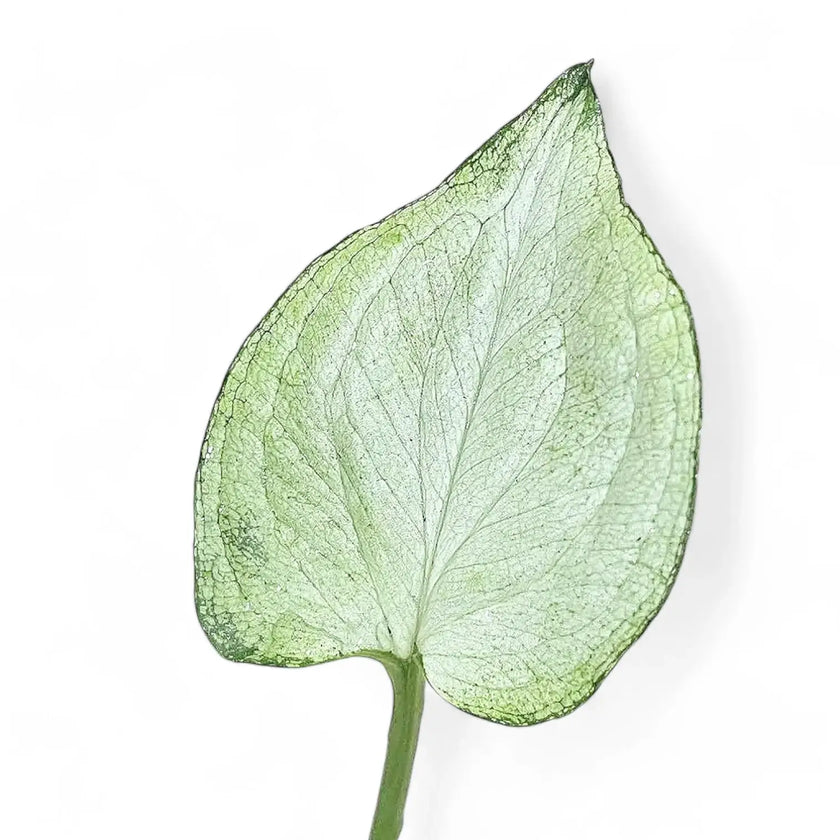
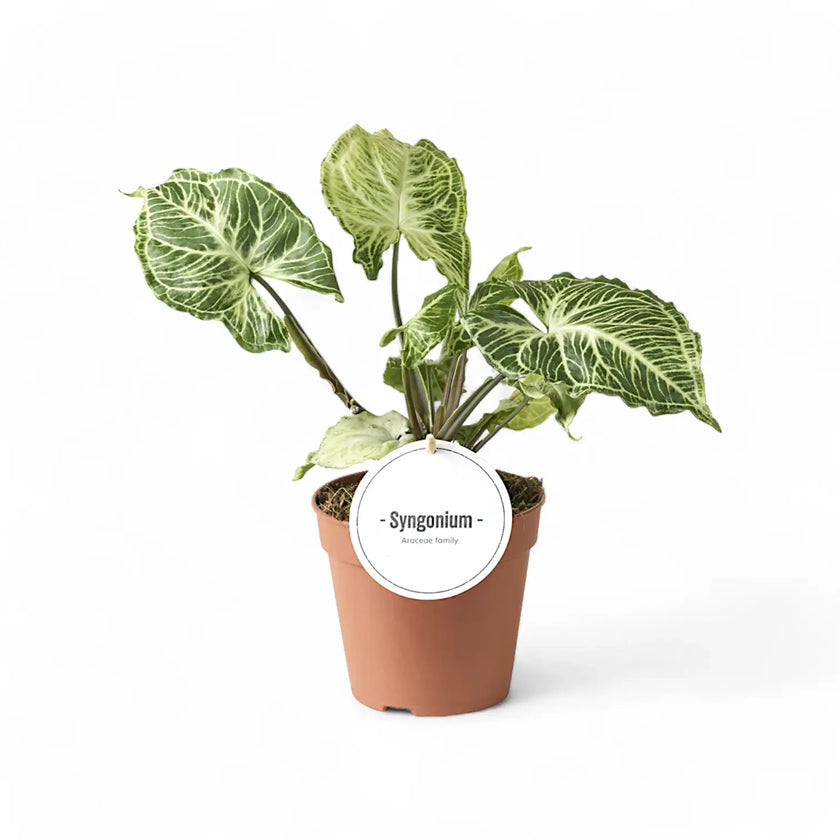
Syngonium podophyllum 'Nguengi Laima' aka (Ngern Lai Ma, Silver Holly) leaf detail on white background.
Syngonium podophyllum 'Panda galaxy' leaf detail on white background.
Syngonium podophyllum 'Panda' leaf detail on white background.
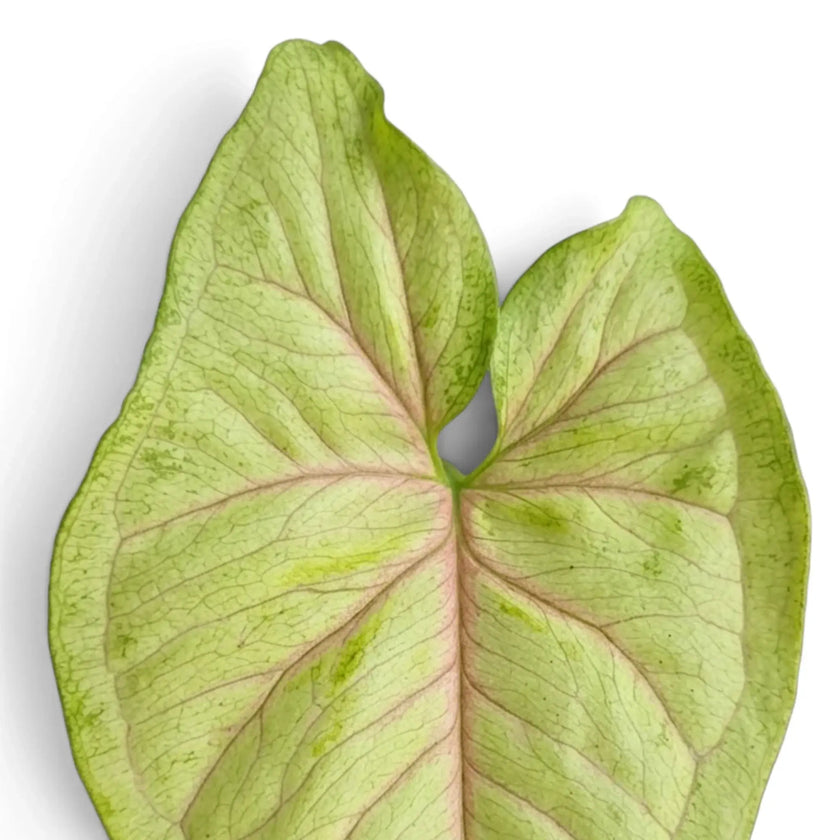
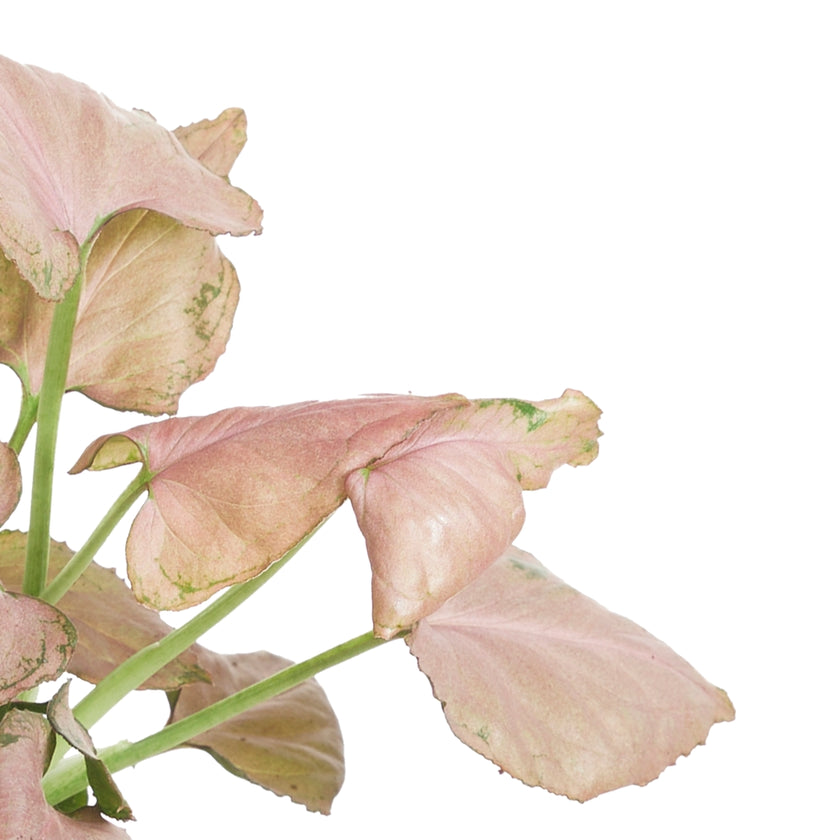
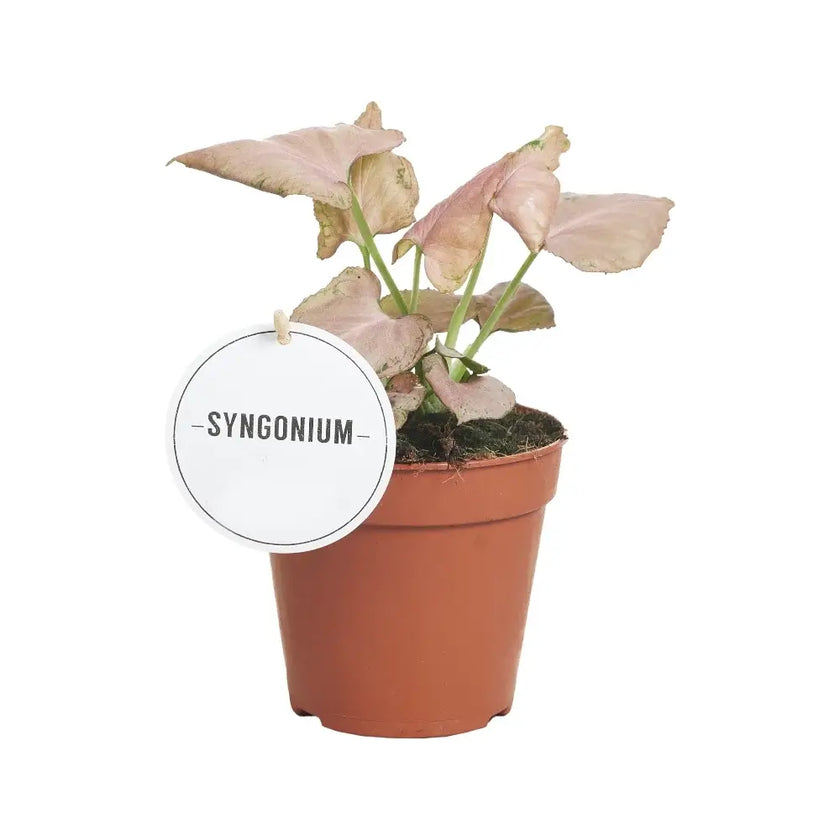
Syngonium podophyllum 'Pink Delight' leaf close-up on white background.
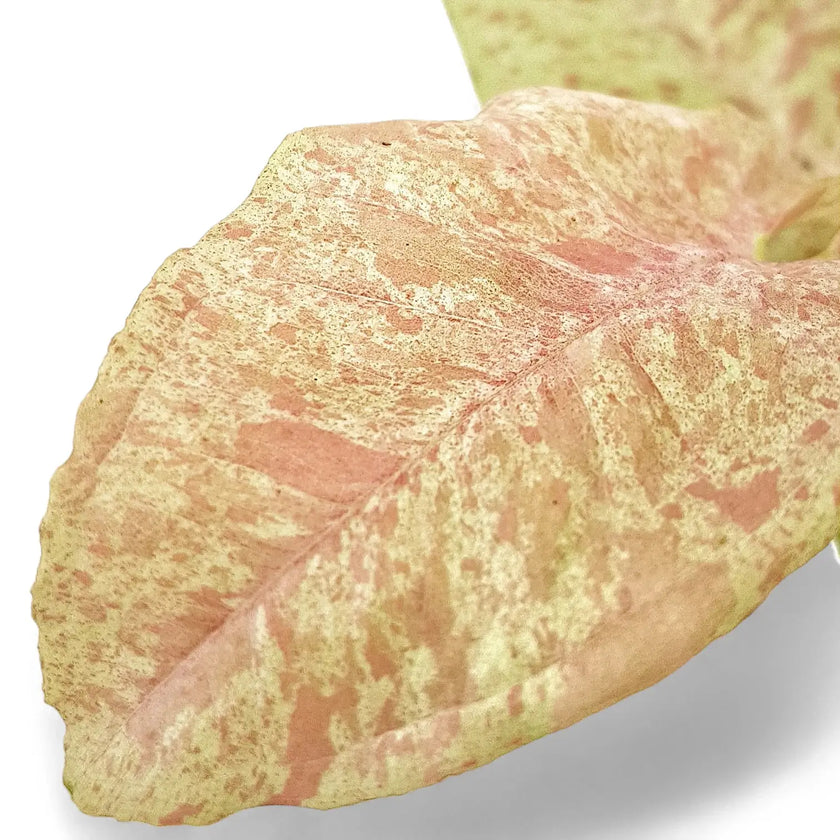
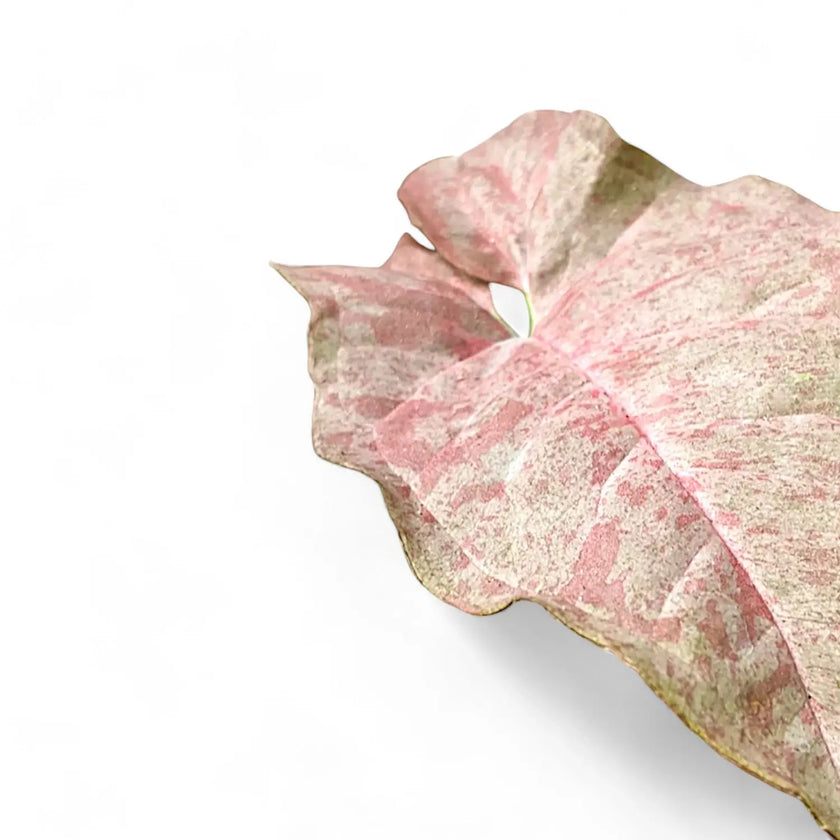
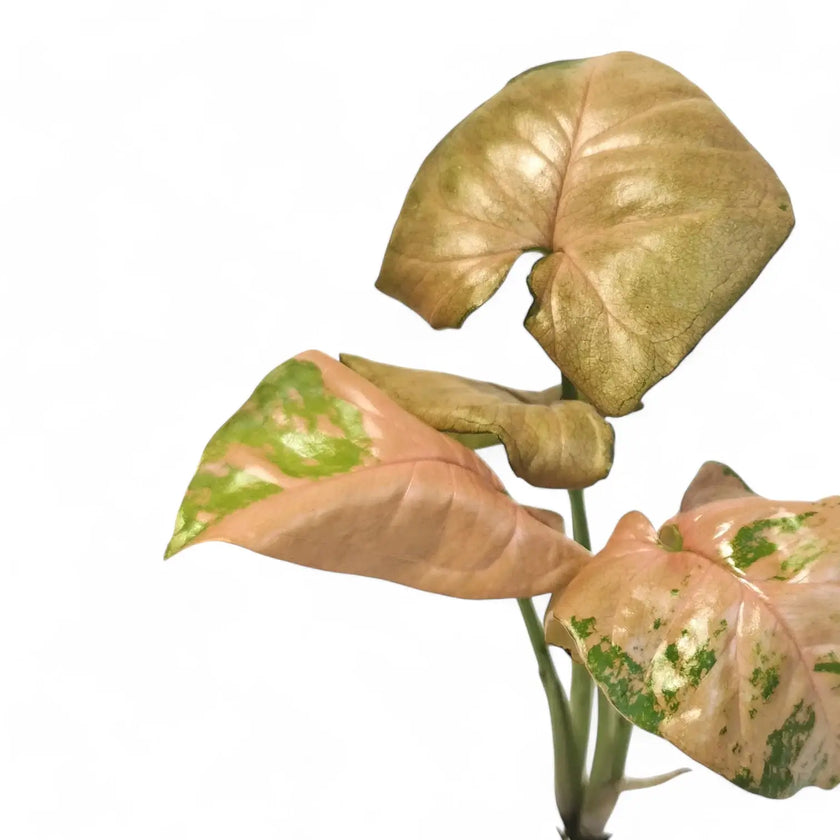
Syngonium podophyllum 'Pink flecked' leaf detail on white background.
Syngonium podophyllum 'Pink Perfection' aka 'Pink Dream' leaf detail on white background.
Syngonium podophyllum 'Pink splash allusion' close-up of leaf on white background.
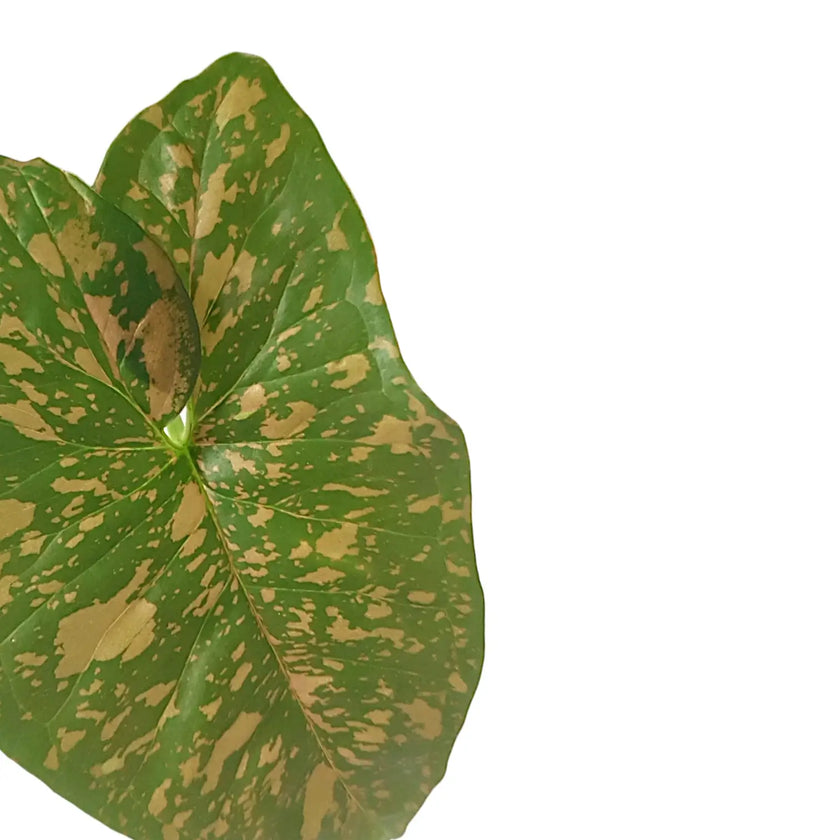
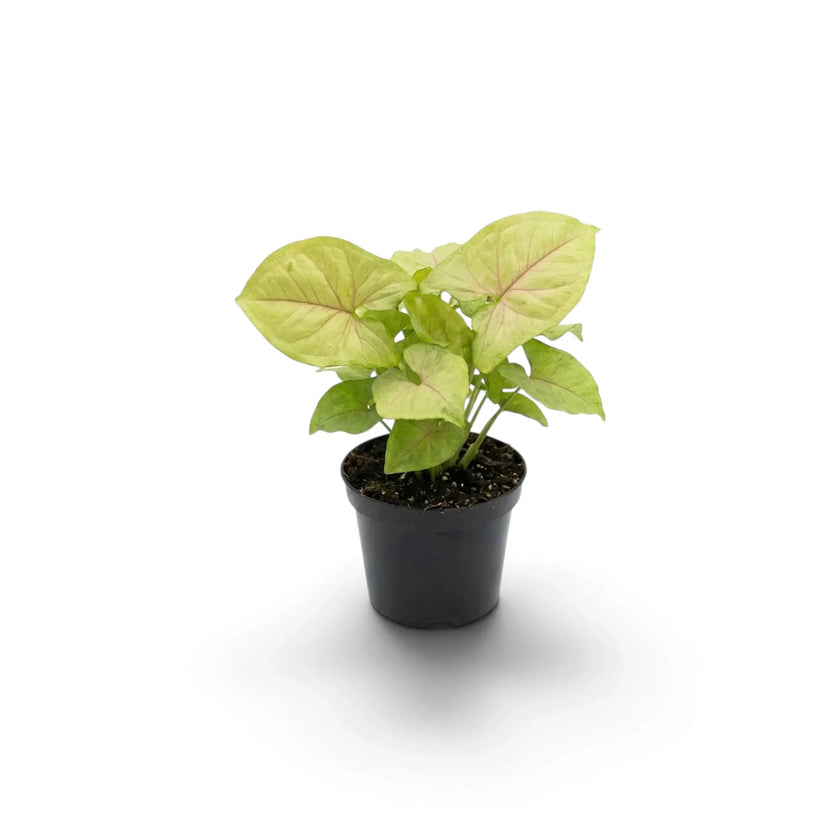
Syngonium podophyllum 'Pink spot' close-up of leaf on white background.
Syngonium podophyllum 'Pixie' aka 'Nana' leaf close-up on white background.
Syngonium podophyllum 'Pixie' aka 'Nana' Regular price From €9,50
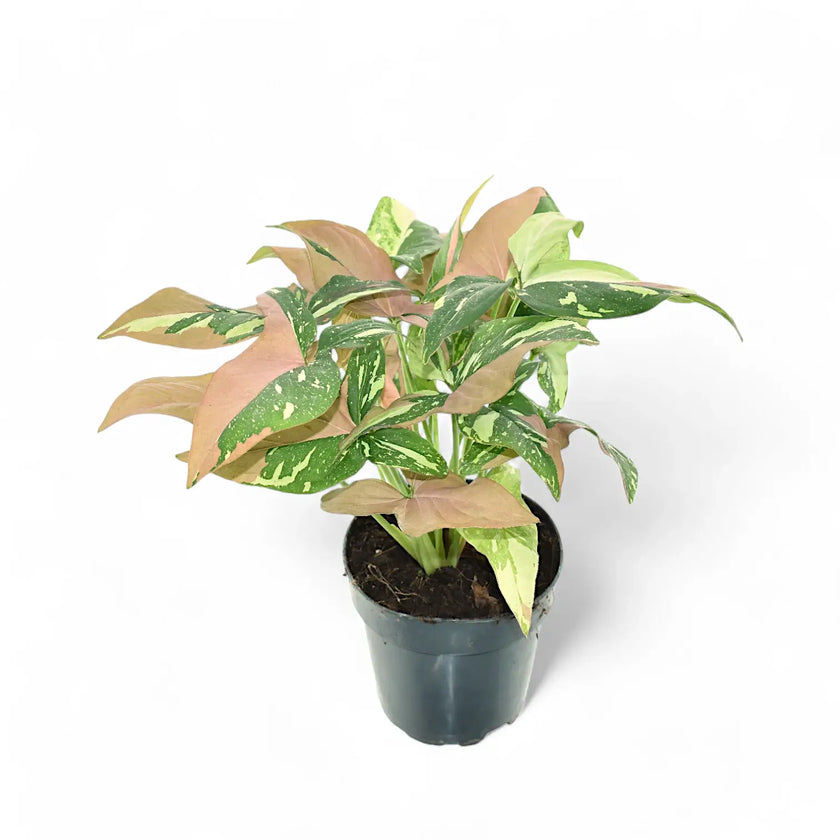
Syngonium podophyllum 'Red spot tricolor' close-up of leaf on white background.
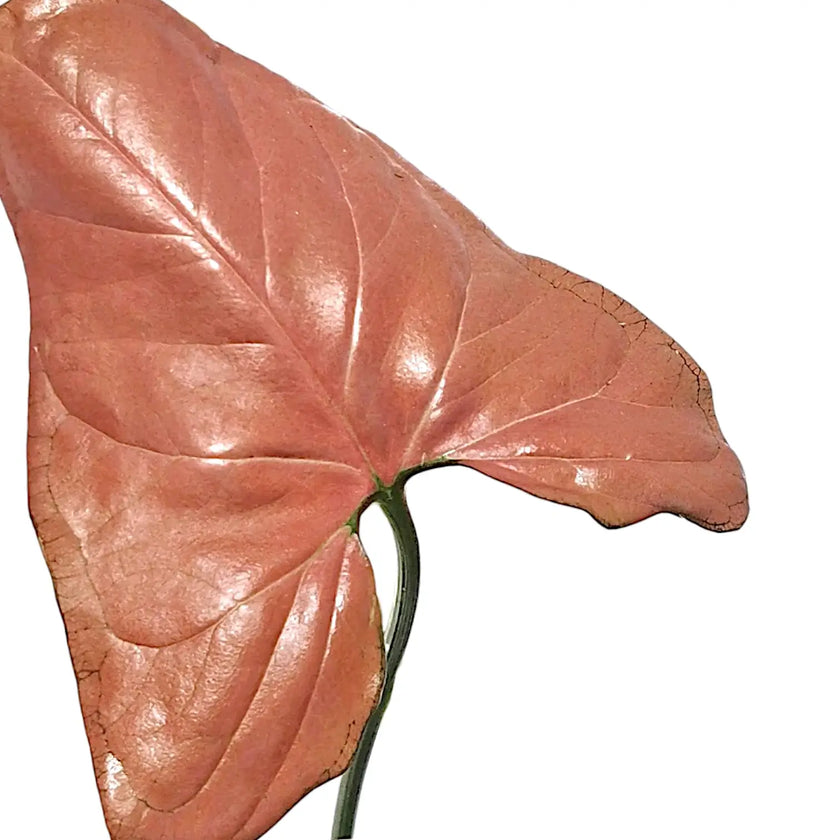
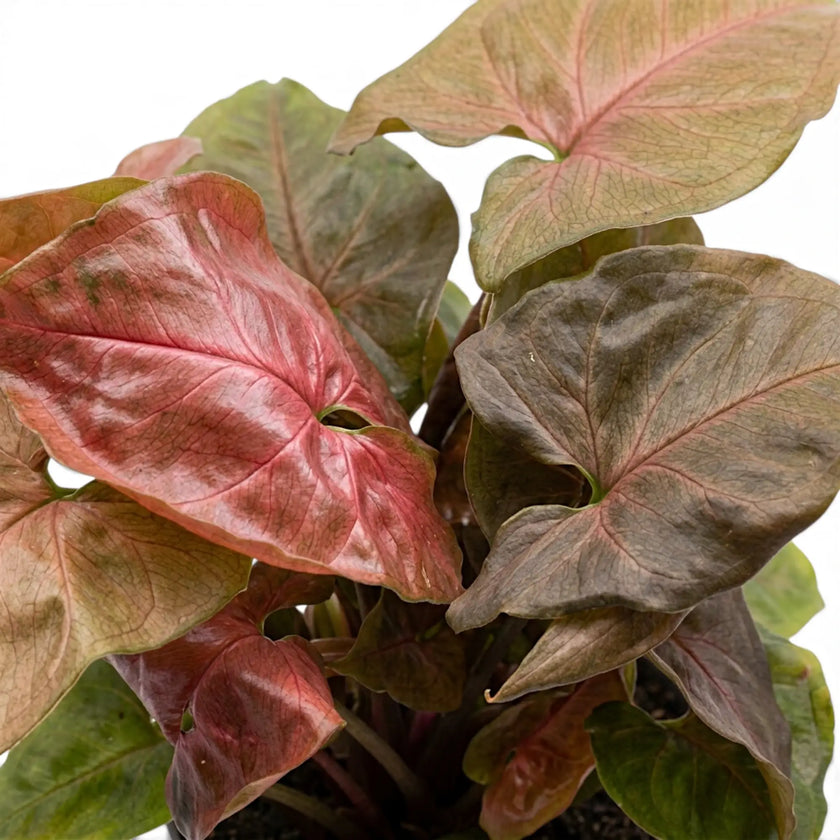
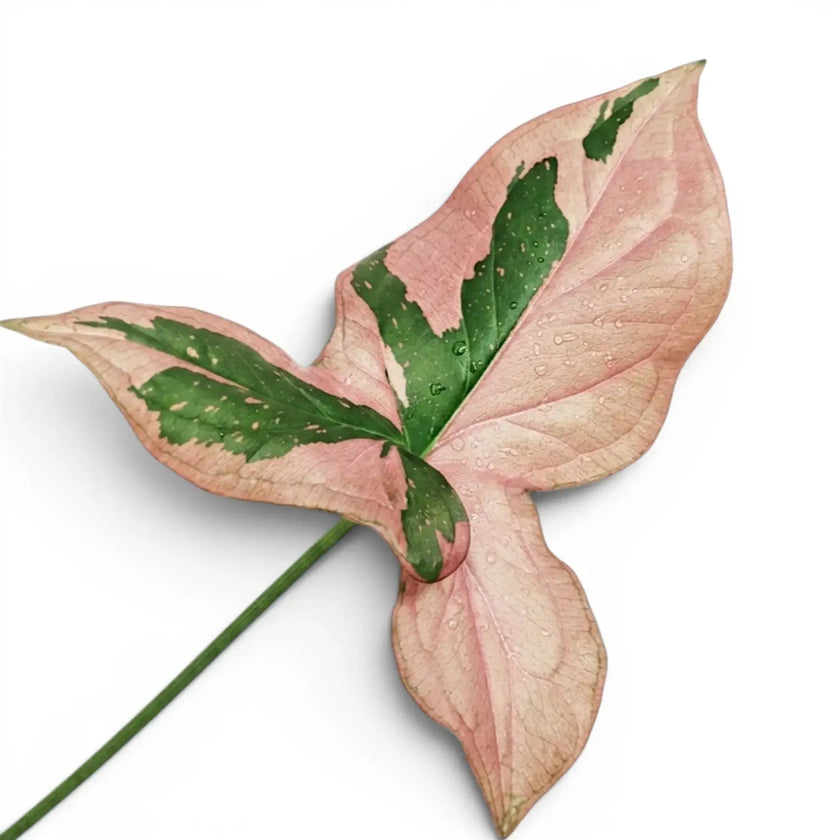
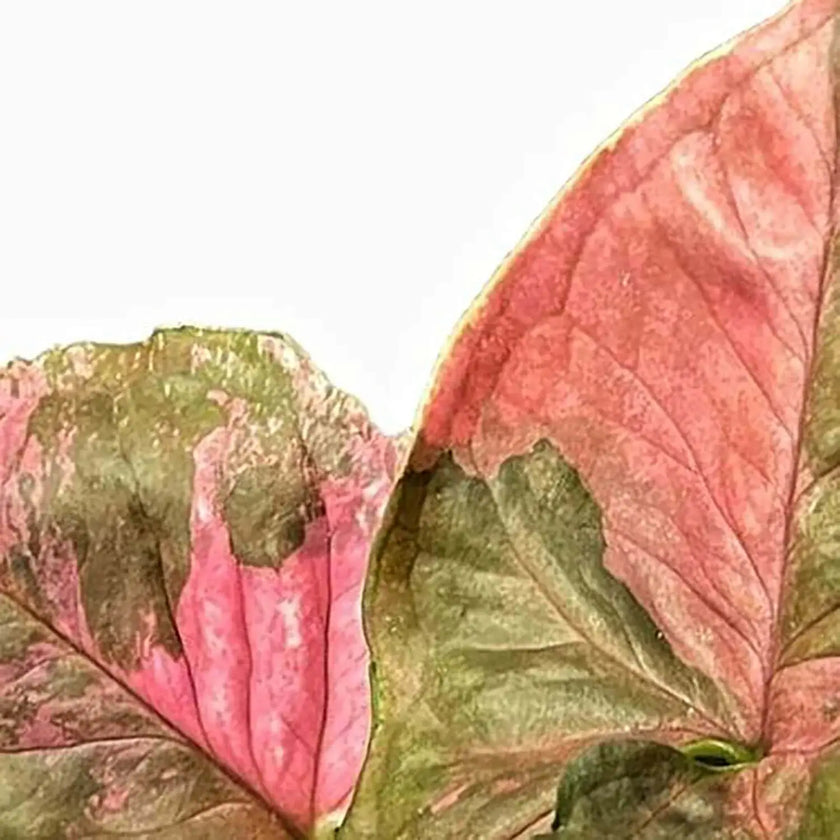
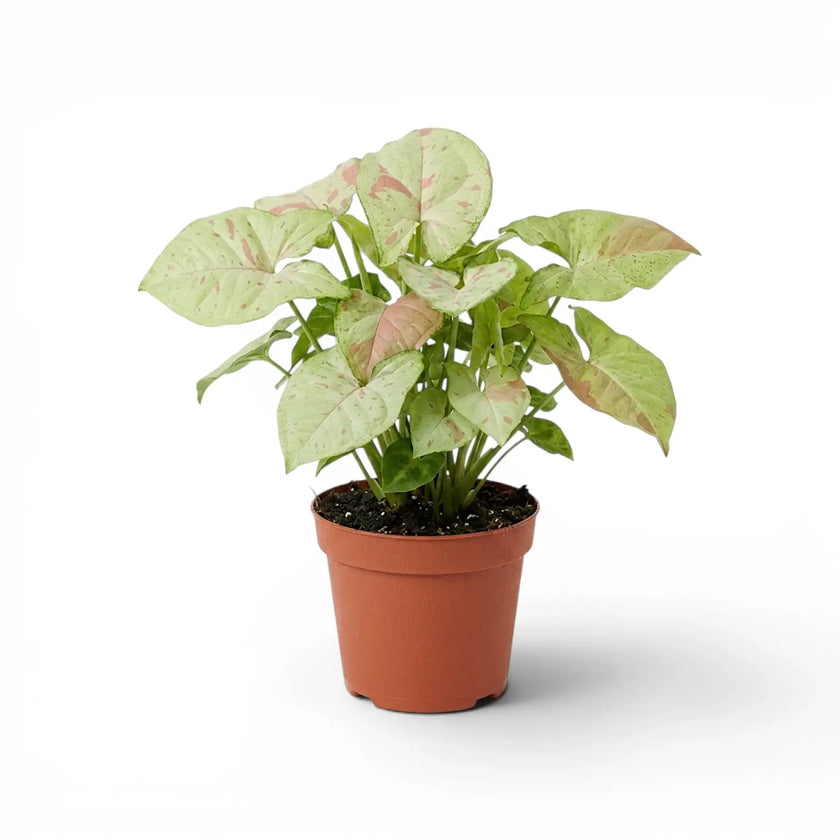
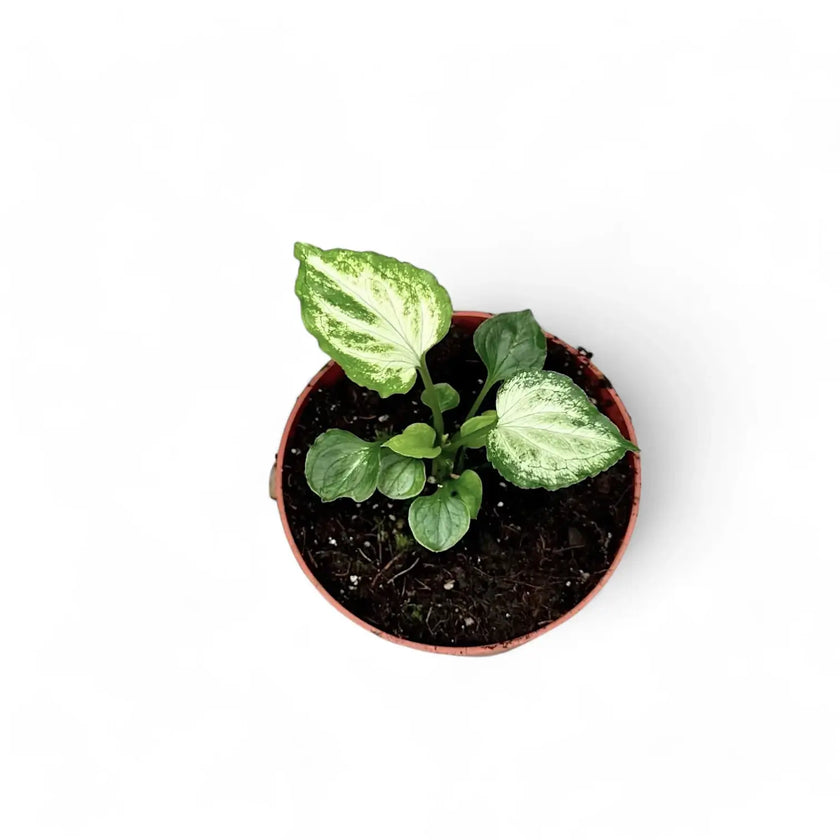
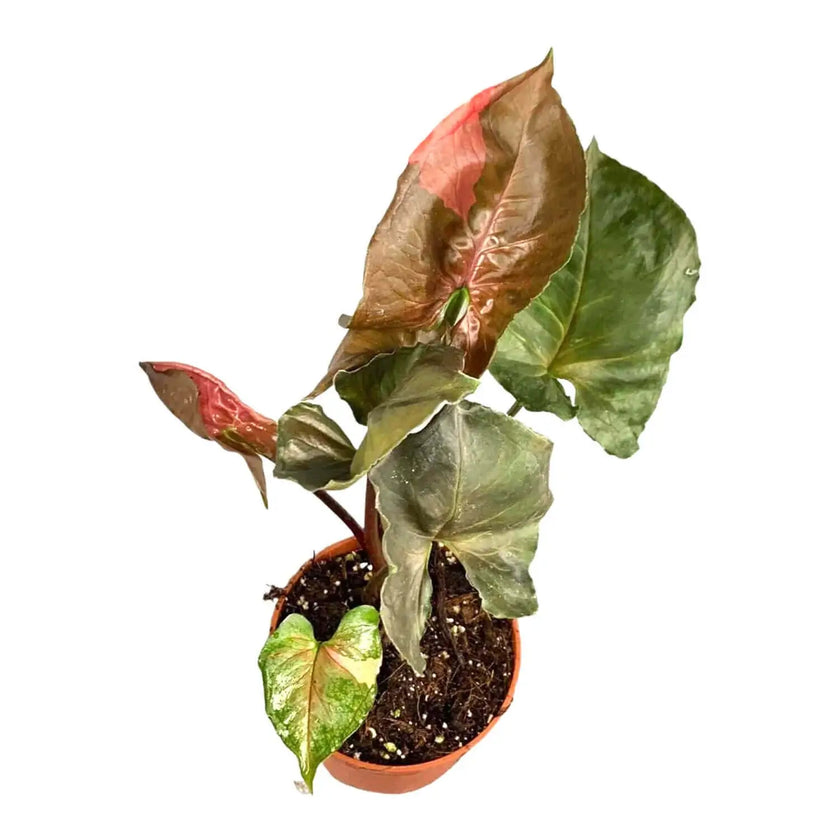
Syngonium podophyllum 'Red Spot' ('Pink splash') close-up of leaf on white background.
Syngonium podophyllum 'Regina Red' close-up of leaf on white background.
Syngonium podophyllum 'Roxanne' leaf close-up on white background.
Syngonium podophyllum 'Starlite' aka 'Zebrina' leaf detail on white background.
Syngonium podophyllum 'Strawberry Ice' leaf detail on white background.
Syngonium podophyllum 'Strawberry milk' leaf close-up on white background.
Syngonium podophyllum 'Strawberry' leaf close-up on white background.
Syngonium podophyllum 'T25' leaf close-up on white background.
Syngonium podophyllum 'Three Kings' ('Magic marble') leaf close-up on white background.
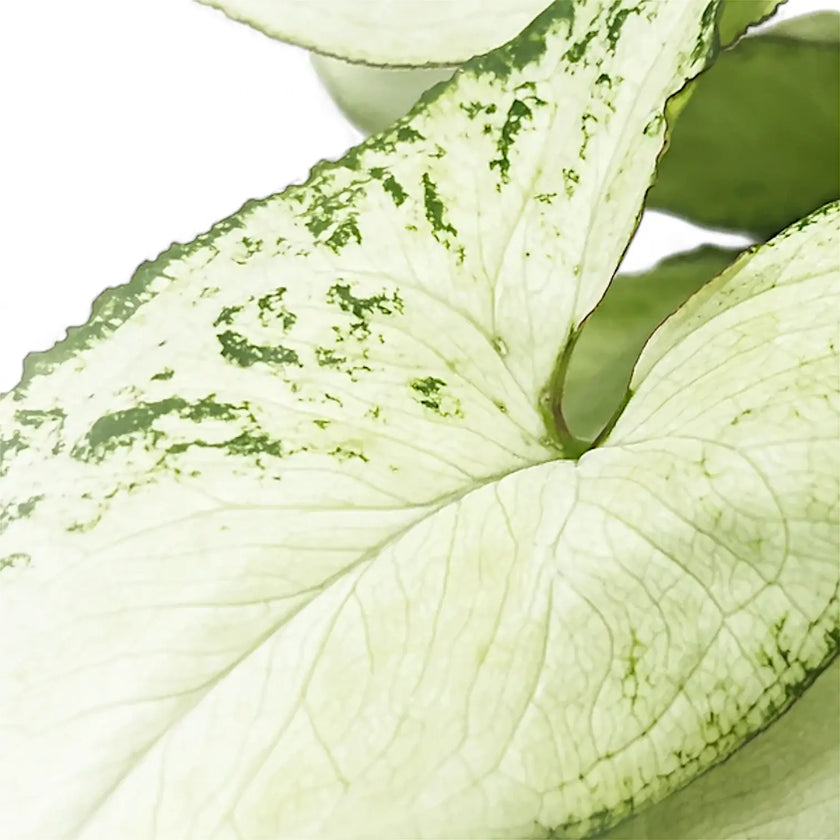
Syngonium podophyllum 'White Butterfly' close-up of leaf on white background.
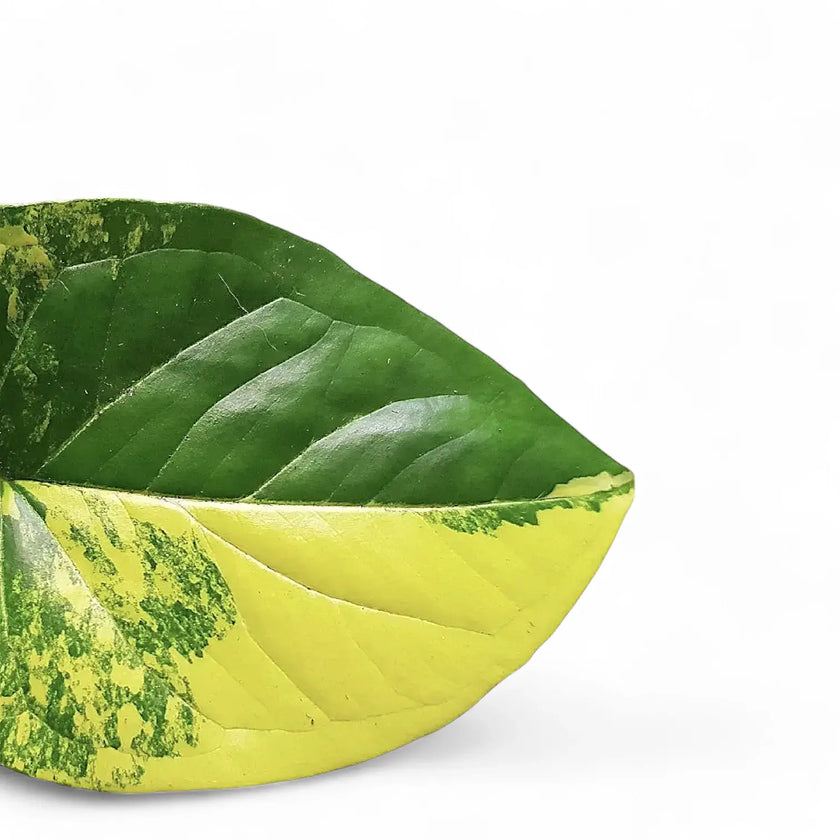
Syngonium podophyllum 'Yellow neon' close-up of leaf on white background.

Araceae

Syngonium (Arrowhead Vines)

Quick Overview

Syngonium (arrowhead vines) - adaptable aroid overview

  • Habit: juvenile arrow leaves on compact stems; later becomes a climbing vine if allowed to mature on supports.
  • Light: medium to bright, indirect light; low light reduces leaf size, direct sun damages softer parts, especially variegated forms.
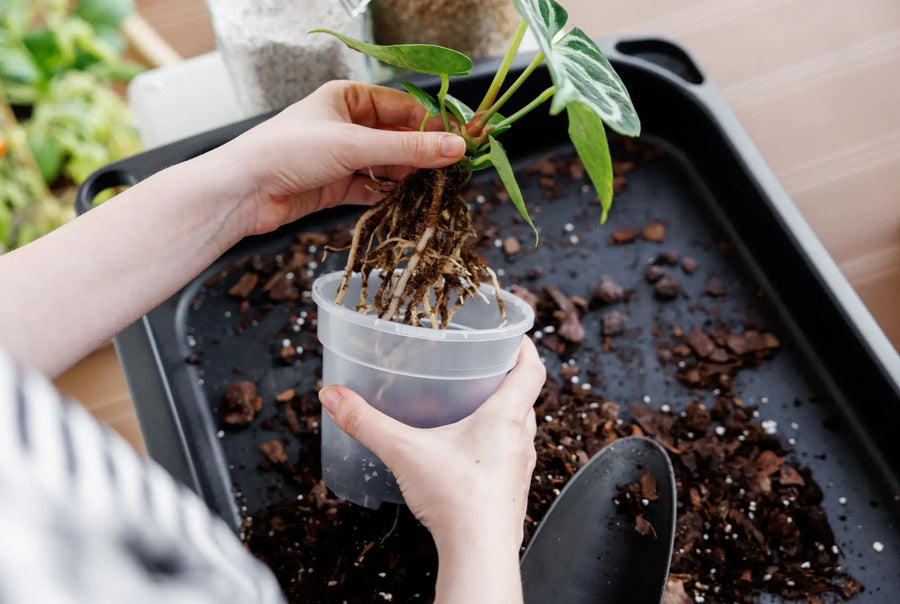
  • Substrate: enjoys airy aroid mix with bark and mineral fraction; dense compost holds too much water around fine roots.
  • Watering: water when upper soil has dried slightly; aim for moist, not soaked, root conditions.
  • Support: poles or boards encourage larger, more complex leaves; without them, stems trail and mature shapes are slower.
  • Toxicity: contains oxalates; keep away from nibbling pets and children.
Botanical Profile

Syngonium: botanical profile for arrowhead vines

Syngonium is a genus of Neotropical aroids in Araceae, described by Schott in 1829. The name combines Greek elements referring to fused ovaries in the female flowers. Around 30-40 species are currently recognised, all scandent or climbing herbs; Syngonium podophyllum and its cultivars dominate indoor arrowhead vine cultivation but represent only a fraction of the genus’ morphological range.

  • Order: Alismatales
  • Family: Araceae
  • Tribe: Caladieae / Syngonieae within subfamily Aroideae
  • Genus: Syngonium Schott
  • Type species: Syngonium podophyllum Schott
  • Chromosomes: Most species fall in mid-range polyploid series with 2n ≈ 24-36; Syngonium podophyllum and several congeners are consistently reported with 2n = 24.

Range & habitat: Syngonium is native to tropical America from Mexico and the Caribbean through Central America to much of northern South America. Species occupy lowland and premontane rainforests, riparian forests and moist thickets, typically germinating in leaf litter on the forest floor and later climbing tree trunks, lianas or rock faces toward higher light.

  • Life form: Perennial, evergreen climbers and hemiepiphytes with elongate, often unbranched main stems and numerous adventitious roots for anchorage and water uptake.
  • Leaf attachment: Petiolate leaves inserted singly at each node; juvenile blades are entire, often arrow-shaped, while adult leaves on mature climbing shoots become increasingly lobed or divided.
  • Leaf size: Juvenile leaves in cultivation are commonly 6-15 cm long; adult leaves in habitat may exceed 25-40 cm depending on species and light access.
  • Texture & colour: Moderately thick, often glossy laminae in shades of green, sometimes with pale midribs or sectorial and speckled variegation; some species show reddish abaxial tones or petioles.
  • Notable adaptation: Strong heteroblasty (marked juvenile-adult leaf change) allows small, shade-adapted rosettes to transition into large, more dissected leaves higher in the canopy without interruption of the individual’s life history.

Inflorescence & fruit: Short-pedunculate aroid inflorescences with a spadix bearing separate female, sterile and male zones are produced near the shoot tips on mature plants. After pollination, fleshy, many-seeded berries develop within the persistent lower spathe tube, maturing into aromatic infructescences that attract mammals and birds in forest understoreys.

Details & Care

Syngonium: arrowhead vines that trail, climb, and mature into bigger leaves

Juvenile vs mature growth

Syngonium starts with arrow-shaped juvenile leaves and, given time and support, can develop more divided or lobed mature foliage. Kept trailing, it stays soft and bushy; trained upward, leaf size and shape often become more dramatic. That flexibility is what makes the group useful for shelves, hanging pots, and supports alike.

How to choose a Syngonium

  • Growth habit: compact cultivars stay tighter in pots; stronger climbers respond well to a pole or trellis.
  • Leaf thickness: thicker leaves usually handle a wider range of indoor humidity; thinner leaves prefer steadier moisture.
  • Pattern and pace: high-contrast and heavily patterned forms often grow slower than greener, faster fillers.
  • Final look: choose whether you want a dense trailing pot or a taller plant with larger mature leaves.

Care baseline

  • Light: bright, indirect light keeps growth steady; softer light usually means slower growth and longer watering intervals.
  • Watering: water thoroughly, then let the upper part of the mix dry before the next watering.
  • Substrate: a chunky mix with good aeration keeps roots healthier than dense, slow compost.
  • Support: adding a support changes plant shape and leaf size; it’s an easy way to shift from trailing to climbing.
  • Feeding: light, regular feeding during active growth supports larger leaves and steadier vine growth.

Styling options

Syngonium branches readily from nodes. Tip-pruning encourages a fuller pot, while letting one or two vines climb produces a cleaner, taller outline. Because leaves and spacing change with support, it’s easy to reshape the same plant over time without changing the core care routine.

Common issues to watch

  • Leggy growth: usually a light limitation; vines stretch and leaves space out when intensity is low.
  • Brown edges: often from dry swings or mineral build‑up in the potting mix.
  • Pests: mites and thrips can distort new growth; checks on the newest leaves are the quickest early warning.

For cuttings and training ideas, the propagation guide is a good companion read.

Frequently Asked Questions About Syngonium