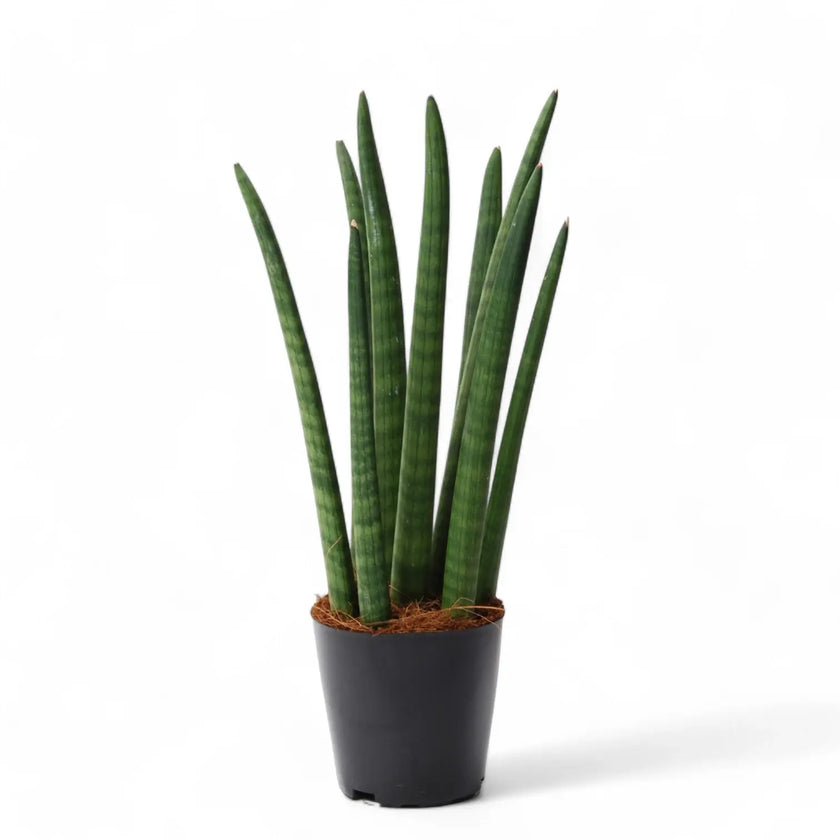

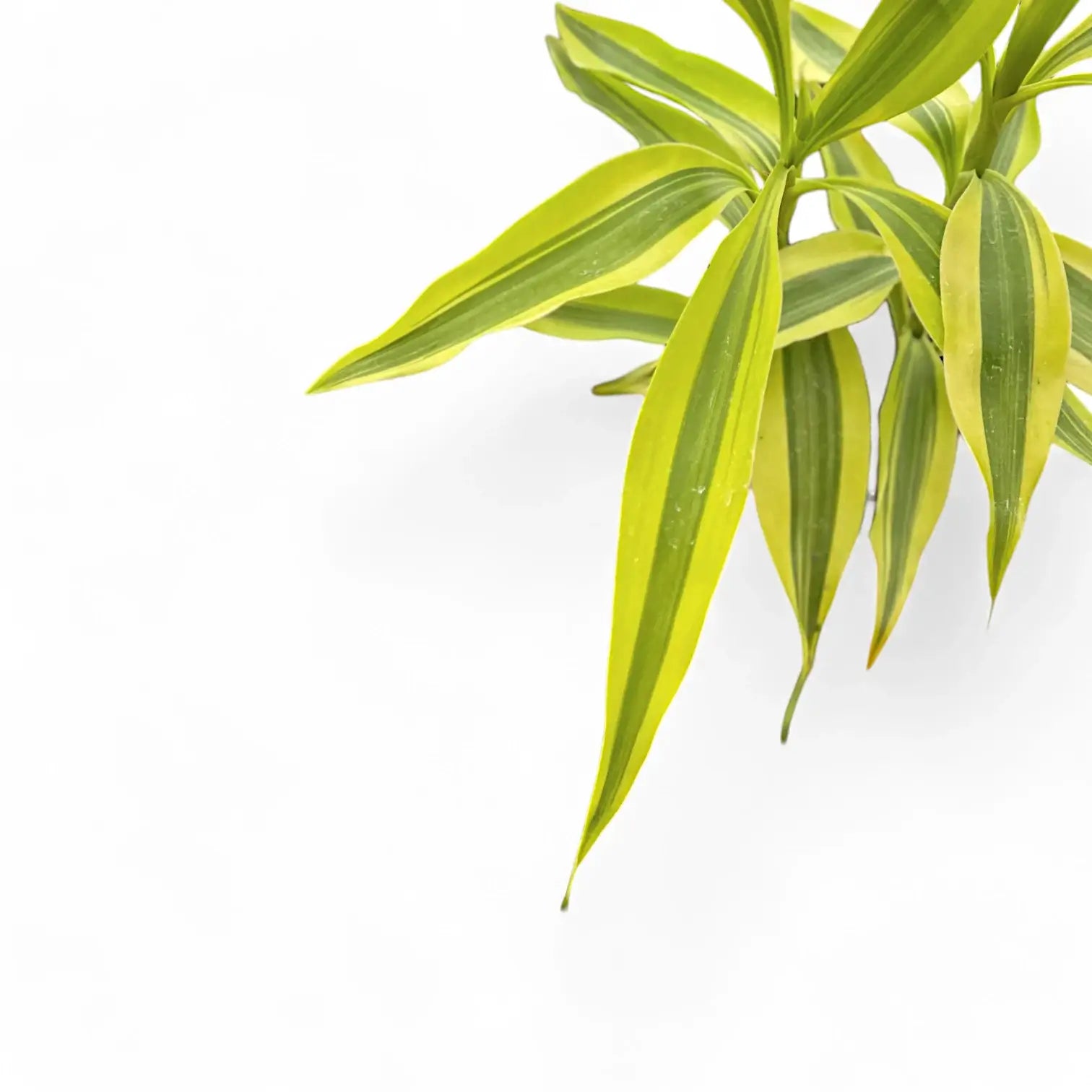
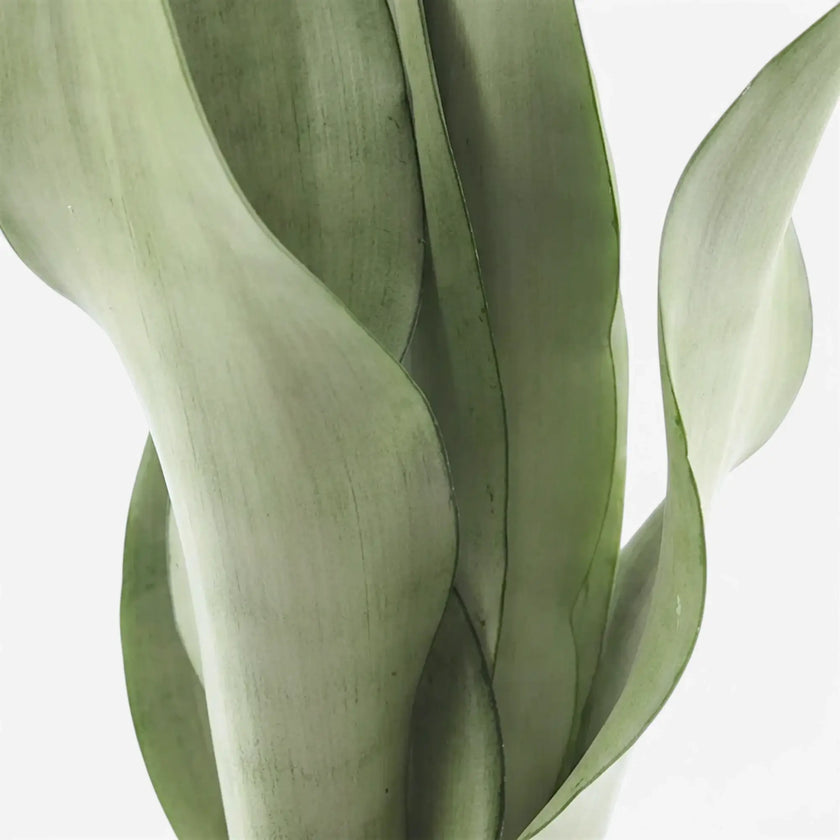
Dracaena (Dragon Tree & Snake Plant)
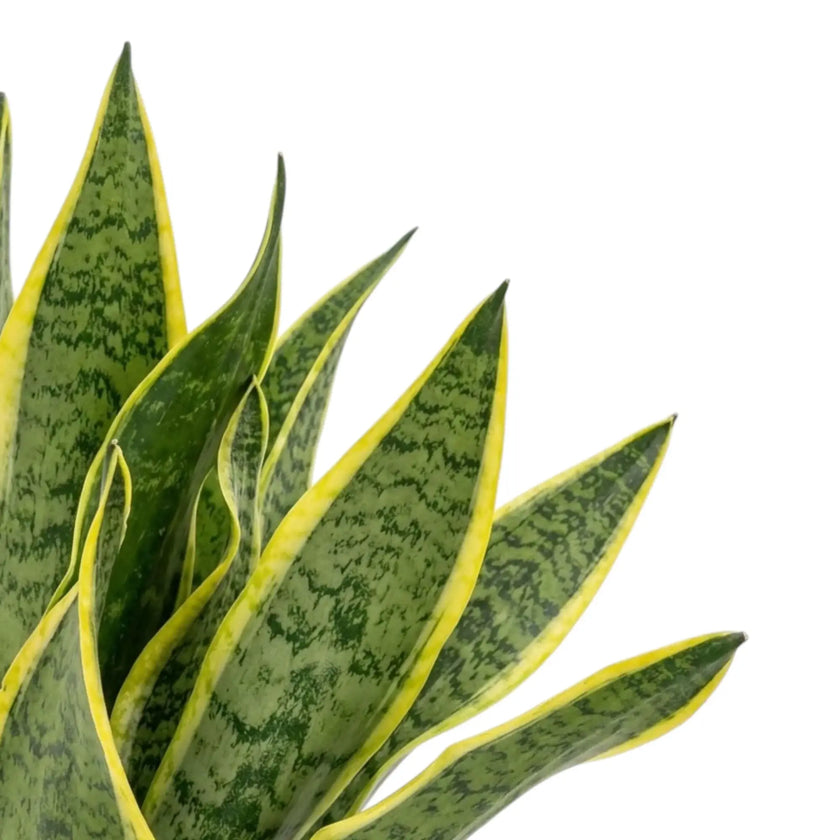
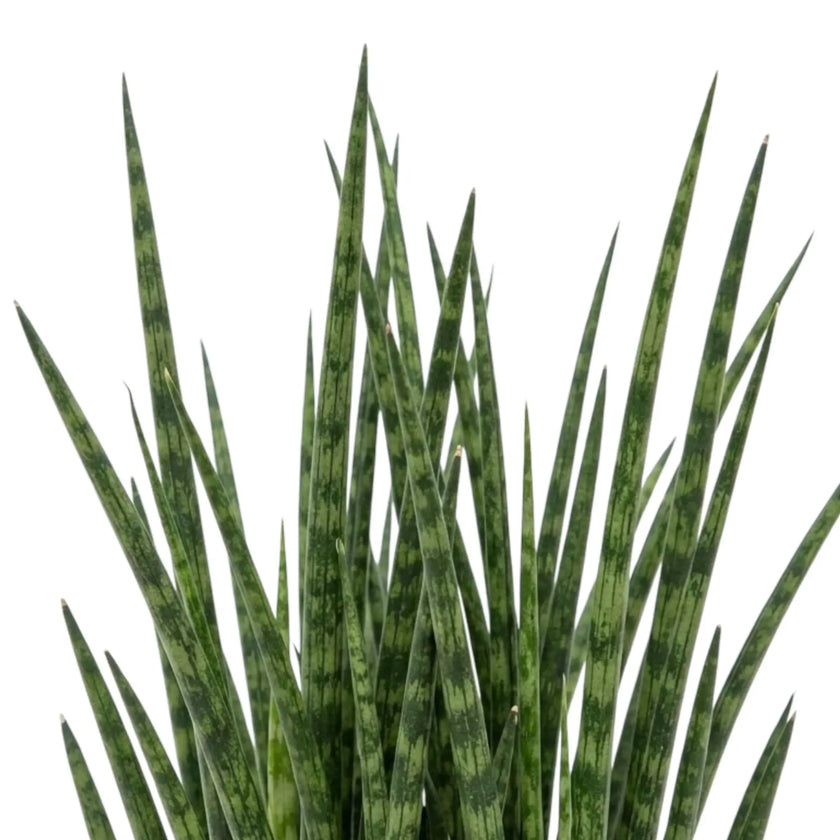
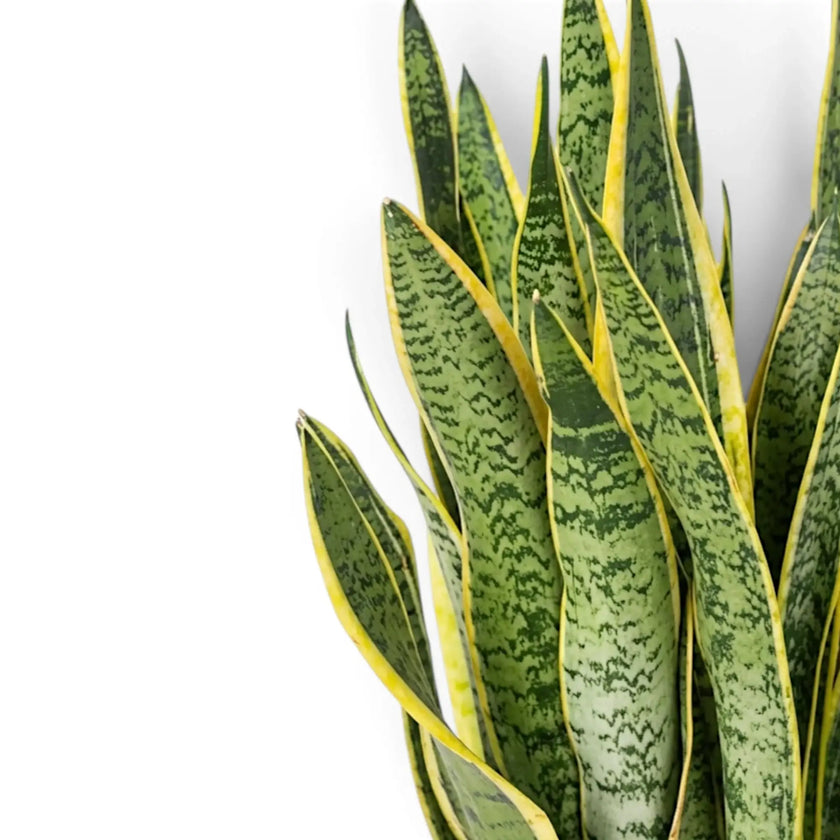
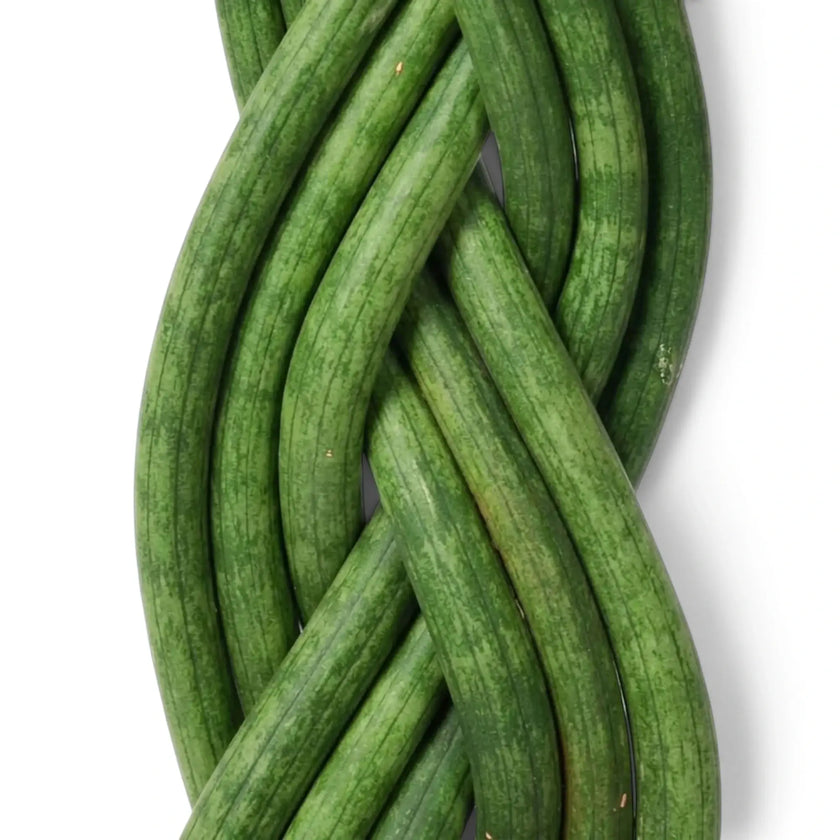
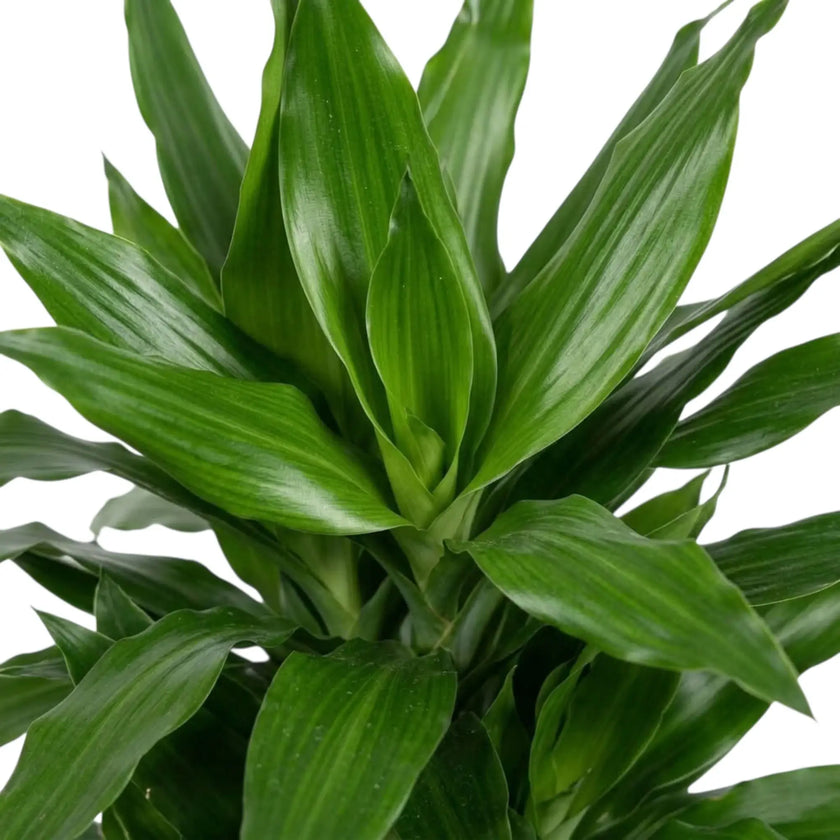
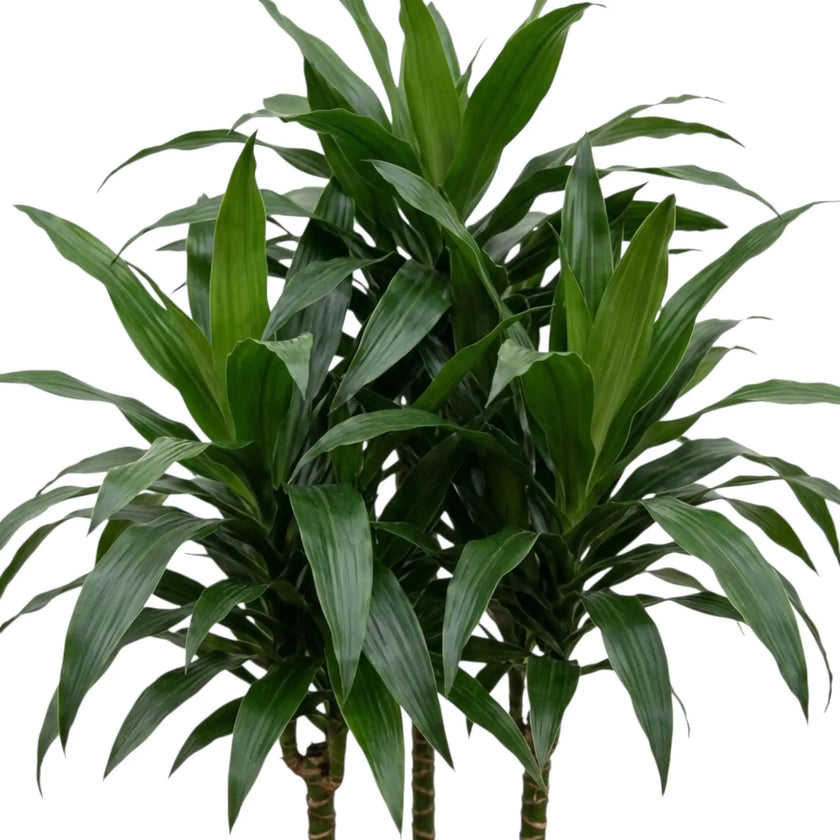
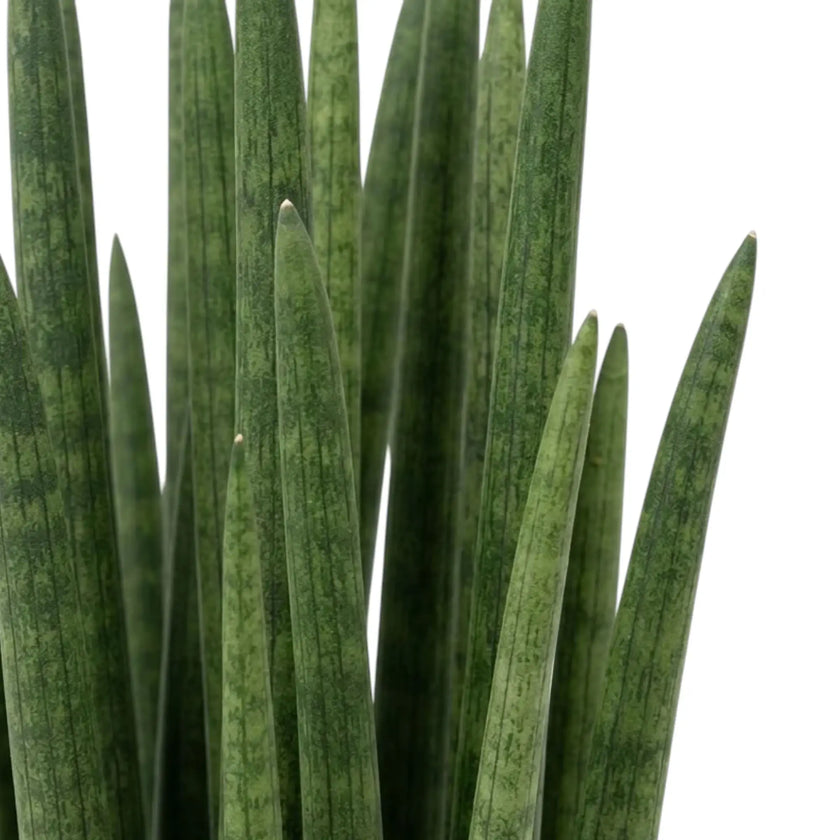
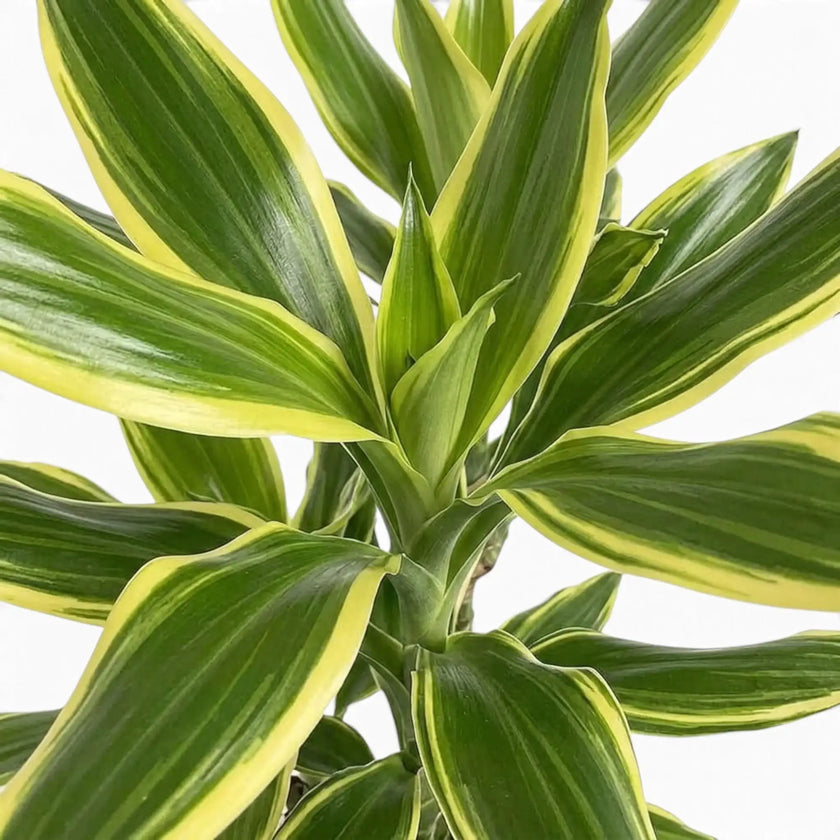
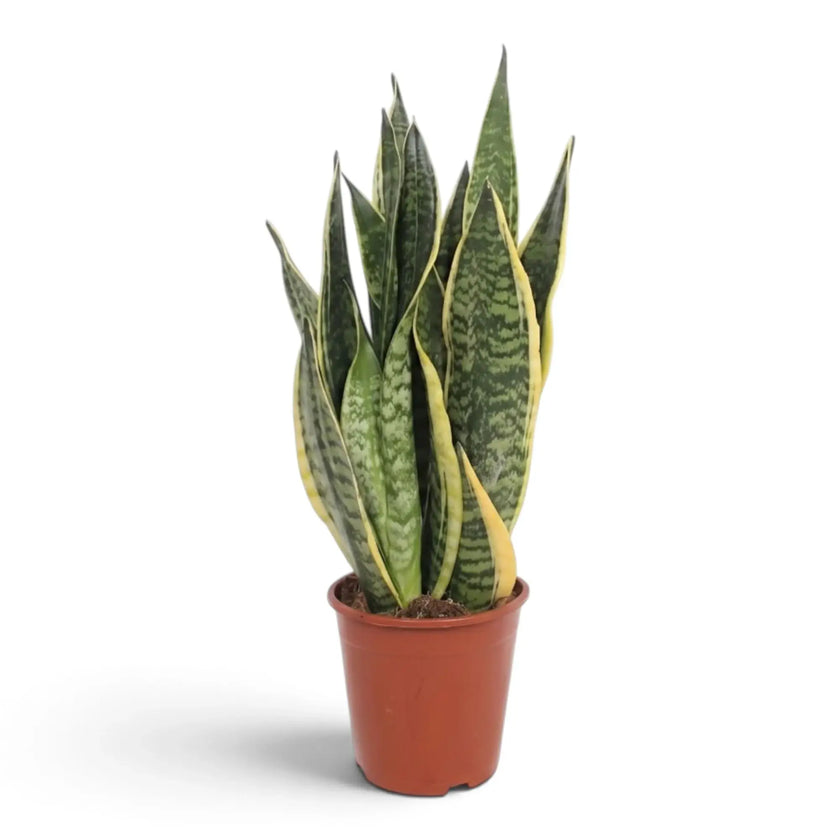
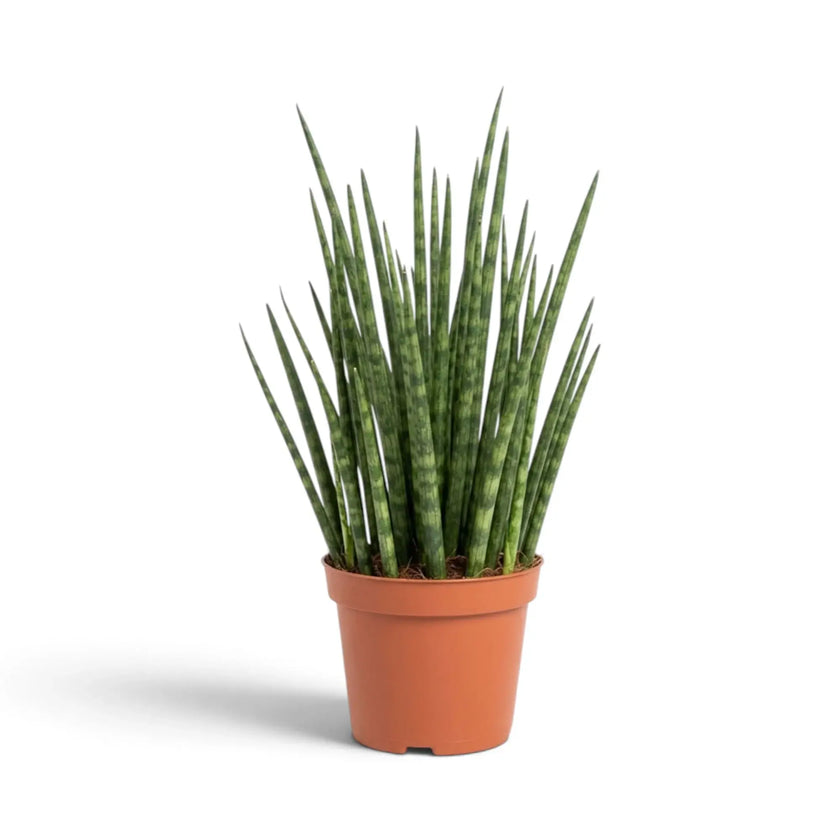
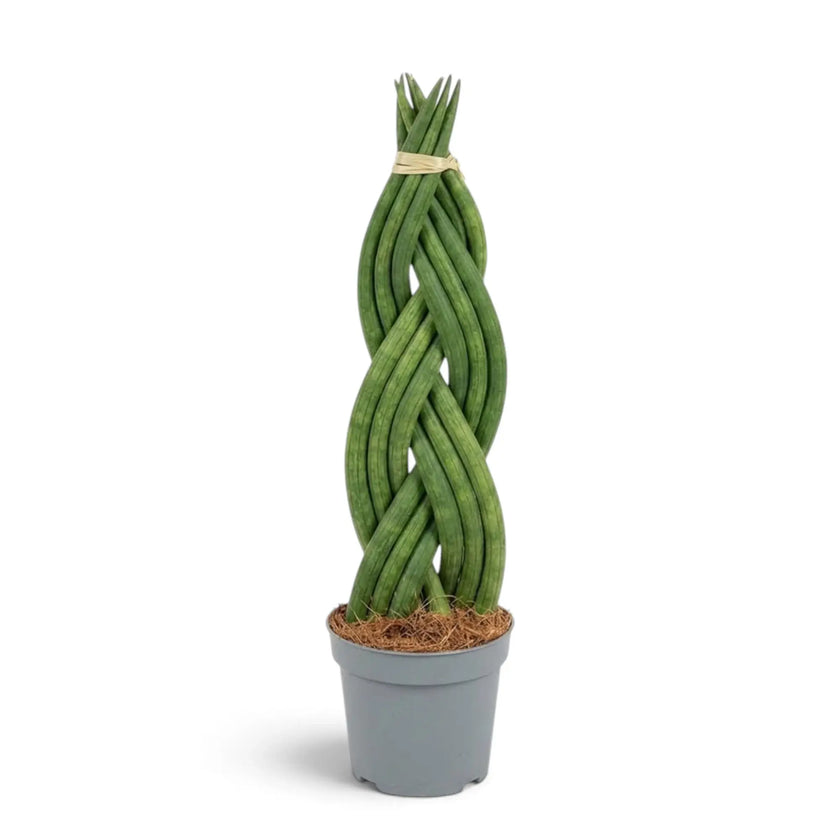
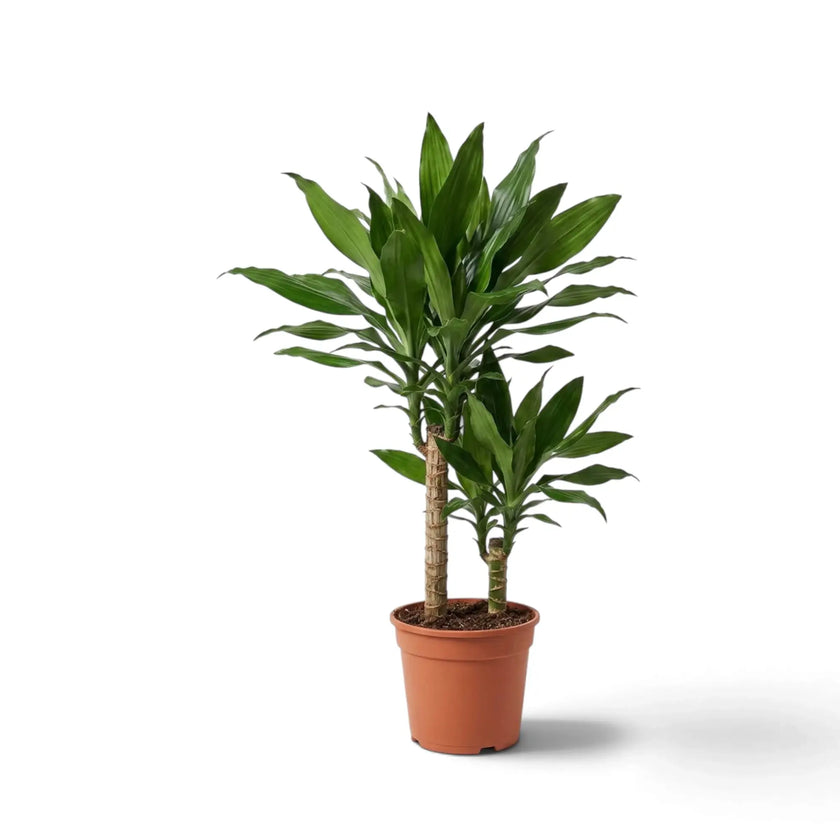
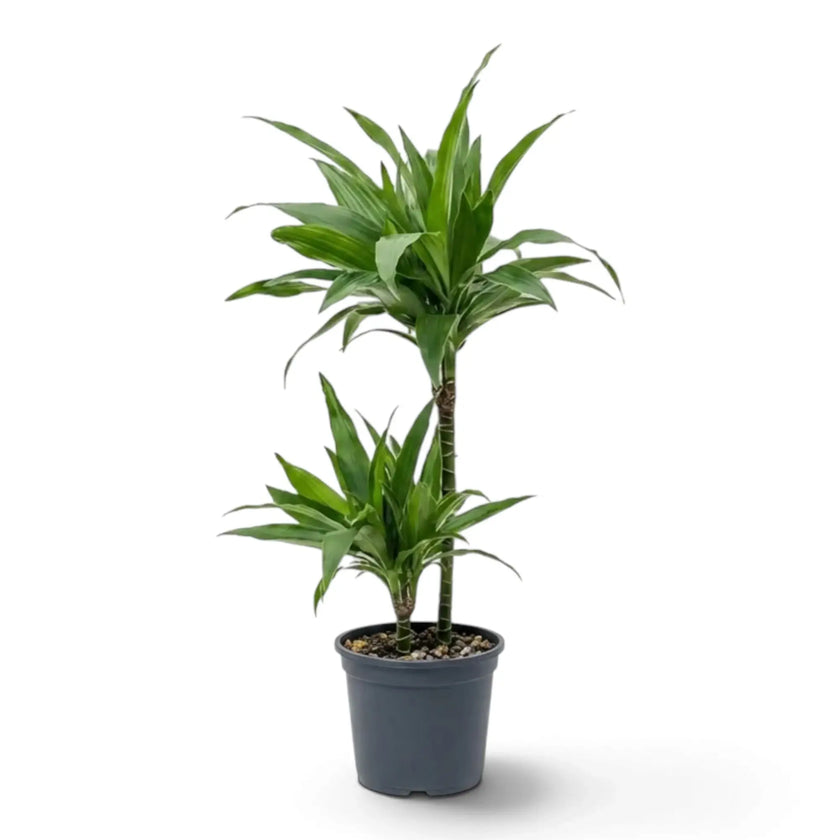
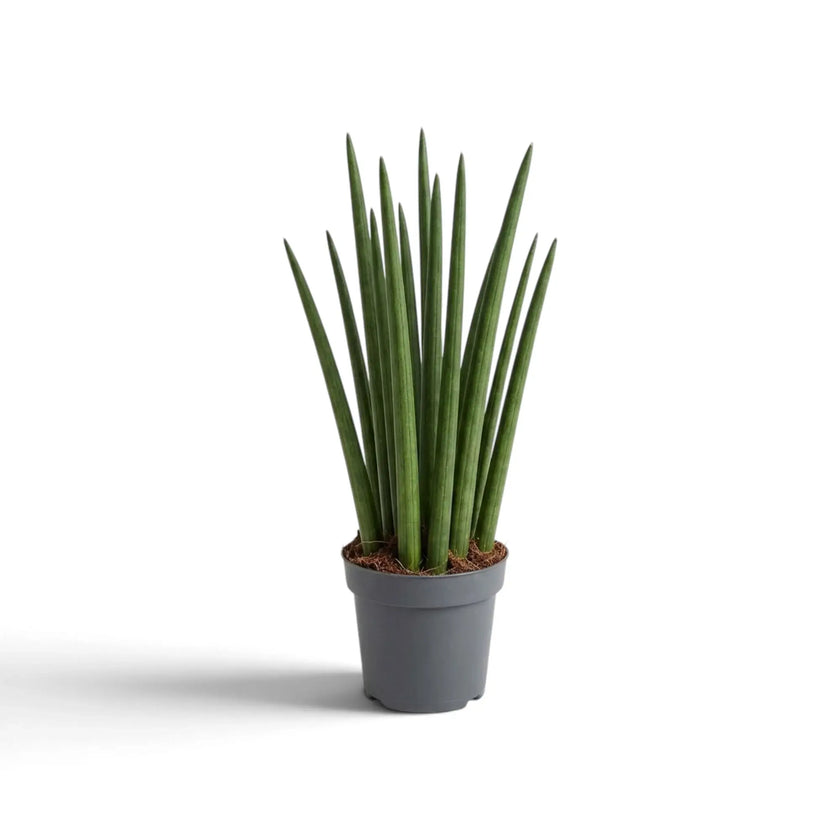
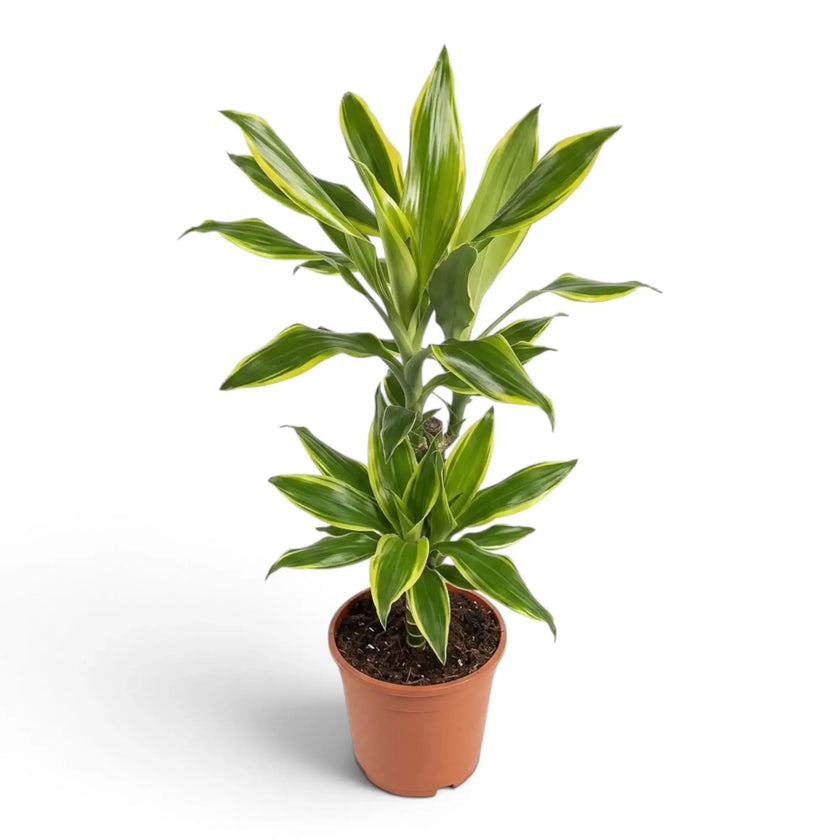
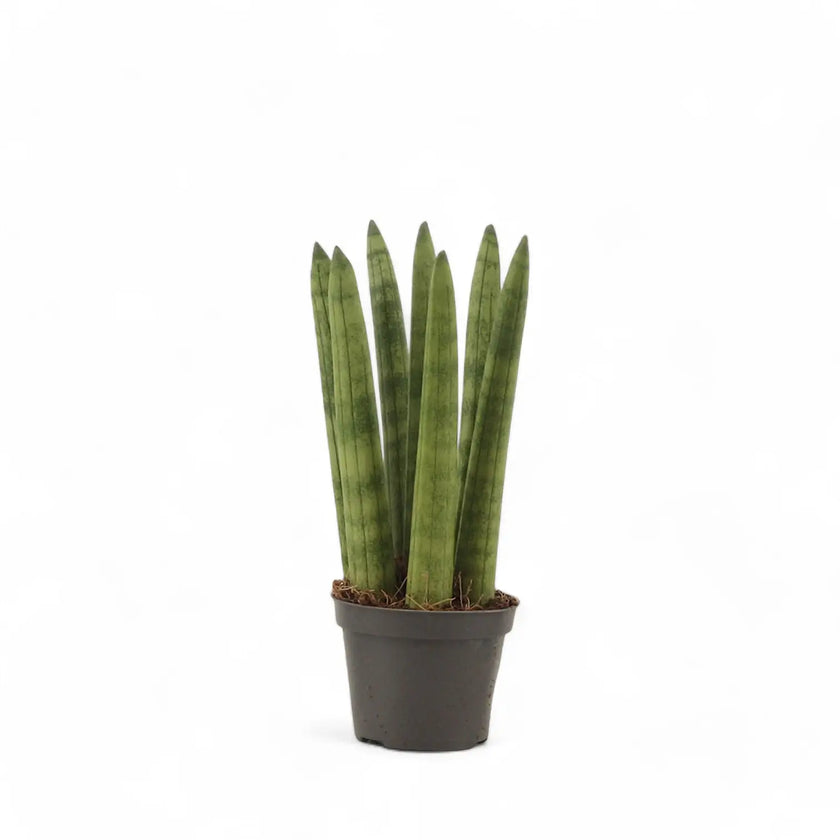
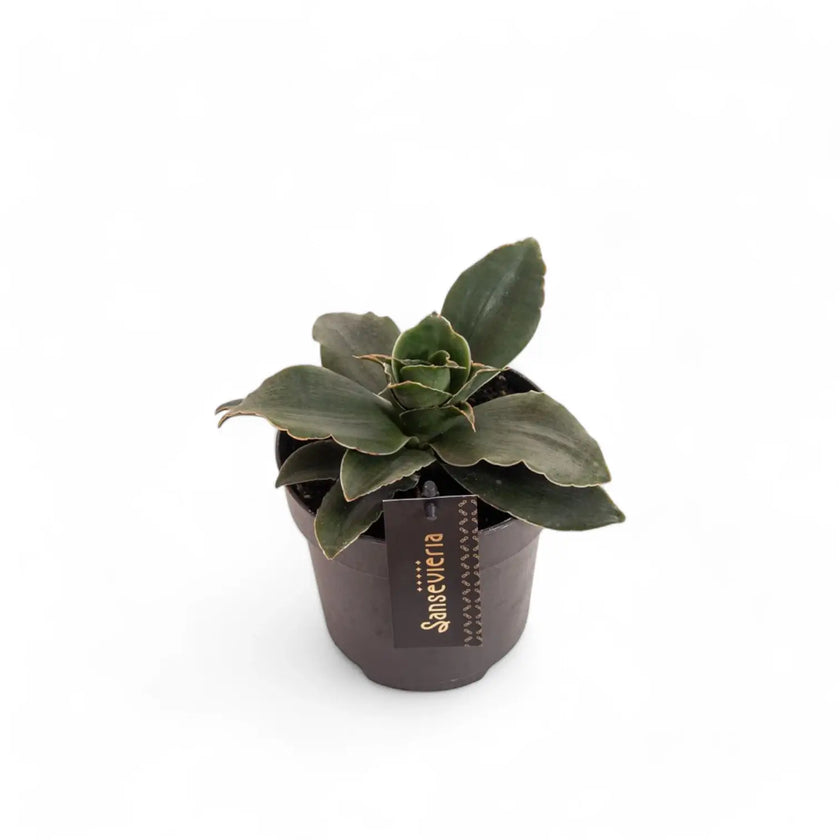
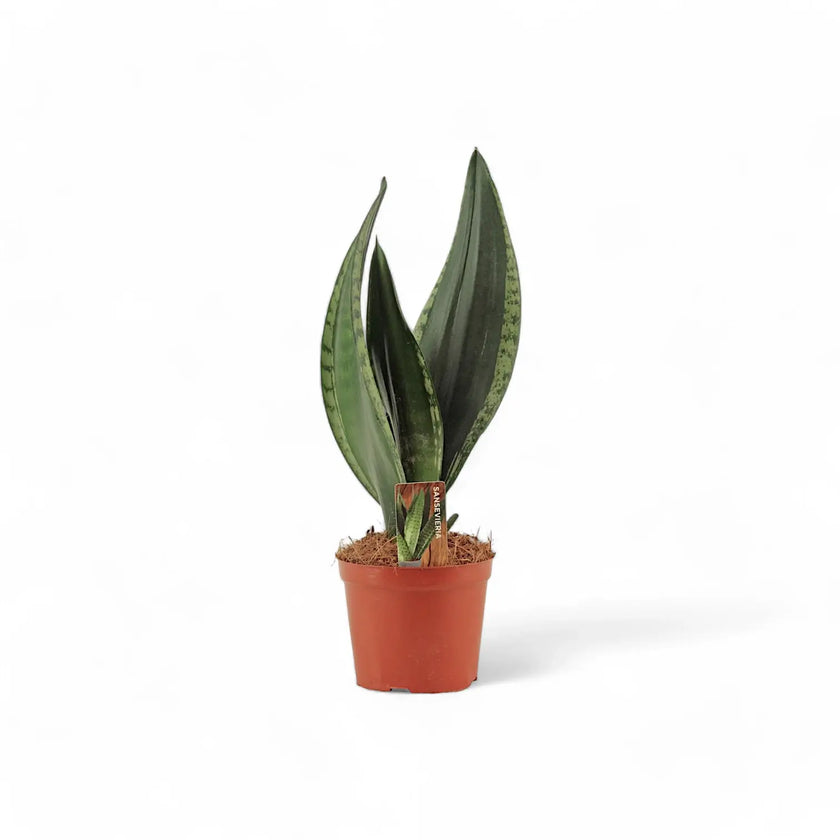
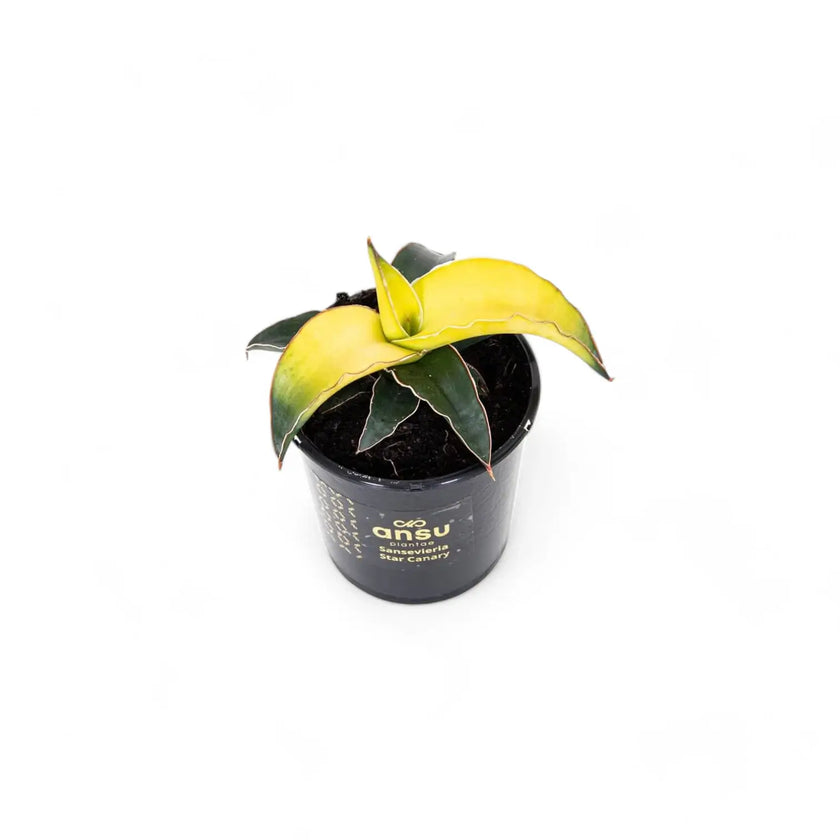
Dracaena now includes the plants once classified as Sansevieria. Dragon trees grow woody canes topped with leafy crowns, while snake plants form upright fans or rosettes in green, silver, yellow and variegated patterns.

About Our Filters
Start with the light and space you can offer, then narrow by the plant’s shape or appearance. Check the individual product page for care and size details.
No filter options are available for this collection right now. Open a product to check its details.
Sort by:
Filters
Asparagaceae
Dracaena (Dragon Tree & Snake Plant)
Dragon trees grow as woody or cane-forming plants in warm regions, with leaves gathered toward the ends of stems. Snake plants originate from environments where their thick, upright leaves store moisture through dry periods.
Plants long sold as Sansevieria are now included in Dracaena, so both common names appear in the collection. Their contrasting growth habits remain easy to recognise.
Dracaena and snake plants
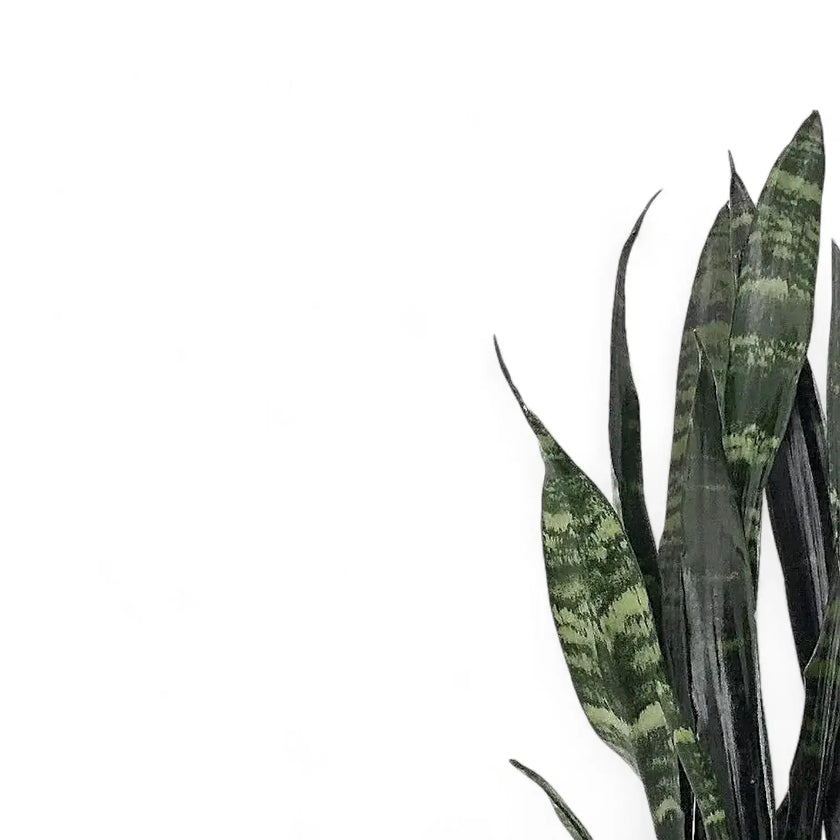
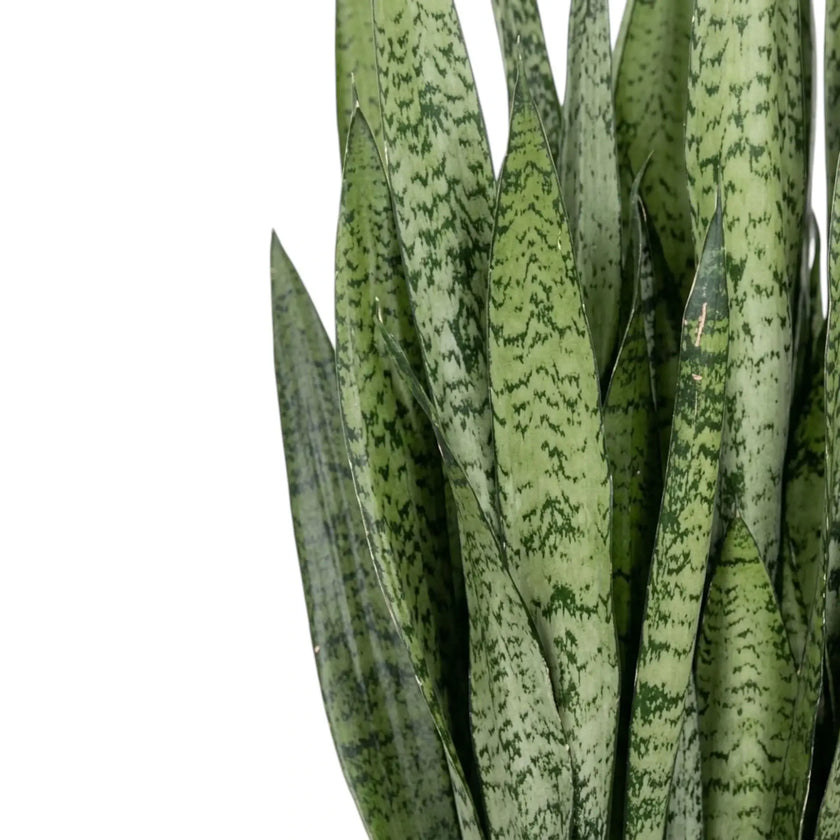
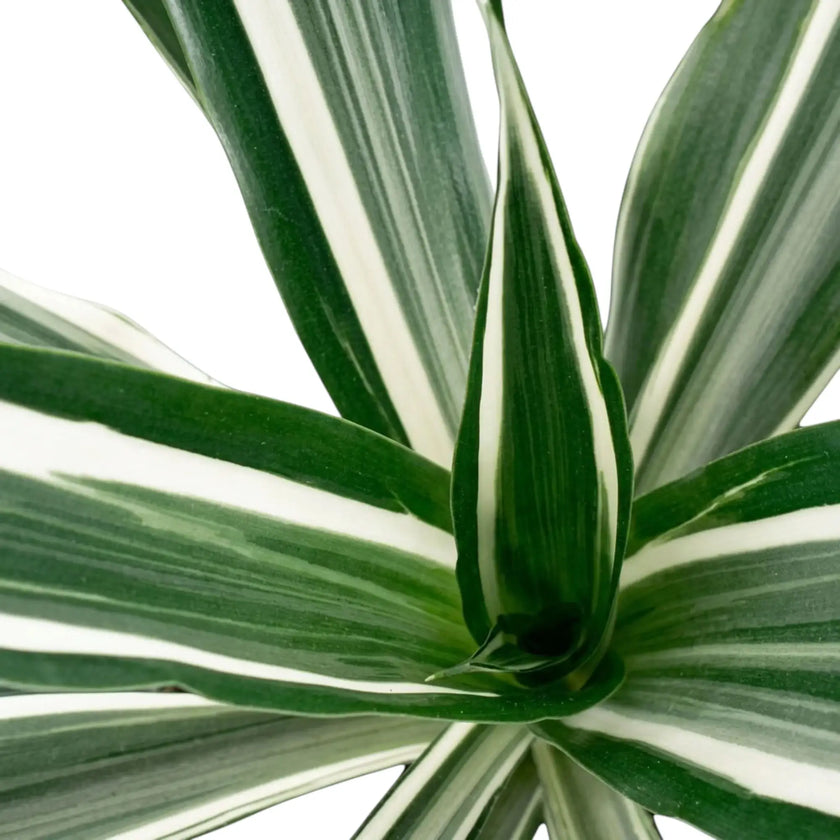
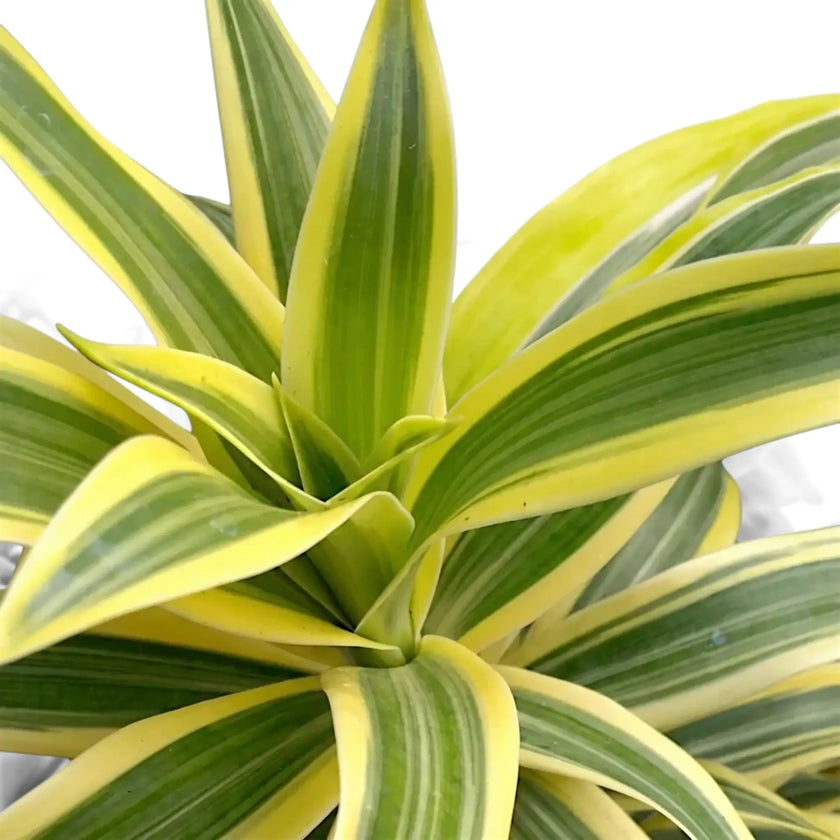
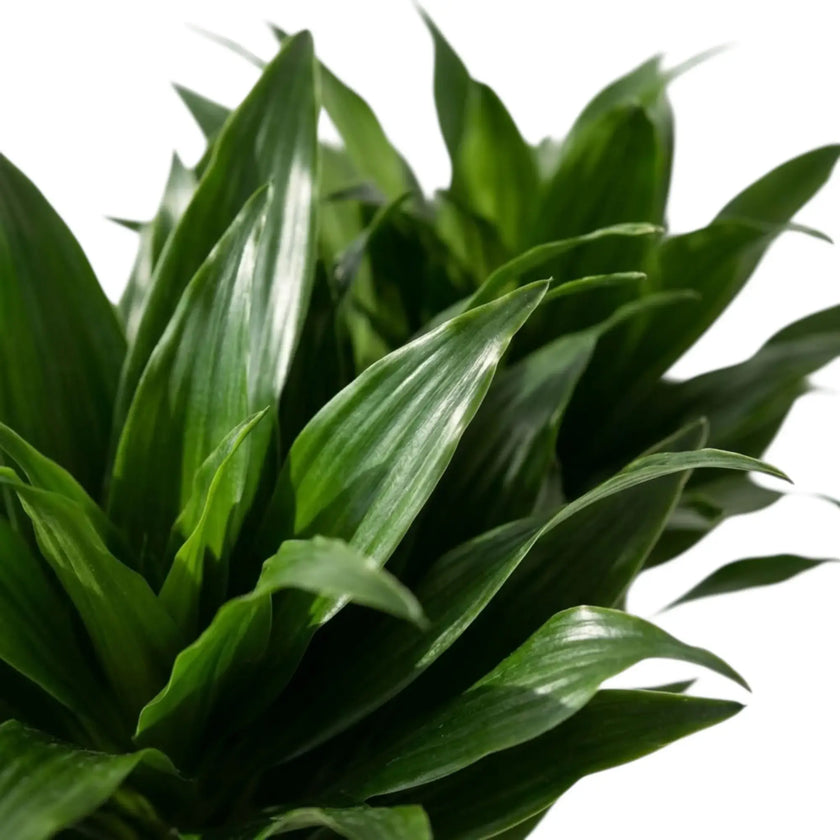
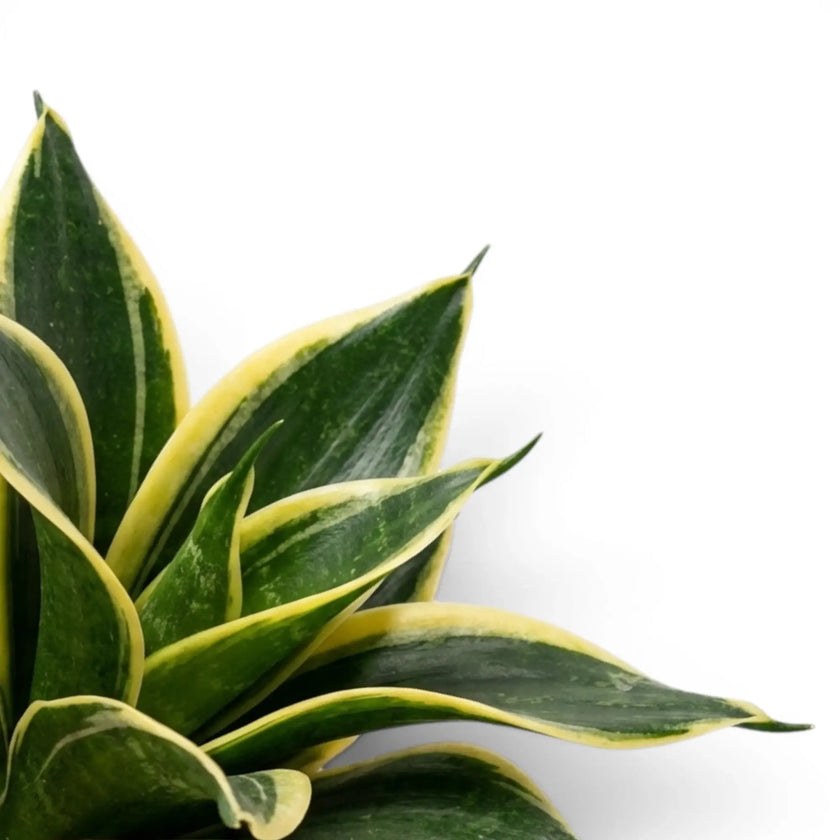
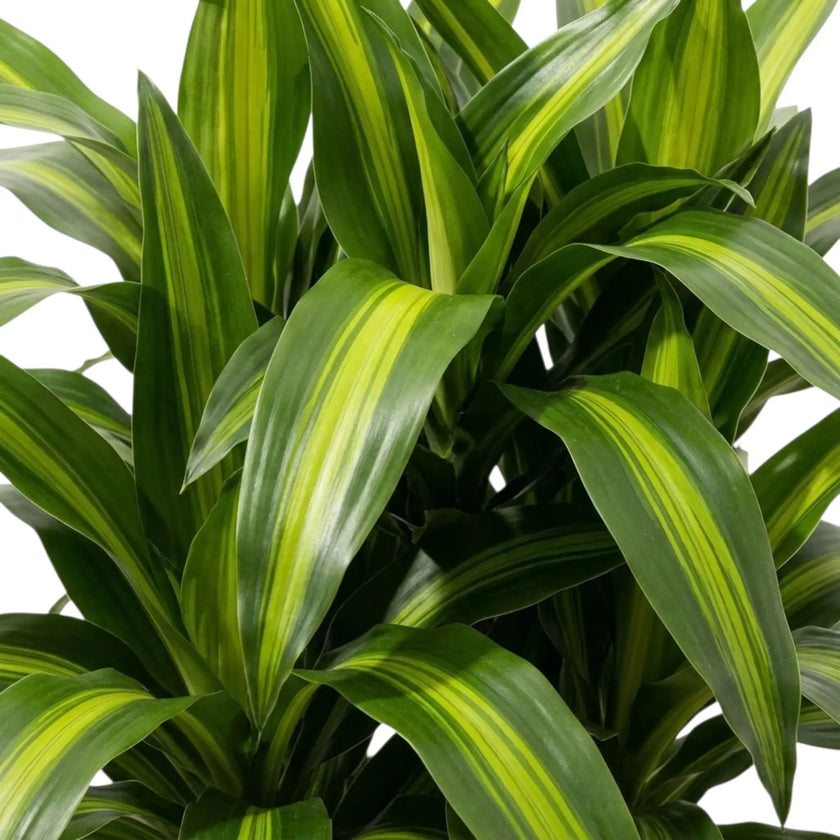
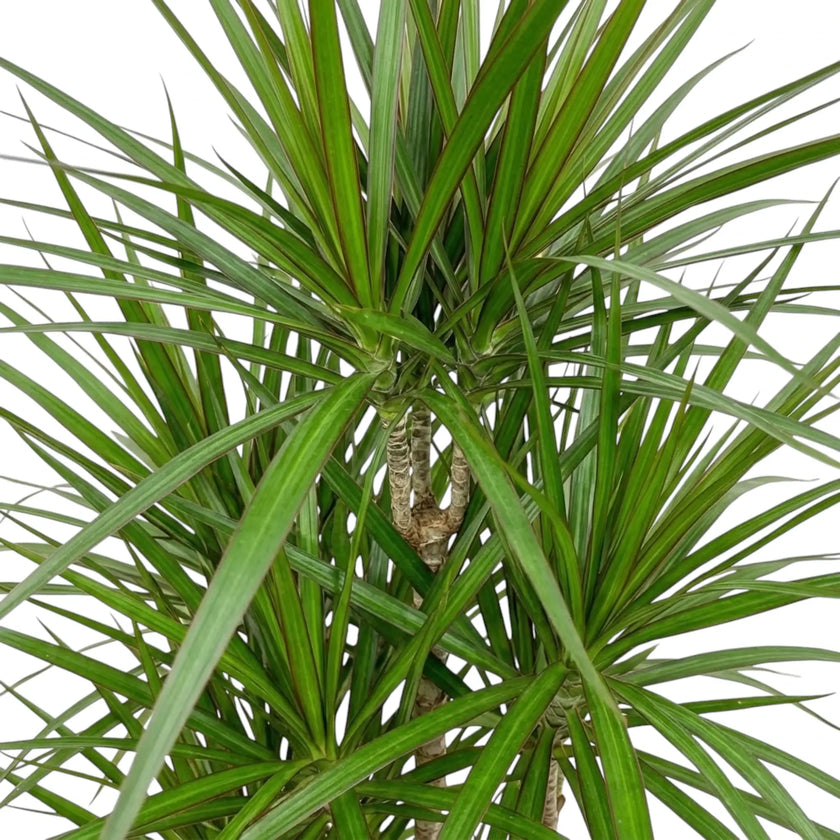
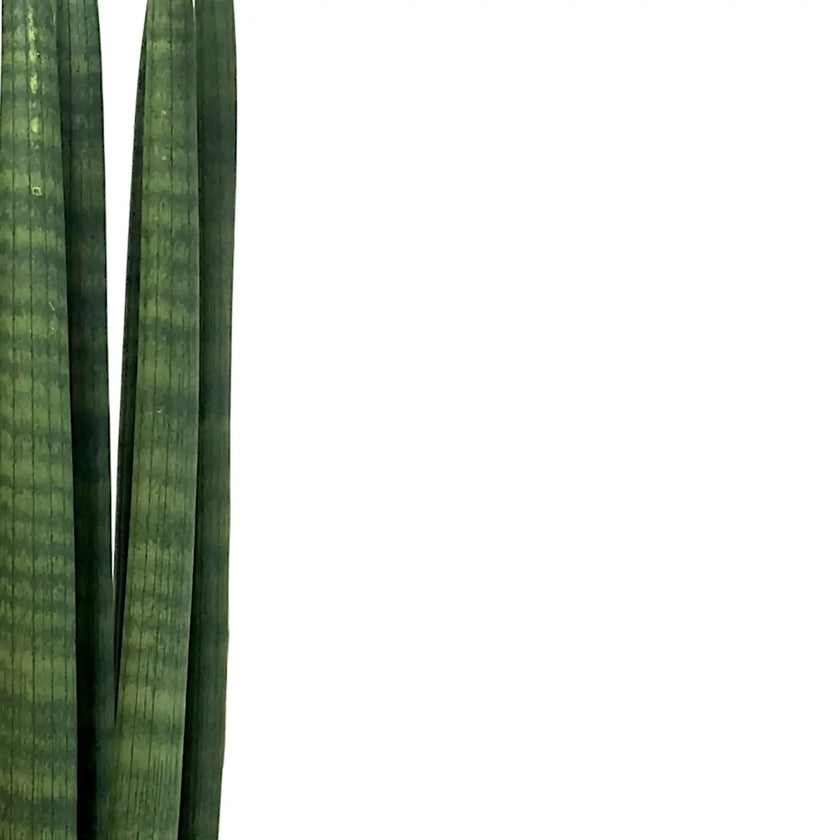
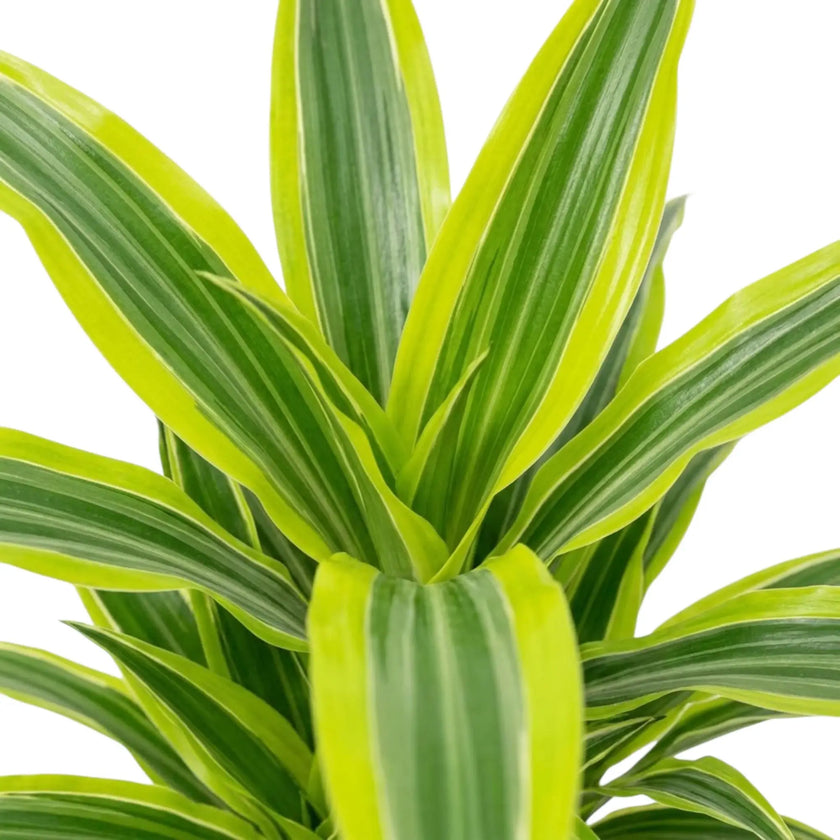
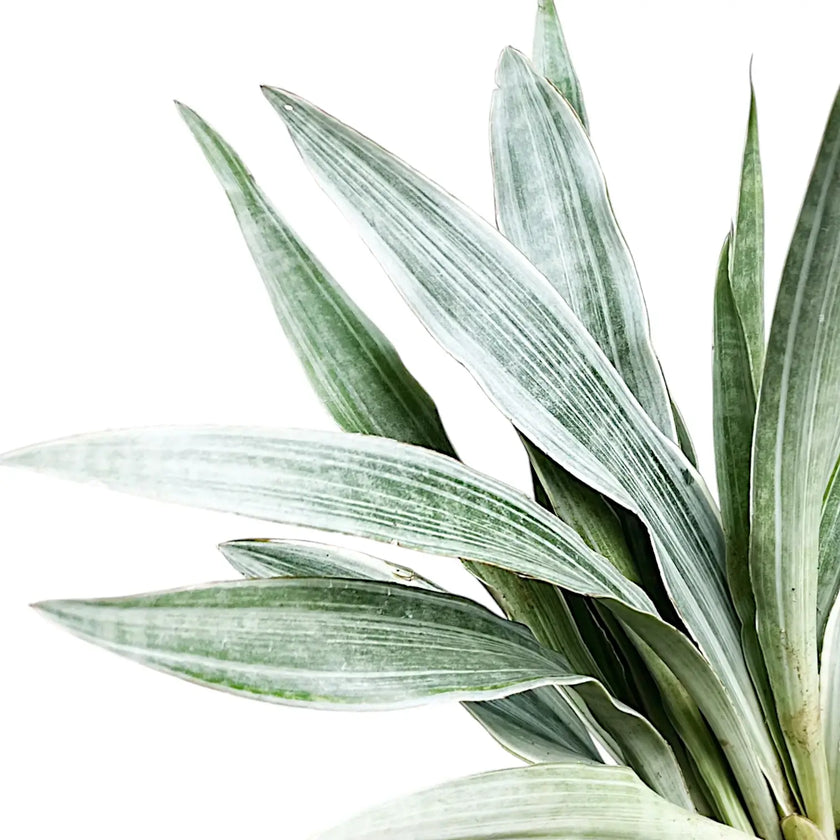
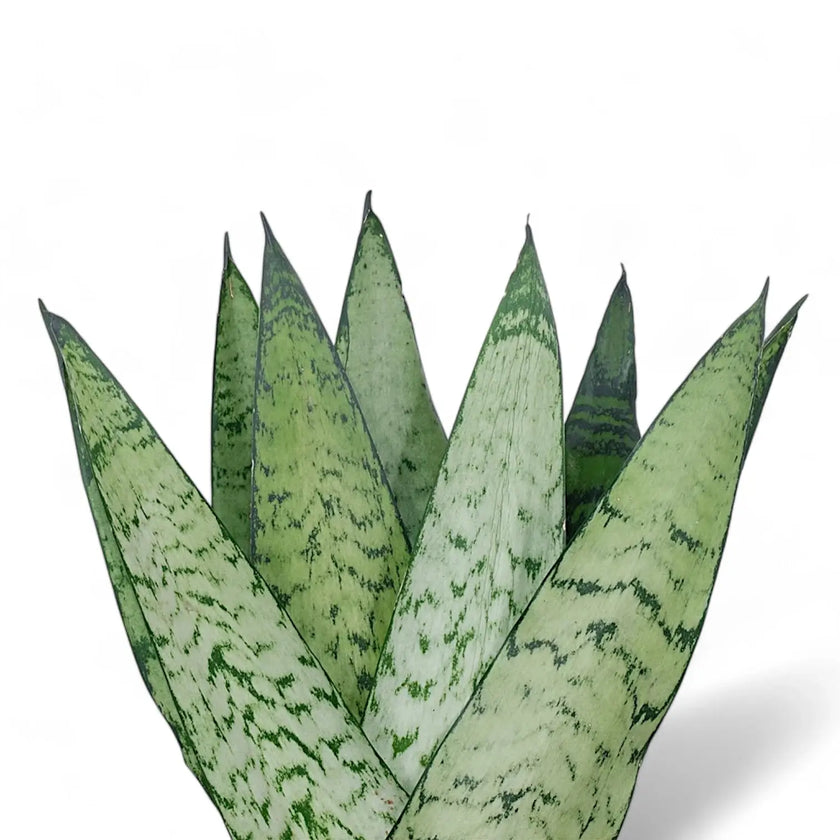
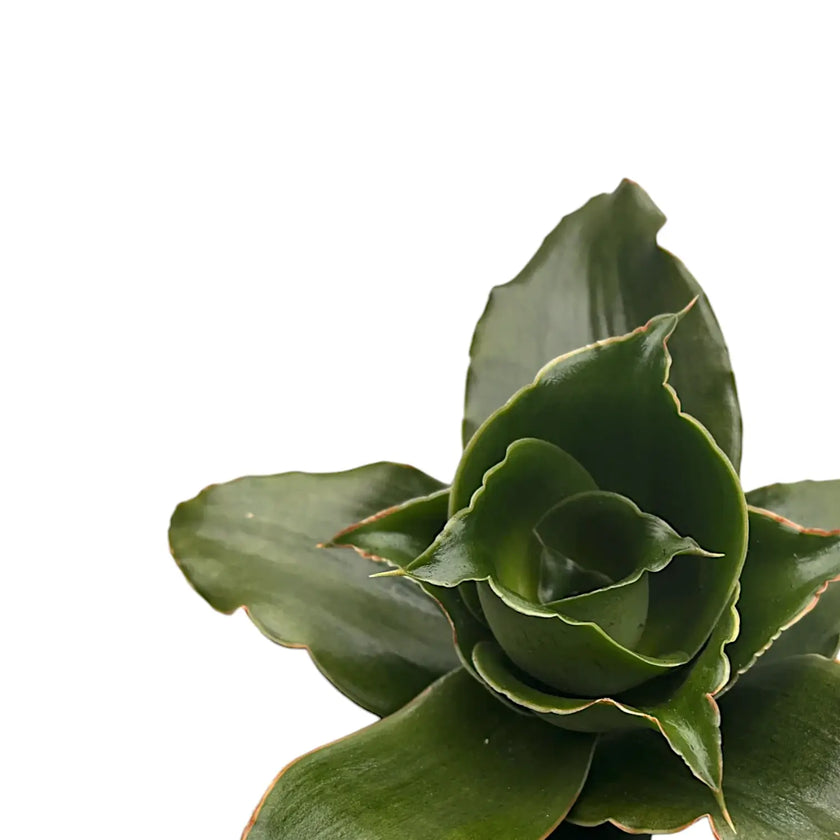
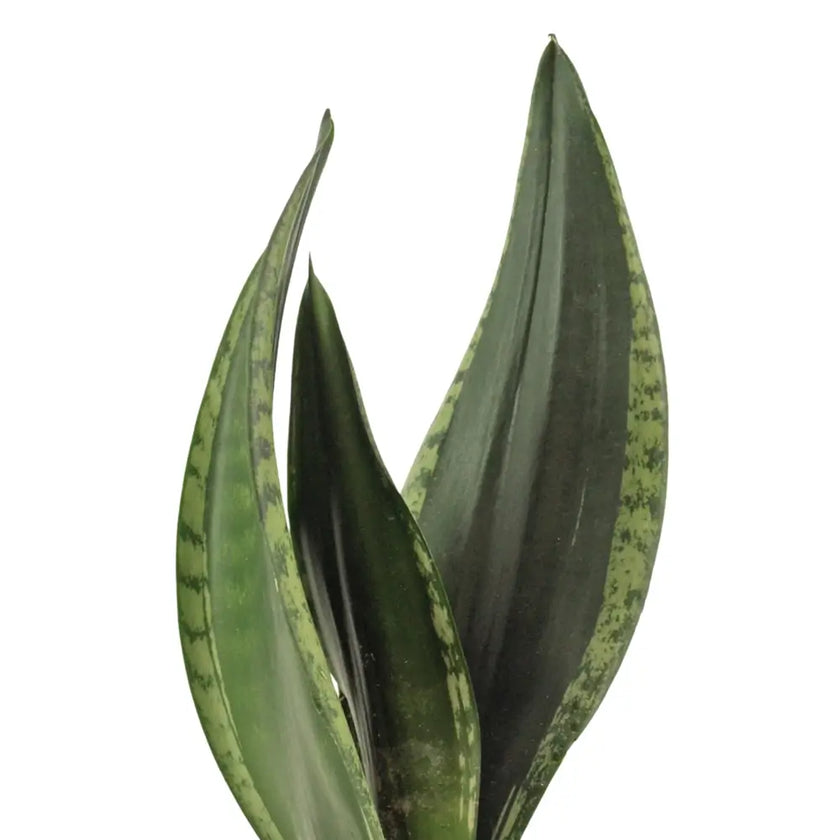
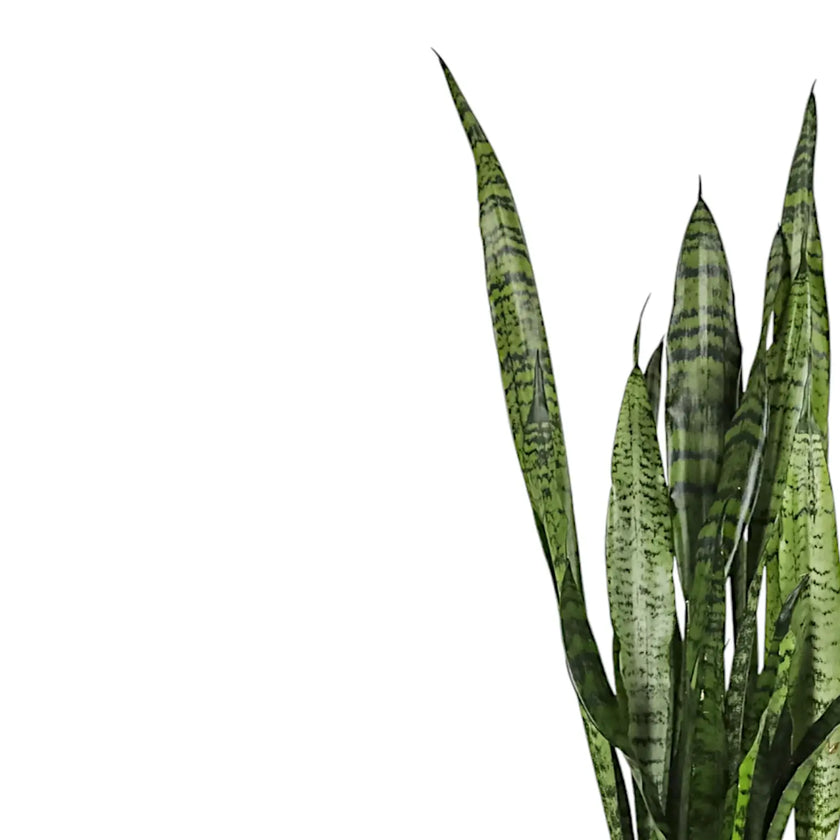
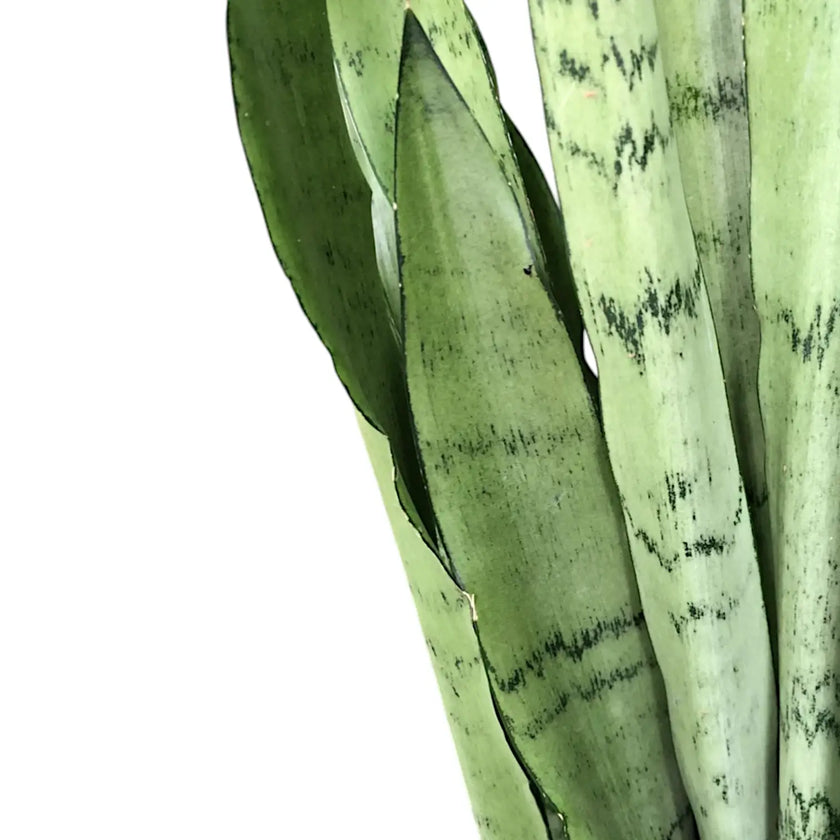
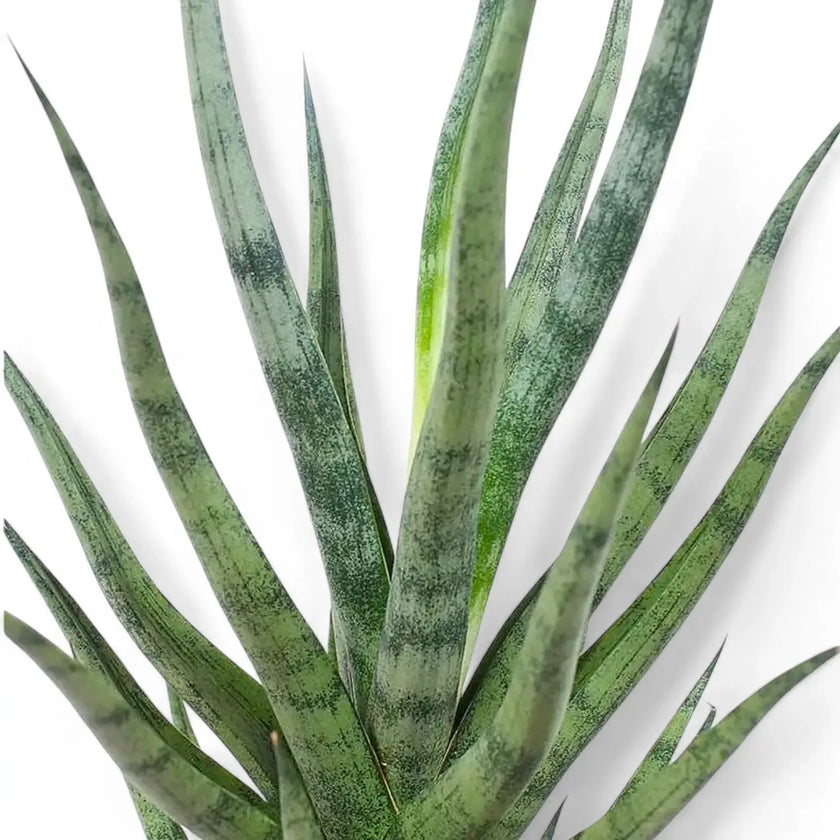
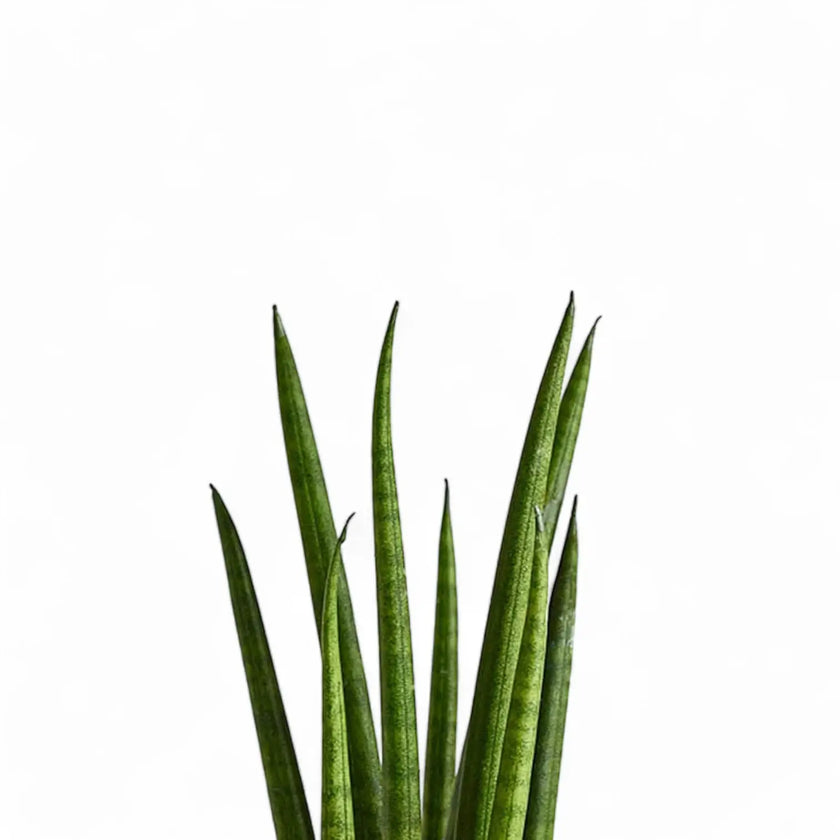
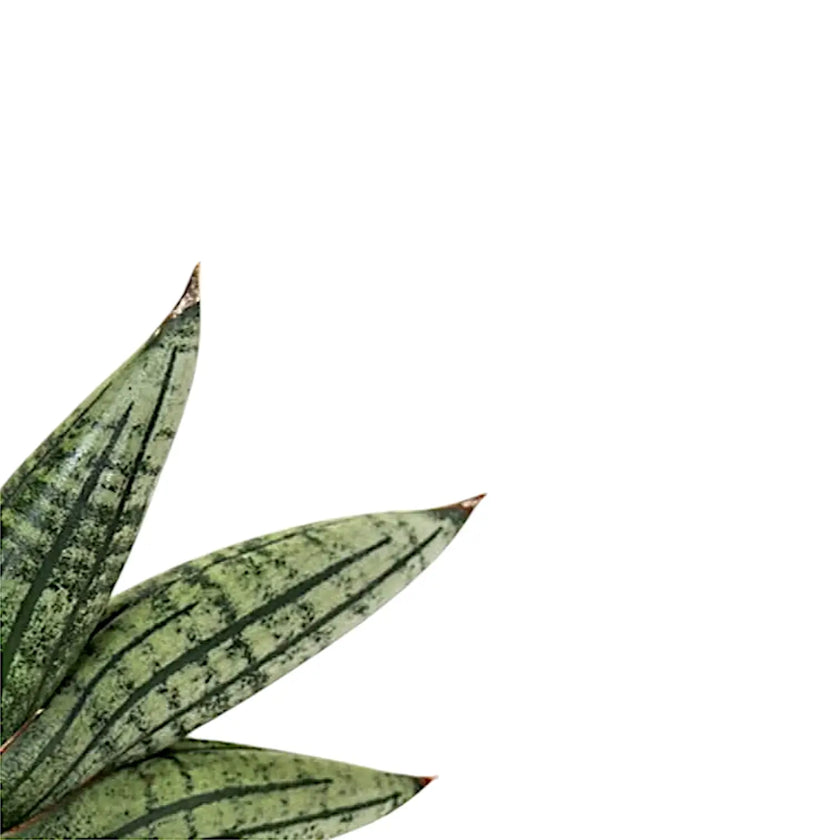
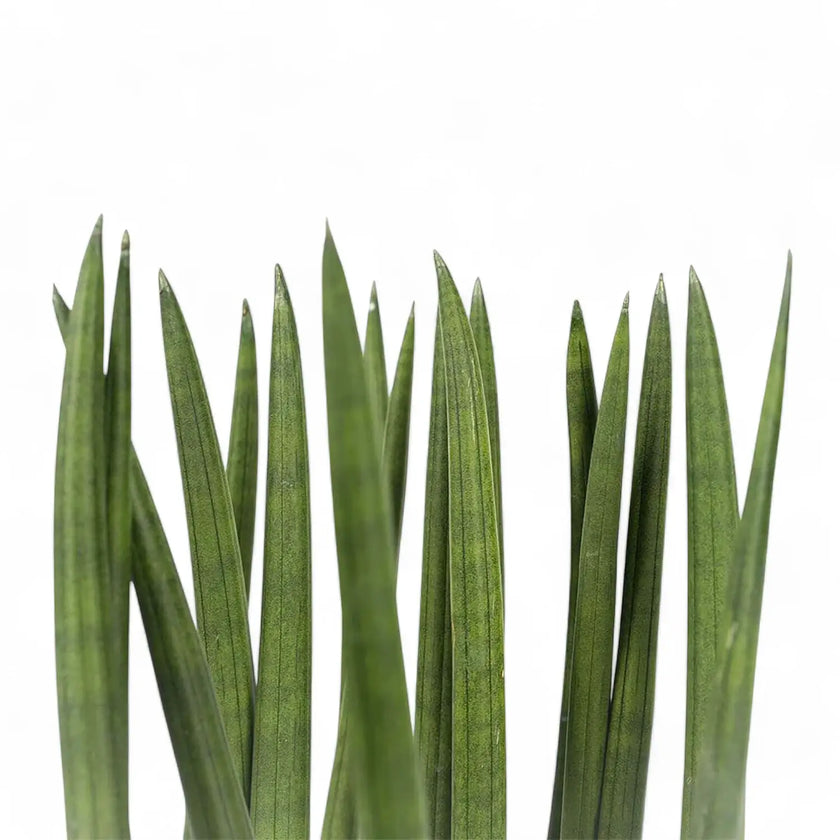
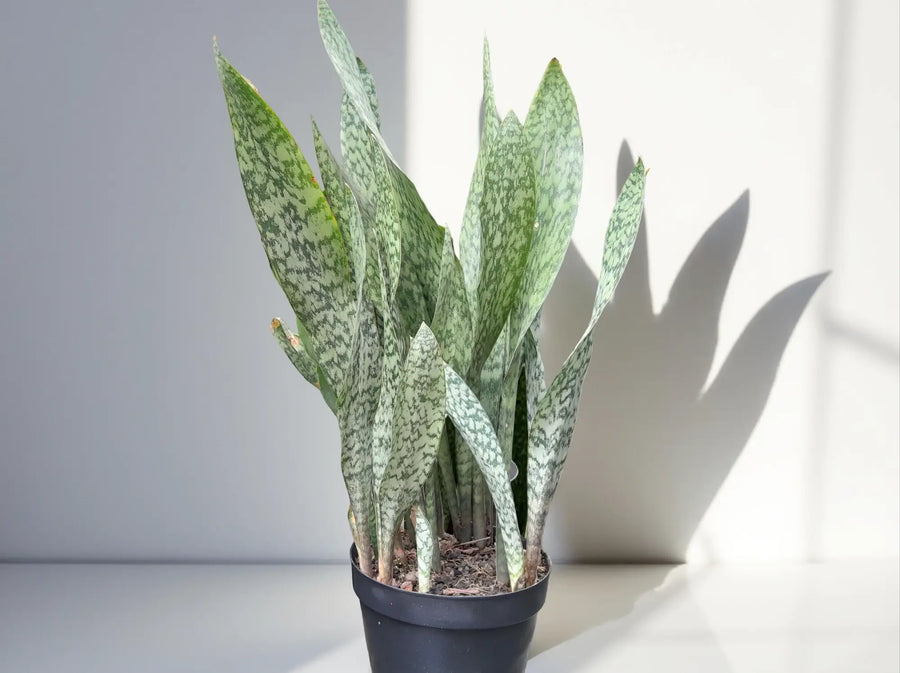
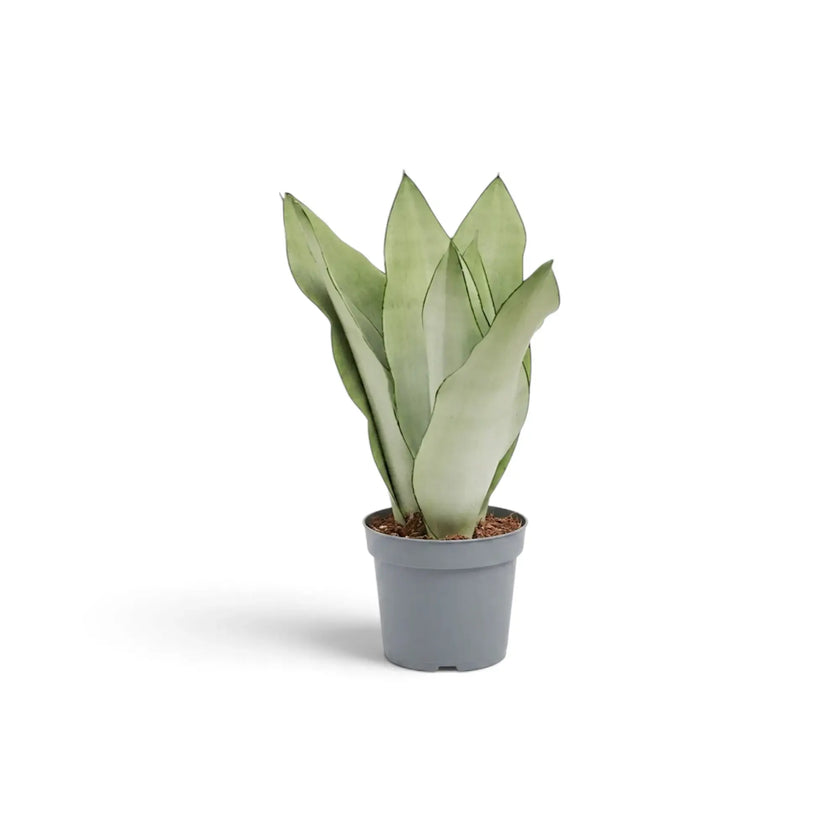
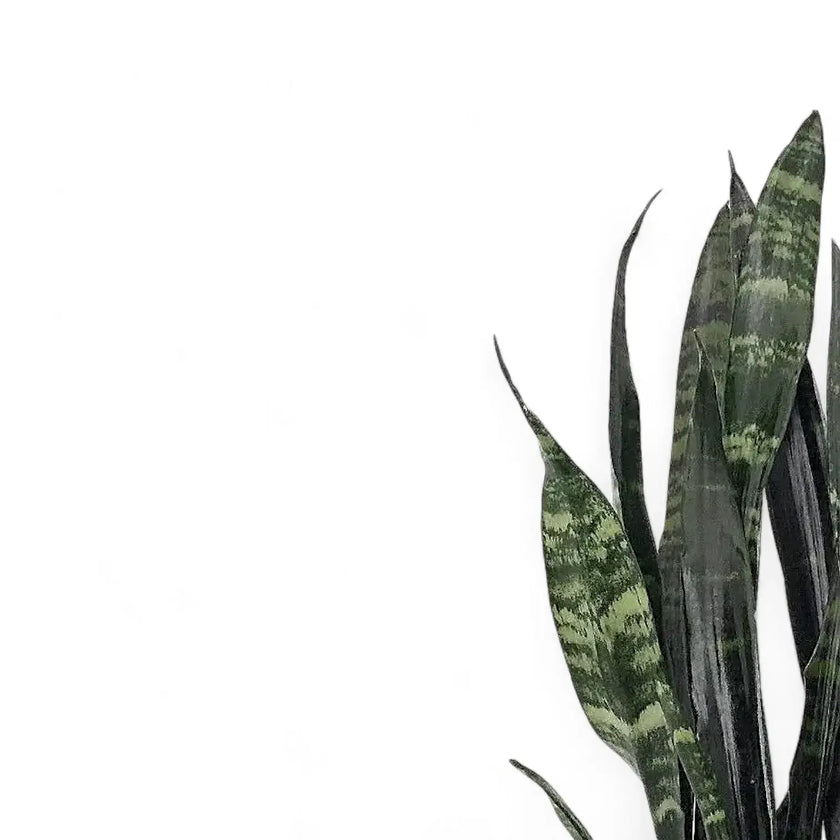
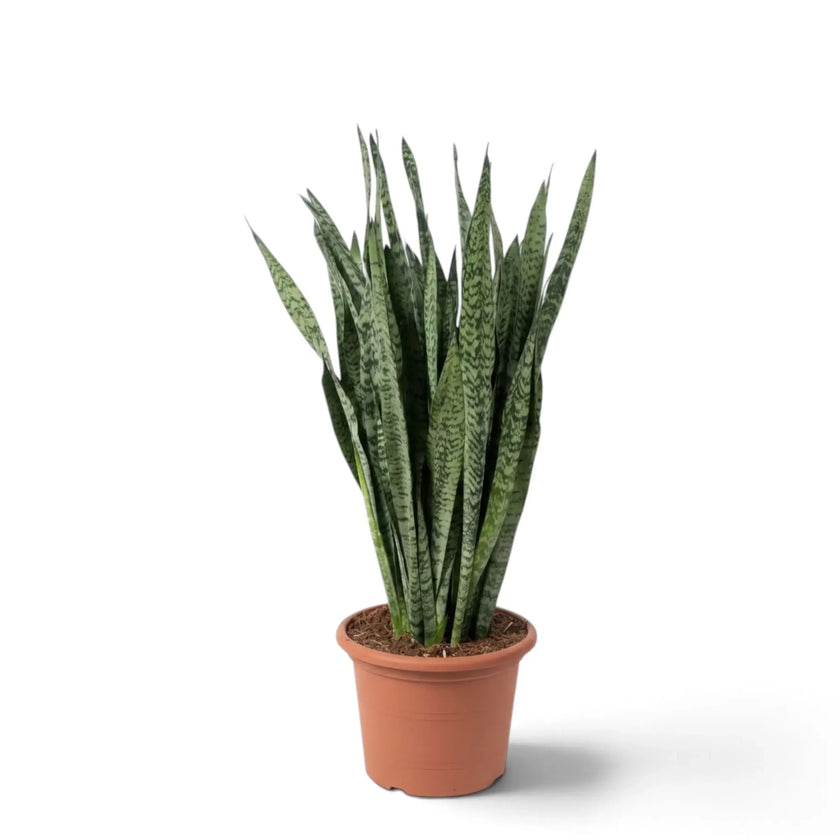
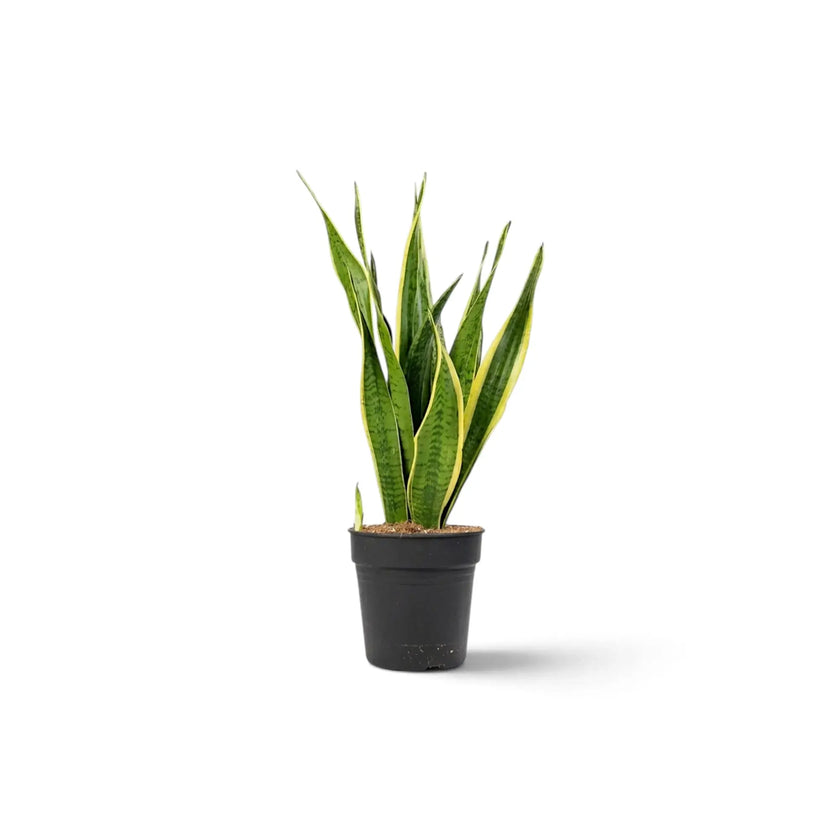
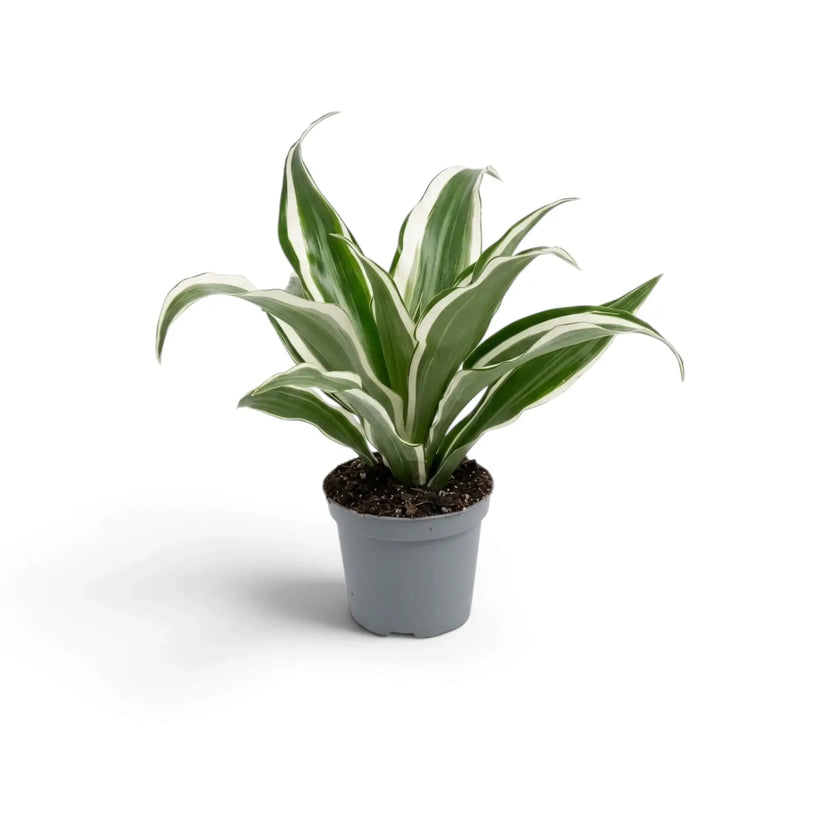
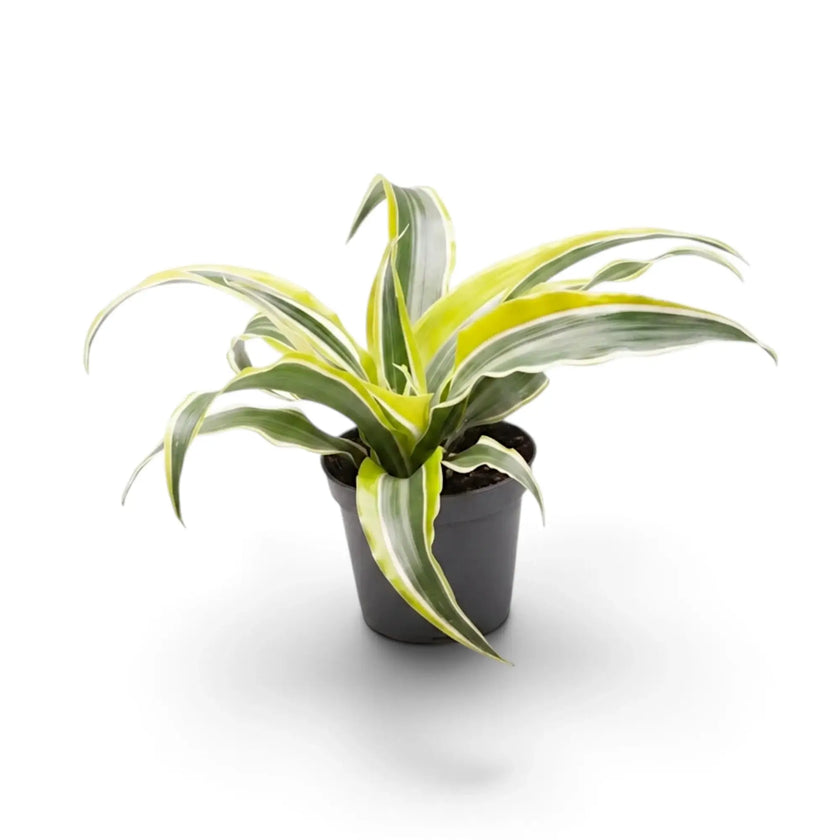
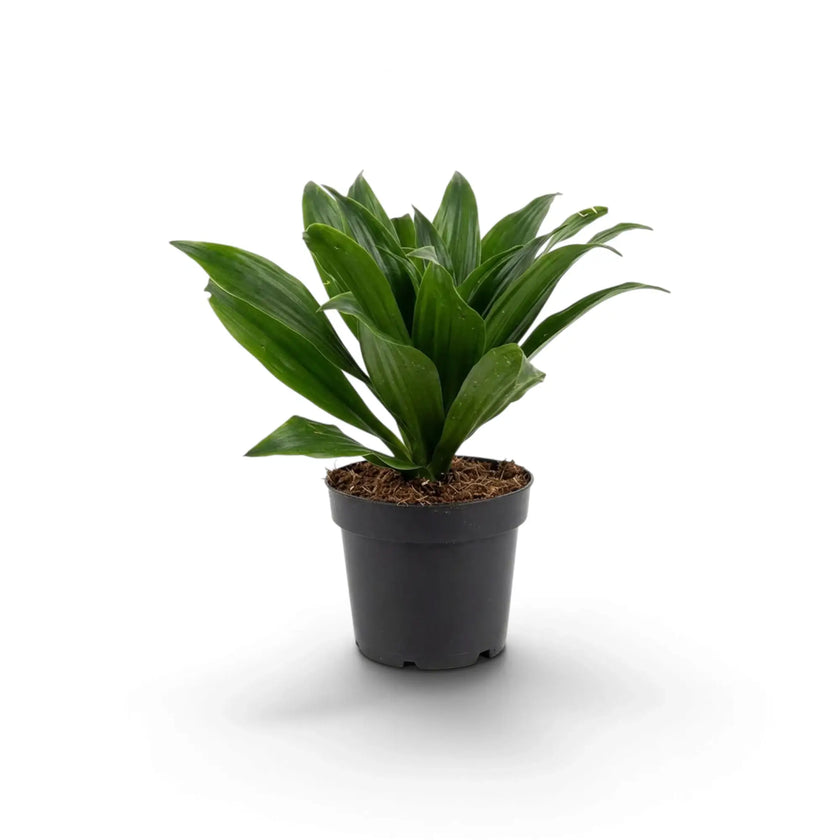
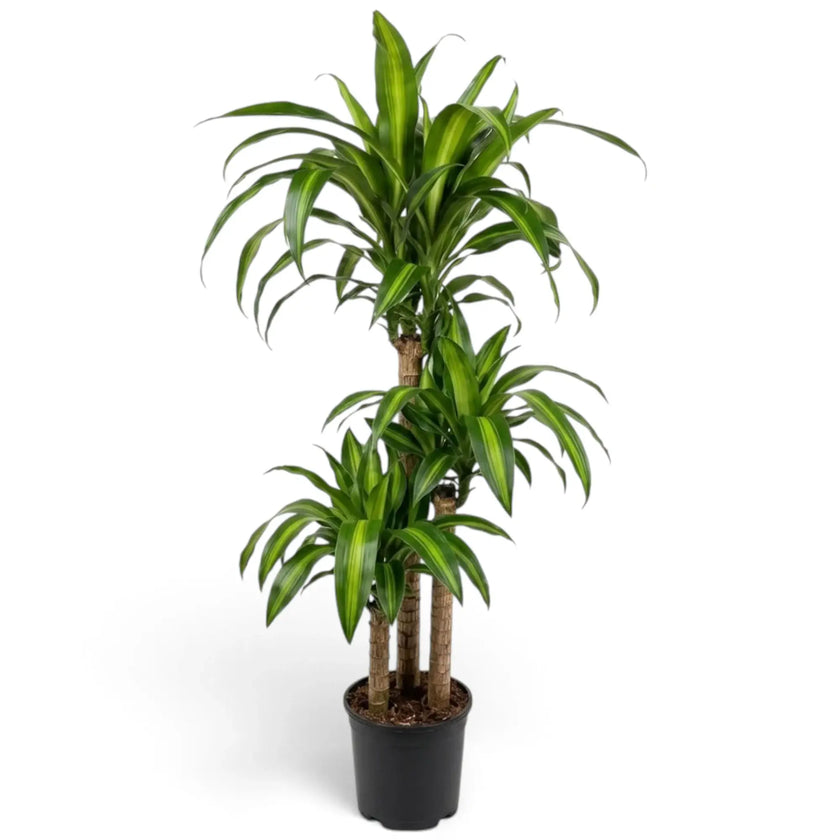
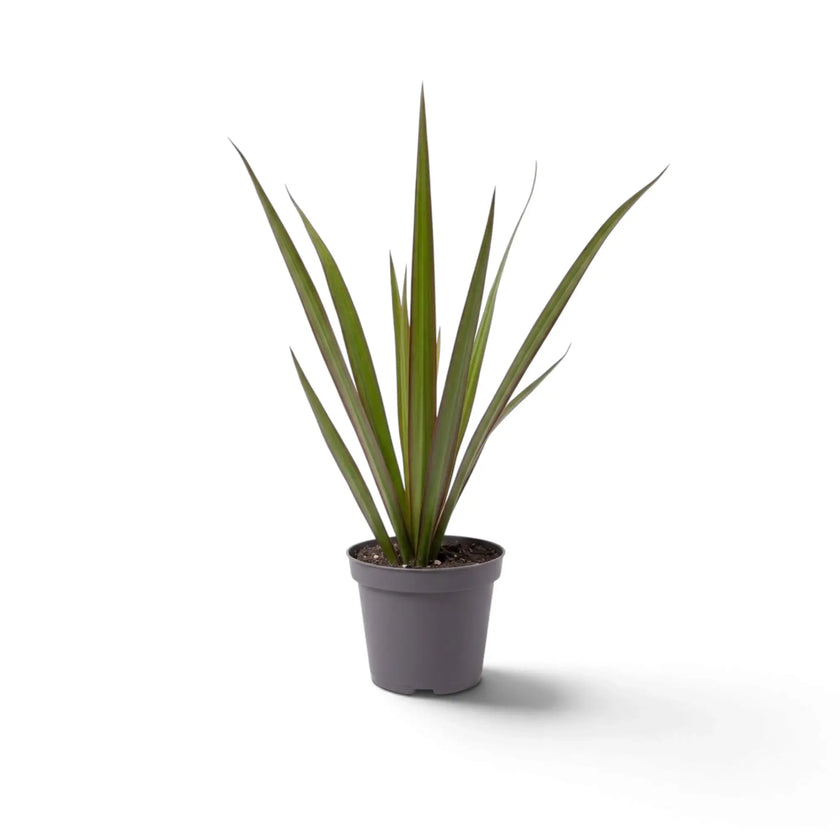
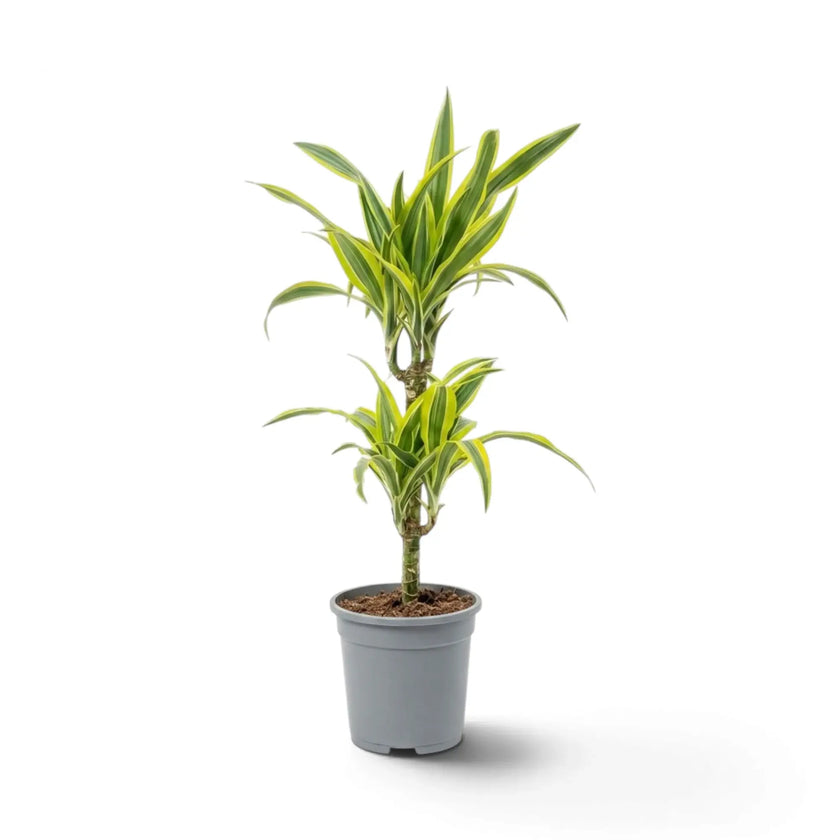
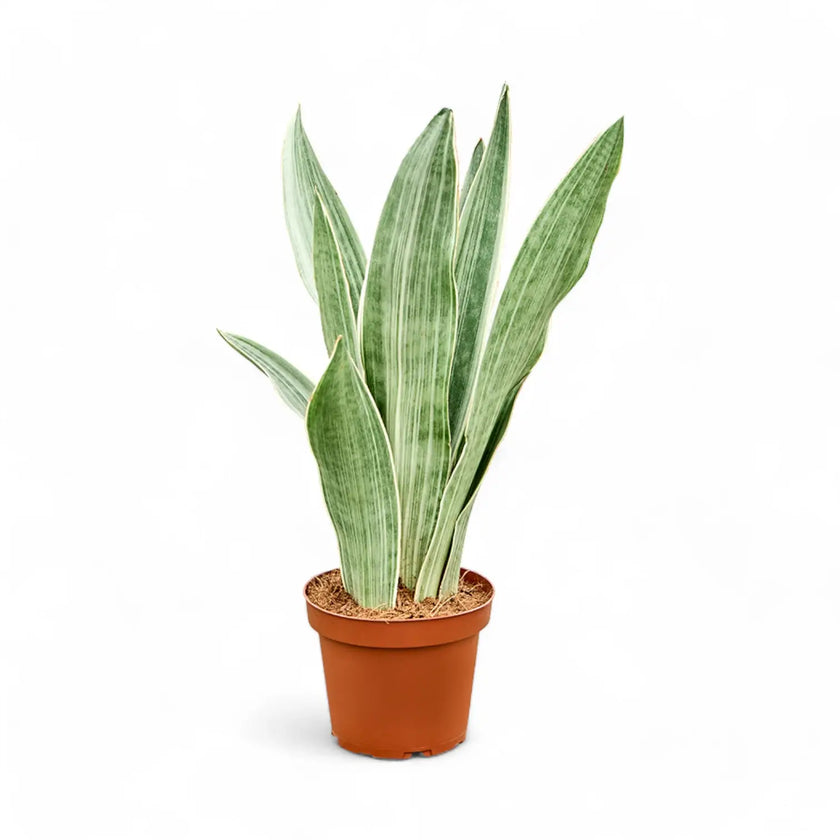
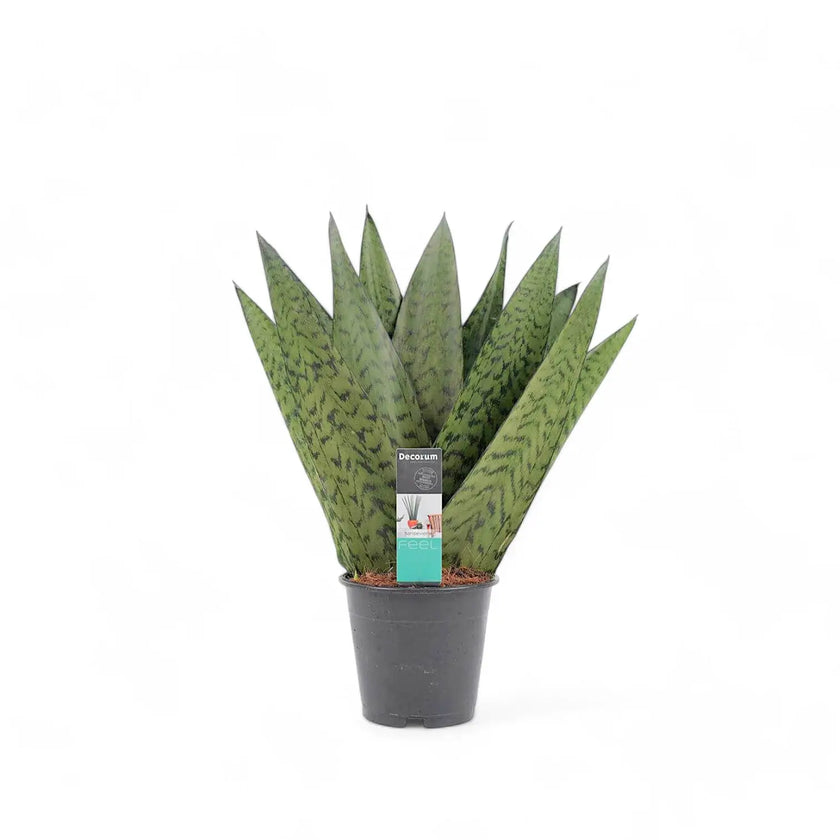
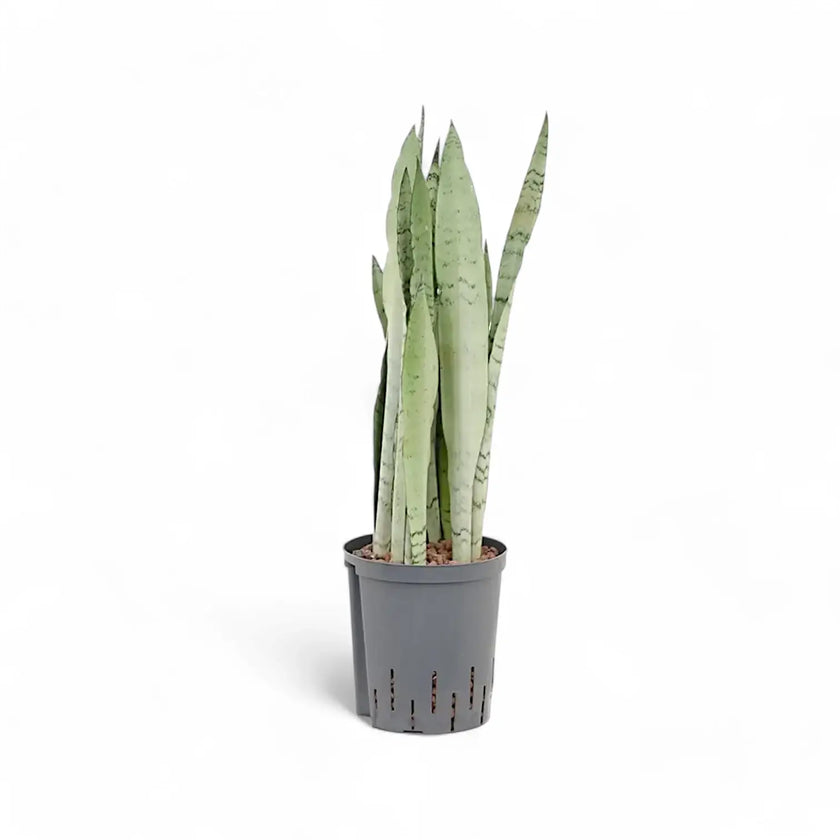
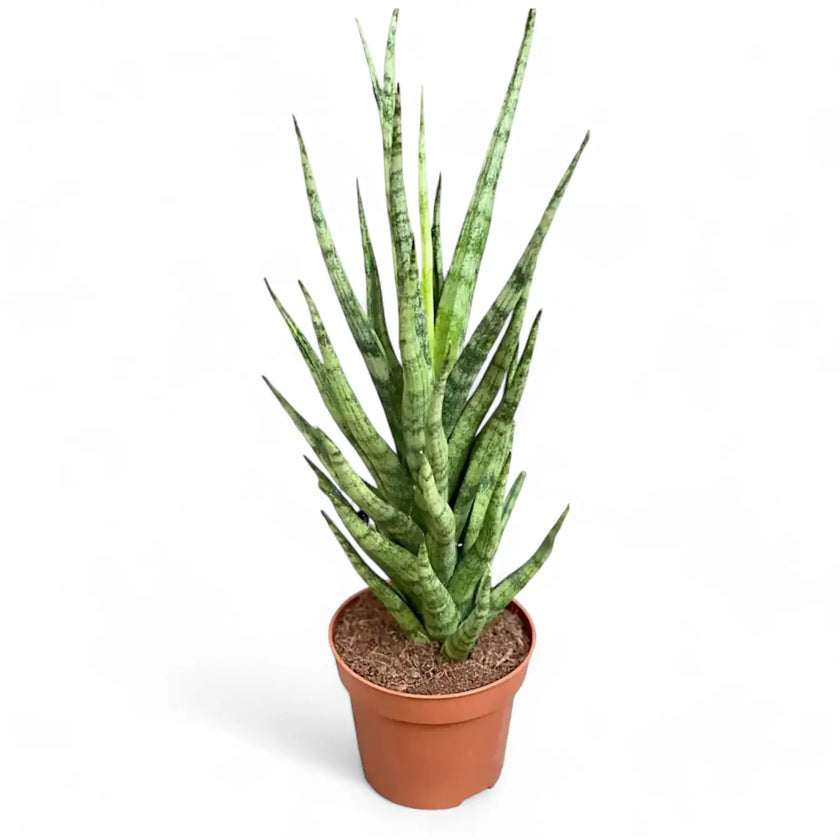
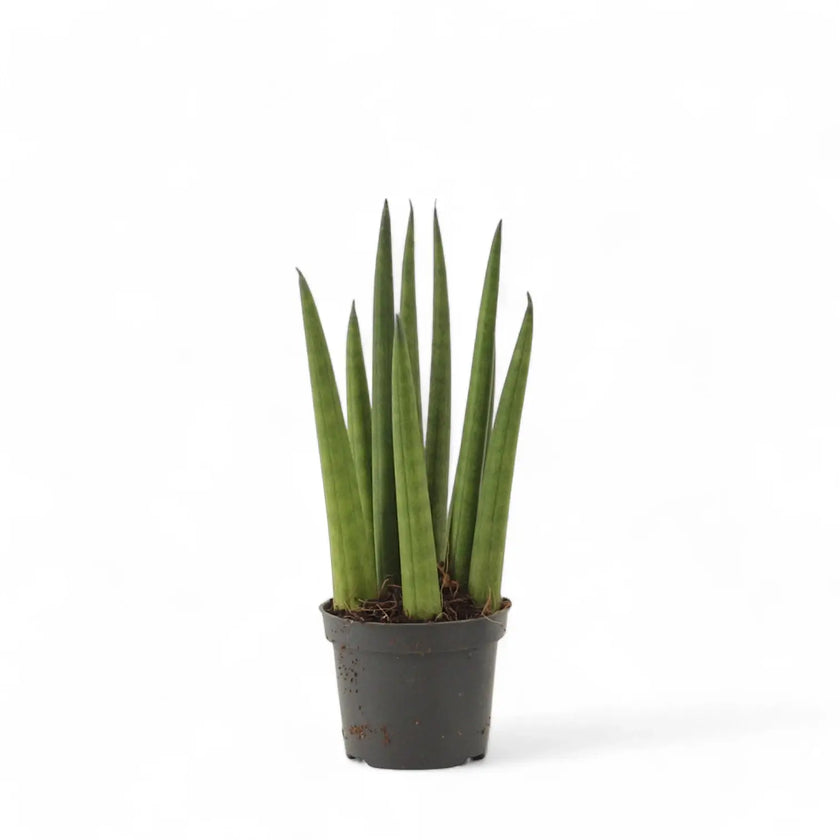
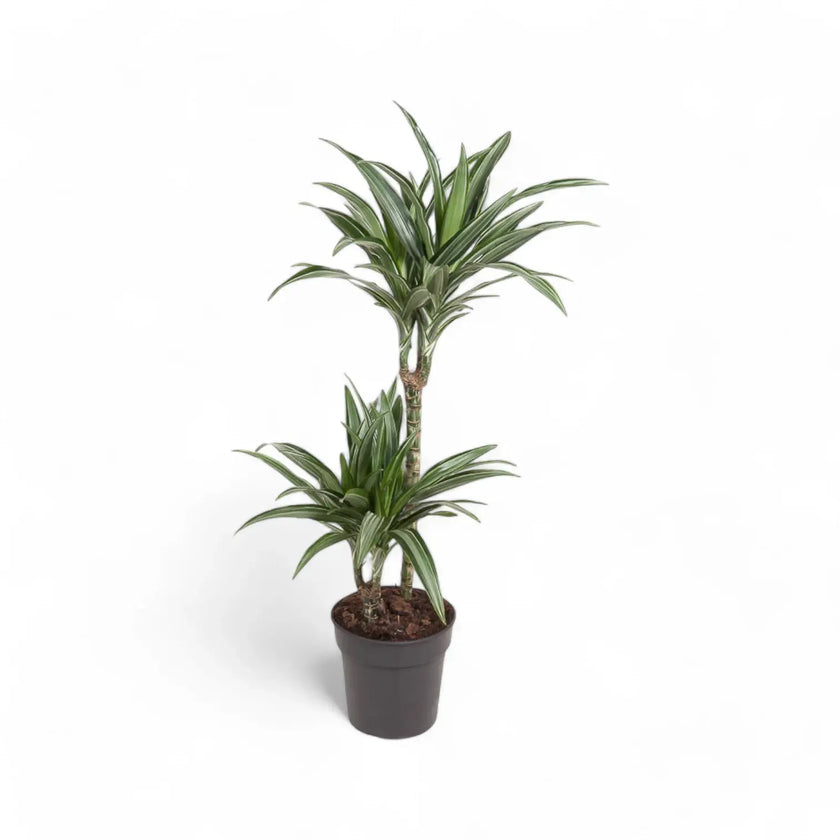
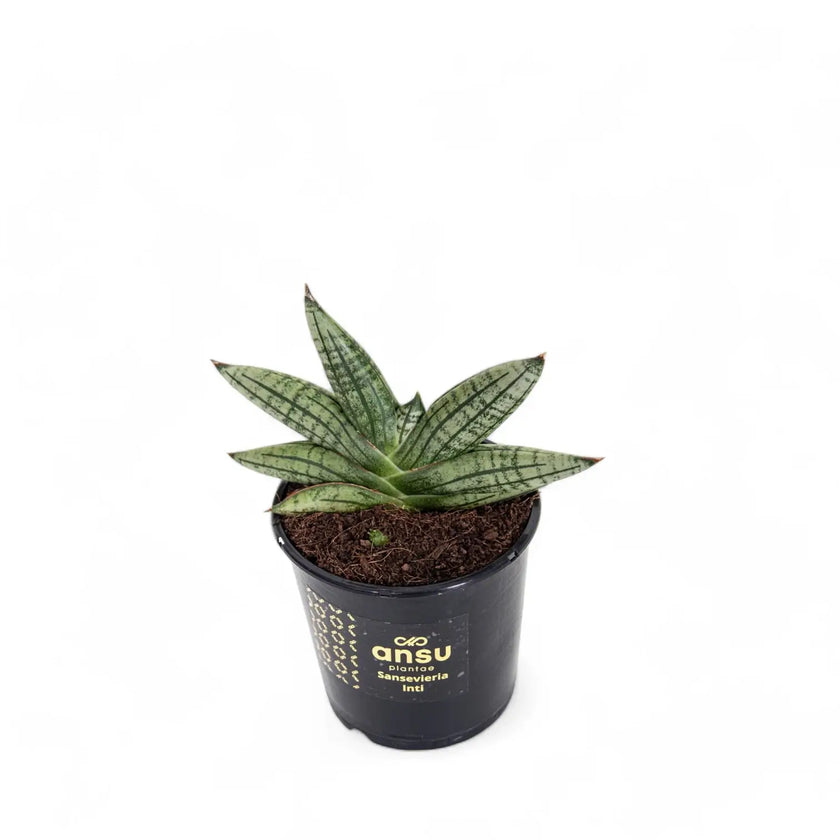
Dracaena fragrans grows upright canes with crowns of long green or variegated leaves. ‘Warneckii’ has pale stripes, while ‘Compacta’ forms denser foliage. Snake plants such as Dracaena trifasciata ‘Moonshine’ carry firm, silver-green leaf fans, and ‘Black Coral’ has darker banded blades.
Cane-forming dragon trees gradually grow taller as their lower leaves age. Snake plants develop new shoots around the base, making upright clusters. Both groups can be grown in indoor rooms, with light and watering chosen for the type.
Many cane Dracaena prefer bright indirect daylight and water after the upper mix has partly dried. Snake plants usually need a longer drying period between waterings. Their leaves can cause digestive irritation if eaten by cats or dogs.
Botanical Profile
Dragon trees grow as woody or cane-forming plants in warm regions, with leaves gathered toward the ends of stems. Snake plants originate from environments where their thick, upright leaves store moisture through dry periods.
Plants long sold as Sansevieria are now included in Dracaena, so both common names appear in the collection. Their contrasting growth habits remain easy to recognise.
Details & Care
Dracaena and snake plants
Dracaena fragrans grows upright canes with crowns of long green or variegated leaves. ‘Warneckii’ has pale stripes, while ‘Compacta’ forms denser foliage. Snake plants such as Dracaena trifasciata ‘Moonshine’ carry firm, silver-green leaf fans, and ‘Black Coral’ has darker banded blades.
Cane-forming dragon trees gradually grow taller as their lower leaves age. Snake plants develop new shoots around the base, making upright clusters. Both groups can be grown in indoor rooms, with light and watering chosen for the type.
Many cane Dracaena prefer bright indirect daylight and water after the upper mix has partly dried. Snake plants usually need a longer drying period between waterings. Their leaves can cause digestive irritation if eaten by cats or dogs.
Frequently Asked Questions About Dracaena and Snake Plants
Why are snake plants sold as Dracaena?
The plants traditionally called Sansevieria are now classified in Dracaena. Both names still appear in shops, so Dracaena trifasciata may also be labelled Sansevieria trifasciata.
What light do dragon trees and snake plants need?
Cane-forming dragon trees generally grow well in bright indirect daylight. Many snake plants also tolerate medium or lower indirect light, although their growth is slower there.
How should I water dragon trees and snake plants?
Cane Dracaena such as D. fragrans can be watered when the upper mix has partly dried. Snake plants usually need the mix to dry much farther through the pot before watering again. Let excess water drain in both cases.
Do snake plants keep growing in lower light?
Many snake plants remain healthy in moderate indirect daylight but make fewer new leaves in dimmer rooms. Bright indirect light is useful for compact growth and clear leaf markings.
Are Dracaena and snake plants safe around pets?
Common Dracaena and snake plants are harmful to cats and dogs if chewed. Keep them away from pets that investigate houseplants.