Skip to content

Cart

Your cart is empty.

Dracaena (Dragon Tree & Snake Plant)

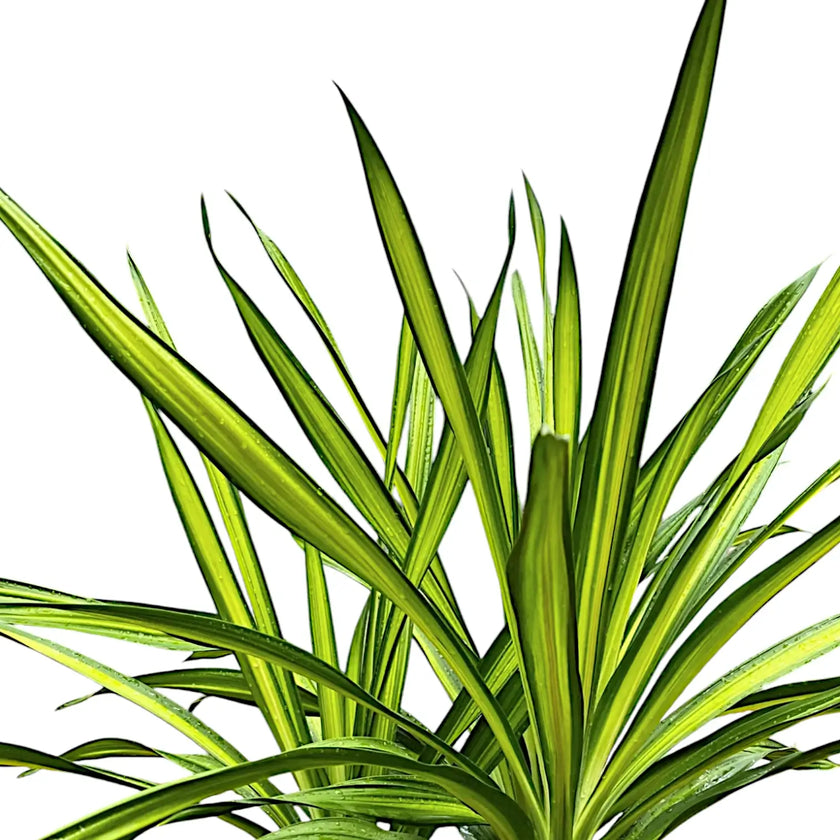
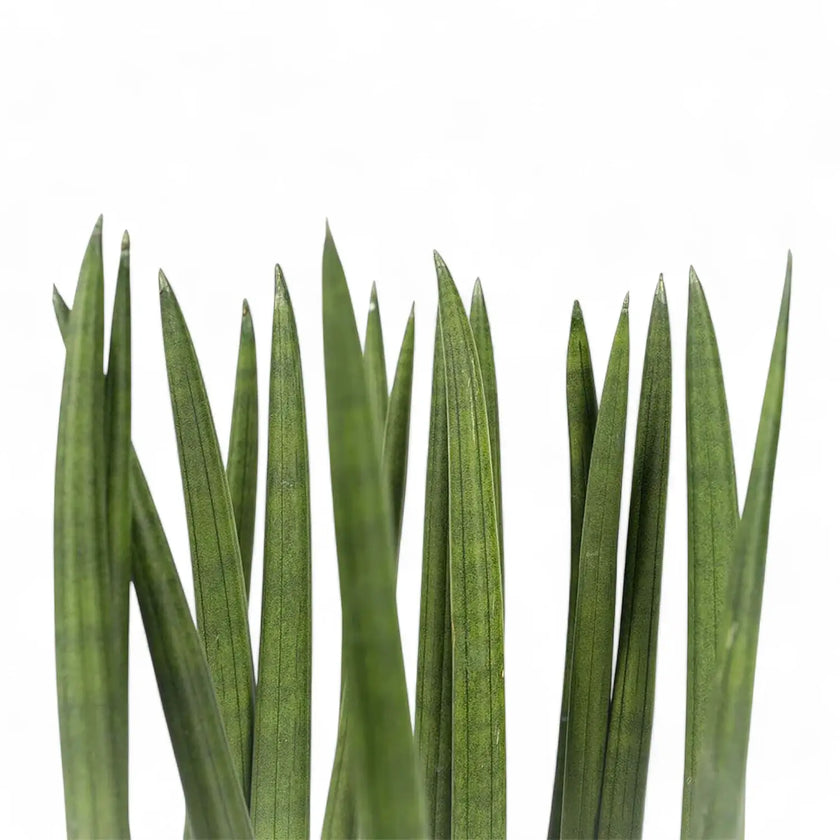
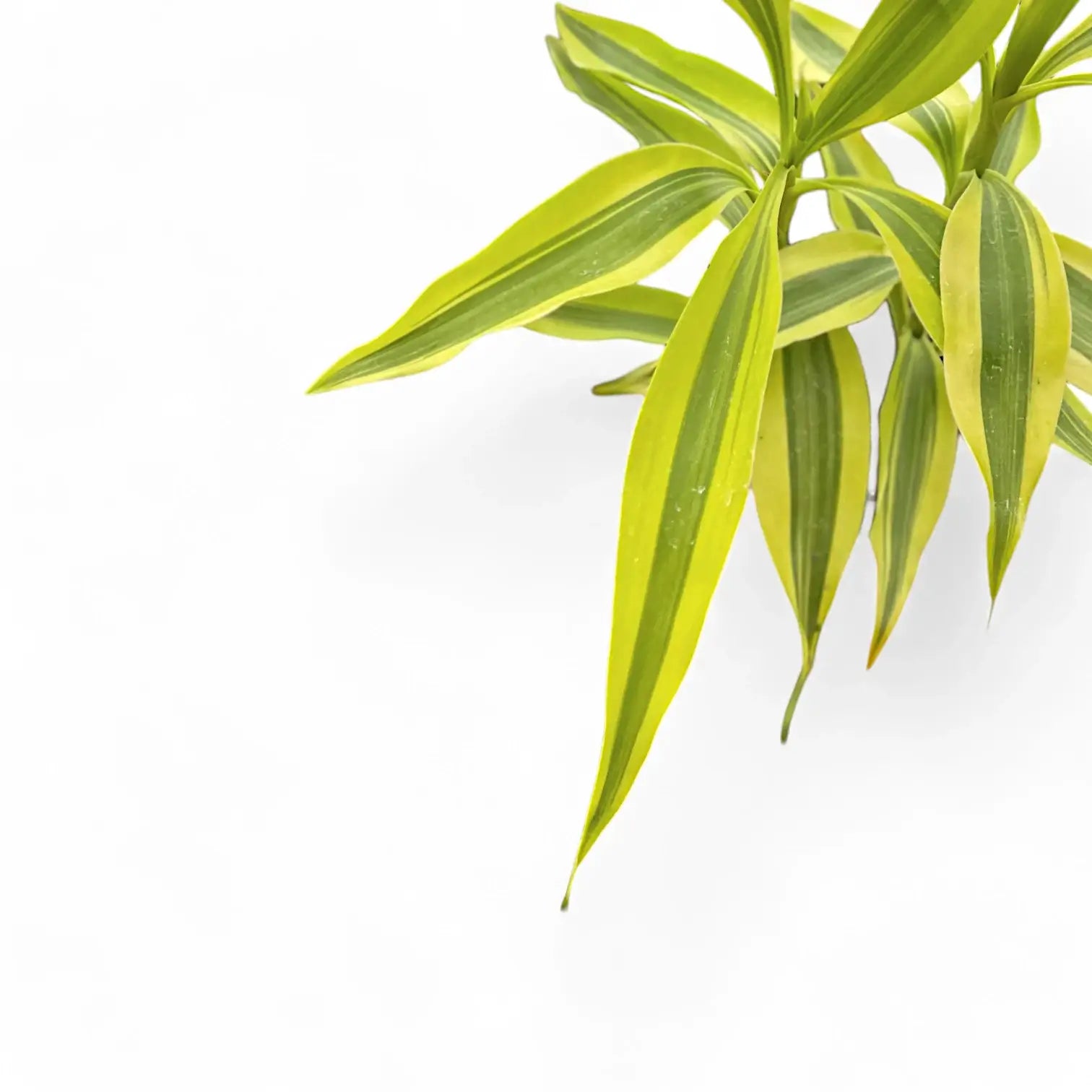
Leaves of Dracaena braunii Gold on white background

Sort by:

Filters

Asparagaceae

Dracaena (Dragon Tree & Snake Plant)

Quick Overview

Dracaena (dragon trees & snake plants) - split-care snapshot

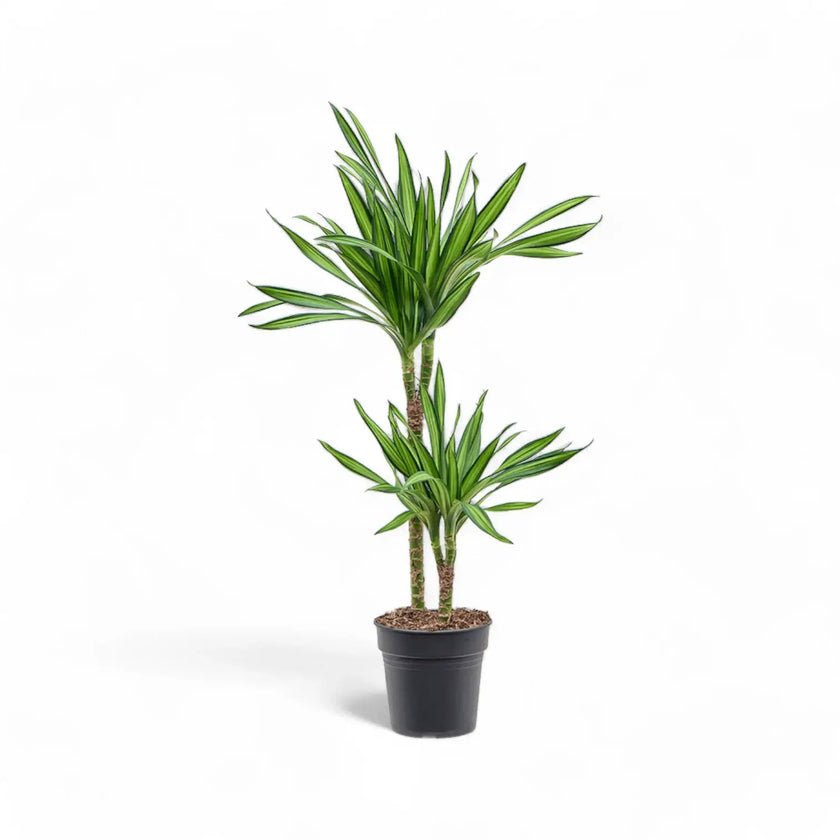
  • Cane types: woody stems with leafy tufts (fragrans, marginata, etc.) favour bright, indirect light and gently moist, airy compost.
  • Snake-plant types: stiff leaf fans (ex-Sansevieria) prefer very bright light and long dry phases between deep waterings.
  • Substrate: both groups need structured mix; cane plants slightly richer, snake-plant types much more mineral and free-draining.
  • Watering: avoid constant damp; chronic overwatering is the main cause of stem and root rot across the genus.
  • Climate: handles normal home temperatures; cold, wet roots near draughty windows increase leaf spotting and collapse.
  • Toxicity: many Dracaena are considered mildly toxic if chewed; treat foliage as ornamental only.
Botanical Profile

Dracaena is an accepted genus in Asparagaceae with a native range across the tropics and subtropics. Modern treatments place former Sansevieria within Dracaena, which is why cane dragon trees and snake plants now sit together under one genus.

Details & Care

Dracaena and Sansevieria: tough architectural houseplants under one umbrella

Many familiar indoor plants sold as Dracaena and “snake plants” are now grouped within Dracaena in modern classification. In practical terms, the care logic stays simple: strong structure, slow-to-moderate growth, and a preference for drying between waterings.

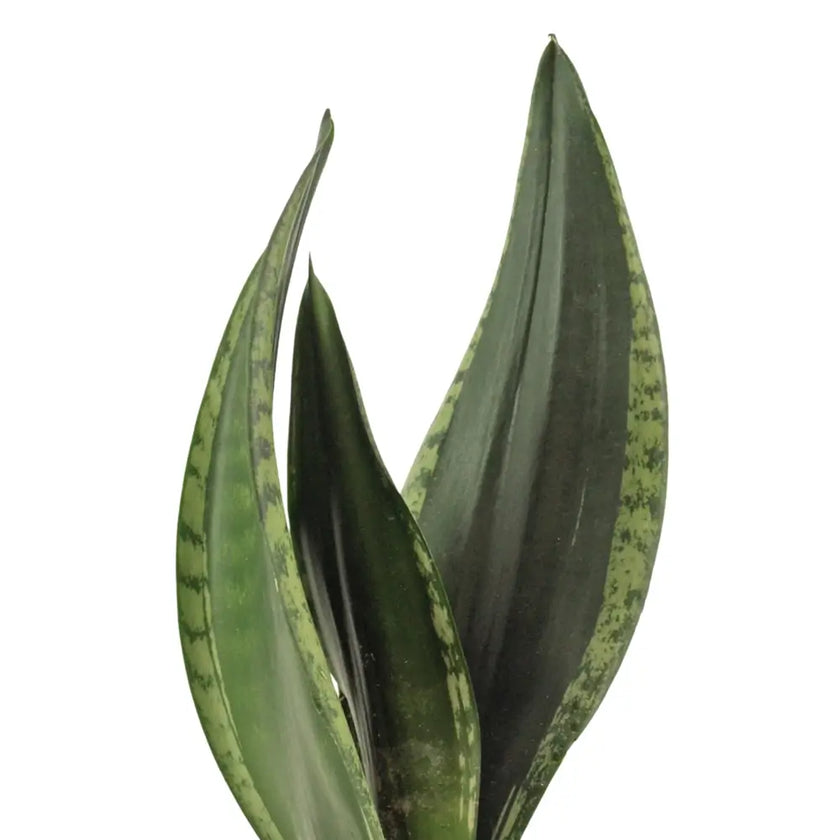
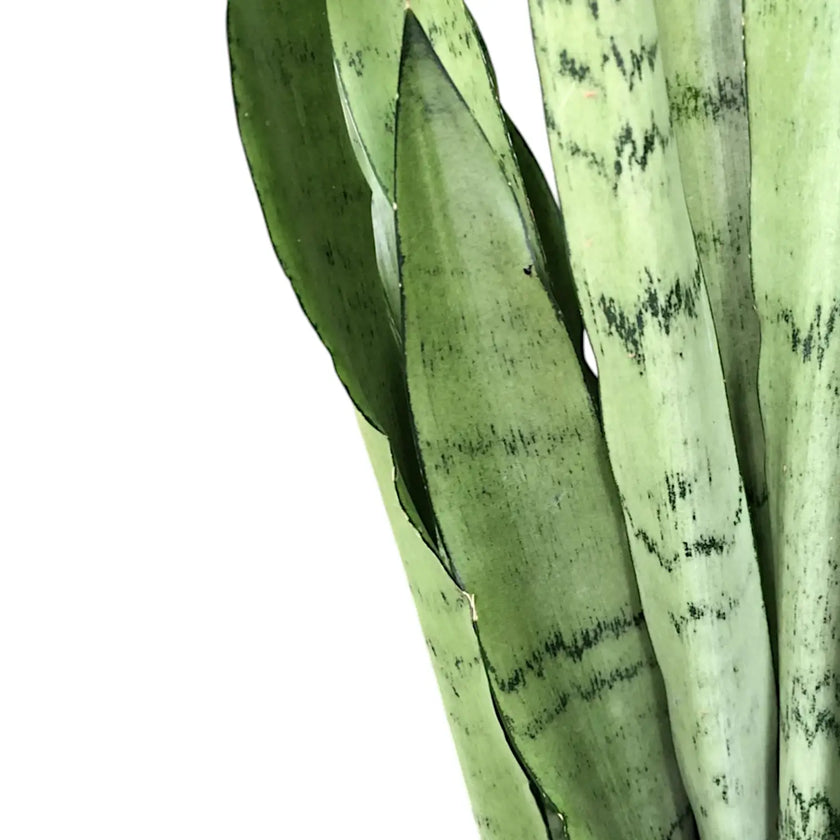
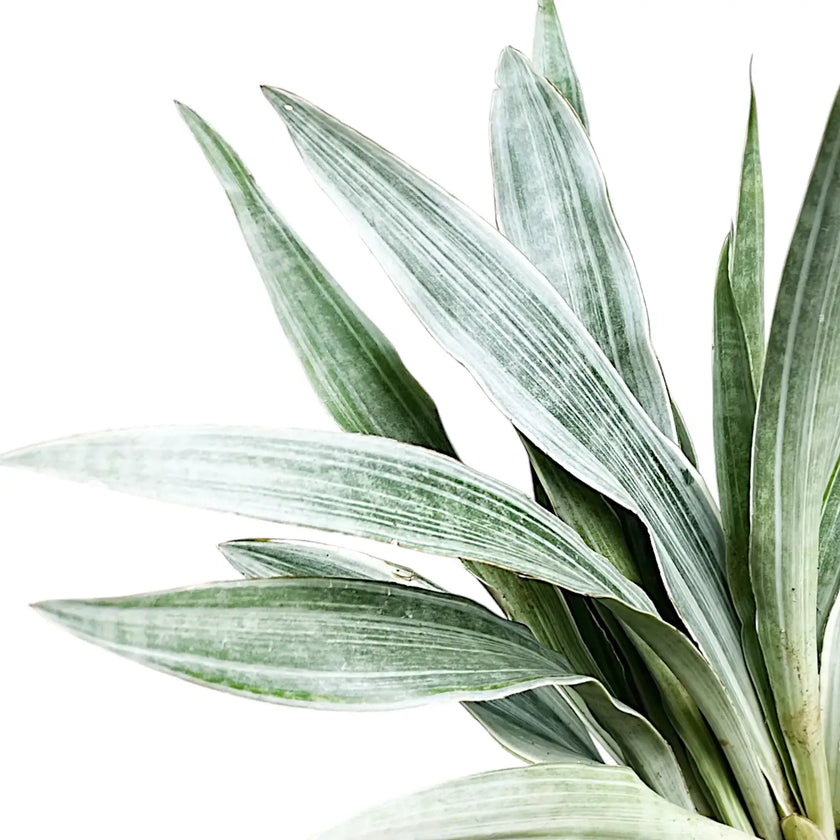
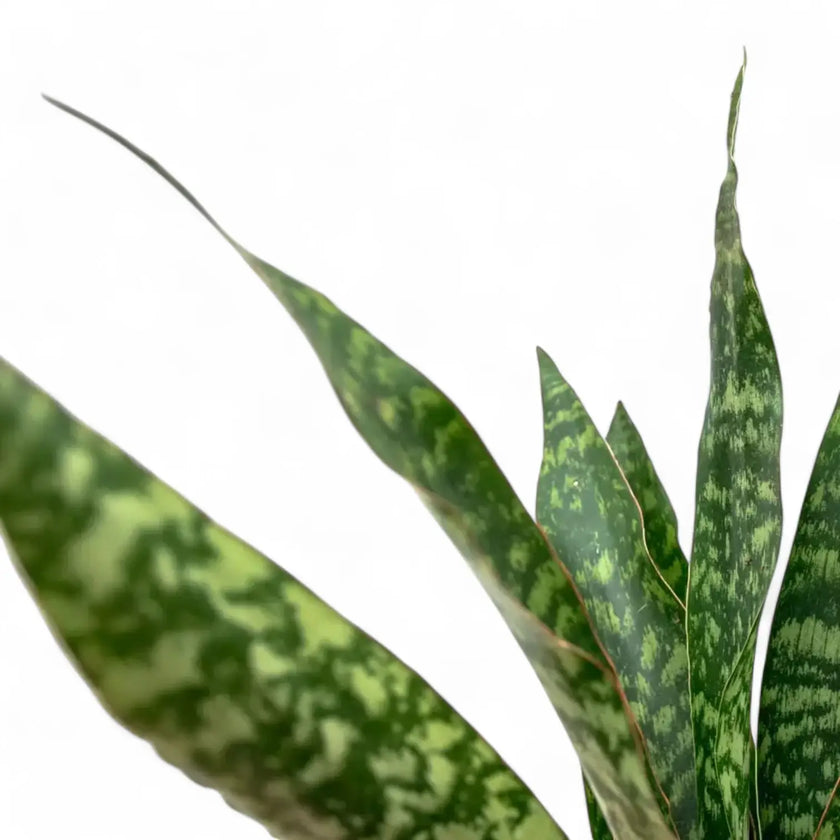
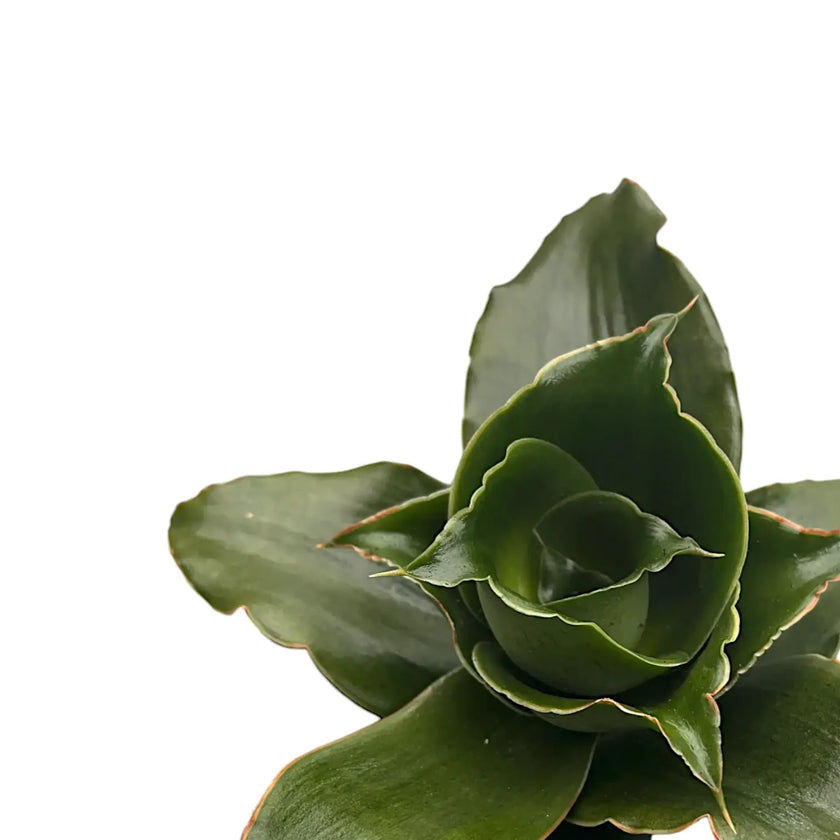
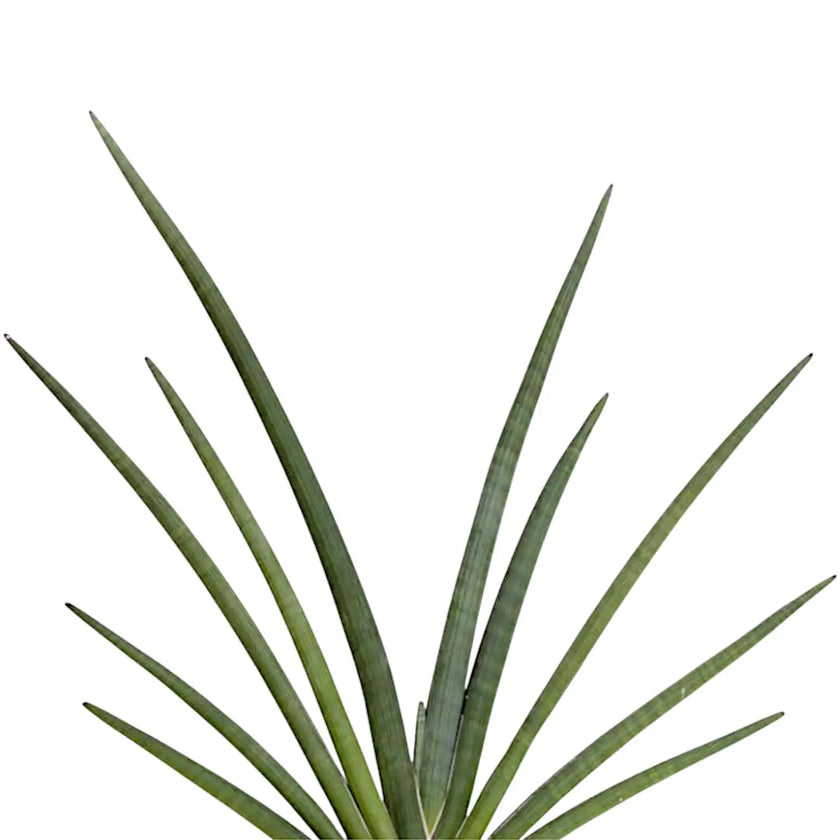
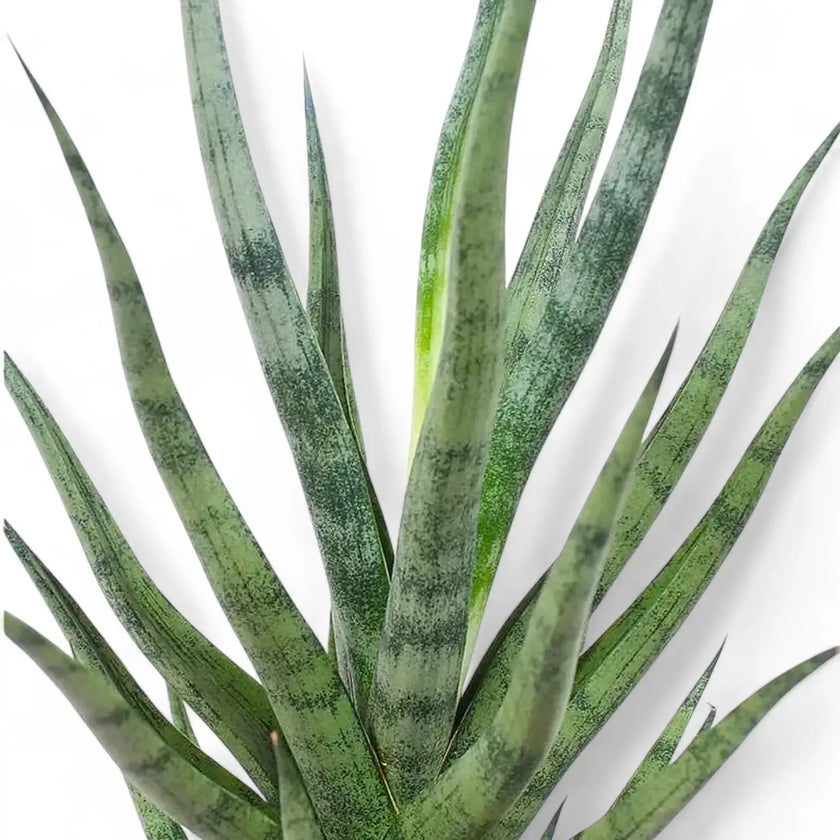
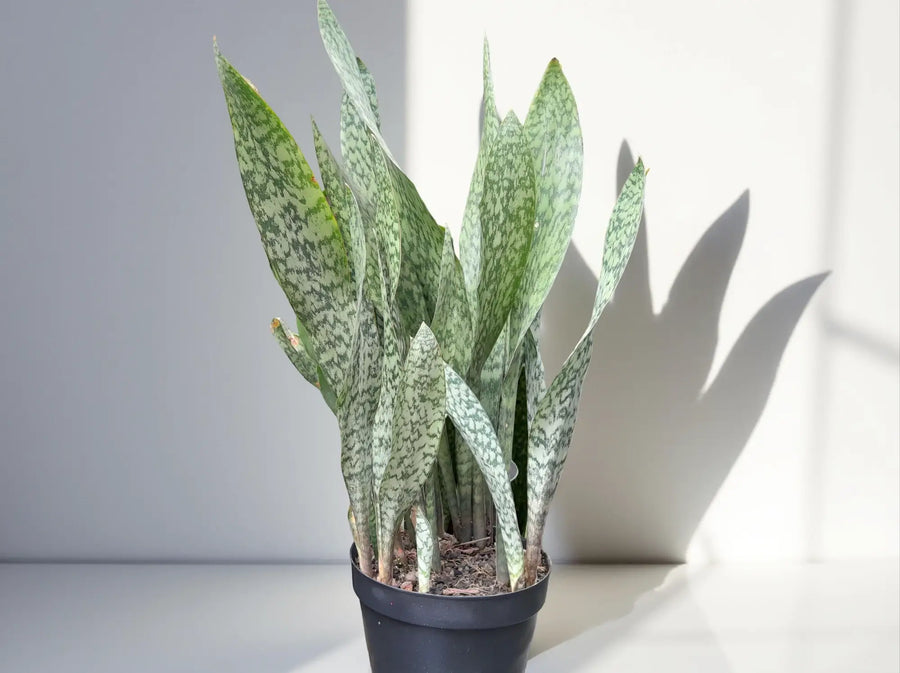
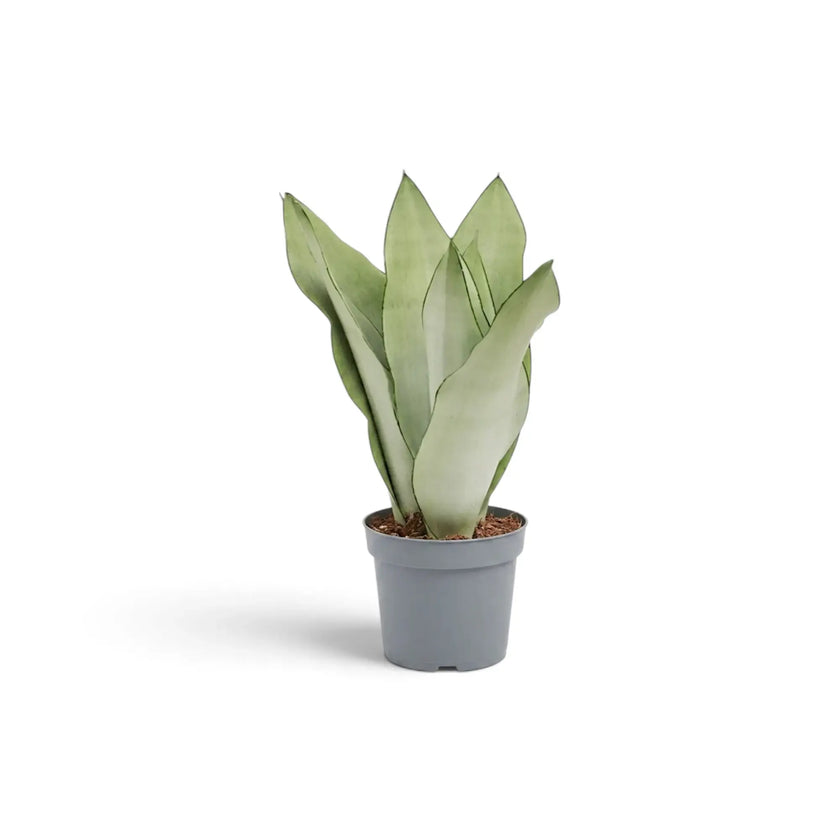
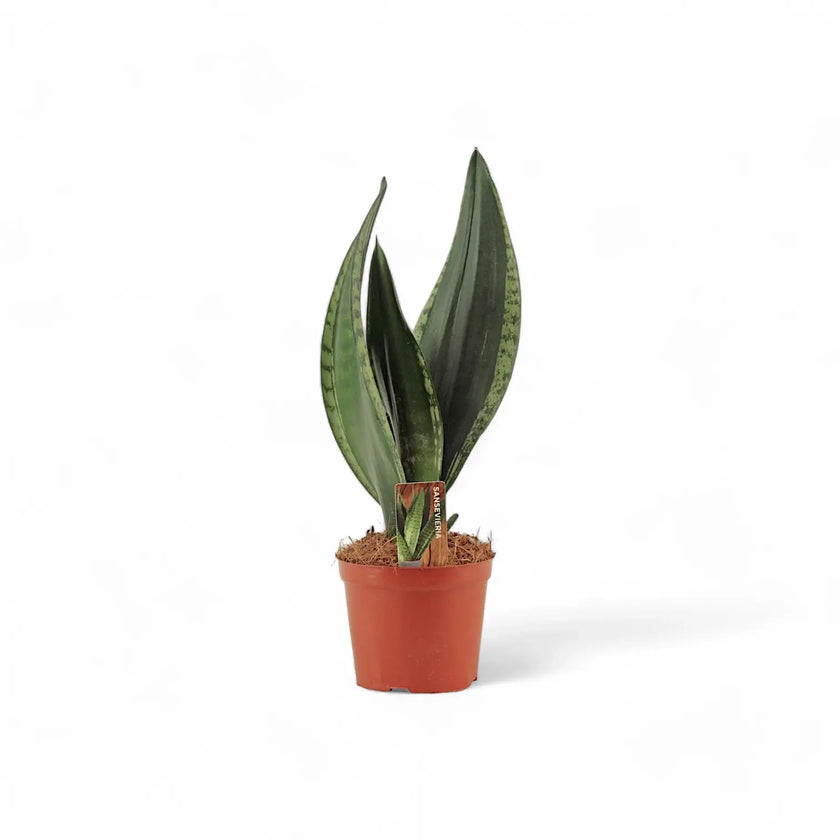
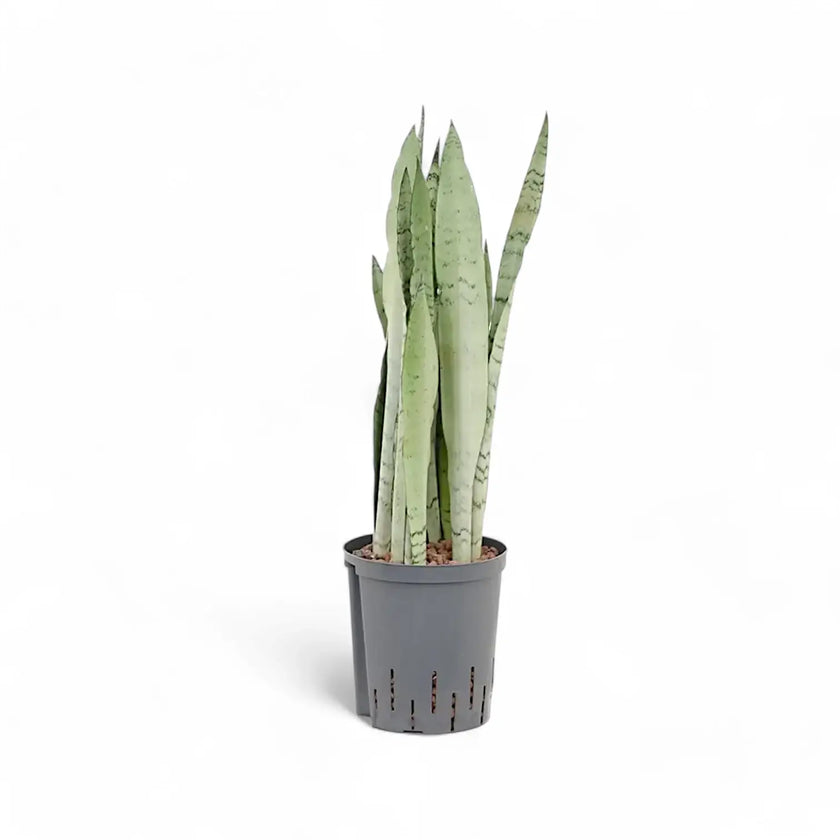
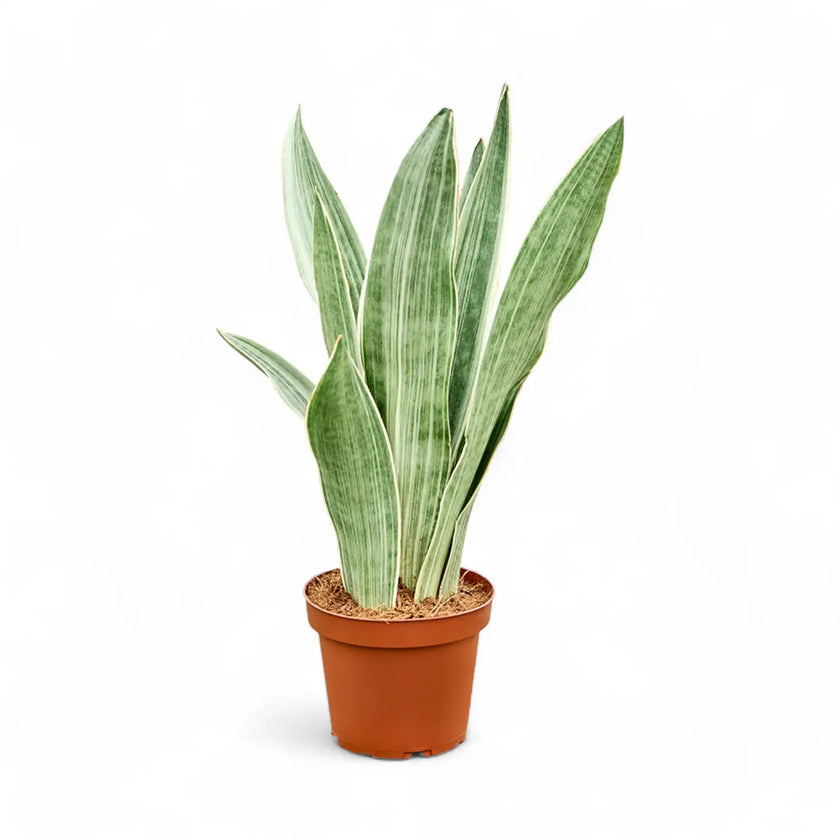
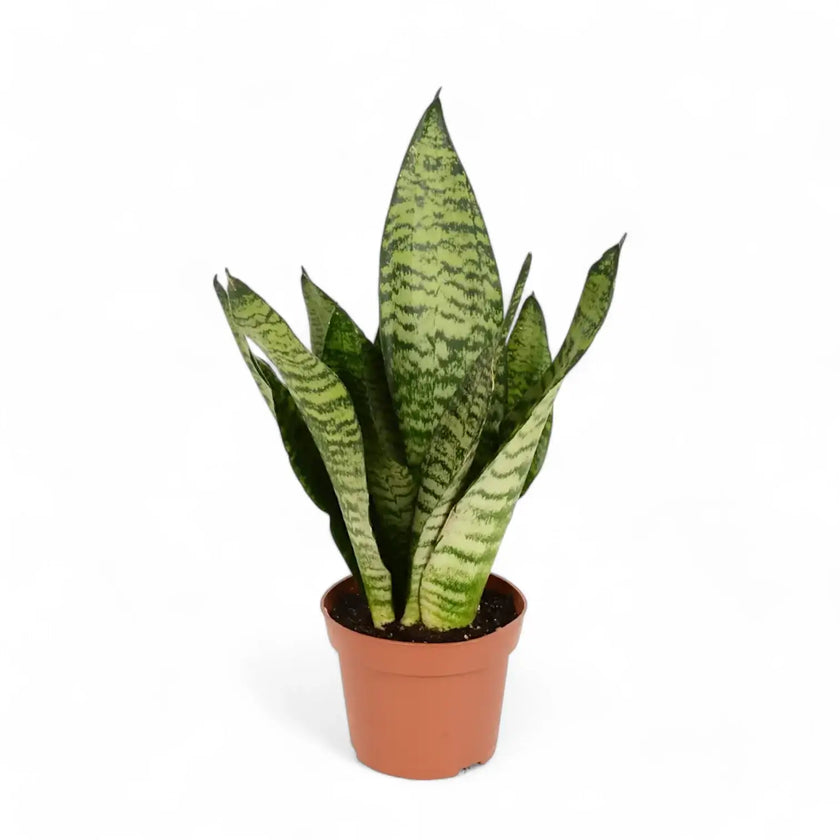
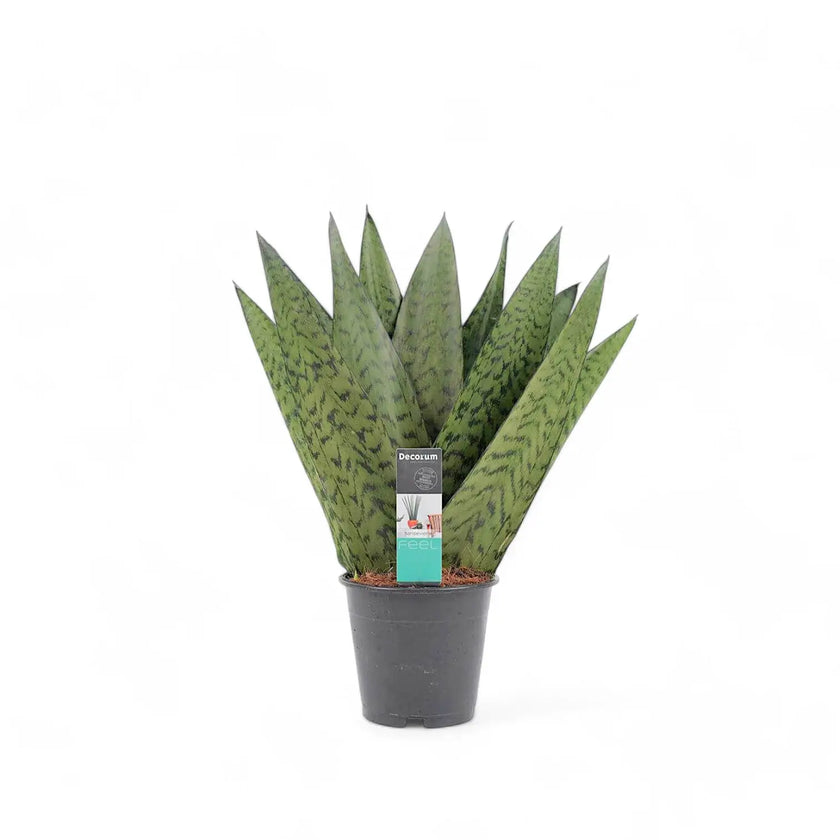
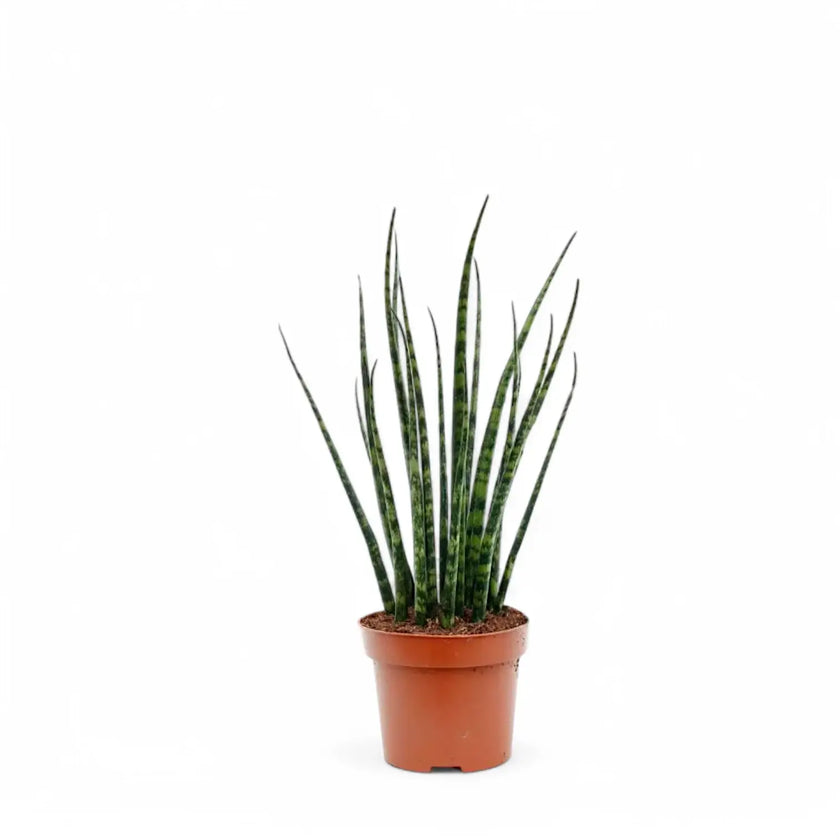
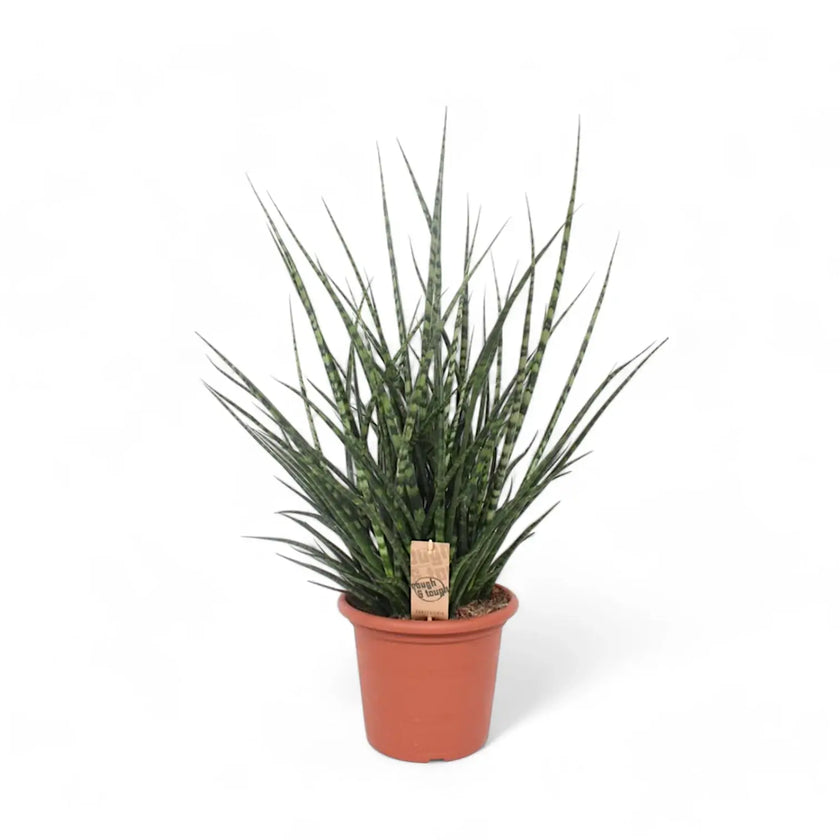
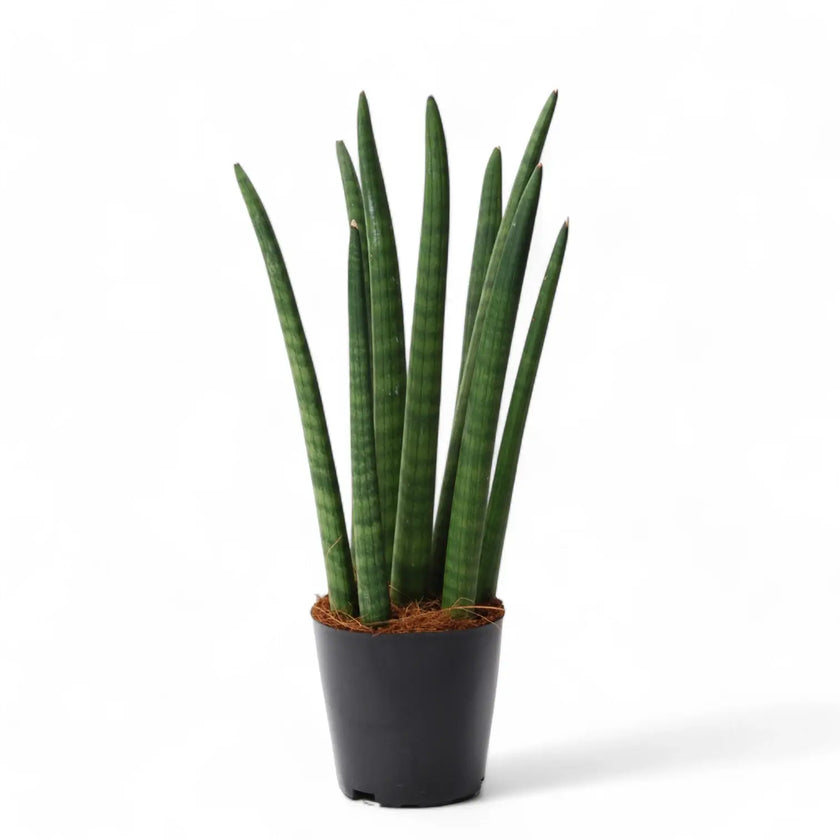
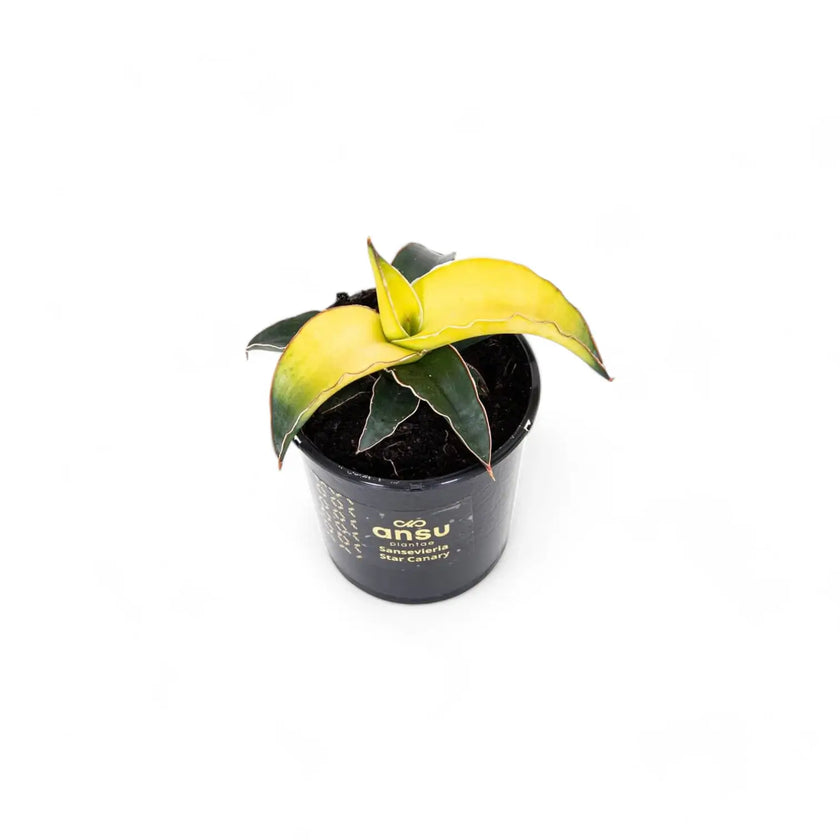
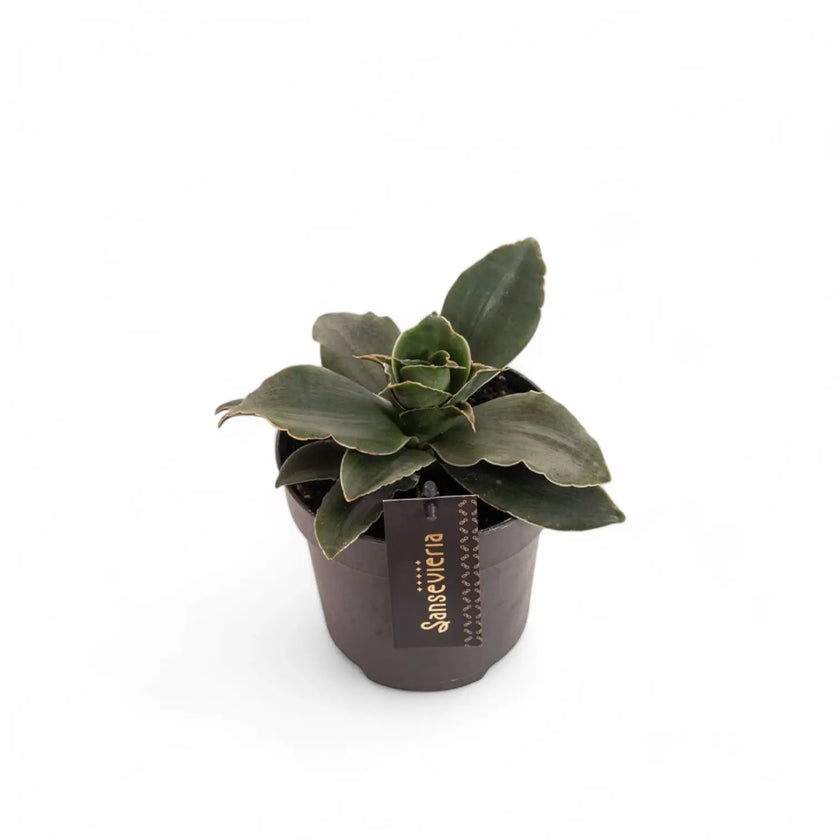
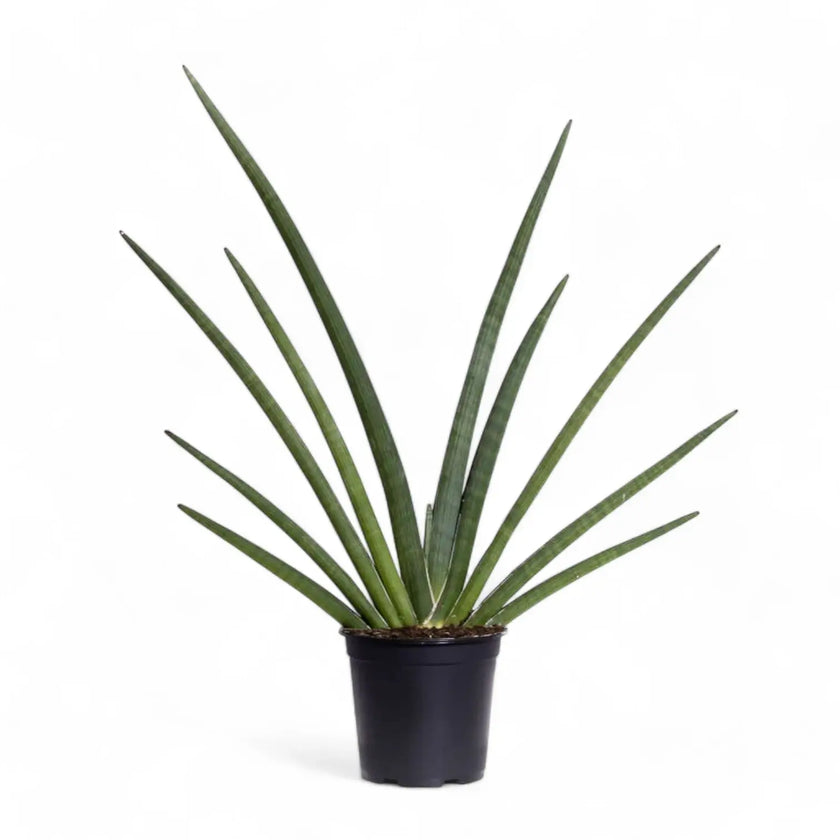
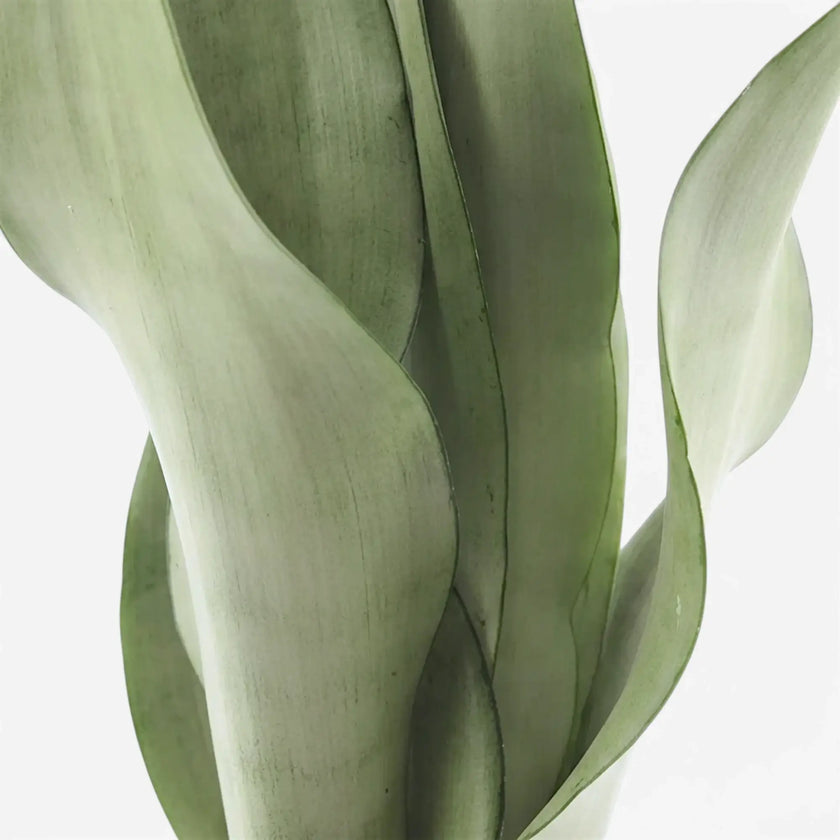
The collection ranges from upright swords to compact rosettes and cylindrical leaf forms. All are good choices when you want a plant that tolerates missed waterings and keeps a clean silhouette.

Choosing a form

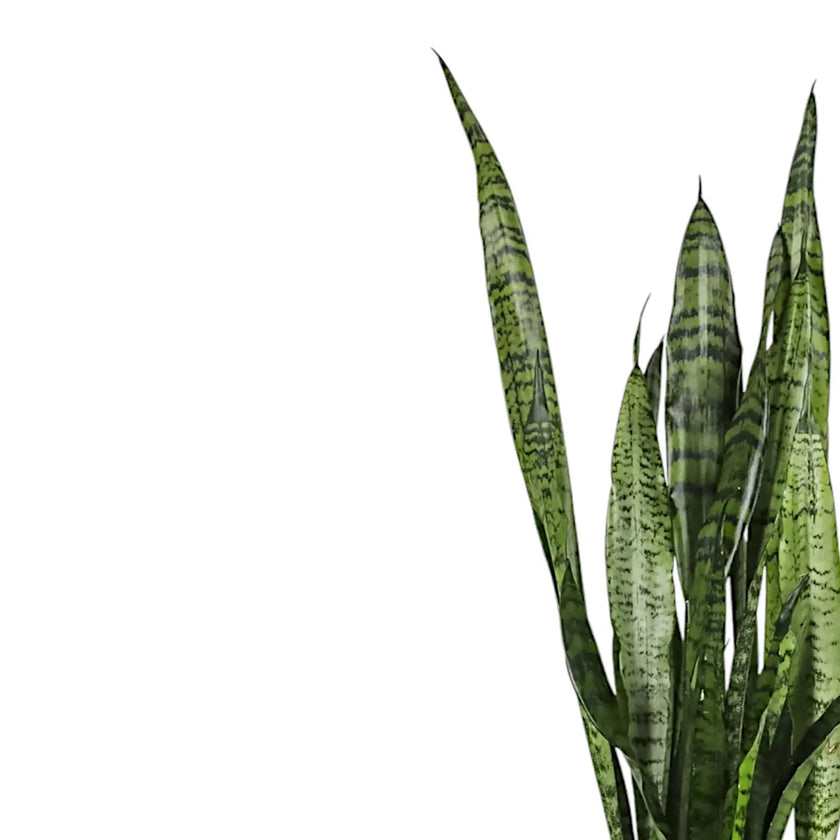
  • Upright types: best for corners and narrow floor space; they read as vertical lines.
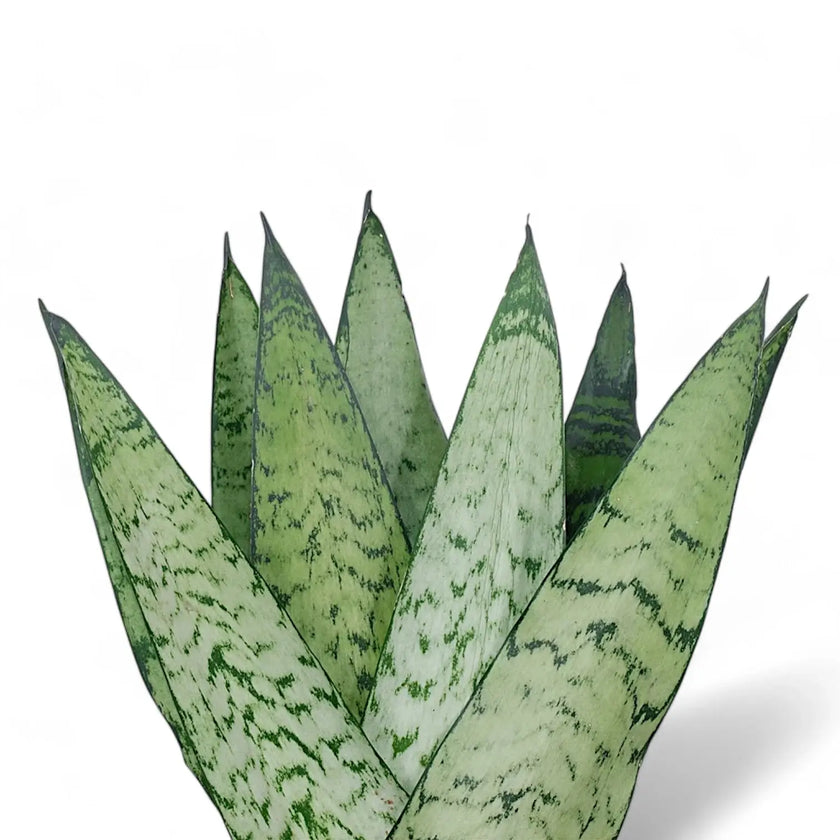
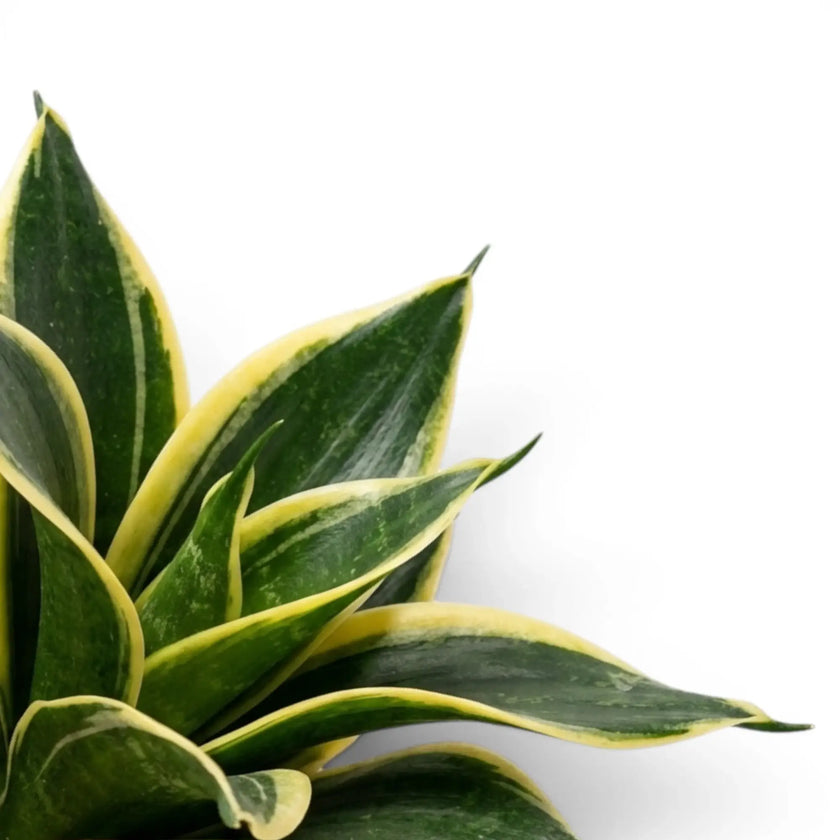
  • Compact rosettes: good for shelves and small tables; growth stays contained.
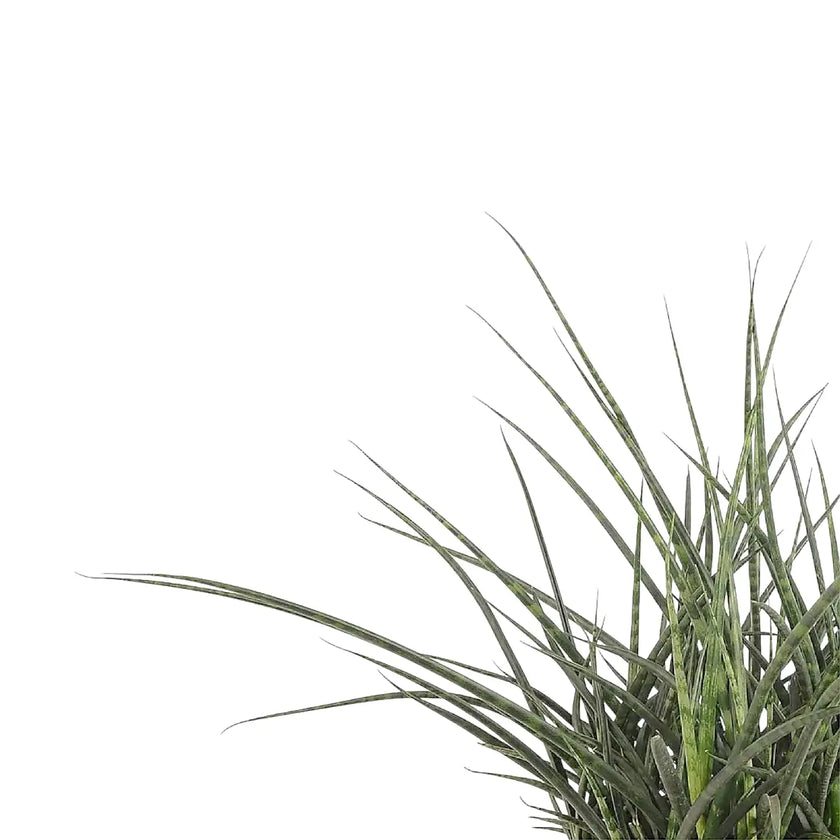
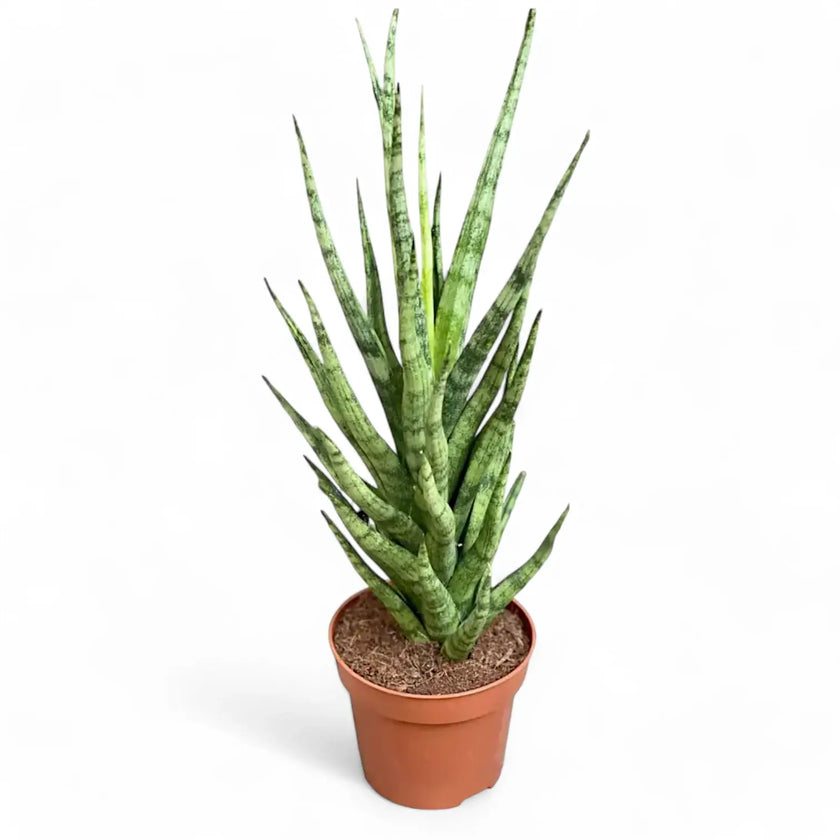
  • Cylindrical leaves: a sculptural look; keep light reasonably bright for sturdy growth.

Watering and light

Light can range from medium to bright; stronger light supports firmer leaves and faster growth. Water deeply, then let the pot dry well through the root zone before watering again. Overwatering is the main risk, especially in low light.

In brighter spots, watering can be a little more frequent because the pot dries faster. In lower light, extend the dry period; the plant will still cope, and roots stay safer.

  • Substrate: use a gritty, fast-draining mix so roots stay oxygenated.
  • Containers: pots with drainage are essential; cachepots need careful emptying.
  • Feeding: light feeding is enough; heavy feeding can lead to soft growth.

Long-term care and common problems

Rotate the pot for even growth and wipe leaves to keep light uptake strong. If clumps become crowded, divisions are an easy way to refresh the plant and share offsets.

  • Mushy base: a classic sign of wet roots; dry the pot and check for rot.
  • Wrinkled leaves: often dehydration; increase watering slightly once the pot has dried.
  • Brown tips: salts or irregular watering can show; flush the pot and stabilise the rhythm.
  • Pests: mealybugs can hide at the base; check leaf axils.

These plants can irritate if chewed; keep them away from pets that nibble.

Frequently Asked Questions About Dracaena Sansevieria