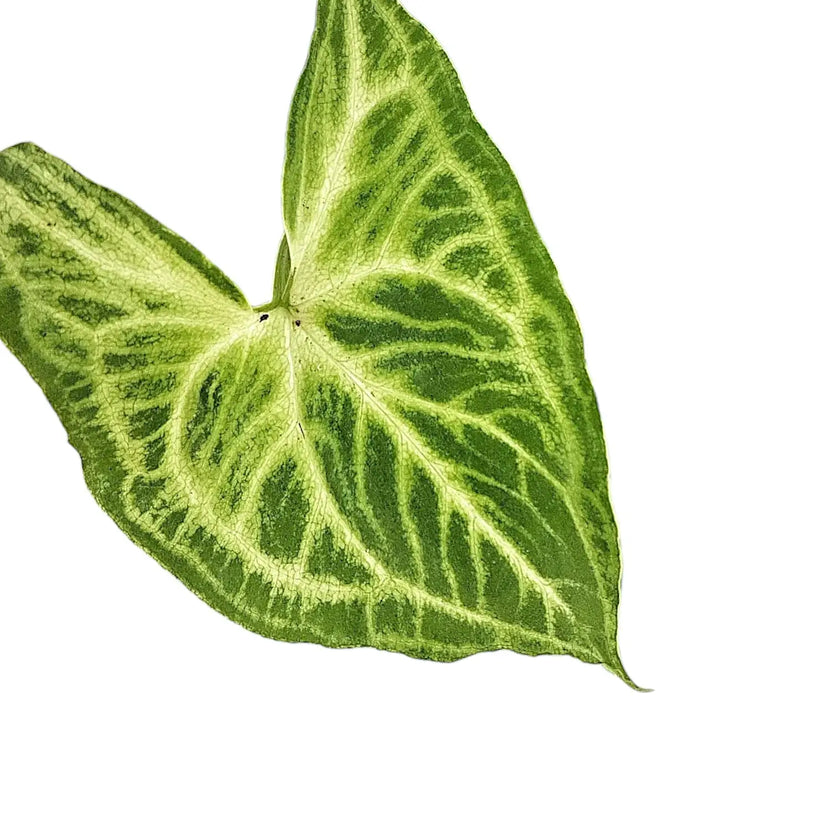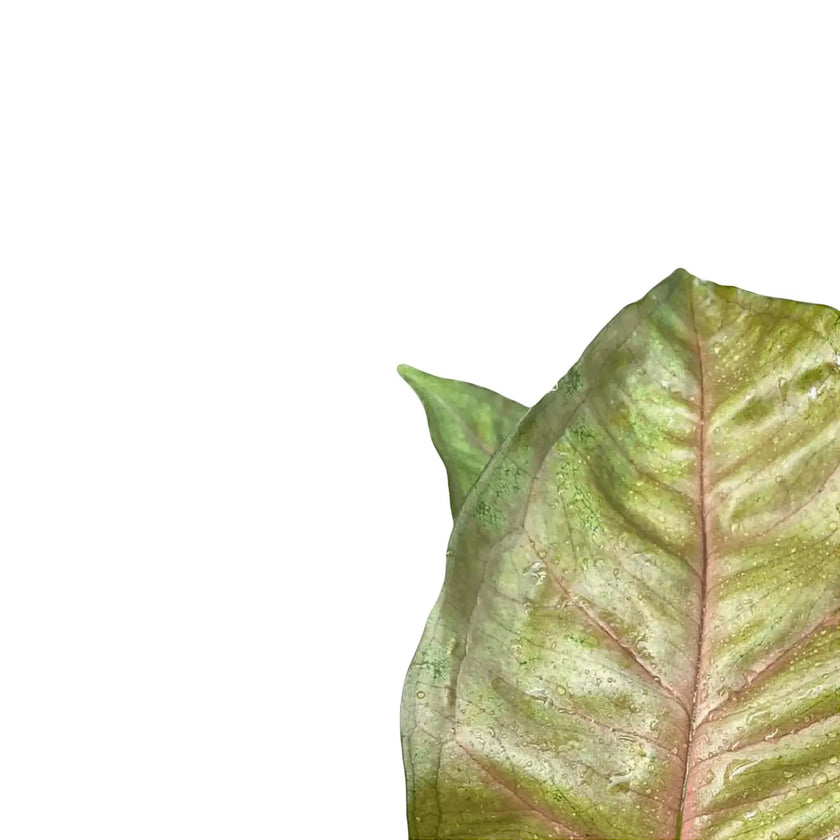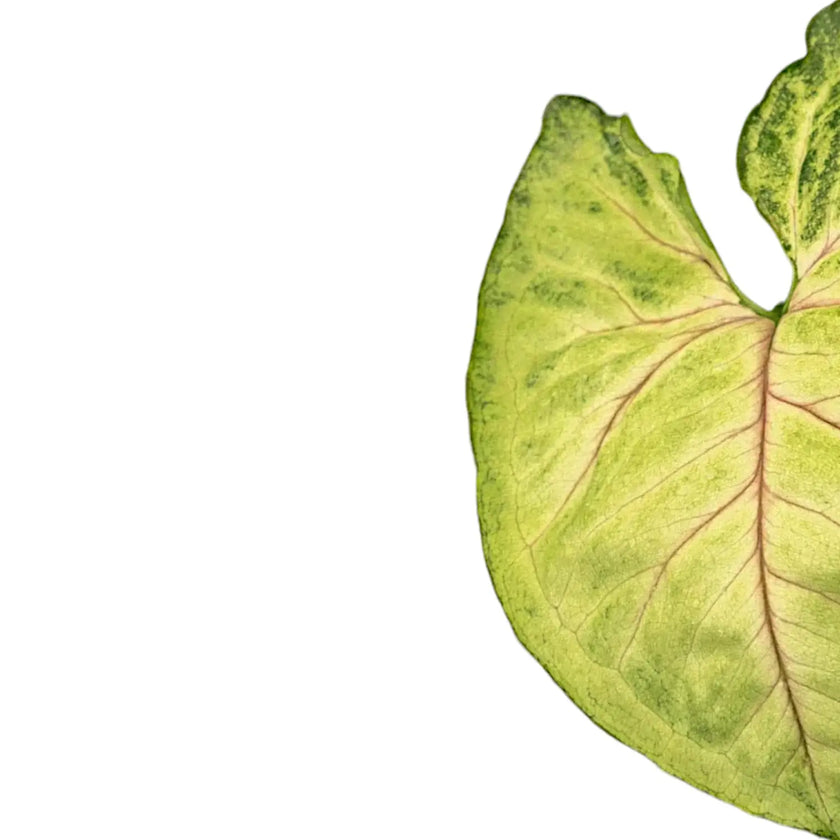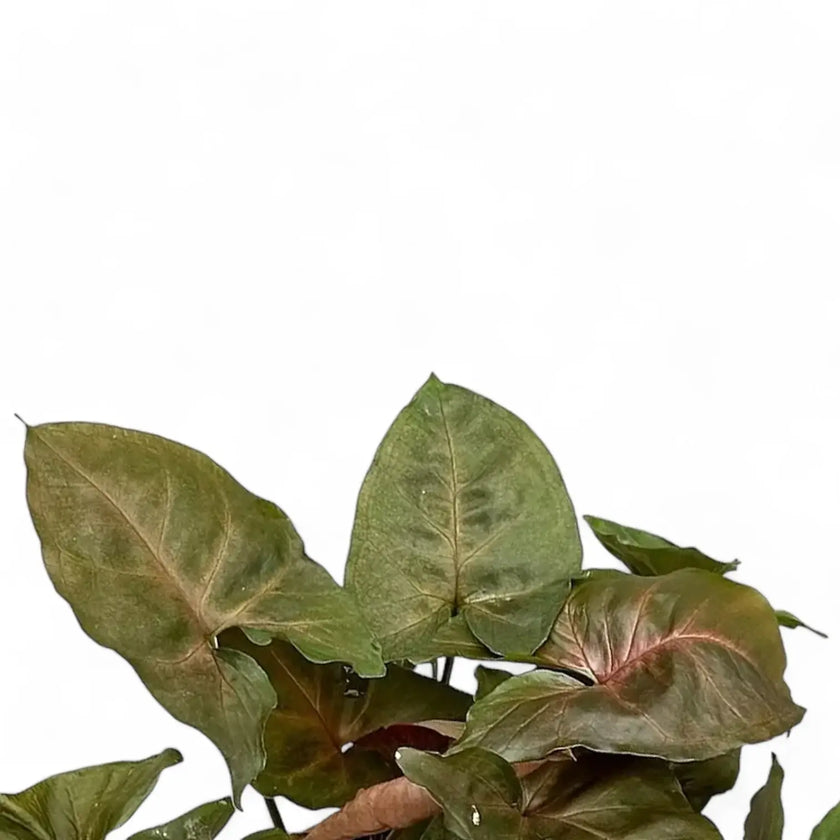
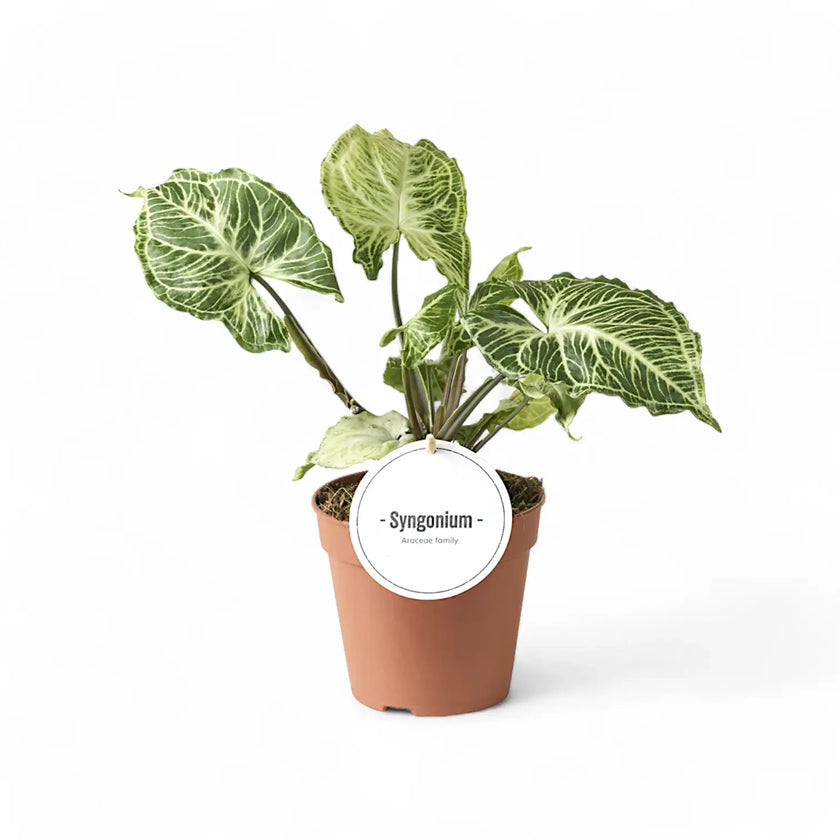
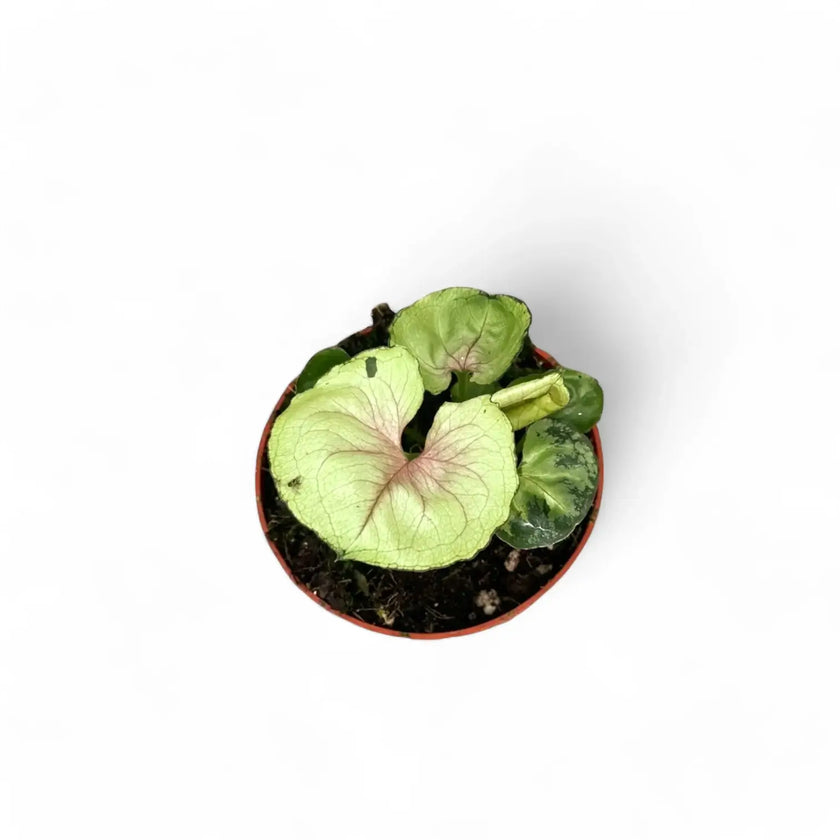
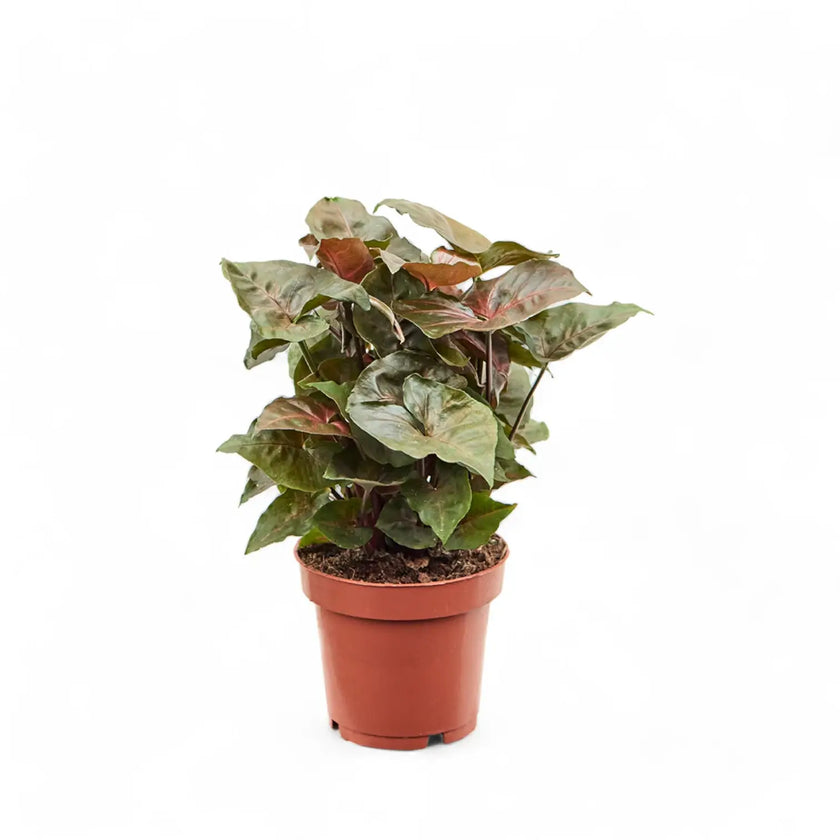
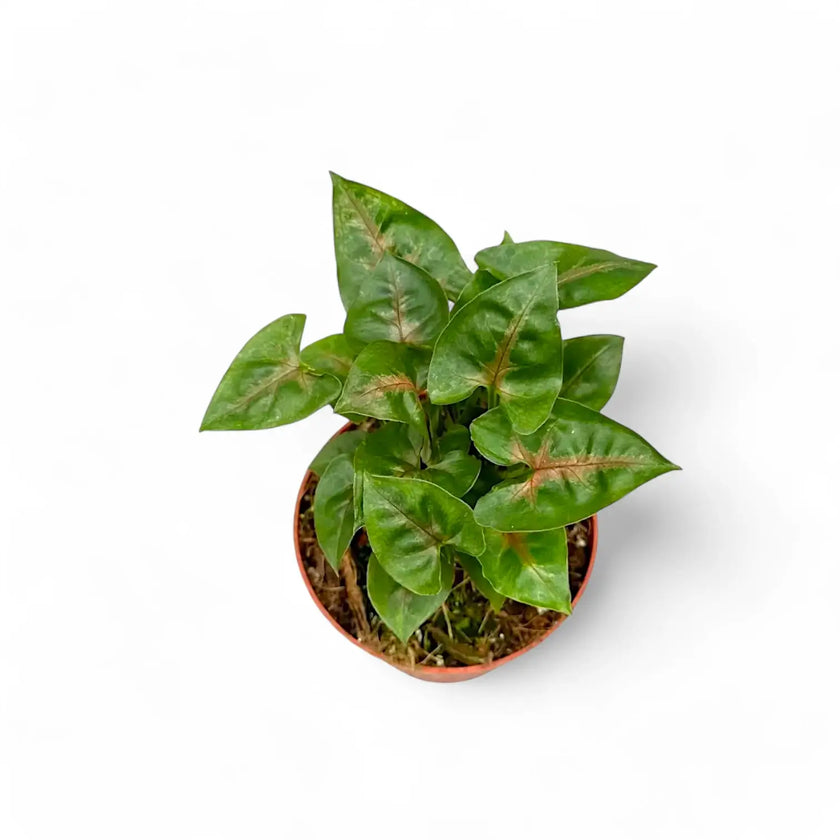

Syngonium (Arrowhead Vines)
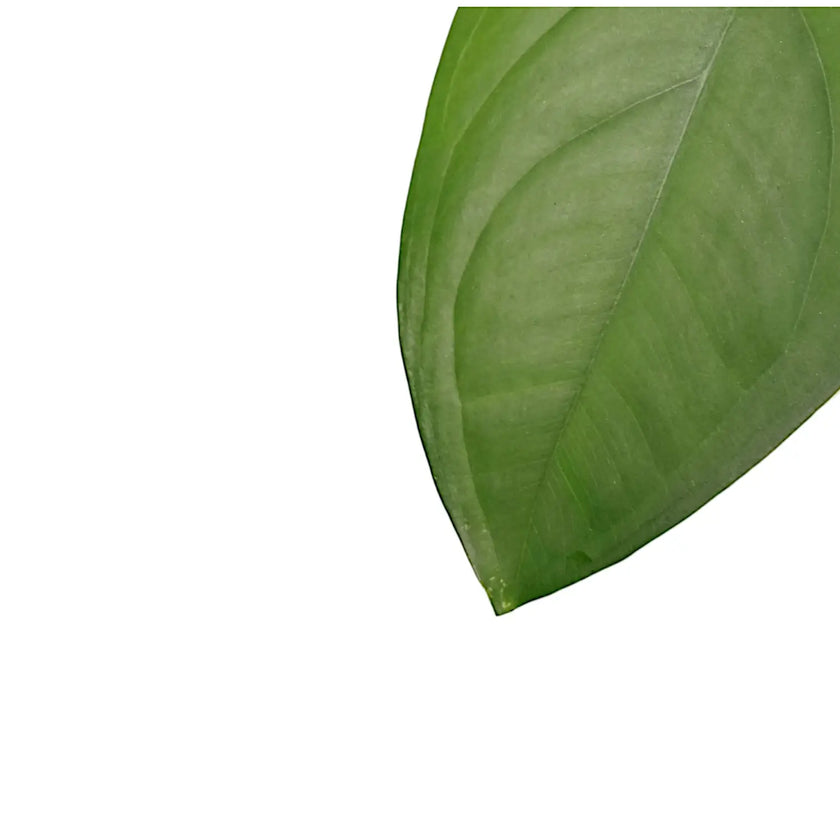
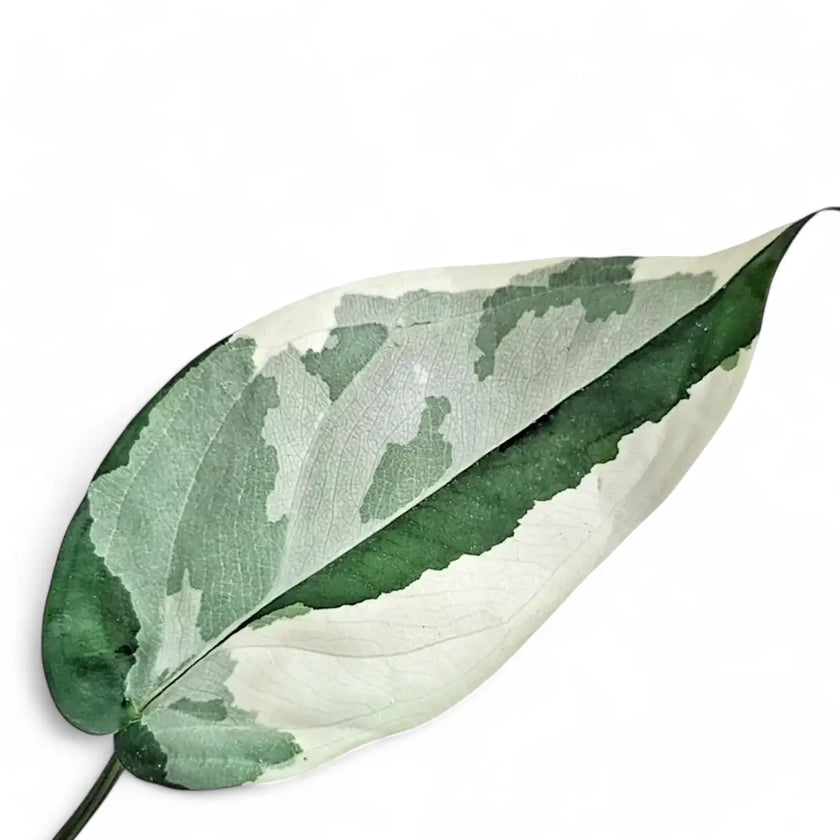
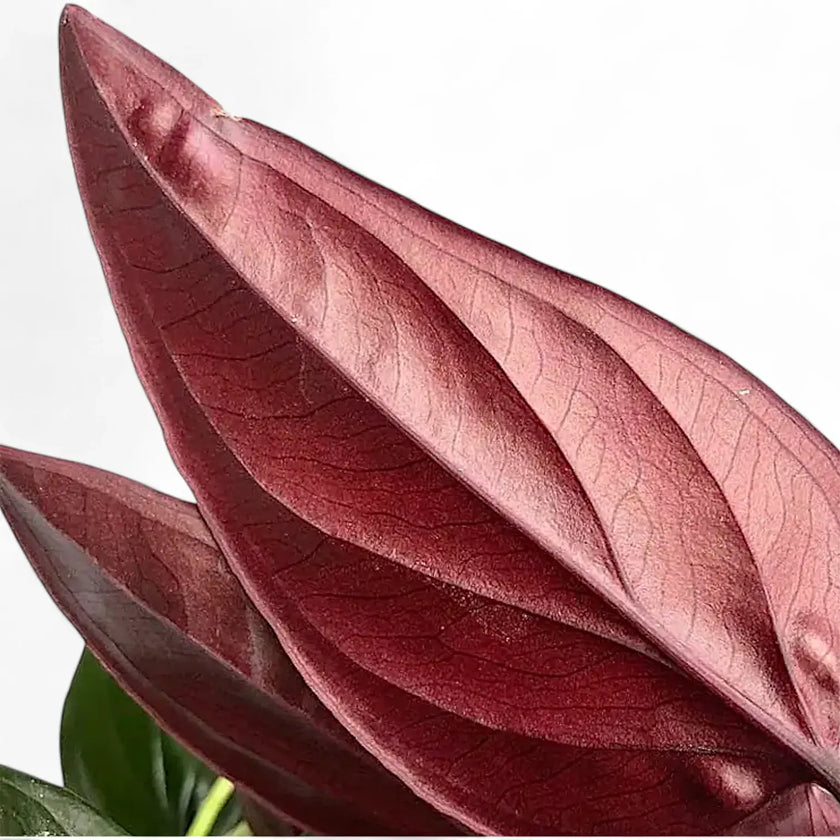
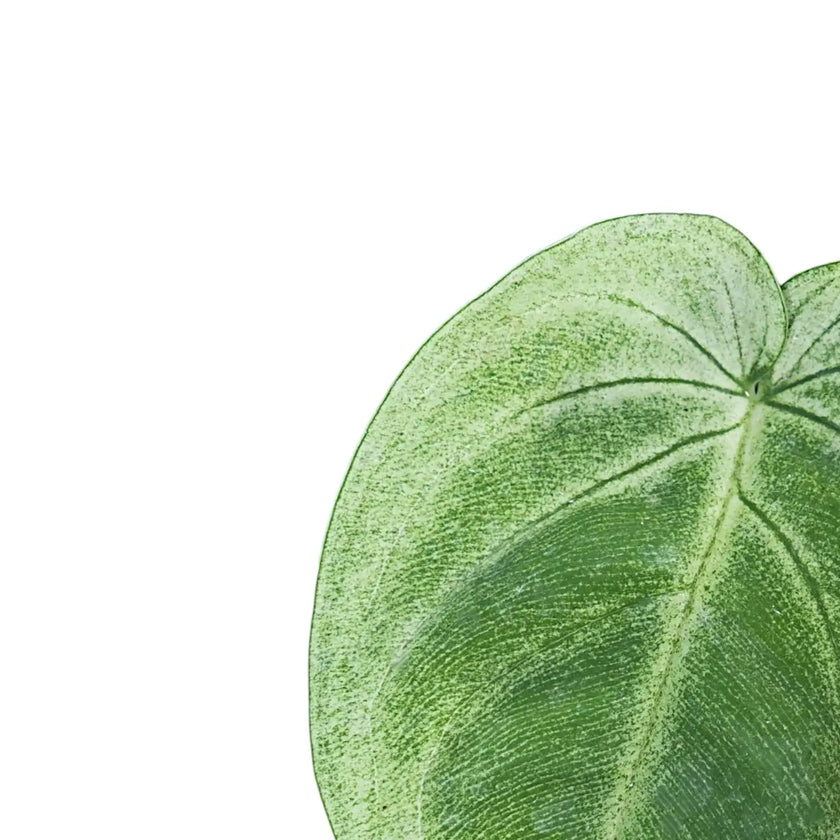
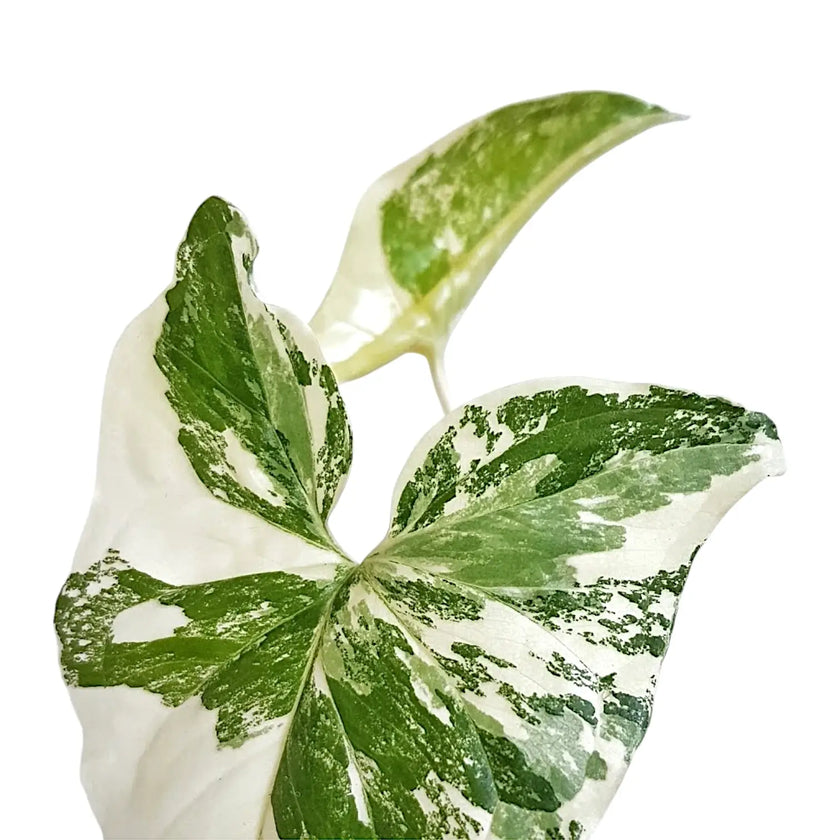
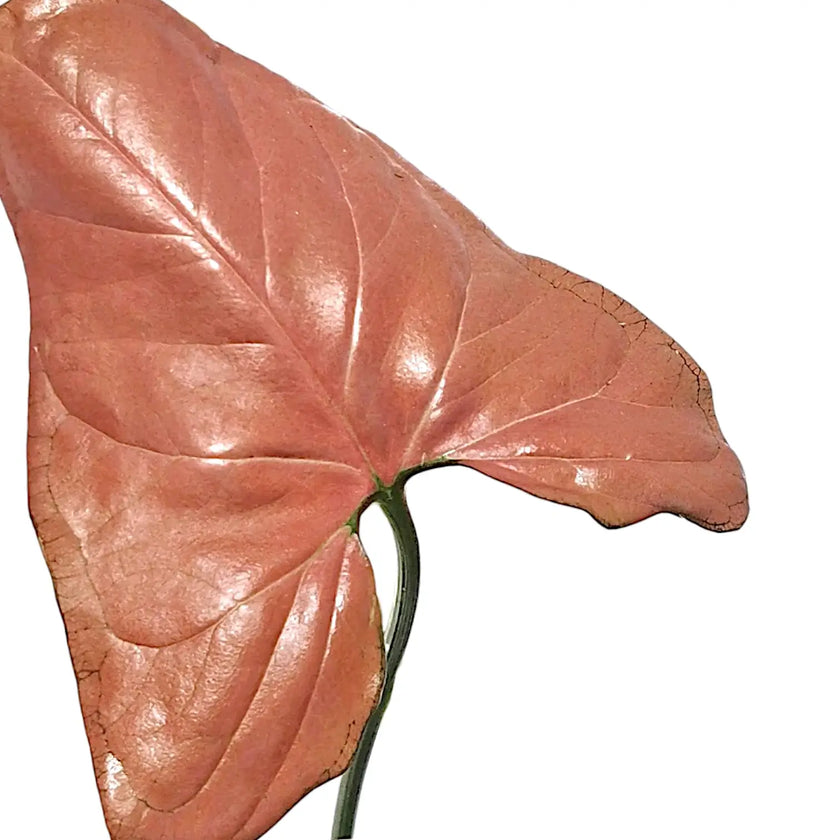
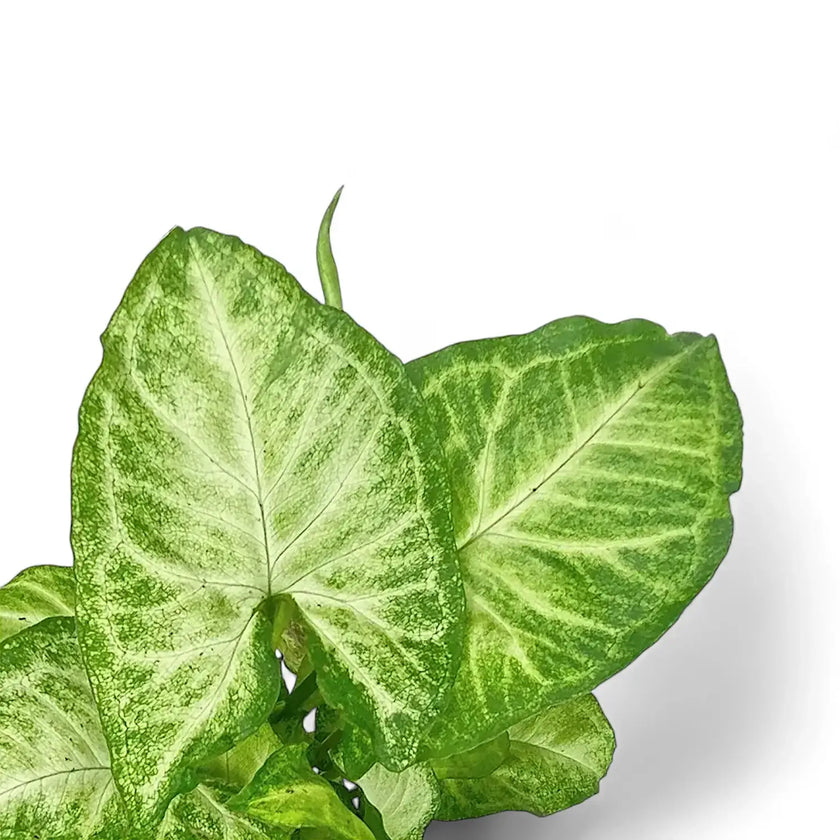
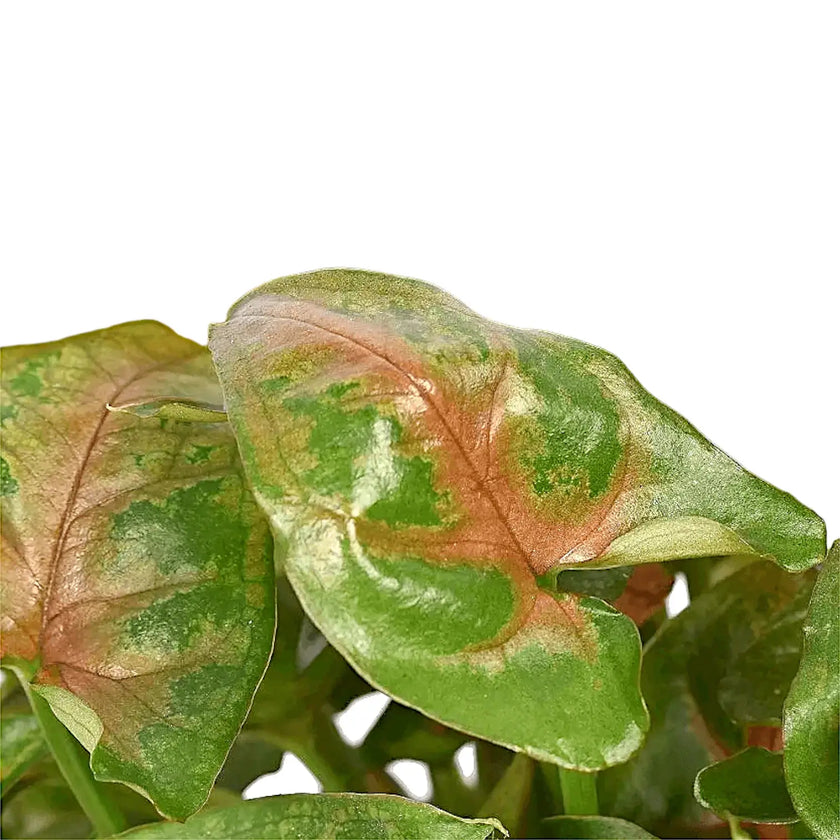
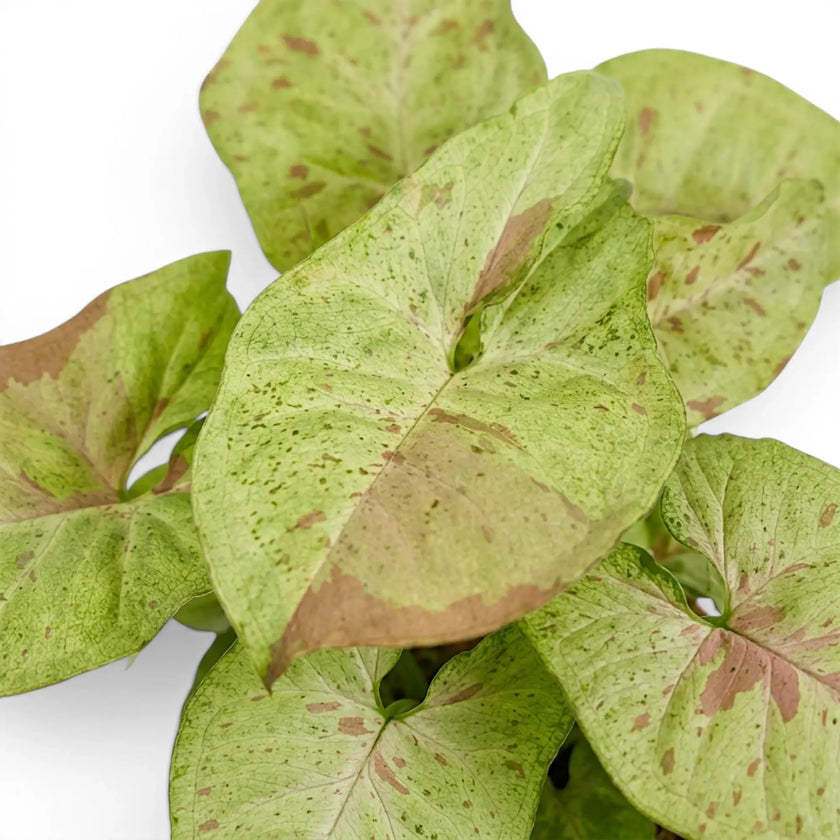
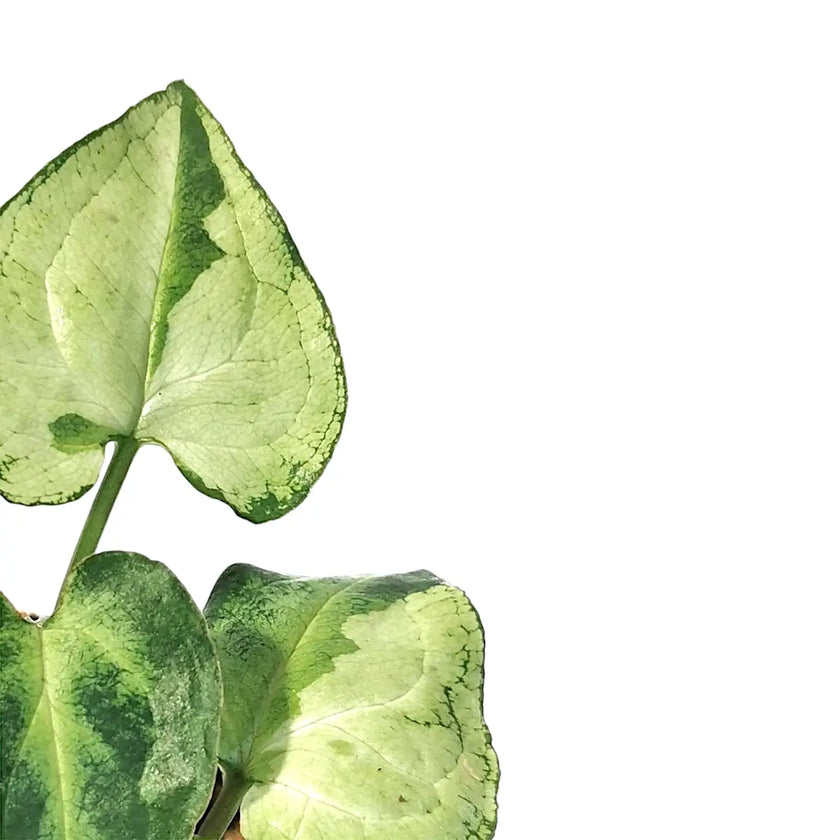
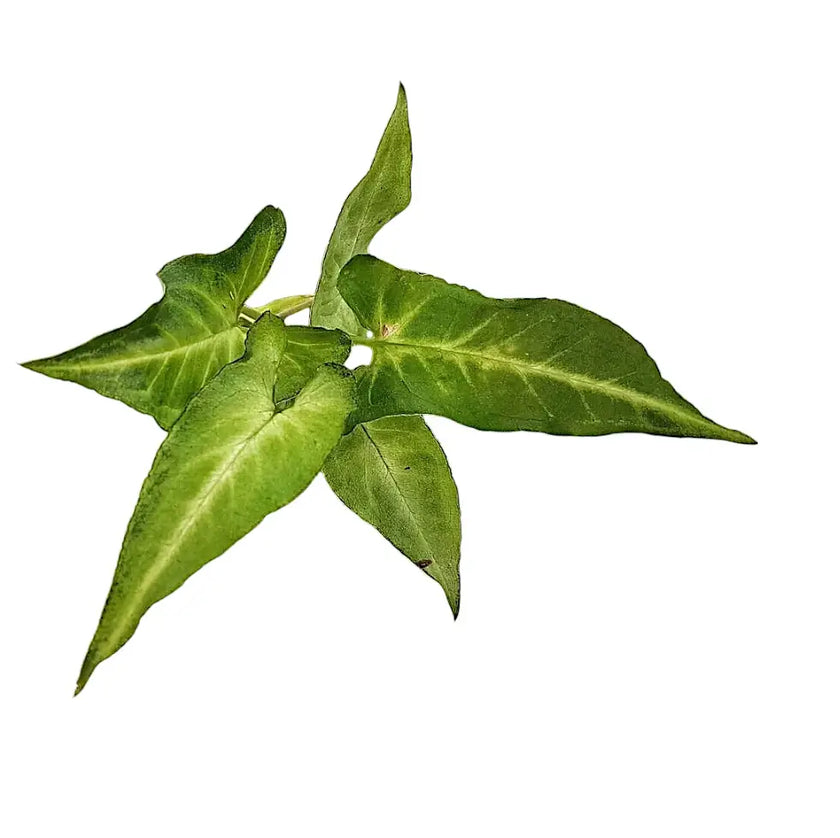
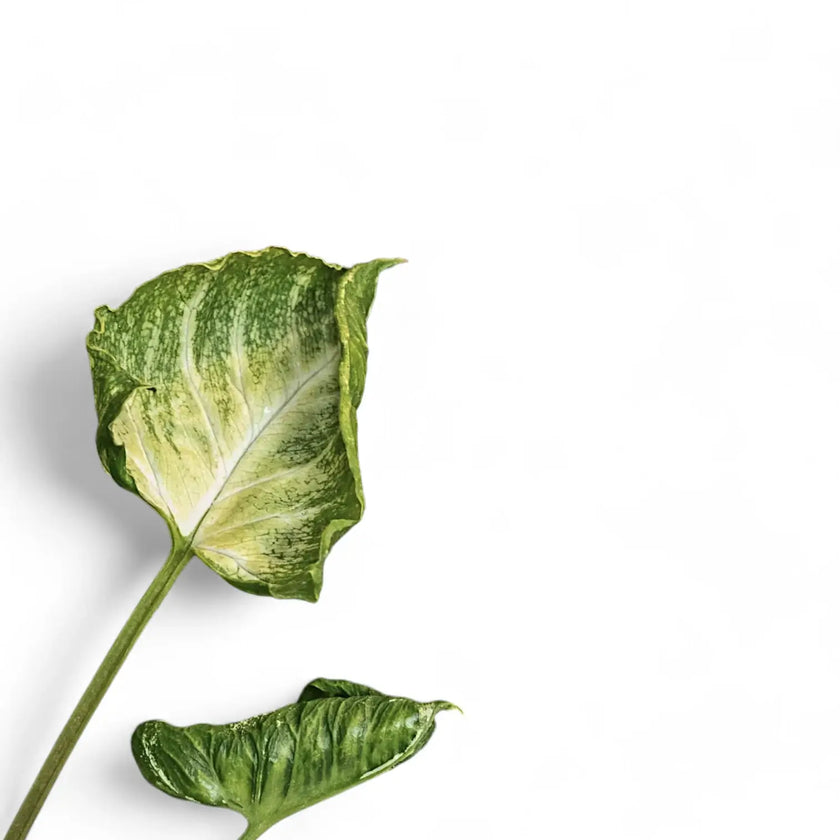
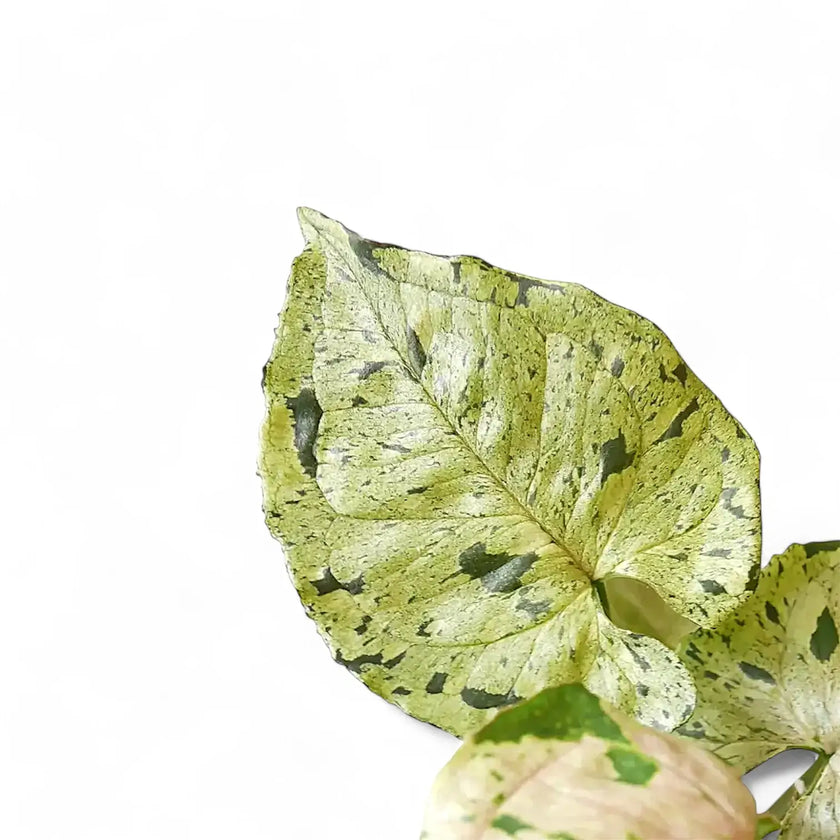
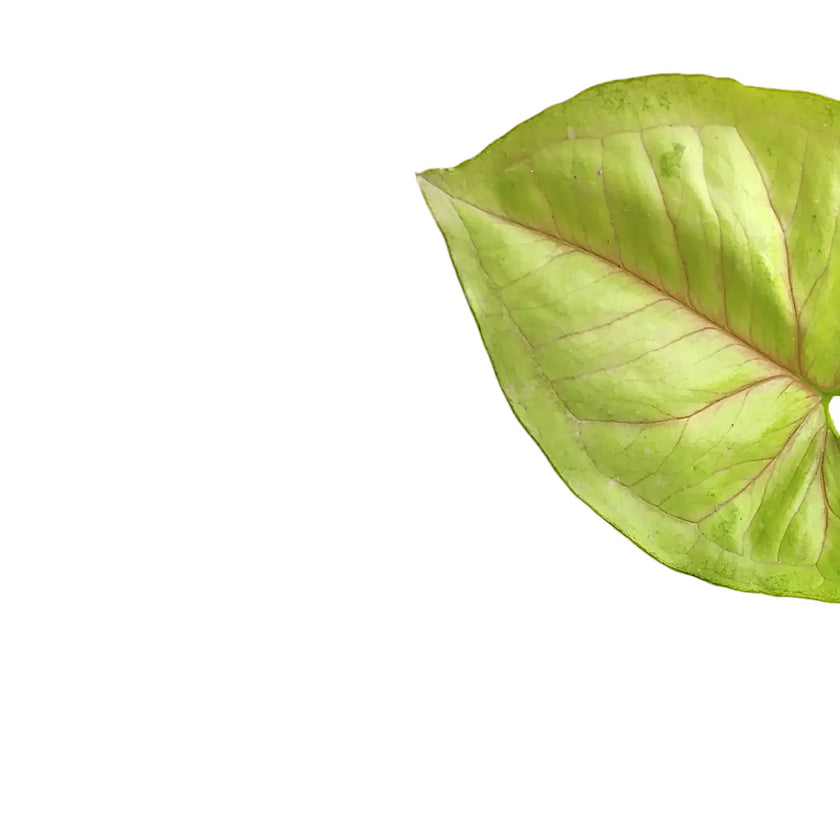
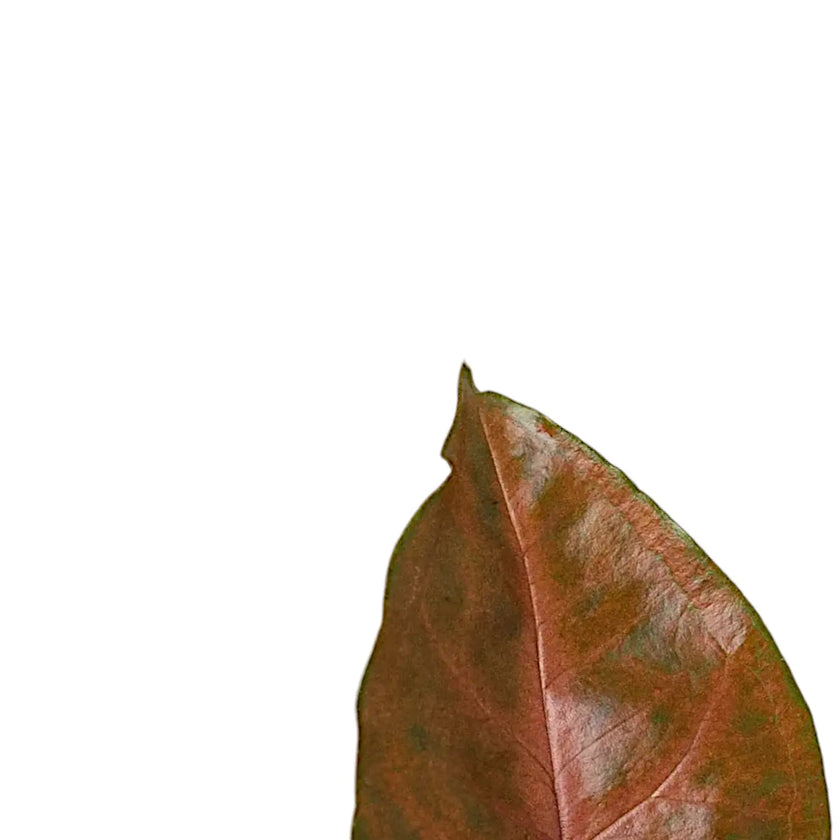
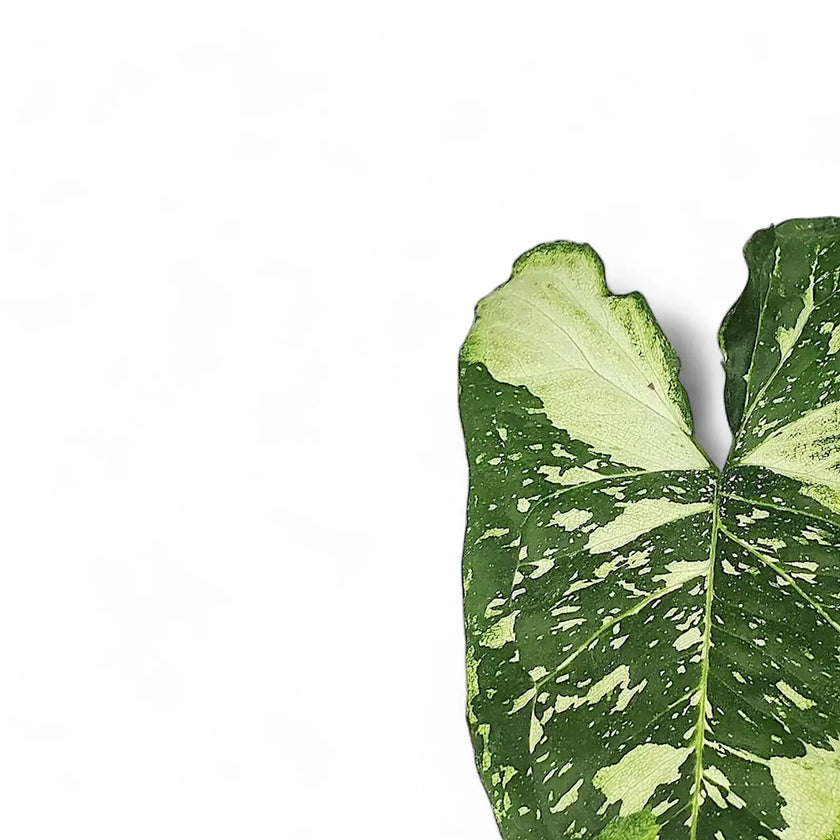
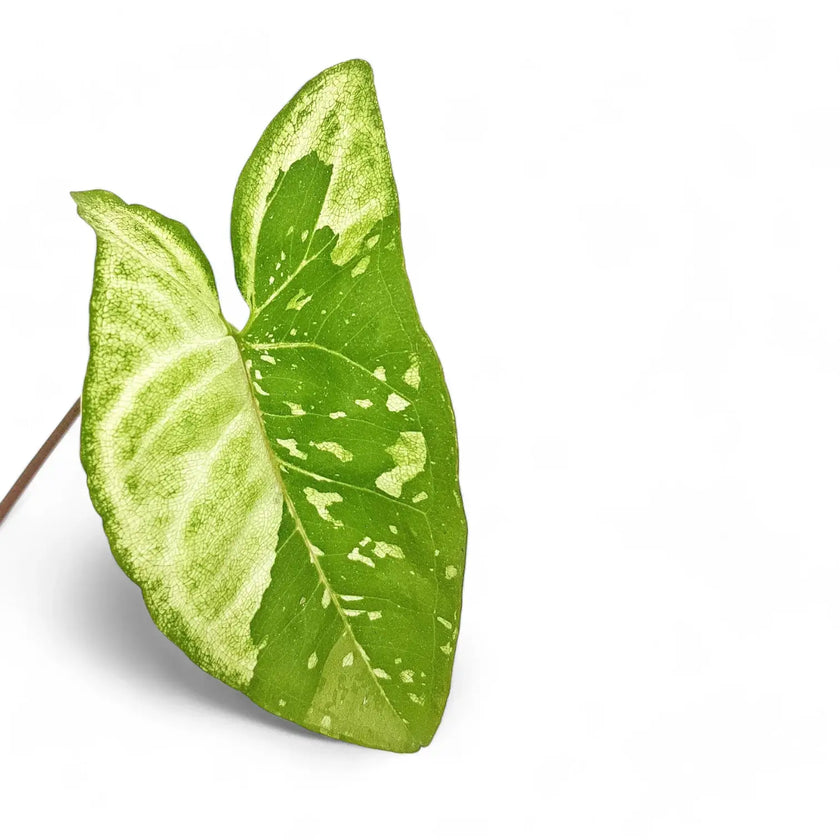
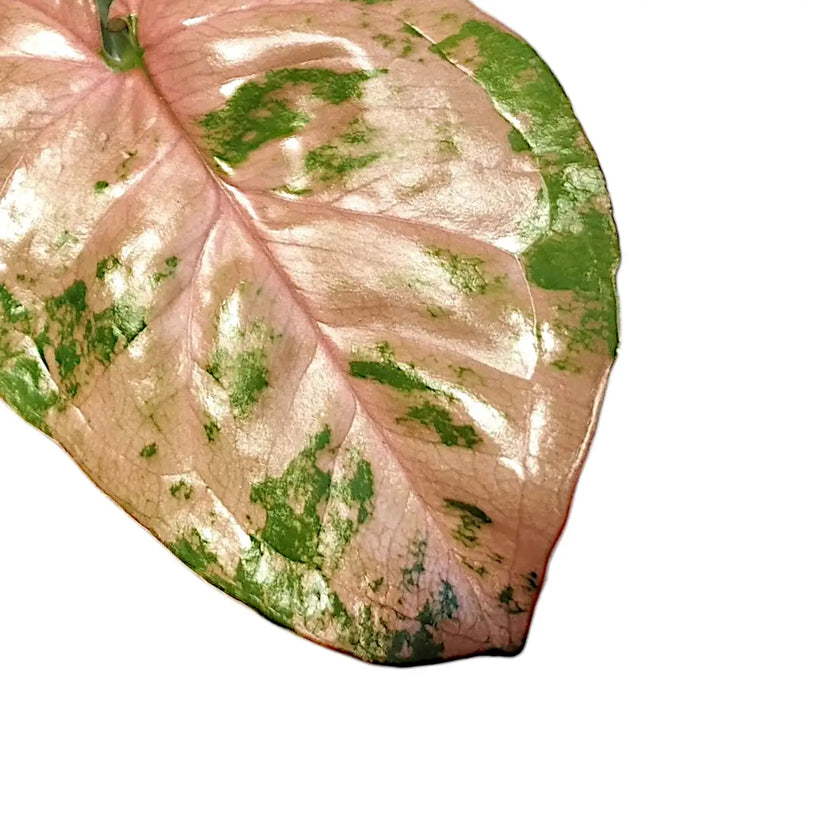
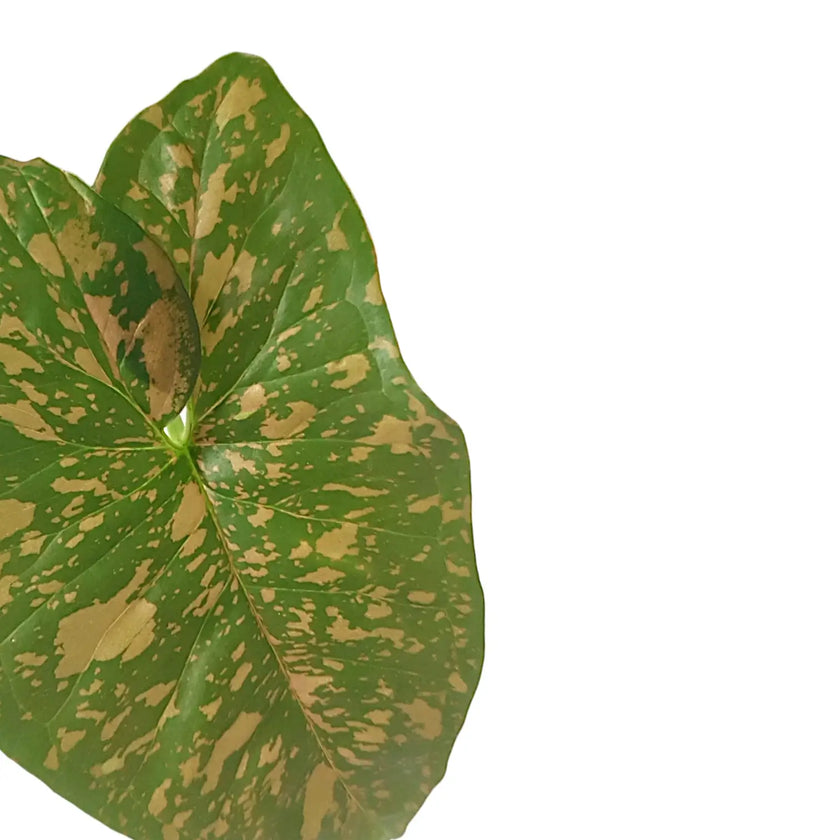
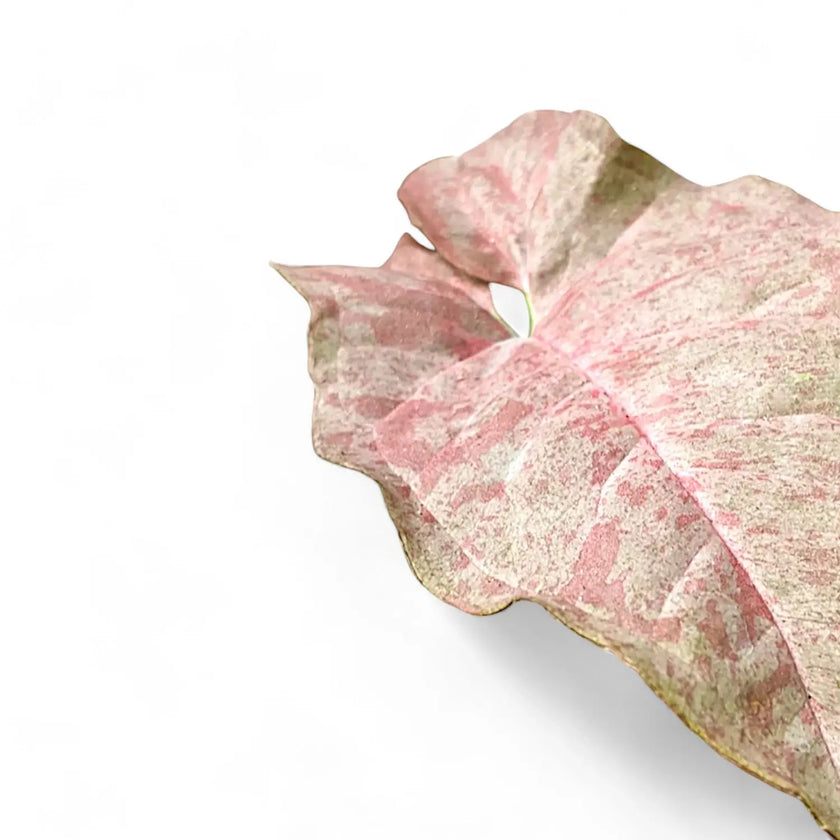
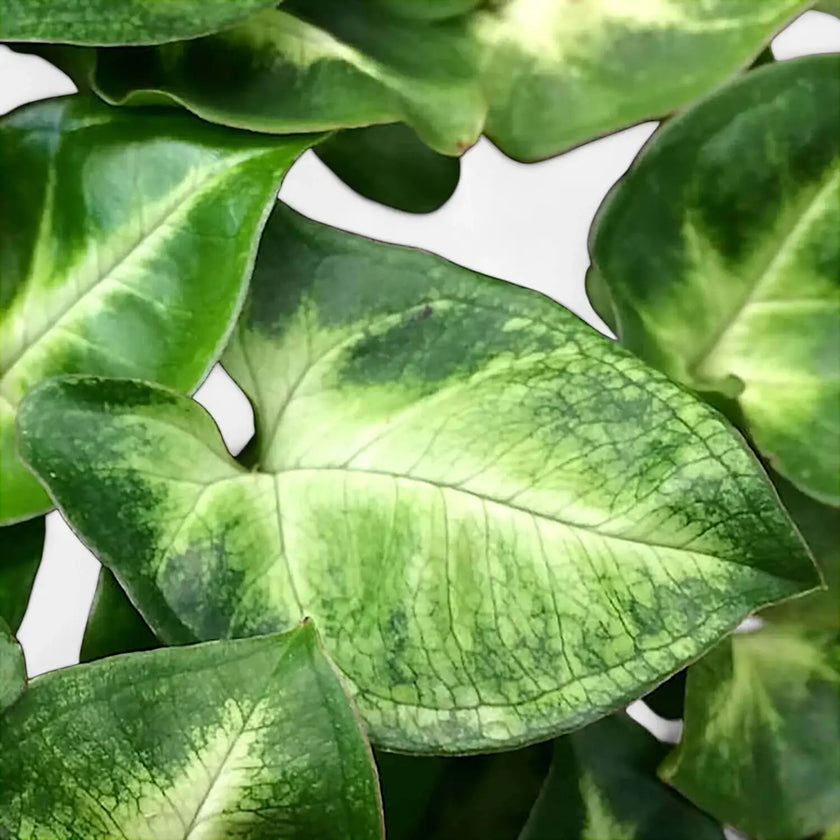
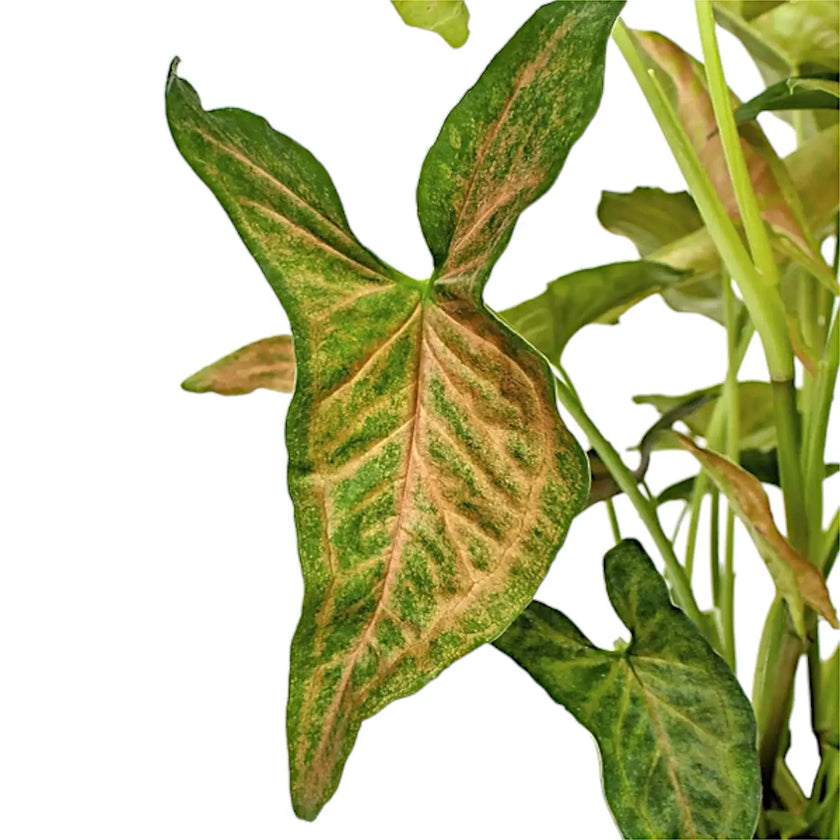
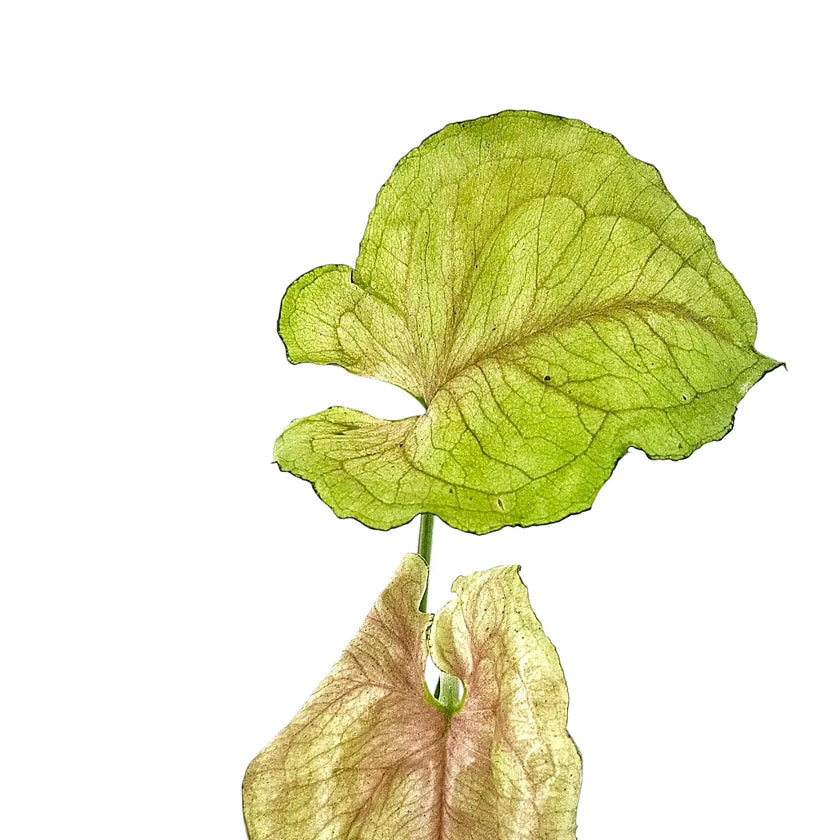
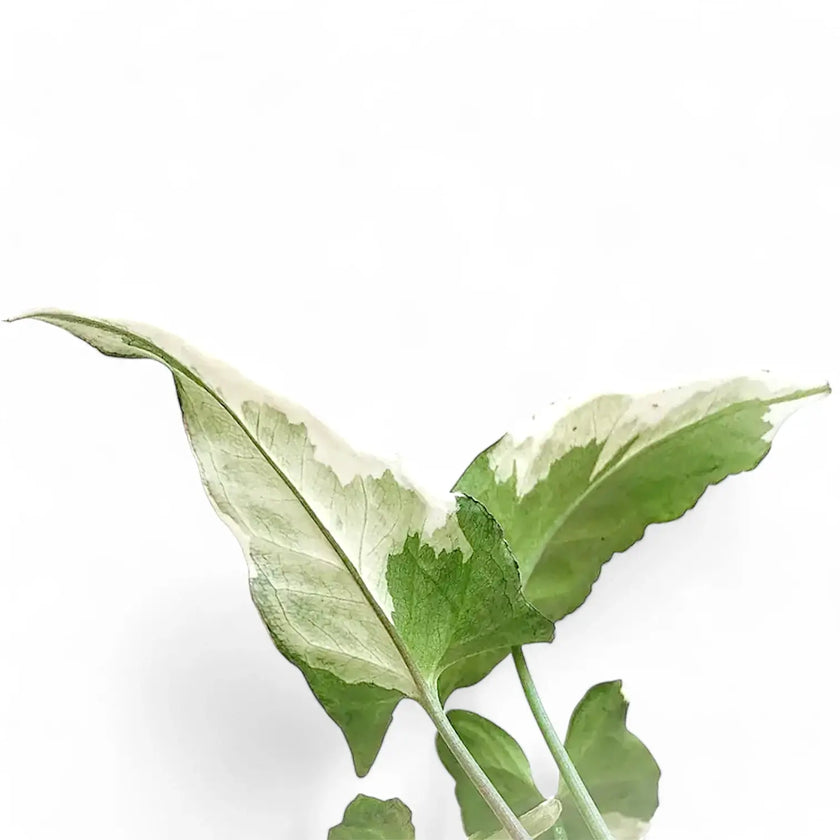
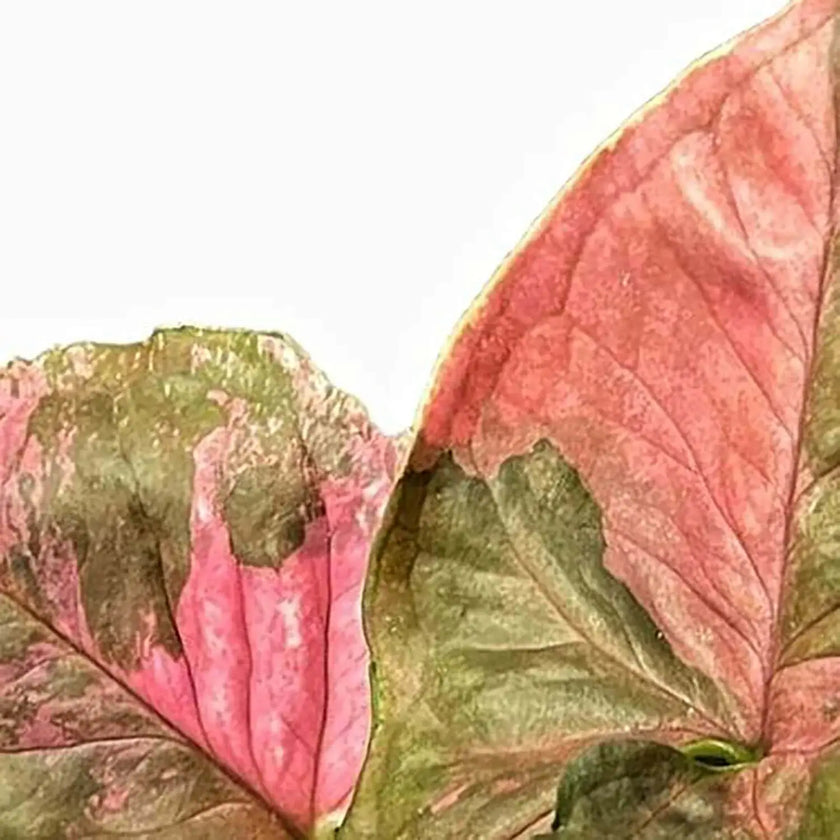
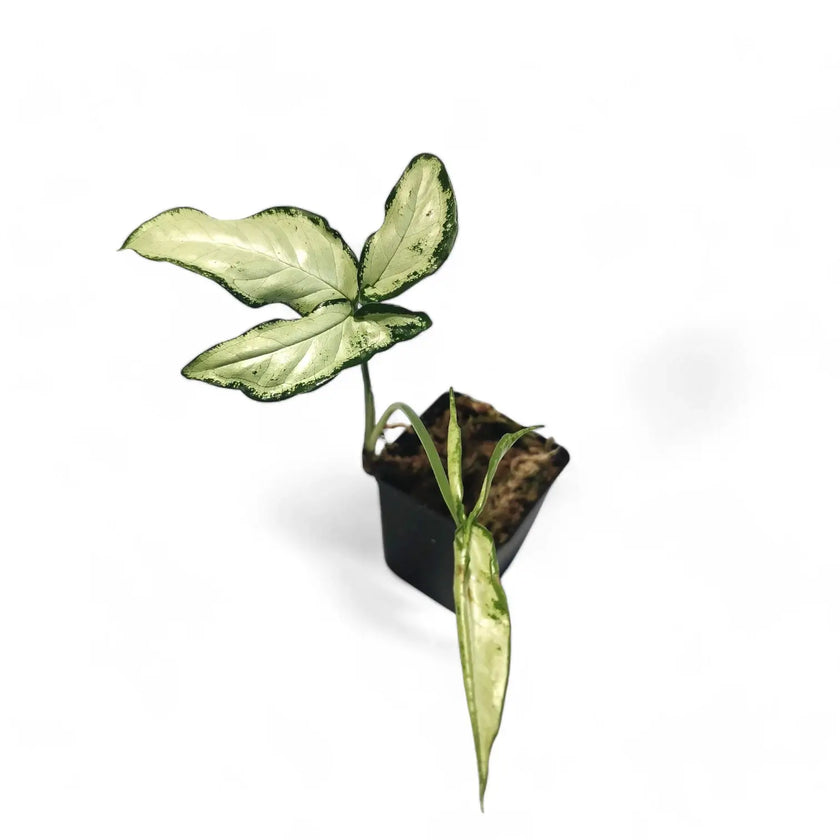
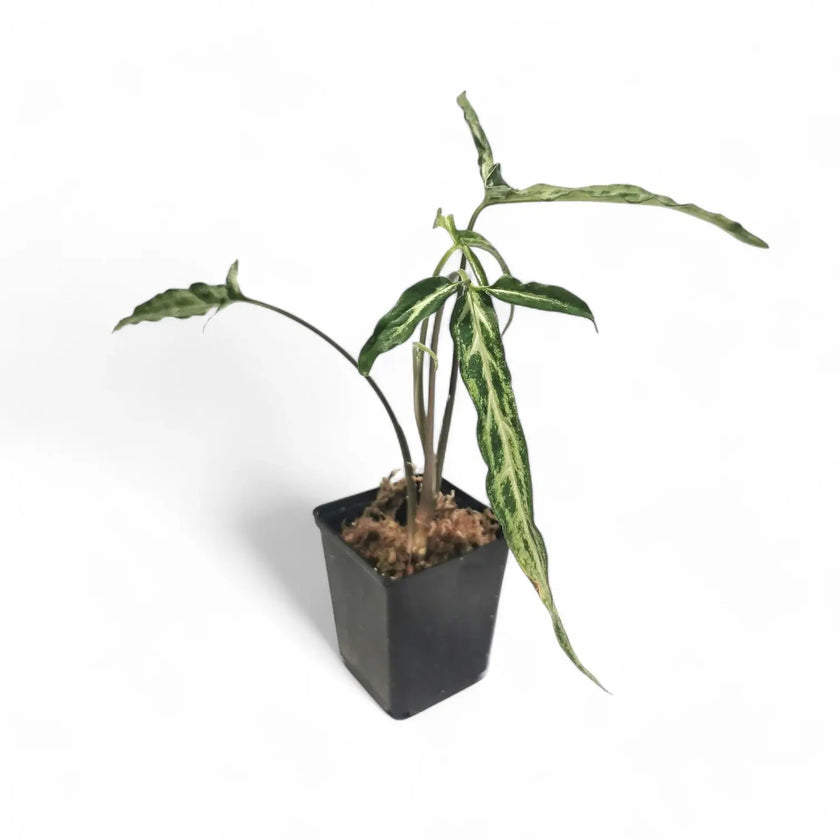
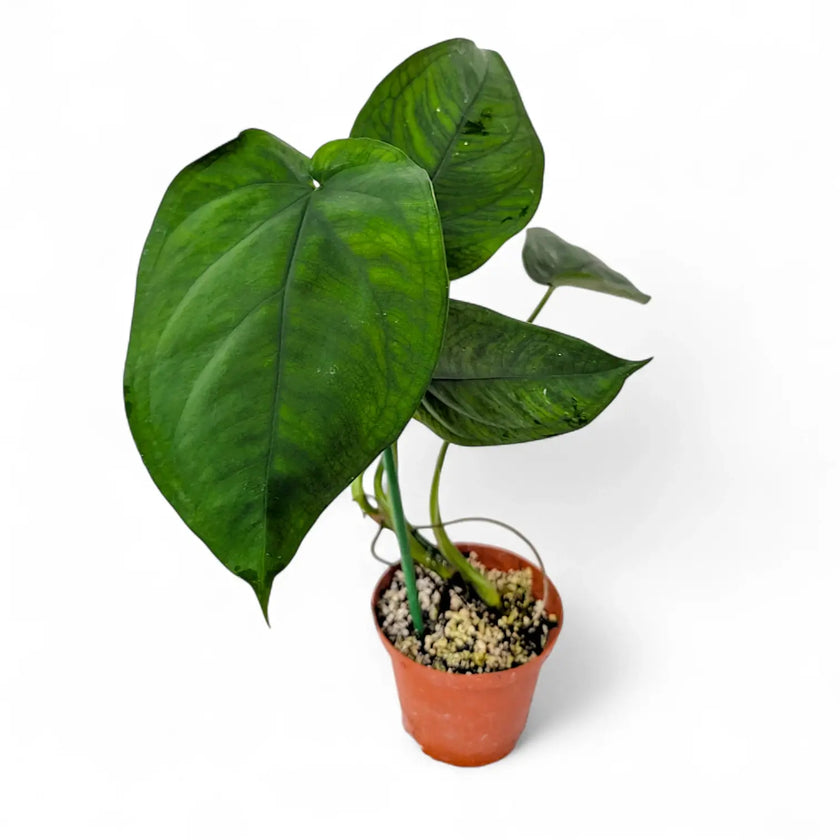
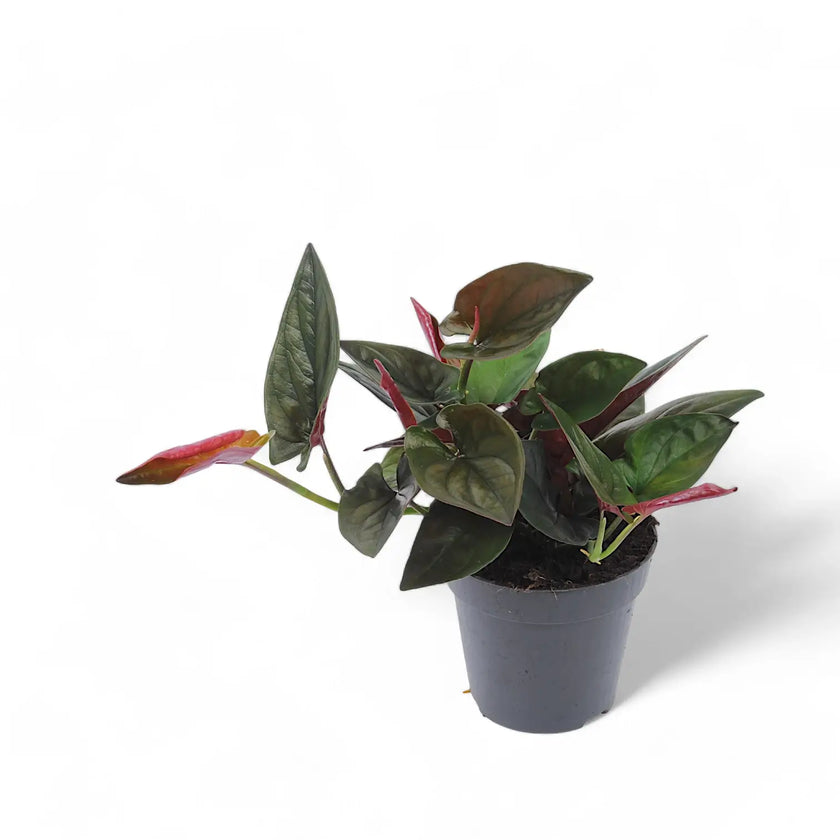
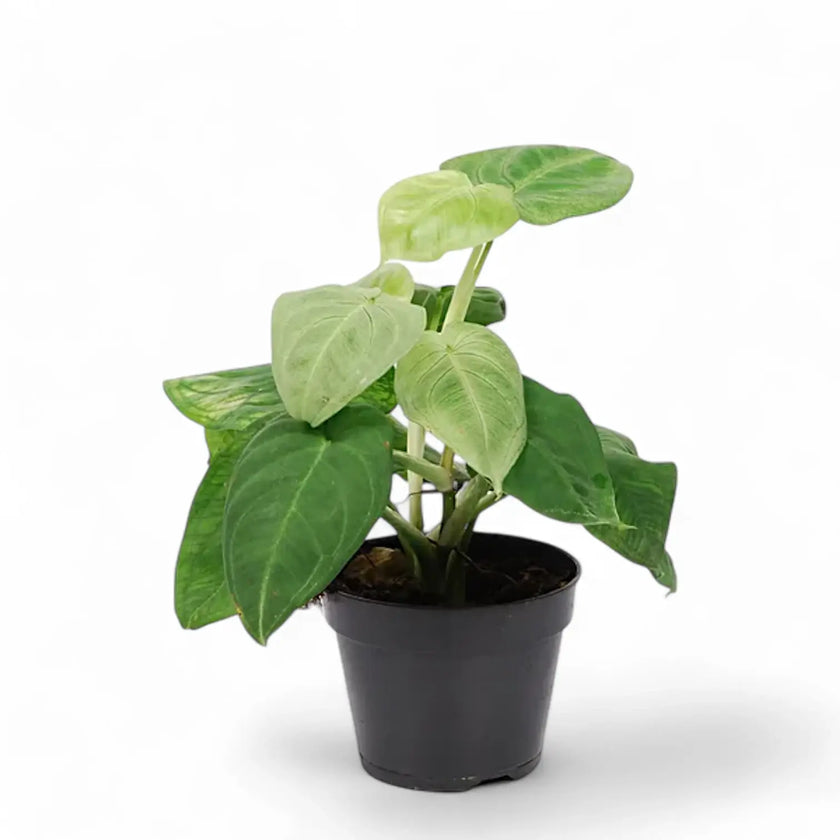
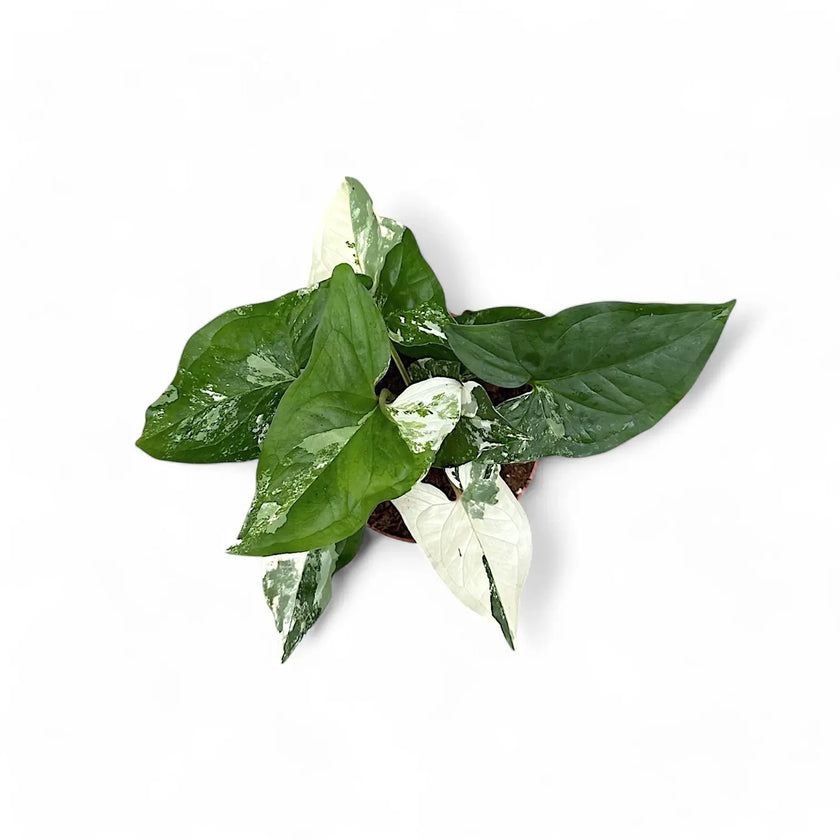
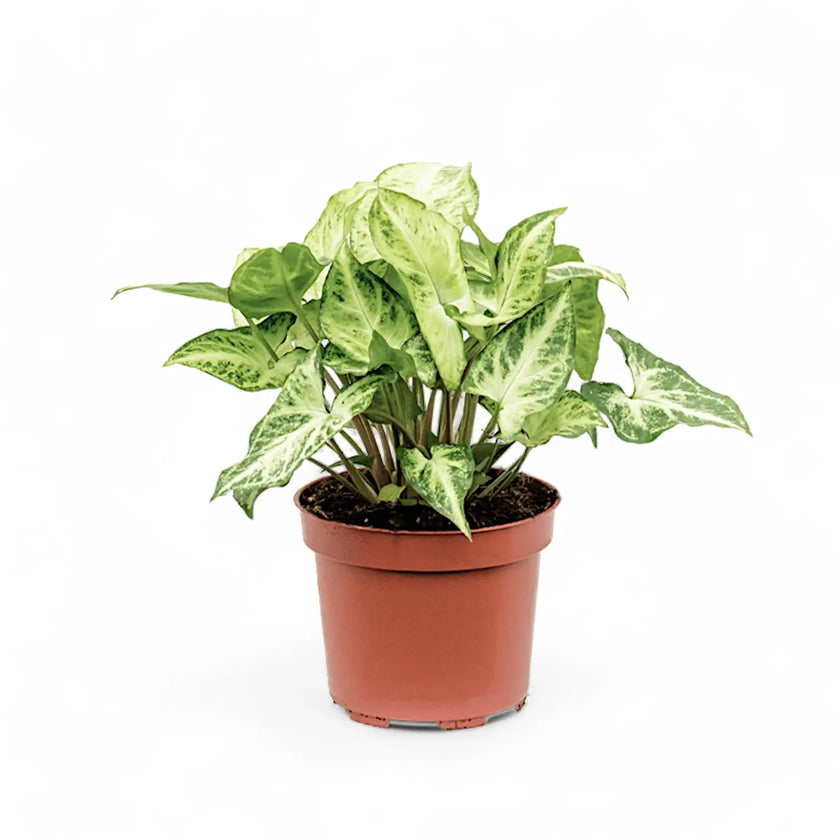
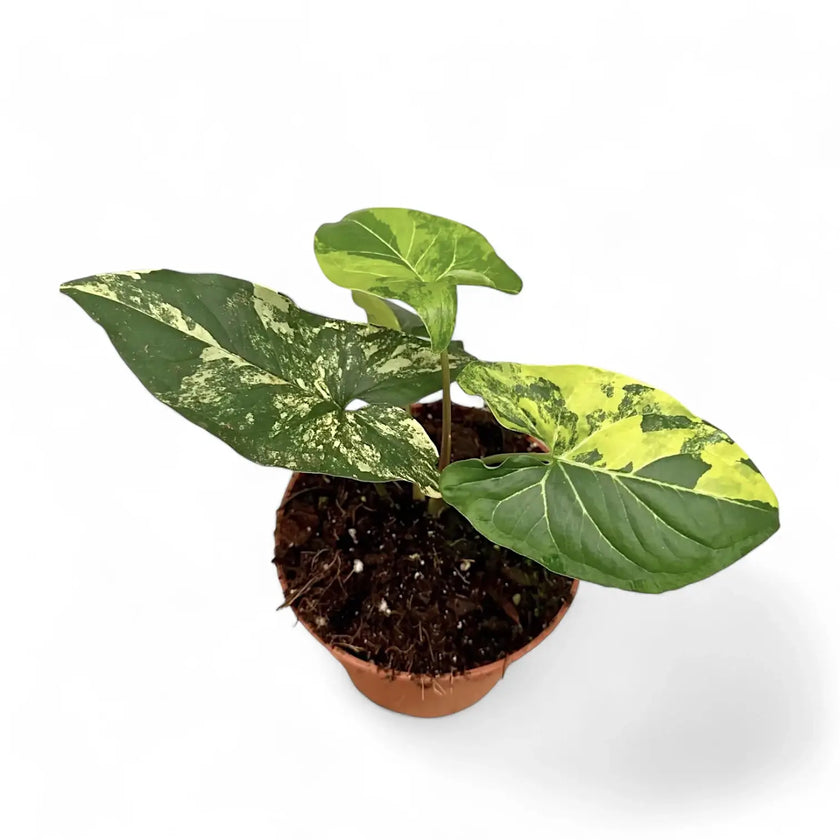
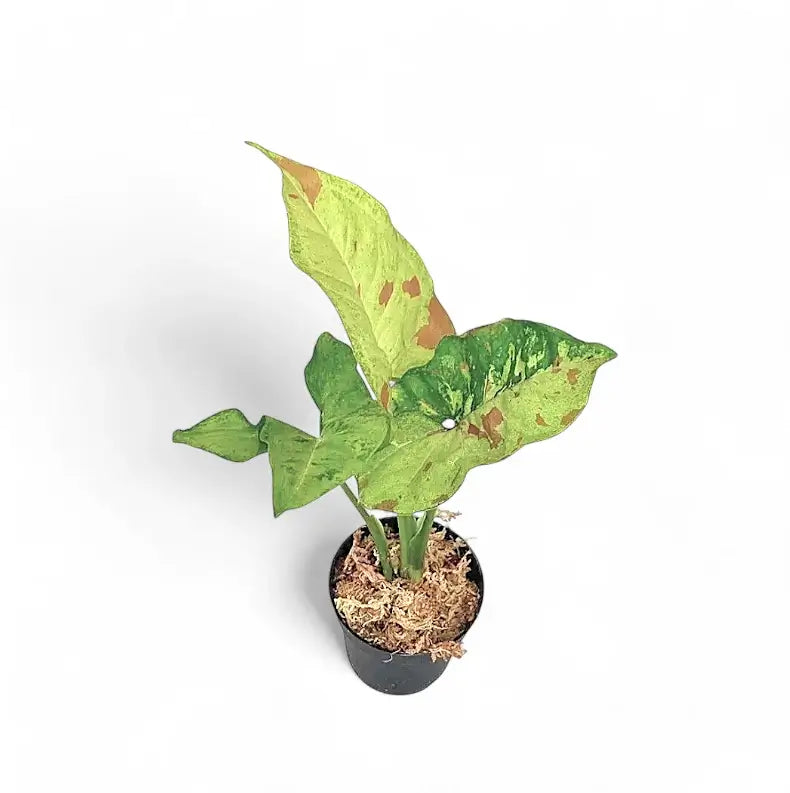
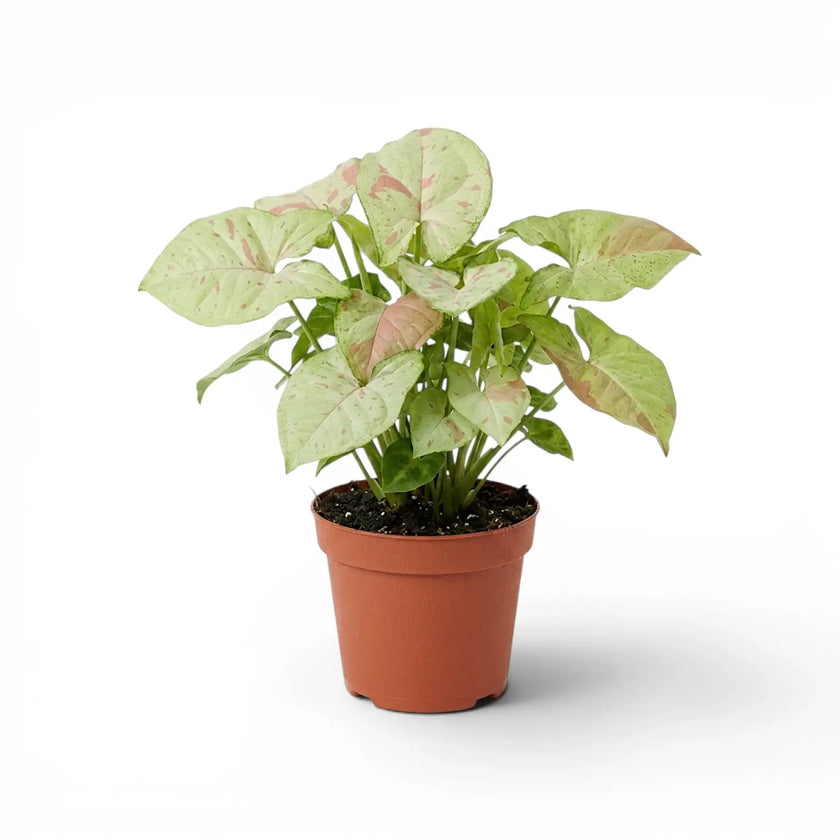
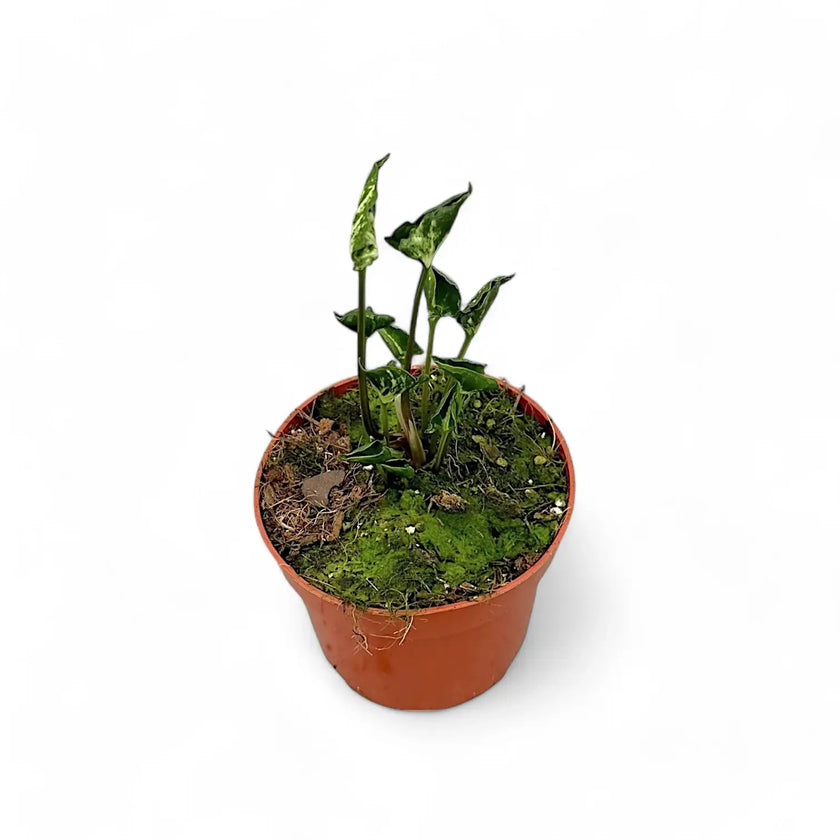
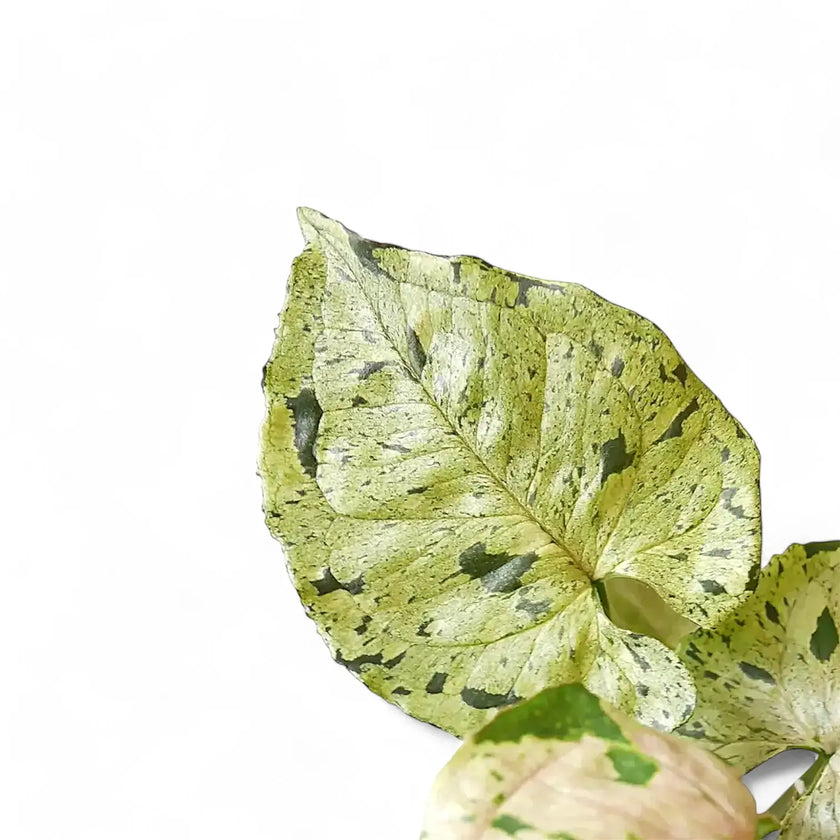
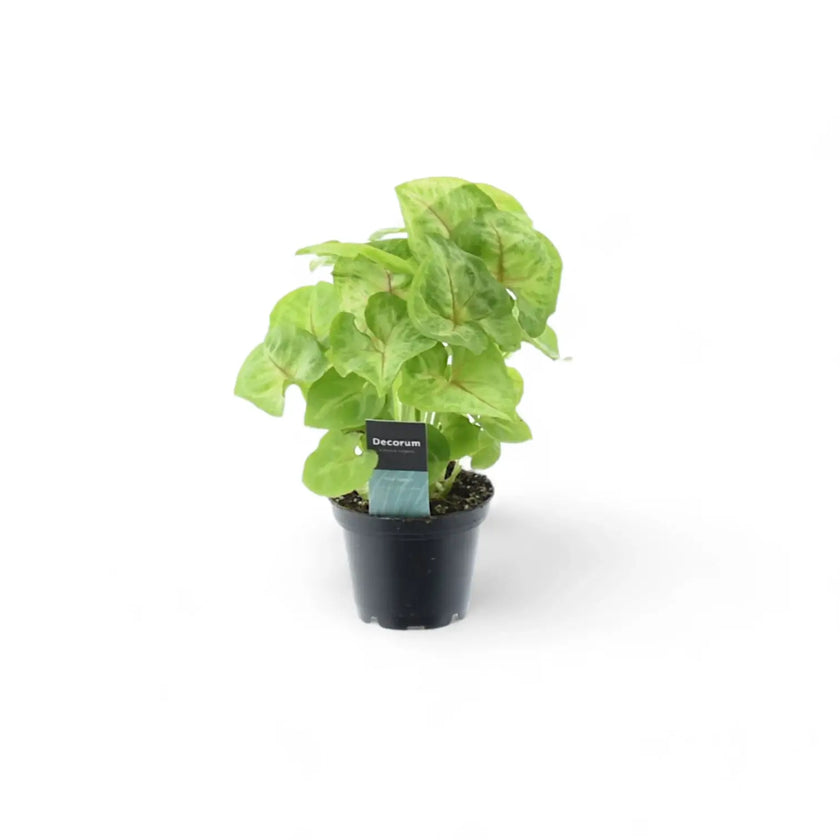
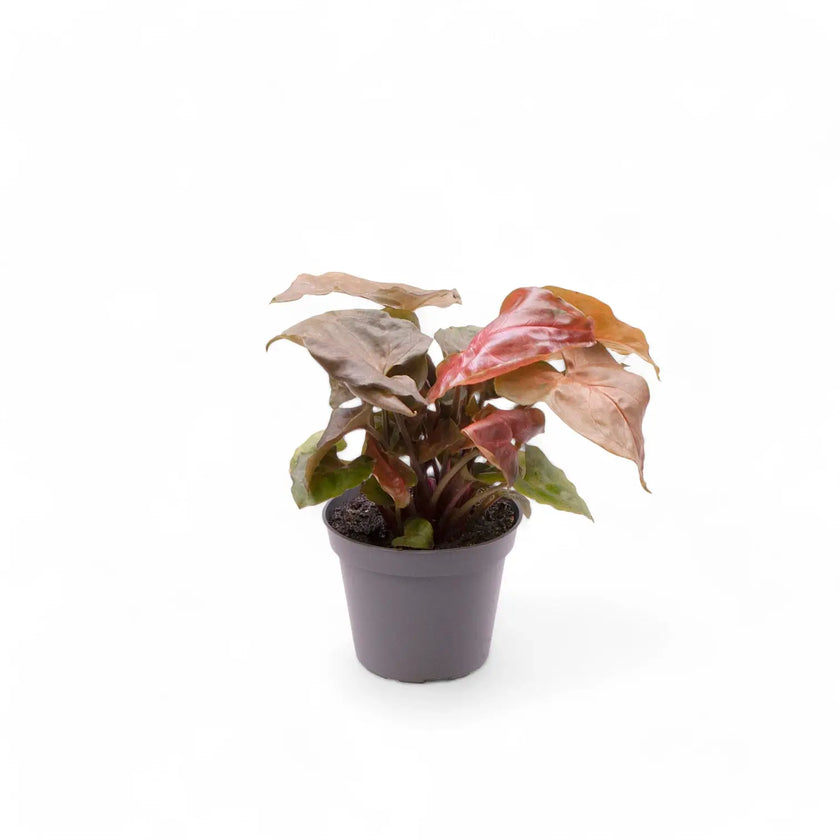
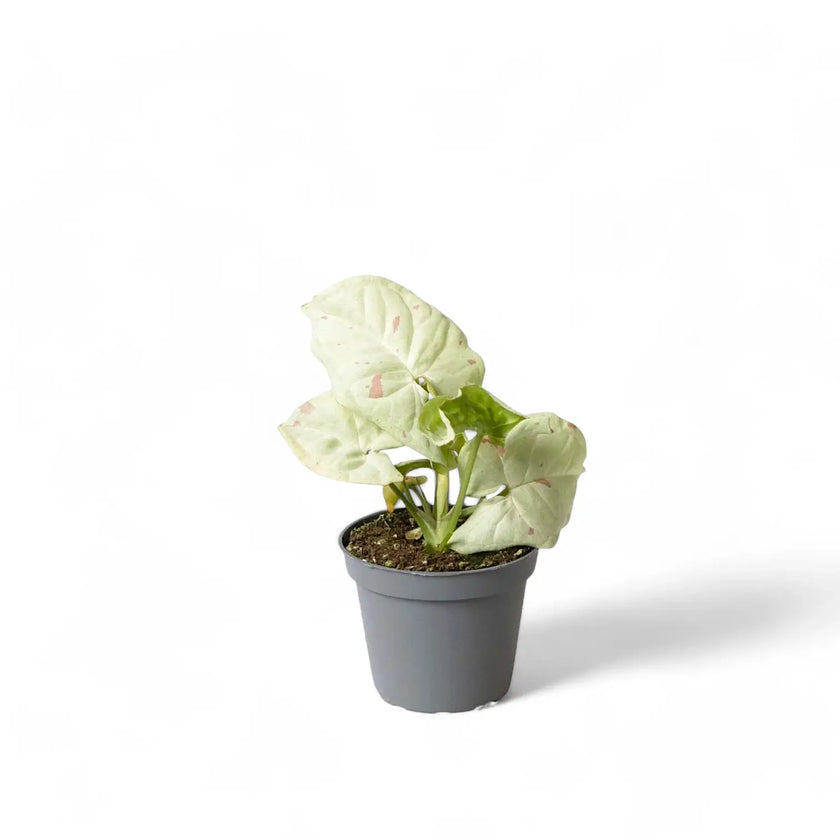
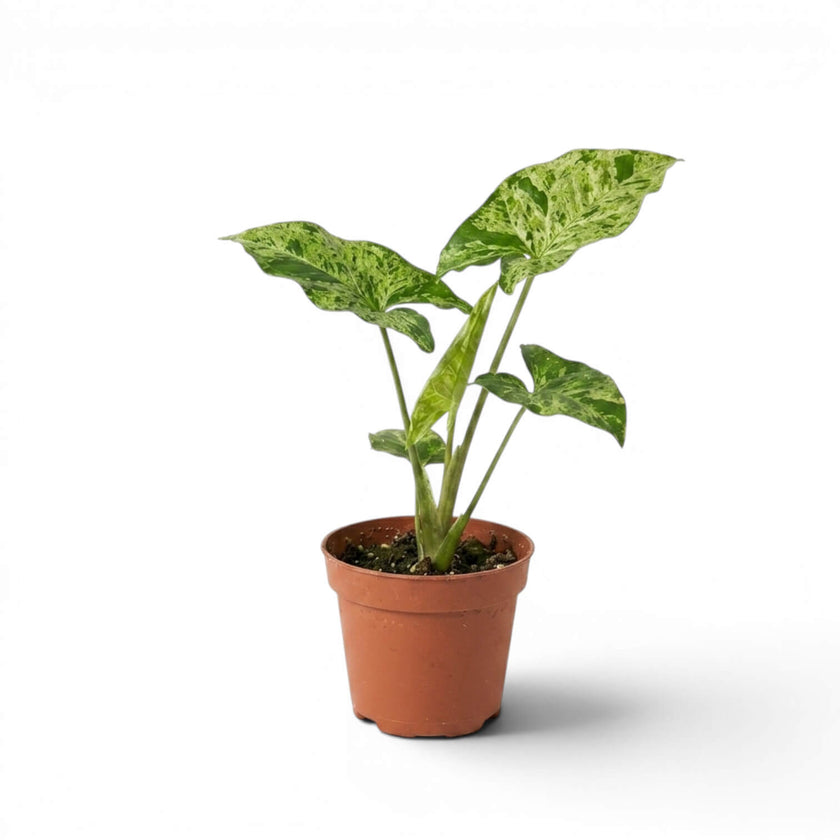
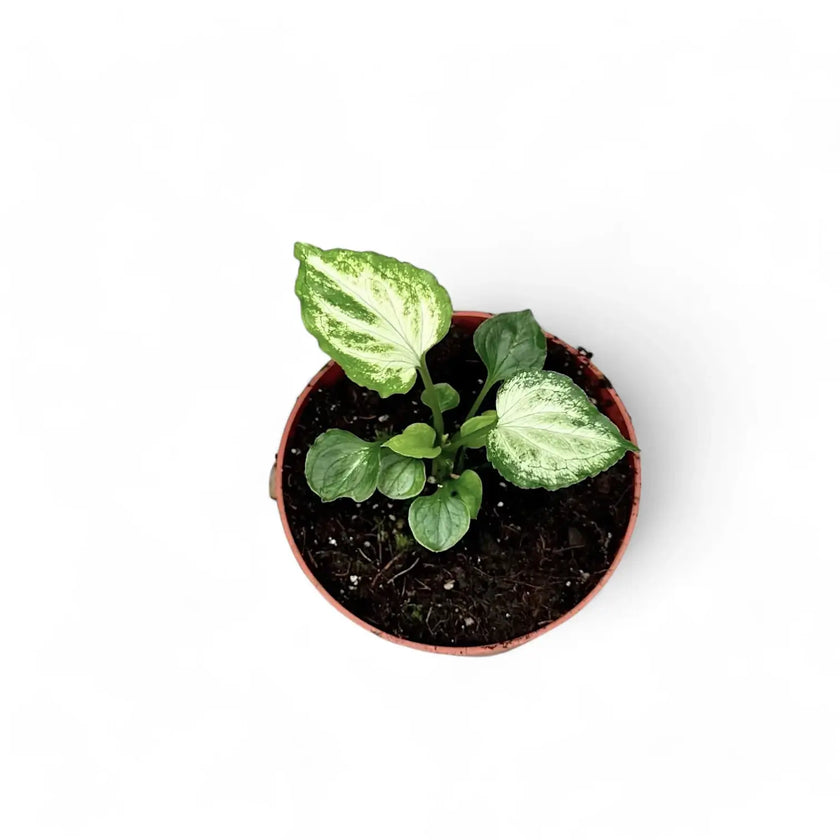
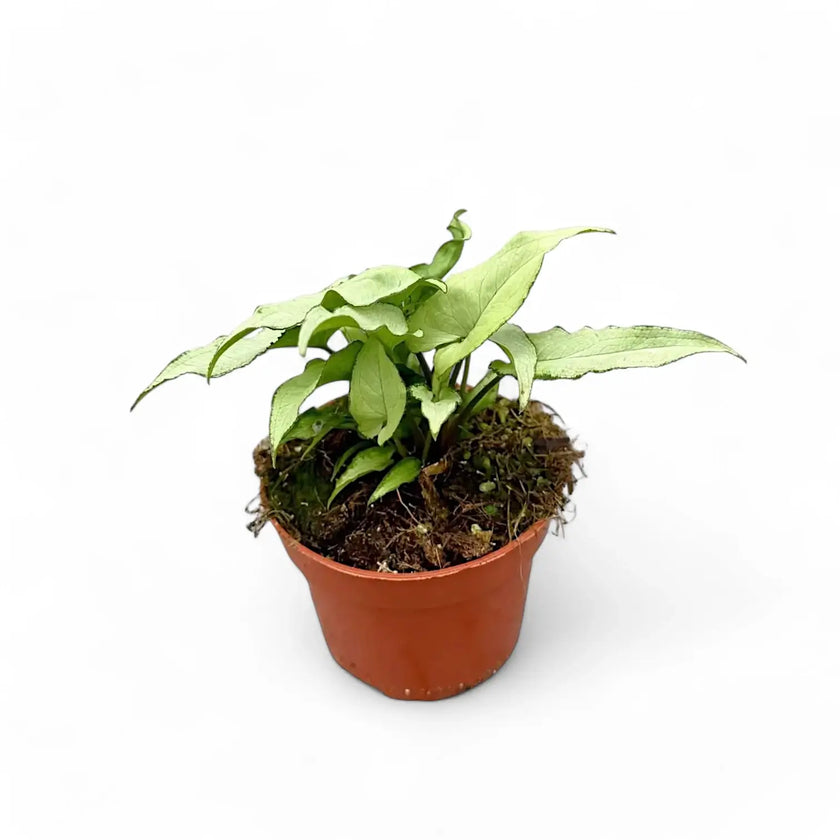
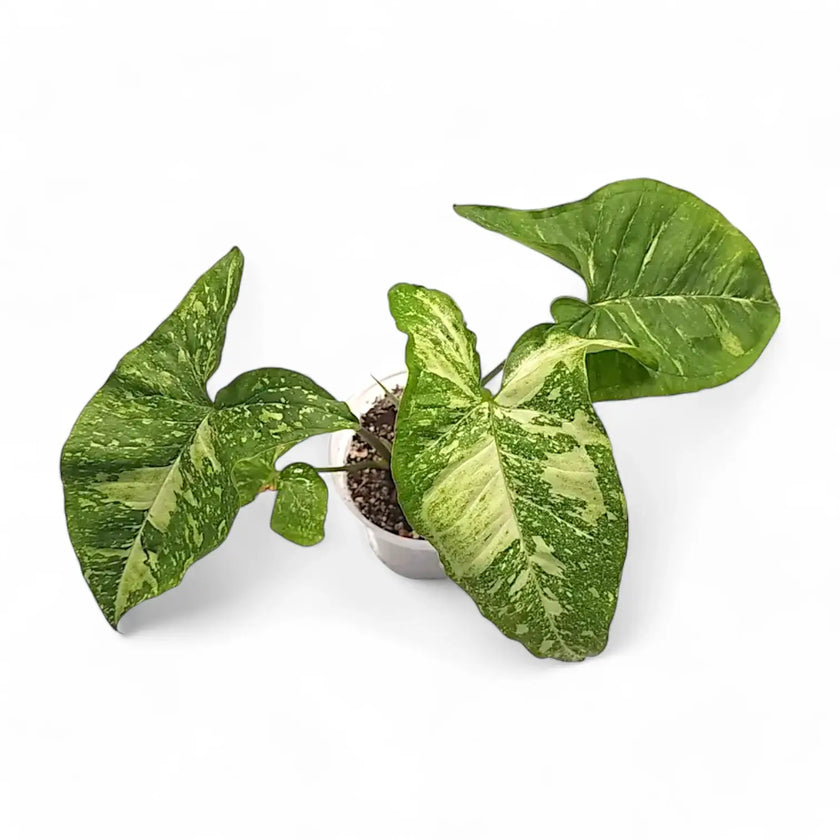
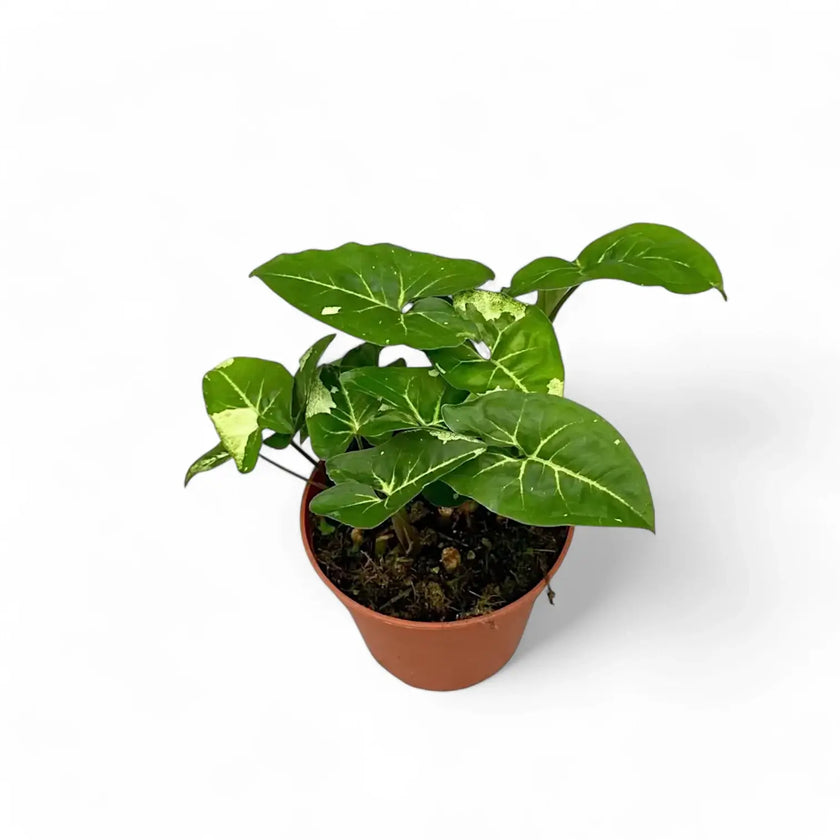
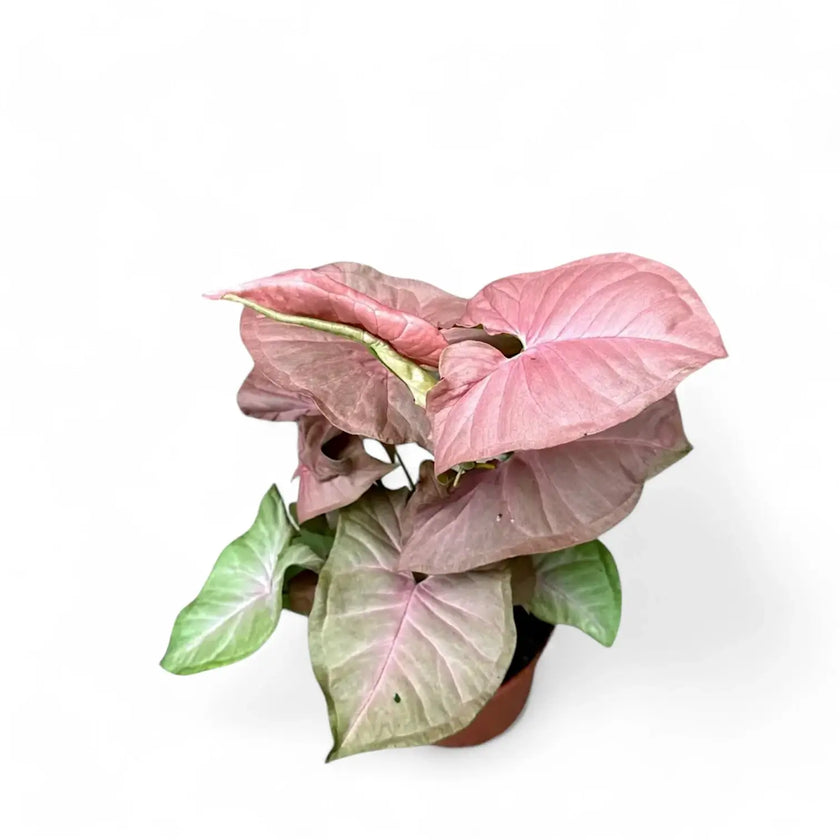
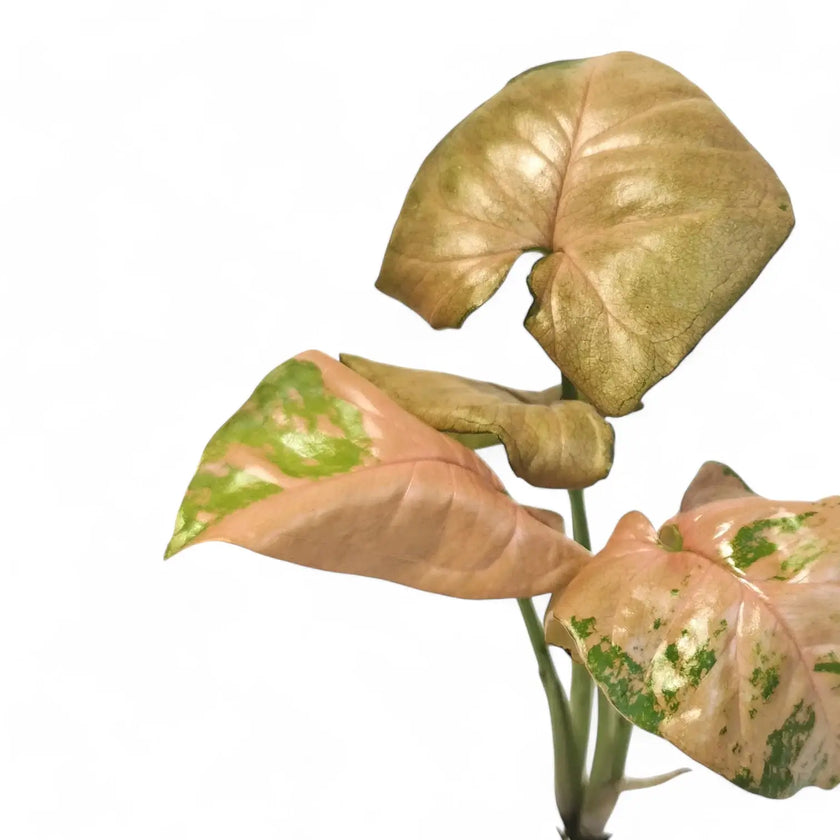
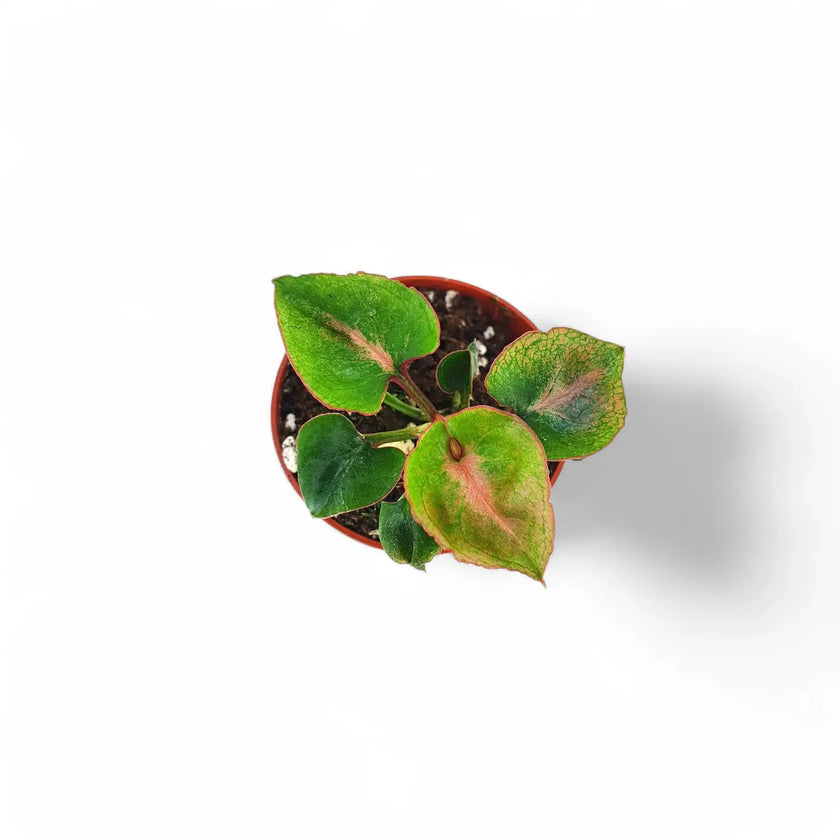
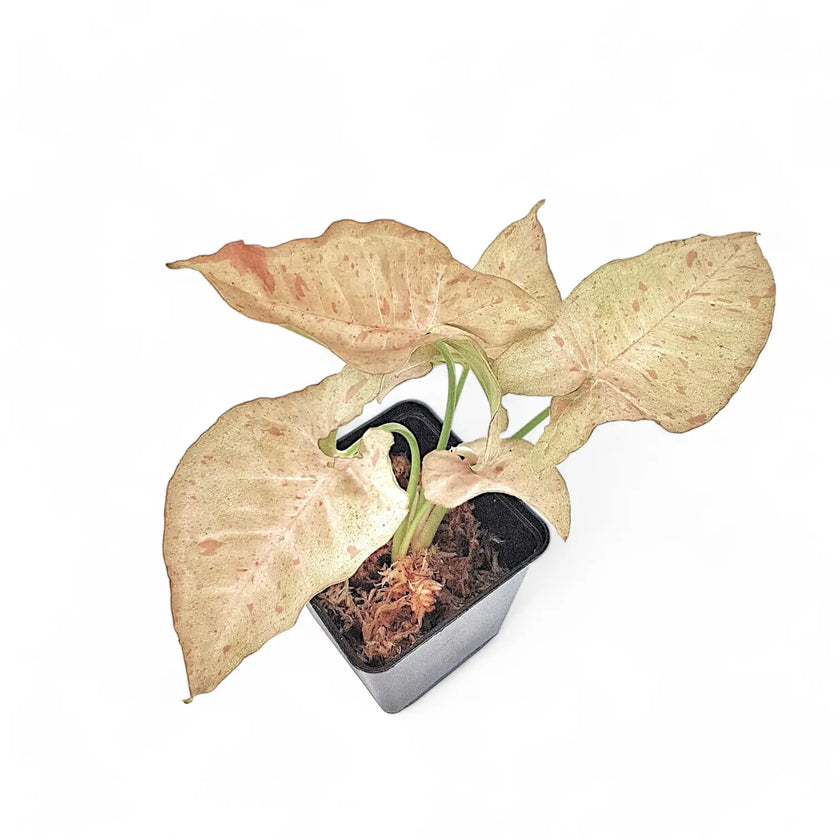
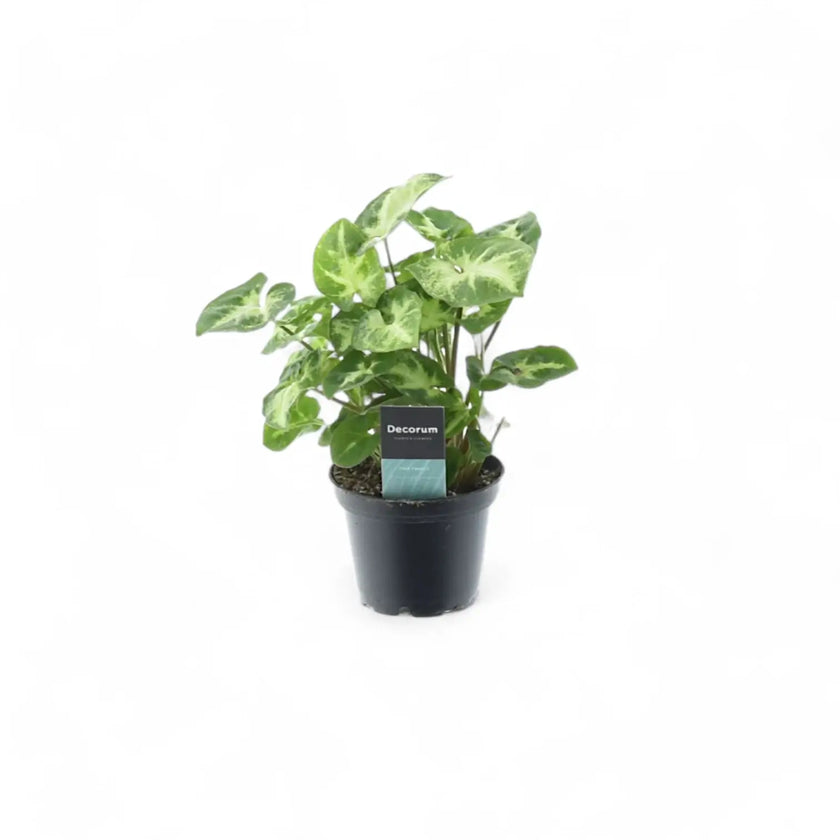
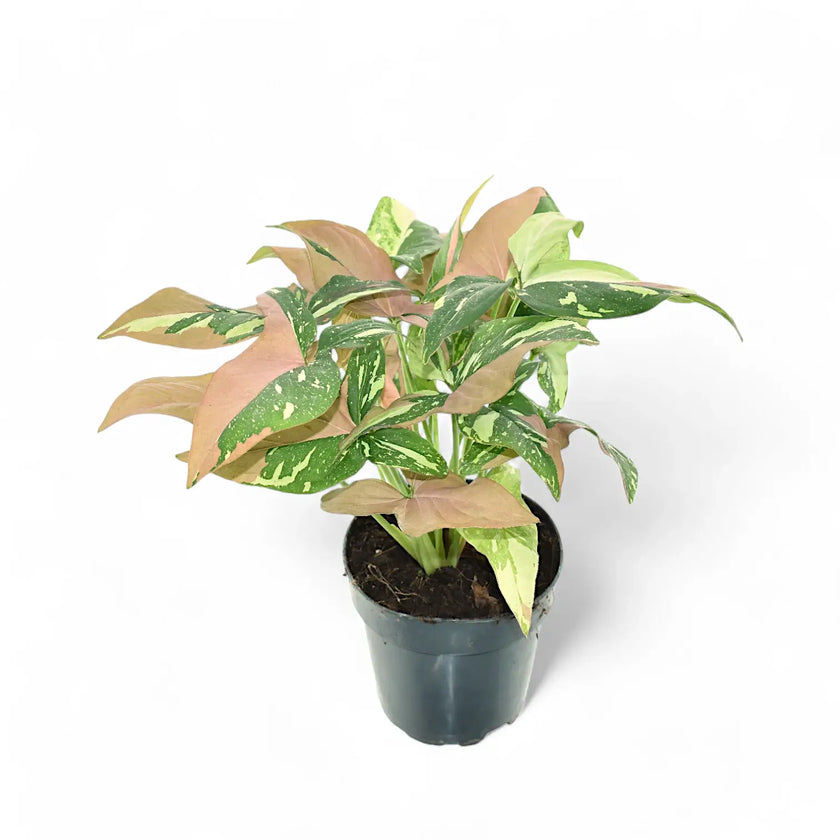
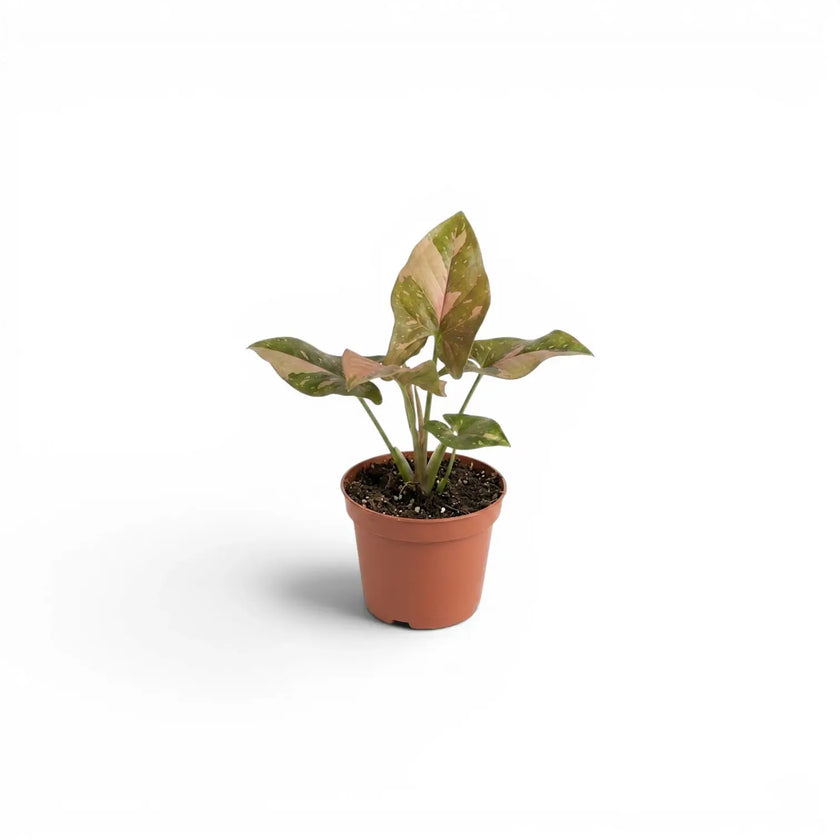
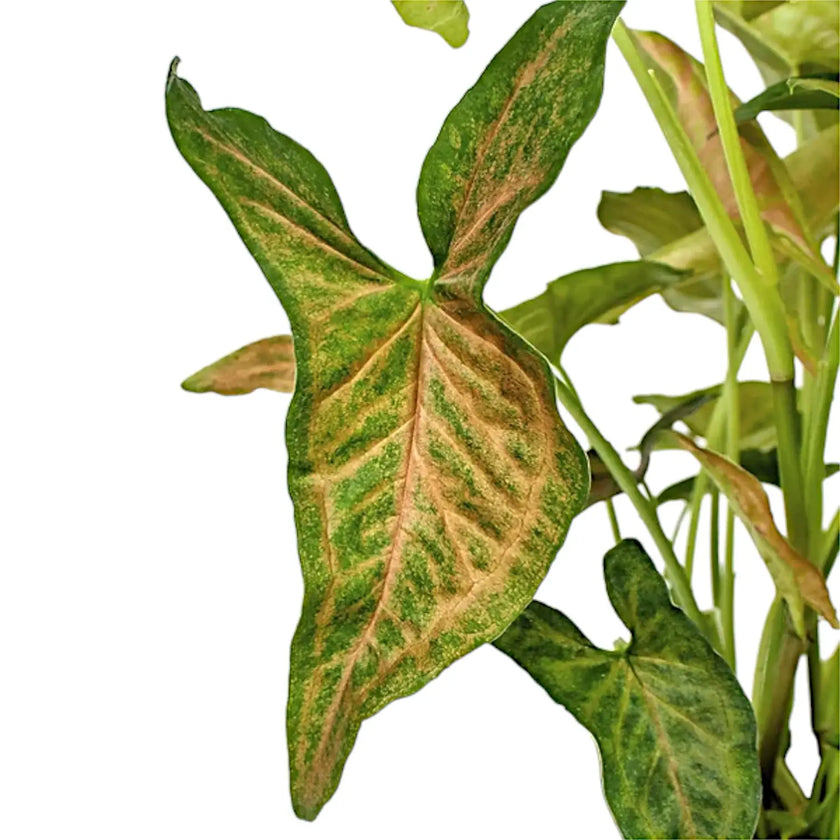
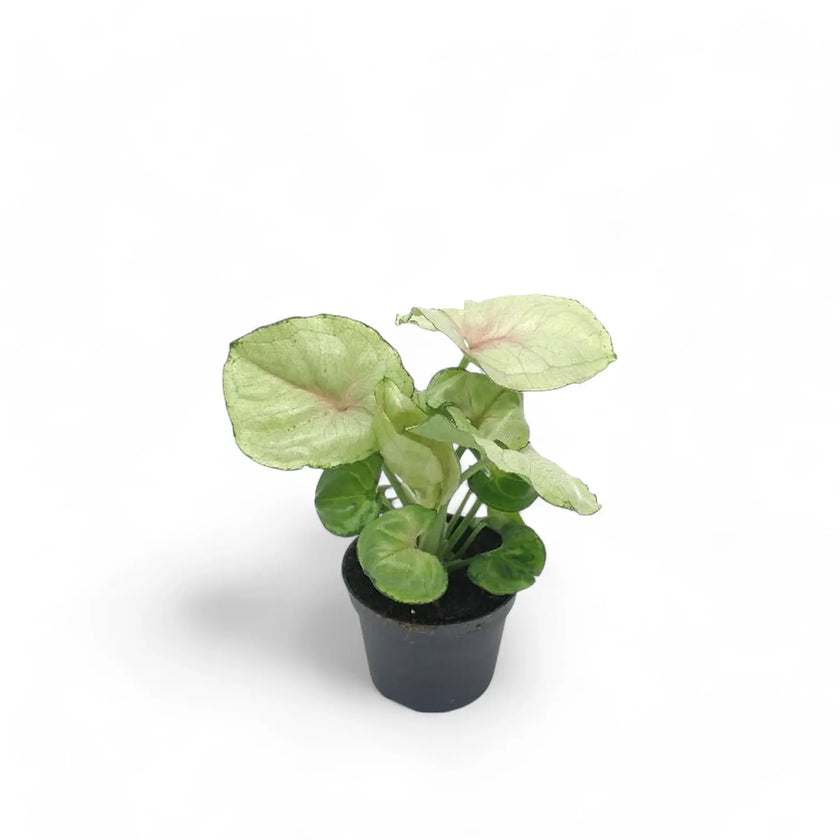
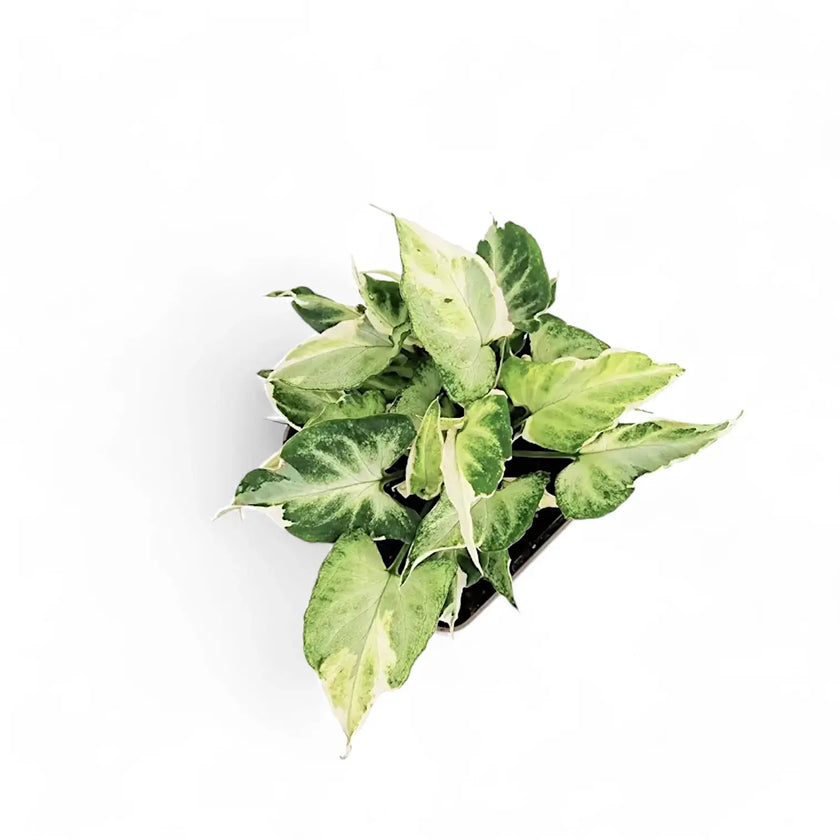
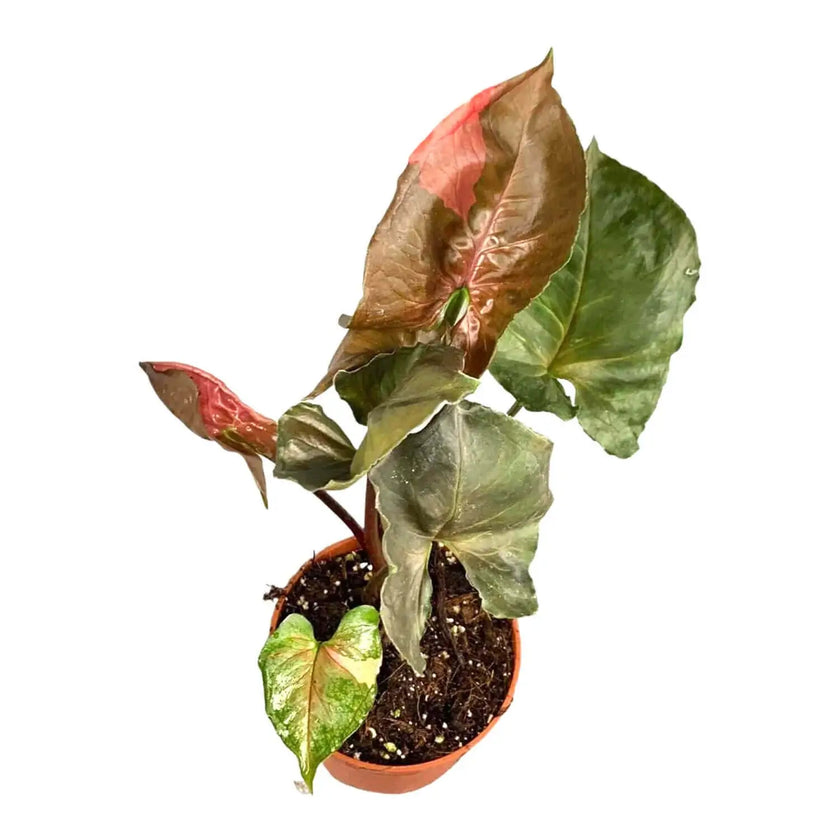
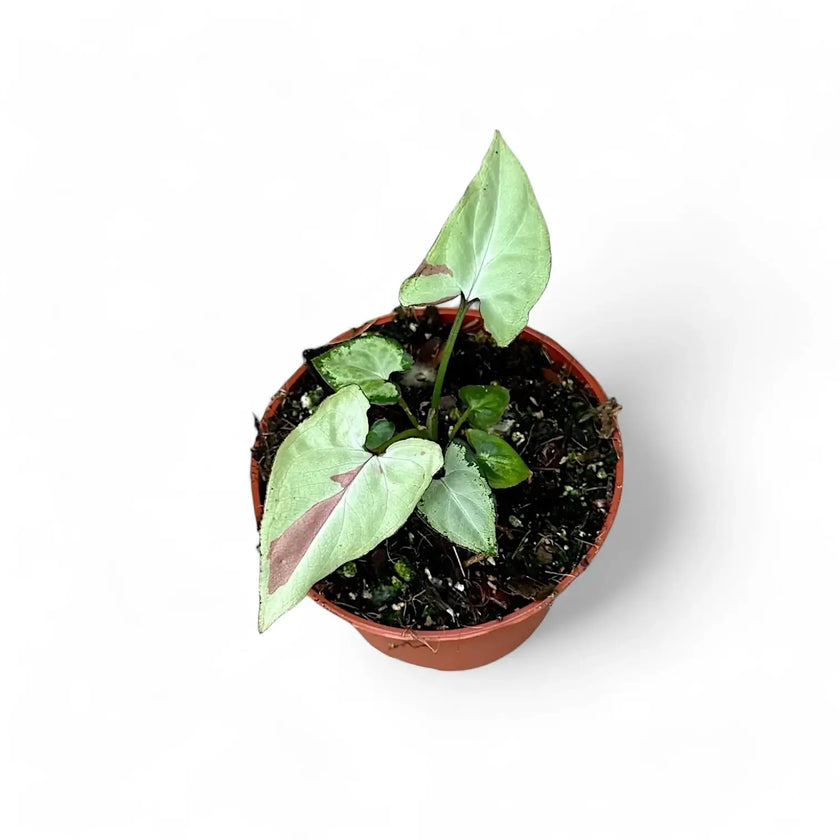
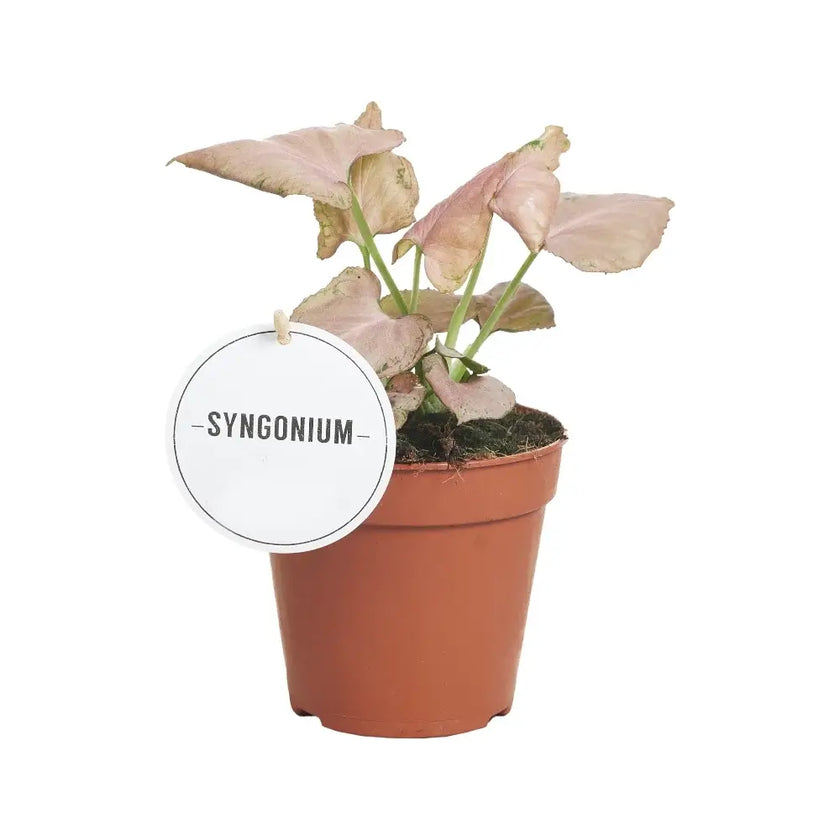
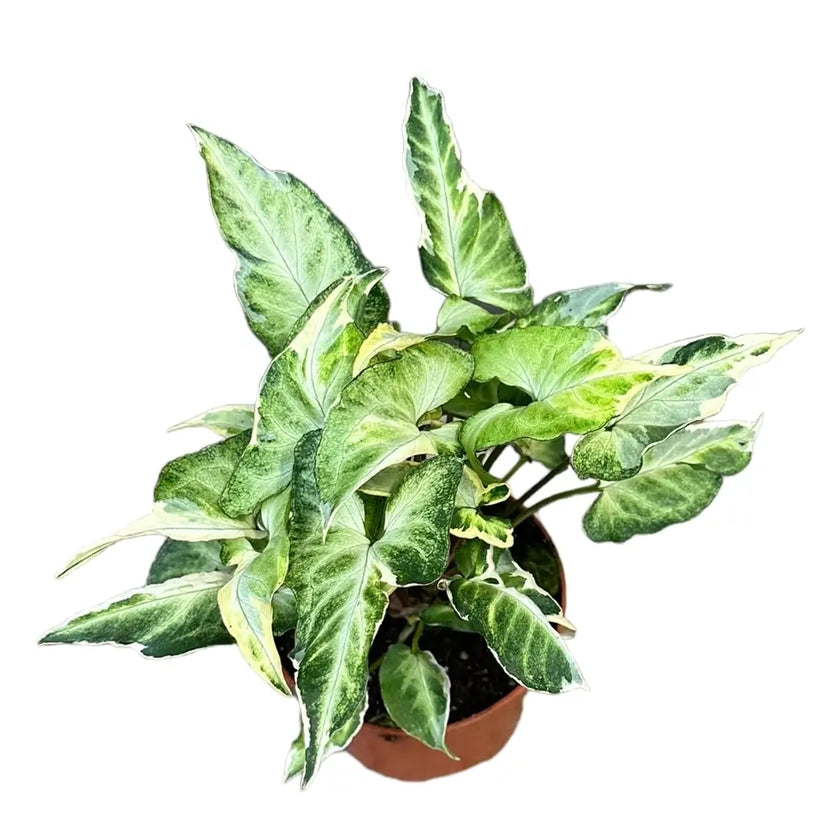
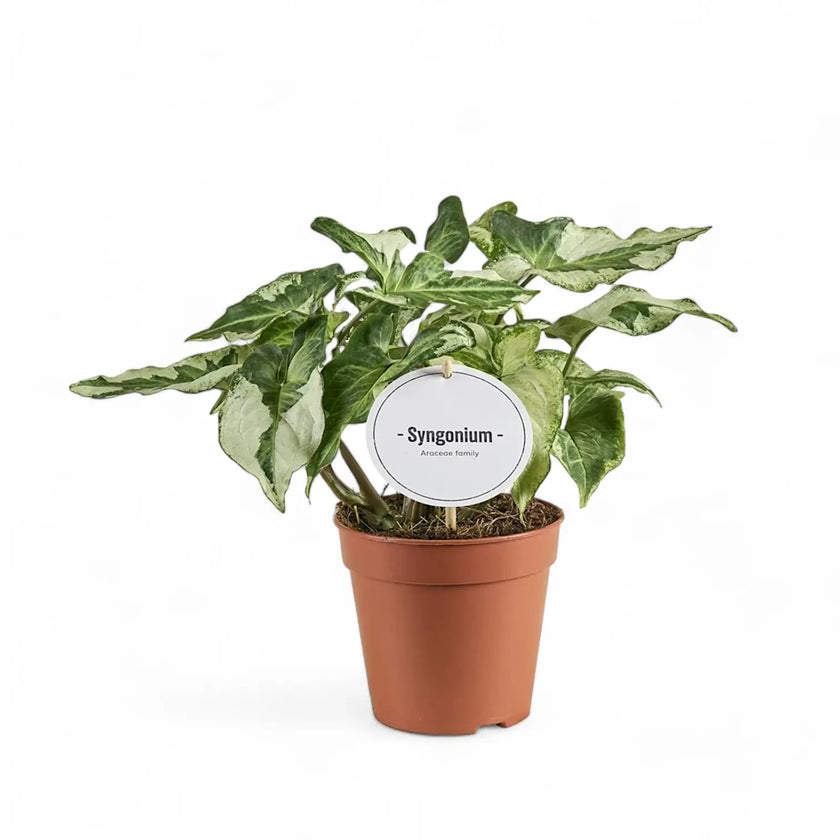
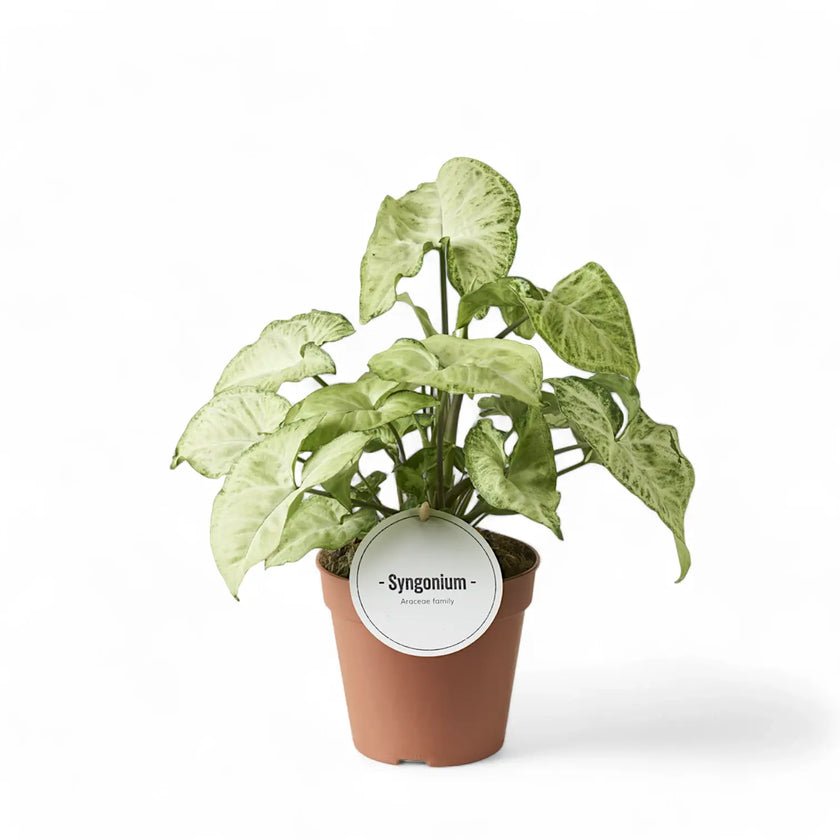
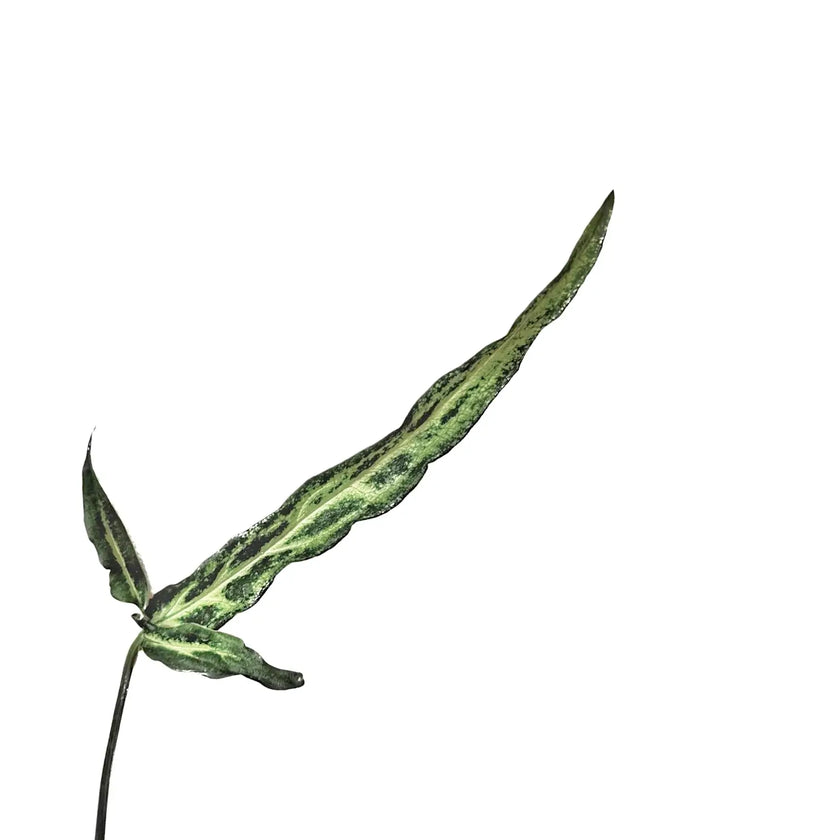
Syngonium is known for arrowhead leaves that change shape as the plant grows. Young plants often begin compact before the stems lengthen into trailing or climbing growth with green, silver, cream, pink or mottled foliage.

Substrate help
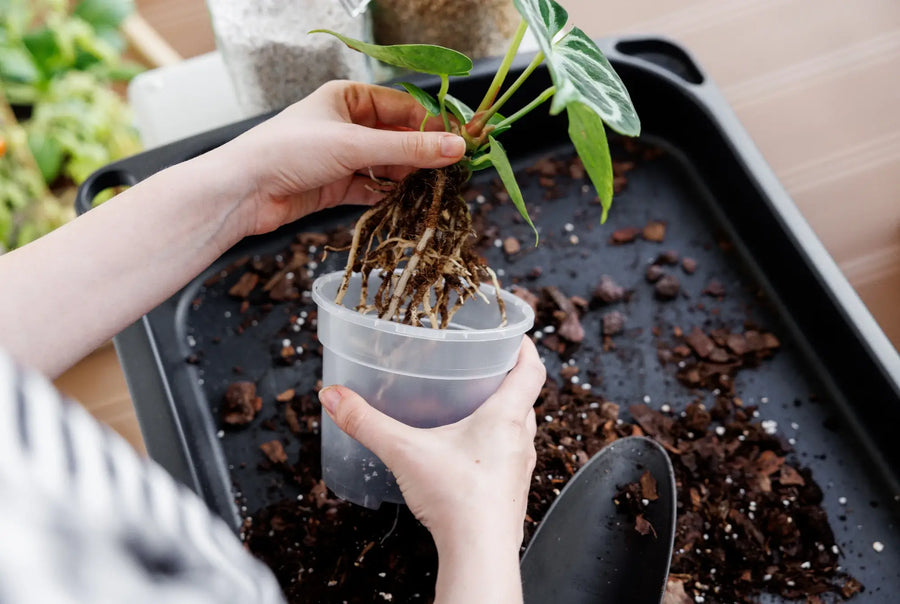
Aroid roots need structure, not dense compost
About Our Filters
Filters help you narrow things down fast and without guessing. We put a lot of time and effort into keeping filter values consistent across the shop by cross-checking references and validating them against real-world indoor growing and handling.
Use them as guidance, not guarantees. Homes vary a lot, so for the full context (and any exceptions), open the product page and read the description.
How filtering works
- Filters stack: each selection narrows results.
- Multiple picks in one filter are usually either/or within that filter.
- Undo anytime: click a selected option again (or clear filters).
Safety
- Non-toxic: not known for relevant chemical toxicity for common pets (chewing can still cause irritation).
- Non-toxic & Pet Friendly: stricter shortlist that also avoids many physical hazards like spines, sharp tips, thorns, and bristles.
Common care filters
- Light level: Low indirect → Full sun/direct.
- Water Needs: Low / Medium / High.
- Humidity Level: Normal (40–50%) / Moist (50–60%) / Humid (60–80%+).
Growth & size
- Growth Habit: climbing, trailing, crawling, upright, self-heading, clumping, rosette.
- Needs support? none / optional / needed.
- Delivered size: pot size + plant height at shipping.
- Max size indoors: realistic long-term height + spread indoors.
Looks & botanical browsing
- Leaf Shape & Size + Foliage Colour: quick visual categories.
- Plant Type / Genus / Family: browse by broad group or taxonomy.
If you want to see the references we use, Plant Care Resources is simply a curated list of source links (POWO, Kew, and more).
Sort by:
Filters
Araceae
Syngonium (Arrowhead Vines)
Syngonium foliage by growth stage
- Supplied form: compact clumps, loose trails and trained stems.
- Leaf stage: juvenile and later foliage carry different shapes.
- Plant fullness: shoot count separates starter pots from fuller specimens.
Syngonium: botanical profile for arrowhead vines
Syngonium is a genus of Neotropical aroids in Araceae, described by Schott in 1829. The name combines Greek elements referring to fused ovaries in the female flowers. Around 30-40 species are currently recognised, all scandent or climbing herbs; Syngonium podophyllum and its cultivars dominate indoor arrowhead vine cultivation but represent only a fraction of the genus’ morphological range.
- Order: Alismatales
- Family: Araceae
- Tribe: Caladieae / Syngonieae within subfamily Aroideae
- Genus: Syngonium Schott
- Type species: Syngonium podophyllum Schott
- Chromosomes: Most species fall in mid-range polyploid series with 2n ≈ 24-36; Syngonium podophyllum and several congeners are consistently reported with 2n = 24.
Range & habitat: Syngonium is native to tropical America from Mexico and the Caribbean through Central America to much of northern South America. Species occupy lowland and premontane rainforests, riparian forests and moist thickets, typically germinating in leaf litter on the forest floor and later climbing tree trunks, lianas or rock faces toward higher light.
- Life form: Perennial, evergreen climbers and hemiepiphytes with elongate, often unbranched main stems and numerous adventitious roots for anchorage and water uptake.
- Leaf attachment: Petiolate leaves inserted singly at each node; juvenile blades are entire, often arrow-shaped, while adult leaves on mature climbing shoots become increasingly lobed or divided.
- Leaf size: Juvenile leaves in cultivation are commonly 6-15 cm long; adult leaves in habitat may exceed 25-40 cm depending on species and light access.
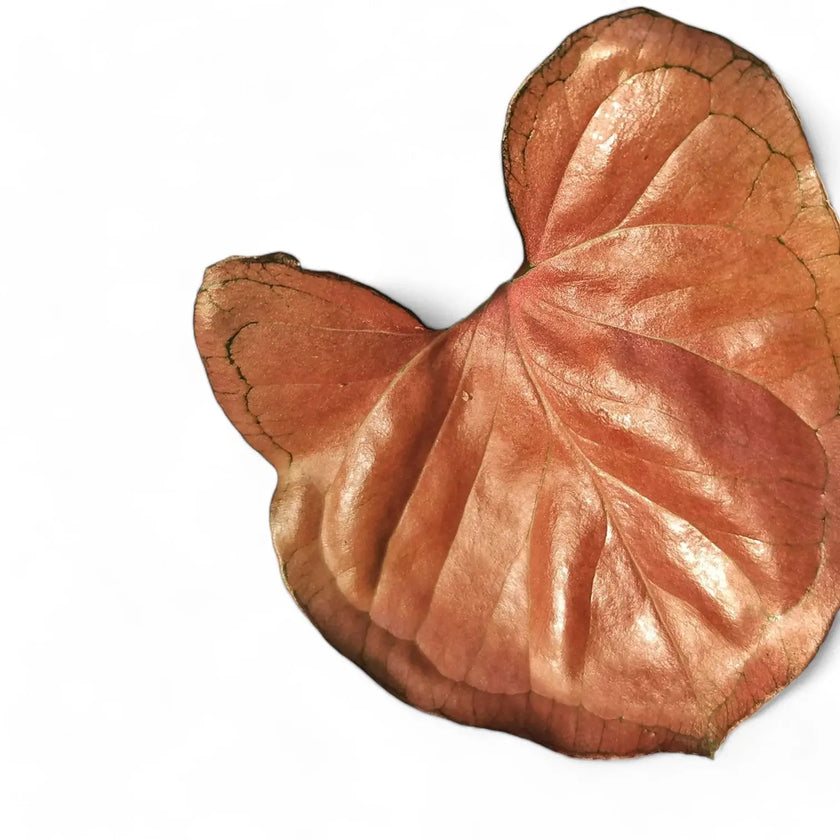
- Texture & colour: Moderately thick, often glossy laminae in shades of green, sometimes with pale midribs or sectorial and speckled variegation; some species show reddish abaxial tones or petioles.
- Notable adaptation: Strong heteroblasty (marked juvenile-adult leaf change) allows small, shade-adapted rosettes to transition into large, more dissected leaves higher in the canopy without interruption of the individual’s life history.
Inflorescence & fruit: Short-pedunculate aroid inflorescences with a spadix bearing separate female, sterile and male zones are produced near the shoot tips on mature plants. After pollination, fleshy, many-seeded berries develop within the persistent lower spathe tube, maturing into aromatic infructescences that attract mammals and birds in forest understoreys.
Syngonium vines from arrow-shaped to divided leaves
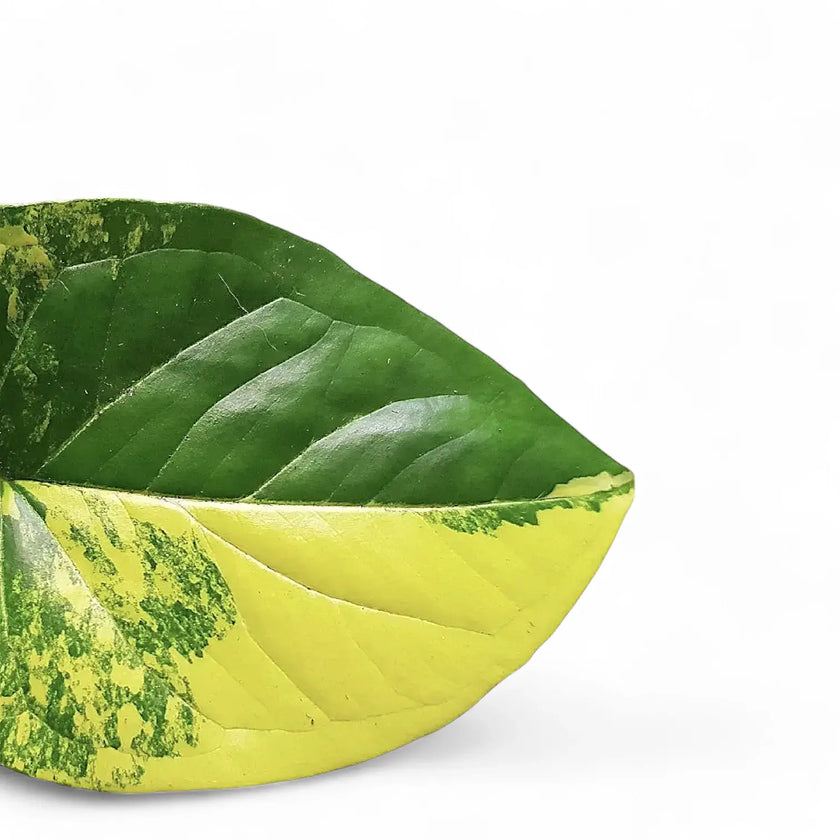
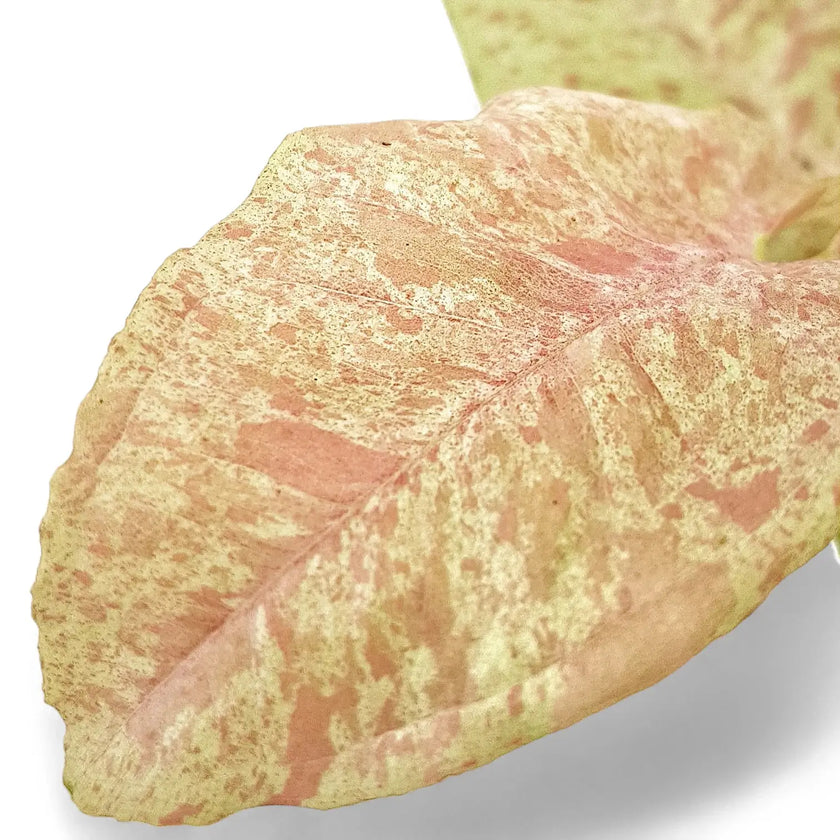
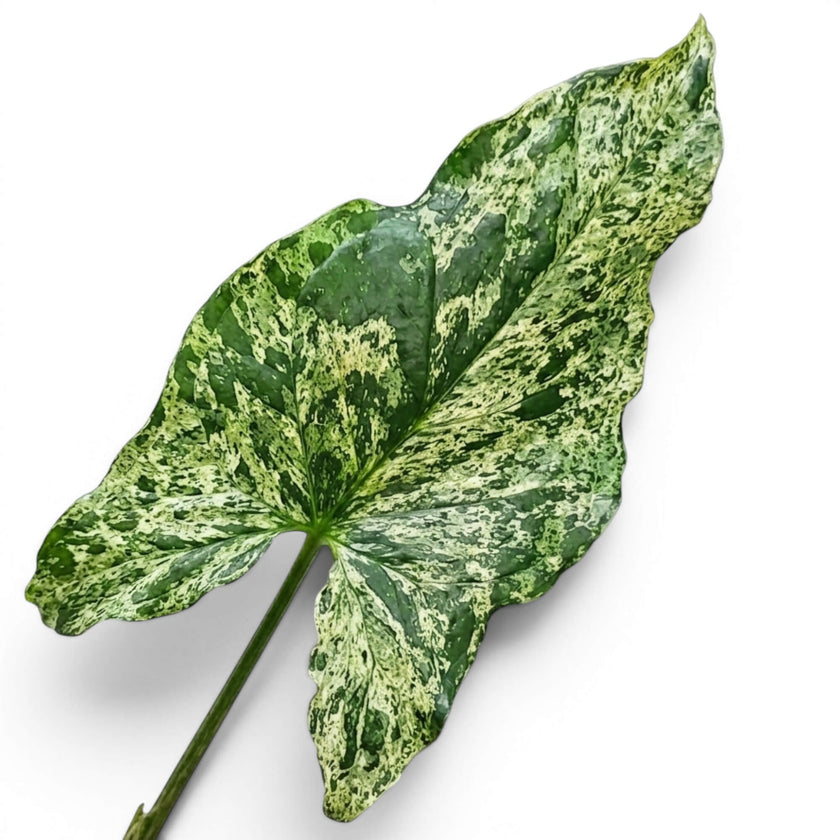
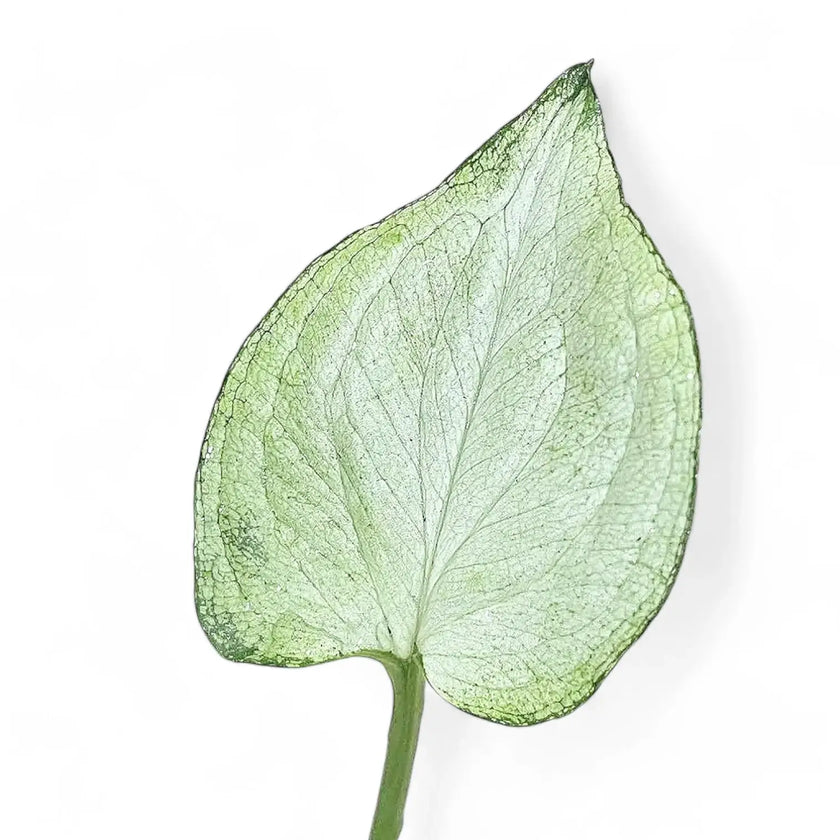
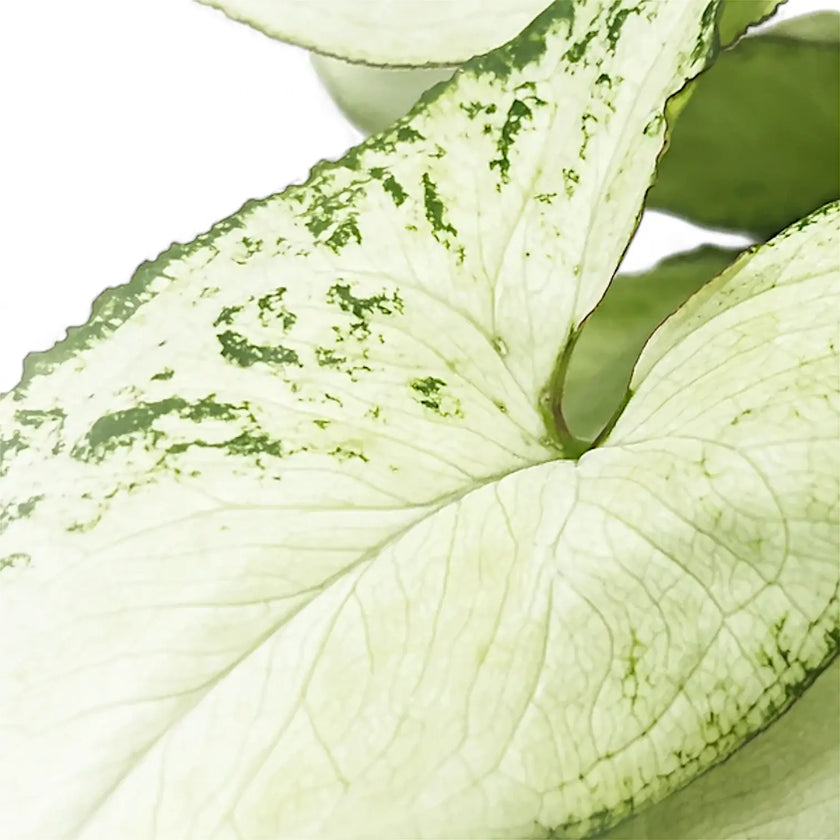
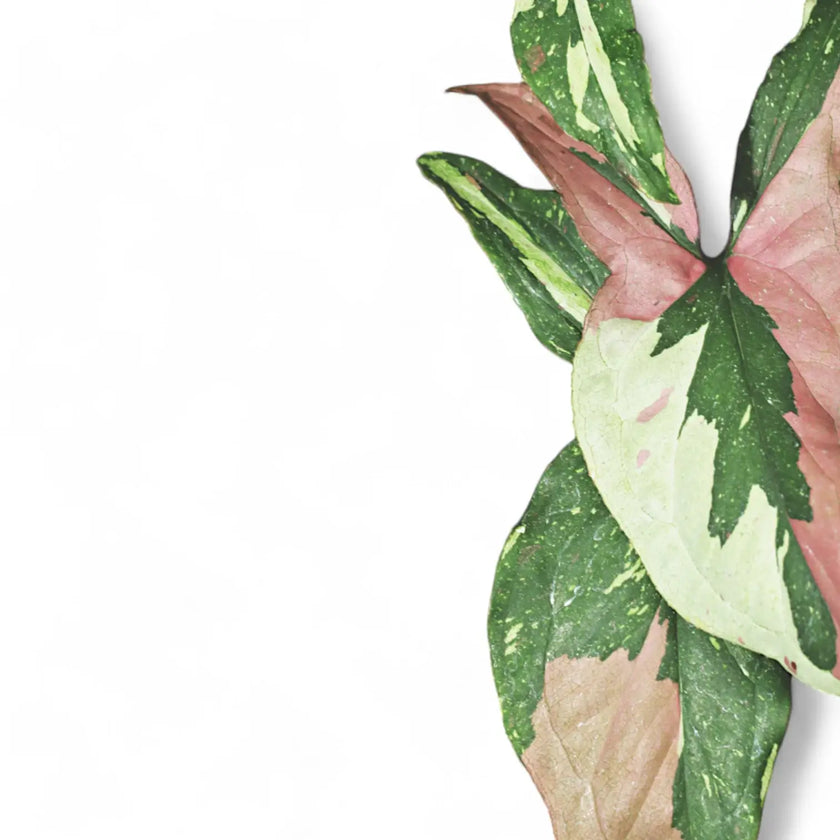
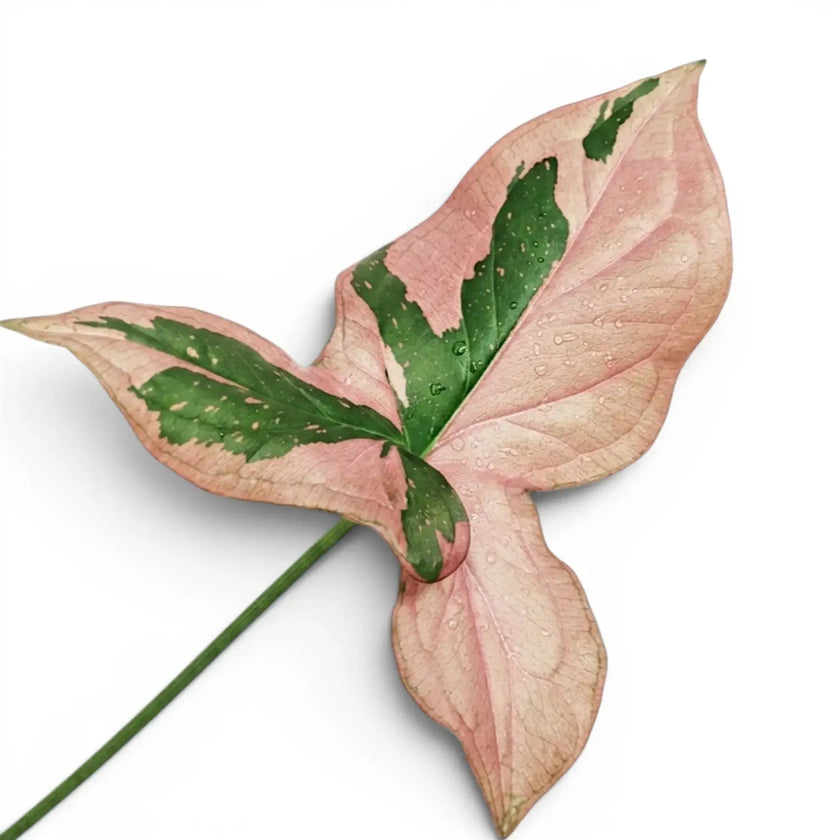
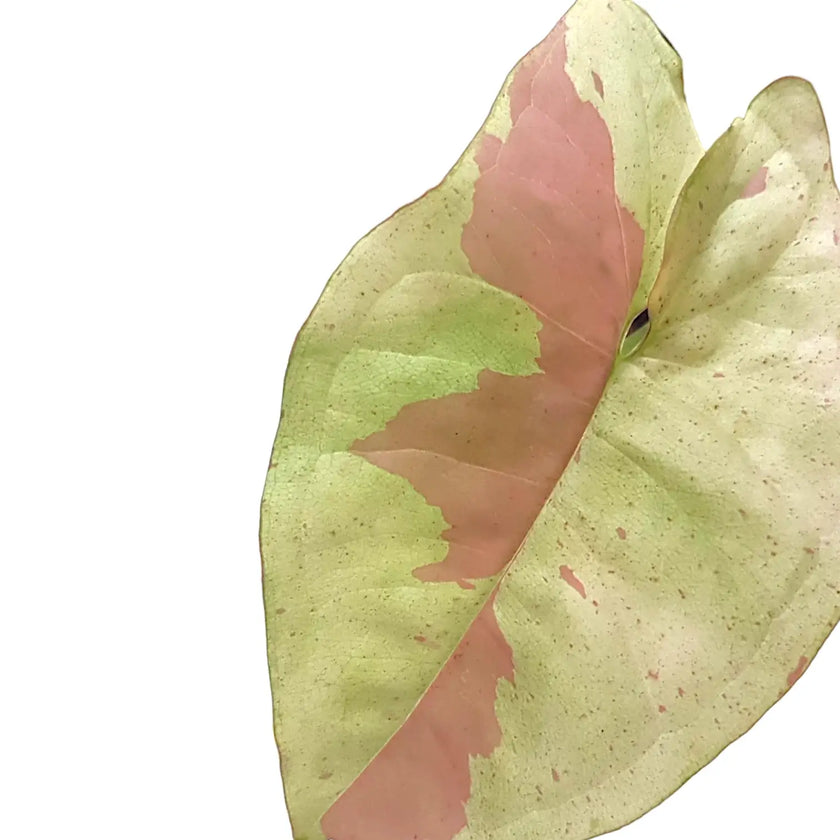
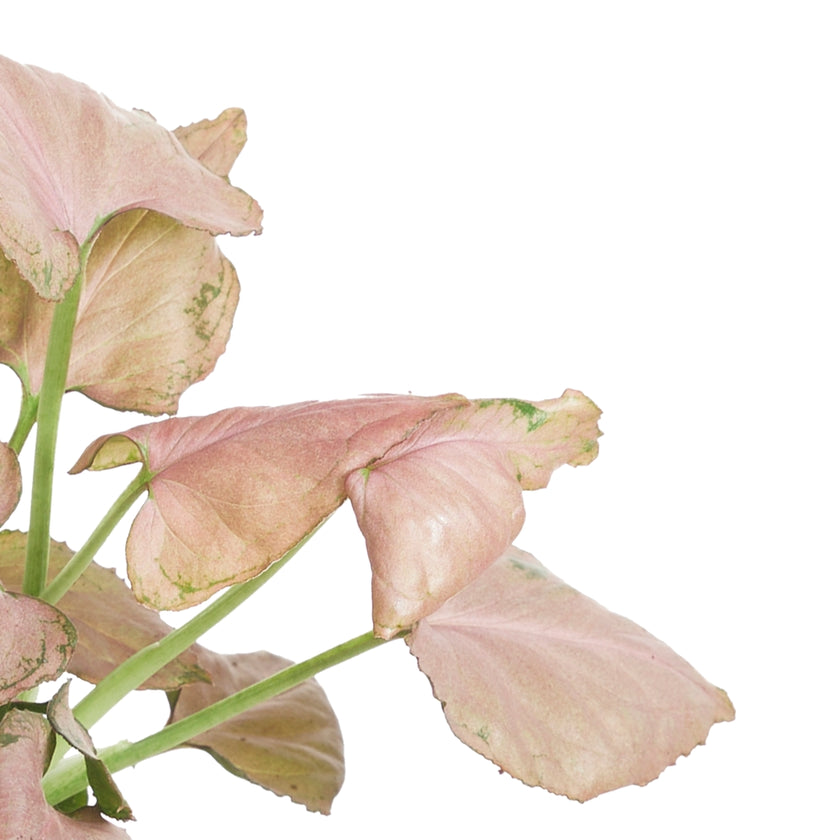
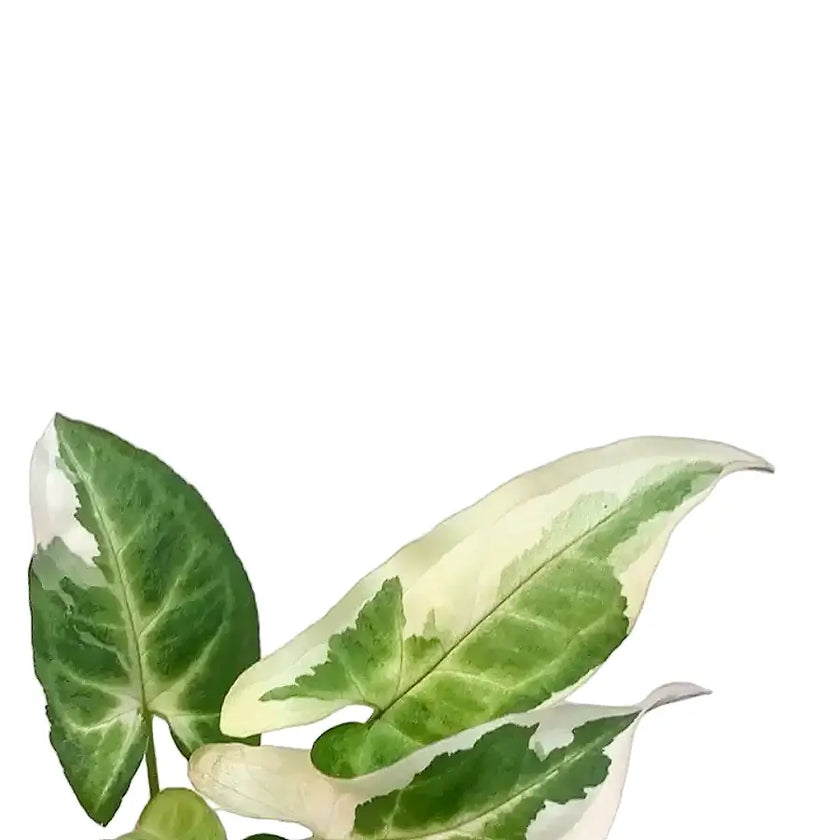
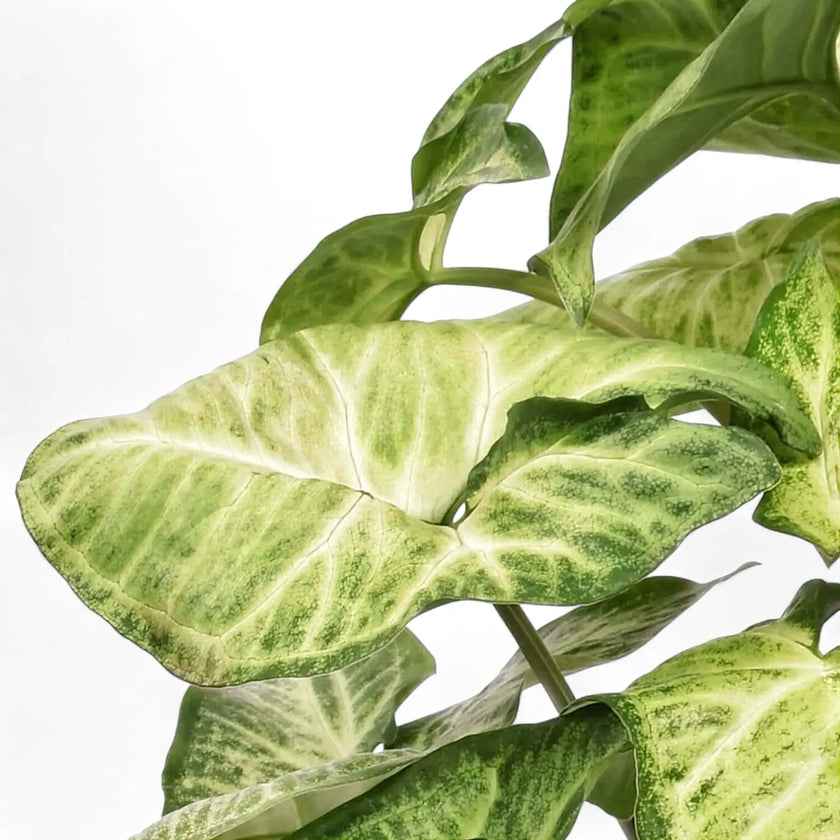
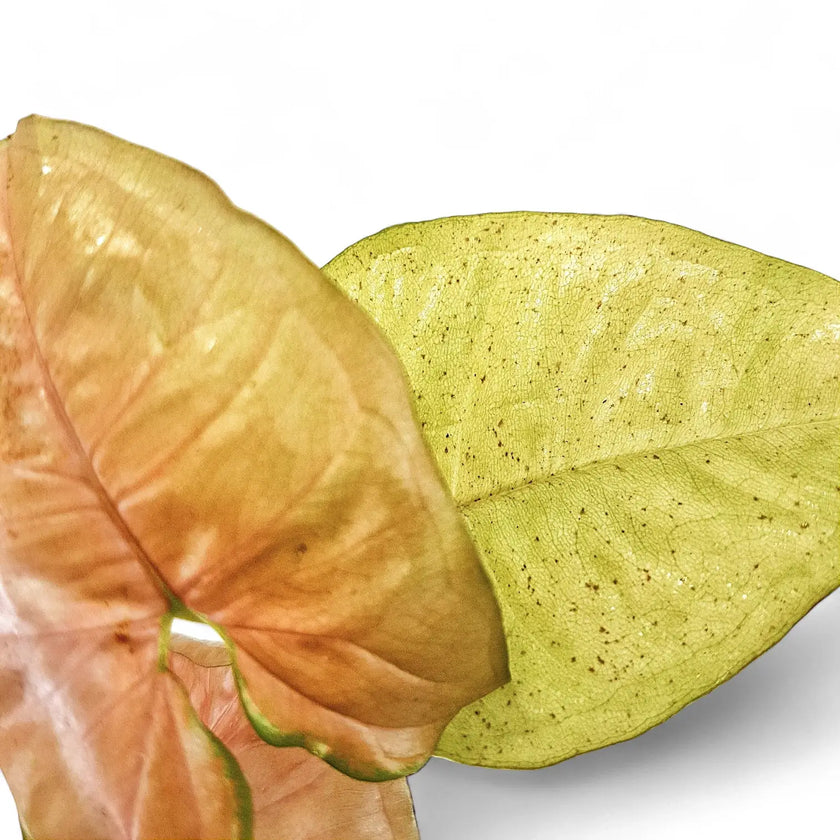
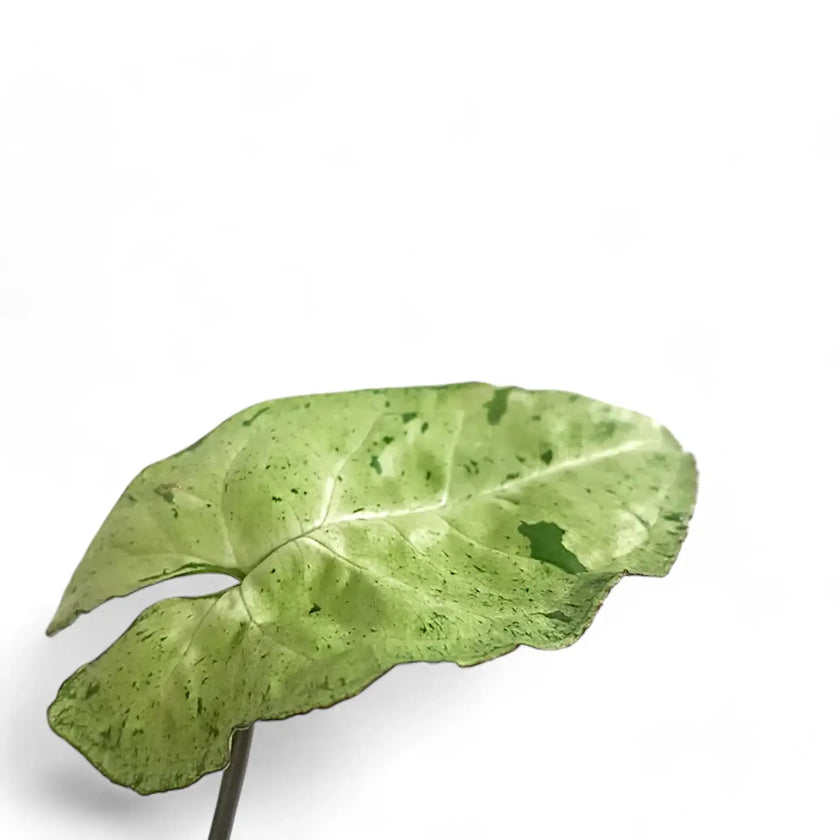
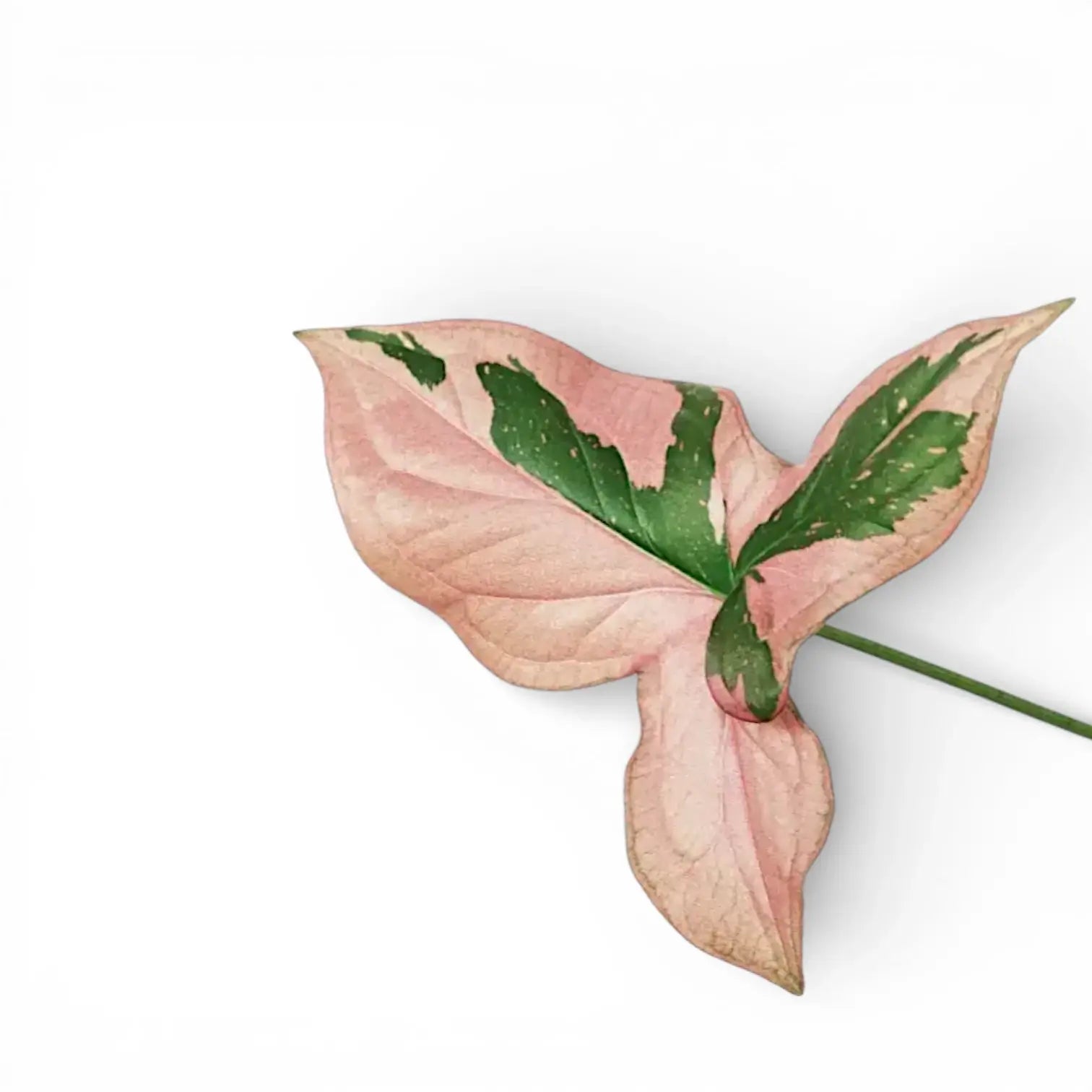
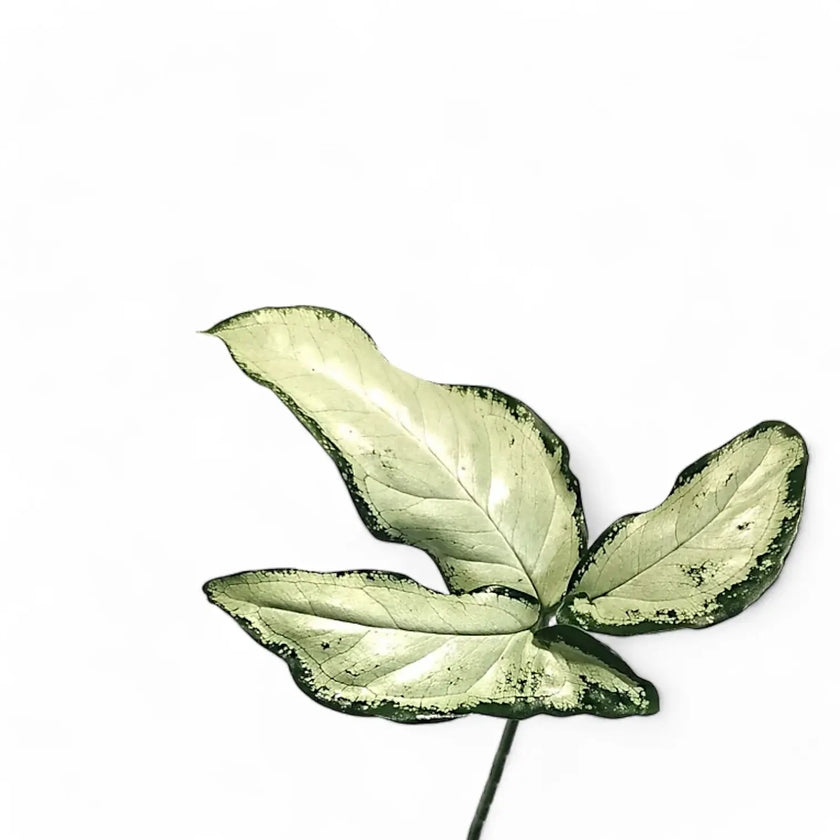
Young Syngonium usually shows compact arrow-shaped foliage. As a stem climbs and matures, the leaf blades may become larger and split into distinct lobes. Cultivars add green, silver, pink, cream and sectoral patterns to that changing leaf form.
Trailing or climbing
Trailing stems keep a softer outline and are easy to prune for branching. A pole or trellis encourages the vine to grow upward and show its mature leaf architecture. Several stems make a broader pot, while one main vine is simpler to train. Pruning an active tip can encourage lower nodes to branch.
Pink, cream and strongly variegated forms need enough filtered light to maintain both colour and green tissue. New leaves may open paler and deepen as they harden. Pattern types and their possible changes are explained in the guide to plant variegation. An aroid substrate supports roots and active nodes, and viable stem sections can be used for houseplant propagation.
Syngonium contains calcium oxalate crystals. Keep leaves, stems and cuttings away from children and pets that chew plants.
Quick Overview
Syngonium foliage by growth stage
- Supplied form: compact clumps, loose trails and trained stems.
- Leaf stage: juvenile and later foliage carry different shapes.
- Plant fullness: shoot count separates starter pots from fuller specimens.
Botanical Profile
Syngonium: botanical profile for arrowhead vines
Syngonium is a genus of Neotropical aroids in Araceae, described by Schott in 1829. The name combines Greek elements referring to fused ovaries in the female flowers. Around 30-40 species are currently recognised, all scandent or climbing herbs; Syngonium podophyllum and its cultivars dominate indoor arrowhead vine cultivation but represent only a fraction of the genus’ morphological range.
- Order: Alismatales
- Family: Araceae
- Tribe: Caladieae / Syngonieae within subfamily Aroideae
- Genus: Syngonium Schott
- Type species: Syngonium podophyllum Schott
- Chromosomes: Most species fall in mid-range polyploid series with 2n ≈ 24-36; Syngonium podophyllum and several congeners are consistently reported with 2n = 24.
Range & habitat: Syngonium is native to tropical America from Mexico and the Caribbean through Central America to much of northern South America. Species occupy lowland and premontane rainforests, riparian forests and moist thickets, typically germinating in leaf litter on the forest floor and later climbing tree trunks, lianas or rock faces toward higher light.
- Life form: Perennial, evergreen climbers and hemiepiphytes with elongate, often unbranched main stems and numerous adventitious roots for anchorage and water uptake.
- Leaf attachment: Petiolate leaves inserted singly at each node; juvenile blades are entire, often arrow-shaped, while adult leaves on mature climbing shoots become increasingly lobed or divided.
- Leaf size: Juvenile leaves in cultivation are commonly 6-15 cm long; adult leaves in habitat may exceed 25-40 cm depending on species and light access.
- Texture & colour: Moderately thick, often glossy laminae in shades of green, sometimes with pale midribs or sectorial and speckled variegation; some species show reddish abaxial tones or petioles.
- Notable adaptation: Strong heteroblasty (marked juvenile-adult leaf change) allows small, shade-adapted rosettes to transition into large, more dissected leaves higher in the canopy without interruption of the individual’s life history.
Inflorescence & fruit: Short-pedunculate aroid inflorescences with a spadix bearing separate female, sterile and male zones are produced near the shoot tips on mature plants. After pollination, fleshy, many-seeded berries develop within the persistent lower spathe tube, maturing into aromatic infructescences that attract mammals and birds in forest understoreys.
Details & Care
Syngonium vines from arrow-shaped to divided leaves
Young Syngonium usually shows compact arrow-shaped foliage. As a stem climbs and matures, the leaf blades may become larger and split into distinct lobes. Cultivars add green, silver, pink, cream and sectoral patterns to that changing leaf form.
Trailing or climbing
Trailing stems keep a softer outline and are easy to prune for branching. A pole or trellis encourages the vine to grow upward and show its mature leaf architecture. Several stems make a broader pot, while one main vine is simpler to train. Pruning an active tip can encourage lower nodes to branch.
Pink, cream and strongly variegated forms need enough filtered light to maintain both colour and green tissue. New leaves may open paler and deepen as they harden. Pattern types and their possible changes are explained in the guide to plant variegation. An aroid substrate supports roots and active nodes, and viable stem sections can be used for houseplant propagation.
Syngonium contains calcium oxalate crystals. Keep leaves, stems and cuttings away from children and pets that chew plants.
Frequently Asked Questions About Syngonium
Is Syngonium a climber or a trailing plant?
It is naturally a climber, even though young plants are often sold as compact foliage plants. If unsupported, it will trail, but that is not how it matures best.
Does support change how Syngonium grows?
Yes. A pole, board, or trellis usually gives stronger stems, larger leaves, and a more mature look over time.
How often should I water Syngonium?
Water when roughly the top 20–30% of the pot has dried. In cooler or darker conditions, let closer to the top 30–40% dry first.
Is Syngonium pet-safe?
No. Common indoor Syngonium should not be treated as pet-safe because they contain insoluble calcium oxalates.
Why are my Syngonium leaves changing shape as the plant matures?
Because Syngonium changes form with age. Juvenile leaves are simpler, while older climbing growth can become more lobed and complex.
Experience you can count on
More than 20,000 customers, rated 4.6 out of 5 stars.
Quality first
Plants are hand-selected and checked before shipping.
Reliable shipping
Safe packaging and tracked shipping from DE and NL.
Small business
Support a small, independent, women-led family business.

Get 10% off your next plant order
Sign up for Foliage Factory newsletter for early access to new arrivals and practical care tips that work in real homes.
Our Customers
★★★★★
Die Pflanzen waren prima verpackt und ein heatpack war im Paket enthalten. Die Lieferzeit hat 2 bis 3 Tagen gedauert, was aus meiner Sicht wirklich gut ist. Alle drei Pflanzen haben die Lieferung gut überstanden. Ich habe mich auf Hoyas spezialisiert und habe schon die nächsten Pflanzen meiner Wunschliste auf der Website gefunden. Daher wird die nächste Bestellung nicht lange auf sich warten lassen.
Marion
★★★★★
The plants are carefully packaged and arrive in great conditions (I’m based in Spain) and they’re always there to help in any way they can with your purchase.I have and will always recommend Foliage Factory to every friend I can. I’m not only satisfied with their plants and prices, but their customer service is exceptional.
José
★★★★☆
Very healthy and well packed plant. Unfortunately there was one plant that ordered couldn’t be delivered as it was out of stock hence 1 star less.
Sam
★★★★☆
Die Sendung kam leider in keinem guten Zustand bei mir an, kann passieren. Habe mich darauf hin sofort an Foliage Factory gewandt und habe selten einen so guten, schnellen, freundlichen und kulanten Kundendienst erlebt.
Frauke
★★★★★
Everything arrived in good condition and very well packed - it wasn't easy with a fragile plant and a heavy bag of substrate. I recommend it!
Lia
★★★★★
Bester online-Pflanzenhandel den ich kenne (habe davor 4 andere ausprobiert). Eine teure Pflanze wurde beim Transport beschädigt und mir ersetzt. Der Kontakt dabei war auch sehr nett (danke Jan) und hat mir gut geholfen. Die anderen Pflanzen sind in einem sehr guten Zustand, keine Schädlinge, super Bewurzelung. Nur zu empfehlen! :)
C L
★★★★★
Super Service, Gute Auswahl, Preise sind fair. Eine Pflanze kam kaputt an, hab sofort Ersatz bekommen. Danke an den unkomplizierten (und blitzschnellen) Kundenservice!!
Sarah
★★★★★
Envoie très rapide (2 jours), plantes parfaitement emballées et super offres ! Je suis une habituelle j'ai passé 6 ou 7 commandes et je n'en peut être plus satisfaite du service client et de la qualité et variété des plantes offertes
Iris
★★★★★
The plants have arrived in perfect condition, the roots and the foliage so so healthy! I had problem with 1 plant out of 16 and they have responded to my email almost instantly and the issue was resolved straight away. I'm really impressed and satisfied, definitely getting more plants from them again!
Patricija
★★★★★
I received perfectly heathy and absolutely beautiful plants, even bigger than expected. The delivery within Europe was really fast. I think Foliage Factory has one of the best plant web shops in the internet. It‘s just great to get so much informations about the plants. I will definitely order again :)
Walkerova
Limited discounts, extras, and bundle deals for subscribers.
Get points with every order to redeem them for discounts.
Give your friends 10 € off and get 200 Foliage Points.
Use your 10% code on plants when you're ready to order.