





Filters
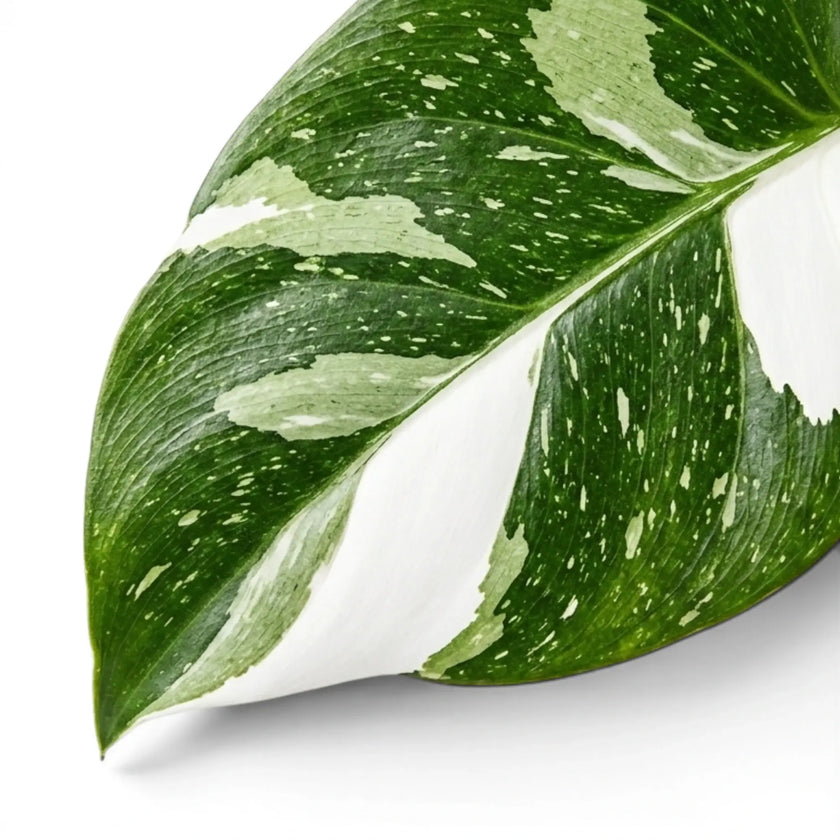
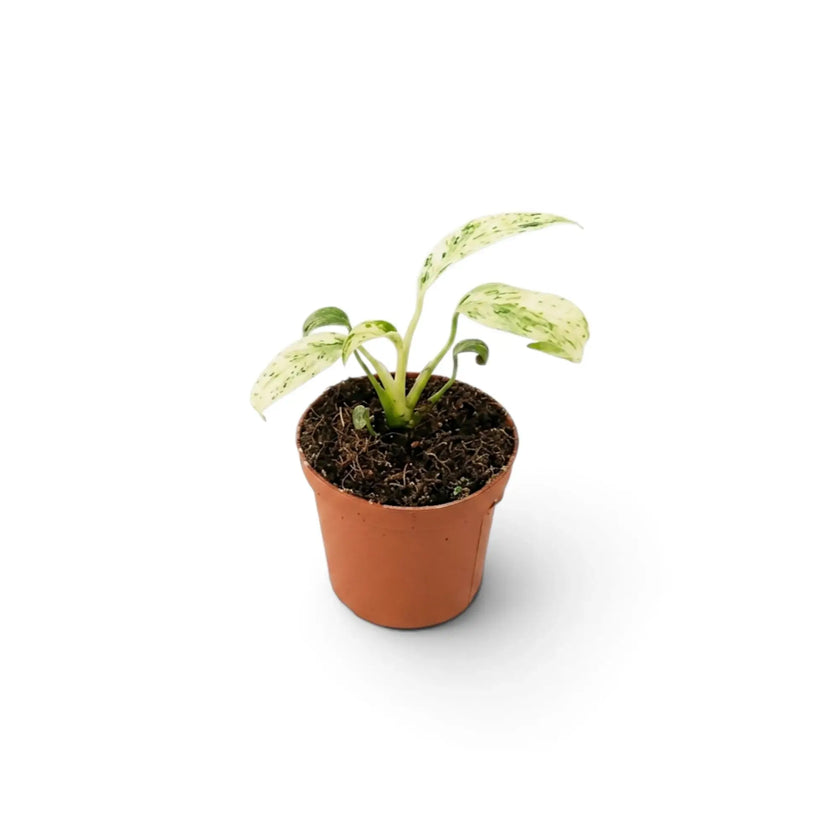
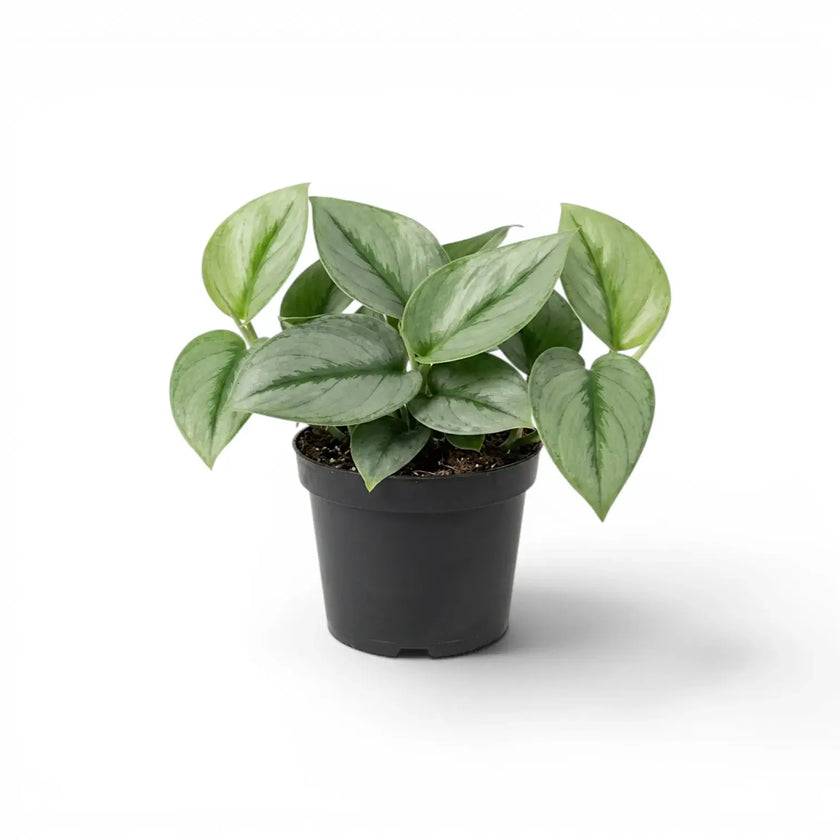
Philodendron ‘White Wizard’
Sale price€8,29 (XS)
Lowest price in the 30 days before this offer€9,75
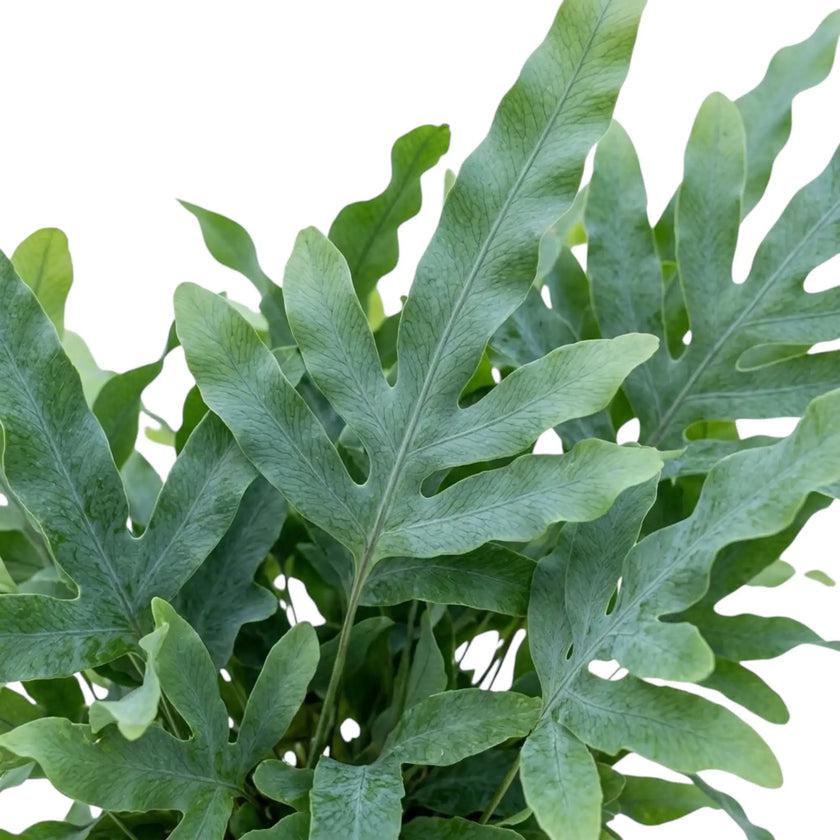
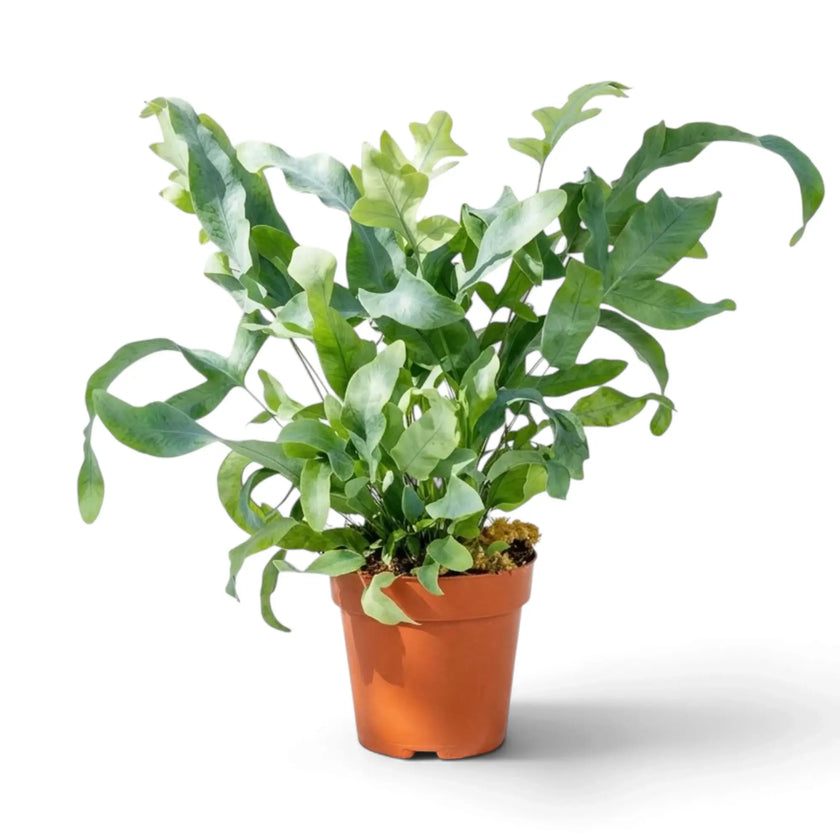
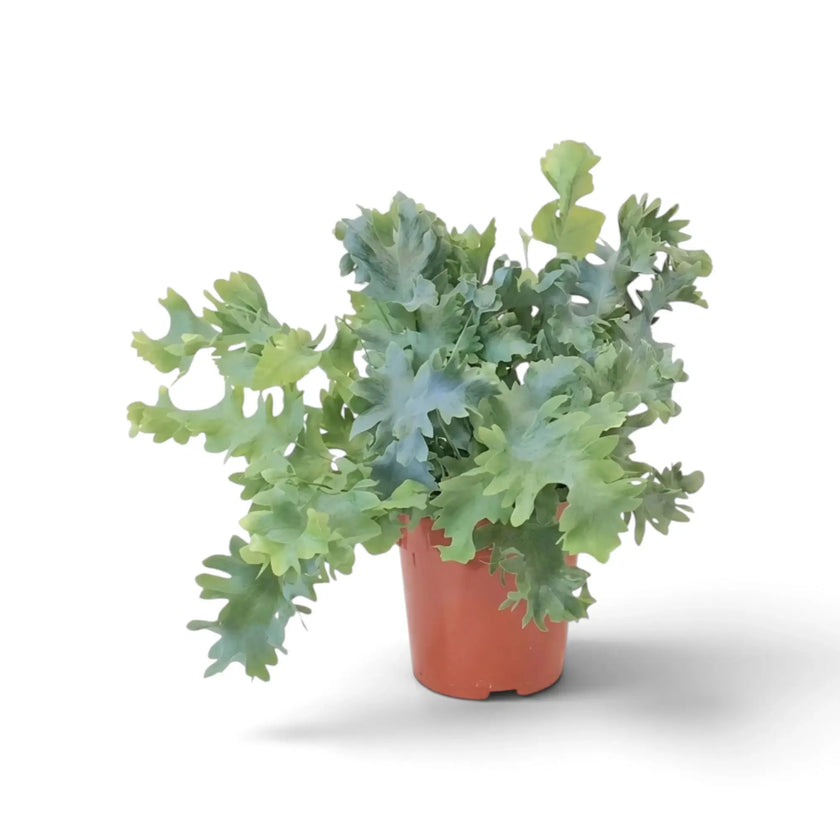
Phlebodium aureum 'Blue Star'
Sale priceFrom €6,91 (XS)
Lowest price in the 30 days before this offer€6,98
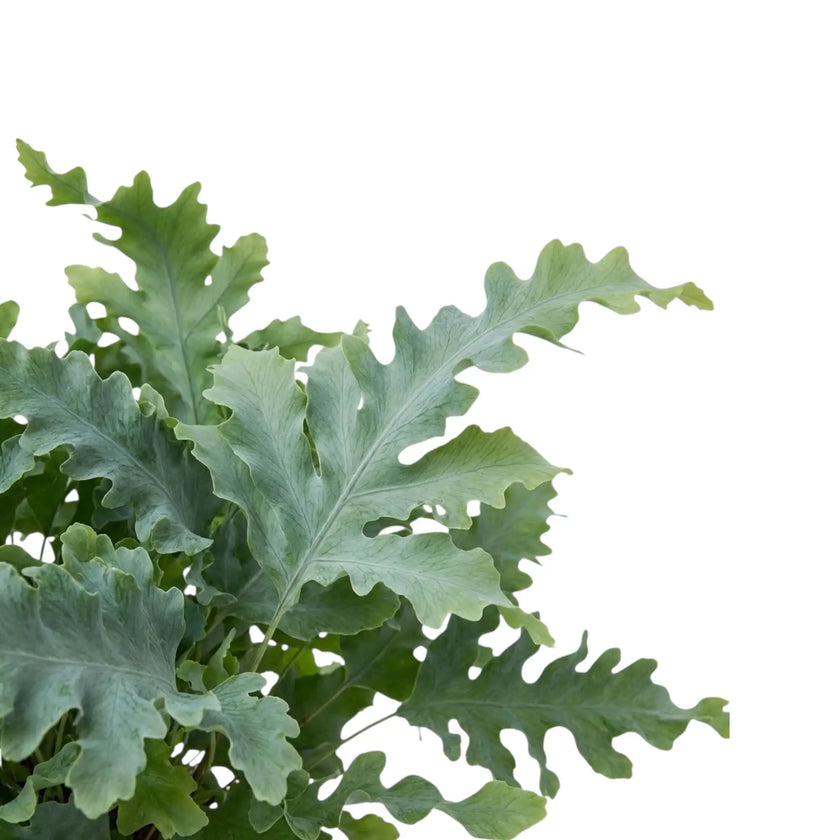
Phlebodium aureum 'Davana'
Sale price€9,14
Lowest price in the 30 days before this offer€10,75

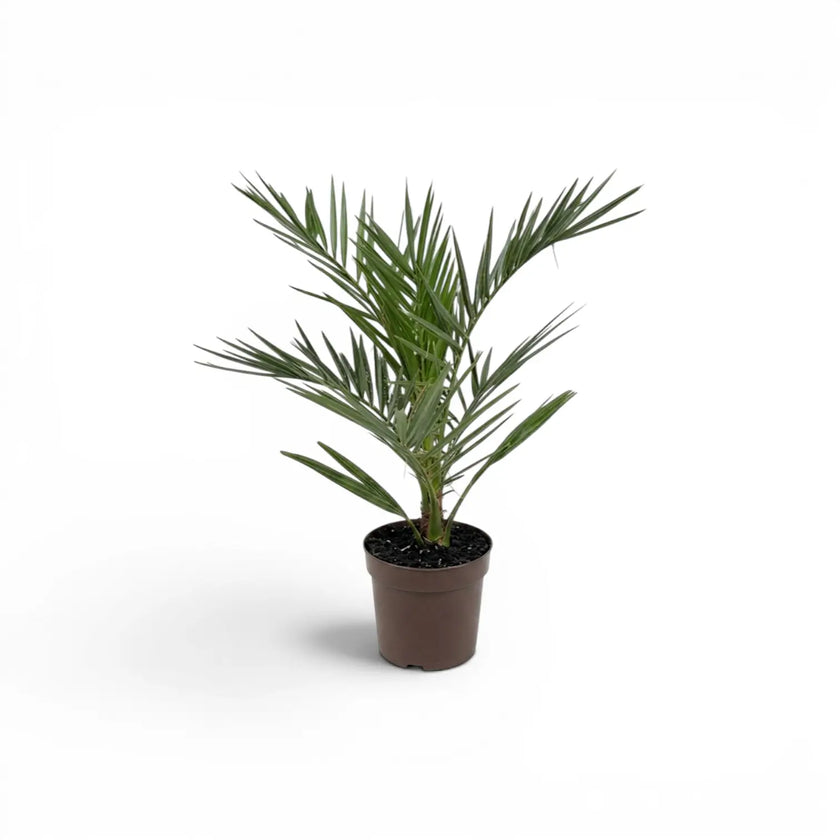
Phoenix canariensis
Sale price€44,20
Lowest price in the 30 days before this offer€55,25
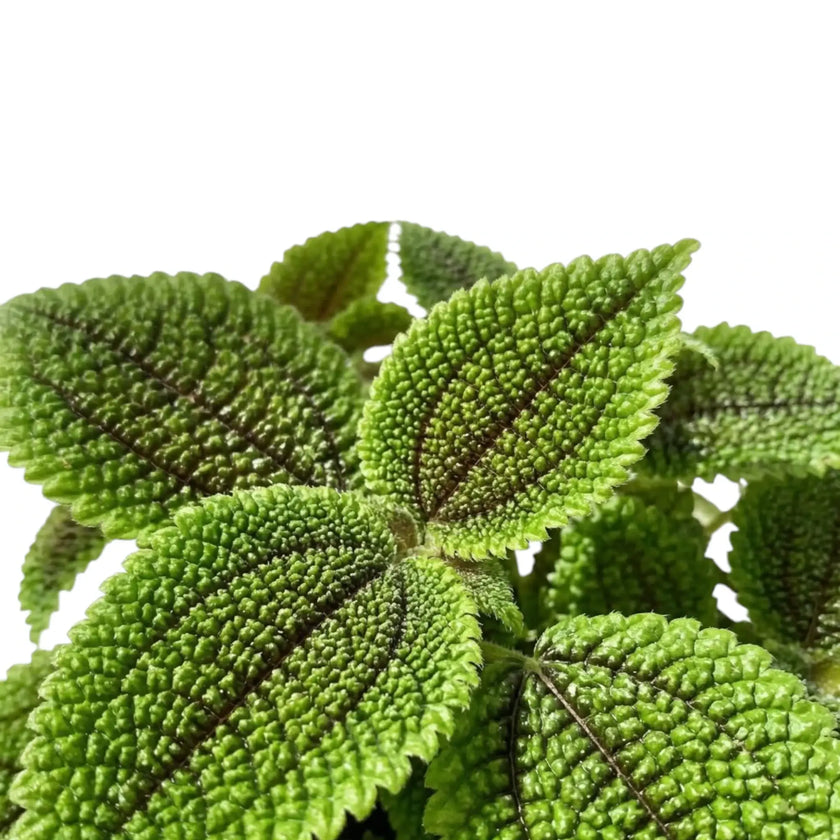
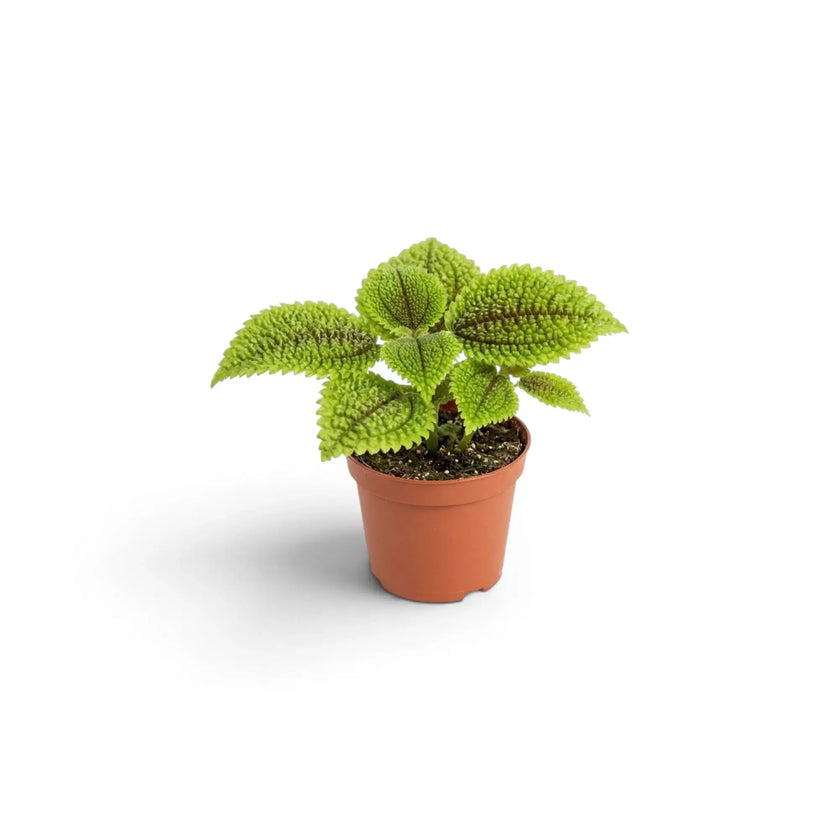
Pilea involucrata 'Moon Valley'
Sale price€7,23
Lowest price in the 30 days before this offer€8,50
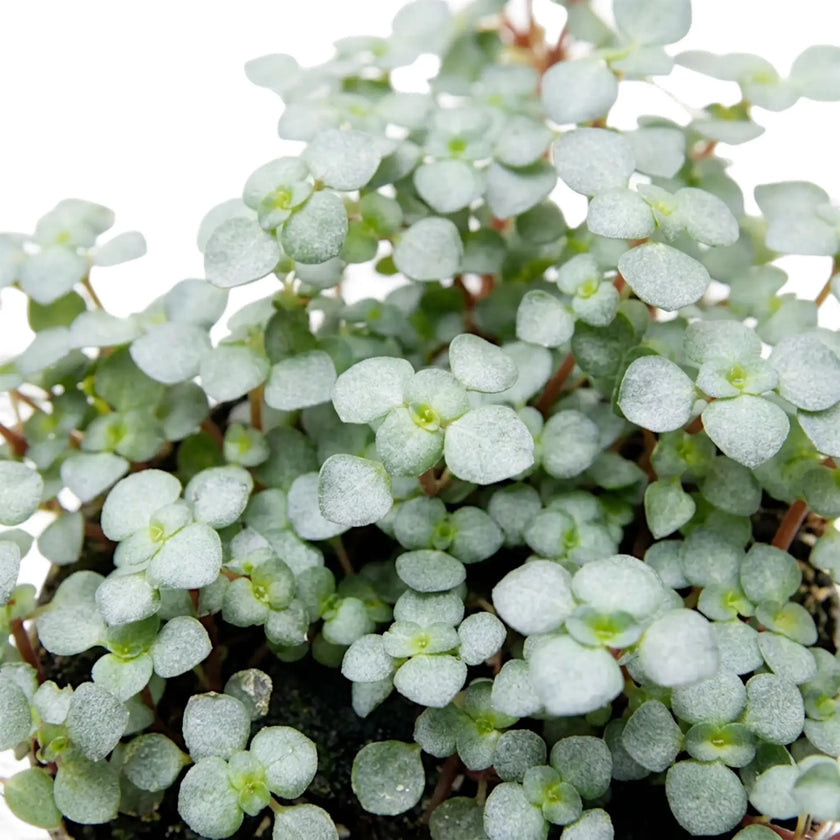
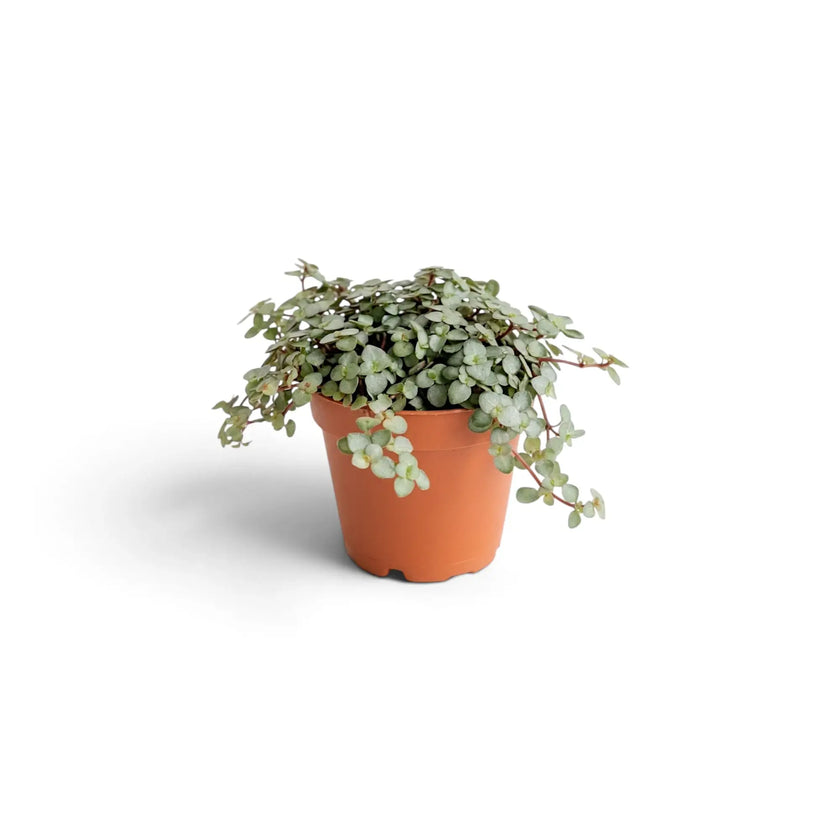
Pilea libanensis 'Greyzy' ('Silver Sparkles')
Sale price€10,20
Lowest price in the 30 days before this offer€12,00

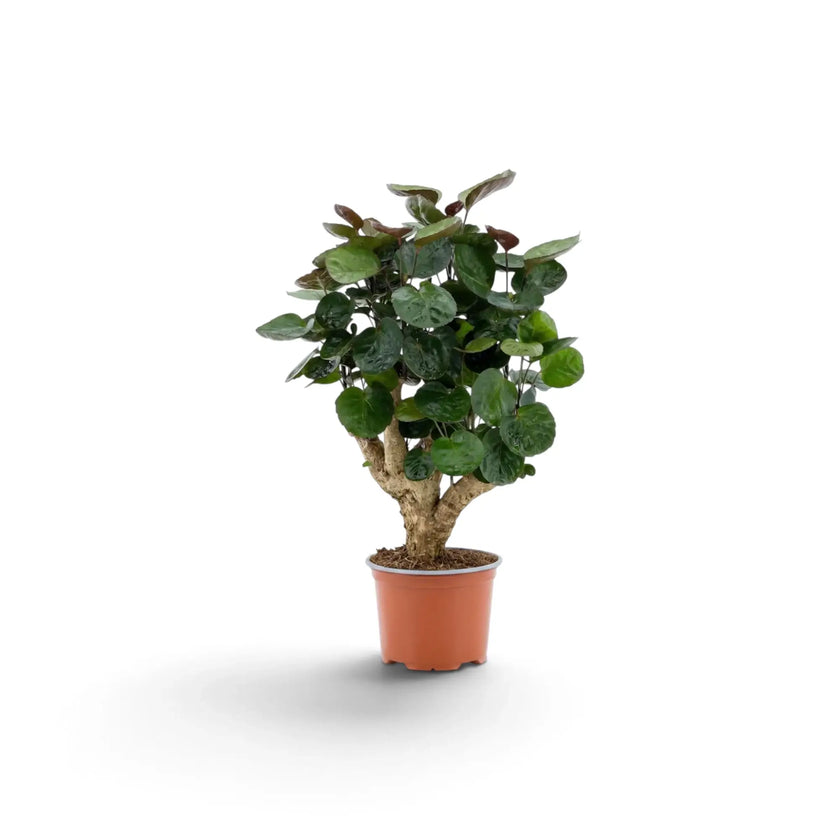
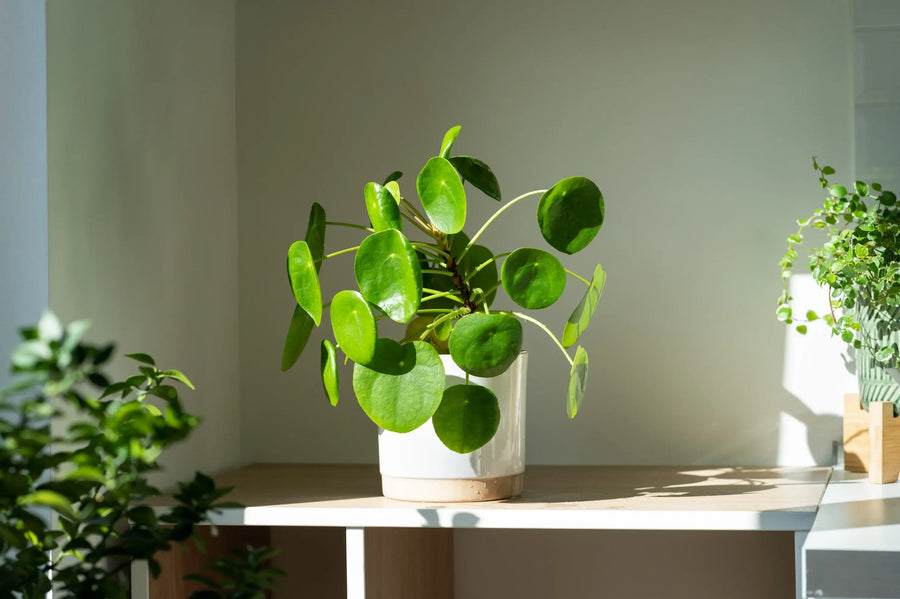
Pilea peperomioides
Sale price€8,29
Lowest price in the 30 days before this offer€8,38

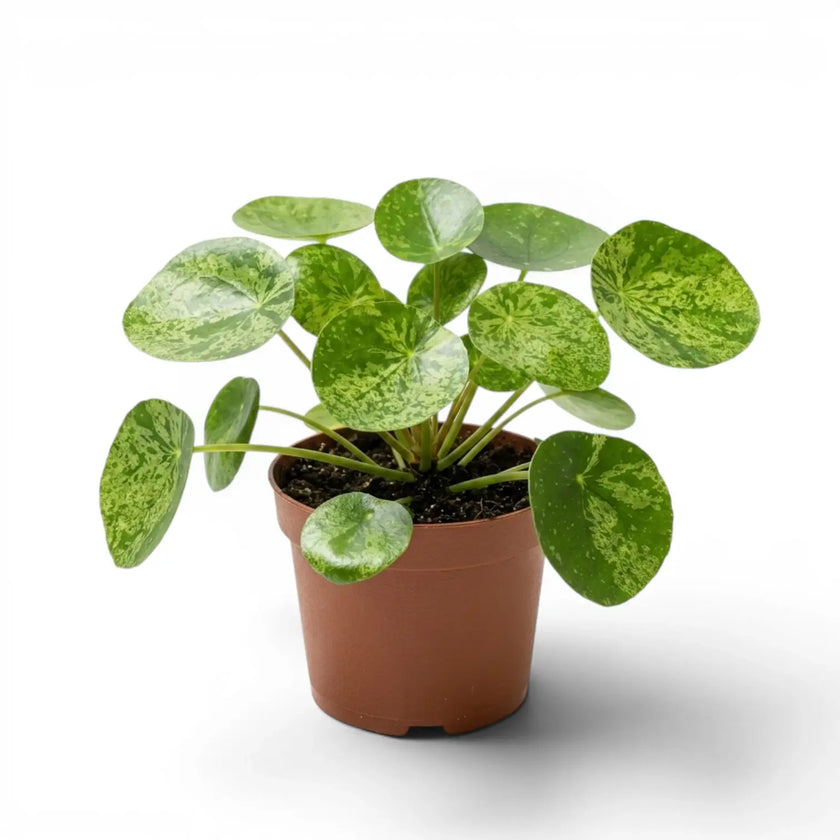
Pilea peperomioides 'Mojito'
Sale price€10,20
Lowest price in the 30 days before this offer€10,33

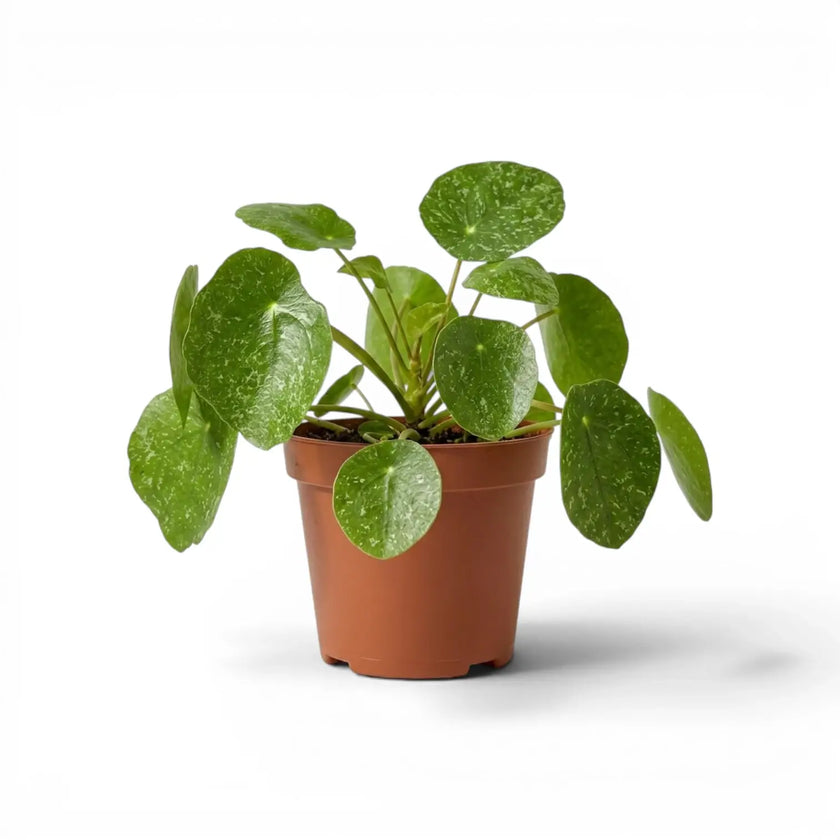
Pilea peperomioides 'Sugar'
Sale price€9,14
Lowest price in the 30 days before this offer€9,24
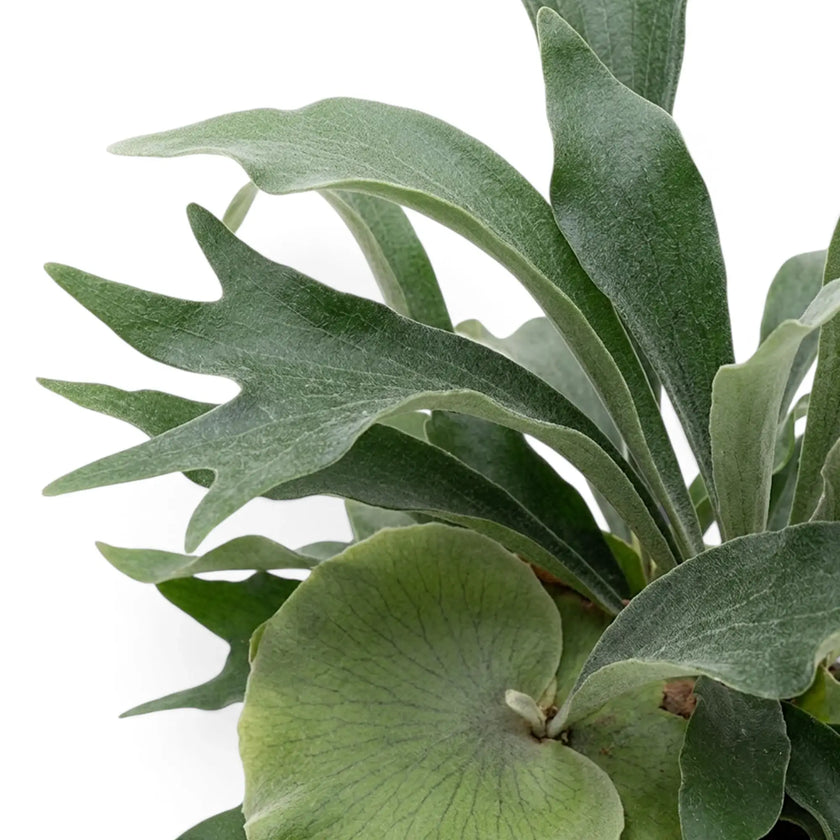
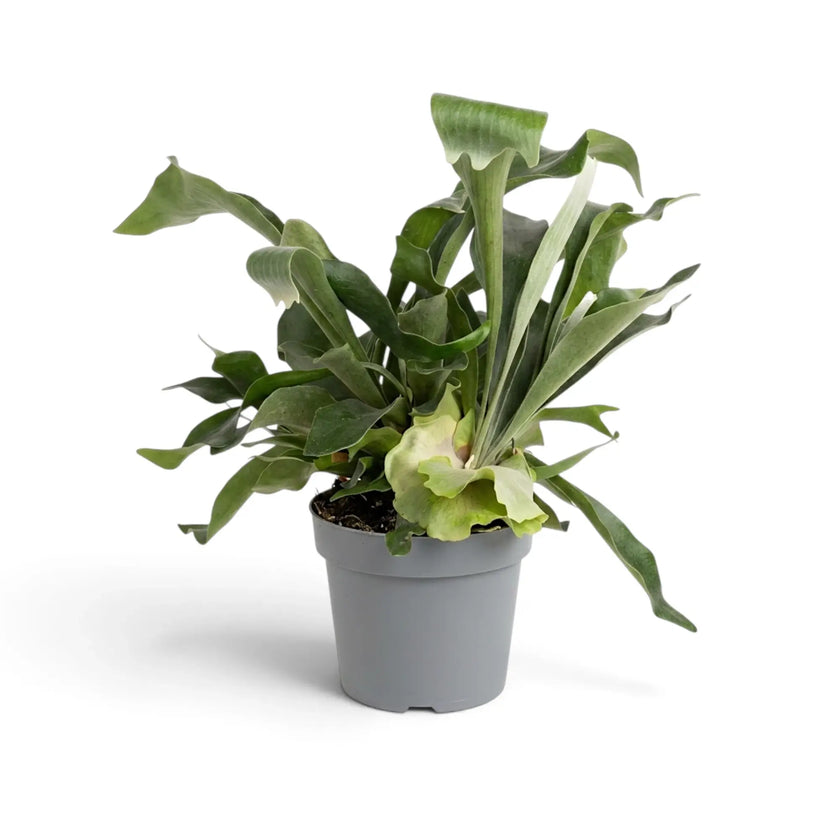
Platycerium bifurcatum 'Netherlands'
Sale price€18,28
Lowest price in the 30 days before this offer€18,50
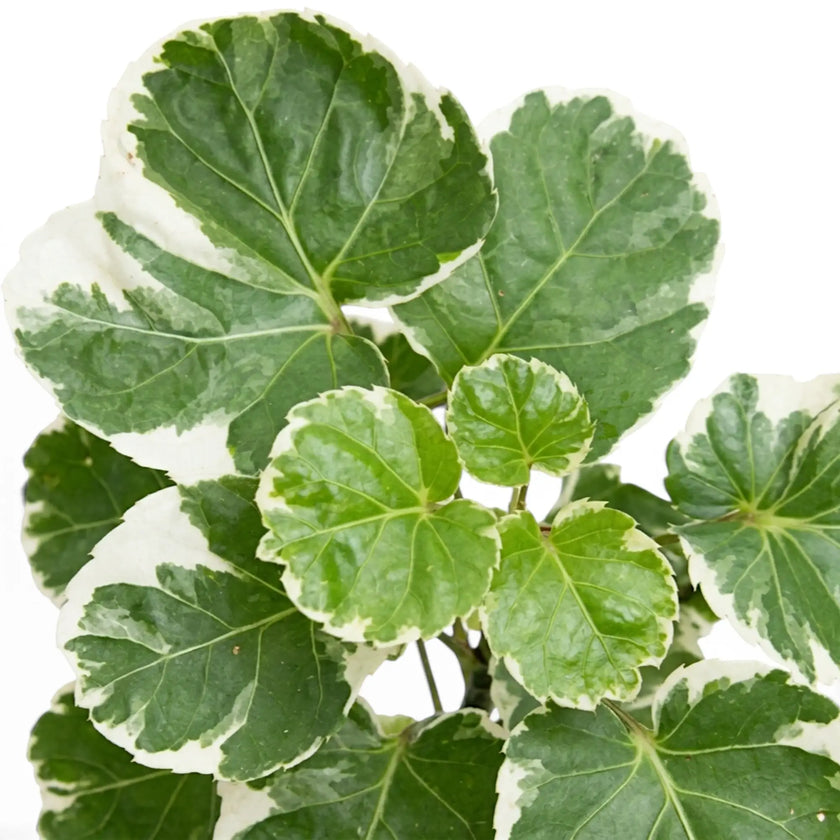
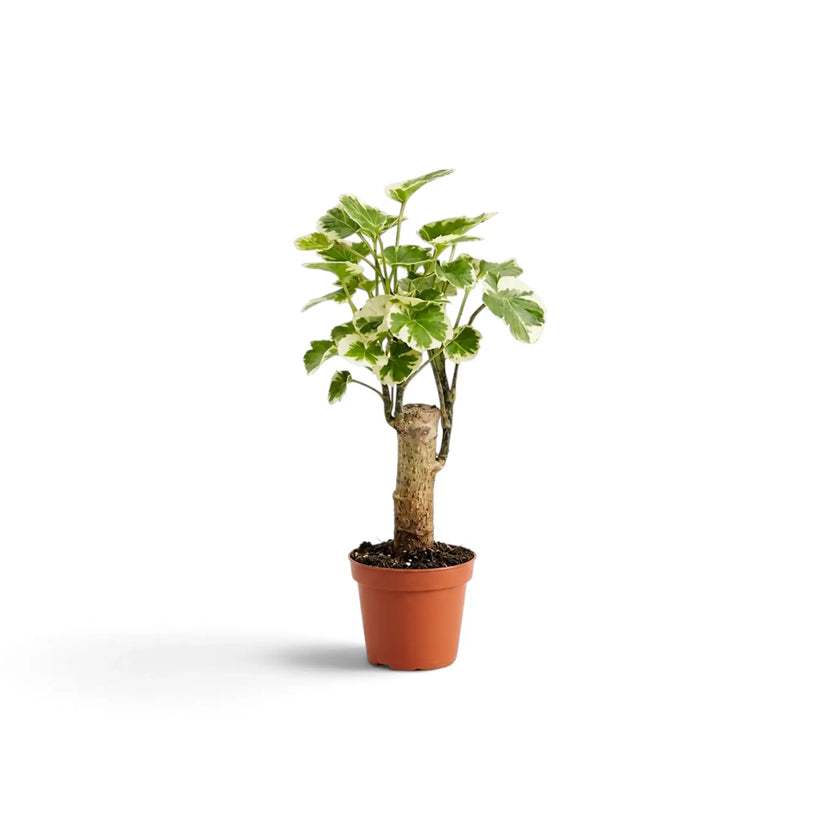
Polyscias balfouriana 'Butterfly'
Sale price€8,29
Lowest price in the 30 days before this offer€9,75
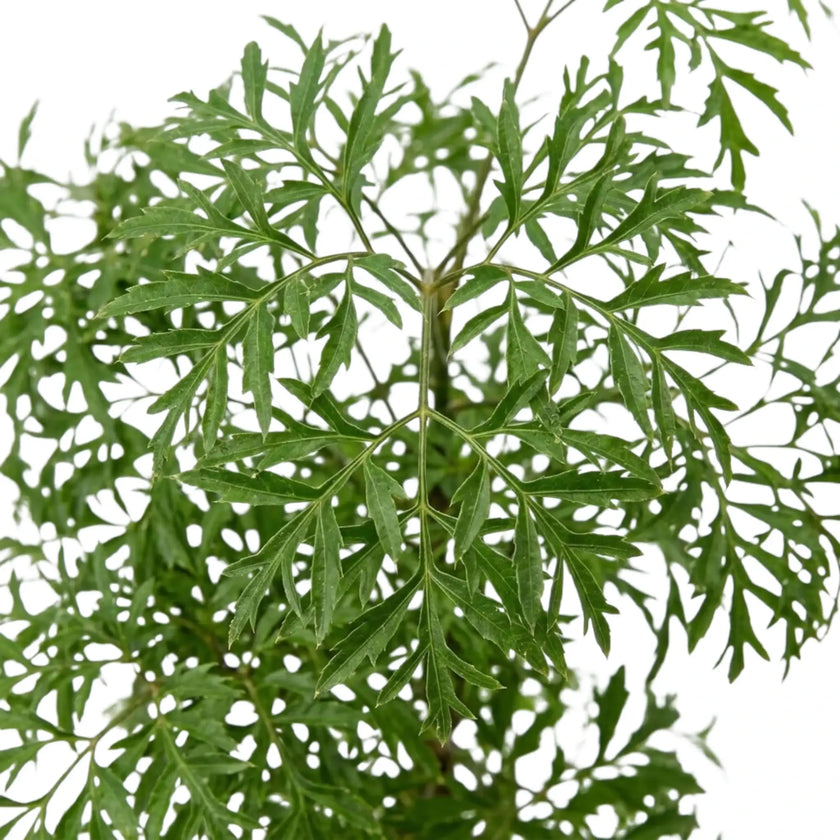
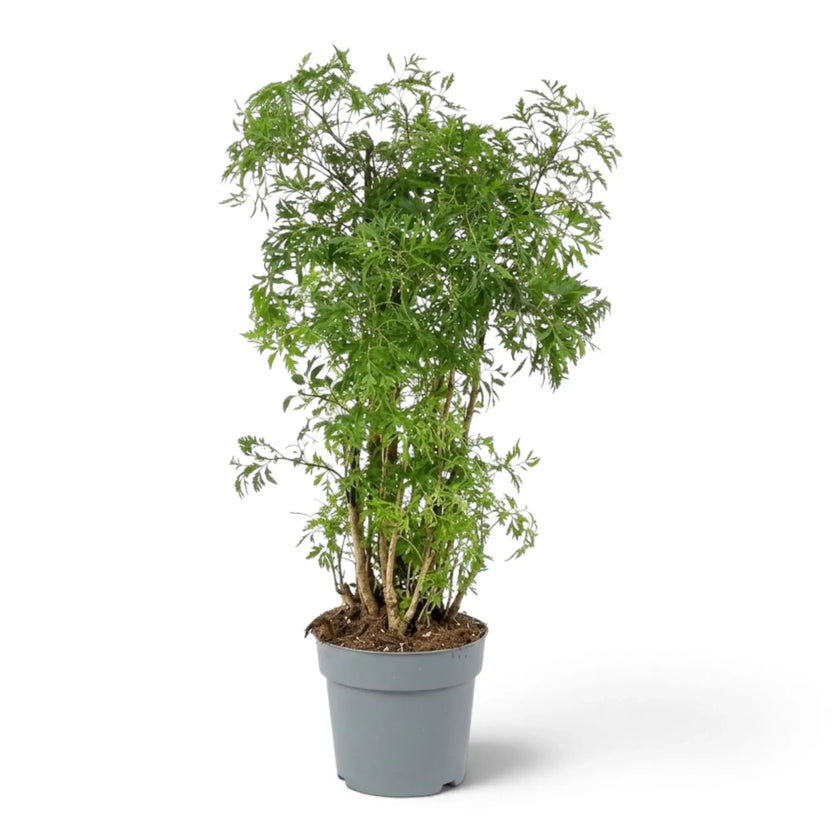
Polyscias fruticosa 'Ming' ('Ming Aralia')
Sale price€99,03
Lowest price in the 30 days before this offer€116,50
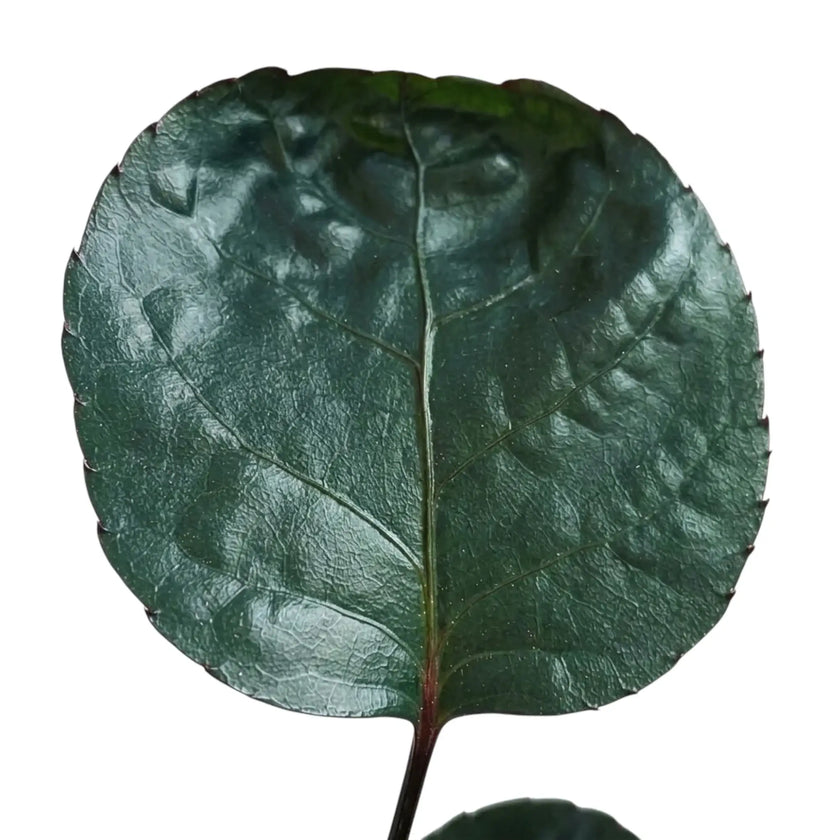
Polyscias scutellaria 'Fabian'
Sale priceFrom €11,60
Lowest price in the 30 days before this offer€14,50
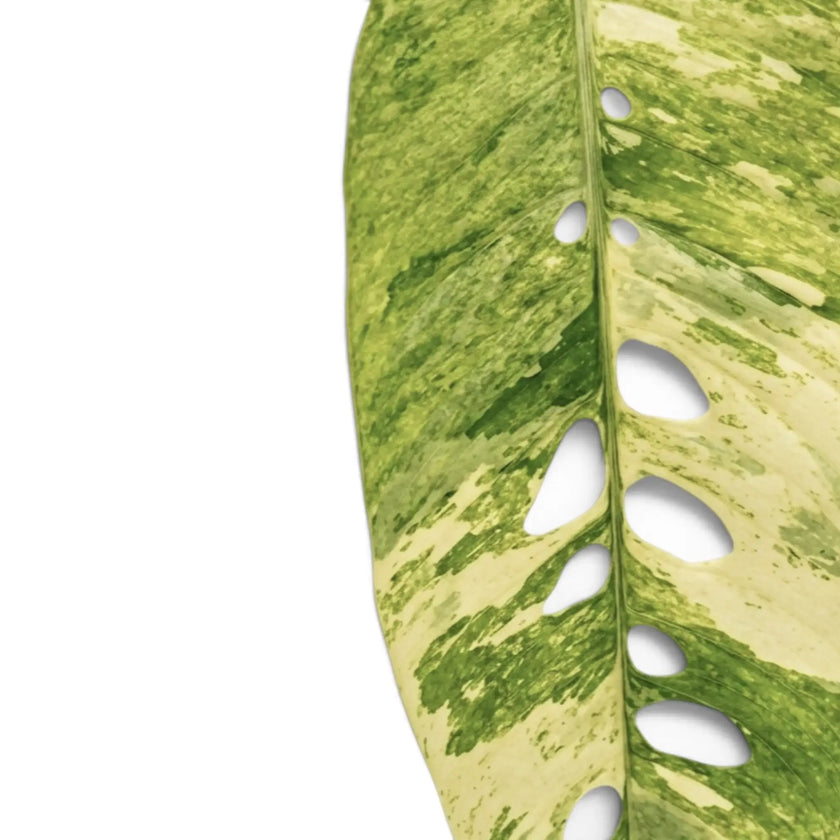
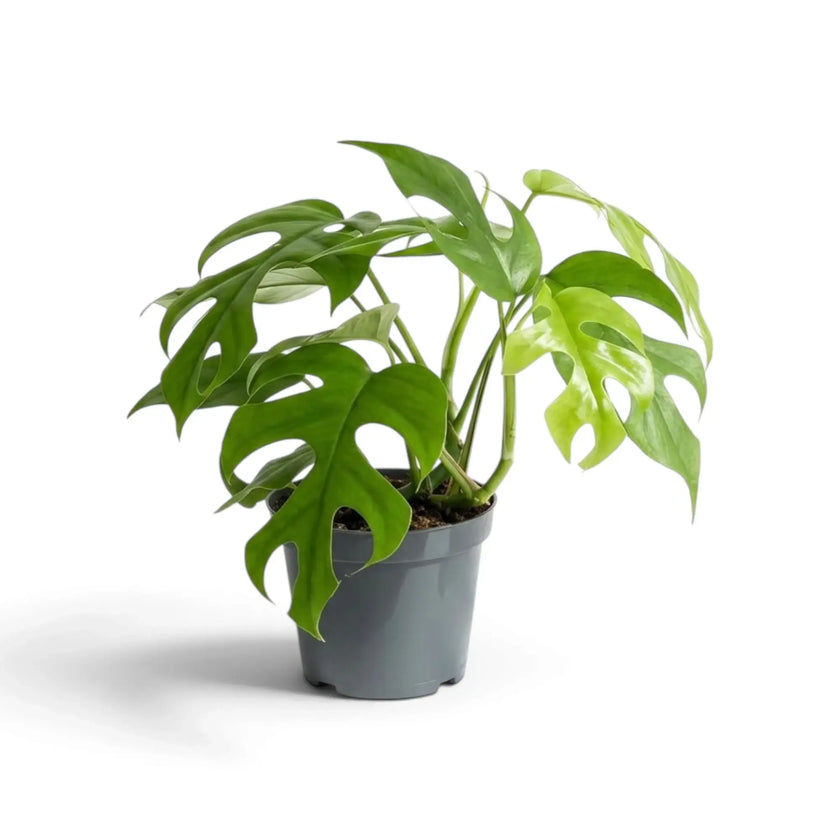
Rhaphidophora foraminifera variegata
Sale price€9,14 (XS)
Lowest price in the 30 days before this offer€10,75
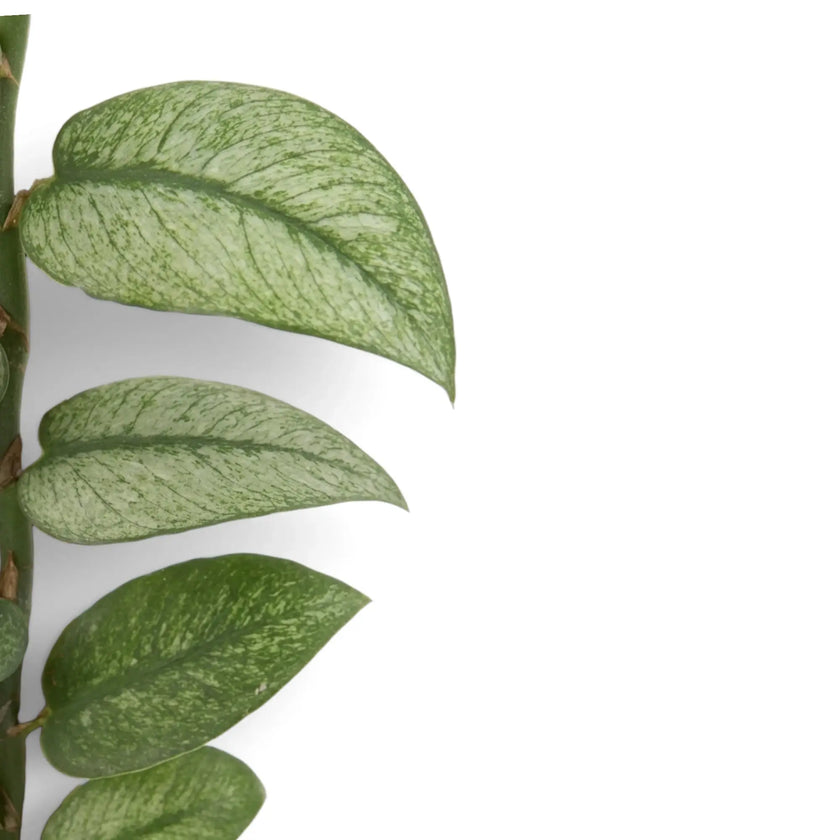
Rhaphidophora hongkongensis 'Mint'
Sale price€27,00
Lowest price in the 30 days before this offer€33,75
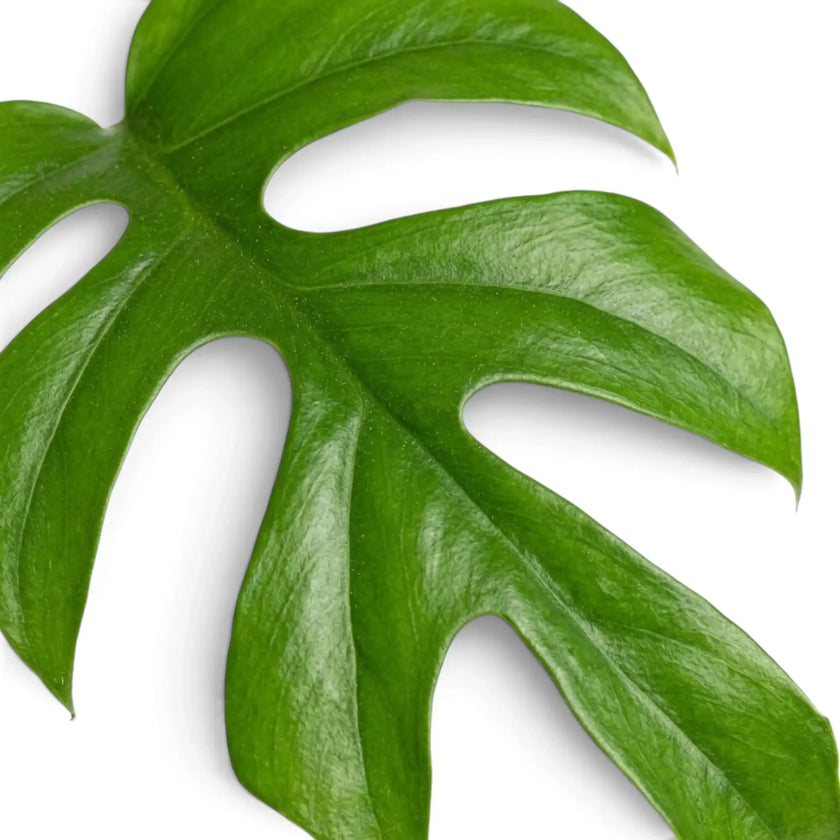
Rhaphidophora tetrasperma
Sale priceFrom €11,60
Lowest price in the 30 days before this offer€14,50
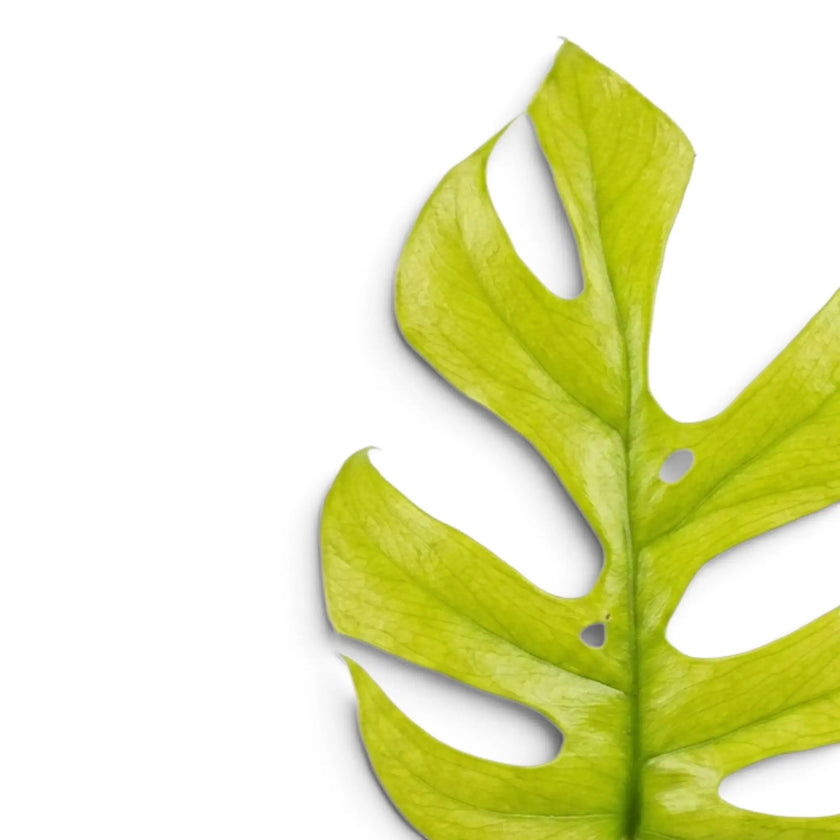
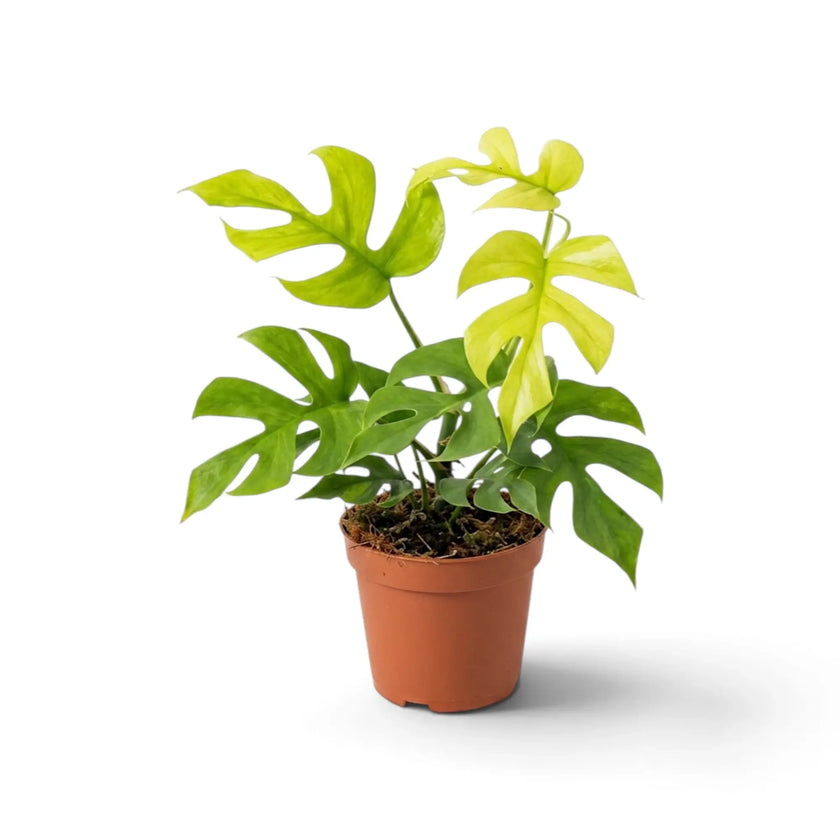
Rhaphidophora tetrasperma 'Goldrush'
Sale price€9,14
Lowest price in the 30 days before this offer€10,75
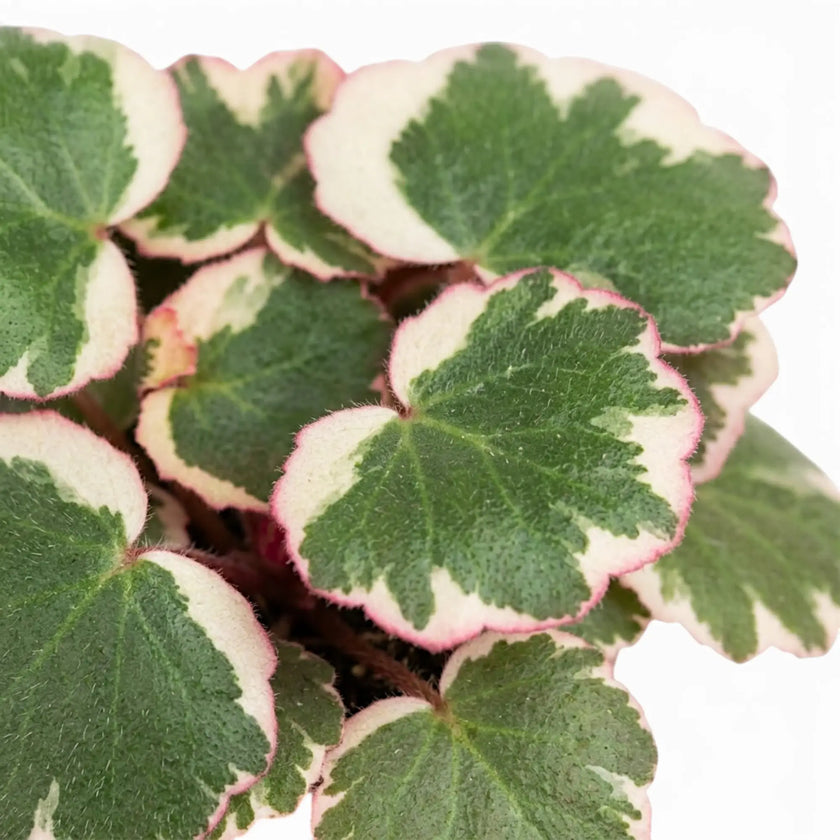
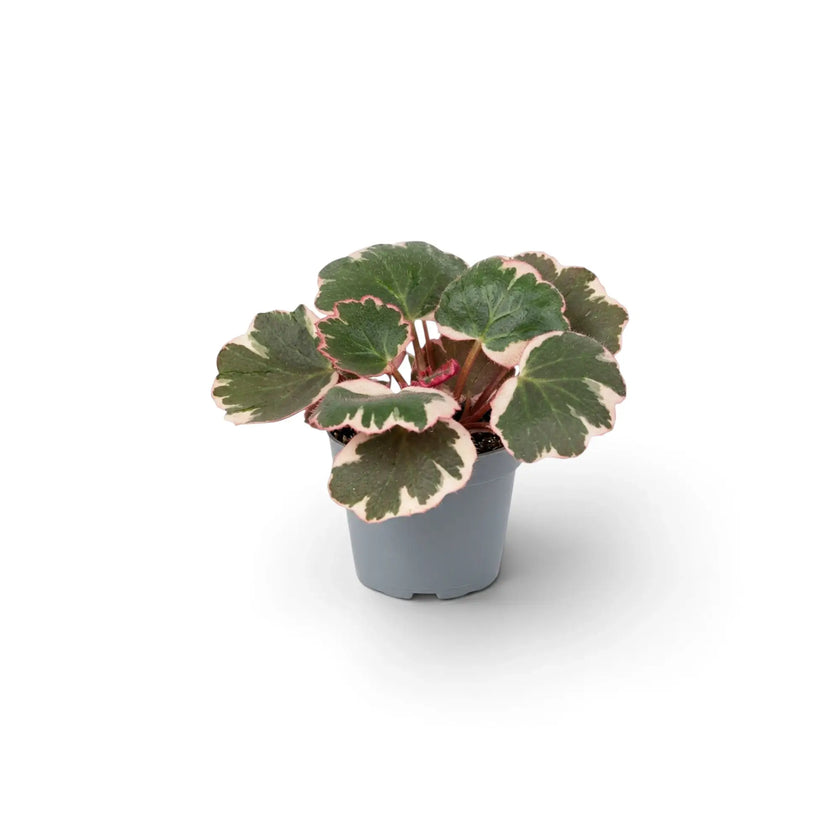
Saxifraga stolonifera variegata ('Strawberry Begonia')
Sale price€7,23
Lowest price in the 30 days before this offer€8,50
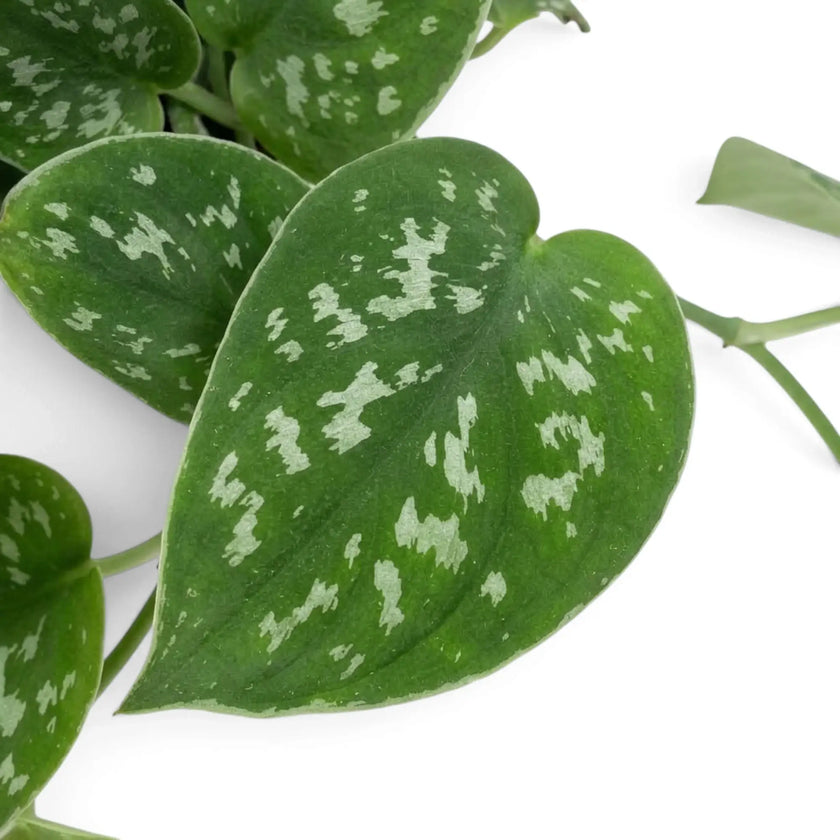
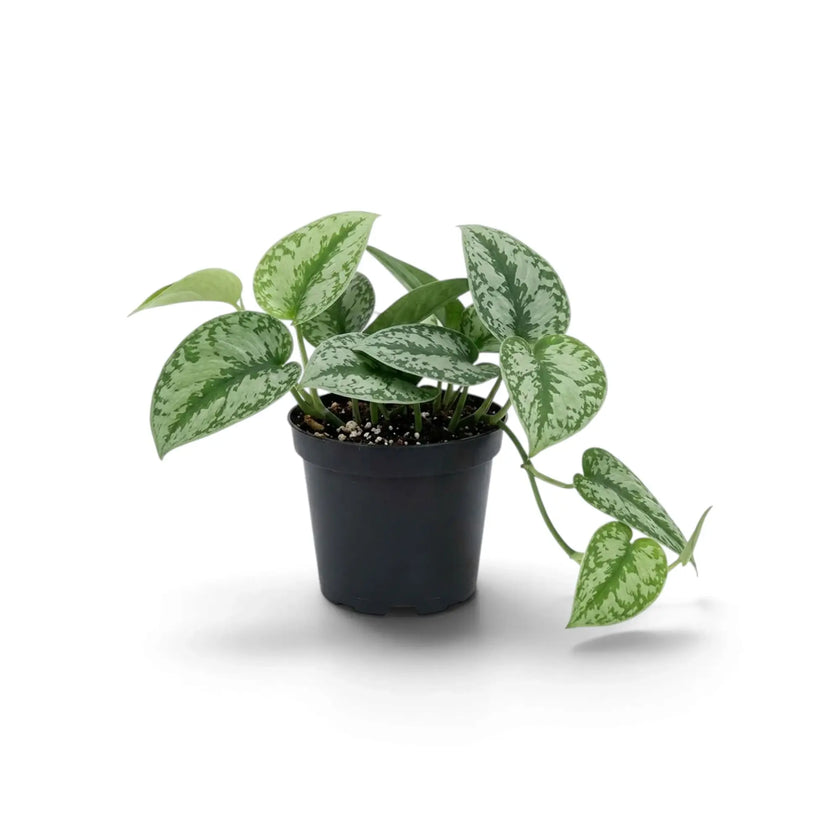
Scindapsus pictus 'Argyraeus'
Sale price€17,85
Lowest price in the 30 days before this offer€21,00
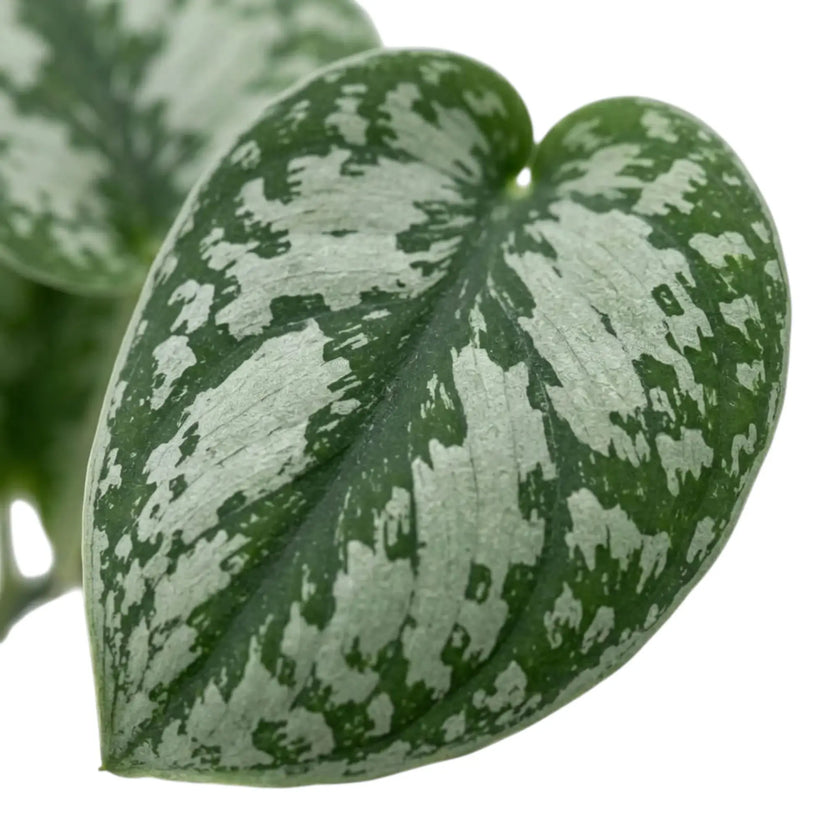
Scindapsus pictus 'Exotica'
Sale price€8,82
Lowest price in the 30 days before this offer€8,91
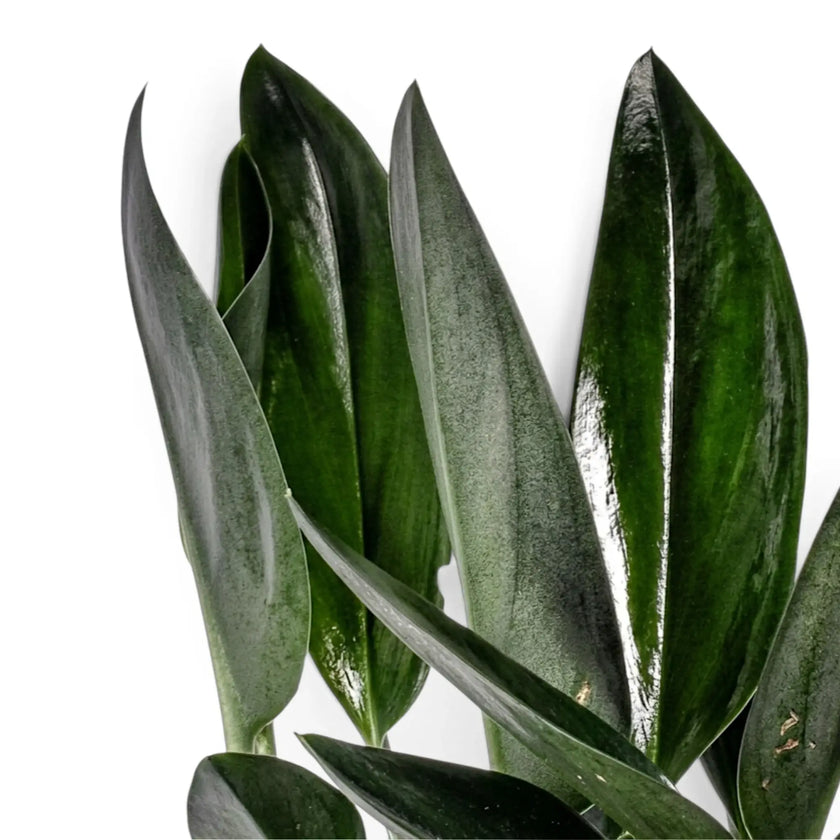
Scindapsus treubii 'Dark form' ('Nearly Black')
Sale price€11,89
Lowest price in the 30 days before this offer€12,02
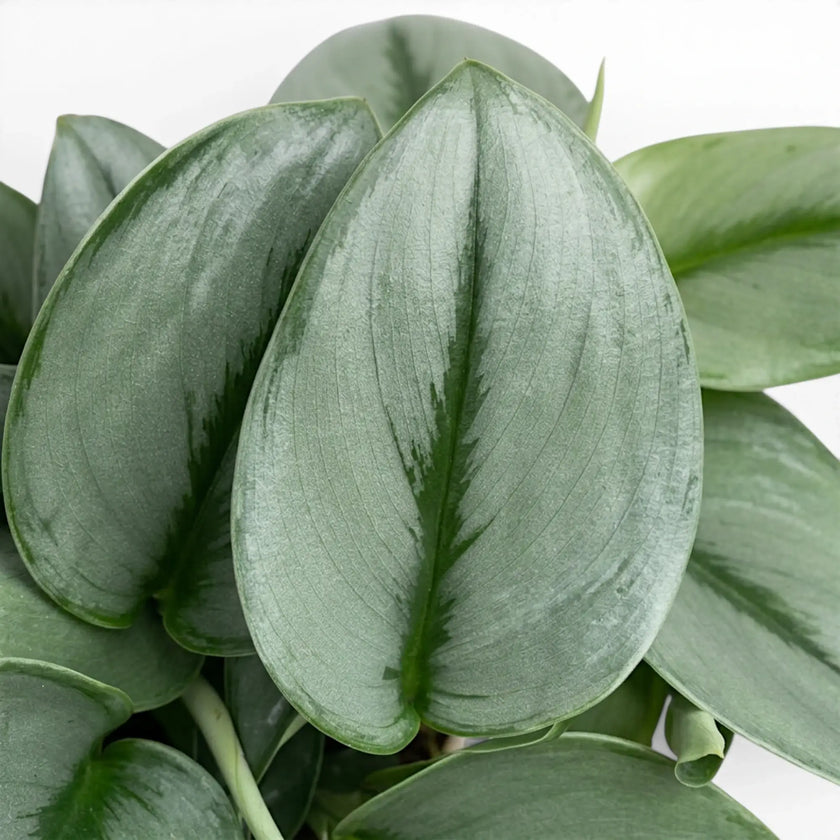
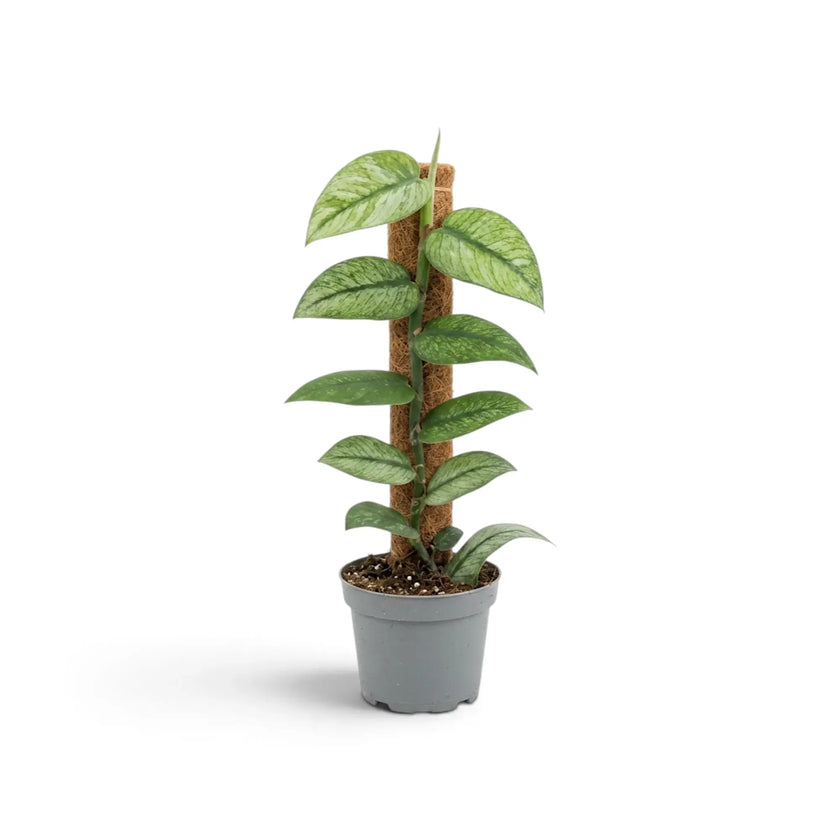
Scindapsus treubii 'Moonlight'
Sale price€11,89
Lowest price in the 30 days before this offer€12,02
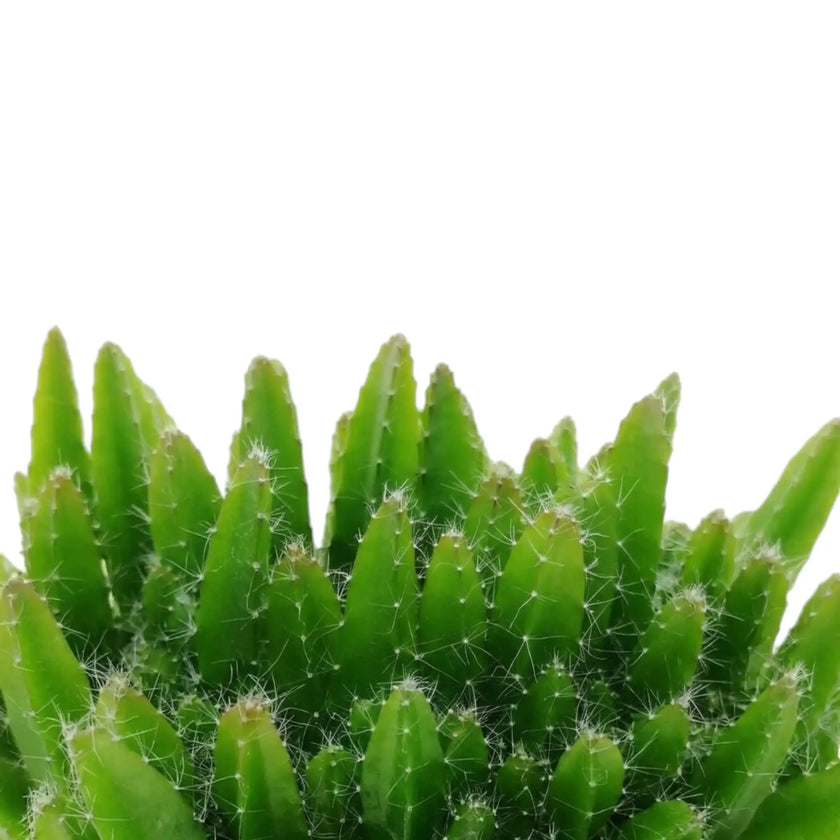
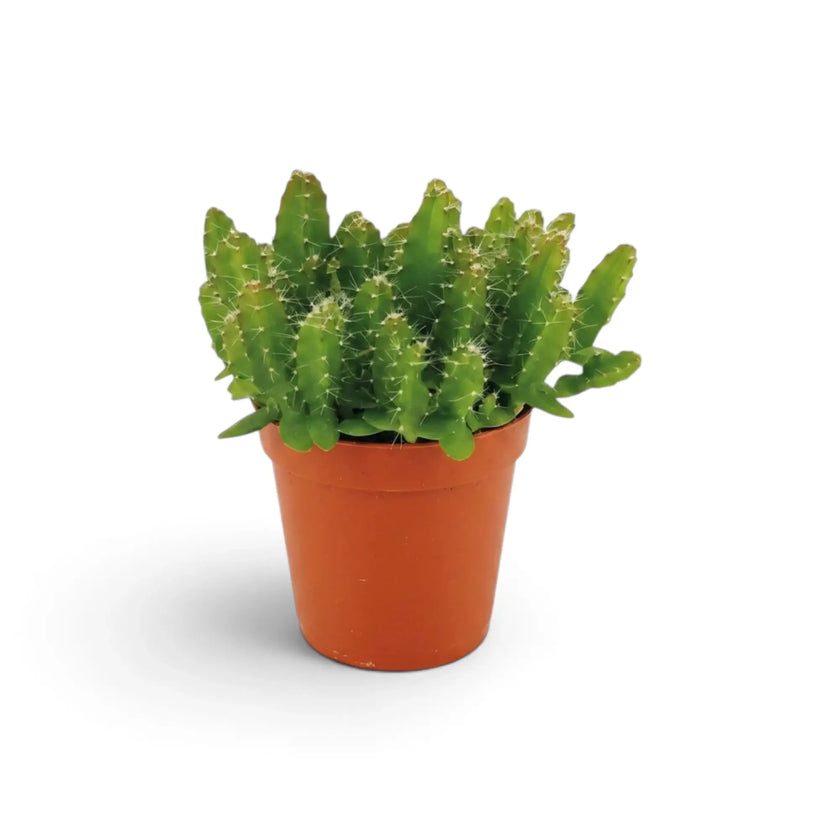
Selenicereus undatus
Sale price€7,23
Lowest price in the 30 days before this offer€8,50

Spathiphyllum 'Sweet Lauretta'
Sale price€63,40
Lowest price in the 30 days before this offer€79,25
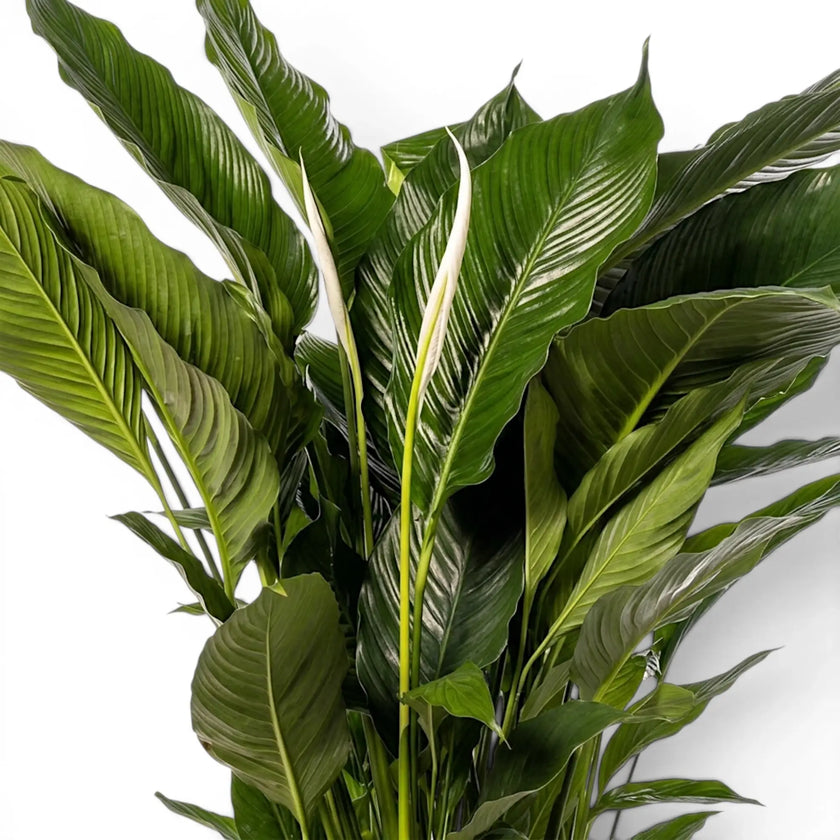
Spathiphyllum 'Sweet Sebastiano'
Sale price€69,20
Lowest price in the 30 days before this offer€86,50
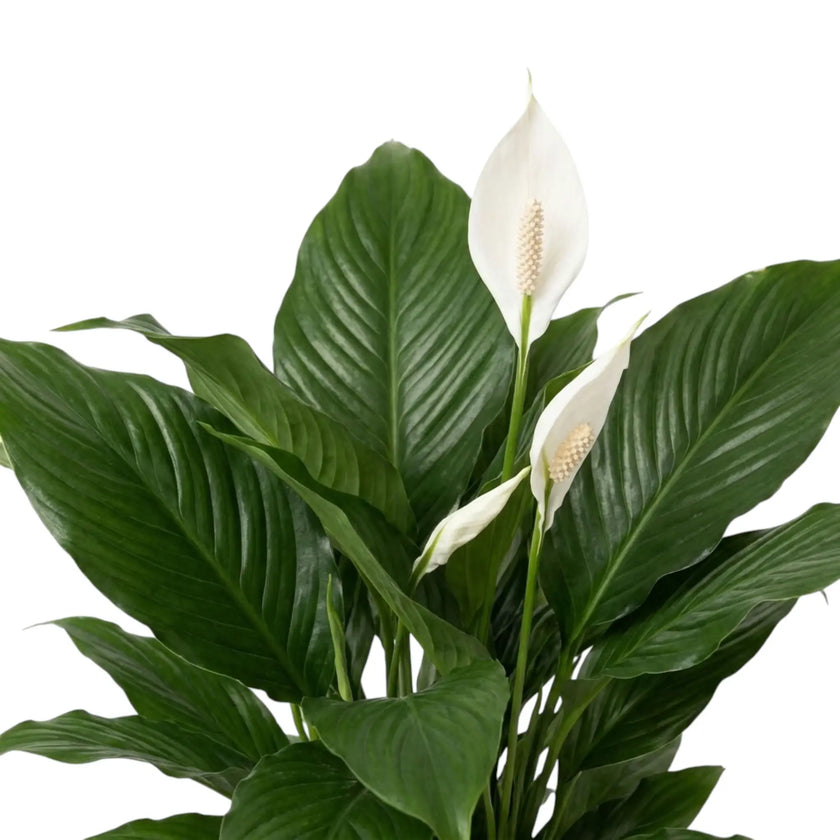
Spathiphyllum 'Sweet Silvana'
Sale price€63,40
Lowest price in the 30 days before this offer€79,25
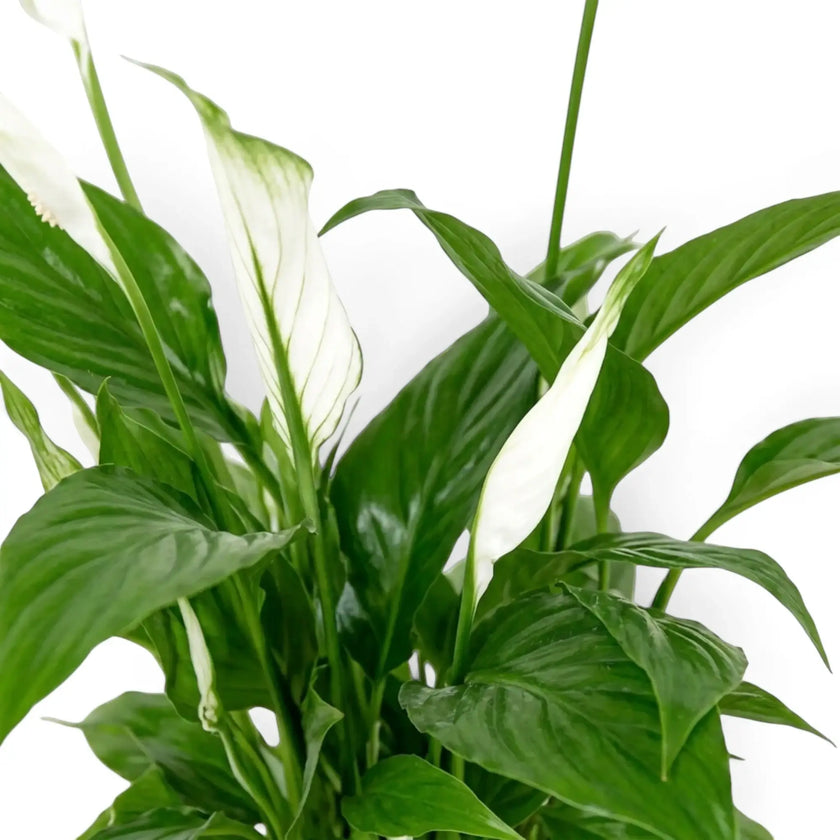
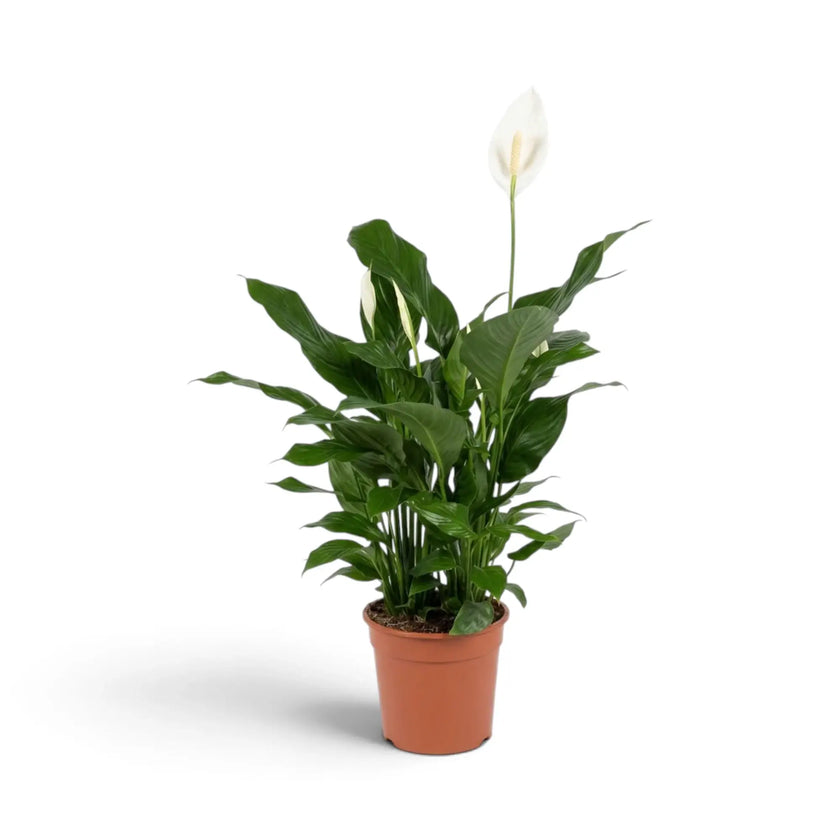
Spathiphyllum 'Torelli'
Sale price€9,14
Lowest price in the 30 days before this offer€10,75
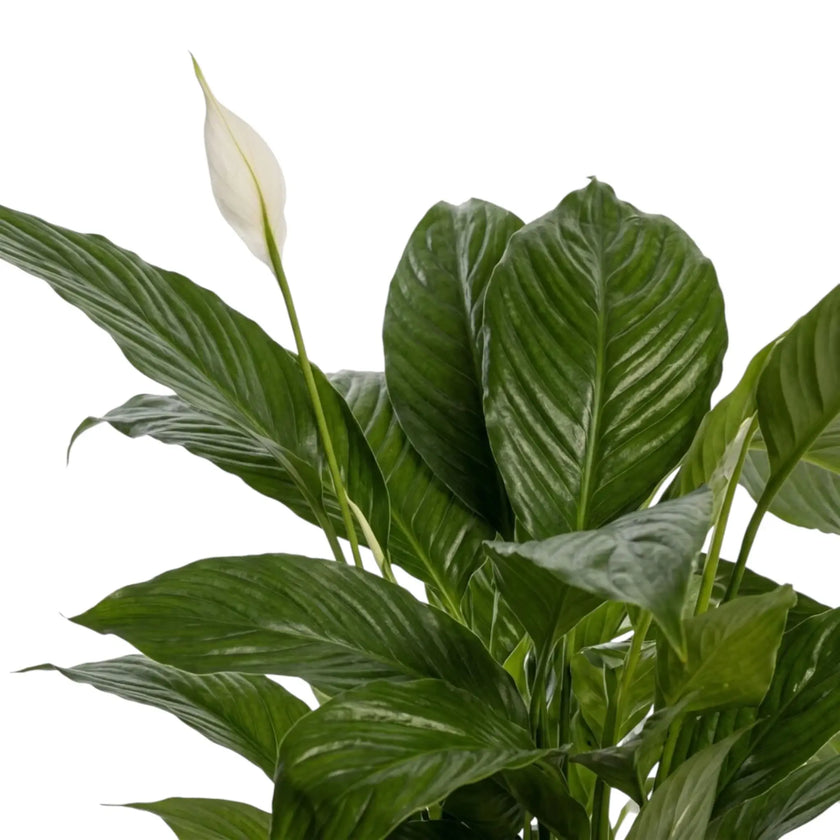
Spathiphyllum 'Vivaldi'
Sale price€14,24
Lowest price in the 30 days before this offer€16,75
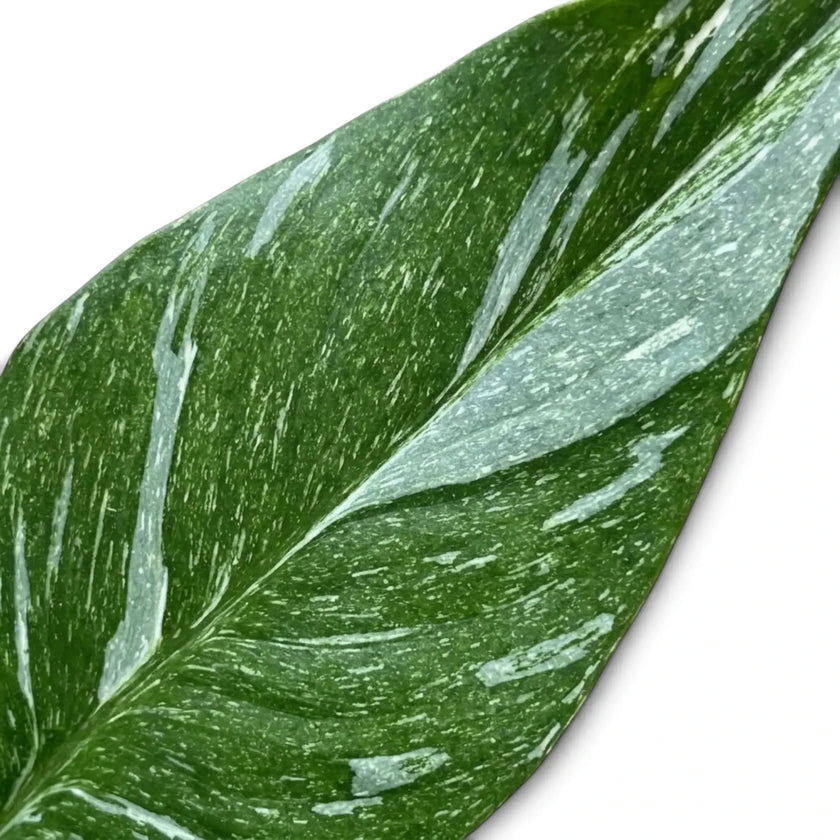
Spathiphyllum Diamond ('SP7018')
Sale price€11,27
Lowest price in the 30 days before this offer€13,25
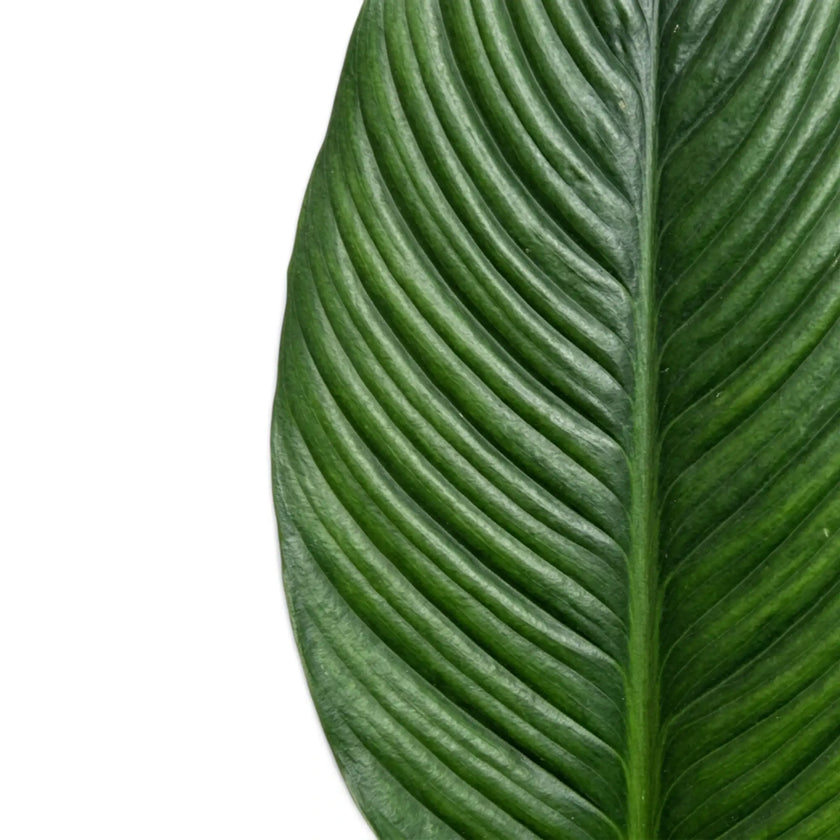
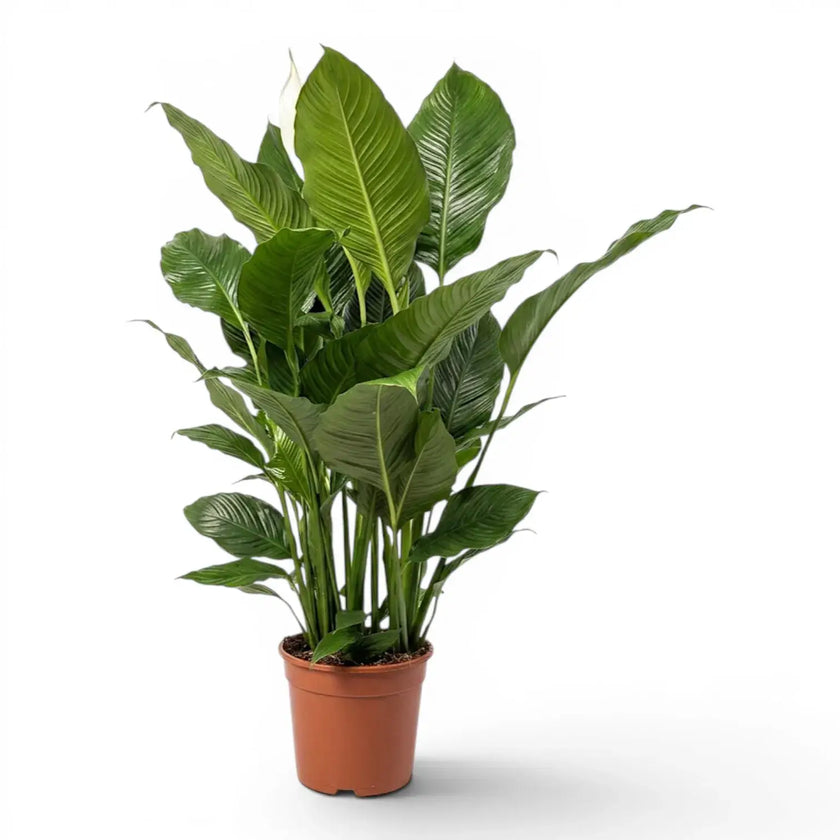
Spathiphyllum Sensation ('Gorgusis No. 1')
Sale price€73,00
Lowest price in the 30 days before this offer€91,25
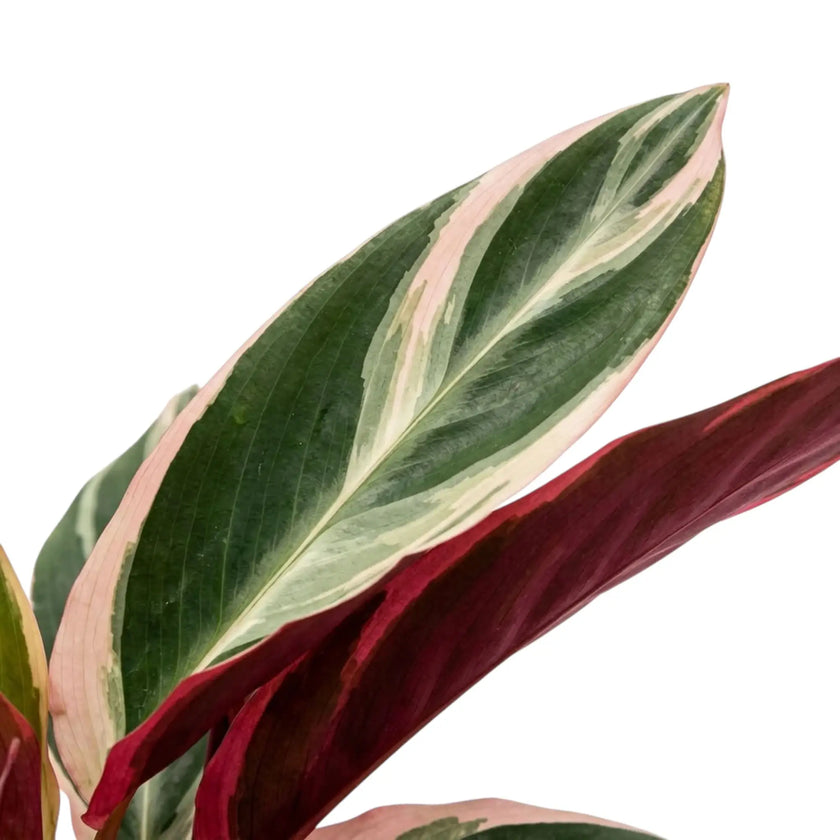
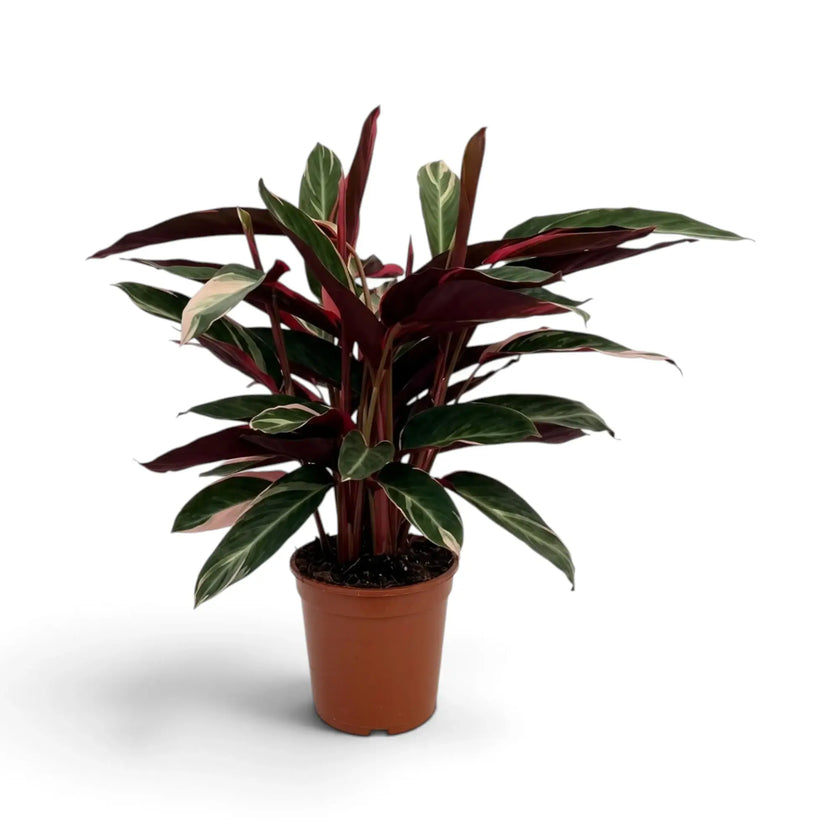
Stromanthe thalia 'Triostar'
Sale price€28,80
Lowest price in the 30 days before this offer€36,00
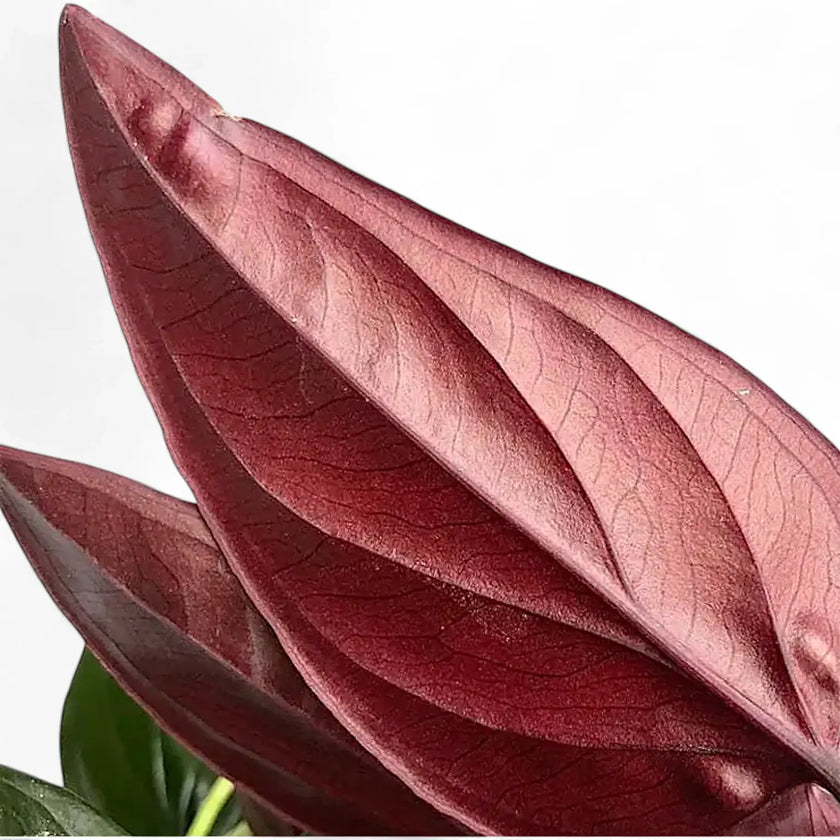
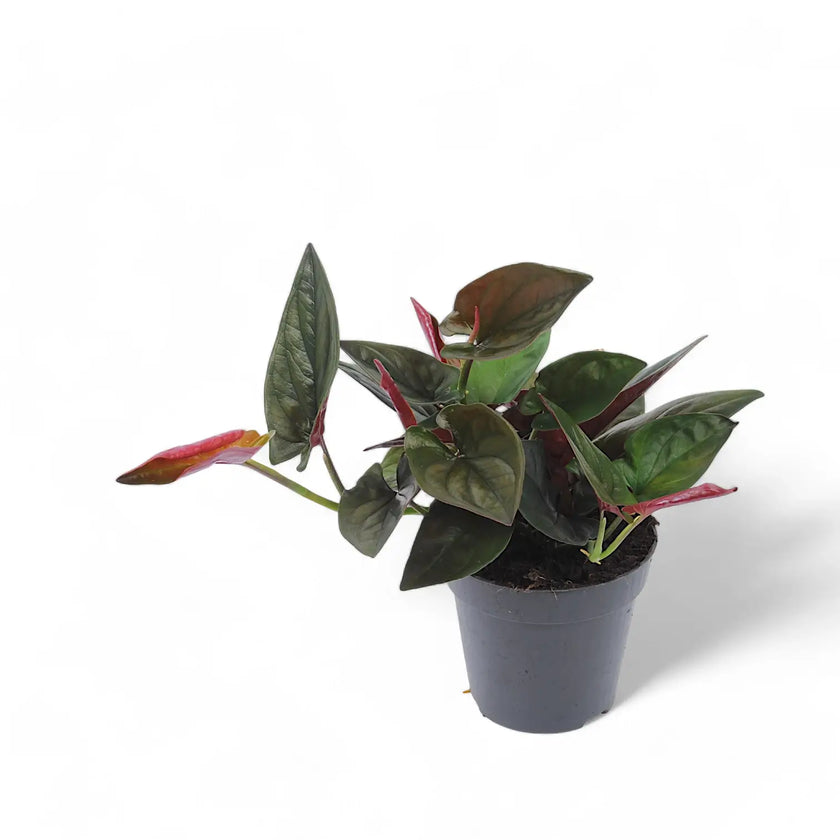
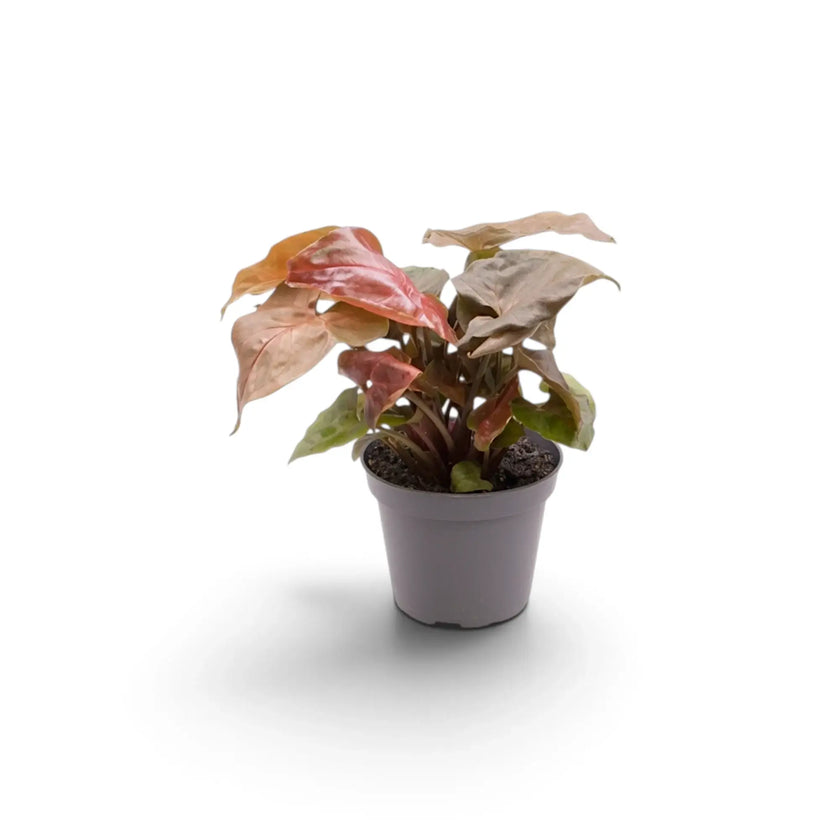
Syngonium erythrophyllum 'Red Arrow'
Sale price€12,33
Lowest price in the 30 days before this offer€14,50
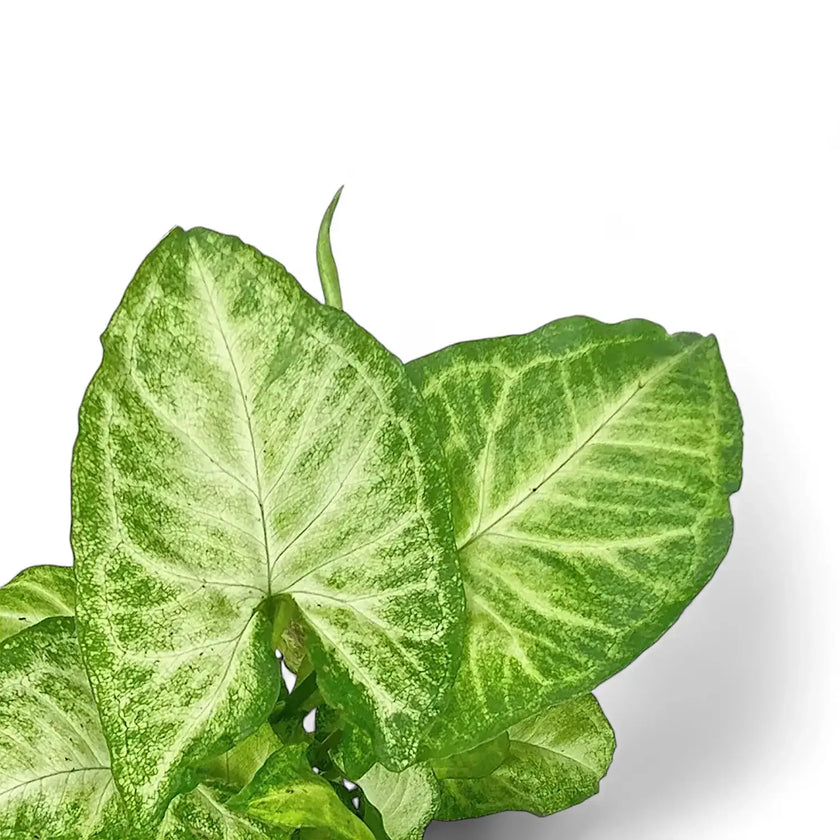
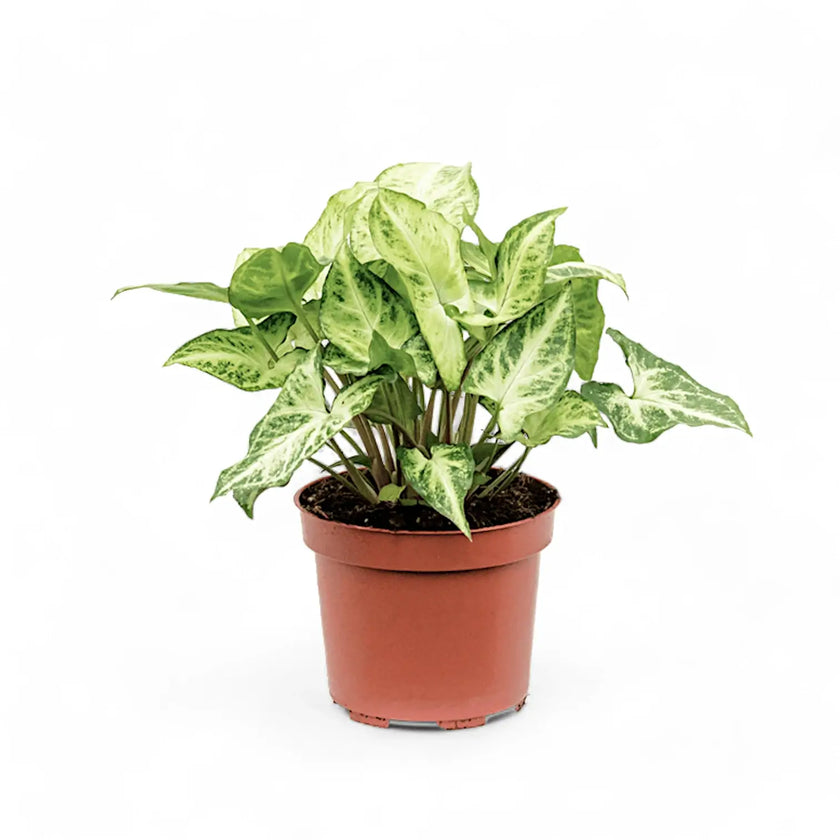
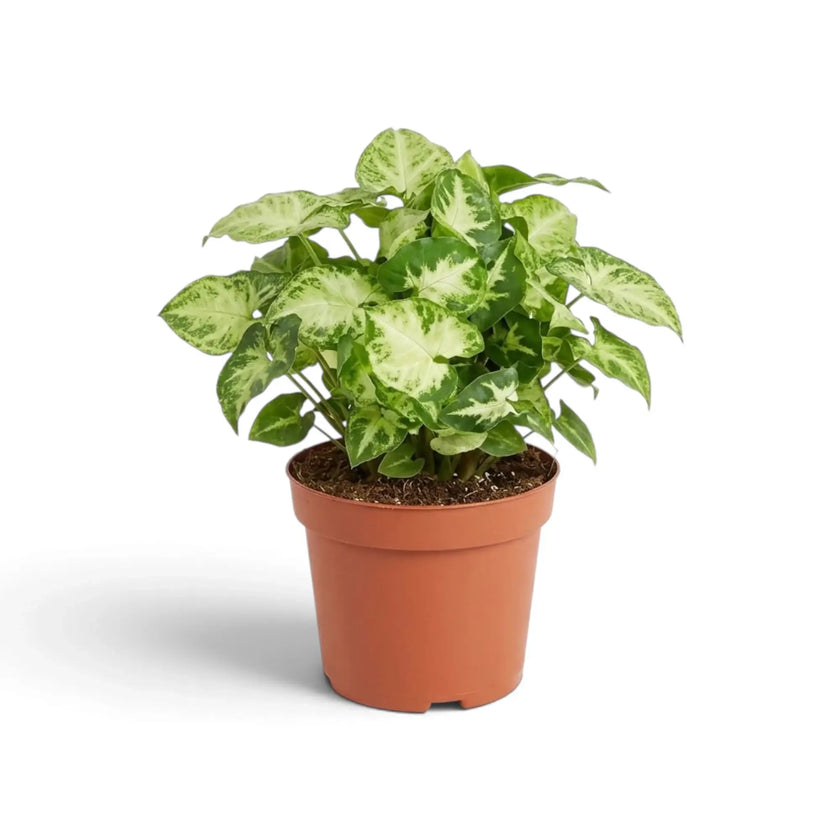
Syngonium podophyllum 'Arrow'
Sale price€9,14
Lowest price in the 30 days before this offer€10,75
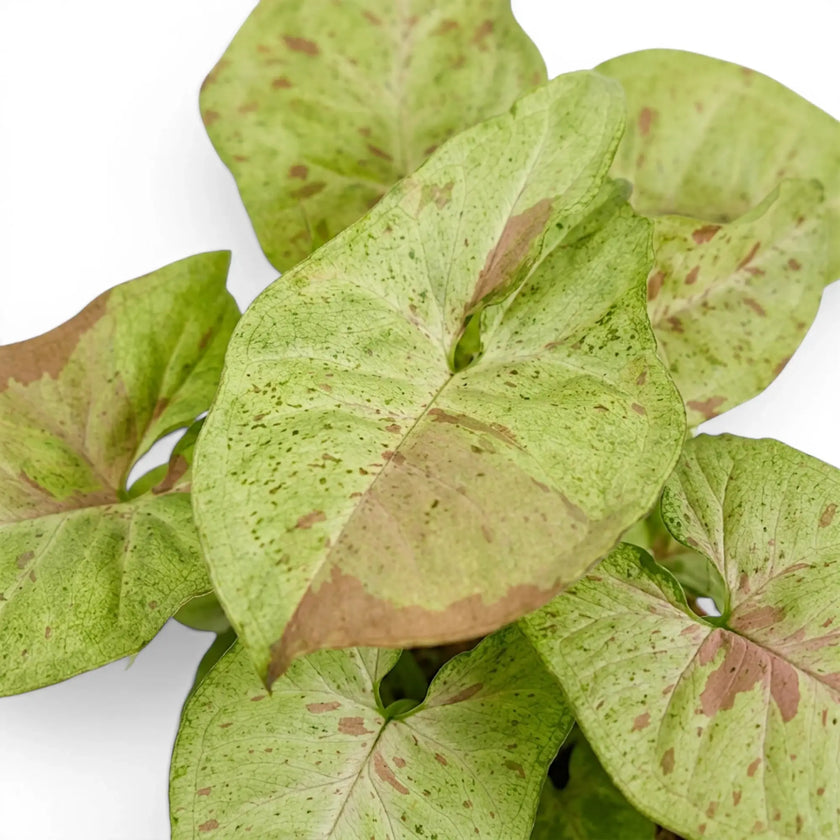
Syngonium podophyllum 'Confetti'
Sale price€9,14
Lowest price in the 30 days before this offer€10,75
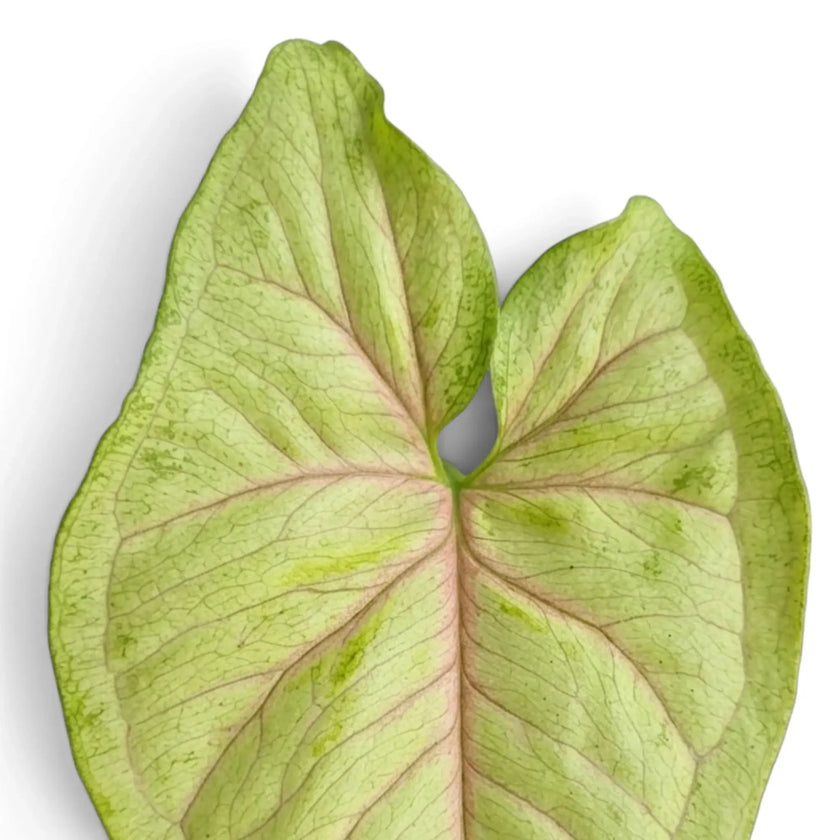
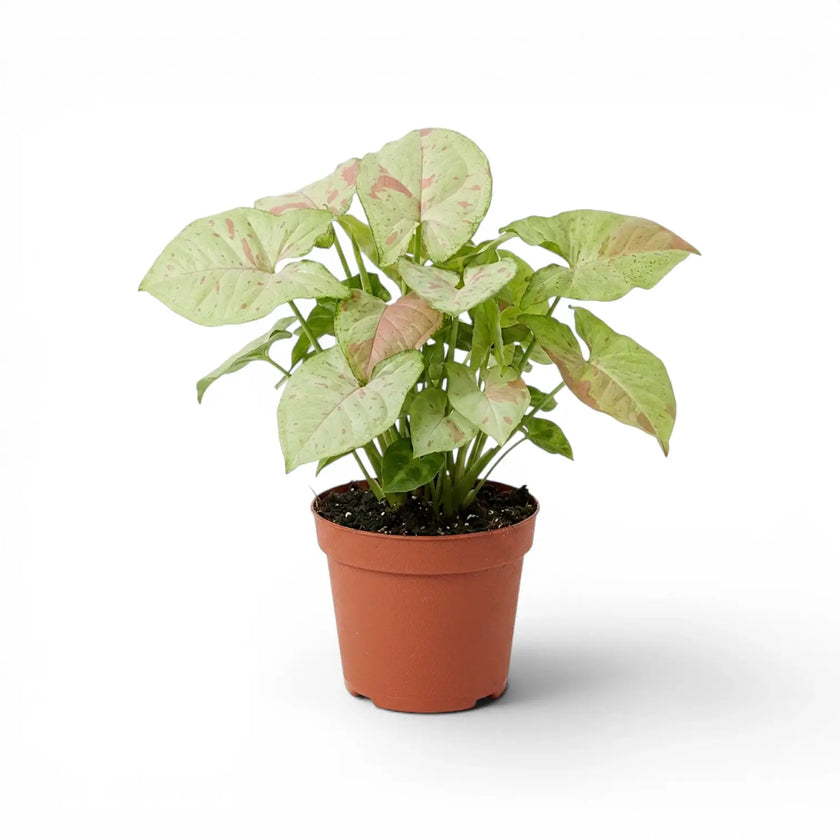
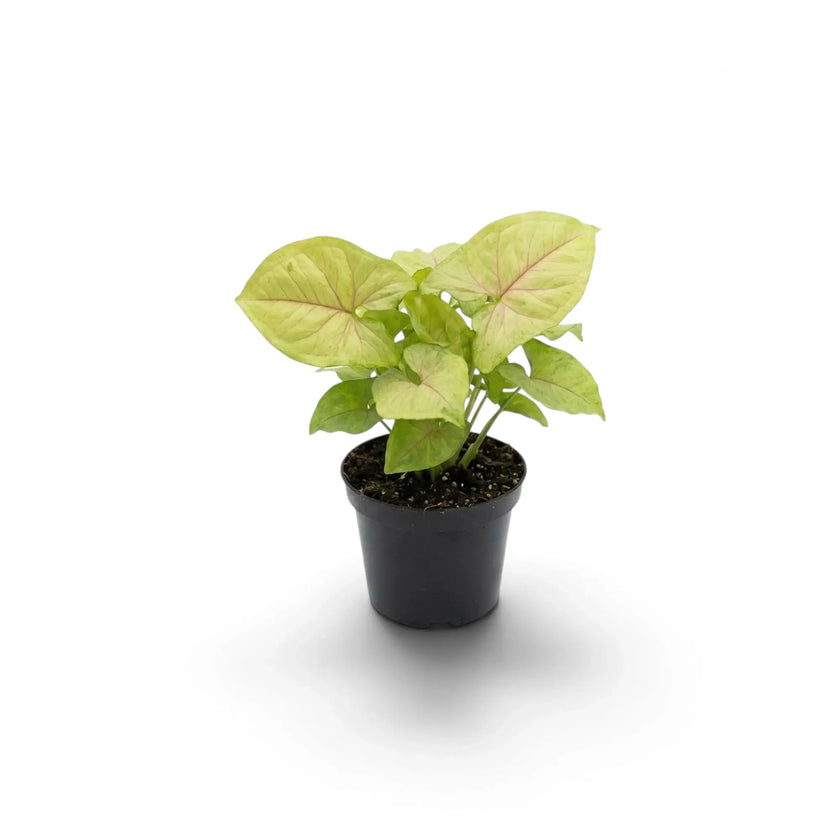
Syngonium podophyllum 'Mango allusion'
Sale price€8,29
Lowest price in the 30 days before this offer€9,75
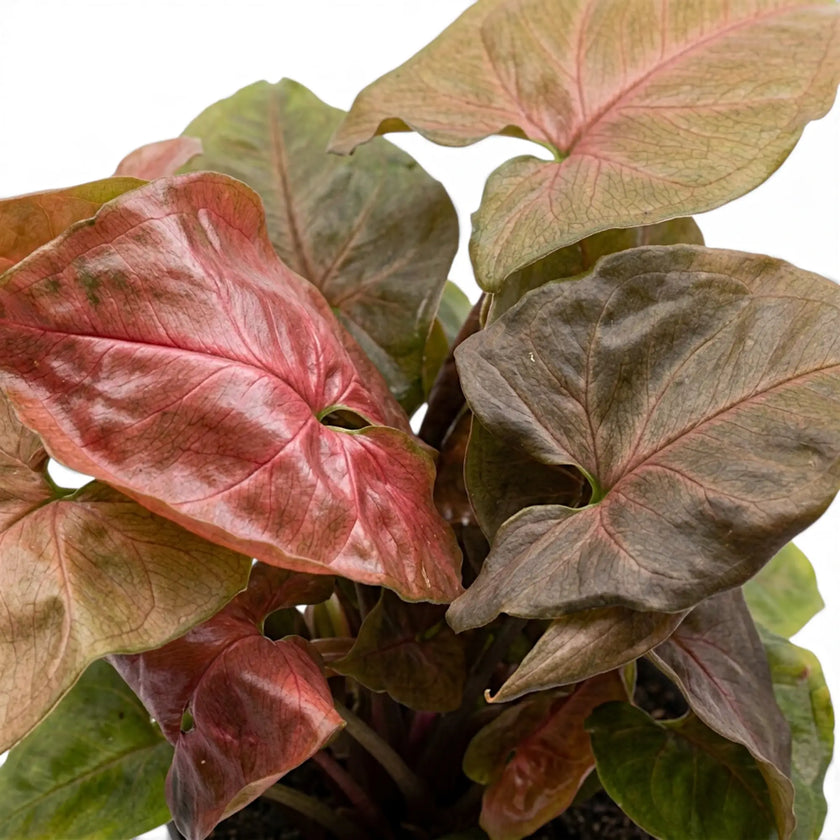
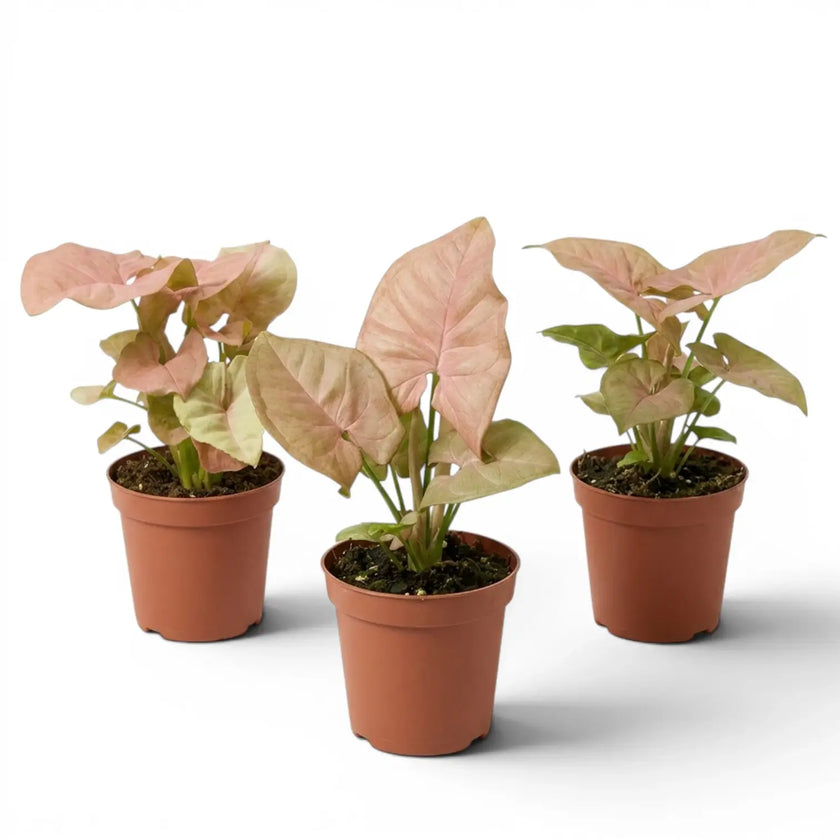
Syngonium podophyllum 'Maria Allusion'
Sale price€7,23
Lowest price in the 30 days before this offer€8,50
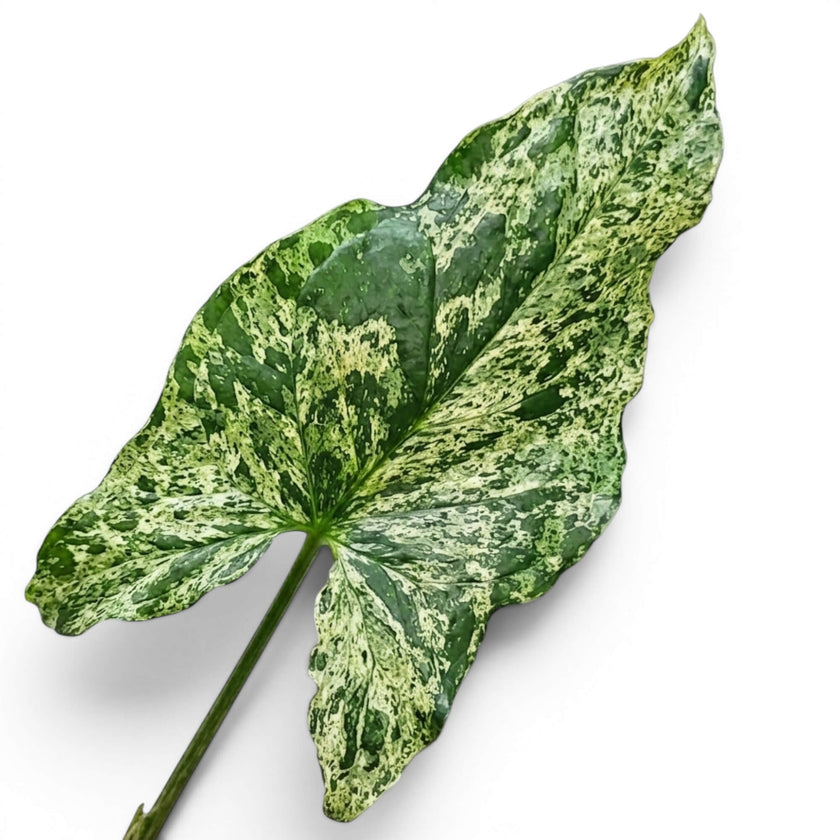
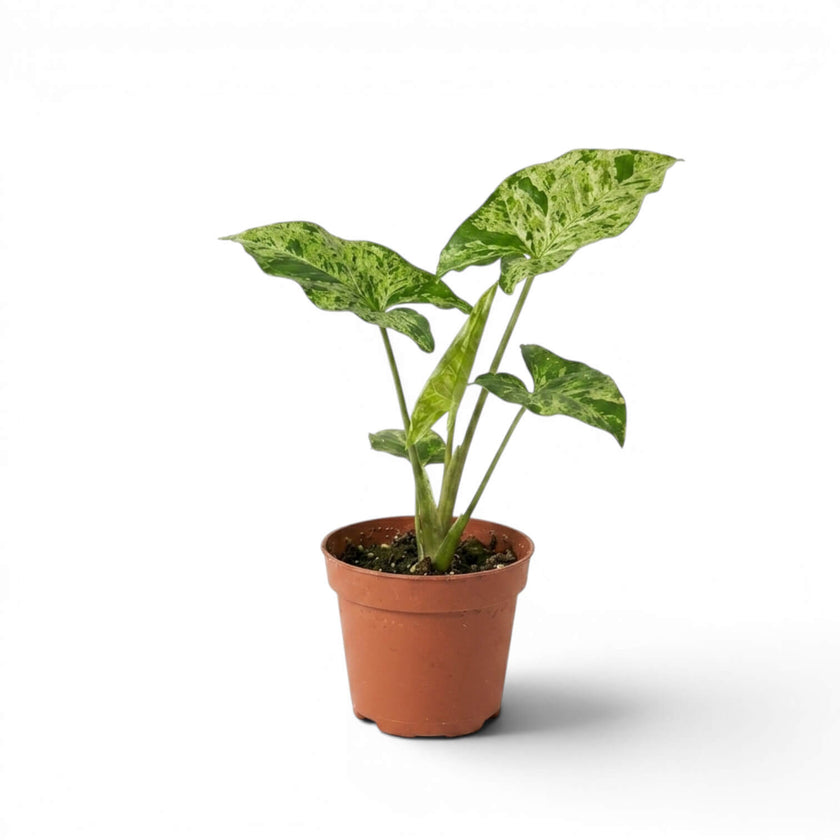
Syngonium podophyllum 'Mottled'
Sale priceFrom €8,60 (XS)
Lowest price in the 30 days before this offer€10,75
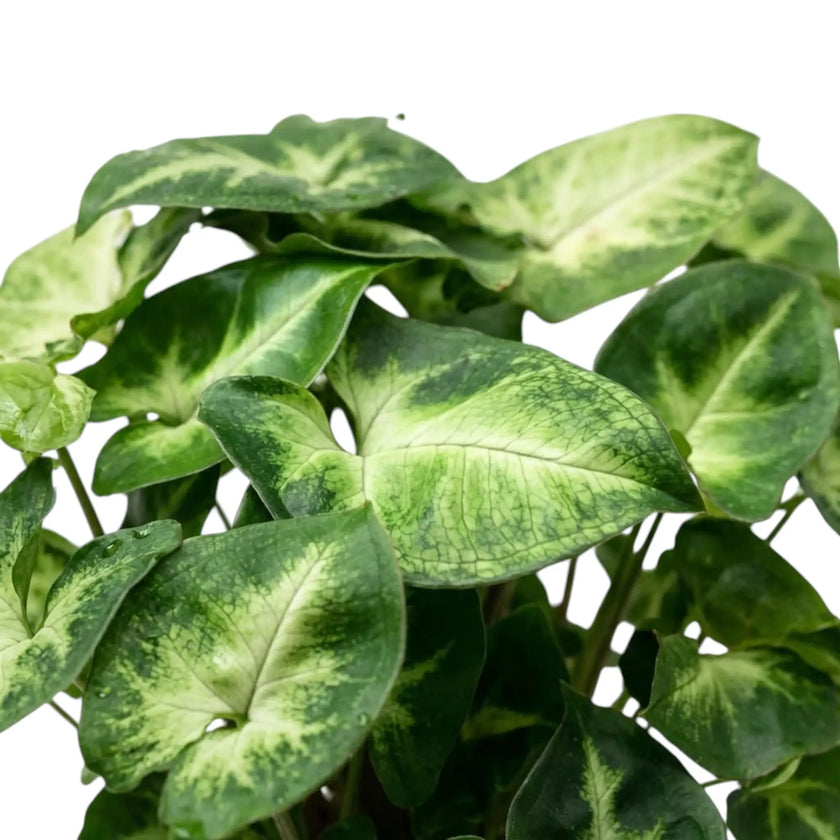
Syngonium podophyllum 'Pixie' aka 'Nana'
Sale priceFrom €7,23 (XS)
Lowest price in the 30 days before this offer€8,50
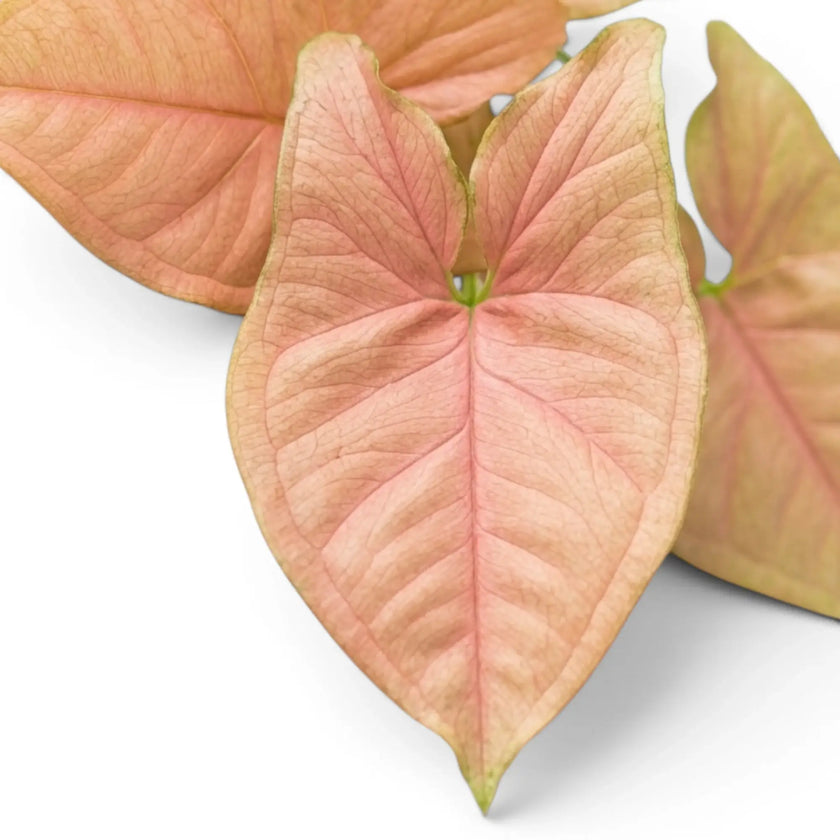
Syngonium podophyllum ‘Neon'
Sale price€7,23 (XS)
Lowest price in the 30 days before this offer€8,50
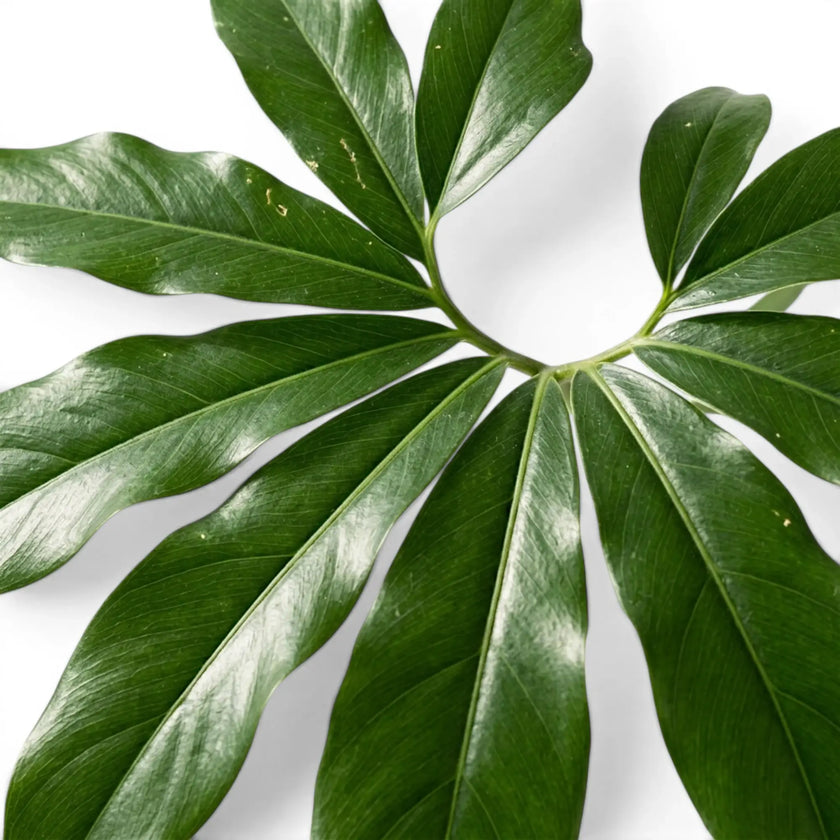
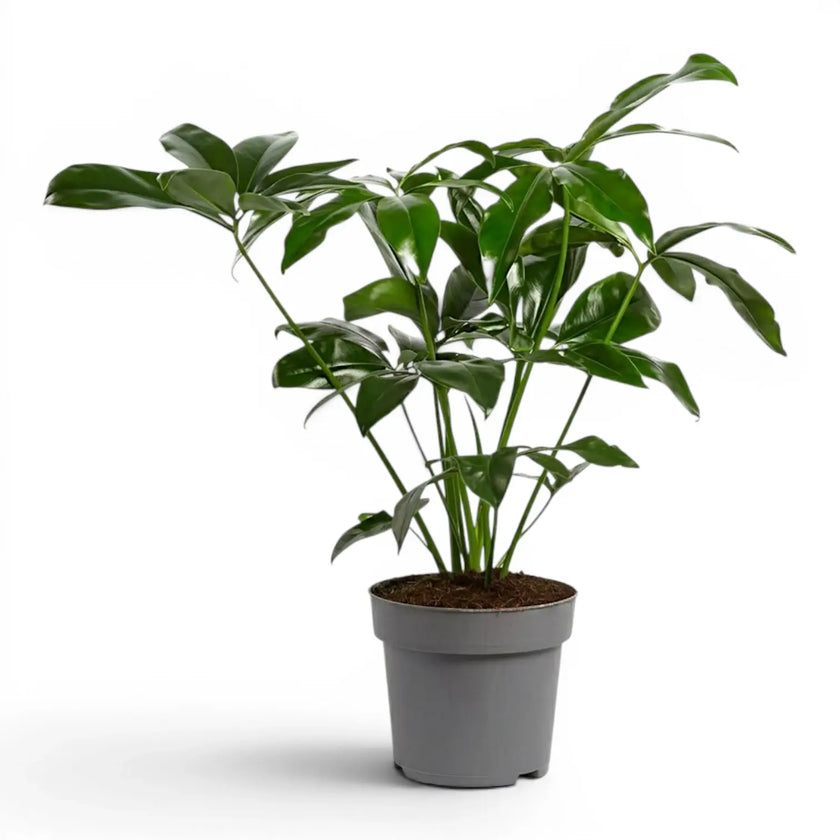
Thaumatophyllum spruceanum 'Green Wonder' ('Fun Bun')
Sale price€63,20
Lowest price in the 30 days before this offer€79,00
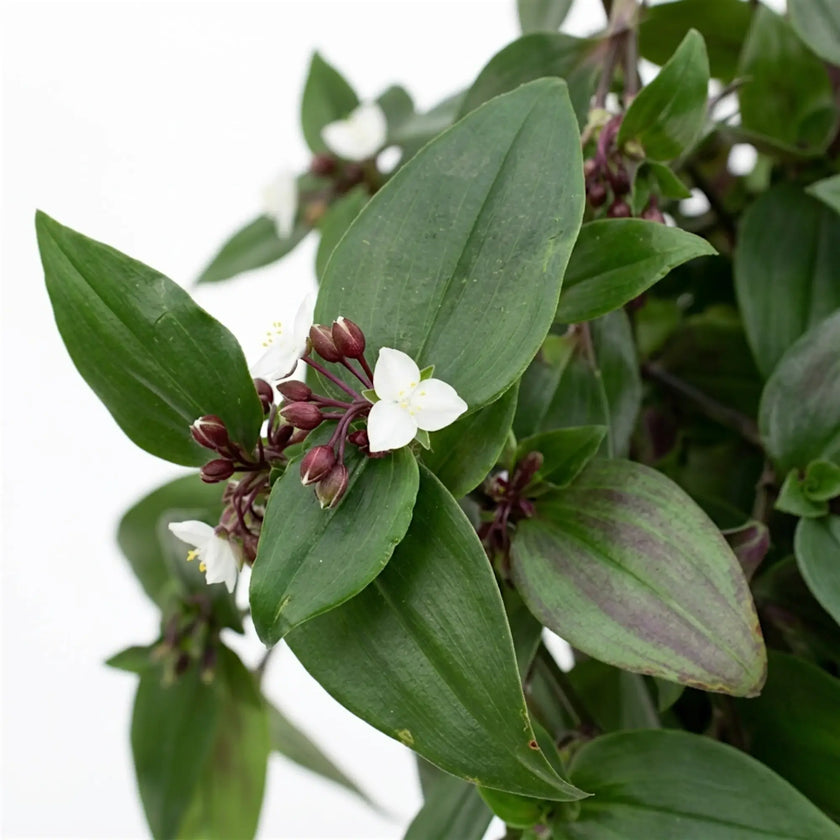
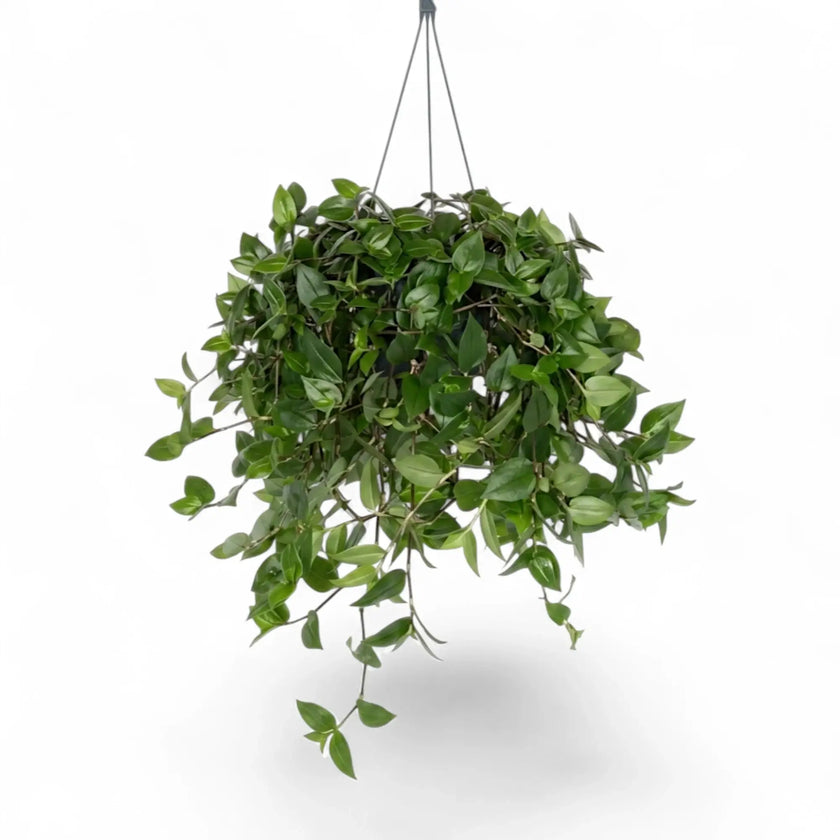
Tradescantia mundula ‘Green Hill’
Sale price€26,00
Lowest price in the 30 days before this offer€32,50
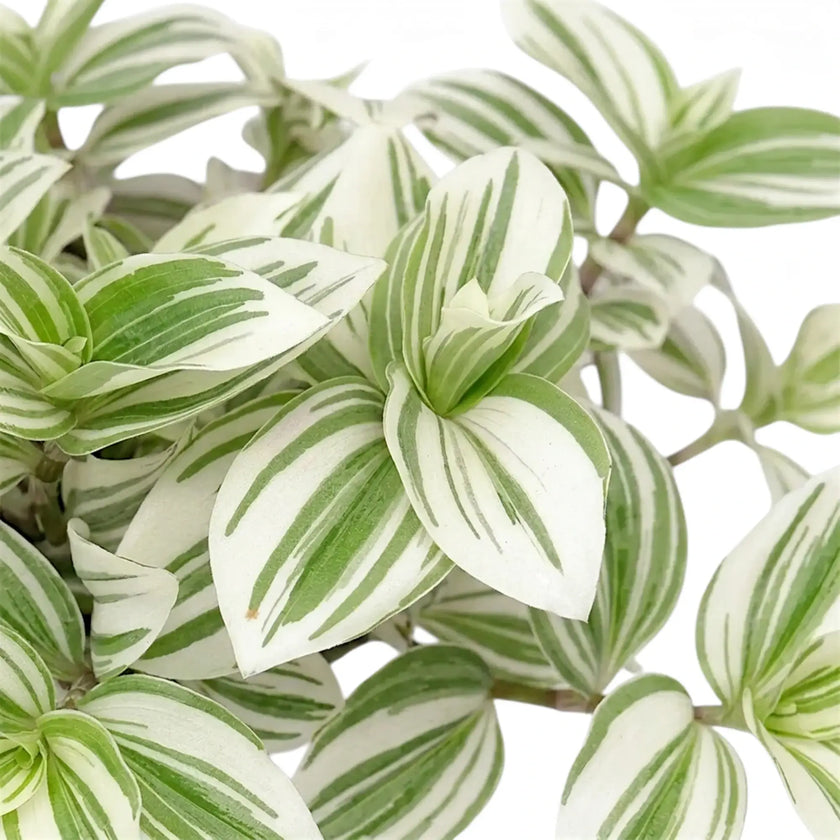
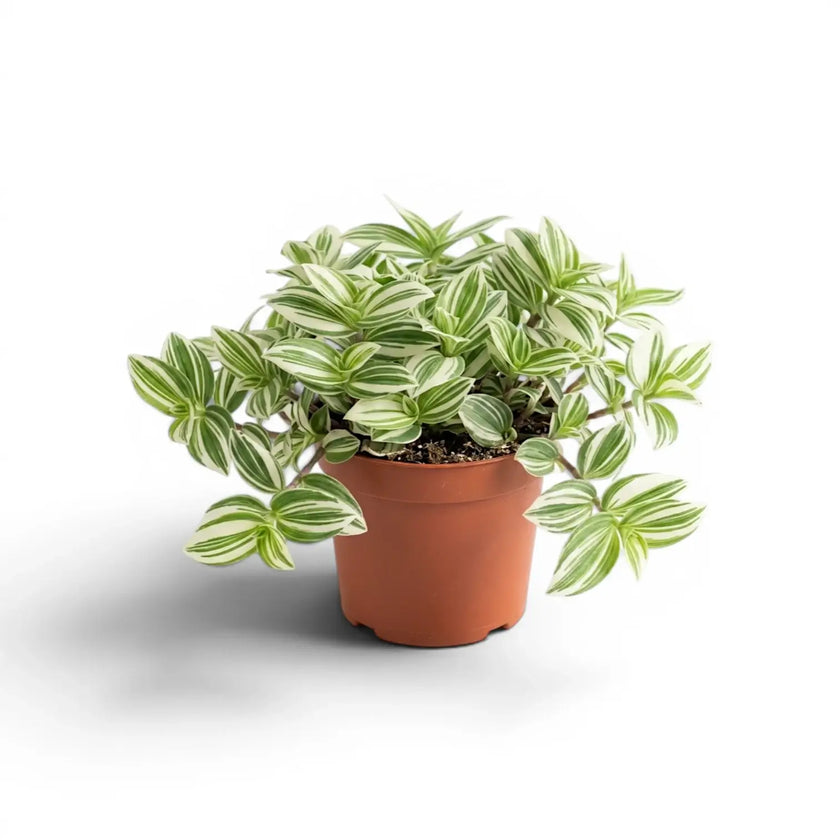
Tradescantia zebrina 'Brightness'
Sale price€11,27
Lowest price in the 30 days before this offer€13,25
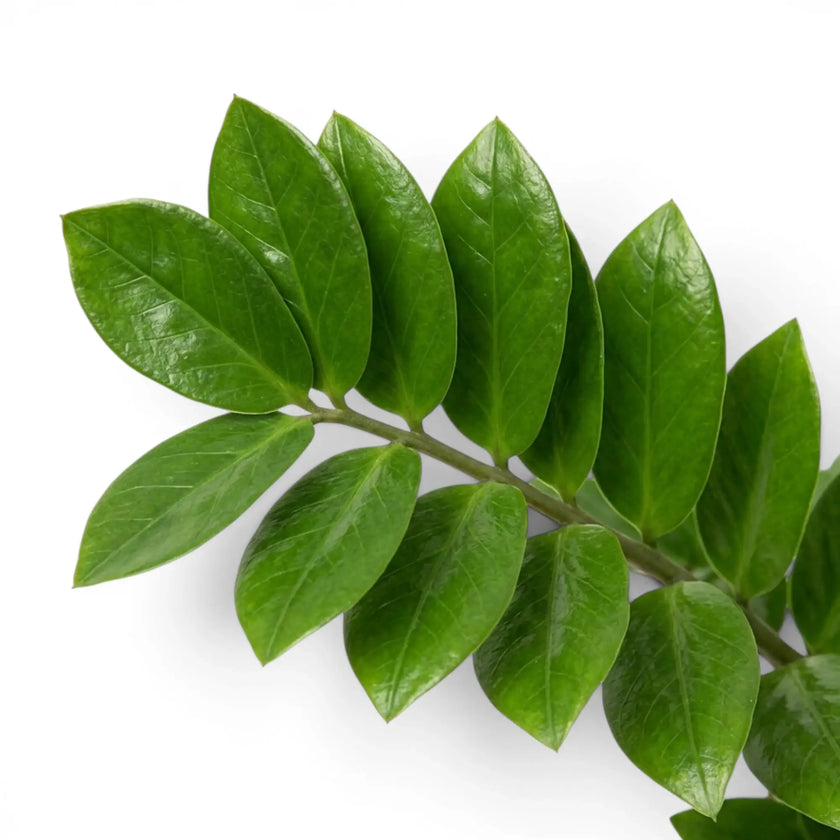
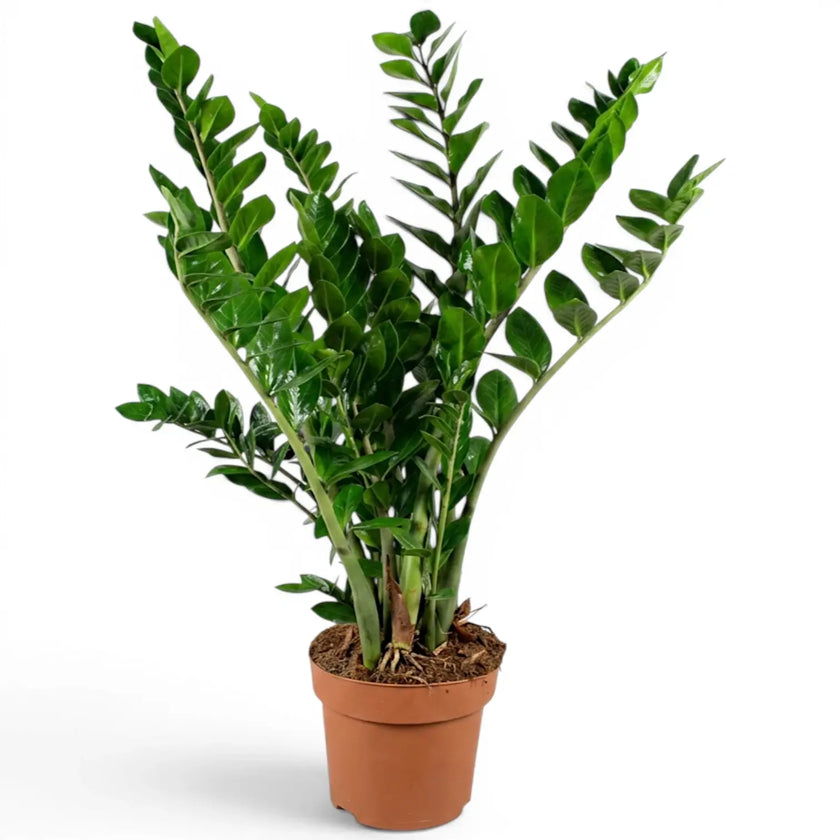
Zamioculcas zamiifolia
Sale priceFrom €8,60 (XS)
Lowest price in the 30 days before this offer€10,75

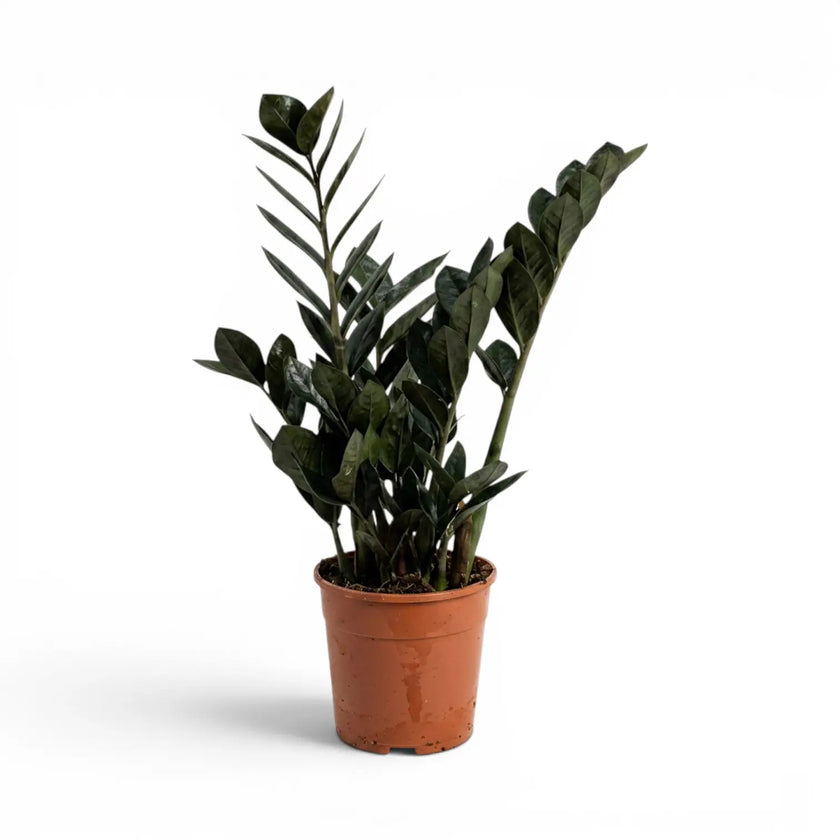
Zamioculcas zamiifolia 'Raven'
Sale price€19,30
Lowest price in the 30 days before this offer€19,50