Hoya (Wax Plants)
Hoya vines carry fleshy, patterned or narrow leaves on hanging and twining stems. Established plants can produce clusters of star-shaped flowers, sometimes with a noticeable fragrance.

Substrate help
Build a lean, fast-draining Hoya mix
About Our Filters
Start with the light and space you can offer, then narrow by the plant’s shape or appearance. Check the individual product page for care and size details.
No filter options are available for this collection right now. Open a product to check its details.
Sort by:
Filters
Apocynaceae
Hoya (Wax Plants)
- Light: Bright filtered daylight encourages healthy leaves and flowering.
- Flowering: Short flower stalks can bloom again in later seasons.
- Watering: Use an open mix and allow partial drying; needs vary with leaf thickness.
- Pet safety: Common cultivated Hoyas are generally listed as non-toxic; check individual species.
Many Hoyas grow on tree trunks and branches in tropical Asian and western Pacific forests. Their stems travel over bark, and roots formed along the vines help them attach to the tree. Rain can reach those roots freely, then drain away.
Hoya flowers appear in rounded clusters of small, wax-like blooms. Their colours and fragrance differ among species.
Hoya plants
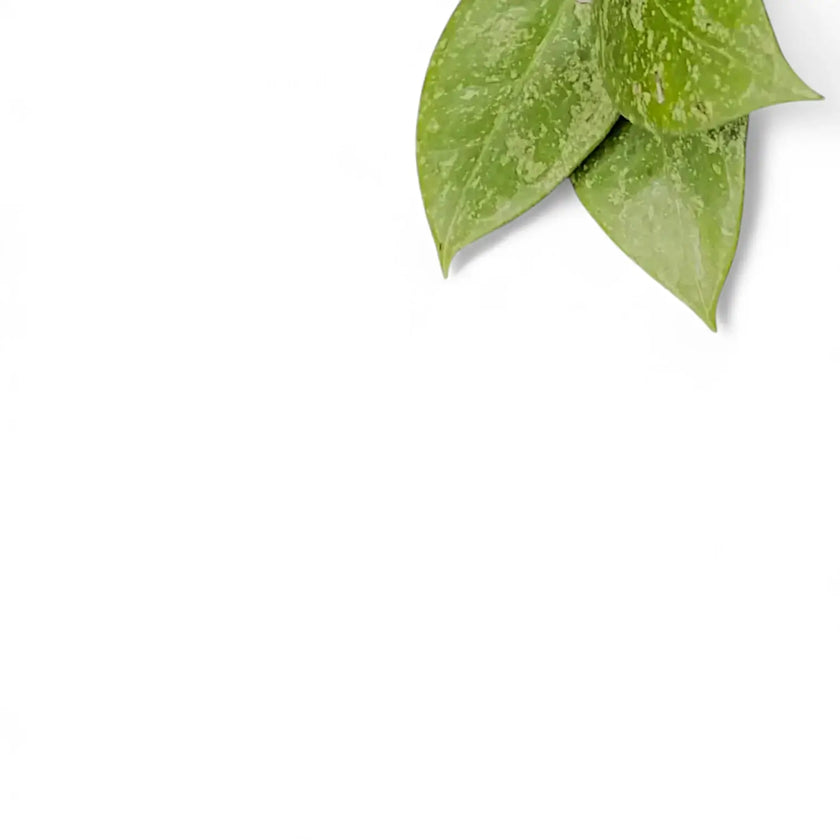
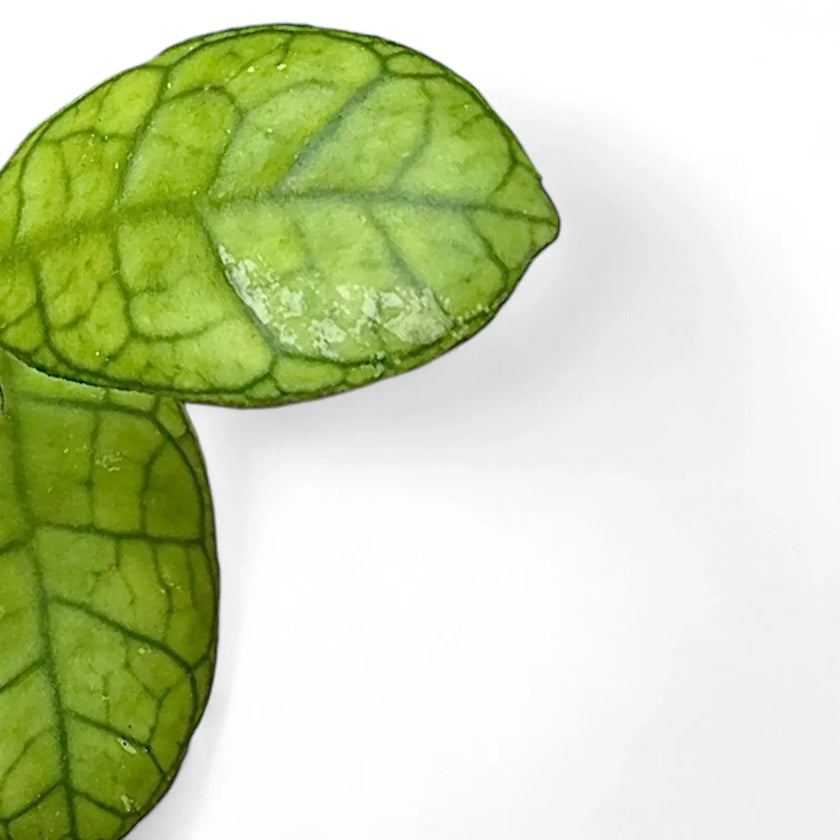
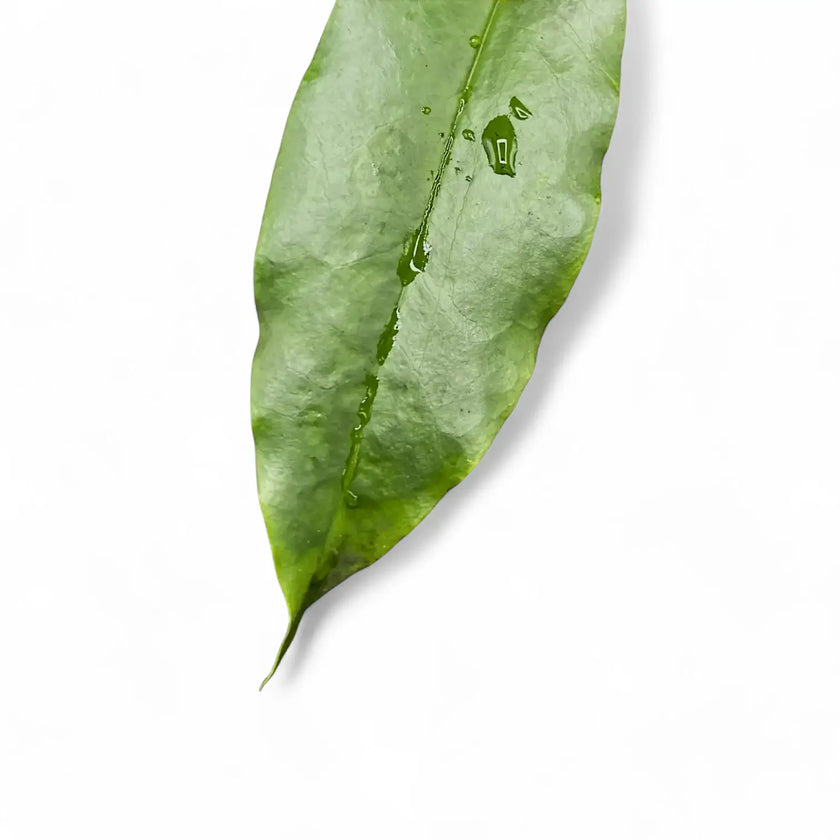
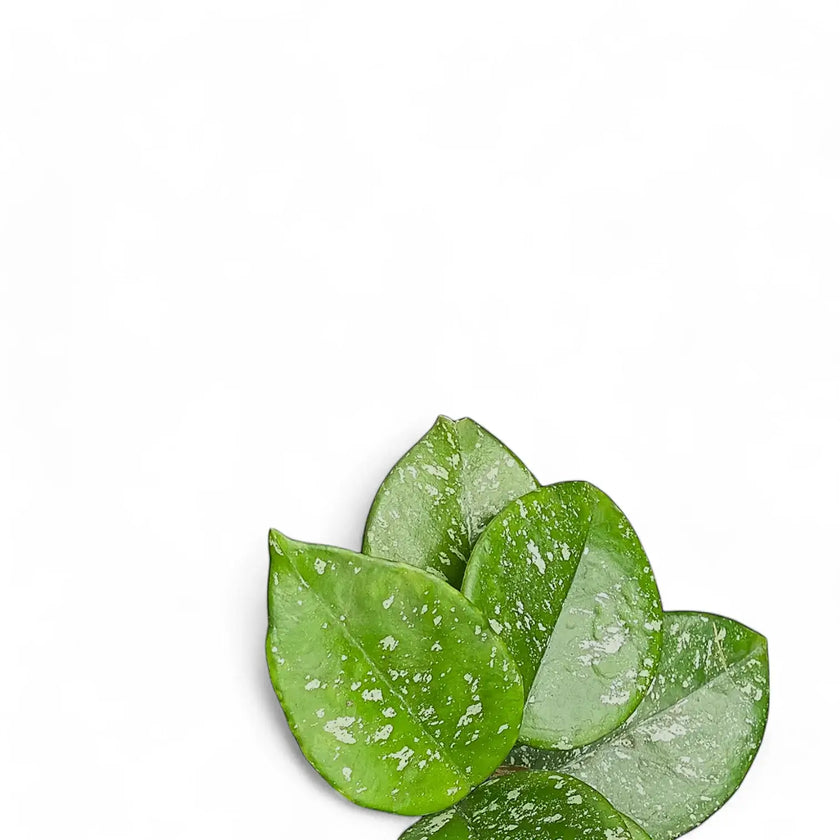
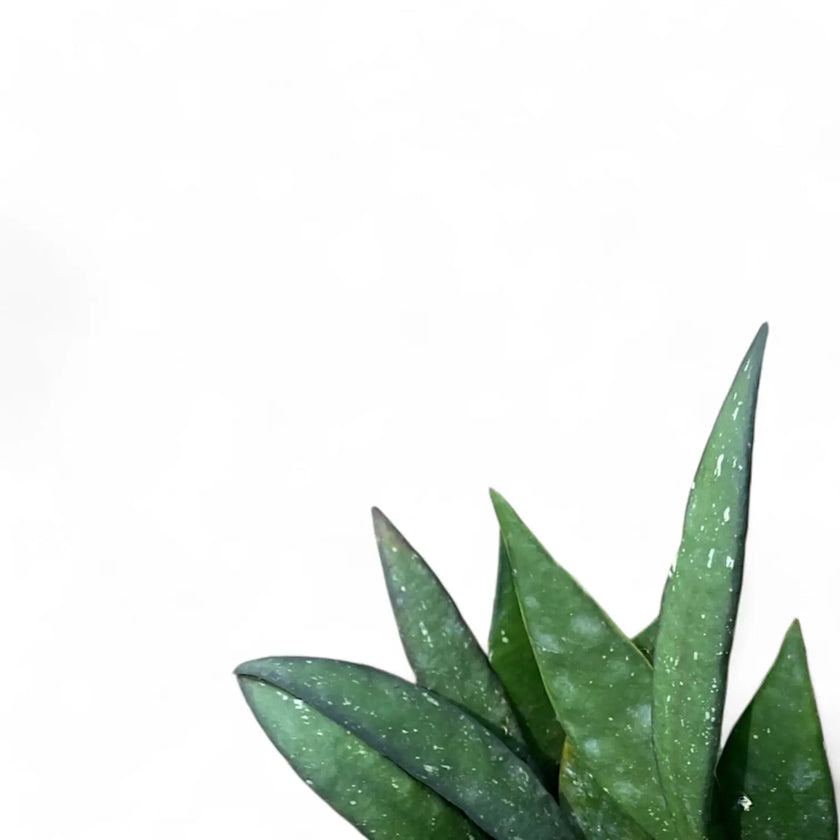
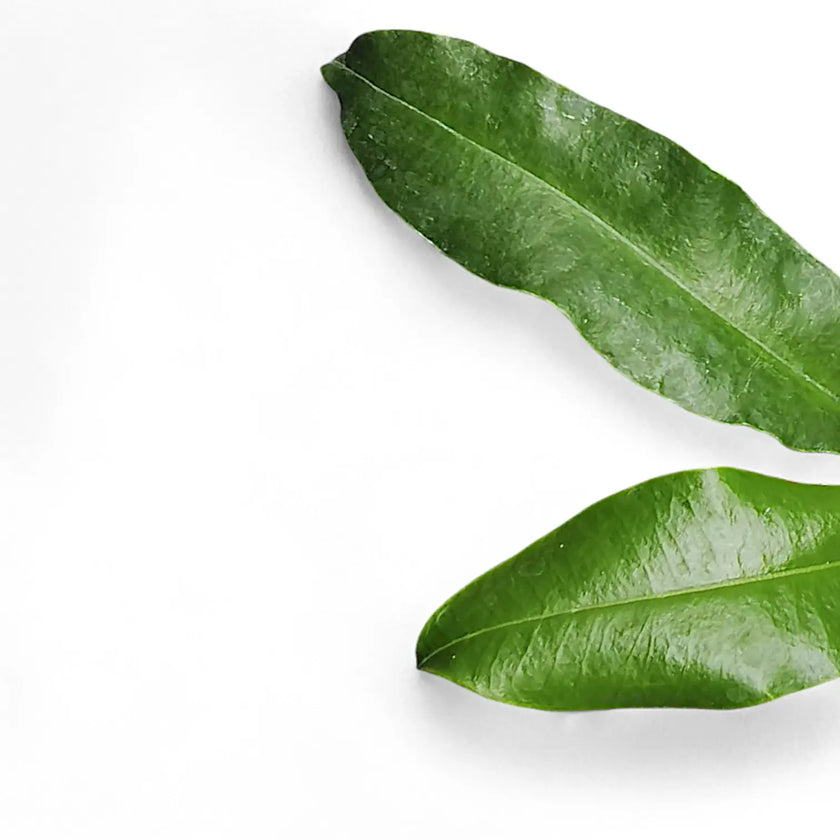
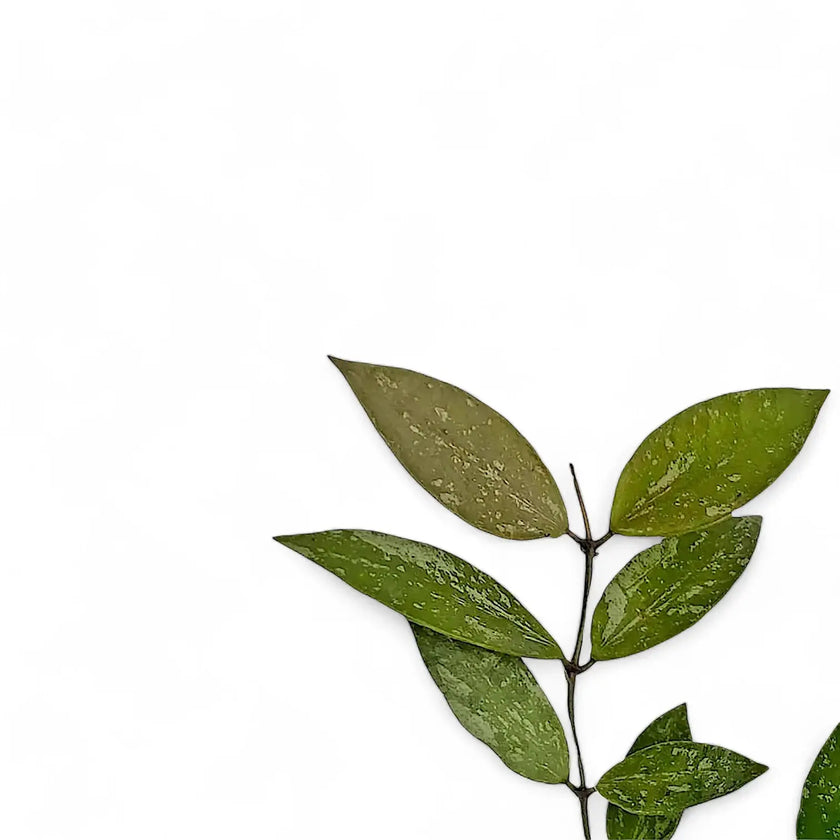
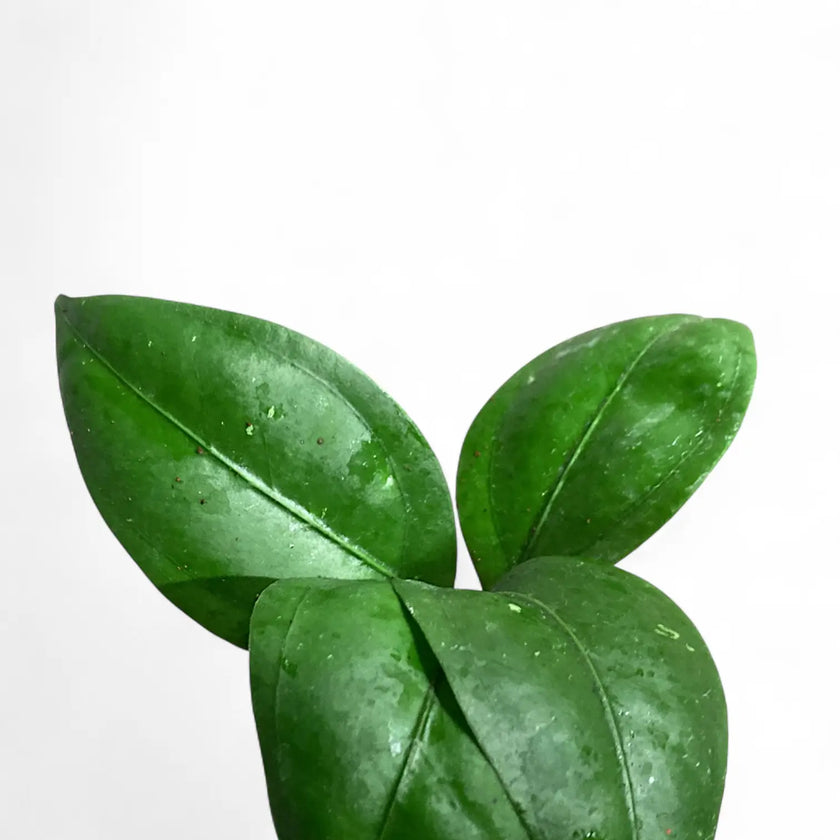
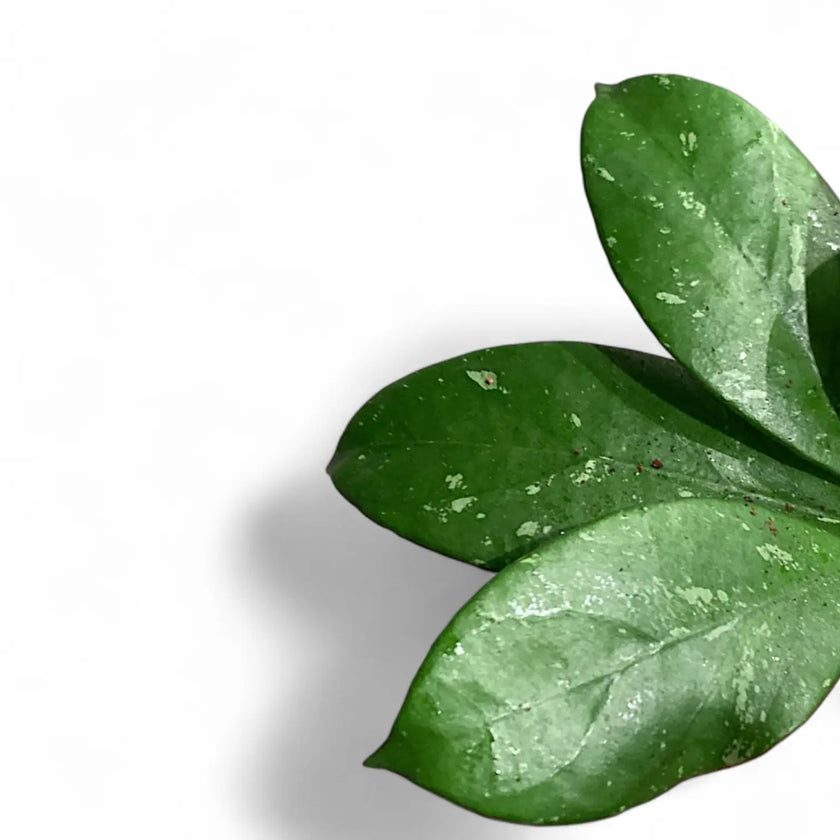
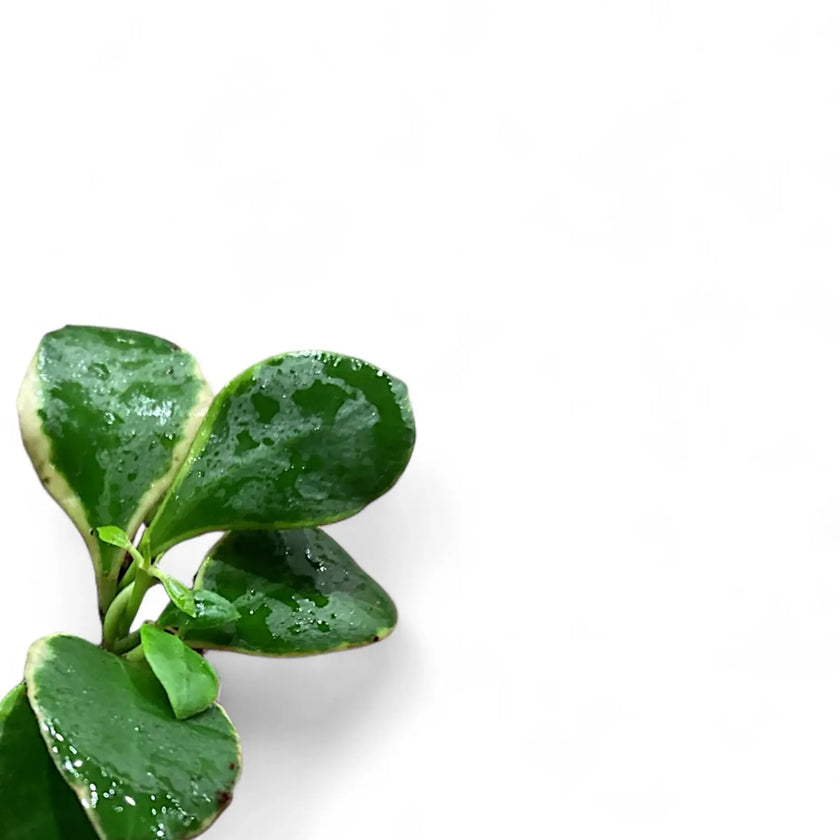
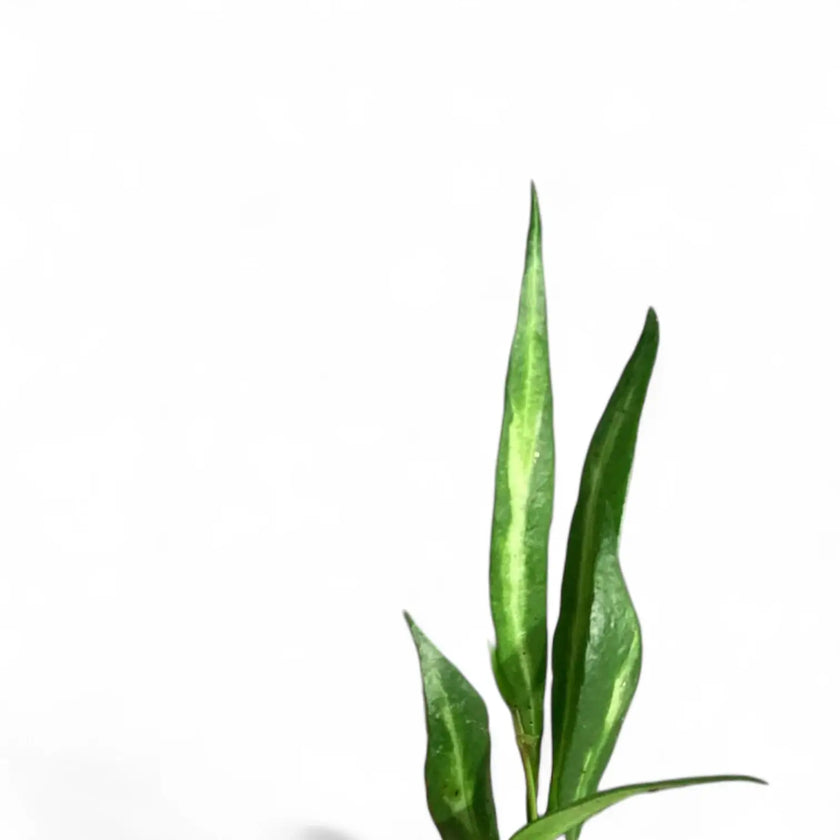
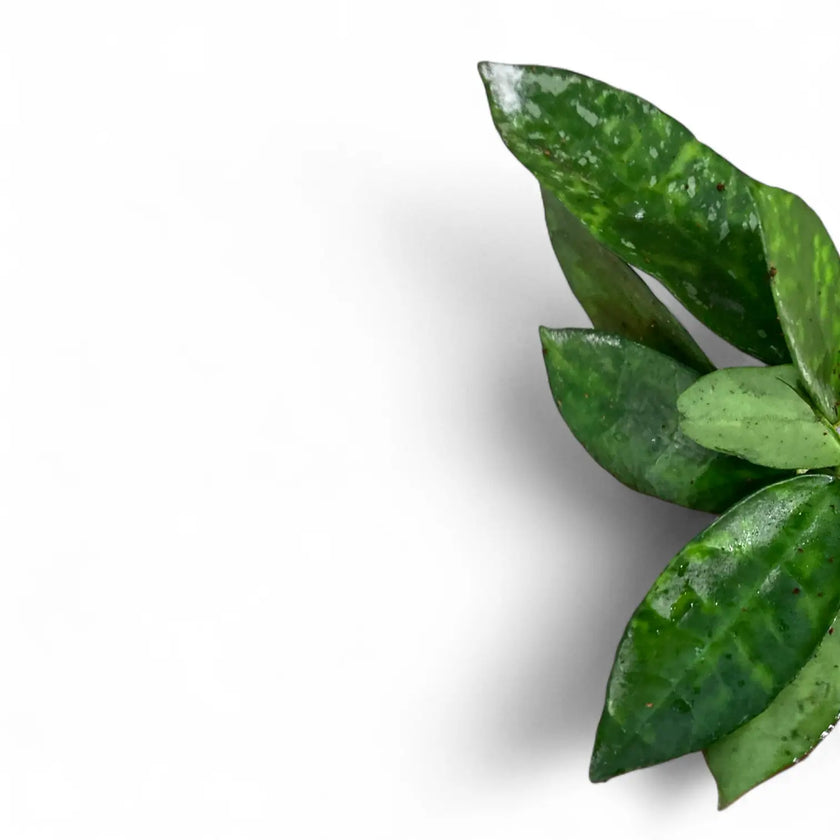
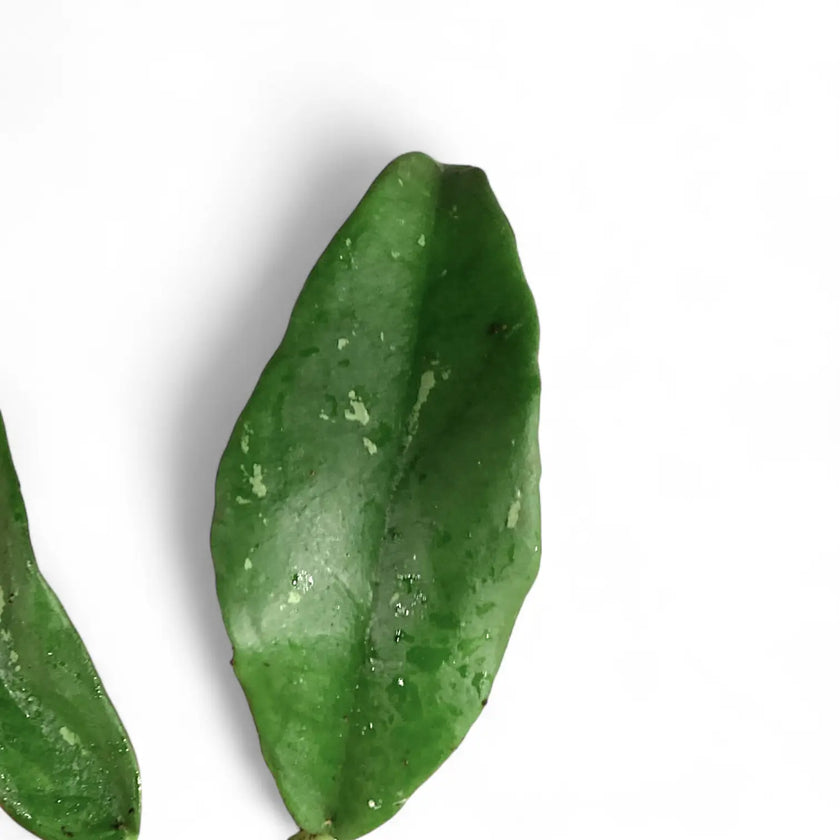
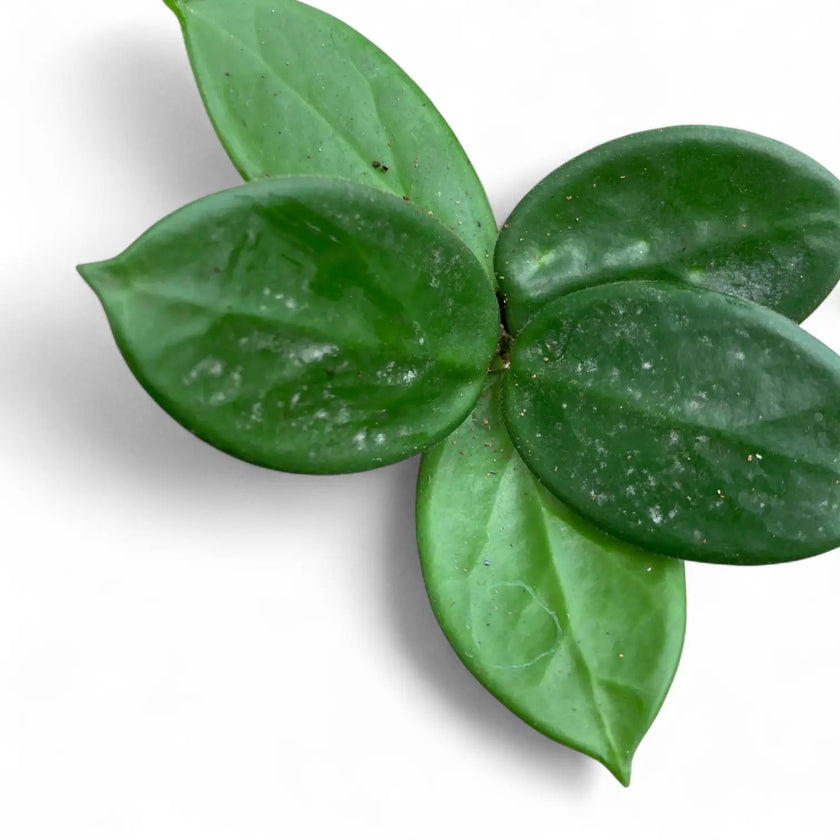
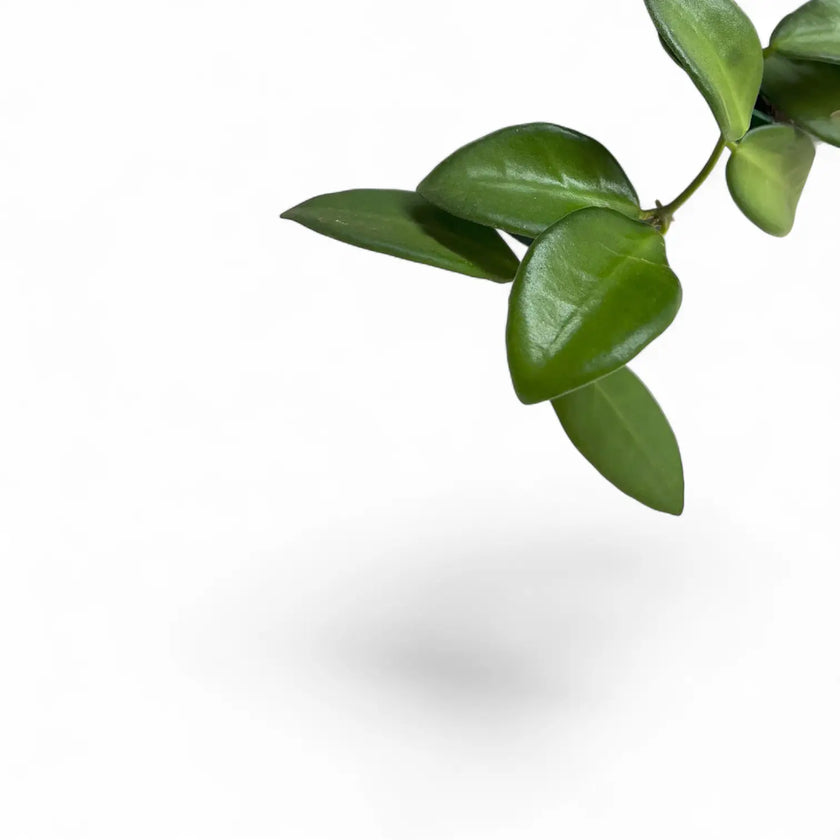
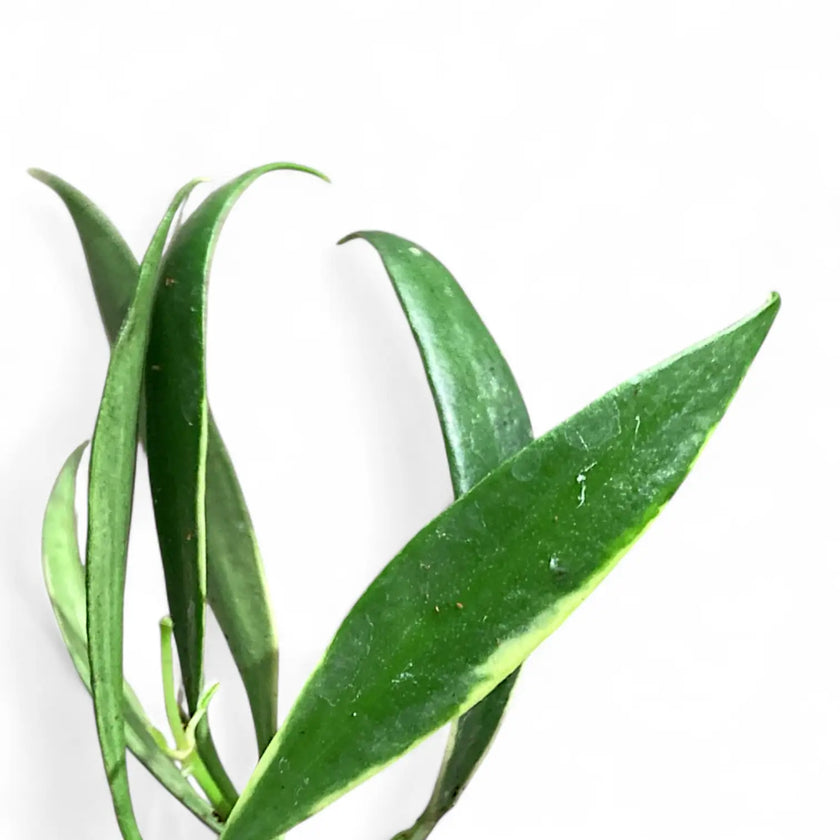
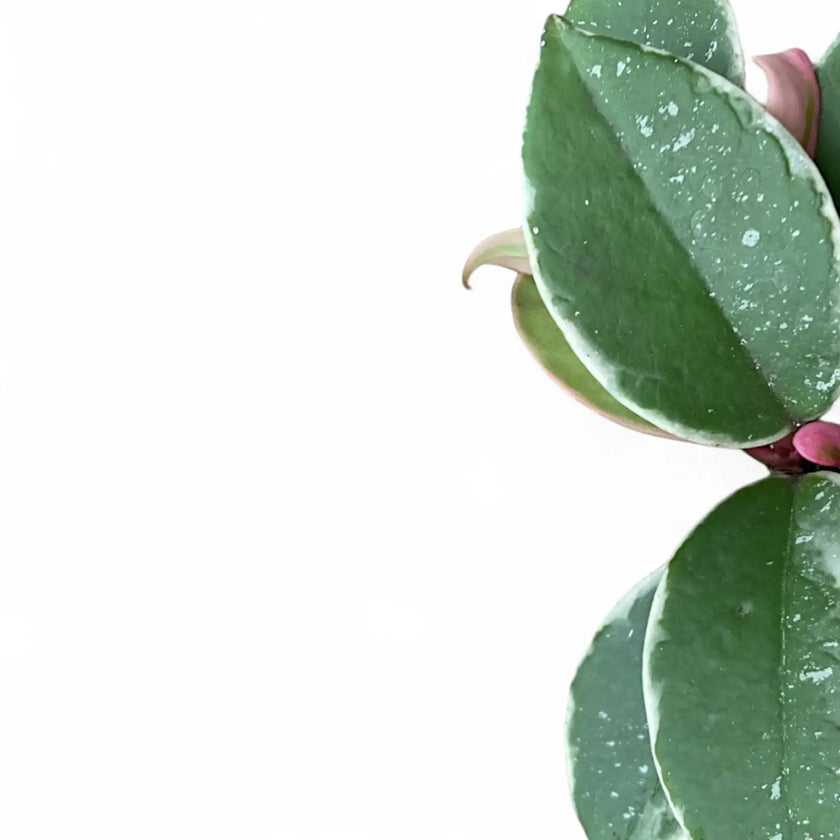
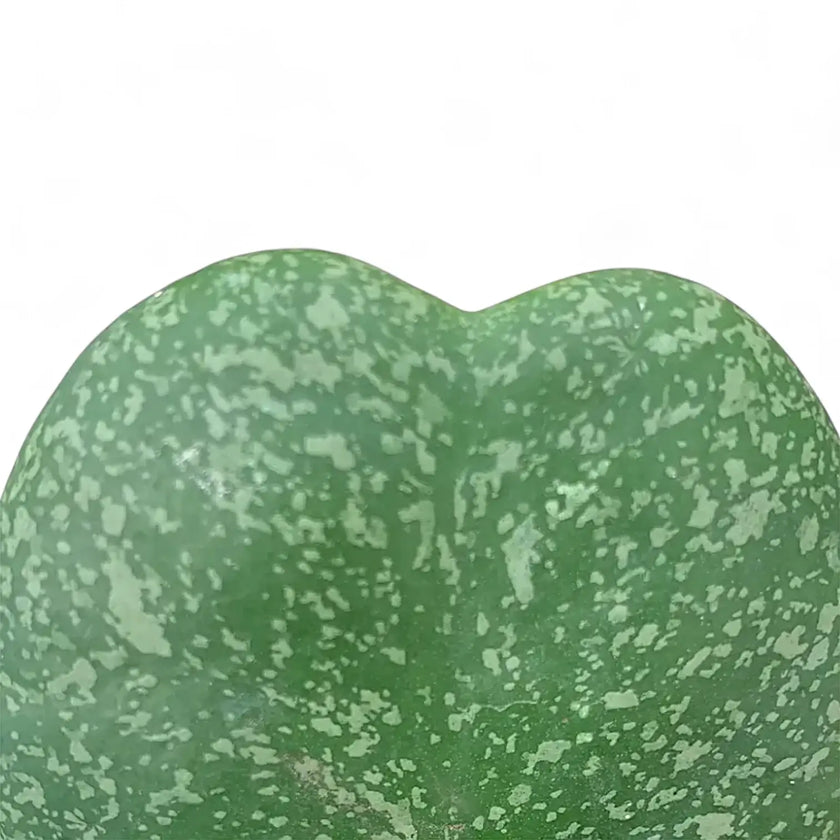
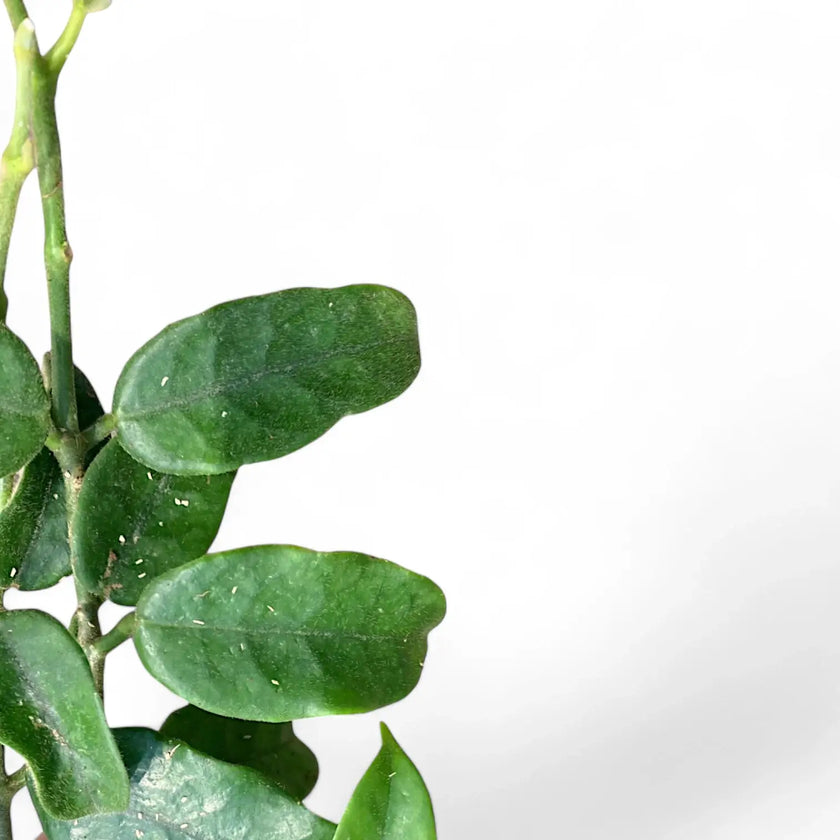
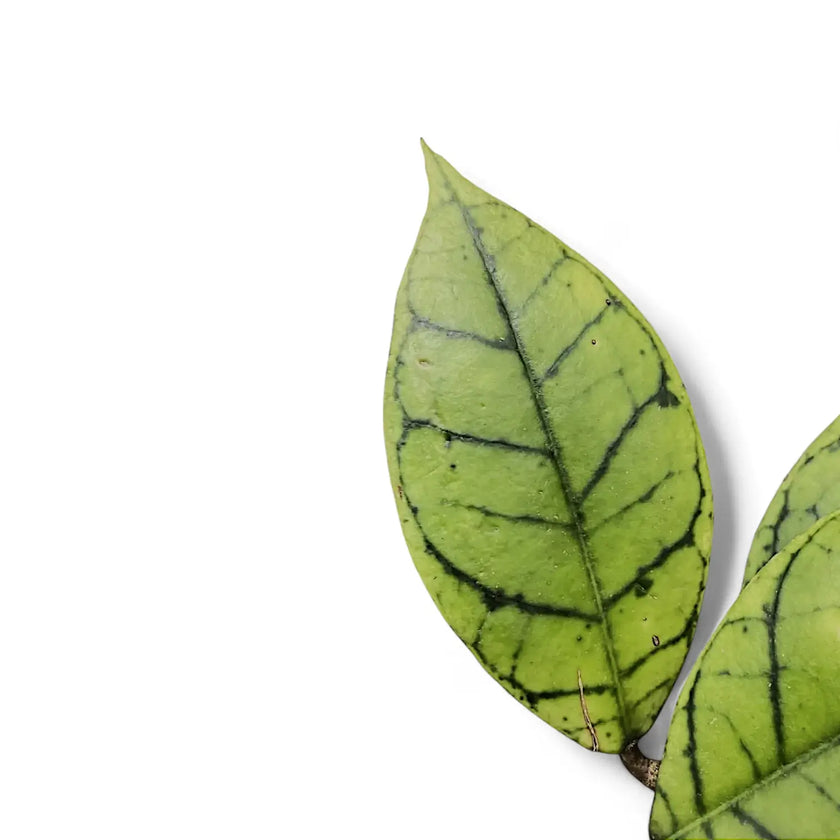
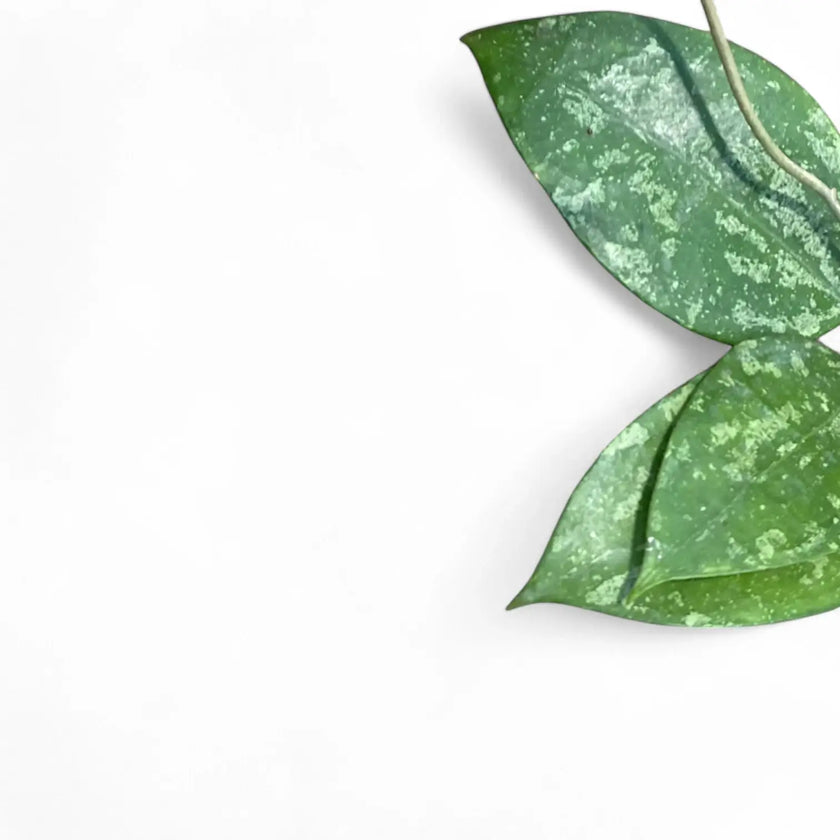
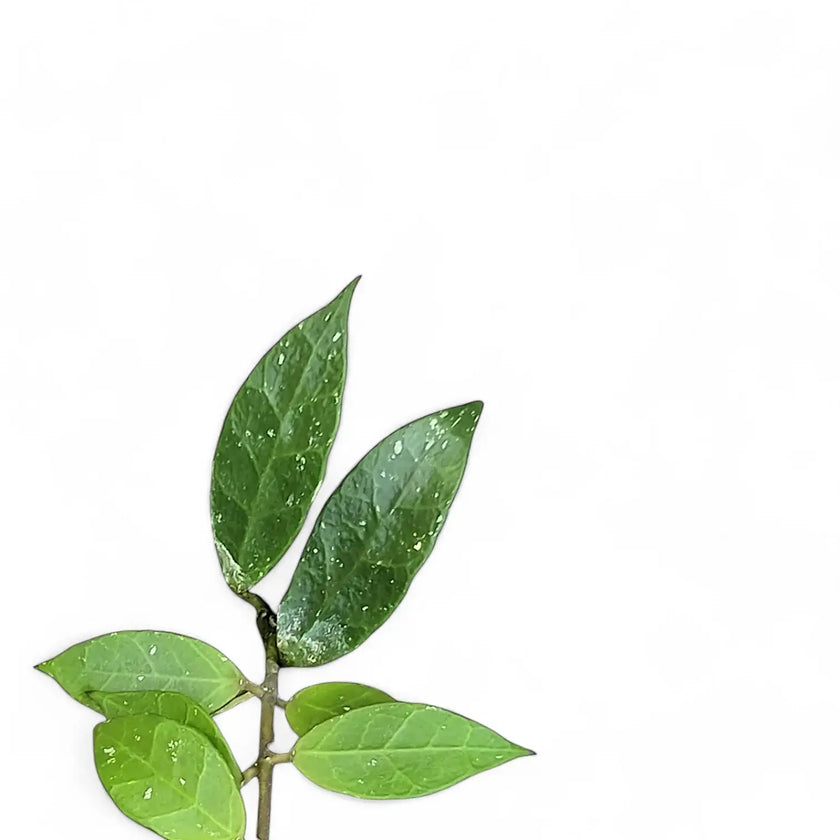
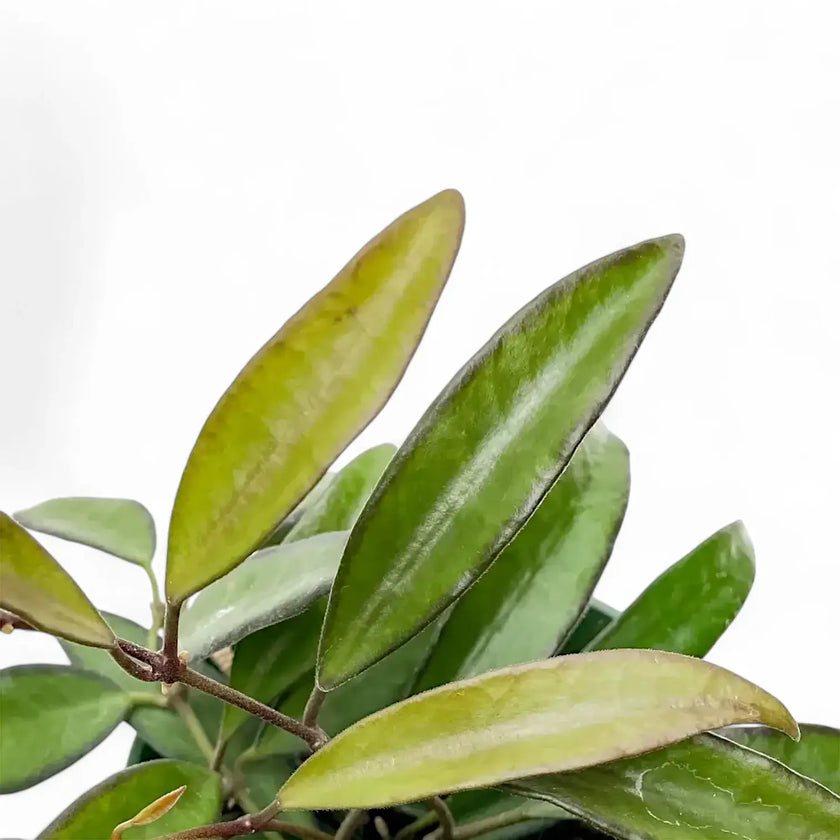
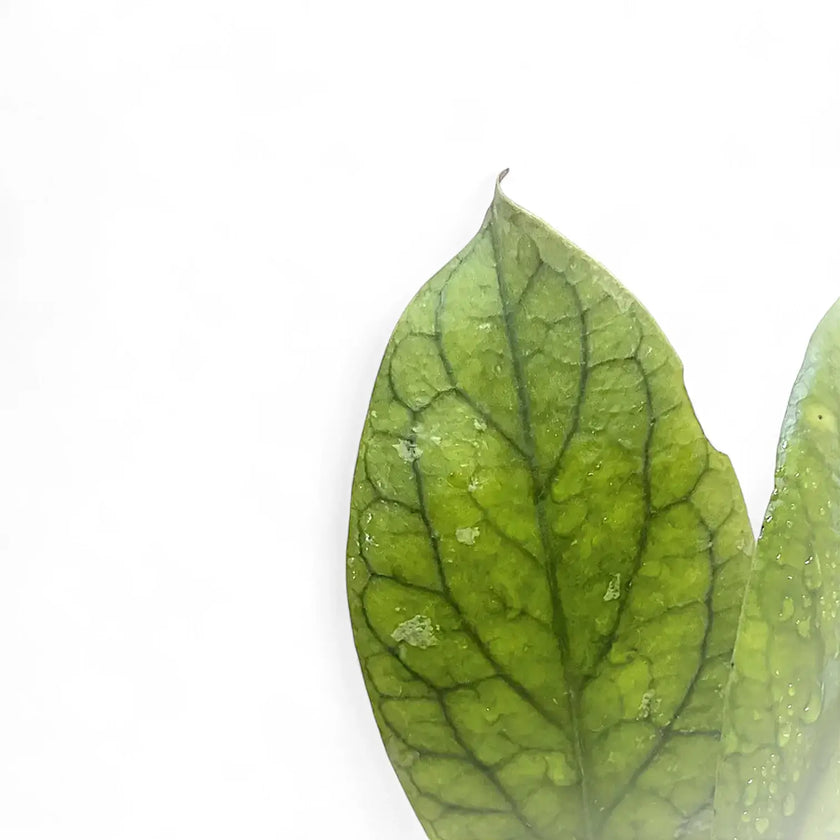
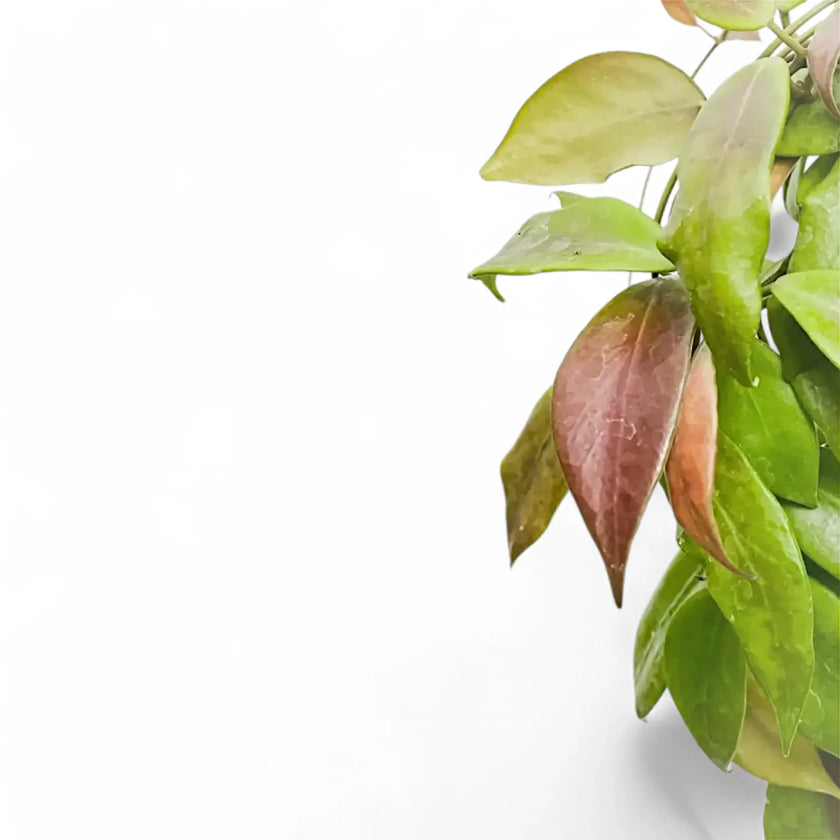
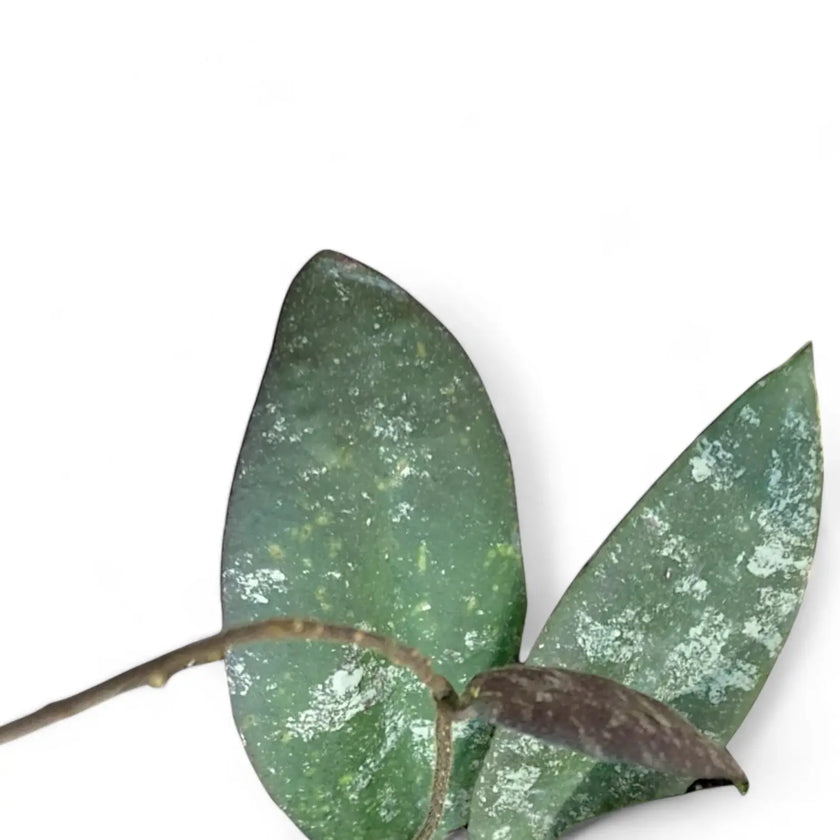
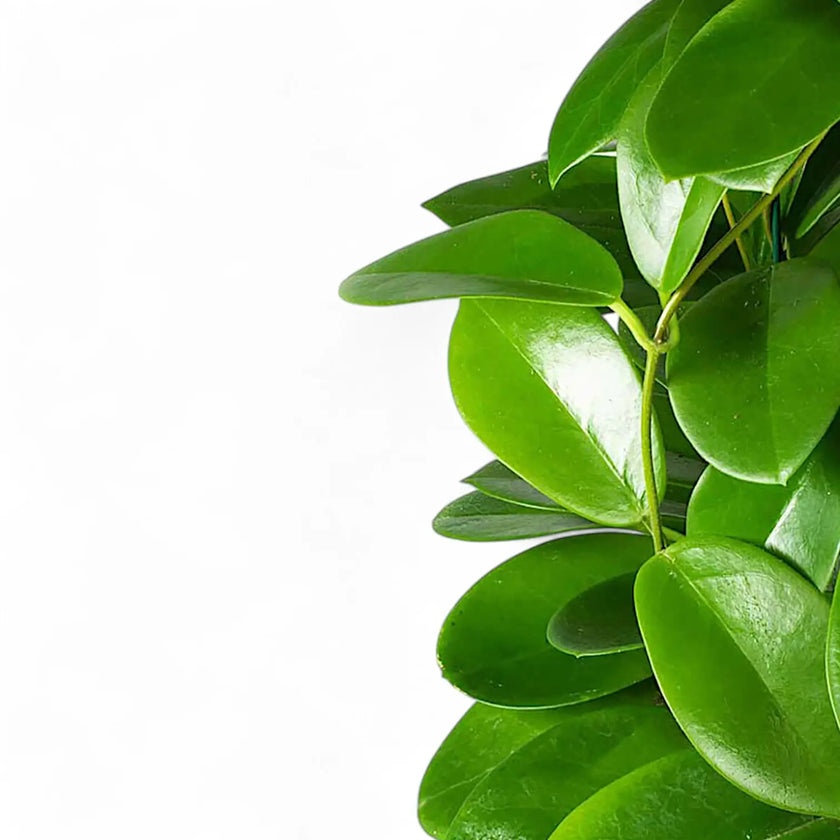
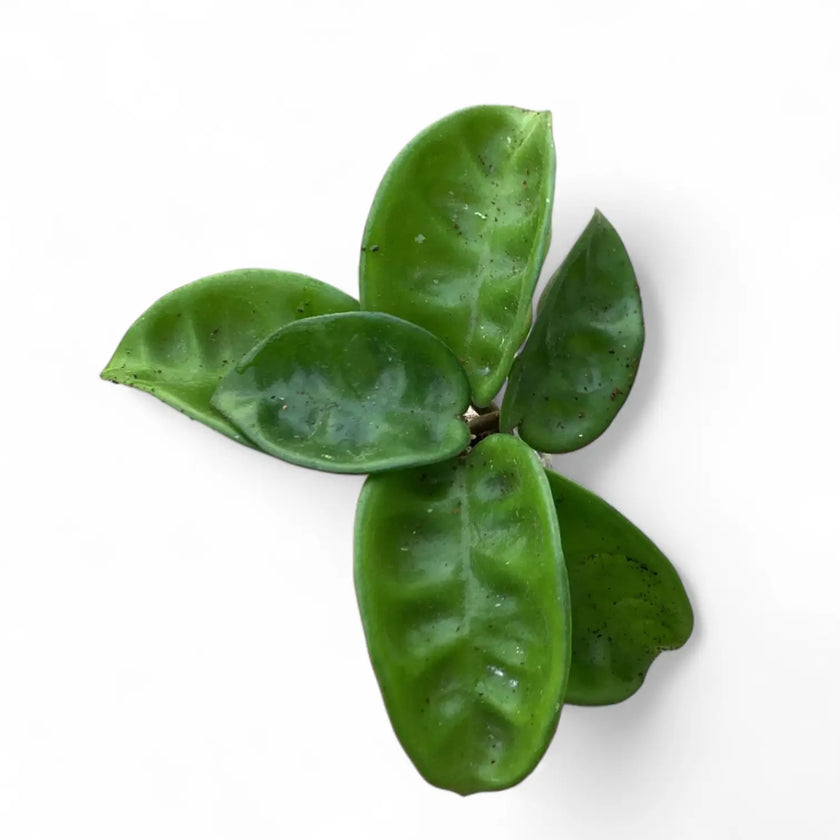
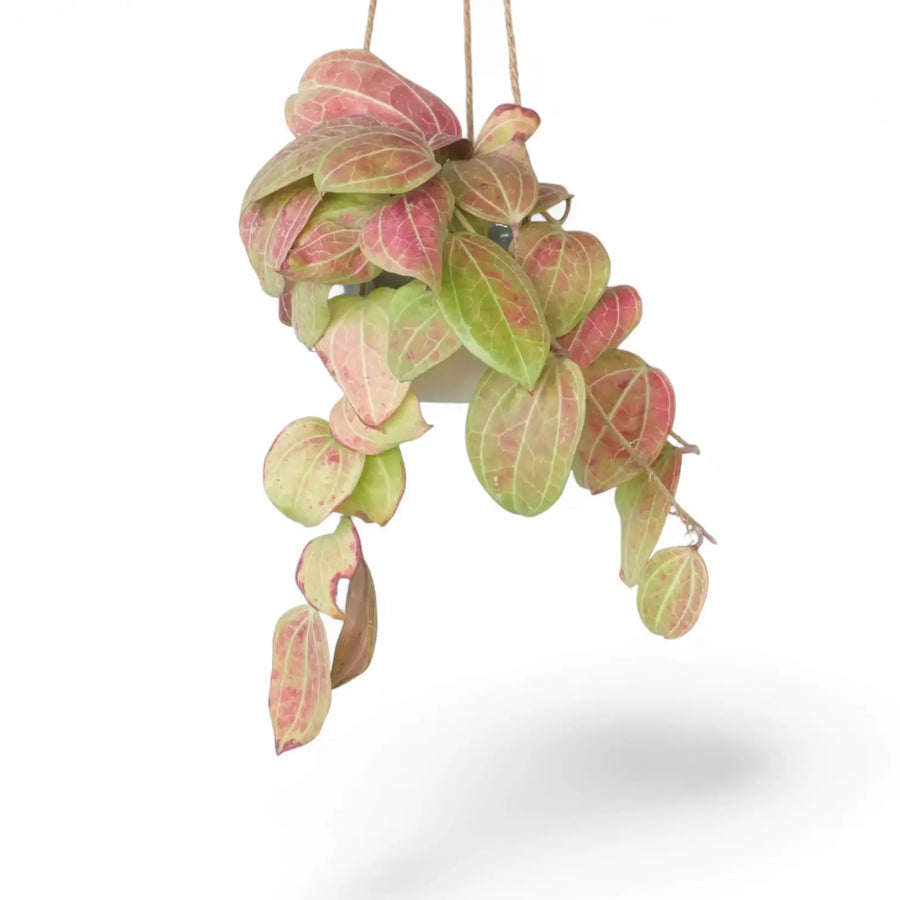
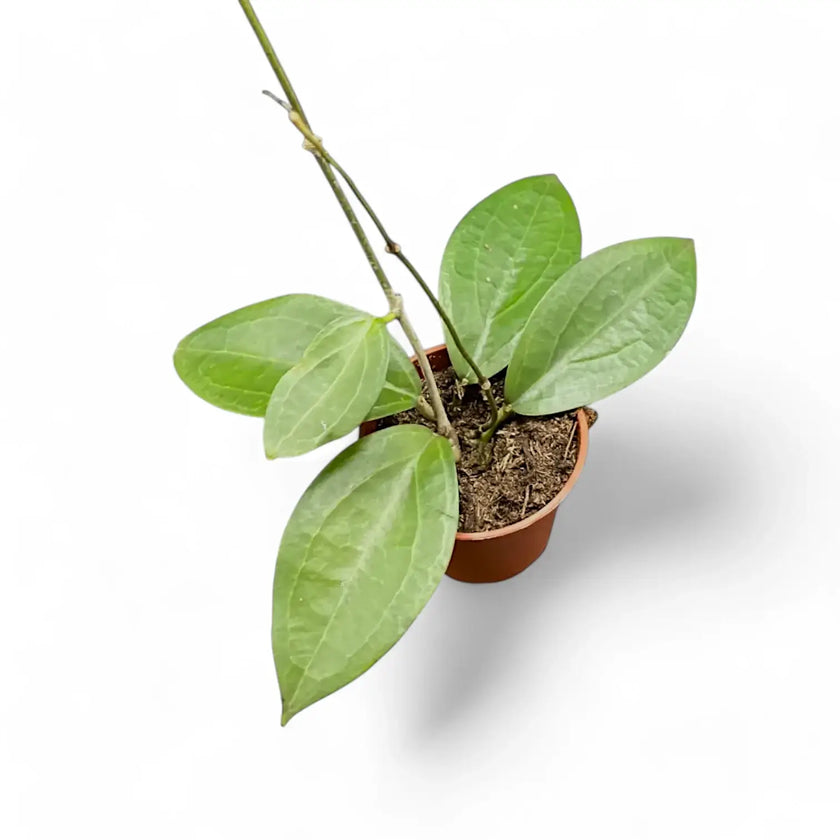
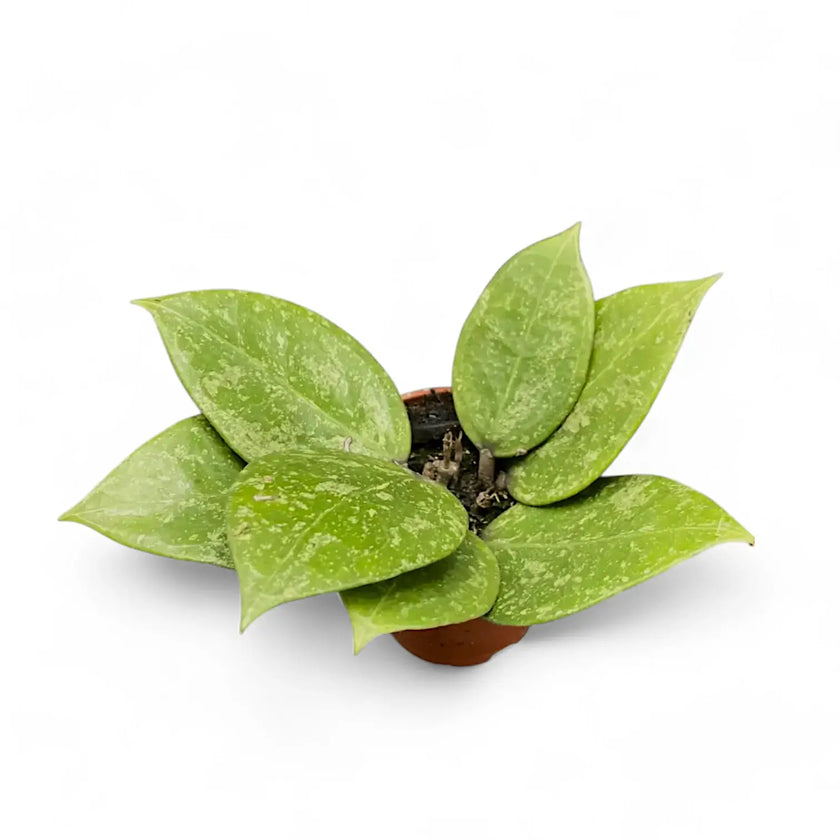
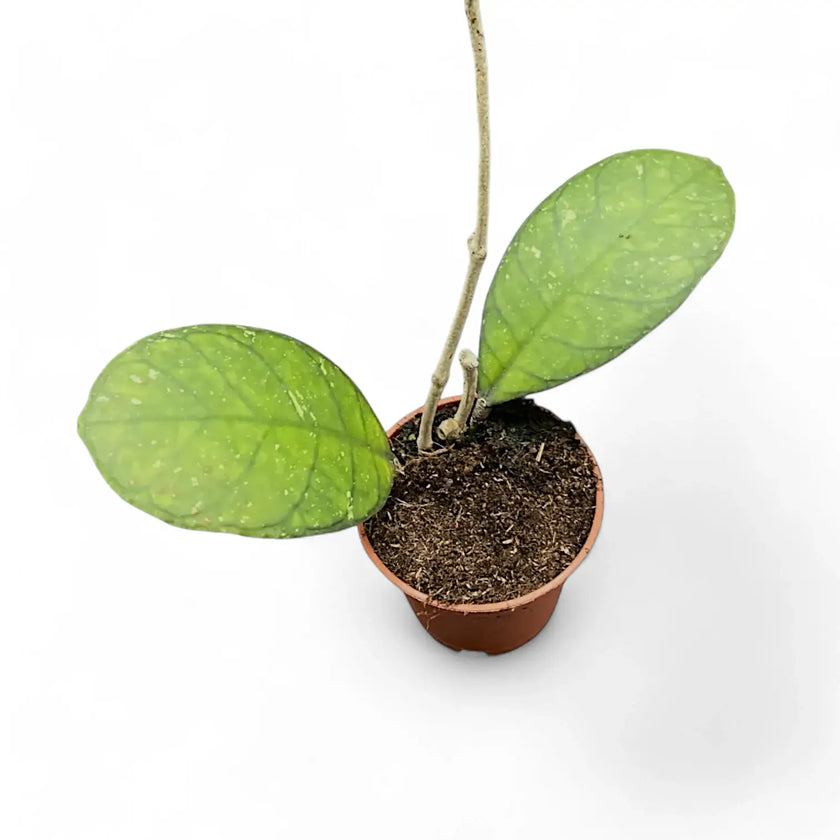
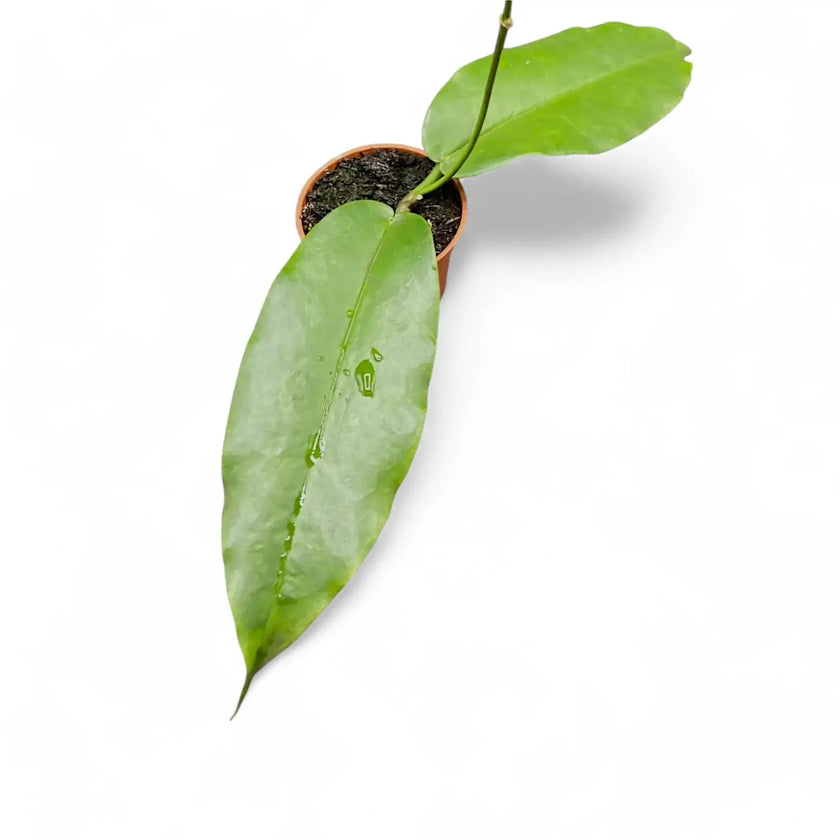
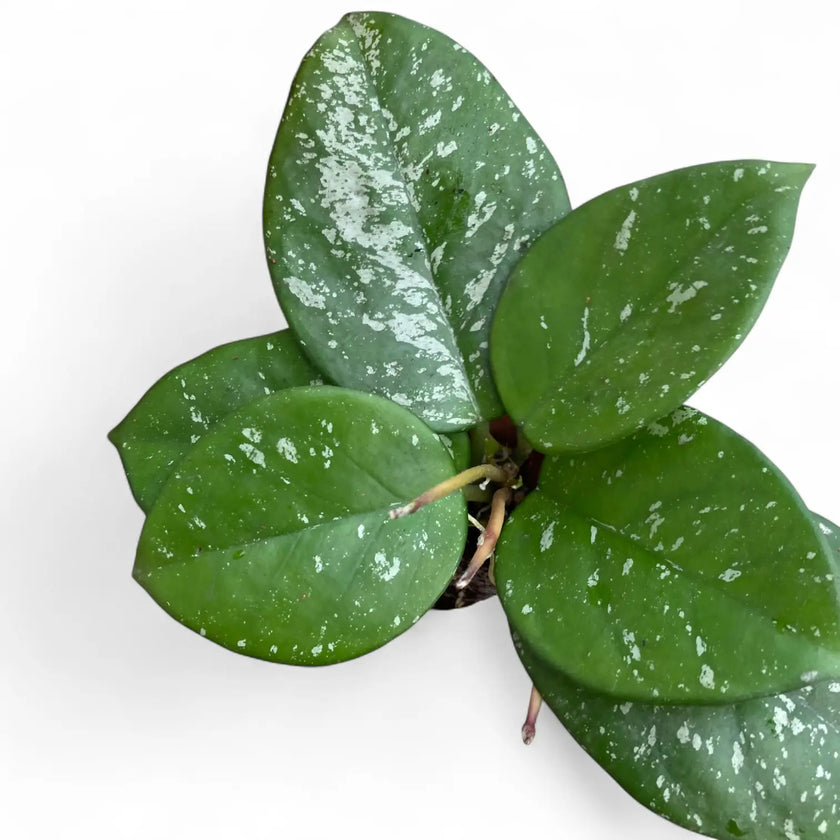
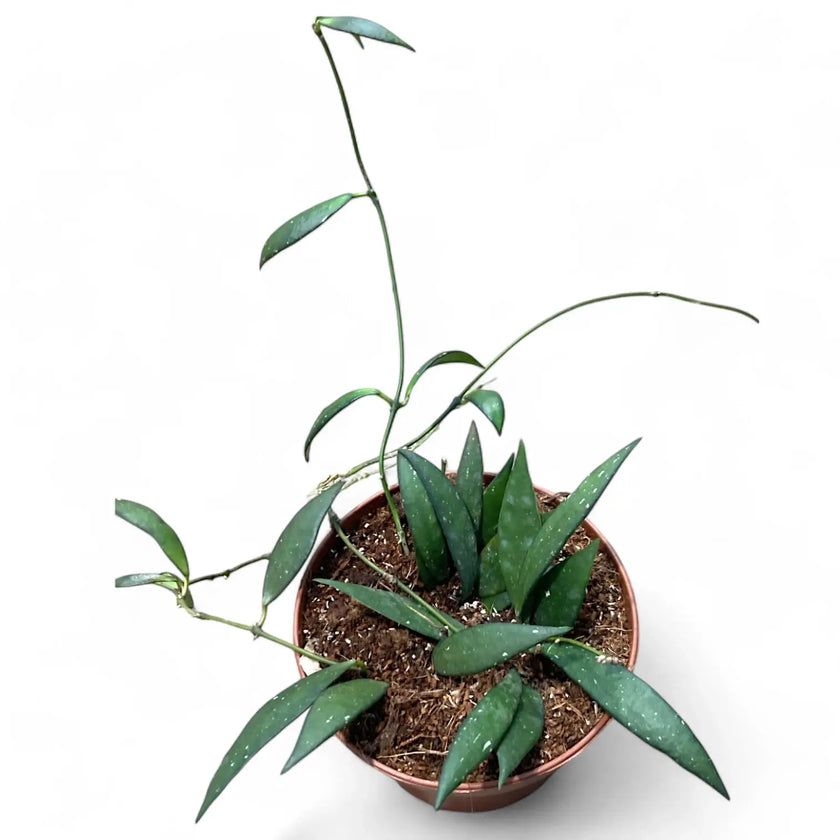
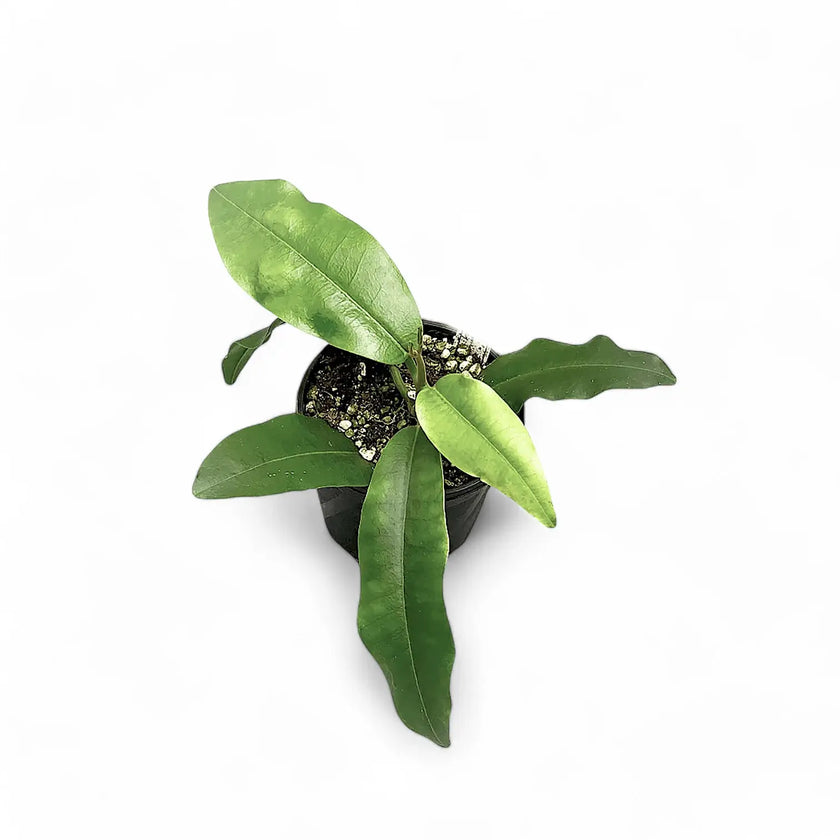
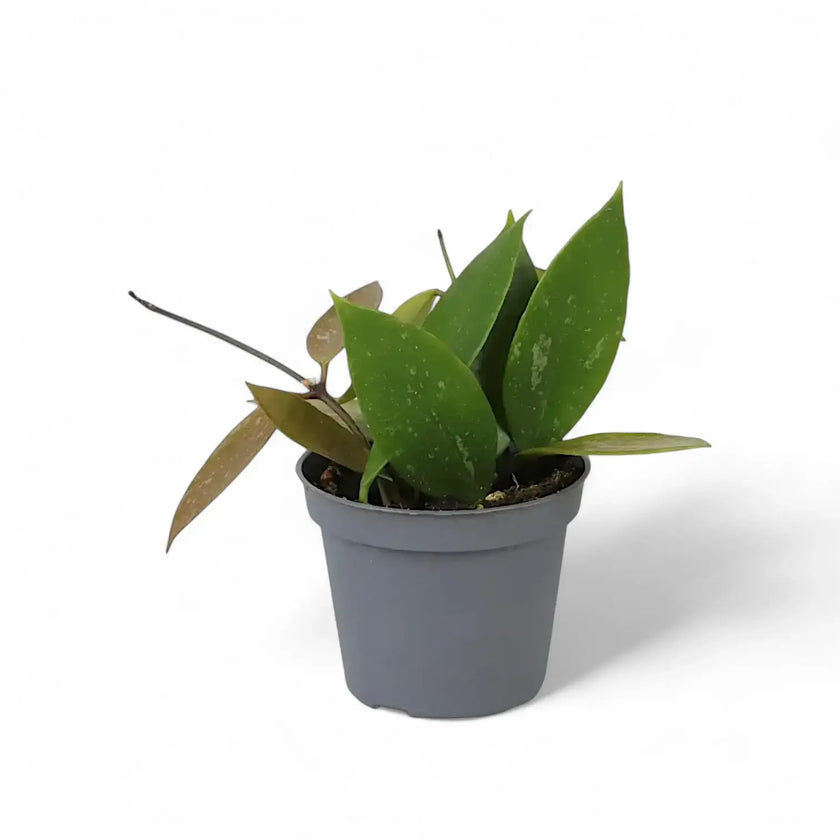
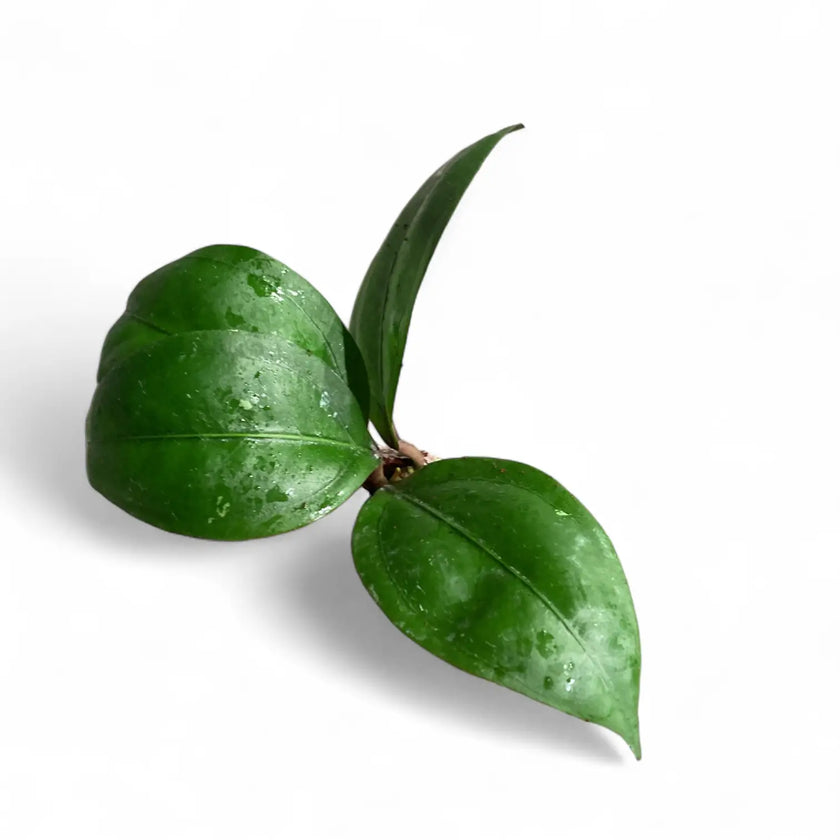
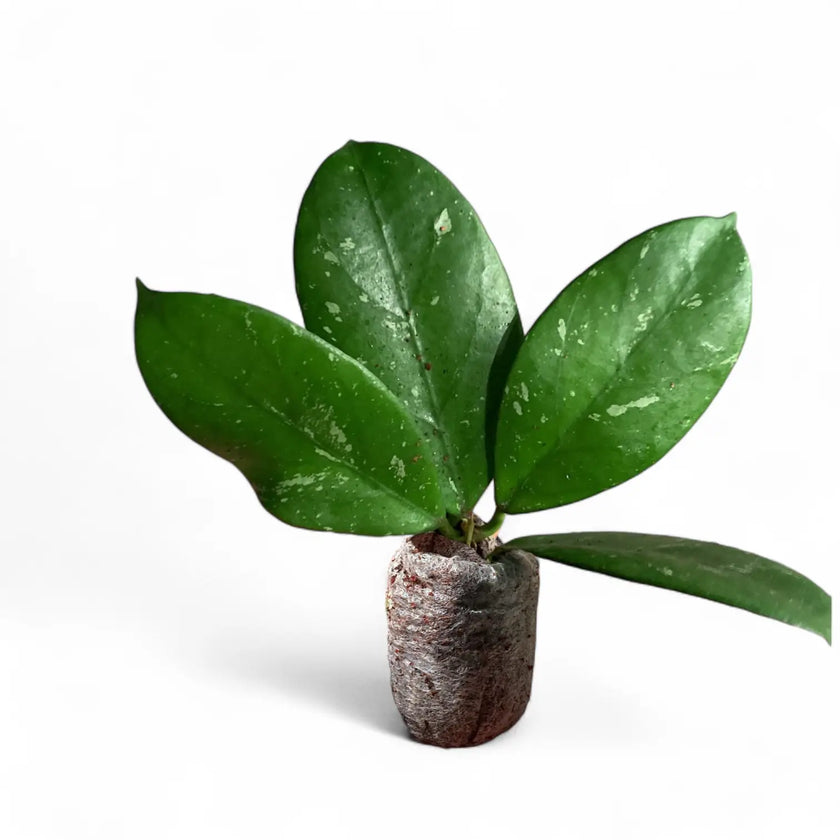
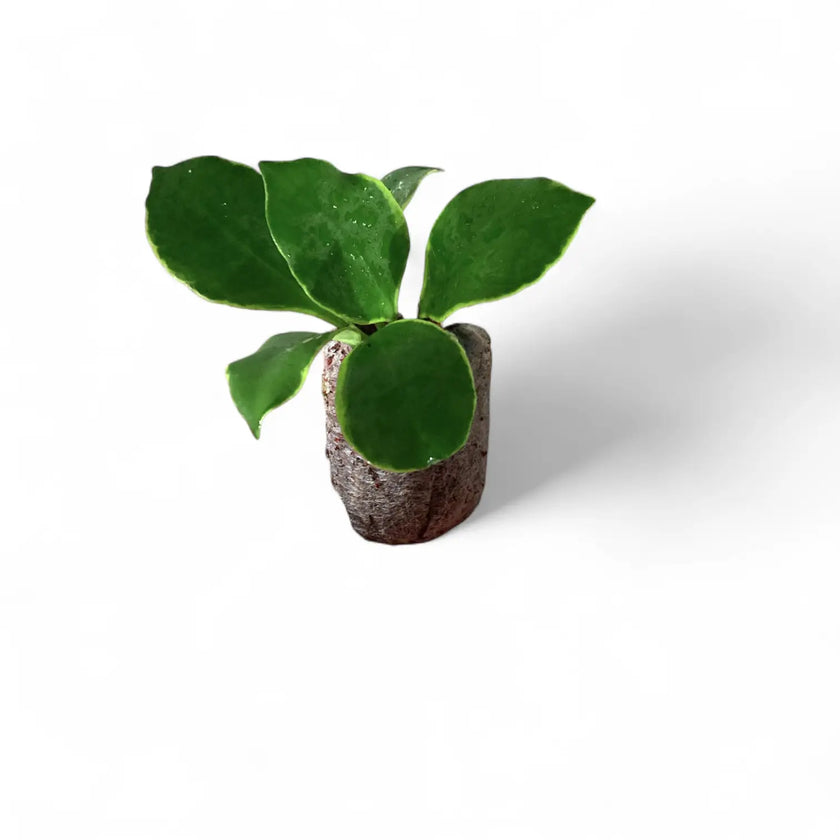
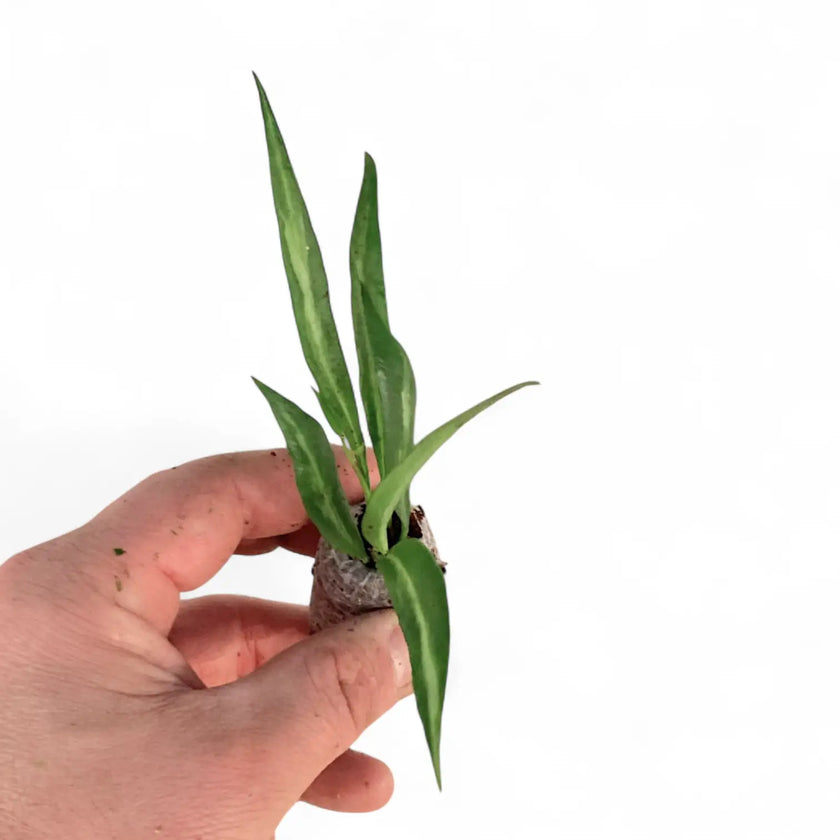
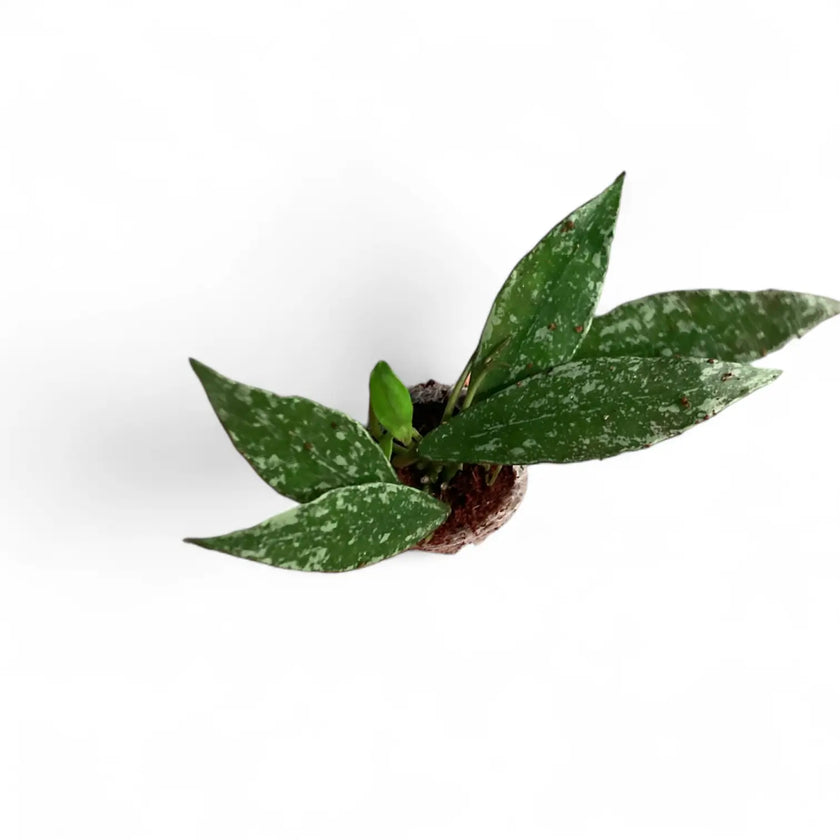
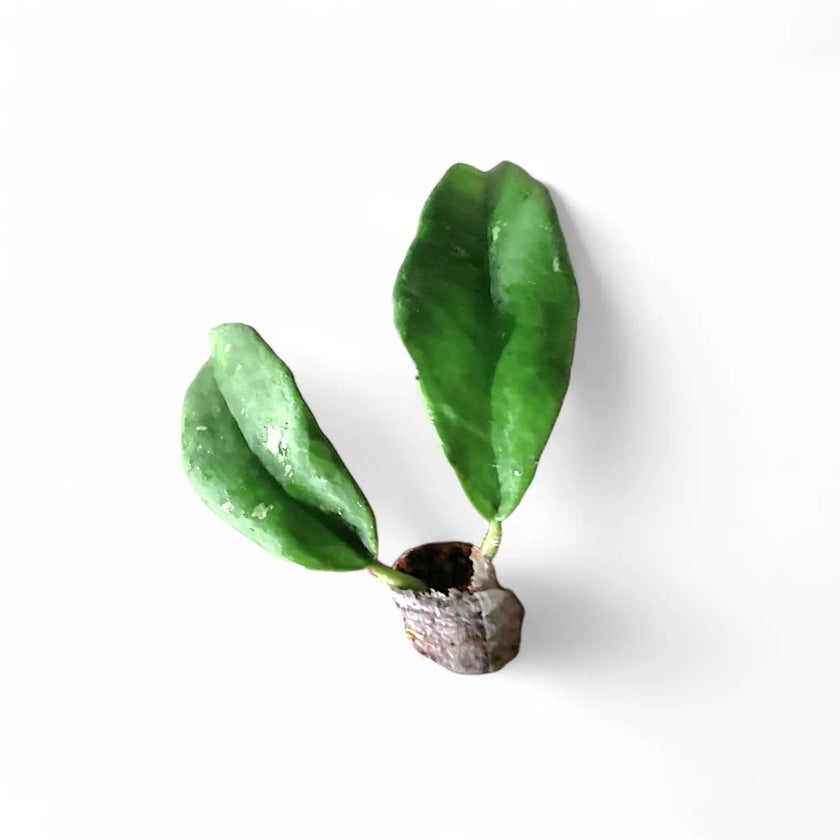
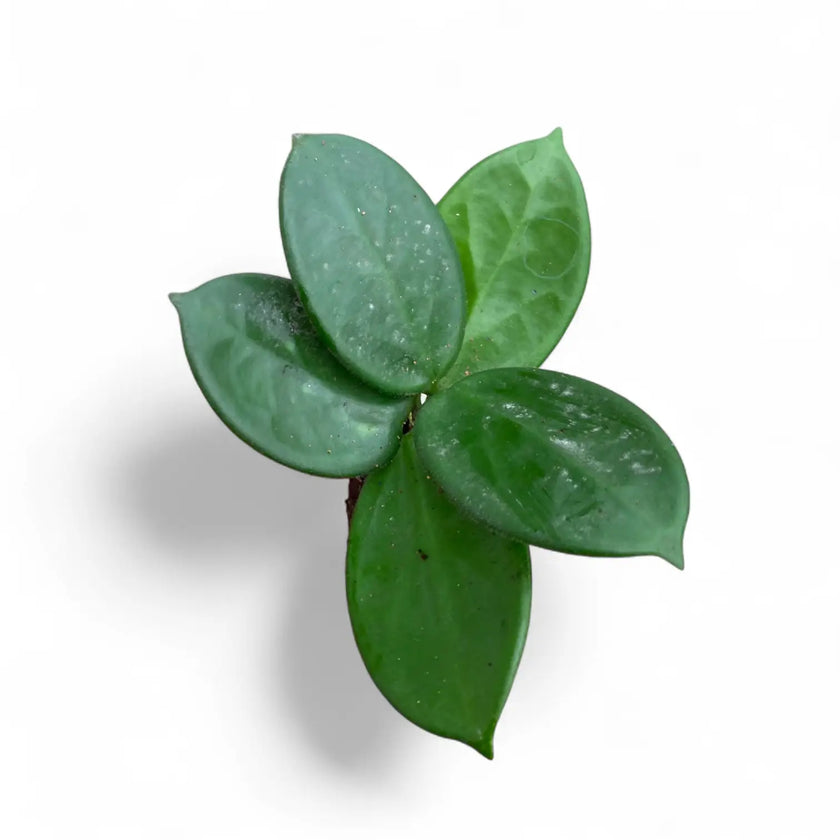
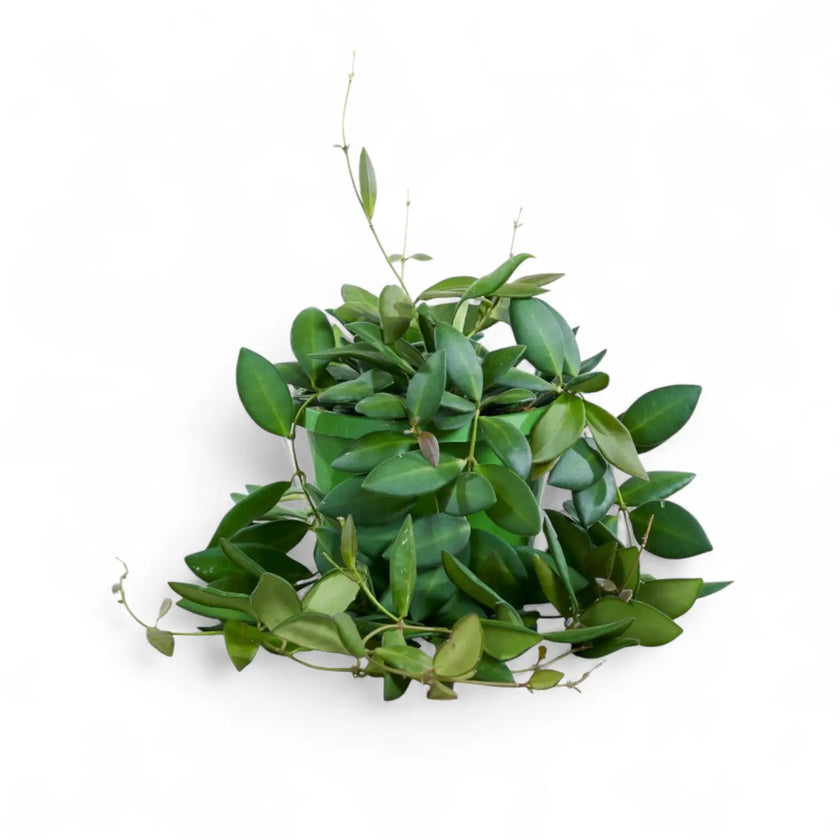
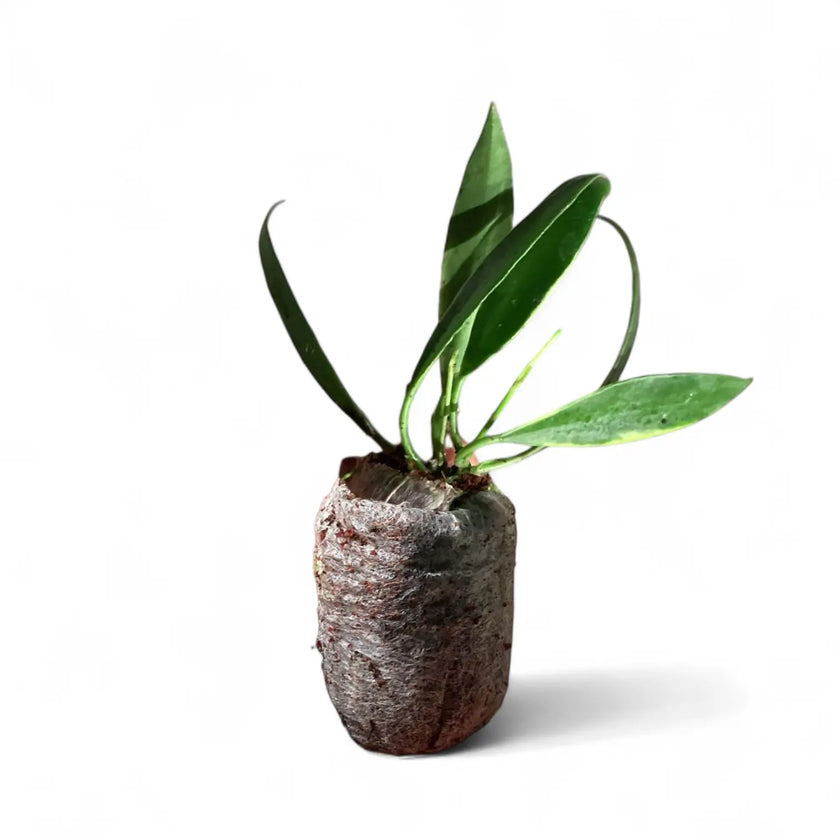
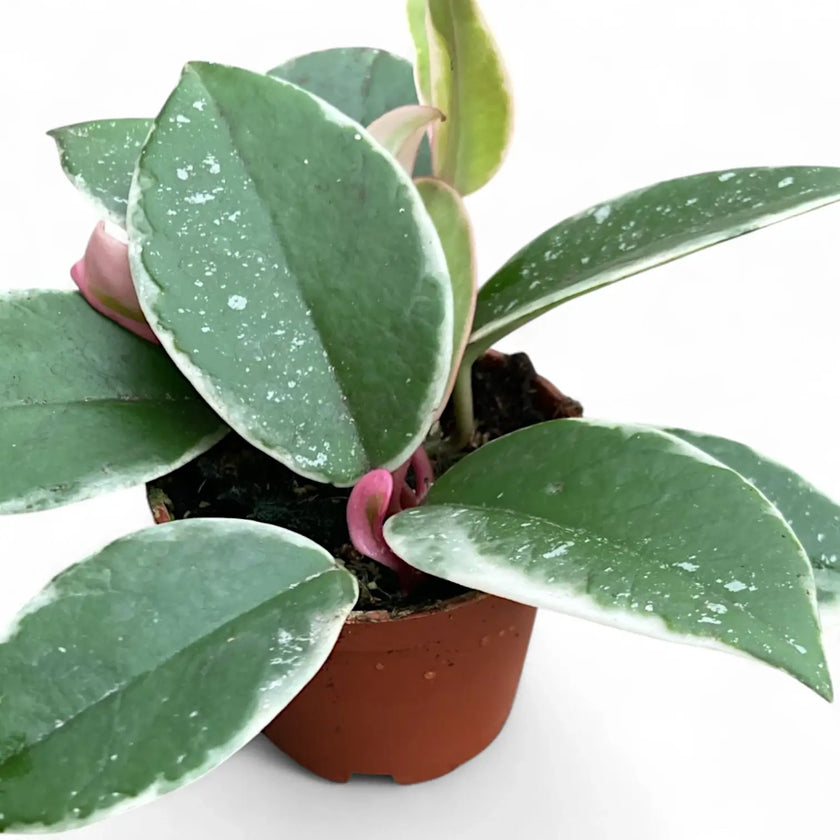
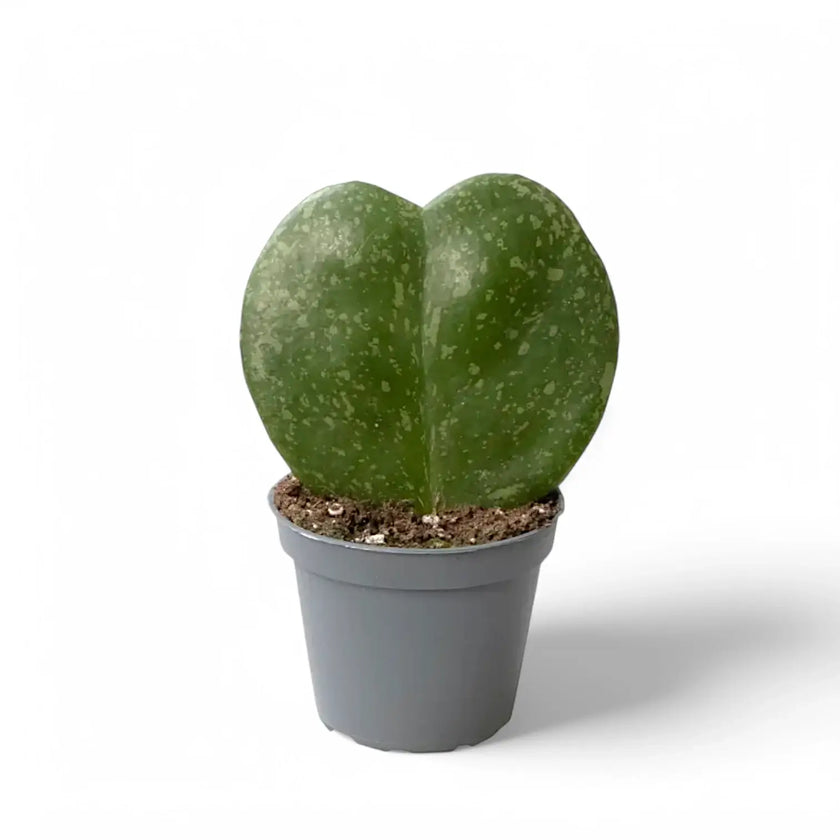
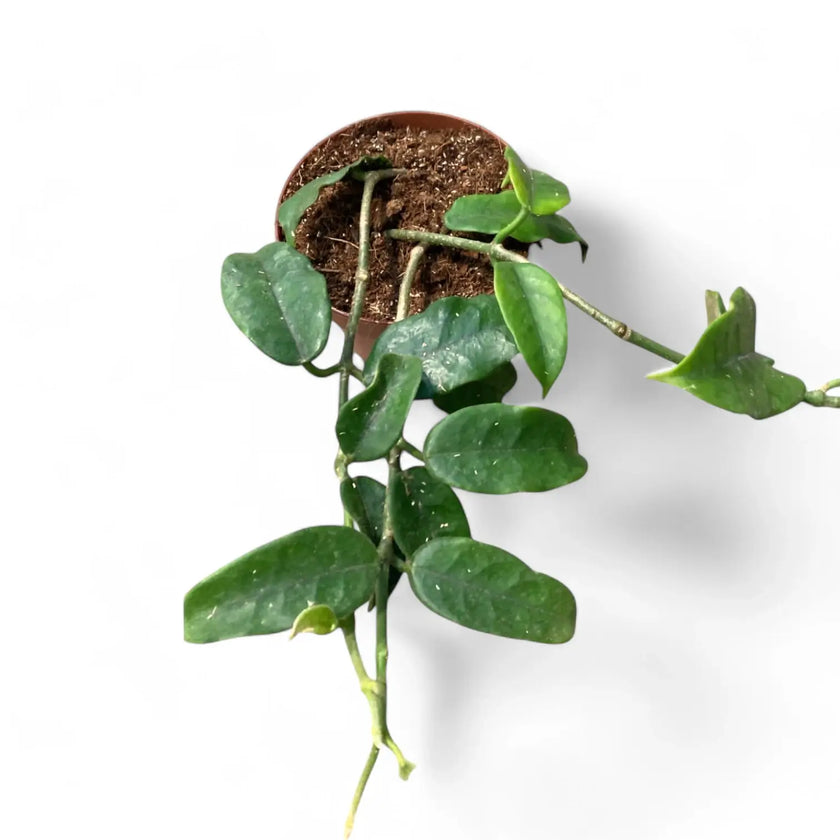
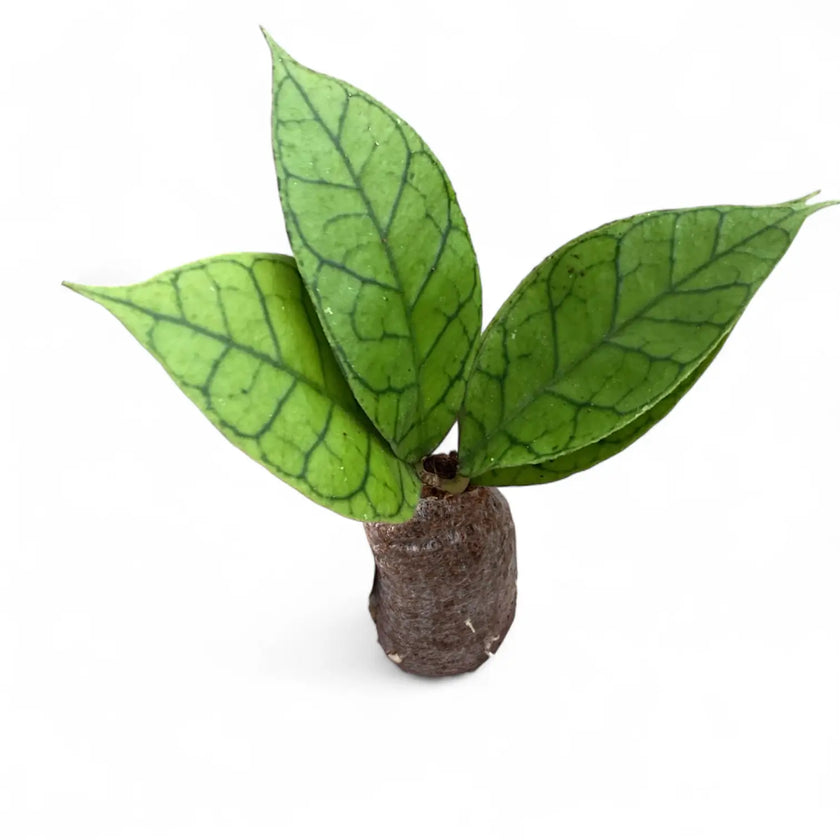
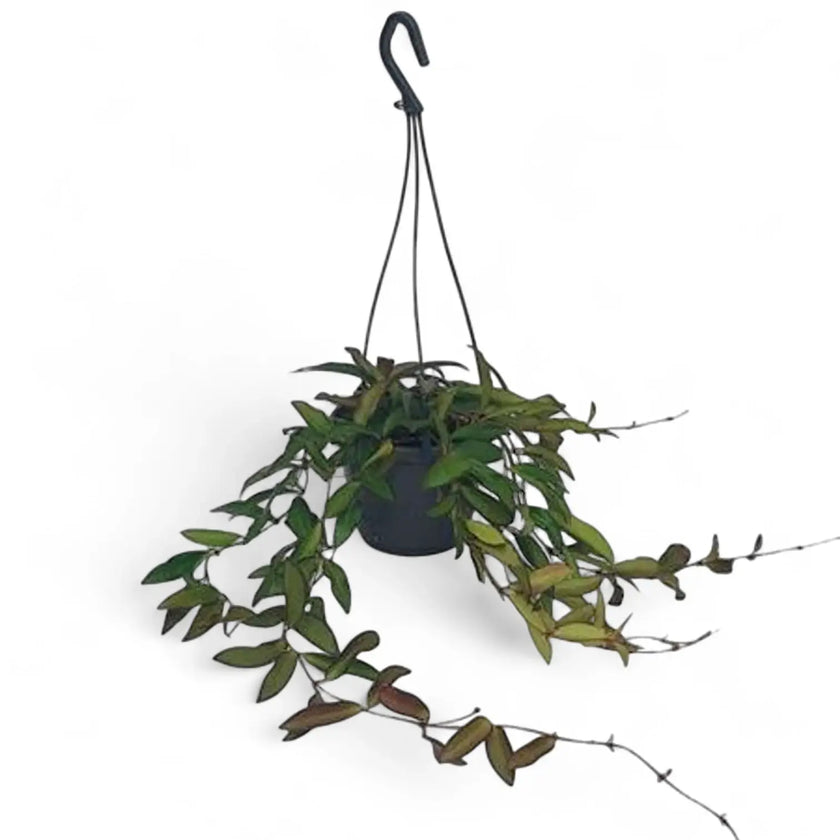
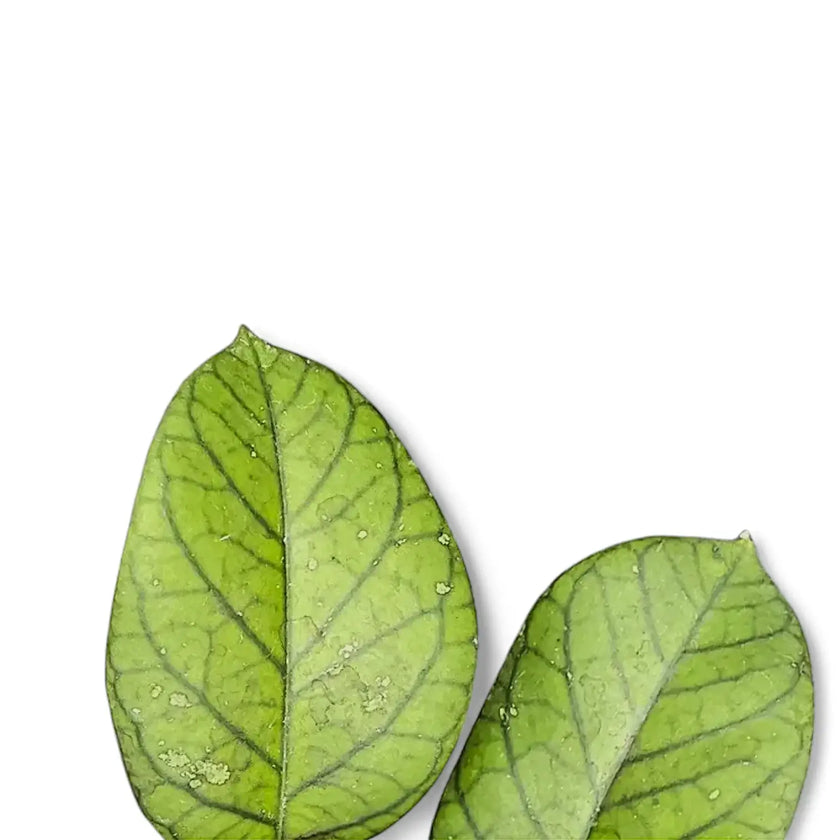
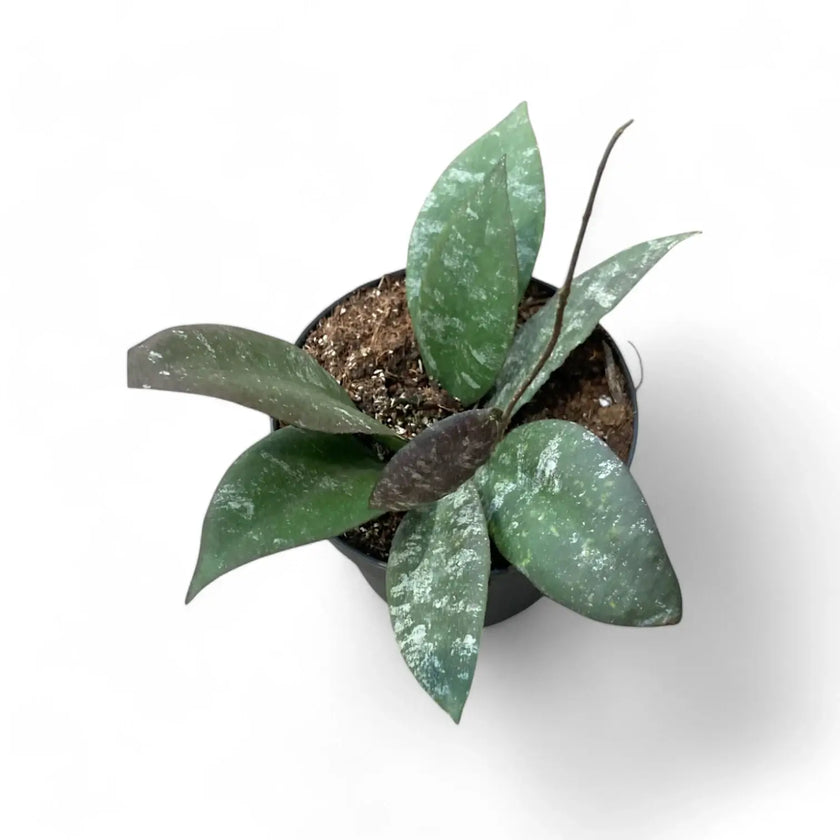
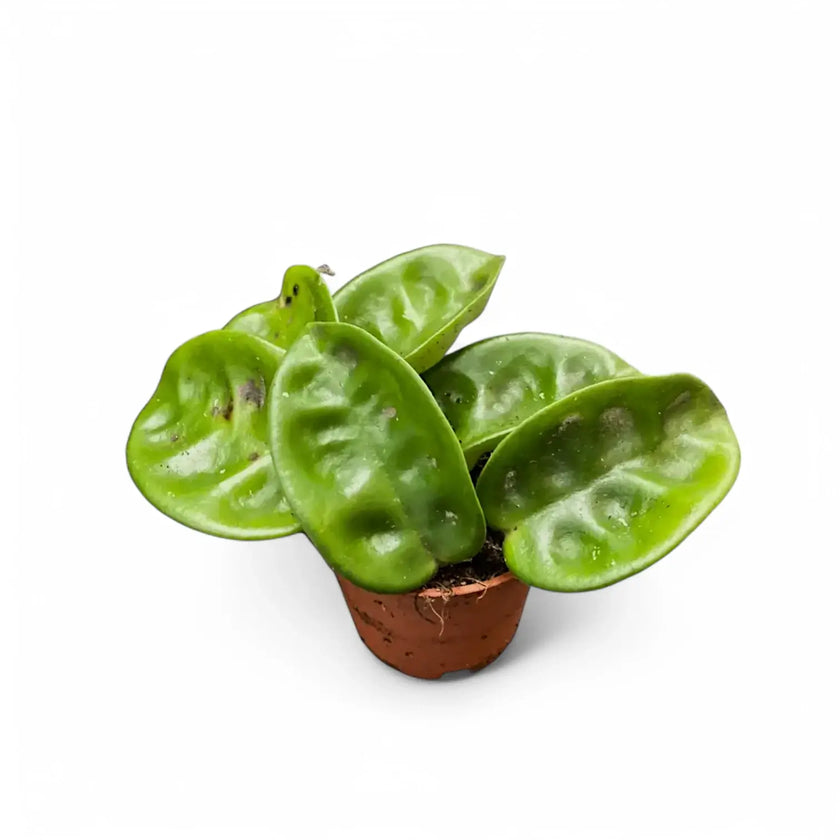
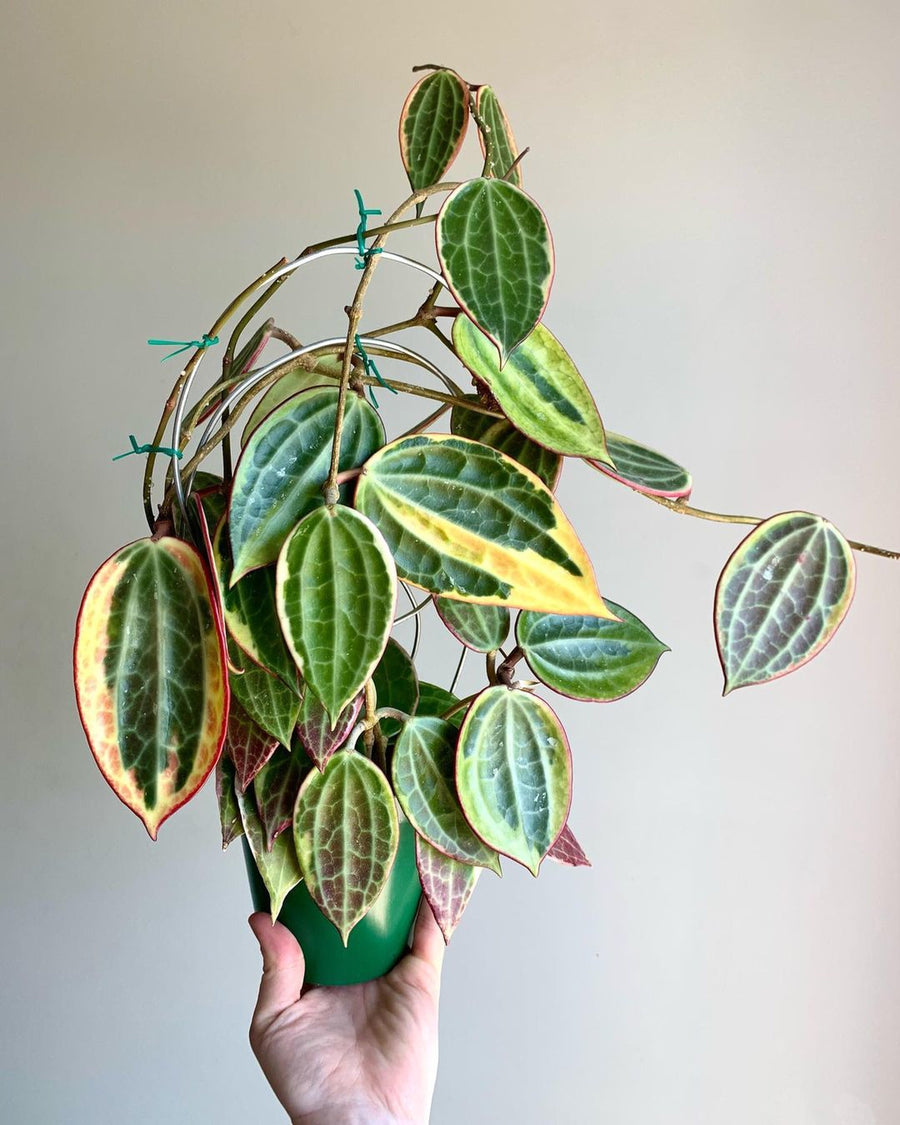
Hoya kerrii has distinctive heart-shaped leaves, while Hoya carnosa ‘Tricolor’ combines green, cream and pink. Small-leaved ‘Mathilde’ trails in neat strands, and Hoya linearis forms longer hanging stems with fine foliage. Each has a recognisable look, even before its first flowers appear.
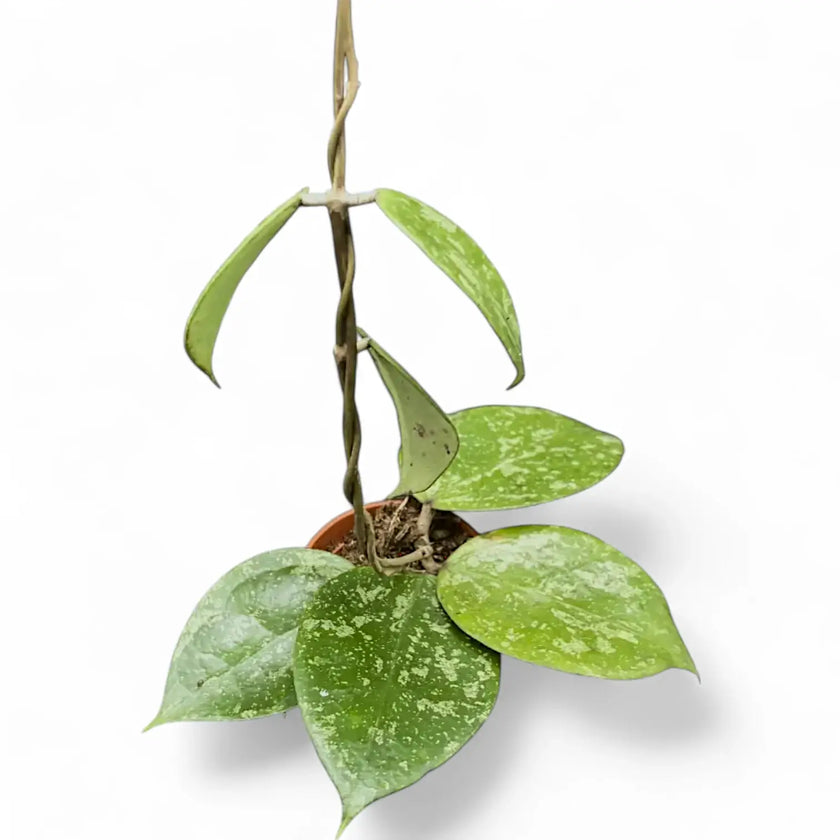
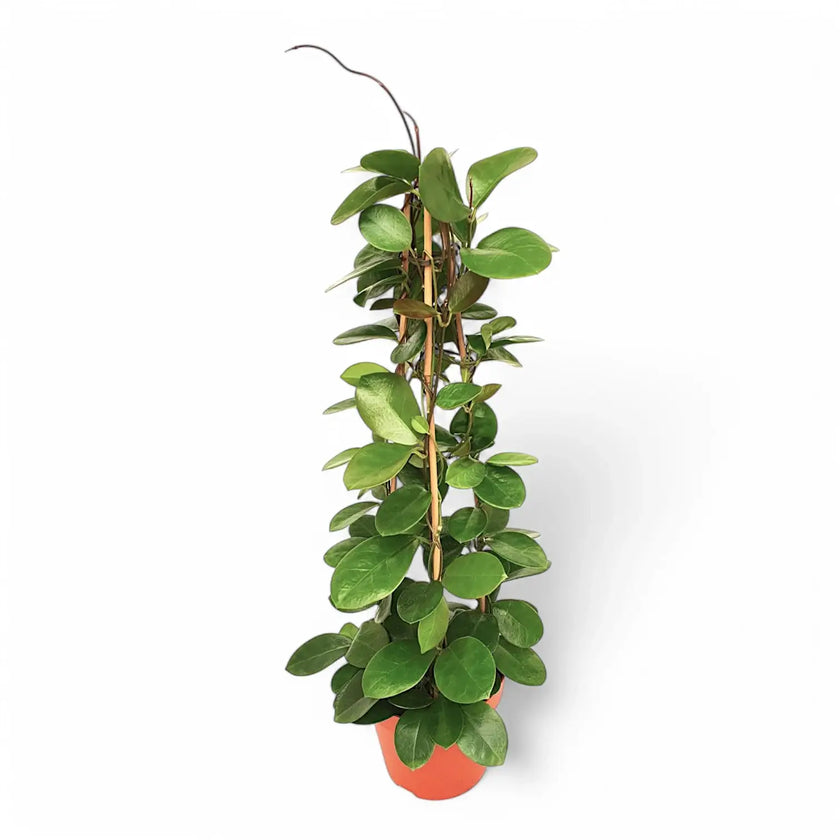
Twining varieties can follow a hoop or trellis, and naturally hanging stems show their leaves well from a raised planter. Many Hoyas grow in bright, filtered light and open mixes that leave air around the roots. Thick-leaved varieties generally tolerate a longer drying period than finer-leaved forms. Our Hoya care guide covers flowering and care for different species.
Quick Overview
- Light: Bright filtered daylight encourages healthy leaves and flowering.
- Flowering: Short flower stalks can bloom again in later seasons.
- Watering: Use an open mix and allow partial drying; needs vary with leaf thickness.
- Pet safety: Common cultivated Hoyas are generally listed as non-toxic; check individual species.
Botanical Profile
Many Hoyas grow on tree trunks and branches in tropical Asian and western Pacific forests. Their stems travel over bark, and roots formed along the vines help them attach to the tree. Rain can reach those roots freely, then drain away.
Hoya flowers appear in rounded clusters of small, wax-like blooms. Their colours and fragrance differ among species.
Details & Care
Hoya plants
Hoya kerrii has distinctive heart-shaped leaves, while Hoya carnosa ‘Tricolor’ combines green, cream and pink. Small-leaved ‘Mathilde’ trails in neat strands, and Hoya linearis forms longer hanging stems with fine foliage. Each has a recognisable look, even before its first flowers appear.
Twining varieties can follow a hoop or trellis, and naturally hanging stems show their leaves well from a raised planter. Many Hoyas grow in bright, filtered light and open mixes that leave air around the roots. Thick-leaved varieties generally tolerate a longer drying period than finer-leaved forms. Our Hoya care guide covers flowering and care for different species.
Frequently Asked Questions About Hoya
How much light does Hoya need indoors?
Many Hoyas flower well in bright filtered daylight. Some established plants also appreciate gentle morning sun. Leaf colour and growth remain more compact with sufficient light, and buds are more likely on mature healthy vines.
How often should I water Hoya?
Most potted Hoyas grow in an airy mix that begins drying between waterings. Thick-leaved species often tolerate more drying; fine-leaved forms may need moisture sooner. Check the mix around the roots and empty any water standing in a cover pot.
Why is my Hoya not flowering?
Flowering depends on the species, maturity and available light. An established vine may need brighter filtered daylight to form buds. Keep old flower stalks, since many Hoyas bloom from them again.
Why is my Hoya dropping flower buds?
Sudden changes in light, temperature or root moisture can cause Hoya buds to fall before opening. Keep the plant in a stable position while buds develop, and water according to the mix. The same flowering stalk can produce new clusters later.
Is Hoya safe for cats and dogs?
Common cultivated Hoyas, including Hoya carnosa, are widely listed as non-toxic to cats and dogs. That does not establish safety for every Hoya species, so check the exact plant if your pet chews leaves. Eating any foliage may still cause stomach upset.