Light
Bright indirect • approx. 10,000–20,000 lux


Wax Plant
VAT included · plus
Your new plant has just travelled a long way and needs a calm start in its new home. For step-by-step unboxing and first-week care, check our after-delivery care guide. For deeper tips on how your plant settles in over the next weeks, read our houseplant acclimatization guide.
Secure shipping, carefully packed orders with safe delivery across the EU, UK and Switzerland.
28-day plant guarantee, if a plant arrives damaged or fails soon after delivery, we help you make it right.
Free returns, simple, cost-free returns according to our policy.
For full details, please see:
Please head to our FAQ Page or Contact us.
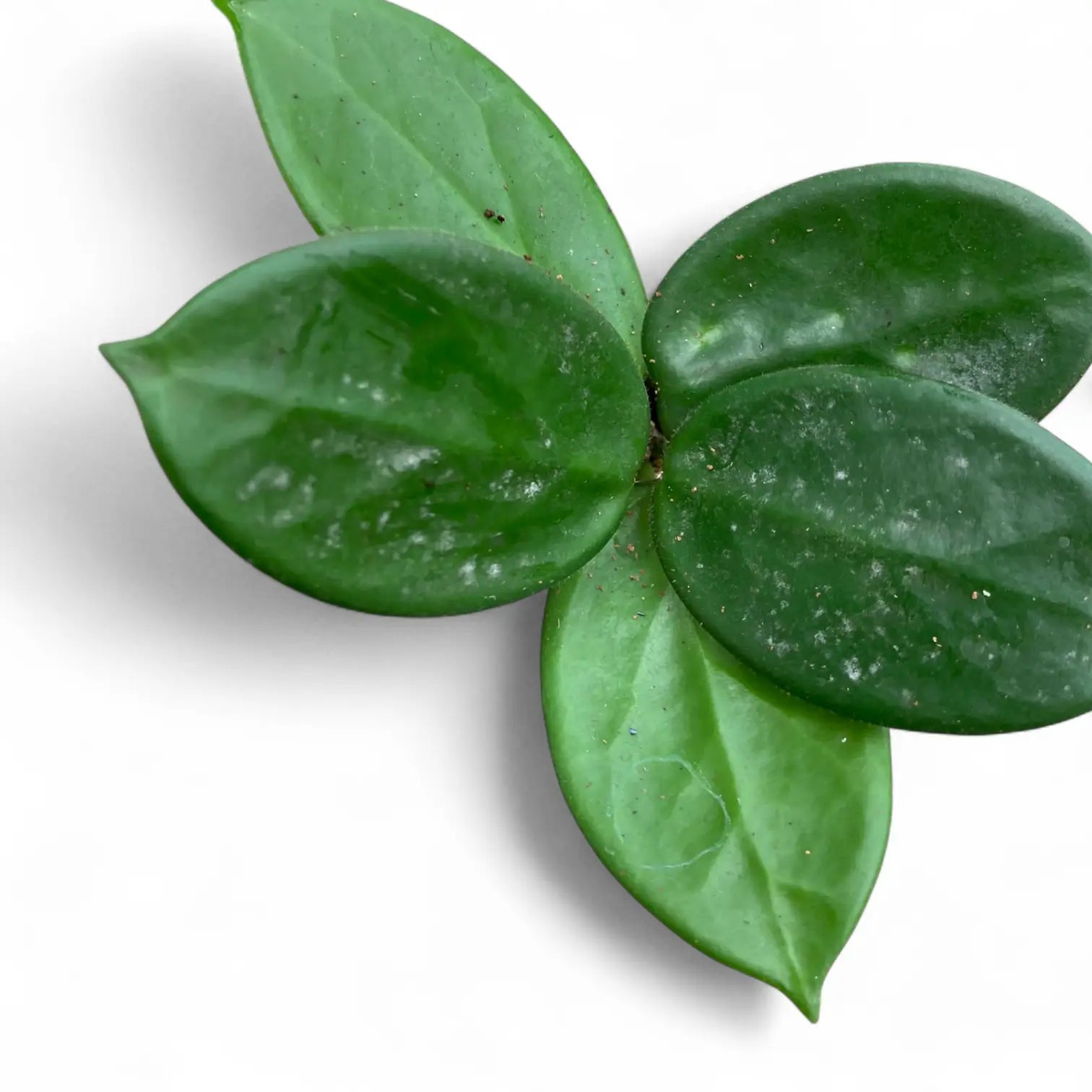
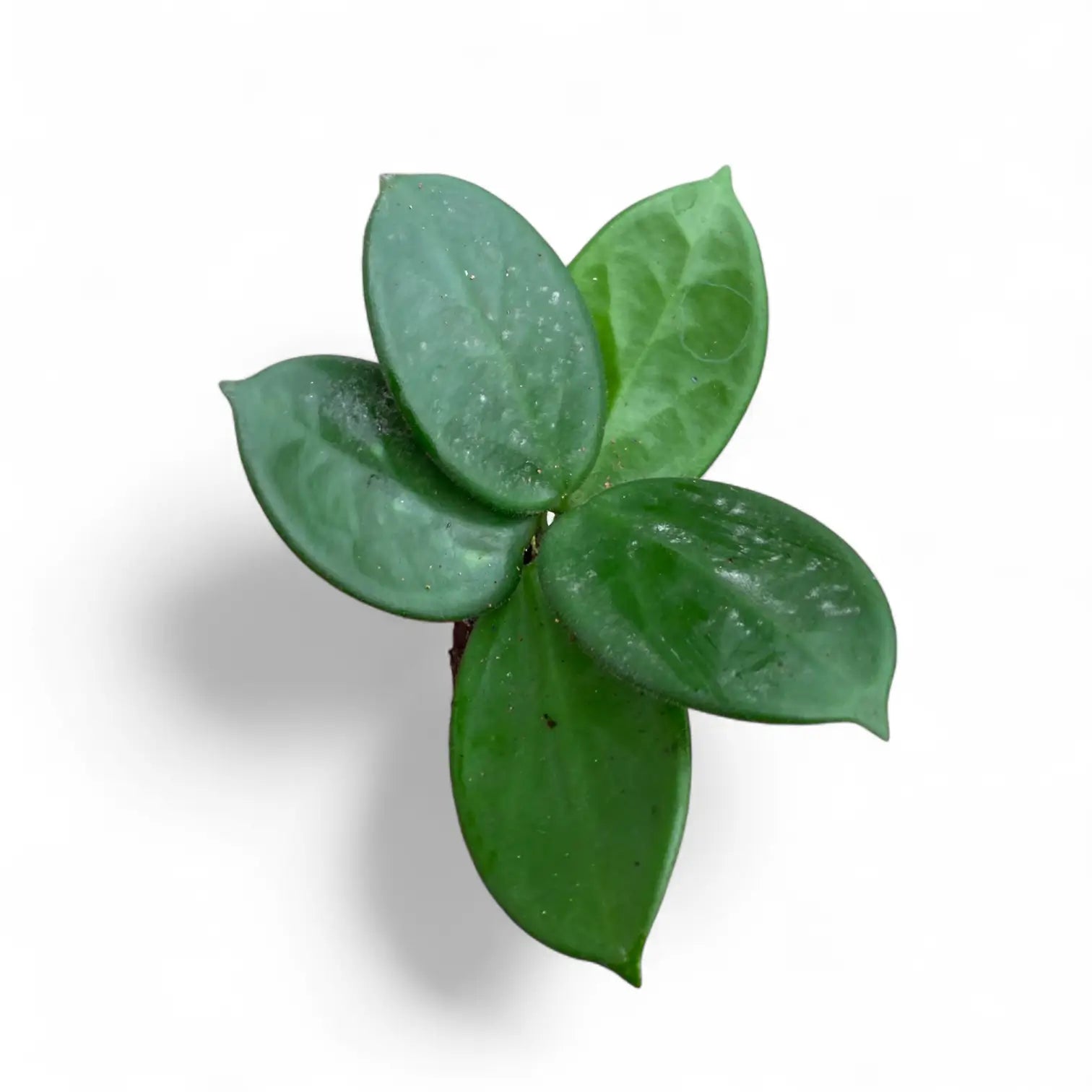
Hoya vangviengiensis
Light
Bright indirect • approx. 10,000–20,000 lux

Watering
Water when ~60–80% dry
Substrate
Airy + fast-draining • Light moisture buffer • Bark-based • Medium-chunky
Temperature
Ideal: 16–24 °C • Avoid below: 10 °C
Humidity
Humid 60–80 % +
Growth habit
Climbing or trailing epiphytic perennial vine.
Support
recommended
Growth speed
High
Max size indoors
Max. trail length: 60 cm • Max. spread: 45 cm
Toxicity & safety
Non-toxic
Origin & habitat
Native to Laos
Outdoor growing
Outside from 15 °C · sheltered from wind and rain
These care values are quick reference points for indoor growing. Use them as a guide, then adjust for pot size, substrate, temperature and how quickly the substrate dries.
For more detail, read the full product description or visit our Plant Care Guides.
Among dedicated Hoya collectors, Hoya vangviengiensis is one of those plants that tests patience and rewards precision. It may spend years producing peduncles without flowering, but once it finally blooms, the payoff is spectacular – clusters of pale, powerfully scented flowers that last for more than a week and even produce droplets of nectar.
Native to limestone forests of northern Laos, Hoya vangviengiensis grows epiphytically on mossy branches in constant humidity and filtered light. Slow, rhythmic growth and tolerance for cool nights make this high-altitude species best suited to growers who enjoy a challenge and value the long game.
Hoya vangviengiensis Rodda & Simonsson (2017) was first described from Vang Vieng, Laos, where plants inhabit shaded limestone forest at mid-elevation, clinging to moss-covered branches. Later records from Yunnan Province, China confirmed the same species.
In habitat, Hoya vangviengiensis experiences moderate temperatures (roughly 18–25 °C by day, 14–18 °C at night) and high humidity year-round, with light filtered through dense canopy foliage. These ecological clues explain why this species performs best in cool, humid and stable indoor environments that echo its forest origins.
Provide bright, indirect light or gentle filtered sun. Aim for roughly 8–12 mol DLI or about 200–400 µmol m⁻² s⁻¹ PPFD. Too little light suppresses flowering completely.
Target daytime temperatures of 18–22 °C and nighttime drops to 14–18 °C. Brief dips to around 13–14 °C are tolerated if air is dry and moving. Avoid prolonged heat above 28 °C.
Keep relative humidity above 60 %, ideally around 70–85 % when encouraging buds. Stable humidity is critical for bud retention.
Use an airy epiphytic mix such as 40 % fine bark, 25 % pumice or perlite, 20 % coco chips, 10 % charcoal and 5 % long-fibre sphagnum. Avoid overpotting; oversized containers quickly lead to root problems.
Allow the top 3–4 cm of substrate to dry between waterings. Hoya vangviengiensis prefers brief dryness over constant moisture. Water thoroughly and let excess drain away; reduce watering in cool, low-light periods.
Apply a mild liquid fertiliser of around 50–75 ppm nitrogen with each watering during active growth. Flush the substrate once a month to prevent salt build-up.
Hoya vangviengiensis can adapt to inert or semi-hydro substrates with stable moisture and low-EC feeding, but roots must remain well oxygenated. Keep reservoirs shallow and avoid stagnant water.
Species name vangviengiensis refers to the type locality Vang Vieng in Laos, where original material was collected and described by Michele Rodda and Johan Simonsson in 2017.
Bring Hoya vangviengiensis into your collection if you are ready for a plant that rewards patience more than speed. Give it bright light, cool nights and steady humidity – and when it finally blooms, clusters of fragrant flowers will make the wait worthwhile.
Order Hoya vangviengiensis now and experience one of the most rewarding cool-growing Hoyas for serious collectors.
Plant names, growth habits, natural habitats and indoor care guidance are checked against trusted botanical, habitat and horticultural references before publication.View our plant care resources and references.
Choose options