Skip to content

Cart

Your cart is empty.

Plants for Closed Terrarium

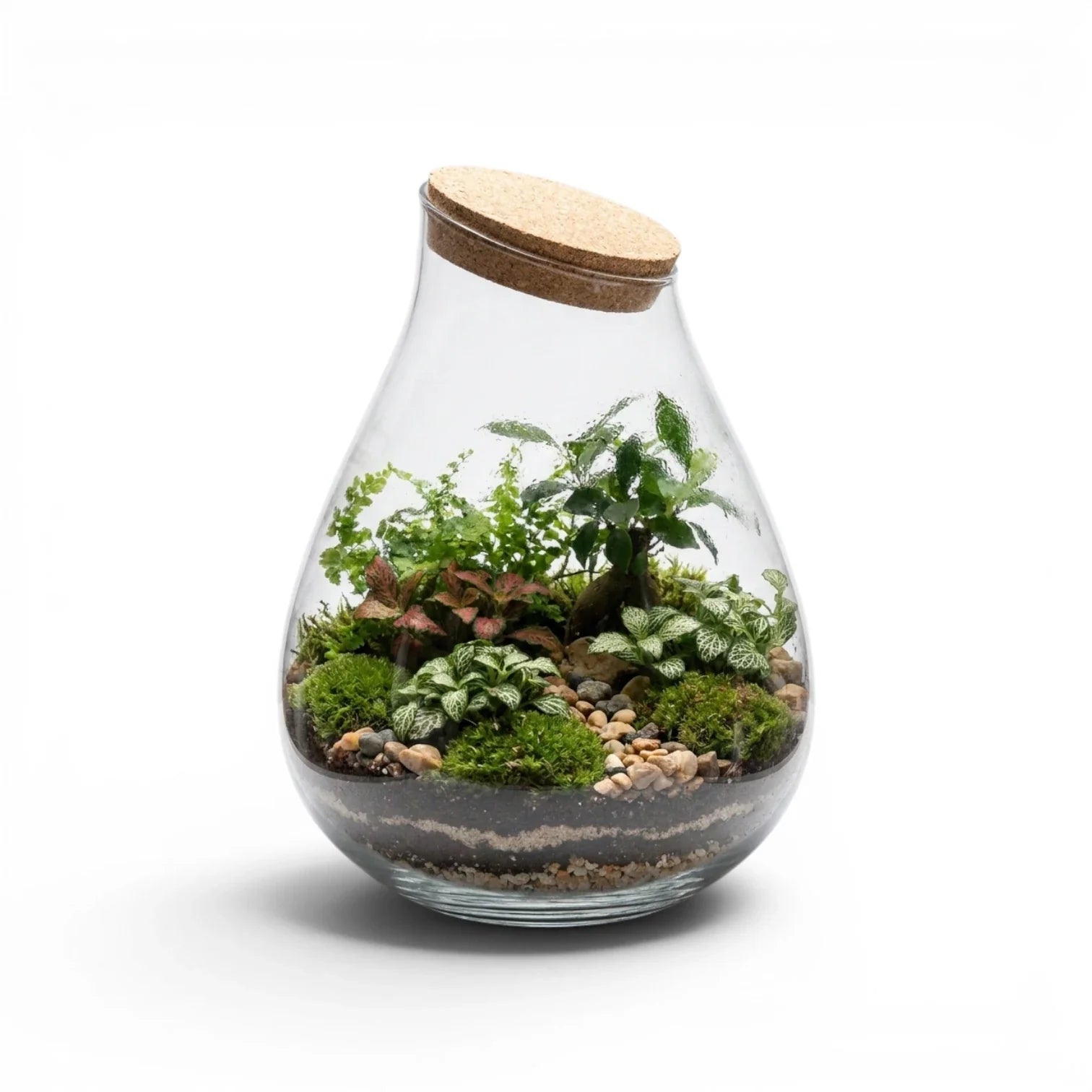
Closed glass terrarium planted with compact tropical plants

Terrarium setup

Build the right terrarium base layer

Closed terrariums need a stable base that balances moisture, structure and hygiene before the planting layer goes in.

Sort by:

Filters

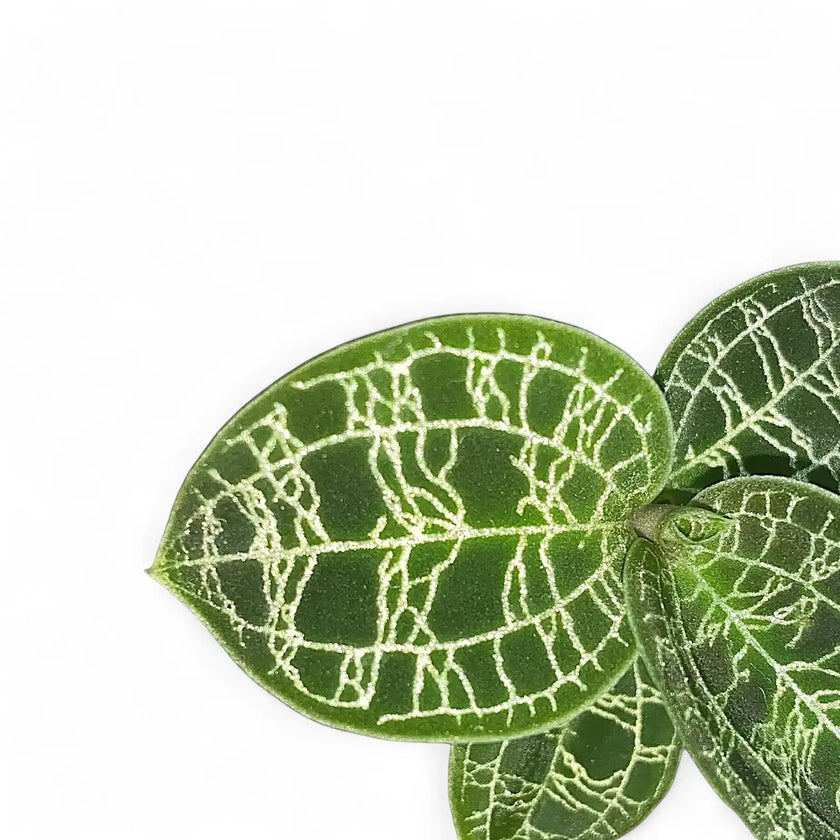
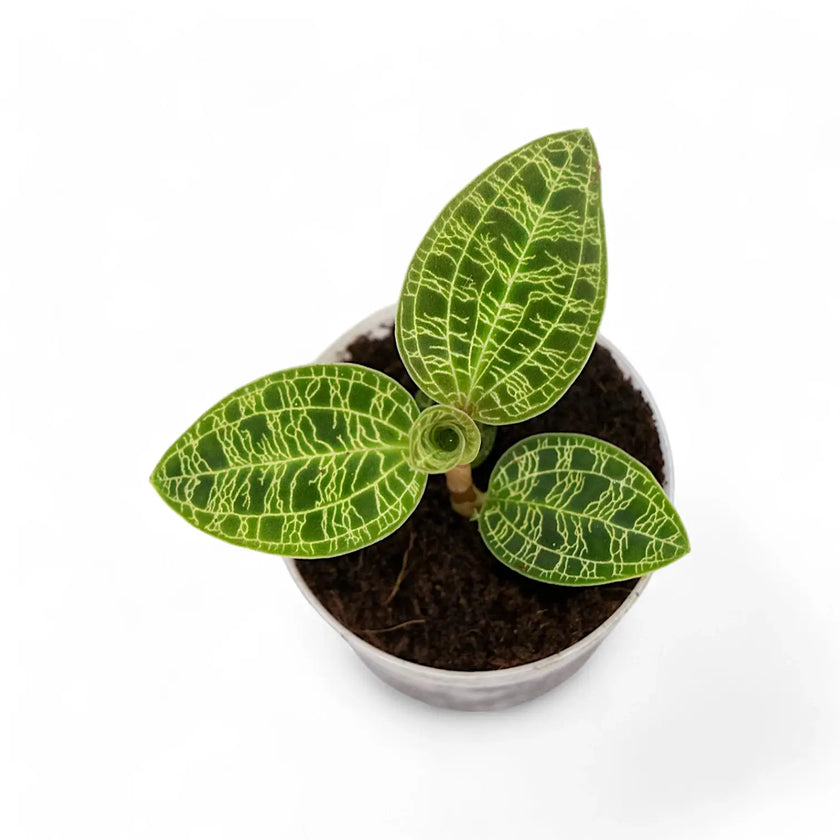
Macodes petola Regular price €19,75
Gynura aurantiaca Regular price €8,75
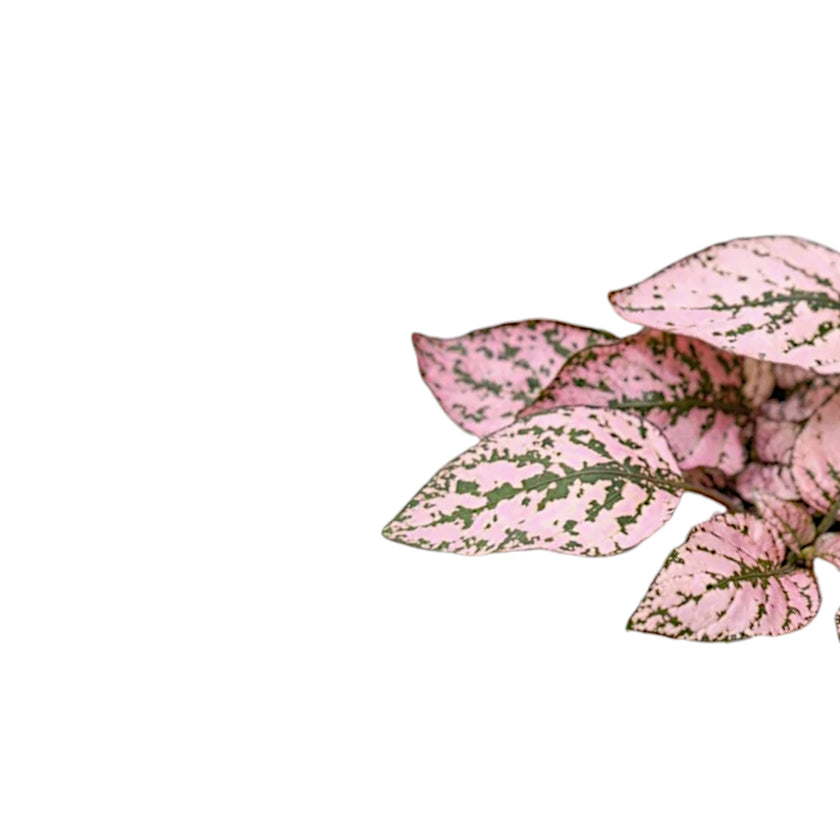
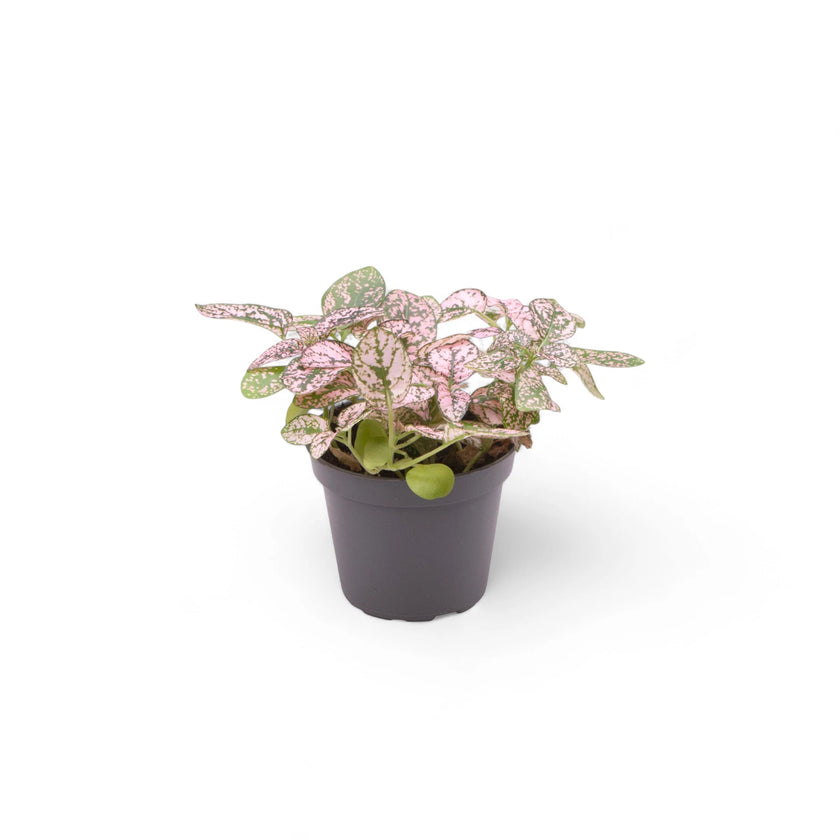
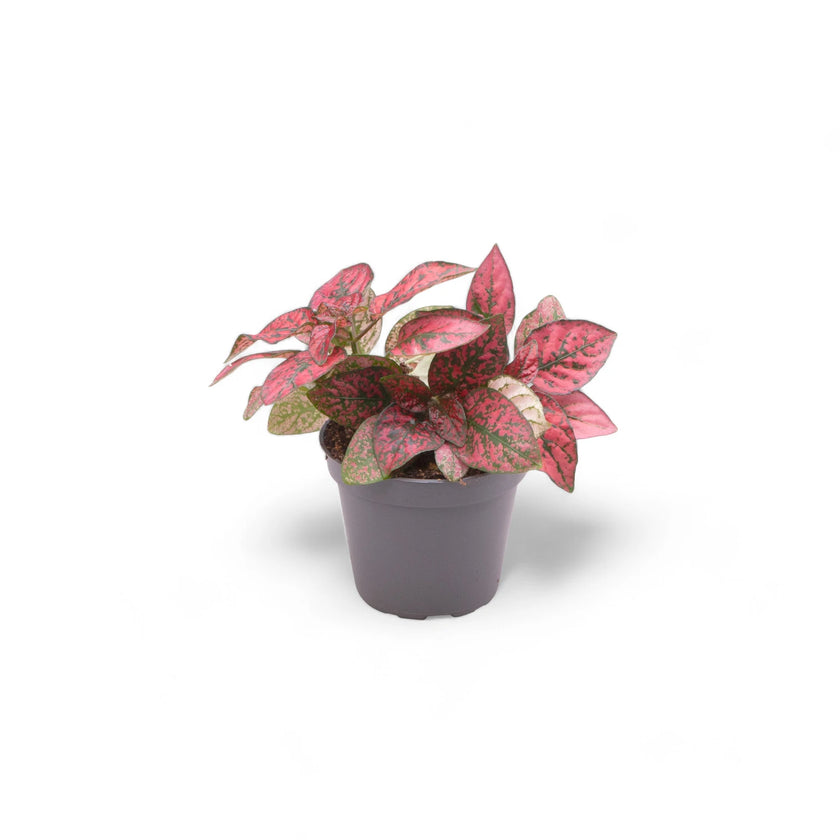
Hypoestes phyllostachya 'Pink' Regular price €8,75
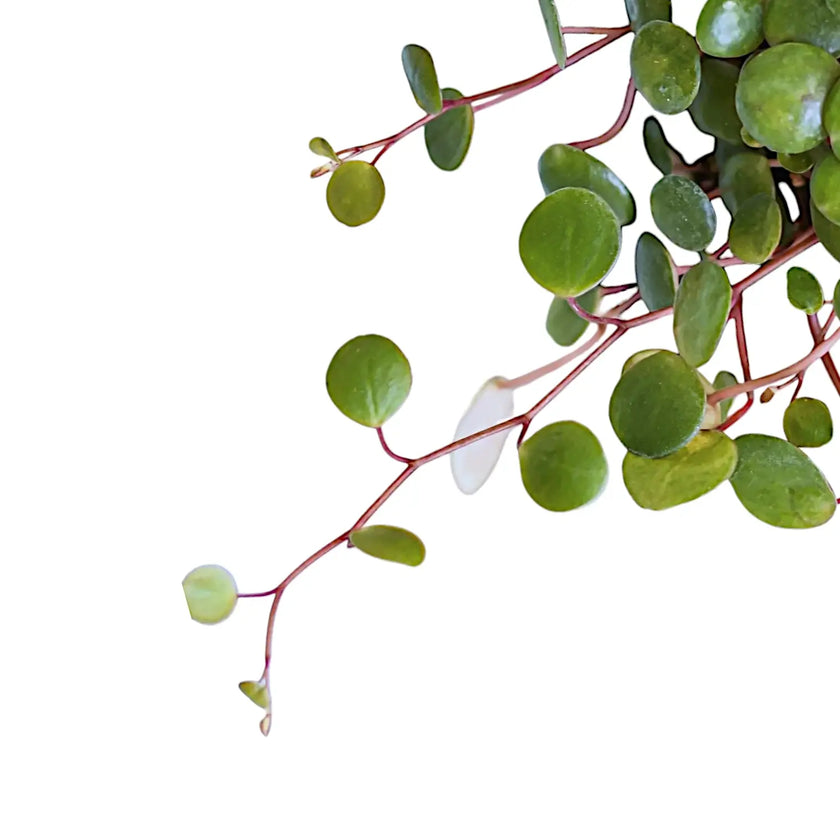
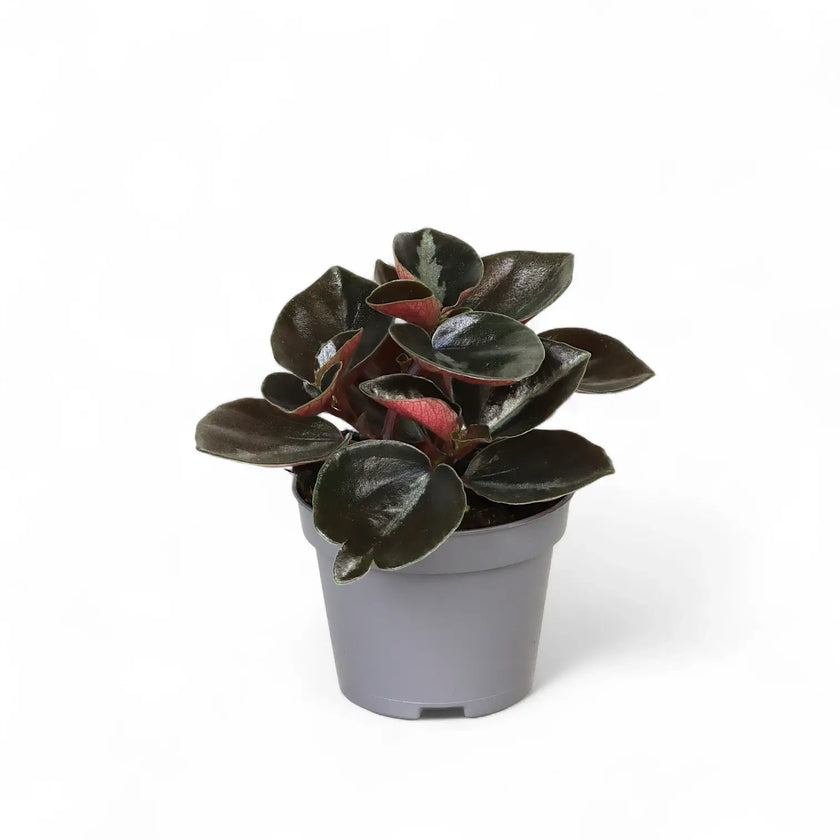
Peperomia 'Pepperspot' Regular price €11,00
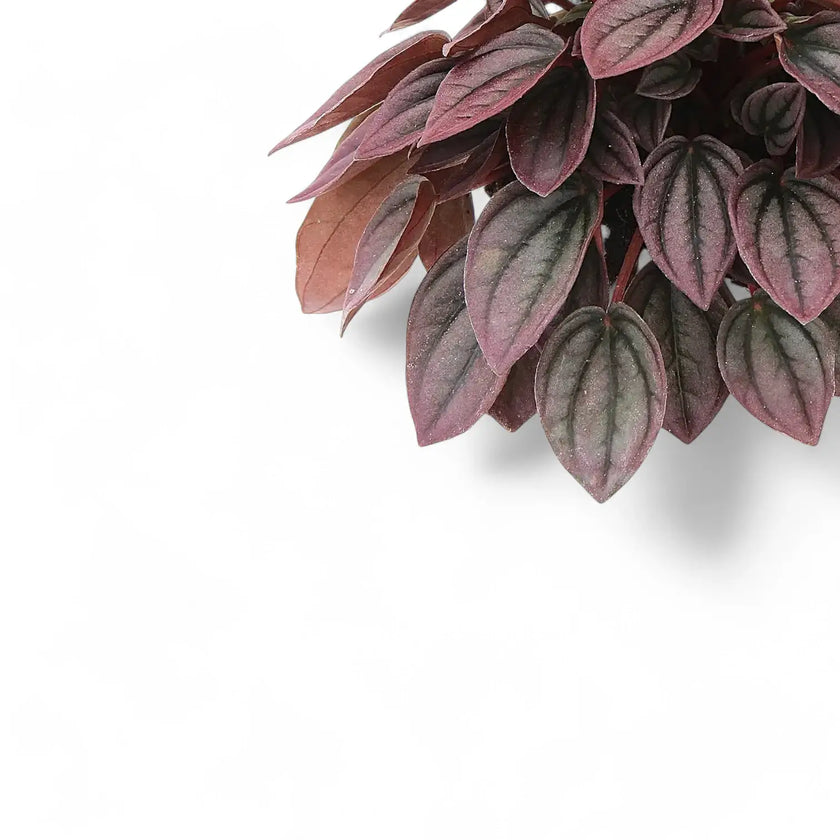
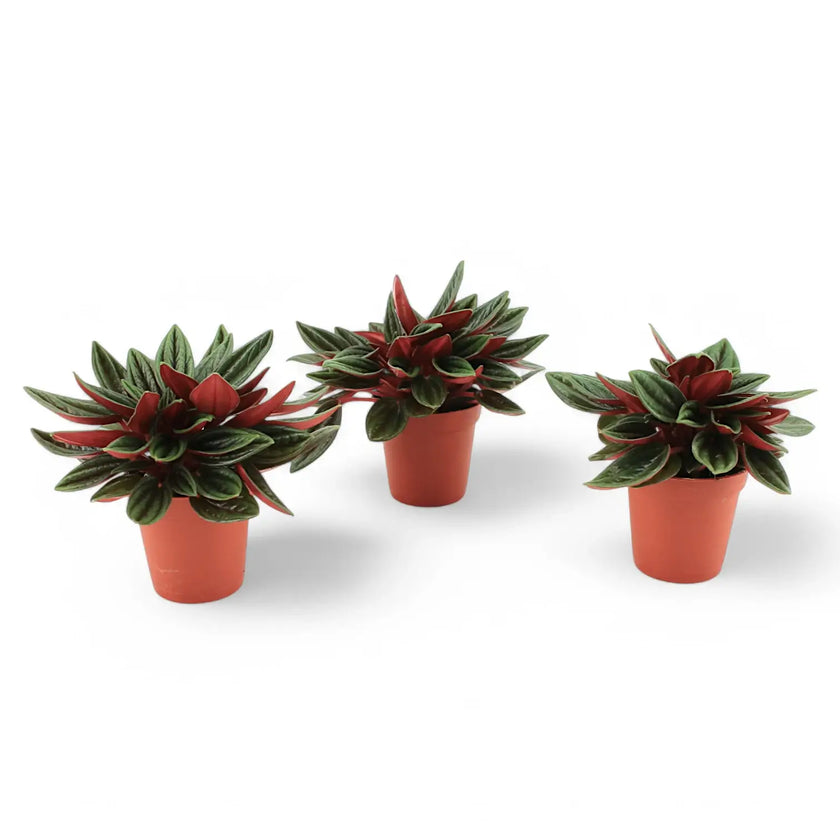
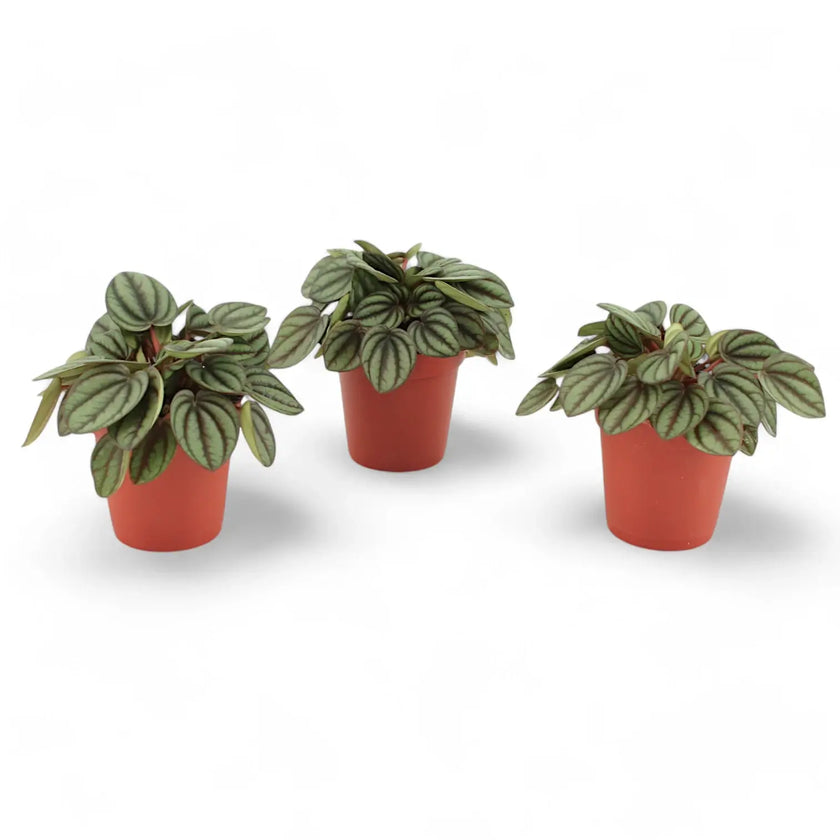
Peperomia caperata 'Cayenne' Regular price €10,25
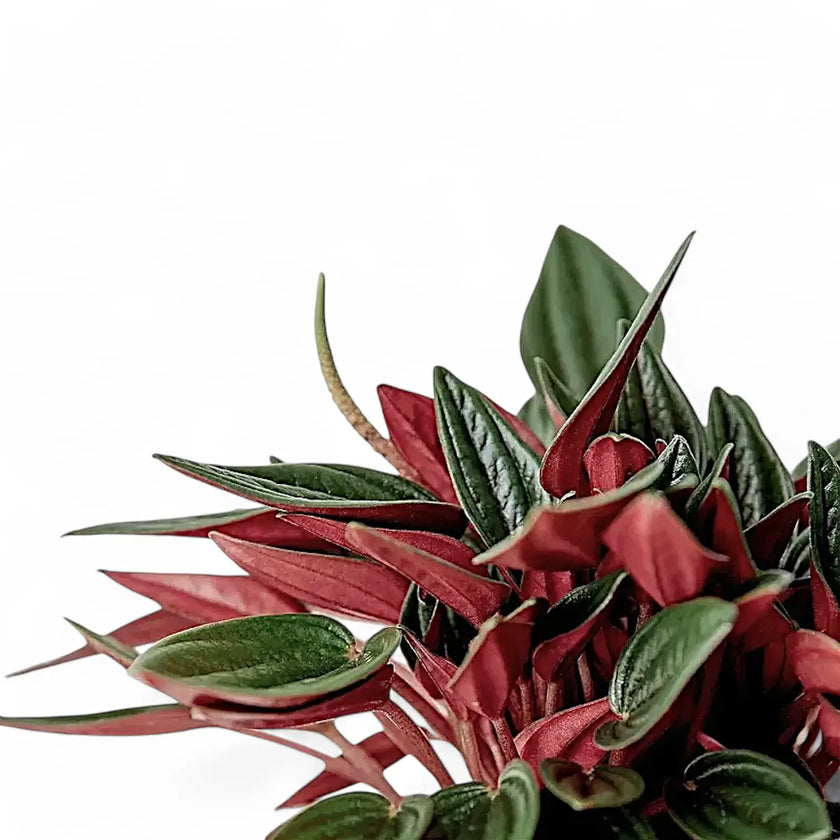
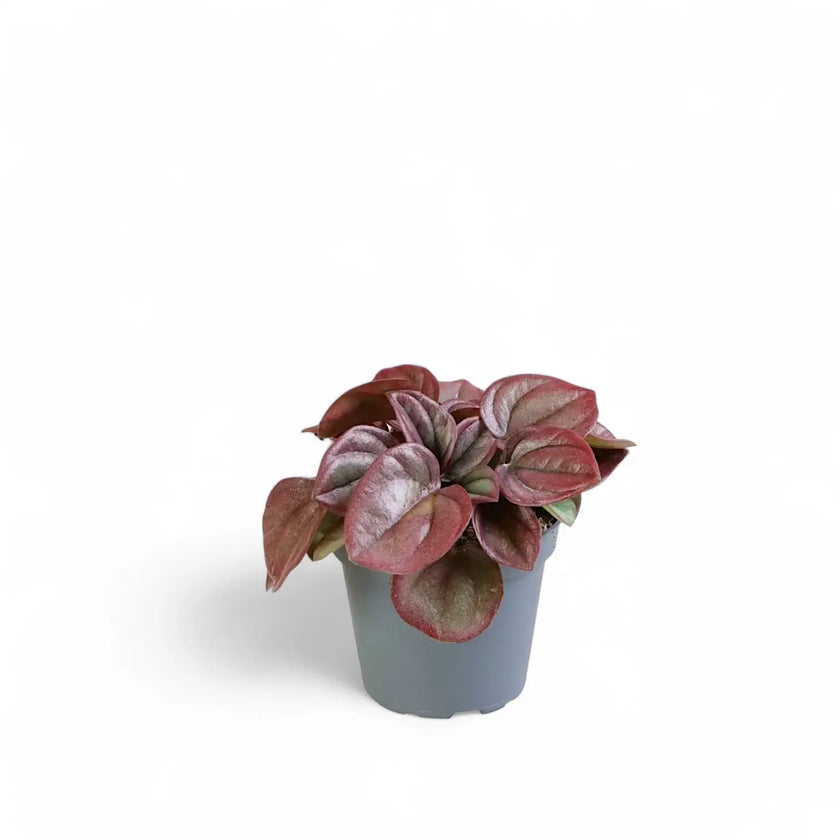
Peperomia 'Eden Rosso' Regular price From €10,50
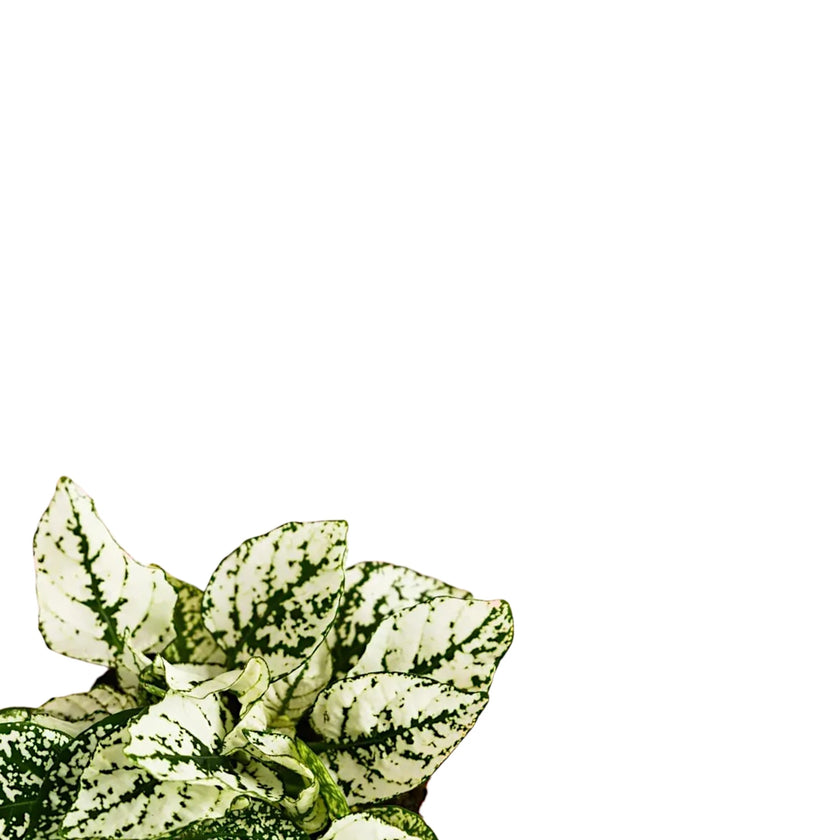
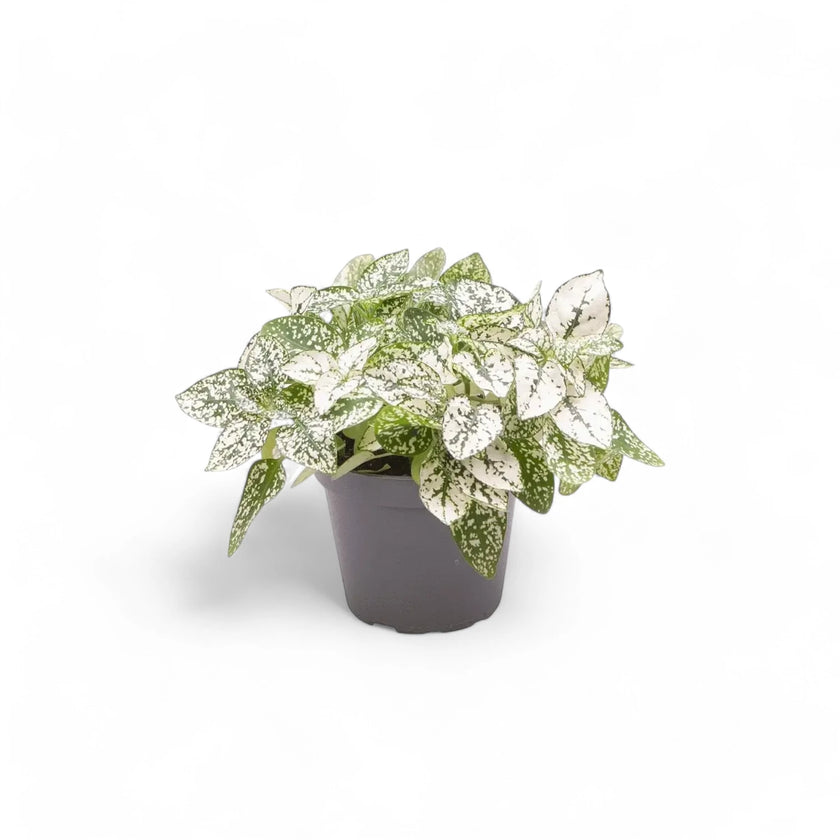
Hypoestes phyllostachya 'White' Regular price €9,25
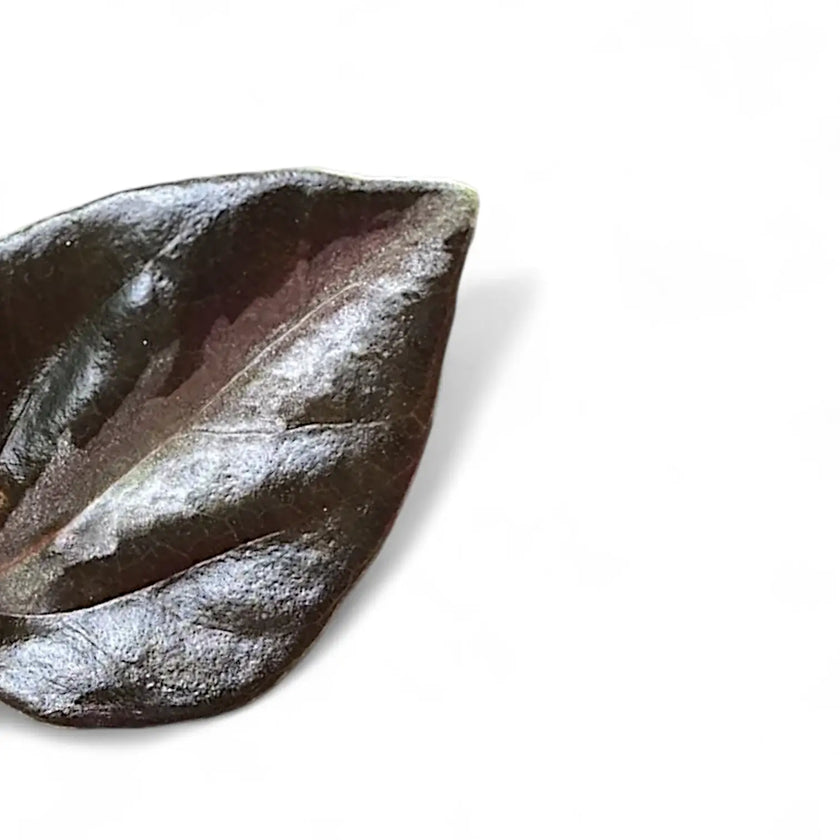
Peperomia metallica 'Colombiana' Regular price €10,25
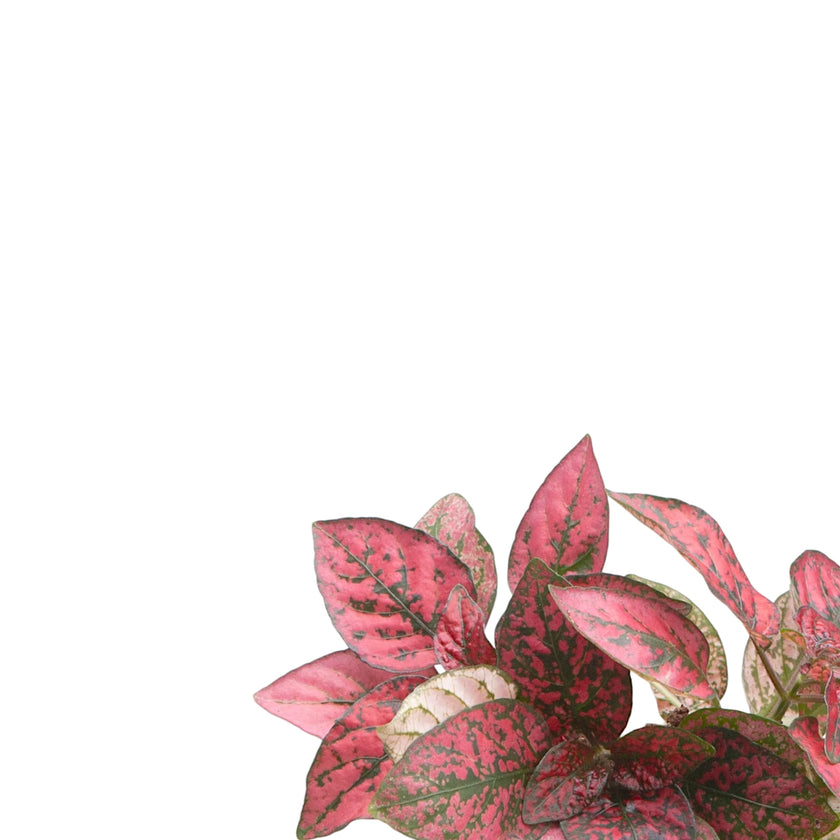
Hypoestes phyllostachya 'Red' Regular price €9,25
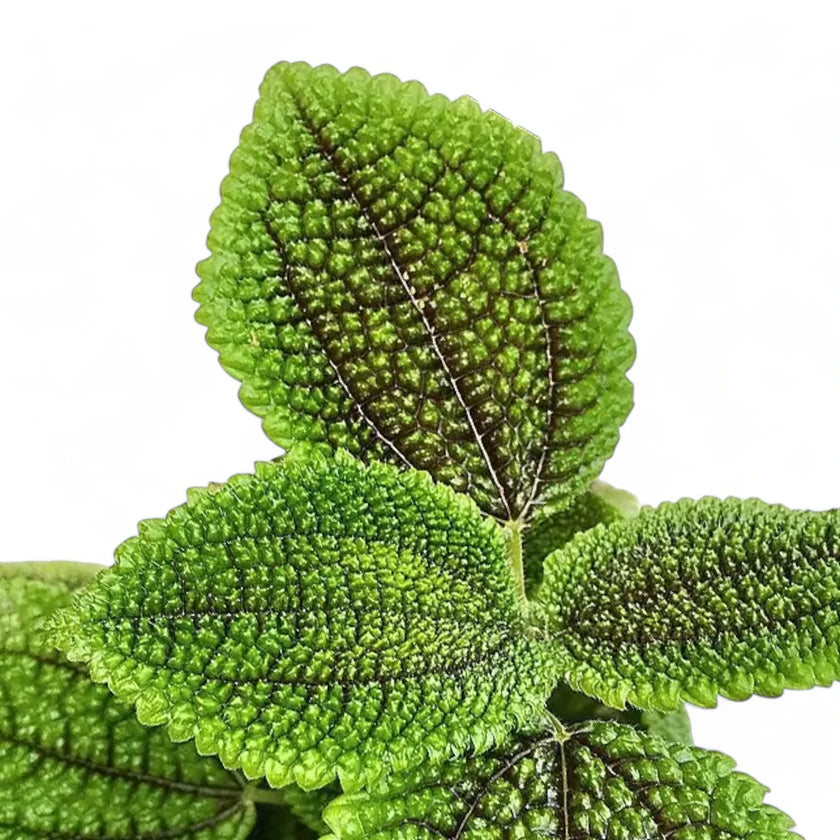
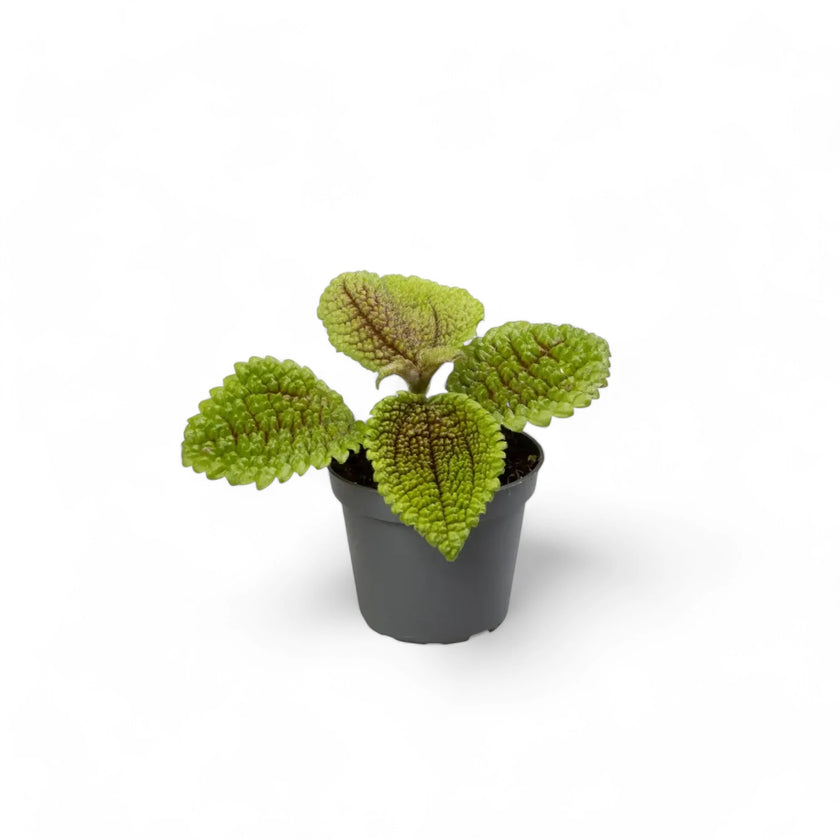
Pilea ovalis 'Moon valley' Regular price €11,00
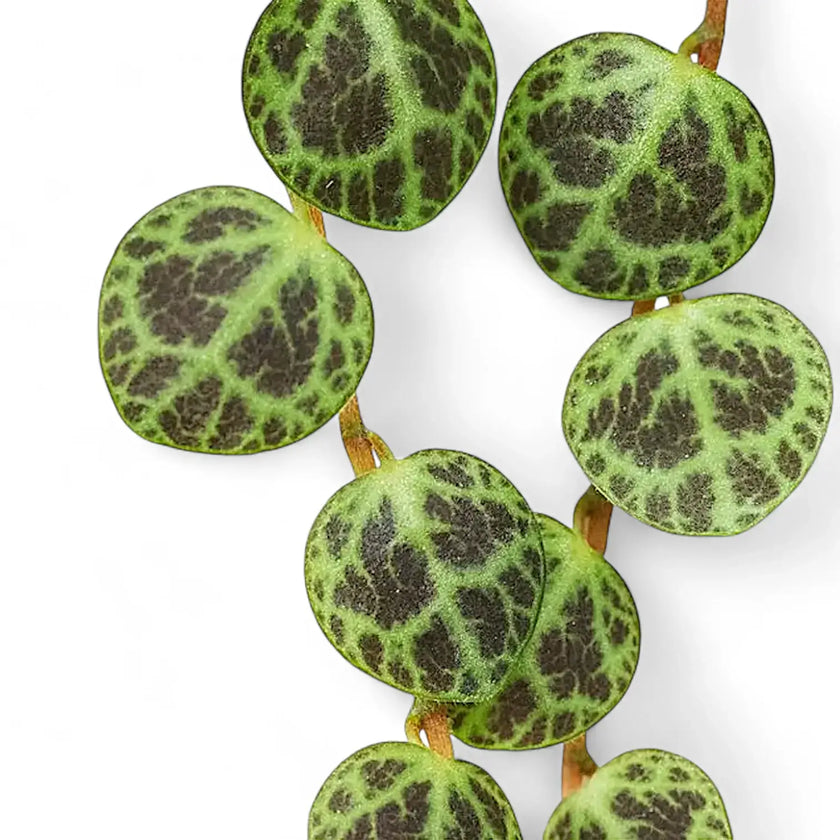
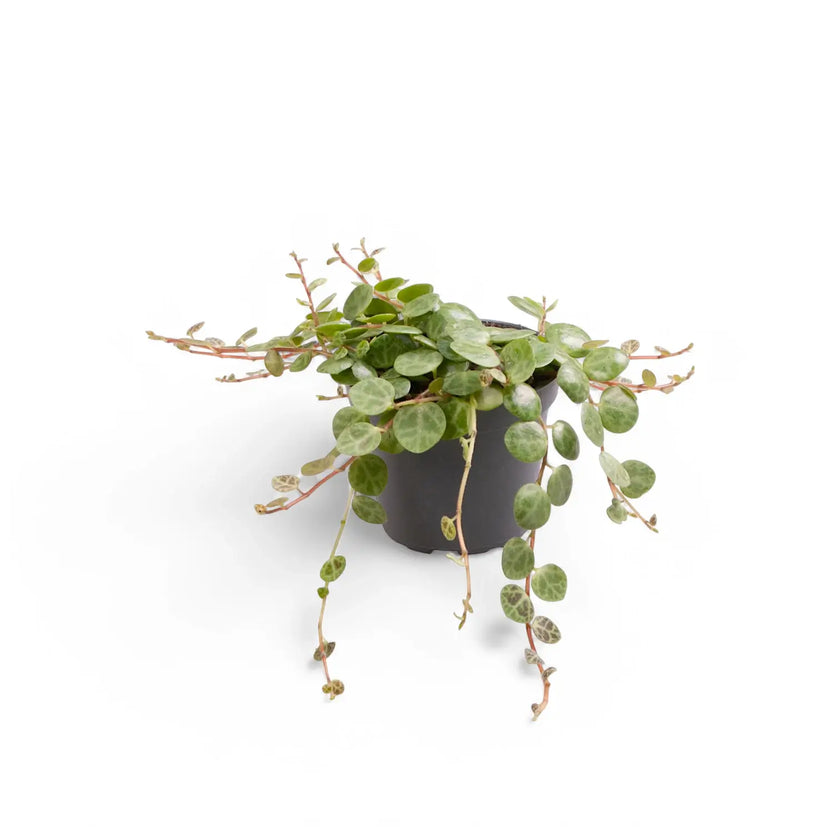
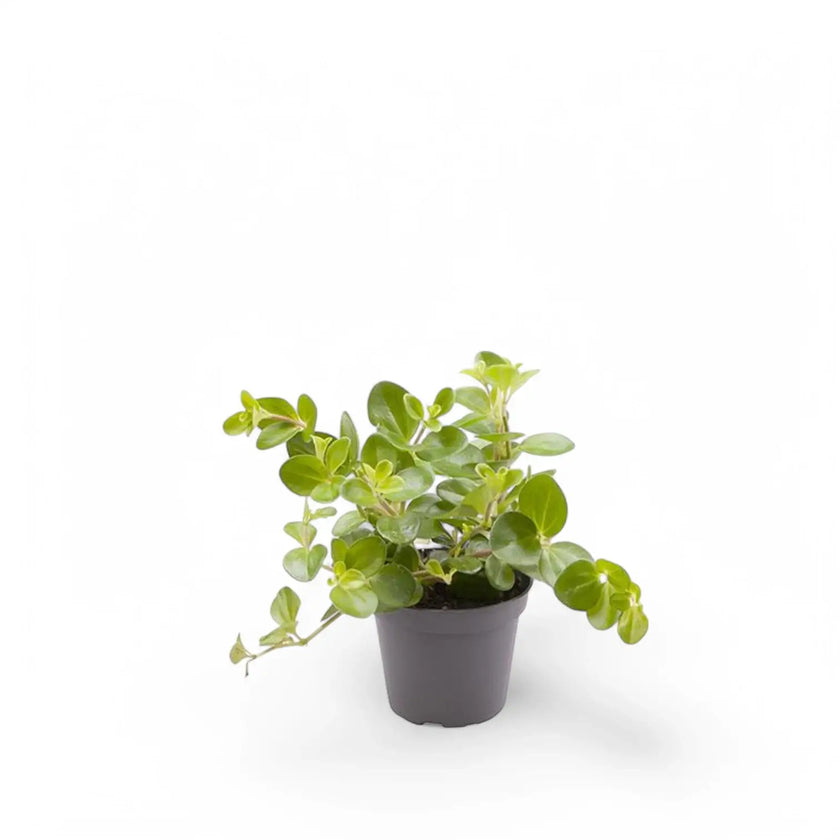
Peperomia prostrata Regular price €11,00
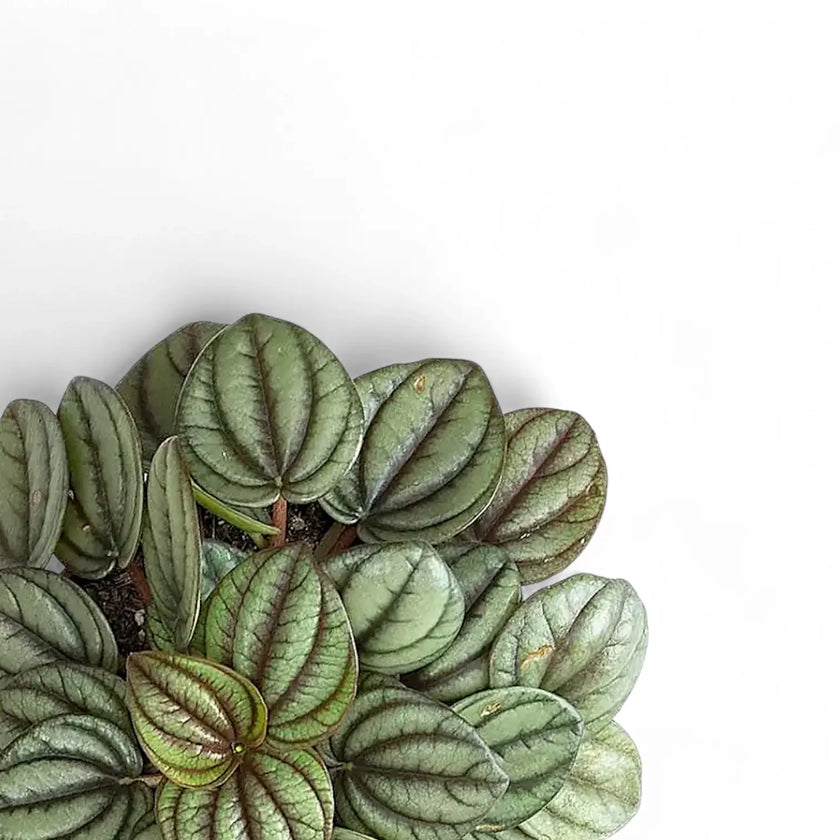
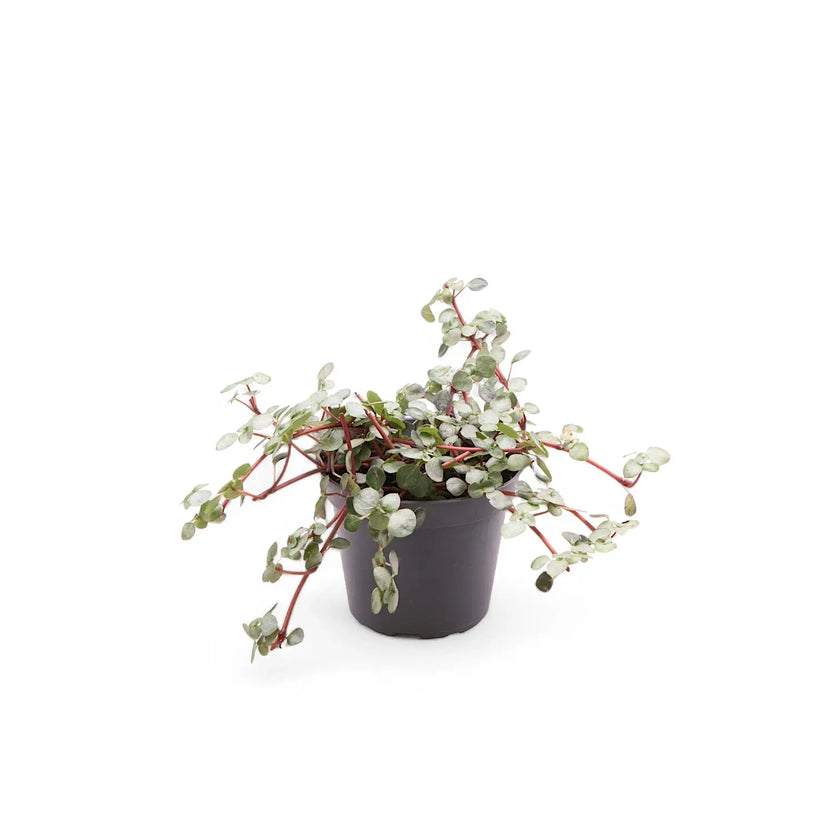
Peperomia albovittata 'Piccolo Banda' Regular price €10,50
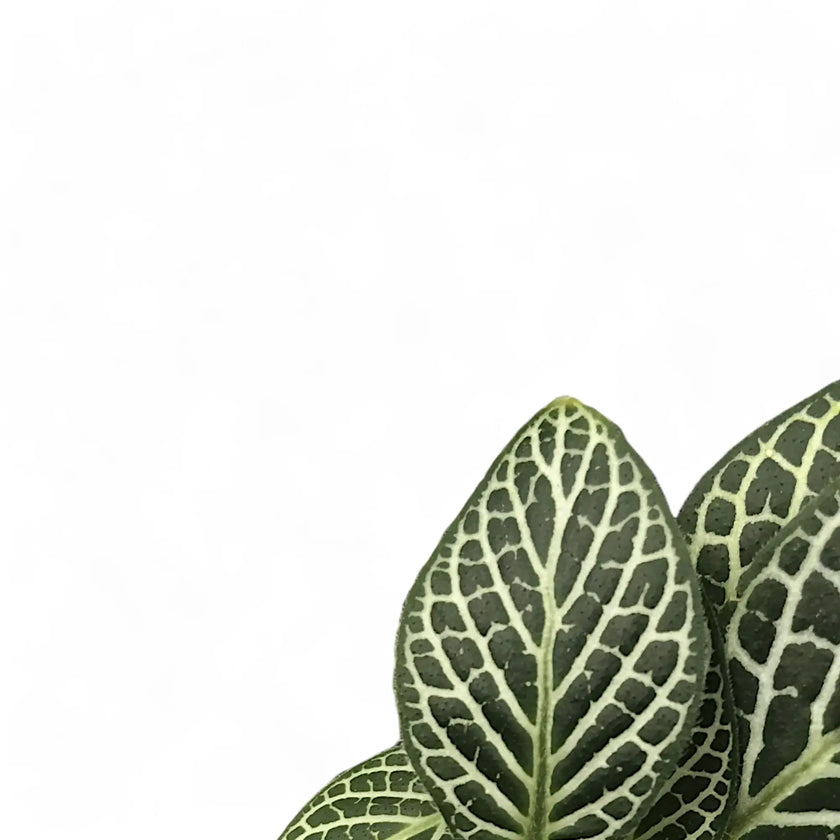
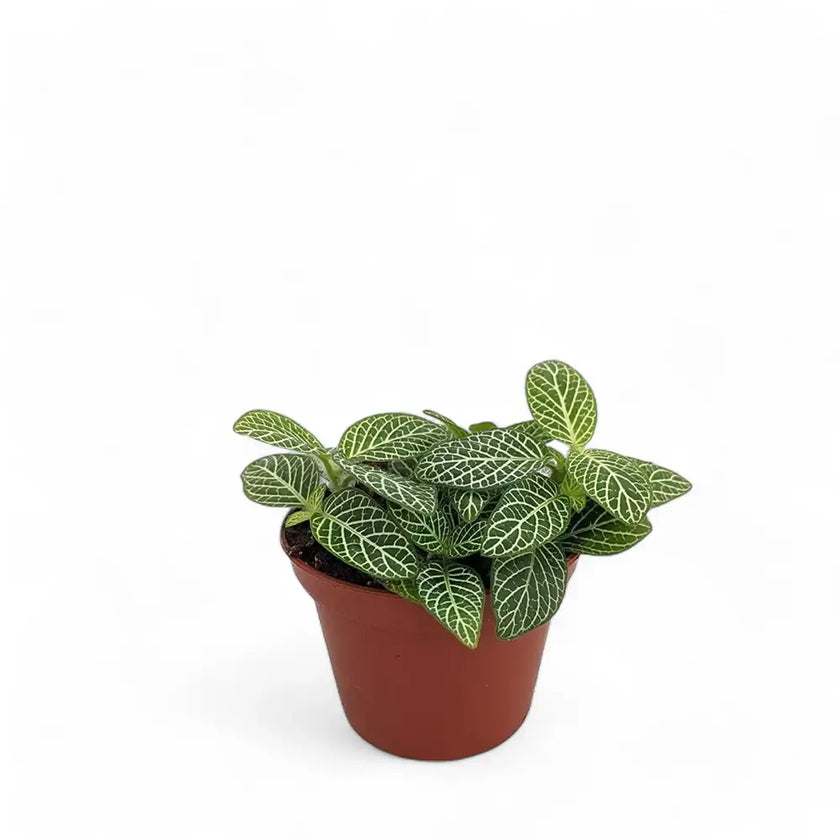
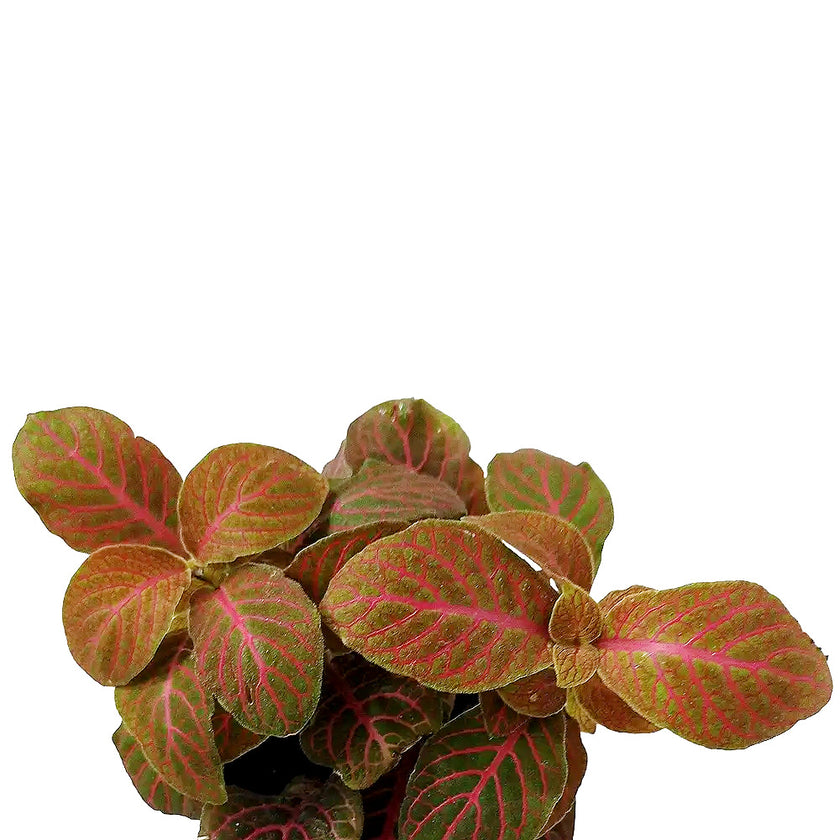
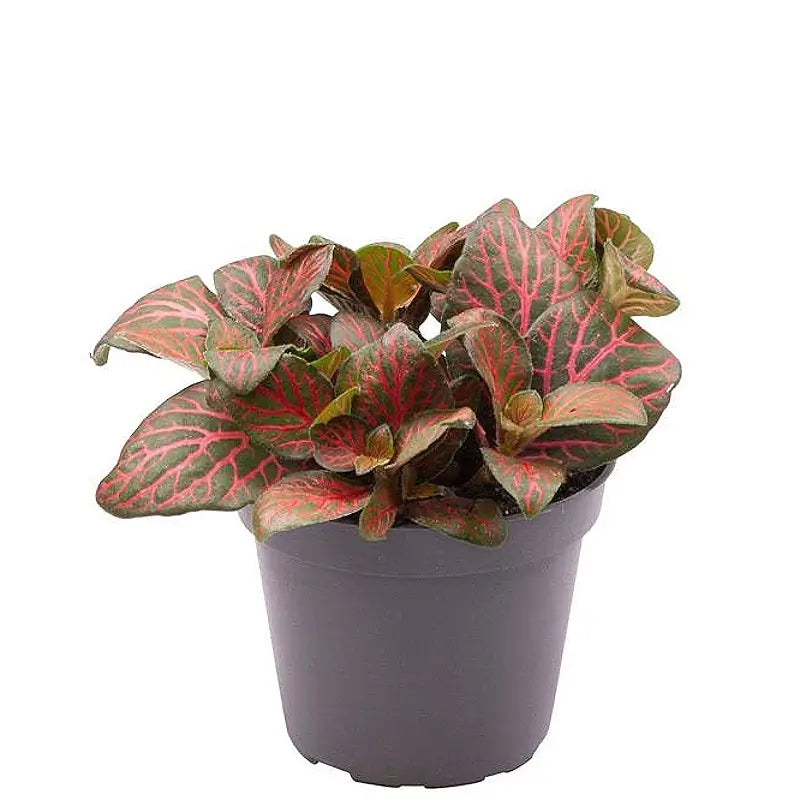
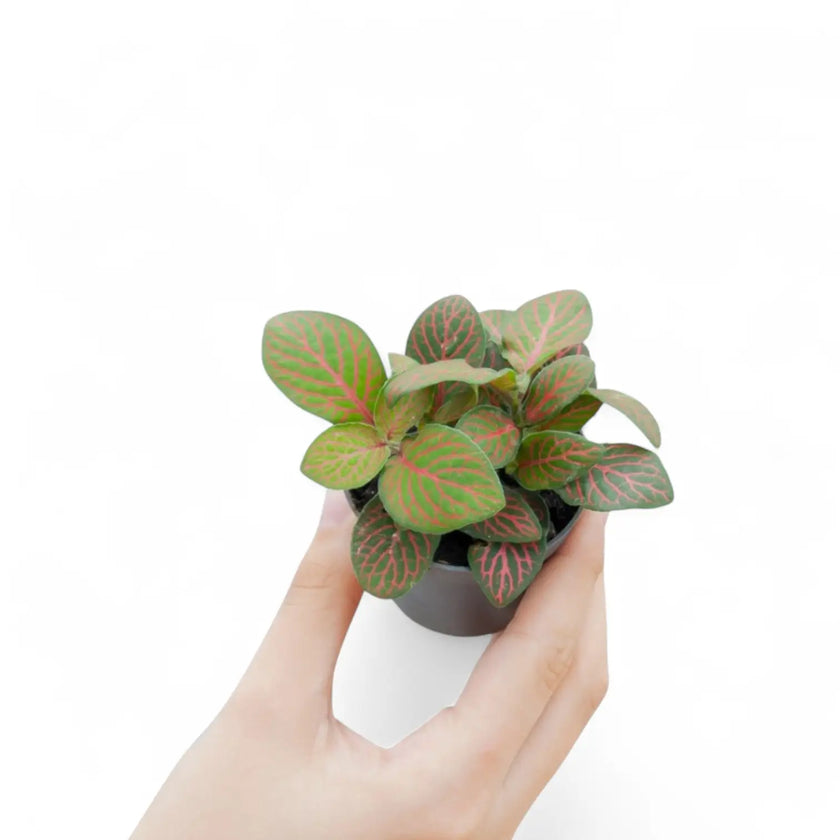
Fittonia albivenis Regular price €10,25
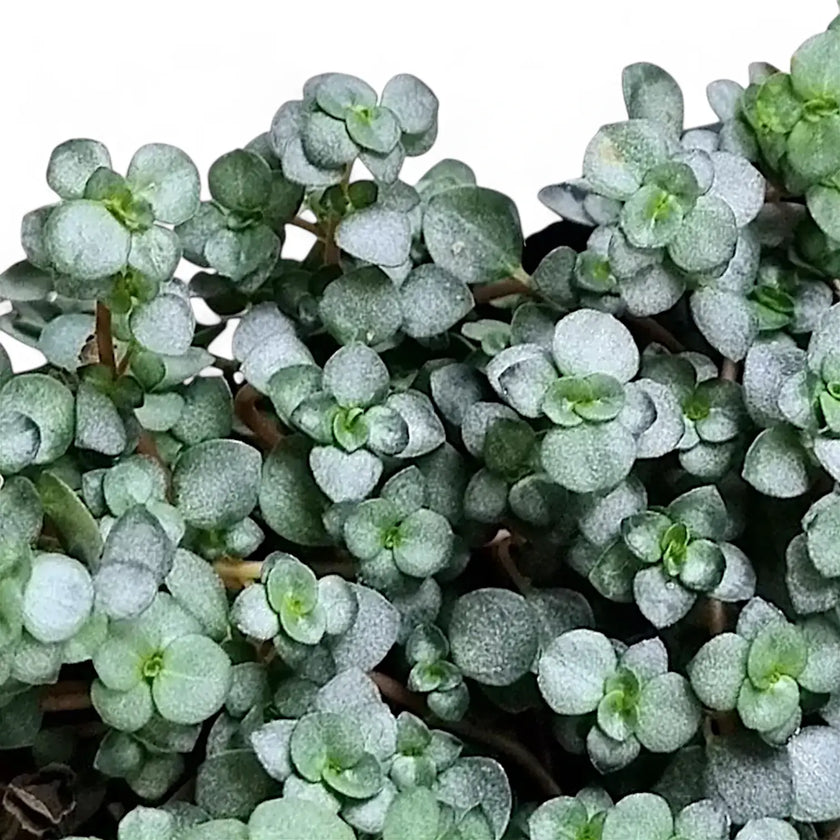
Fittonia albivenis 'Joly Josan Red' Regular price €10,25
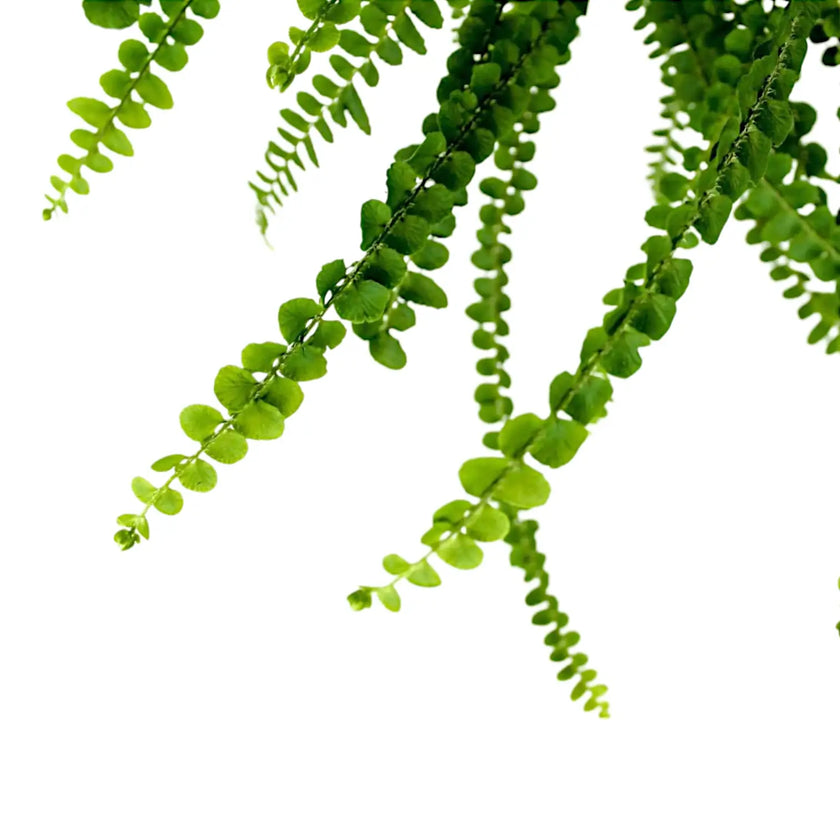
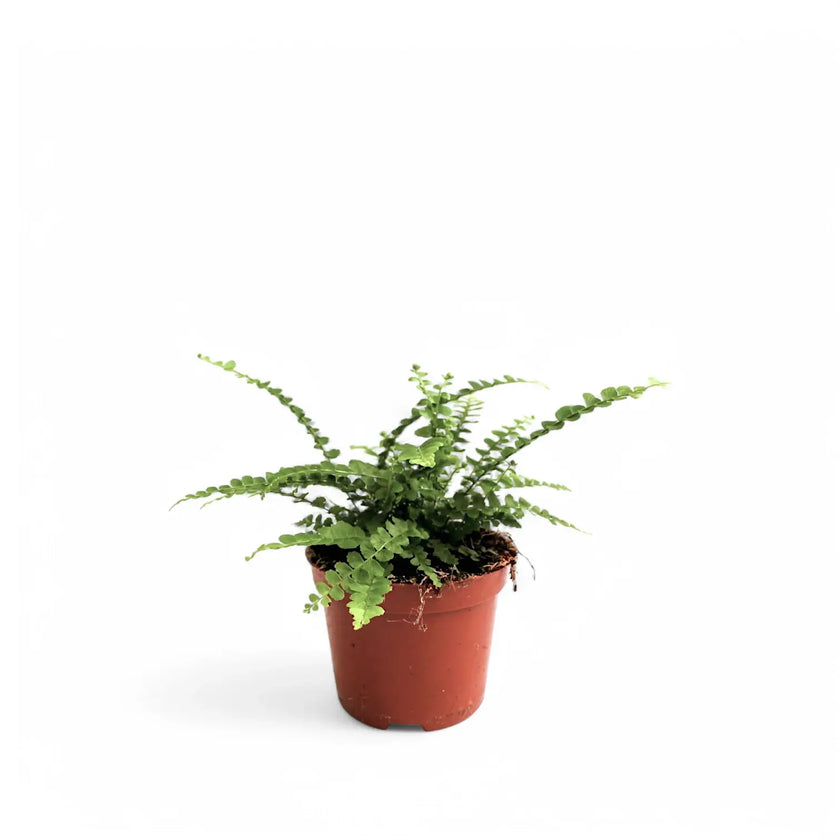
Nephrolepis cordifolia 'Duffii' Regular price From €10,00
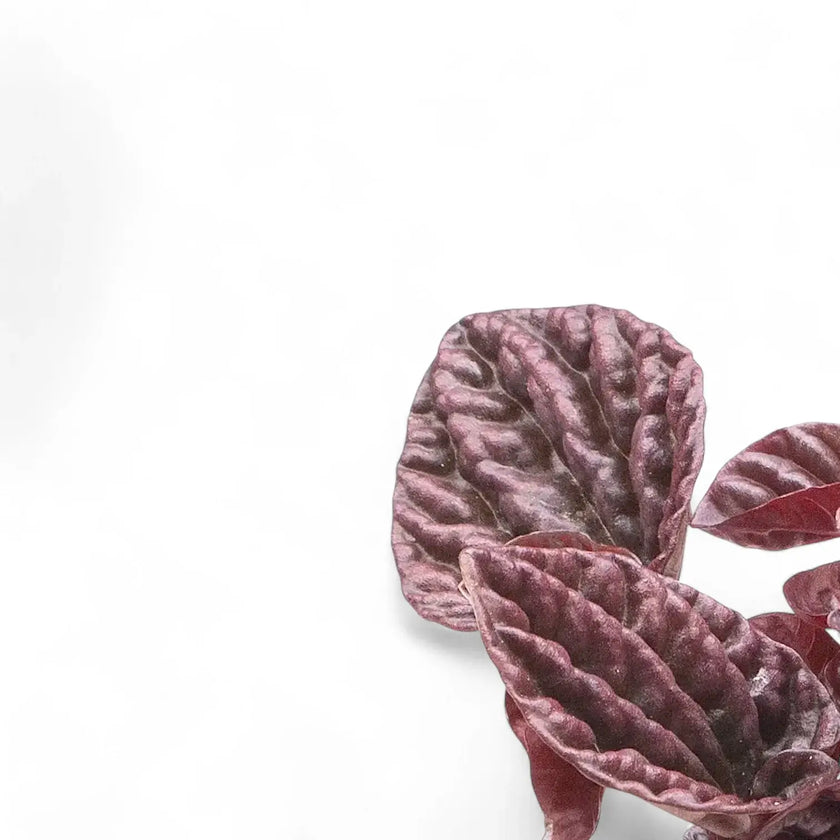
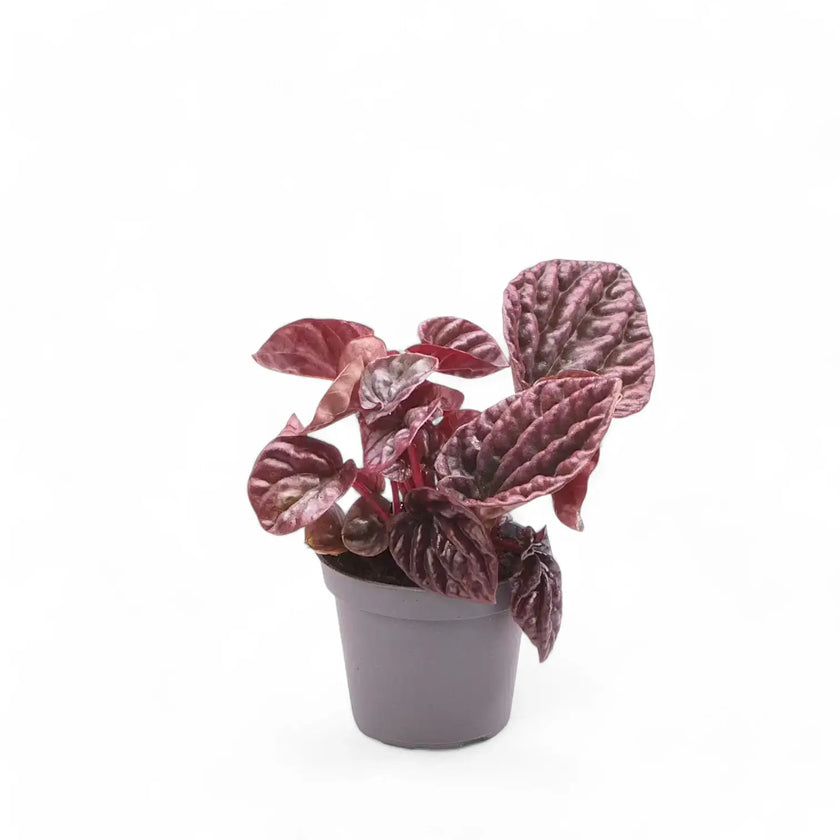
Peperomia caperata 'Red Luna' Regular price €10,25
Peperomia 'Quito' Regular price €10,25
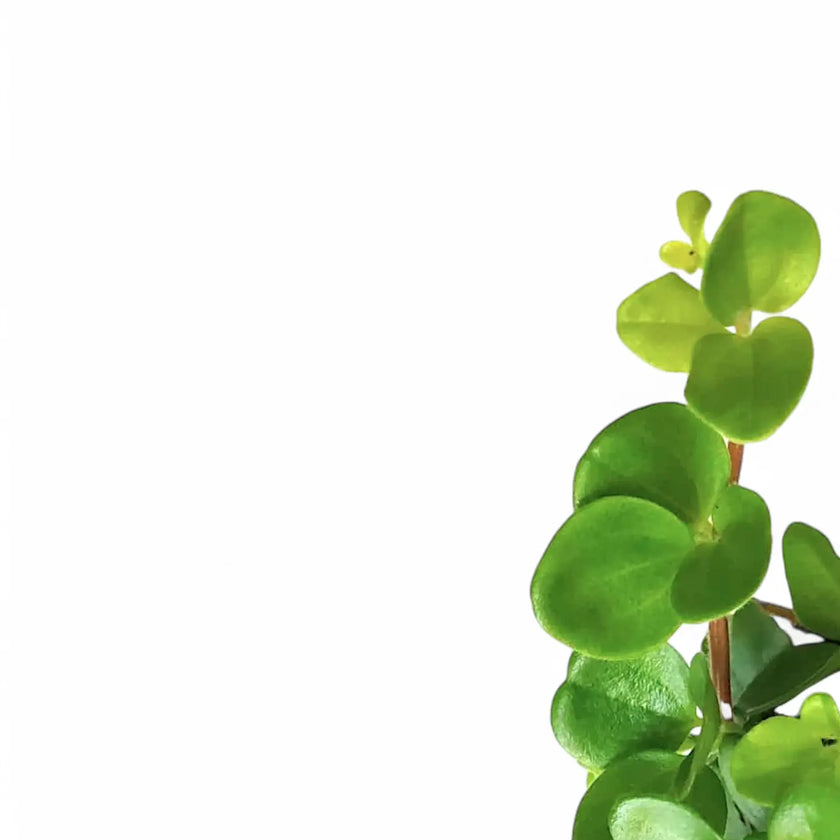
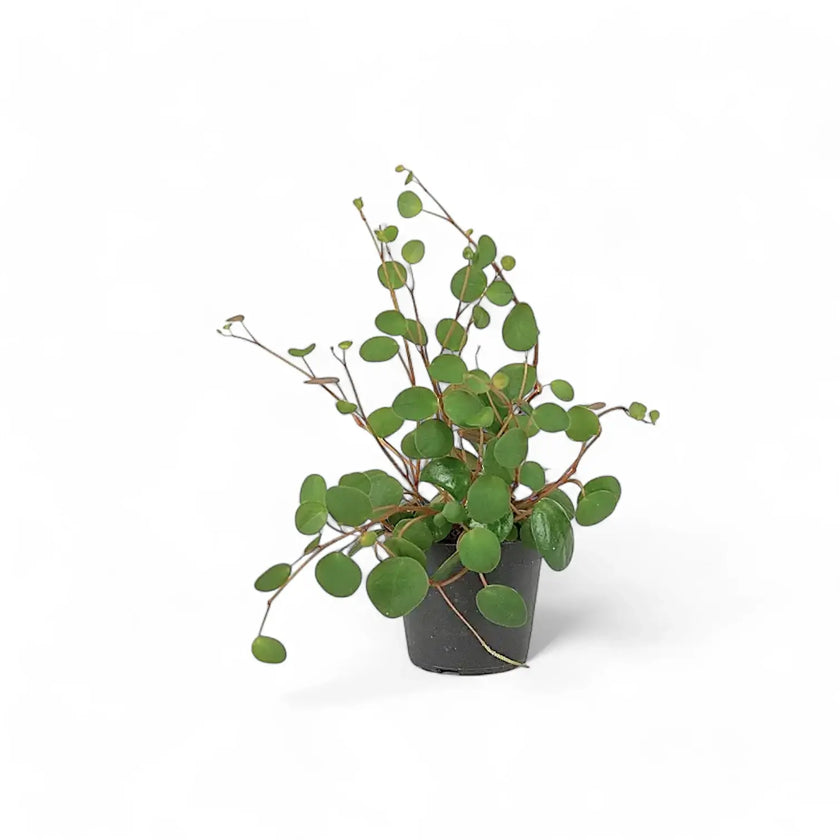
Peperomia rotundifolia Regular price From €10,25
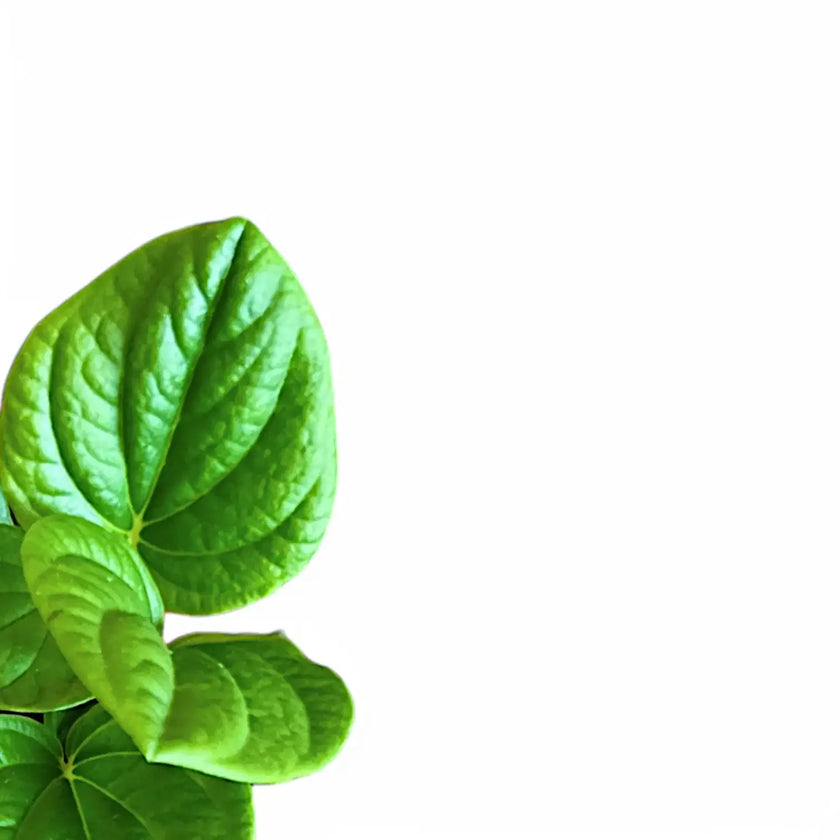
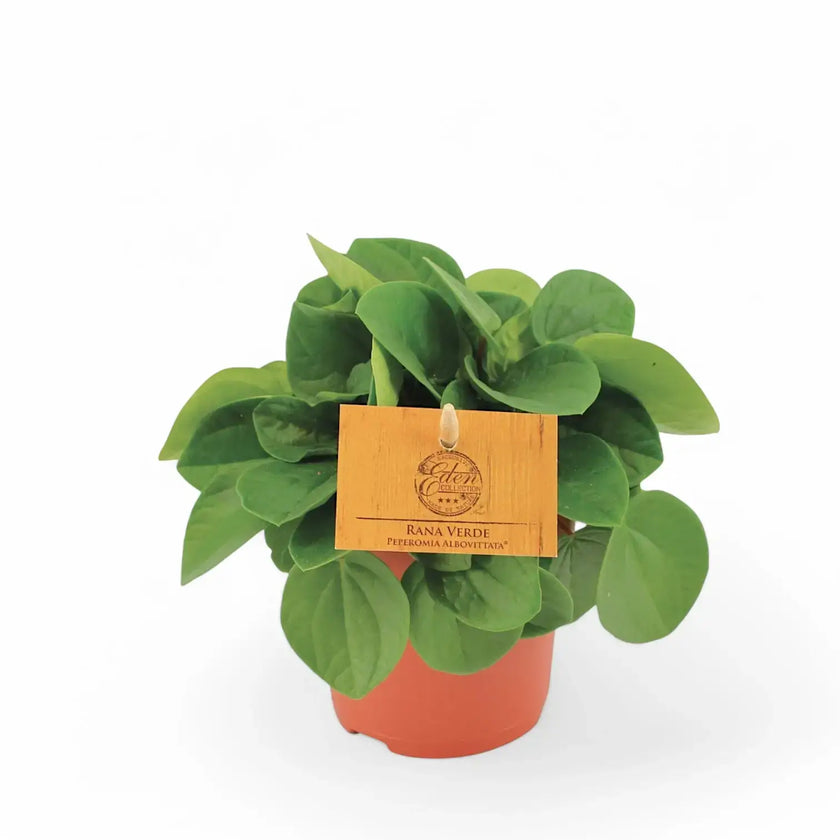
Peperomia 'Rana Verde' Regular price €17,25
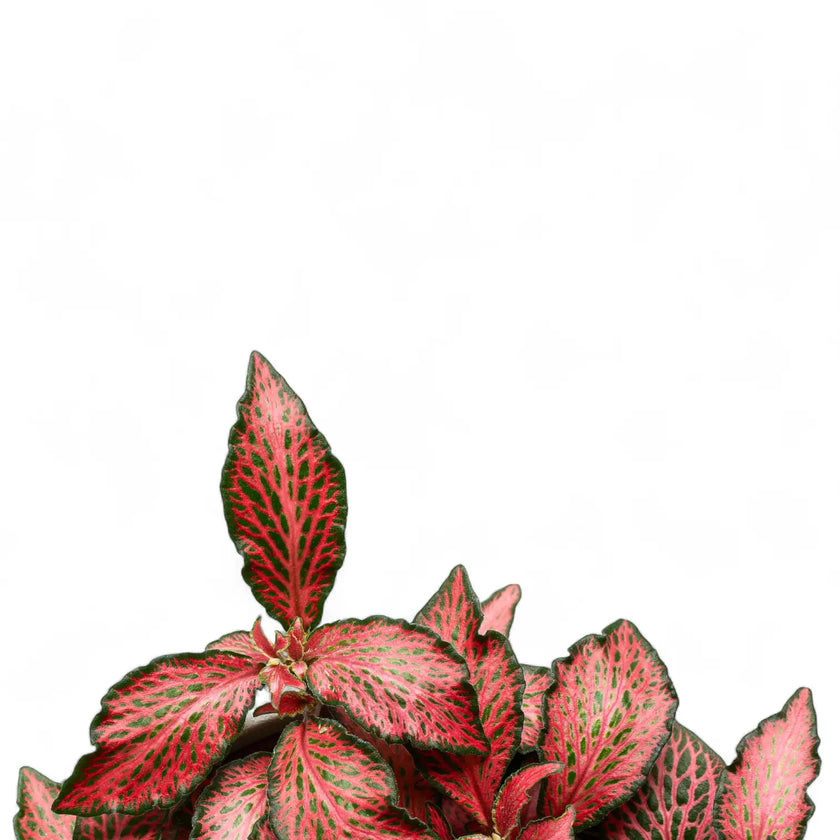
Fittonia albivenis 'Forest Flame' Regular price €9,25

Plants for Closed Terrarium

Quick Overview

Plants for Closed Terrarium for humid glass setups

  • Best fit: lidded jars, corked glass vessels and enclosed terrariums with stable moisture.
  • Plant type: compact ferns, Fittonia, Selaginella, small Peperomia and slow tropical groundcover plants.
  • Airflow: limited airflow suits plants adapted to humid, sheltered conditions, not dry-growing species.
  • Moisture: substrate should stay lightly moist, never swampy, sour or flooded above drainage.
  • Light: bright, indirect light supports compact growth; direct sun through glass can overheat plants quickly.
  • Scale: smaller plants keep the layout readable for longer and reduce constant trimming.
  • Maintenance: remove decaying leaves, trim growth before it touches wet glass and adjust if condensation stays heavy.
Details & Care

Plants for Closed Terrarium: compact foliage for sealed humidity

Closed terrariums hold moisture inside glass and create a warm, humid microclimate with slow evaporation. Plants for closed terrariums need to stay compact, tolerate stable moisture and grow well in soft filtered light. The setup suits forest-floor style plants better than dry-climate species because humidity stays high and airflow is limited between openings.

Plant choice matters because space, moisture and light are shared inside one vessel. Compact ferns, Fittonia, Selaginella, small Peperomia, creeping tropical plants and selected miniature foliage plants are good starting points. Fast climbers, large aroids, cacti, succulents and plants that need strong sun usually fit open containers or normal pots better, where airflow and drying are easier to manage.

What works inside closed glass

  • Small mature size: choose plants that can stay in scale with the vessel after several months of growth, beyond the planting day.
  • Humidity tolerance: leaves and stems should handle moist air without collapsing, spotting or rotting quickly.
  • Soft light needs: closed glass is best kept out of harsh direct sun because heat can build fast inside the vessel.
  • Creeping or clumping habit: low plants usually layer better than tall upright plants that hit the lid or shade neighbours.
  • Maintenance access: choose plants that can be trimmed, cleaned or removed without dismantling the whole display.

A closed terrarium should feel planted, not crowded. Leaving visible space between plants allows new growth, reduces leaf overlap and makes maintenance easier. Slow, compact plants usually keep the display stable for longer than fast-growing vines or large-leaved tropicals.

Care fit for closed terrarium plants

A closed terrarium works best with a light, airy substrate, a drainage layer or moisture buffer where appropriate, and careful watering at setup. The goal is damp, stable conditions, not a wet base. Condensation that appears and clears through the day can be normal, while constant heavy dripping often means too much water or too little ventilation. Opening the vessel briefly can reset airflow when needed.

Closed terrarium plants should be inspected regularly for mould, yellowing leaves, overcrowding and dead material. Remove old leaves early because decay spreads faster in humid glass. Fertiliser should be used very lightly, if at all, because rapid growth can make plants outgrow the vessel. Choose closed terrarium plants for compact, humidity-loving displays where scale, moisture and maintenance stay under control.

Planting order also matters. Taller plants usually sit toward the back, creeping plants can cover edges or gaps, and the smallest plants should stay visible so they are not shaded immediately. Keep the first planting slightly open so the terrarium can grow into itself over time without needing heavy correction after a few weeks.

Closed Terrarium Plants FAQ