Homalomena: compact jungle clumps for warm indoor collections
Homalomena: dense, compact foliage without runaway vines
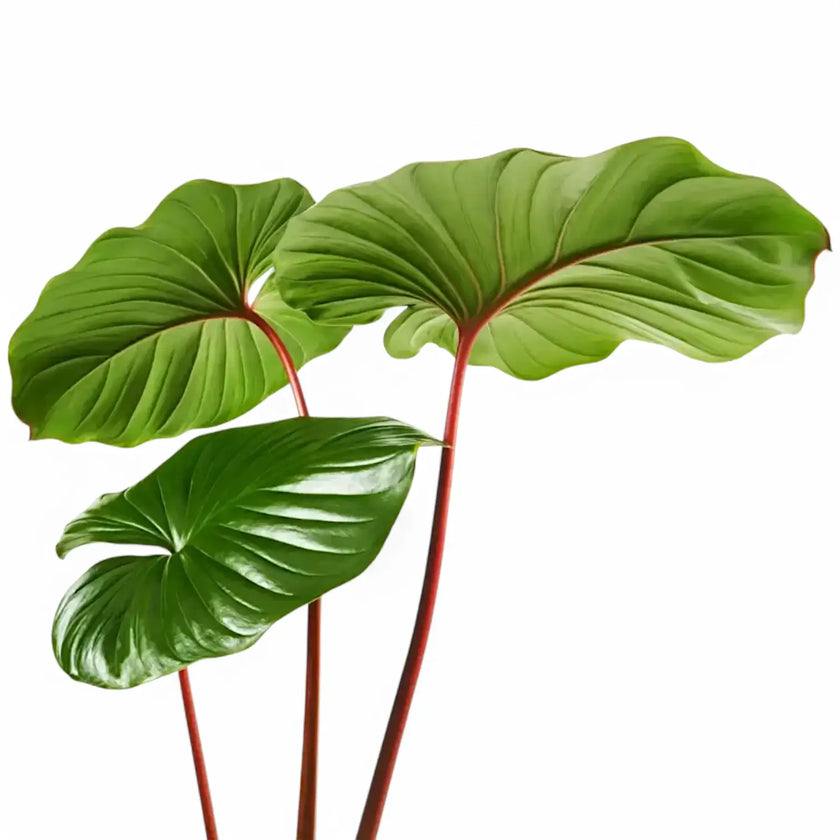
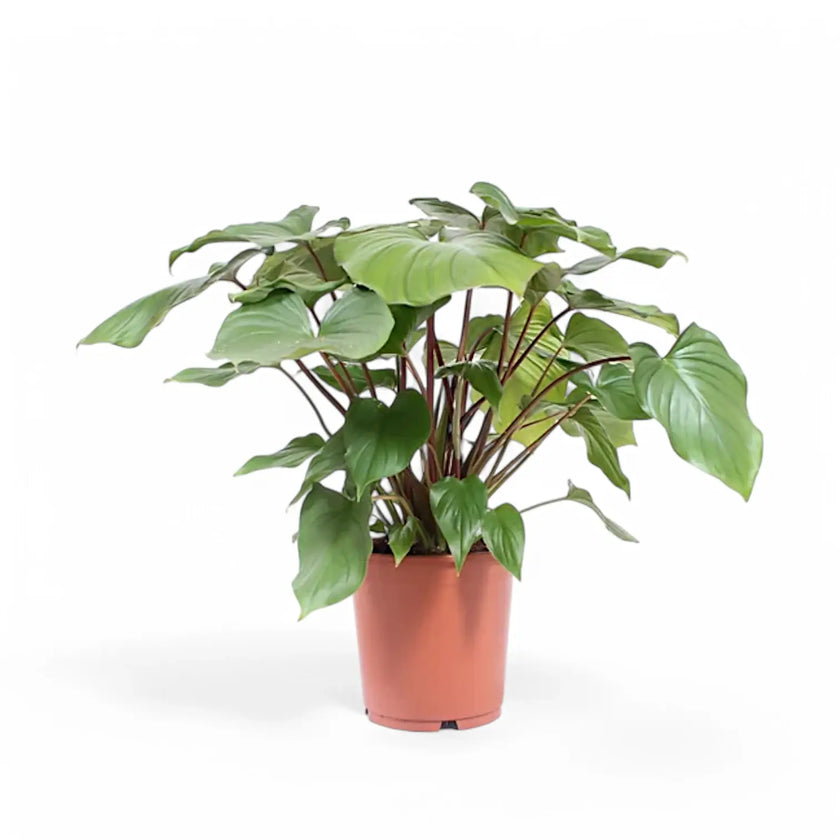
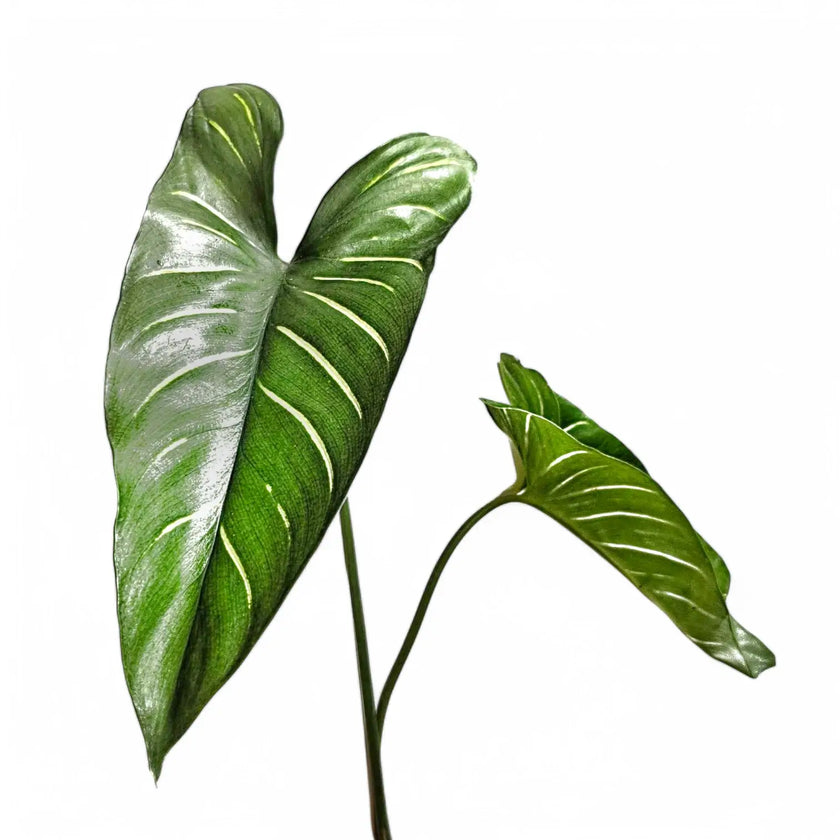
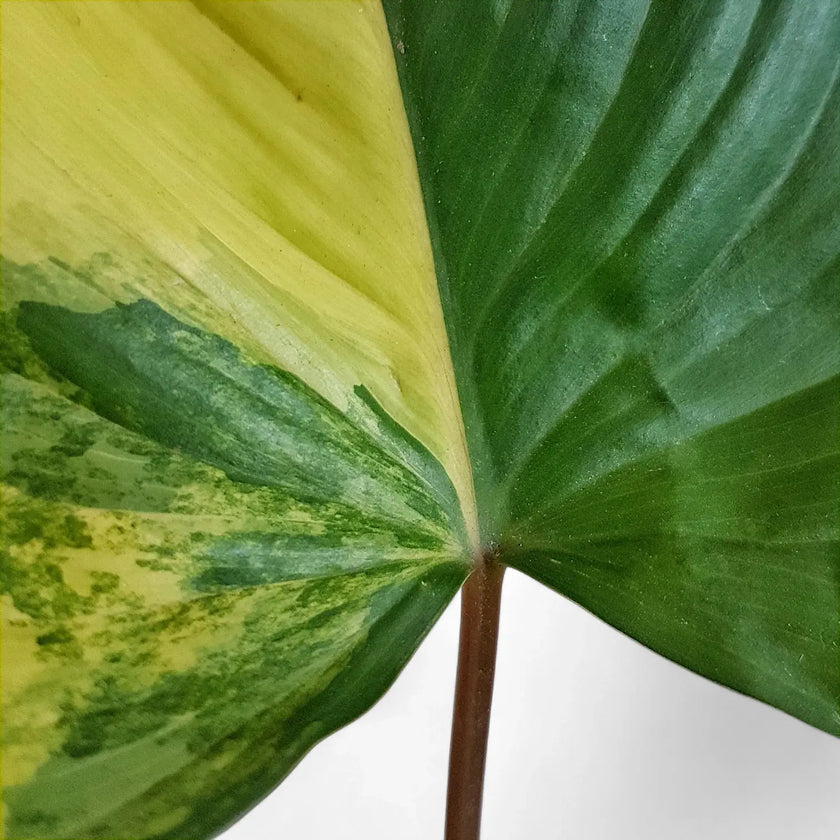
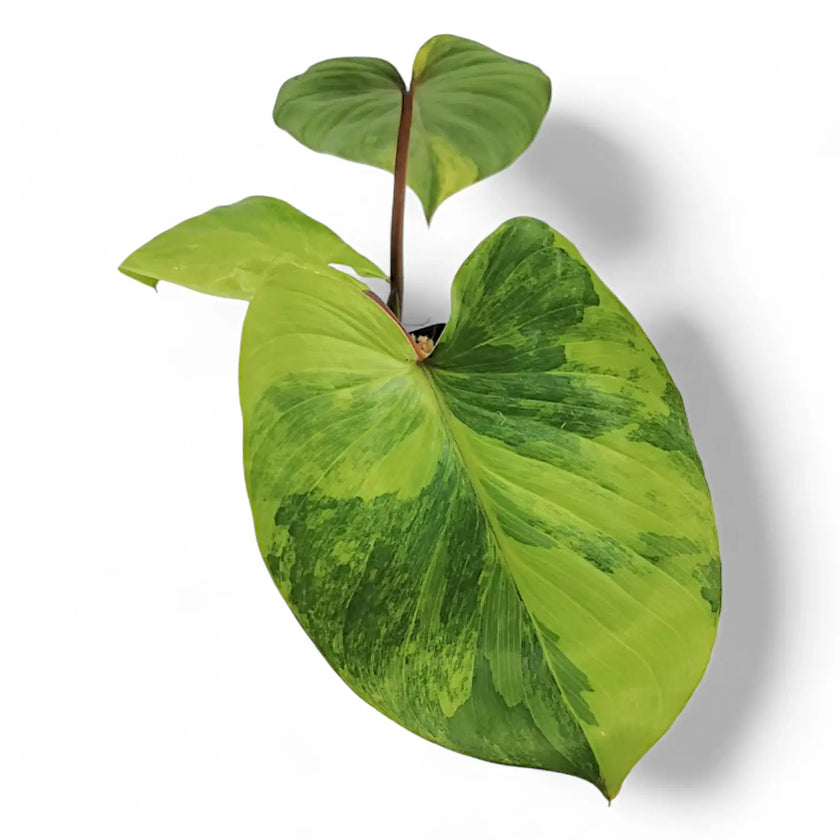
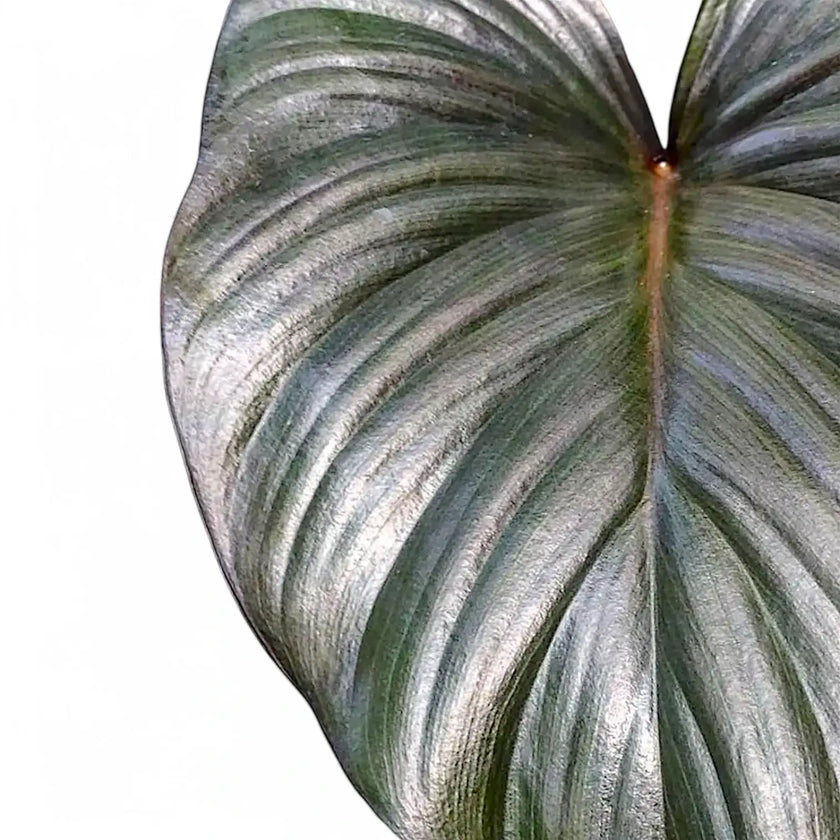
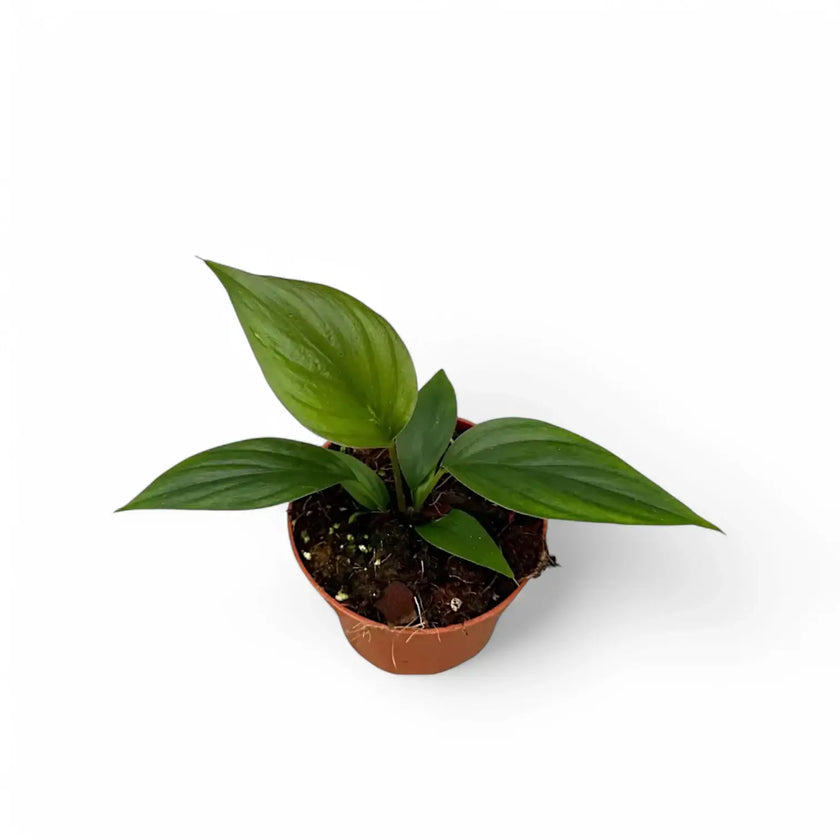
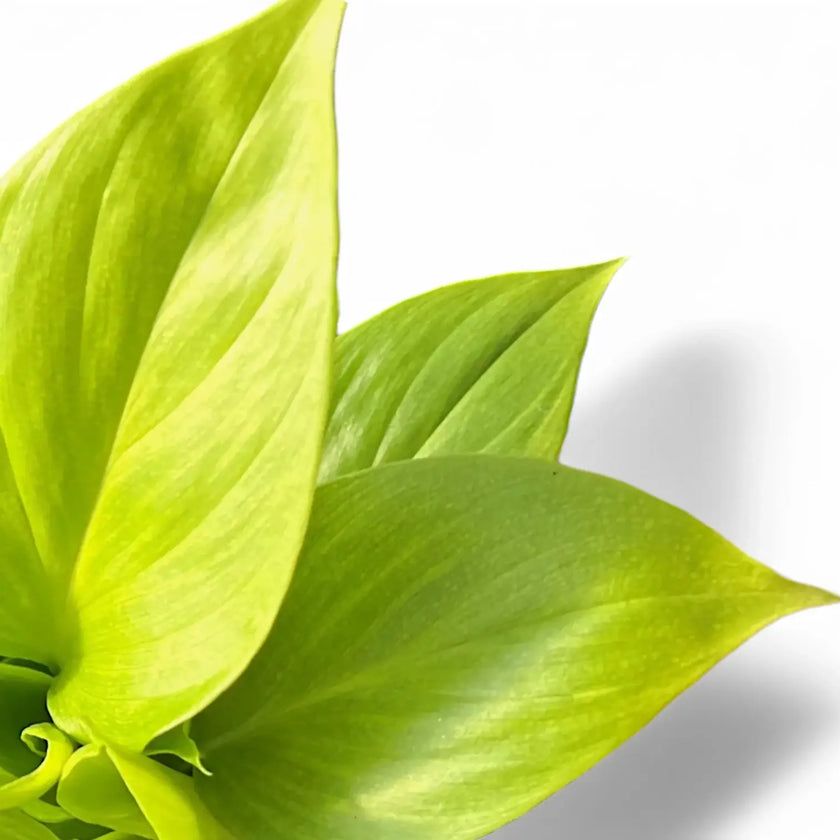
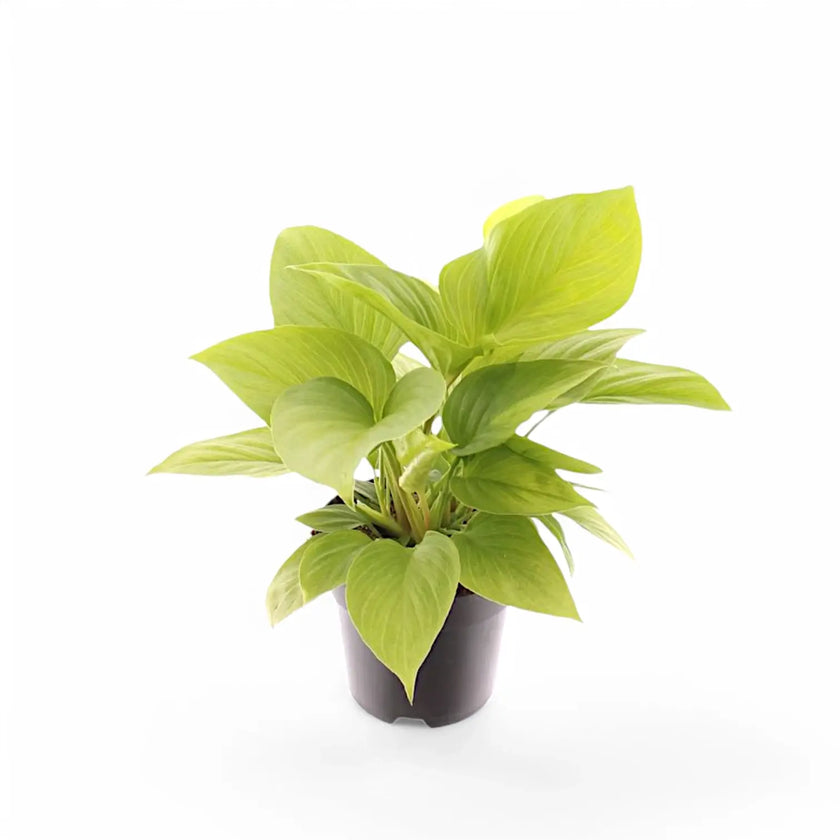
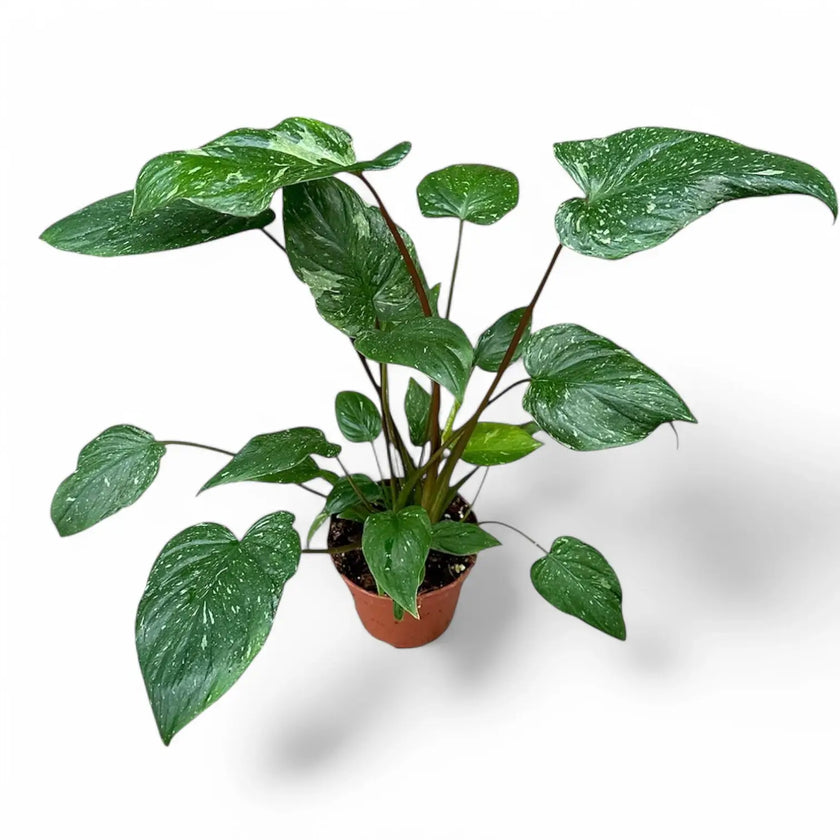
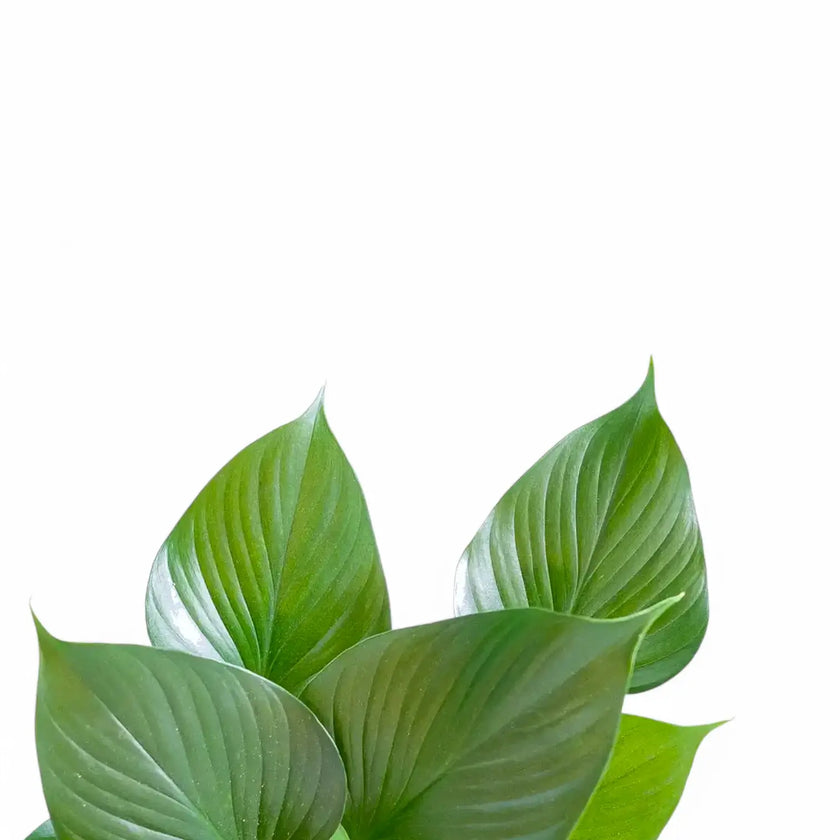
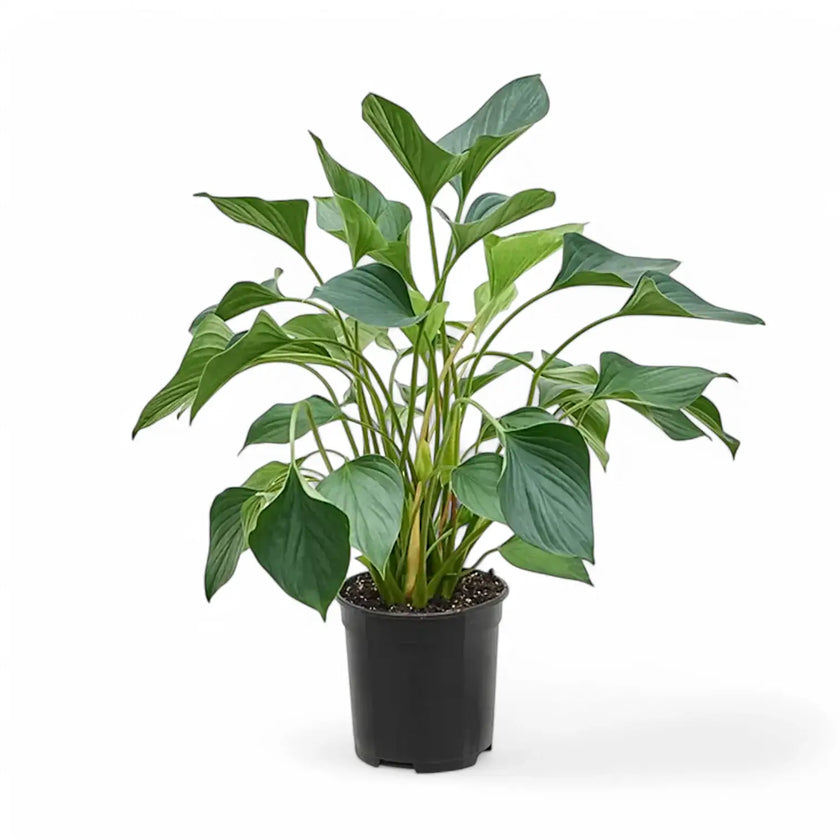
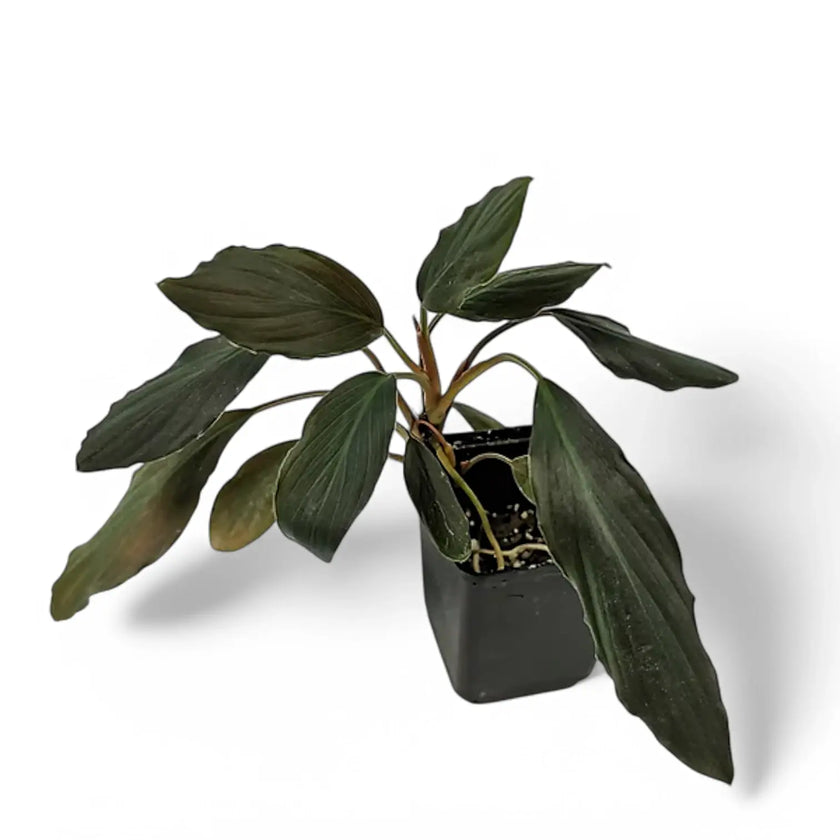
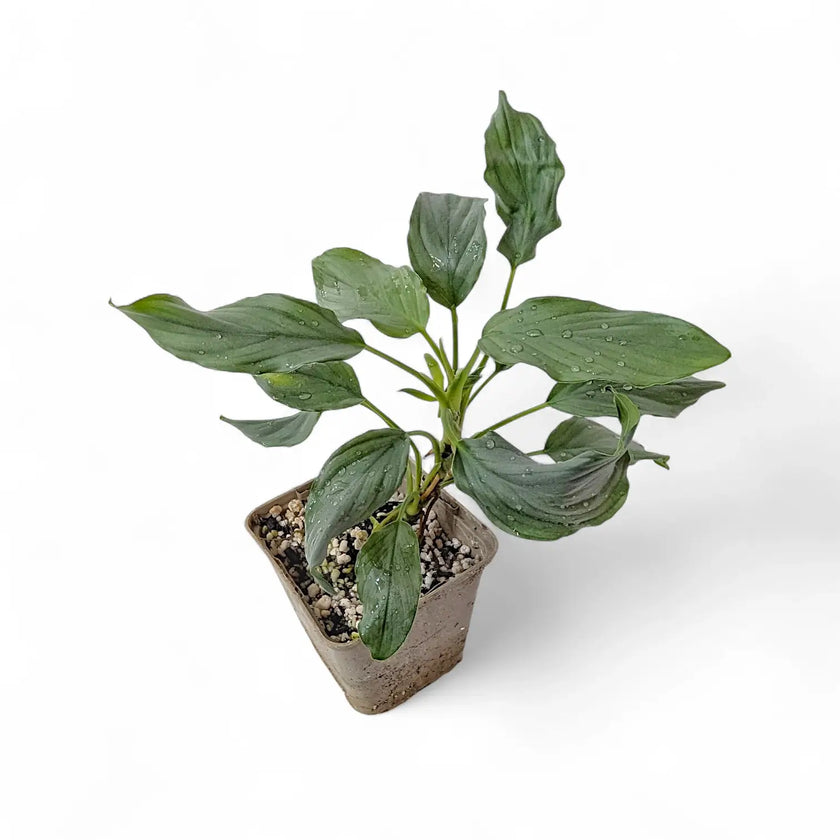
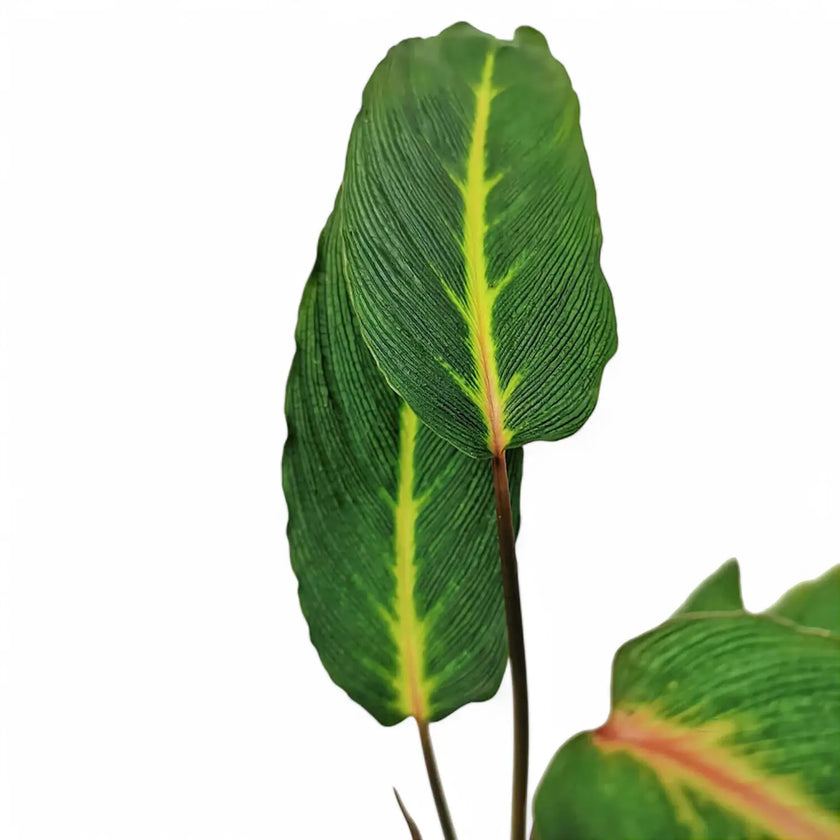
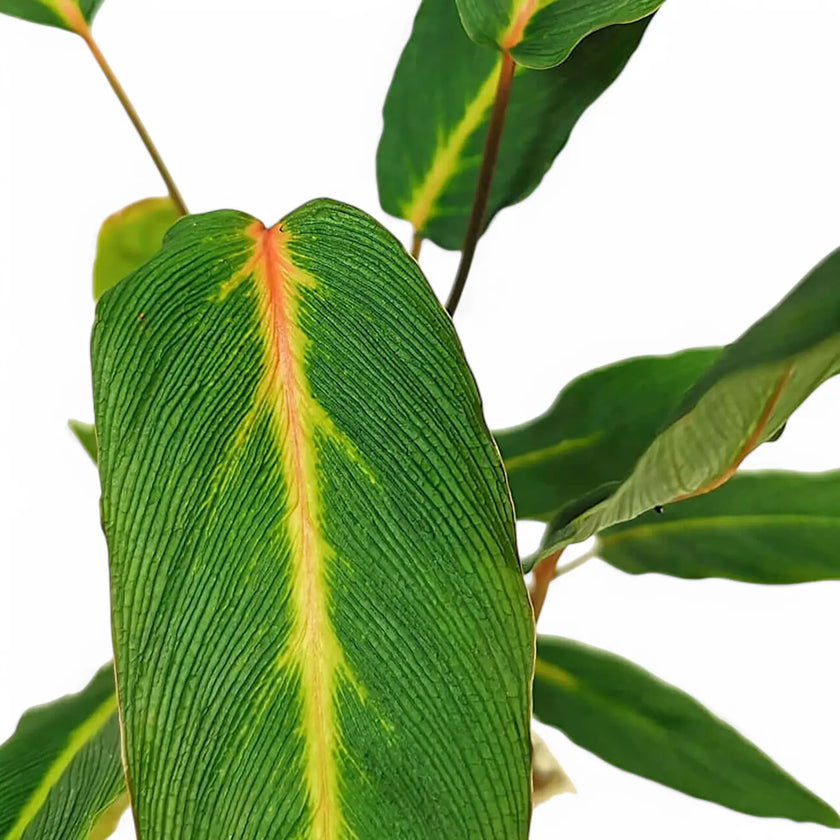
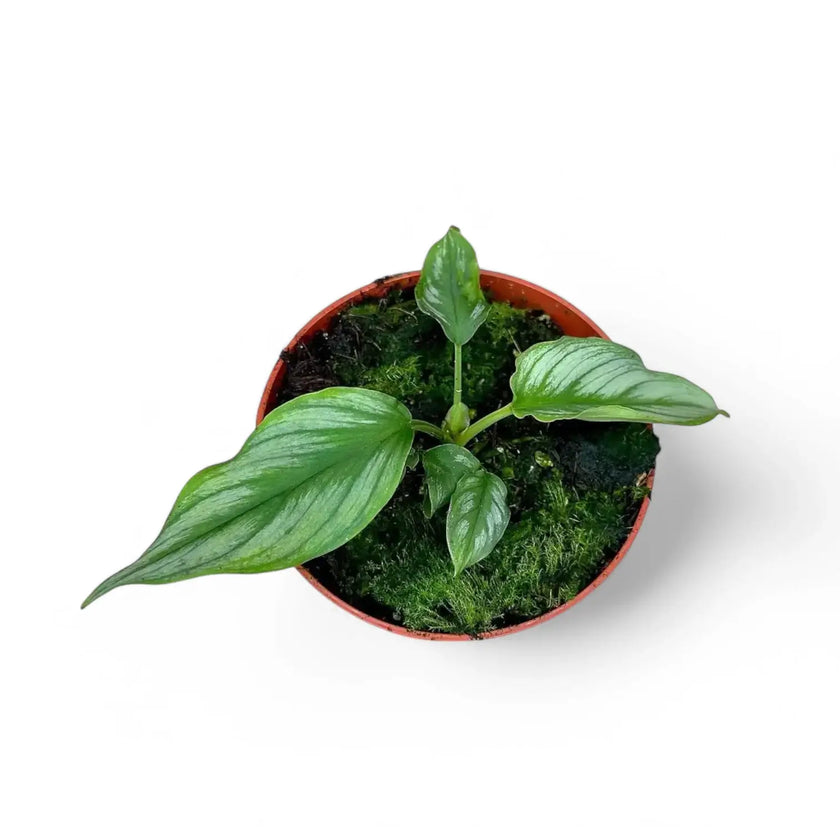
Homalomena suits anyone who wants dense, jungle-style foliage without vines taking over every surface in the space. You will find compact clumps on sturdy petioles indoors, with blades that range from rounded, shield-like shapes to narrower arrows or lances. Depending on the clone, surfaces can be softly glossy or more leathery and textured, so each plant can earn its own visual role instead of feeling like a duplicate.
Growth is measured rather than explosive. Instead of racing up a support, plants thicken slowly from the centre, which makes them a good fit for stands and surfaces where you want a consistently full pot rather than a climber you have to keep cutting back. If you like the general aroid look but prefer something more grounded than a philodendron vine, use Homalomena and the wider context in the aroids overview guide.
Homalomena origins-forest-floor context for indoor setups
In the wild, many Homalomena grow on warm, shaded forest floors in tropical Asia and nearby regions. Plants sit in loose layers of organic litter over mineral soil with regular moisture, moving air and very little harsh direct sun. Indoors, those same basics give the best indoor results.
That means bright but softened light instead of midday beams through glass, a substrate that stays lightly moist yet airy, and stable warm temperatures. Homalomena usually does well in the same kind of aroid-style mix you would use for philodendron or anthurium; the aroid substrate guide is a solid starting point. Adjust watering so pots never stay swampy or bone-dry for long stretches.
Dialling in light, watering and climate for Homalomena
Homalomena is often marketed as “low-light tolerant”, but in practice it only survives in darker corners rather than looking great there. For compact growth and decent leaf size, aim for medium to bright, indirect light: close to an east or north window, or set back from stronger west and south aspects behind sheer curtain. When bright-indirect light is hard to judge, the bright-indirect light guidelow-light explainer give useful visual references.
For watering, avoid both extremes. Soak the substrate thoroughly until water runs from the drainage holes, then wait until the top 2-3 cm feel dry before watering again. Letting the pot dry completely gives limp, curling leaves and crispy edges; keeping it constantly saturated suffocates roots and shows up as yellowing foliage at the base. For a deeper explanation of how pot size, mix texture and watering rhythm interact, the principles in the watering guide and drainage vs aeration adapt well to Homalomena.
This group is built for warmth and are happiest between about 18 and 27 °C with only gentle swings. Cold draughts from leaky windows, stairwells or frequently opened doors are classic triggers for yellowing leaves and stalled growth. Average indoor humidity is usually enough to keep plants going; if tips still crisp despite decent watering, it is usually a combination of drier air and inconsistent moisture rather than something a quick misting can fix. For realistic humidity targets, see the humidity guide.
How Homalomena grows: clumps, leaf types and feeding
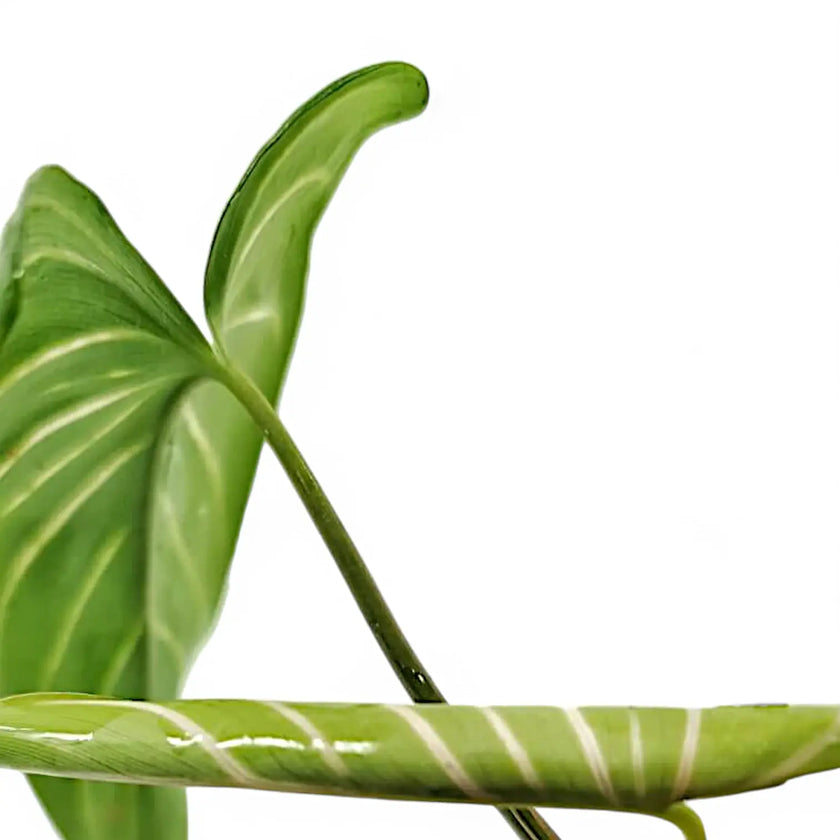
Homalomena grows from short rhizomes at or just below the substrate surface. New leaves emerge rolled from the centre of each growing point before unfurling; outer leaves age and can be removed once they are clearly tired or heavily marked. As clumps widen and press against the pot, you can divide and reset them into fresh mix instead of jumping straight to very large containers.
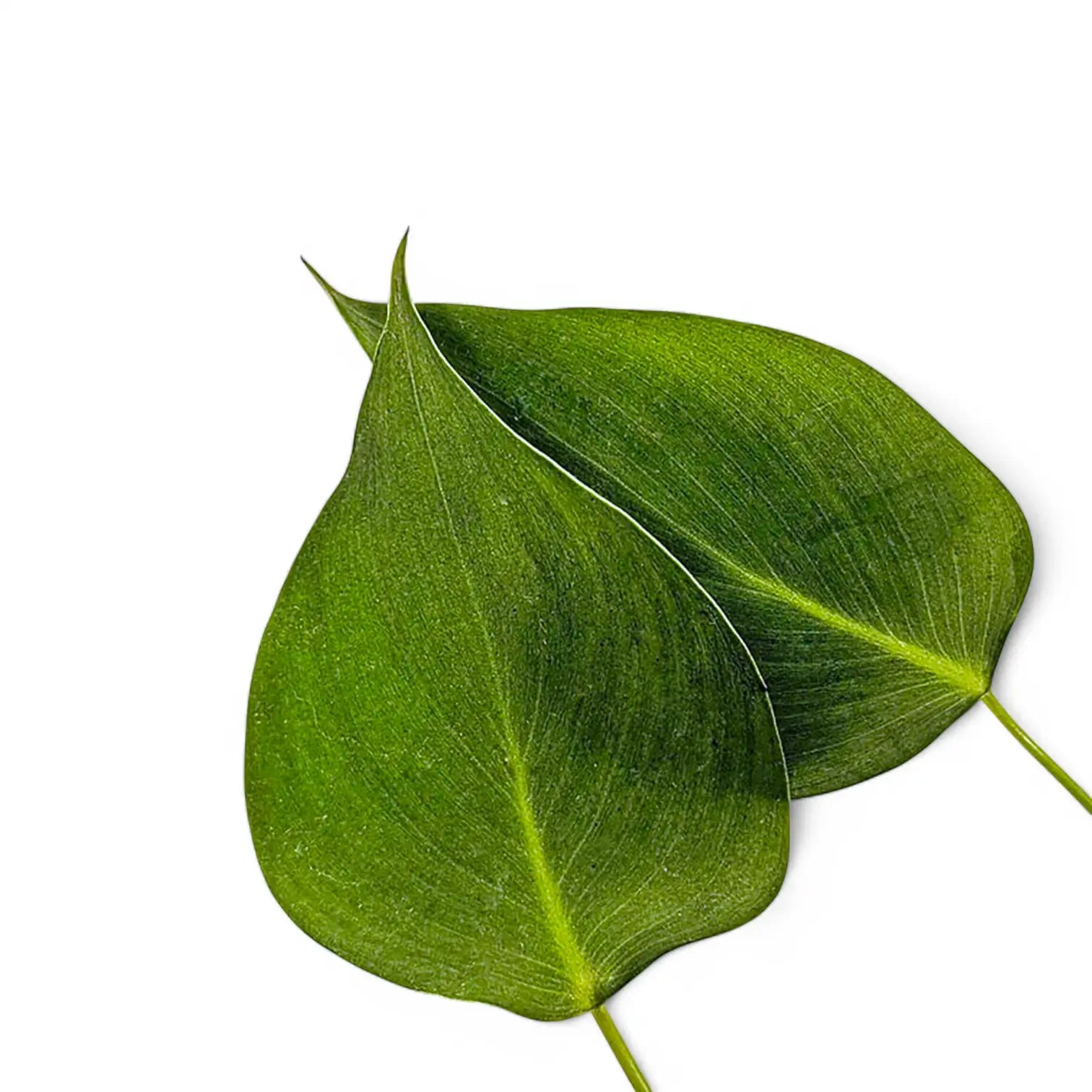
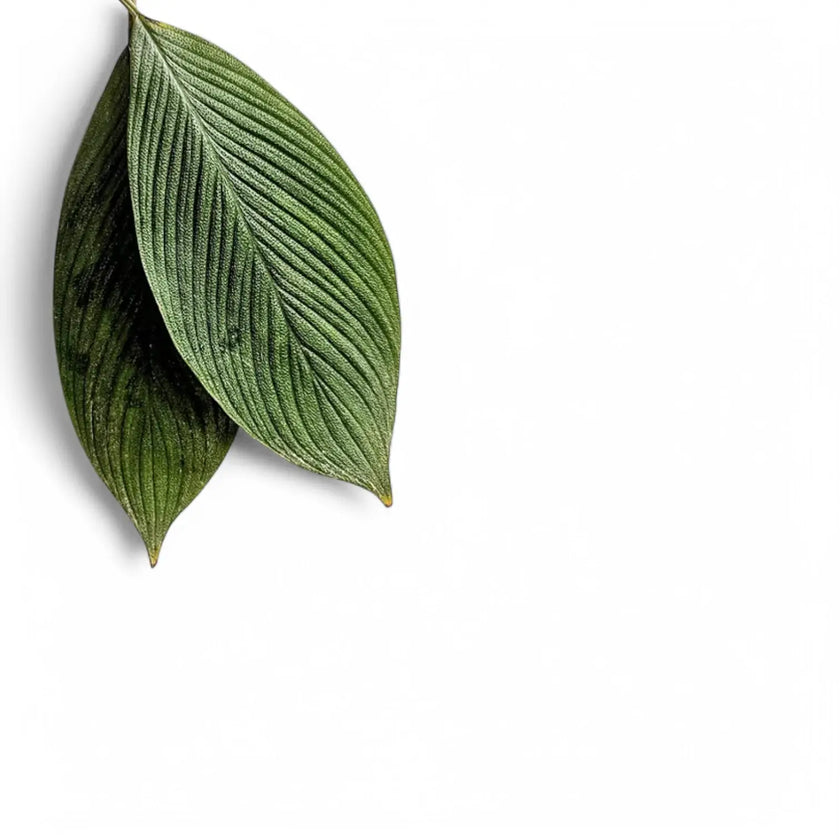
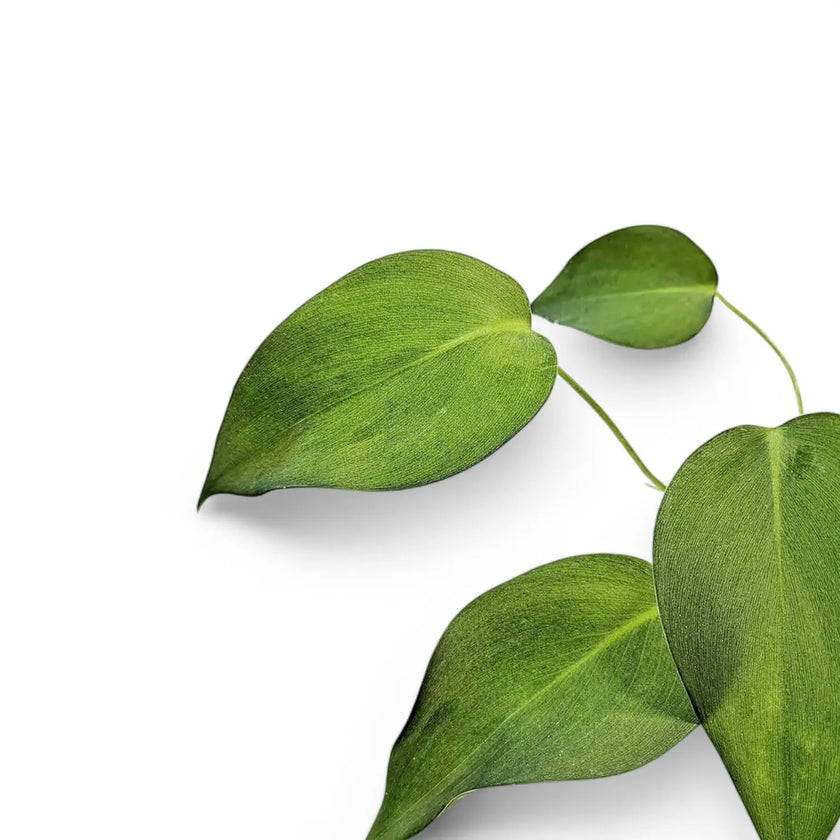
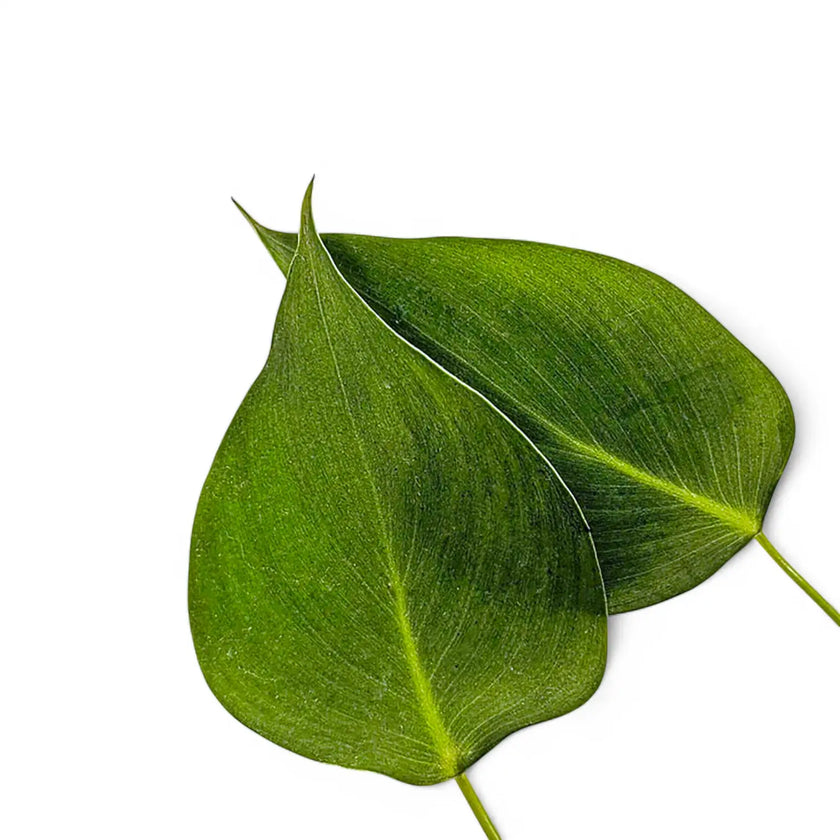
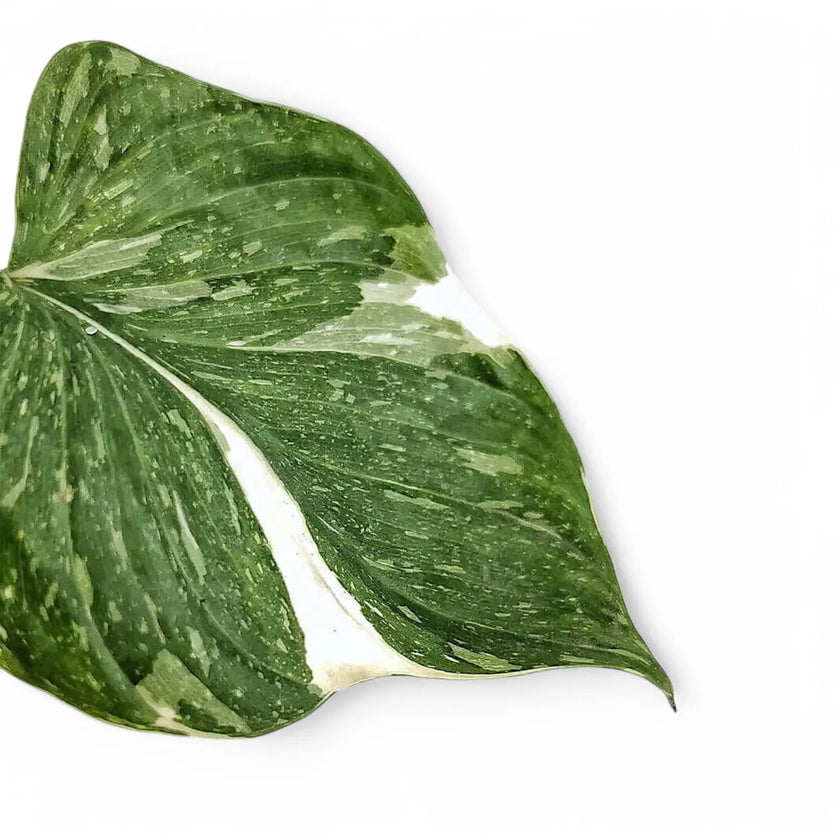
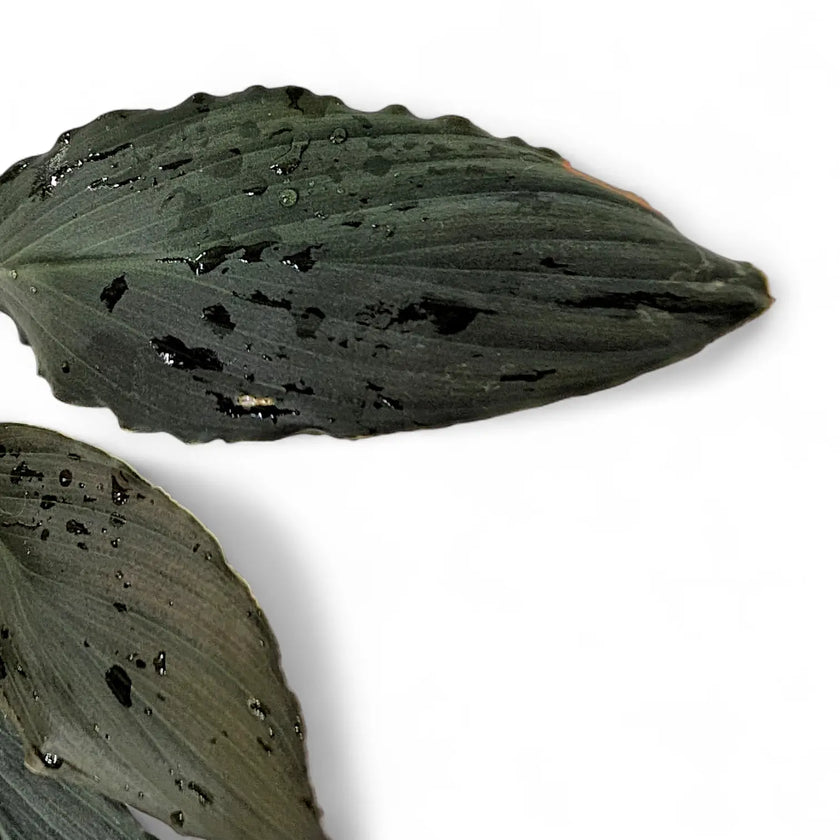
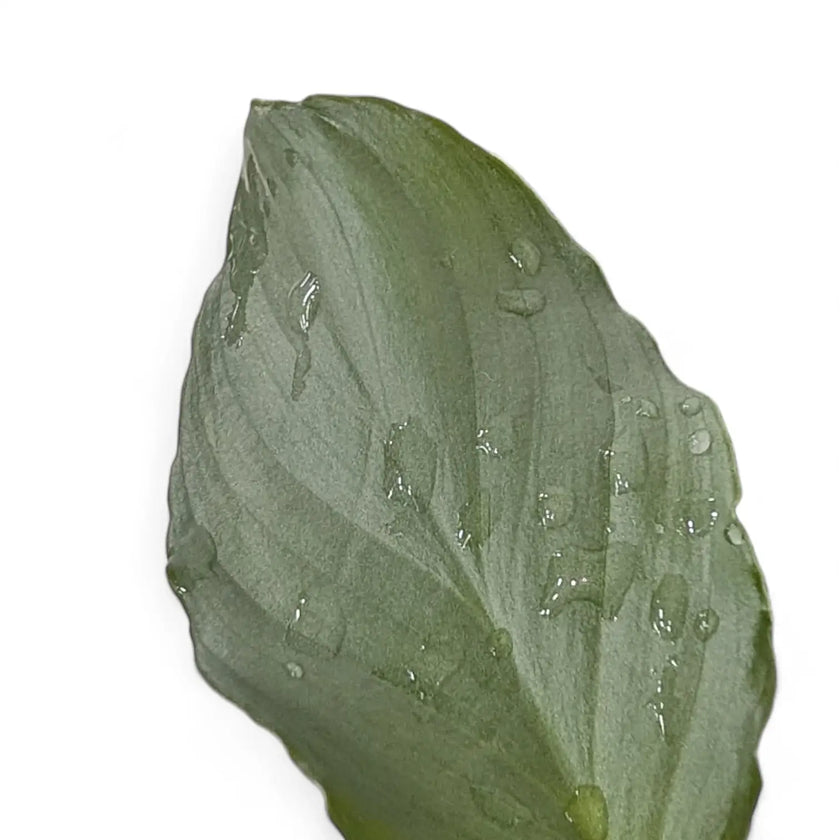
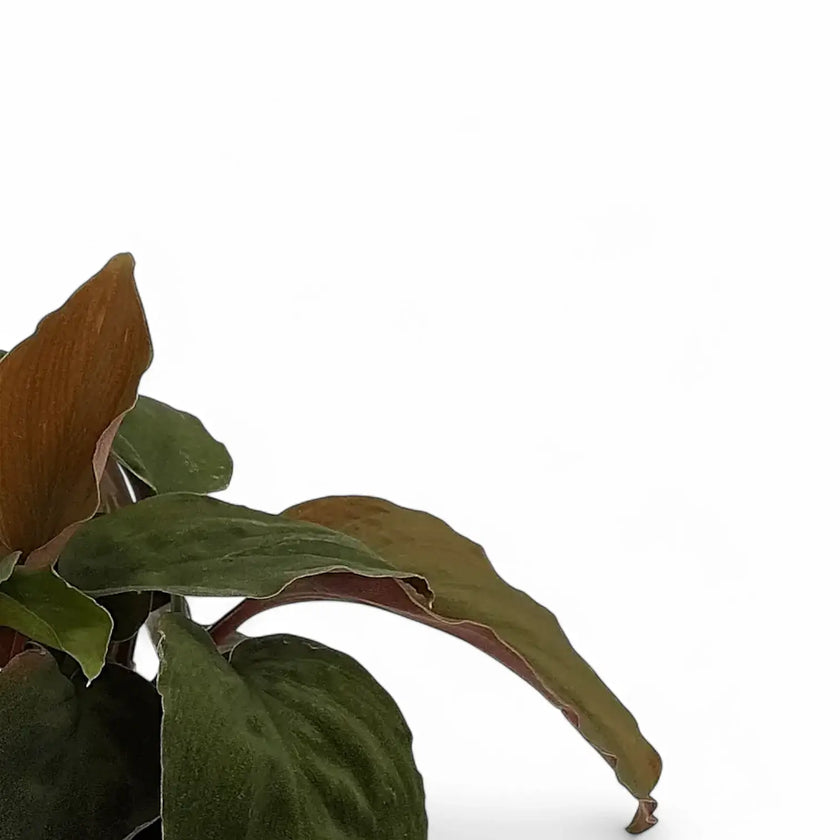
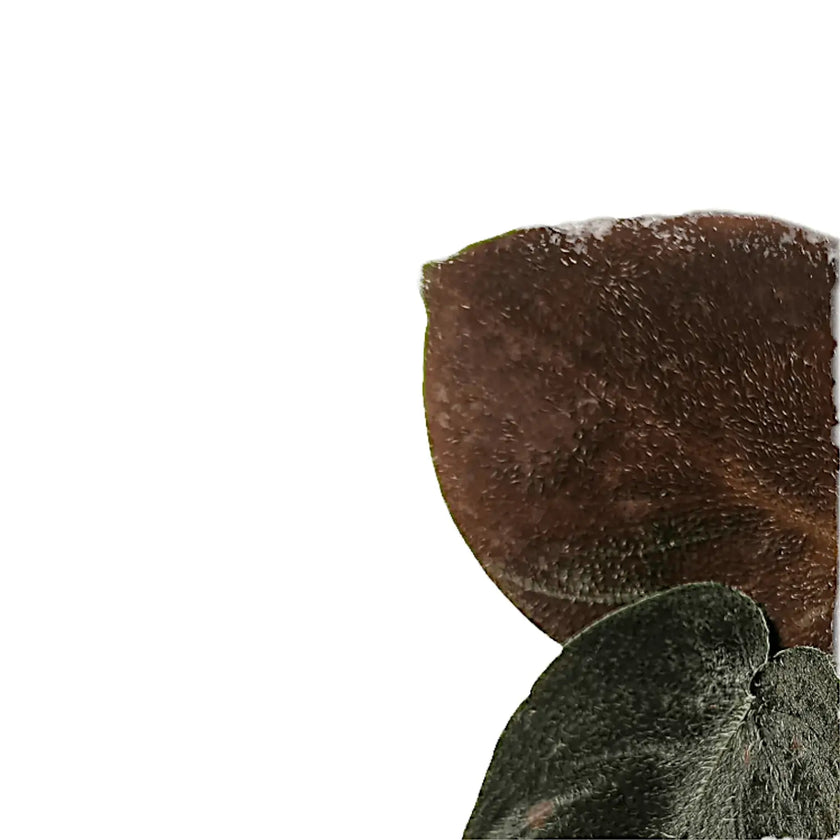
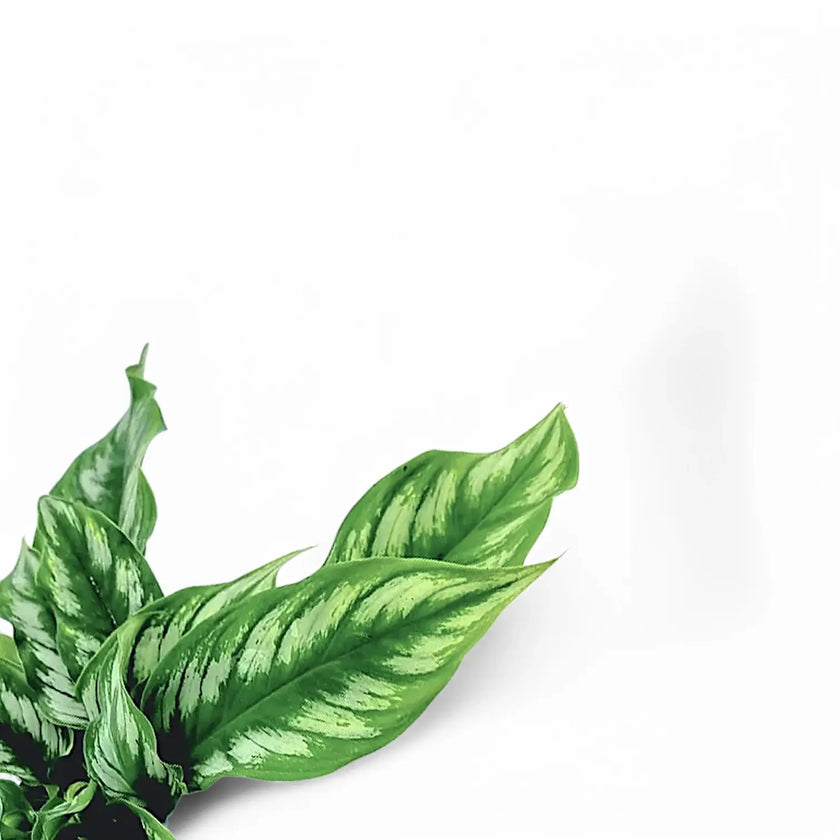
Leaf shapes and textures vary strongly. Many popular forms carry broad heart- or shield-based blades with a soft sheen, while others show narrower, lance-like foliage or heavily textured, almost sculptural surfaces. When choosing Homalomena, use those differences deliberately so each Homalomena has a clear job in your display rather than being “just another green plant”.
Feed when plants are clearly in active growth-new leaves emerging and petioles extending. A balanced, diluted liquid fertiliser added occasionally to normal watering is usually enough. Consistent, moderate feeding supports fresh growth without pushing salt build-up or tip burn in a relatively small pot. If you prefer a structured approach, the beginner fertilising guide covers how to match feed to growth, and the fertiliser overview dives deeper.
Homalomena toxicity and placement in pet households
Like many aroids, Homalomena contains calcium oxalate and related compounds that can irritate mouth and stomach if chewed. Sap may bother sensitive skin. In households with pets or children that like to sample foliage, treat these plants as “look, do not bite” and place them out of easy reach.
If you need to build a pet-safe area elsewhere in your indoor setup, use Homalomena as a statement plant out of the main browsing zone and choose alternatives from the houseplants safe for cats guide for floor-level containers.
Homalomena checklist before you add one to your cart
- Best if you have: warm homes with medium to bright, indirect light and owners willing to check substrate rather than watering on a rigid schedule. The mindset tagged articles are helpful if you are shifting away from calendar watering.
- Think twice if: your space is consistently cold or very dark, or if you prefer to keep pots wet “just in case” instead of letting the top layer dry first.
- Size and use: most Homalomena stay compact to medium height in containers, so they work better as dense focal plants or grouped displays than as very tall statement specimens.
Homalomena troubleshooting: what common issues signal
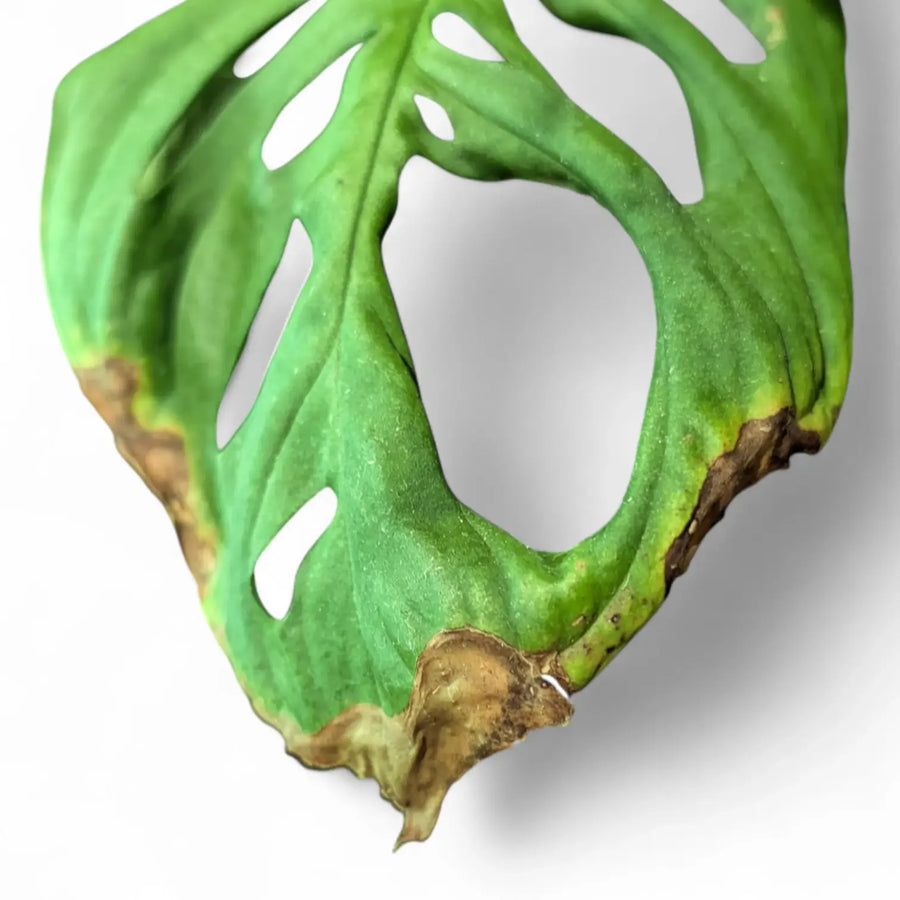
- Brown tips or edges: often a mix of low humidity, irregular watering and mineral or fertiliser build-up. Improve watering consistency, consider filtered or rainwater if your tap water is very hard and check the brown leaf tips fixes for more angles.
- Yellowing lower leaves with heavy, slow-drying substrate: classic sign of chronic overwatering in compact mix. Inspect roots, trim brown or mushy sections and reset into a looser aroid-style substrate. The process in the root rot treatment guide is directly applicable.
- Drooping or tightly curling leaves with very dry substrate: drought stress. Give a thorough soak, then move to a steadier rhythm so the root ball never reaches extreme dryness. Re-read the sections on rhythm in the watering guide if this keeps happening.
- Smaller, weaker new leaves: usually light that is too low or exhausted substrate. Move closer to bright, indirect light and consider repotting into fresh mix if the pot is packed with roots. For a wider look at light limitations, see the article on light and daylength myths.
- No new growth for months despite warmth and light: often root-bound conditions or collapsed substrate. Step up one pot size, refresh mix and resume moderate feeding once new leaves appear. The root health tagged articles give more background.
choose the Homalomena that fits your light and care style, and let your collection gain some compact, characterful foliage