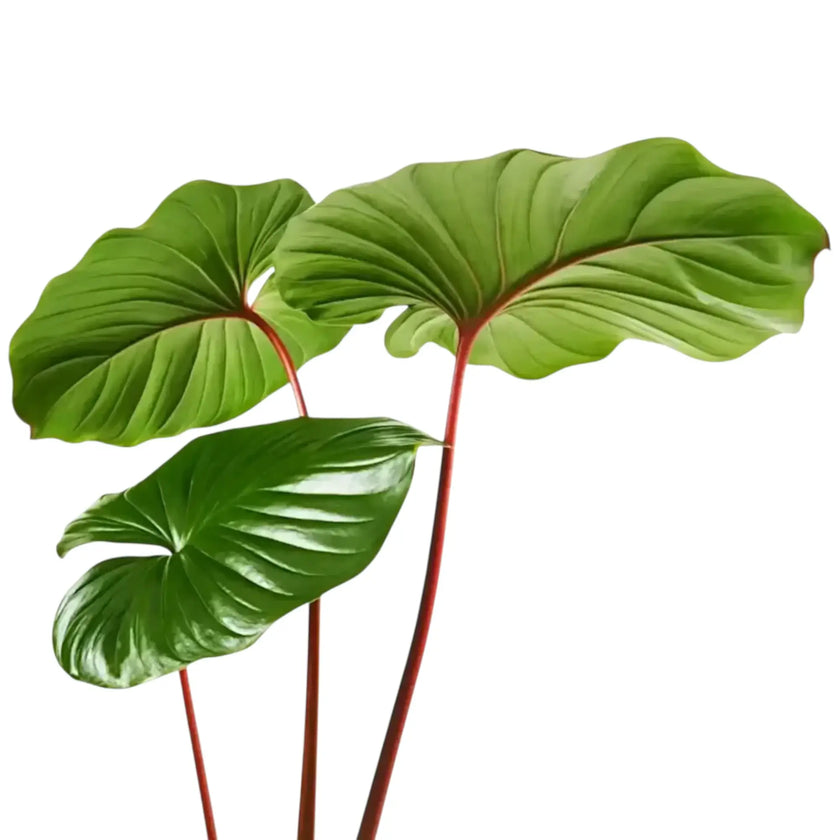
Homalomena
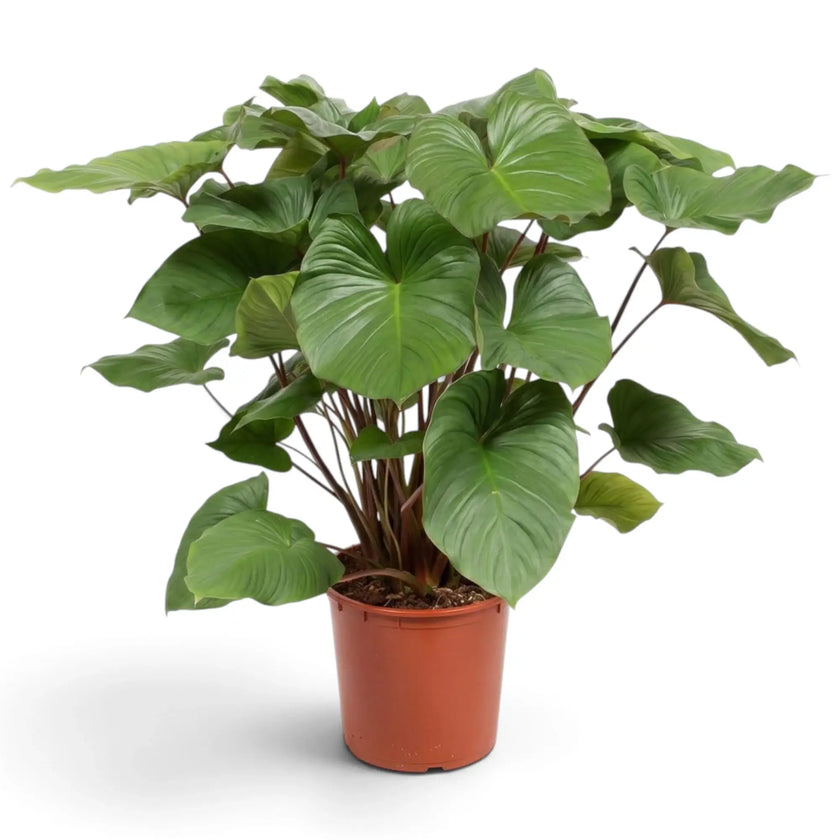
Homalomena grows rounded clumps of tropical foliage, from broad green leaves to darker velvet-like and variegated forms. The plants gradually become fuller as new leaves develop around the base.

Substrate help
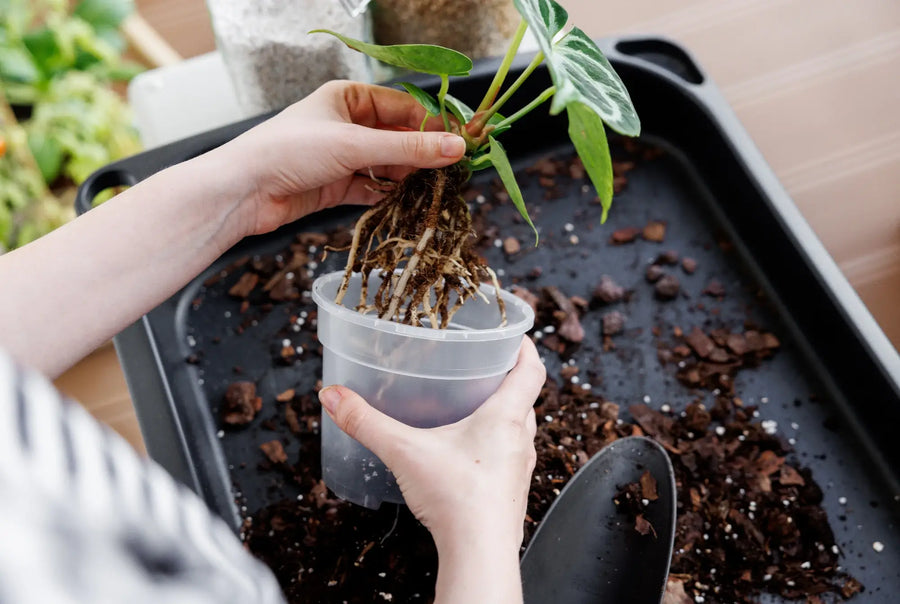
Aroid roots need structure, not dense compost
About Our Filters
Start with the light and space you can offer, then narrow by the plant’s shape or appearance. Check the individual product page for care and size details.
No filter options are available for this collection right now. Open a product to check its details.
Sort by:
Filters
Araceae
Homalomena
Many Homalomena species grow in warm Asian forests, where their leaves emerge from short stems near the ground. Filtered daylight reaches the foliage beneath taller vegetation.
The plants form leafy crowns and can spread slowly through new shoots. Species differ in leaf thickness, surface texture and colour.
Homalomena plants
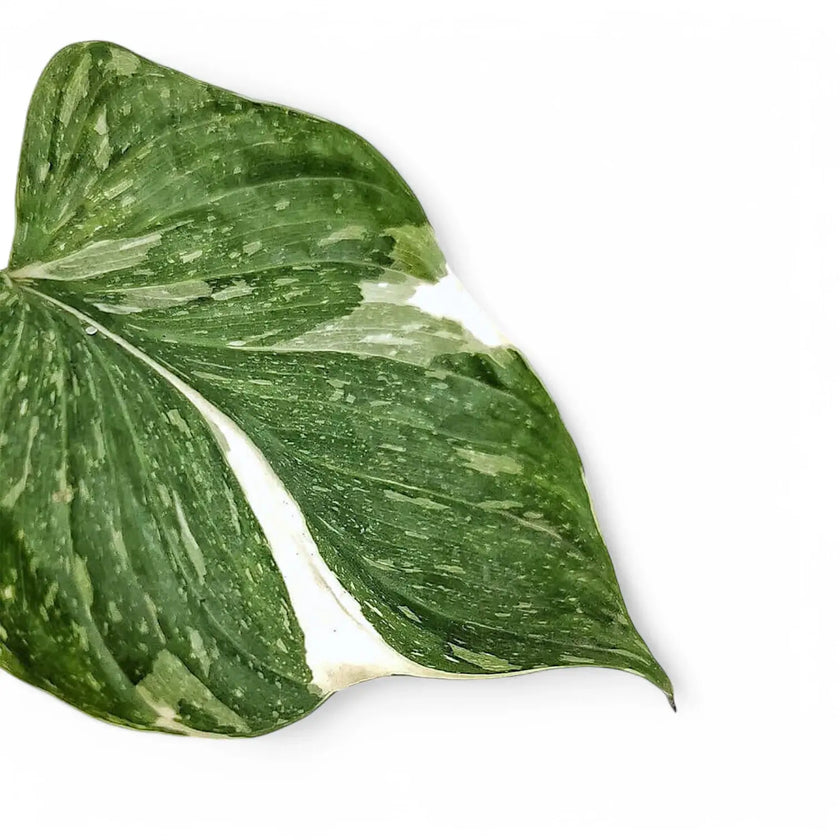
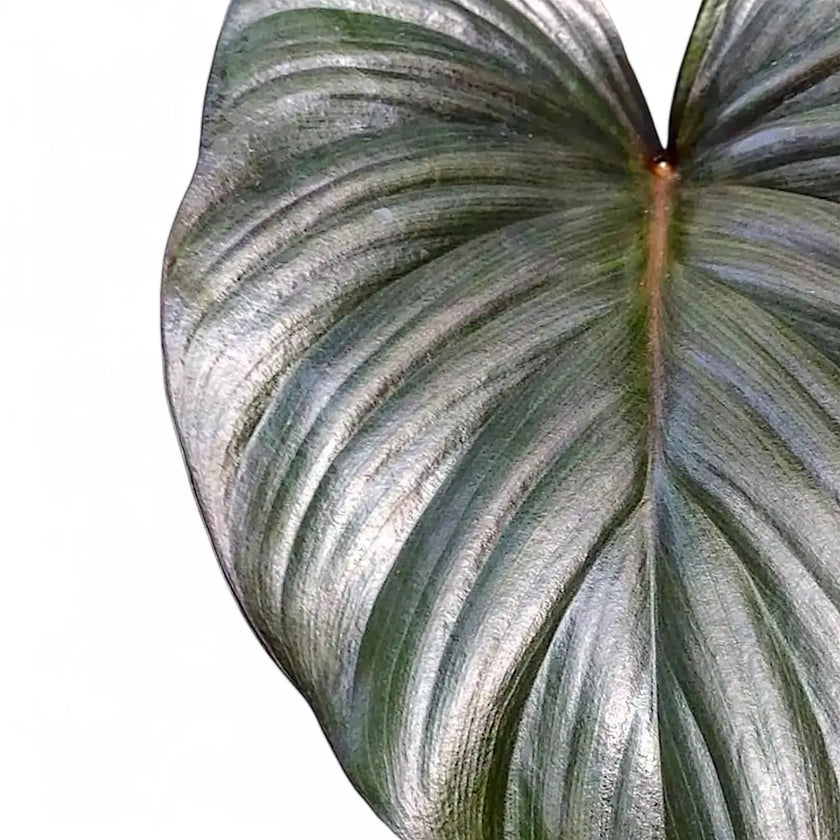
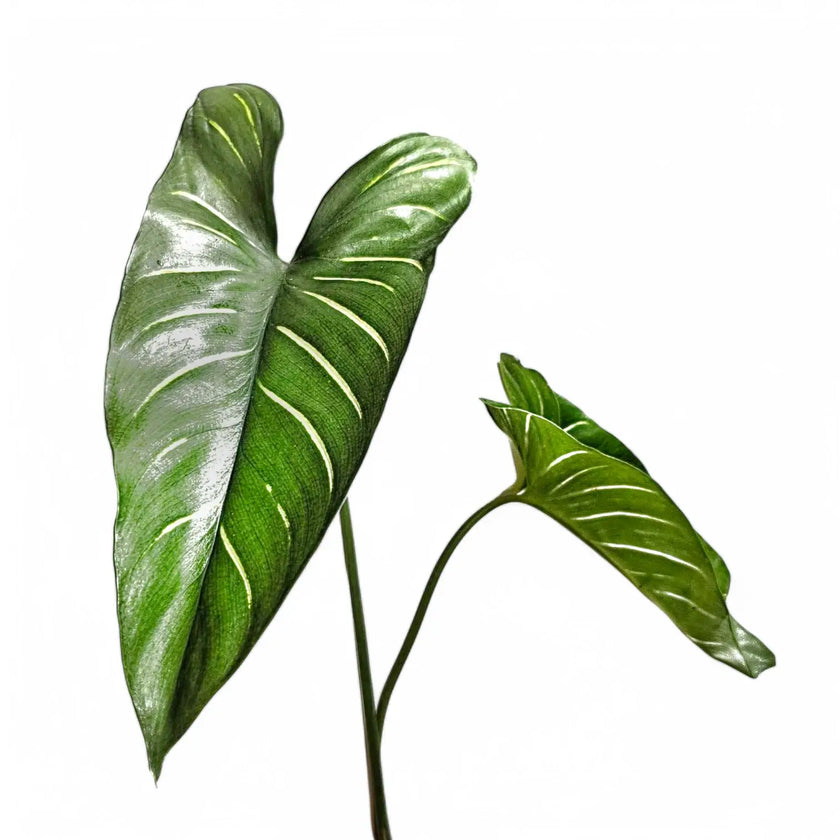
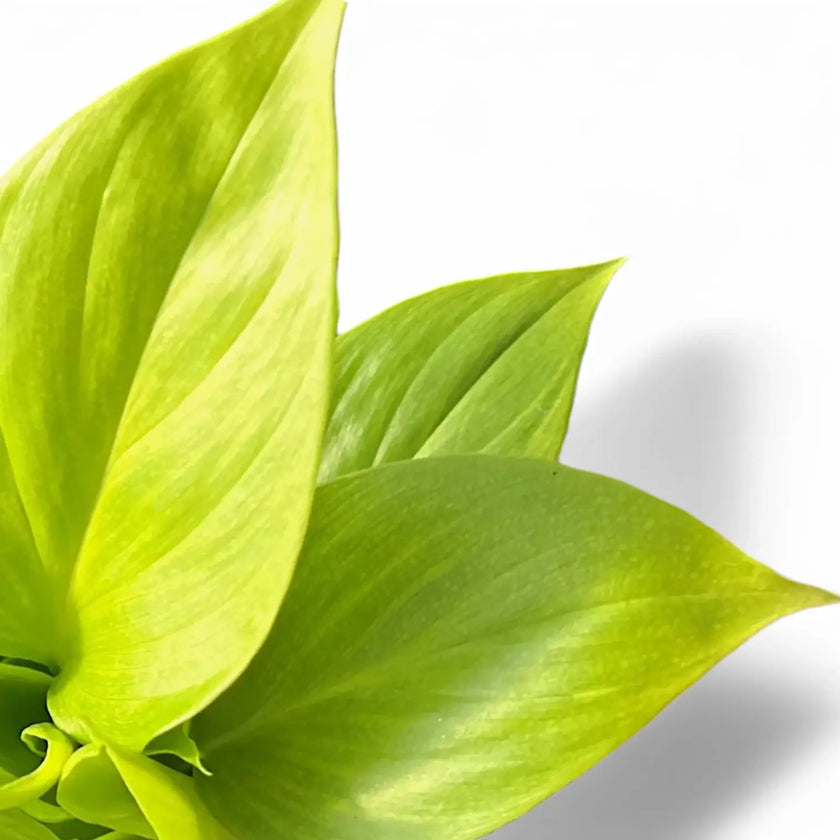
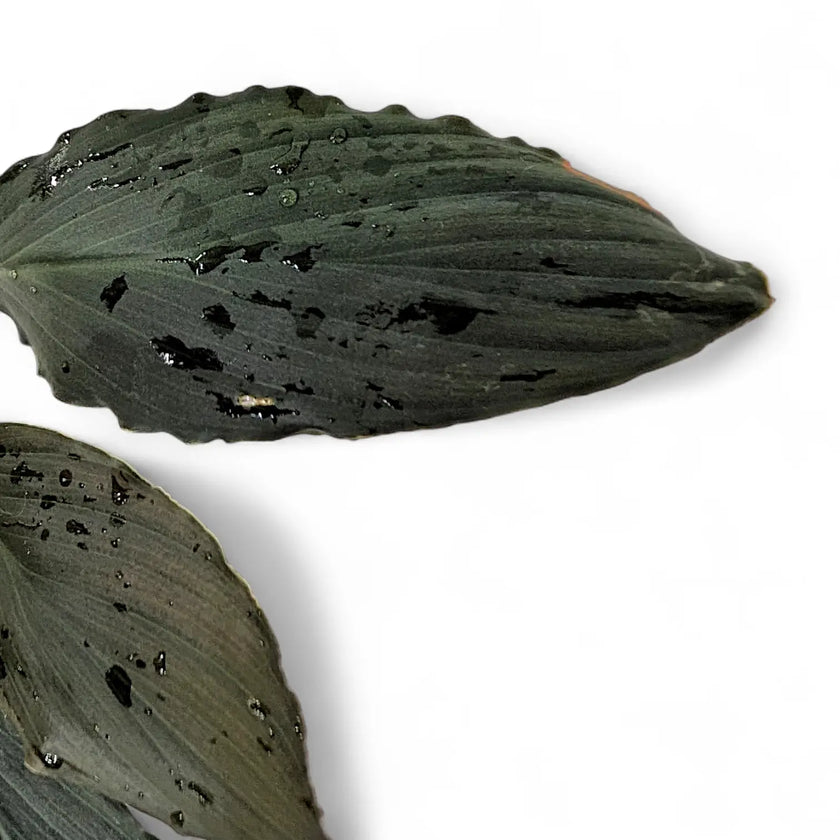
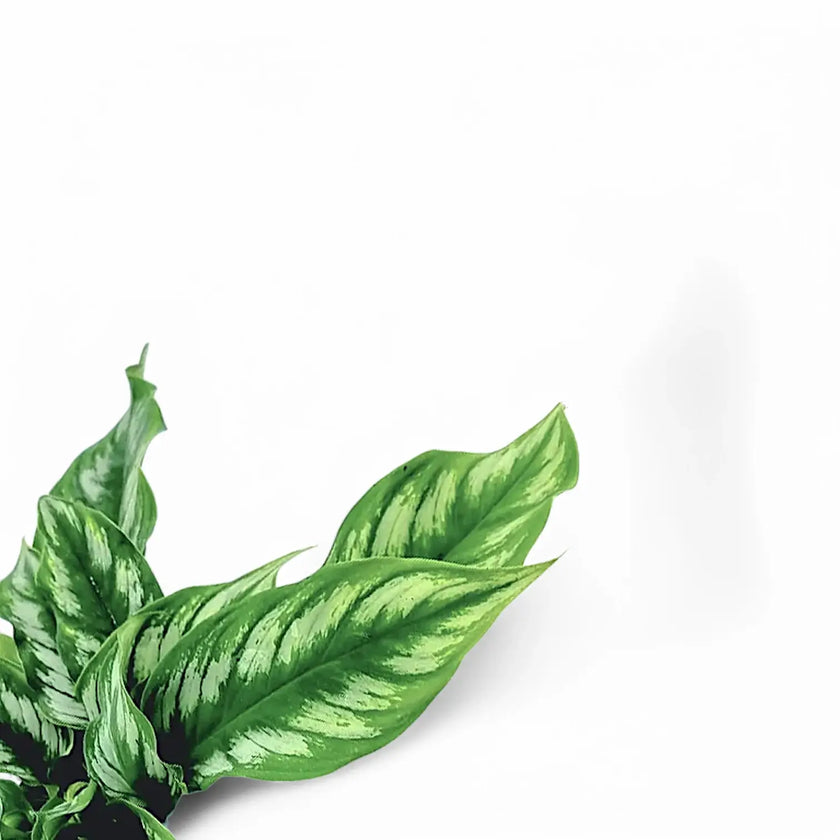
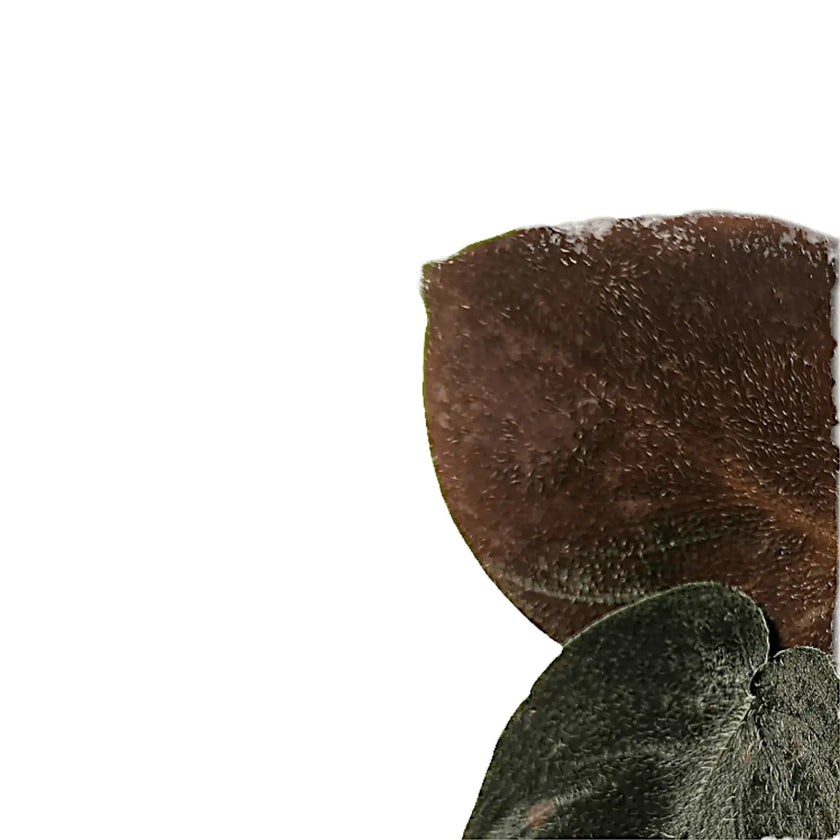
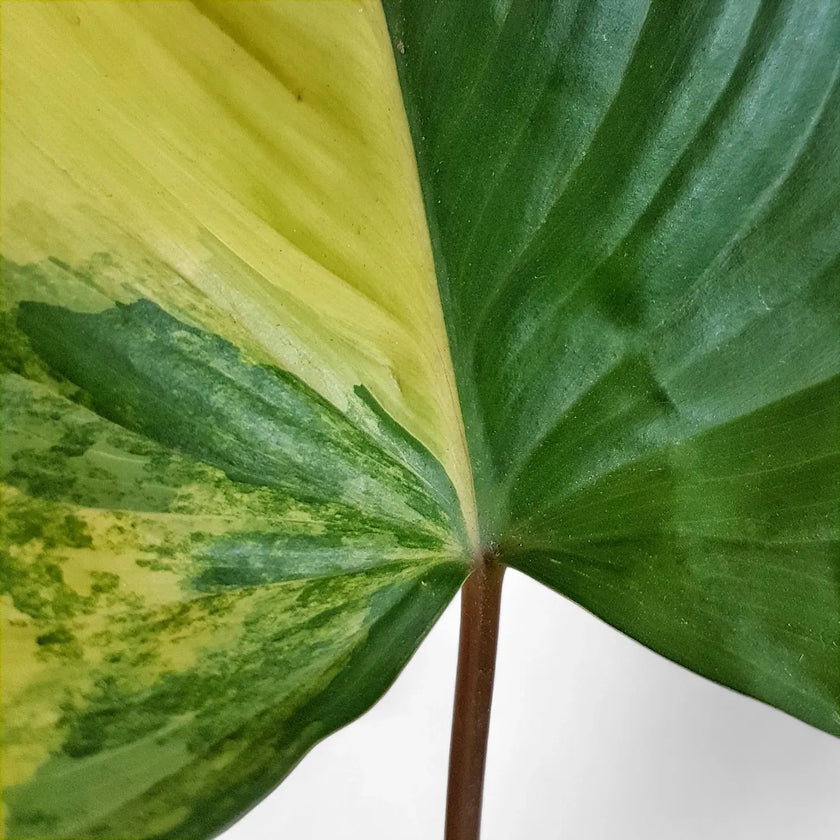
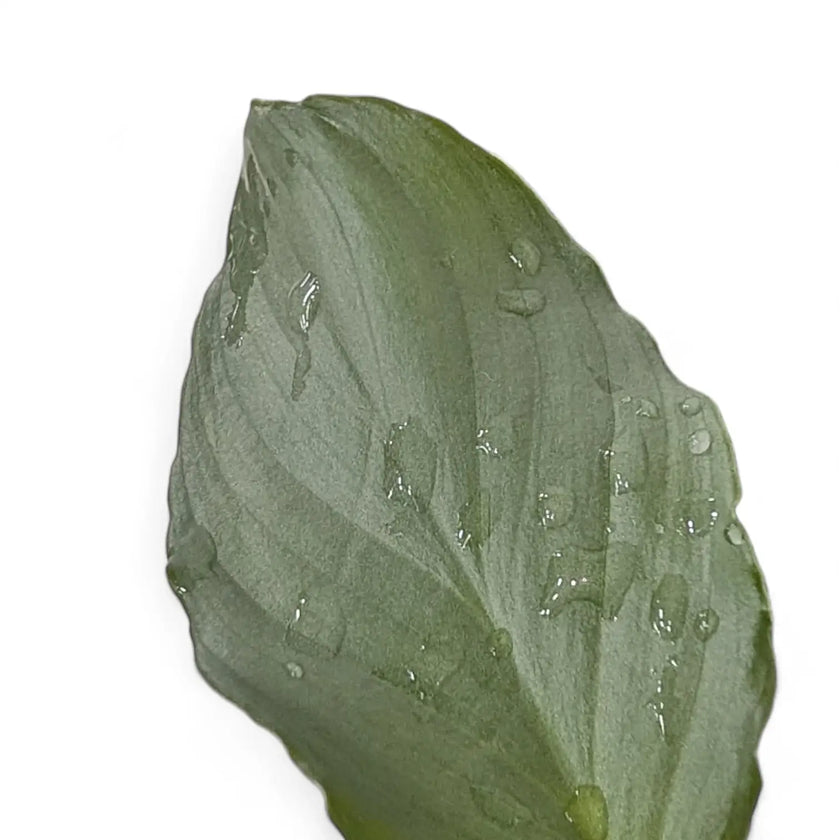
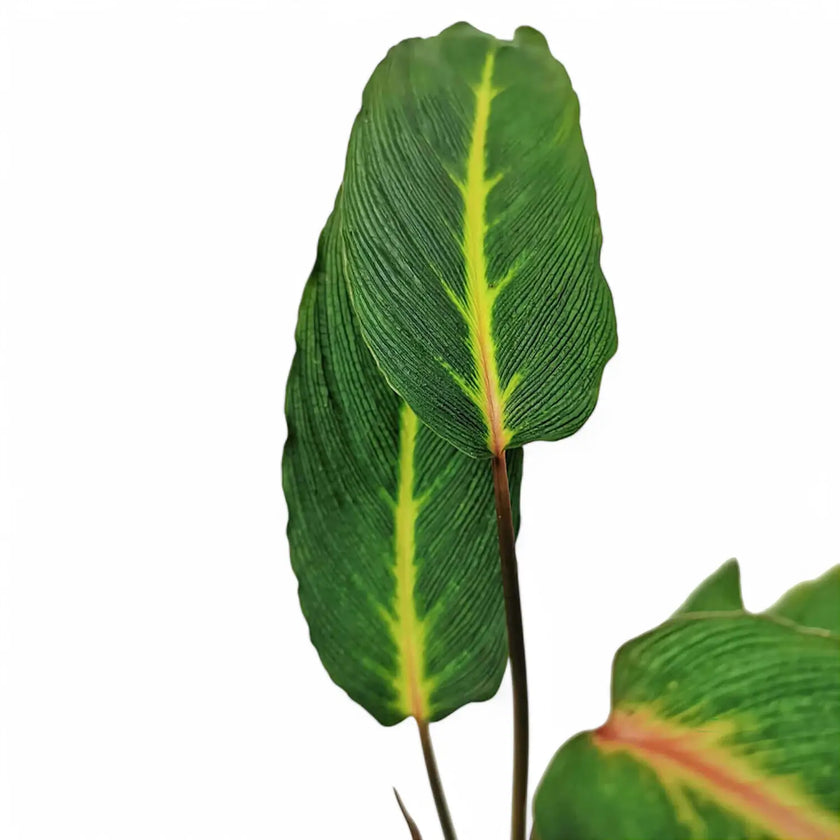
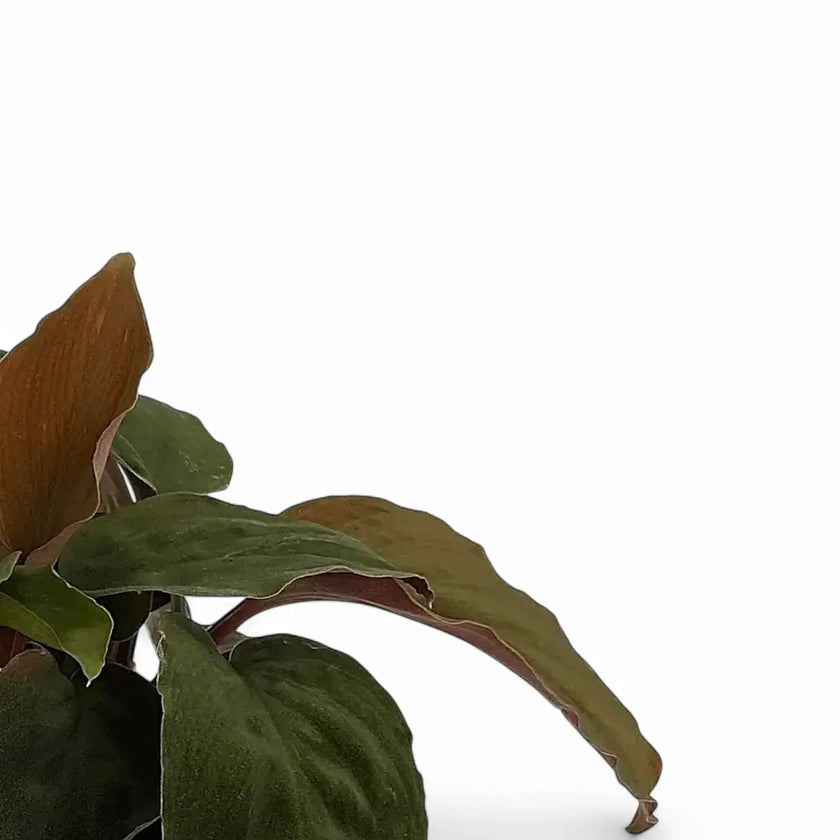
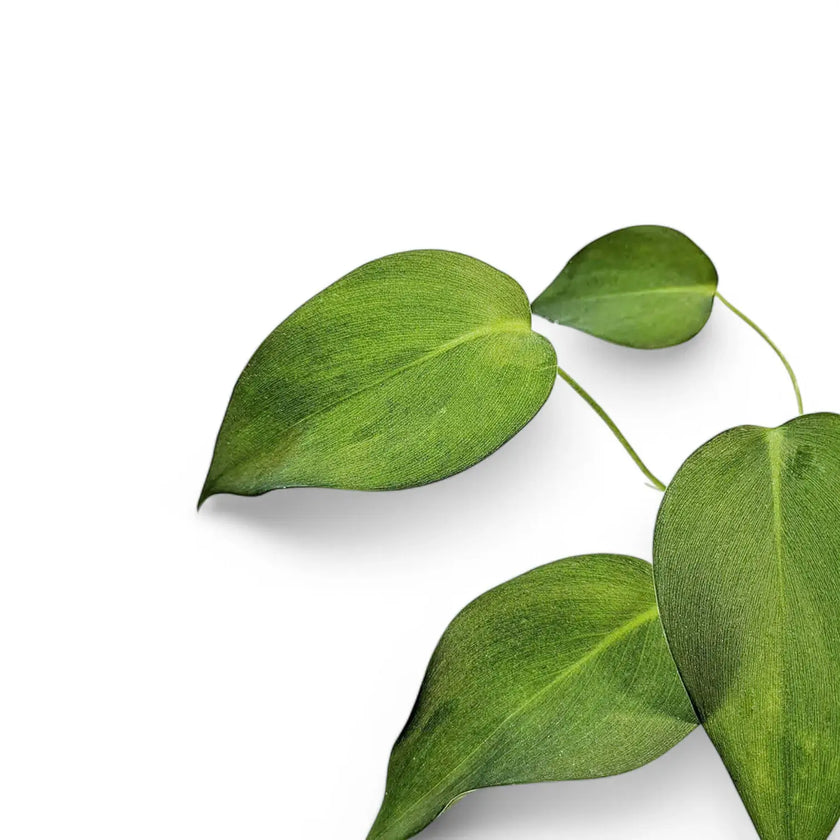
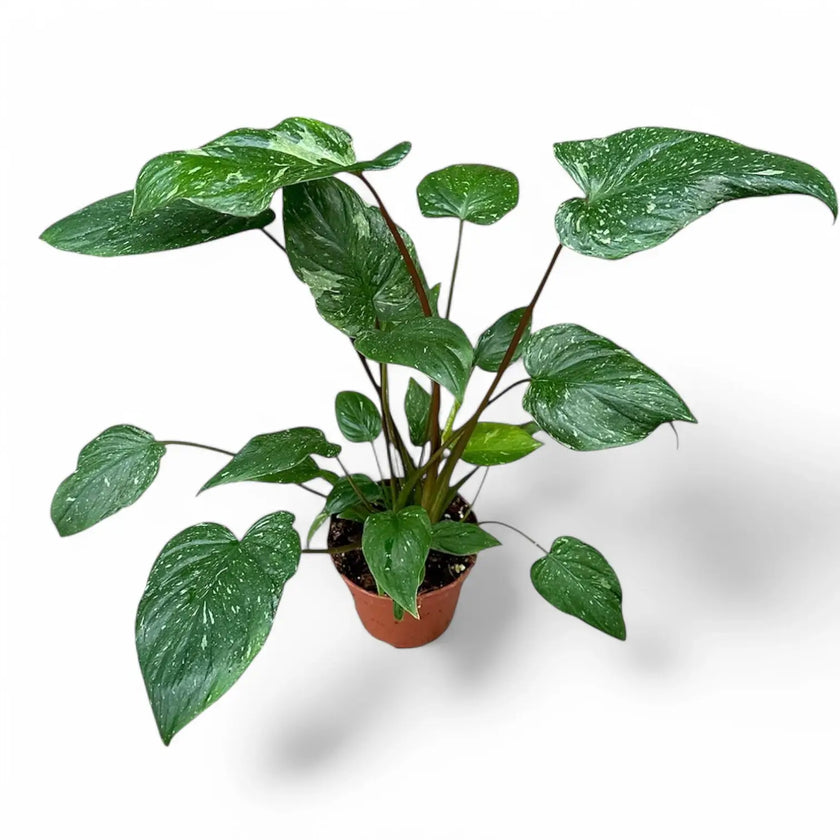
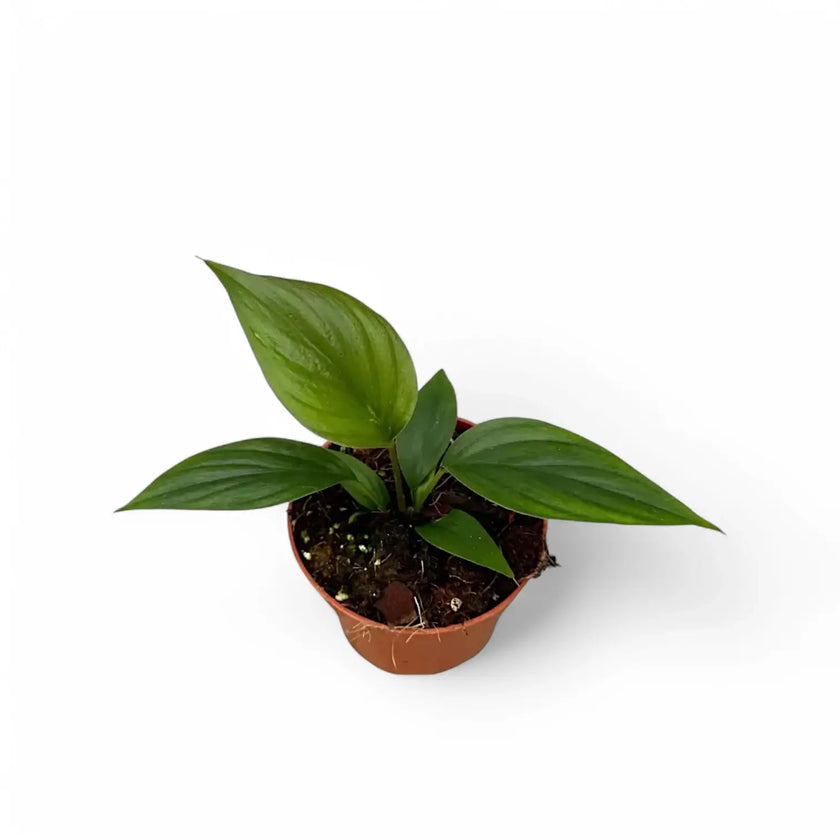
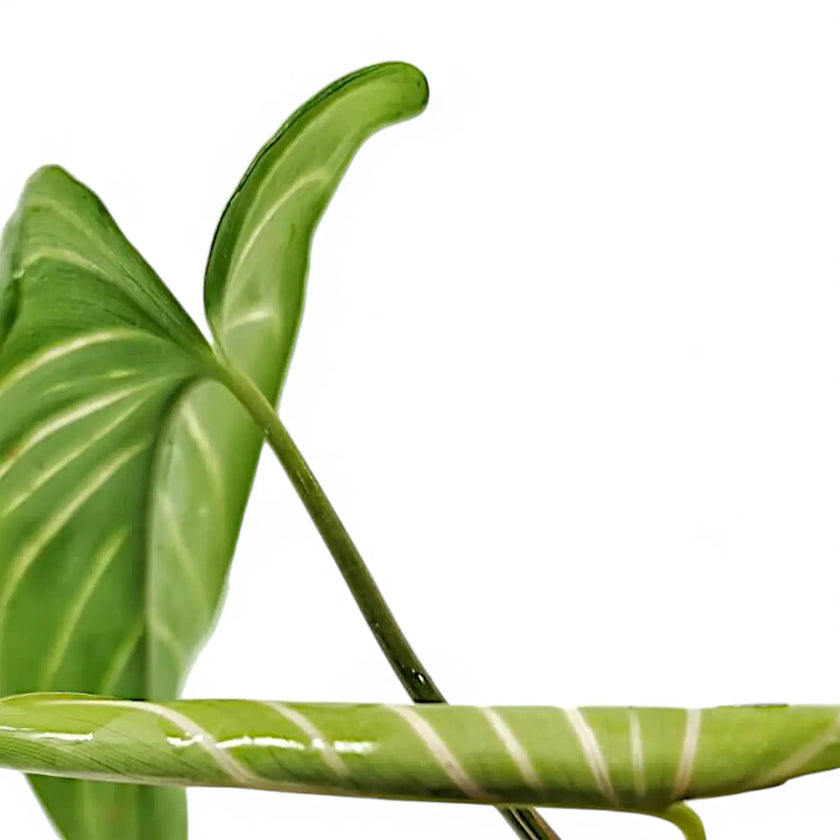
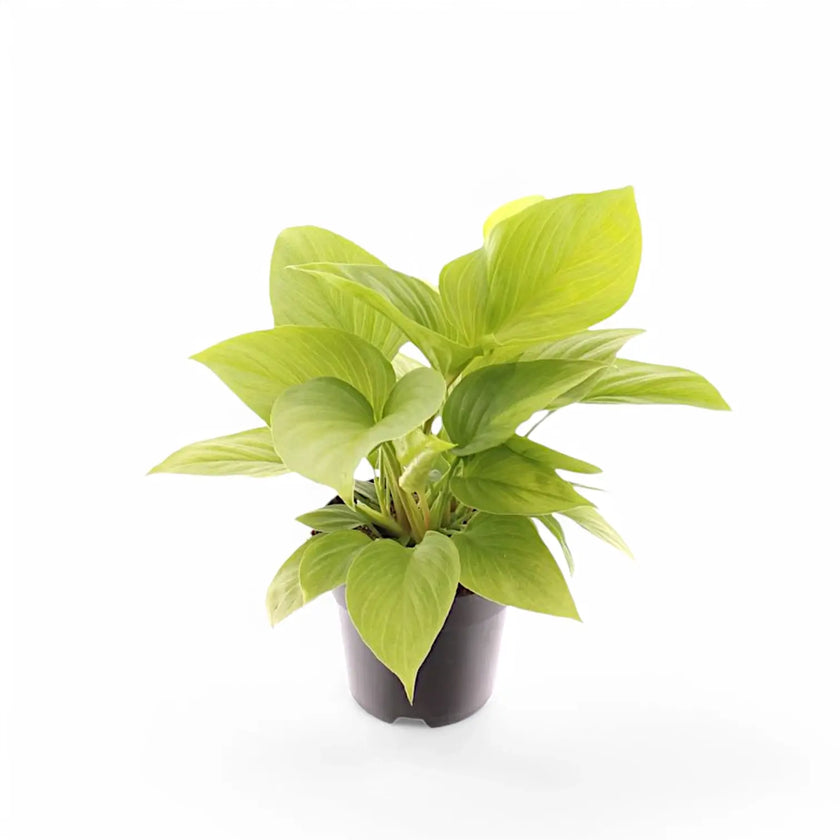
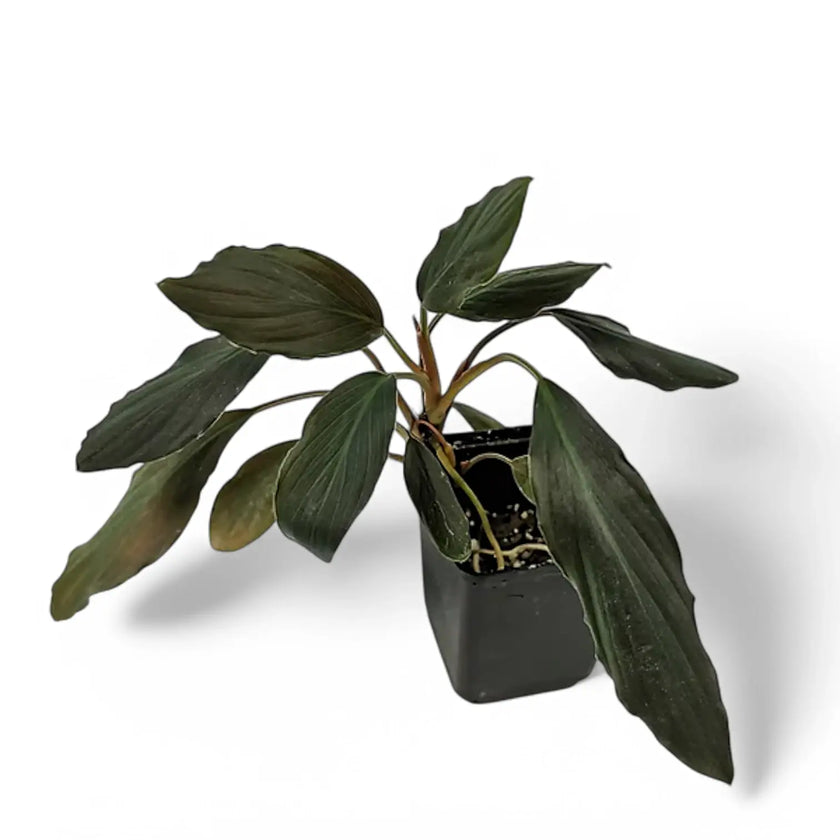
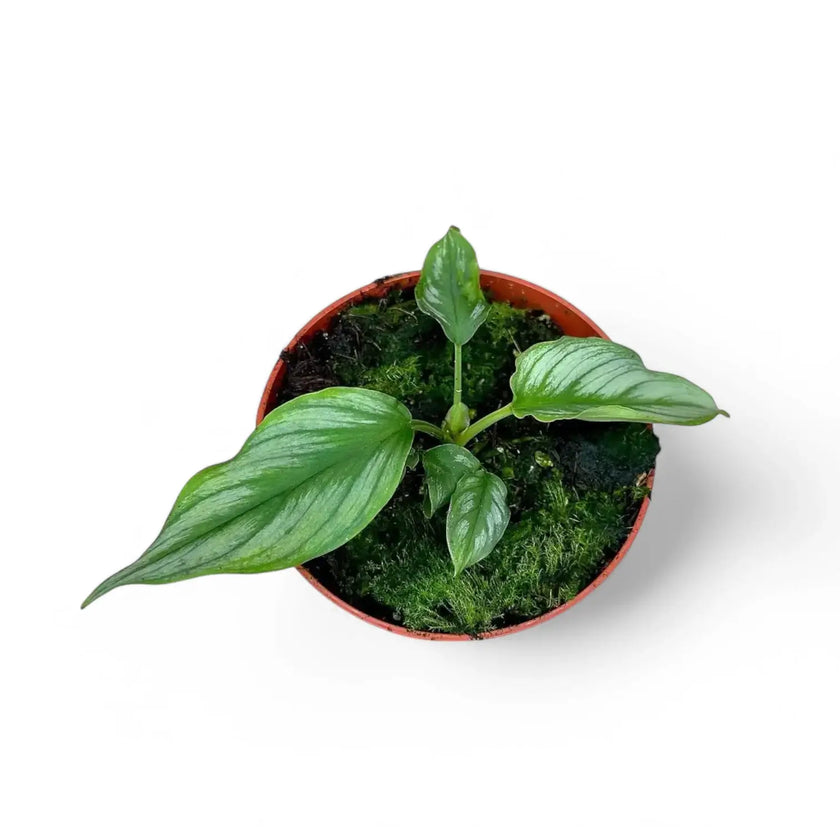
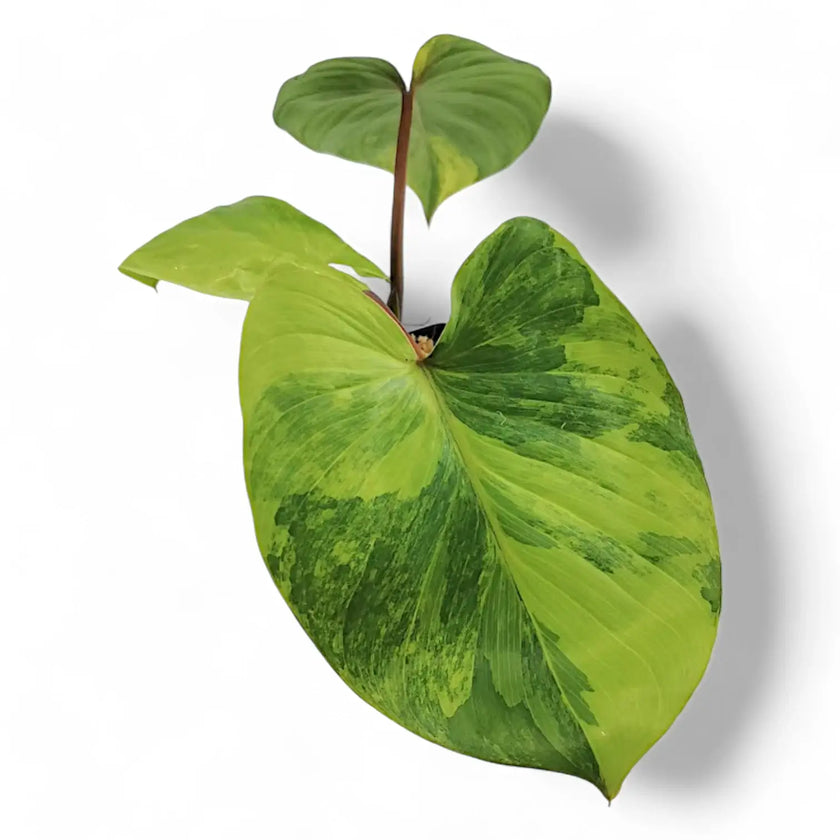
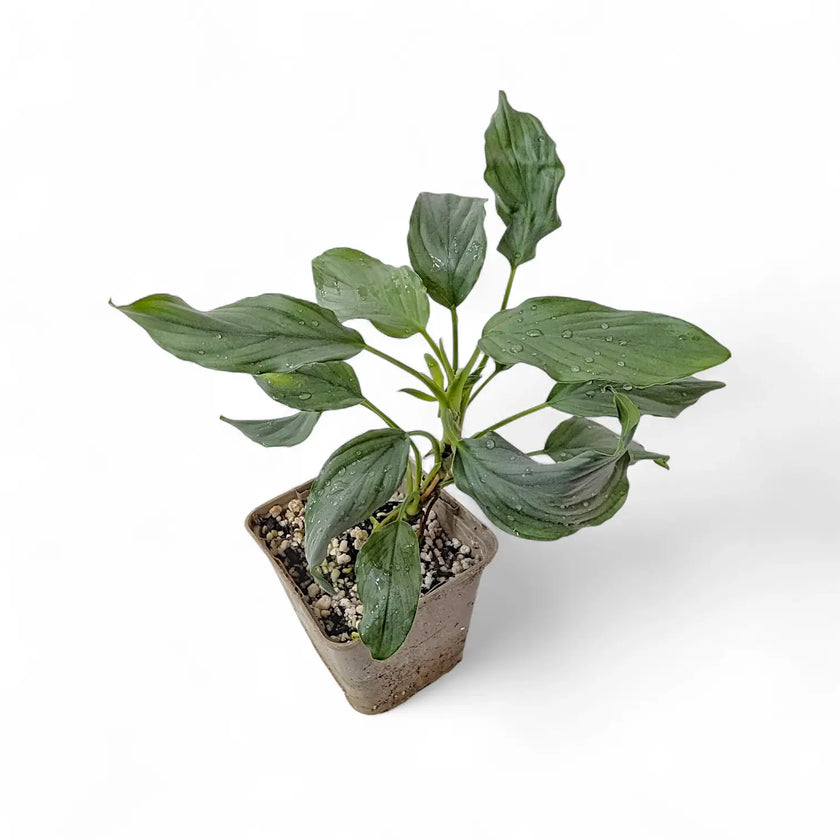
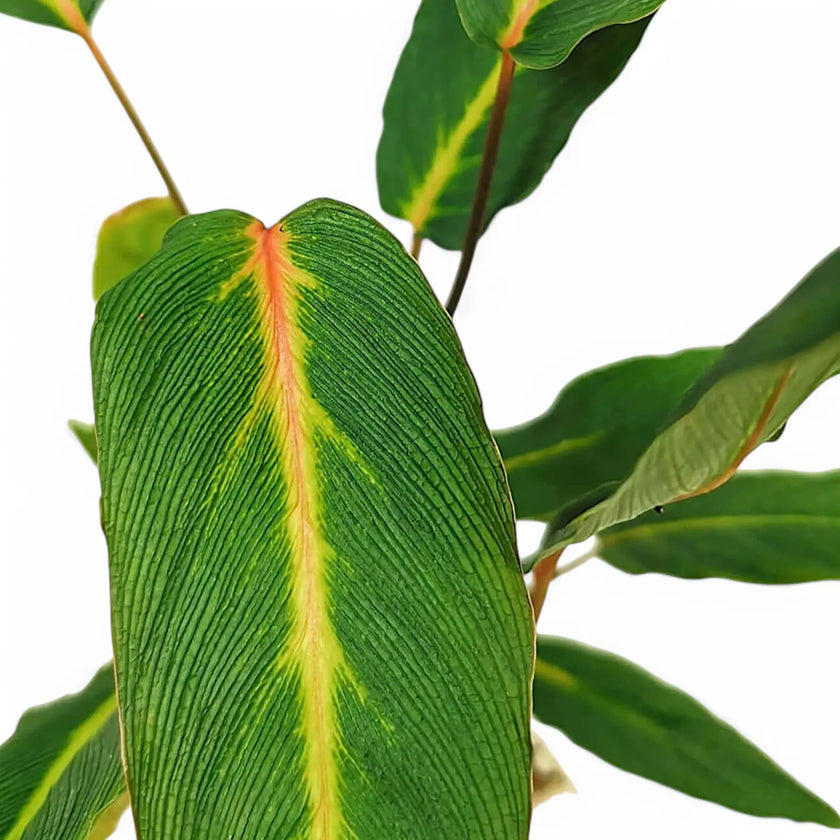
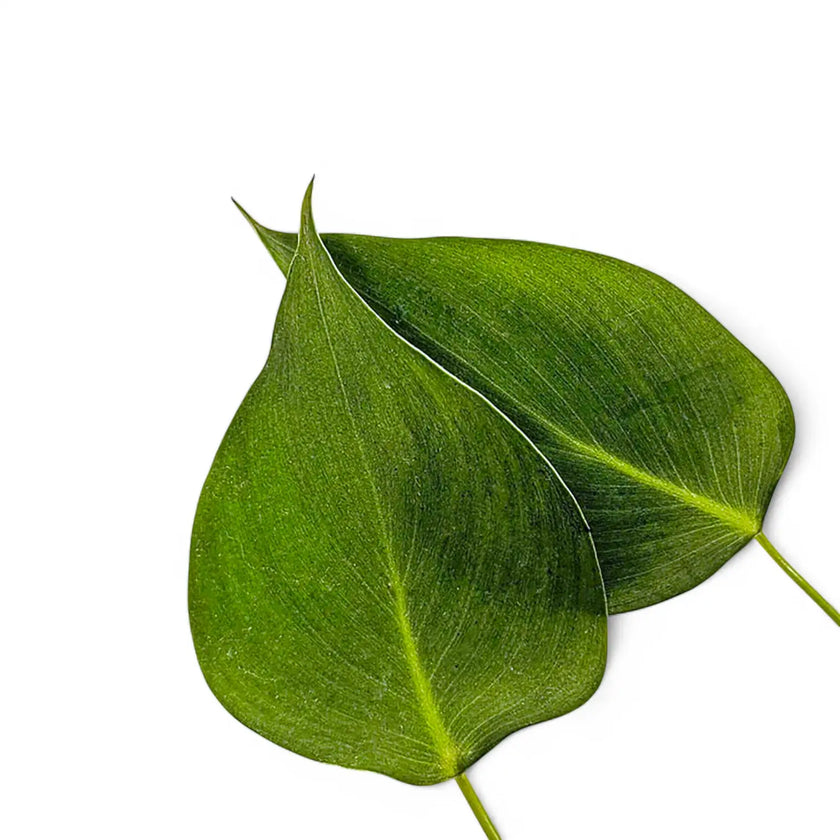
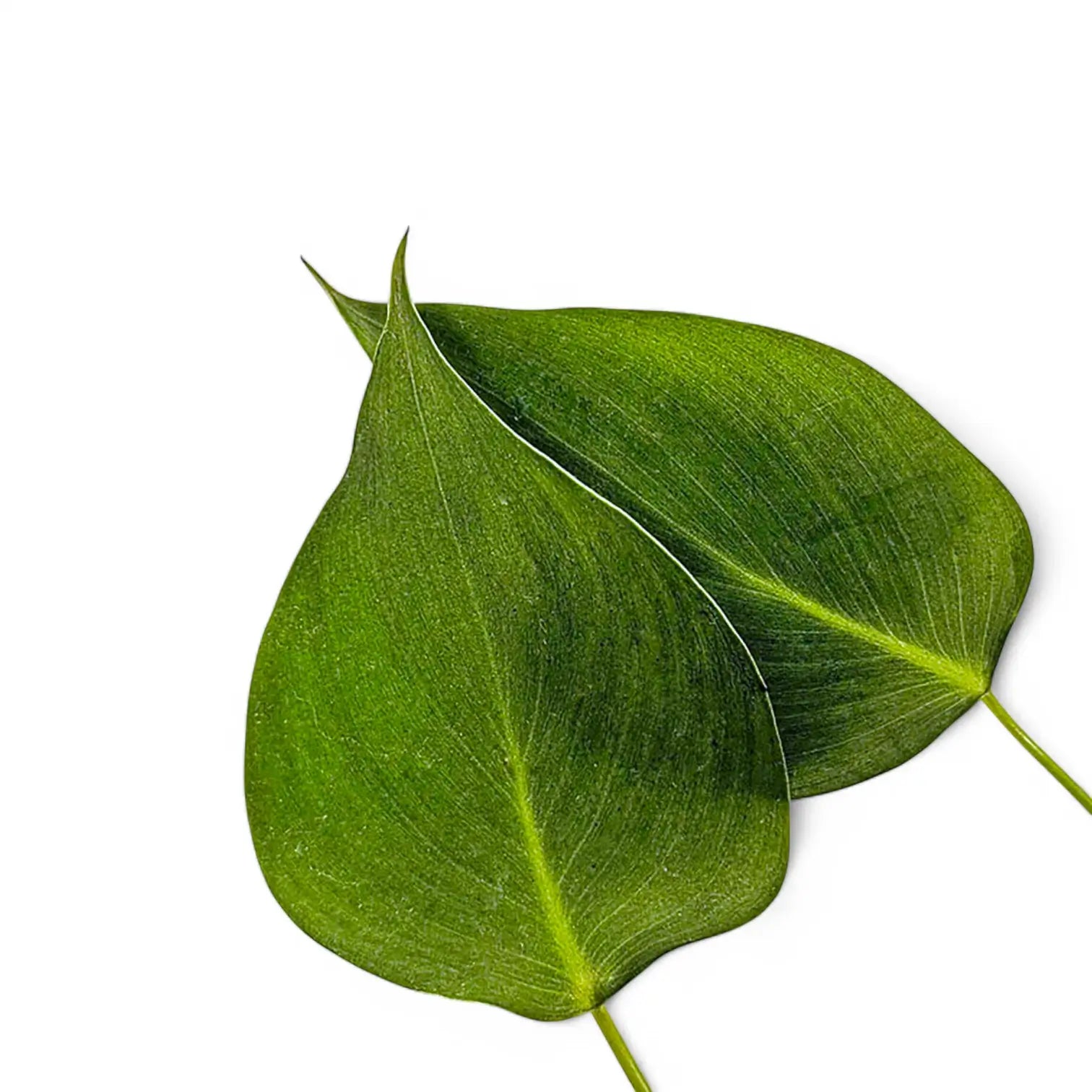
‘Maggy’ carries broad green leaves, while ‘Black Emerald’ has deeper, darker foliage. ‘Lemon Lime’ adds bright colour, and the textured leaves of ‘Platinum Velvet’ bring another surface to the collection. Each grows into a leafy crown, with mature width depending on the variety.
Homalomena appreciates warmth and indirect daylight. The roots grow in an airy mix that keeps some moisture available, with watering once the upper layer begins to dry. Cold draughts and prolonged wetness around the roots can damage leaves.
Young plants may remain compact before the crown broadens. Homalomena contains calcium oxalate crystals that irritate the mouth if foliage is chewed.
Botanical Profile
Many Homalomena species grow in warm Asian forests, where their leaves emerge from short stems near the ground. Filtered daylight reaches the foliage beneath taller vegetation.
The plants form leafy crowns and can spread slowly through new shoots. Species differ in leaf thickness, surface texture and colour.
Details & Care
Homalomena plants
‘Maggy’ carries broad green leaves, while ‘Black Emerald’ has deeper, darker foliage. ‘Lemon Lime’ adds bright colour, and the textured leaves of ‘Platinum Velvet’ bring another surface to the collection. Each grows into a leafy crown, with mature width depending on the variety.
Homalomena appreciates warmth and indirect daylight. The roots grow in an airy mix that keeps some moisture available, with watering once the upper layer begins to dry. Cold draughts and prolonged wetness around the roots can damage leaves.
Young plants may remain compact before the crown broadens. Homalomena contains calcium oxalate crystals that irritate the mouth if foliage is chewed.
Frequently Asked Questions About Homalomena
Can Homalomena grow in medium indirect light?
Many green-leaved Homalomena grow in medium indirect daylight. Brighter filtered light is useful for some coloured or variegated forms. Keep the plant away from intense direct sun.
How much moisture does Homalomena need?
Water as the upper layer of an airy growing medium begins to dry, keeping some moisture available around the roots during active growth. Let excess drain from the pot.
Does Homalomena need high humidity?
Warmth and moderate humidity help keep the leaves in good condition. Very dry air can mark delicate foliage, and stable room temperatures are important.
Why are my Homalomena leaves yellowing?
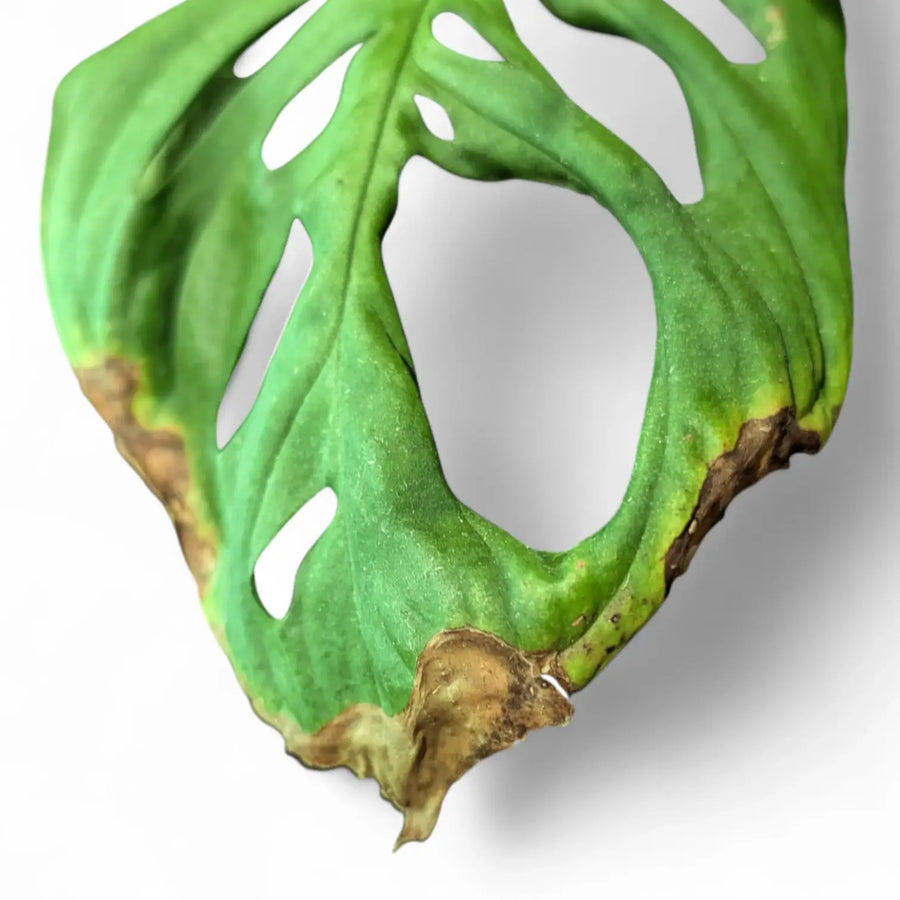
Prolonged wetness around the roots, cold conditions or repeated drying can cause yellowing. Check the root moisture and inspect the stem base if several leaves soften together.
Is Homalomena safe around pets?
Homalomena contains calcium oxalate crystals that can irritate the mouth if chewed. Keep foliage away from cats and dogs.