Watering
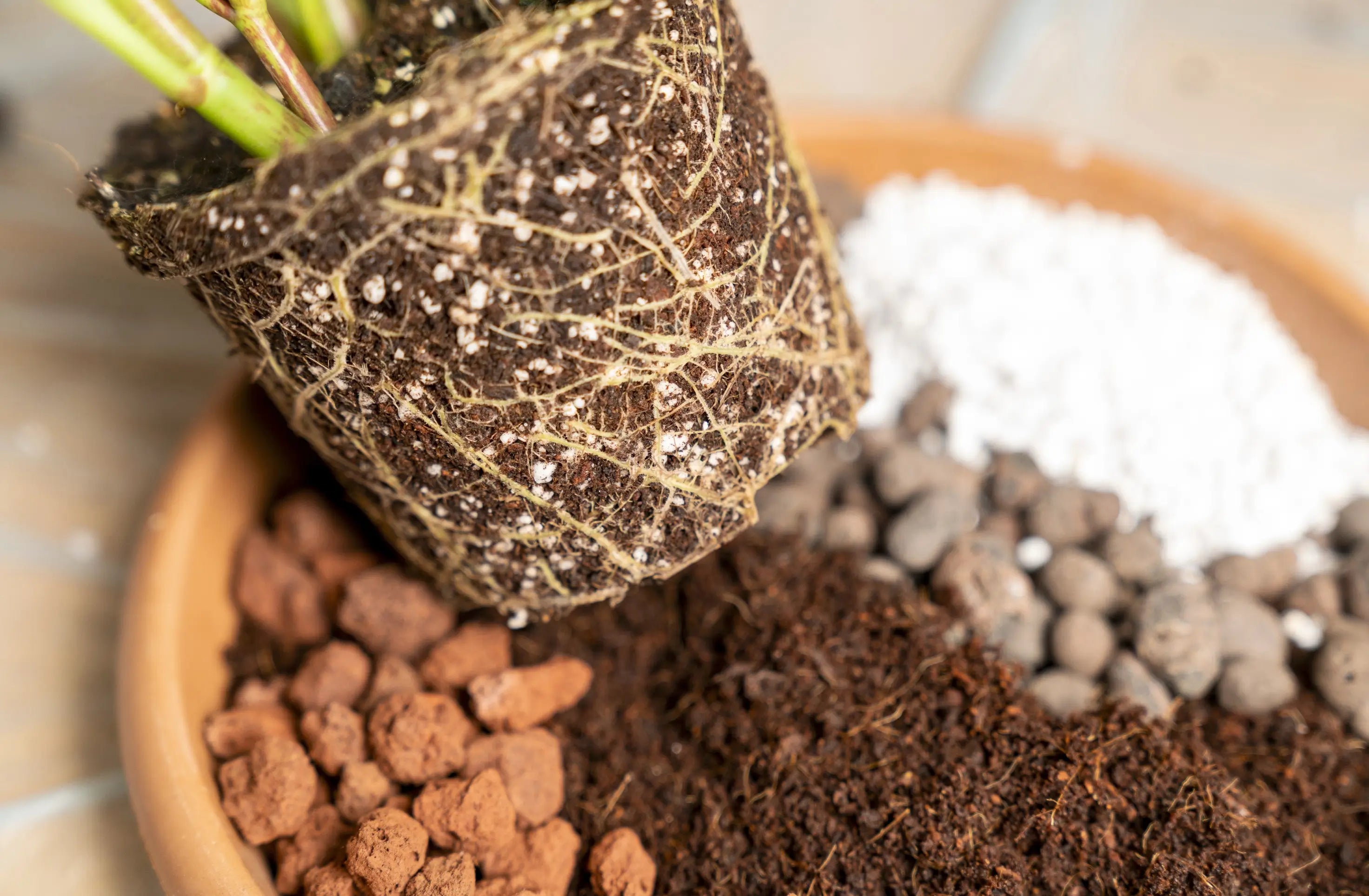
Drainage ≠ Aeration: Why Pots Still Kill Roots
Drainage holes alone do not protect roots if the mix stays airless. Aeration, particle size, perched water and pot depth decide whether roots get oxygen or s...

Practical plant care guides for real homes: unboxing, acclimation, watering, fertilising, repotting, pests, substrate choices, and the plant behaviour behind common problems.
Drainage holes alone do not protect roots if the mix stays airless. Aeration, particle size, perched water and pot depth decide whether roots get oxygen or s...
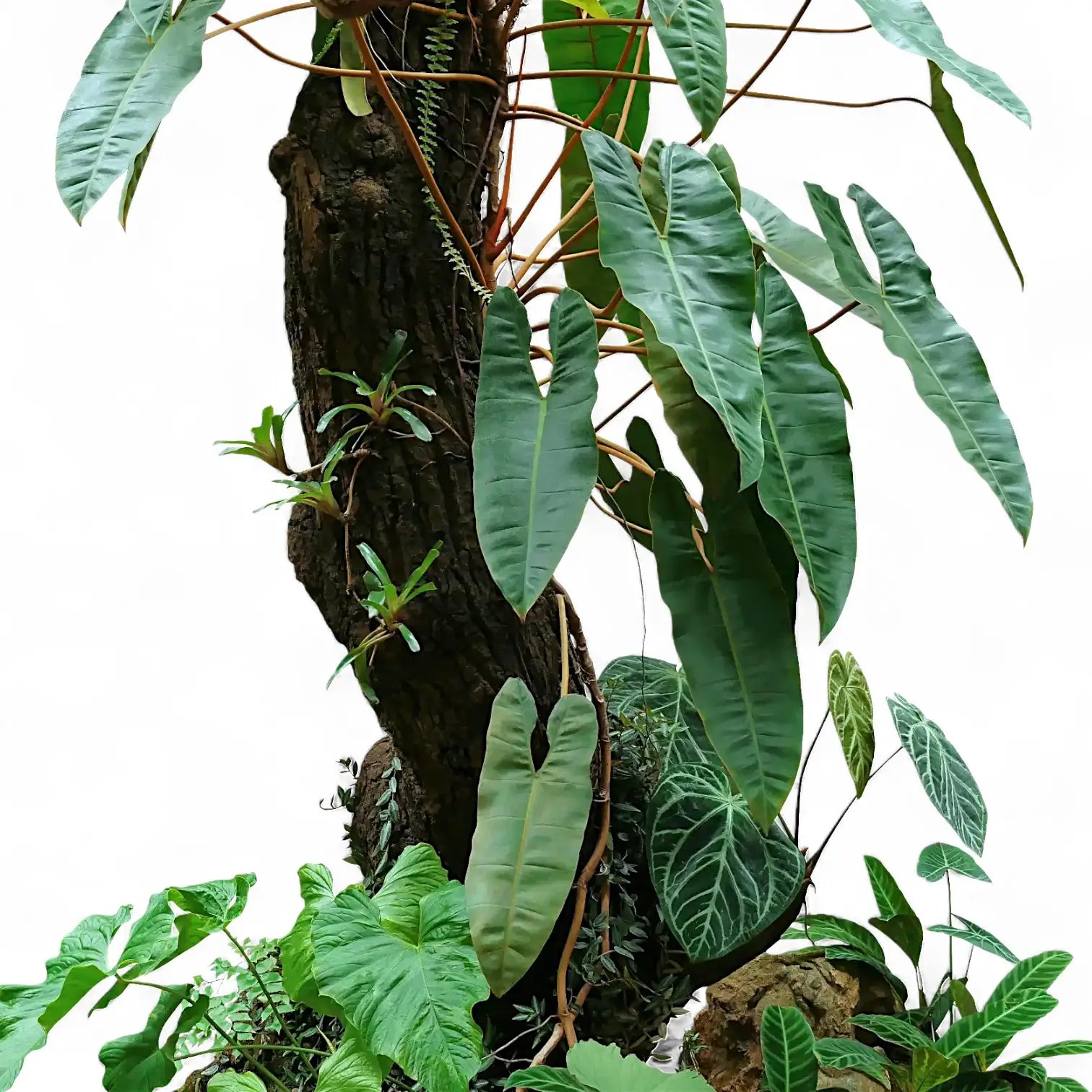
Many popular houseplants grow as epiphytes or hemiepiphytes, not soil-rooted bedding plants. Airy substrates, pulse watering, airflow, light and climbing sup...
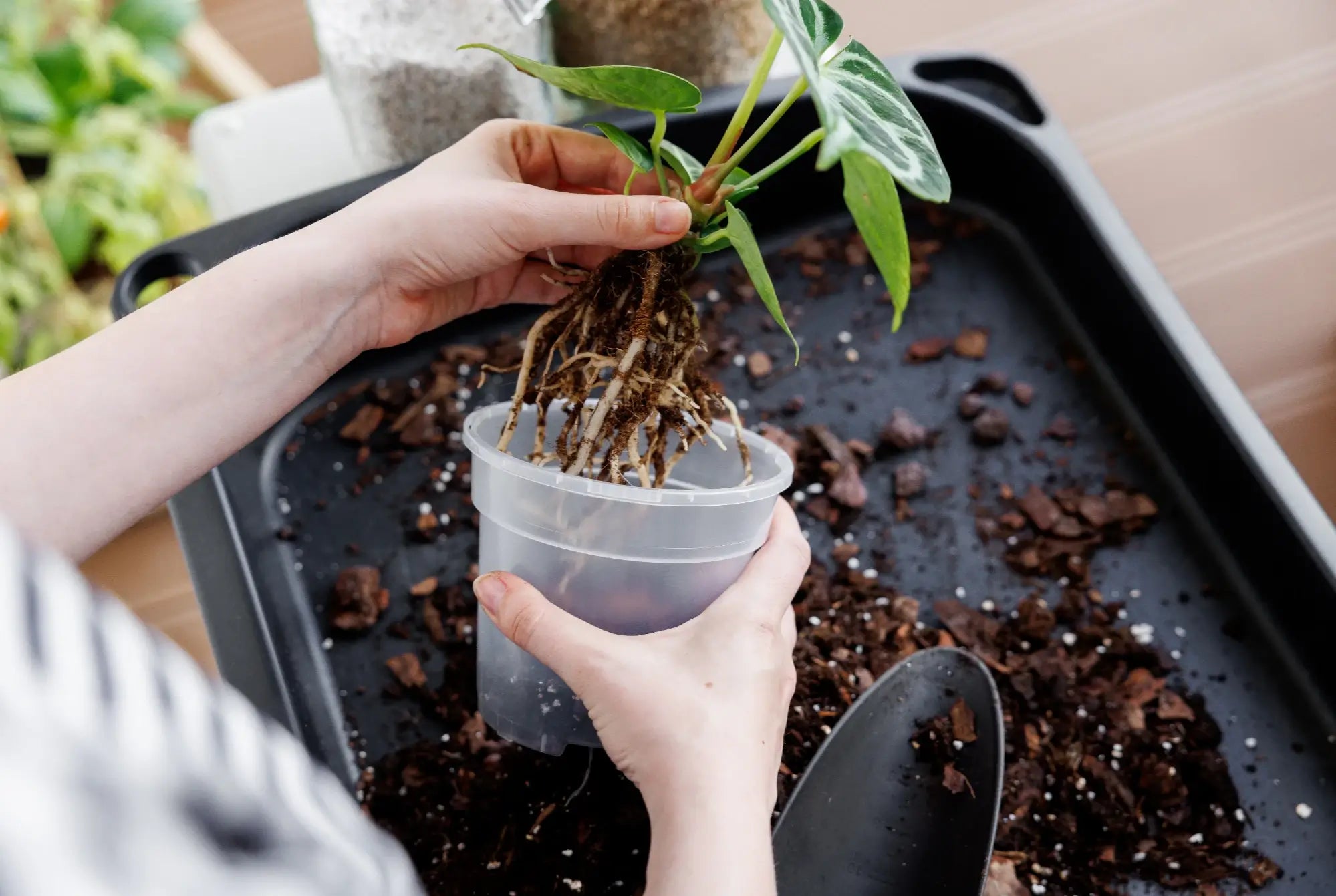
Choose an aroid substrate by looking at how evenly the root ball wets, how quickly the pot dries and how much space the roots have. Learn when to adjust the ...
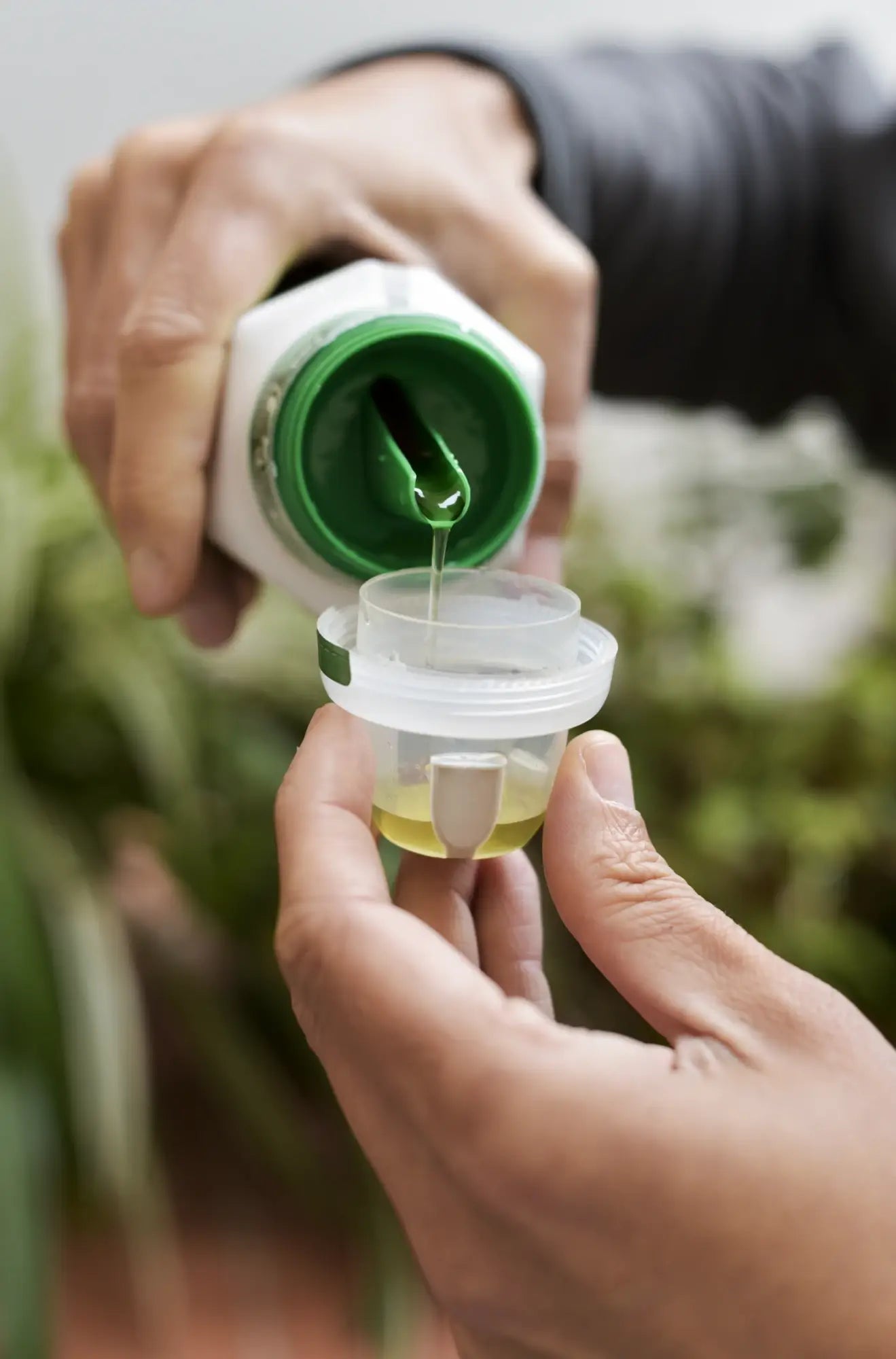
The best fertilizer depends on plant growth, light level, substrate and watering style. Compare liquid, slow-release, organic and synthetic options without i...
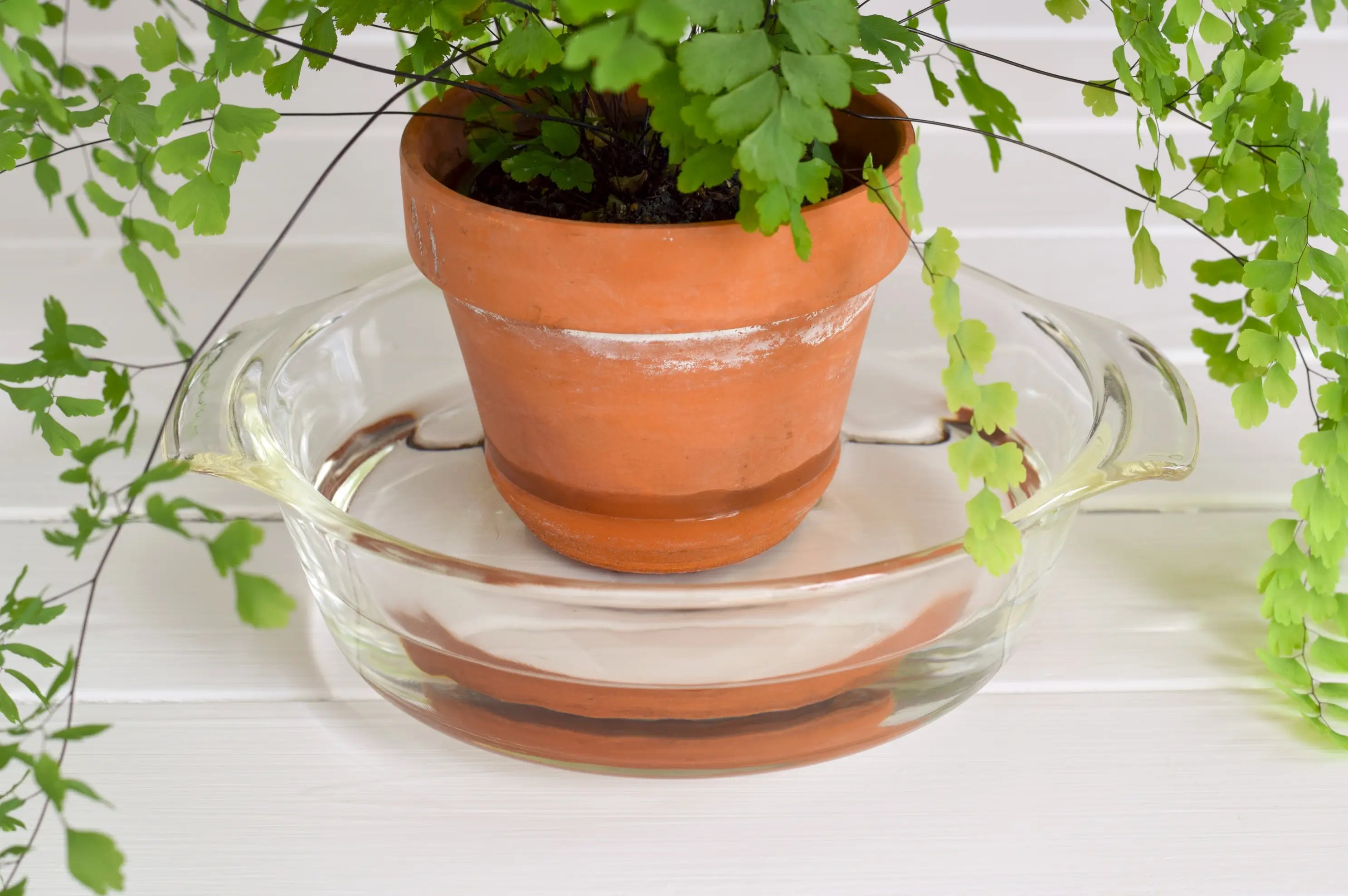
Bottom watering can help rewet a dry root ball and keep water off the leaves, but every pot behaves differently. Learn how to bottom water a houseplant, chec...
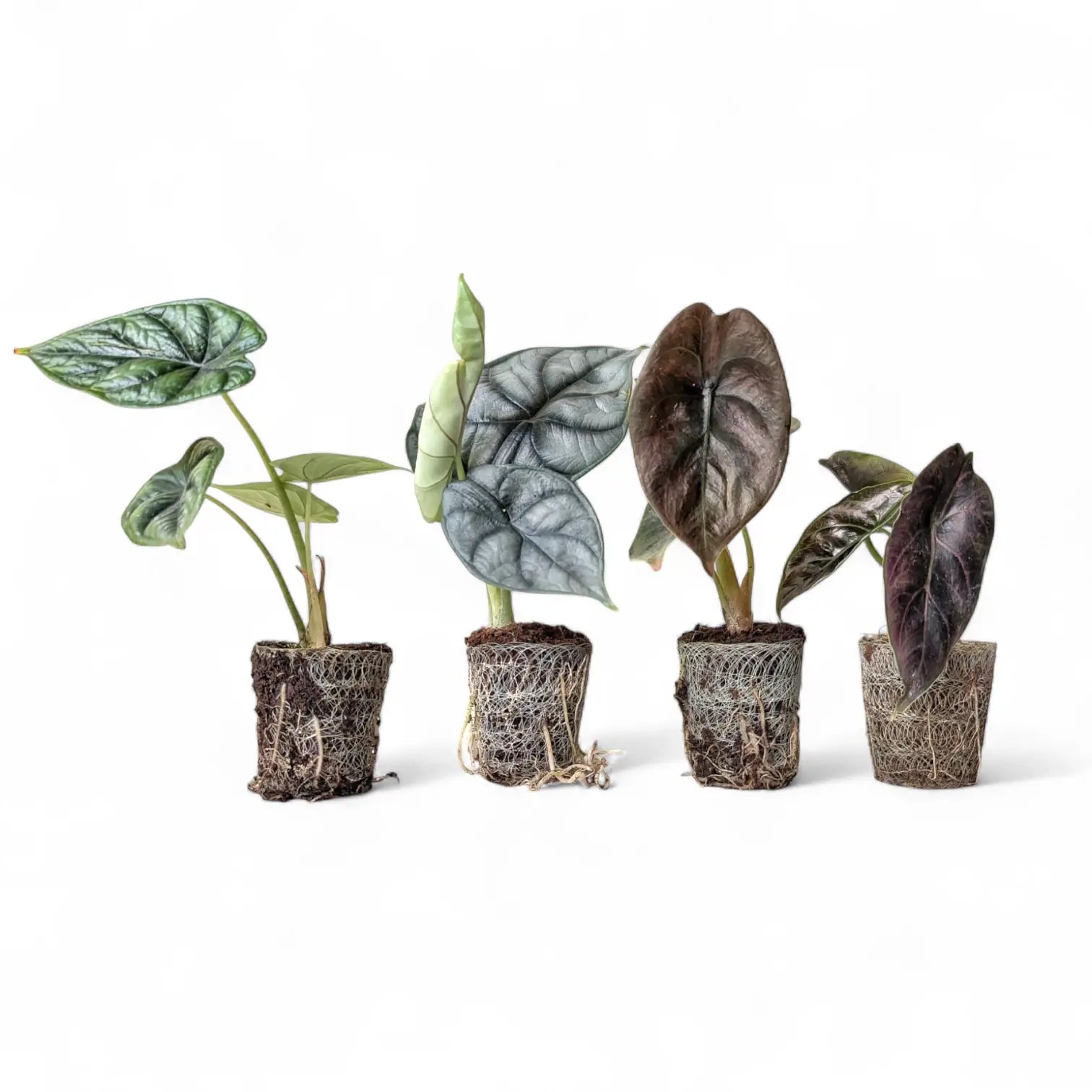
Plug plants are rooted starters, not bare cuttings. Keep the plug stable, pot carefully, avoid overwatering and give young tropical plants time to build root...
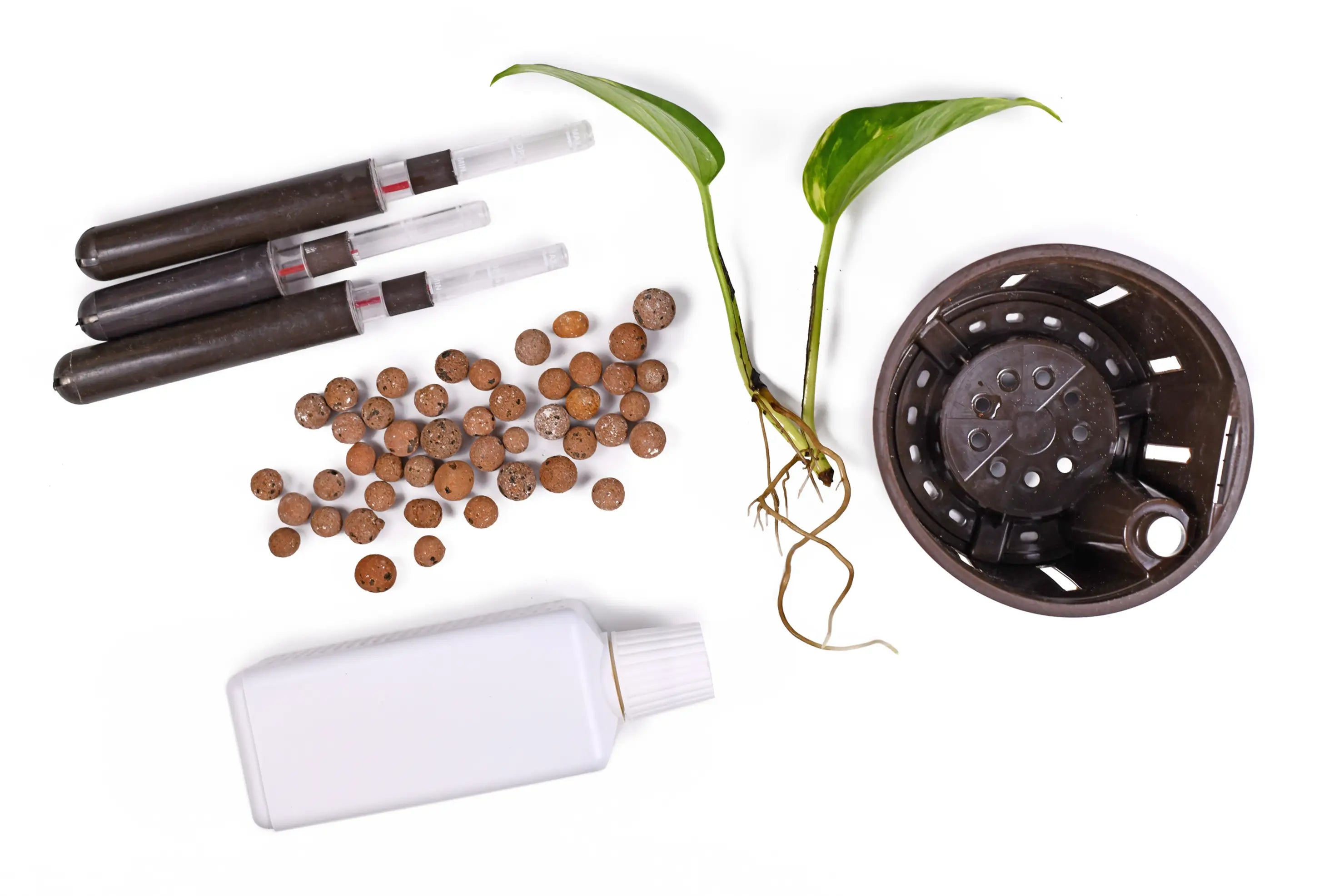
Semi-hydro fertilizing is about nutrient strength, pH, EC, flushing and clean reservoirs. Match liquid nutrients to LECA, pon or pumice so roots get minerals...
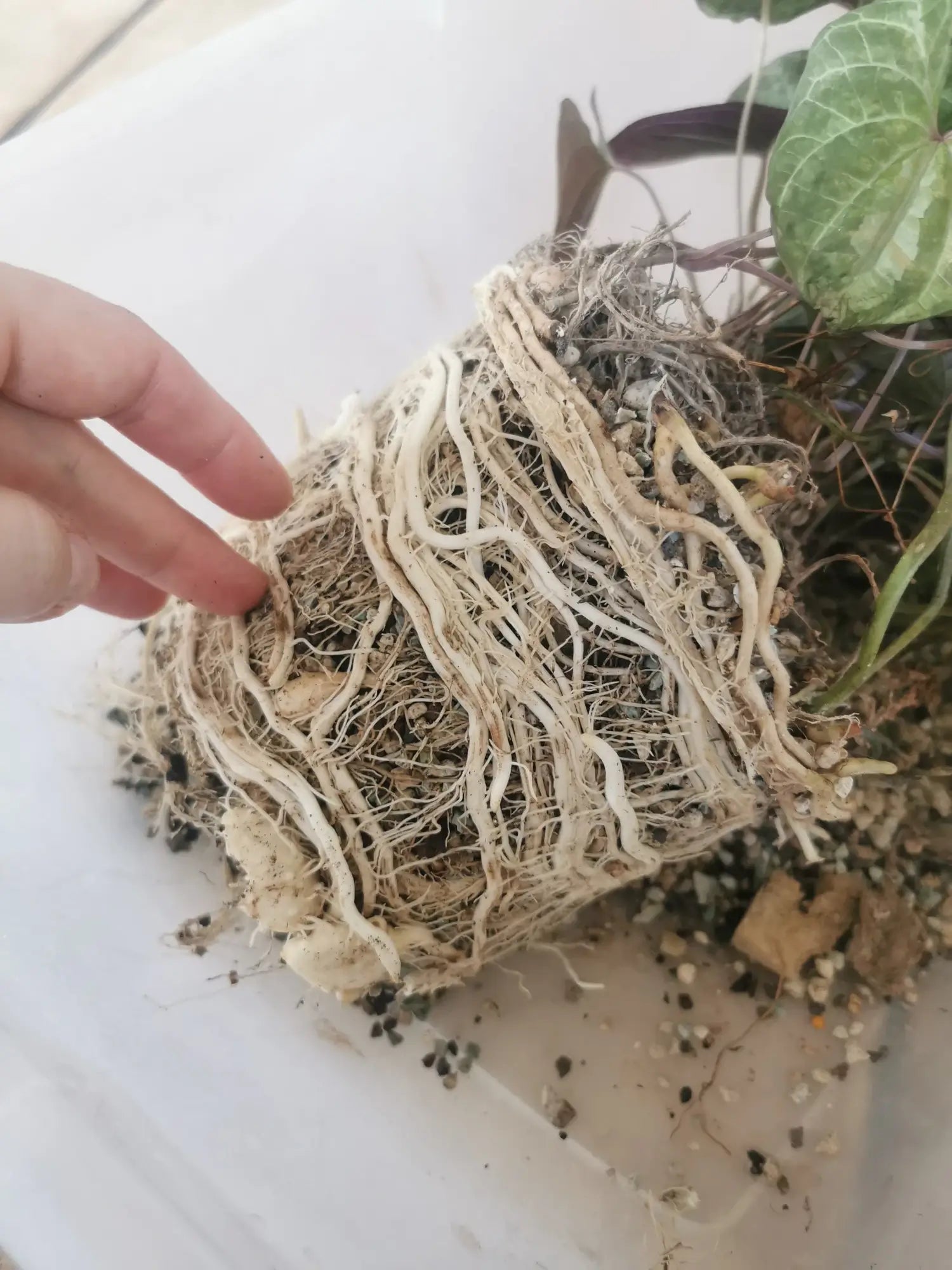
Moving a houseplant from soil to semi-hydro changes root conditions completely. Clean roots carefully, expect adjustment stress and manage moisture, oxygen a...
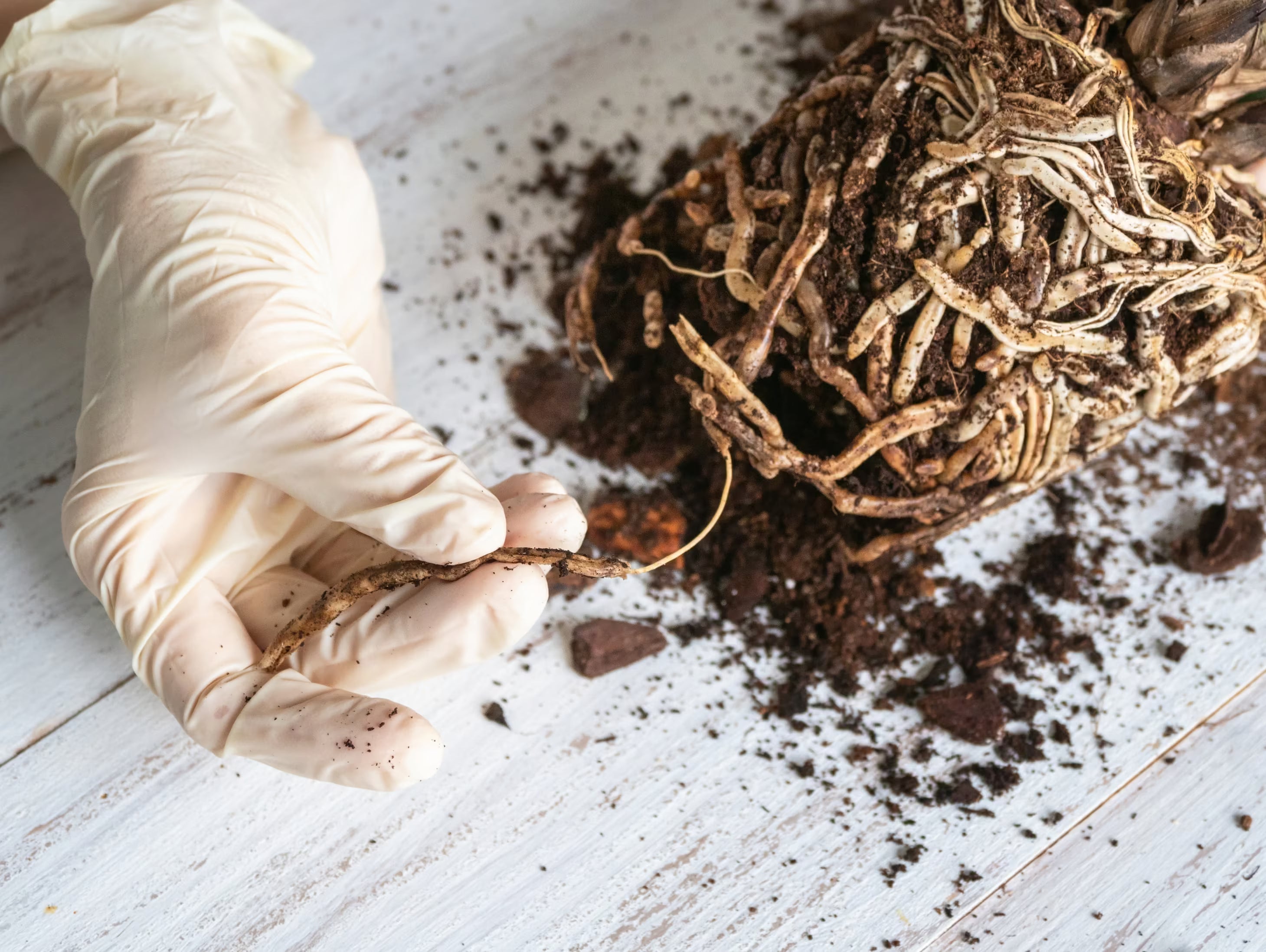
Root rot needs fast, calm action: confirm mushy roots, remove dead tissue, reset the substrate and correct the conditions that caused oxygen loss. Saving the...
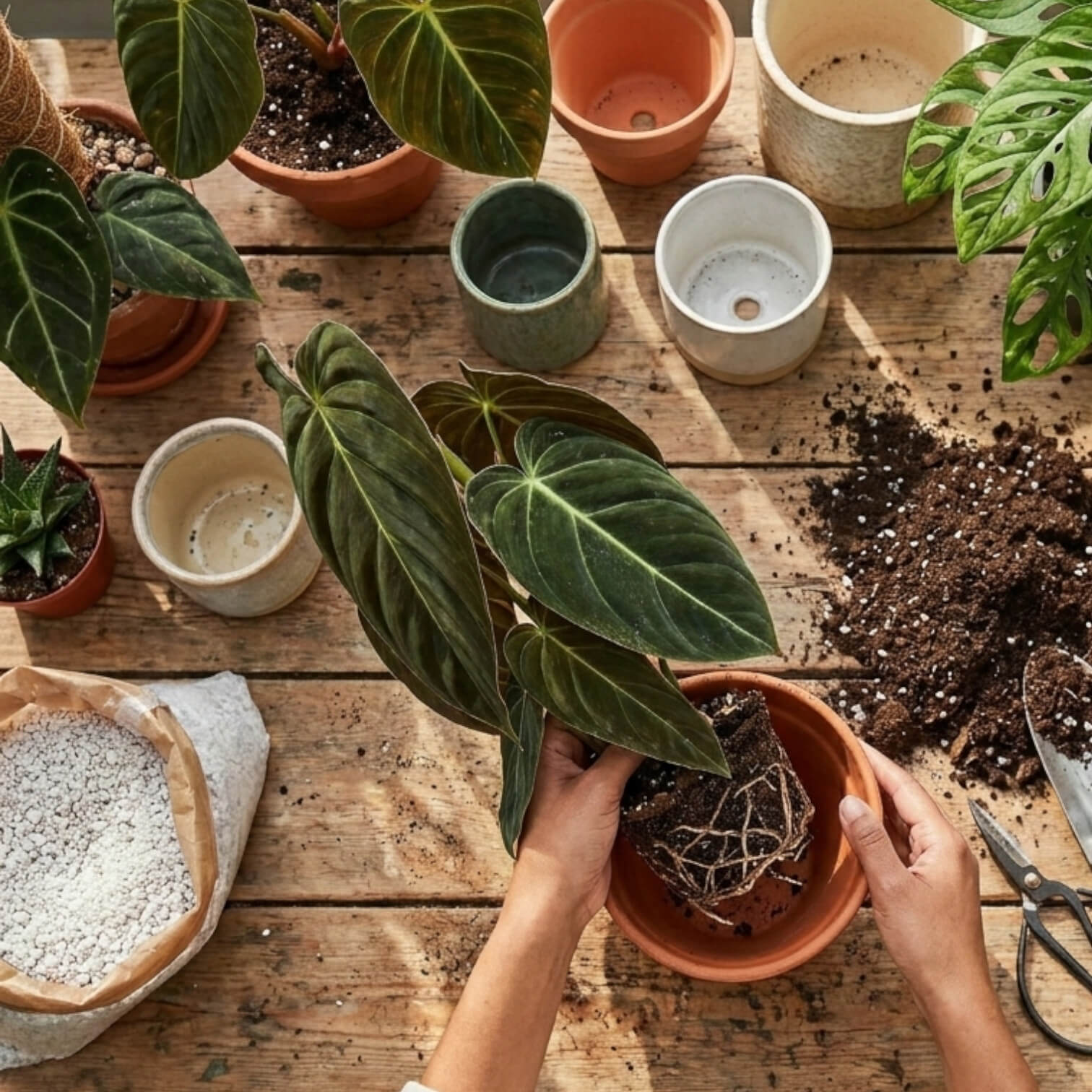
Repotting helps when roots, substrate and pot size need it; it also stresses plants when done too soon. Check root condition, choose pot size carefully and a...
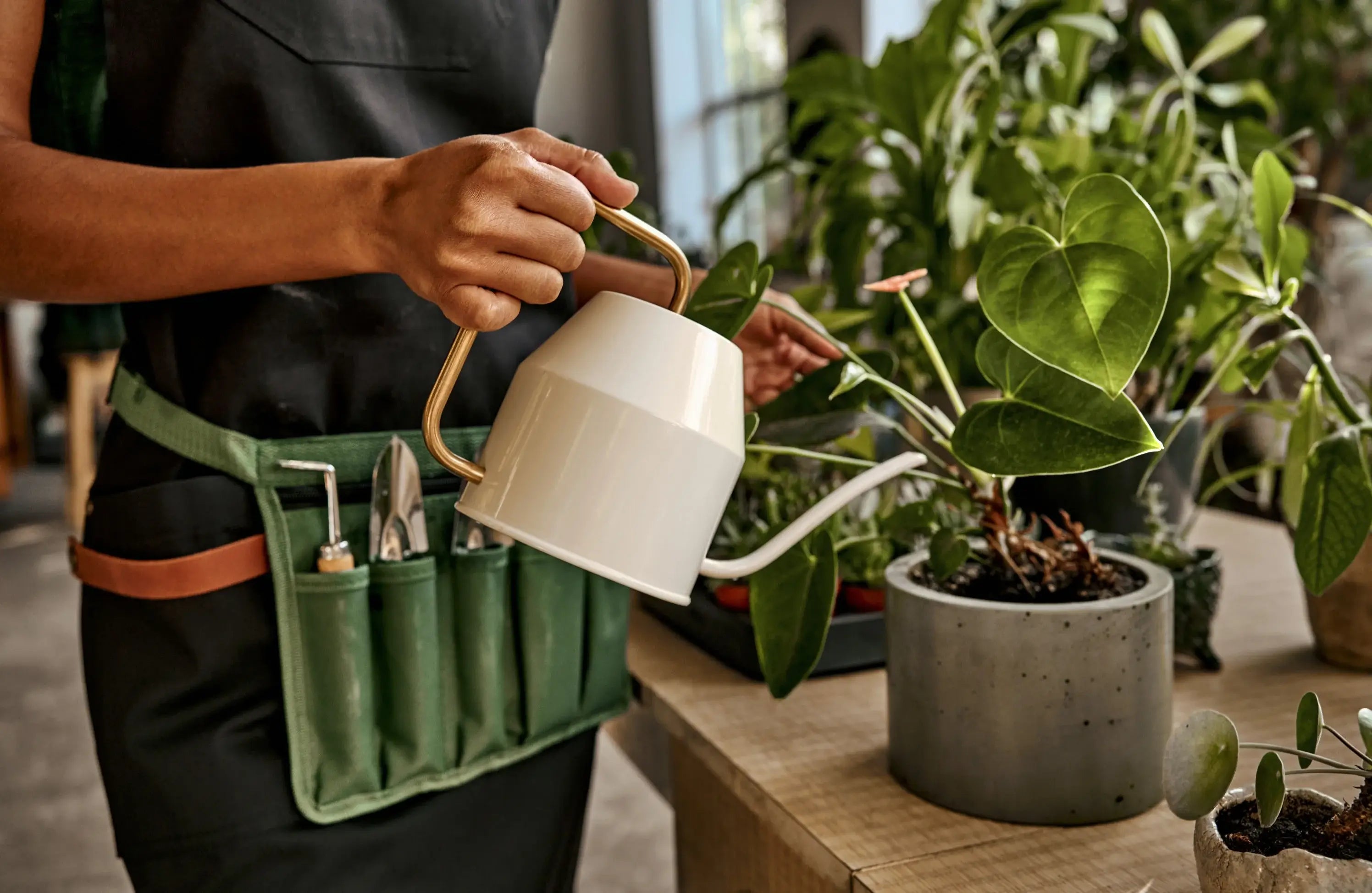
Watering well means reading roots, substrate, pot size, light and plant demand together. Replace calendar watering with checks that show whether the root zon...
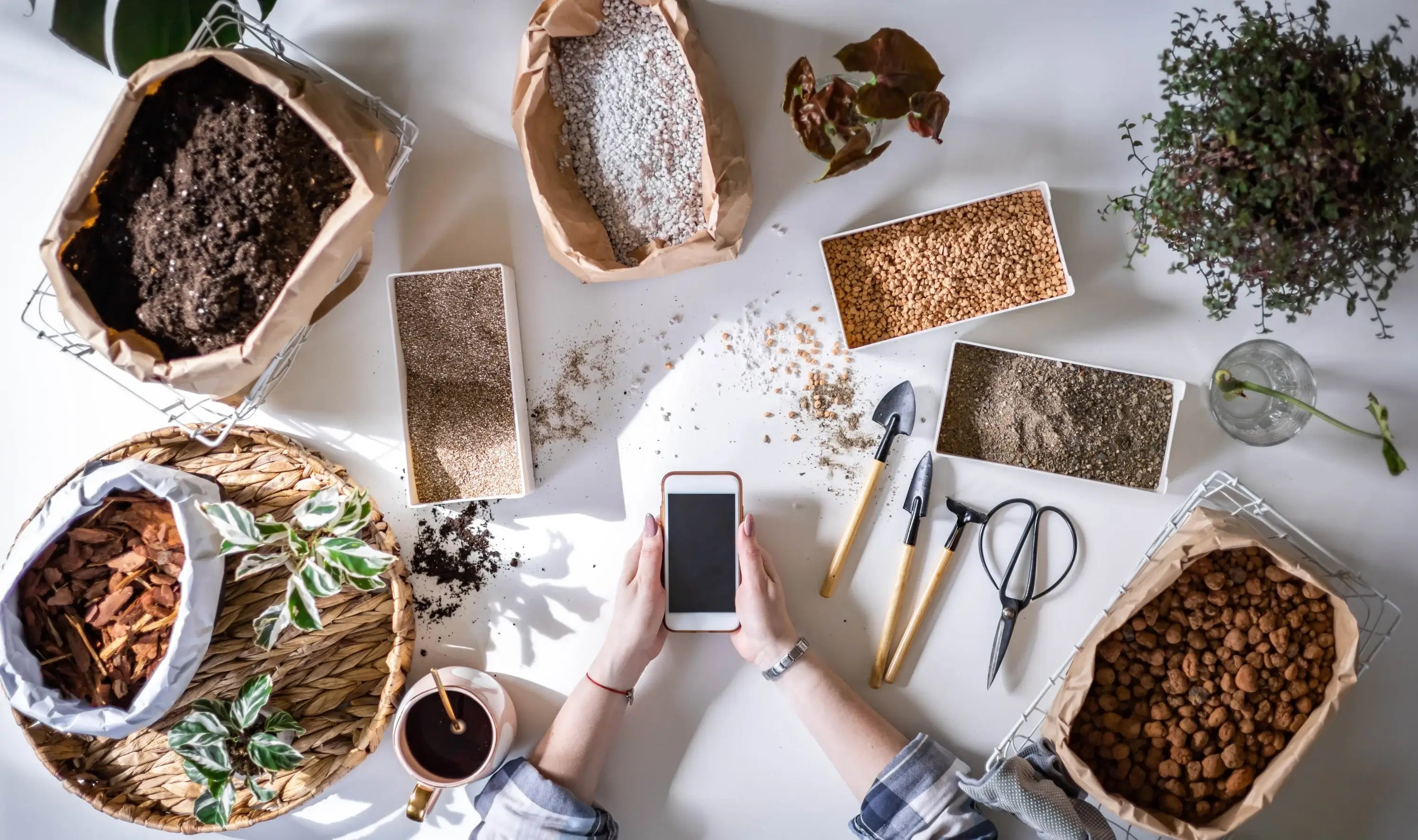
Houseplant substrate is not just dirt. Roots need the right balance of water, oxygen, structure and nutrients, which changes by plant type, pot, watering sty...
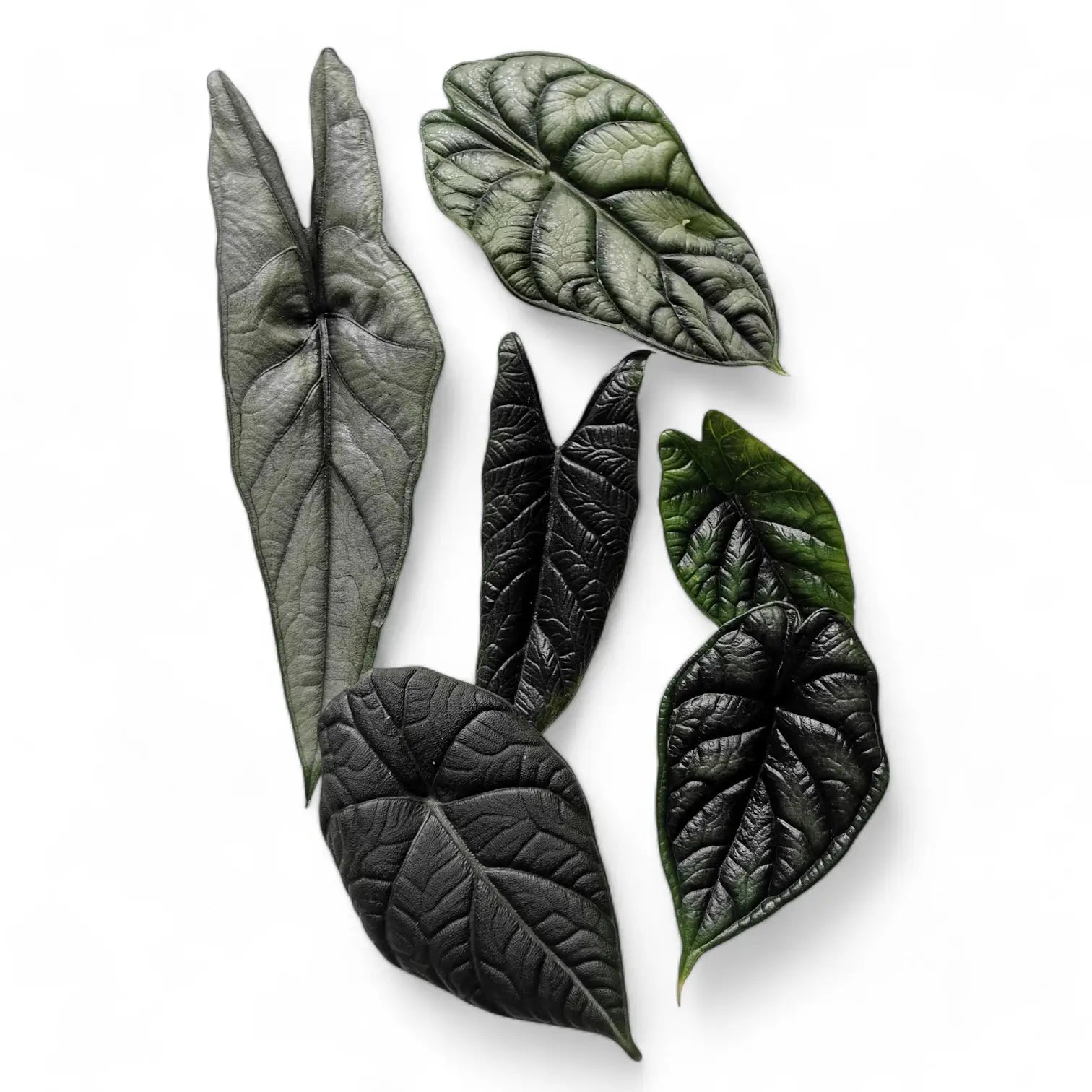
Alocasia care depends on rhizomes, cormels, warm roots and a mix that holds moisture while keeping air around the roots. Light, watering, humidity, airflow a...
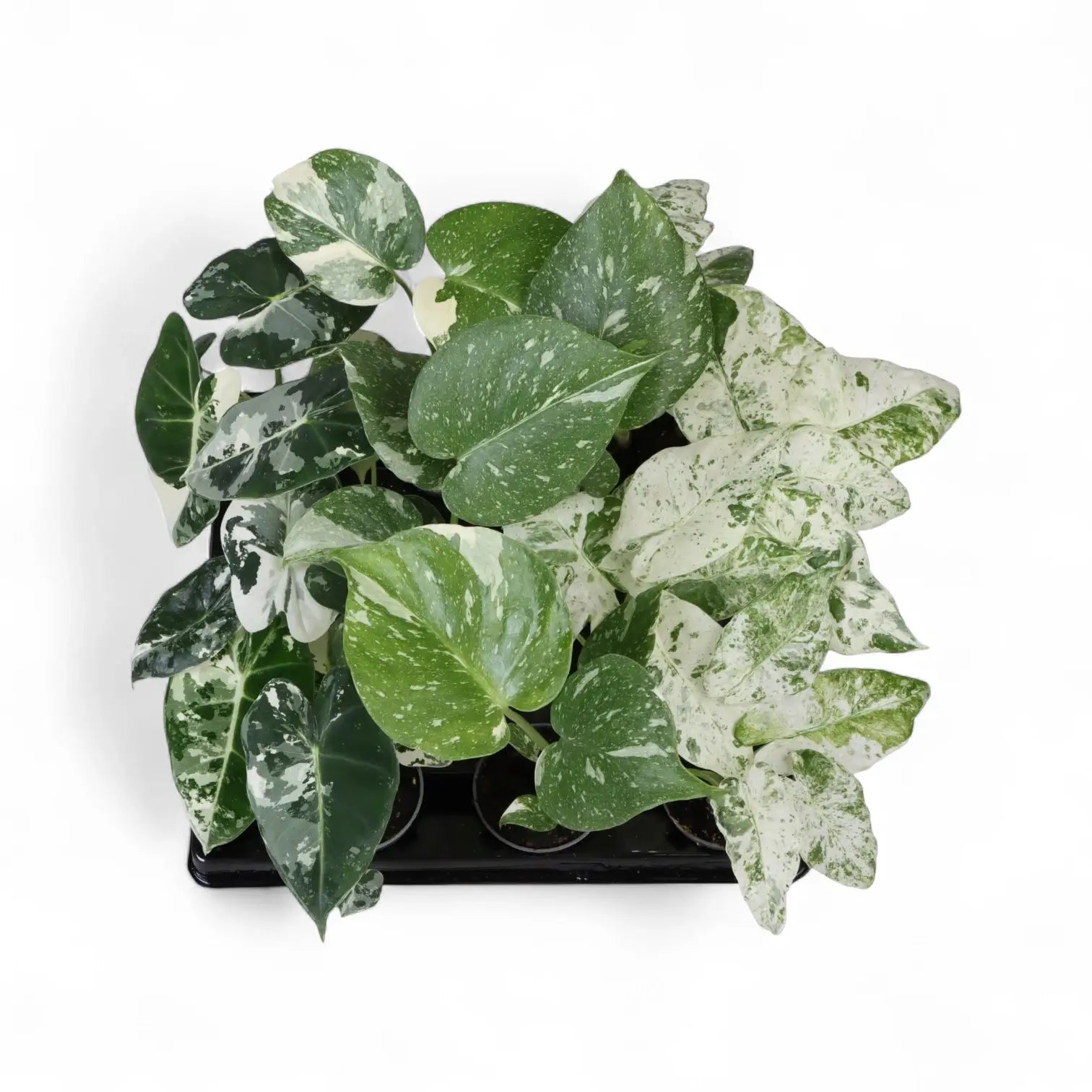
Baby plants need gentler handling than mature houseplants. Keep them stable after arrival, avoid early repotting, monitor moisture closely and let roots sett...
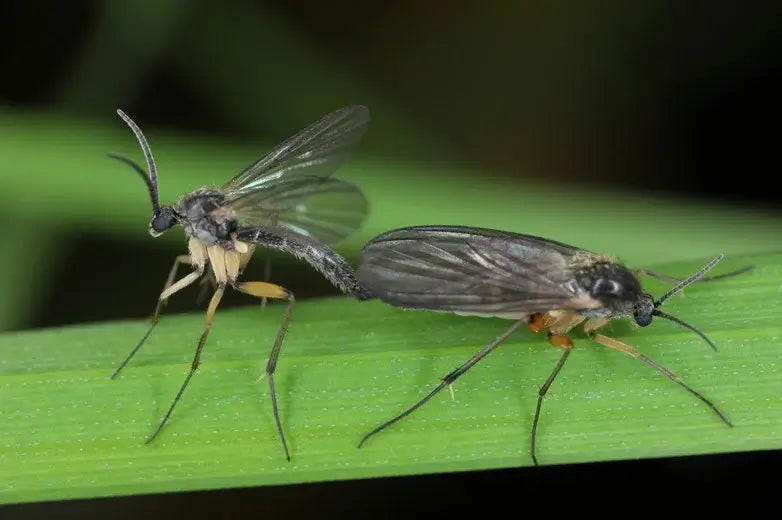
Fungus gnats are annoying as adults, but wet organic substrate lets larvae keep feeding below the surface. Dry the cycle, target larvae and change watering h...
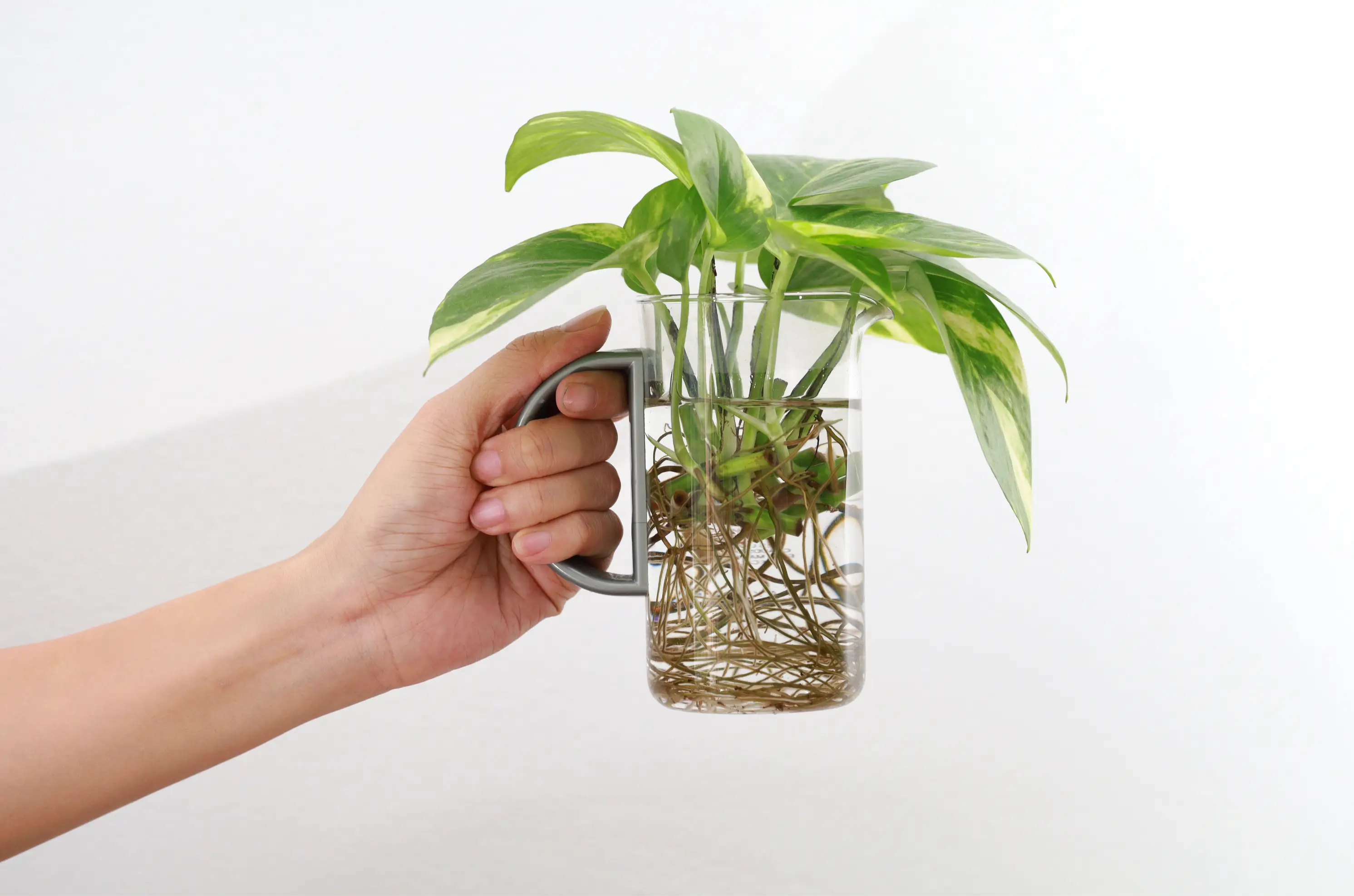
Water propagation is simple, but rooting success depends on cutting type, node position, water quality, light, warmth and timing. Move rooted cuttings carefu...
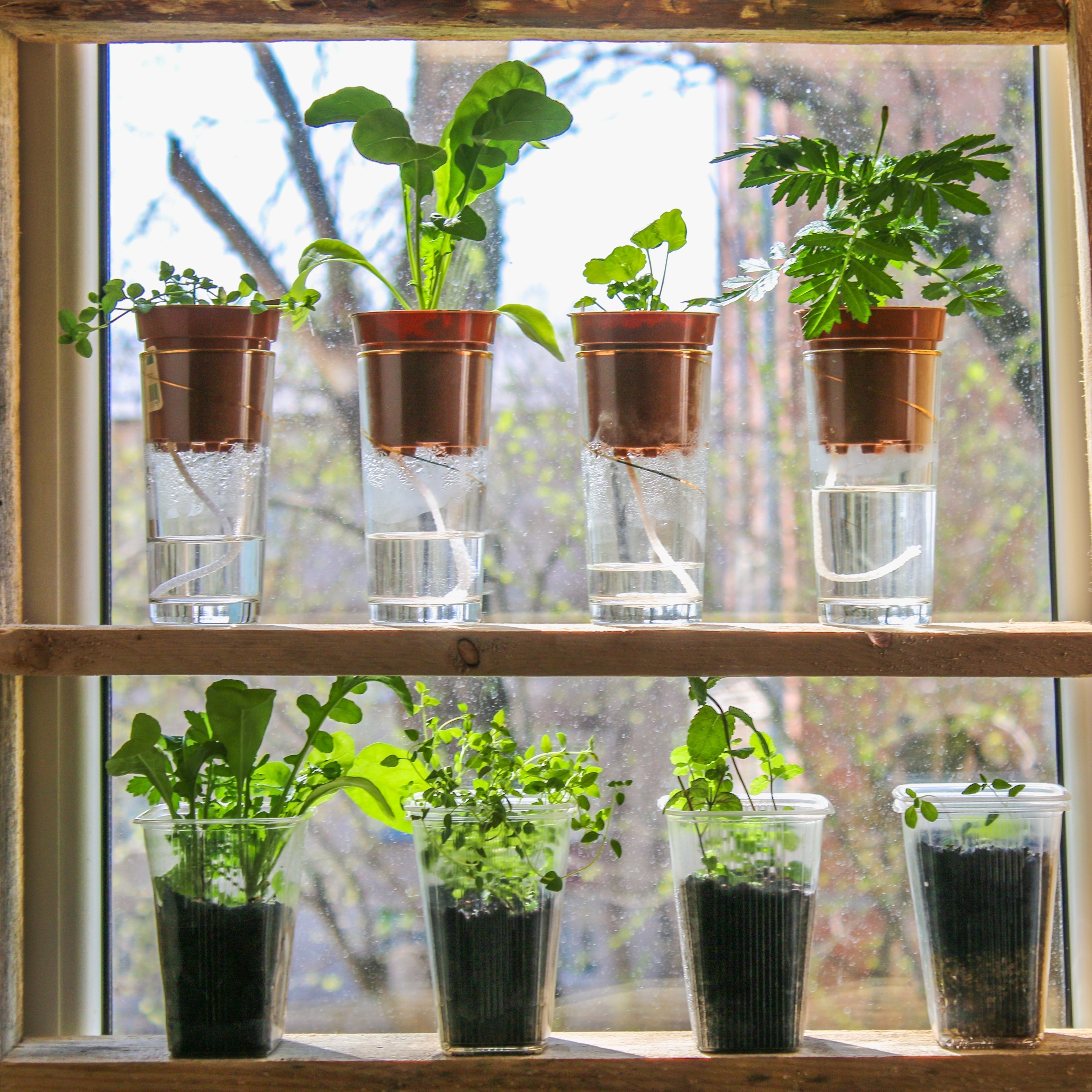
hard-to-reach plants easier to water and give you more time between watering sessions. Learn how to decide whether one suits your plant, choose a planter, se...
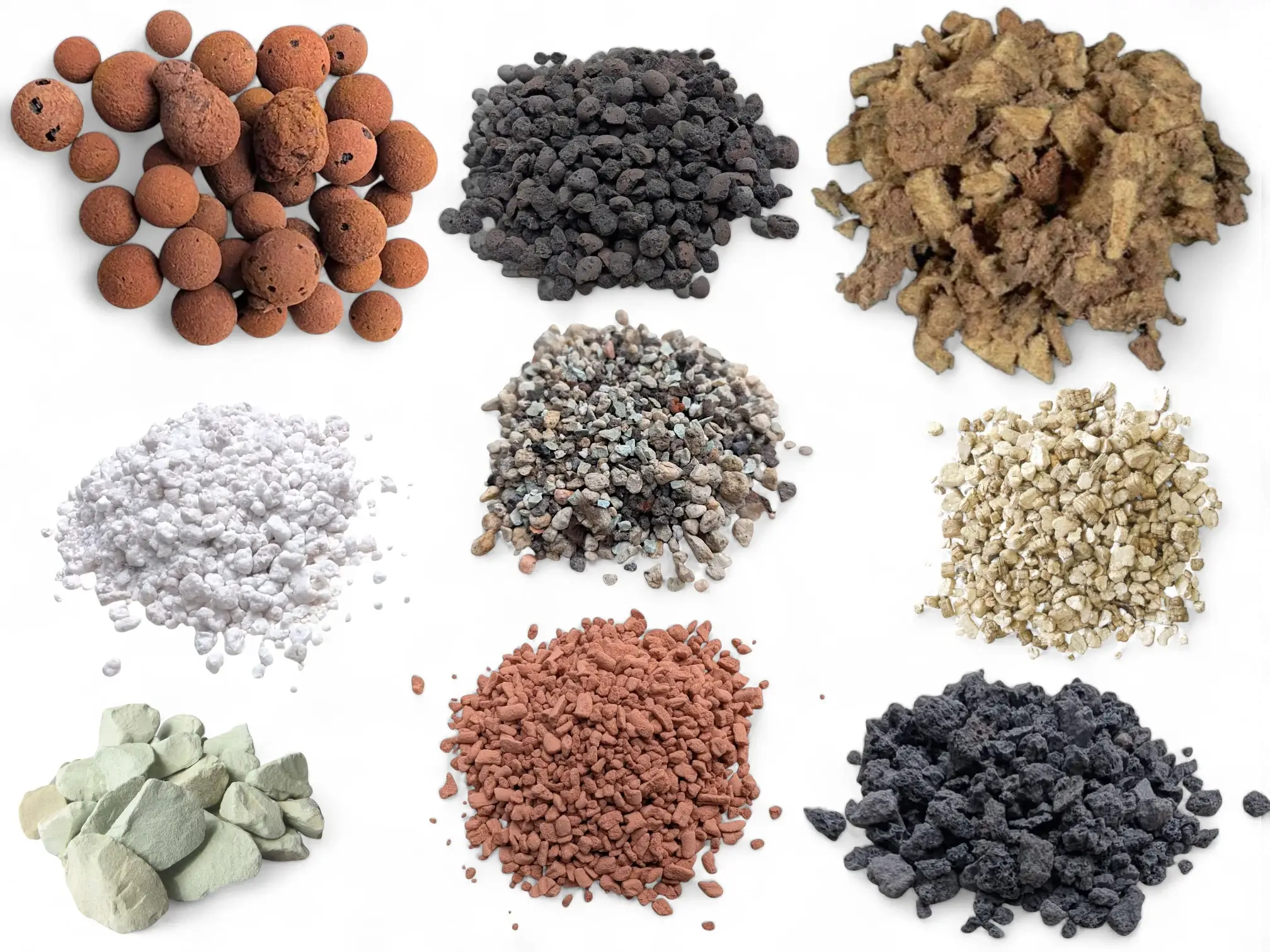
Non-organic semi-hydro substrates behave differently from soil. Compare LECA, pon, pumice, zeolite and mineral mixes by water storage, airflow, weight, clean...
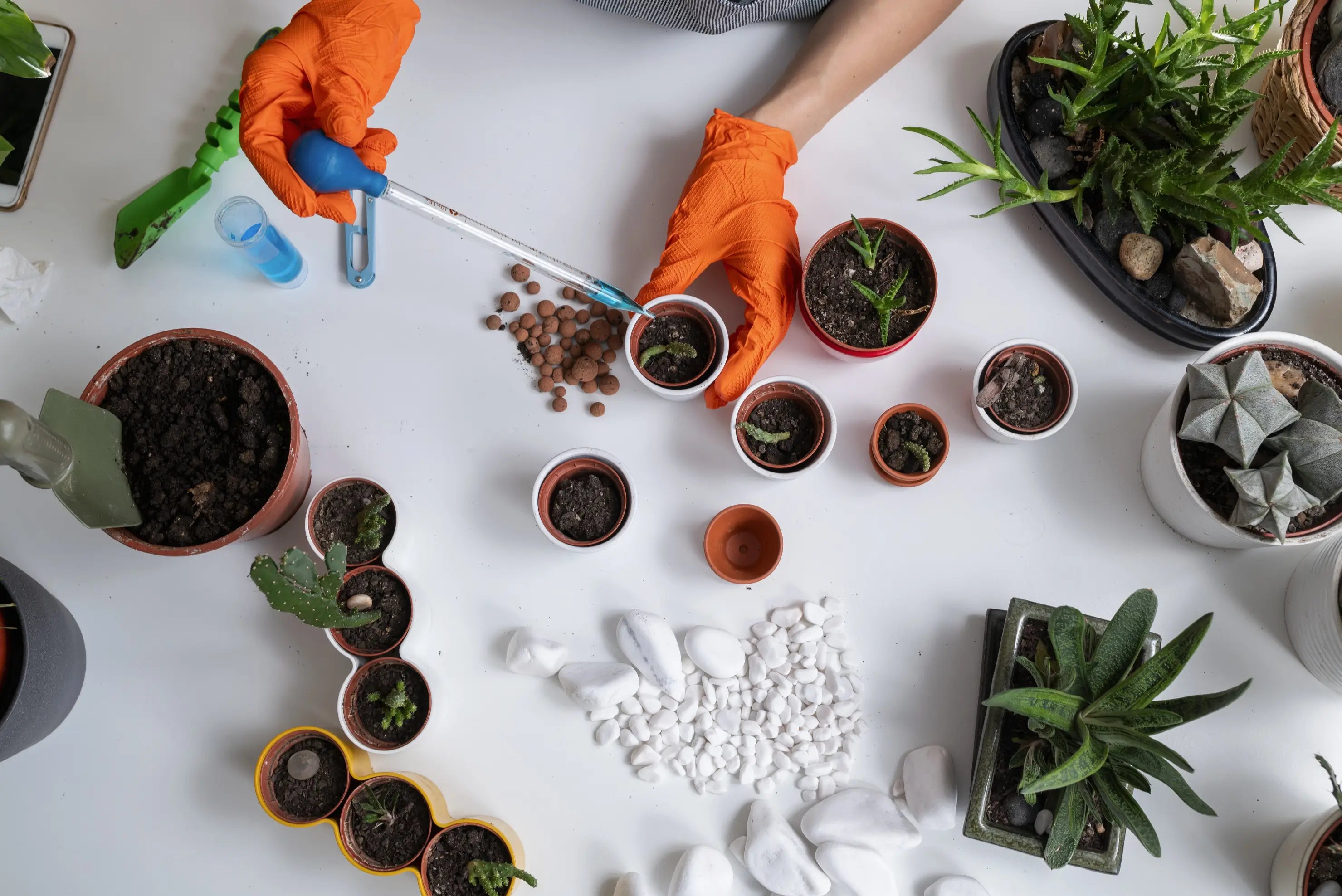
Fertilizing gets simpler once you understand NPK, micronutrients and substrate behaviour. Build a safe routine around dilution, growth speed, light level, fl...
Sign up for Foliage Factory newsletter for early access to new arrivals and practical care tips that work in real homes.