Skip to content

Cart

Your cart is empty.

Cacti

Close up of Myrtillocactus geometrizans fukurokuryuzinboku on a white background

Substrate help

Choose a faster-drying mineral-leaning setup

Succulents and many cacti need a mix that releases excess water quickly and keeps the root zone open, especially in indoor pots.

Sort by:

Filters

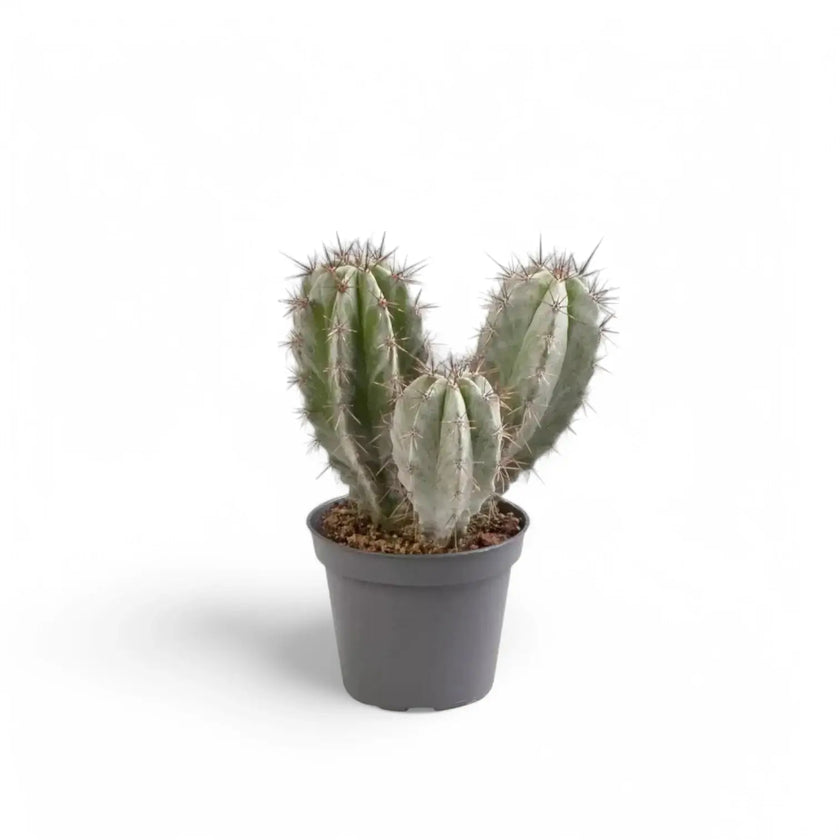
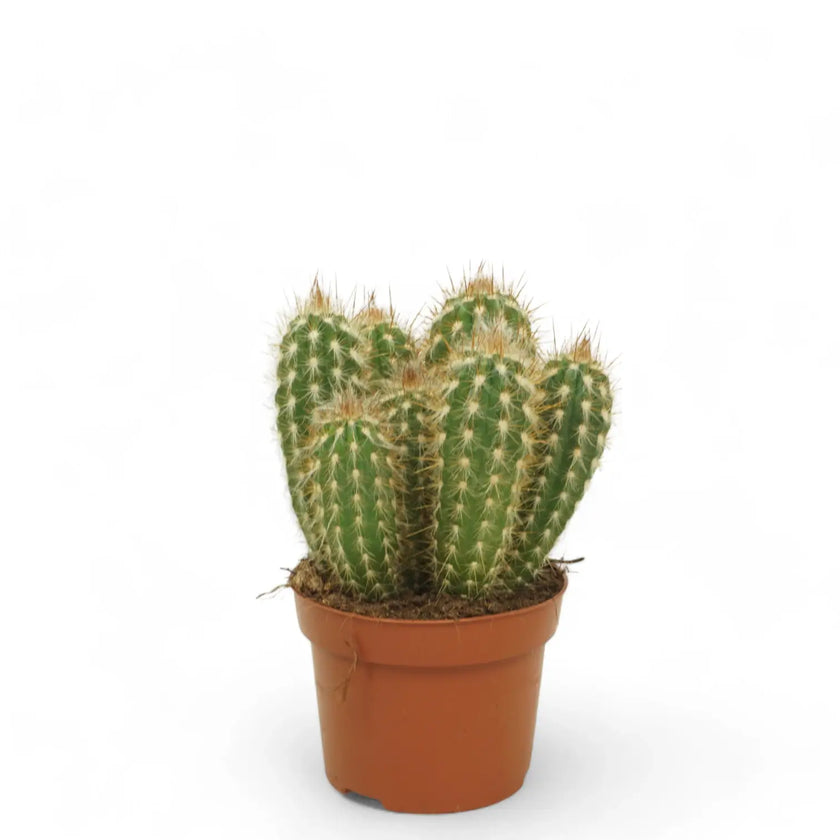
Polaskia chichipe close-up of leaf on white background.
Polaskia chichipe Regular price €9,50
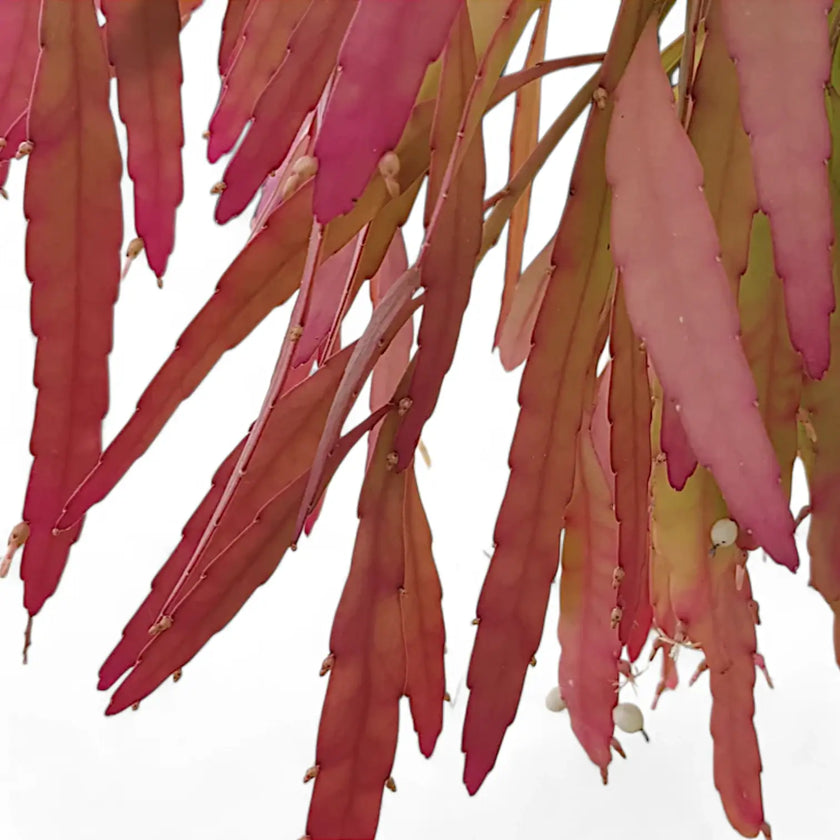
Pseudorhipsalis ramulosa subsp. ramulosa 'Red Coral' close-up of leaf on white background.
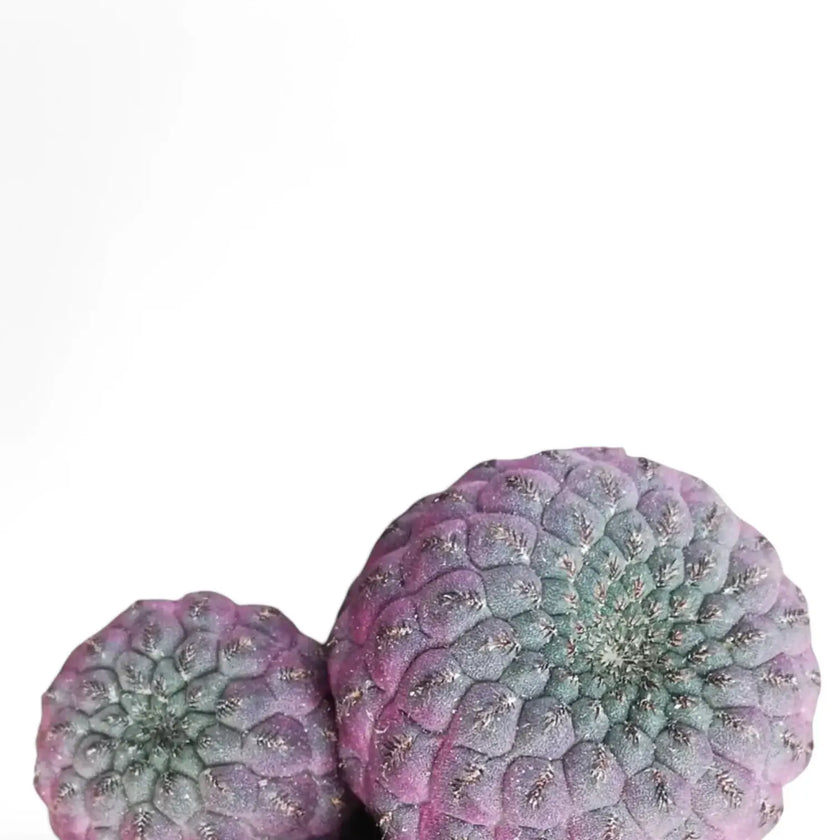
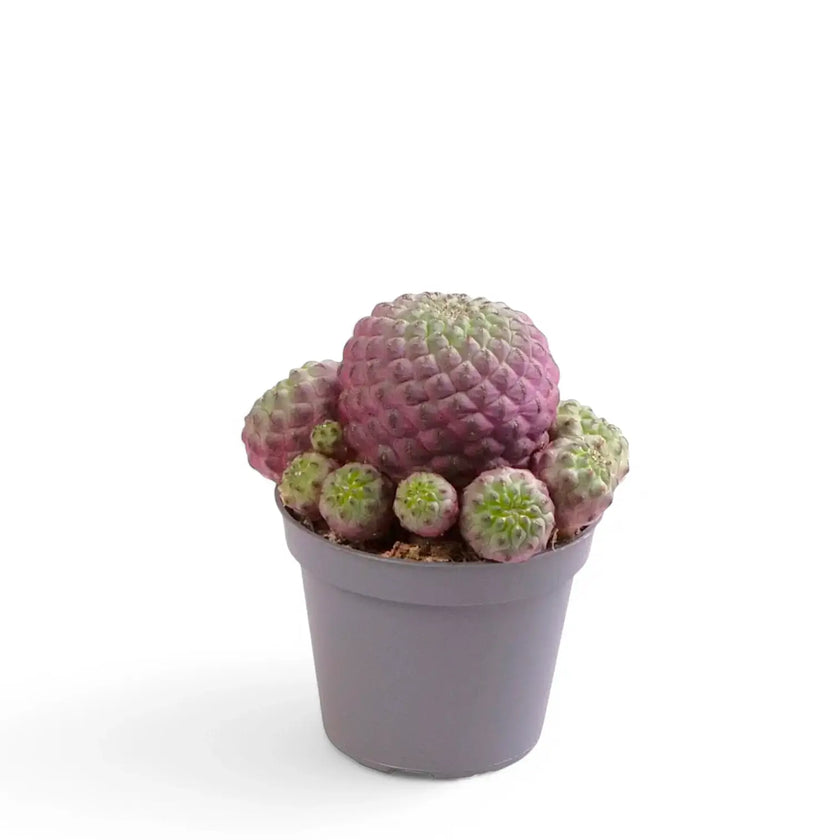
Rebutia canigueralii 'Violet' close-up of leaf on white background.
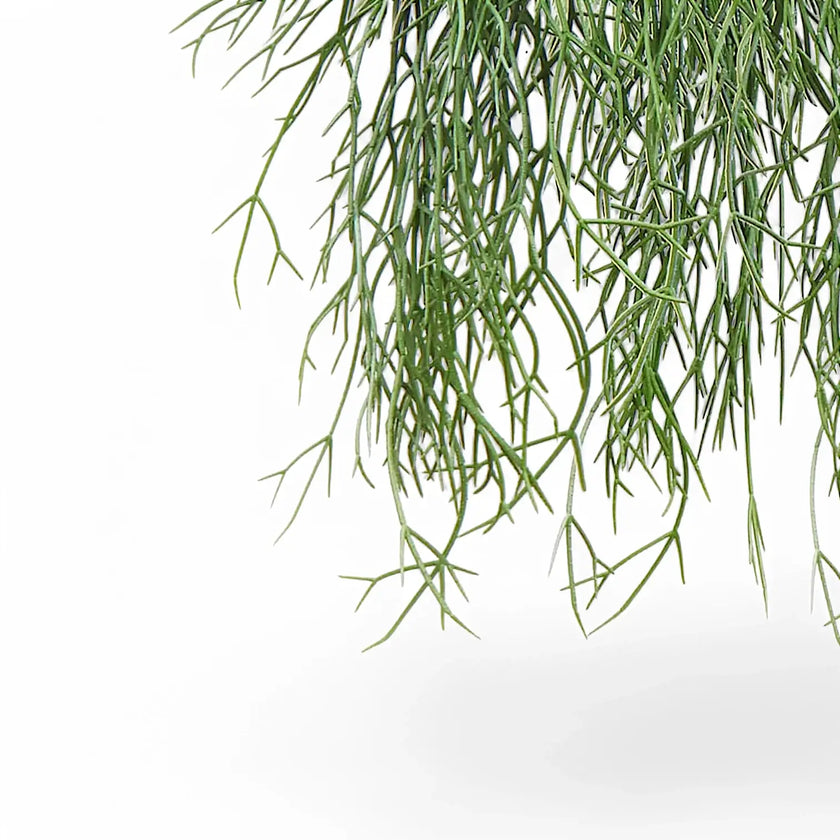
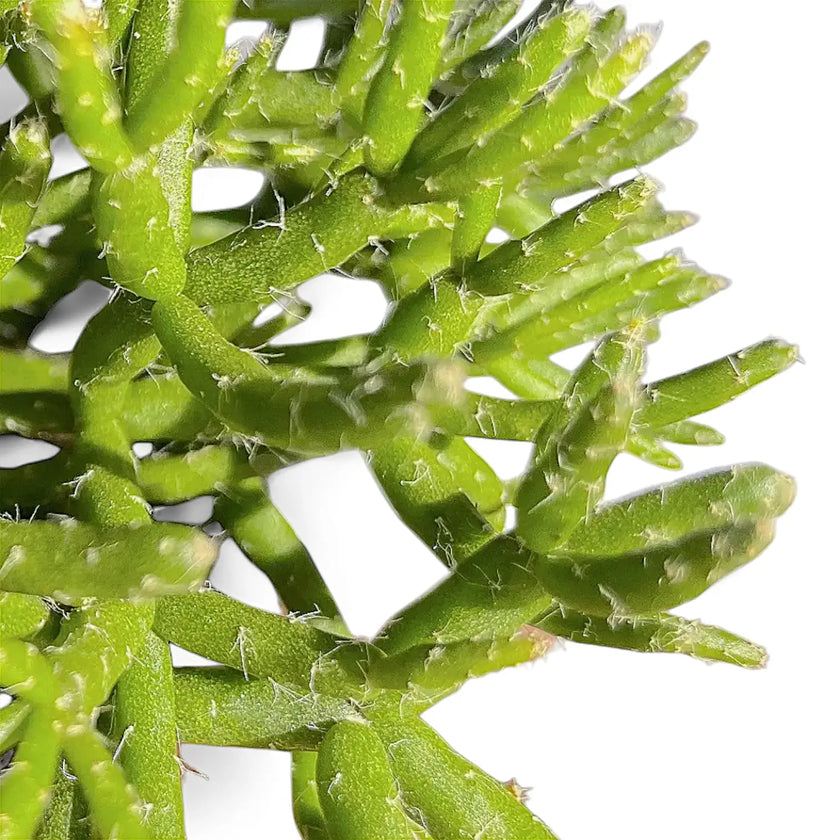
Rhipsalis agudoensis leaf detail on white background.
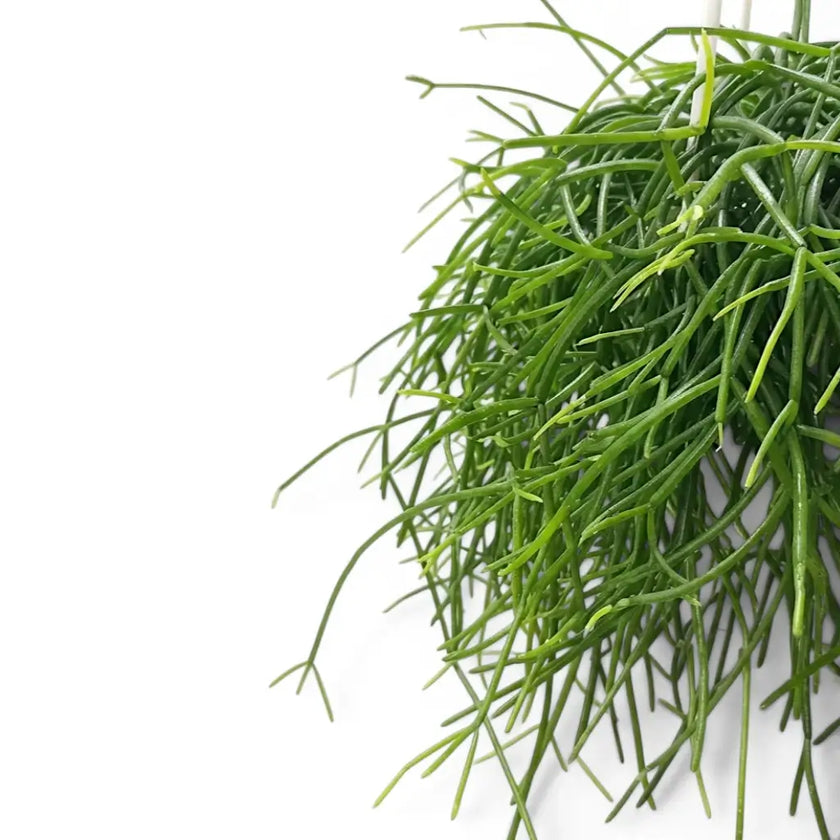
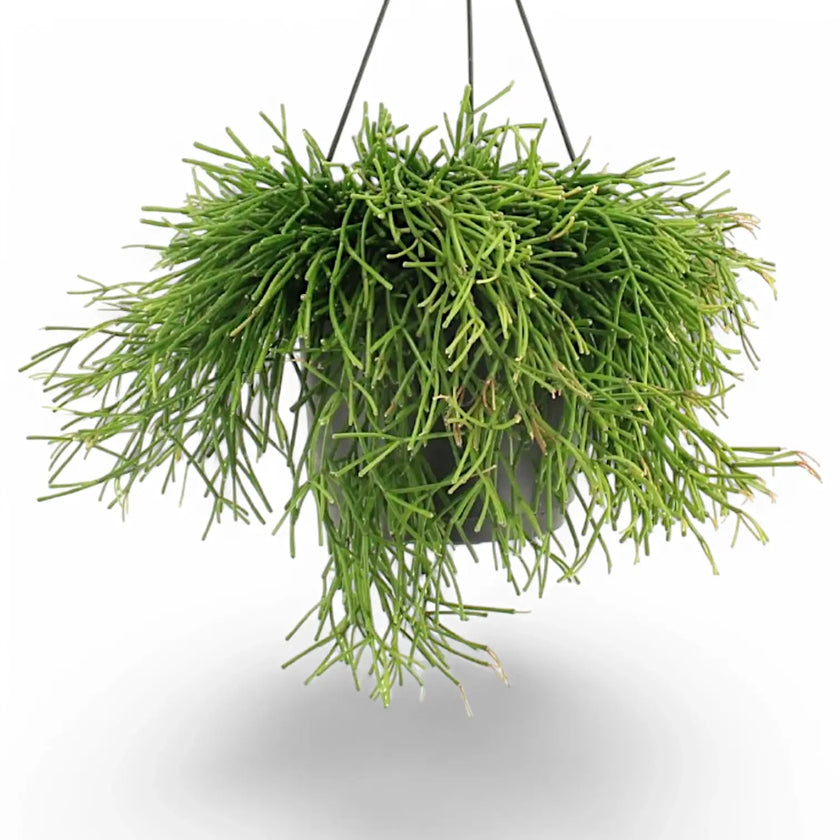
Rhipsalis baccifera leaf close-up on white background.
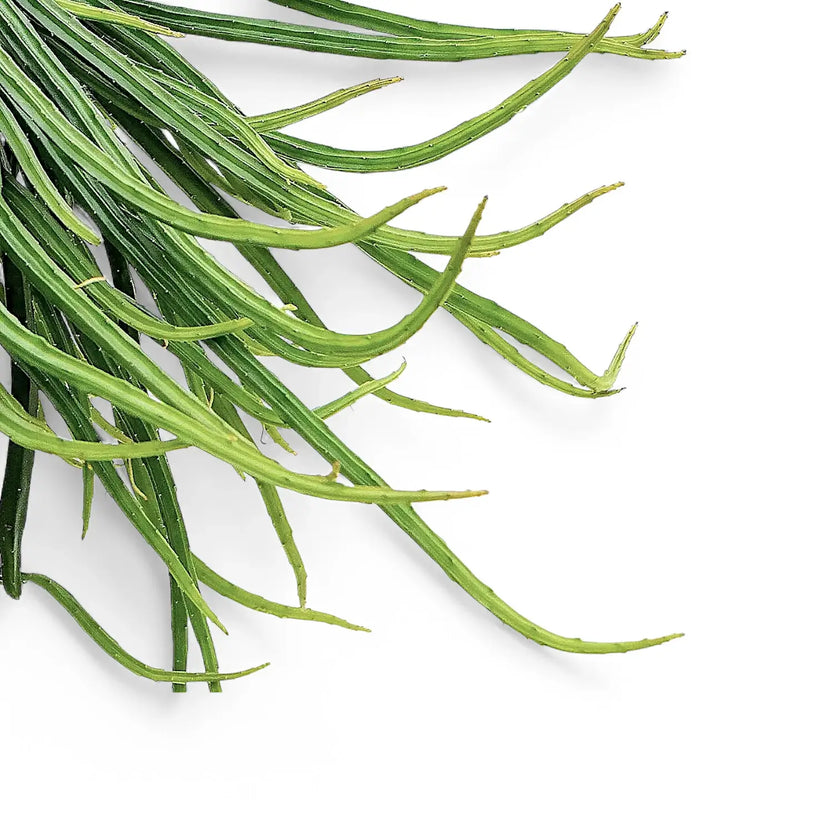
Rhipsalis baccifera ssp. horrida leaf close-up on white background.
Rhipsalis burchellii leaf detail on white background.
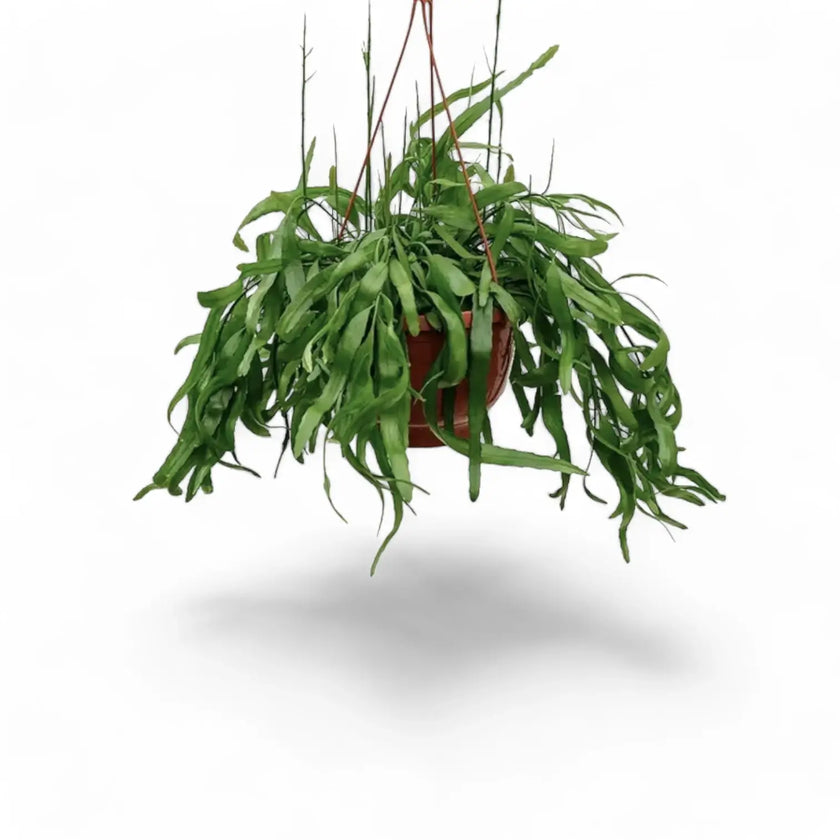
Rhipsalis cereuscula 'Cashero' leaf detail on white background.
Rhipsalis cereuscula 'Cashero' Regular price €14,75
Rhipsalis clavata close-up of leaf on white background.
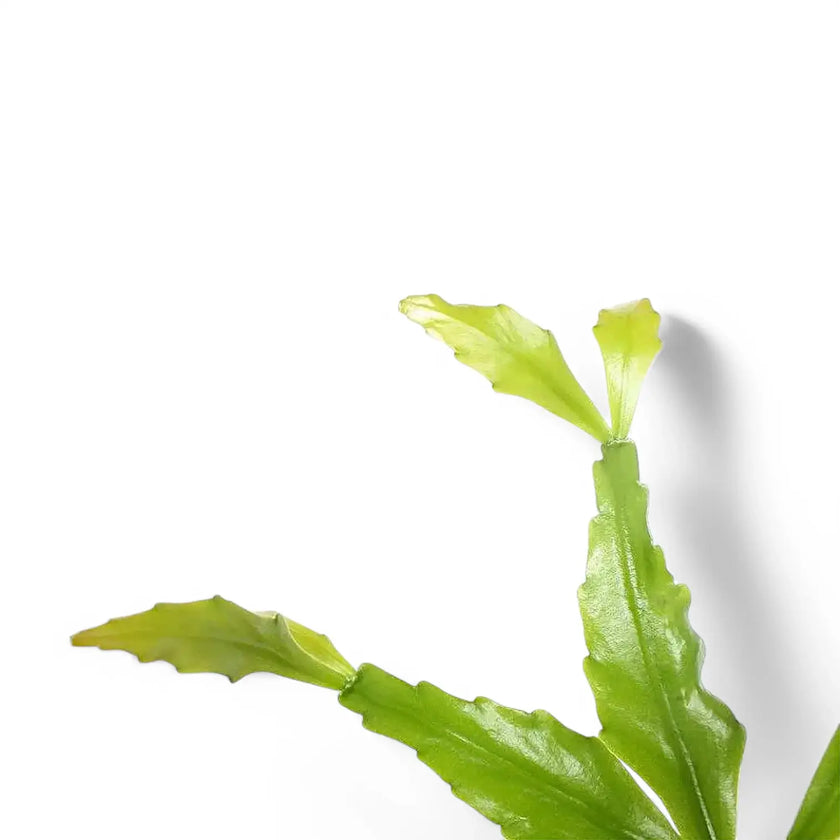
Rhipsalis crispata leaf close-up on white background.
Rhipsalis elliptica close-up of leaf on white background.
Rhipsalis ewaldiana leaf close-up on white background.
Rhipsalis mesembryanthemoides close-up of leaf on white background.
Rhipsalis micrantha f. micrantha leaf detail on white background.
Rhipsalis micrantha ssp. kirbergii leaf detail on white background.
Rhipsalis occidentalis leaf detail on white background.
Rhipsalis pacheco-leonis ssp. catenulata leaf detail on white background.
Rhipsalis paradoxa leaf detail on white background.
Rhipsalis pilocarpa leaf detail on white background.
Rhipsalis pulchra close-up of leaf on white background.
Rhipsalis teres f. heteroclada leaf close-up on white background.
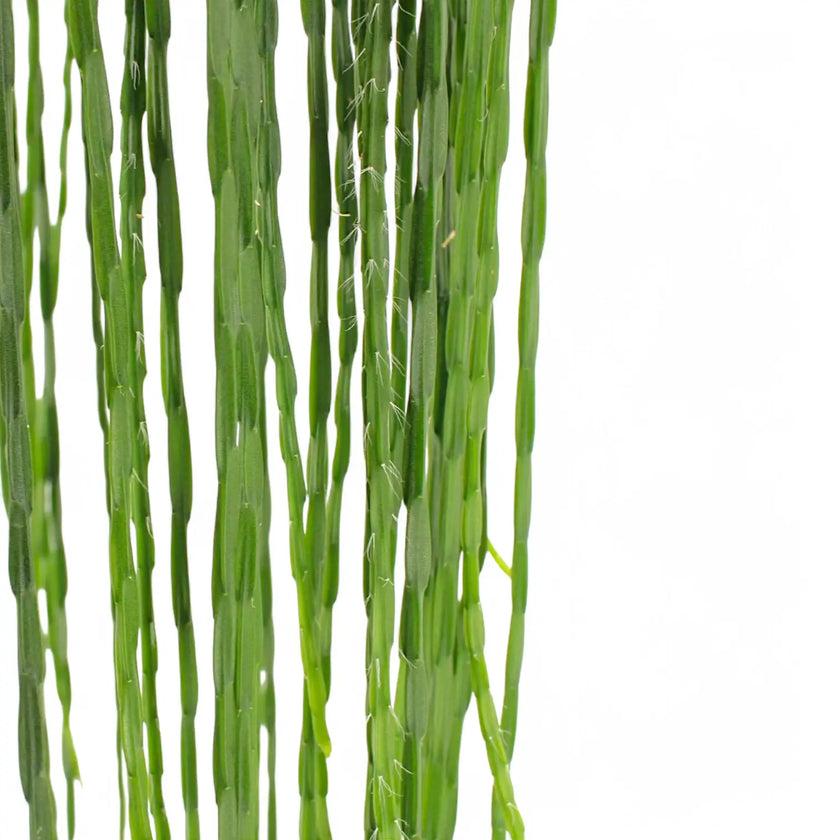
Rhipsalis teres f. prismatica close-up of leaf on white background.
Rhipsalis trigona close-up of leaf on white background.
Selenicereus anthonyanus leaf close-up on white background.
Selenicereus undatus leaf close-up on white background.
Selenicereus undatus Regular price €9,50
Selenicereus wercklei leaf detail on white background.
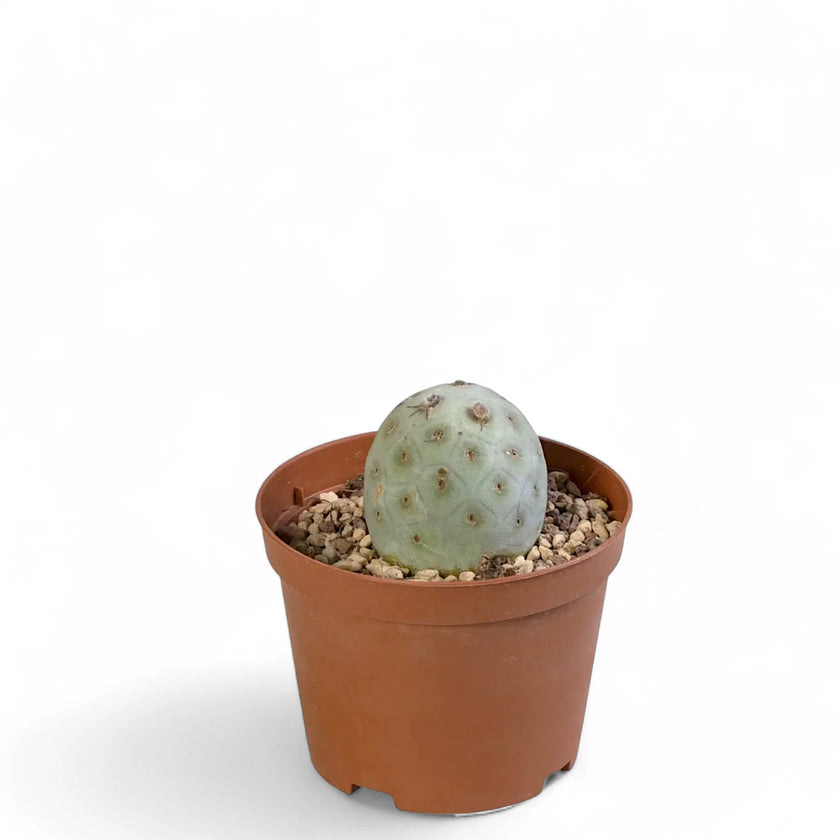
Tephrocactus alexanderi leaf detail on white background.
Tephrocactus geometricus leaf close-up on white background.
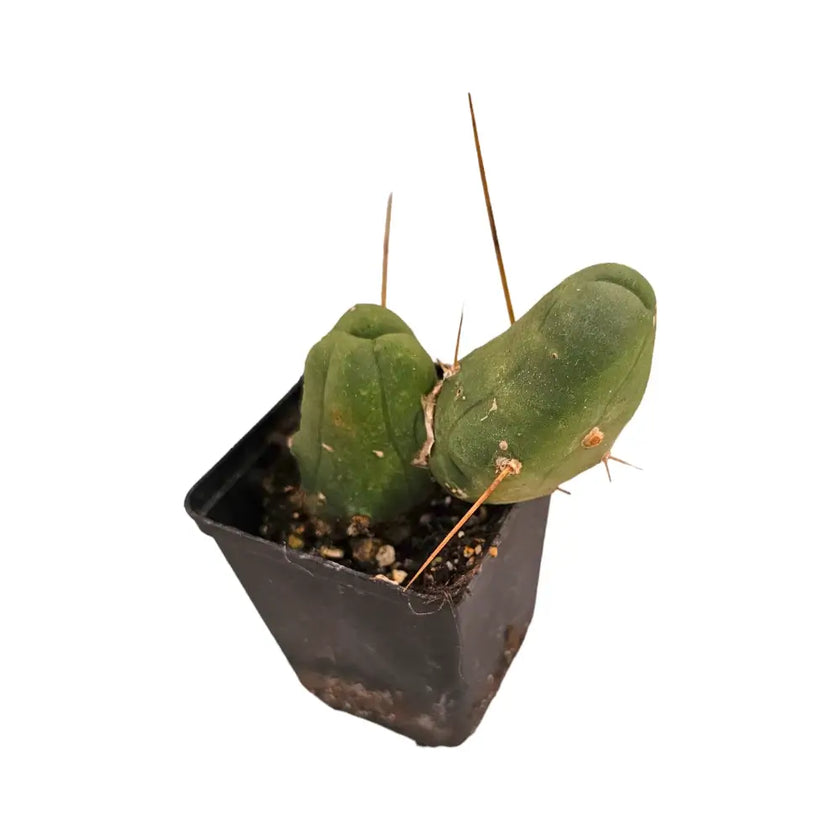
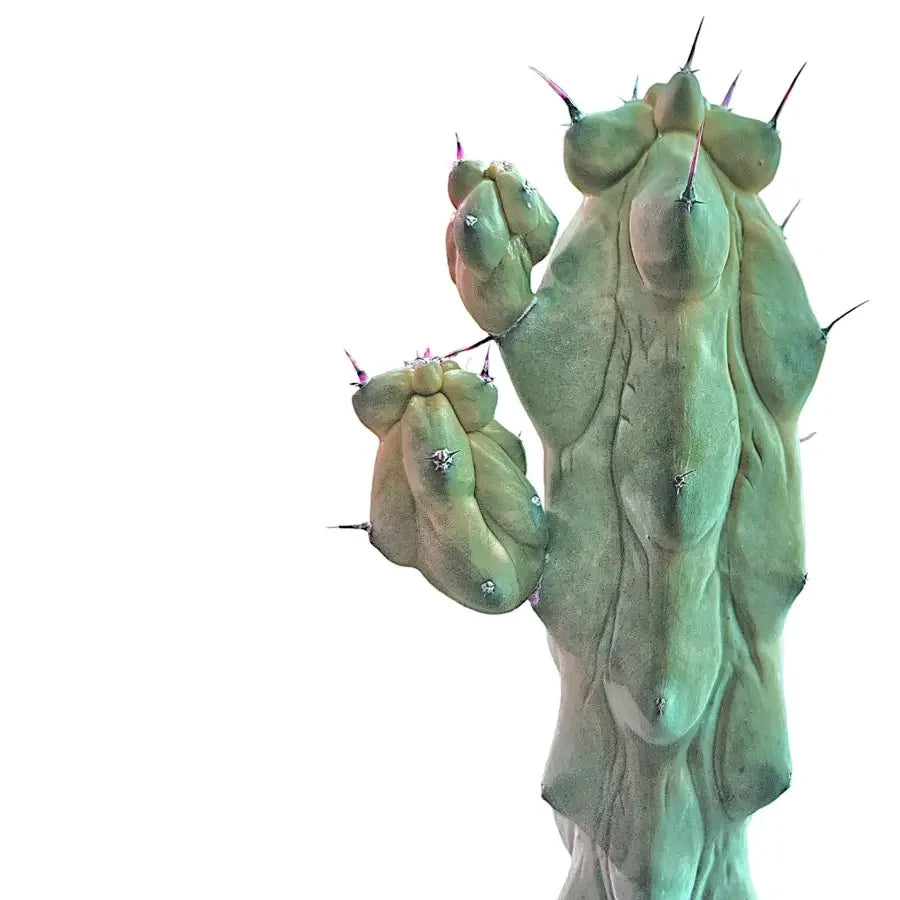
Trichocereus bridgesii f. mostruosa close-up of leaf on white background.
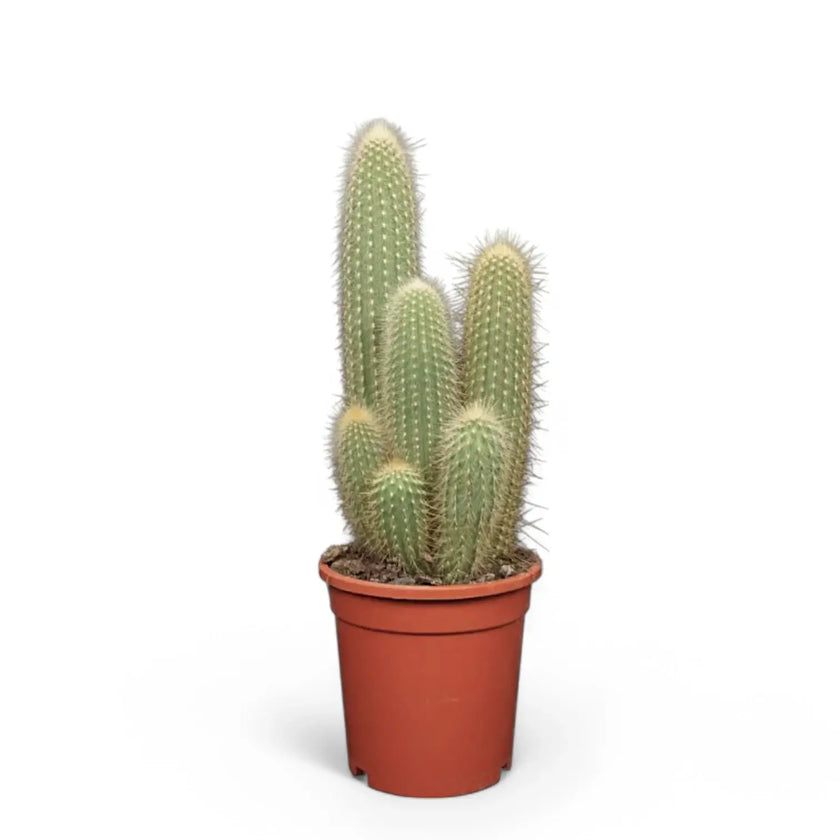
Espostoa guentheri close-up of leaf on white background.
Xiquexique gounellei subsp. gounellei leaf close-up on white background.

Cactaceae

Cacti

Quick Overview

Cacti: bright light, mineral roots and careful watering

  • Light: most indoor cacti need very bright light and often some direct sun after gradual acclimation.
  • Watering: water thoroughly, then let the mix dry clearly; never leave pots standing in water.
  • Substrate: mineral-heavy, free-draining mixes keep roots oxygenated and reduce rot risk.
  • Winter: cooler, brighter and drier conditions suit many types better than warm wet compost.
  • Terrariums: avoid closed terrariums; humidity and poor airflow quickly raise rot risk.
  • Handling: spines and glochids are physical hazards, especially around pets and children.
Botanical Profile

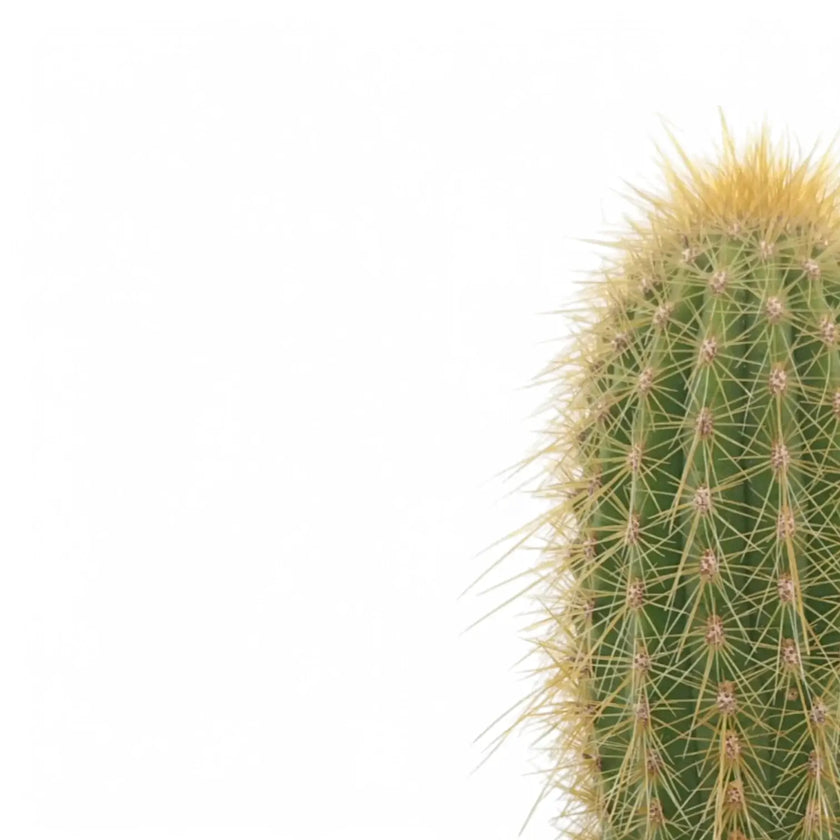
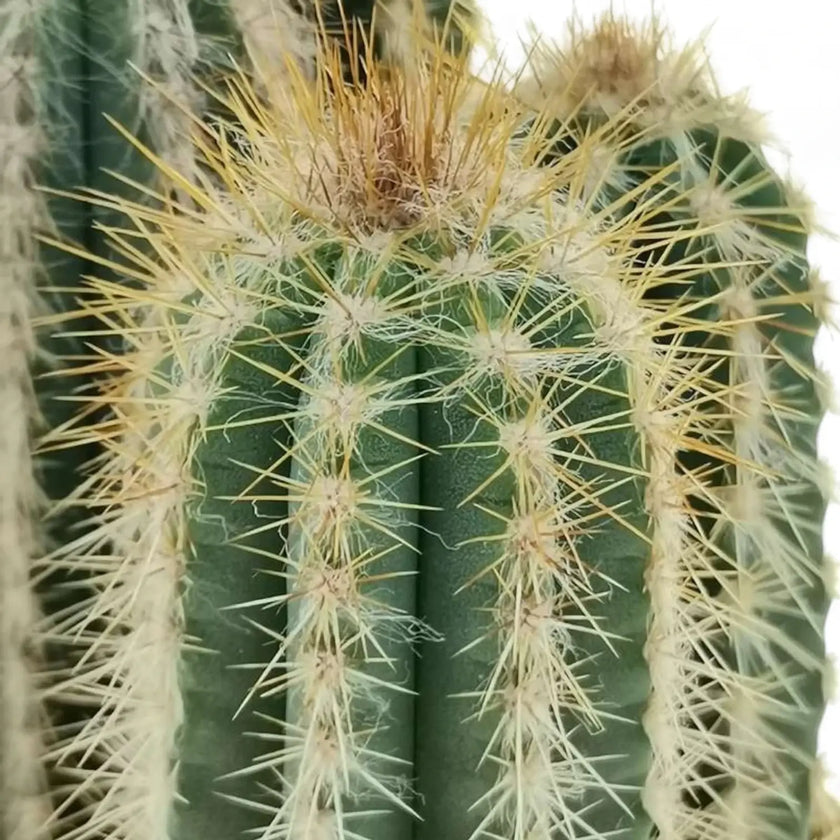
The defining cactus feature is the areole, a reduced branch that produces spines, flowers and new growth. That is what separates true cacti from other succulent plants that may look similar.

Details & Care

Cacti: bright-window plants with a real dry-down cycle

What Cacti need most indoors

Cacti need more light than most houseplants, and they show weak conditions fast. In a bright window they stay compact, firm and well-shaped. In poor light they stretch, lean and lose the structure that makes them worth growing indoors in the first place at all.

Most cacti here want the brightest place you can offer, fast drainage and a watering routine that includes a genuine dry-down. That combination matters far more than feeding, decorative pots or trying to rescue them with guesswork later.

Not every cactus wants the exact same sun

Many cacti suit south- or west-facing windows and can take direct sun indoors once acclimated. Some softer-bodied or forest-derived types, especially flatter-stemmed species, do better with strong filtered light or gentler direct sun, not hard midday exposure all day.

If a cactus is moved too suddenly from greenhouse shade or shipping darkness into intense sun, you can get scorch, not healthy colour. Pale or corky burn marks do not reverse, so gradual adjustment is worth it.

Watering and substrate-soak, drain, then leave them alone

For most cacti, water thoroughly only when the potting mix has dried almost completely or fully through, then let all excess drain away. In cooler or darker months, watering should slow sharply because the mix stays wet longer and roots use less moisture.

Dense, organic compost is where indoor cactus care often runs into trouble. Use a mineral-rich, fast-draining mix with pumice, lava, grit, perlite or similar coarse material so water moves coarse material so water moves through quickly and roots stay aerated.

Temperature, airflow and handling

Warm indoor conditions usually suit cacti well during active growth. If temperatures drop, the mix should stay drier. Cold and wet together are far riskier than warm and dry. Good airflow also helps stems dry properly after watering and reduces fungal problems around the base.

Handling depends on the plant. Long spines are obvious, but fine glochids can be even more irritating. Folded paper, tongs or thick gloves are usually better than bare hands when moving plants around.

Cacti after shipping: what to expect

Cacti usually travel better than soft foliage plants, but they can still arrive dusty, slightly wrinkled or marked where spines rubbed against packaging. That is mostly cosmetic if the body still feels firm and the base is sound.

Set new plants in bright light first, then move them into stronger direct sun over several days if needed. Check the mix before watering. A firm cactus rarely needs immediate watering just because it has been in a box. For broader settling-in advice, see the acclimatisation guide.

Cactus troubleshooting-fast signs that matter

  • Pale, narrow new growth: not enough light.
  • Soft base or translucent tissue: excess moisture is the likely cause.
  • Wrinkling with a dry pot: usually thirst, provided roots are still healthy.
  • Bleached tan patches: sunscald after a sudden jump into stronger light.
  • No real growth despite watering: often a light problem, not a fertiliser problem.

Match the cactus form that matches your brightest sill and the pace you want from the plant

Frequently Asked Questions About Cacti