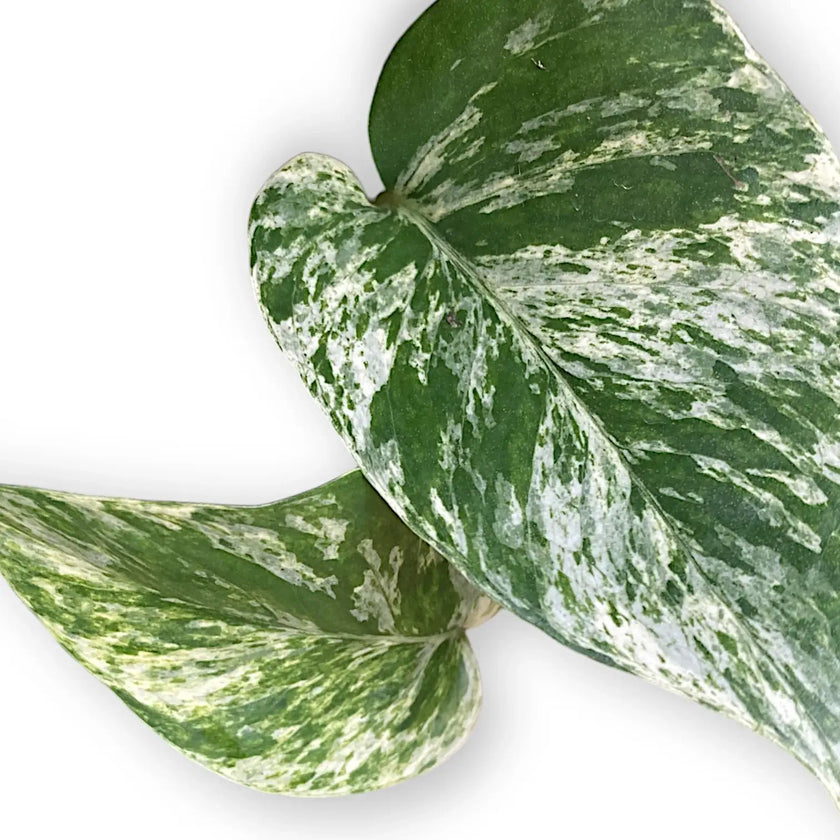
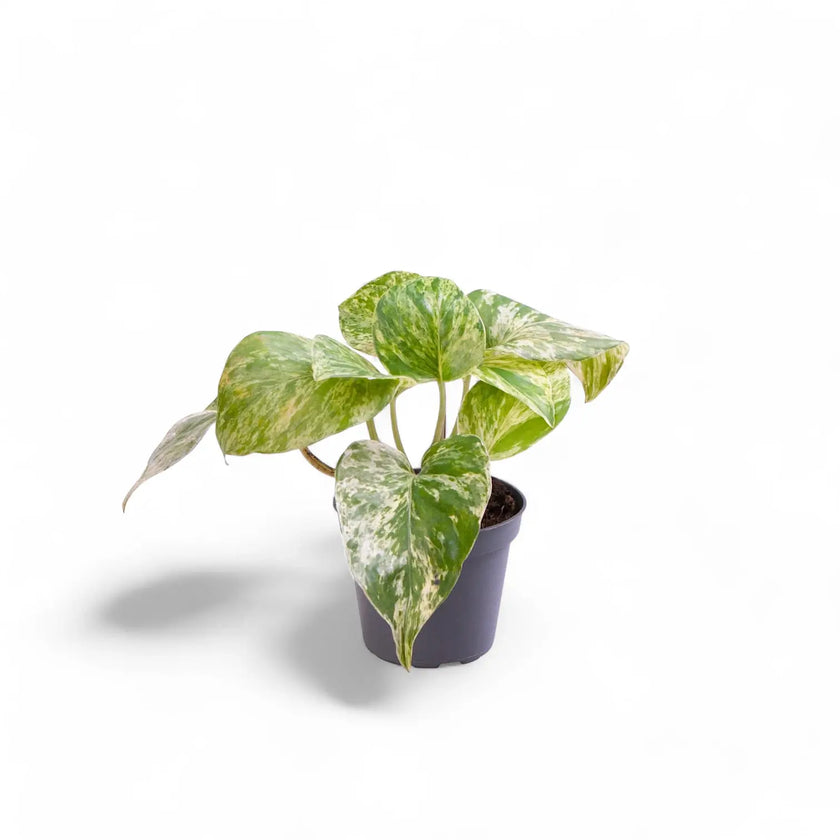
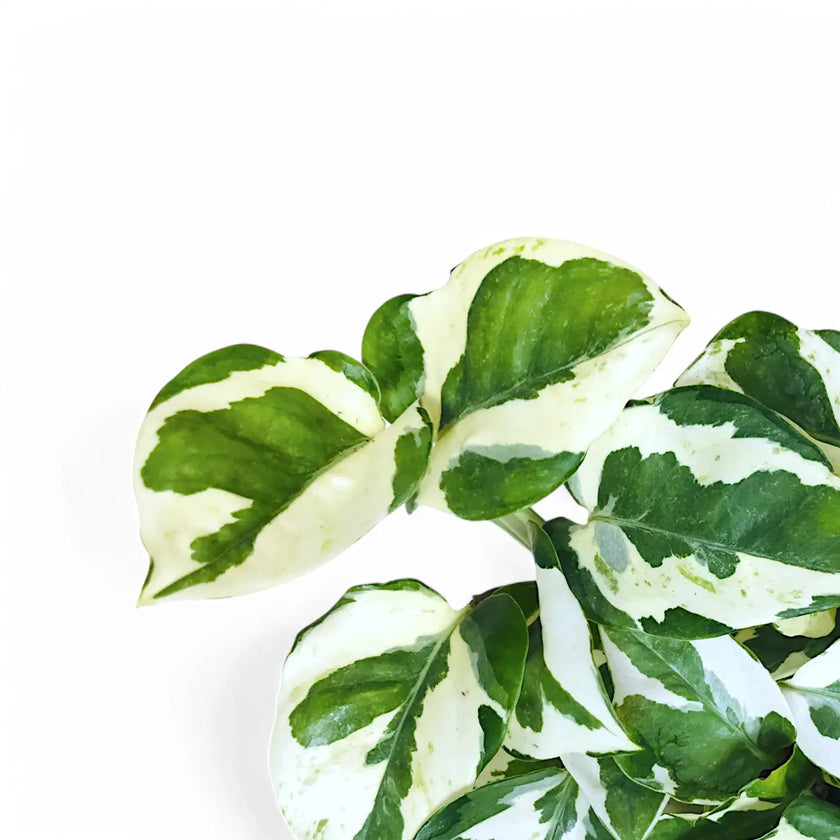
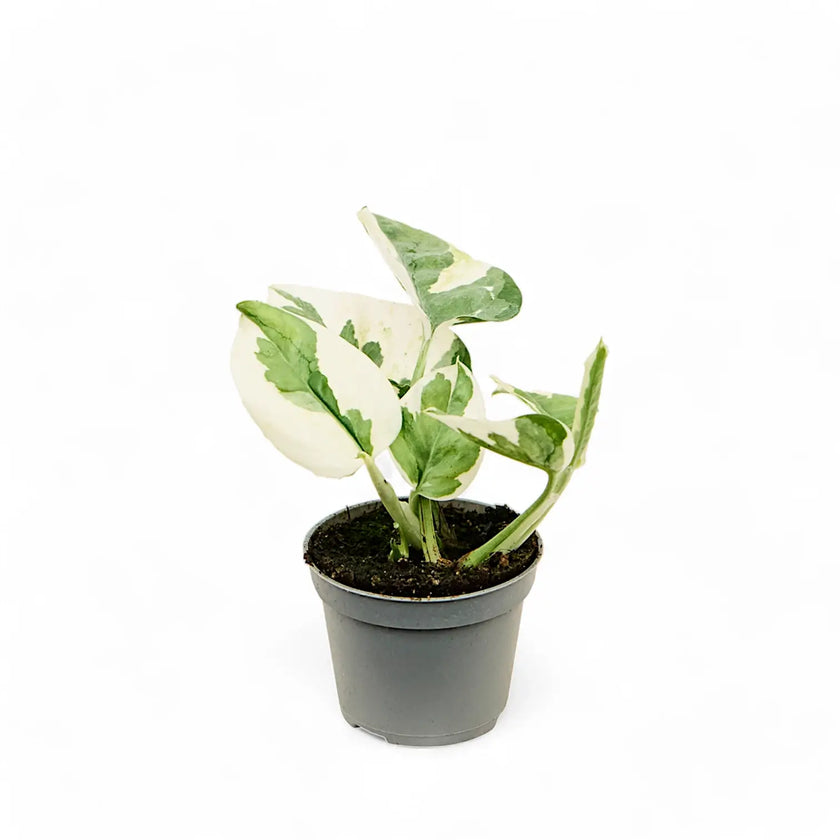
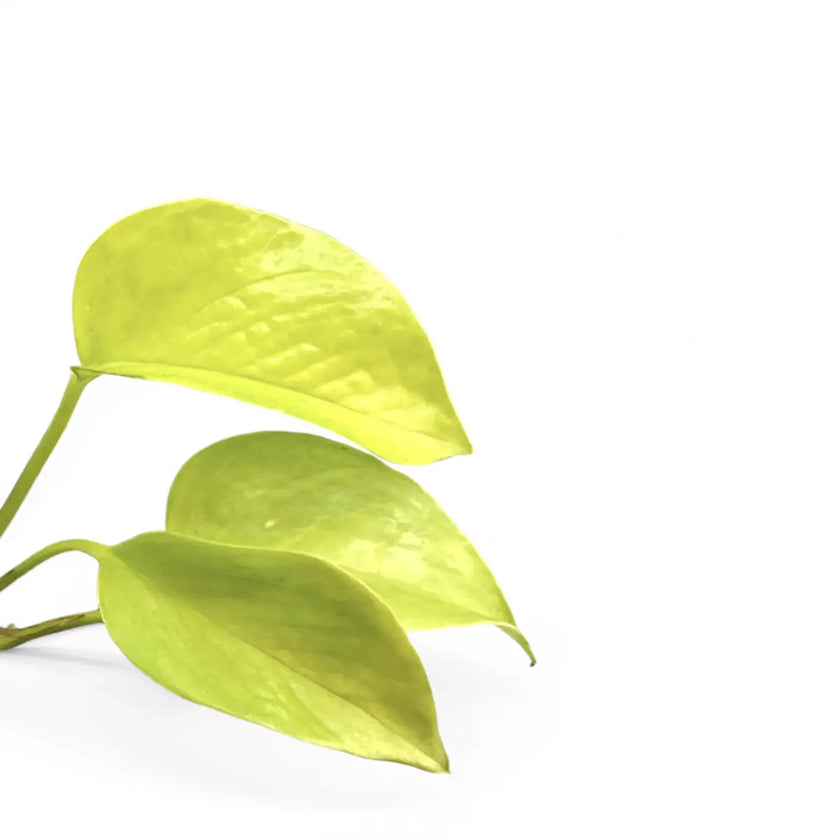
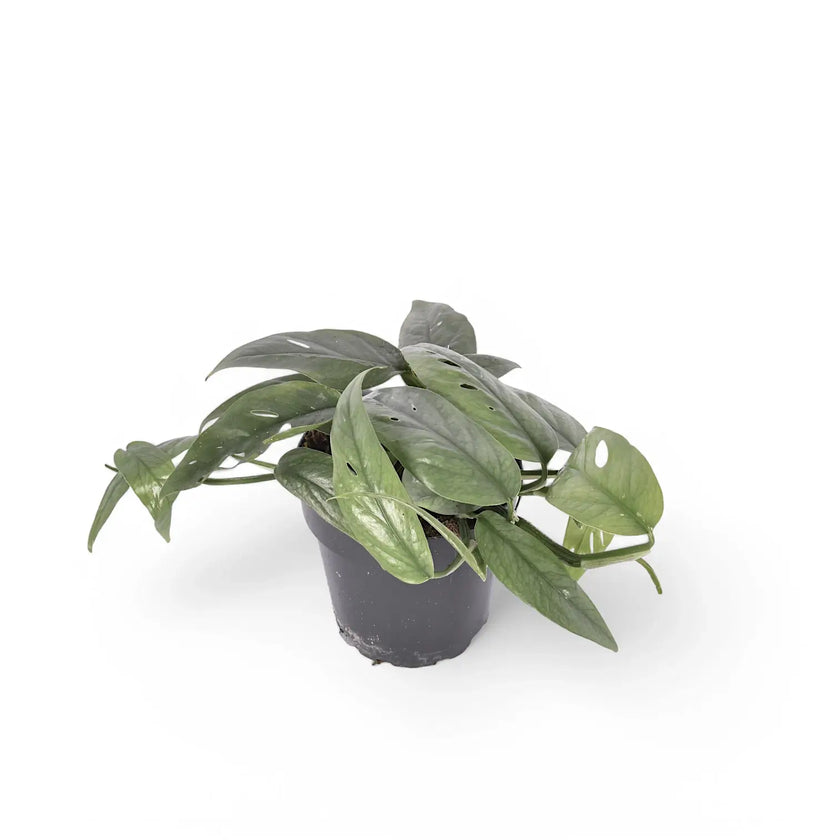
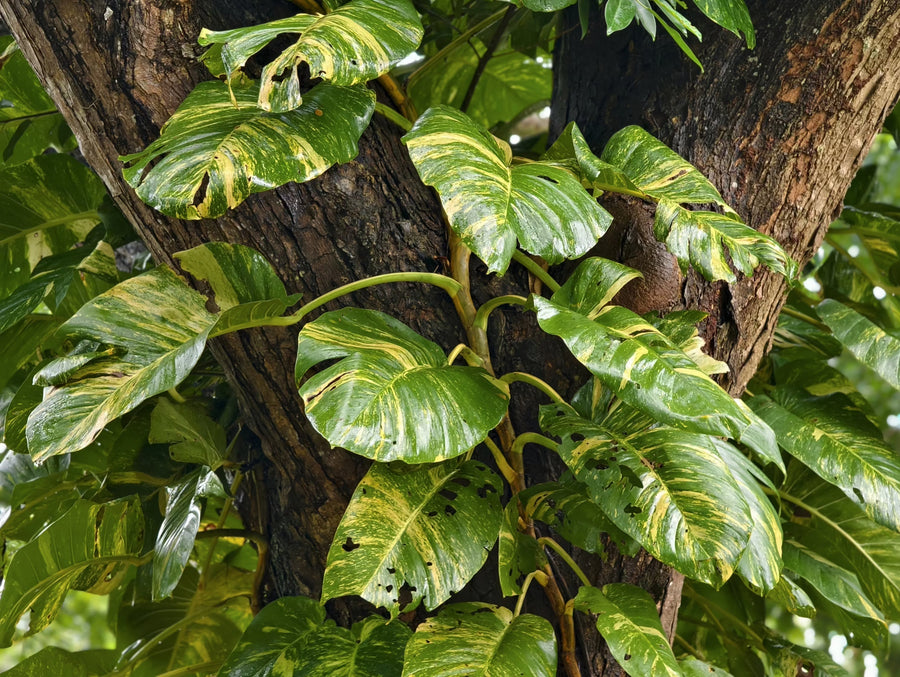
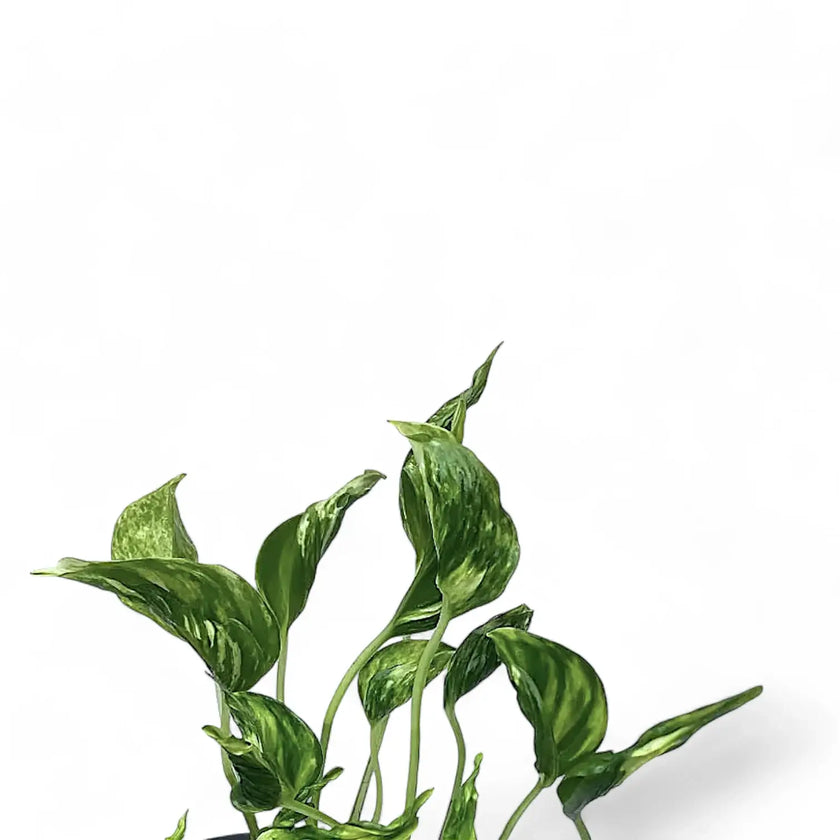
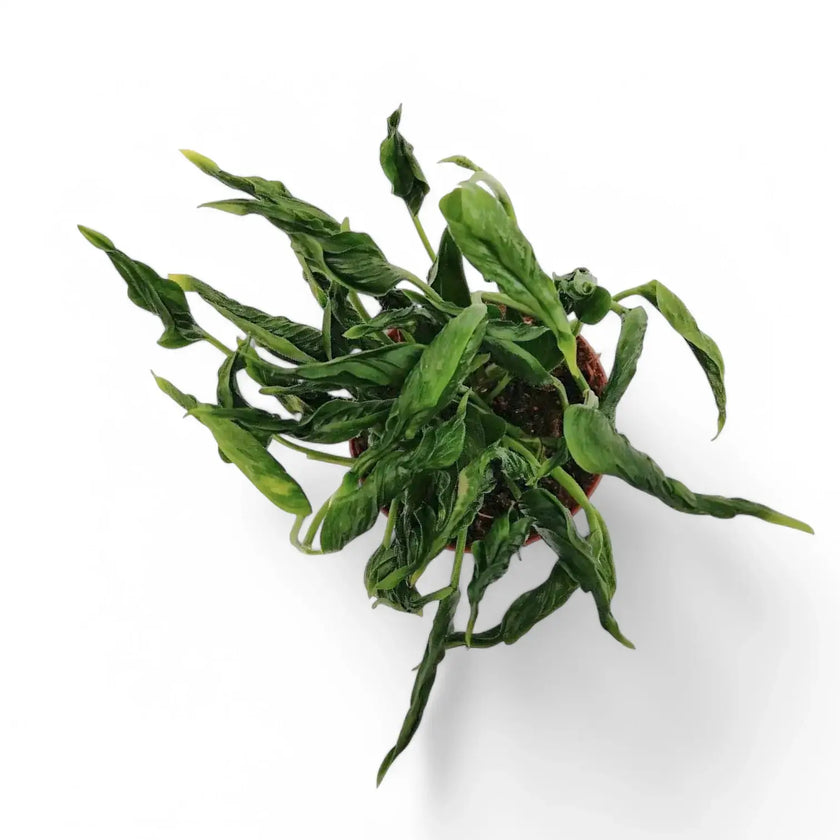
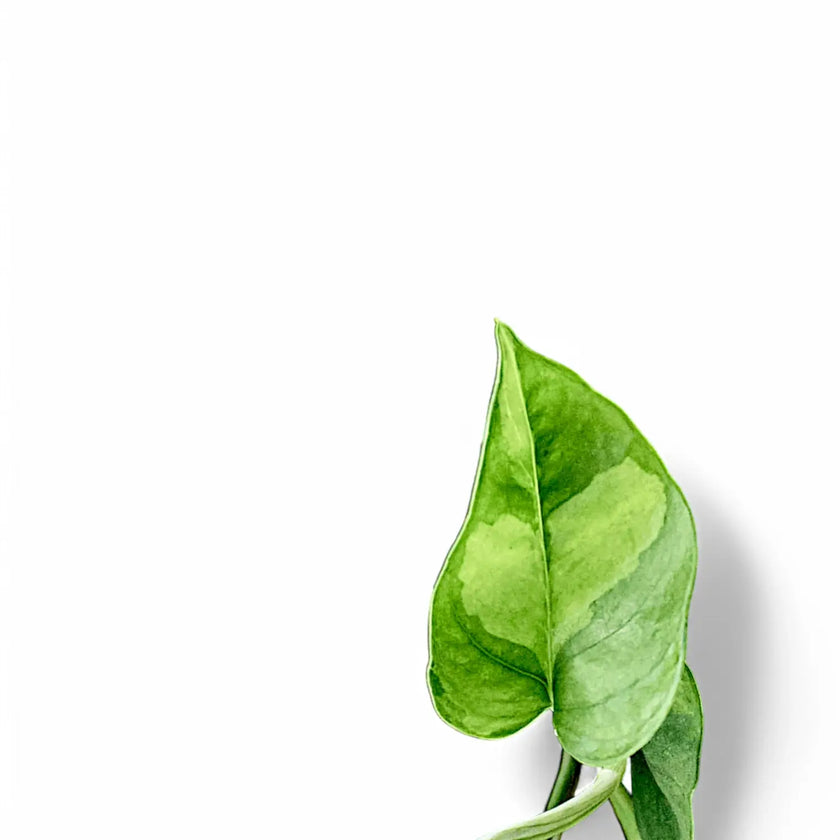
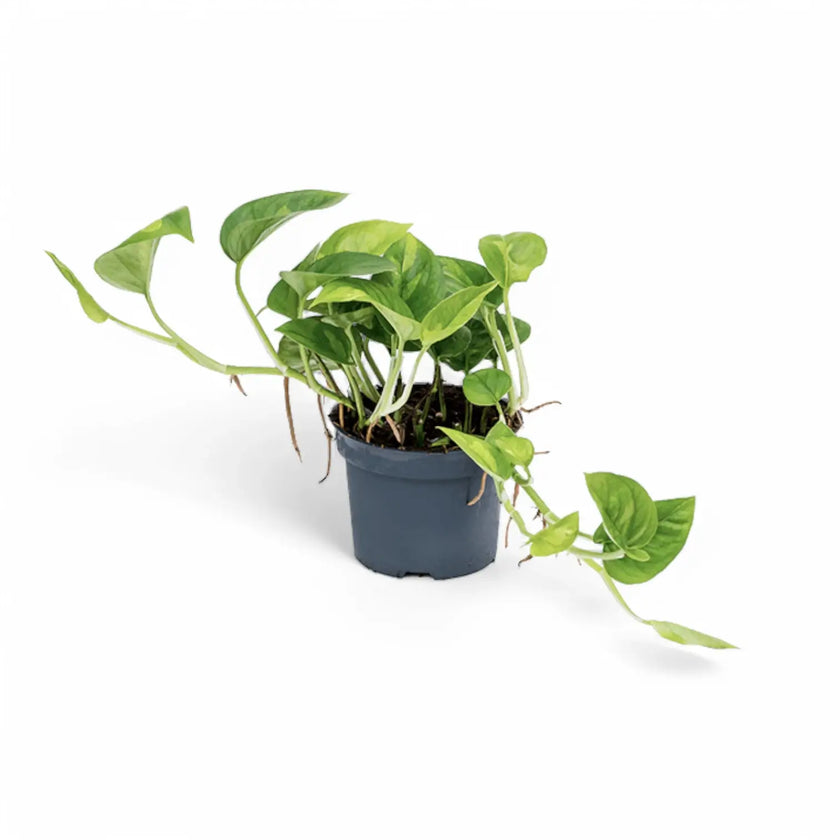
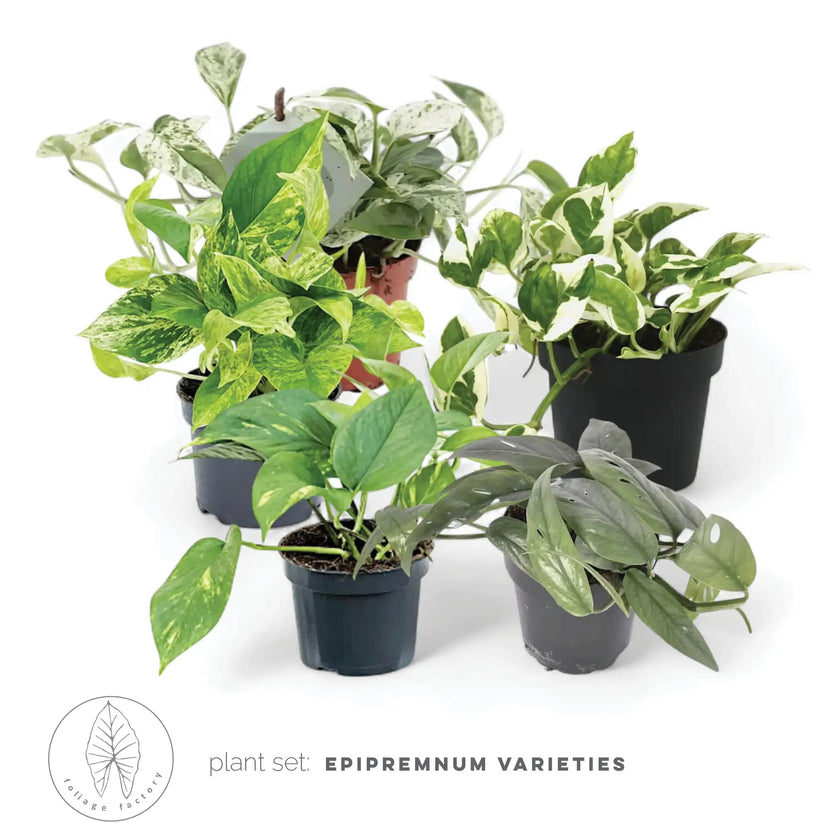
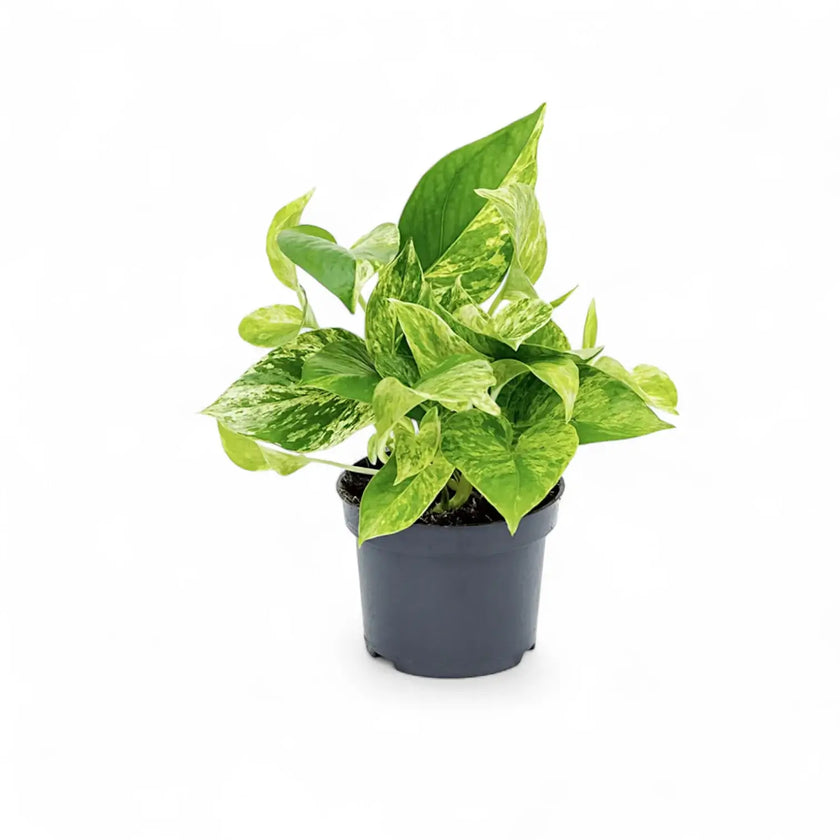
Epipremnum (Pothos)
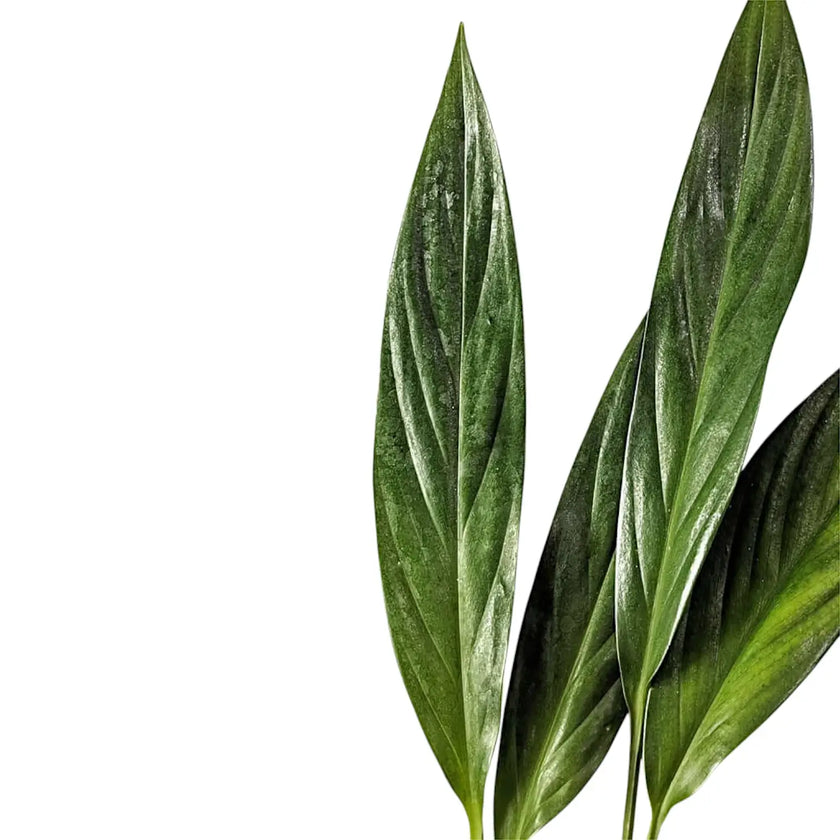
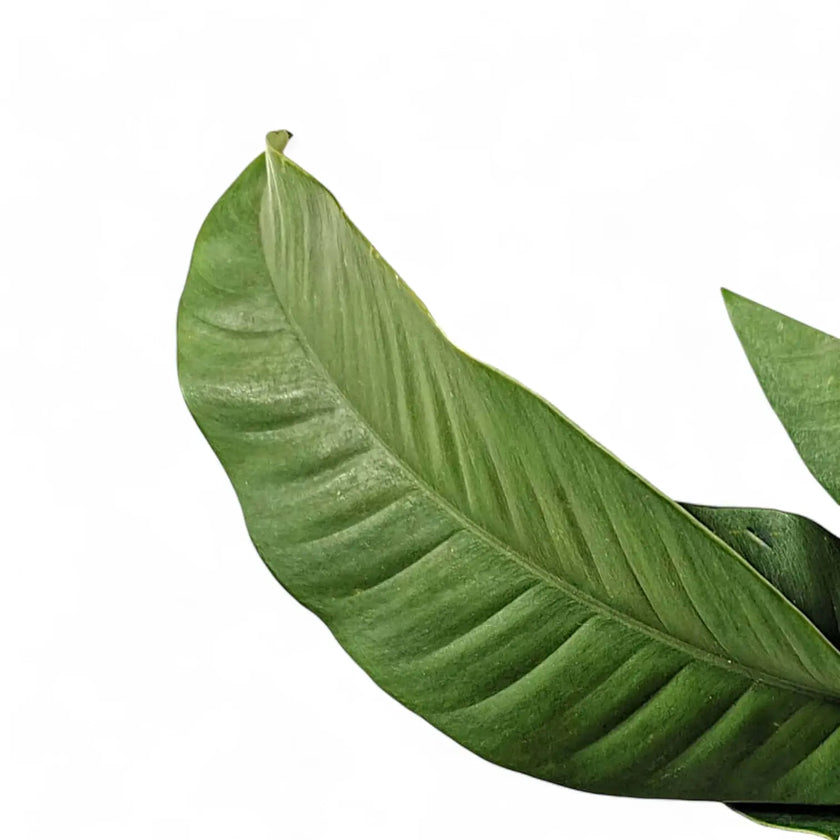
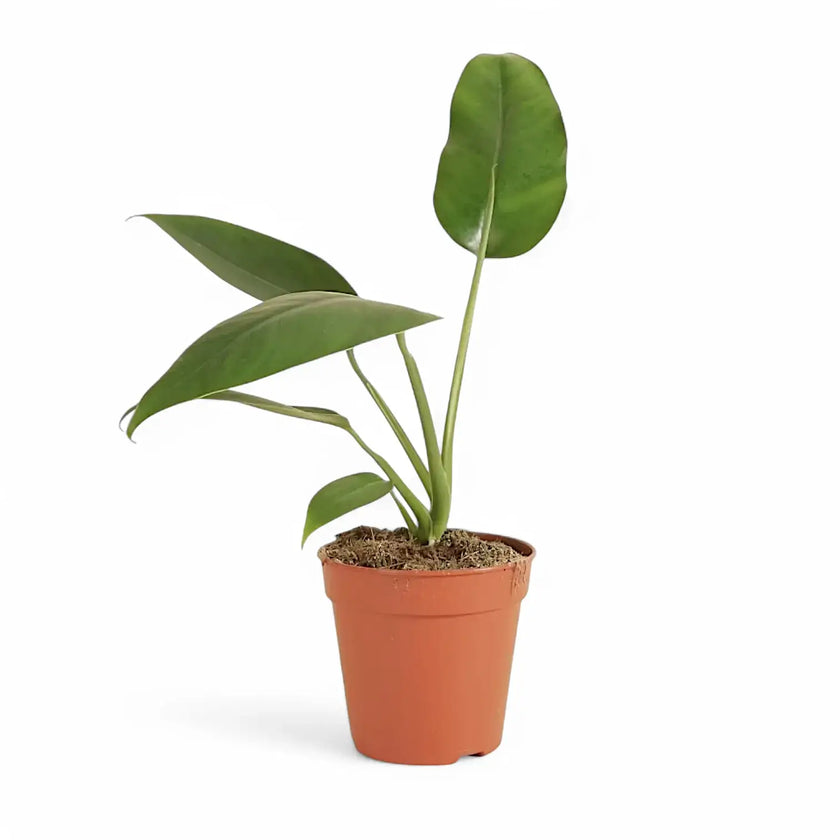
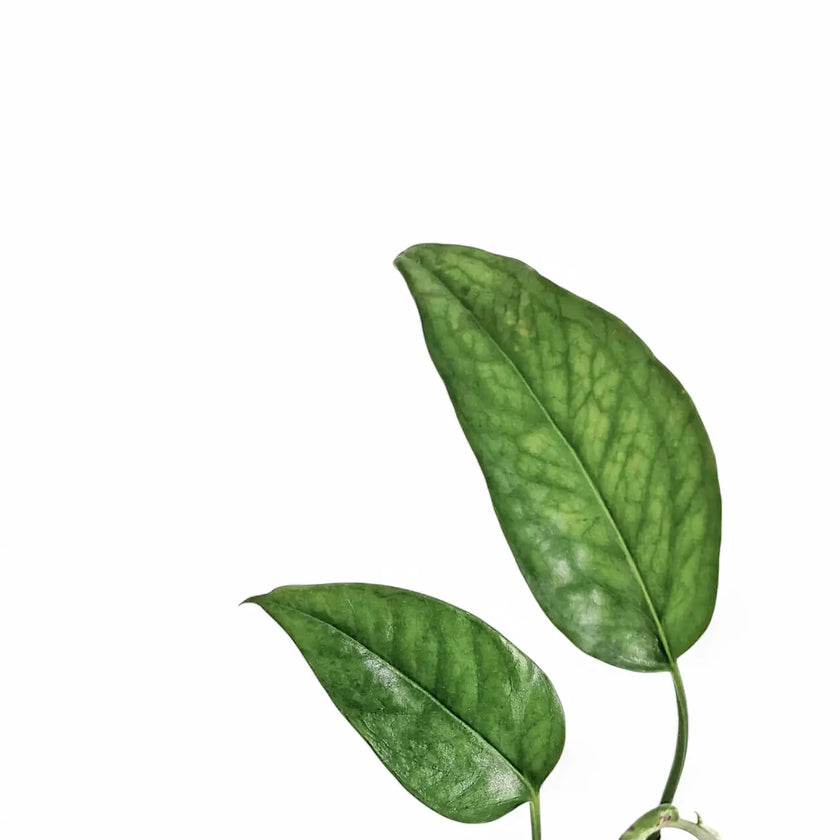
Epipremnum is the reliable indoor vine: fast enough to trail, forgiving enough to recover and far more impressive when it gets brighter light and something to climb. Heart-shaped to elongated leaves, aerial roots and a growth habit that can run across shelves or size up on a pole make it one of the most adaptable foliage generan indoors.
That flexibility is a big part of the draw. Epipremnum can stay simple and easy for a long time, or become much more architectural once you give it support and let it mature, which is why it still earns a place in both beginner homes and more deliberate plant setups. It is one of the easiest ways to use a reliable vine without locking yourself into one look.

About Our Filters
Filters help you narrow things down fast and without guessing. We put a lot of time and effort into keeping filter values consistent across the shop by cross-checking references and validating them against real-world indoor growing and handling.
Use them as guidance, not guarantees. Homes vary a lot, so for the full context (and any exceptions), open the product page and read the description.
How filtering works
- Filters stack: each selection narrows results.
- Multiple picks in one filter are usually either/or within that filter.
- Undo anytime: click a selected option again (or clear filters).
Safety
- Non-toxic: not known for relevant chemical toxicity for common pets (chewing can still cause irritation).
- Non-toxic & Pet Friendly: stricter shortlist that also avoids many physical hazards like spines, sharp tips, thorns, and bristles.
Common care filters
- Light level: Low indirect → Full sun/direct.
- Water Needs: Low / Medium / High.
- Humidity Level: Normal (40–50%) / Moist (50–60%) / Humid (60–80%+).
Growth & size
- Growth Habit: climbing, trailing, crawling, upright, self-heading, clumping, rosette.
- Needs support? none / optional / needed.
- Delivered size: pot size + plant height at shipping.
- Max size indoors: realistic long-term height + spread indoors.
Looks & botanical browsing
- Leaf Shape & Size + Foliage Colour: quick visual categories.
- Plant Type / Genus / Family: browse by broad group or taxonomy.
If you want to see the references we use, Plant Care Resources is simply a curated list of source links (POWO, Kew, and more).
Sort by
Filters
Araceae
Epipremnum (Pothos)
Quick Overview
Epipremnum (pothos) - reliable vine summary
- Role: tough, forgiving vine for medium-bright light; used for hanging, trailing and climbing onto poles and walls.
- Light: medium to bright, indirect light gives compact, leafy vines; very low light means sparse leaves, direct sun burns patches.
- Watering: water when upper part of mix has dried and pot feels lighter; avoid both permanent swamp and repeated hard drought.
- Substrate: enjoys a loose indoor mix with bark and mineral fraction that allows roots to breathe between waterings.
- Growth: benefits from support; climbing on poles brings bigger, more mature leaves than trailing from small pots.
- Toxicity: contains calcium oxalate crystals; keep vines out of chewing range.
Botanical Profile
Epipremnum is an accepted genus in Araceae native from tropical and subtropical Asia to the Pacific. Common houseplant representatives include Epipremnum aureum and Epipremnum pinnatum, both climbing aroids that stay juvenile in pots unless given support and stronger light.
Details & Care
Epipremnum (pothos) - forgiving jungle vines, not plastic décor
Epipremnum indoors: what you are bringing home
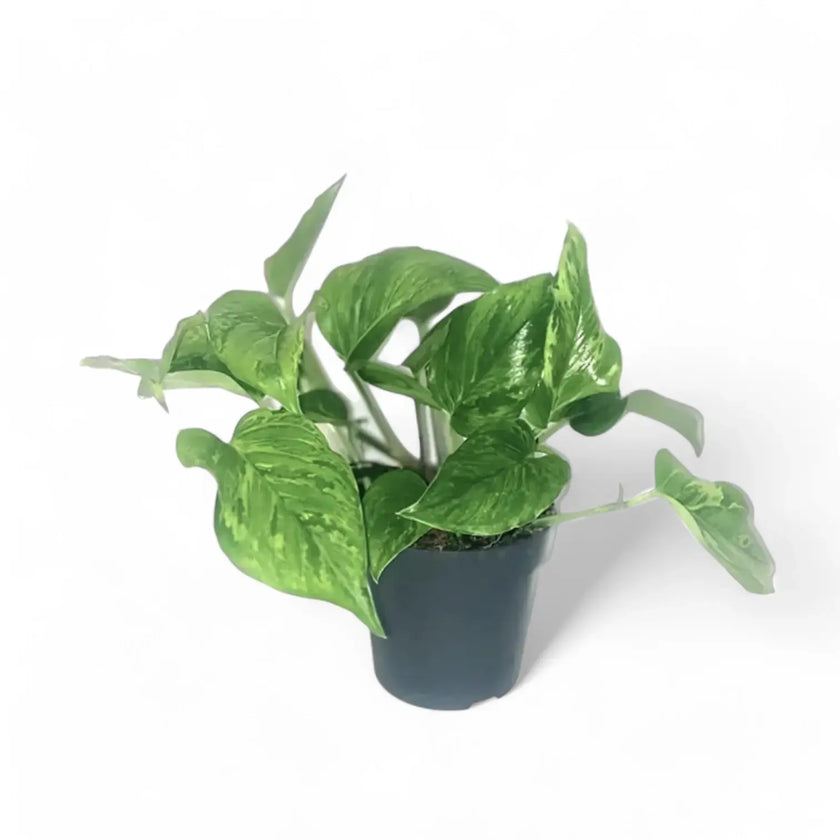
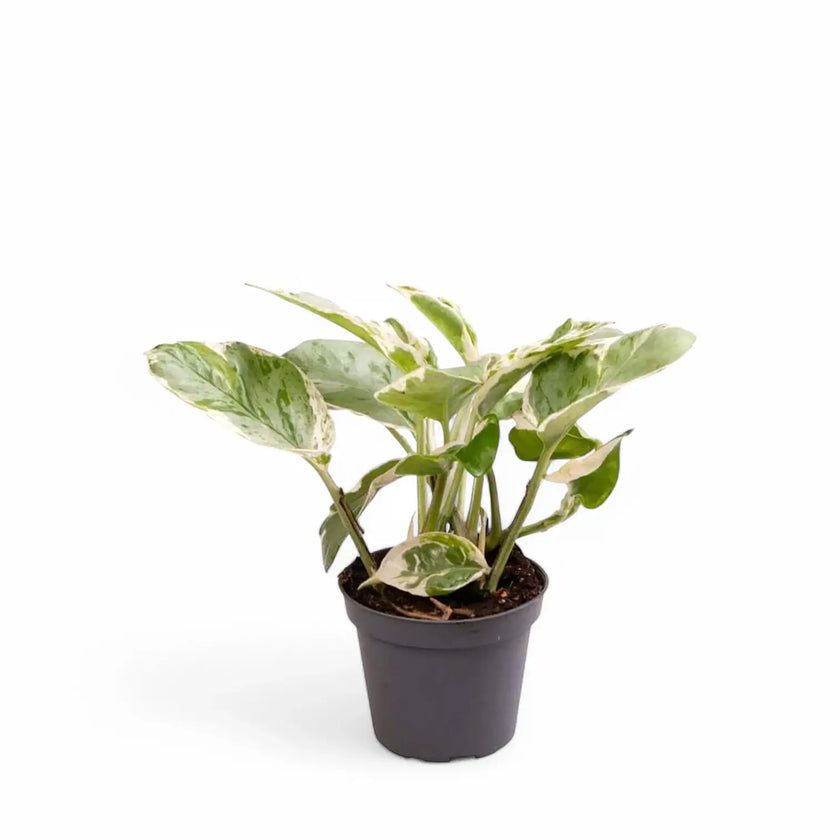
Epipremnum: sold under names like pothos and devil’s ivy-is the classic “easy vine” that people buy, forget about and then realise it has quietly taken over the bookcase. Thick, flexible stems, heart-shaped leaves and a habit of rooting at every node make it very hard to kill and very easy to shape into curtains, columns or simple trailing lines.
That forgiving nature does not mean it wants to live in a dark corner in mud. Treat Epipremnum as a real tropical climber-bright forest light, airy mix, sensible watering-and it moves from “cheap filler” to a genuinely good structural plant. If you enjoy the backstory, the Epipremnum aureum profile walks through how a single species ended up everywhere.
Forest-floor start, canopy ambitions-Epipremnum in nature
Wild Epipremnum species creep along forest floors and fallen trunks in Southeast Asia and the Pacific, then climb once they find rough bark or rock. Juvenile vines root into loose leaf litter and fibrous debris; aerial roots then hook into bark and support the plant as it heads for brighter canopy layers.
Indoors you are freezing that climbing stage in a pot: roots need loose organic material with air gaps, stems do better with something to lean on over time, and leaves do better in light that feels like bright forest shade rather than full desert sun or permanent twilight.
Light for Epipremnum - “survives” vs “thrives”
Epipremnum has the reputation of a low-light champion because it does not die immediately in dim positions. In practice, there is a clear difference between survivinglooking good. In proper light, vines are dense, leaves are a decent size and variegation stays crisp; in gloom, you get long bare pieces and small, flat-green leaves.
Good starting points:
- Close to an east or west window with no harsh midday beam.
- A little back from a bright south window behind sheer fabric.
- Under LED grow lights at bright-indirect intensity for 10-12 hours.
To stop guessing, the shadow tests in the bright-indirect light guide show exactly what “enough light for pothos to thrive” looks like at different windows.
Watering and mix-pothos is tough, not amphibious
Epipremnum can forgive missed waterings, but its roots still need oxygen. Aim for a simple cycle:
- Let the top 2-4 cm of mix dry and the pot feel lighter in your hand.
- Water slowly until the whole root ball is soaked and water drains freely.
- Tip away all excess-no standing water in cachepots.
Constant wet, compact mix gives yellow lower leaves, soft stems near the base and eventually brown, hollow roots. Chronic deep drought gives limp, curled leaves and hard, hydrophobic soil that repels water. For a repeatable watering system, adapt the checks from the watering-houseplants guide to your pots and temperature range.
For substrate, think “light rainforest litter” rather than pure compost. A practical mix is a good indoor soil cut with bark, coco chips and perlite or pumice so a squeezed handful springs back instead of smearing into paste. That structure makes it much harder to overwater by accident.
Temperature, humidity and airflow-everyday comfort for Epipremnum
Epipremnum grows well around 18-27 °C. Short, mild dips are fine; long spells with cold, wet soil are not. Avoid pressing pots against icy winter glass or leaving them in the path of often-open doors.
Humidity does not need to be rainforest-level. Most vines adapt to typical indoor air if watering and light are reasonable. Medium humidity (around 40-60 %) simply keeps foliage a bit fresher and slows crisping on thin variegated sections. What matters more is gentle air movement so leaves dry after watering and roots are not sitting in stale, stagnant conditions.
Growth habit, supports and pruning-from shelf creeper to pole-climber
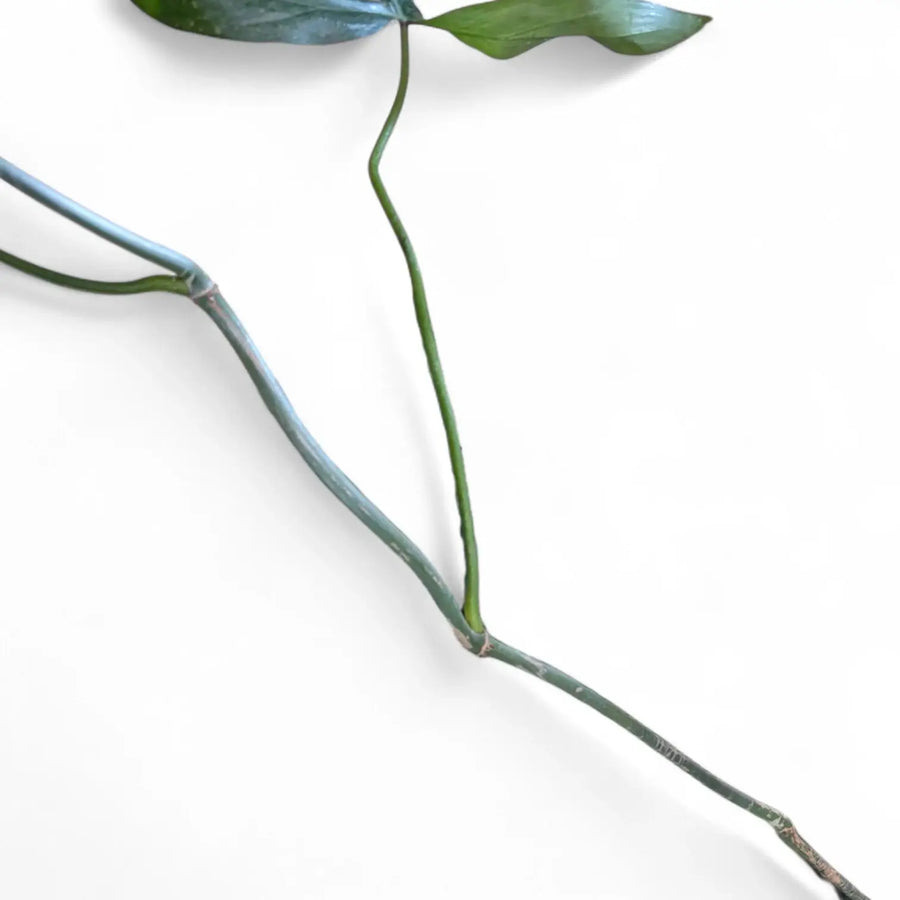
Epipremnum is genetically wired to climb. Juvenile vines trail happily from shelves and hanging pots, but once you give them a moss pole, textured stake or piece of bark, they usually respond with shorter internodes and larger leaves. That is how a loose trailing vine becomes a stronger, better-structured climbing plant.
Pruning is straightforward. Cut leggy stems just above a node to force branching, then replant the cut tops back into the same pot if you want a thicker base. Nodes with aerial roots are nearly ready-made cuttings. If propagation feels like unexplored territory, the propagation guide gives a clean framework for turning pothos trimmings into backup plants.
Feeding can stay modest. During active growth, a diluted balanced fertiliser every few weeks on already moist mix is plenty. Strong fertiliser in poor light or persistently wet soil increases root stress instead of fixing growth.
Toxicity and placement in homes with pets and kids
Like most aroids, Epipremnum contains insoluble calcium oxalate crystals. Chewing stems or leaves can cause mouth and throat irritation, drooling and mild digestive upset in pets and children. Treat pothos as “look, don’t chew”.
Hang plants or place them where habitual grazers cannot turn vines into toys, and clear away fallen leaves instead of leaving them on the floor. Wash hands after heavy pruning, especially before touching your face or eyes.
What Epipremnum usually does after shipping
Freshly shipped pothos can show mild transit stress: a few yellowing older leaves, some droop or a tangle of stems is normal after days in the dark. Substrate is rarely at the exact moisture level you would choose yourself.
Unpack, untangle gently without snapping stems and put the plant straight into its long-term bright, indirect spot. Check the root ball: if the top layer is still clearly moist and the pot feels heavy, wait before watering; if mix has dried a lot in transit, water once slowly and thoroughly, then let excess drain. Save repotting and heavy pruning for once you see fresh, confident growth and a stable watering rhythm.
Epipremnum troubleshooting-quick pattern matching
- Yellow leaves one by one on lower stems, mix heavy and cool: overwatering in compact soil. Let the top layer dry further, check drainage holes and consider moving to a looser mix.
- Long bare stretches with tiny leaves, vines racing to the window: chronic low light. Move much closer to a bright window or under a decent grow light; pruning back to stronger nodes will help the plant rebuild.
- Brown tips and margins, especially on variegated parts: usually a mix of dry air, irregular watering or salt build-up from hard water and fertiliser. Flush the pot with plain water, steady your watering rhythm and avoid hot air streams.
- Whole vine limp, pot feather-light, soil pulling from the sides: deep drought. Rehydrate slowly and thoroughly once, drain well and do not allow the pot to reach that state regularly.
- Sticky patches, webbing or distorted new leaves: signs of pests such as spider mites, thrips or mealybugs. Isolate, rinse foliage if you can, and work through a careful treatment plan before damage spreads.
Epipremnum suits bright, indirect positions where vines can trail, climb or fill out on support. Match the vine to your available light and support plan.

Frequently Asked Questions About Epipremnum
Is Epipremnum the same thing as pothos?
In everyday houseplant use, usually yes. Pothos most often refers to Epipremnum aureum and its cultivars, although people sometimes use the name loosely for other trailing aroids too.
Should Epipremnum climb or trail?
Either can work, but the plant behaves differently depending on how you grow it. Left unsupported, it usually trails with smaller juvenile leaves; given a pole, plank, or tree-like support, many forms climb and can produce larger, more mature foliage over time.
What light do Epipremnum need indoors?
Bright indirect light is usually the best fit. They tolerate medium indirect light, but growth slows and internodes usually get longer. Strong direct sun can scorch the leaves, especially on paler cultivars.
How should I water pothos?
Water when roughly the top 20–30% of the pot has dried, then water through and drain the excess. In lower light or cooler periods, let closer to the top 30–40% dry before watering again.
Are pothos safe around pets?
No. Epipremnum aureum is toxic to cats and dogs because it contains insoluble calcium oxalates.
Our Customers
★★★★★
Die Pflanzen waren prima verpackt und ein heatpack war im Paket enthalten. Die Lieferzeit hat 2 bis 3 Tagen gedauert, was aus meiner Sicht wirklich gut ist. Alle drei Pflanzen haben die Lieferung gut überstanden. Ich habe mich auf Hoyas spezialisiert und habe schon die nächsten Pflanzen meiner Wunschliste auf der Website gefunden. Daher wird die nächste Bestellung nicht lange auf sich warten lassen.
Marion
★★★★★
I received perfectly heathy and absolutely beautiful plants, even bigger than expected. The delivery within Europe was really fast. I think Foliage Factory has one of the best plant web shops in the internet. It‘s just great to get so much informations about the plants. I will definitely order again :)
Walkerova
★★★★★
Envoie très rapide (2 jours), plantes parfaitement emballées et super offres ! Je suis une habituelle j'ai passé 6 ou 7 commandes et je n'en peut être plus satisfaite du service client et de la qualité et variété des plantes offertes
Iris
★★★★☆
Die Sendung kam leider in keinem guten Zustand bei mir an, kann passieren. Habe mich darauf hin sofort an Foliage Factory gewandt und habe selten einen so guten, schnellen, freundlichen und kulanten Kundendienst erlebt.
Frauke
★★★★★
The plants have arrived in perfect condition, the roots and the foliage so so healthy! I had problem with 1 plant out of 16 and they have responded to my email almost instantly and the issue was resolved straight away. I'm really impressed and satisfied, definitely getting more plants from them again!
Patricija
★★★★☆
Very healthy and well packed plant. Unfortunately there was one plant that ordered couldn’t be delivered as it was out of stock hence 1 star less.
Sam
★★★★★
Everything arrived in good condition and very well packed - it wasn't easy with a fragile plant and a heavy bag of substrate. I recommend it!
Lia
★★★★★
Bester online-Pflanzenhandel den ich kenne (habe davor 4 andere ausprobiert). Eine teure Pflanze wurde beim Transport beschädigt und mir ersetzt. Der Kontakt dabei war auch sehr nett (danke Jan) und hat mir gut geholfen. Die anderen Pflanzen sind in einem sehr guten Zustand, keine Schädlinge, super Bewurzelung. Nur zu empfehlen! :)
C L
★★★★★
Super Service, Gute Auswahl, Preise sind fair. Eine Pflanze kam kaputt an, hab sofort Ersatz bekommen. Danke an den unkomplizierten (und blitzschnellen) Kundenservice!!
Sarah
★★★★★
The plants are carefully packaged and arrive in great conditions (I’m based in Spain) and they’re always there to help in any way they can with your purchase.I have and will always recommend Foliage Factory to every friend I can. I’m not only satisfied with their plants and prices, but their customer service is exceptional.
José
Get 10% off your next plant order
Sign up for Foliage Factory newsletter for early access to new arrivals and practical care tips that work in real homes.
Limited discounts, extras, and bundle deals for subscribers.
Get points with every order to redeem them for discounts.
Give your friends 10 € off and get 200 Foliage Points.
Use your 10% code on plants when you're ready to order.