Skip to content

Cart

Your cart is empty.

Agave

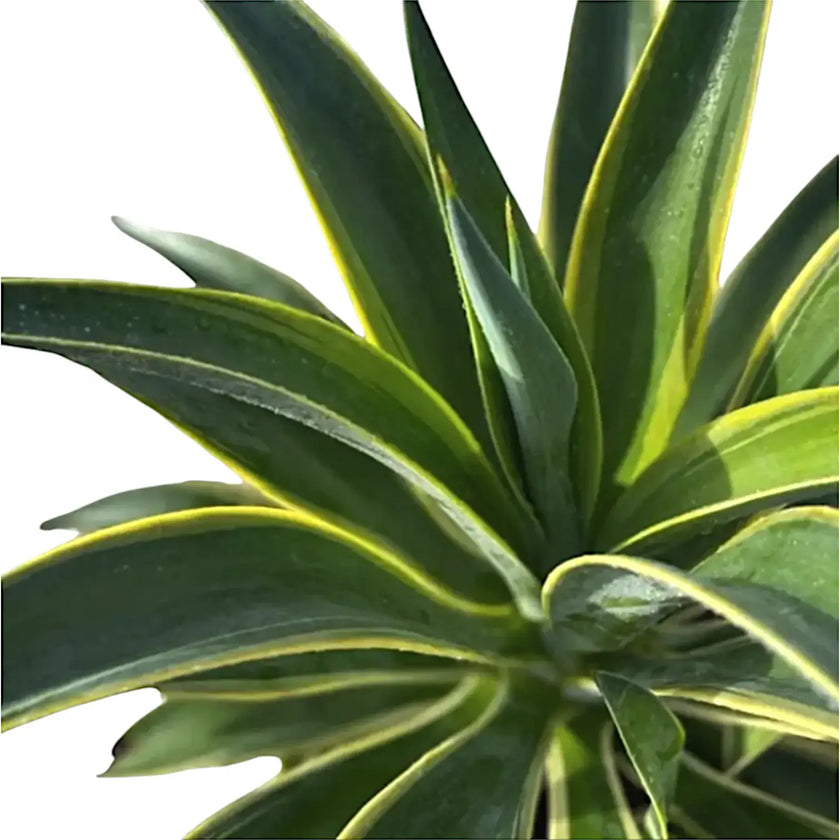
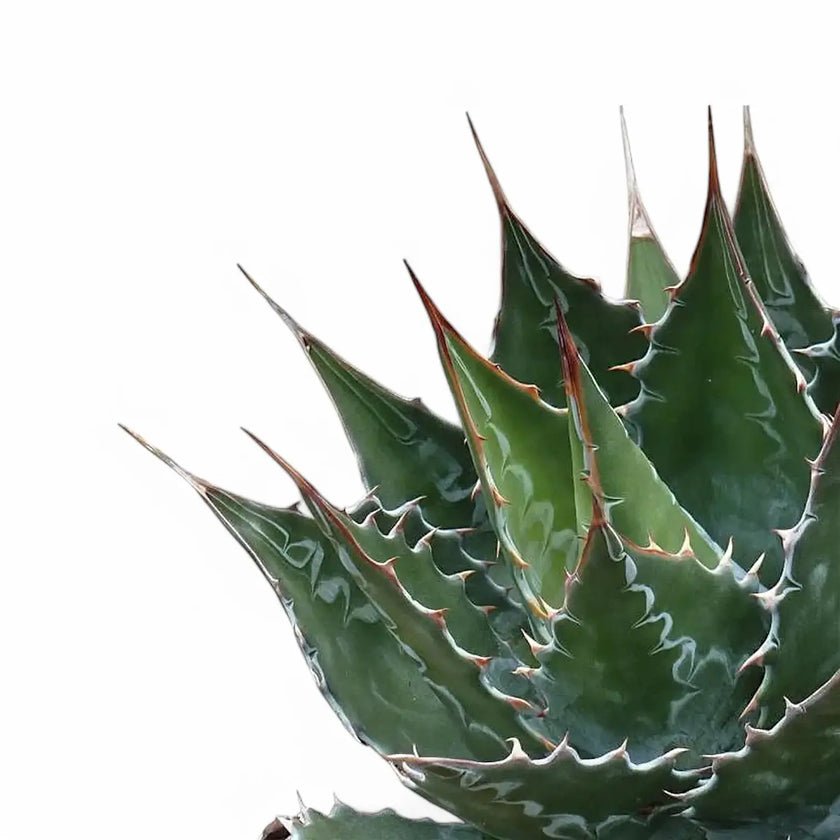
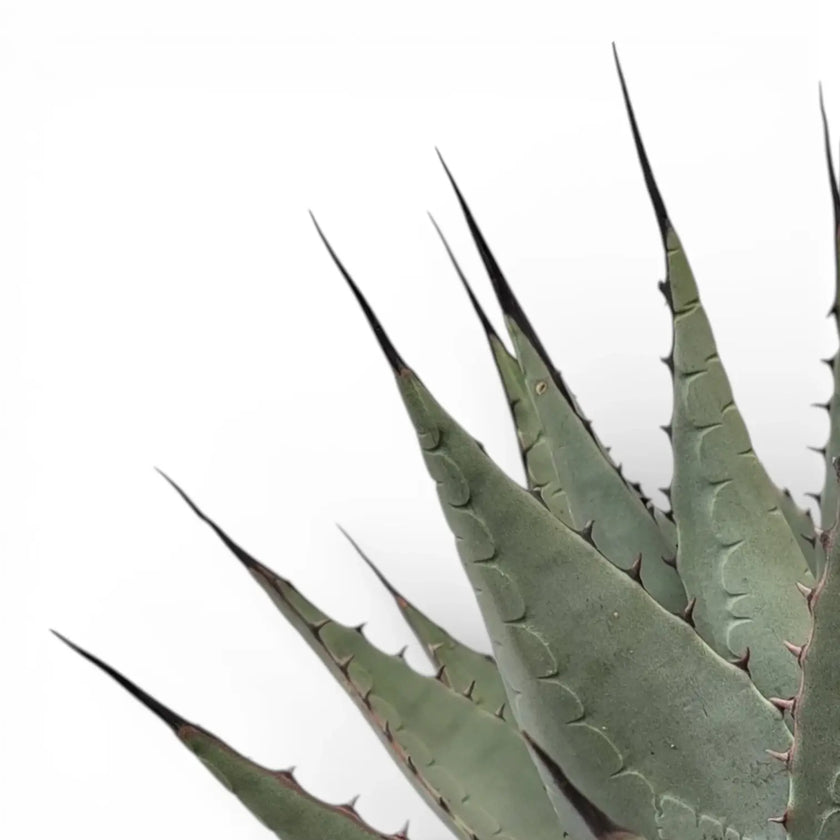
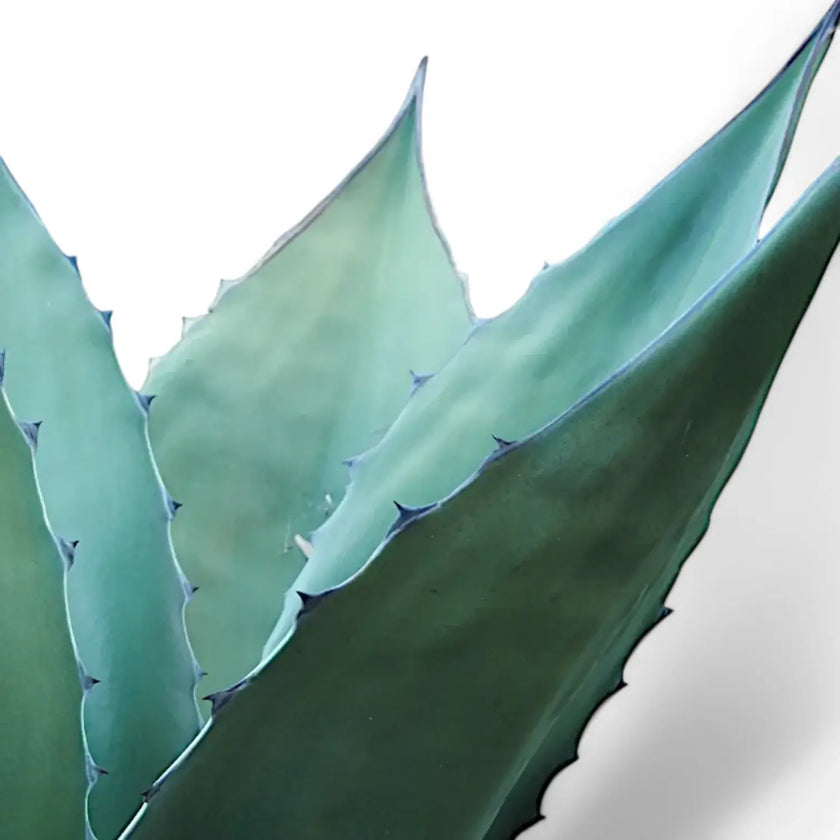
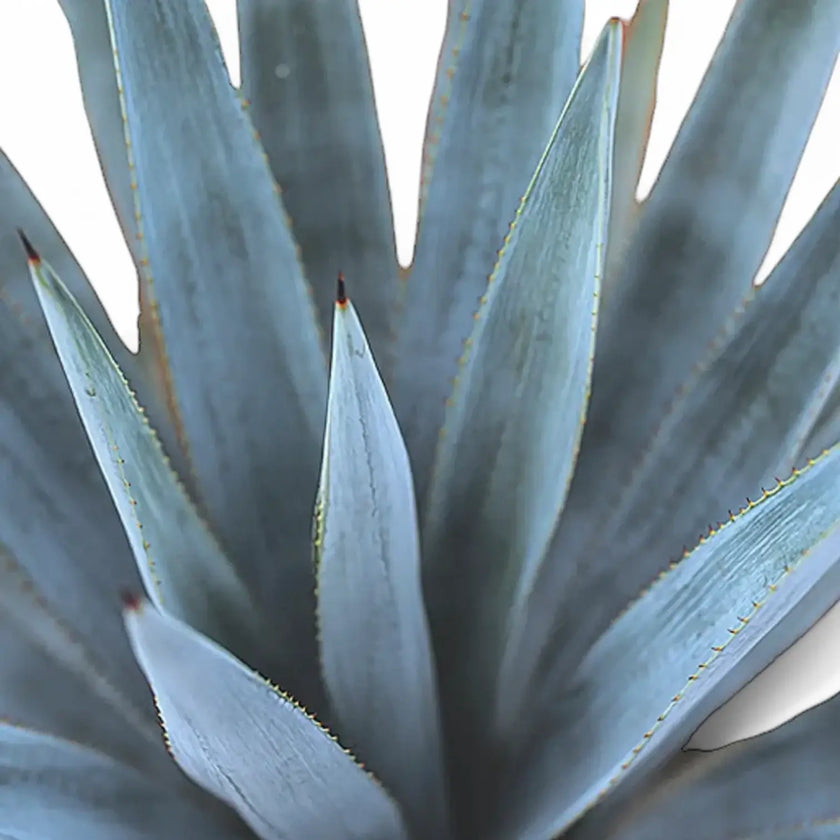
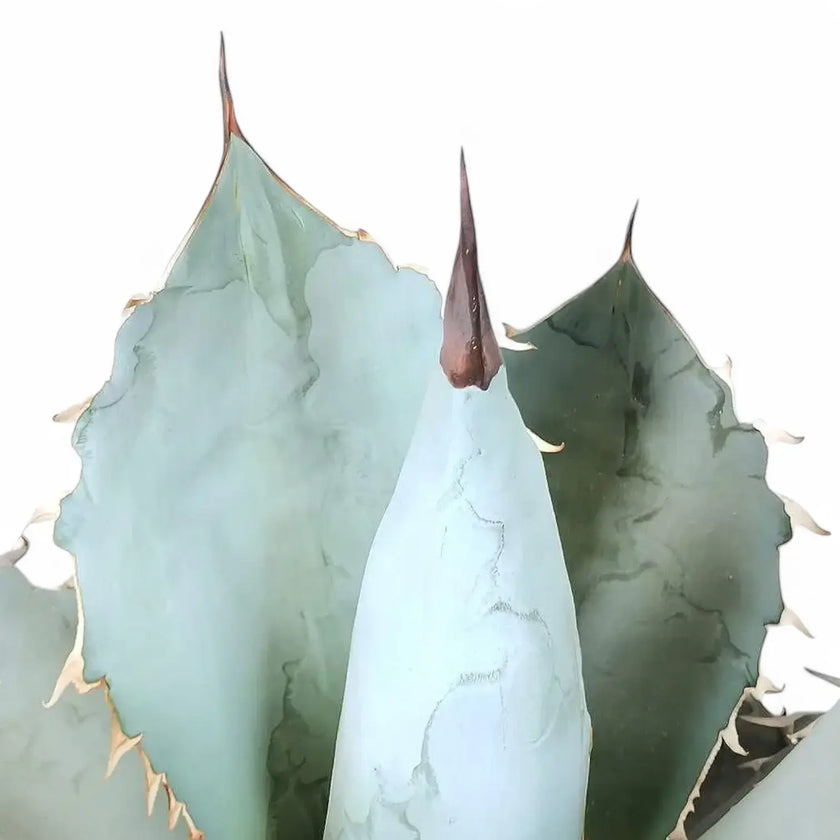
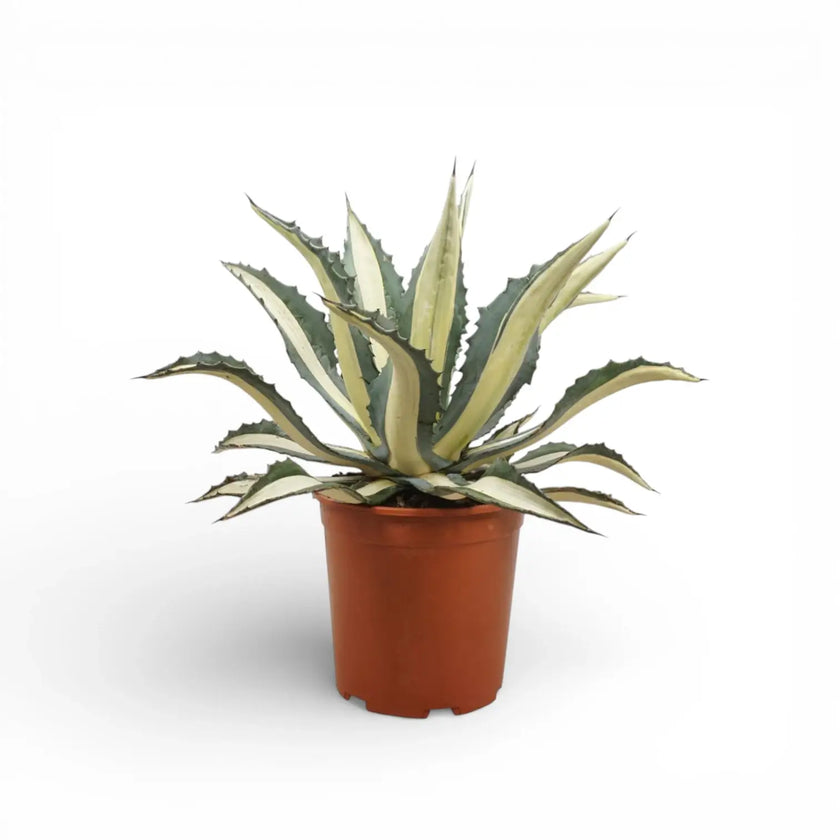
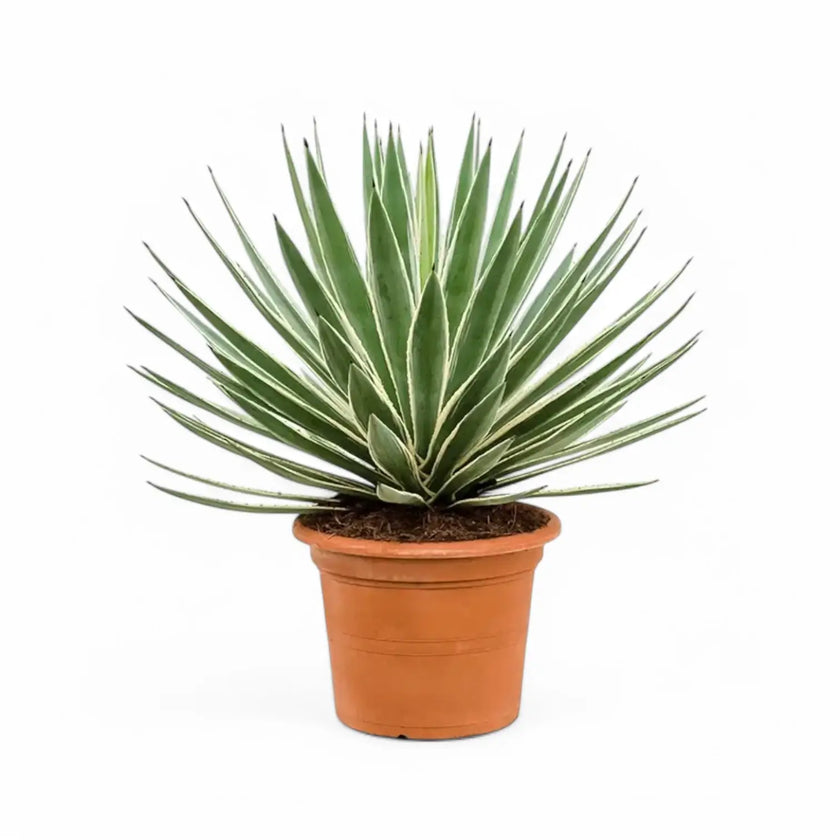
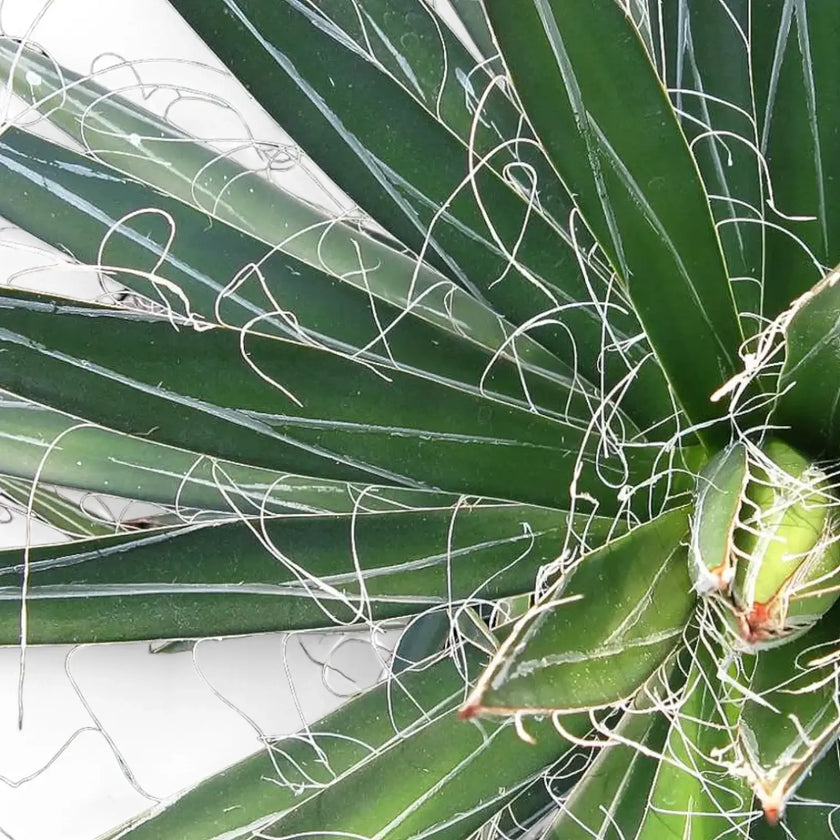
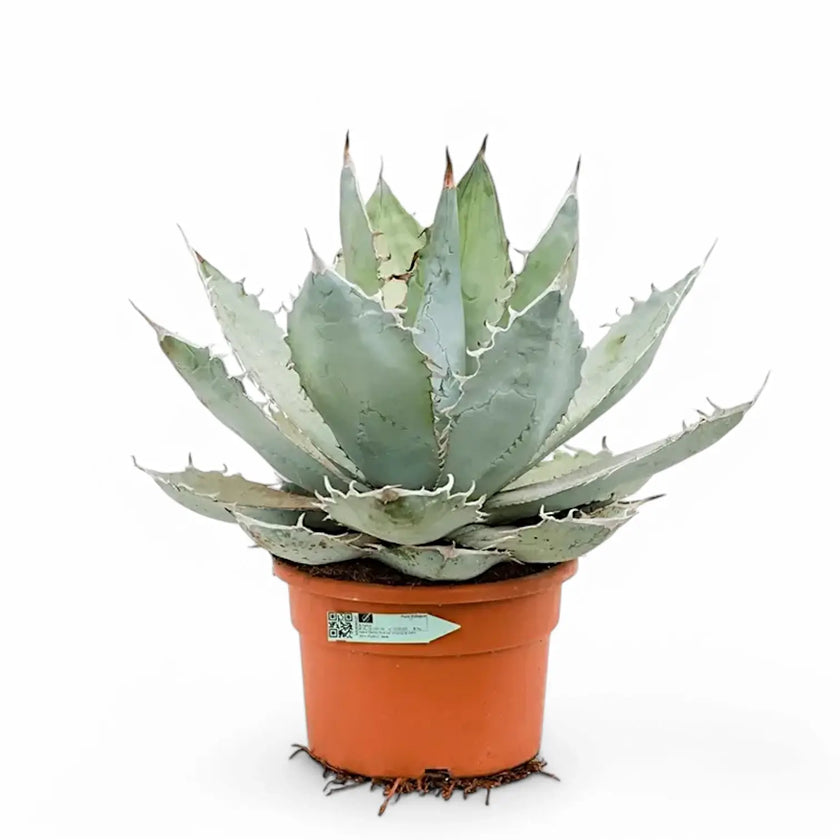
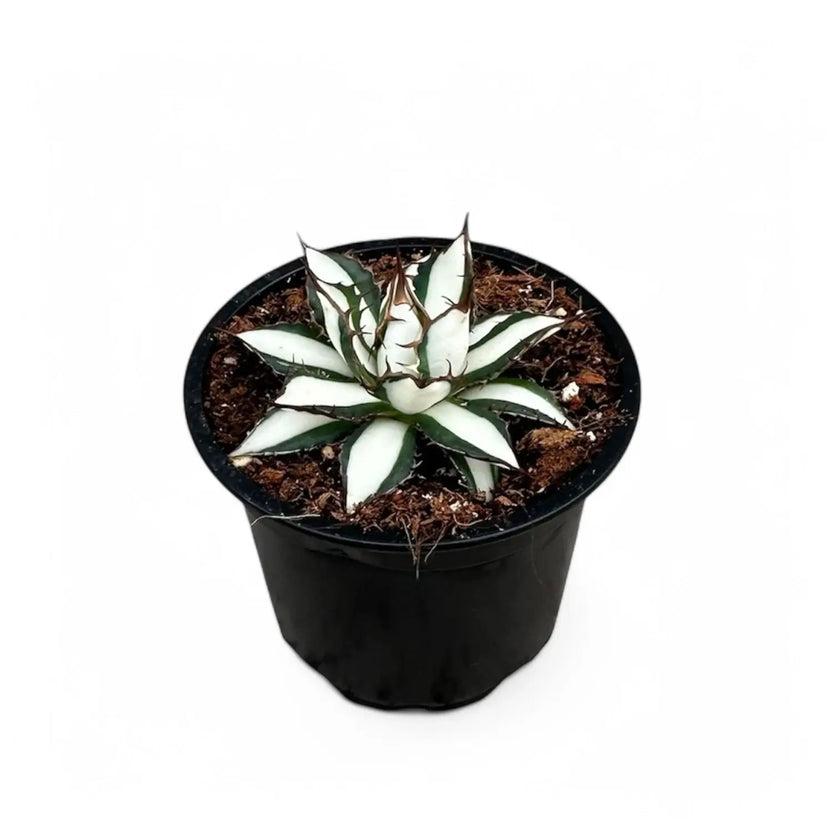
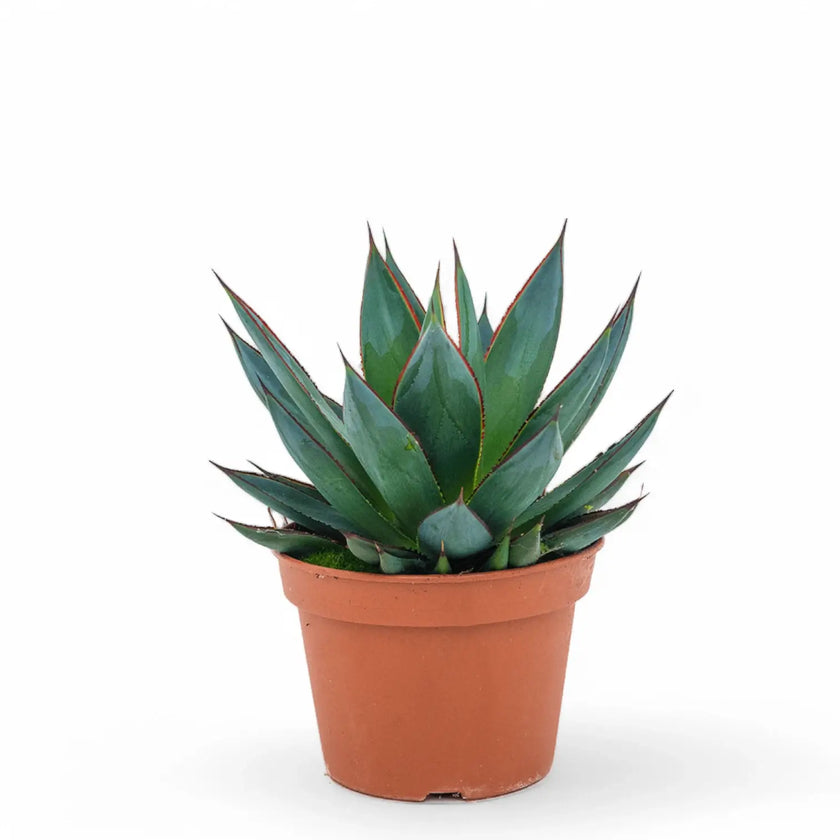
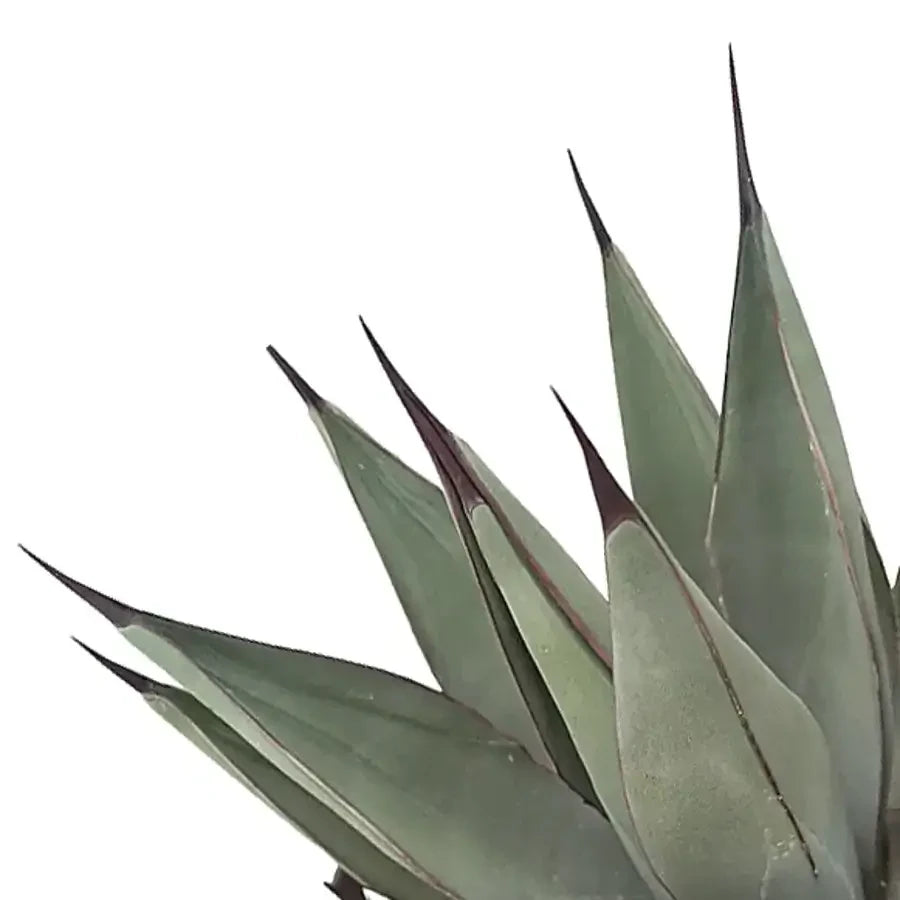
Close-up of an Agave plant on a white background

Substrate help

Choose a faster-drying mineral-leaning setup

Succulents and many cacti need a mix that releases excess water quickly and keeps the root zone open, especially in indoor pots.

Sort by:

Filters

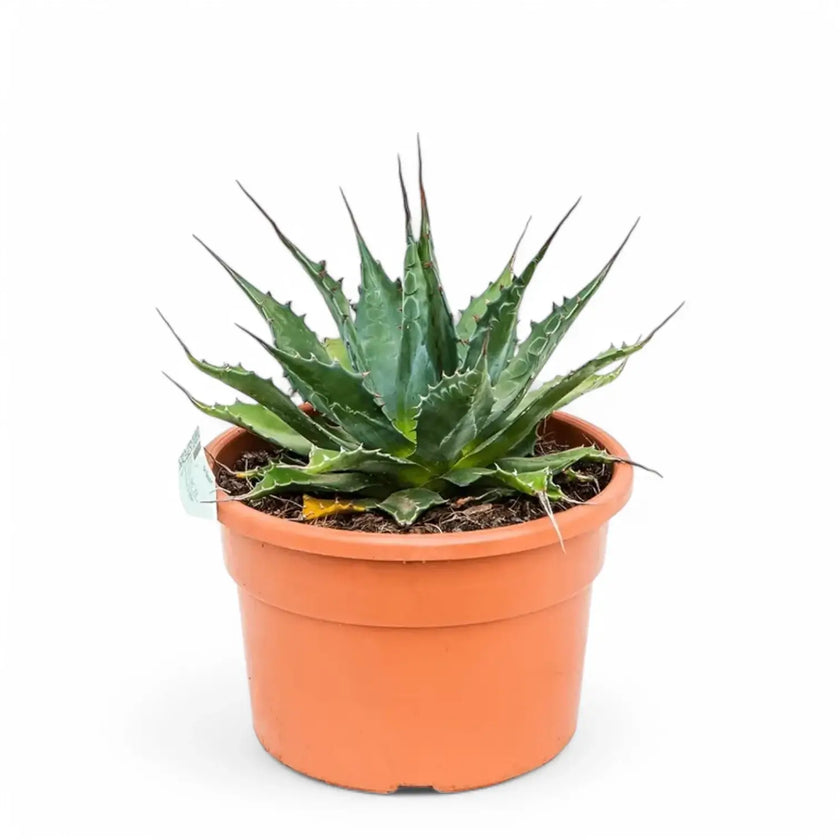
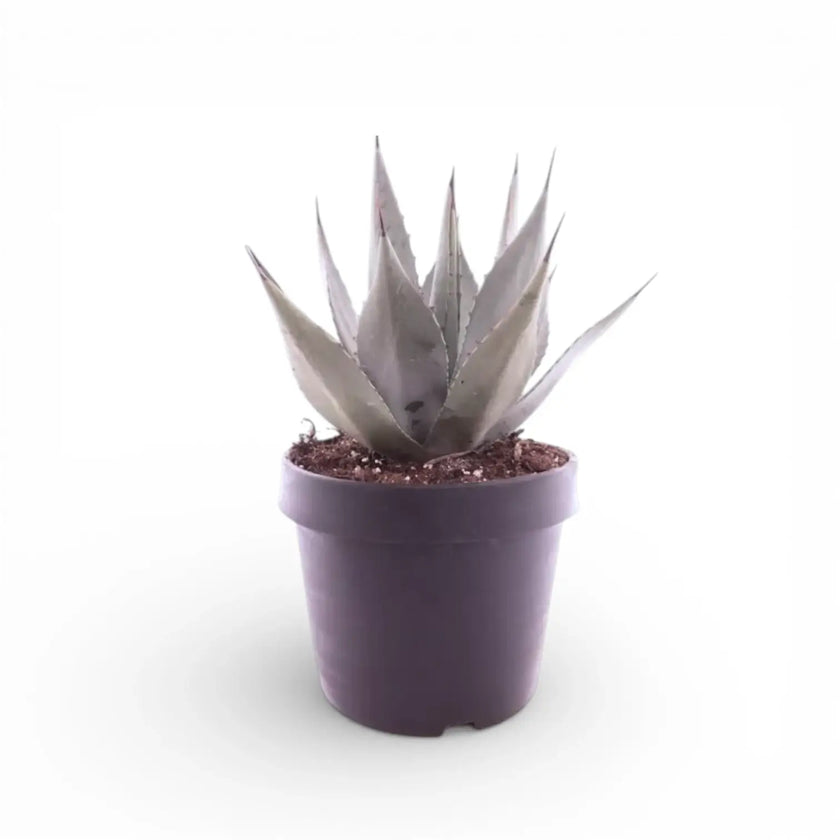
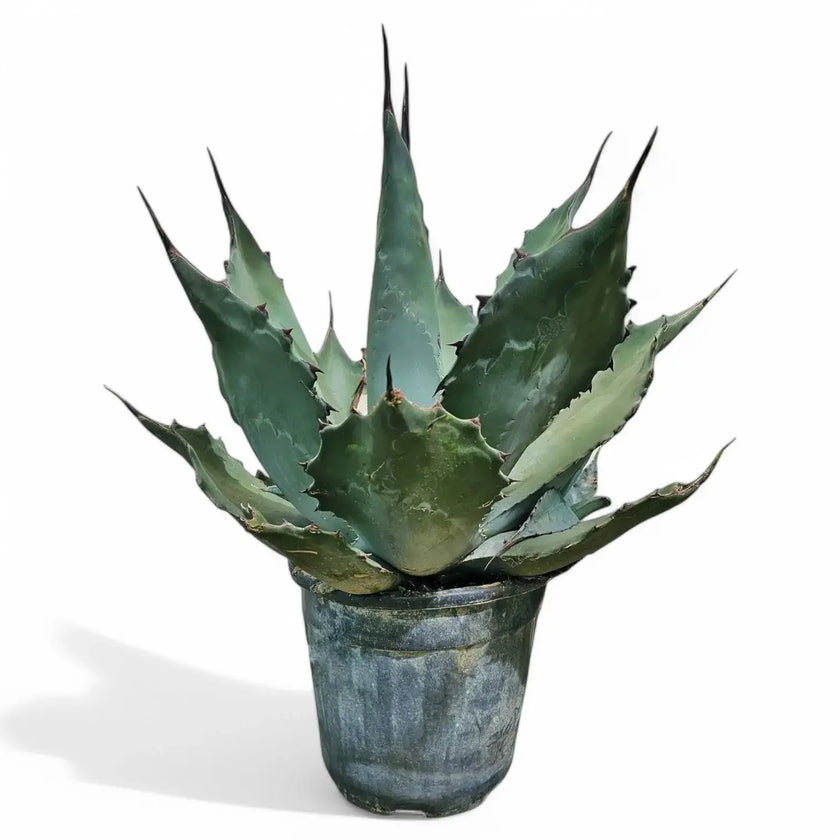
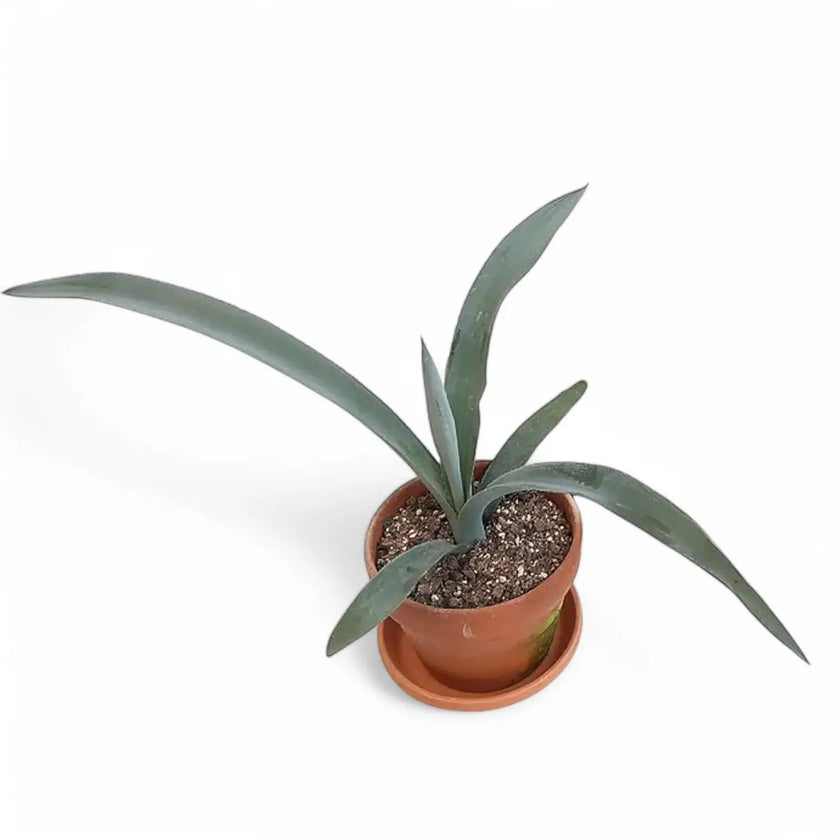
Agave 'Nigra' Sold out
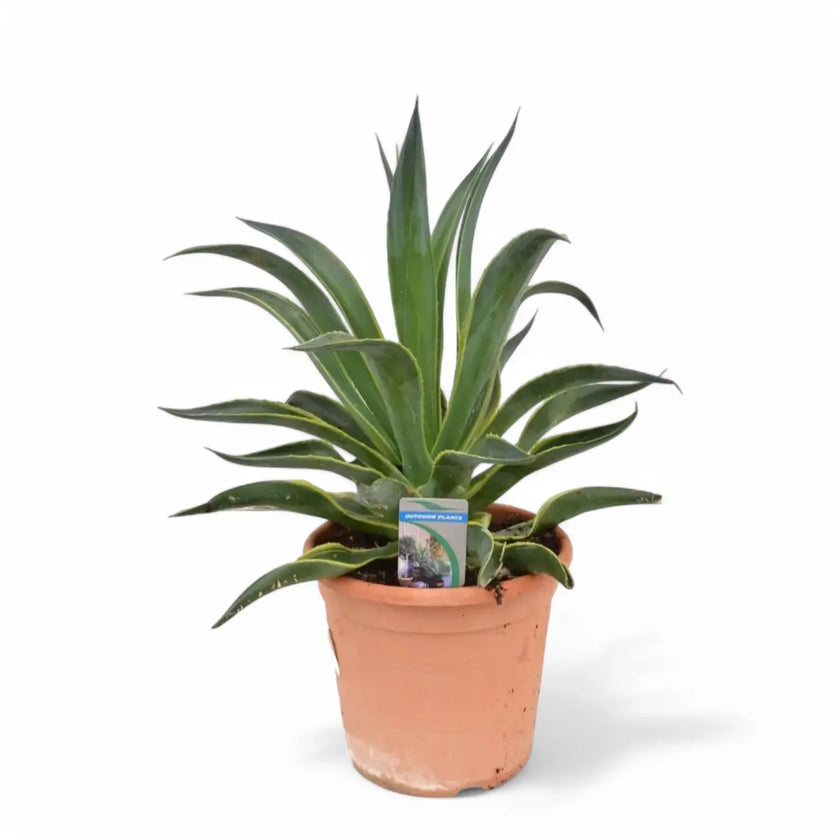
Agave 'Shaka Zulu' Regular price €44,50
Agave bracteosa Sold out
Agave filifera Sold out
Agave horrida Sold out
Agave montana Sold out
Agave parrasana Sold out
Agave stricta Sold out
Agave tequilana Sold out

Asparagaceae

Agave

Quick Overview

Agave: indoor desert rosette essentials

  • Growth habit: slow-forming rosettes that store water in thick leaves; size and speed depend strongly on species and light.
  • Light demand: wants very bright positions with several hours of direct sun or strong LED support to stay compact and coloured.
  • Watering style: water deeply, then allow the mix to dry almost completely; frequent “sips” into cool, damp soil encourage rot.
  • Soil choice: thrives in lean, mineral-heavy cactus substrate with plenty of pumice, grit or lava rock for fast drainage.
  • Cold tolerance indoors: average rooms are fine; cold, wet roots below about 10 °C are far more dangerous than brief dry spells.
  • Handling: many Agave carry sharp tips and irritating sap-wear gloves and site pots where people and pets will not brush past.
Botanical Profile

Agave: botanical profile for century plants

Agave is a genus of rosette-forming monocots in Asparagaceae (subfamily Agavoideae), established by Carl Linnaeus in 1753. The name comes from Greek “agauos”, meaning noble or illustrious, in reference to dramatic flowering spikes. Roughly 200 species are recognised, together with numerous natural and horticultural hybrids used for fibre, food, drink and ornamental planting.

  • Order: Asparagales
  • Family: Asparagaceae (subfamily Agavoideae)
  • Tribe: Agaveae
  • Genus: Agave L.
  • Type species: Agave americana L.
  • Chromosomes: Diploids usually 2n = 60 (x = 30) with a characteristic bimodal karyotype; many species are polyploid

Range & habitat: Native primarily to arid and semi-arid regions of Mexico, the southwestern United States, the Caribbean, Central America and parts of northern South America. Agave species occupy rocky slopes, desert scrub, open woodlands and coastal bluffs from near sea level to highland zones around 2 000-3 000 m where soils drain rapidly and rainfall is strongly seasonal.

  • Life form: Long-lived, mostly monocarpic rosette perennials with short, often subterranean stems; some species offset freely and form clonal colonies.
  • Leaf attachment: Thick, fibrous leaves arranged in dense spiral rosettes at the stem apex, ending in a rigid apical spine and often armed margins.
  • Leaf size: From compact rosettes with leaves 20-40 cm long to massive species with blades exceeding 1.5 m in length.
  • Texture & colour: Highly succulent, fibrous leaves with tough epidermis; colour ranges from deep green to blue-grey or glaucous, frequently with bud-imprints and contrasting marginal teeth.
  • Notable adaptation: Strong CAM physiology, shallow but wide-spreading roots and heavy structural investment in water-storing tissues and armature for survival in hot, dry, nutrient-poor environments.

Inflorescence & fruit: Mature rosettes produce a single, often towering (2-10+ m) branched or spike-like inflorescence bearing many tubular, nectar-rich flowers adapted to bats, moths or birds. After seed or bulbil production, monocarpic rosettes die; fruits are dry, dehiscent capsules with numerous flattened black seeds.

Details & Care

Agave: bold, spined rosettes for bright, dry setups

Agave is all about structure: stiff leaves, dramatic symmetry, and a look that stays architectural for years. Most Agaves grow slowly, which makes them ideal for containers and bright indoor spots where you want a long-lived sculptural focal plant.

Agave prefers high light, fast drainage, and a dry-leaning routine. Many types handle sun well, but they do not tolerate dense, wet potting mixes. If you plan outdoor use, hardiness varies widely, so matching to climate matters.

Light: Strong light keeps rosettes tight and growth sturdy. A sunny window is usually ideal indoors.

Watering: Water thoroughly, then let the pot dry well before the next watering. In lower light, extend the dry period.

Substrate: Mineral, gritty mixes reduce risk of rot. Drainage and airflow through the pot are key.

Handling: Spines and stiff leaf edges can be sharp. Position where it won’t catch sleeves or walkways.

Long-term care: Repot only when needed and avoid oversized pots, which hold moisture longer than Agave likes.

Agave is slow and deliberate, which makes it easy to live with once the setup is right. Tight rosettes, firm leaves, and clean edges usually mean light and watering are on point. If a plant starts reaching or softening, treat it as a signal to adjust light and drying time, not to water more.

Growth pace: Expect gradual change. Agave is about long-term structure, not quick size.

Outdoor check: If you plan seasonal outdoor time, confirm hardiness and rain tolerance for the specific type. Wet, cool weather can be more stressful than cold alone.

Frequently Asked Questions About Agave