Ficus indoors-rubber trees, fiddles & figs that mean business
Why Ficus keeps showing up in living rooms and offices
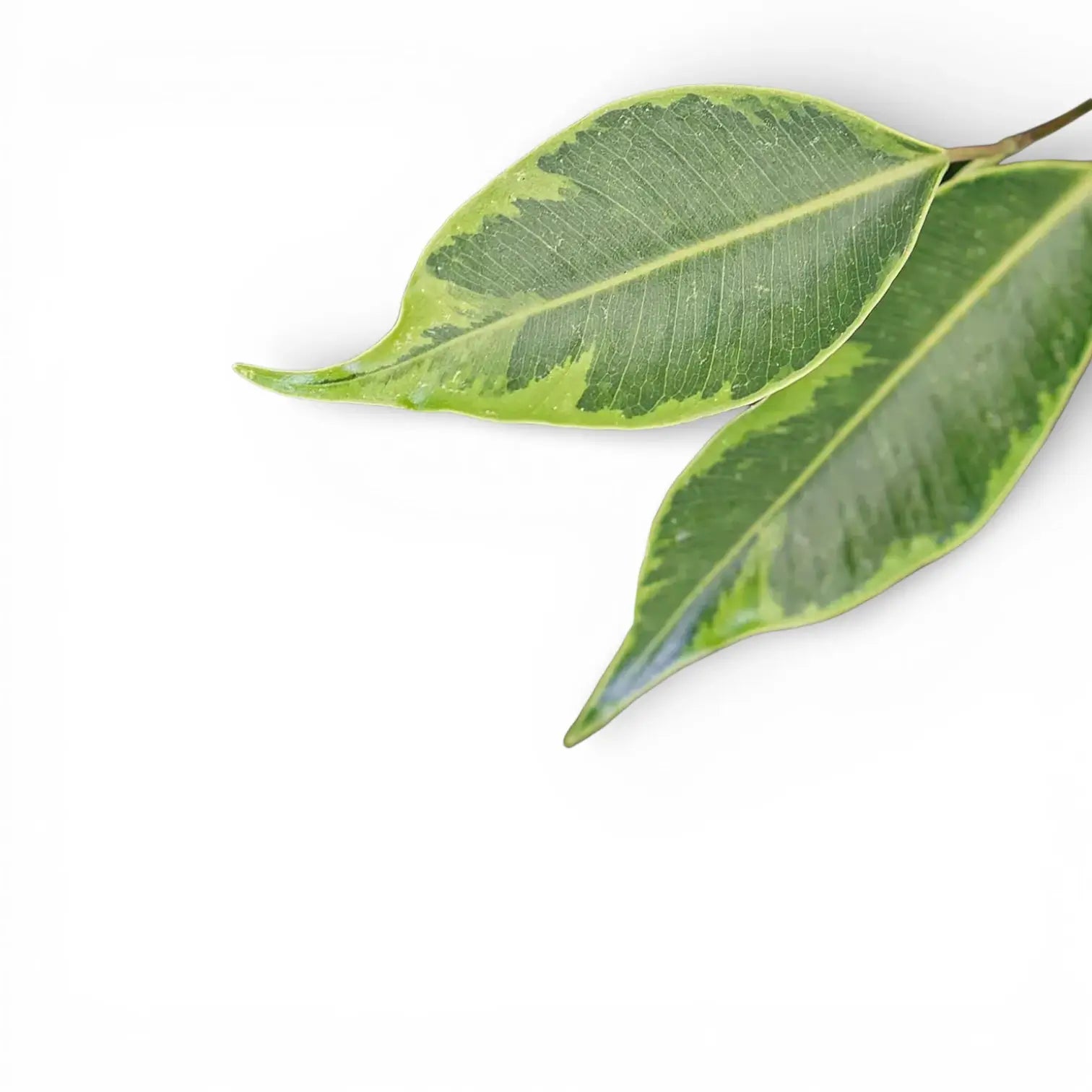
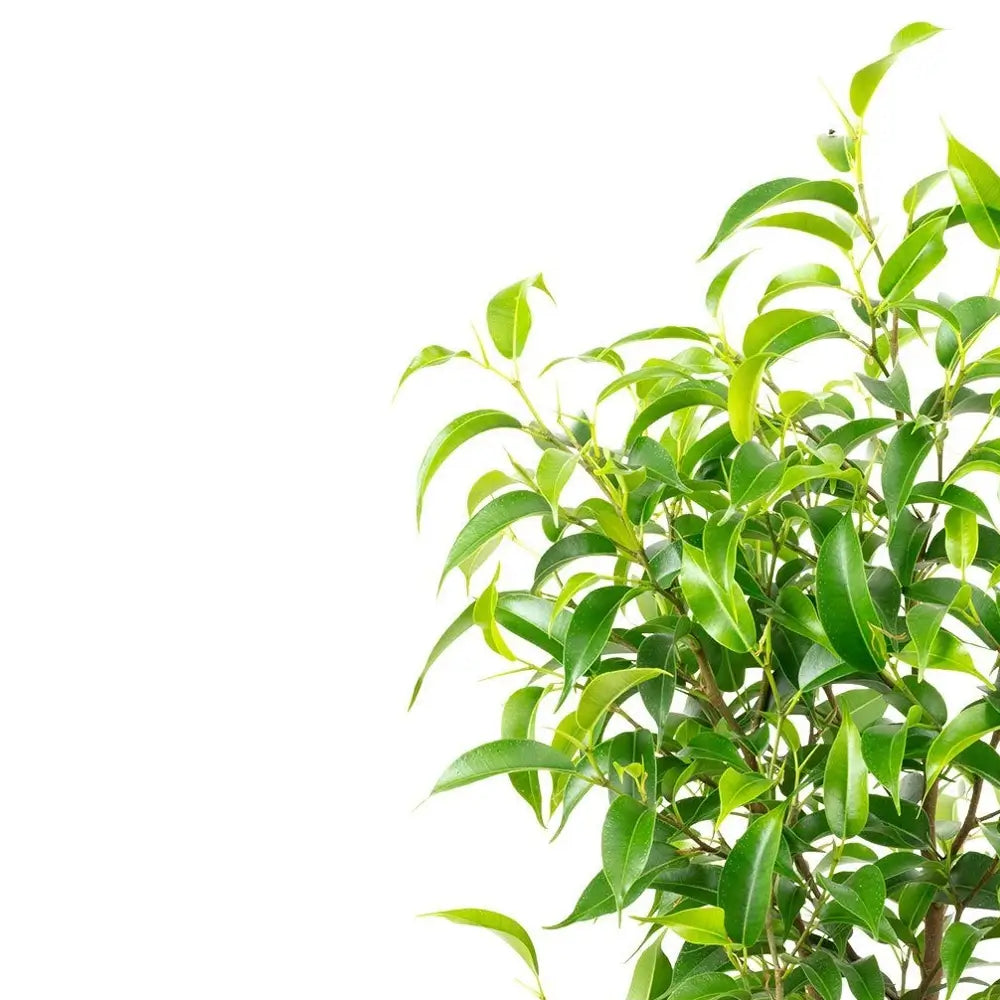
Ficus houseplants cover a whole group of classics: tough Ficus elastica (rubber plant), statement Ficus lyrata (fiddle-leaf fig), fine-leaved Ficus benjamina and a growing list of compact cultivars. All share woody stems, fairly glossy foliage and the potential to become actual indoor trees rather than background fluff.
They are not “water once a week and hope” plants. Roots react fast to bad soil and watering; foliage reacts to cold drafts and abrupt light changes. If you can offer bright, steady light and are willing to think about the root ball instead of the calendar, Ficus pays you back with structure, shade and long life.
Forest-edge origins-what that means in a pot
In the wild, many Ficus used indoors grow on forest edges, riverbanks or gaps in woodland across Asia and parts of Africa. Seedlings start in dappled light and then push towards open sky. Roots dig through loose organic debris over mineral soil, with plenty of oxygen and run-off after rain.
Indoors that background translates to three basics: bright conditions rather than deep shade, a substrate that holds moisture without turning into paste, and a watering rhythm that keeps that mix lightly moist instead of swampy. For a bigger-picture comparison with other classic houseplants, our overview “Houseplants beyond basics” is a good reality check before you turn a Ficus into the main tree of a room.
Light that keeps Ficus dense instead of stringy
Most Ficus behave like bright-shade trees. They want a lot of light, but not a full day glued to hot glass. Good positions are right next to an east or north window, or a little back from a strong south or west window behind sheer fabric. In that range, crowns stay full and new leaves arrive a sensible size.
In low light, branches stretch towards the only window, leaves get smaller and lower foliage drops to compensate. In harsh, unfiltered midday sun you get bleached or scorched patches, especially on Ficus lyrata and thin-leaved forms. If you are still guessing what “bright, indirect” means in your flat, use our bright-indirect light guide and put Ficus in the high end of those example zones, not in the far corner behind a sofa.
Watering and substrate-firm roots, not swamp or dust
Most Ficus problems start in the pot. Roots want air plus moisture, not one or the other. A practical mix is a good peat-reduced indoor substrate cut with fine bark or coco chunks and a mineral fraction such as perlite or pumice. When you squeeze a handful it should spring back, not smear into a solid ball.
Use the mix and pot weight as your signal, not the date. Let the top few centimetres dry and the pot feel clearly lighter before watering again. Then water slowly until liquid runs from the drainage holes and let everything drain-no permanent puddles in cachepots. Constant “sips” into already cold, damp compost keep roots in a low-oxygen zone and eventually give you yellow leaves, soft stems and root rot. Our watering guide for houseplants walks through that cycle in detail if you want a system instead of guessing.
Warmth, drafts and the infamous Ficus leaf drop
Ficus likes the same temperature band you do: roughly 18-27 °C with mild night drops. What it hates is cold air pooling by windows and doors while roots sit wet. A pot on cold stone or pressed against single glazing in winter can lose leaves without ever seeing frost.
Leaf drop after a move is Ficus doing what Ficus does-recalibrating. A handful of yellowing leaves on the older parts of the plant is normal when light, humidity or temperature change sharply. If drop is heavy or continuous, something in the new routine is off. To sort out “normal sulk” from real problems, our leaf-drop explainer is worth a read before you panic-prune half the canopy away.
How indoor fig trees grow, branch and age
Ficus grows in flushes: a run of new leaves pushes from the tips, internodes extend, wood hardens and then there is a pause. Over time, stems lignify and become a clear trunk-and-branch structure. Without pruning, many forms drift towards “leafy lollipop on a stick”.
Thoughtful pruning keeps them useful instead of awkward. Cutting just above a node on a healthy branch wakes buds below the cut and produces side shoots, leading to a fuller crown. You can remove crossing or inward-facing branches to open the structure and reduce pest havens. Major root work or hard crown reduction is best done when the plant is clearly in active growth, not in the middle of winter when light is minimal.
Feeding Ficus without overdoing it
Ficus is not a heavy feeder, but it does respond to sensible nutrition. During active growth with new leaves emerging, a balanced liquid fertiliser at reduced strength every few waterings is usually enough. Pour it only onto already moist substrate; strong feed on dry roots burns tips and fine root hairs.
When growth slows, you repot into fresh mix, or plants are freshly shipped, cut fertiliser back or pause it entirely. Root health and appropriate structure do more for leaf size and colour than slightly higher NPK numbers on the bottle.
Sap, pets and safe handling
Every cut on Ficus bleeds white latex. That sap can irritate skin and eyes and is not something you want in a pet’s mouth. Basic rules are simple: avoid growing big Ficus within easy chewing range of cats and dogs, keep pruned branches out of reach, and do not rub your eyes while pruning.
If sap gets on skin, wash it off with water and mild soap. If it reaches eyes or mouth, rinse thoroughly and seek medical advice if irritation does not settle. Gloves make sense if you know you react to latex or plant saps in general.
What your Ficus does in the first weeks at home
Freshly shipped Ficus almost never look better on day two than they did in the greenhouse. You may notice a short pause in visible growth and some older leaves yellowing or dropping, especially on Ficus benjamina and Ficus lyrata. That is a response to transport, new light angles and new humidity, not instant failure.
After unpacking, strip only leaves that are fully dead or hanging, then put the plant directly in its long-term bright spot. Check the root ball: if the top layer is still clearly moist and the pot feels heavy, wait before watering; if it has dried out in transit, water once, slowly and thoroughly. Hold off on big repots or hard pruning until you see firm new leaves in your conditions. For a photo walkthrough of this adjustment phase, our houseplant acclimatisation guide shows what is normal and what is not.
Ficus troubleshooting-what leaves and roots are telling you
- Sudden flush of yellow leaves after a move: classic “new environment” response. Stabilise light and watering, check that roots are healthy and resist the urge to move the plant again every few days.
- Lower leaves yellowing one by one in a heavy, wet pot: usually chronic overwatering in compact mix. Inspect roots, cut away brown, mushy sections and repot into a looser substrate, then let the top layer dry more between waterings.
- Brown, crispy edges on otherwise healthy leaves: often a mix of dry air, irregular watering and mild salt build-up. Flush the pot with plain water once, improve humidity slightly and keep moisture swings smaller.
- Long bare sections on branches, foliage bunched at the ends: light is too weak or too one-sided. Move closer to a suitable window, rotate the pot occasionally and consider pruning back to encourage new shoots lower down.
- Sticky leaves, sooty mould or tiny insects on new growth: sap-sucking pests such as scale, aphids or mealybugs. Rinse foliage, remove worst-affected parts and treat early; do not forget to check undersides of leaves and branch junctions.
Back to top and compare the Ficus that suit your light, your ceiling height and how formal or relaxed you want the plant to look ↑