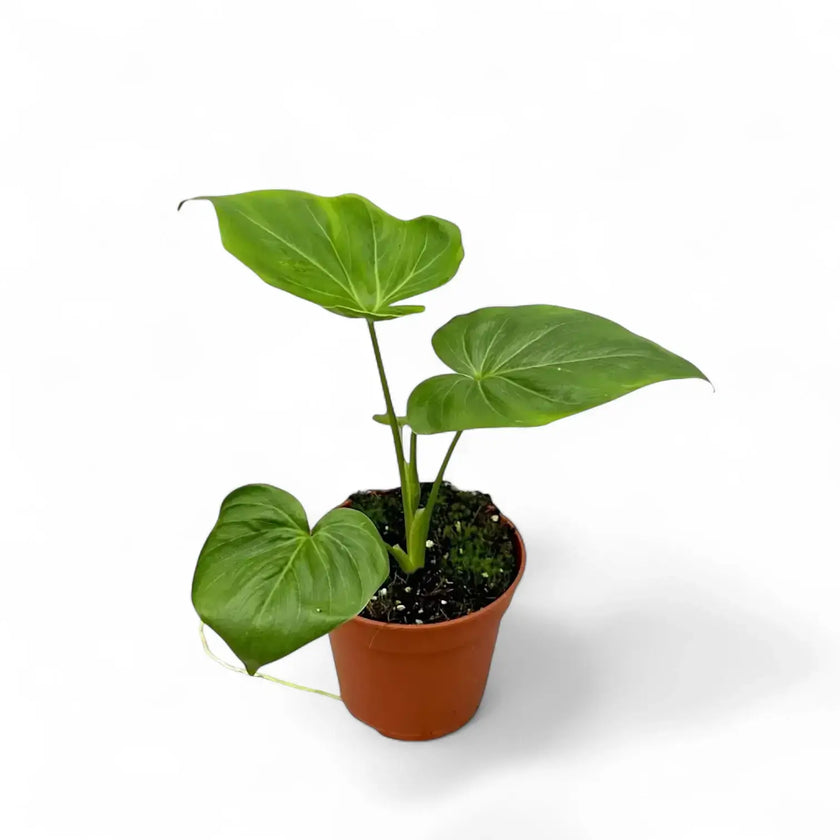
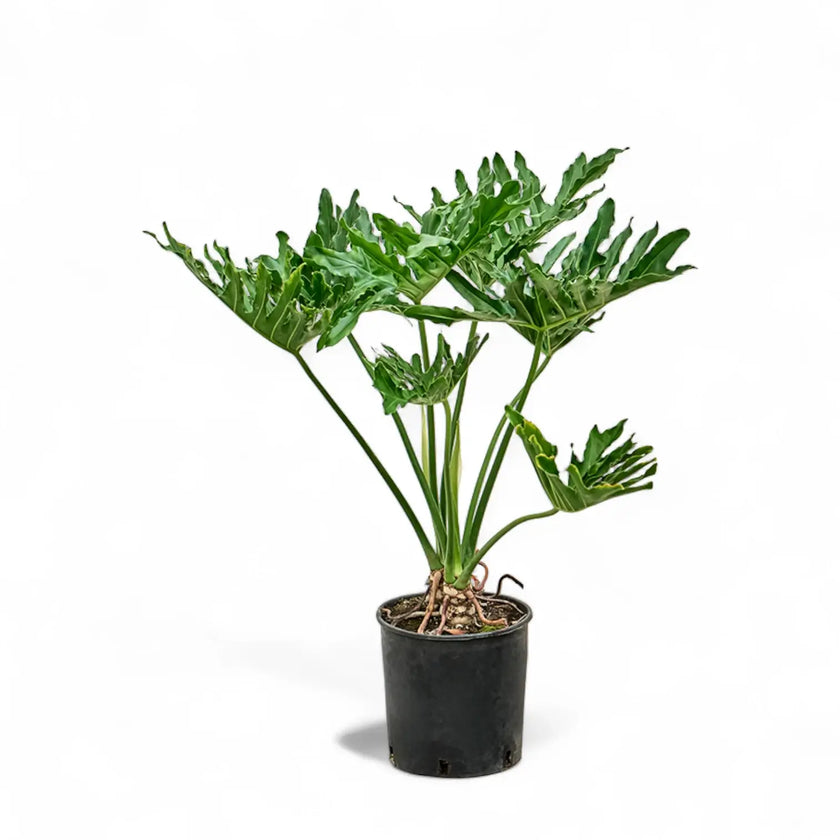
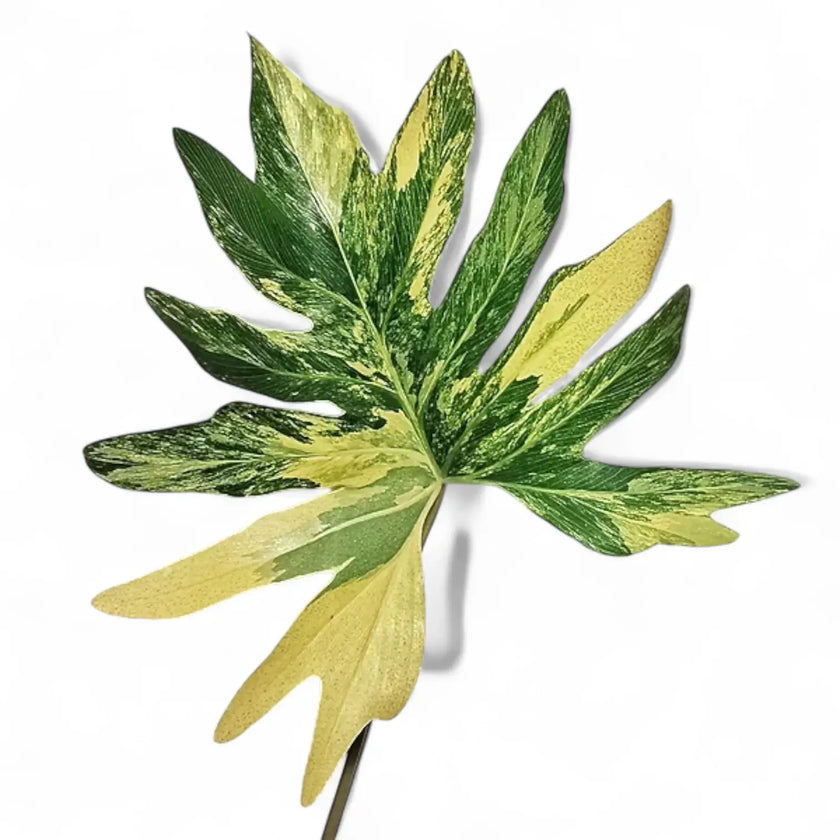
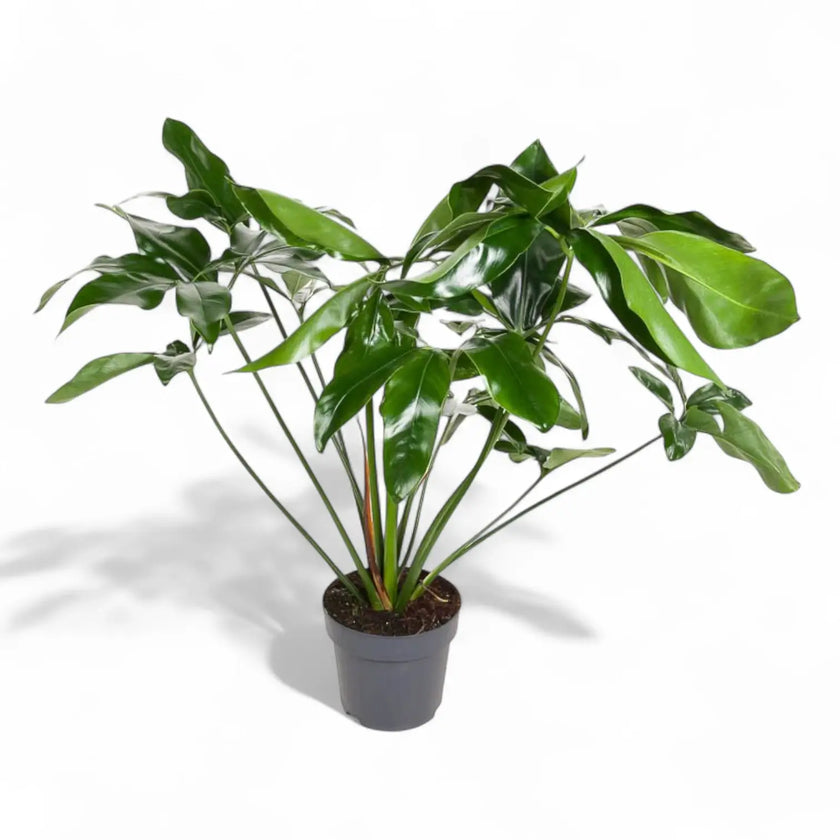
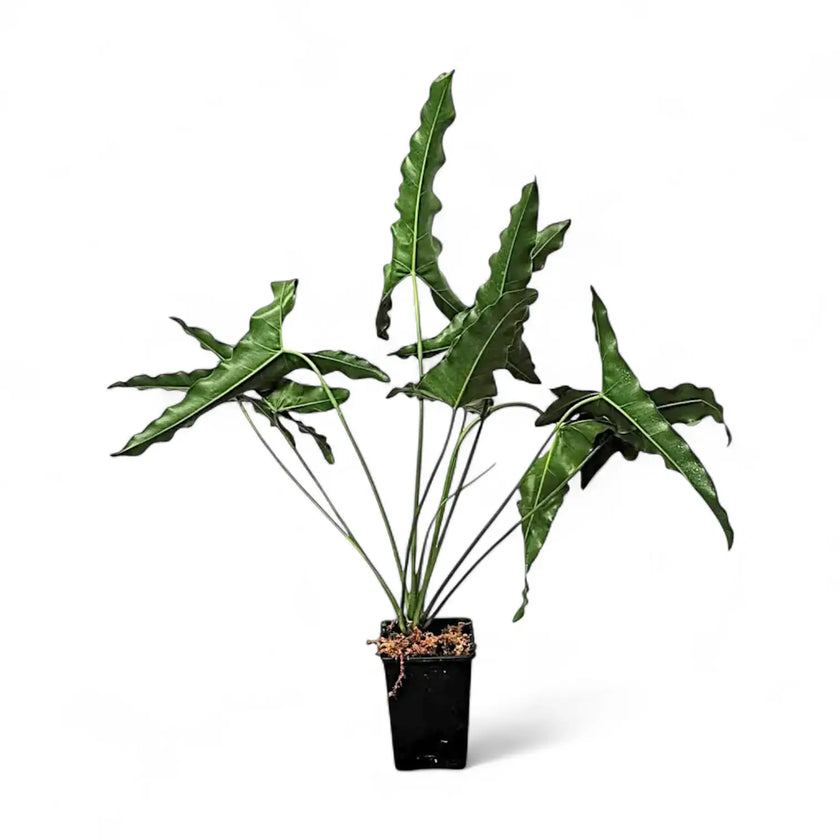
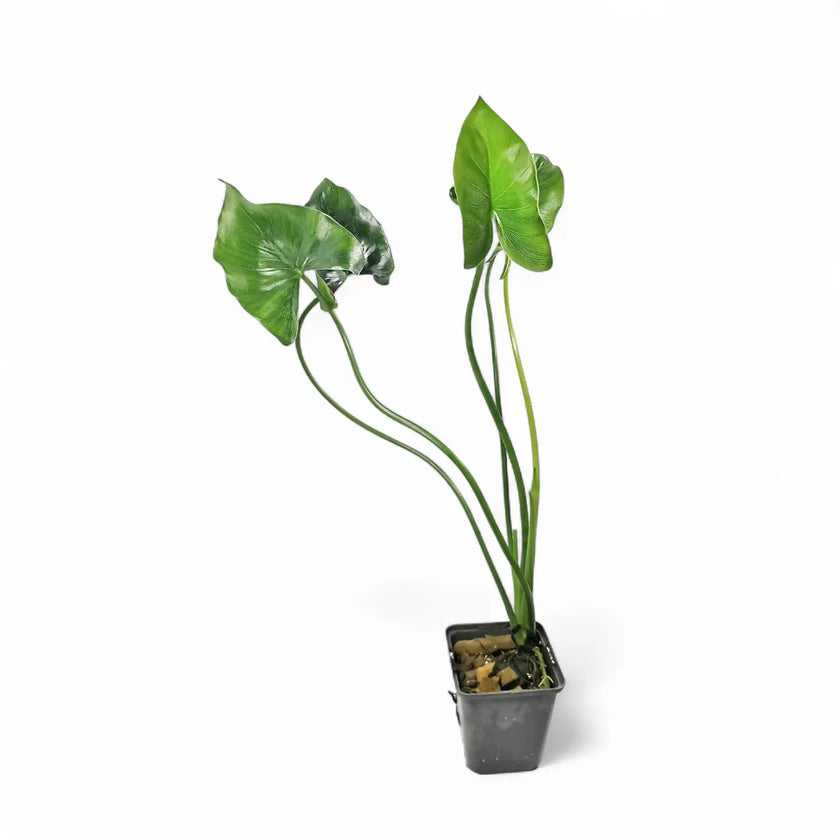
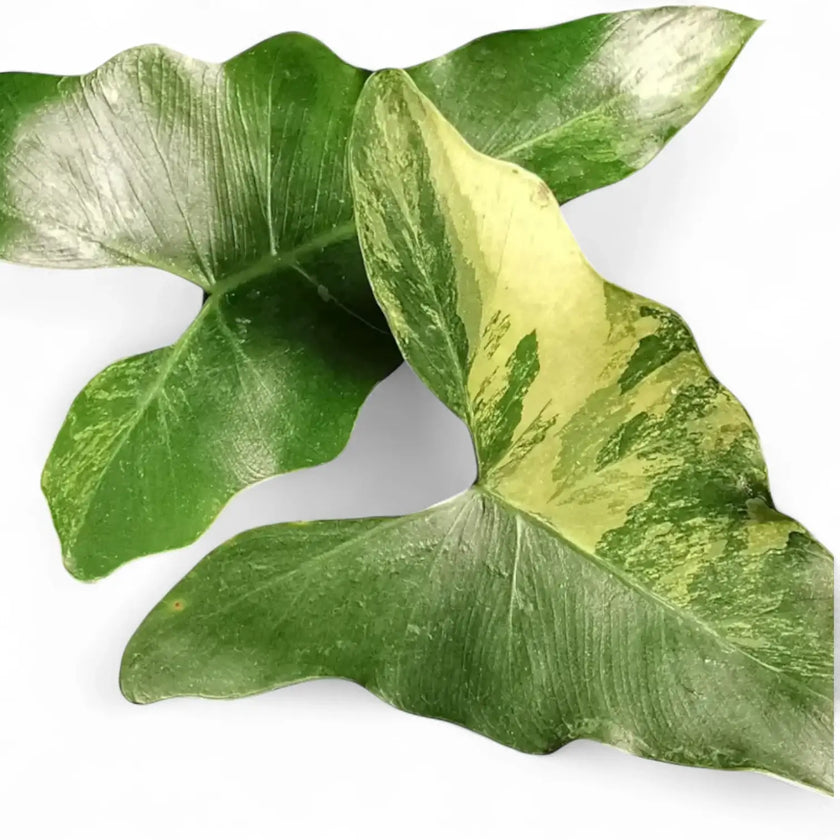
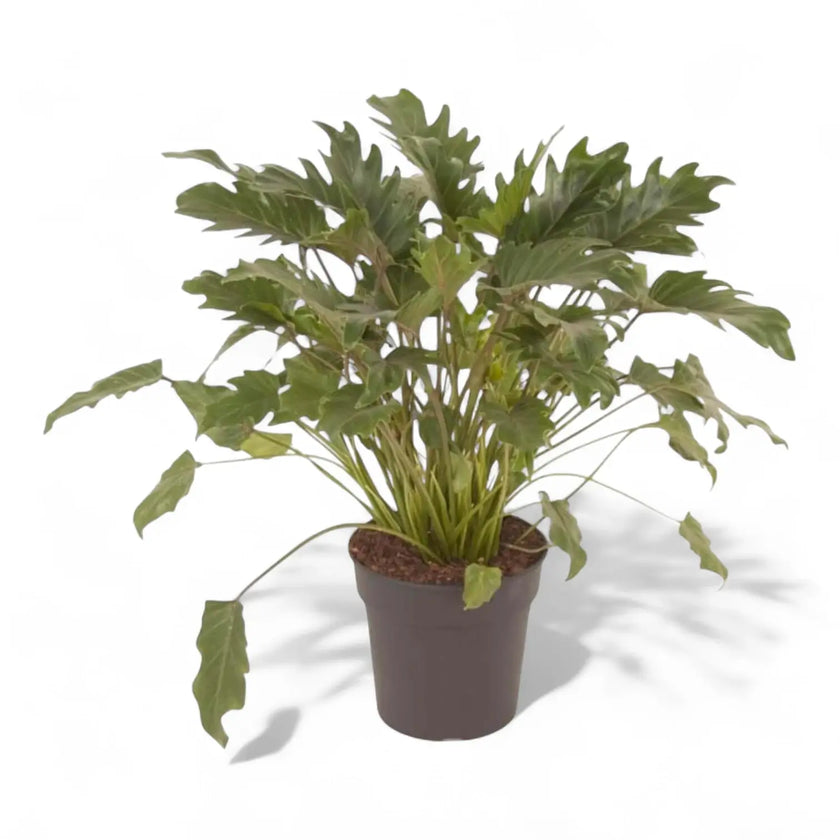
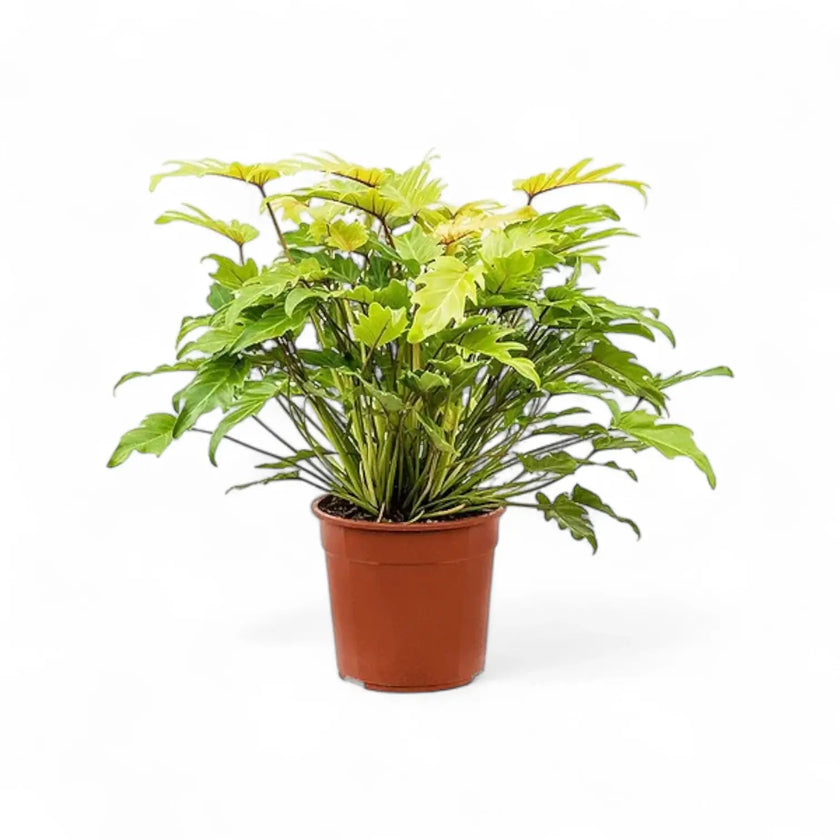
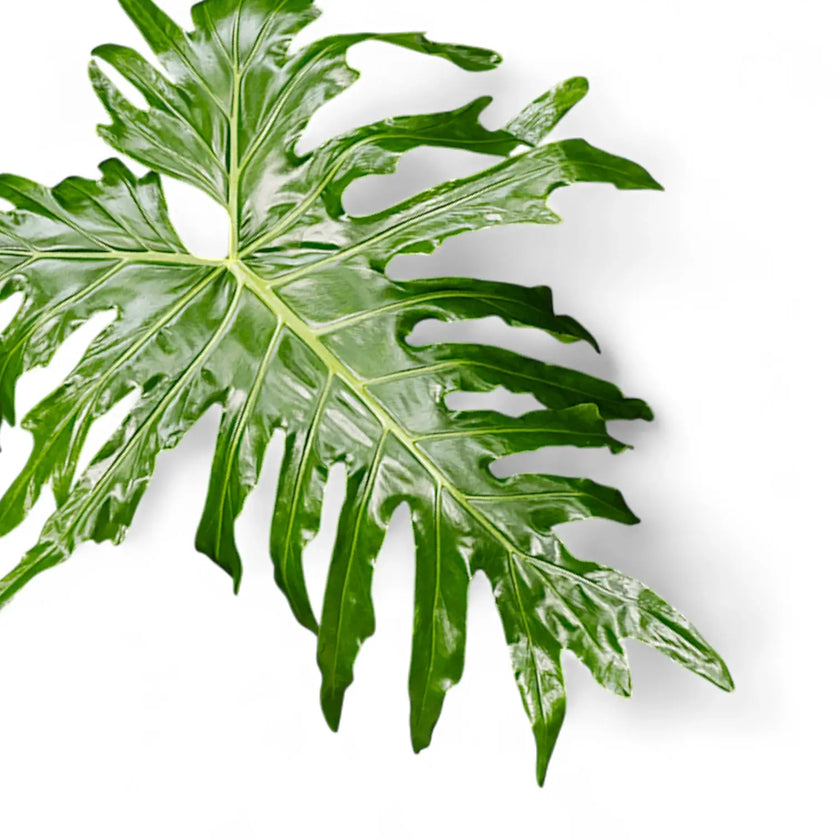
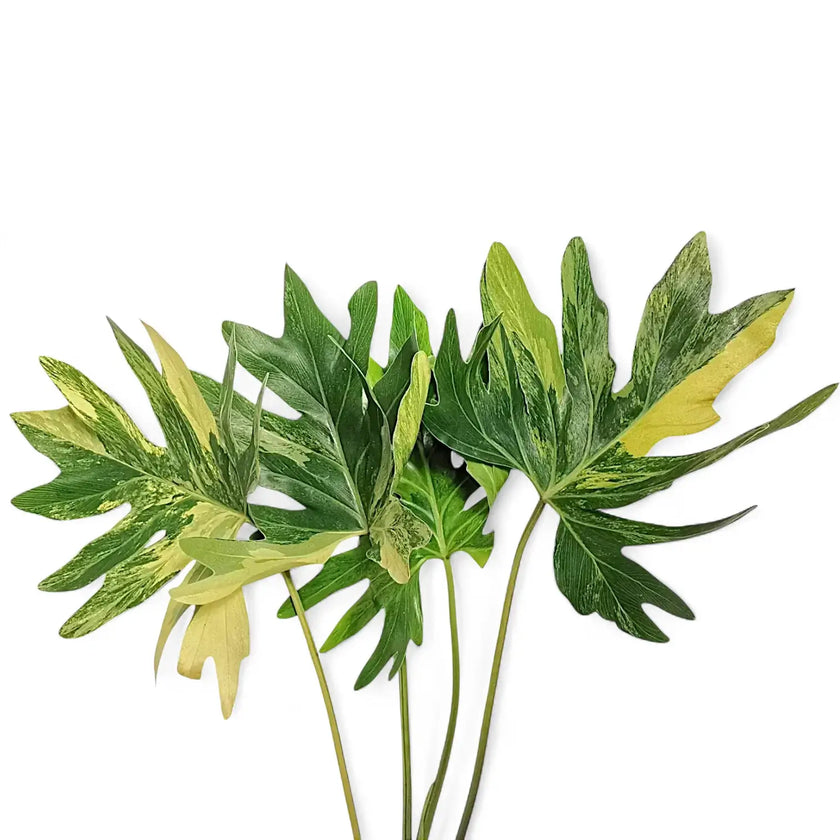
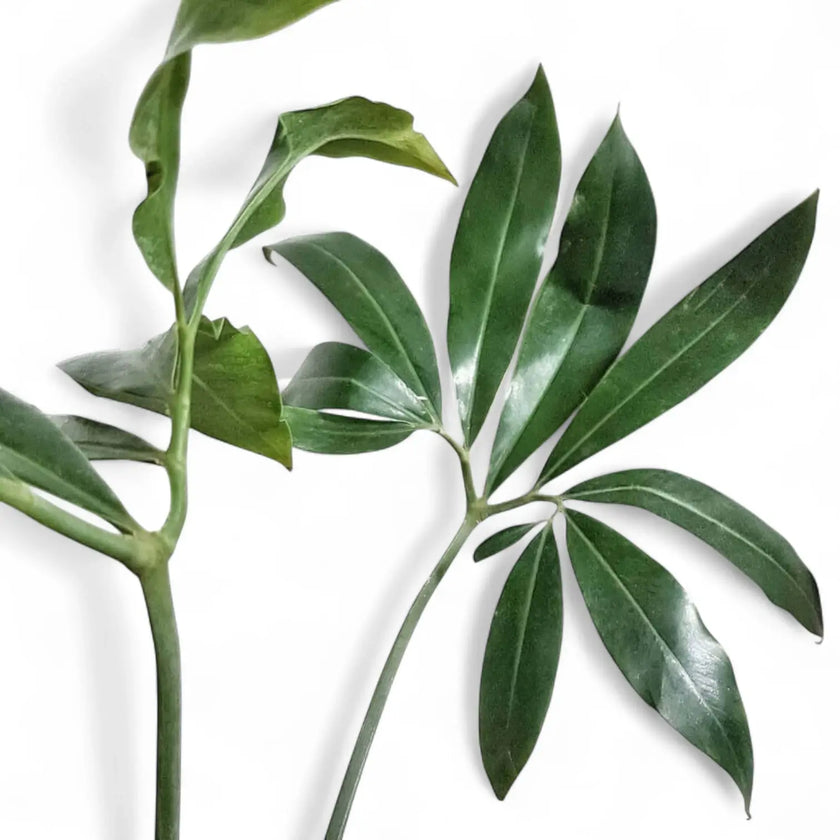
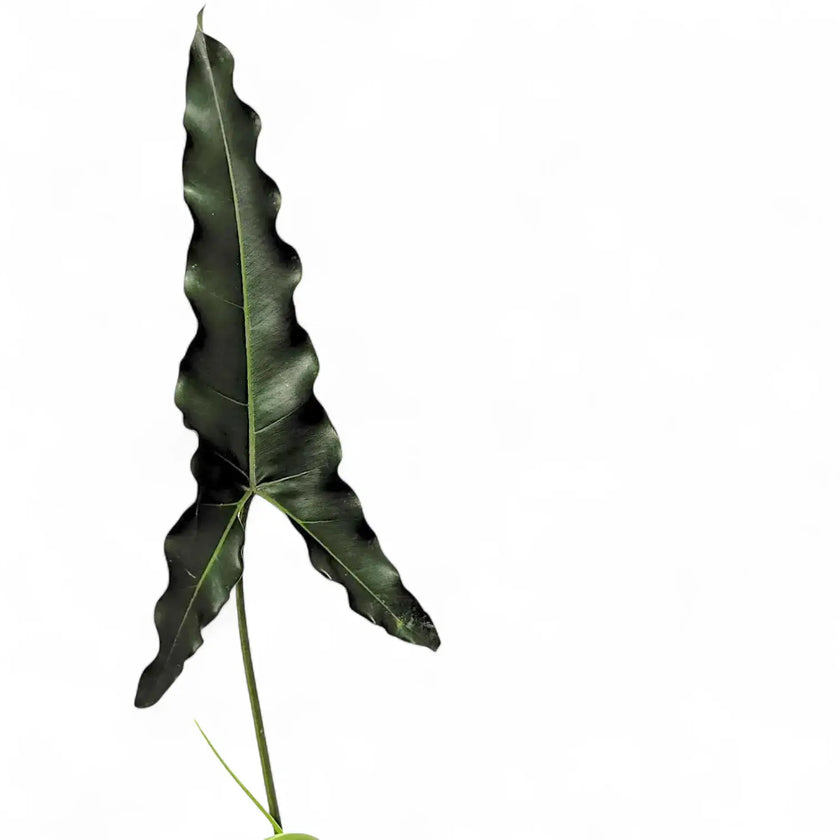
Thaumatophyllum: self-heading tropical plants with bold, cut leaves
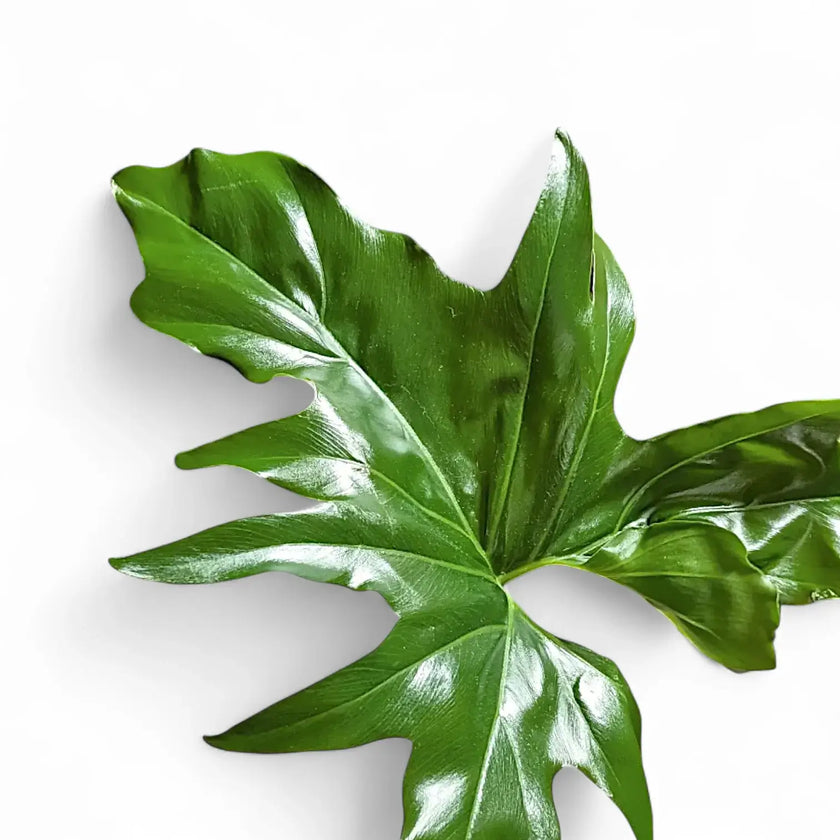
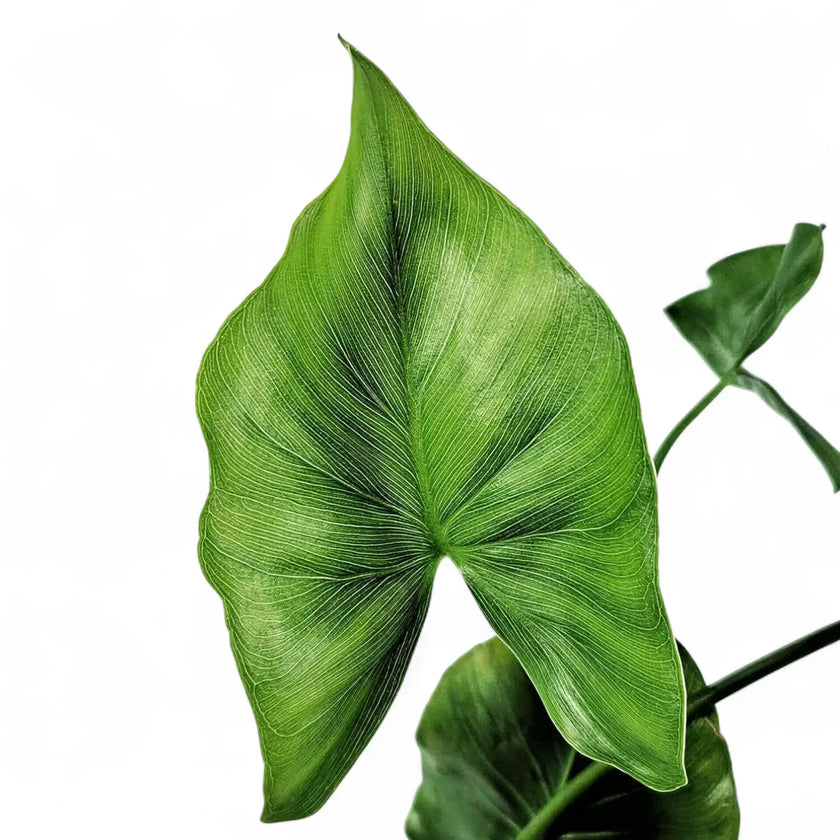
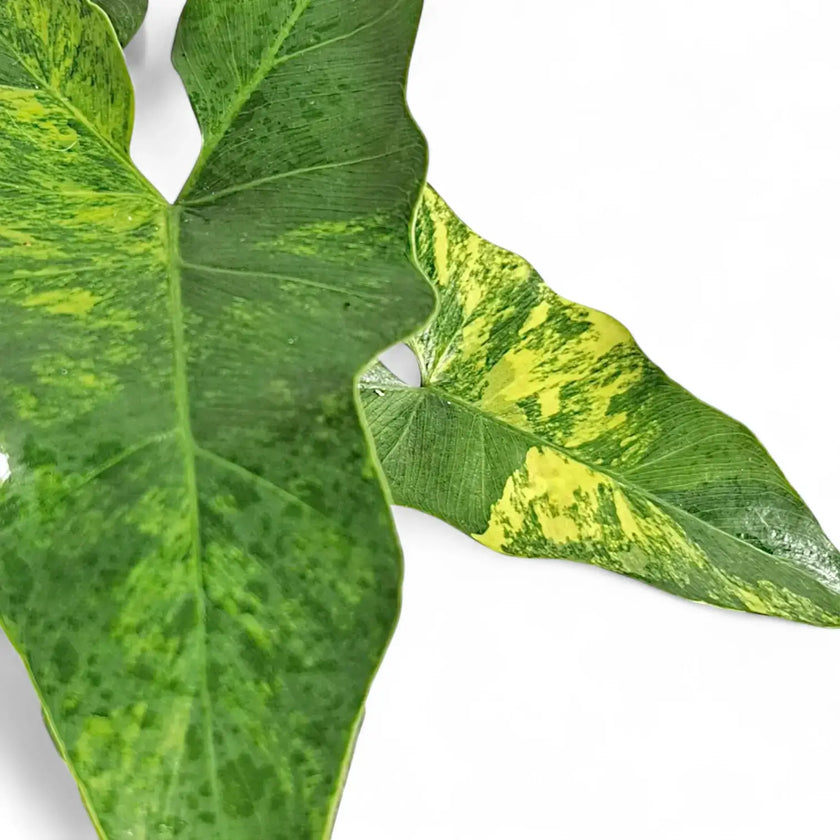
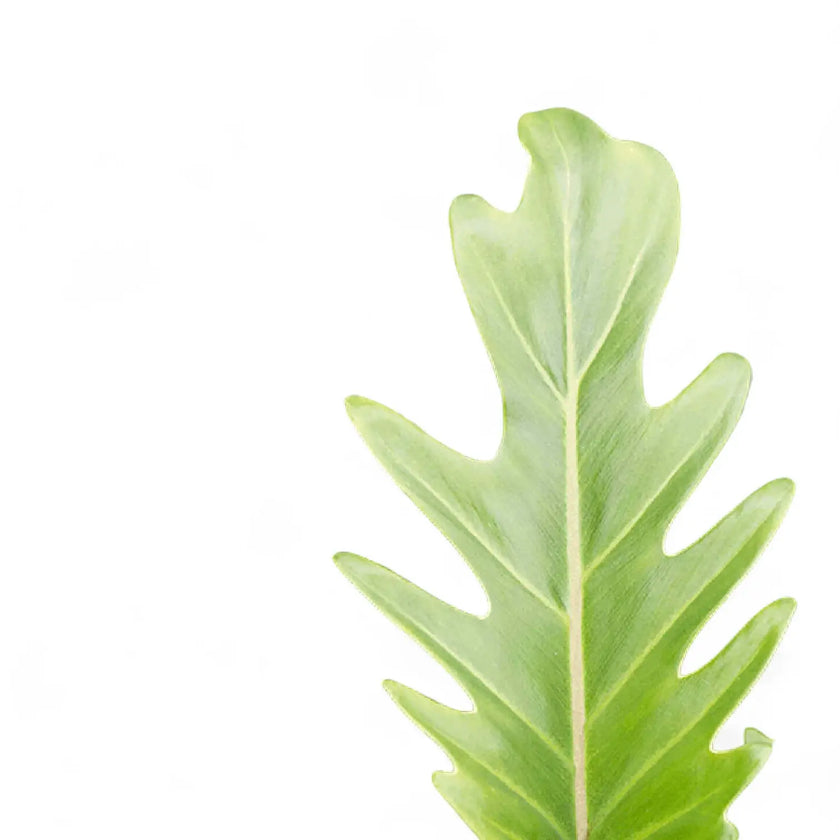
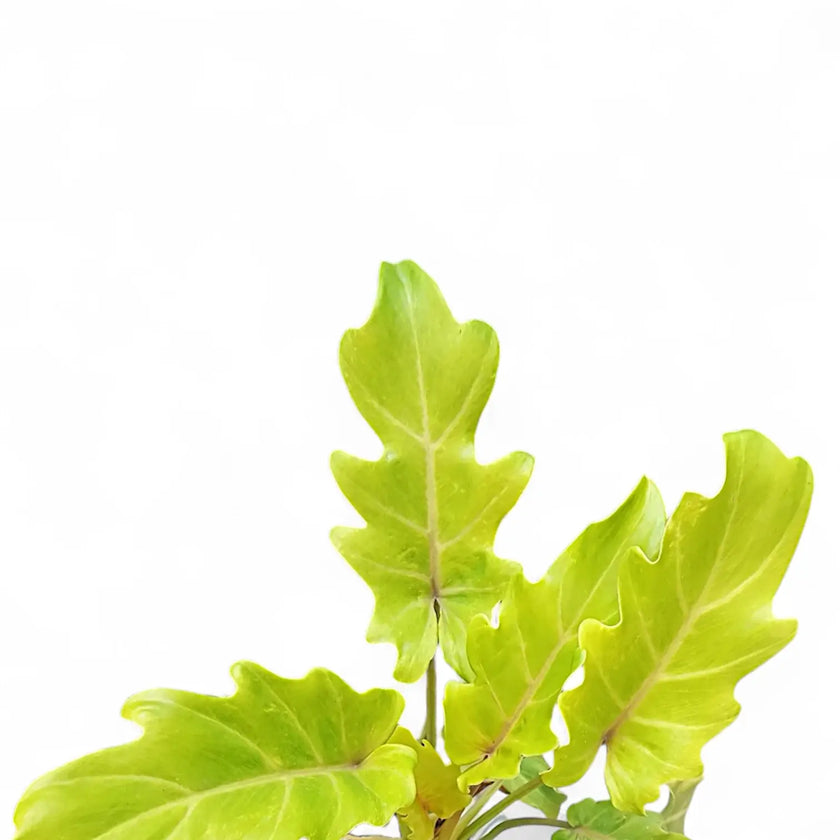
Thaumatophyllum includes the big, architectural “tree philodendron” types—self-heading plants that build thick stems and broad, divided leaves. They reward space and steady light, and they handle indoor life well once roots settle into an airy, stable mix.
Expect a strong, structural plant rather than a delicate foliage piece. Leaves are long-lived, and growth is best when light, pot size, and watering rhythm stay consistent.
Room fit and placement
- Space: plan for width as much as height; mature leaves can span broadly.
- Light: bright, filtered light keeps growth compact and reduces long petioles.
- Pot stability: heavier pots or a wider base prevent tipping as the plant gains mass.
- Rotation: turn the pot occasionally for balanced growth and a straighter stem line.
Routine that keeps growth clean
- Watering: water fully, then let the top third of the pot dry before the next soak.
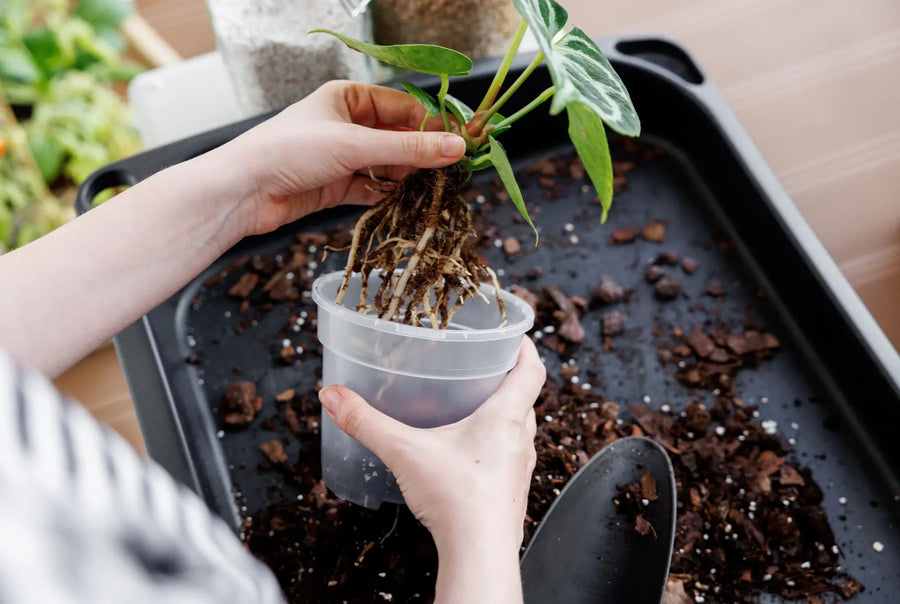
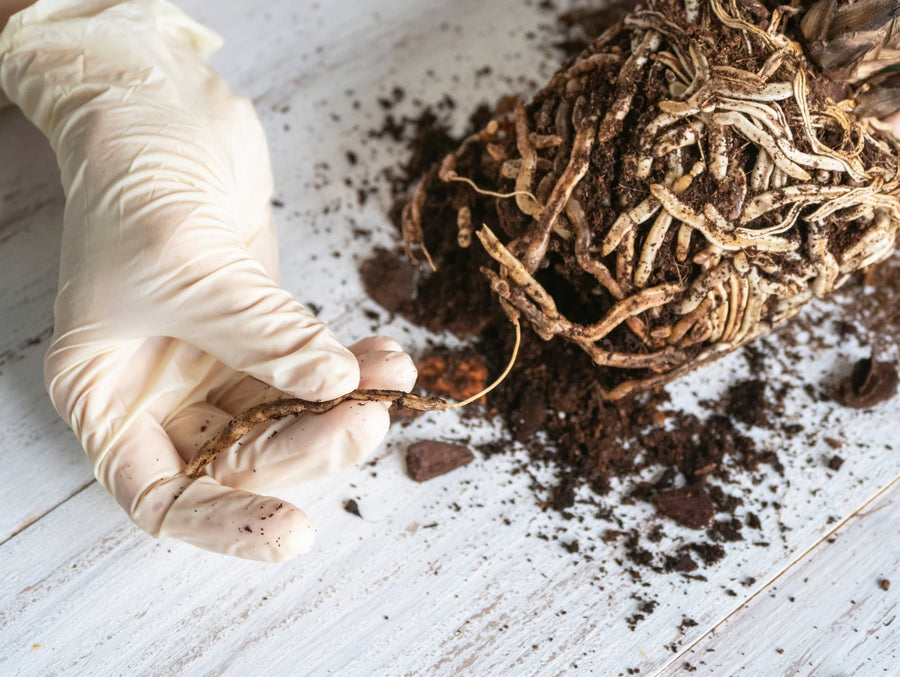
- Substrate: chunky, airy mixes keep the thick roots oxygenated.
- Mineral substrates: possible with steady watering, since roots still need air between waterings.
- Leaf care: wipe dust and check undersides; clean leaves use available light more efficiently.
Pruning and upkeep
Remove oldest leaves at the base once they fade, and cut back overlong stems if you want a tighter silhouette. If growth slows, check light first—these plants usually respond to brighter placement more than to heavier feeding.
Background on Araceae growth habits and indoor expectations is in aroids overview.
Safety
Like many Araceae, Thaumatophyllum is not pet-safe if chewed. Place accordingly.