Skip to content

Cart

Your cart is empty.

Schismatoglottis

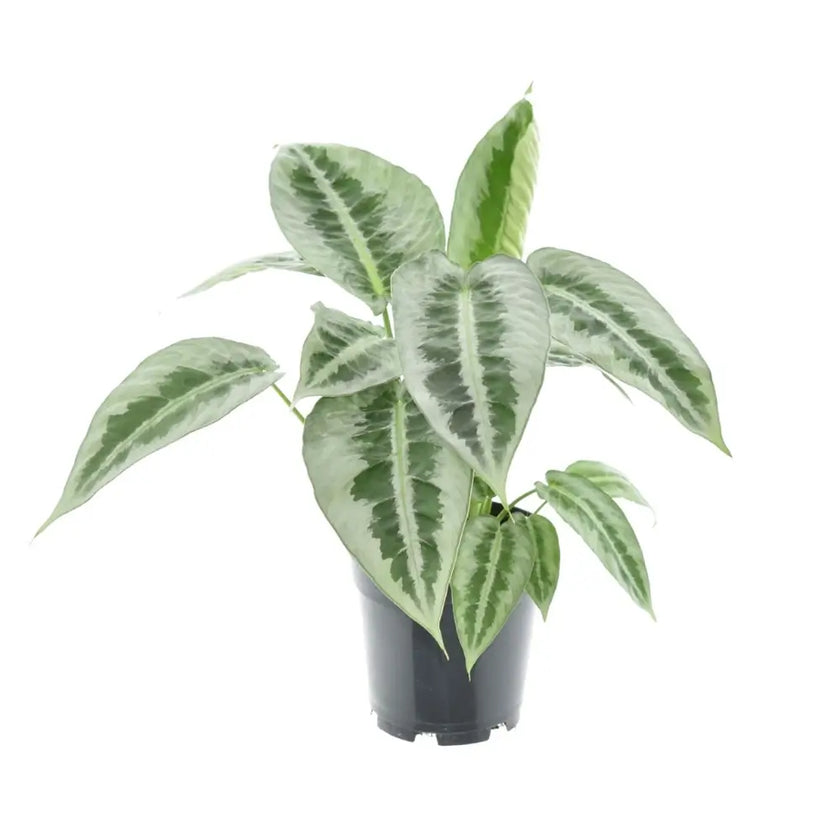
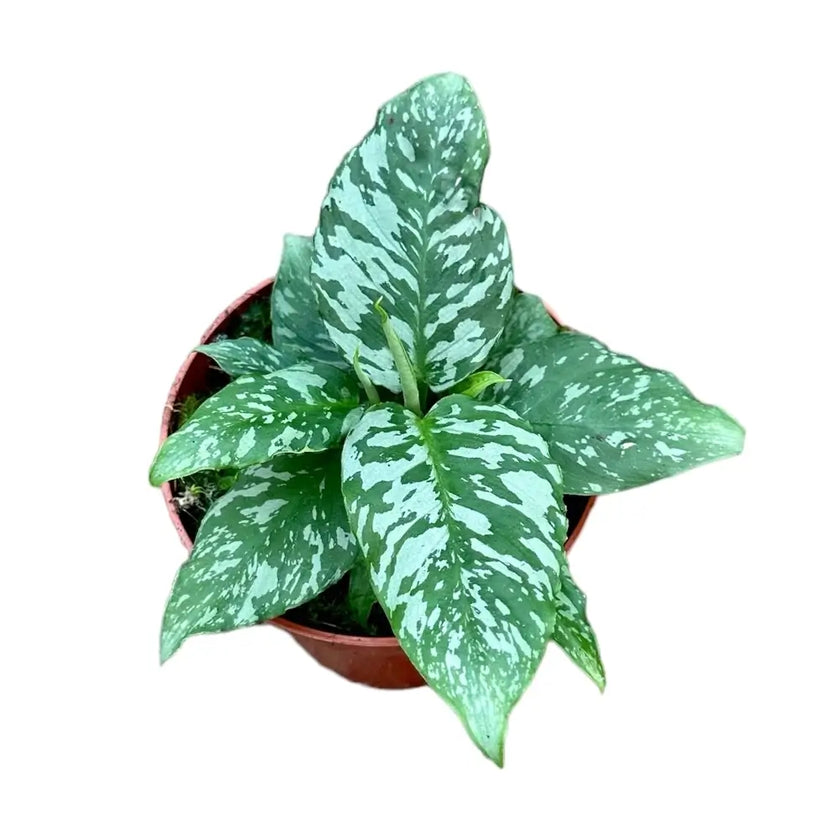
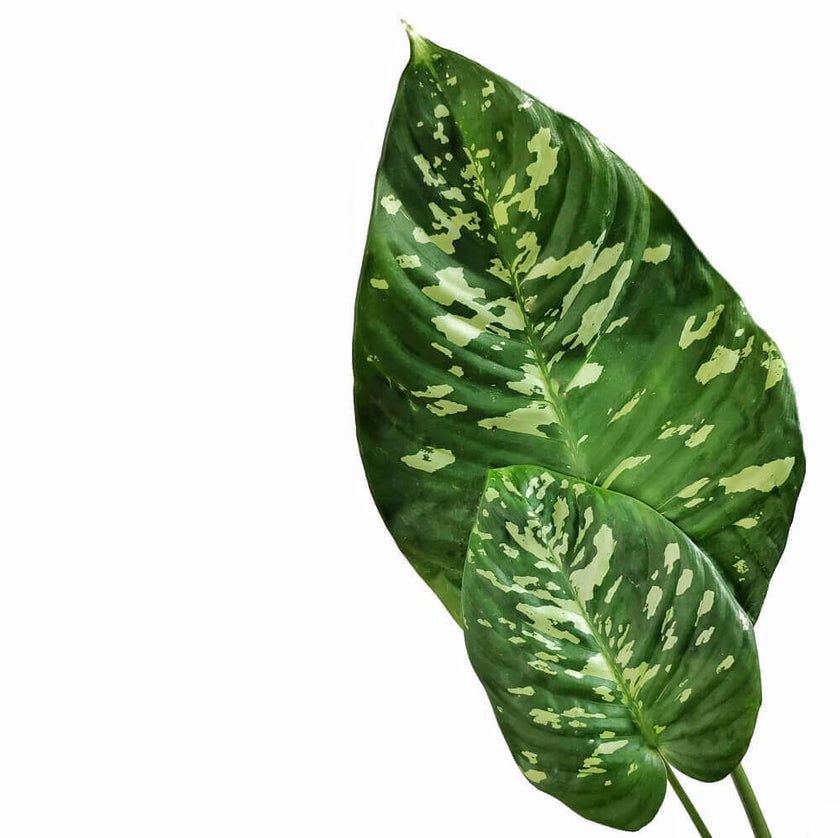
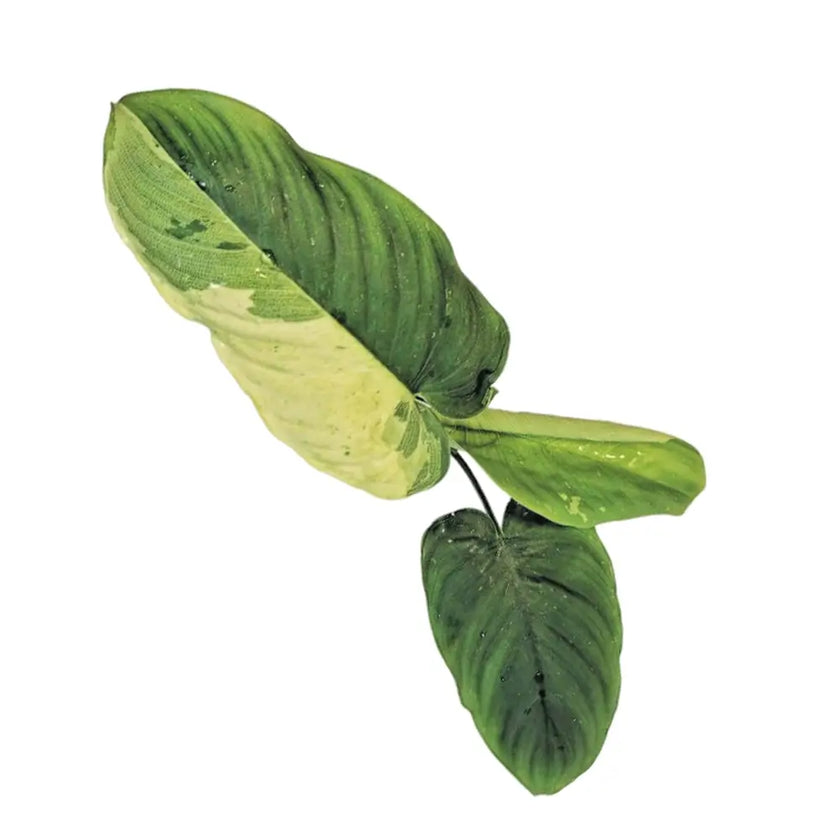
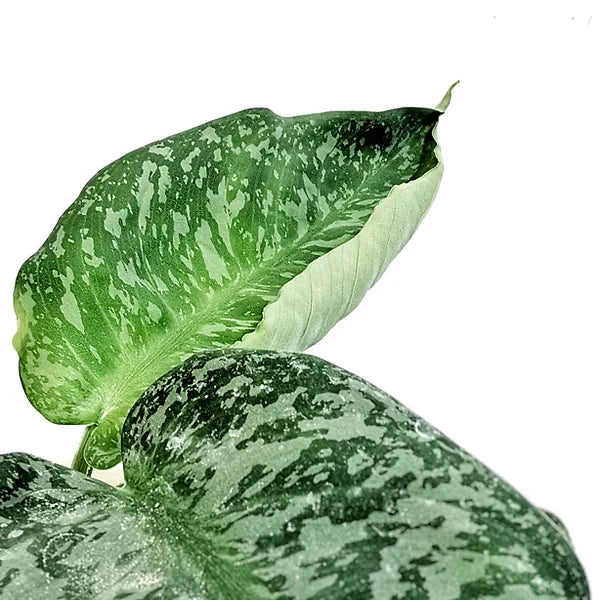
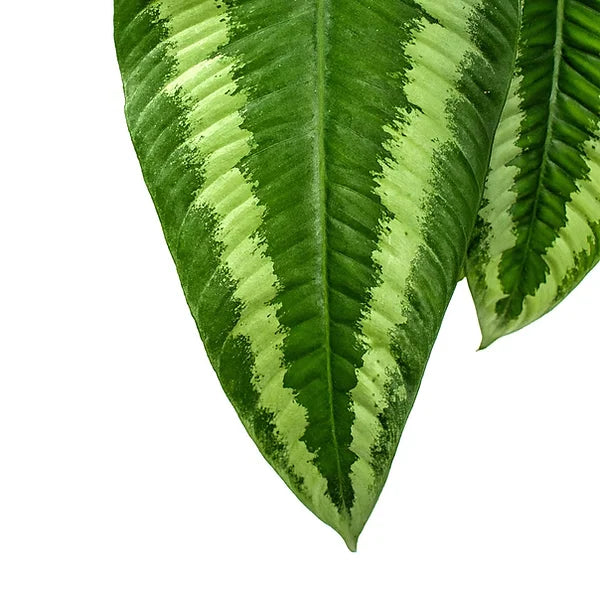
Schismatoglottis calyptrata leaves isolated on white background

Sort by:

Filters

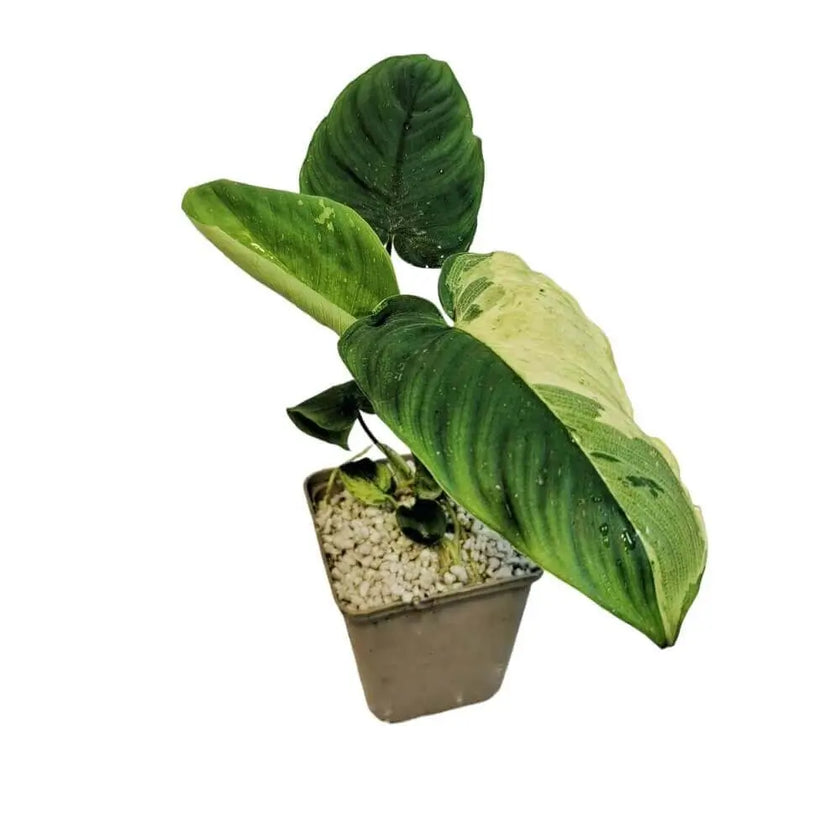
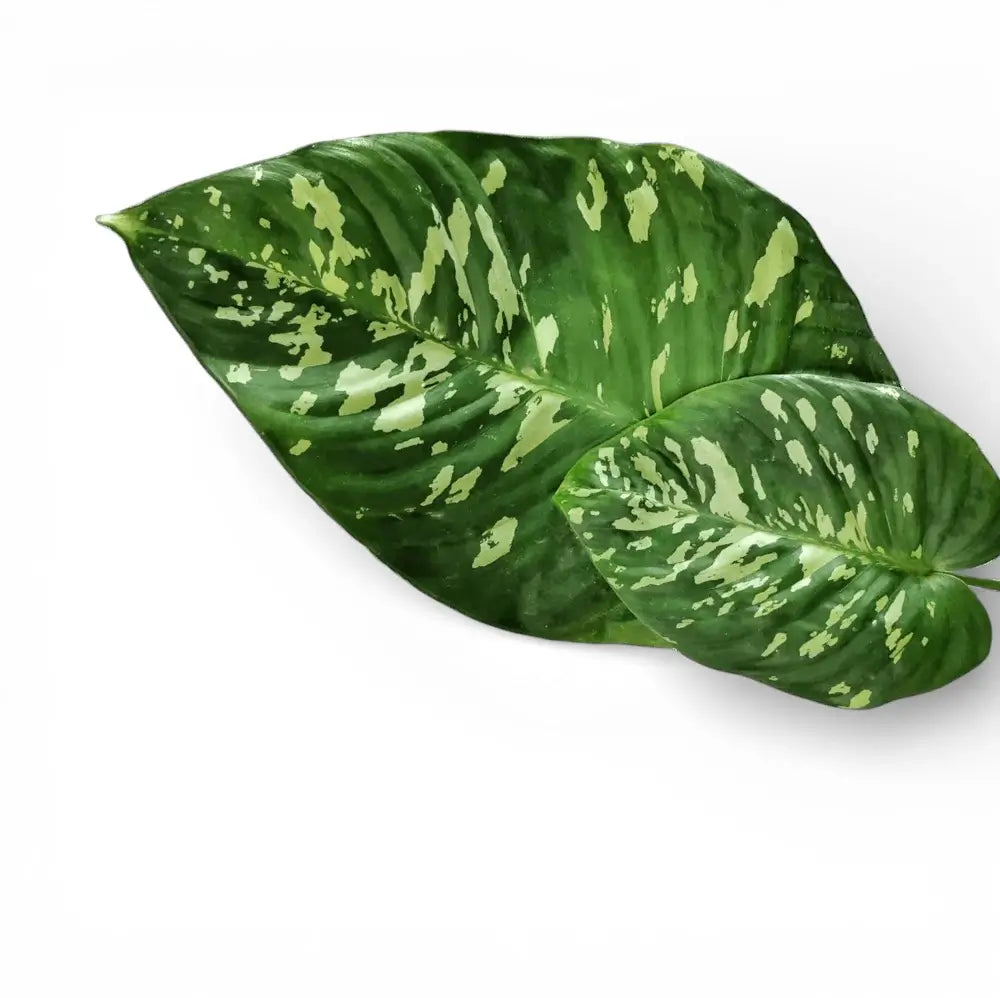
Schismatoglottis calyptrata leaf detail on white background.
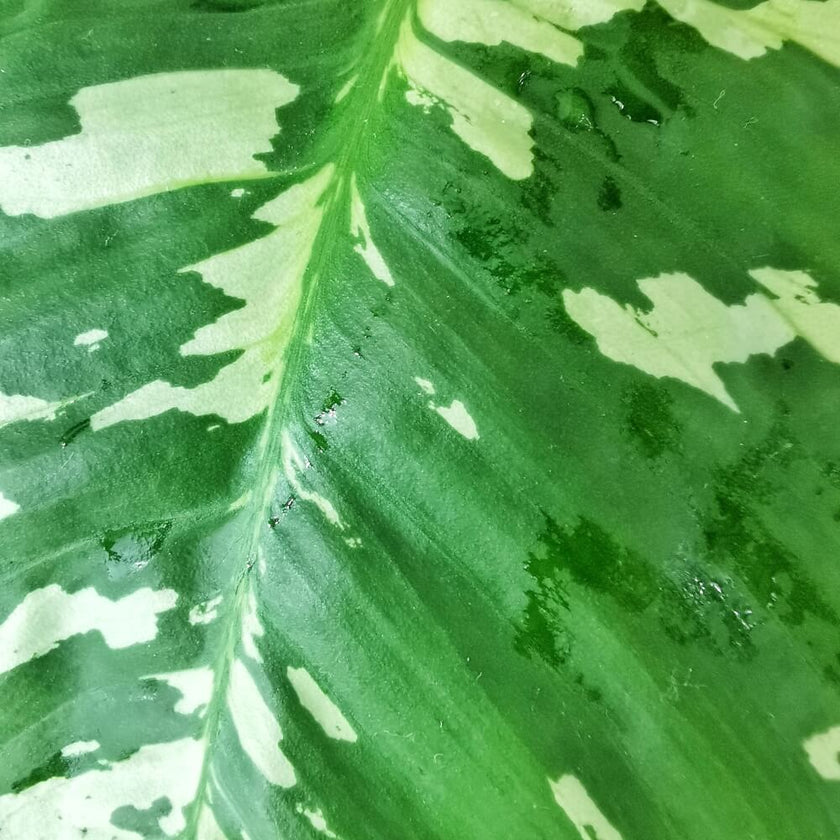
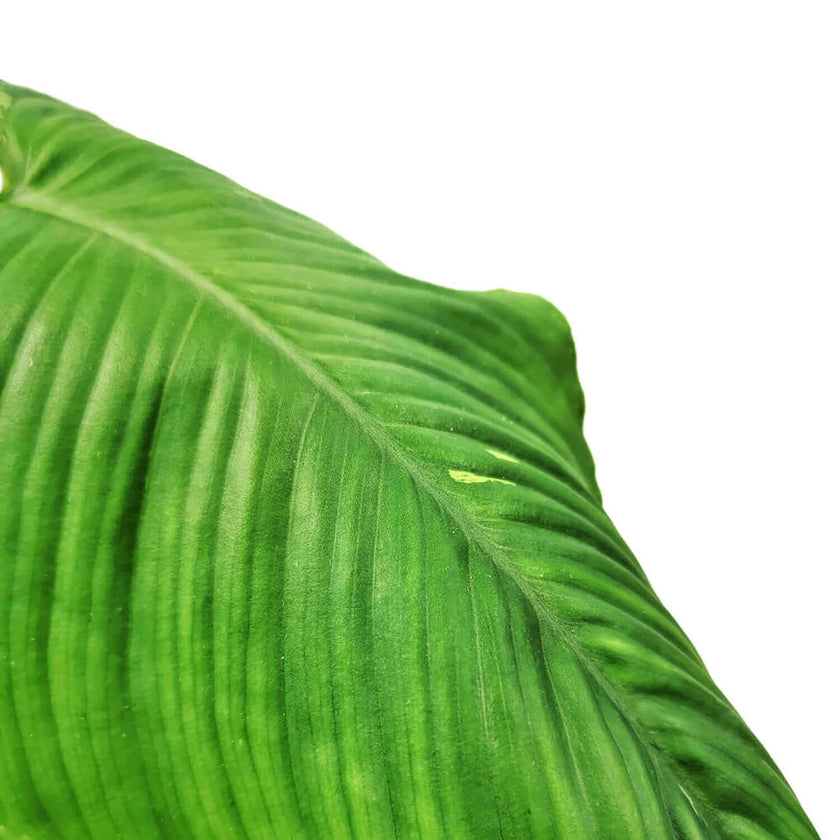
Schismatoglottis hainanensis leaf detail on white background.
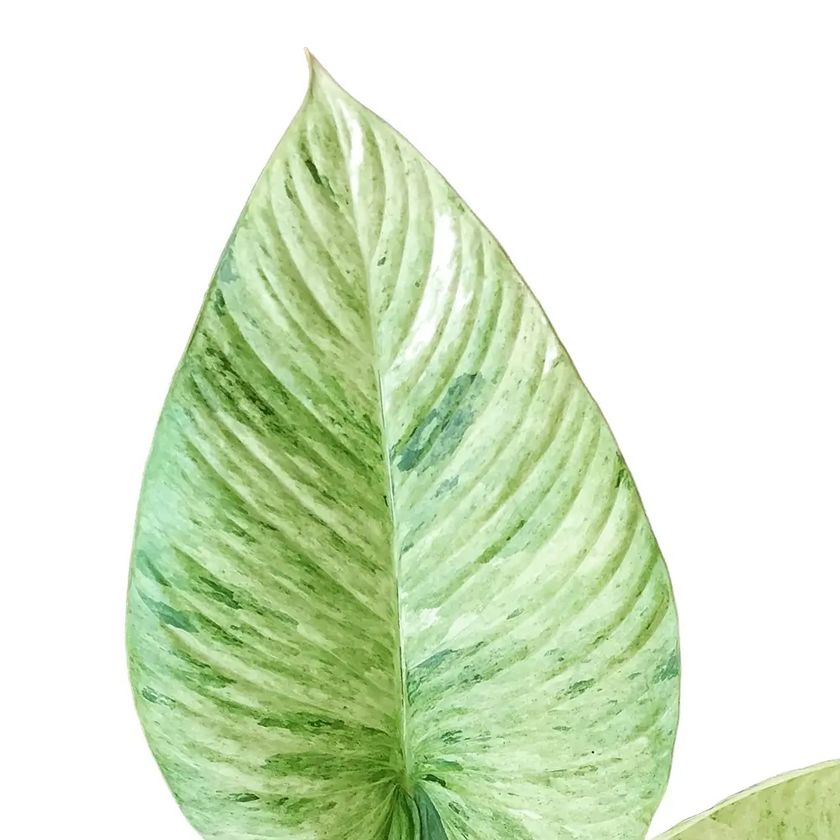
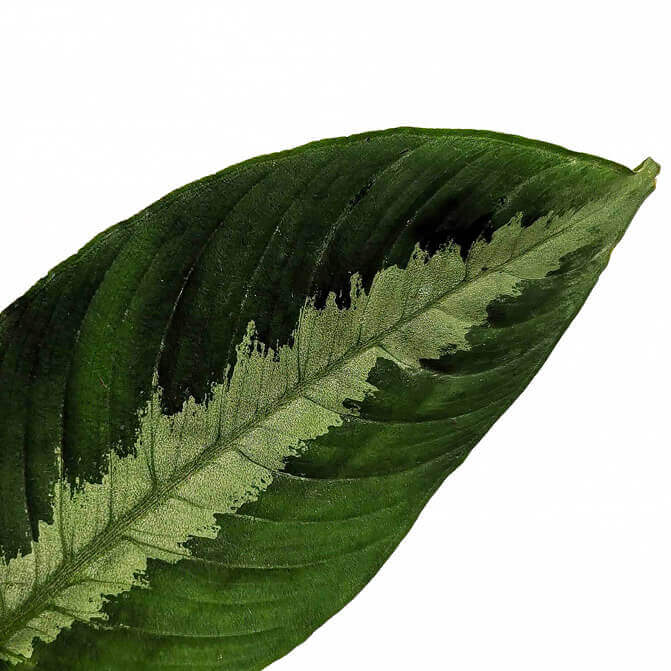
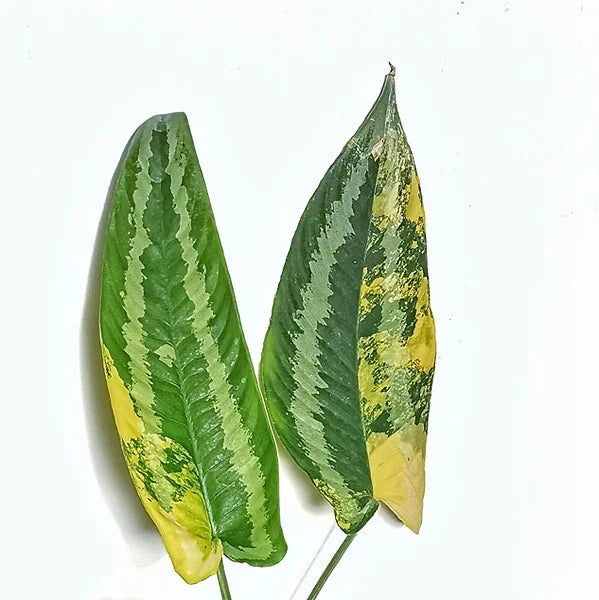
Schismatoglottis longispatha variegata leaf close-up on white background.
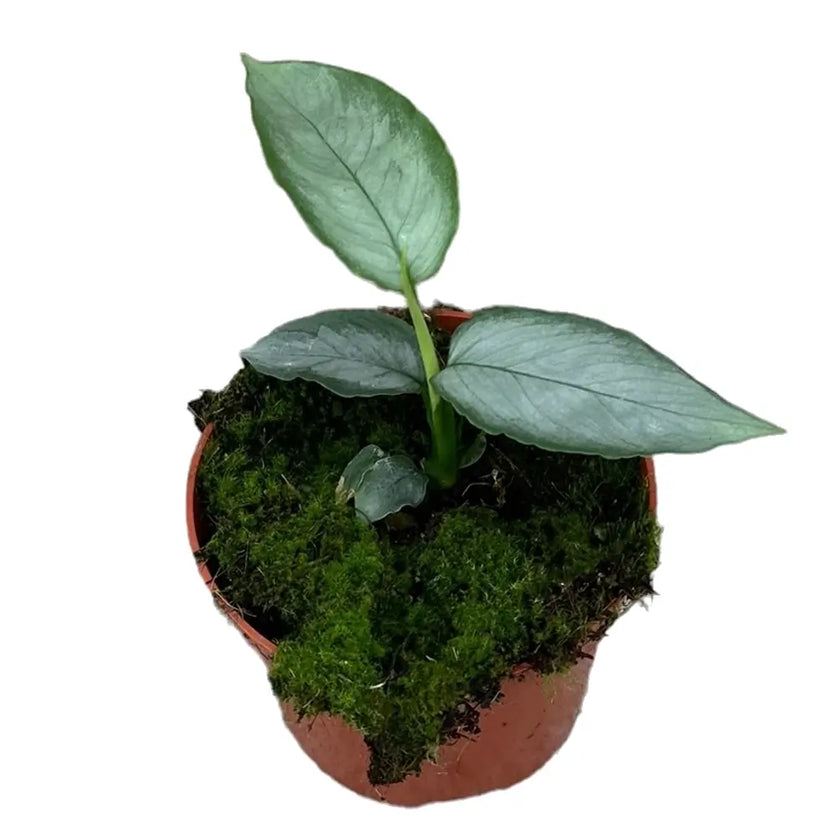
Schismatoglottis pusilla leaf detail on white background.
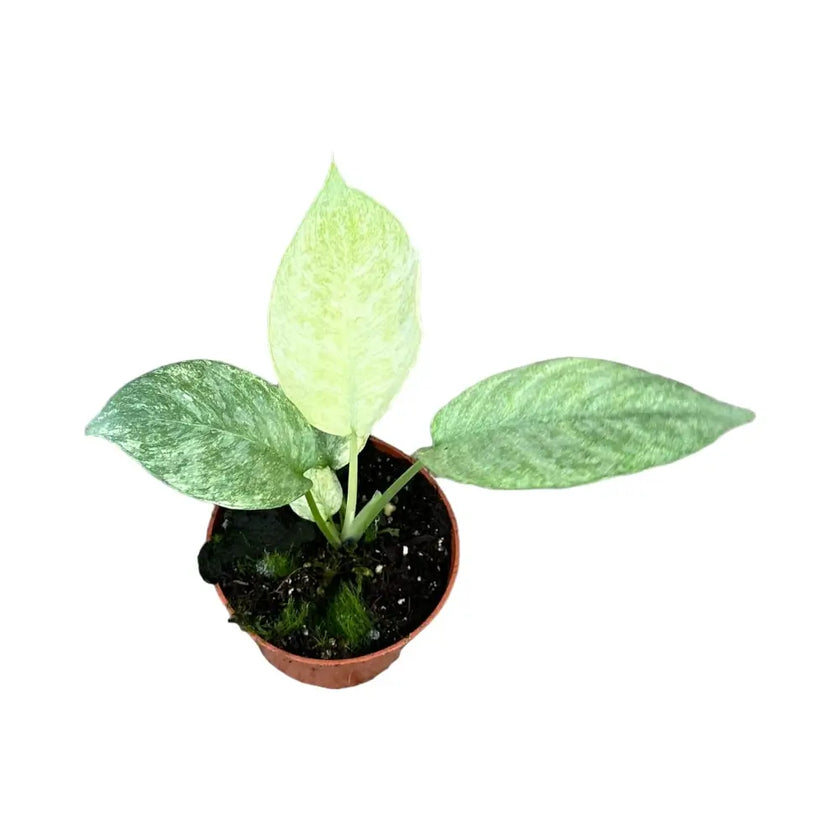
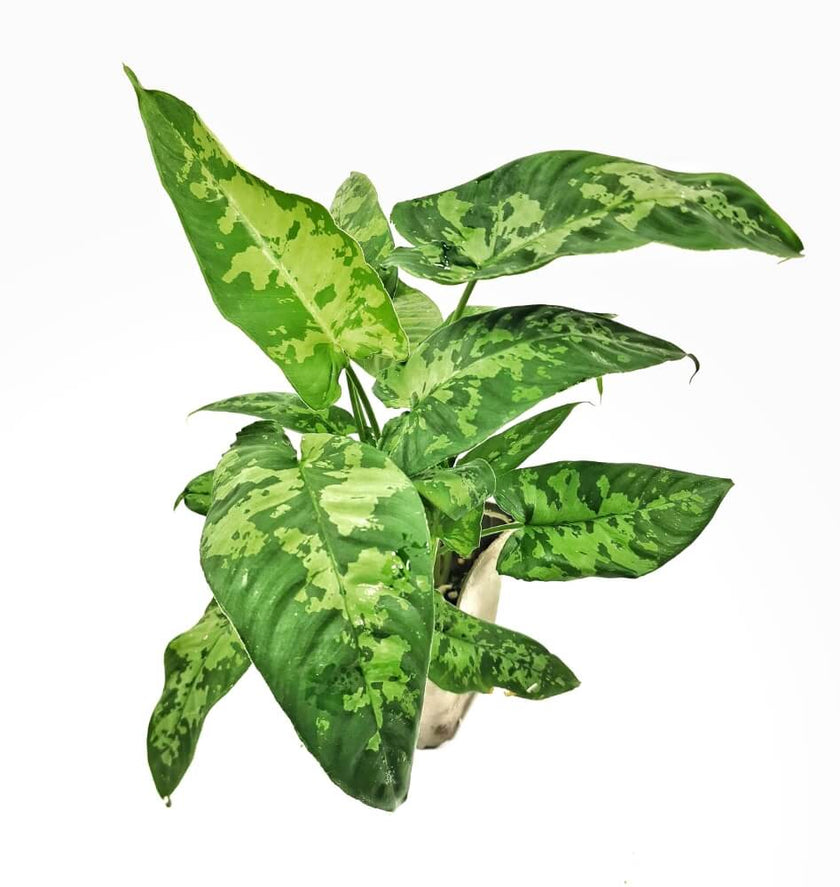
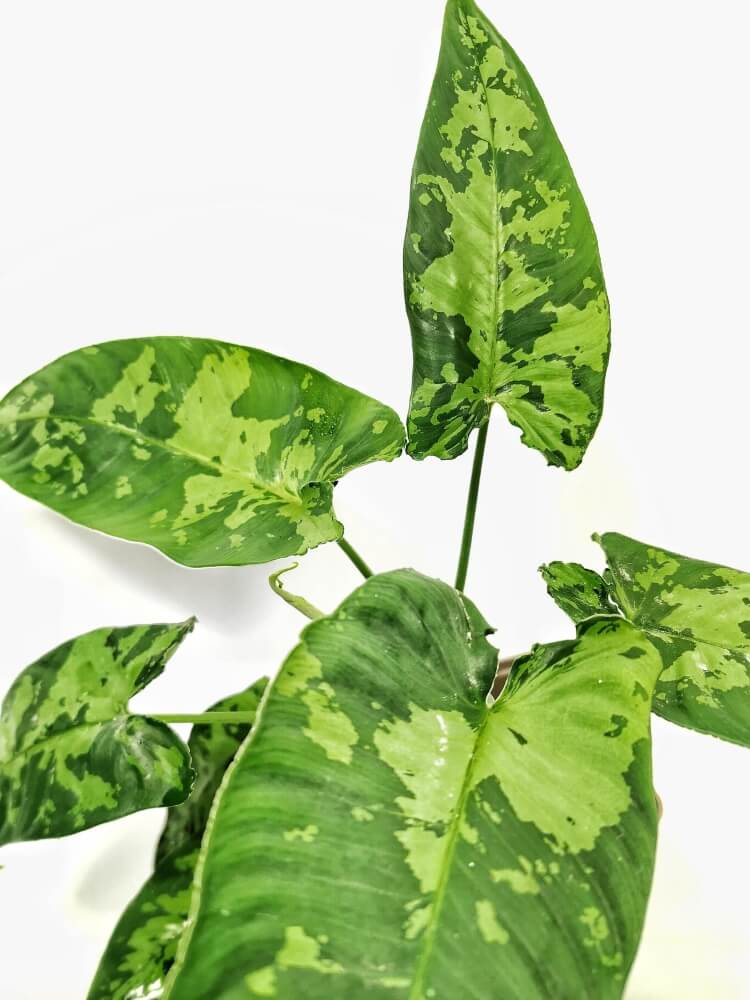
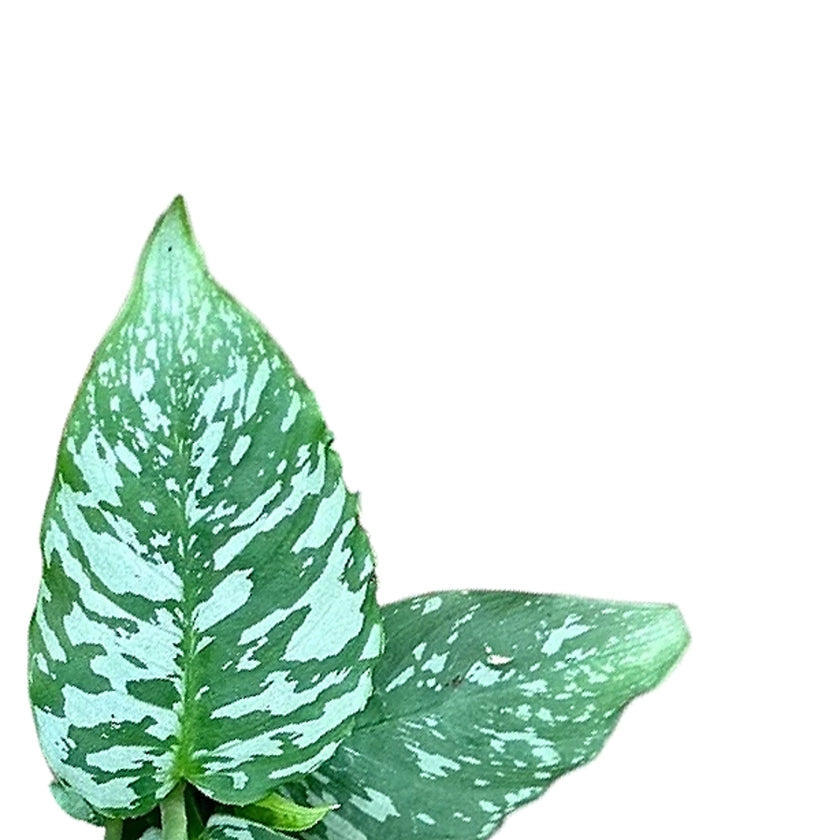
Schismatoglottis sp variegata leaf detail on white background.
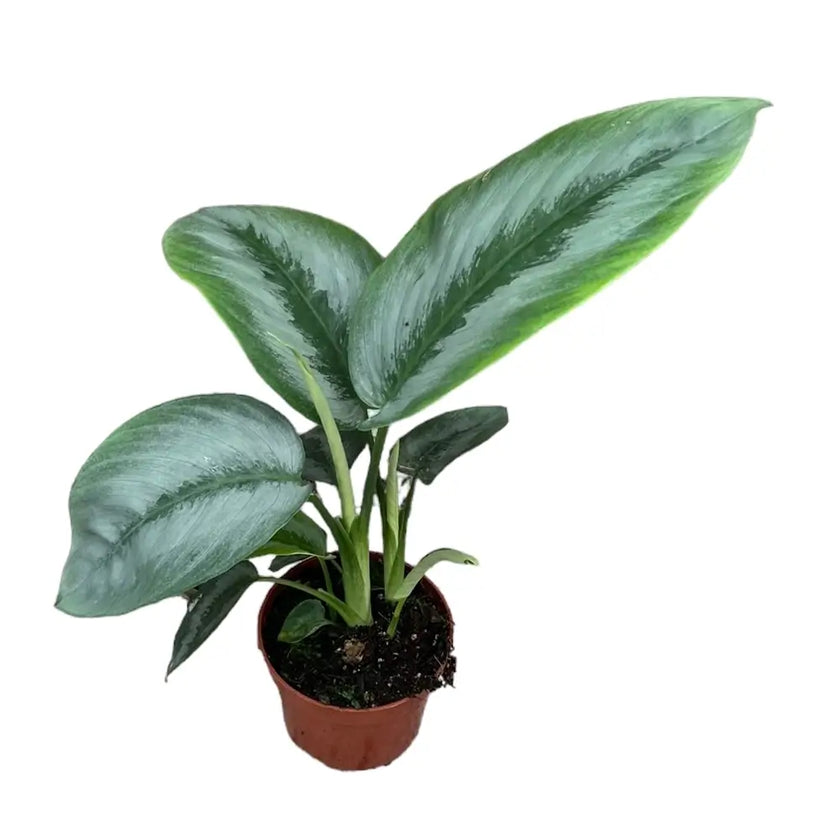
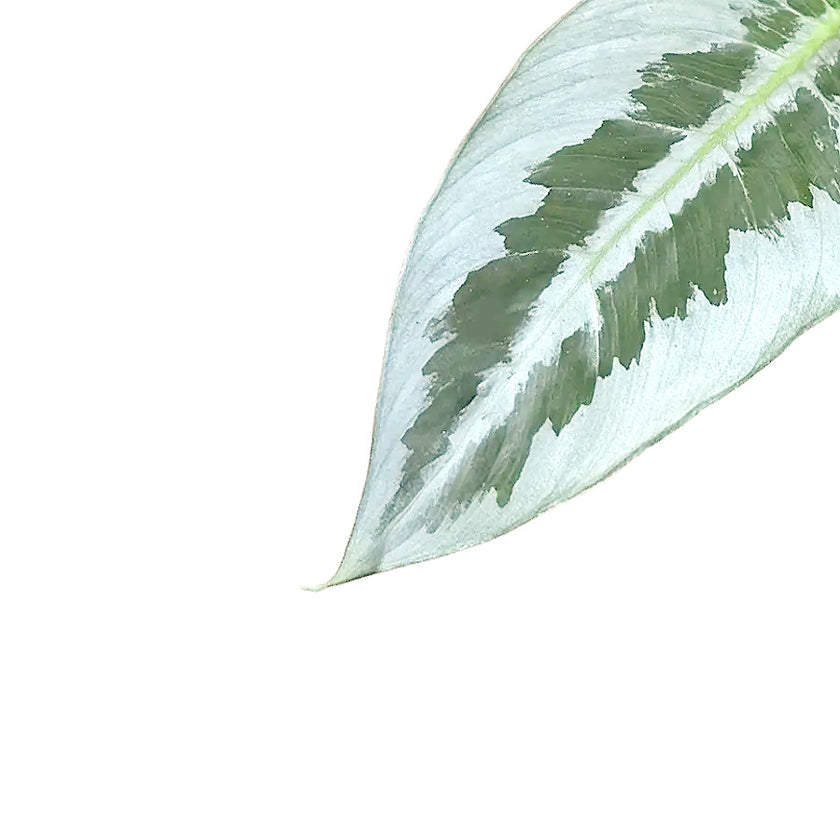
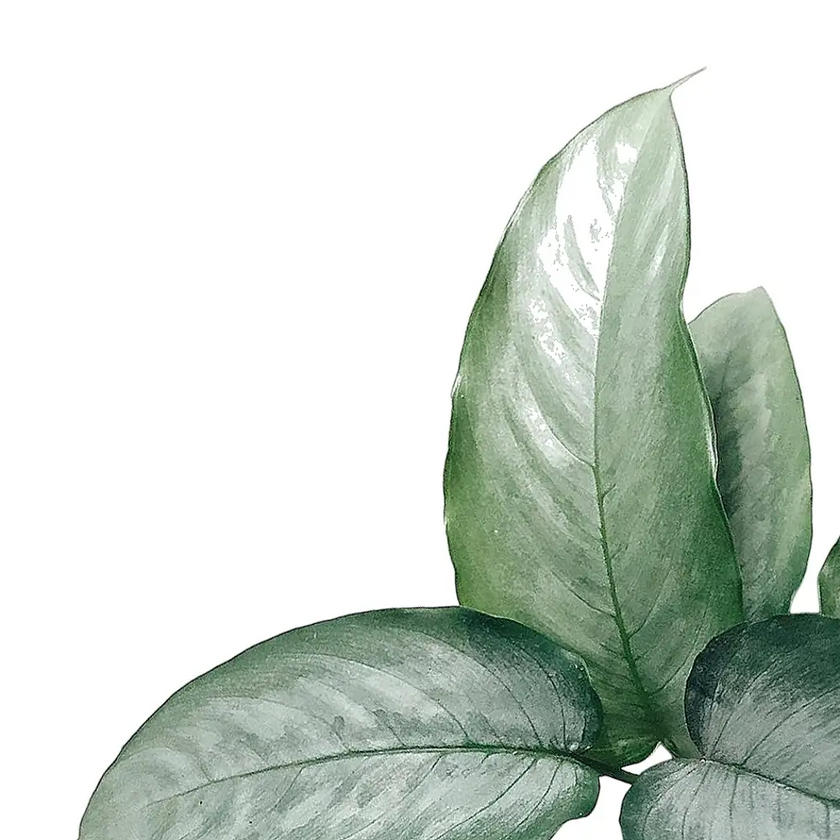
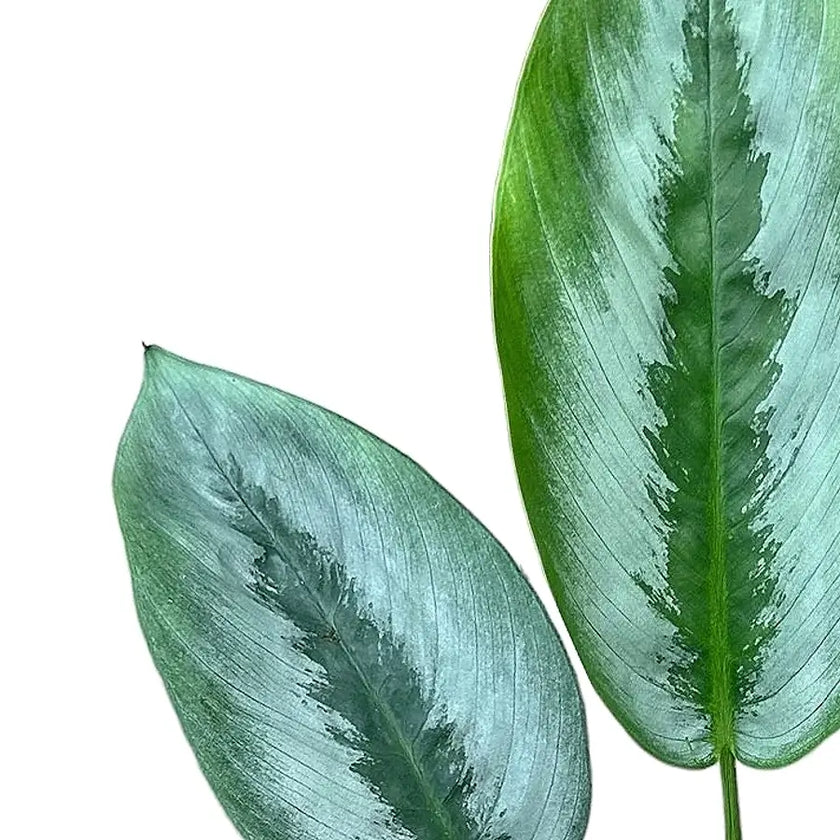
Schismatoglottis sp. 'Silver' close-up of leaf on white background.
Schismatoglottis sp close-up of leaf on white background.
Schismatoglottis sp leaf detail on white background.
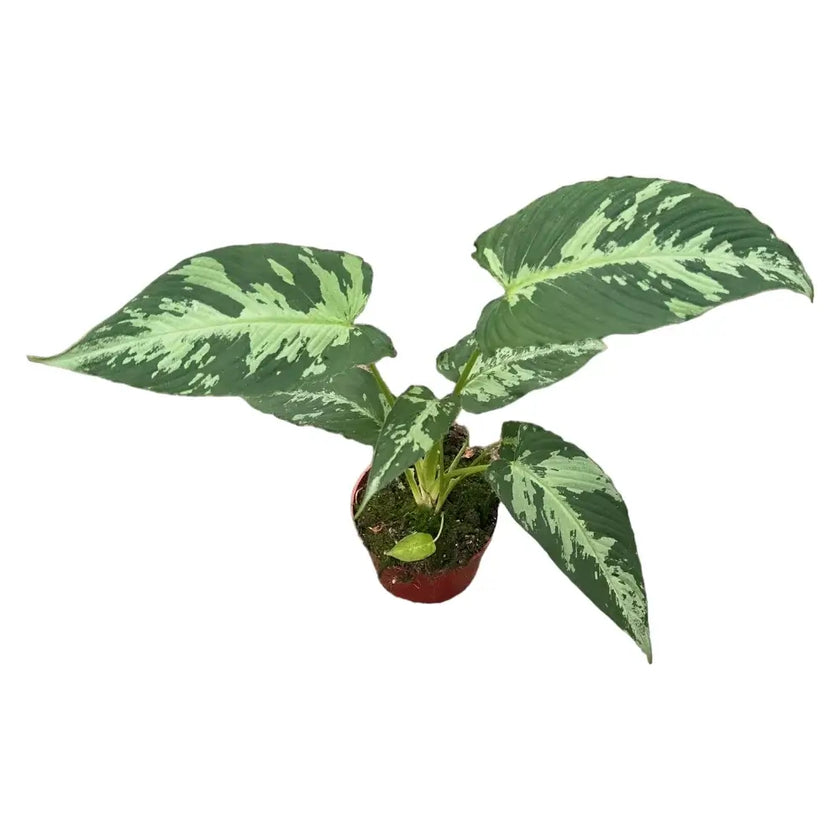
Schismatoglottis sp leaf close-up on white background.
Schismatoglottis sp. Borneo 'Silver' close-up of leaf on white background.
Schismatoglottis sp. Thailand leaf detail on white background.
Schismatoglottis wallichii leaf detail on white background.
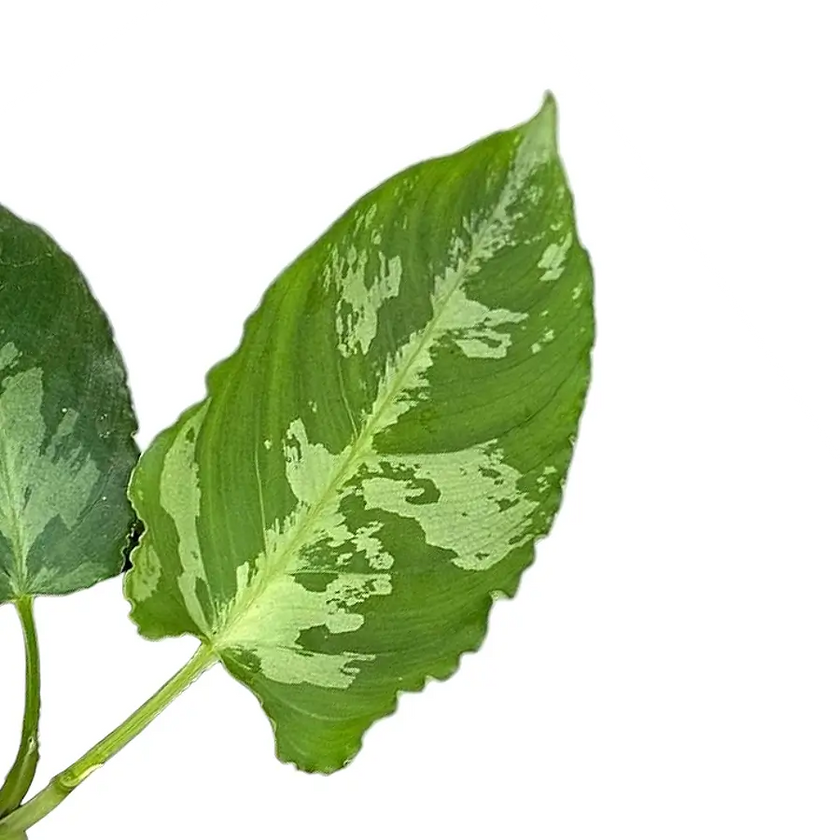
Schismatoglottis wallichii variegata close-up of leaf on white background.

Araceae

Schismatoglottis

Quick Overview

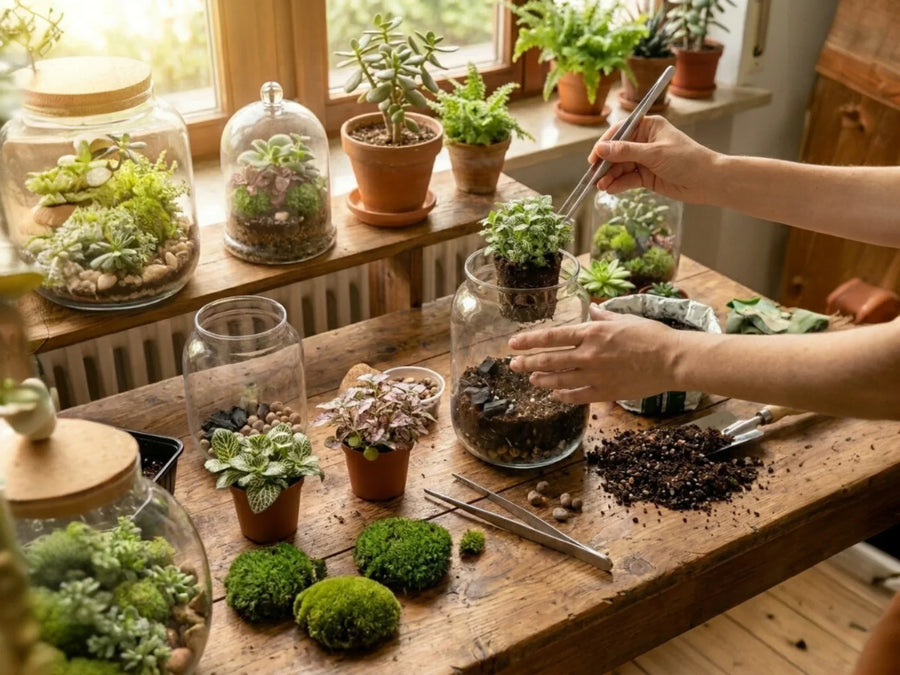
Schismatoglottis: lowland aroid for terraria & paludaria

  • Role: compact, ground-hugging aroid with textured or silver-marked leaves; ideal as foreground or mid-layer in humid setups.
  • Light: low to soft medium light; enough brightness to see pattern, but no direct sun on leaves.
  • Watering: likes constant gentle moisture; let the surface just lose its sheen, never hard dry and never sitting in stagnant water.
  • Substrate: prefers loose, fibrous mix or paludarium pockets with leaf litter and fine bark that stay moist but oxygenated.
  • Climate: needs stable warmth and high humidity with some airflow; cool, dry or draughty rooms are unsuitable long-term.
  • Toxicity: as with many aroids, treat as irritating if chewed; keep away from pets and kids that sample foliage.
Botanical Profile

Schismatoglottis: botanical profile for Bornean understorey aroids

Schismatoglottis is a genus of small to medium aroids in Araceae (tribe Schismatoglottideae), described by Zollinger and Moritzi in 1846. Historically thought to hold over 200 taxa, recent phylogenetic and morphological work has narrowed the genus to around 70 accepted species plus additional provisionally placed names, with several segregate genera such as Apoballis now recognised.

  • Order: Alismatales
  • Family: Araceae
  • Tribe: Schismatoglottideae
  • Genus: Schismatoglottis Zoll. & Moritzi
  • Type species: Schismatoglottis calyptrata (Roxb.) Zoll. & Moritzi
  • Chromosomes: Limited cytological data suggest somatic numbers broadly comparable to other Schismatoglottideae, with mid-range polyploid counts.

Range & habitat: Schismatoglottis is concentrated in ever-wet lowland and lower montane forests of Southeast Asia, especially Borneo, with species also in Peninsular Malaysia, Sumatra, the Philippines, New Guinea and Melanesia. Most occupy shaded, humid forest floors, stream margins and seepage slopes with constantly moist, often organic-rich soils; a few, such as Schismatoglottis prietoi, are amphibious or rheophytic in fast-flowing rivers.

  • Life form: Stolon-forming or clumping perennial herbs with short, often hapaxanthic shoots that flower once and then are replaced by new growth from the base.
  • Leaf attachment: Petioles arise from a creeping axis and carry mostly cordate, sagittate or elliptic blades; leaves are typically not notably aromatic when crushed.
  • Leaf size: Blades typically range from 5-25 cm long, with some species producing larger leaves in deep, undisturbed litter layers.
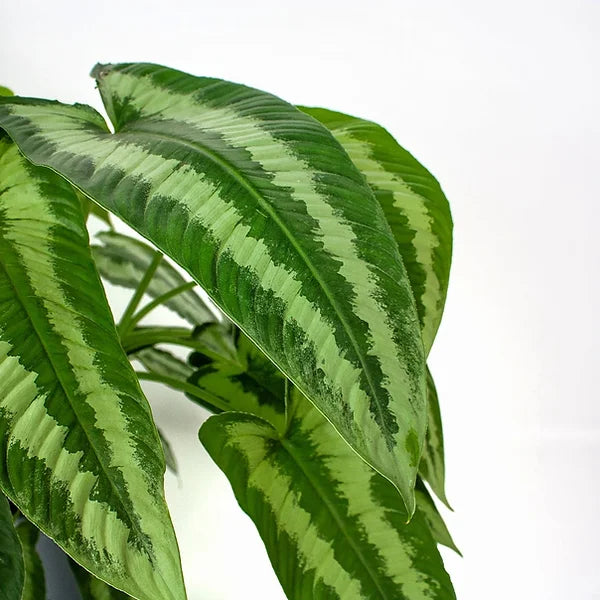
  • Texture & colour: Smooth to slightly bullate laminae in various shades of green, occasionally with silvery banding or patterning; surfaces are adapted to high humidity and low wind speeds beneath closed canopies.
  • Notable adaptation: The caducous spathe limb, shed as a single piece after anthesis, is a key diagnostic trait and may reduce fungal colonisation of the developing fruits in constantly wet environments.

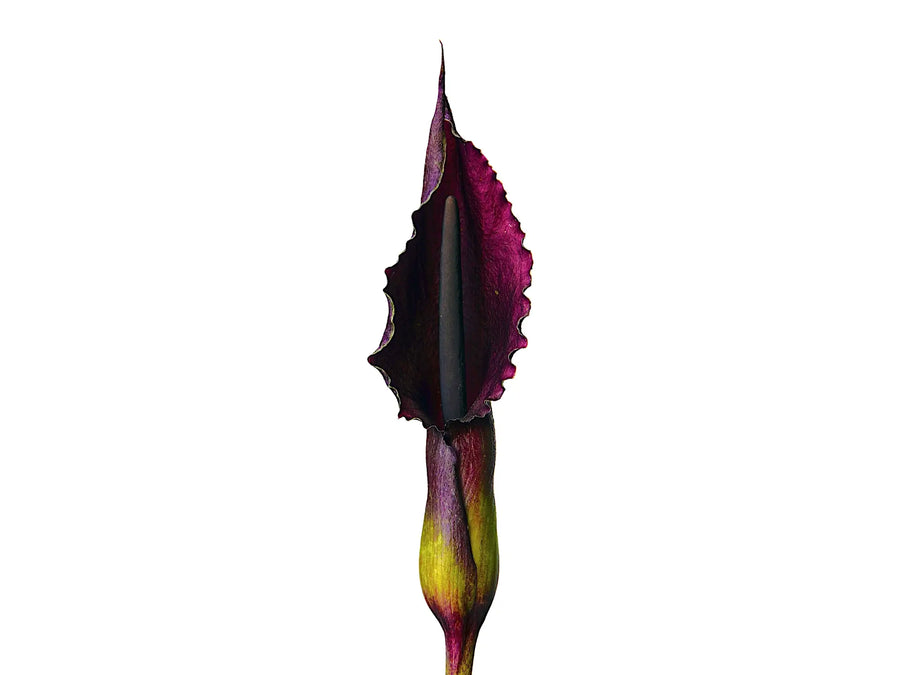
Inflorescence & fruit: Short, often low-set spadices with a protective spathe are produced near the plant base; the spathe limb abscises early, leaving a collar around the spadix. The resulting infructescences bear tightly packed berries that mature close to the substrate, where small animals and water movement contribute to local seed dispersal.

Details & Care

Schismatoglottis: warm-growing aroids with compact rosettes

Schismatoglottis tends to form low, clumping plants with glossy leaves and strong midrib patterning. It suits warm rooms, cabinets, and terrariums where moisture and temperature stay stable.

Growth is usually steady rather than fast. Expect thick petioles, a compact footprint, and new leaves that look best when humidity and airflow are balanced.

Best conditions indoors

  • Light: bright shade to medium light; direct sun can scorch.
  • Moisture: keep the root zone lightly moist, letting the top third dry between waterings.
  • Substrate: air space matters—dense mixes invite rot and slow recovery.
  • Humidity: average indoor humidity can work, but higher humidity supports cleaner new growth.
  • Temperature: avoid cool drafts; growth slows sharply when nights run cold.

Keeping the clump healthy

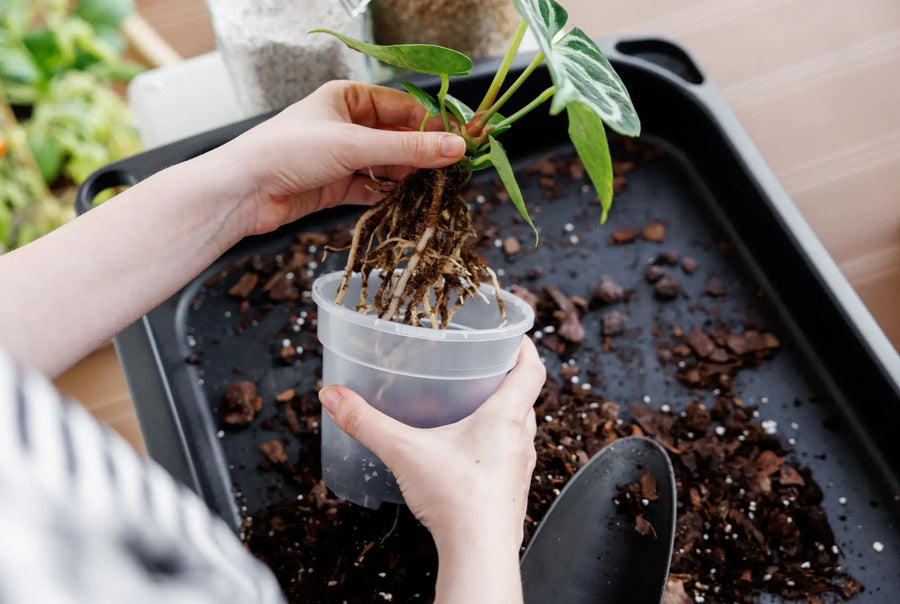
Aim for an even dry-down and avoid repeatedly wetting the crown. When roots fill the pot, re-pot into fresh, airy mix to keep water uptake consistent. Division is also an easy way to refresh older clumps and create a denser display.

After a move or repot, keep light steady and skip big changes for a couple of weeks. Stable conditions help new roots re-establish and prevent “melt” on older leaves.

Common problems

Soft petioles and spreading yellowing often track back to oxygen-poor substrate. Fungus gnats can be a sign the mix stays wet too long. Keep airflow gentle and avoid wetting the crown repeatedly.

If roots start to smell sour or leaves yellow quickly after watering, treat it as a root issue first. Root rot help covers recovery steps.

Frequently Asked Questions About Schismatoglottis