Skip to content

Cart

Your cart is empty.

Rhipsalis (Mistletoe Cactus)

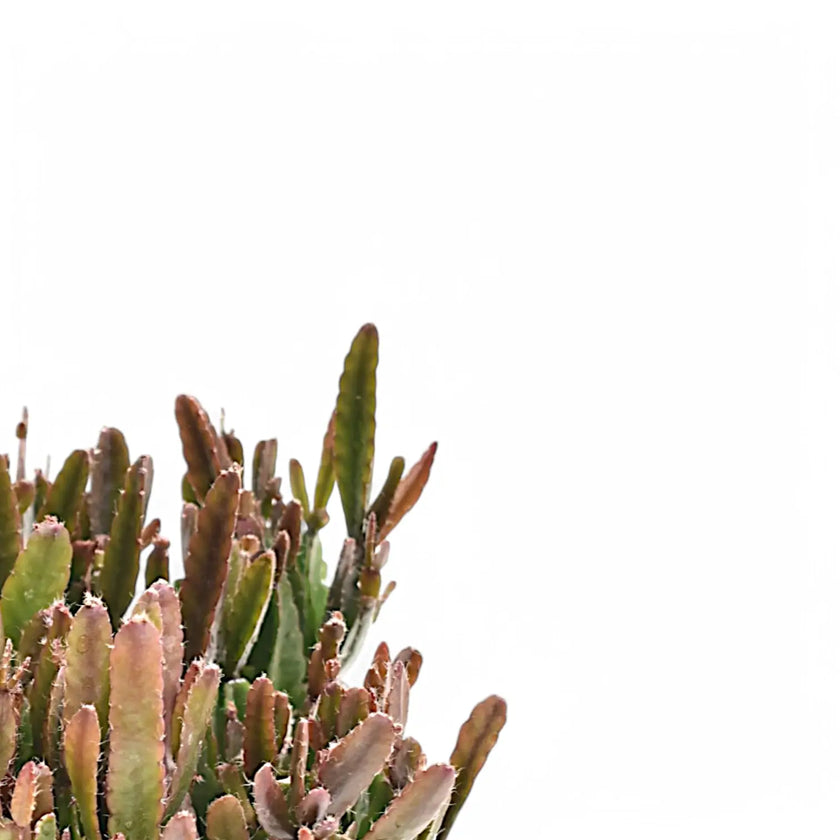
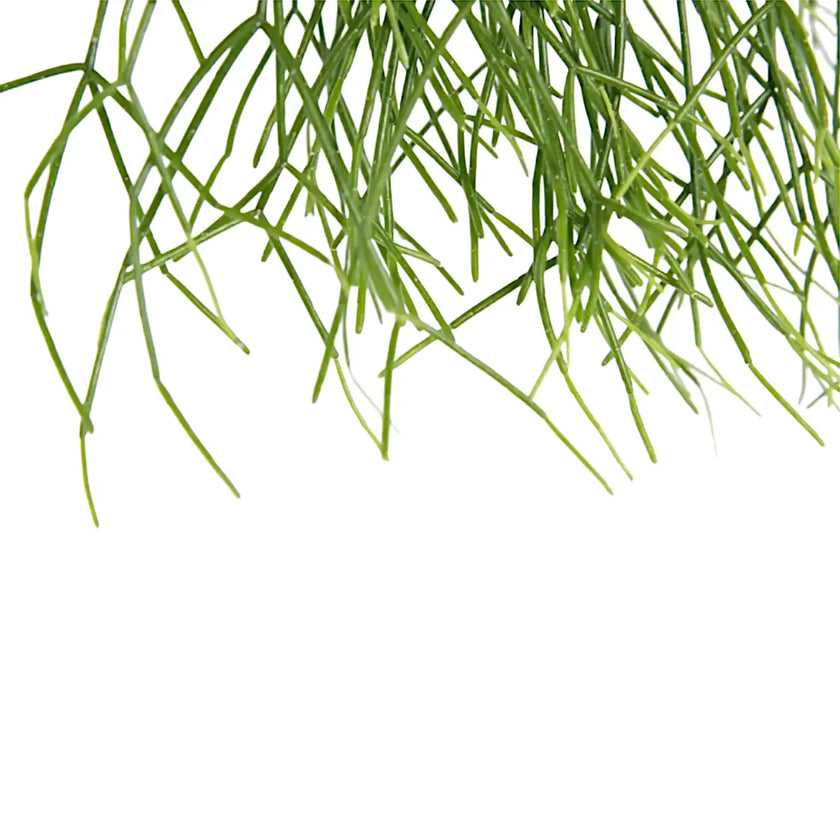
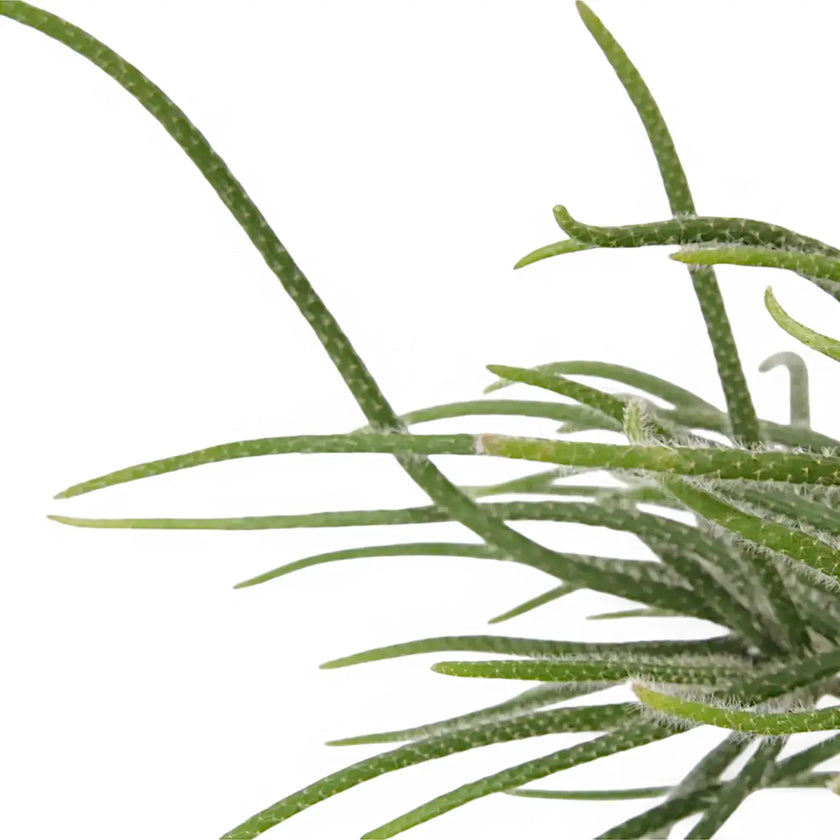
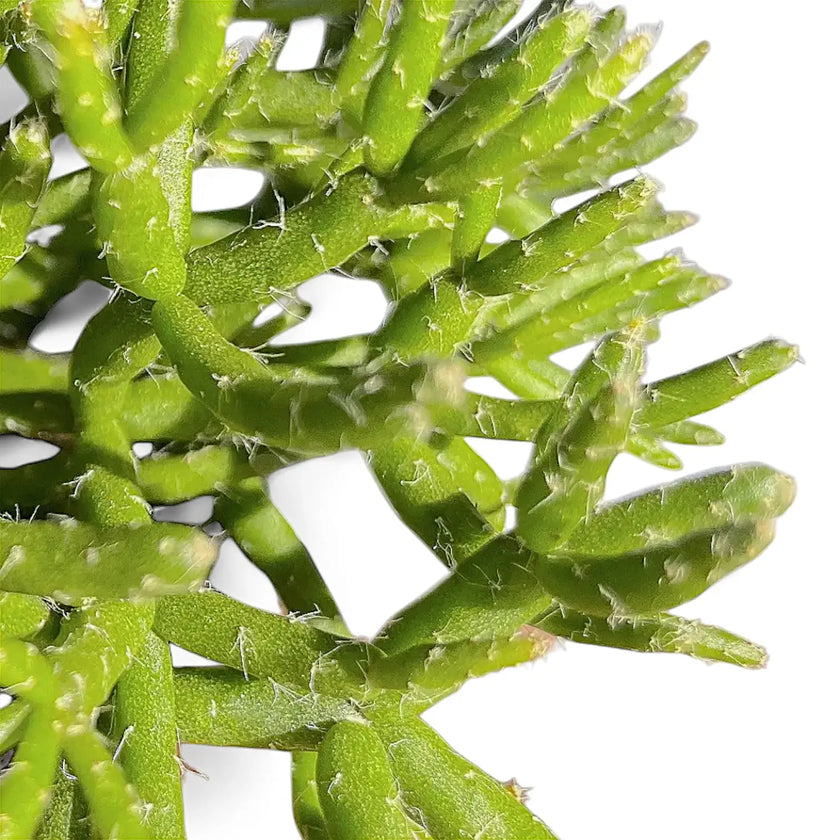
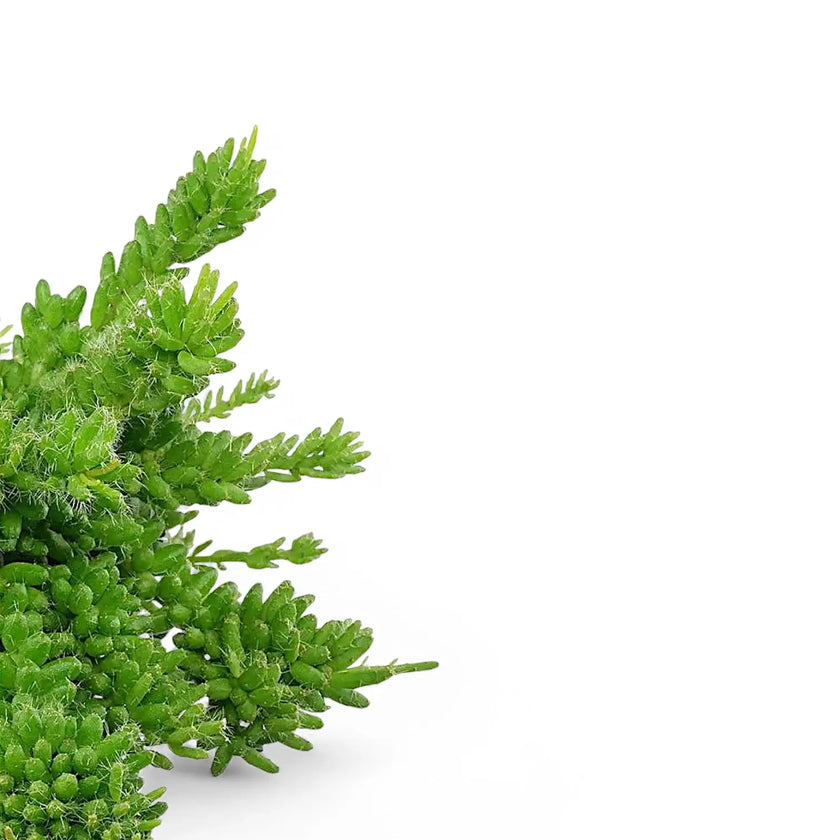
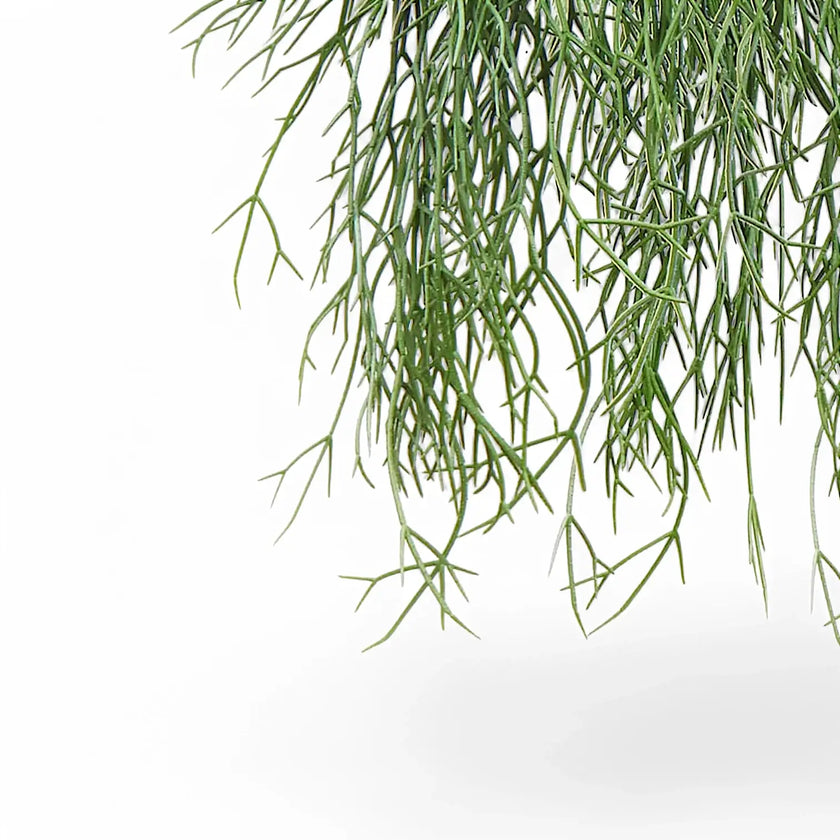
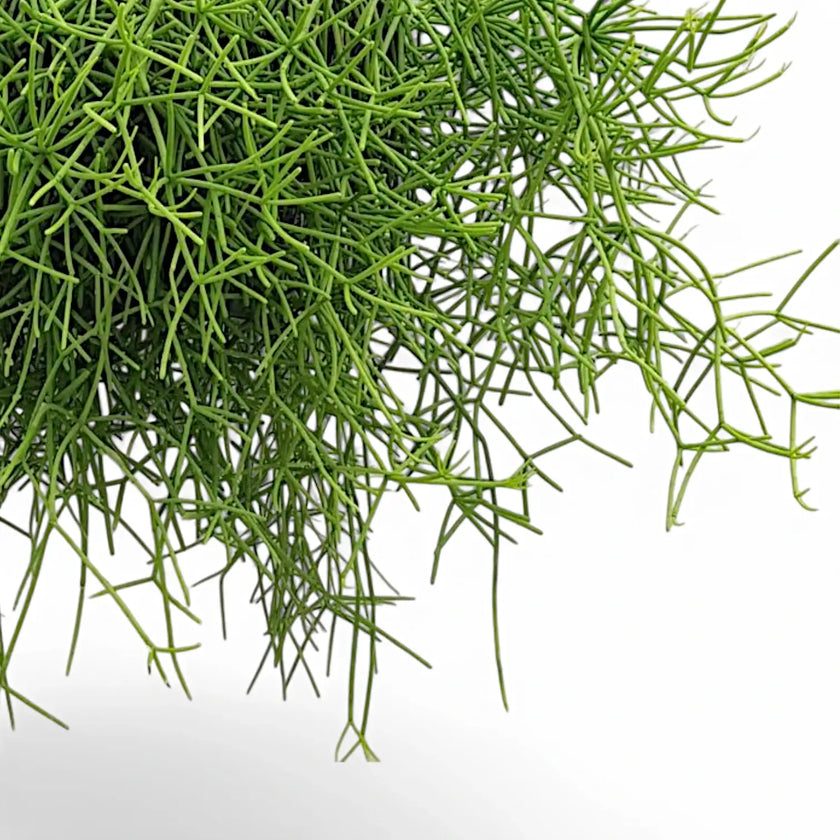
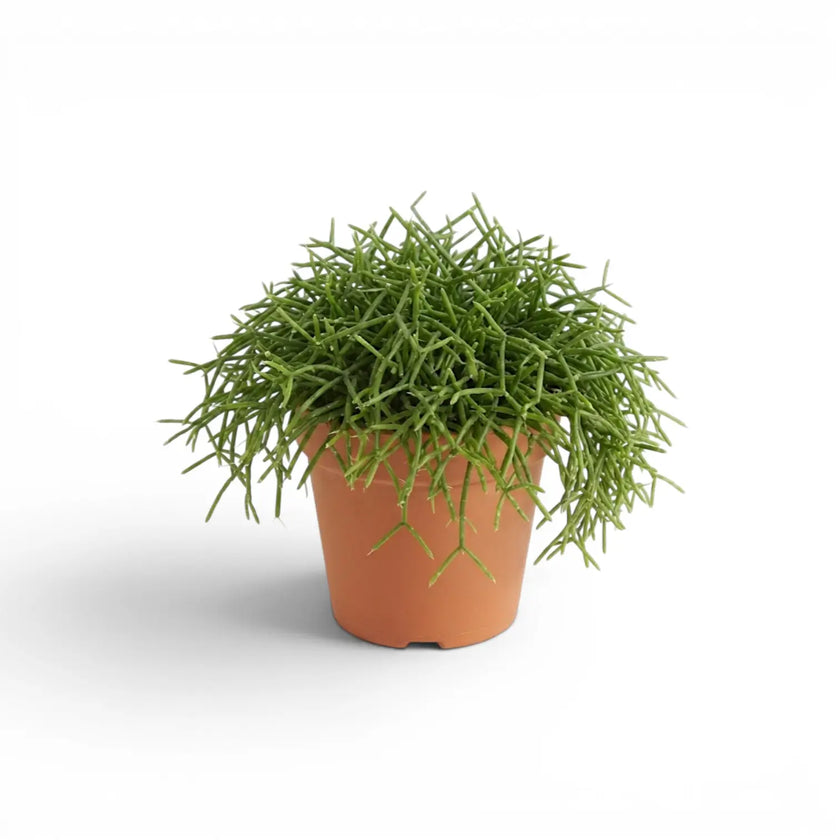
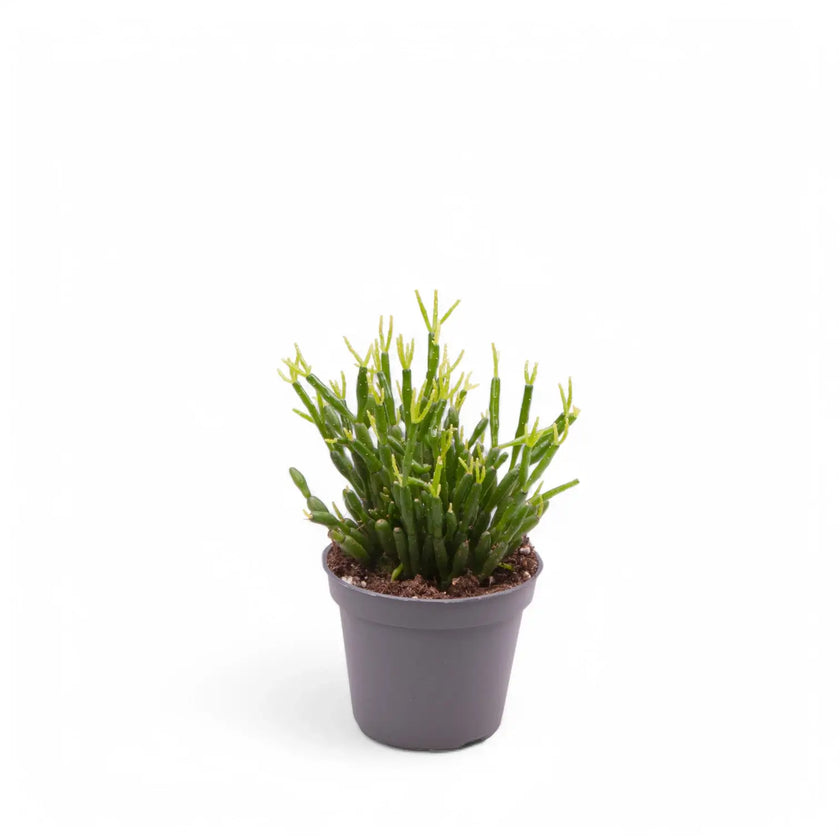
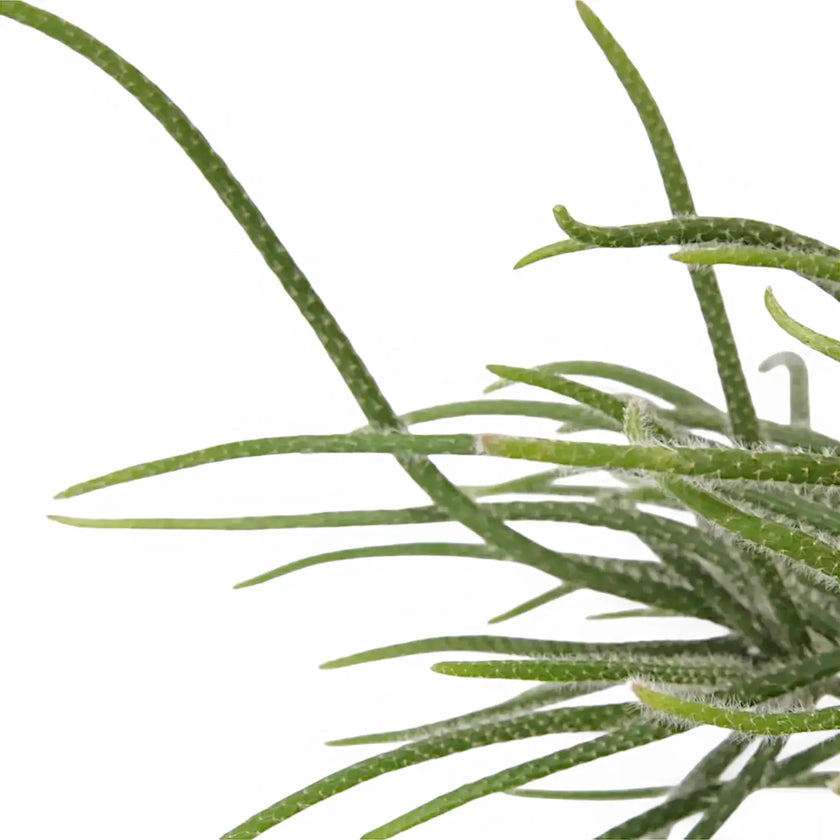
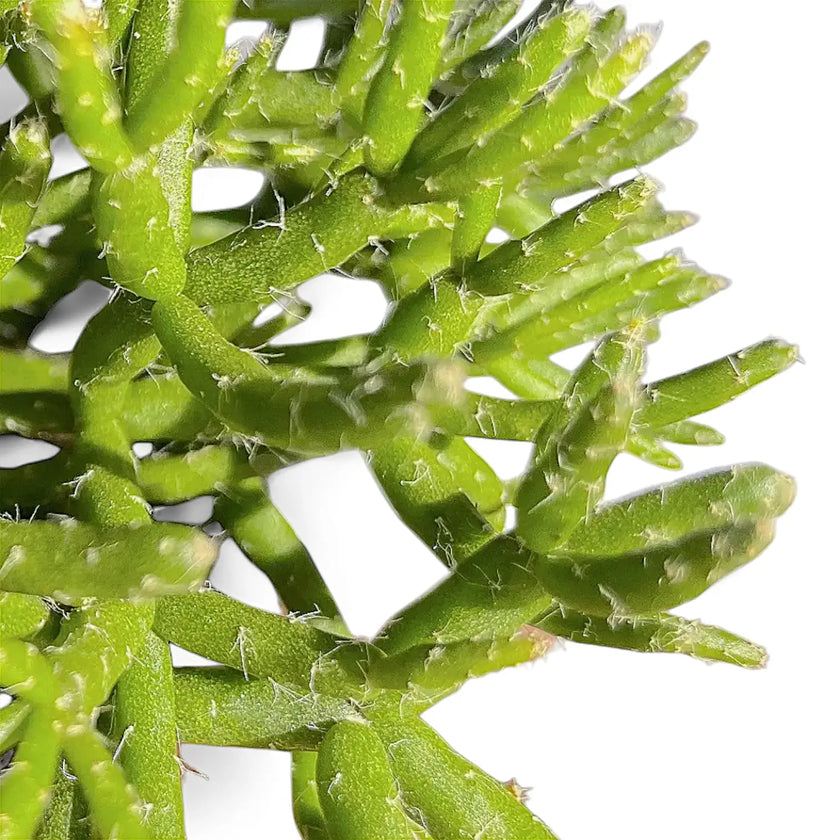
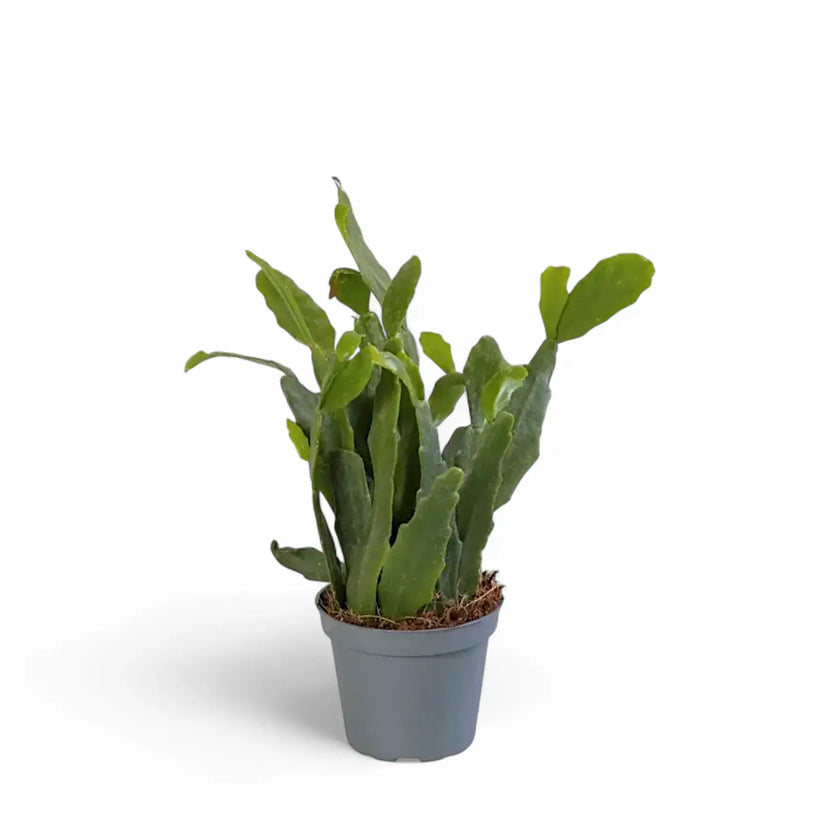
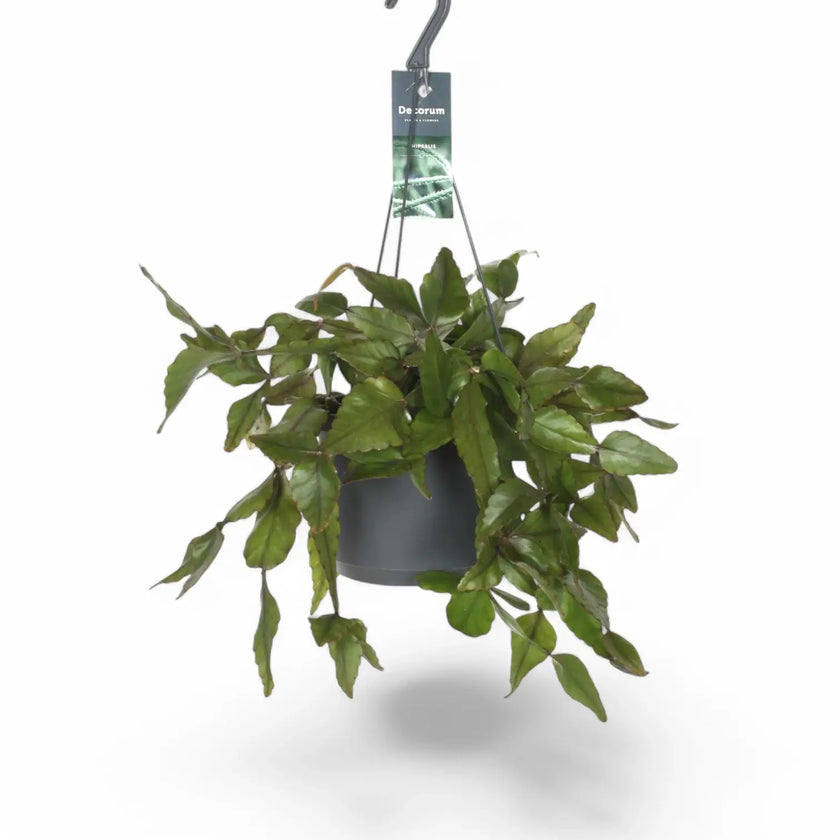
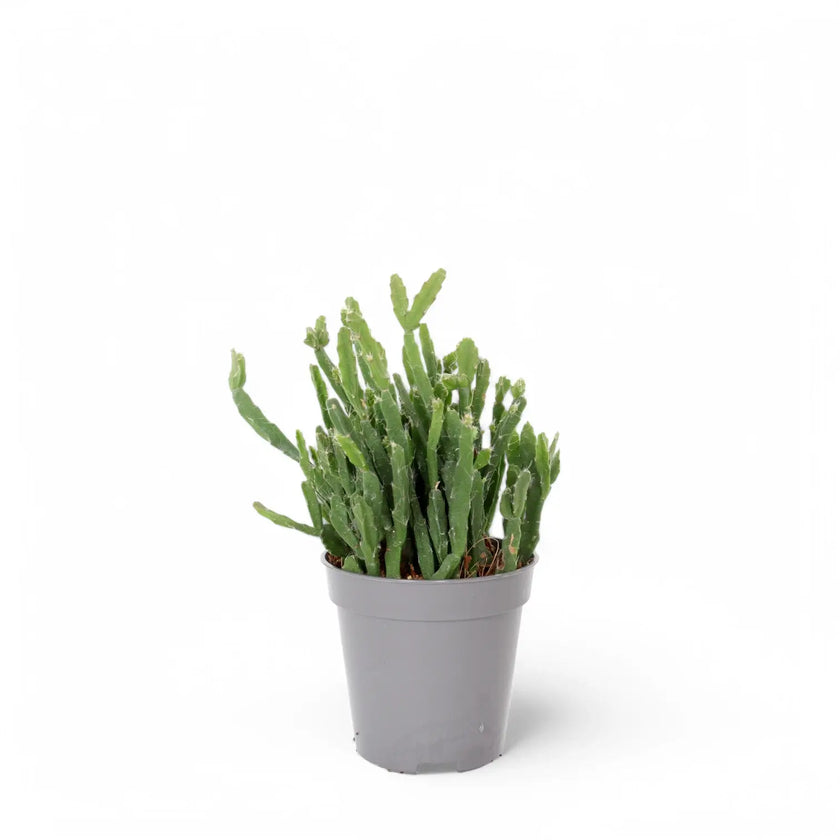
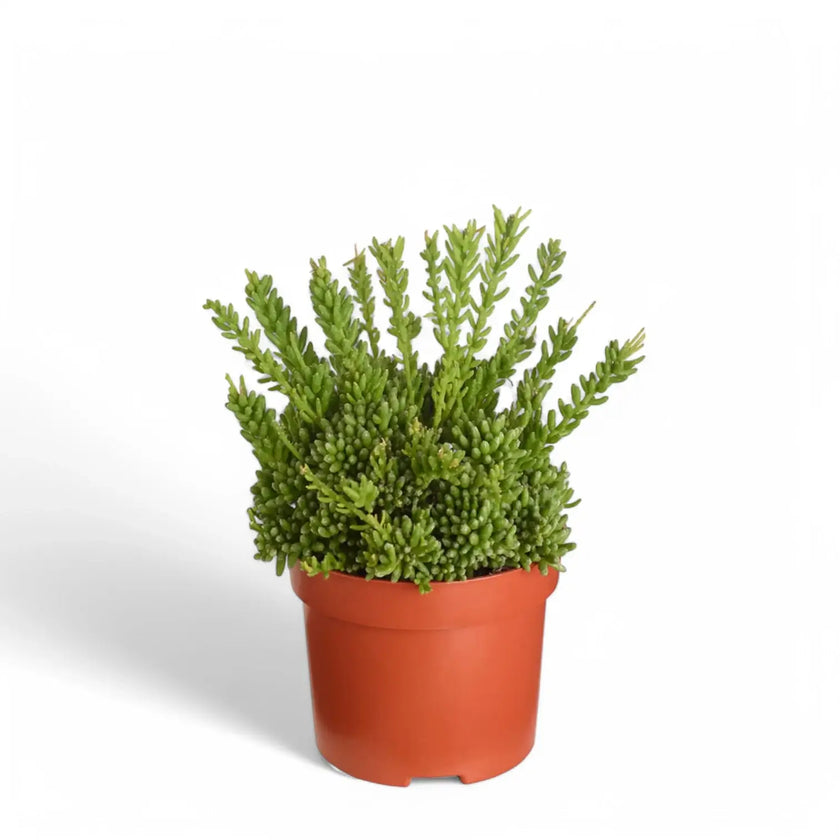
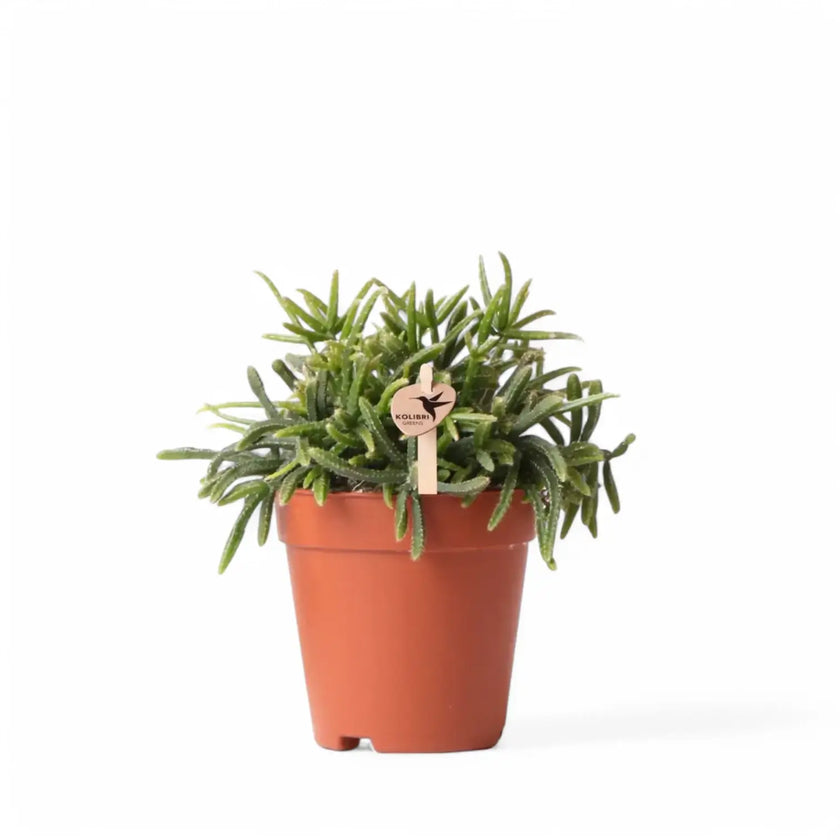
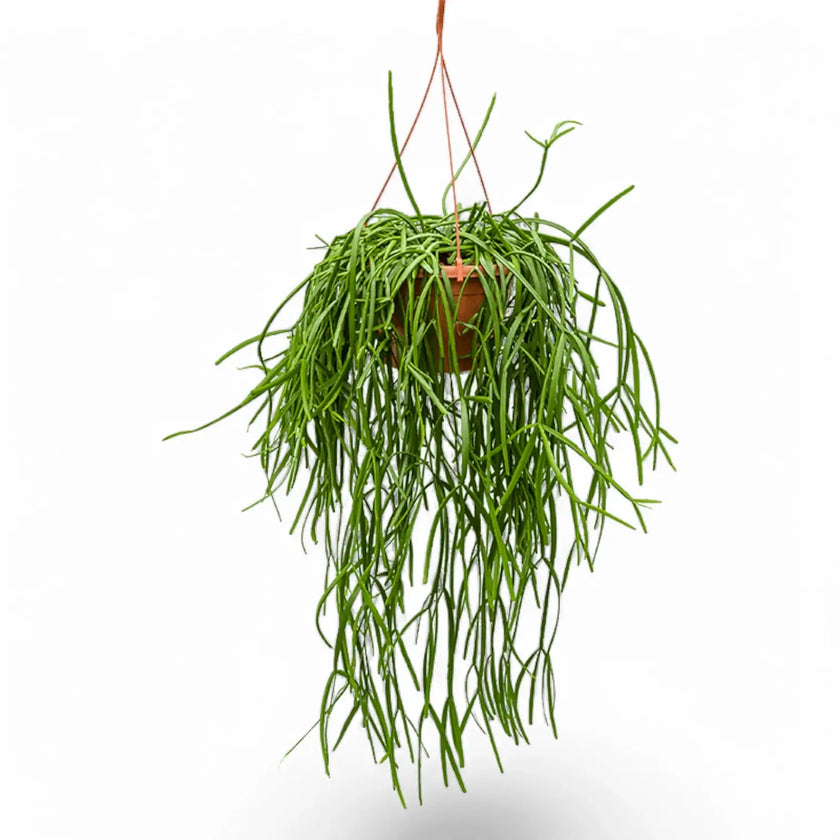
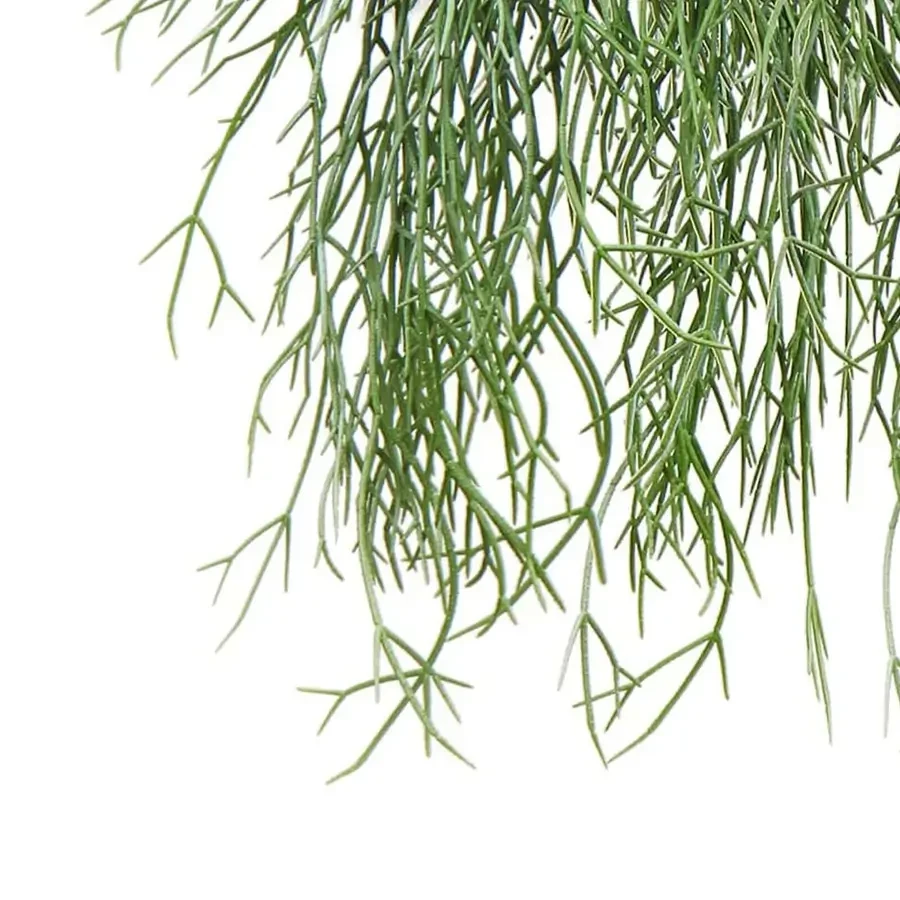
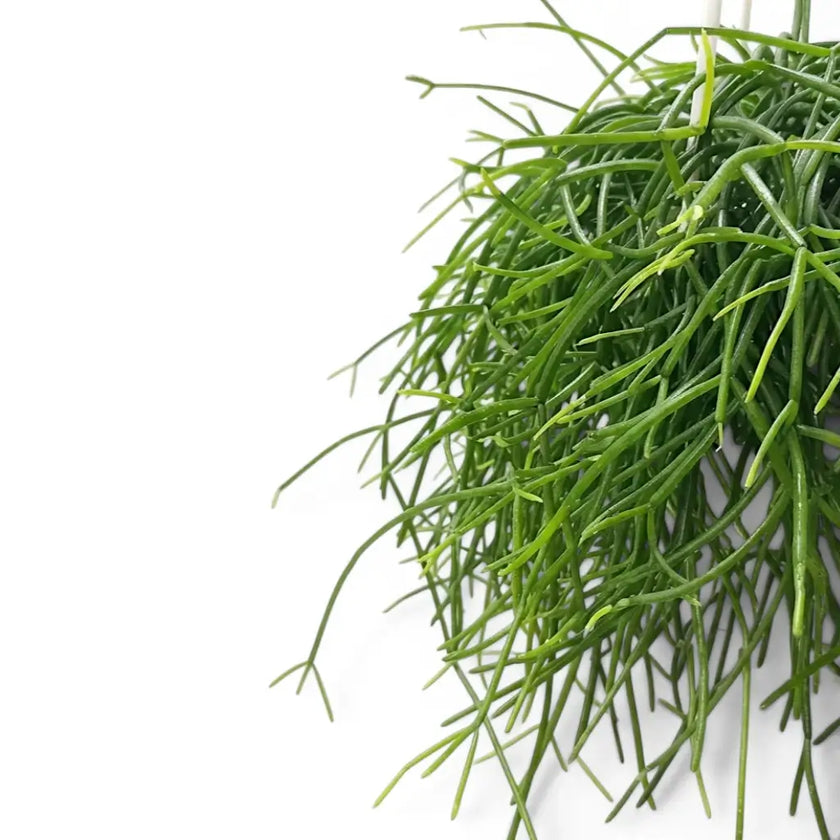
Close up of a Rhipsalis plant on a white background

Sort by:

Filters

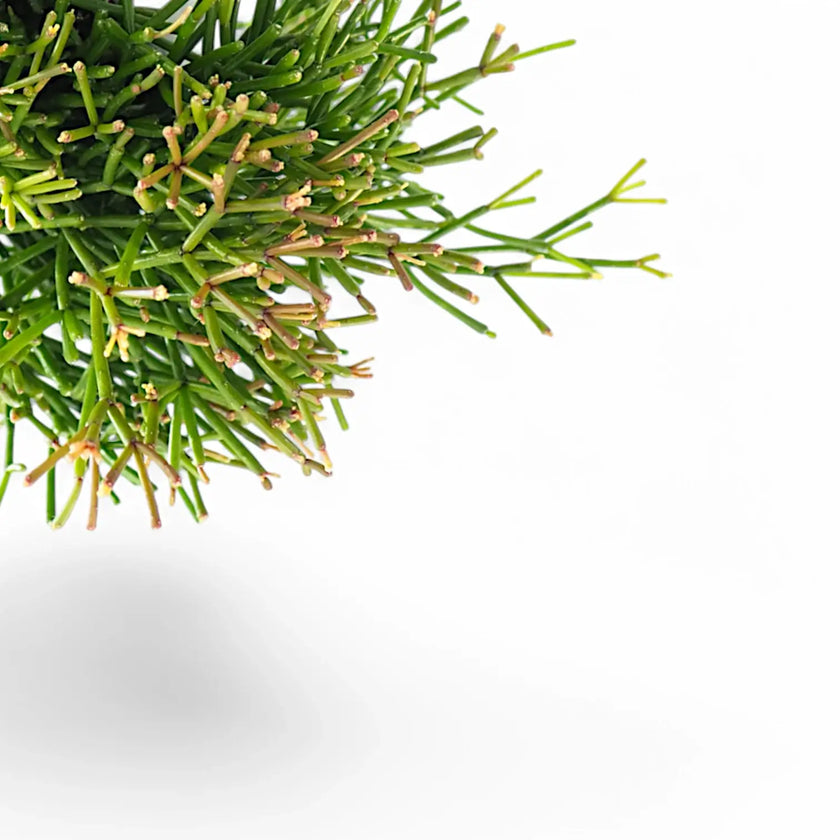
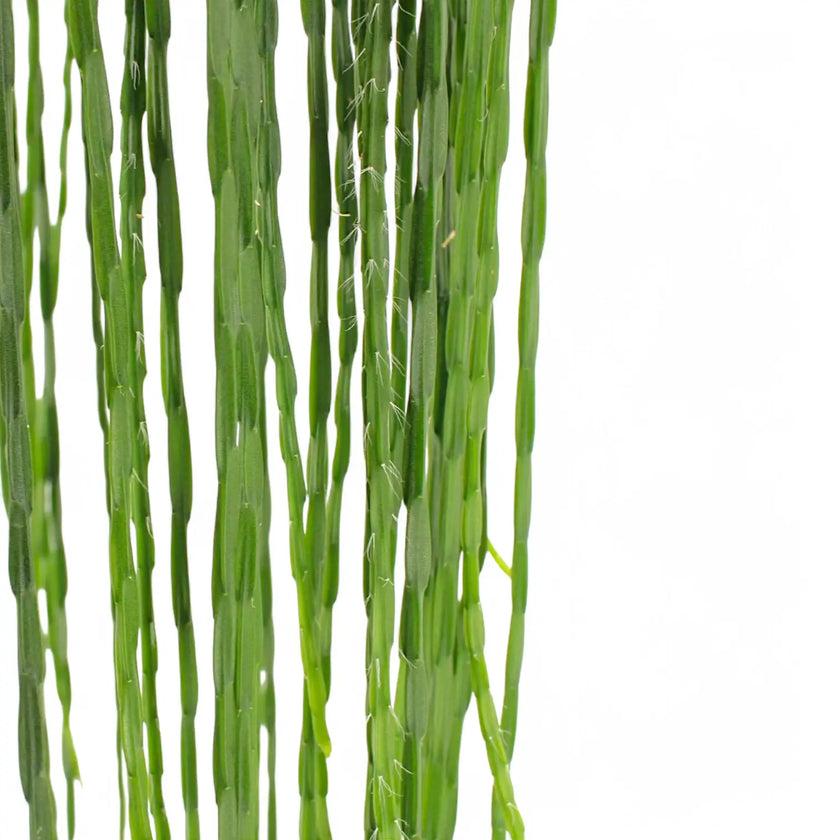
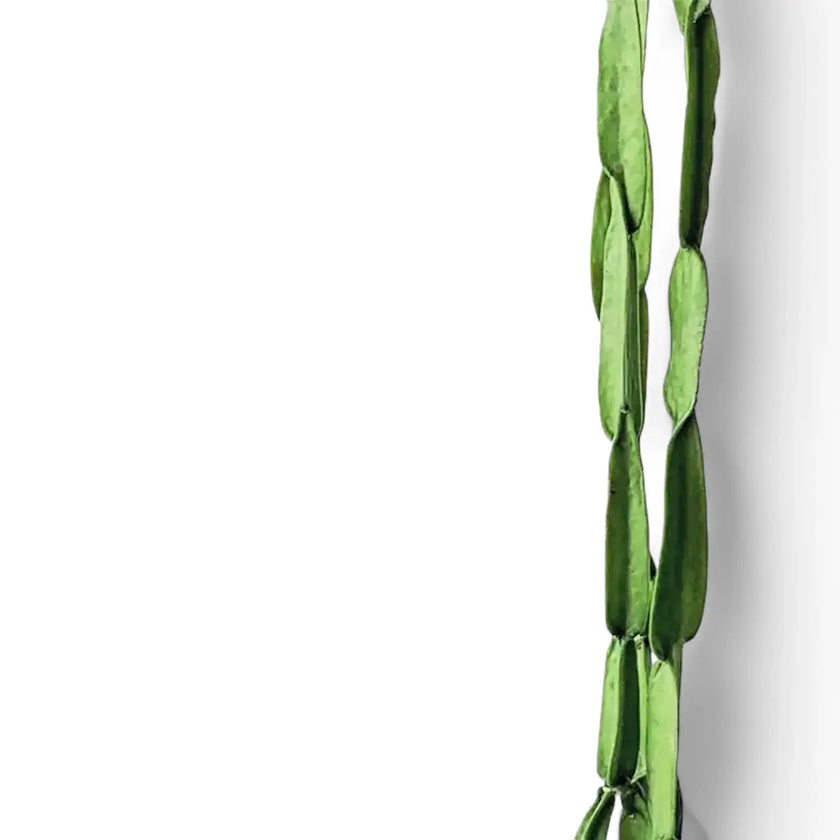
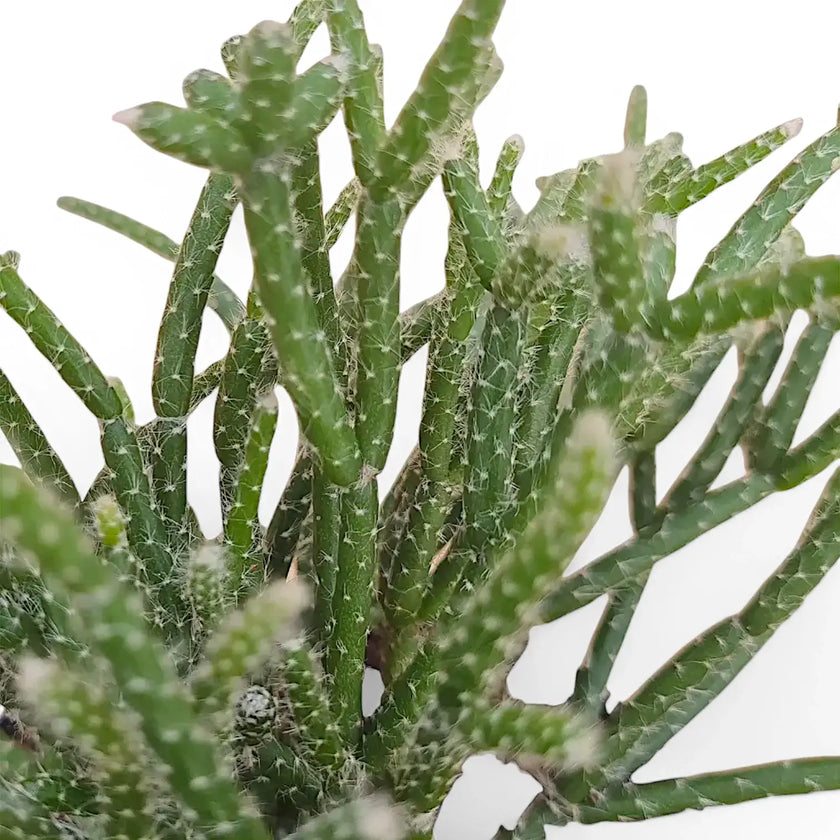
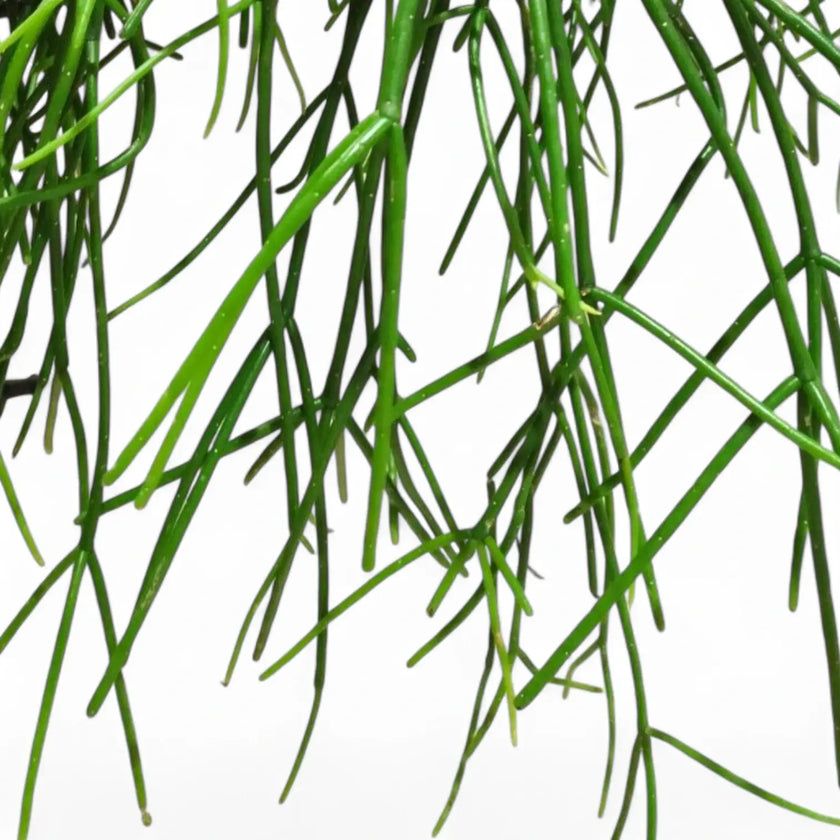
Rhipsalis agudoensis leaf detail on white background.
Rhipsalis baccifera leaf close-up on white background.
Rhipsalis baccifera ssp. horrida leaf close-up on white background.
Rhipsalis burchellii leaf detail on white background.
Rhipsalis cereuscula 'Cashero' leaf detail on white background.
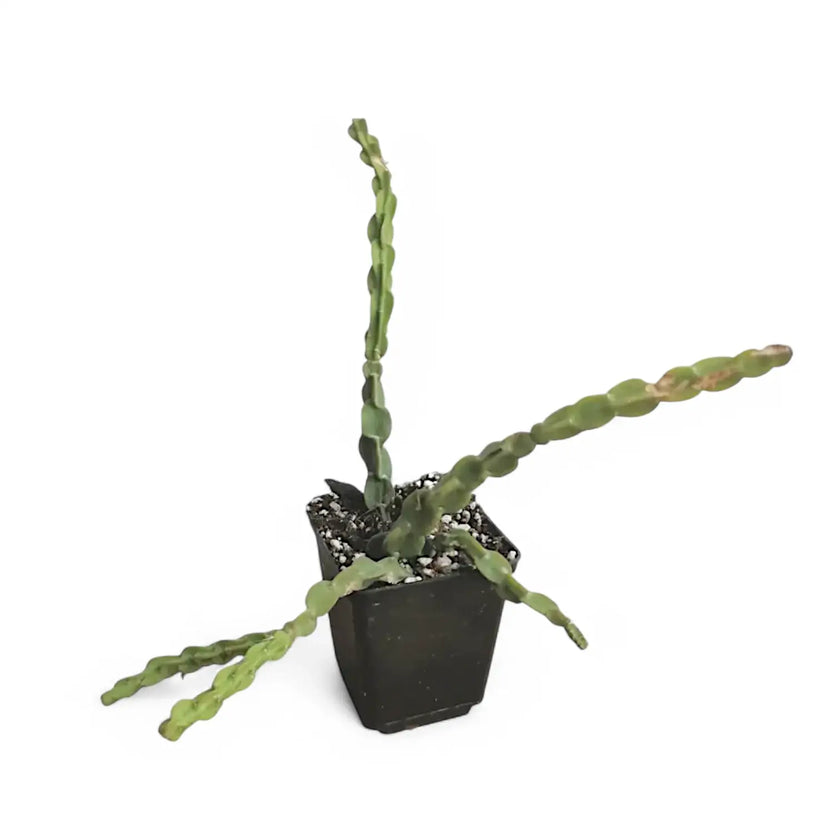
Rhipsalis cereuscula 'Cashero' Regular price €14,75
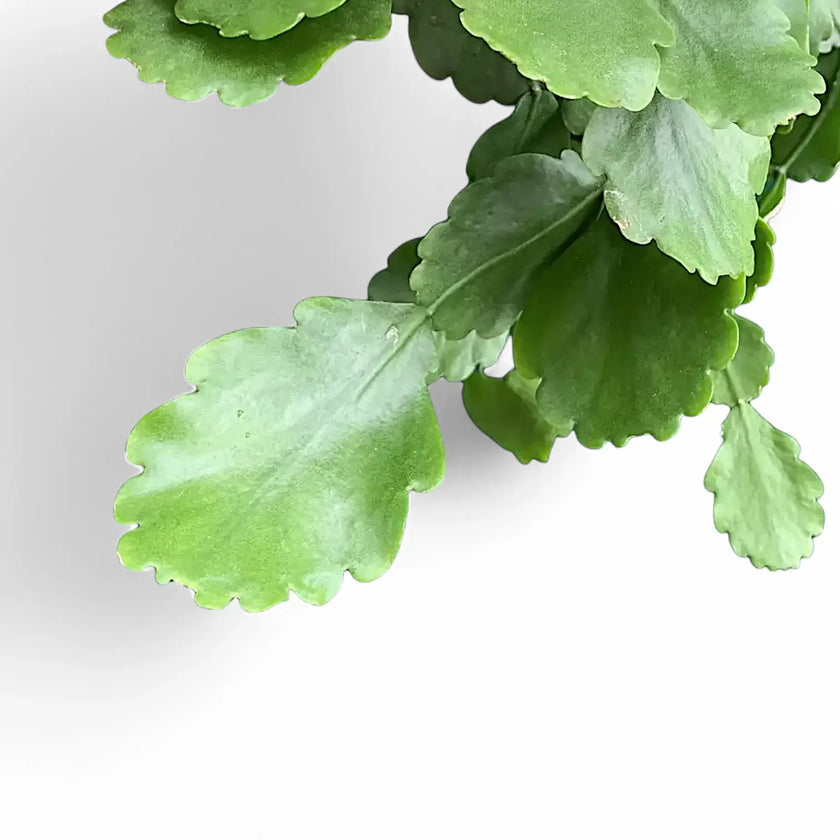
Rhipsalis clavata close-up of leaf on white background.
Rhipsalis crispata leaf close-up on white background.
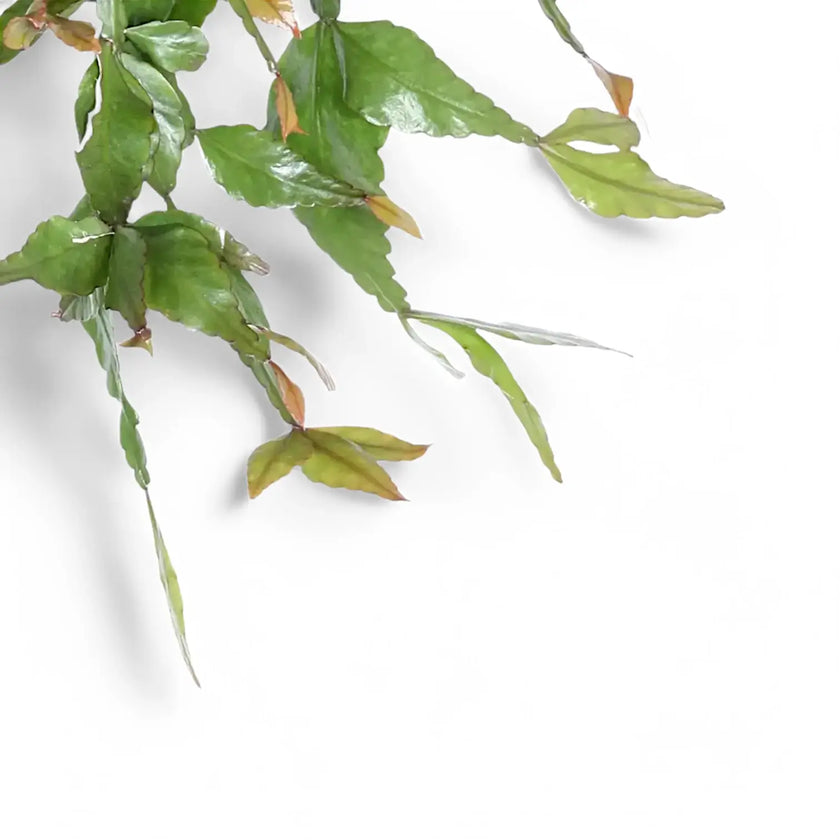
Rhipsalis elliptica close-up of leaf on white background.
Rhipsalis ewaldiana leaf close-up on white background.
Rhipsalis mesembryanthemoides close-up of leaf on white background.
Rhipsalis micrantha f. micrantha leaf detail on white background.
Rhipsalis micrantha ssp. kirbergii leaf detail on white background.
Rhipsalis occidentalis leaf detail on white background.
Rhipsalis pacheco-leonis ssp. catenulata leaf detail on white background.
Rhipsalis paradoxa leaf detail on white background.
Rhipsalis pilocarpa leaf detail on white background.
Rhipsalis pulchra close-up of leaf on white background.
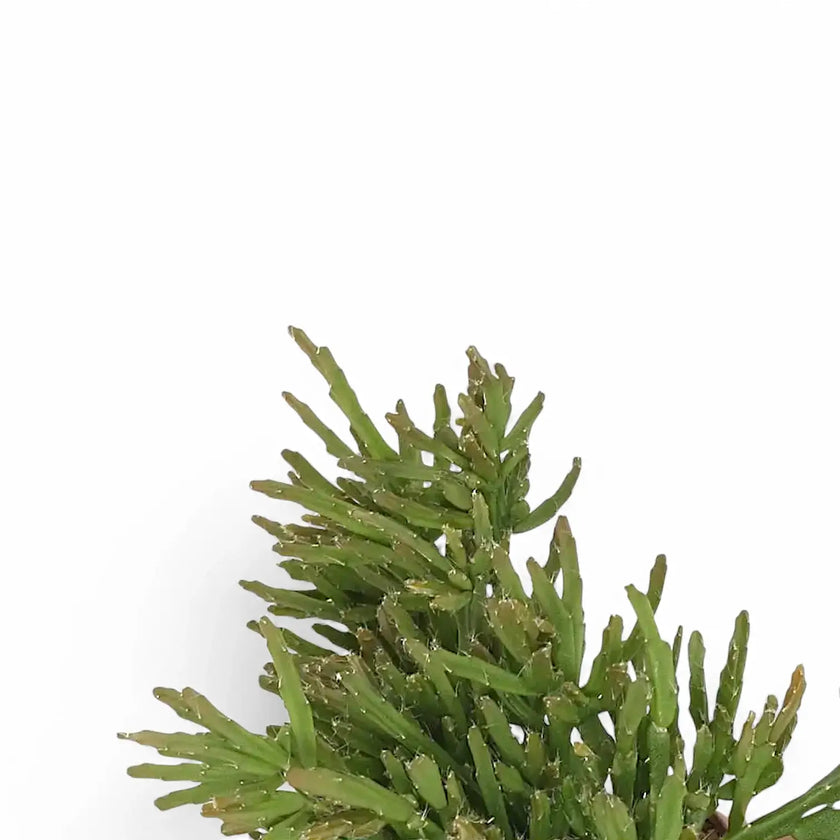
Rhipsalis teres f. heteroclada leaf close-up on white background.
Rhipsalis teres f. prismatica close-up of leaf on white background.
Rhipsalis trigona close-up of leaf on white background.

Cactaceae

Rhipsalis (Mistletoe Cactus)

Quick Overview

Rhipsalis (mistletoe cactus) - forest cactus pointers

  • Habit: spineless or near-spineless epiphytic cacti with trailing stems; well suited to hanging planters in bright shade.
  • Light: medium to bright, indirect light; deep shade slows growth, hot sun through glass scorches stems.
  • Substrate: favours loose, organic-rich but free-draining mix closer to orchid/bromeliad soil than to desert cactus grit.
  • Watering: water when top of mix has dried, keeping root zone lightly moist in growth; allow slightly drier spells in cool periods.
  • Climate: enjoys warm rooms with moderate humidity and airflow; cold, wet pots are the main problem.
  • Pet note: generally classed as non-toxic and lacks strong spines, so fits pet-conscious homes.
Botanical Profile

Rhipsalis (Mistletoe Cactus) - botanical profile for epiphytic cacti

Rhipsalis is a genus of epiphytic cacti in Cactaceae (tribe Rhipsalideae), probably described by Gaertner in the late 18th century. The name comes from Greek “rhips”, meaning wickerwork, referring to the flexible, rope-like stems. With around 50-60 species, Rhipsalis is the largest and most widely distributed epiphytic cactus genus and uniquely includes species native to both the New and Old Worlds.

  • Order: Caryophyllales
  • Family: Cactaceae
  • Tribe: Rhipsalideae
  • Genus: Rhipsalis Gaertn.
  • Type species: Rhipsalis baccifera (J. S. Muell.) Stearn
  • Chromosomes: Somatic counts in sampled species commonly lie around 2n ≈ 44-66, in line with other epiphytic cacti; several polyploid series are suspected.

Range & habitat: Most Rhipsalis species are endemic to tropical and subtropical Central and South America and the Caribbean, with Rhipsalis baccifera also native to parts of Africa, Madagascar and Sri Lanka, making it the only cactus naturally occurring outside the Americas. Plants grow mainly as pendent epiphytes in humid forests, on branches and trunk crotches, and occasionally as epiliths on shaded rock faces.

  • Life form: Perennial, mostly pendent epiphytes with highly branched, often filamentous or club-like stems forming dense curtains or tufts.
  • Stem morphology: Stems range from thin, cylindrical segments to slightly flattened or three-angled joints; spines are absent or reduced to minute bristles, which suits its forest-cactus growth habit.
  • Stem size: Individual segments are typically a few centimetres to several tens of centimetres long; entire plants can reach over a metre in overall spread under optimal conditions.
  • Texture & colour: Succulent but relatively soft stems, usually bright to mid-green, sometimes with a slight translucency or fine hairiness; epidermis is adapted to intercept diffuse forest light not harsh full sun.
  • Notable adaptation: Epiphytic root systems and flexible, many-jointed stems allow Rhipsalis to occupy narrow branch forks and rough bark while tolerating intermittent drying between cloud and rainfall events.

Inflorescence & fruit: Small, often starry white or pale flowers arise singly or in small groups along the stem segments, followed by translucent or coloured berries that resemble tiny mistletoe fruits. These succulent fruits are attractive to birds, which disperse seeds between canopy perches.

Details & Care

Rhipsalis: jungle cacti for hanging pots, shelves and bright shade

Rhipsalis is a cactus genus adapted to life in tropical forests, often growing on trees and rocks where roots stay airy and moisture arrives in pulses. Indoors, Rhipsalis offers cascading growth with stems that range from thin pencil‑like strands to chained segments and broader, leaf‑like forms.

Because Rhipsalis comes from shaded, humid habitats, care sits closer to “tropical epiphyte” than desert cactus. The reward is a forgiving, fast‑styling plant that suits hanging pots.

How to choose a Rhipsalis

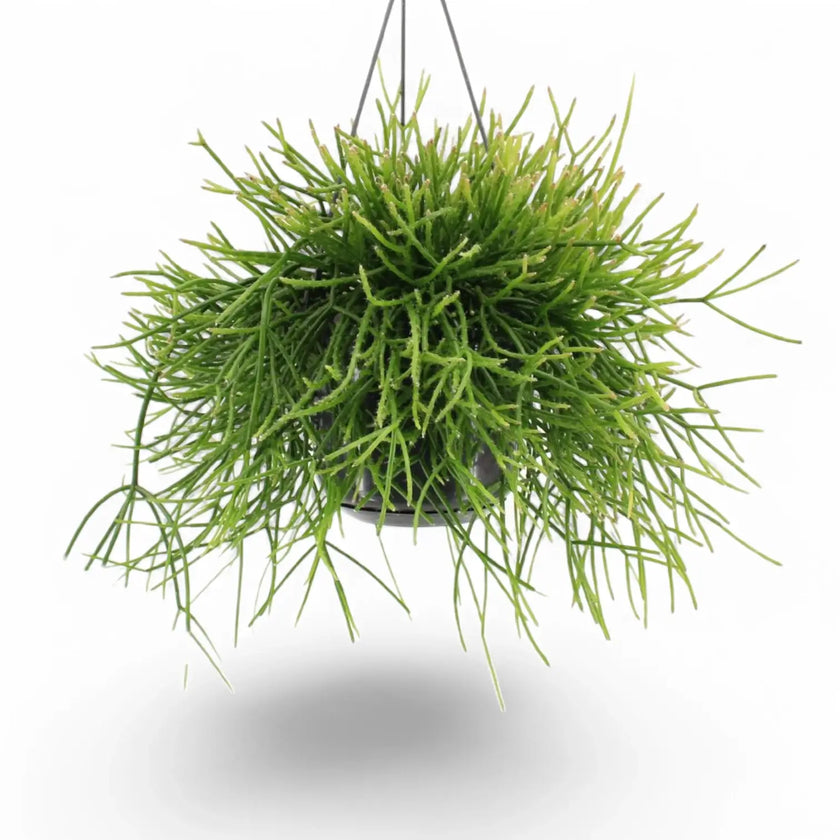
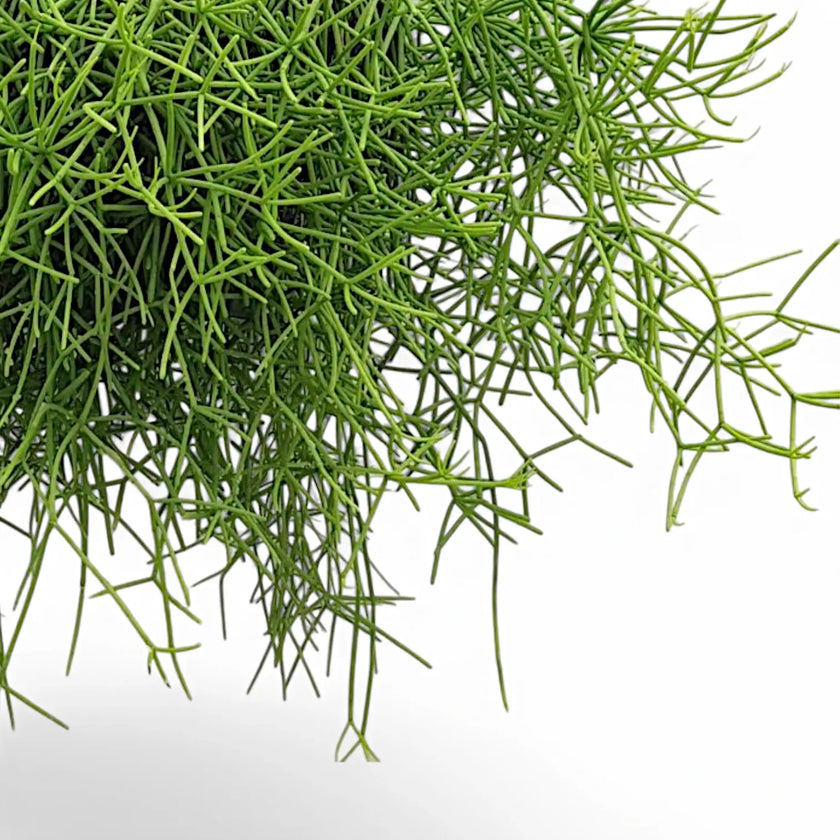
  • Fine, thread‑like stems: soft, fountain‑style plants that suit bright shade and regular watering.
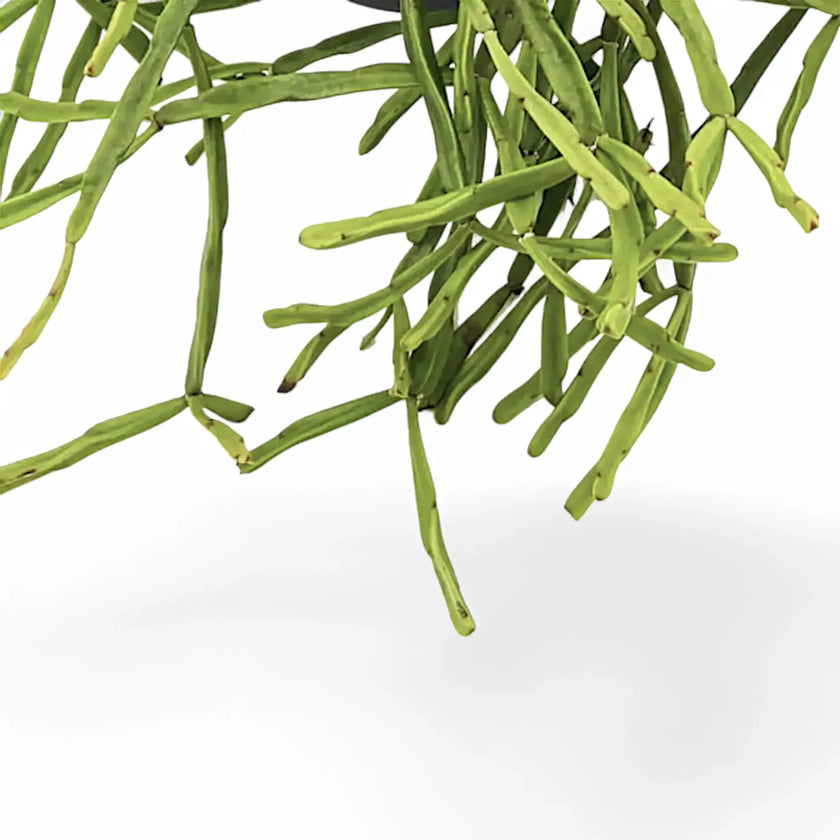
  • Chunkier or chained segments: a bit more tolerant of missed waterings and great for bold texture.
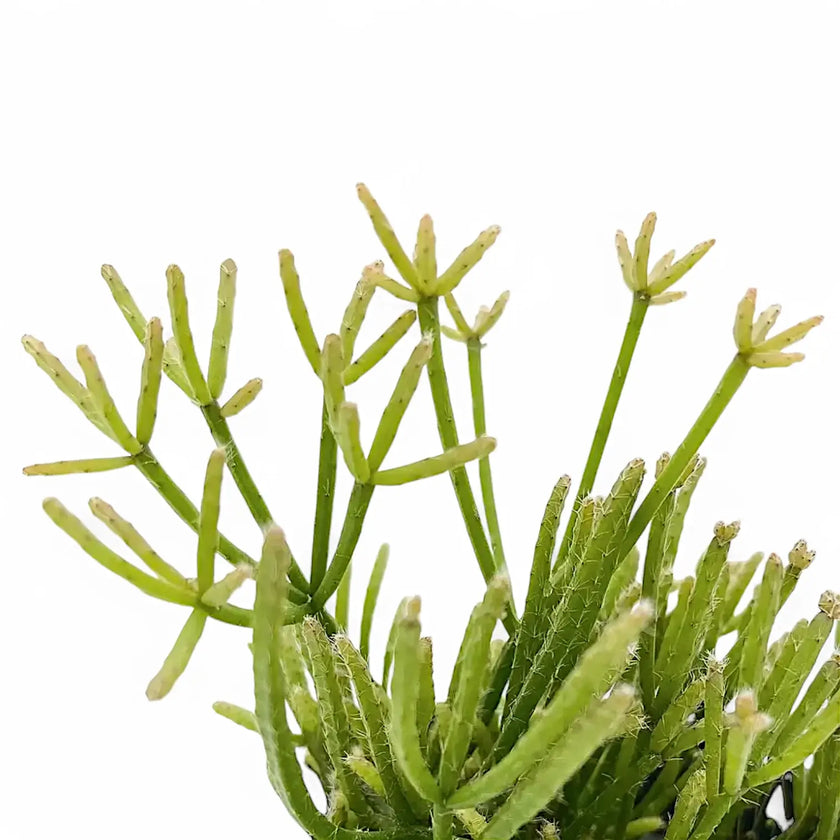
  • Broader, leaf‑like stems: strong visual impact and often larger growth, best with stable light and consistent moisture.
  • Compact growers: good for shelves and plant stands; they stay neat while still branching well.

Light and placement

Rhipsalis prefers bright, filtered light. Gentle morning or late sun can be fine, but harsh midday sun can bleach or scar stems. A spot near an east or bright north window, or set back from a south window, usually keeps colour even.

Warm rooms suit Rhipsalis well. Avoid cold drafts and cold windowsills, especially after watering.

Watering and feeding

Water once the pot has partly dried, then water thoroughly. Rhipsalis handles short dry spells better than many tropical foliage plants, but long droughts slow growth and thin stems. If the plant is in a very airy mix, watering can be more frequent without staying wet.

Regular, moderate fertilising supports steady branching and flowering potential. Reduce feeding when growth slows and light levels drop.

Substrate and pots

Air matters most. A chunky, fast‑draining mix keeps roots oxygenated and makes watering safer. Orchid‑style components blended with a moisture buffer often work well because the pot dries evenly without turning bone‑dry.

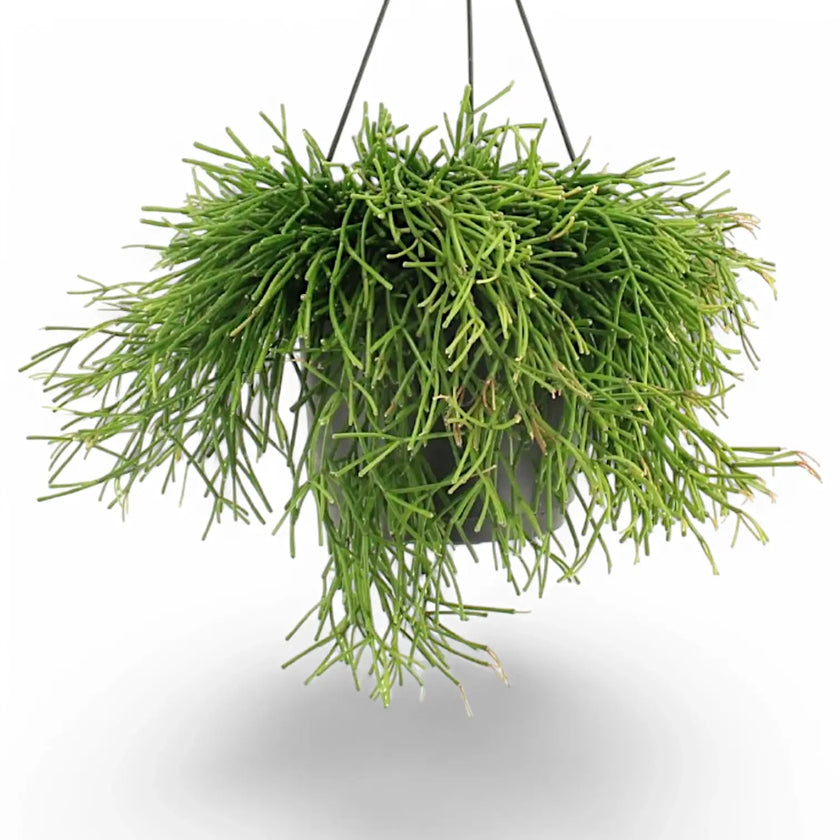
Hanging pots are ideal: airflow around the pot plus trailing stems matches Rhipsalis habit and helps the mix dry predictably.

Growth, shaping and seasonal behaviour

Rhipsalis branches freely and becomes fuller with time. If you want a denser plant, trim a few long strands; pruning encourages side branching. Many forms flower with small blooms under stable conditions and may follow with berries.

If growth pauses, check light first, then review watering rhythm and root space. A slightly brighter position often restarts branching without major changes.

Common issues

Wrinkled stems usually point to dryness. Soft or translucent sections often point to a mix that stayed wet too long, especially in cooler conditions. Speckling can be pest‑related; check the densest parts of the plant where airflow is lowest.

Frequently Asked Questions About Rhipsalis