Skip to content

Cart

Your cart is empty.

Bright Indirect Light

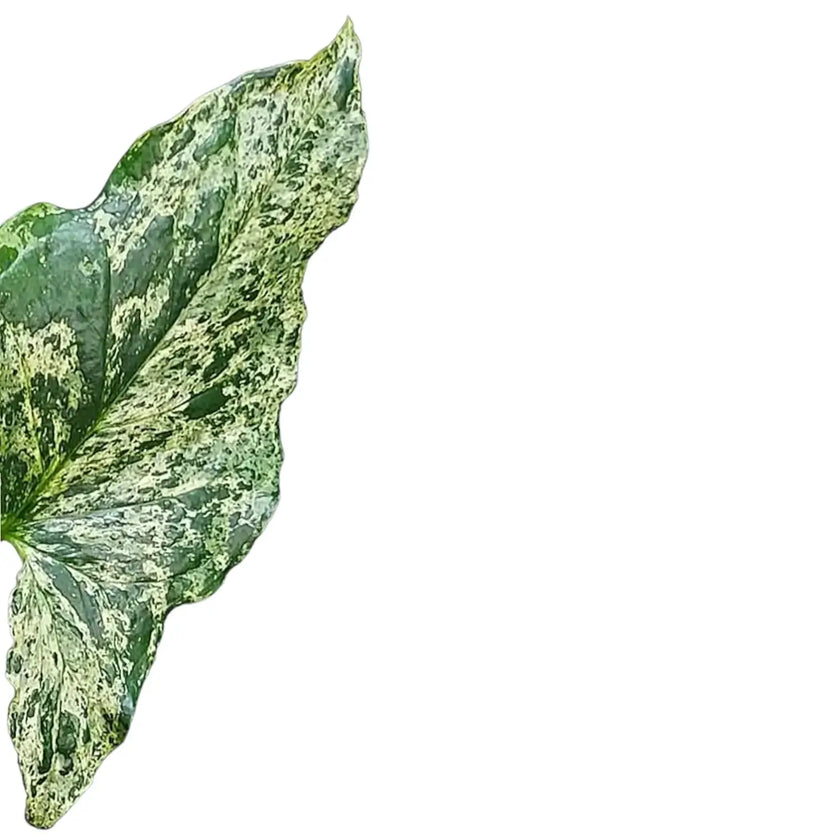
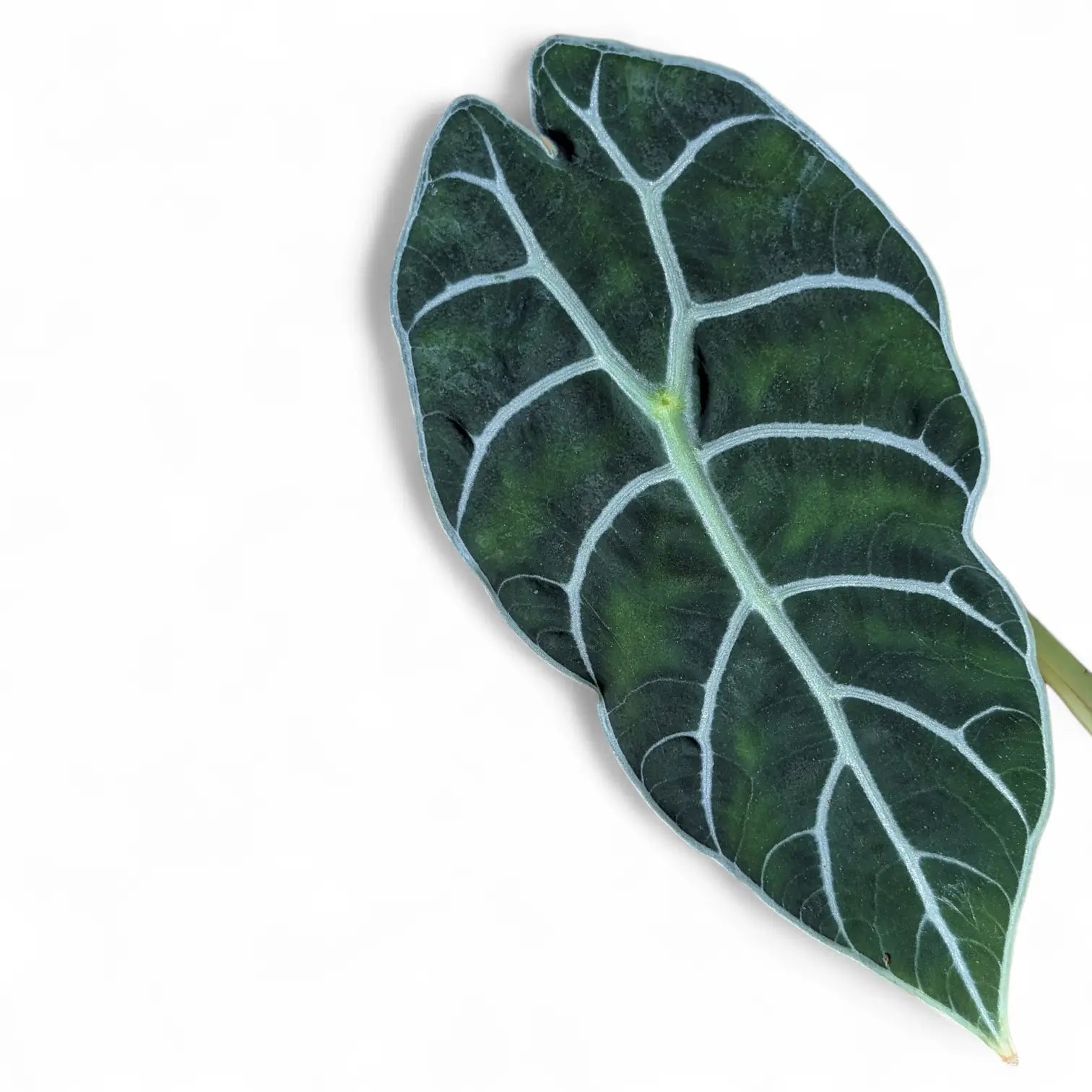
Alocasia 'Prince of Curup' leaf close-up on white background

Sort by:

Filters

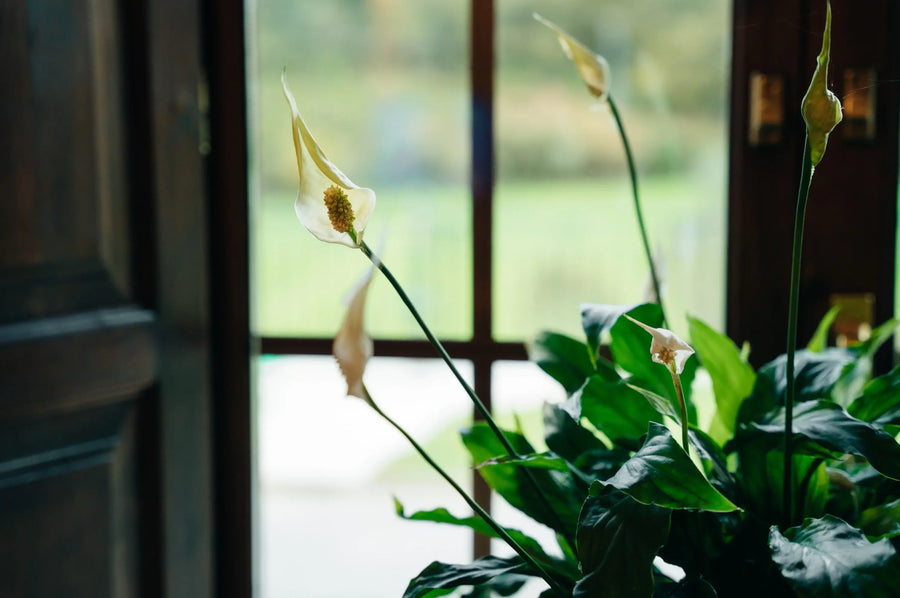
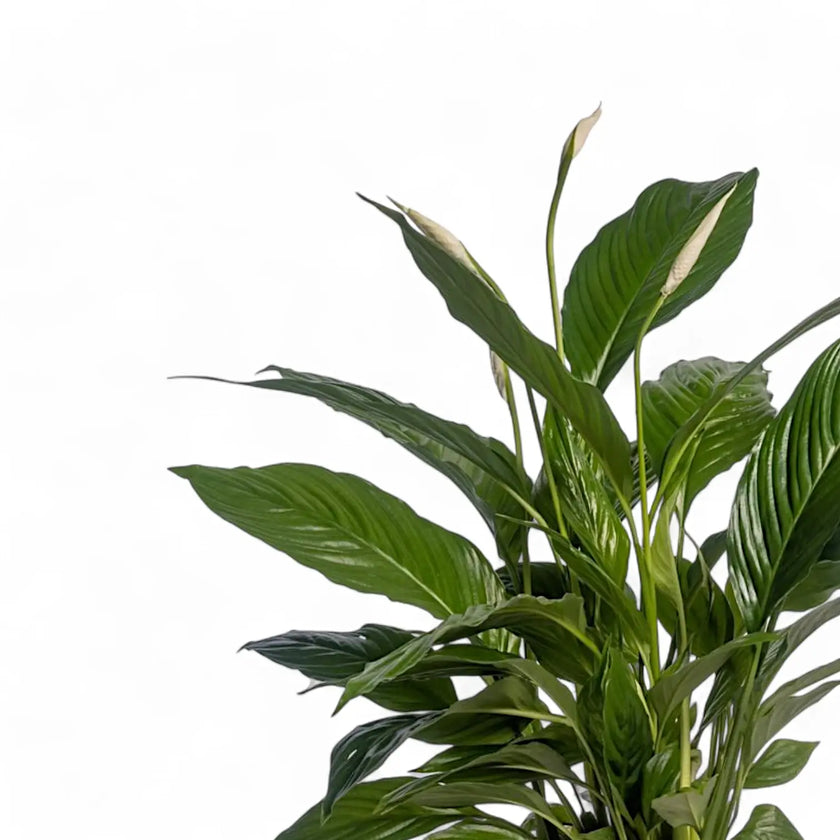
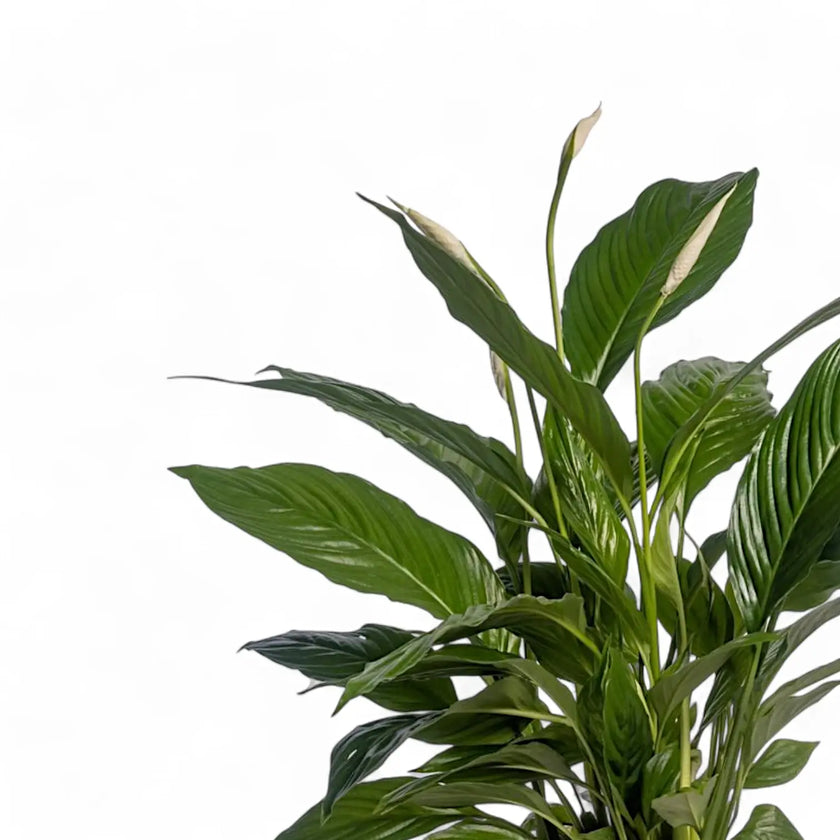
Spathiphyllum 'Vivaldi' leaf close-up on white background.
Spathiphyllum 'Vivaldi' Regular price €18,75
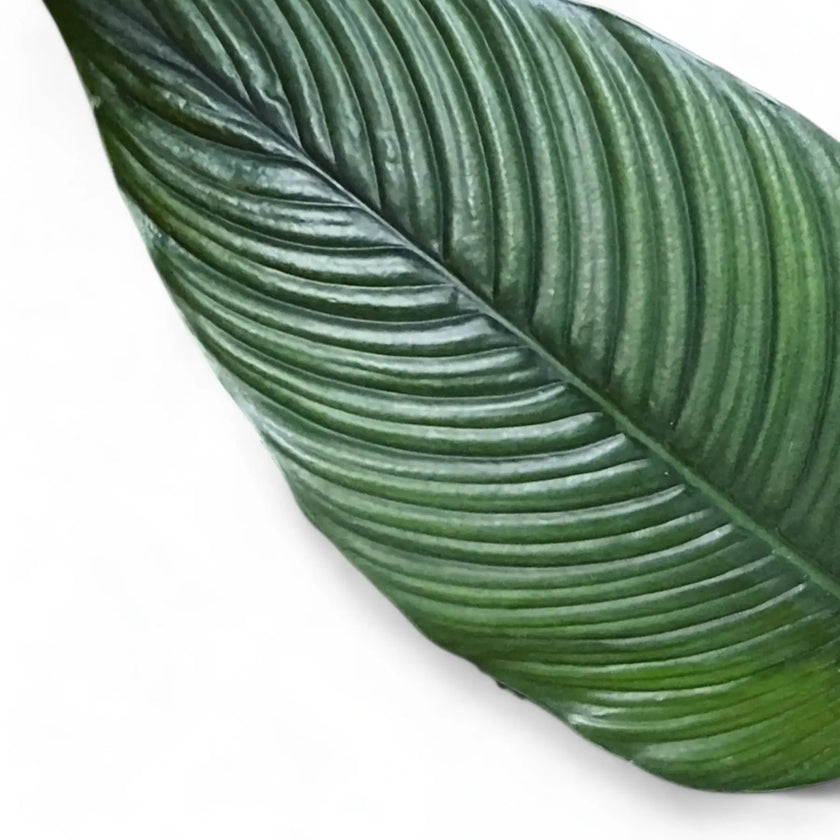
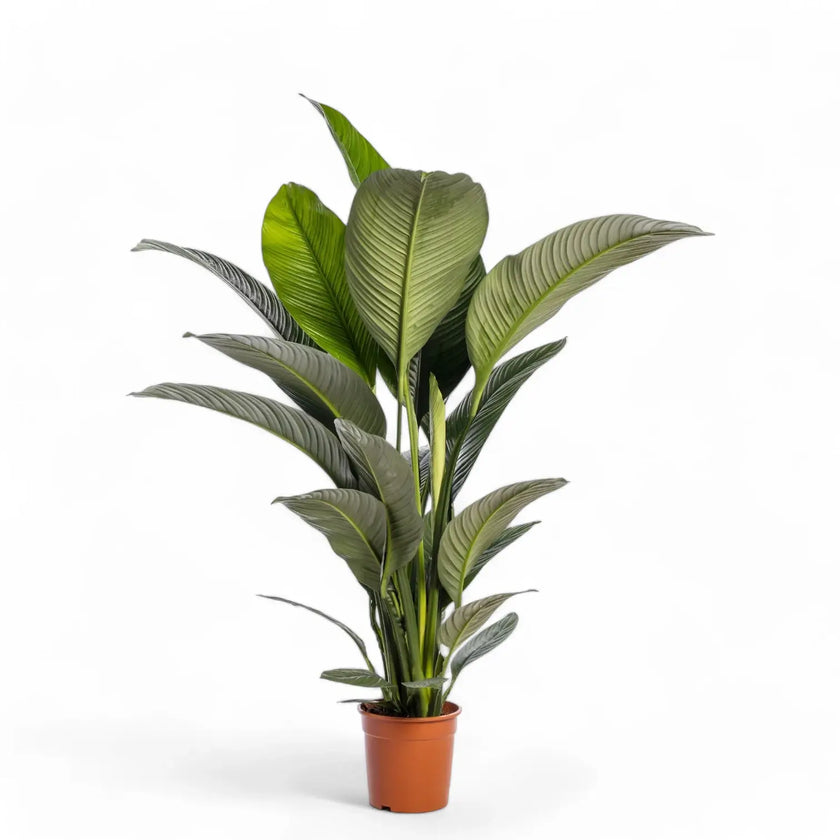
Spathiphyllum wallisii 'Sensation' leaf close-up on white background.
Spathiphyllum wallisii 'Sensation' Regular price €101,50
Stromanthe thalia 'Triostar' potted plant in nursery pot on white background.
Stromanthe thalia 'Triostar' Regular price From €18,75
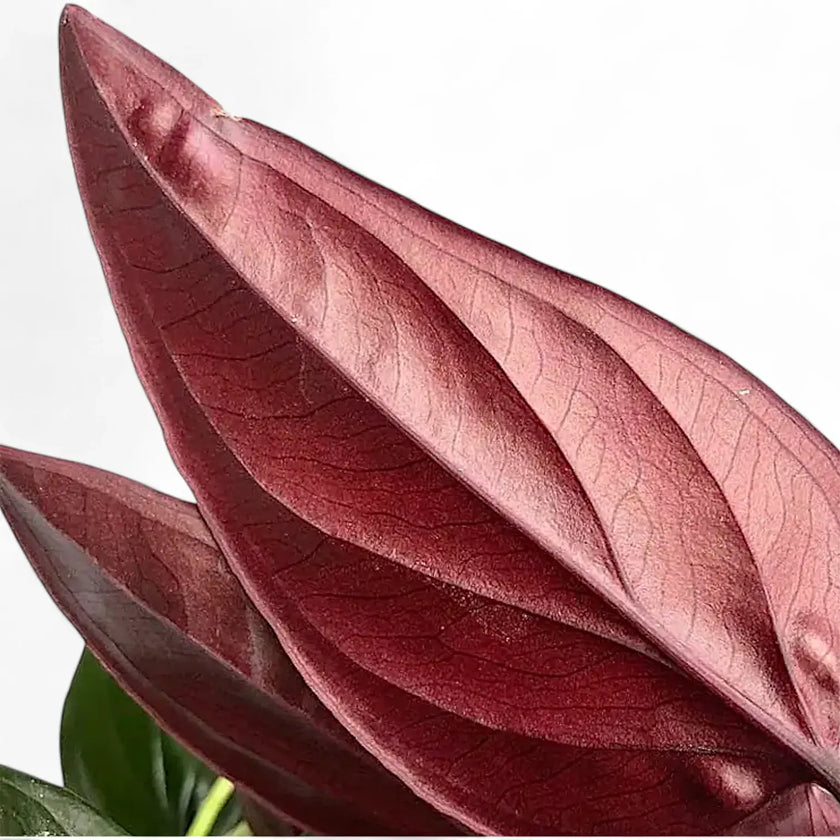
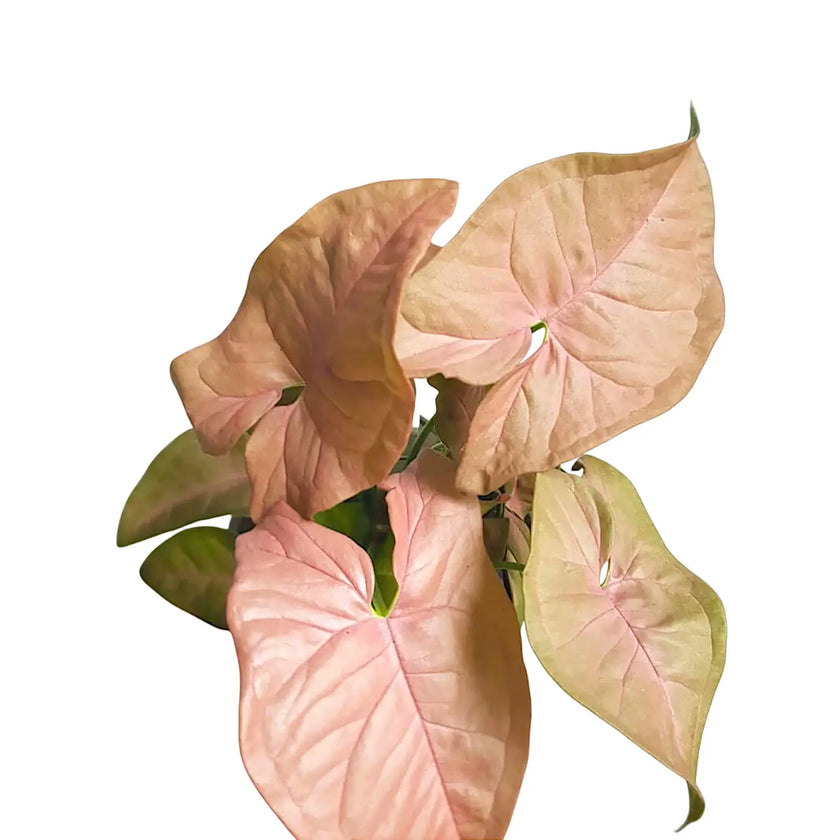
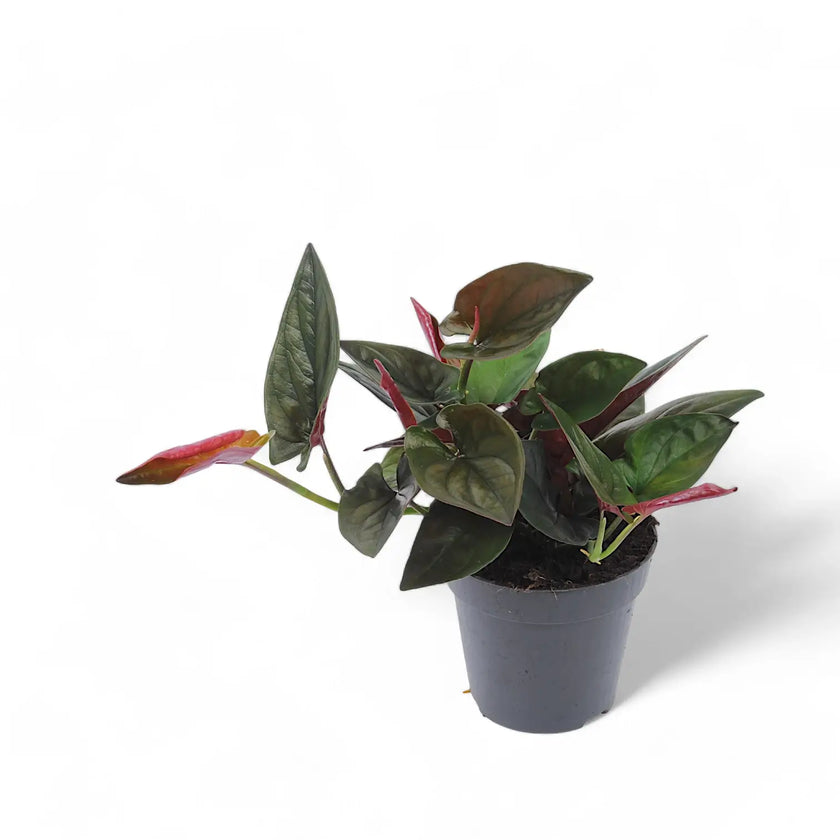
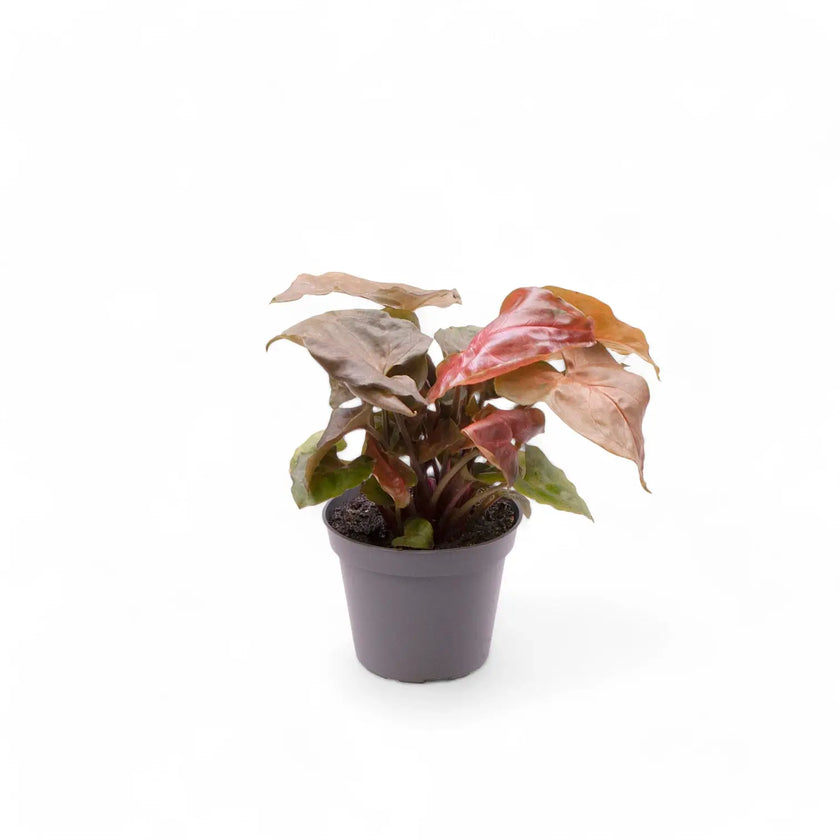
Syngonium erythrophyllum 'Red Arrow' close-up of leaf on white background.
Syngonium erythrophyllum 'Red Arrow' Regular price €16,00
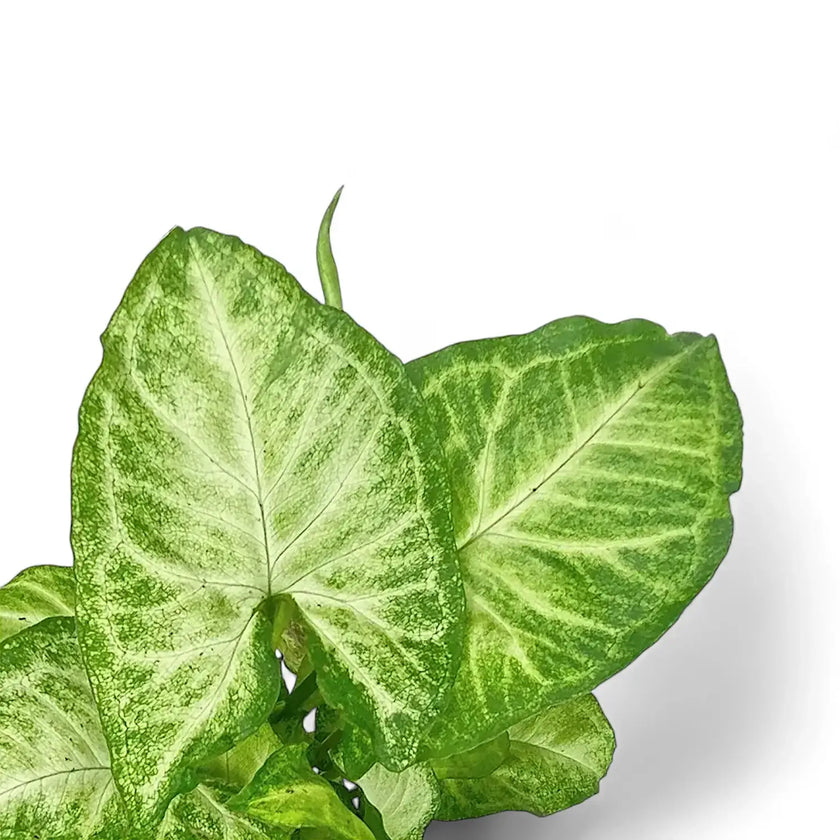
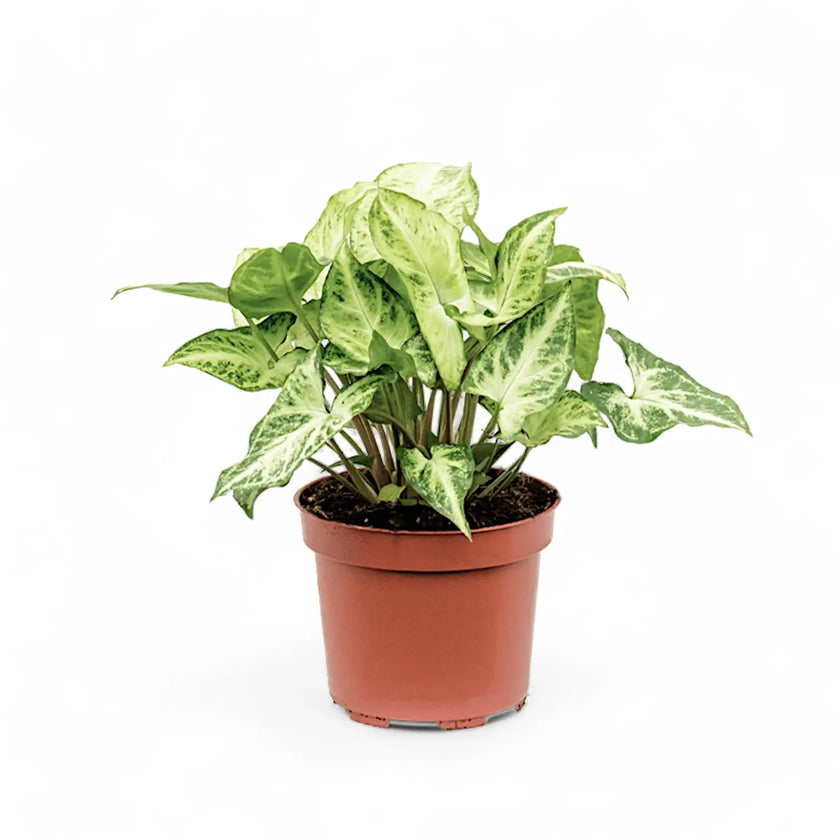
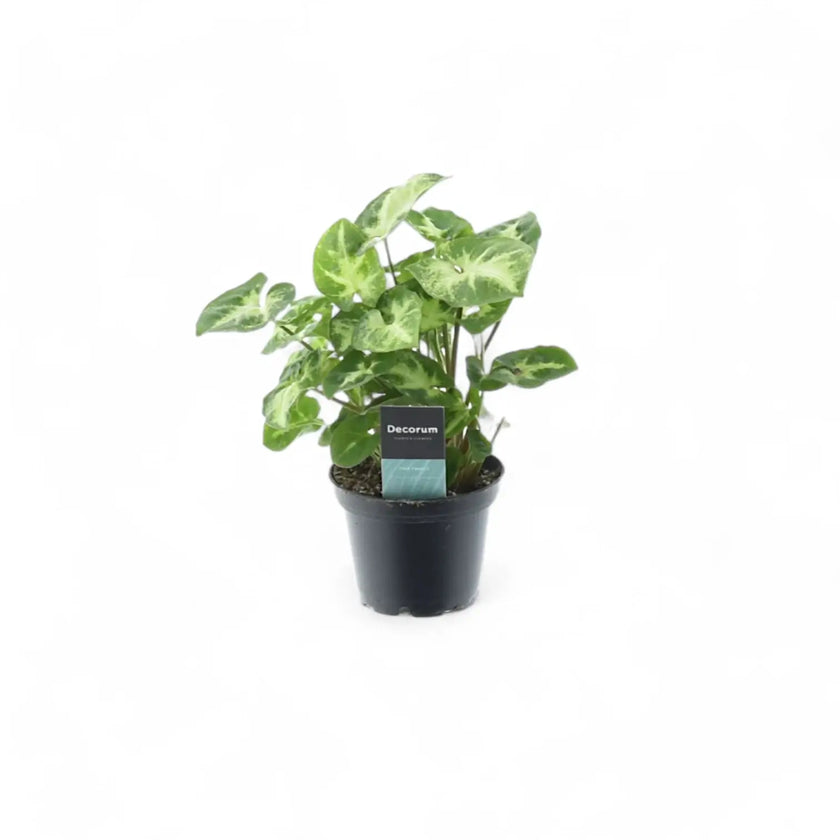
Syngonium podophyllum 'Arrow' leaf close-up on white background.
Syngonium podophyllum 'Arrow' Regular price €12,00
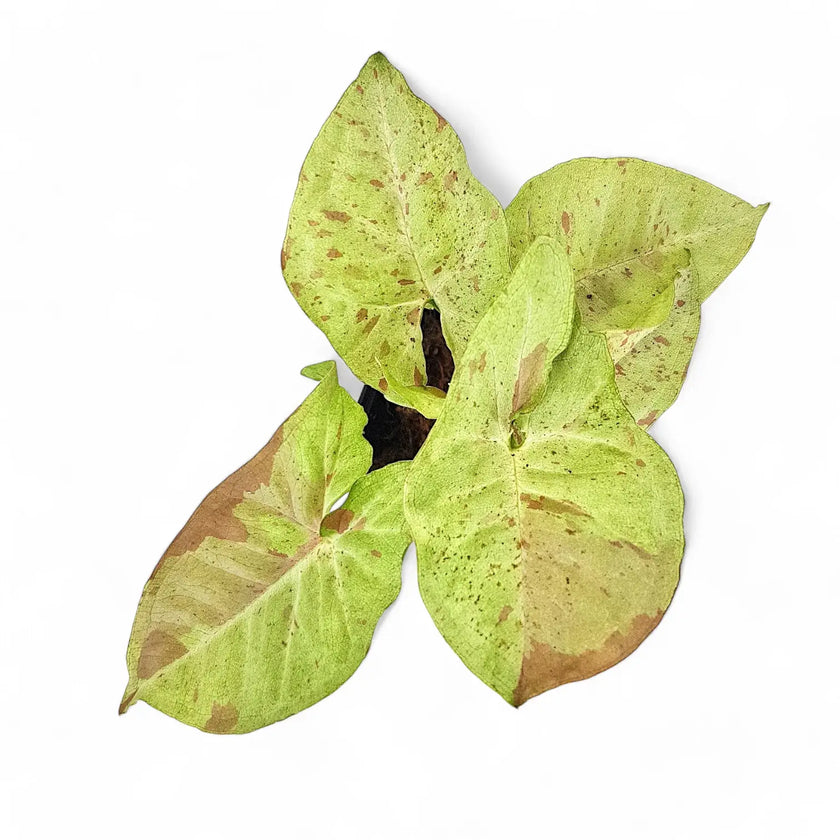
Syngonium podophyllum 'Confetti' leaf detail on white background.
Syngonium podophyllum 'Confetti' Regular price From €13,50
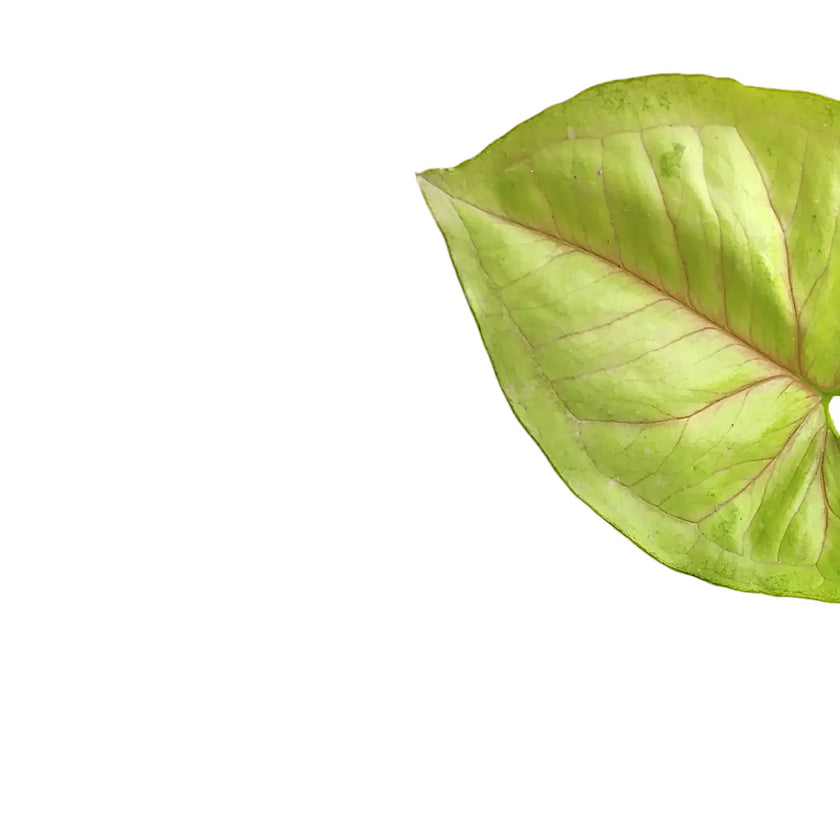
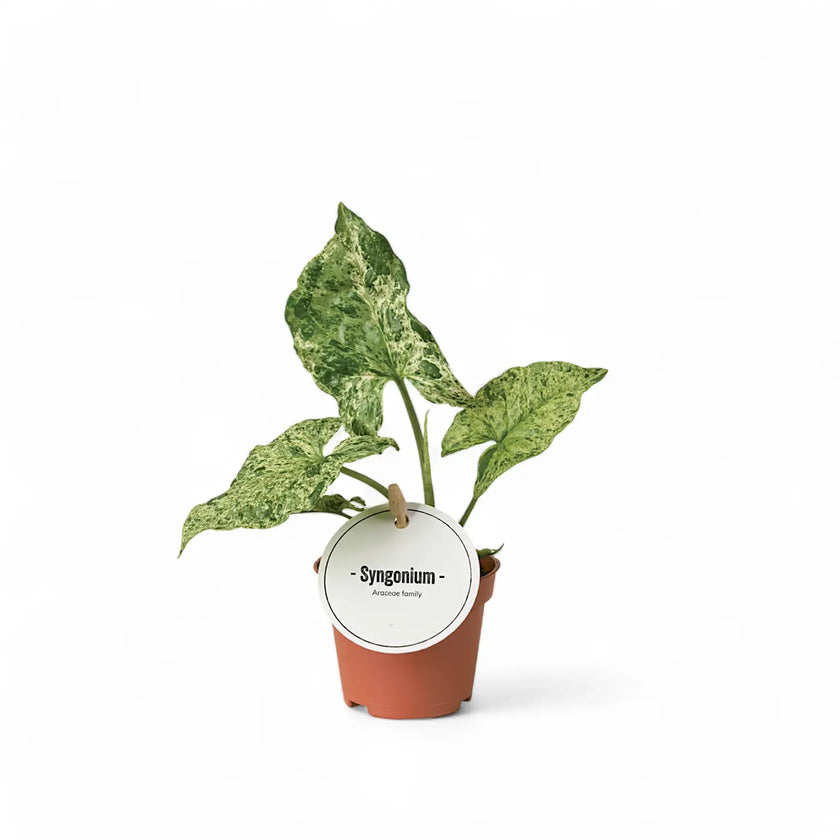
Syngonium podophyllum 'Mango allusion' leaf close-up on white background.
Syngonium podophyllum 'Maria Allusion' leaf close-up on white background.
Syngonium podophyllum 'Mottled' leaf detail on white background.
Syngonium podophyllum 'Mottled' Regular price From €9,50
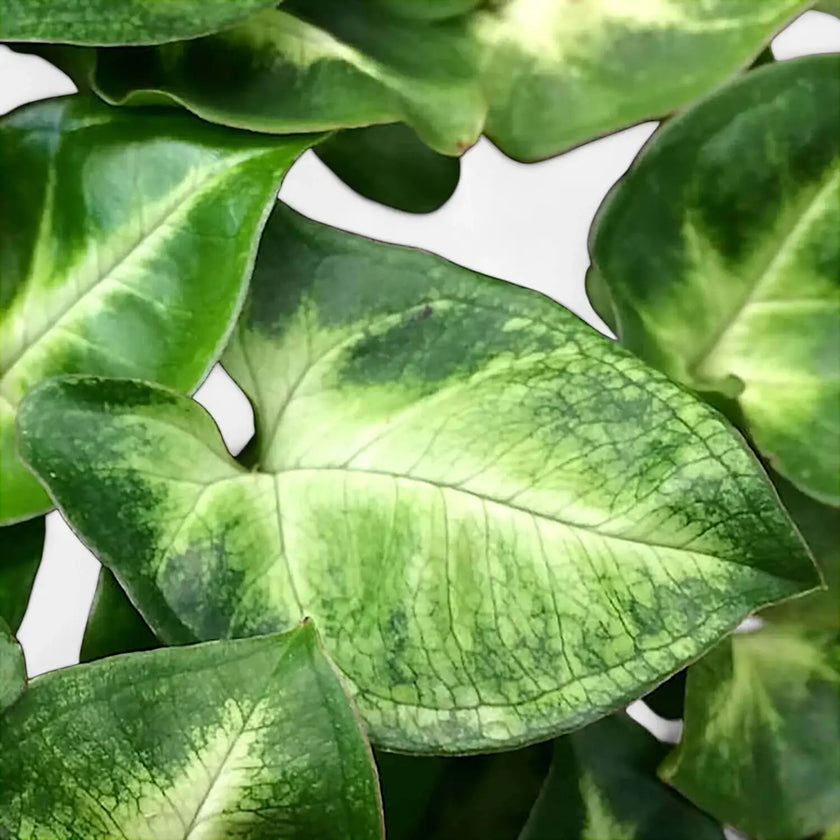
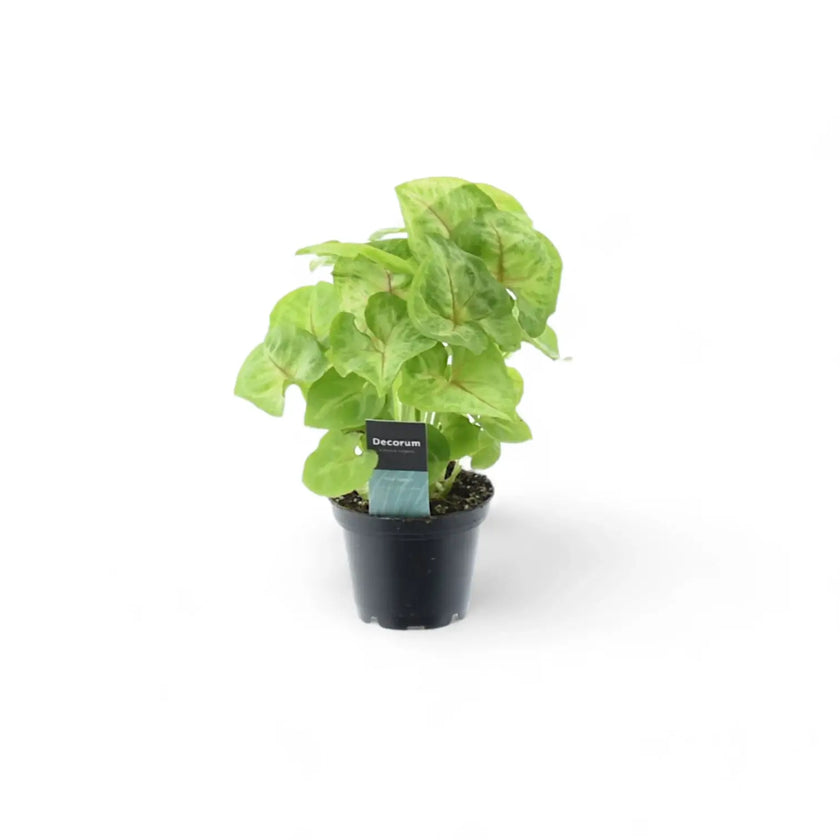
Syngonium podophyllum 'Pixie' aka 'Nana' leaf close-up on white background.
Syngonium podophyllum 'Pixie' aka 'Nana' Regular price From €9,50
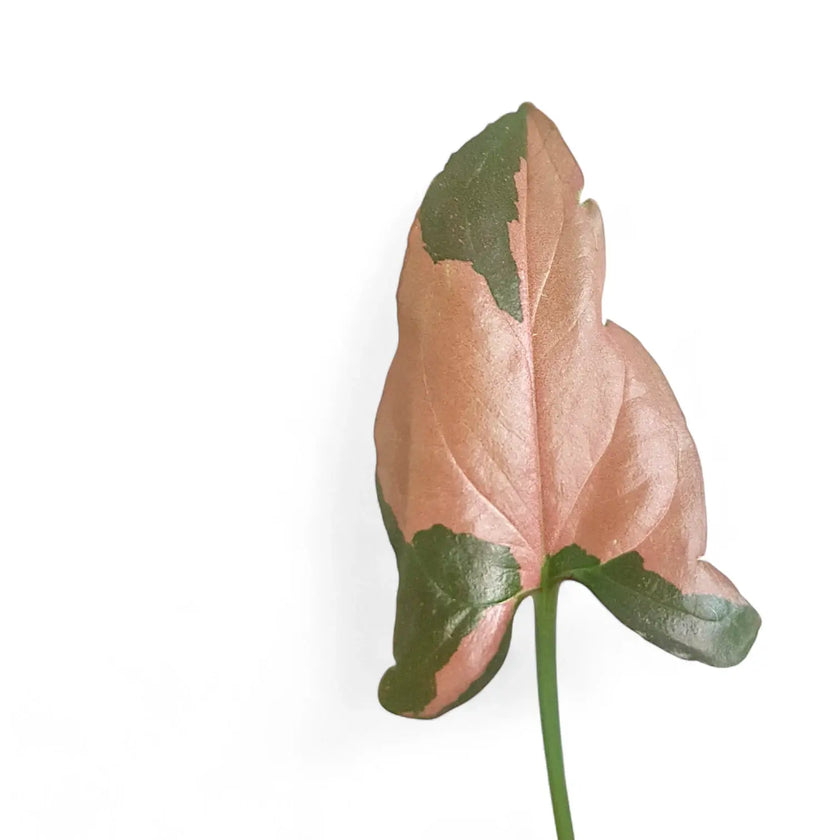
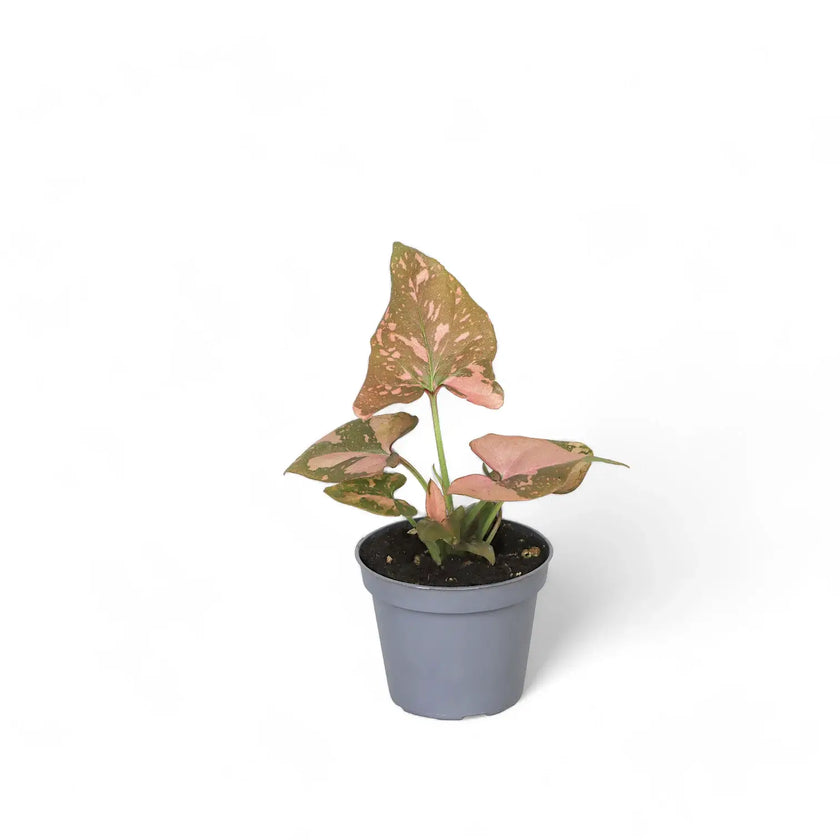
Syngonium podophyllum 'Red Spot' ('Pink splash') close-up of leaf on white background.
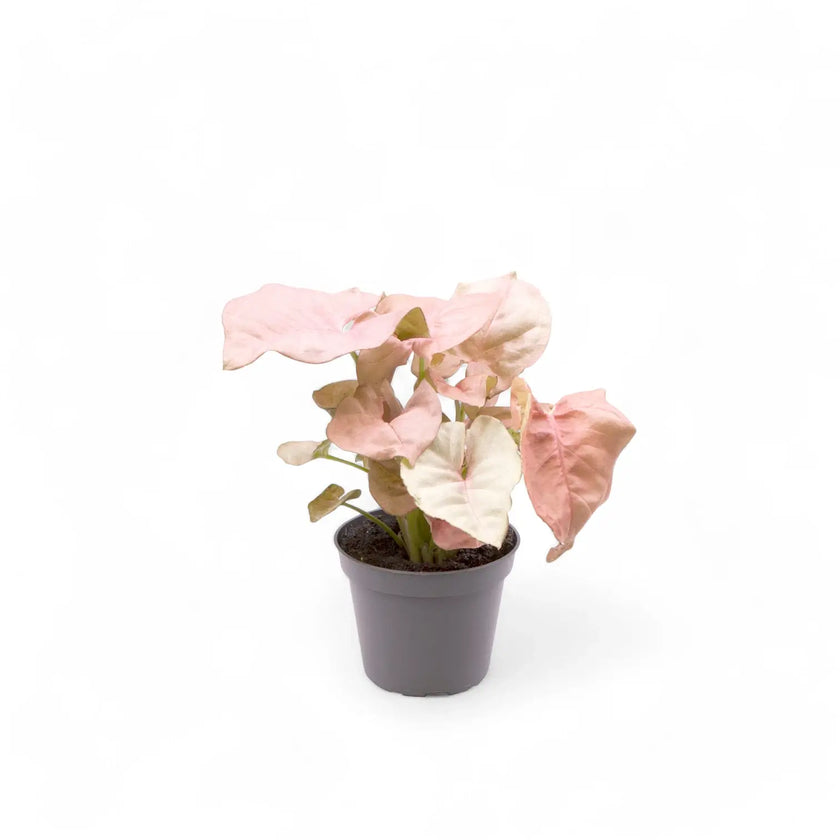
Syngonium podophyllum ‘Neon' close-up of leaf on white background.
Syngonium podophyllum ‘Neon' Regular price From €9,50
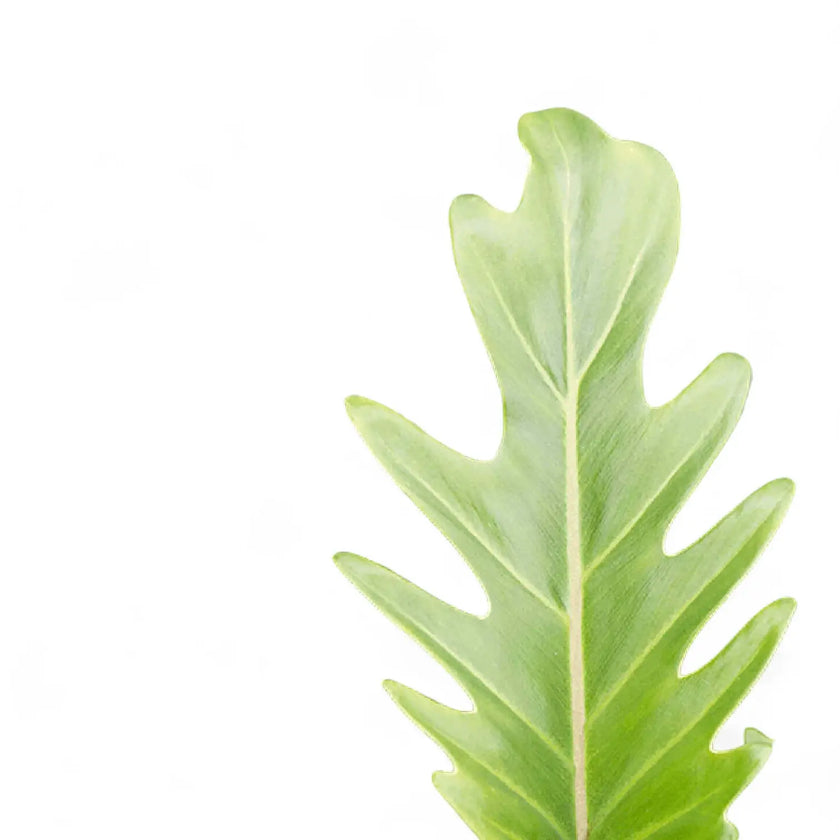
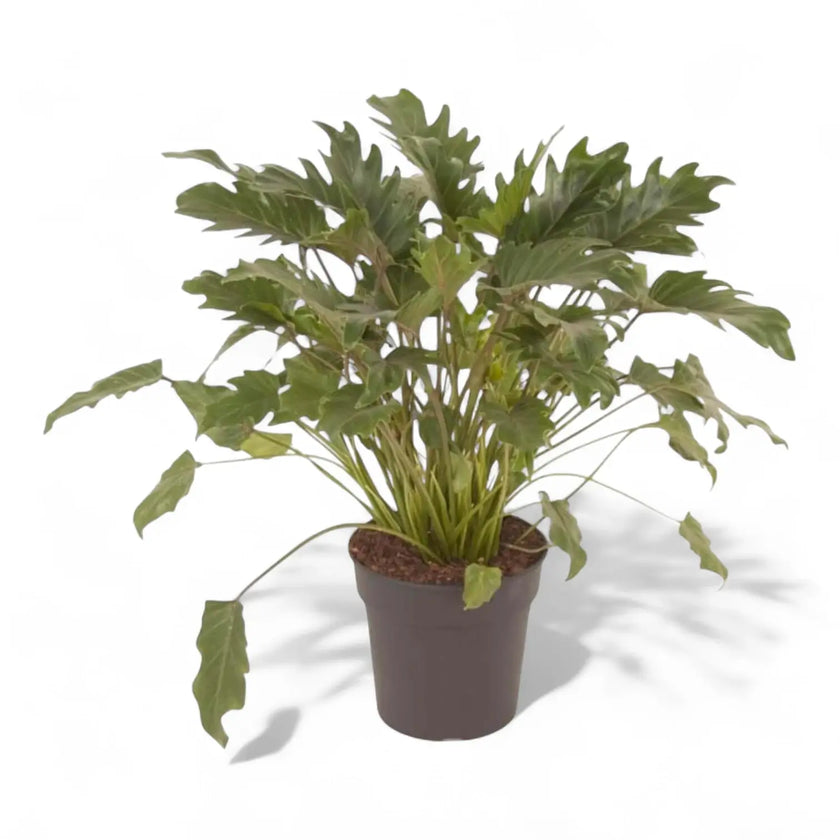
Thaumatophyllum xanadu leaf close-up on white background.
Thaumatophyllum xanadu Regular price €41,50
Tradescantia mundula ‘Green Hill’ leaf close-up on white background.
Tradescantia mundula ‘Green Hill’ Regular price €34,75
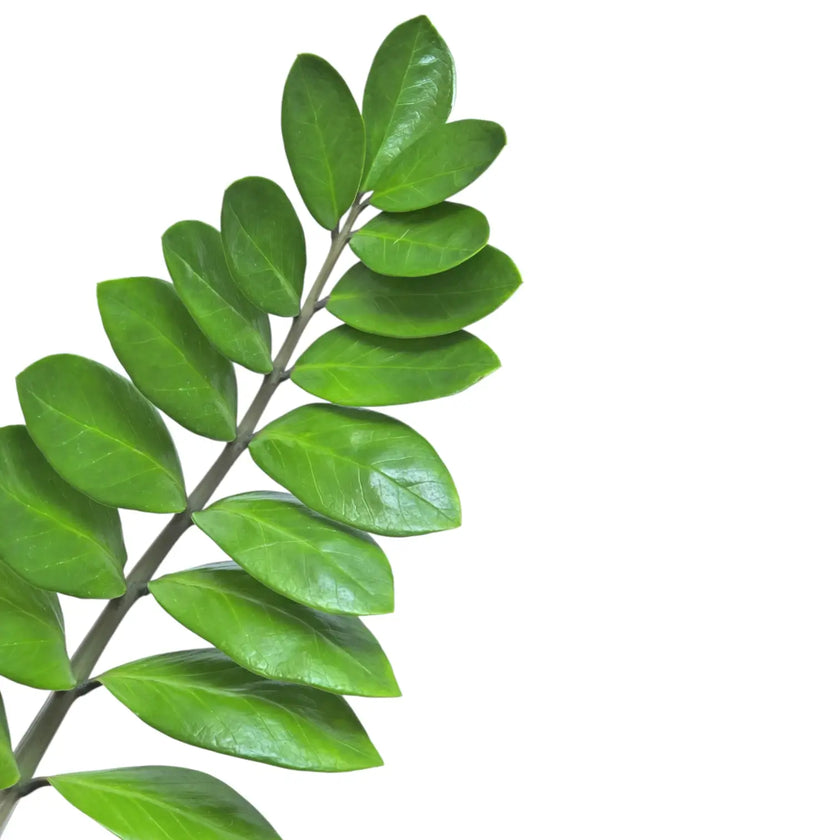
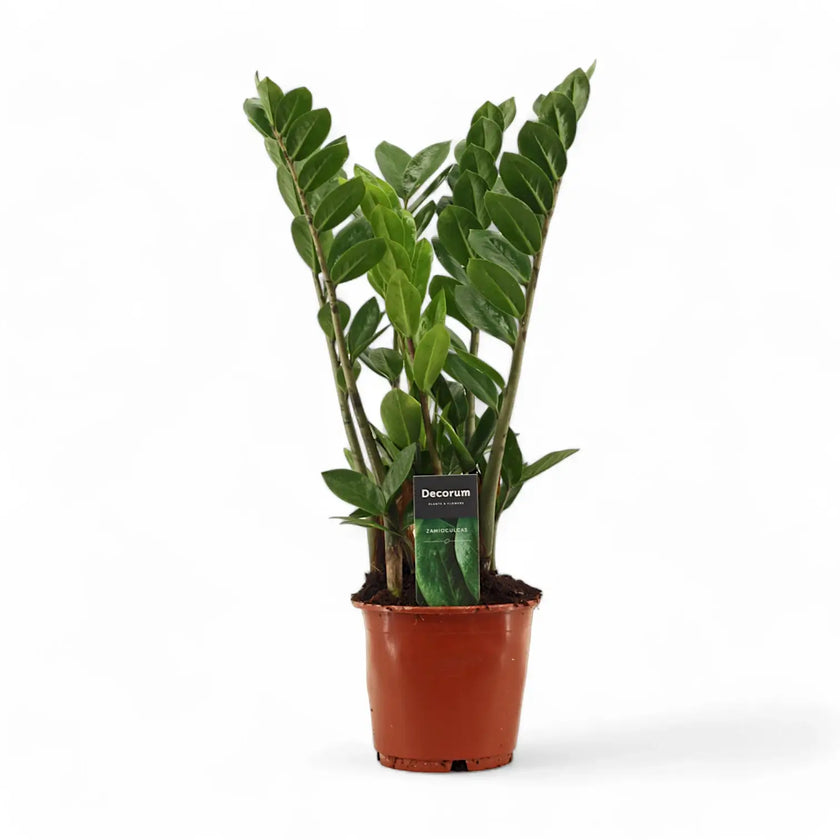
Zamioculcas zamiifolia leaf detail on white background.
Zamioculcas zamiifolia Regular price From €13,50

Bright Indirect Light

Quick Overview


Bright-Indirect Houseplants: the main indoor light range

  • Light: strong, even daylight without long hours of hard direct sun on the leaves.
  • Position: usually close to a bright window, slightly to the side of direct sun, or behind a sheer curtain.
  • Water: most plants here want thorough watering followed by partial drying, not constant dampness and not a full dry-out every time.
  • Mix: loose, airy substrate that holds some moisture but still drains well and keeps oxygen around the roots.
  • Warmth: most of these plants are comfortable in normal warm indoor conditions, but leaf temperature can still rise fast near hot glass.
  • Growth: in the right bright-indirect spot, plants usually stay fuller, steadier, and closer to their expected leaf size, colour, or pattern.
  • Pets: safety varies across the plant group, so always check the plant-specific notes if pets or small children share the space.
Details & Care

Bright-Indirect Light Houseplants: the main group for bright-window rooms

What bright-indirect light means in a real home

Bright-indirect light means the space feels clearly bright during the day and the plant gets plenty of usable daylight, but the leaves are not sitting in a hard sun beam for hours. Sun may hit the window, floor, or nearby wall while the plant stands just off to the side, slightly back from the glass, or behind a light curtain.

In practical terms, this is often the kind of light you get near east-facing windows, near large bright balcony doors, or a little to the side of south- and west-facing glass. It is stronger than low or medium indirect light, but softer and more forgiving than full sun.

Which plants fit this group best

This group is the default pool for many indoor growers because it covers a wide range of foliage plants that want strong light without harsh exposure. Many Monstera, Philodendron, Anthurium, Syngonium, Epipremnum, Alocasia, and other aroids sit comfortably here. So do many prayer plants, ferns, Hoyas, Peperomia, Pilea, and selected Ficus and other indoor shrubs that lose shape in dim positions but do not want to cook in direct midday sun.

What these plants share is not identical care, but a shared need for good light. In the right spot, they usually hold better colour, cleaner pattern, stronger growth, and a more compact shape than they do farther back in the space.

How stronger light changes growth

Bright-indirect setups usually dry pots faster than low-light rooms, but more gently than a hot sunny sill. That offers more room to work, but it still means watering should follow the condition of the pot, not a rigid schedule.

Better light often means tighter stems, stronger leaf size, and more stable growth. It does not fix dense substrate, poor drainage, or roots that stay wet too long. If the setup is too hot or the move into stronger light is too abrupt, even bright-indirect plants can bleach, crisp, or stall.

How to match plants here more realistically

For low-effort care, use sturdier aroids, easier Hoyas, tougher Ficus, or other forgiving foliage plants that tolerate a little variation. For closer plant care, this is also the range where patterned prayer plants, ferns, and more demanding foliage species usually make much more sense than they do in darker indoor setups.

Treat Bright-Indirect Light Houseplants as your default group when you have a genuinely bright room and at least one good window, but not prolonged direct sun blasting the leaves. If your plant sits much farther back from the glass and never really sees strong daylight, Low-Medium or Low Light will usually be a better fit. If the sill gets hours of hard direct sun, step up to Very Bright or Full Sun instead.

Frequently Asked Questions About Light