Plant Problems
Why Are My Houseplant Leaves Curling? Causes & Fixes
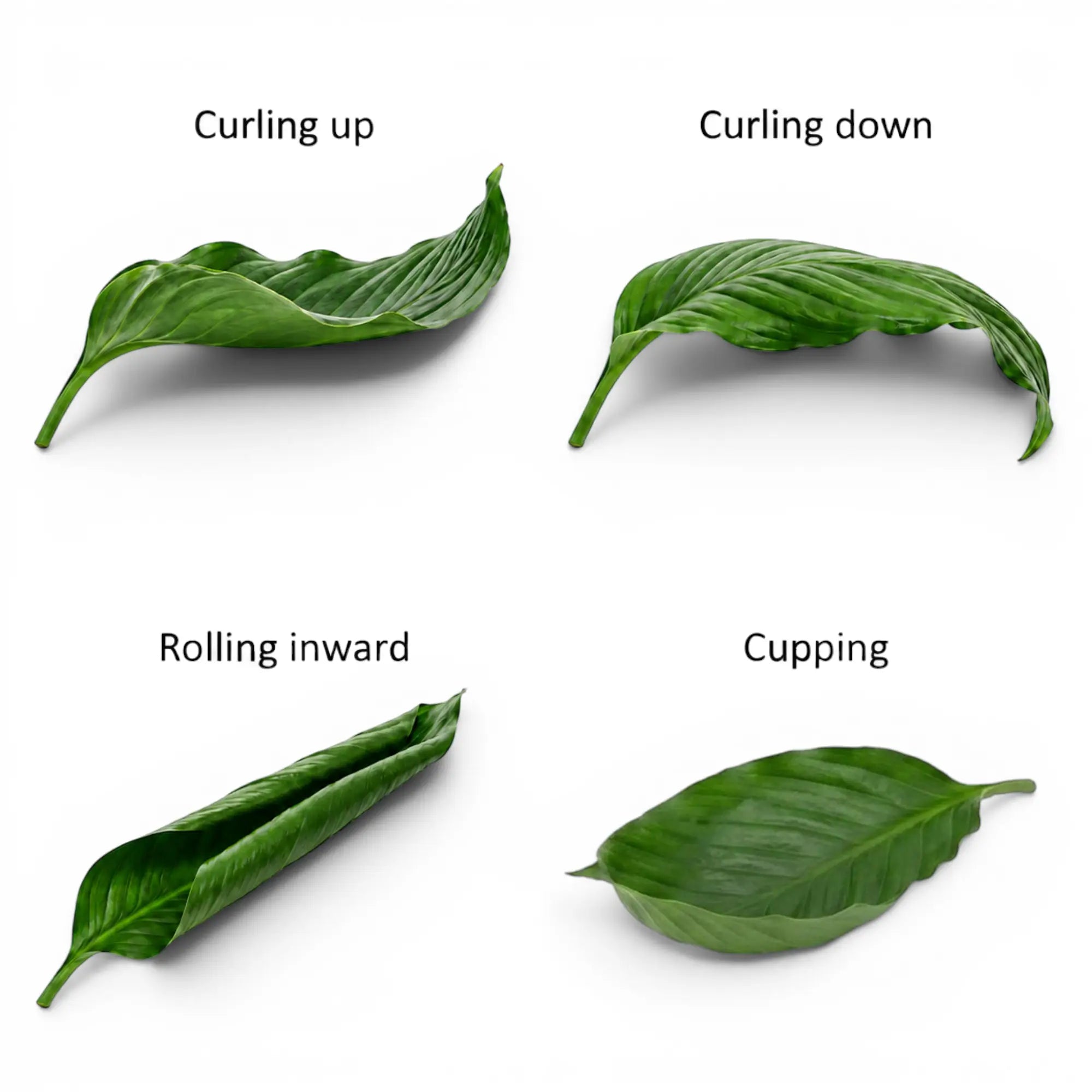
Curled houseplant leaves can point to dry roots, wet substrate, heat, strong light, cold, pests or recent care changes. This guide shows how to read curl dir...

Practical plant care guides for real homes: unboxing, acclimation, watering, fertilising, repotting, pests, substrate choices, and the plant behaviour behind common problems.
Curled houseplant leaves can point to dry roots, wet substrate, heat, strong light, cold, pests or recent care changes. This guide shows how to read curl dir...
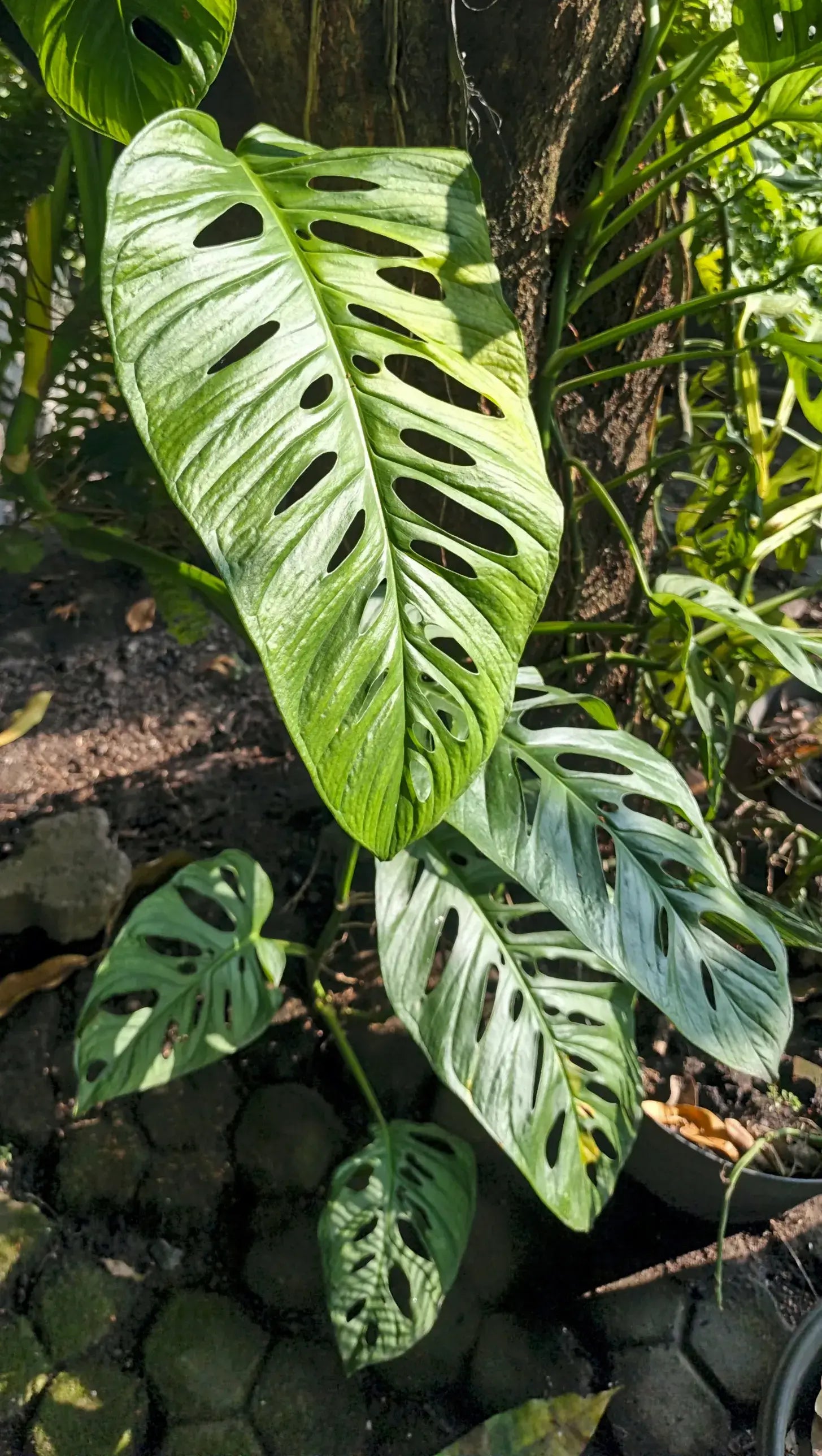
Some climbing houseplants grow toward walls instead of windows. Skototropism helps explain why: a dark vertical shape can act as a support cue for climbing a...
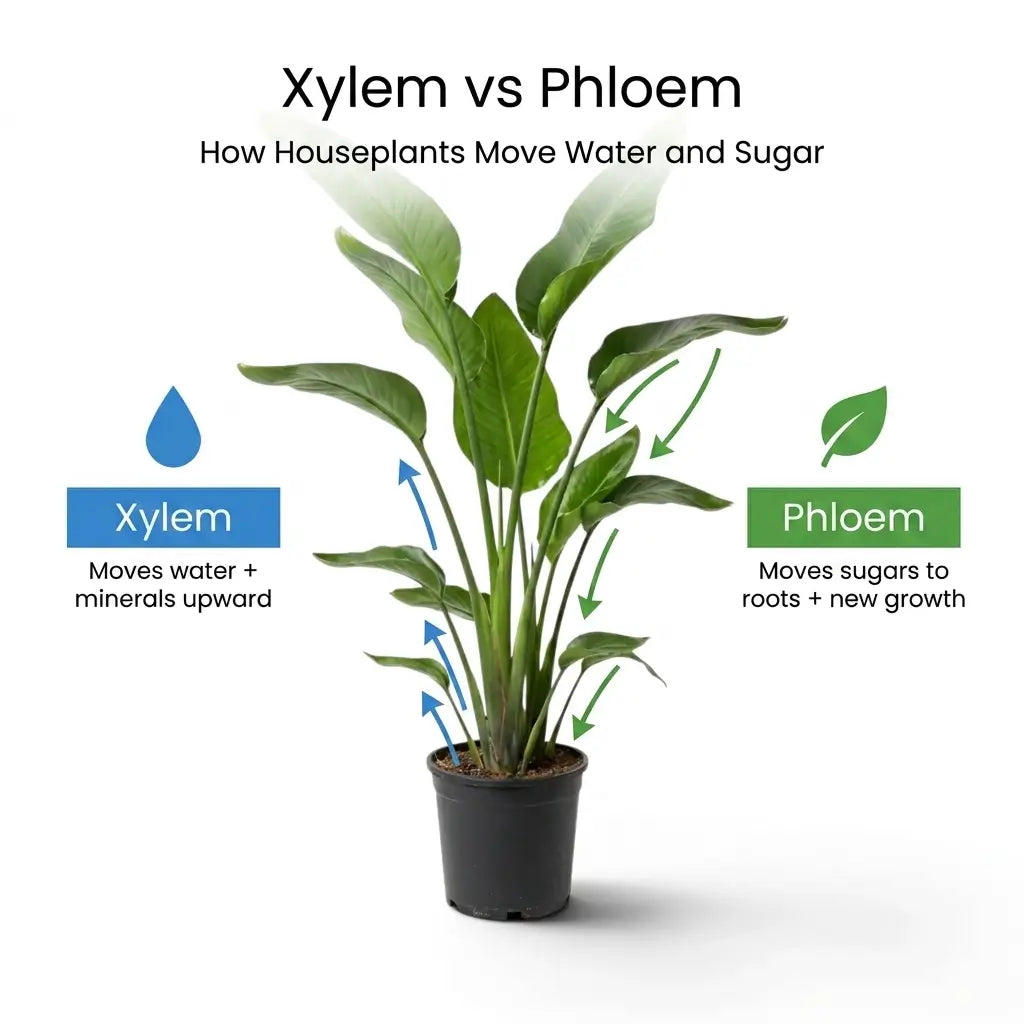
Xylem and phloem sit behind many everyday houseplant symptoms. They help explain drooping leaves, guttation, slow growth, pest-heavy new shoots and why roots...
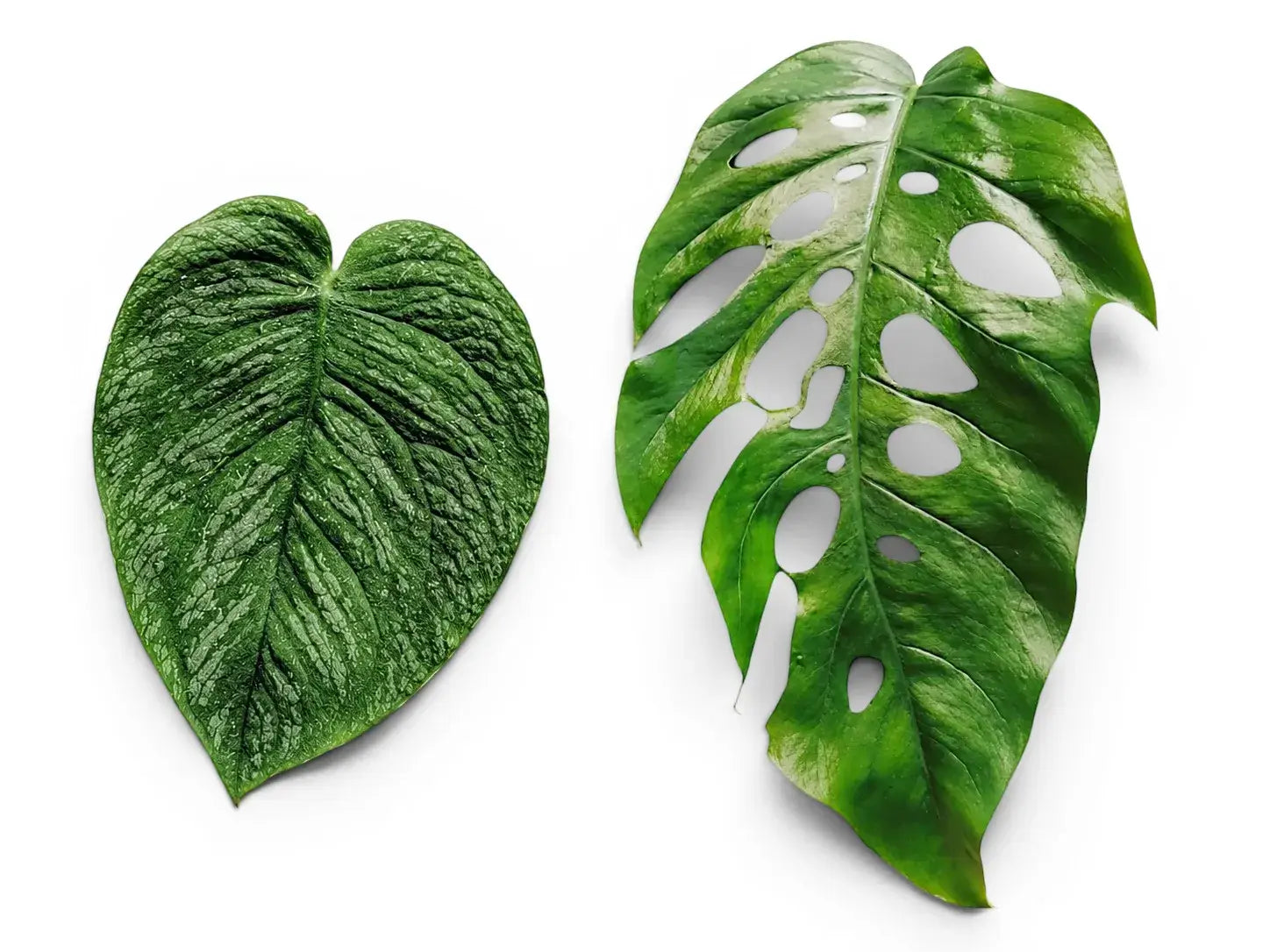
Young houseplants often look nothing like their mature form. Heteroblasty explains why baby Monstera, pothos, Syngonium and climbing Philodendron make simple...

Summer outdoor time can strengthen some houseplants and damage others within days. Match plant type to shade, wind, rain and night temperatures, then acclima...
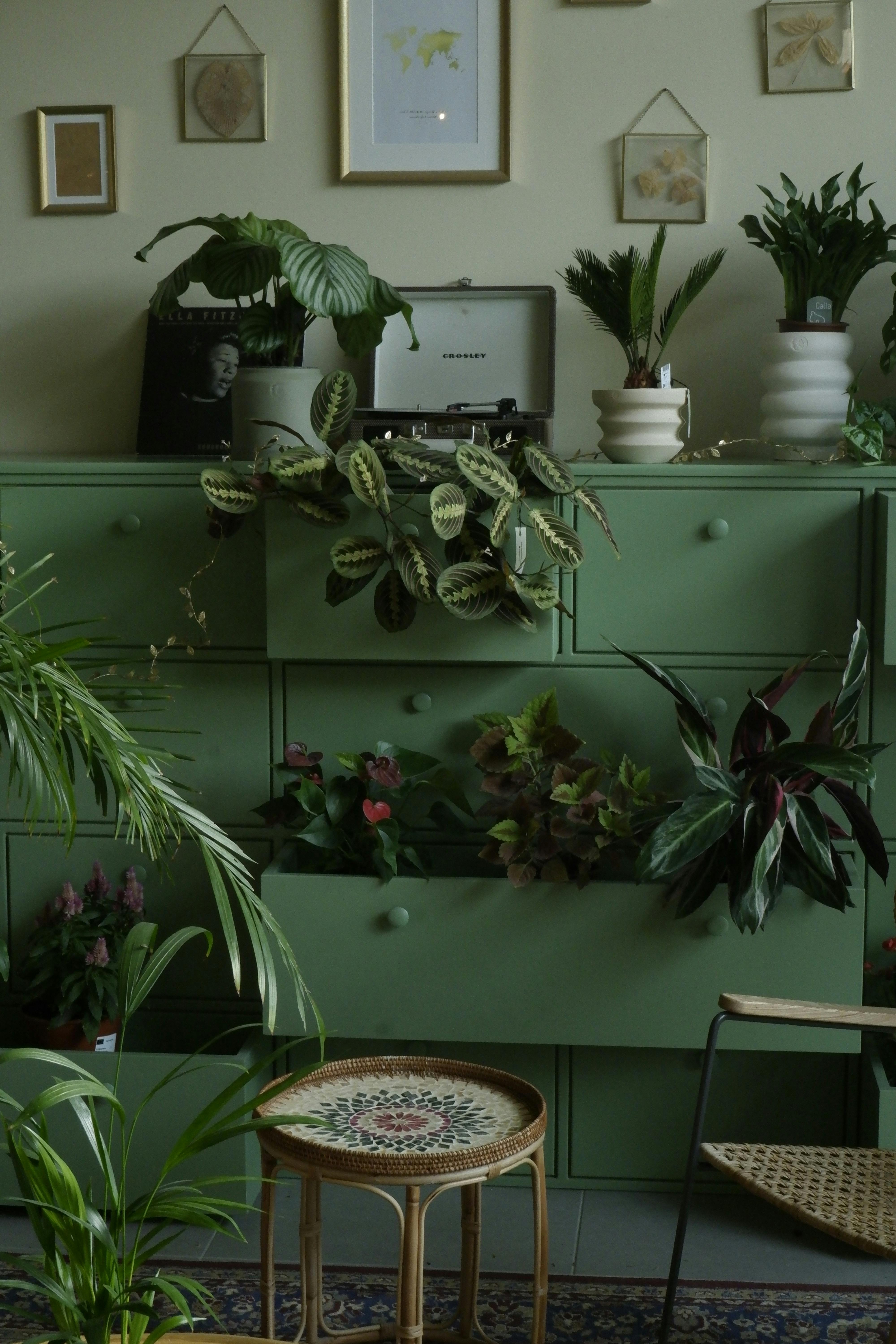
Prayer plants react clearly to moisture, light, salts and air movement. Goeppertia, Maranta, Ctenanthe and Stromanthe show stress through leaf movement, cris...
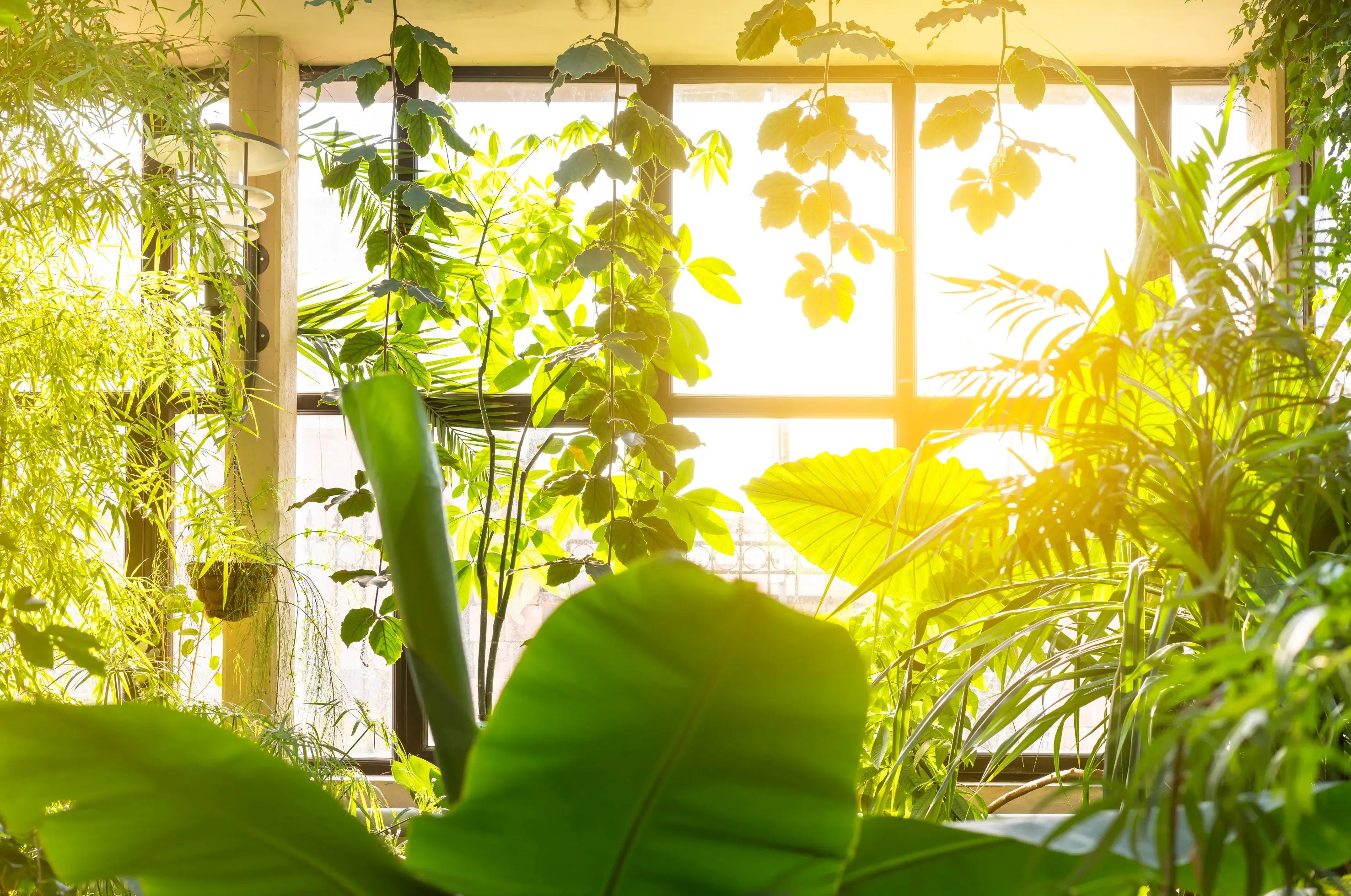
Seasonal light changes even inside the same room. Shorter days, lower sun angle and weaker winter intensity affect watering, growth speed, leaf colour and wh...
Low light indoors is measurable, and most plants grow slowly there. Use lux, distance from windows and plant tolerance to decide whether a dim spot needs a t...
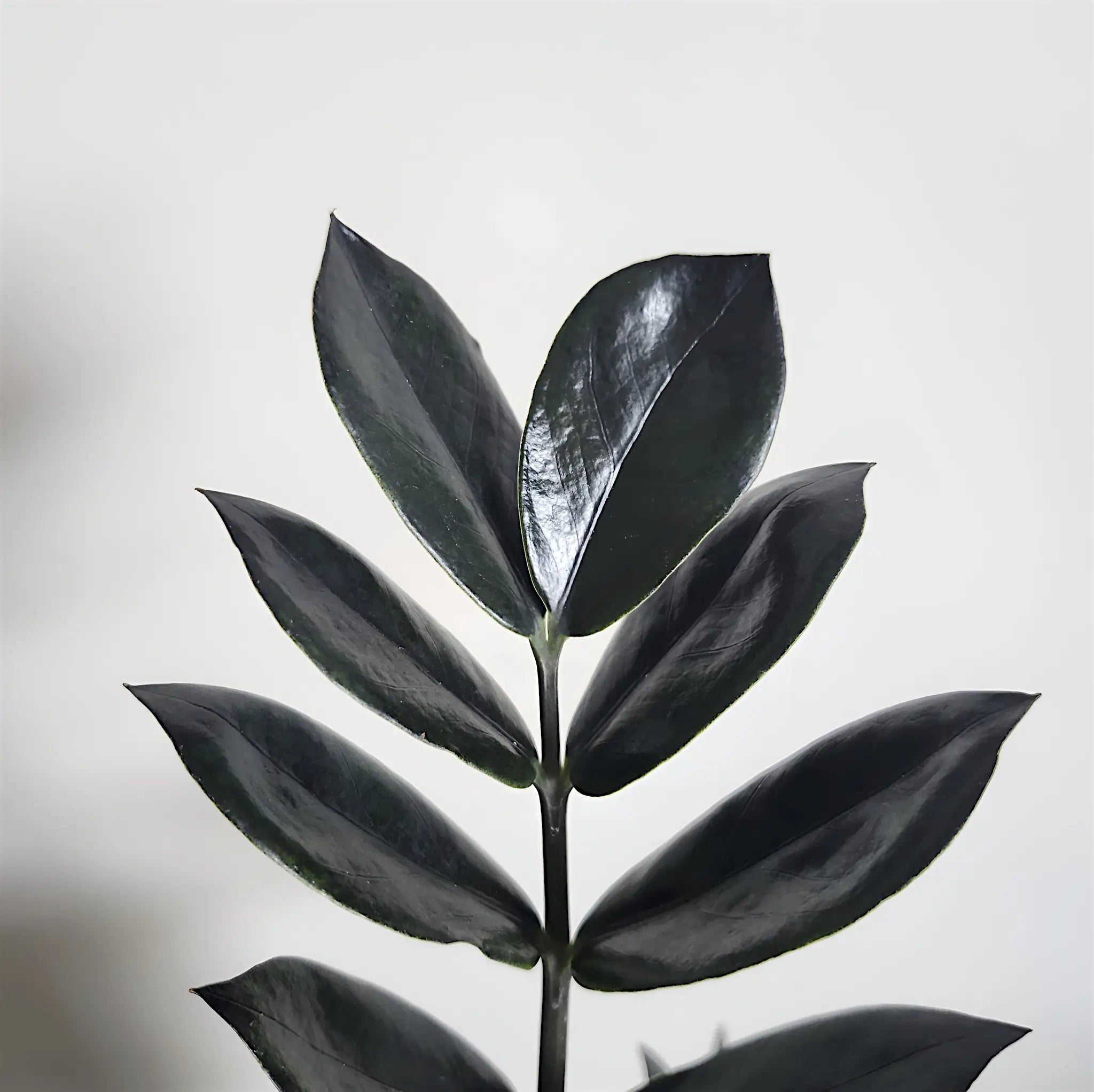
Black-leaved plants are usually deep purple, red or green leaves rich in pigments and light-filtering chemistry. Care affects how dark the colour stays and w...
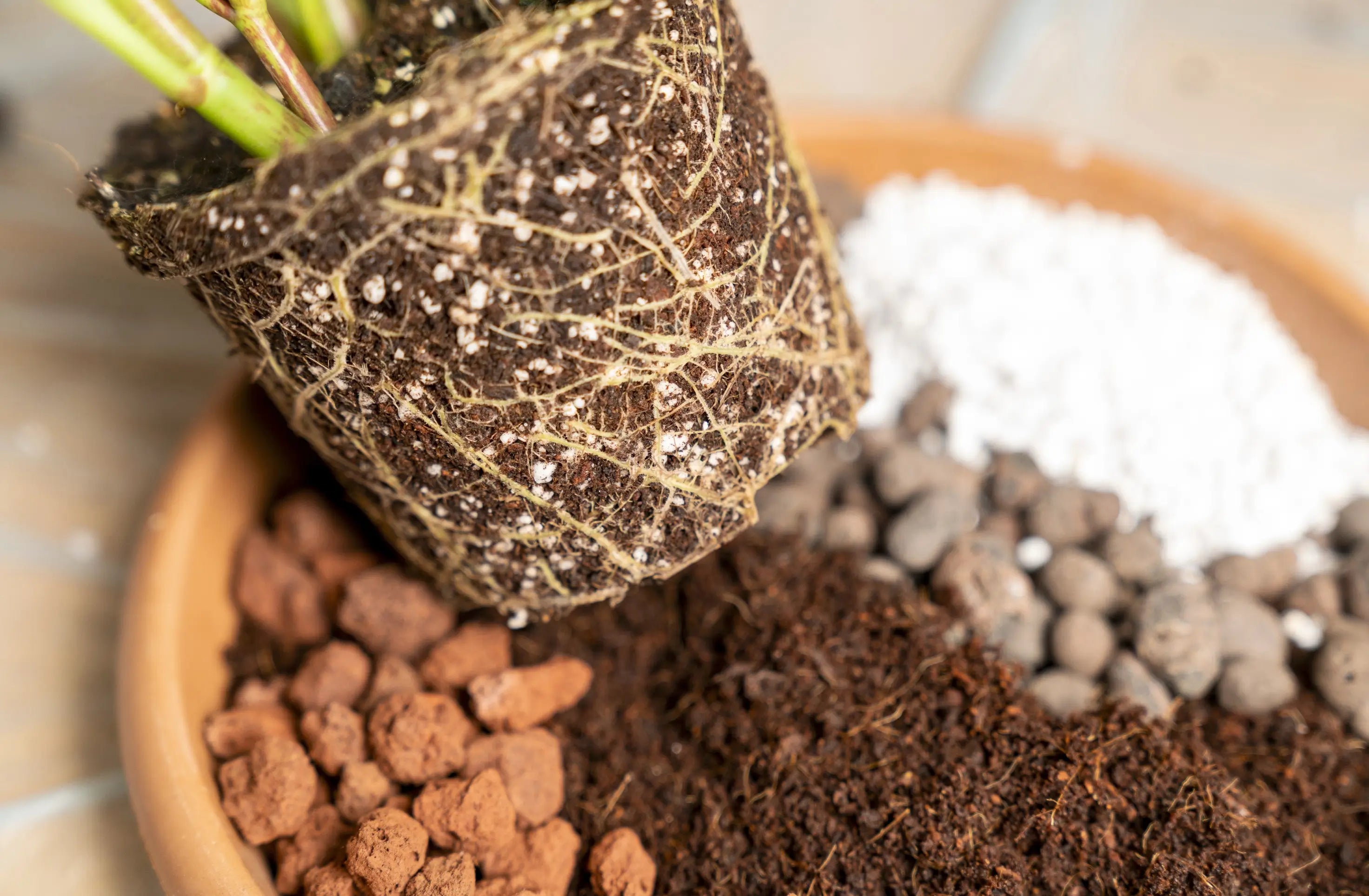
Drainage holes alone do not protect roots if the mix stays airless. Aeration, particle size, perched water and pot depth decide whether roots get oxygen or s...
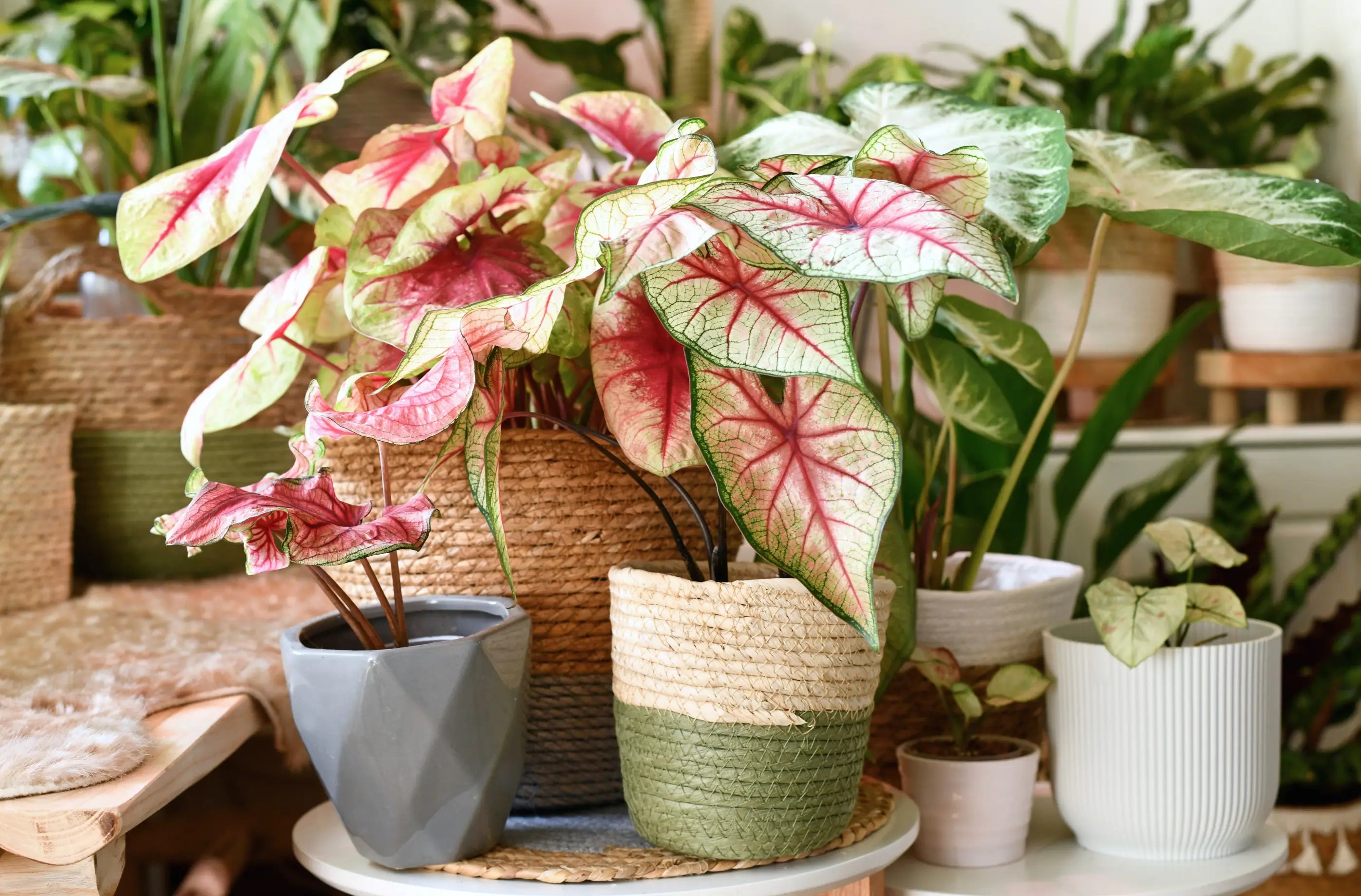
A growth pause can be dormancy, seasonal slowdown, stress or root trouble. Separate true rest from decline by checking plant type, light, temperature, substr...
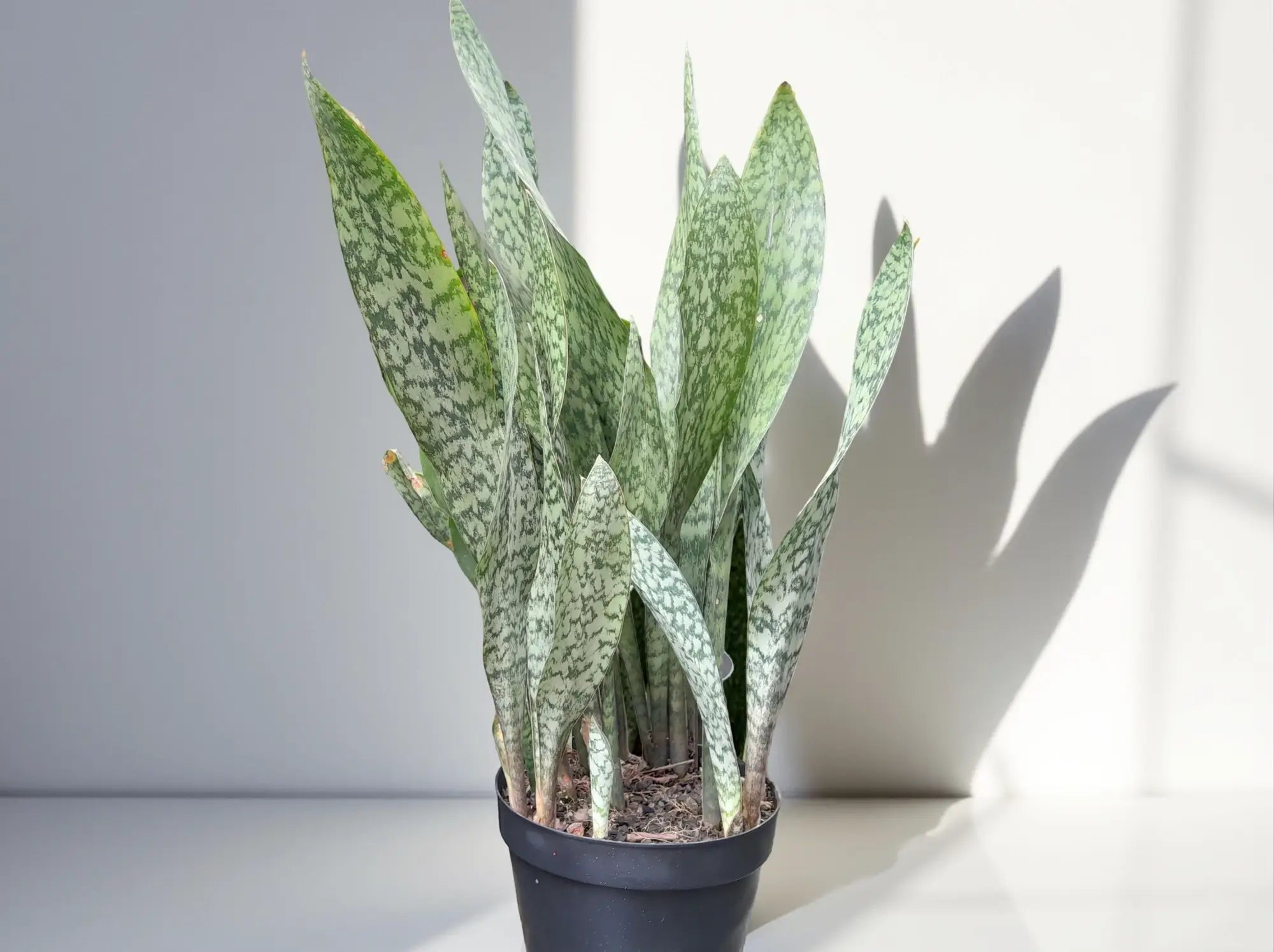
CAM photosynthesis helps many succulents, cacti, orchids, Hoya, snake plant and ZZ plant save water by taking in CO₂ at night. This guide explains what that ...
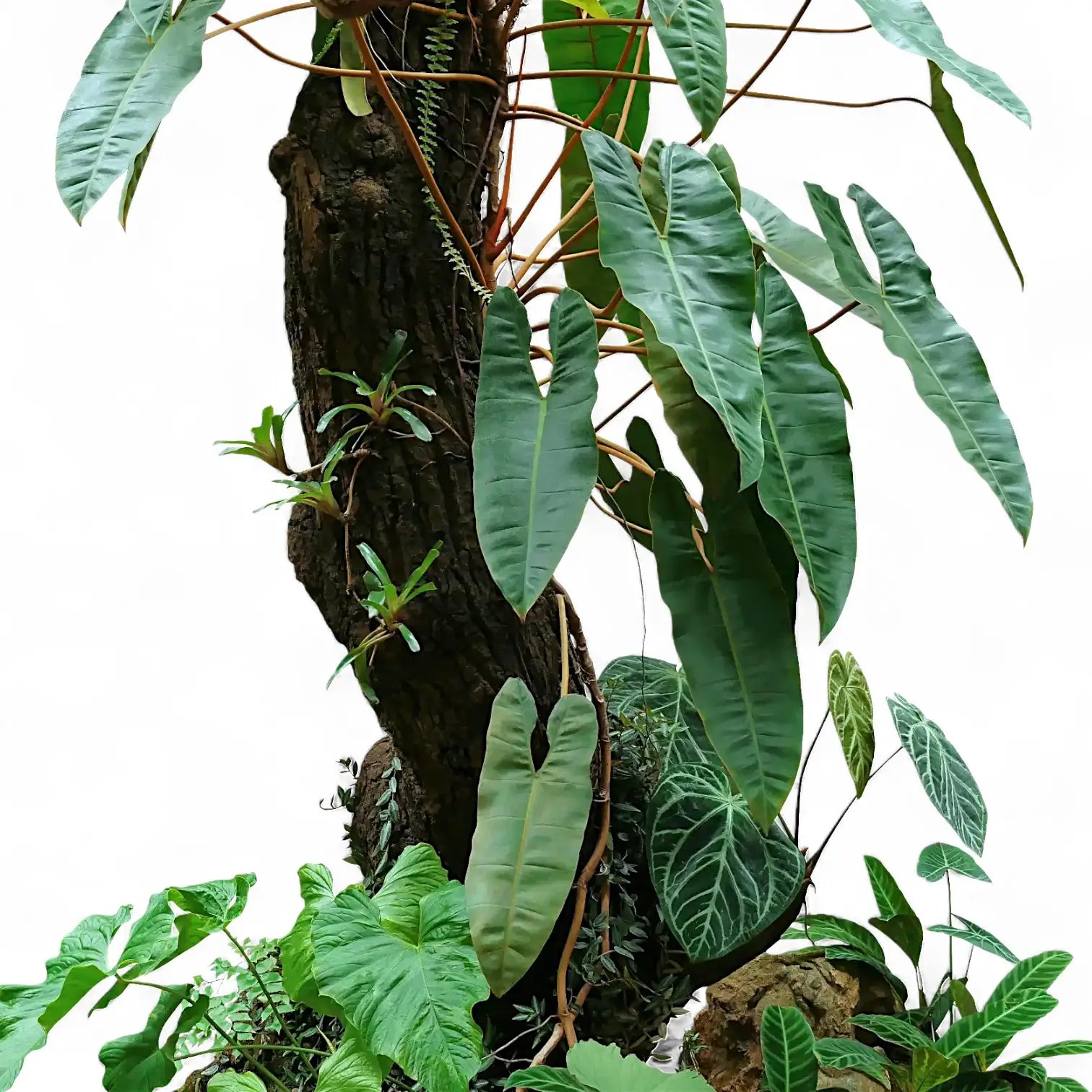
Many popular houseplants grow as epiphytes or hemiepiphytes, not soil-rooted bedding plants. Airy substrates, pulse watering, airflow, light and climbing sup...
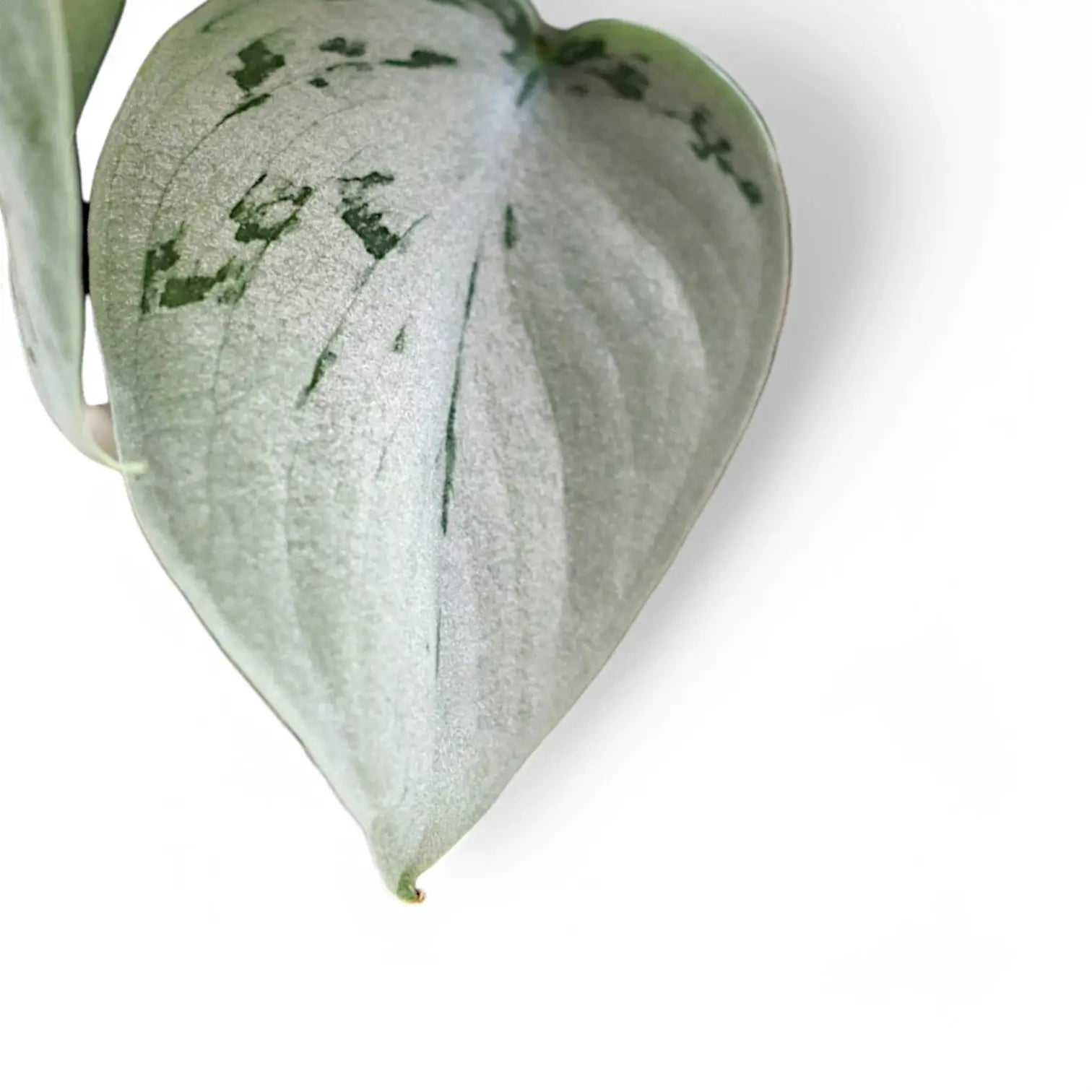
Silver leaves usually come from structure, not silver pigment. Blister variegation, waxes, papillae and trichomes change how light reflects, while care keeps...
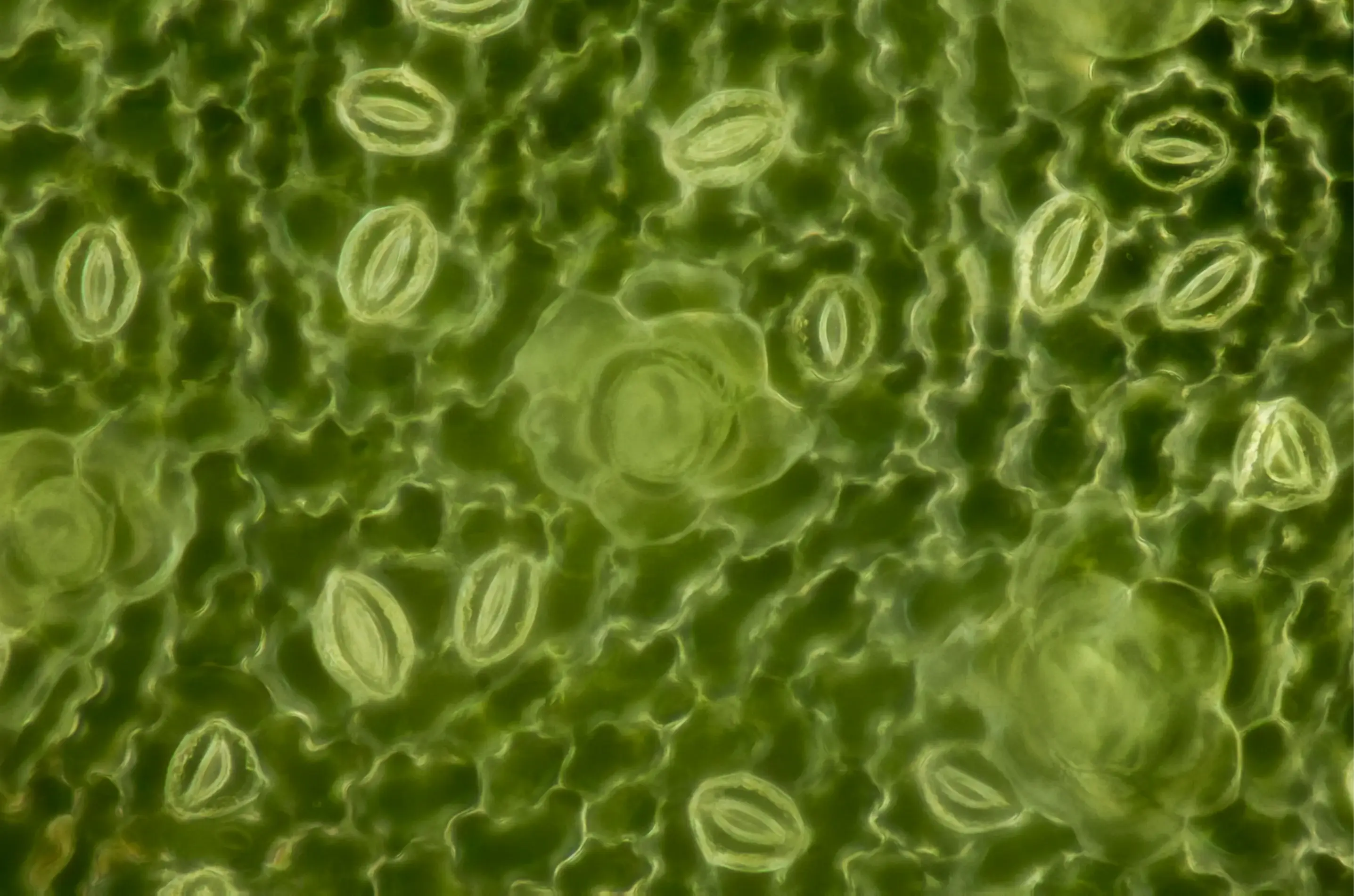
Stomata are tiny leaf pores that control gas exchange, cooling and water loss. Wilting, curling and crisp edges often make more sense when light, humidity, a...
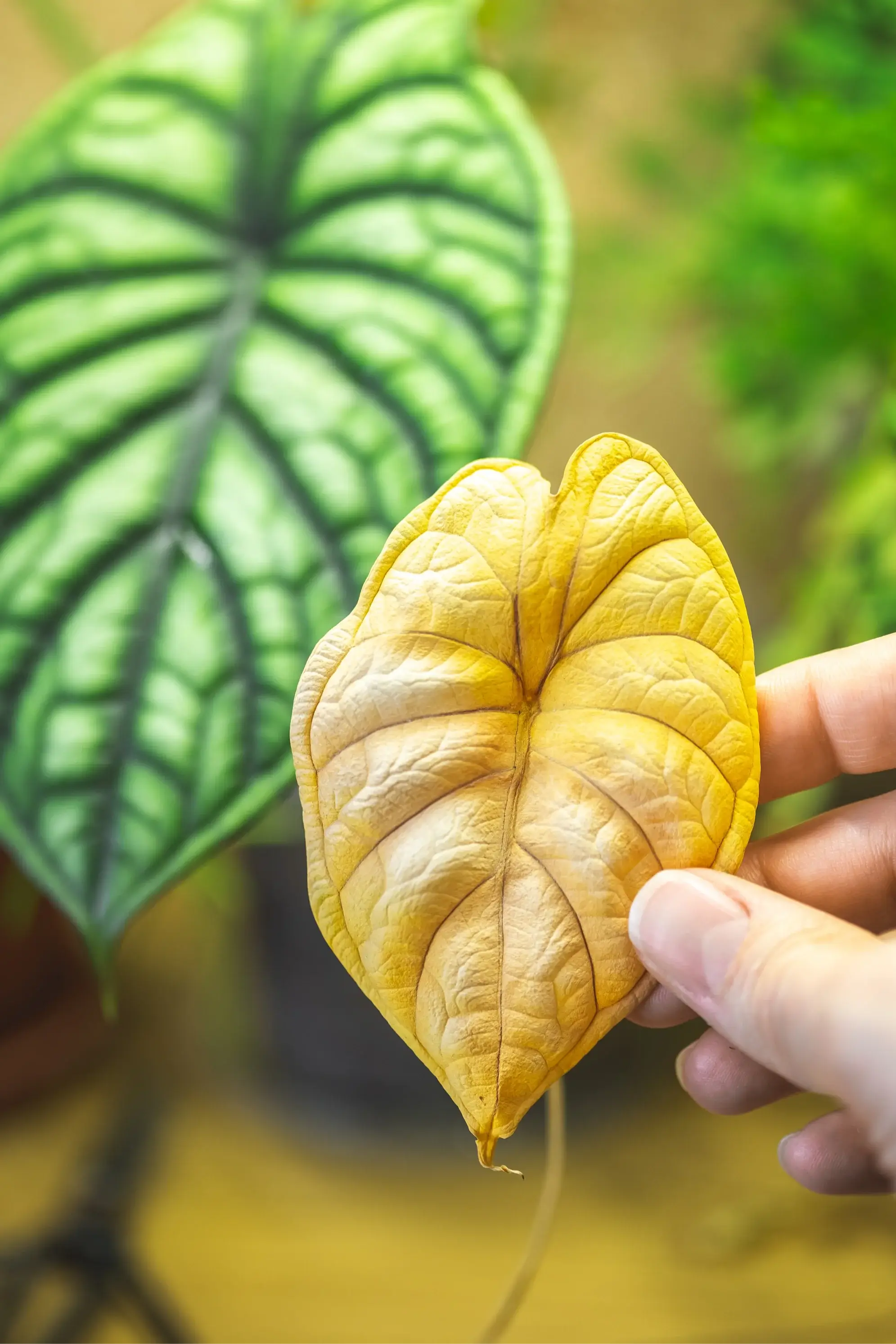
Acclimation is the adjustment period after a plant moves from one environment to another. Expect some pause or leaf change while you manage light, watering, ...
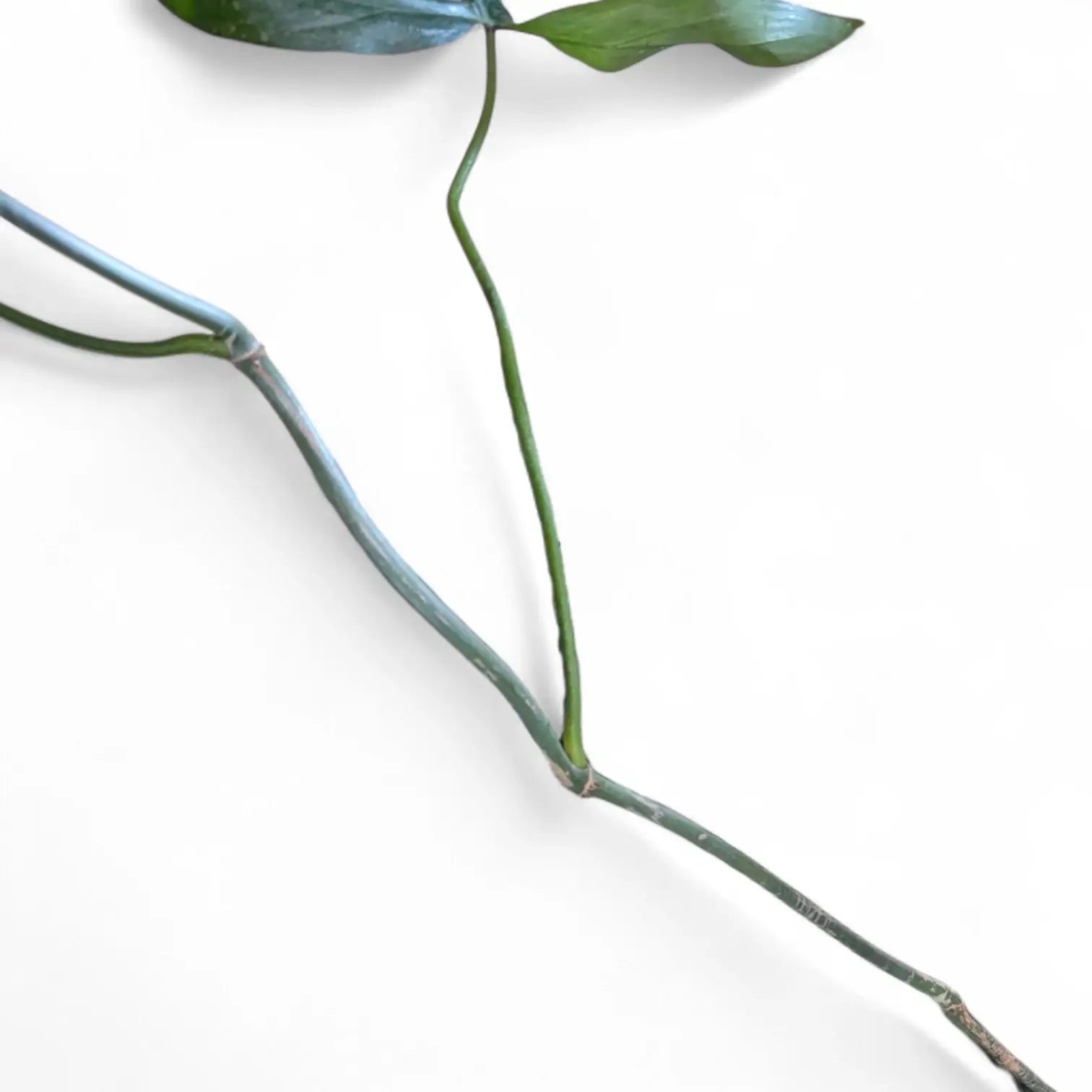
Leggy growth usually means a plant is stretching for more light. Identify etiolation by long internodes, small pale leaves and leaning stems, then improve pl...
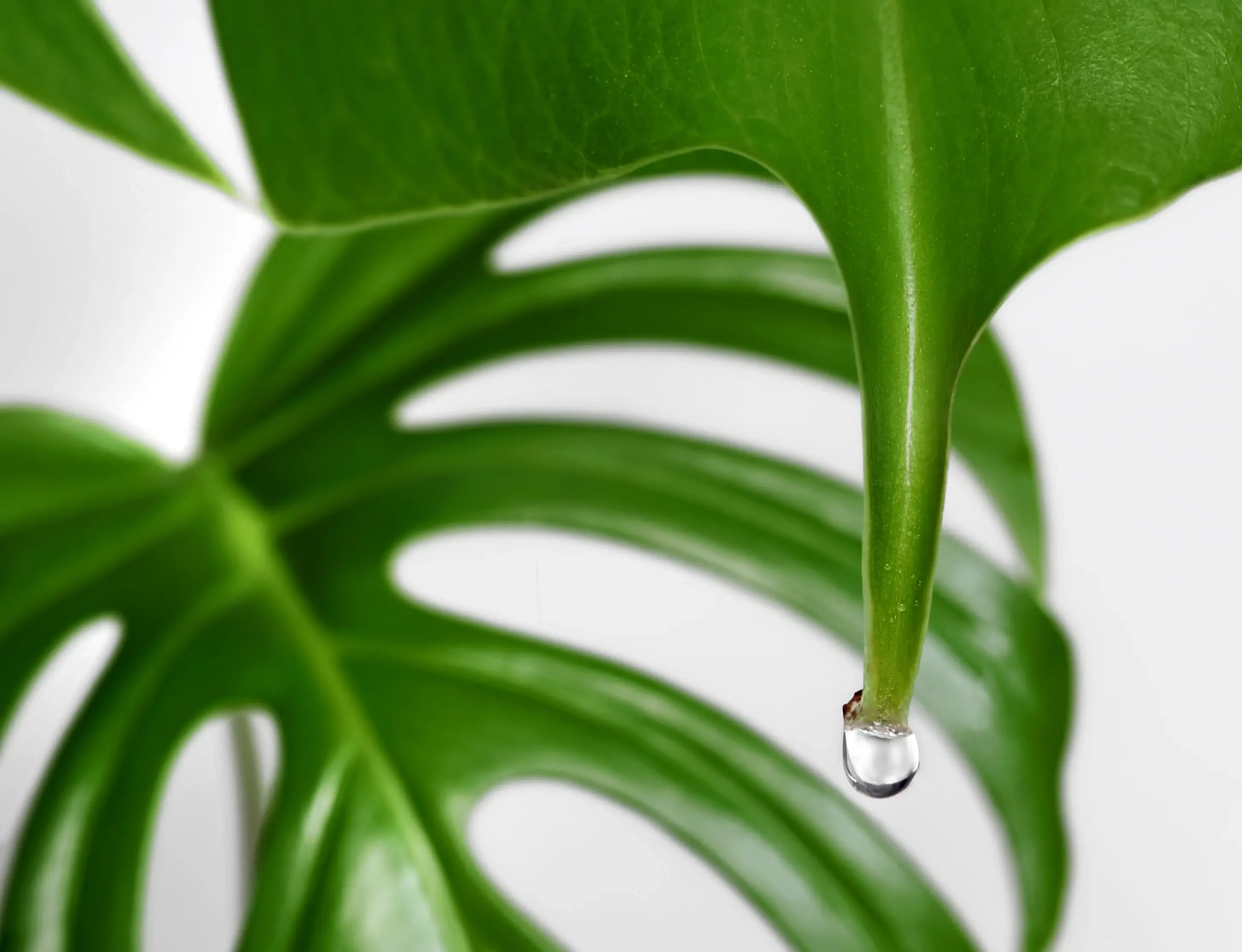
Guttation appears as droplets when root pressure pushes water out through leaf edges. It can be normal, but sticky residue, repeated wet leaves or mineral ma...
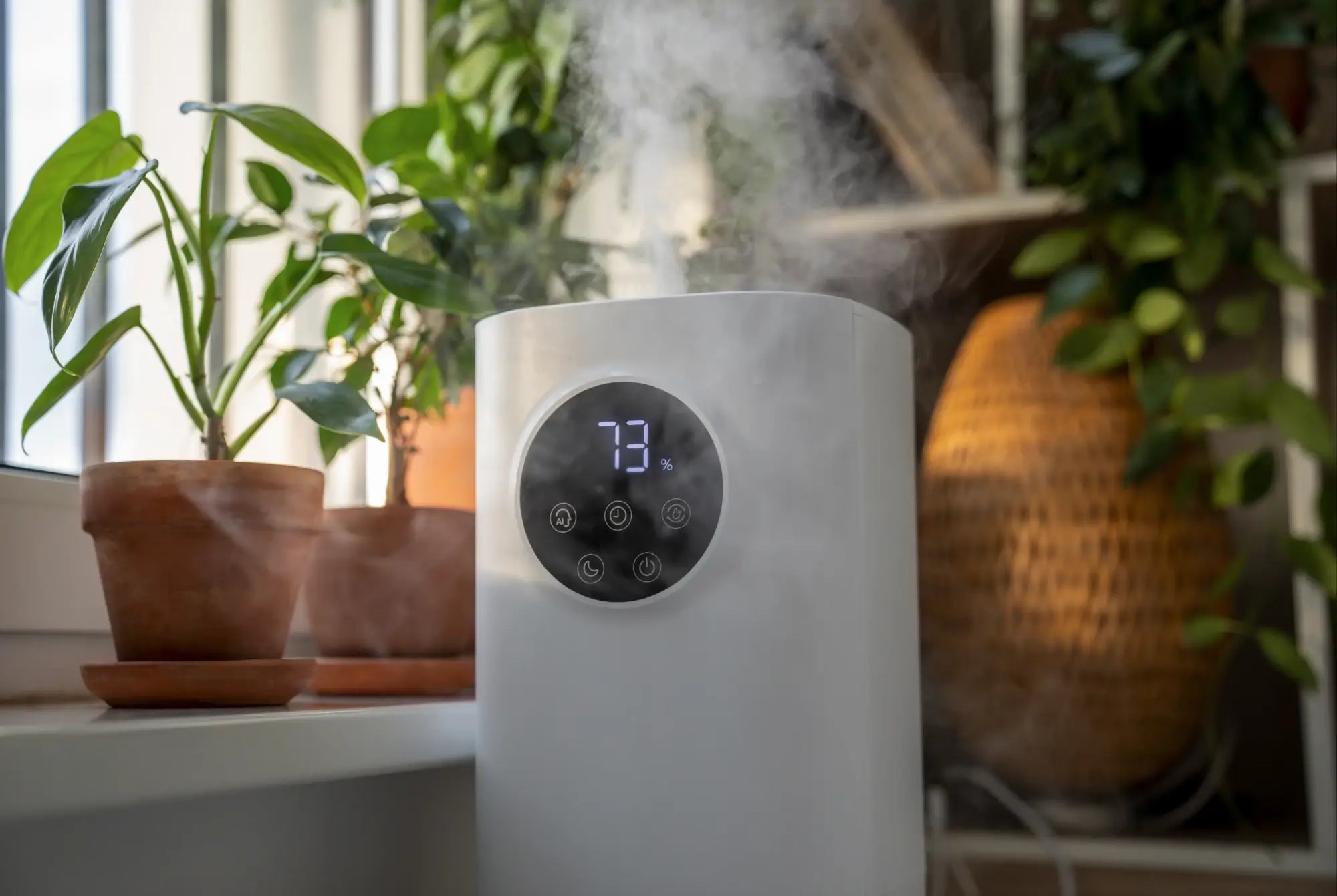
Humidity affects transpiration, leaf edges, unfurling and pest pressure, but more is not always better. Match humidity to plant type, airflow, temperature an...
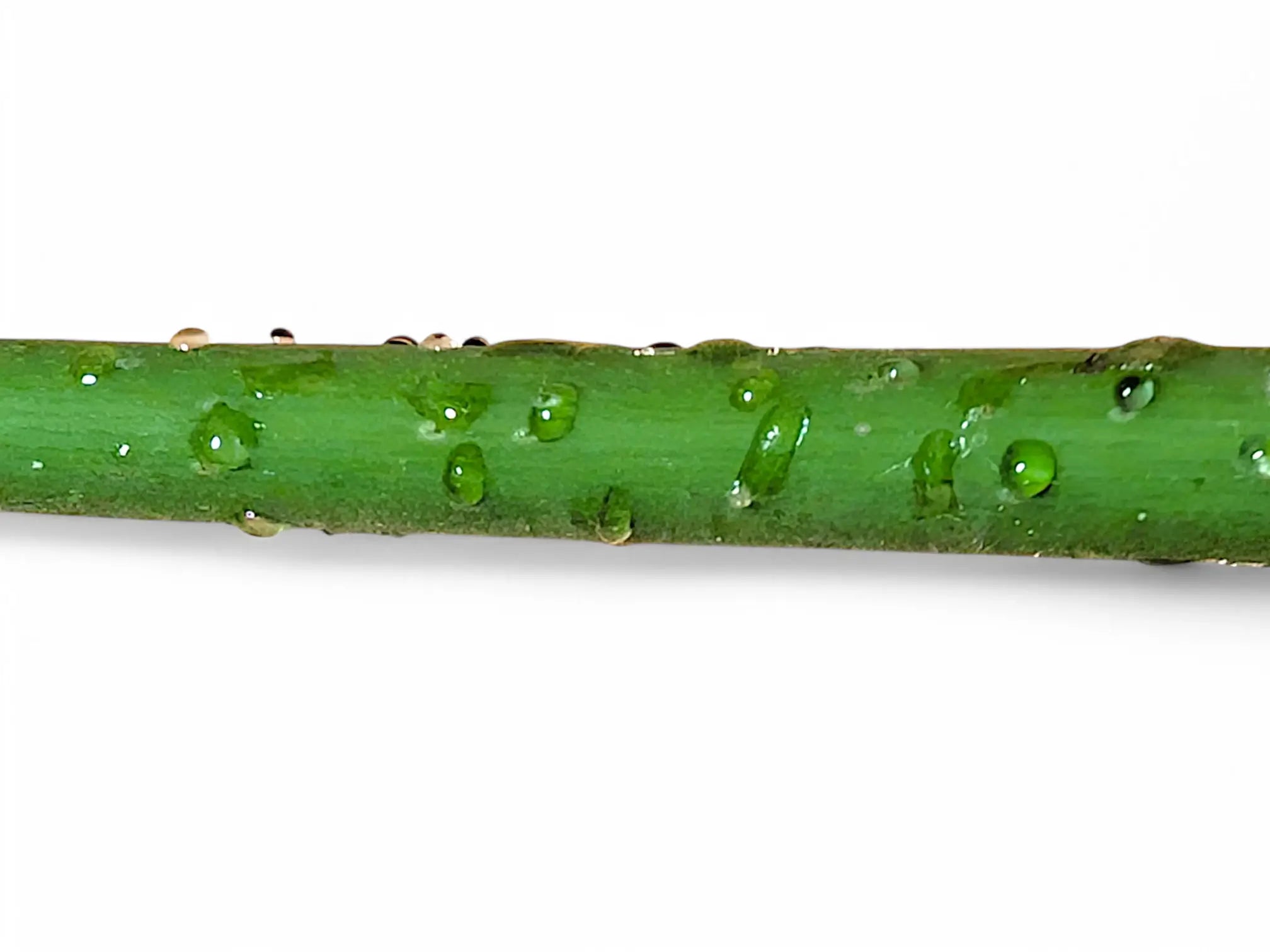
Sticky droplets on a plant are not always pests. Extrafloral nectaries can produce nectar on leaves, petioles or stems, but honeydew, guttation and sap leaks...
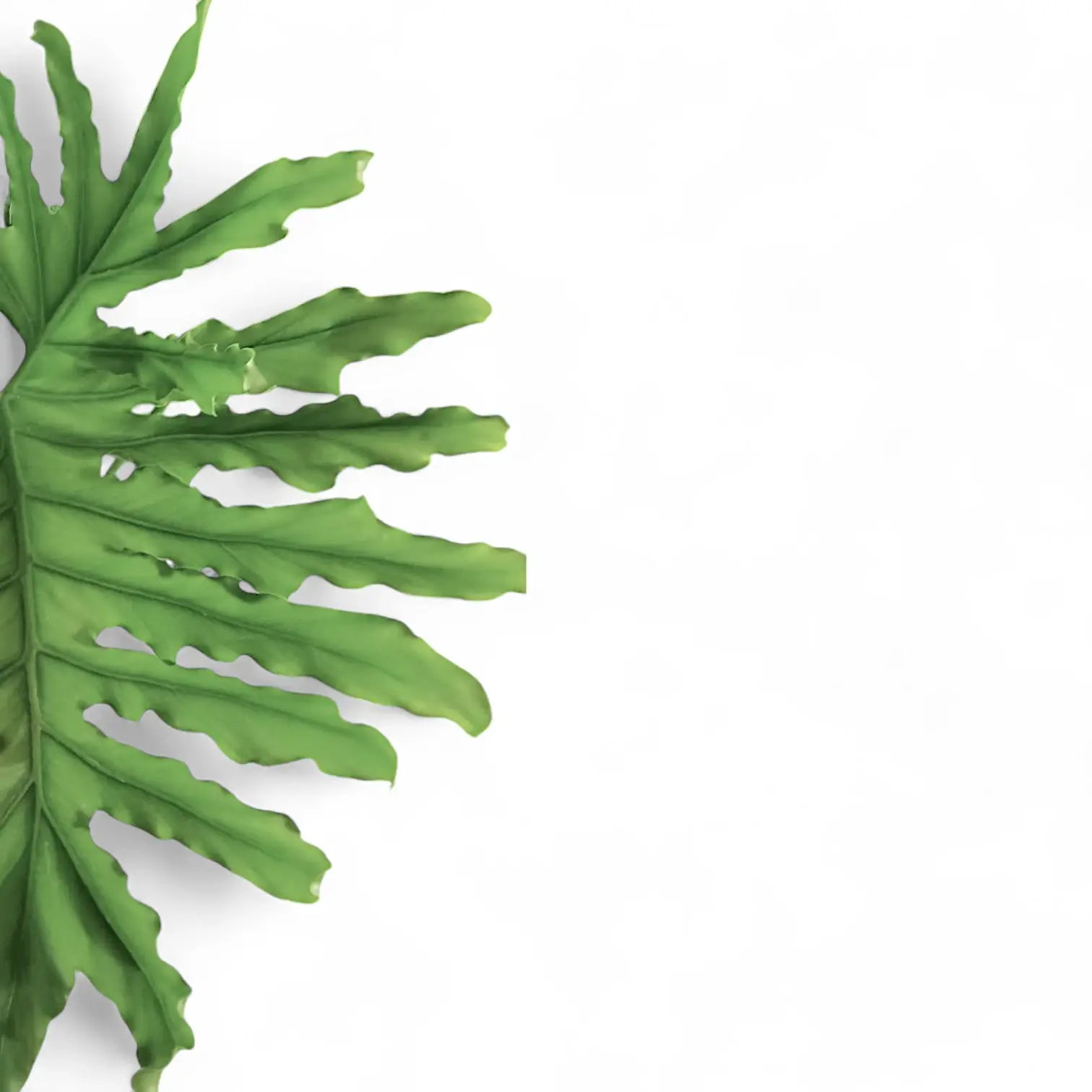
Plant names change because taxonomy follows evidence, not shop labels. Reclassification can affect genus names, synonyms and care searches, but it does not c...
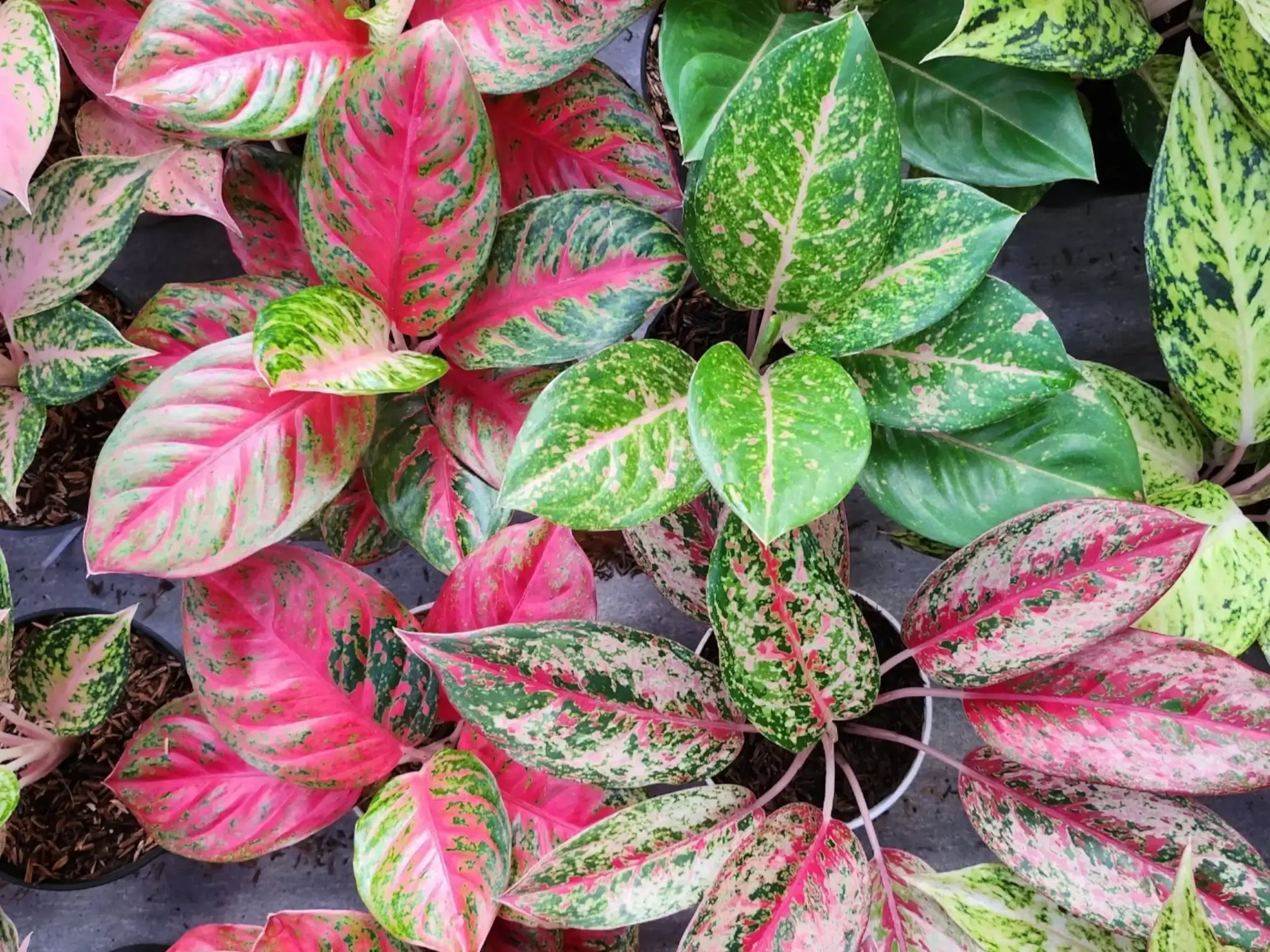
Coloured variegation involves pigments, chlorophyll, genetics and sometimes temporary new-growth colour. Each pattern behaves differently, so care depends on...
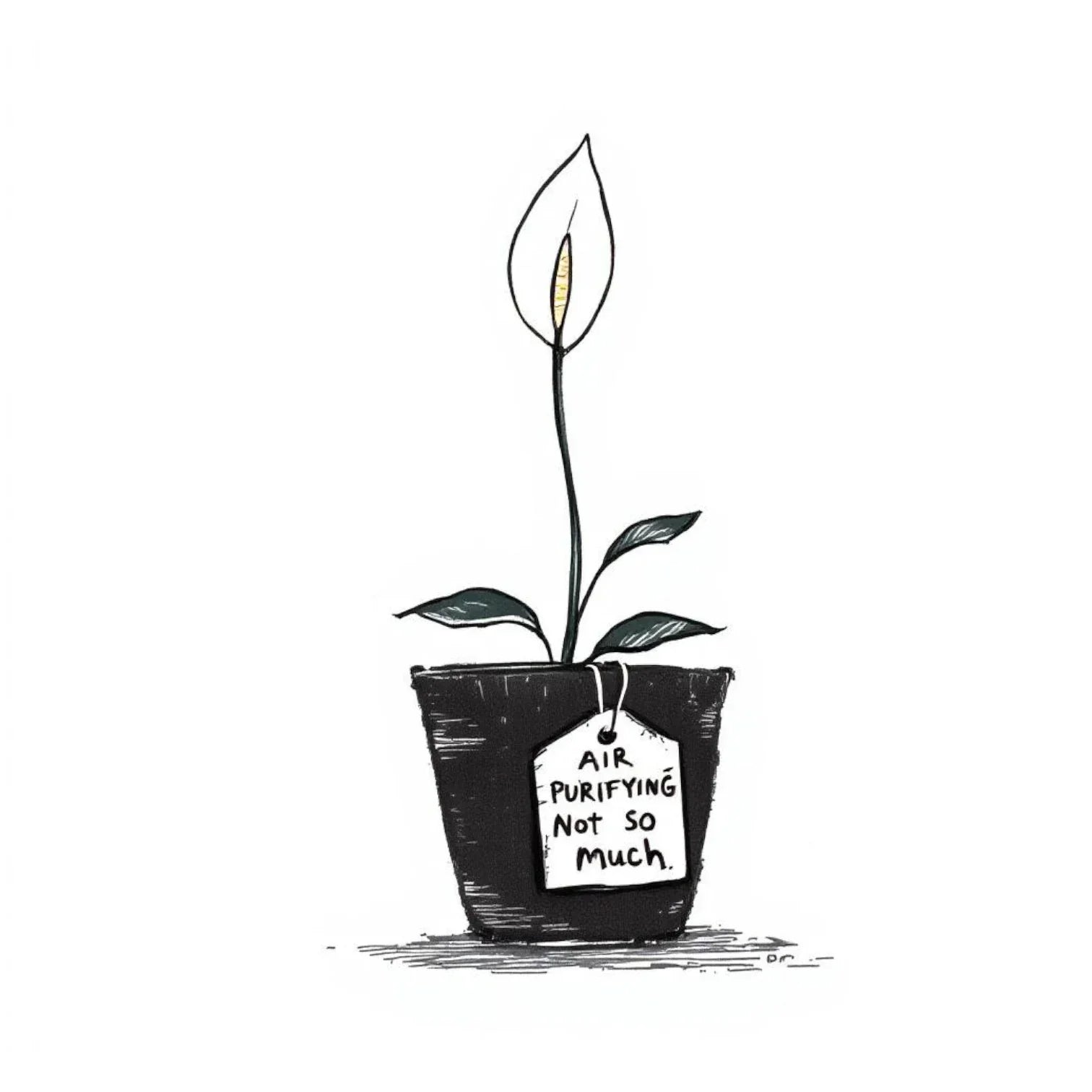
Air-purifying plant claims sound attractive, but the science is usually misapplied to normal homes. Understand what the studies showed, what they did not sho...
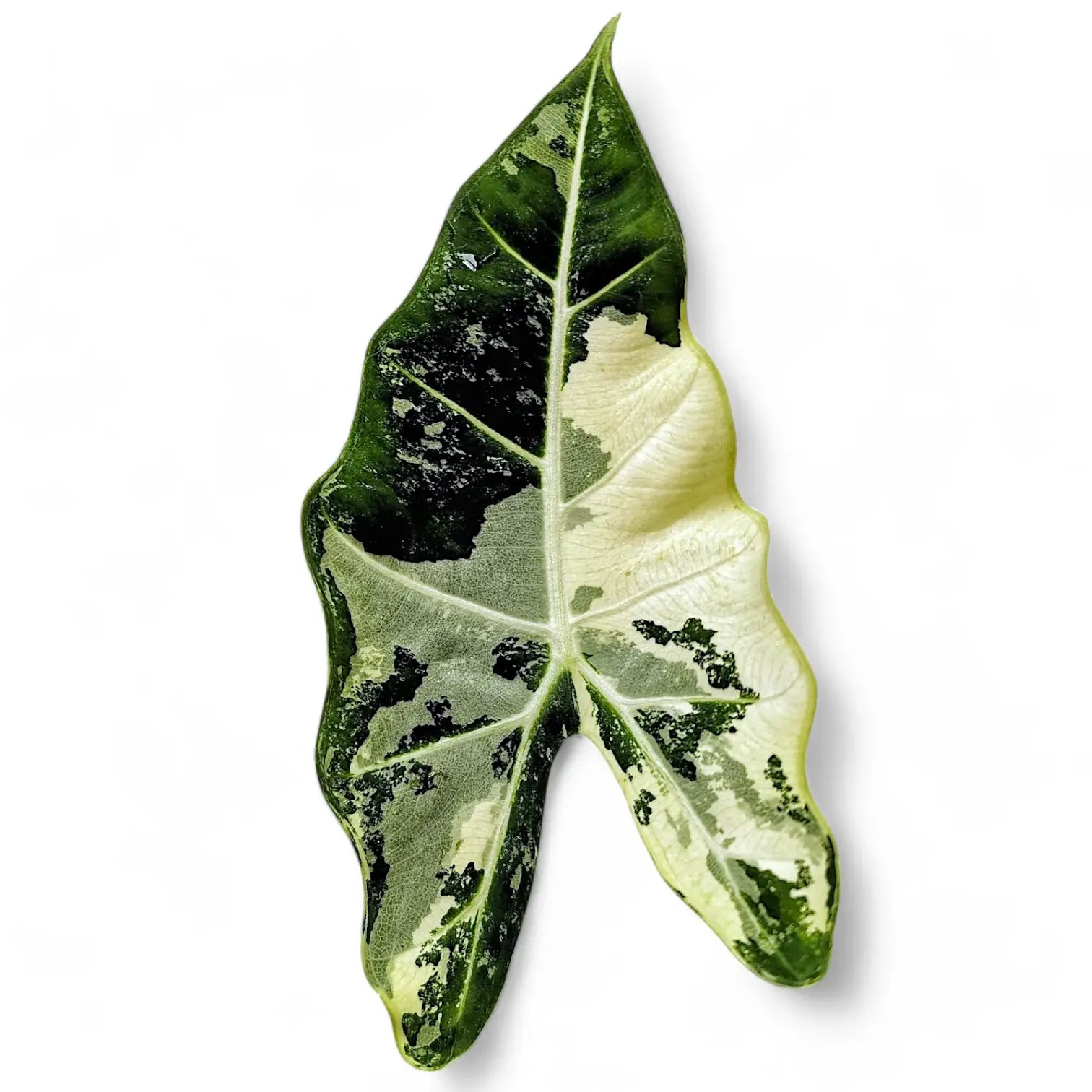
Variegation can come from genetics, pigments, air spaces, chlorophyll loss or unstable chimeras. Understanding the cause helps set care expectations for ligh...
Sign up for Foliage Factory newsletter for early access to new arrivals and practical care tips that work in real homes.