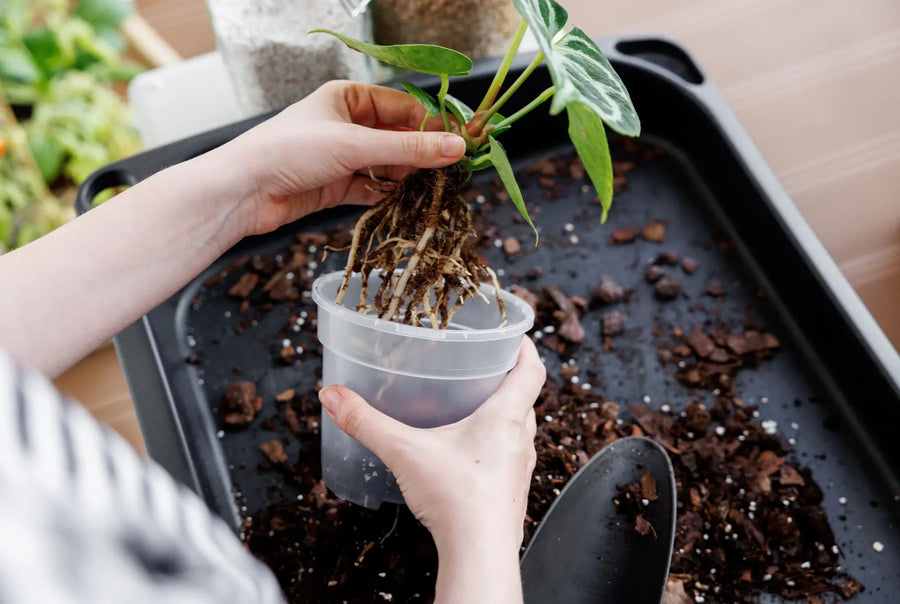
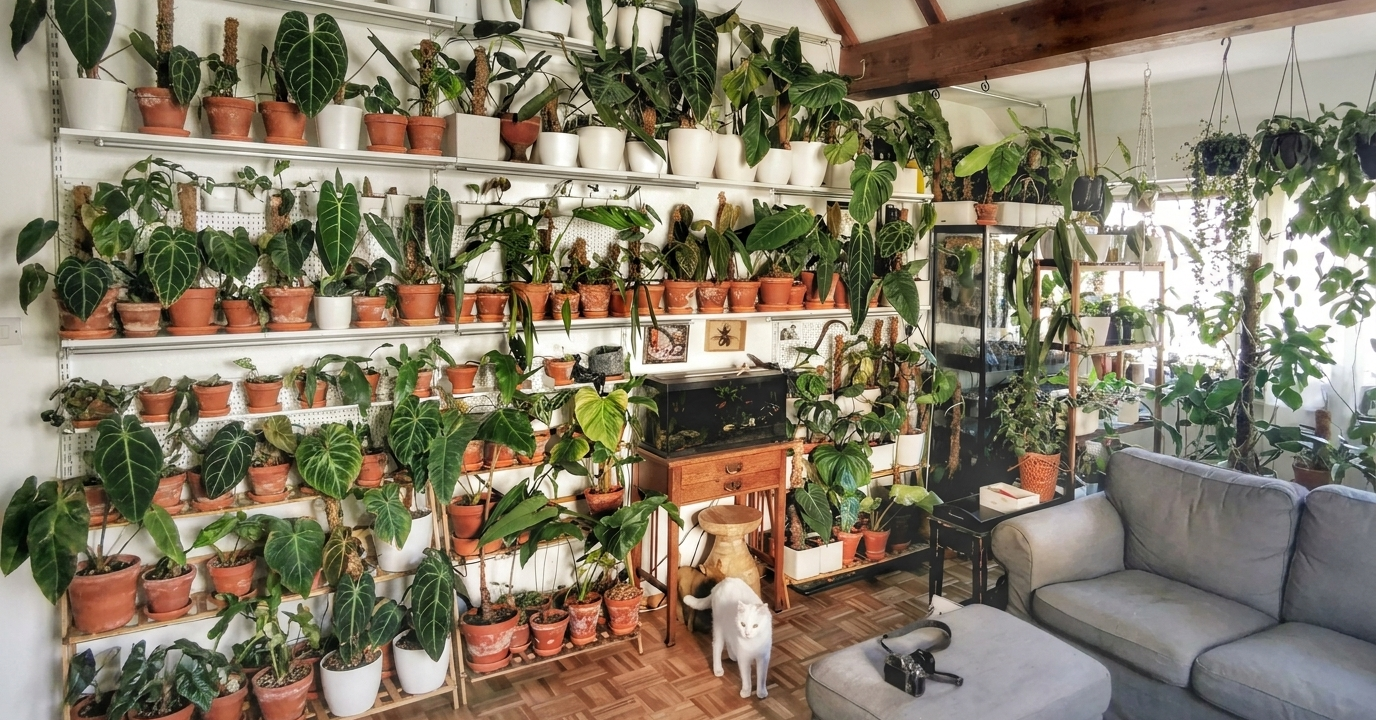
Light
Bright indirect • approx. 10,000–20,000 lux


VAT included · plus
Your new plant has just travelled a long way and needs a calm start in its new home. For step-by-step unboxing and first-week care, check our after-delivery care guide. For deeper tips on how your plant settles in over the next weeks, read our houseplant acclimatization guide.
Secure shipping, carefully packed orders with safe delivery across the EU, UK and Switzerland.
28-day plant guarantee, if a plant arrives damaged or fails soon after delivery, we help you make it right.
Free returns, simple, cost-free returns according to our policy.
For full details, please see:
Please head to our FAQ Page or Contact us.
Quick Care Guide
Light
Bright indirect • approx. 10,000–20,000 lux
Watering
Water when ~30–50% dry
Substrate
Airy + fast-draining • Light moisture buffer • Bark-based • Medium-chunky
Temperature
Ideal: 18–29 °C • Avoid below: 15 °C
Humidity
Humid 60–80 % +
Growth habit
Climbing hemiepiphytic herbaceous perennial.
Support
recommended
Growth speed
High
Max size indoors
Max. height with support: 250 cm • Max. spread: 100 cm
Toxicity & safety
Toxic
Origin & habitat
Native from Costa Rica to Peru
Outdoor growing
Outside from 15 °C · sheltered spot
These care values are quick reference points for indoor growing. Use them as a guide, then adjust for pot size, substrate, temperature and how quickly the substrate dries.
For more detail, read the full product description or visit our Plant Care Guides.
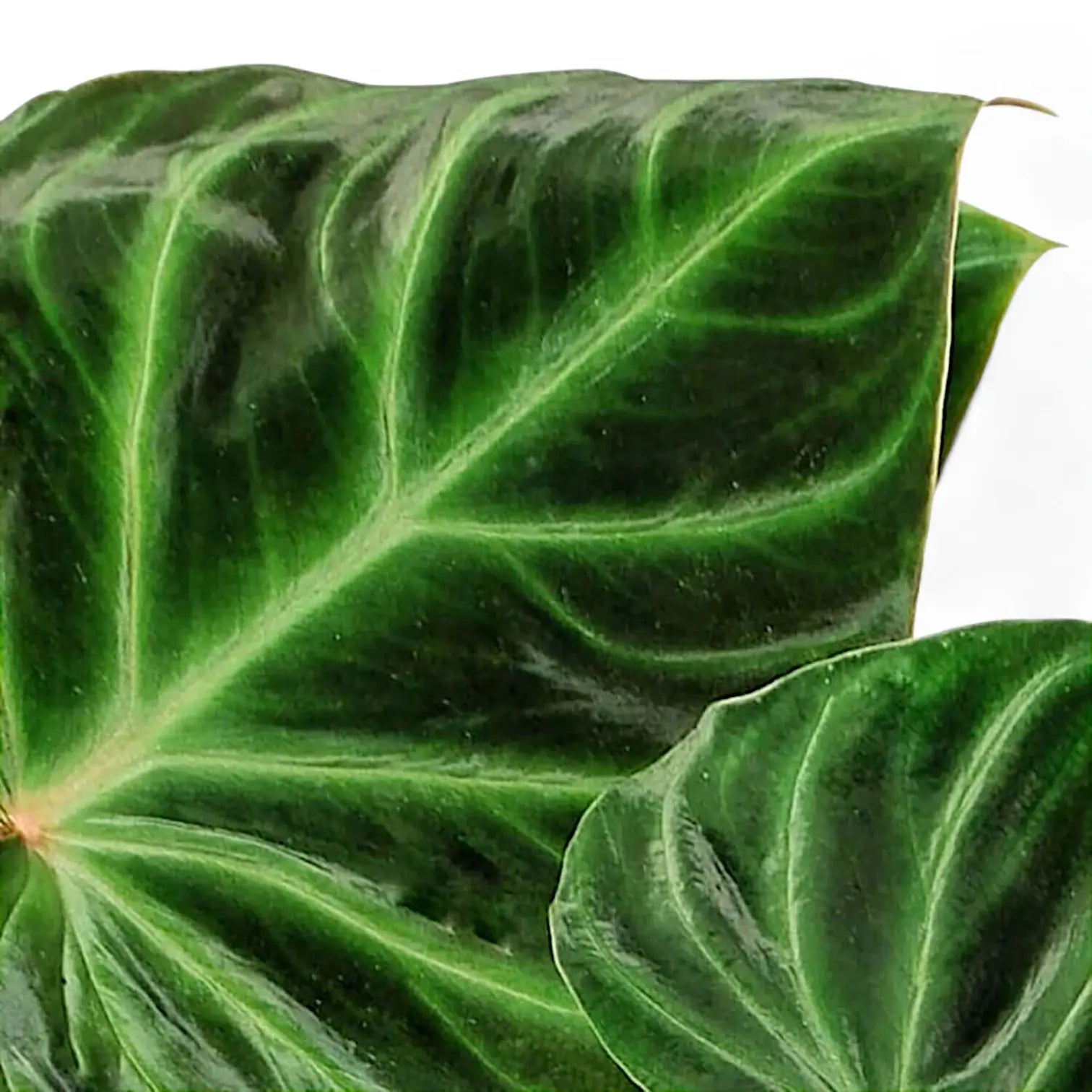
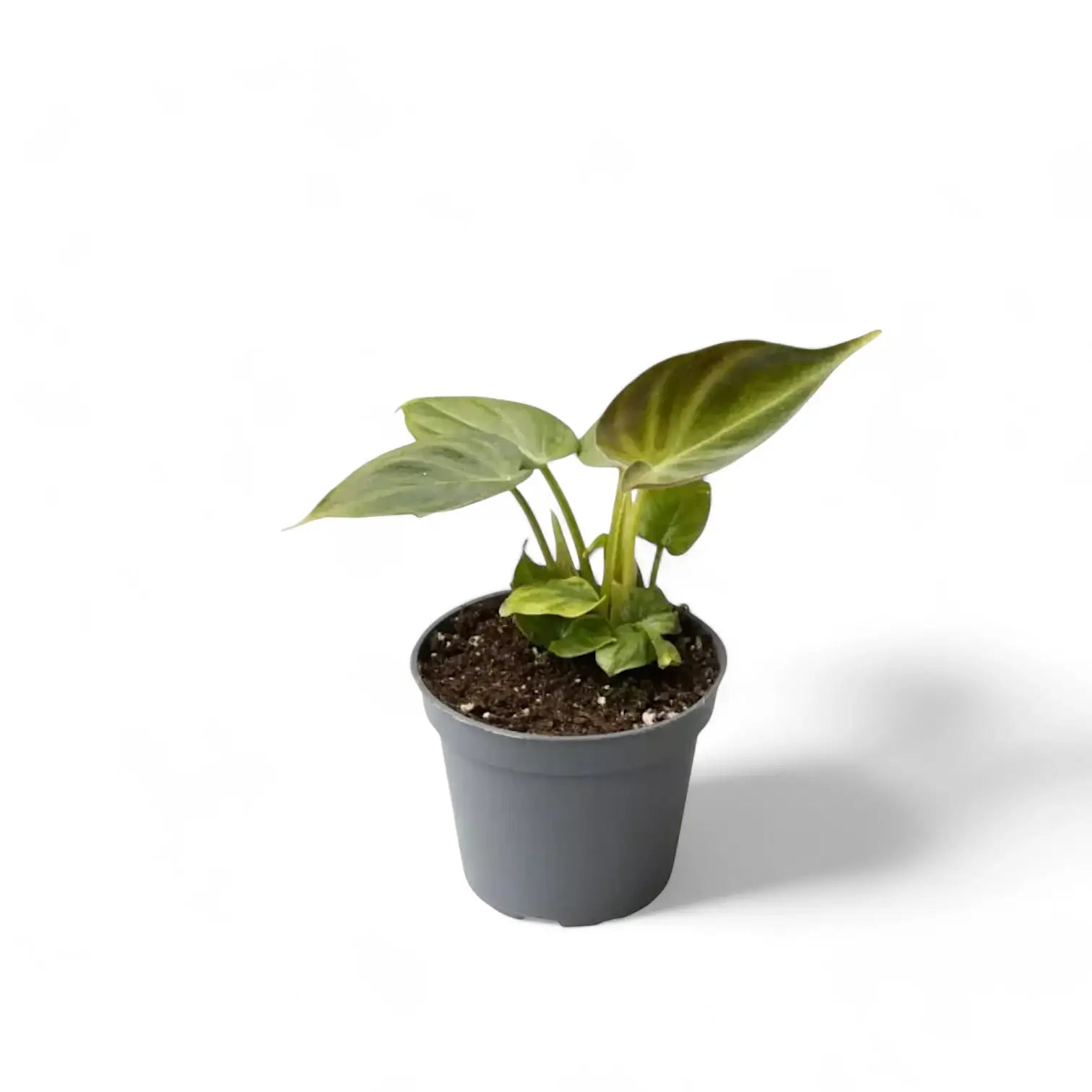
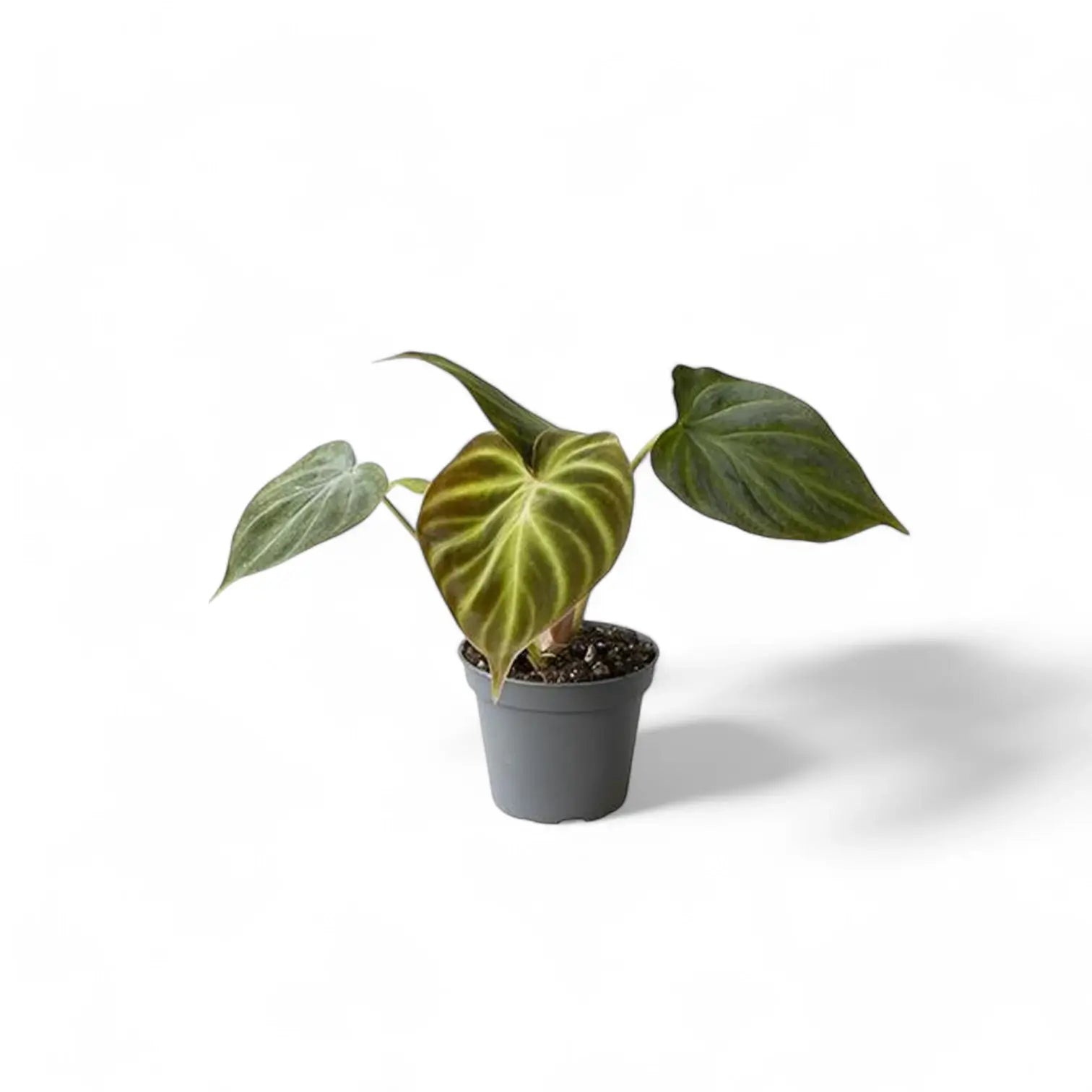
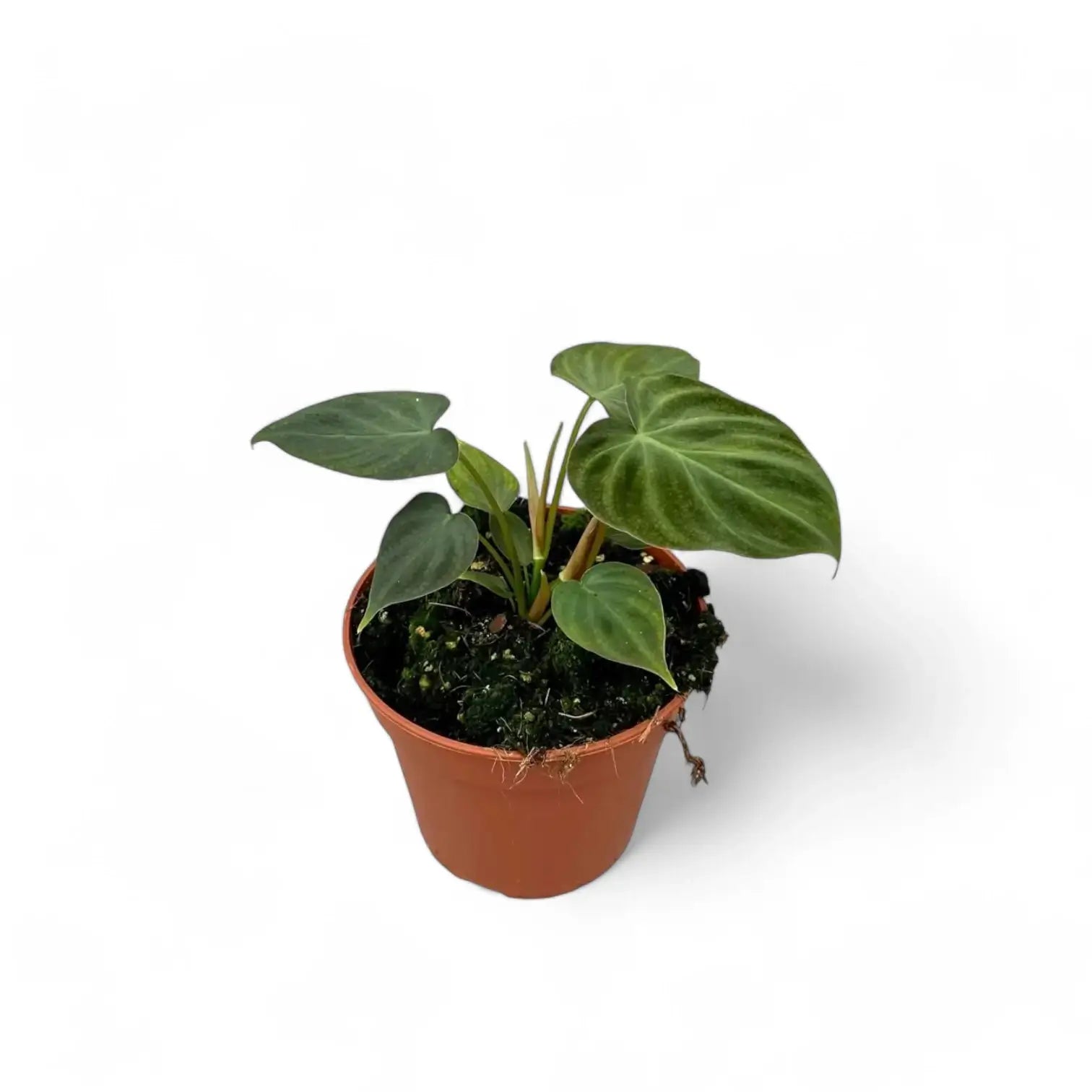
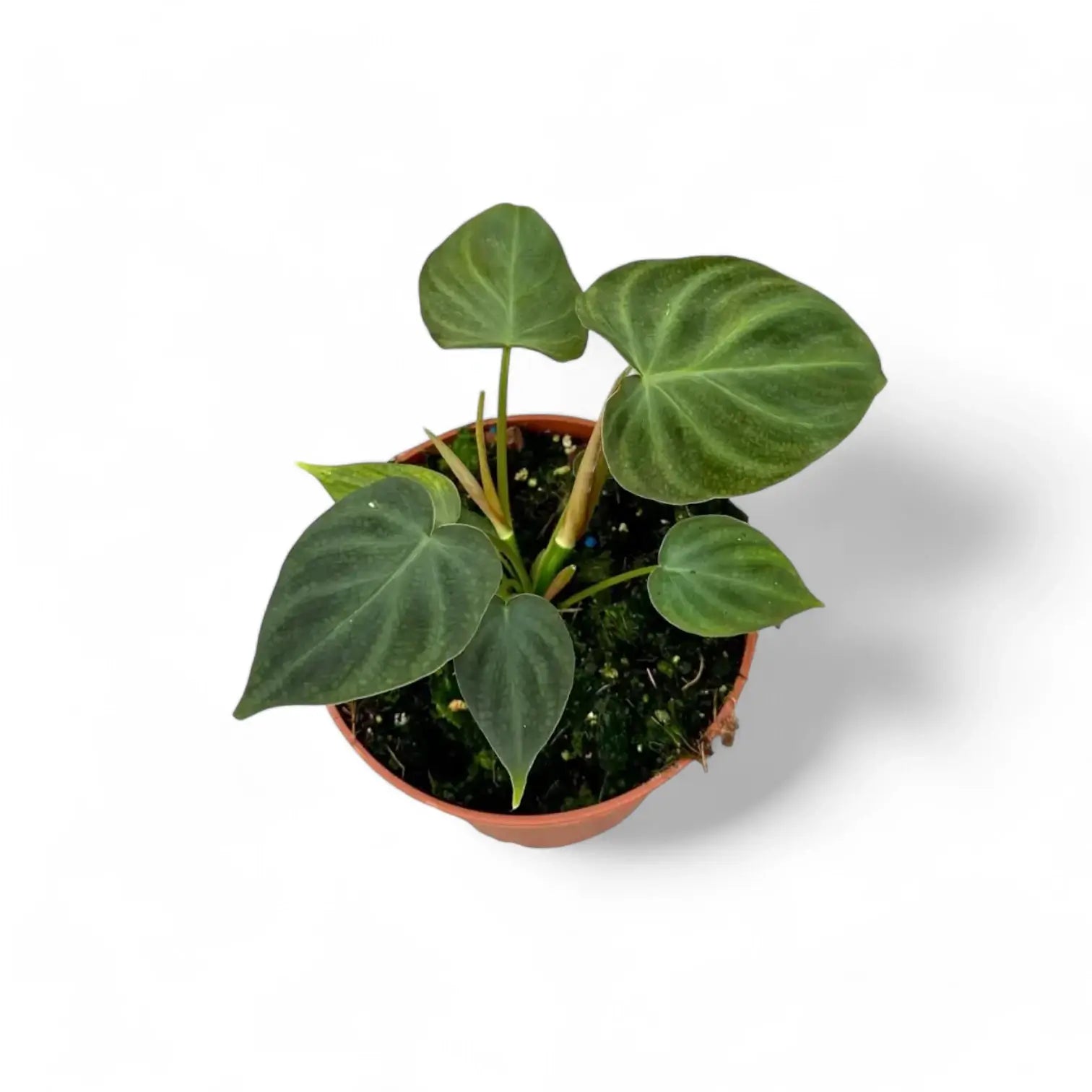
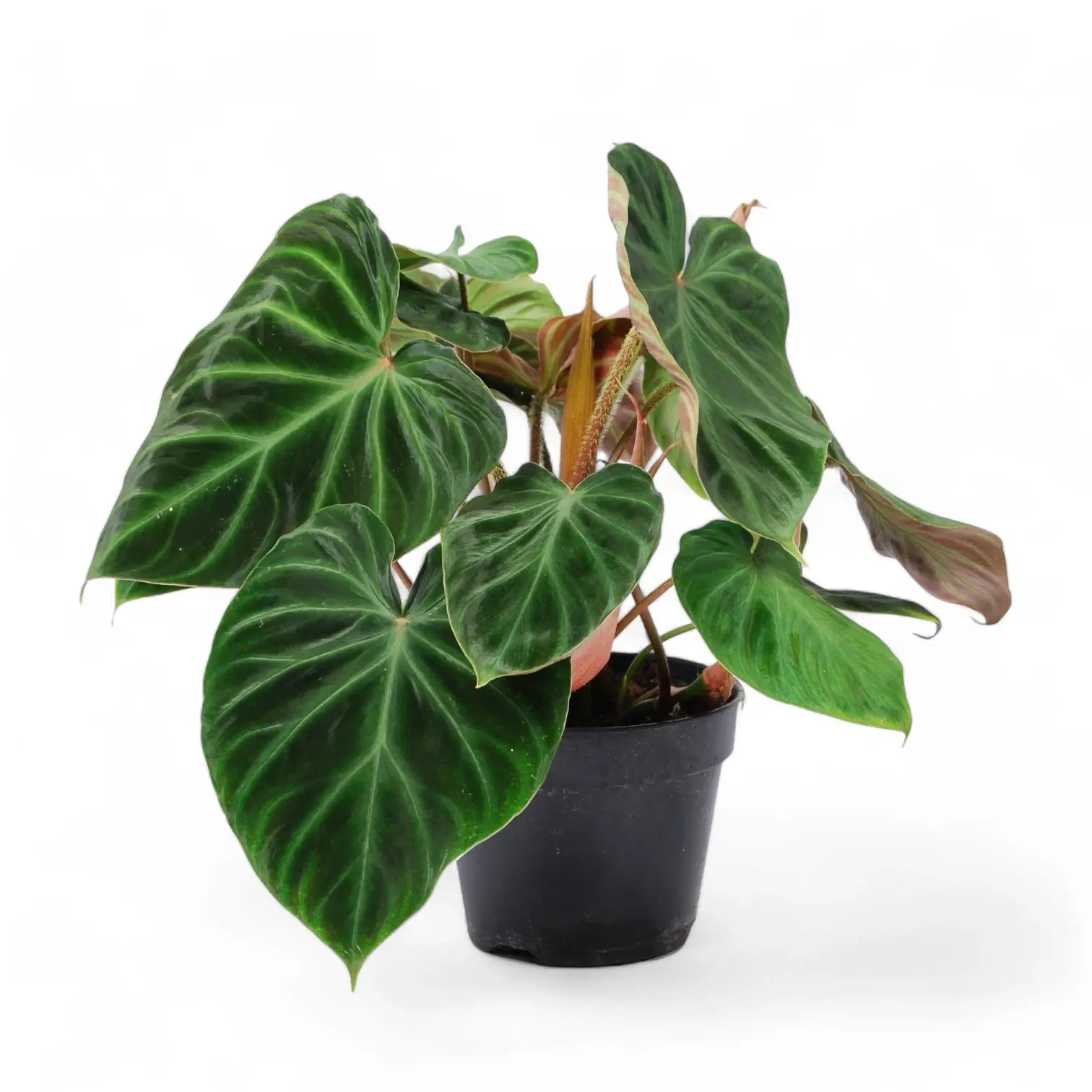
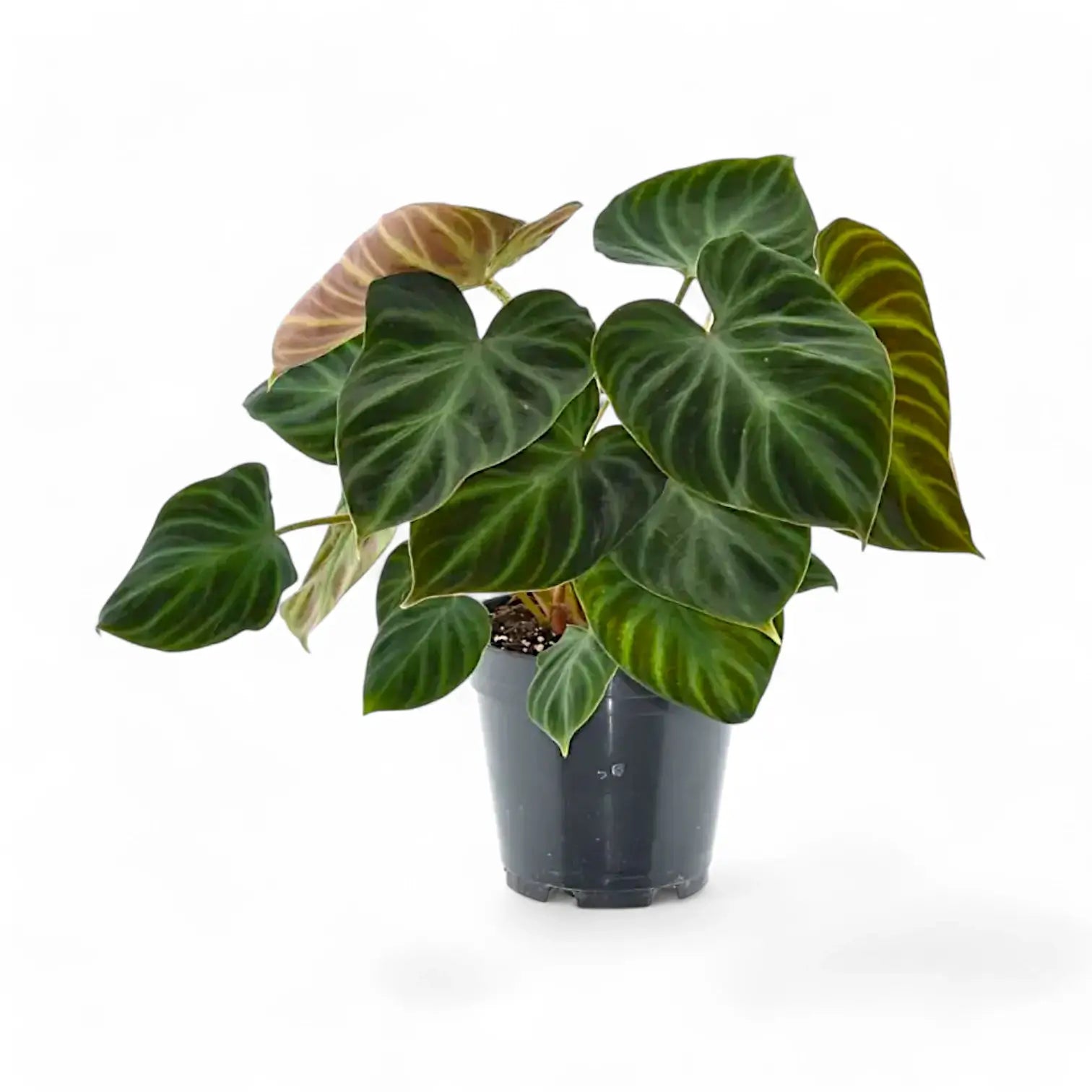
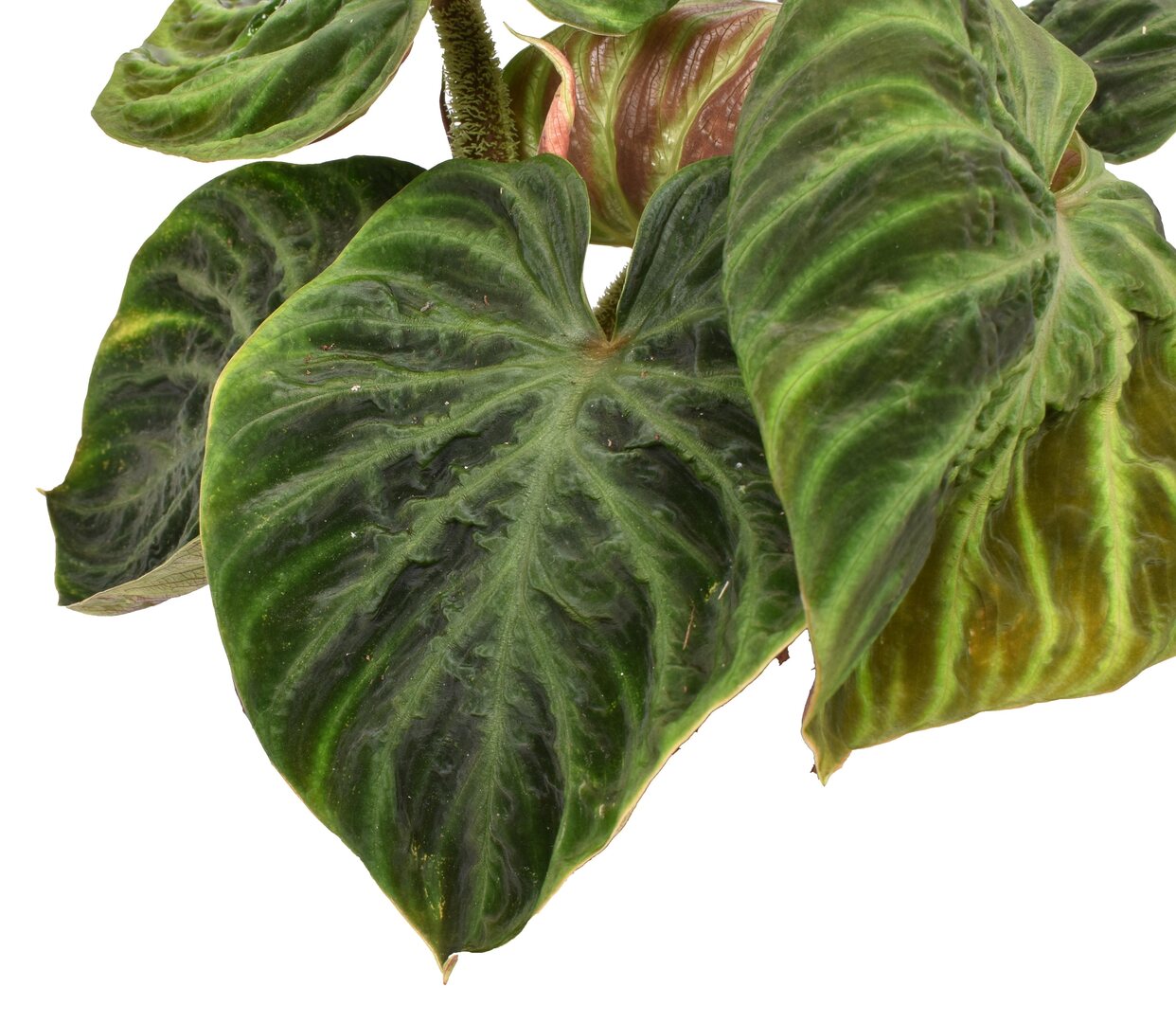
Philodendron verrucosum has broad, heart-shaped leaves with a velvety to matte surface and textured petioles. The foliage can appear dark green to bronze-green on top, with paler undersides that may show red-purple tones.
This species is native from Costa Rica to Peru, where it grows as a climber in wet tropical forest. Indoors, its scaly-looking petioles and soft leaf surface need careful handling, stable humidity, and space for new leaves to open cleanly.
Philodendron verrucosum climbs from node to node, producing aerial roots along the stem. A stable pole or plank keeps the plant upright and gives developing leaves space to open without rubbing against older foliage.
The velvet leaf surface responds quickly to handling damage, dry air, and pests. Place the plant where new leaves can unfurl freely and avoid brushing the leaf surface during routine care.
Philodendron verrucosum was described by L. Mathieu ex Heinrich Wilhelm Schott in 1856. The name verrucosum refers to a rough or warted surface, matching the species’ textured petioles.
Like other Philodendron, this plant contains calcium oxalate crystals and should be kept away from pets and children who may chew the leaves or stems.
Plant names, growth habits, natural habitats and indoor care guidance are checked against trusted botanical, habitat and horticultural references before publication.View our plant care resources and references.
Sign up for Foliage Factory newsletter for early access to new arrivals and practical care tips that work in real homes.