Why Is My Houseplant Not Growing? Light, Roots, Fertiliser and Recovery
Is your houseplant still green but not growing? This guide helps you check light, roots, watering rhythm, substrate, fertiliser, pests and winter stress befo...
Practical plant care guides for real homes: unboxing, acclimation, watering, fertilising, repotting, pests, substrate choices, and the plant behaviour behind common problems.

Is your houseplant still green but not growing? This guide helps you check light, roots, watering rhythm, substrate, fertiliser, pests and winter stress befo...
Yellow leaves, brown spots, pests and soft roots need different responses. Decide when monitoring is enough, when to isolate the plant and when discarding it...

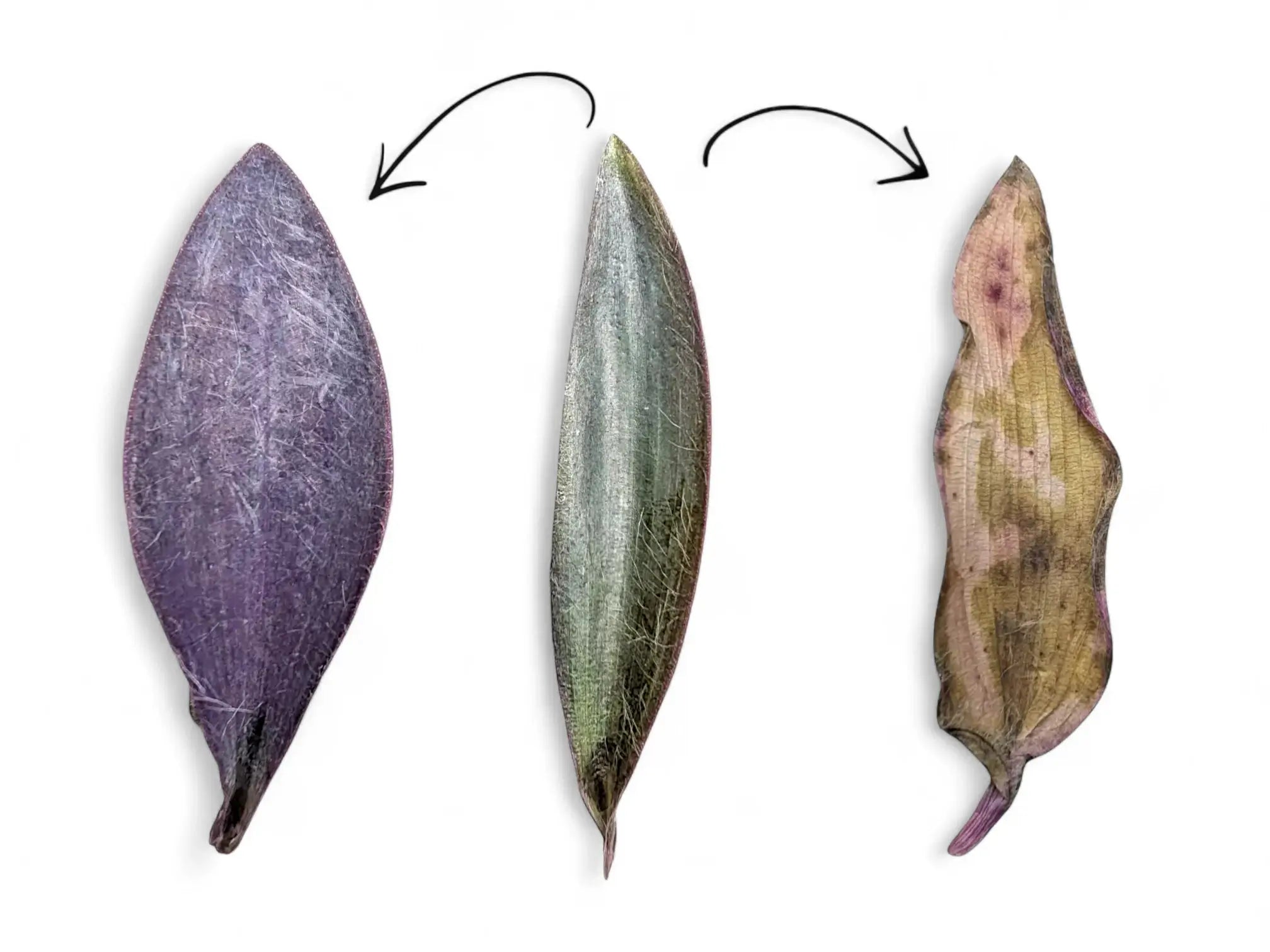
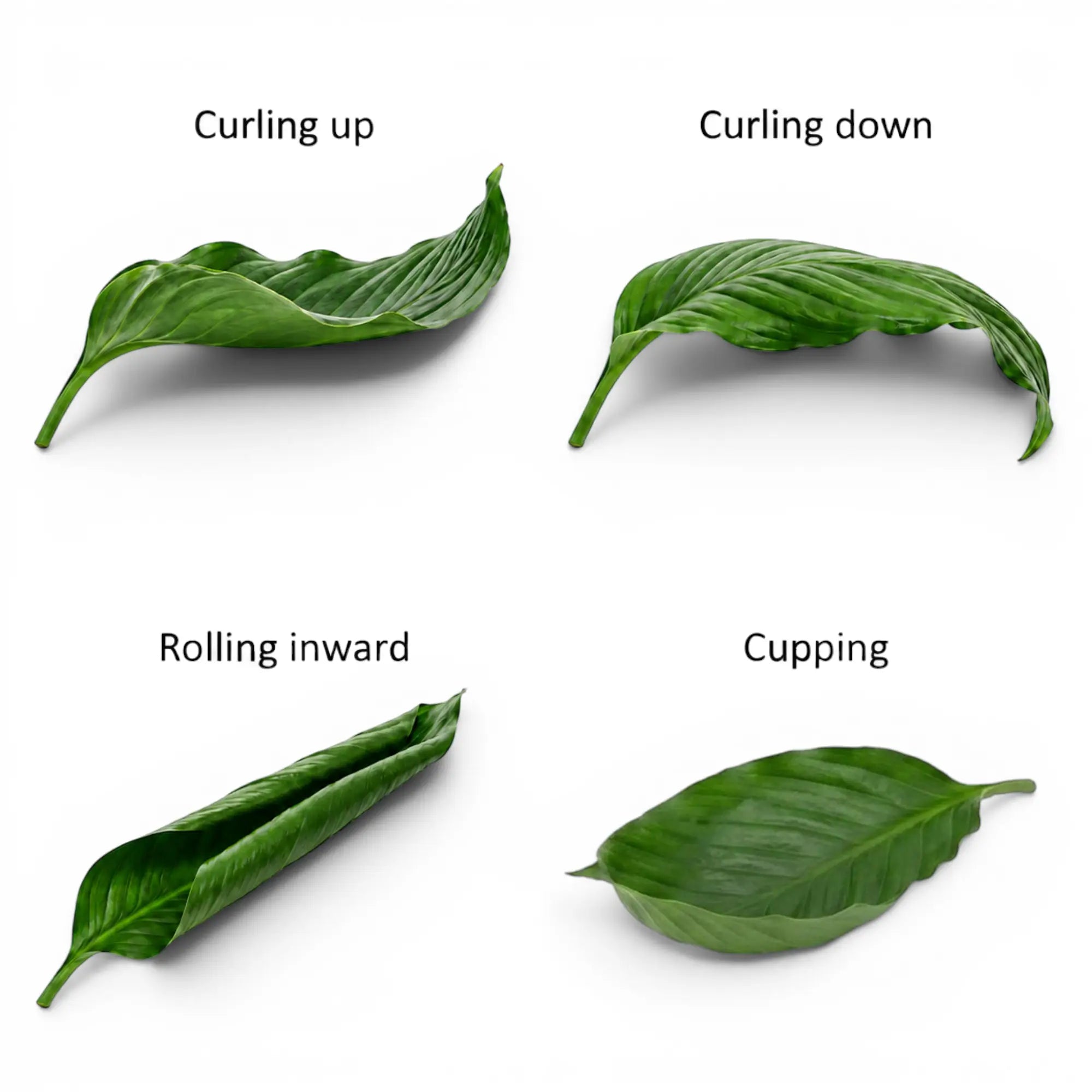
Curled houseplant leaves can point to dry roots, wet substrate, heat, strong light, cold, pests or recent care changes. This guide shows how to read curl dir...

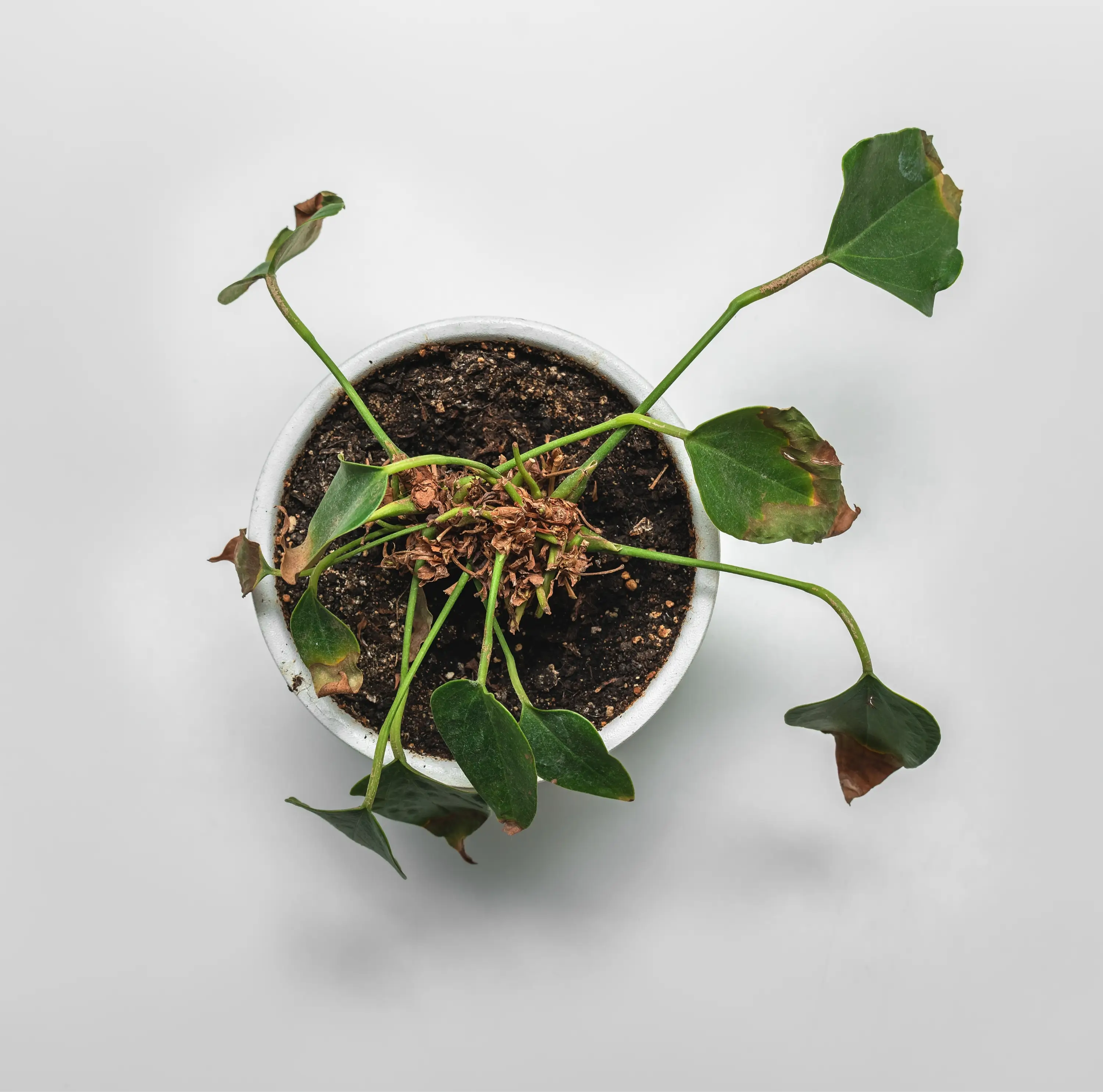
Drooping leaves do not always mean a houseplant is thirsty. Pot weight, substrate feel and root-zone condition separate dry wilt from wet wilt before the nex...

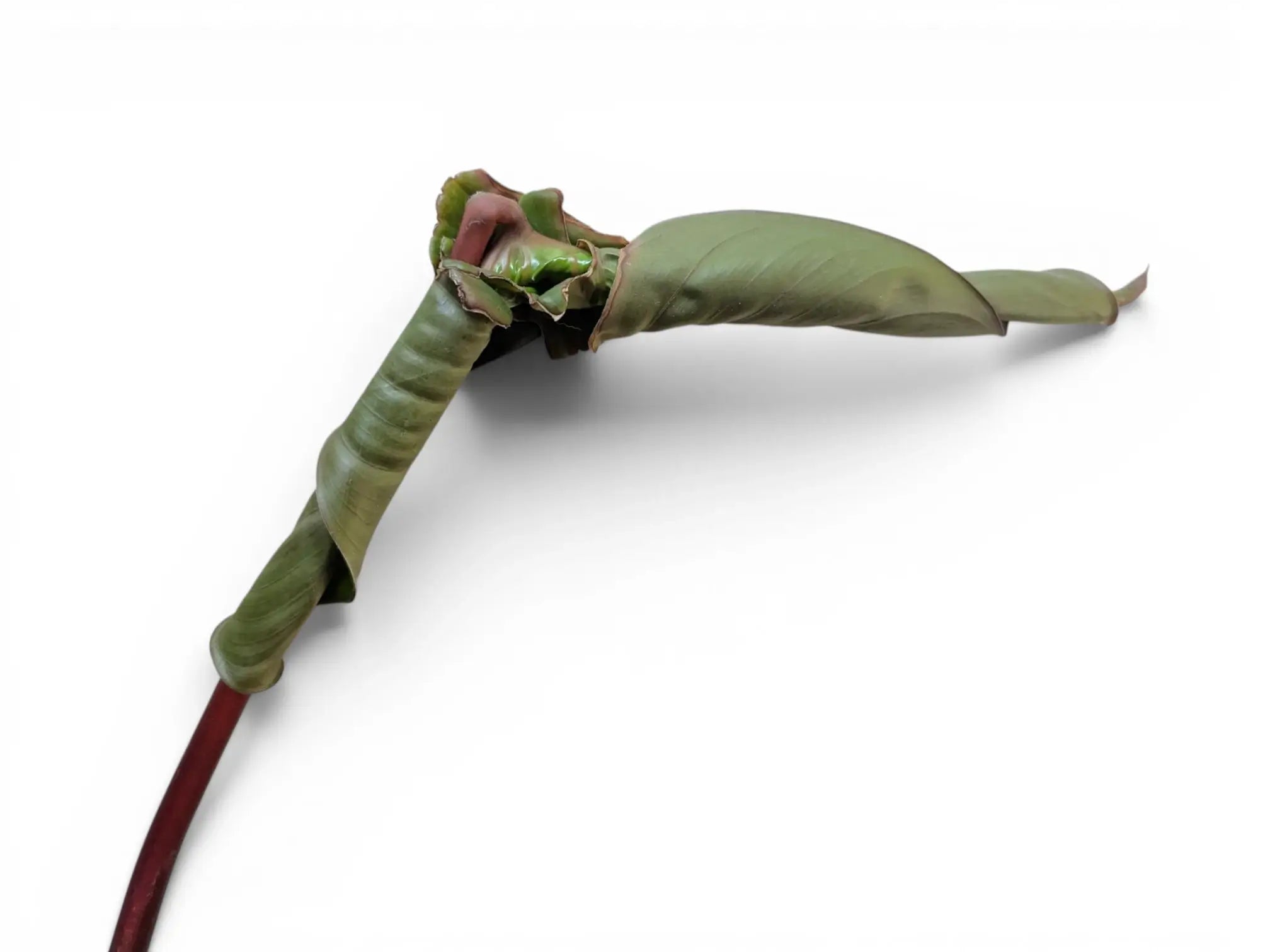
A stuck, torn or deformed new leaf can be a one-off growth accident or a sign of repeated stress. Check pests, roots, humidity, salts and recent care changes...

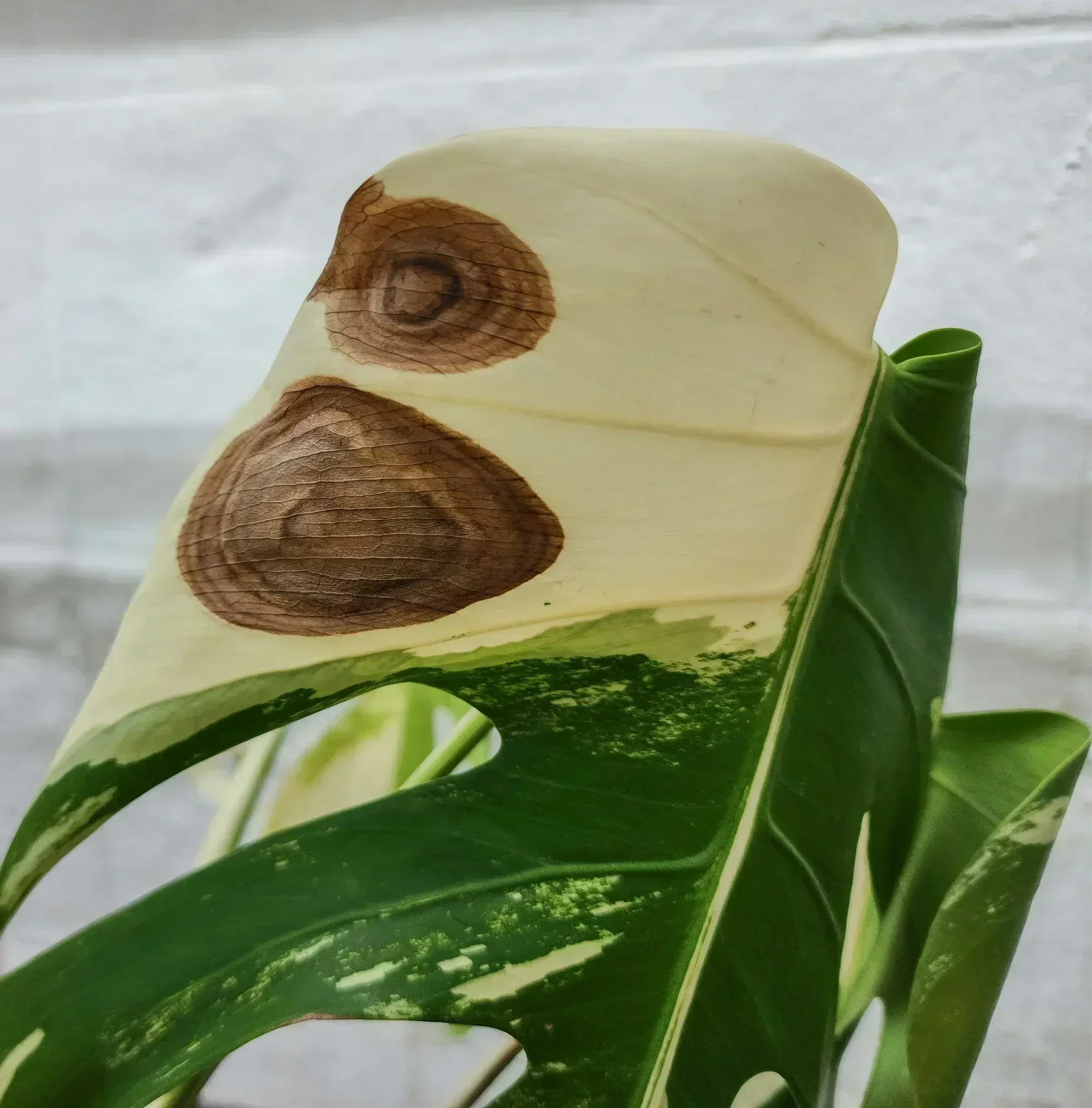
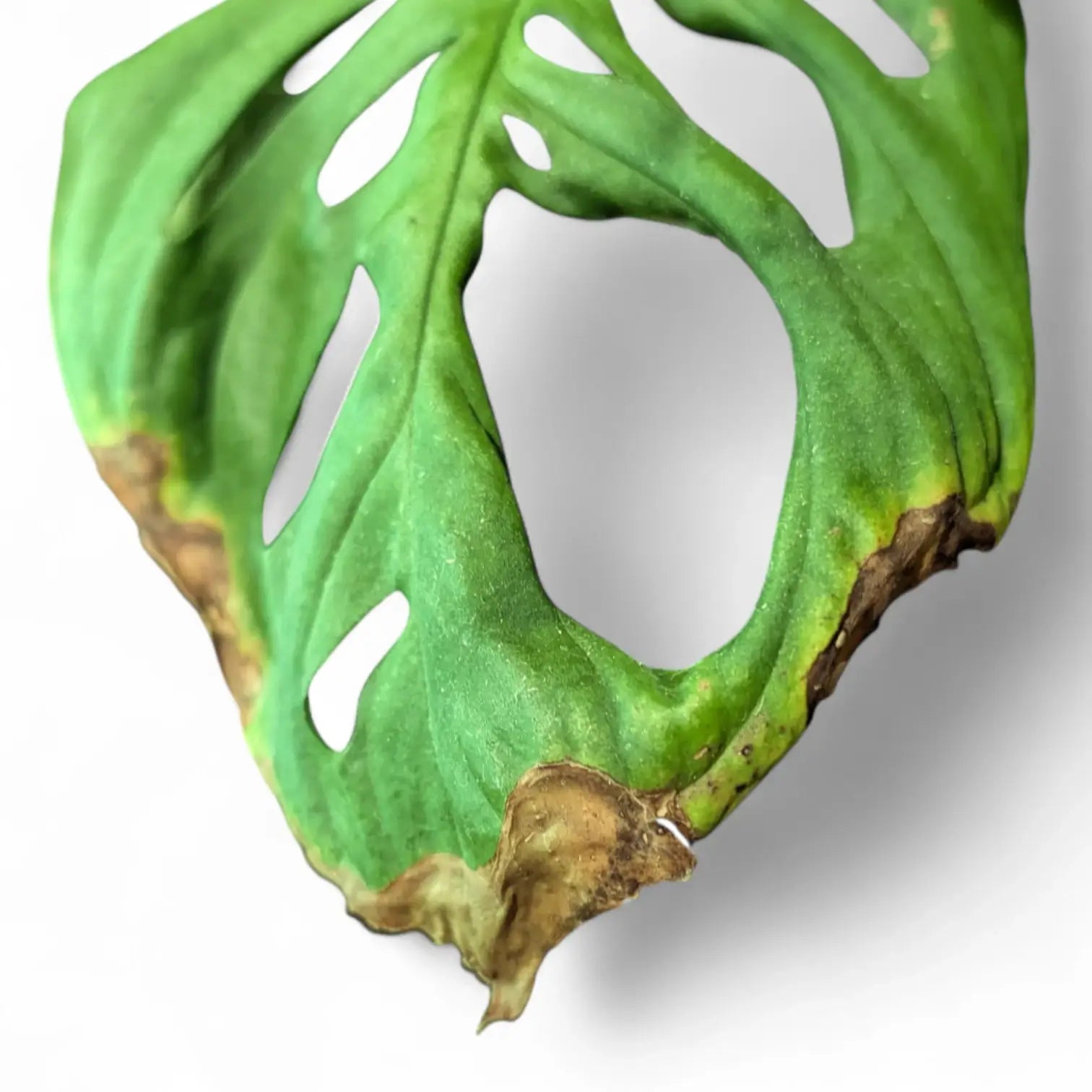
Brown spots are easier to diagnose by pattern than by colour alone. Dry patches, yellow halos, black lesions, pest scars, sunburn and water-stress damage eac...

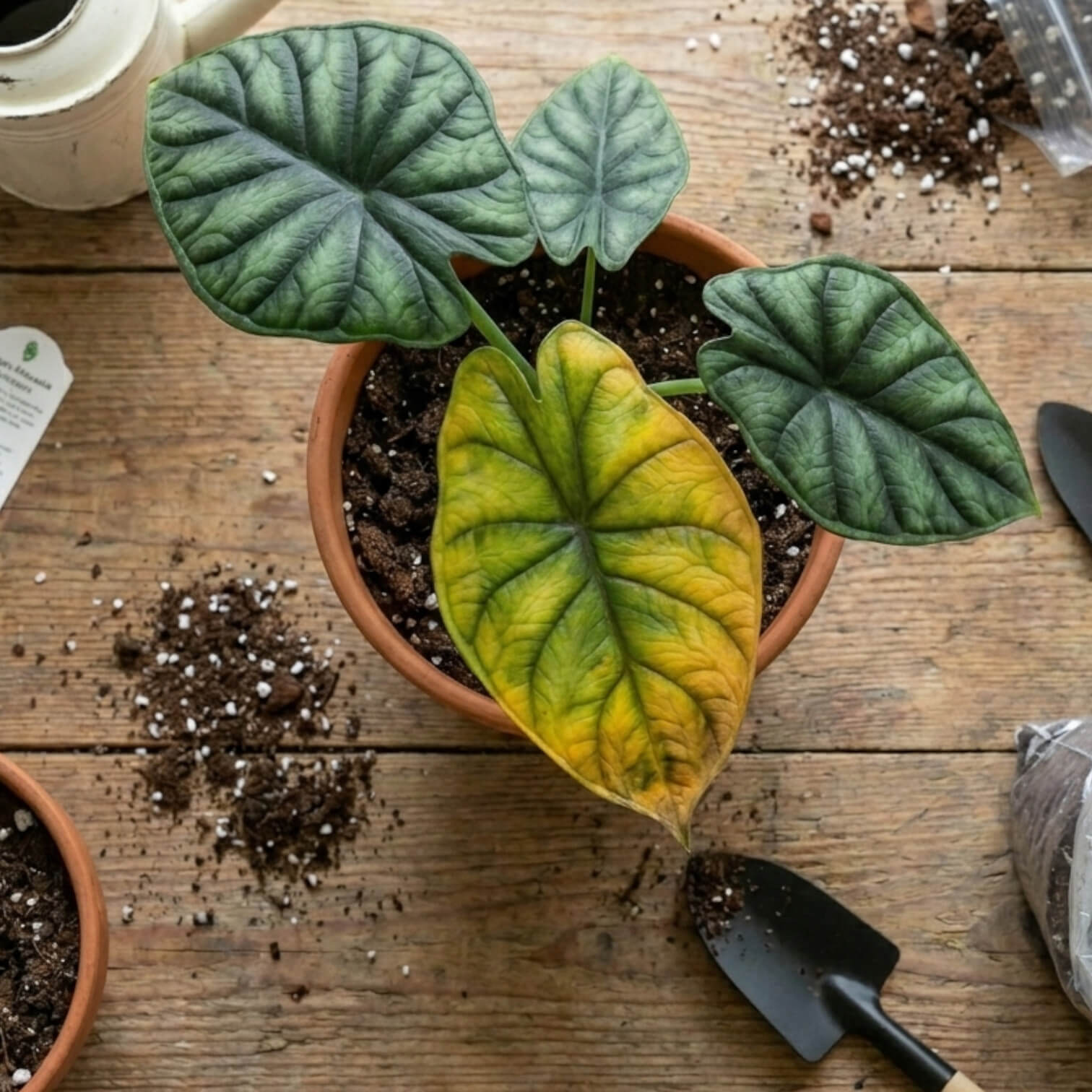
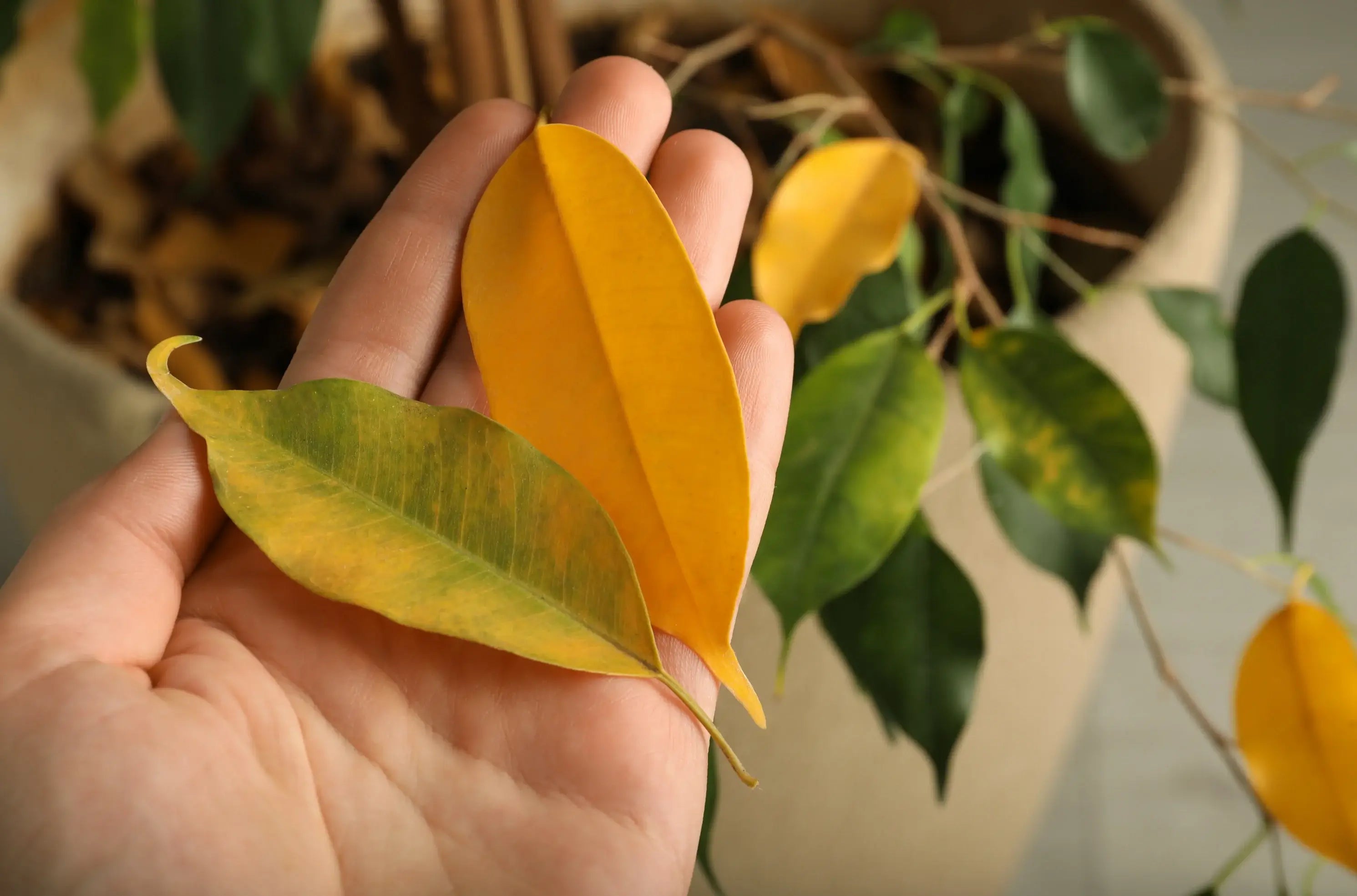
Yellow leaves mean different things depending on position, pattern and timing. Old-leaf ageing, wet roots, drought stress, pests, low light, salt buildup and...

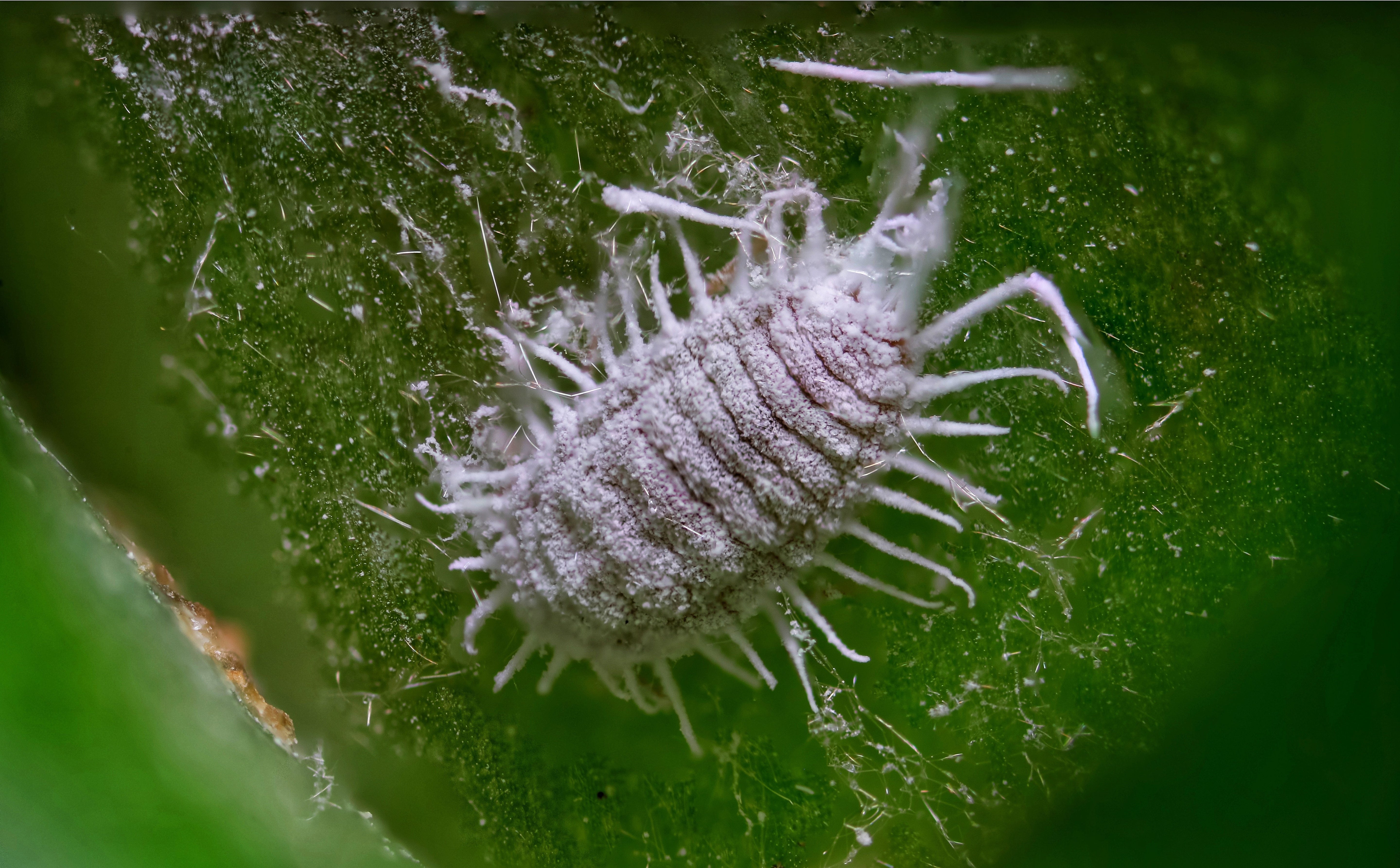
Mealybugs hide in leaf joints, stems, roots and tight new growth, where white fluff appears before the infestation is obvious. Repeated treatment is needed b...

Sun stress and sunburn are not the same. Temporary colour shifts, bleaching, crispy patches and heat damage each need different responses, especially after m...

Brown leaf tips can come from dry roots, wet roots, salts, low humidity, heat, cold, pests or old damage. The surrounding leaf pattern tells you which cause ...

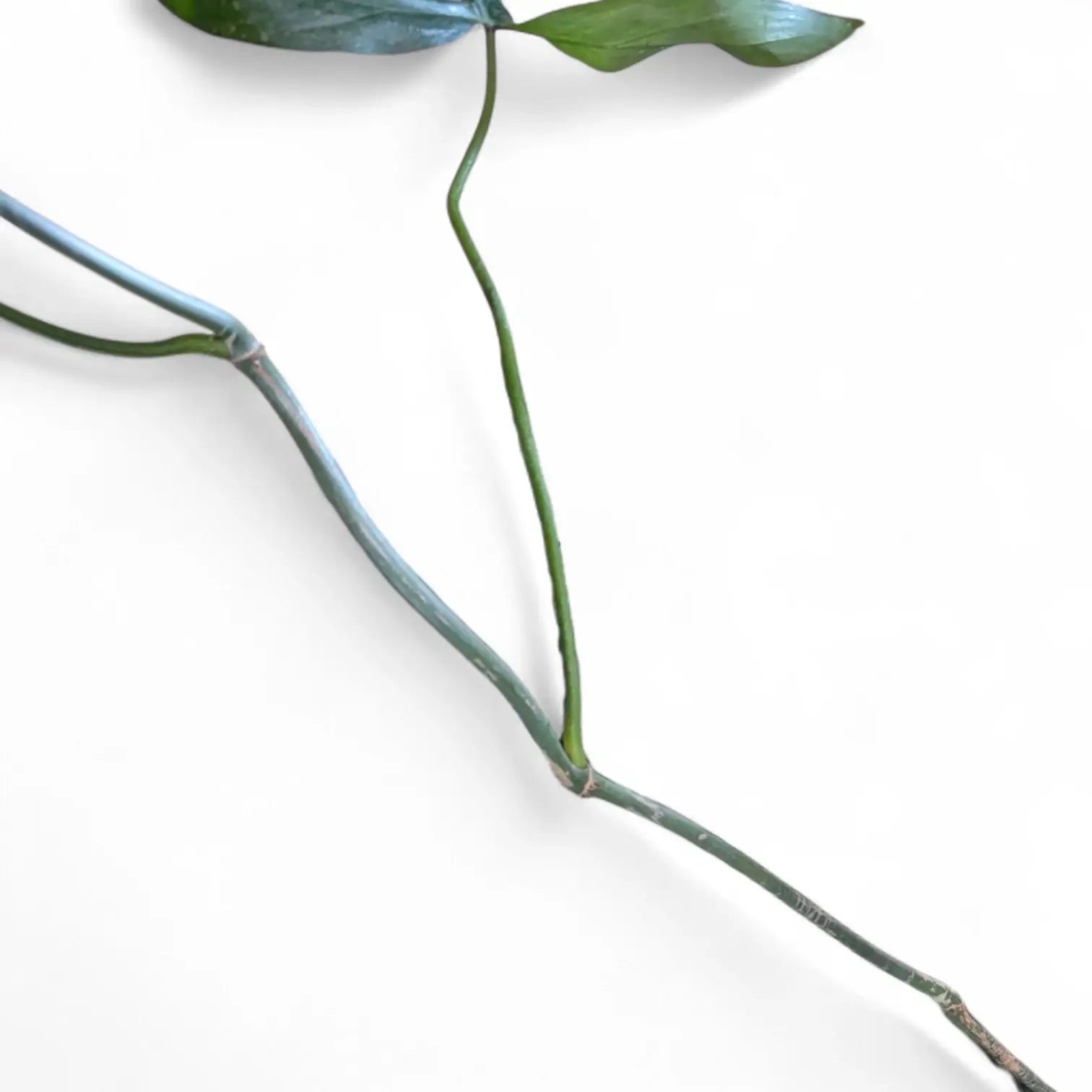
Leggy growth usually means a plant is stretching for more light. Identify etiolation by long internodes, small pale leaves and leaning stems, then improve pl...

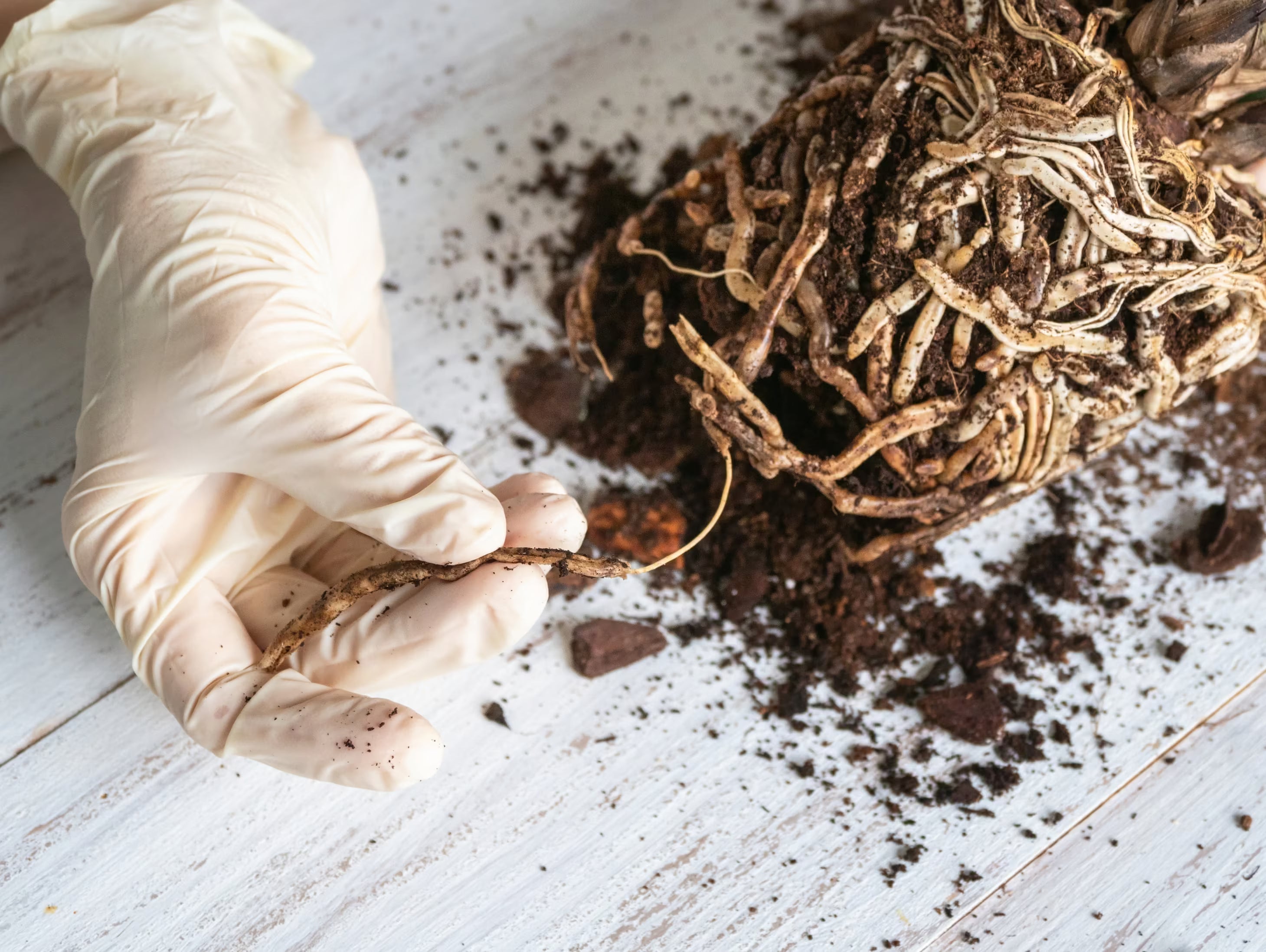
Root rot needs fast, calm action: confirm mushy roots, remove dead tissue, reset the substrate and correct the conditions that caused oxygen loss. Saving the...

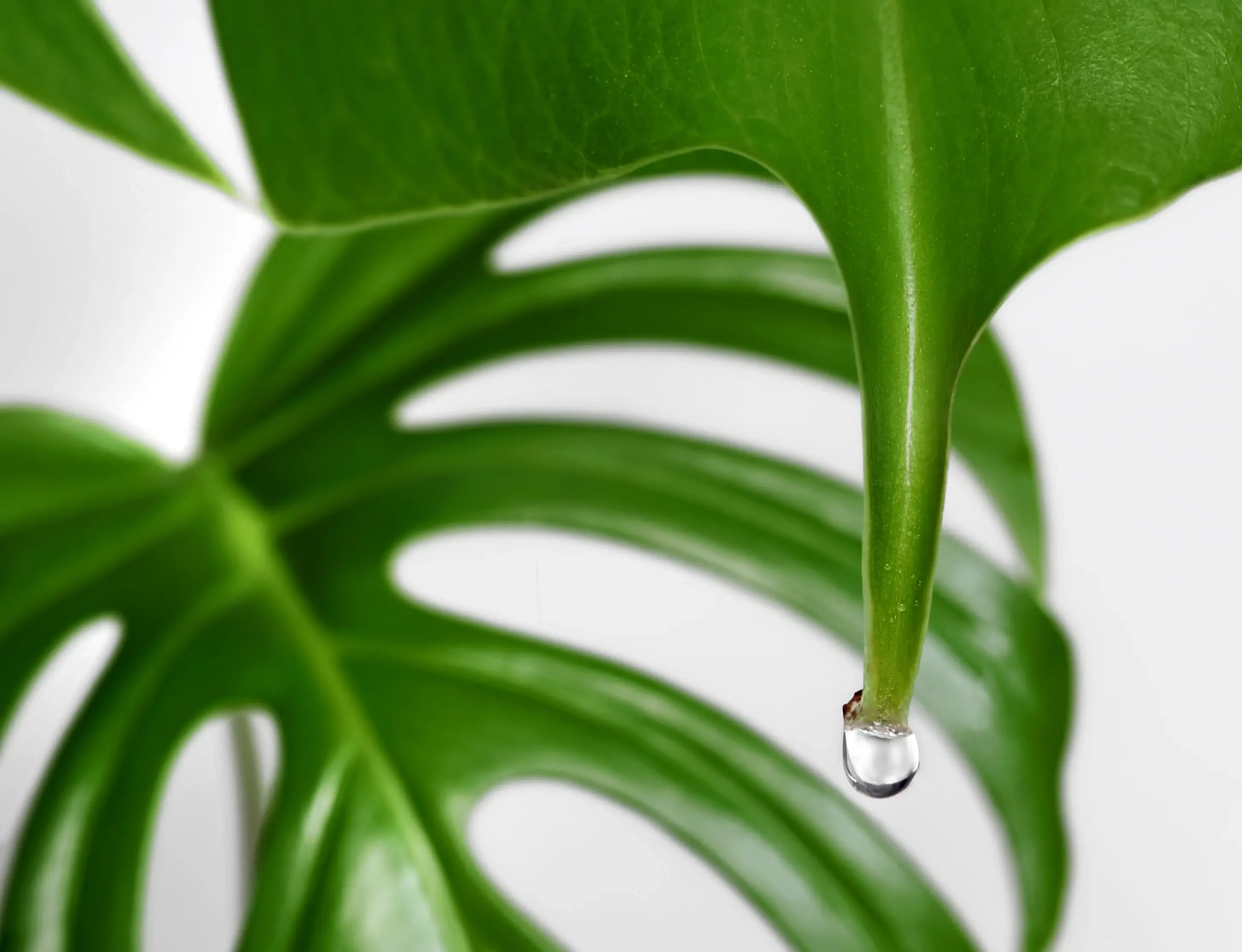
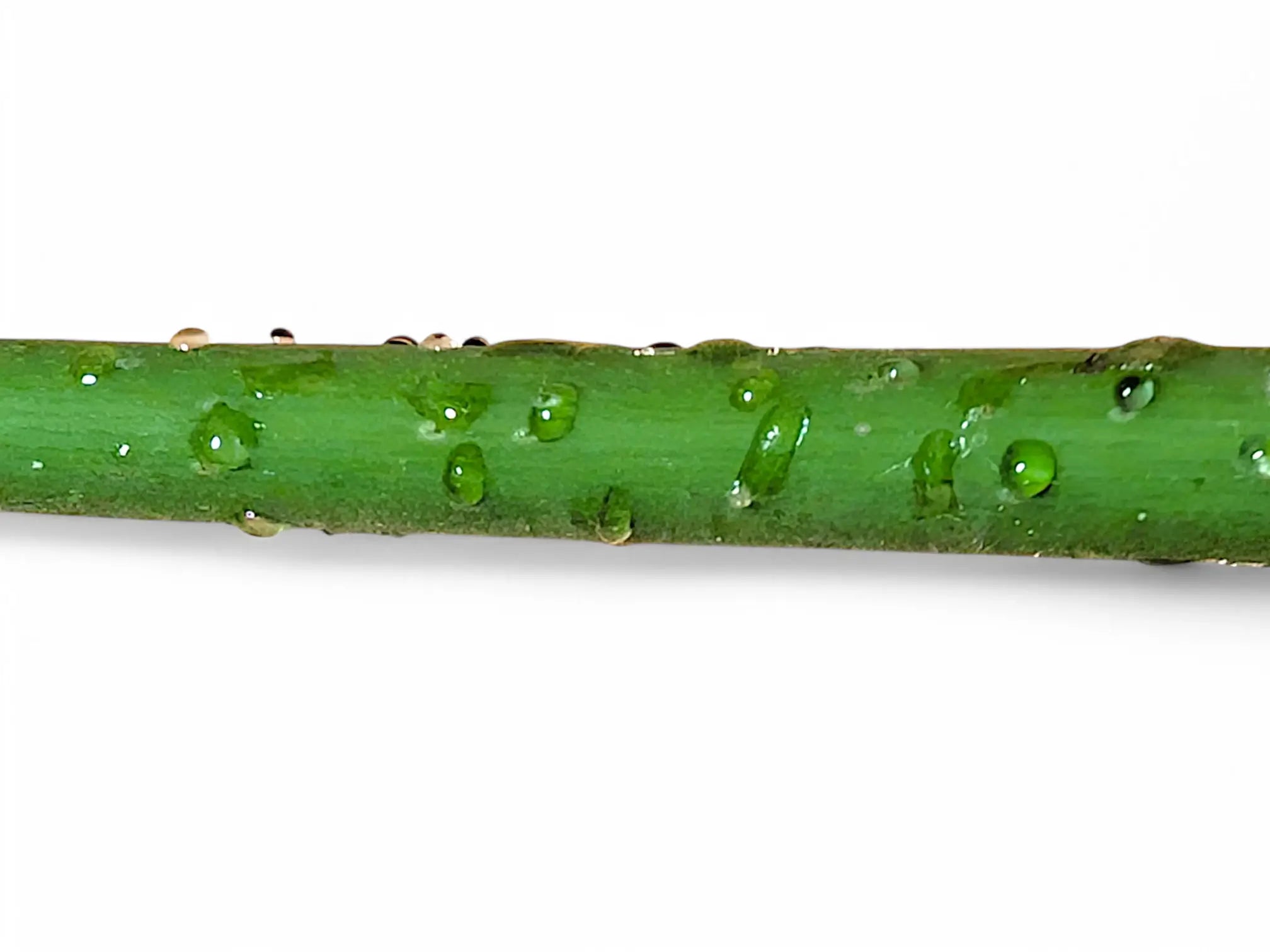
Guttation appears as droplets when root pressure pushes water out through leaf edges. It can be normal, but sticky residue, repeated wet leaves or mineral ma...

Sticky droplets on a plant are not always pests. Extrafloral nectaries can produce nectar on leaves, petioles or stems, but honeydew, guttation and sap leaks...

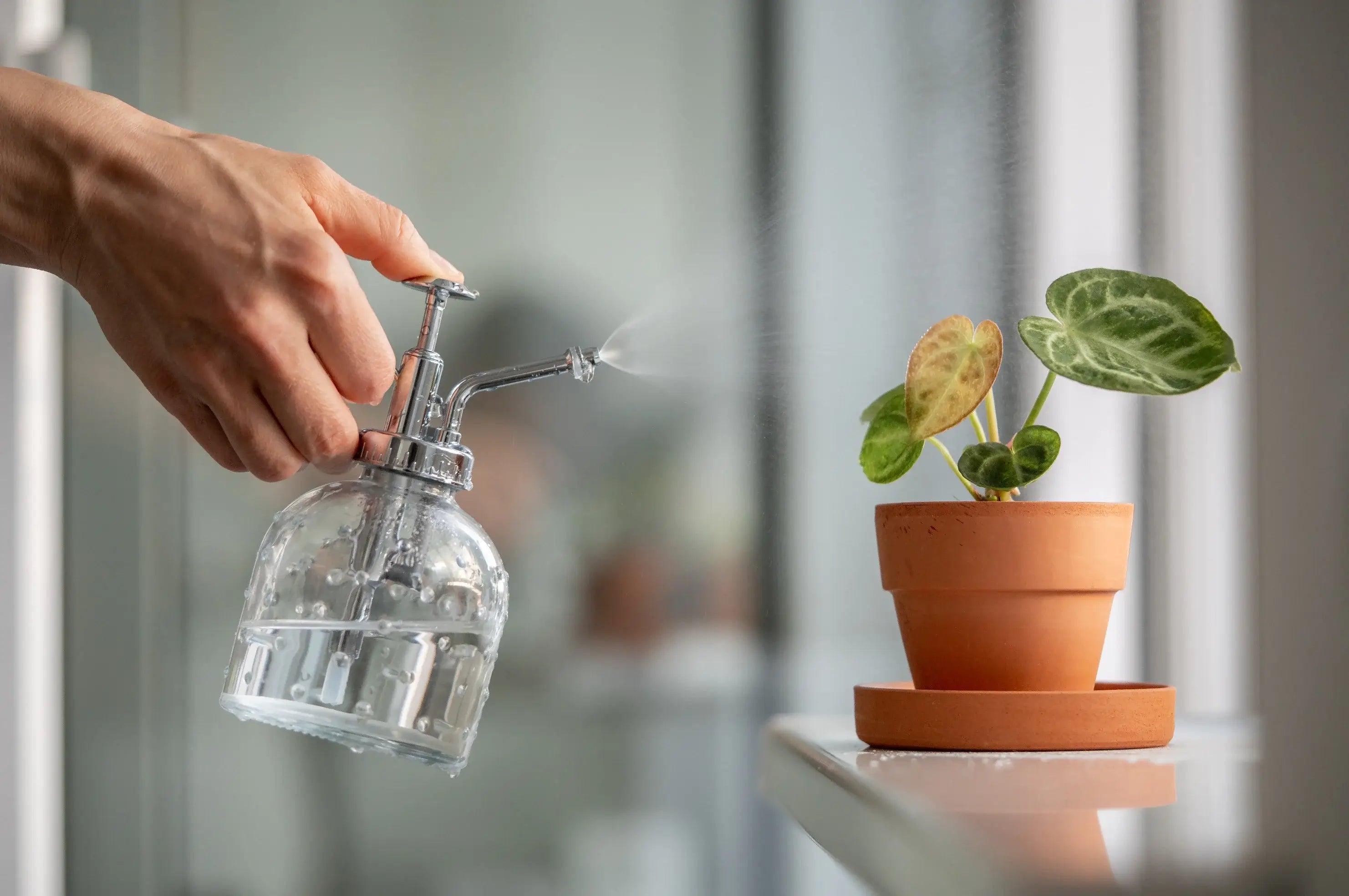
Misting wets leaves briefly, then humidity drops again. Spraying has a place for cleaning or some pest treatments, while moisture management comes from airfl...

Leaf drop is a symptom, not a diagnosis. The pattern tells you whether to check ageing, shock, drought, wet roots, pests, cold damage, light loss or recent c...

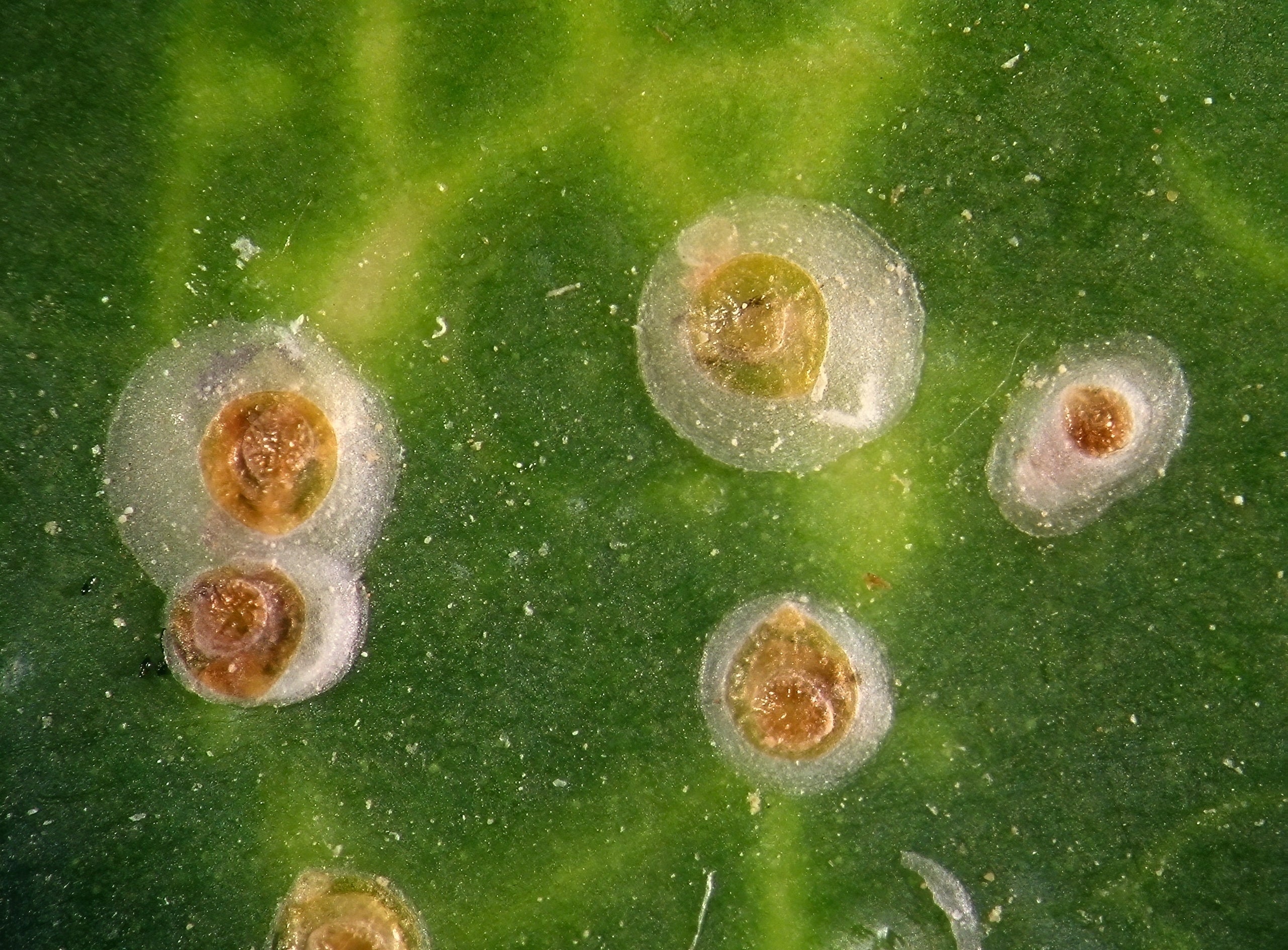
Scale insects hide on stems, veins and leaf undersides, often behind sticky honeydew and slow decline. Removal, repeat treatment and close inspection matter ...

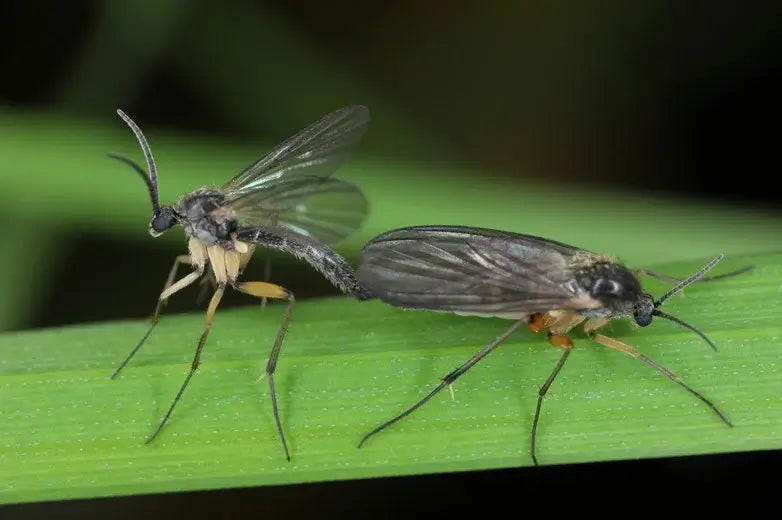
Fungus gnats are annoying as adults, but wet organic substrate lets larvae keep feeding below the surface. Dry the cycle, target larvae and change watering h...

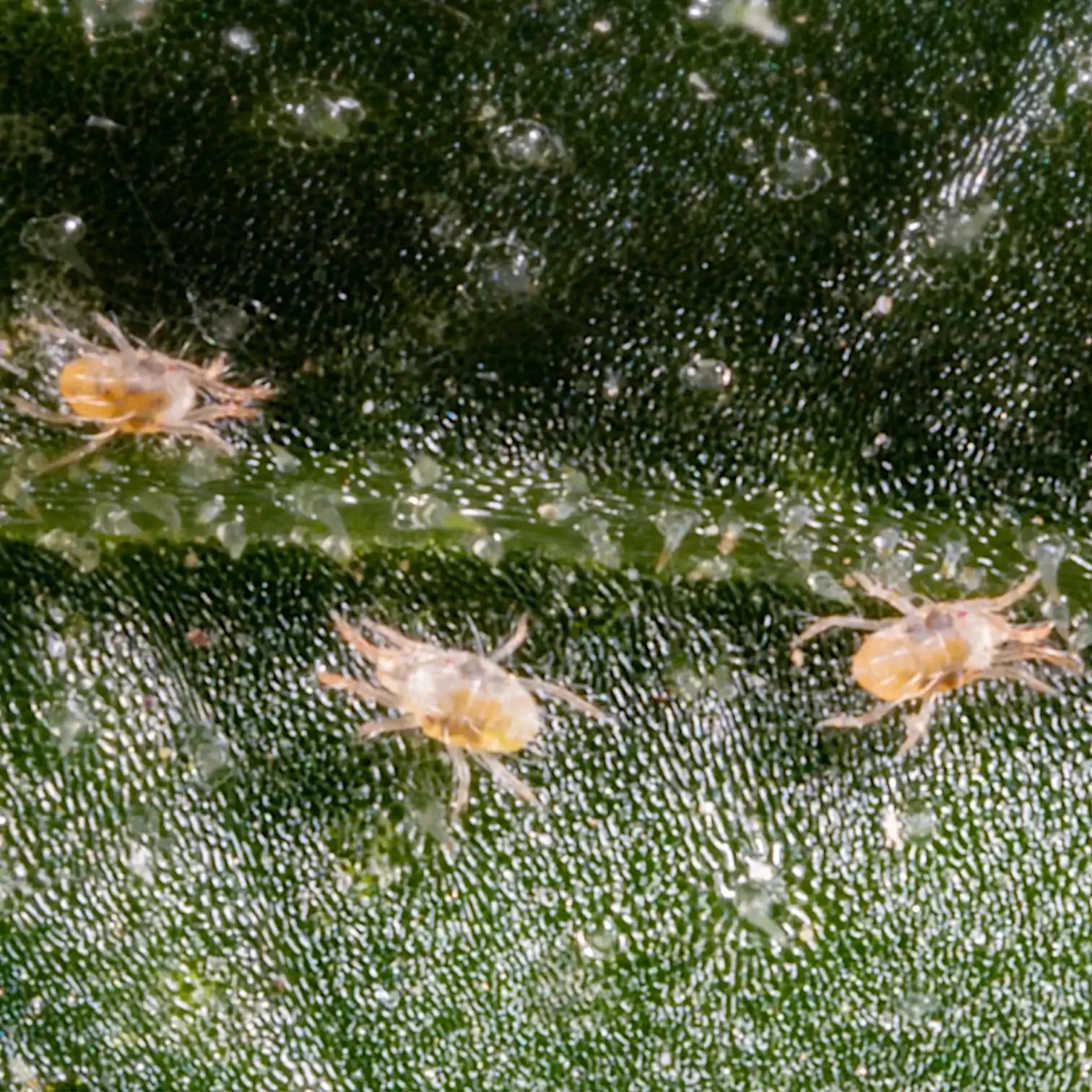
Spider mites start as dull leaves, pale speckles and tiny moving dust before webbing appears. Confirm them early, rinse thoroughly, repeat treatment on sched...

Thrips leave silvery scars, black dots and distorted new growth before many growers see the insects. Confirm the damage pattern, isolate affected plants and ...

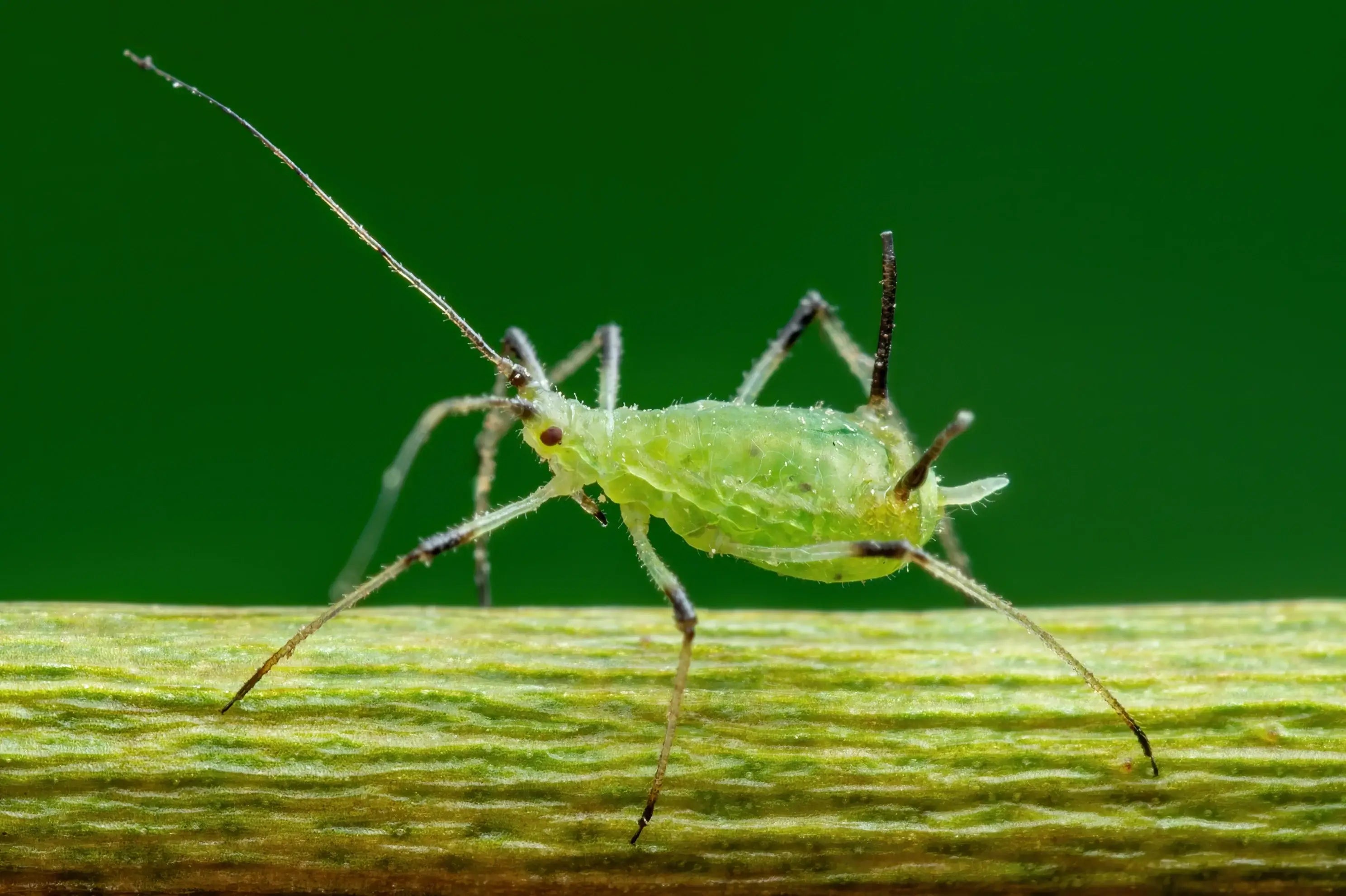
Aphids cluster on soft new growth and multiply quickly, but they are easier to control when caught early. Identify the signs, remove colonies, repeat treatme...

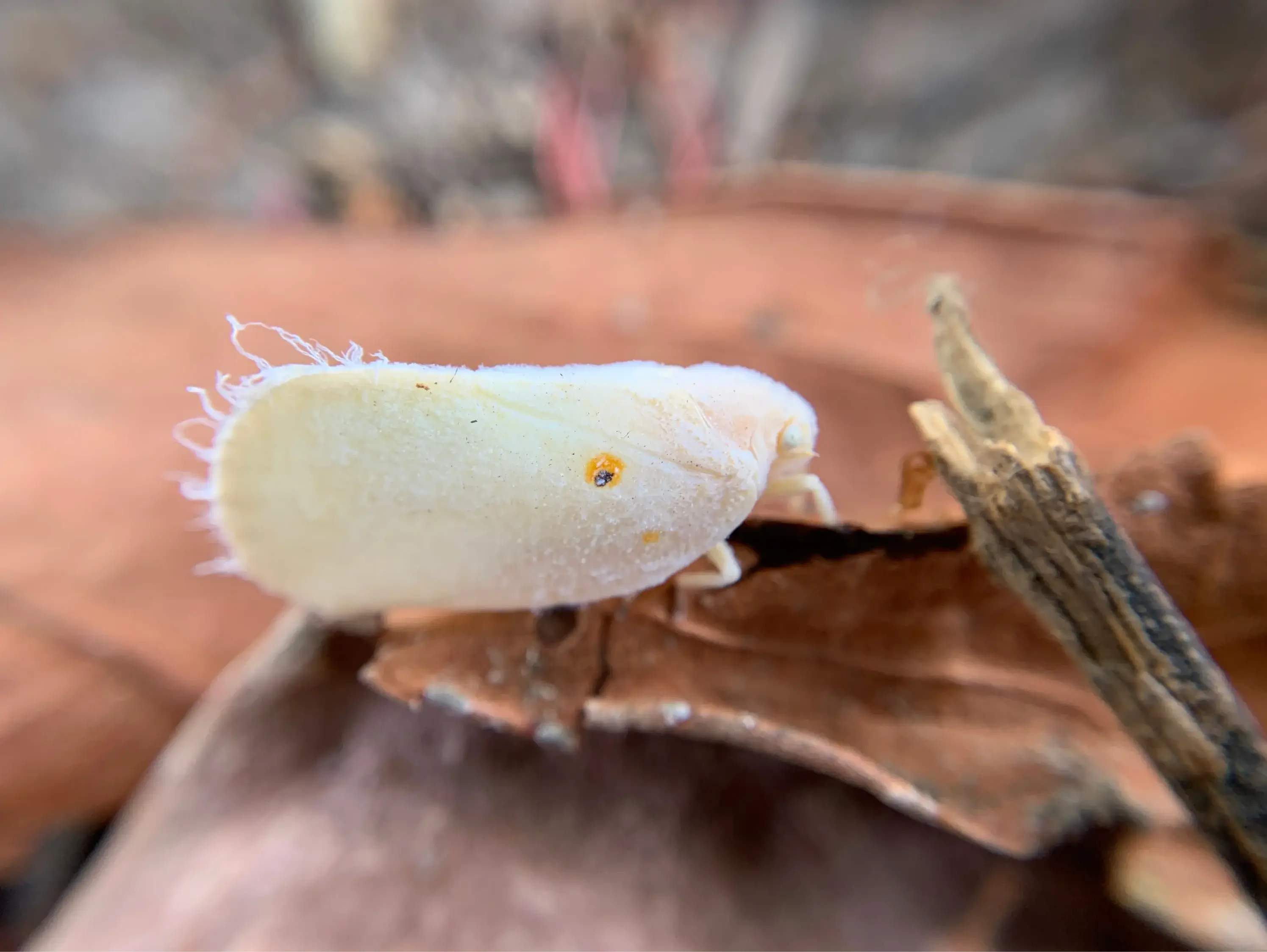
Whiteflies weaken houseplants by feeding, breeding quickly and leaving sticky honeydew behind. Spot adults, larvae and sooty mould early, then combine remova...