

Aphids on houseplants: how to identify, remove and control them
Aphids are small sap-feeding insects that can settle on many kinds of houseplants. They often gather on soft new growth, young leaves, stems, leaf stalks, buds and flowers, although the exact feeding sites vary between plants and aphid species.
Some aphid species can feed on many different ornamental plants.1 Aphids also come in many colours and forms. They can be green, yellow, brown, reddish, grey or very dark, and both wingless and winged forms occur.
Small colonies are often manageable when you catch them early. Once you are confident that the insects are aphids, inspect the rest of the plant and nearby plants, then remove as many as you can. Continued checking matters because insects hidden in new growth can easily be missed during the first clean-up.
How to identify aphids on houseplants
What aphids look like
Aphids are small, soft-bodied insects with visible legs and fairly long antennae. They are often seen in groups, with larger adults and smaller young aphids feeding together. Individual aphids may also be scattered elsewhere on the plant.
Most aphids in a colony are wingless. Winged adults can appear and disperse to new plants.3
Colour alone gives little information about the exact aphid species. Green is common, but yellow, brown, reddish and dark forms also occur.
A useful feature to look for is the pair of small structures near the rear of the abdomen called cornicles. On many common aphids they look like two short tubes. Their size and shape vary considerably between aphid groups, and in some they are reduced to tiny pores or are difficult to see.2 Use cornicles as one clue alongside body shape, antennae, whether the insects are gathered in groups and where you find them.
A phone camera with good close focus or a small hand lens can help you see the body shape, antennae and cornicles.

Where to look for aphids
Start with the newest growth. Aphids commonly gather around shoot tips, flower buds and the undersides of younger leaves.5 Also check young stems, leaf stalks and tightly emerging growth.
Folded leaves deserve particular attention because aphids can remain hidden inside them after visible insects have been removed.
Scan the whole plant because aphids may also be scattered away from the growing tip.
Signs around an aphid colony
White flakes scattered among the insects are often shed skins. Young aphids shed their skins as they grow, leaving pale empty skins around the colony.5
Aphids also produce honeydew, a sugary waste liquid that can leave leaves, stems, pots or the surface underneath the plant sticky. Dark sooty growth can develop on this residue.5 Cleaning the honeydew also makes fresh residue easier to notice later. If a plant feels sticky and you cannot find aphids, check the other causes of sticky leaves and droplets.
Ants sometimes visit aphid colonies to feed on honeydew. Ant activity can draw attention to a hidden colony, although ants around a pot can have other causes too.
Symptoms that can have other causes
Aphid feeding can leave new leaves curled, wrinkled or distorted. Larger colonies can weaken or slow new growth.5
Problems with watering, roots or fertiliser, as well as other pests, can cause similar symptoms. Confirm aphids by finding the insects themselves, cast skins, honeydew or another direct sign before choosing an aphid treatment.

How to distinguish aphids from other houseplant pests
Aphids have several visible features that help with identification. When the insects are difficult to identify, look at their body shape, where they gather and the type of damage or residue around them.
| Pest | What to look for |
|---|---|
| Aphids | Soft-bodied insects that often gather on fresh growth. Antennae are usually easy to see up close. Cornicles may be visible near the rear. Cast skins and honeydew often occur around larger colonies. |
| Mealybugs | Oval insects covered with obvious white, powdery or cottony wax. They often settle in leaf joints and other tucked-away places. |
| Whiteflies | Tiny pale winged adults that often rise from the foliage when the plant is disturbed. Young whiteflies remain attached to the undersides of leaves. |
| Thrips | Slender insects that may move quickly. Feeding often leaves pale or silvery scarring, sometimes with small dark droppings nearby. |
| Scale insects | Adult scale insects usually look like fixed bumps or shields attached to leaves and stems. Young scale insects are tiny and can move around. |
| Spider mites | Tiny mites associated with fine pale speckles on leaves. Heavier infestations can produce delicate webbing. |
Several pests can be present on the same plant, so check unfamiliar insects or damage separately.
Aphids around roots and potting mix
Some aphid species feed around plant roots.4, 12 Look for root aphids when you find aphid-like insects or waxy colonies around the roots or potting mix.
Root-feeding aphids can have a white waxy appearance that resembles root mealybugs.12 Yellowing, wilting and slow growth occur with many root problems. Visible insects are the key sign of root aphids.
If you find insects or waxy material around the potting mix, check the roots as well.
What to do when you find aphids
Check the whole plant and nearby plants
After finding the first colony, check the rest of the plant. Look closely at emerging leaves, folded growth, stem joints and other sheltered places where aphids can remain unnoticed.
Check neighbouring plants too. Winged aphids can fly to other plants and start new colonies.3
Move the infested plant so its leaves are no longer touching nearby plants, if you can. This makes inspection and removal easier and can limit aphids crawling directly between plants. Check the surrounding plants as part of the same inspection.

Remove as many aphids as you can
Removing aphids with water or by hand is a useful first step and may be enough for a small colony you can reach easily.
A controlled stream of water can dislodge aphids from sturdy leaves and stems. Support flexible stems and tender new leaves while rinsing so they stay intact.
Delicate plants can be wiped carefully. Work through the new growth, leaf undersides and stem joints, including areas around the visible colony.
Pruning can help when a single shoot, flower or bud cluster is heavily infested. With a light infestation, you usually only need to deal with the affected shoot or leaves.
Direct the rinse away from the potting mix if possible and allow excess water to drain freely.
You can rinse or wipe the plant again whenever you find more live aphids. Small infestations sometimes come under control through careful removal and follow-up alone.
Clean away sticky honeydew
Honeydew may remain after the insects have been removed. Gently wipe sturdy leaves with a soft damp cloth, or rinse foliage that handles water well.
Cleaning the residue makes later inspections easier and removes the sugary surface where sooty growth develops.
Keep checking for live aphids
Inspect the plant regularly while aphids are still appearing. New growth, folded leaves and areas where previous colonies were found deserve the closest attention.
Remove any live aphids you find.
Check the plant as often as needed. If you use a plant-protection product, follow its instructions for repeat applications.9
If aphids remain or return
Aphids appearing again after the first clean-up can have several causes.
Some insects may have remained inside folded leaves or crowded new growth. A second plant nearby may still carry a colony. Newly introduced plants or cuttings can bring aphids into the collection, and winged aphids can arrive from elsewhere.
Aphids can reproduce quickly when indoor conditions suit them. A few survivors may become noticeable again surprisingly soon. Some colonies also produce winged forms that can disperse and start new colonies.3
Monitor the plant itself
Check the plant itself to see whether aphids are still there.
Yellow sticky traps can catch winged aphids and show that they are flying nearby, but the number caught does not tell you how many aphids are feeding on the plant.6 Check the leaves and stems for live aphids.
When aphid control keeps failing
If aphids keep coming back, check the plant again before changing treatments.
Confirm the pest again, look for hidden colonies and check neighbouring plants. If you used a spray that needs to touch the aphids directly, consider whether it reached the places where they were feeding.
If you used a plant-protection product, stick to the dose and repeat interval in its current instructions.9
Resistance can also reduce how well a product works.7 Missed insects, areas the spray did not reach and new aphids arriving can all make a treatment seem ineffective, so check these likely causes before switching to another treatment.
Other ways to control aphids
For a small colony, you can keep rinsing or wiping away aphids as you find them. Larger or recurring infestations may make beneficial insects for houseplants or an authorised plant-protection product worth considering.
If beneficial insects are part of the plan, check compatibility before applying another pest-control product. If you recently treated the plant, check how long the supplier says to wait before releasing beneficial insects.
Using beneficial insects against aphids
Beneficial insects control aphids in different ways. Chrysoperla carnea lacewing larvae and Adalia bipunctata ladybird larvae are predators that eat aphids directly. Parasitoid wasps develop inside individual aphids and eventually kill their host.
Different parasitoid species work against different aphids, so check which aphids the supplier says the product is meant for.8 This is especially useful when you do not know which aphid you have.
Beneficial insects may behave differently in a home than they do in a commercial greenhouse.8 Temperature and the number of aphids matter, and released insects may spread around the room. Follow the supplier's instructions for how many to release, the conditions they need and which treatments can be used with them.
Using a plant-protection product
Rules for plant-protection products vary by country. Check that the exact product is authorised for the pest you found, the plant you are treating and home use where you live. In Germany, choose a product authorised for non-professional use in that setting.9 Follow the current instructions for how much to use, how to apply it, when it can be used again and any safety precautions.
Check whether the instructions list any plants or conditions where the product should not be used.
If beneficial insects are part of the control plan, check that the treatment can be used with them before treating the plant or releasing them.
Household mixtures and plant tolerance
Products designed specifically for insect control have a set formula and come with instructions. Washing-up liquids and other household detergents vary in strength and ingredients, so their effects on aphids and leaves are unpredictable.
Homemade vinegar and essential-oil mixtures also vary in concentration and can damage sensitive leaves.
Some houseplants have leaves or new growth that are easily damaged by homemade sprays. If you need a product, choose one made and authorised for the job and follow its instructions.
Plant damage, virus risk and recovery
What happens to aphid-damaged growth
Leaves attacked while they were still expanding may remain curled, wrinkled or misshapen after the aphids are gone.
To see whether aphids are still active, look for live insects and newly appearing honeydew. Older damage may remain visible after control has worked.
Honeydew and the dark sooty growth associated with it can remain after the insects have gone. Cleaning the foliage removes residue and makes fresh honeydew easier to spot if aphids return.
After a heavy infestation, growth may stay slower for a while.
Aphids and plant viruses
Some aphids can transmit plant viruses. This is relevant to ornamental houseplants as well as food crops.
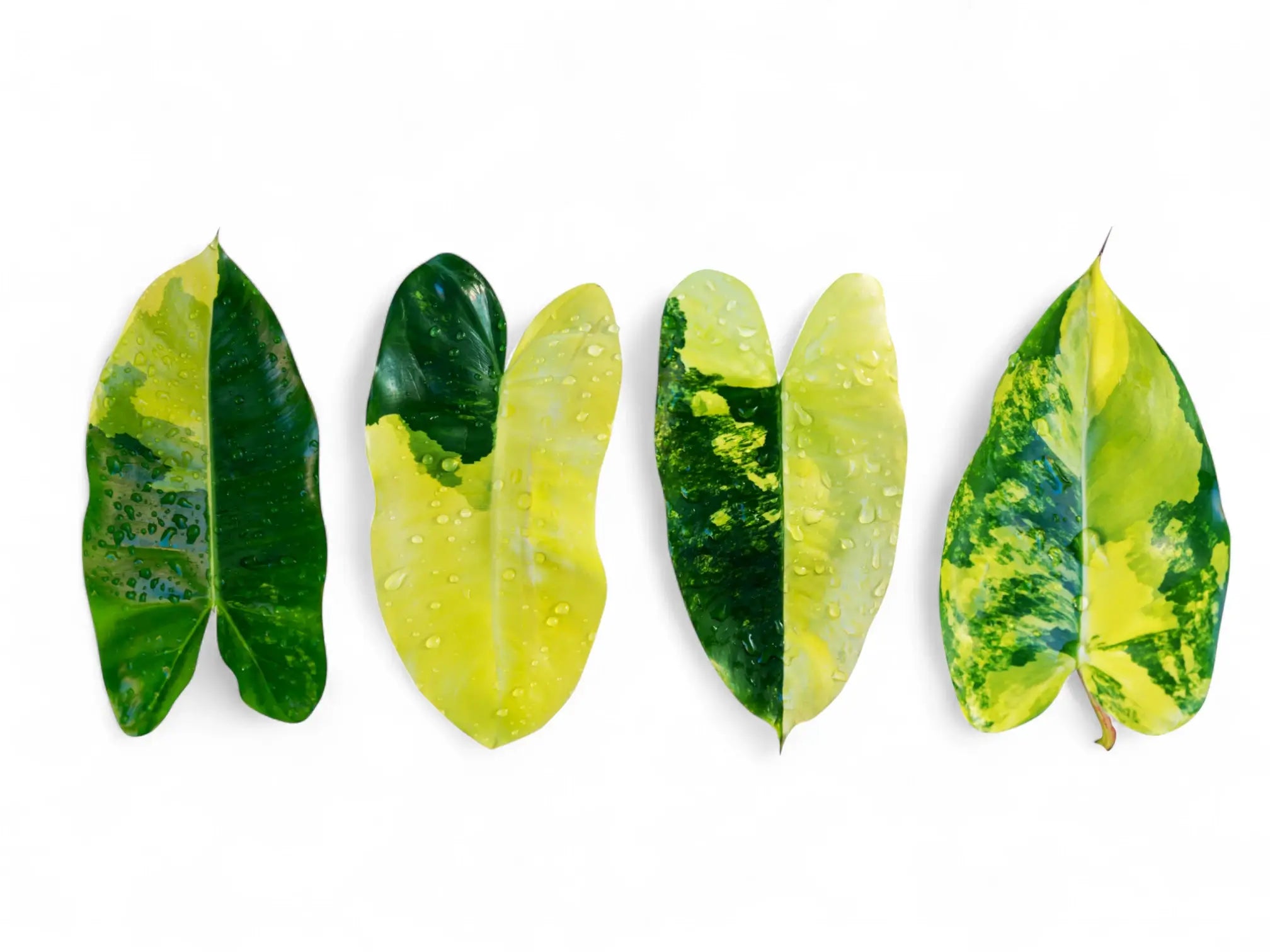
Dasheen mosaic virus can infect aroid houseplants and can be transmitted to Philodendron by aphids.10 It has also been found in familiar houseplants such as Anthurium, Dieffenbachia and Philodendron.11
Mosaic patterns, patchy colouring and distorted growth can have several causes, and some infected plants may show few obvious symptoms.11 If you need a definite answer, specialist testing can confirm whether a virus is present.
When unusual symptoms continue after you have controlled the aphids, avoid taking cuttings from the affected plant until the cause is clearer.
Returning the plant to normal care
Once active aphids are under control, return the plant to its usual light, watering and feeding routine. Keep feeding at the plant's normal rate while it recovers.
Watch the new growth and continue checking for live aphids. Healthy new leaves and shoots are a useful sign of recovery.
Reducing the chance of another aphid infestation
Inspect new plants before placing them among an established collection, paying particular attention to fresh shoots, leaf undersides and buds.
Check plants that have spent time outdoors before bringing them back among your other houseplants. Aphids and other pests can be easy to miss when plants first come back indoors.
After finding aphids on one plant, inspect nearby plants even when they look healthy. Small colonies can be easy to miss in dense new growth.
Cuttings and other live plant material can also carry insects into a collection, so give them the same quick inspection before placing them beside established plants.
Winged aphids can arrive from outside or move between plants.3 Regular checks of fresh growth help catch new colonies early and can also reveal mealybugs, thrips and other houseplant pests while they are still easy to deal with.
Sources and further reading
- Yovkova, M., Petrović-Obradović, O., Tasheva-Terzieva, E. & Pencheva, A. (2013). Aphids (Hemiptera, Aphididae) on ornamental plants in greenhouses in Bulgaria. ZooKeys, 319, 347–361.
- Michaud, J. P. (2022). The Ecological Significance of Aphid Cornicles and Their Secretions. Annual Review of Entomology, 67, 65–81.
- Deem, K. D., Gregory, L. E., Liu, X., Saleh Ziabari, O. & Brisson, J. A. (2024). Evolution and molecular mechanisms of wing plasticity in aphids. Current Opinion in Insect Science, 61, 101142.
- Ong, M., Pickett, C., Feng, A., Lau, A., Buirs, L. & Gries, G. (2025). Rice Root Aphids, Rhopalosiphum rufiabdominale, Preferentially Choose and Multiply Faster on Monocotyledonous Plants. Entomologia Experimentalis et Applicata, 173, 1205–1215.
- Royal Horticultural Society. Aphids. RHS Advice Guide.
- Grupe, B., Dieckhoff, C. & Meyhöfer, R. (2023). Keep an eye on natural enemies: What Aphidius on sticky traps tells us about aphid pest population dynamics. Entomologia Experimentalis et Applicata, 171(10), 722–731.
- Bass, C., Puinean, A. M., Zimmer, C. T. et al. (2014). The evolution of insecticide resistance in the peach potato aphid, Myzus persicae. Insect Biochemistry and Molecular Biology, 51, 41–51.
- Prado, S. G., Jandricic, S. E. & Frank, S. D. (2015). Ecological Interactions Affecting the Efficacy of Aphidius colemani in Greenhouse Crops. Insects, 6(2), 538–575.
- Bundesamt für Verbraucherschutz und Lebensmittelsicherheit (BVL). Pflanzenschutzmittel in Haus- und Kleingarten.
- Ram, R., Joshi, A., Verma, N., Kulshrestha, S., Raikhy, G., Hallan, V. & Zaidi, A. A. (2003). First report of Dasheen mosaic virus infecting four ornamental aroids in India. Plant Pathology, 52, 411.
- Zettler, F. W., Abo El-Nil, M. M. & Hartman, R. D. (1978). Dasheen mosaic virus. Descriptions of Plant Viruses, No. 191.
- Royal Horticultural Society. Root aphids. RHS Advice Guide.


Leave a comment