
Use this hub to move from symptoms to causes. Start with light and watering when growth is weak or inconsistent, check substrate and root health when decline follows watering, and use pest or seasonal guides when indoor conditions shift. Each topic connects practical care steps with how houseplants actually grow indoors.
Plant Care Guides
Good plant care is not talent or luck. It is observation, rhythm, and small adjustments that make sense for the plant in front of you. This hub brings together practical guides on light, watering, substrates, repotting, fertilizing, pest control, semi-hydro systems, root health, and seasonal changes, so you can build routines around real indoor conditions instead of guesswork.
Start Here: The Fundamentals
Theory: The Four Core Principles
1. Light drives growth: match plants to measurable brightness, not room labels.
2. Roots need air: a stable substrate keeps oxygen moving around the root zone.
3. Water has rhythm: water when the substrate and plant show it is time, not because the calendar says so.
4. Nutrition supports balance: steady, diluted feeding supports new growth when light, roots, and watering are already in range.
Practice: Understanding Plant Behaviour
Before changing a care routine, look at what the plant is already showing you. Growth speed, leaf posture, root condition, drying rhythm, and new leaves give more useful information than a generic checklist. Observation turns plant care from guessing into a series of small, readable adjustments.
Start with the plant’s growth habit, root type, and usual habitat clues. A climber, fern, succulent, palm, or rhizomatous aroid will not respond to care in exactly the same way.
Leaves, stems, petioles, and roots often show early clues before a problem becomes obvious. Watch colour, angle, firmness, new growth, and root condition before changing the routine.
Every home is different. Adjust watering rhythm, exposure, and substrate structure step by step until growth is steadier and problems become easier to read.
Stable conditions support steadier growth. Avoid drastic shifts in light, watering, temperature, or placement unless there is a clear problem to correct.
Plants respond over weeks, not overnight. Change one thing at a time, watch the next leaves and roots, and give the plant time before adjusting again.

Beyond Pretty Leaves: What No One Tells You About Houseplants

Why Some Houseplants Feel Difficult — and What Usually Causes It

Why Your Houseplants Don’t Care What Room They’re In

The Truth About Houseplant Care Guides (and How to Adapt Them to Your Home)
➜ Rethinking Plant Care
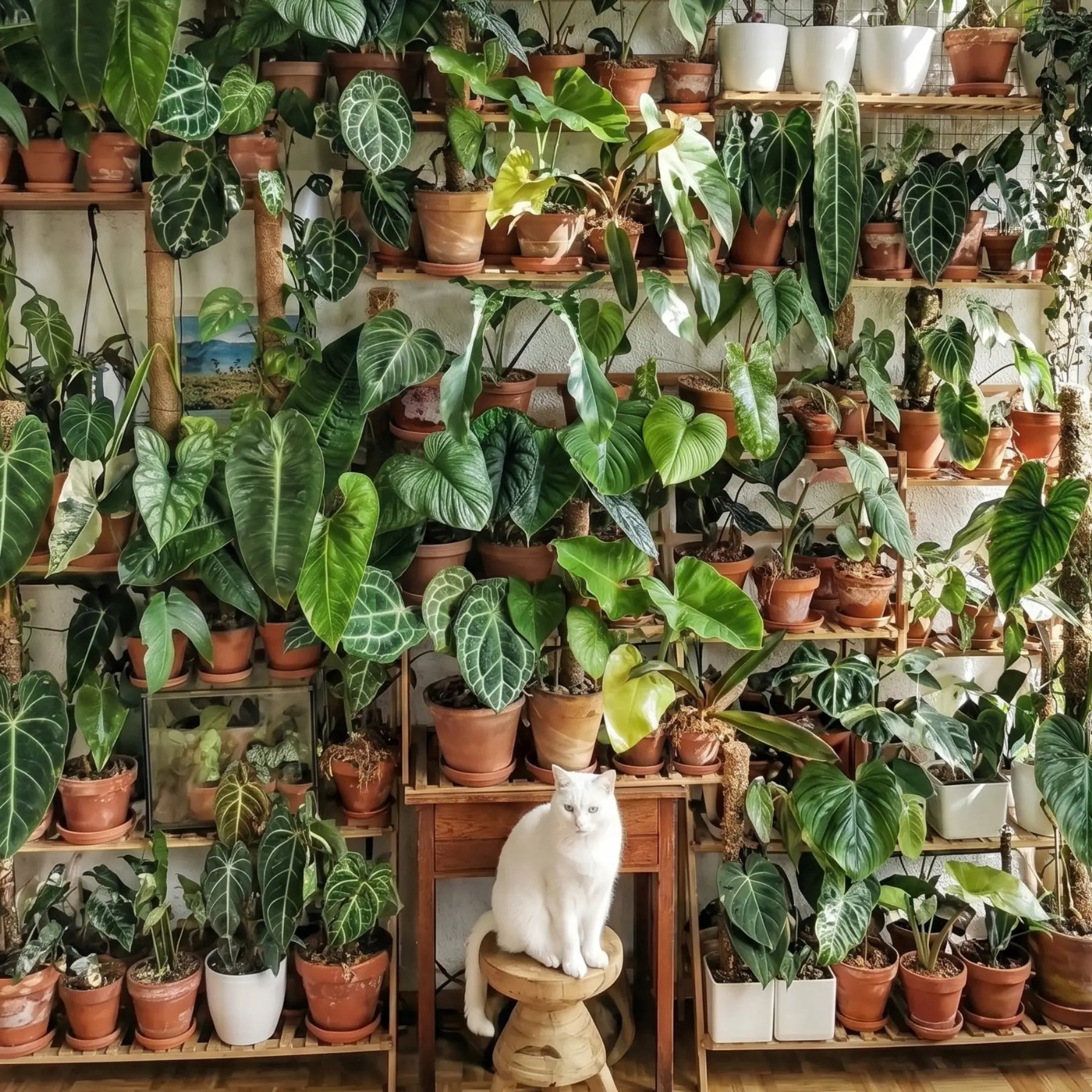
General care advice is useful, but it works best when it is adapted to the plant, pot, substrate, and actual conditions in your home. These articles look at common houseplant assumptions and explain what matters in practice: light, roots, moisture, growth rhythm, and the limits of room-based advice.
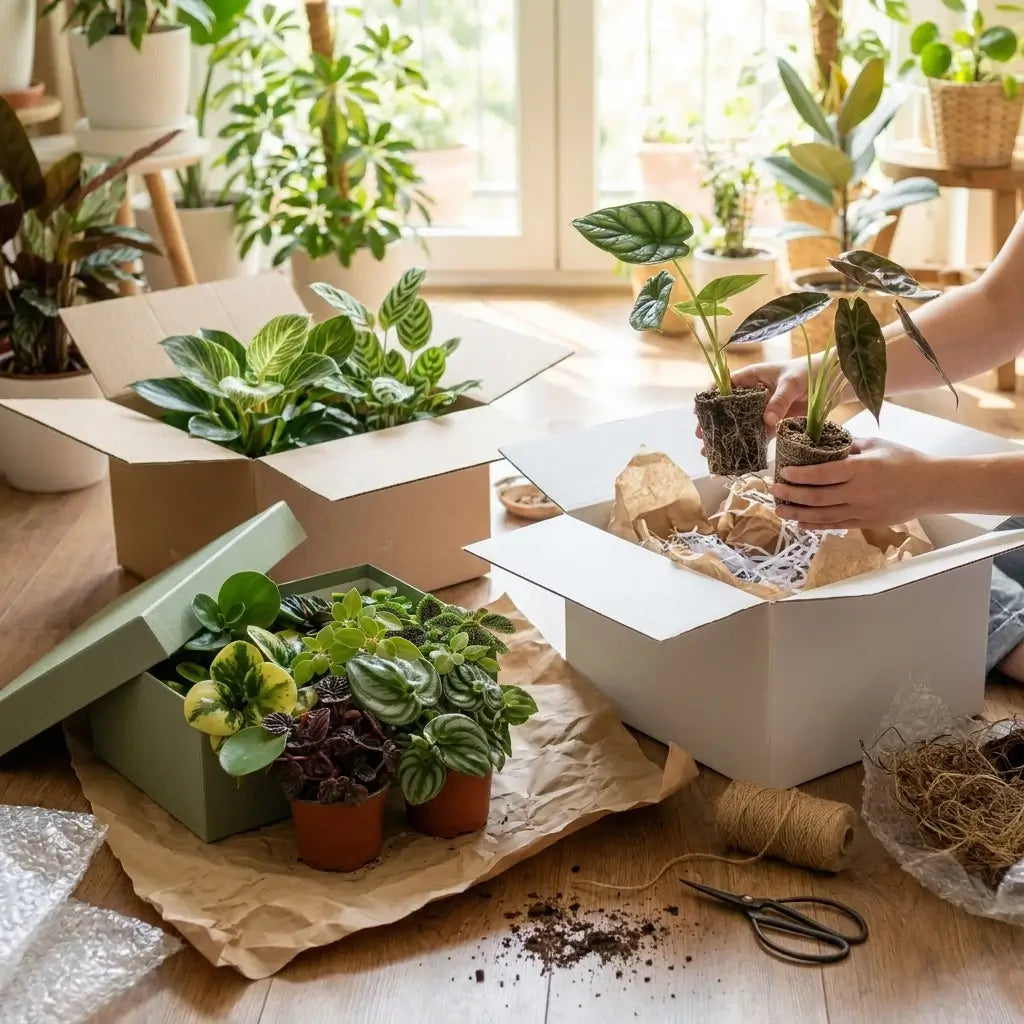
Help Your Plants Settle In
When a Plant Moves In
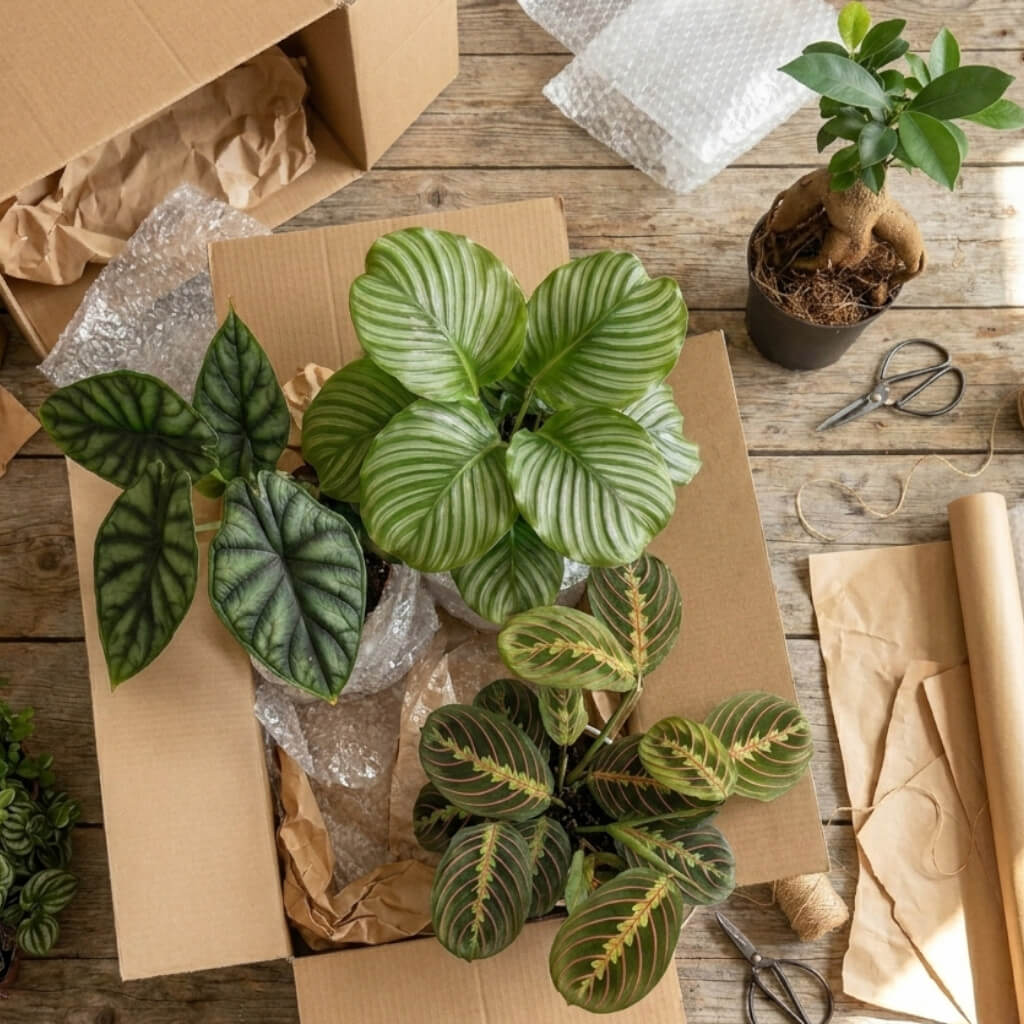
A new plant has just changed light, humidity, temperature, handling, and watering rhythm. The goal in the first weeks is not to push growth; it is to keep conditions steady while the root system settles and the plant adjusts to your space.
- Light: Start many tropical foliage plants in bright, indirect light, roughly around 3 000–8 000 lux. Adjust higher or lower for plants with clearly different light needs.
- Temperature: Keep conditions stable where possible. Aim for 18–26 °C and avoid cold drafts, radiator heat, and sharp day-to-night swings.
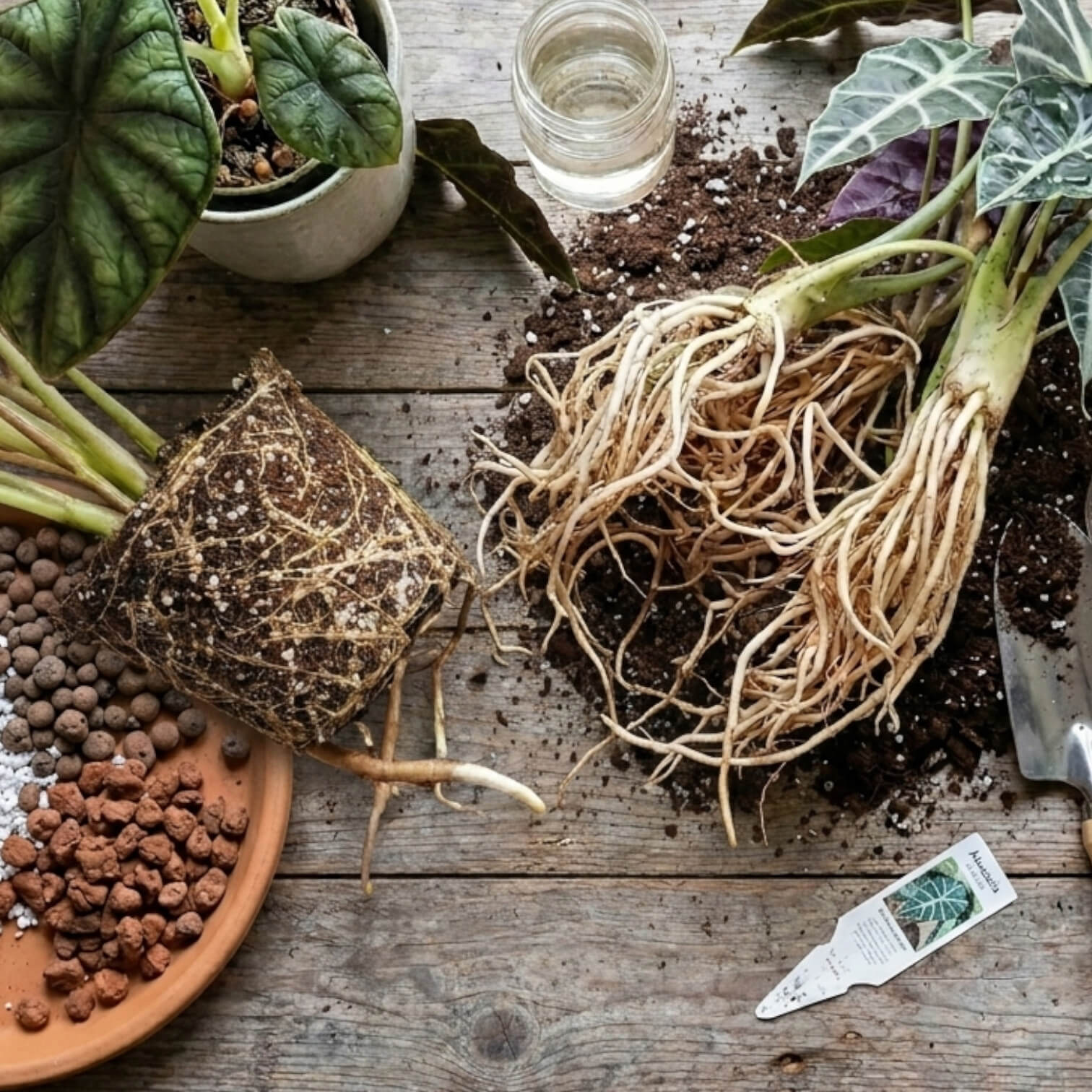
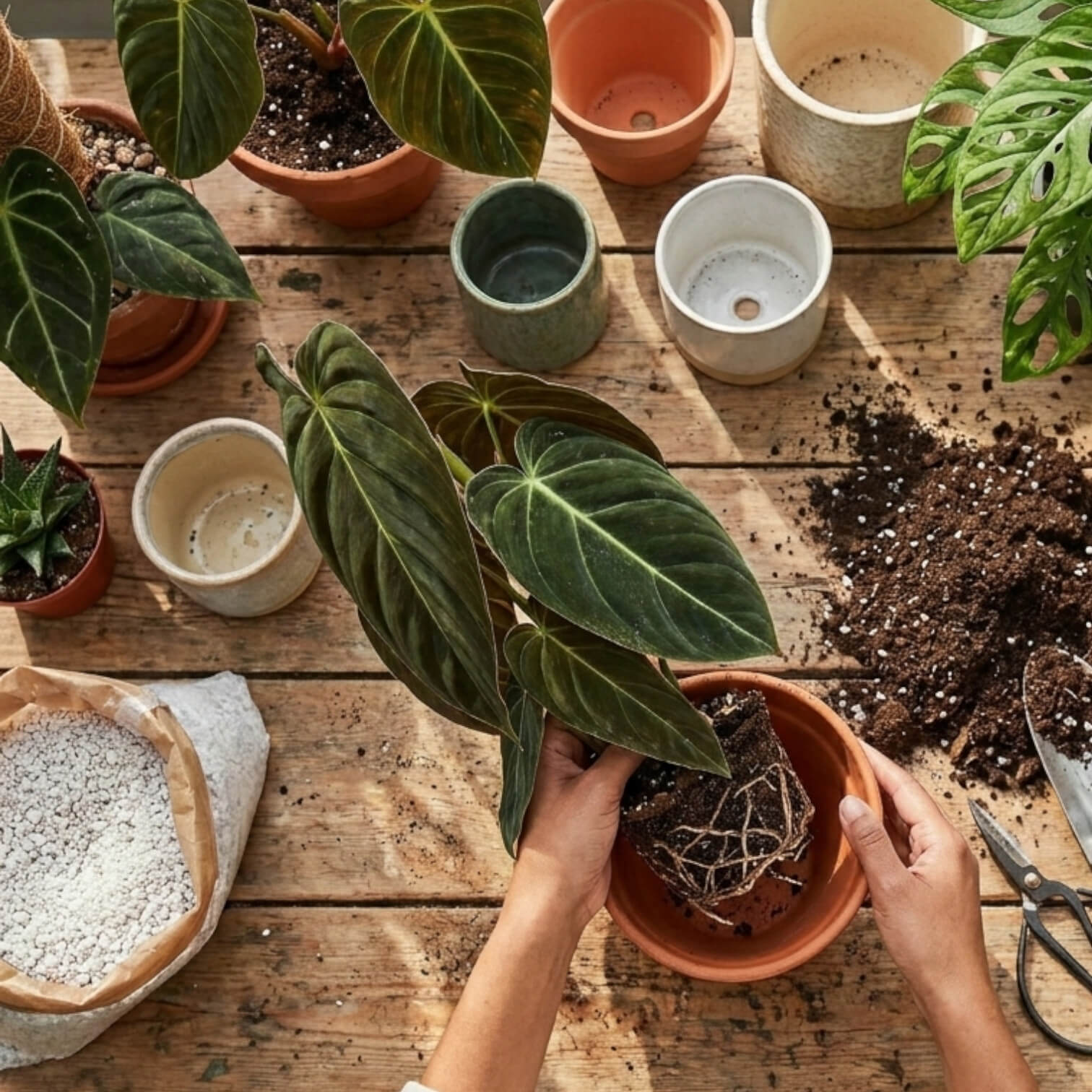
- Repotting: Delay repotting unless the substrate is failing, roots are rotting, pests are present, or the plant is unstable. Otherwise, wait for fresh growth before disturbing the root ball.
- Watering: Check moisture before watering. Keep moisture-loving tropical plants lightly and evenly moist, but do not leave the substrate saturated.
- Leaf changes: Some yellowing, dropped older leaves, or stalled growth can happen while light and humidity change. Track the trend before making several changes at once.


Care Topics Hub


Care Starts With Context
Plant care becomes clearer when you look at how a species, hybrid, or cultivar is built. Root type, leaf texture, stem structure, growth habit, and habitat clues can explain how a plant handles light, moisture, airflow, and substrate structure indoors. Context does not replace observation, but it makes each adjustment more logical.

What to Check Next
Choose one area to focus on next: light, watering, substrates, root health, pests, or seasonal changes. Use this hub to jump straight into the guide that matches what you are seeing on your plants right now.
Embrace the Chaos
Plant care can feel chaotic because light, water, temperature, humidity, substrate structure, root health, and species traits all interact. No single guide can cover every home, pot, and plant. That complexity is not failure; it is the reality of working with living systems.
The useful part is pattern recognition. Change one factor, then watch how new growth, roots, drying speed, and leaf posture respond. Over time, care becomes less about rules and more about reading what is happening.
Keep reading through our plant care articles. They bring light, watering, roots, substrates, pests, and seasonal changes into one practical place, so every next adjustment has a reason behind it.
Plant Care FAQ
Products & Plant Care
Plant Care After Delivery

Sign up for Foliage Factory newsletter for early access to new arrivals and practical care tips that work in real homes.