Light
Bright indirect • approx. 10,000–20,000 lux

VAT included · plus
Your new plant has just travelled a long way and needs a calm start in its new home. For step-by-step unboxing and first-week care, check our after-delivery care guide. For deeper tips on how your plant settles in over the next weeks, read our houseplant acclimatization guide.
Secure shipping, carefully packed orders with safe delivery across the EU, UK and Switzerland.
28-day plant guarantee, if a plant arrives damaged or fails soon after delivery, we help you make it right.
Free returns, simple, cost-free returns according to our policy.
For full details, please see:
Please head to our FAQ Page or Contact us.
Quick Care Guide
Light
Bright indirect • approx. 10,000–20,000 lux
Watering
Water when ~60–80% dry
Substrate
Airy + fast-draining • Light moisture buffer • Bark-based • Medium-chunky
Temperature
Ideal: 16–24 °C • Avoid below: 10 °C
Humidity
Moist 50–60 %
Growth habit
Climbing or trailing epiphytic perennial vine.
Support
recommended
Growth speed
Average
Max size indoors
Max. trail length: 150 cm • Max. spread: 60 cm
Toxicity & safety
Non-toxic
Origin & habitat
Native to Solomon Islands
Outdoor growing
Outside from 15 °C · sheltered from wind and rain
These care values are quick reference points for indoor growing. Use them as a guide, then adjust for pot size, substrate, temperature and how quickly the substrate dries.
For more detail, read the full product description or visit our Plant Care Guides.
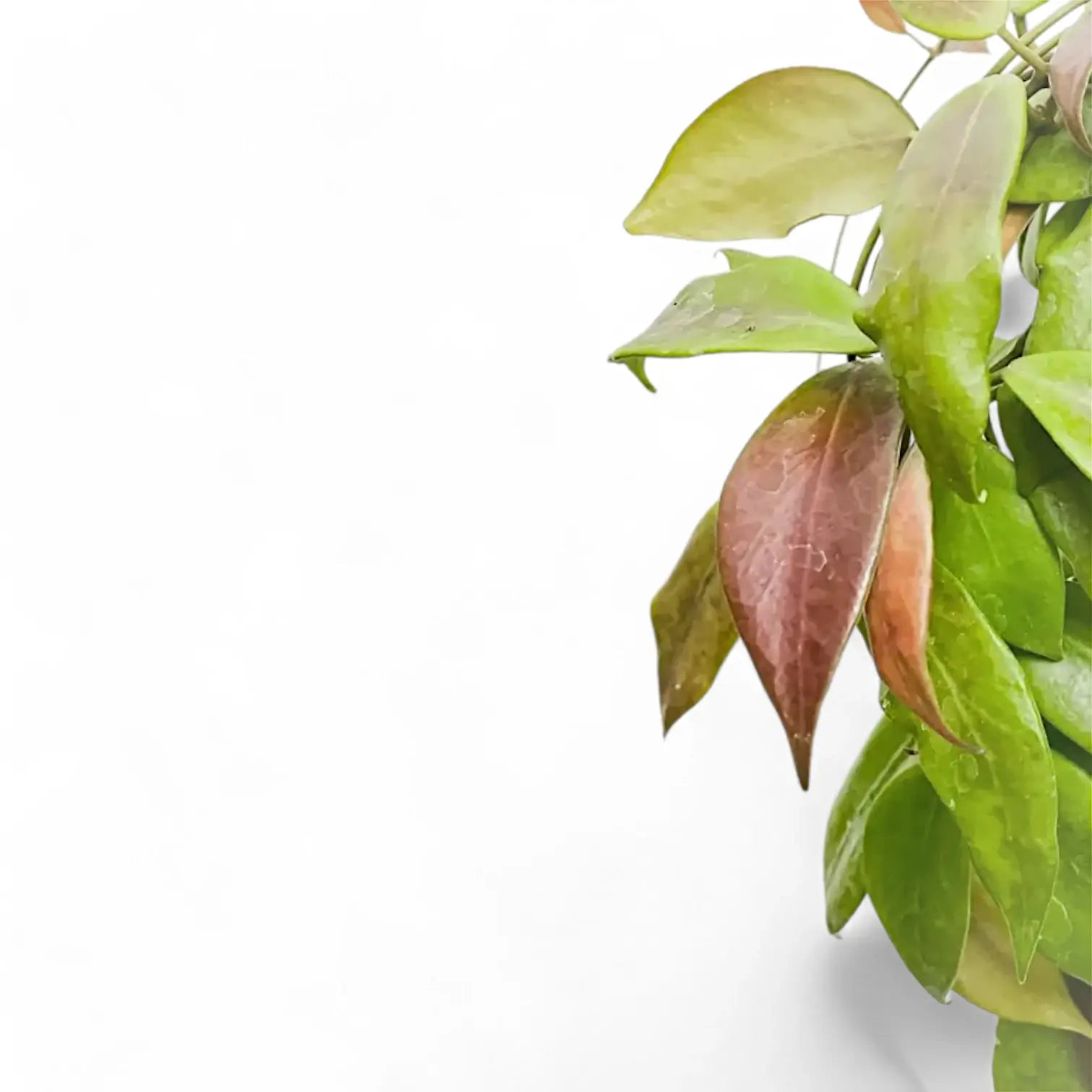
Hoya flavida P.I.Forst. and Liddle is a rare and visually captivating species native to northeastern Queensland, Australia and parts of New Guinea. Known for its thick, semi-succulent foliage and luminous clusters of yellow to pale orange flowers, it stands out as a showy but adaptable addition to any bright indoor space. With a naturally vining growth habit and impressive resilience, this Hoya is perfect for collectors looking for a blooming species that thrives under typical indoor conditions.
Hoya flavida grows epiphytically in tropical forests, often clinging to trees in regions with filtered sunlight, high humidity, and excellent drainage. Indoors, it adapts well to similar conditions: warm air, indirect light, and a breathable, airy substrate. Unlike some rarer Hoyas, this species tolerates slightly drier air and fluctuating temps better than average.
Hoya flavida is considered non-toxic, but it produces a latex sap that may irritate skin or mucous membranes. Keep out of reach of pets and children as a precaution.
Plant names, growth habits, natural habitats and indoor care guidance are checked against trusted botanical, habitat and horticultural references before publication.View our plant care resources and references.
Sign up for Foliage Factory newsletter for early access to new arrivals and practical care tips that work in real homes.