Light
Bright indirect • approx. 10,000–20,000 lux

VAT included · plus
Your new plant has just travelled a long way and needs a calm start in its new home. For step-by-step unboxing and first-week care, check our after-delivery care guide. For deeper tips on how your plant settles in over the next weeks, read our houseplant acclimatization guide.
Secure shipping, carefully packed orders with safe delivery across the EU, UK and Switzerland.
28-day plant guarantee, if a plant arrives damaged or fails soon after delivery, we help you make it right.
Free returns, simple, cost-free returns according to our policy.
For full details, please see:
Please head to our FAQ Page or Contact us.
Quick Care Guide
Light
Bright indirect • approx. 10,000–20,000 lux
Watering
Water when ~50–70% dry
Substrate
Airy + fast-draining • Light moisture buffer • Bark-based • Medium-chunky
Temperature
Ideal: 18–26 °C • Avoid below: 10 °C
Humidity
Moist 50–60 %
Growth habit
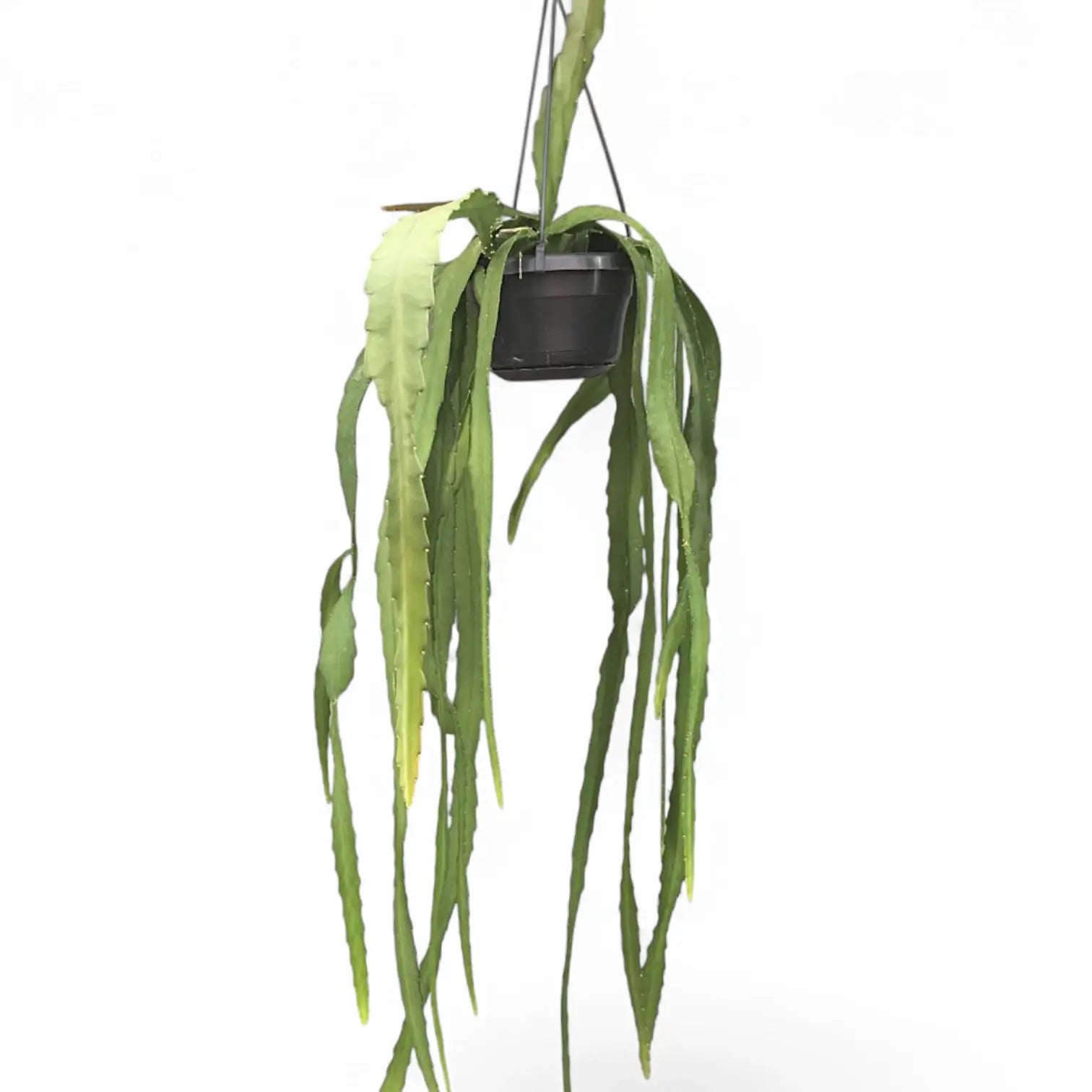
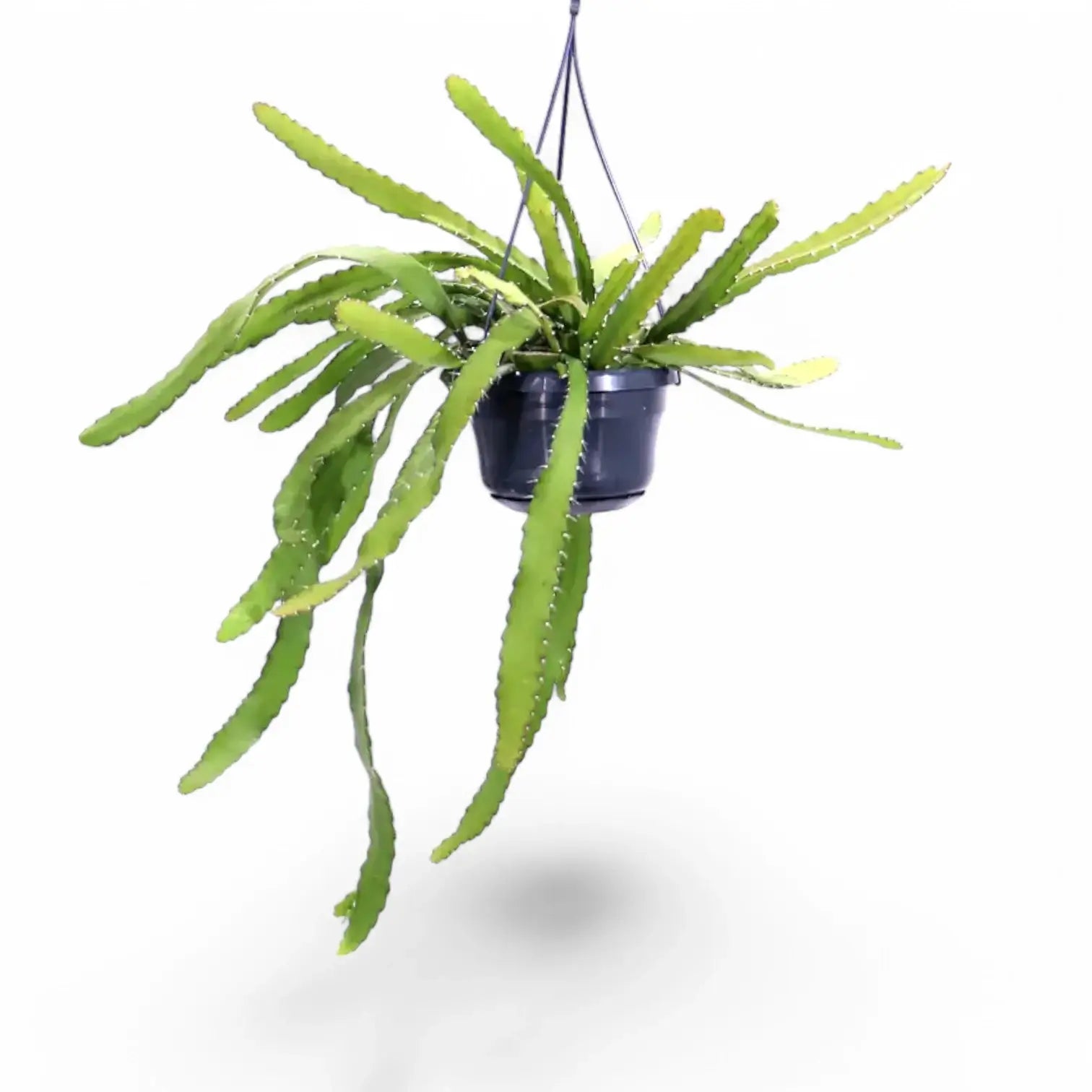
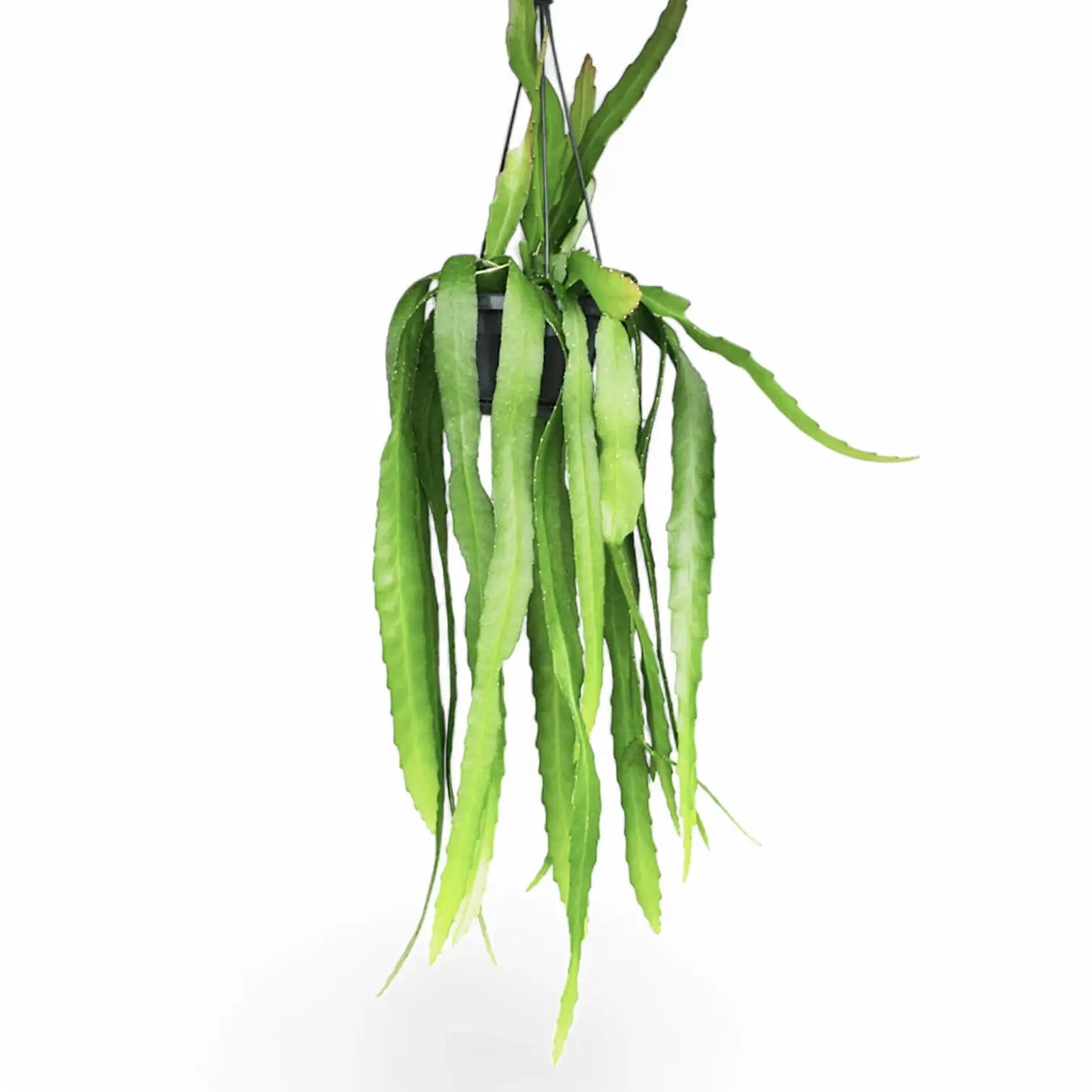
Trailing epiphytic cactus.
Support
optional
Growth speed
Average
Max size indoors
Max. trail length: 100 cm • Max. spread: 100 cm
Toxicity & safety
Non-toxic; physical injury risk
Origin & habitat
S. Mexico; seasonally dry tropical habitat
Outdoor growing
Outside from 15 °C · sheltered from wind and rain
These care values are quick reference points for indoor growing. Use them as a guide, then adjust for your space, pot size, substrate, temperature and how quickly the substrate dries.
For more detail, read the full product description or visit our Plant Care Guides.
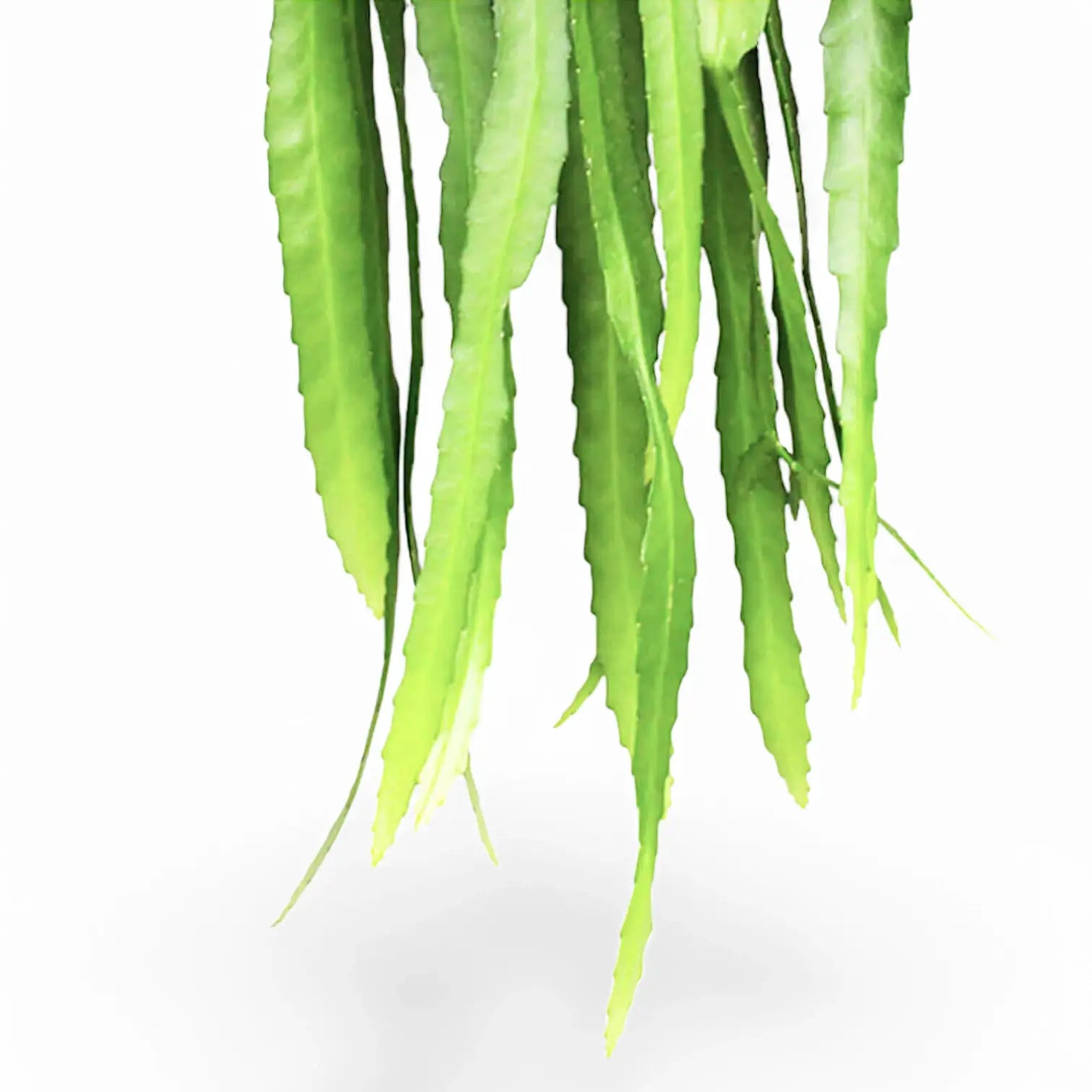
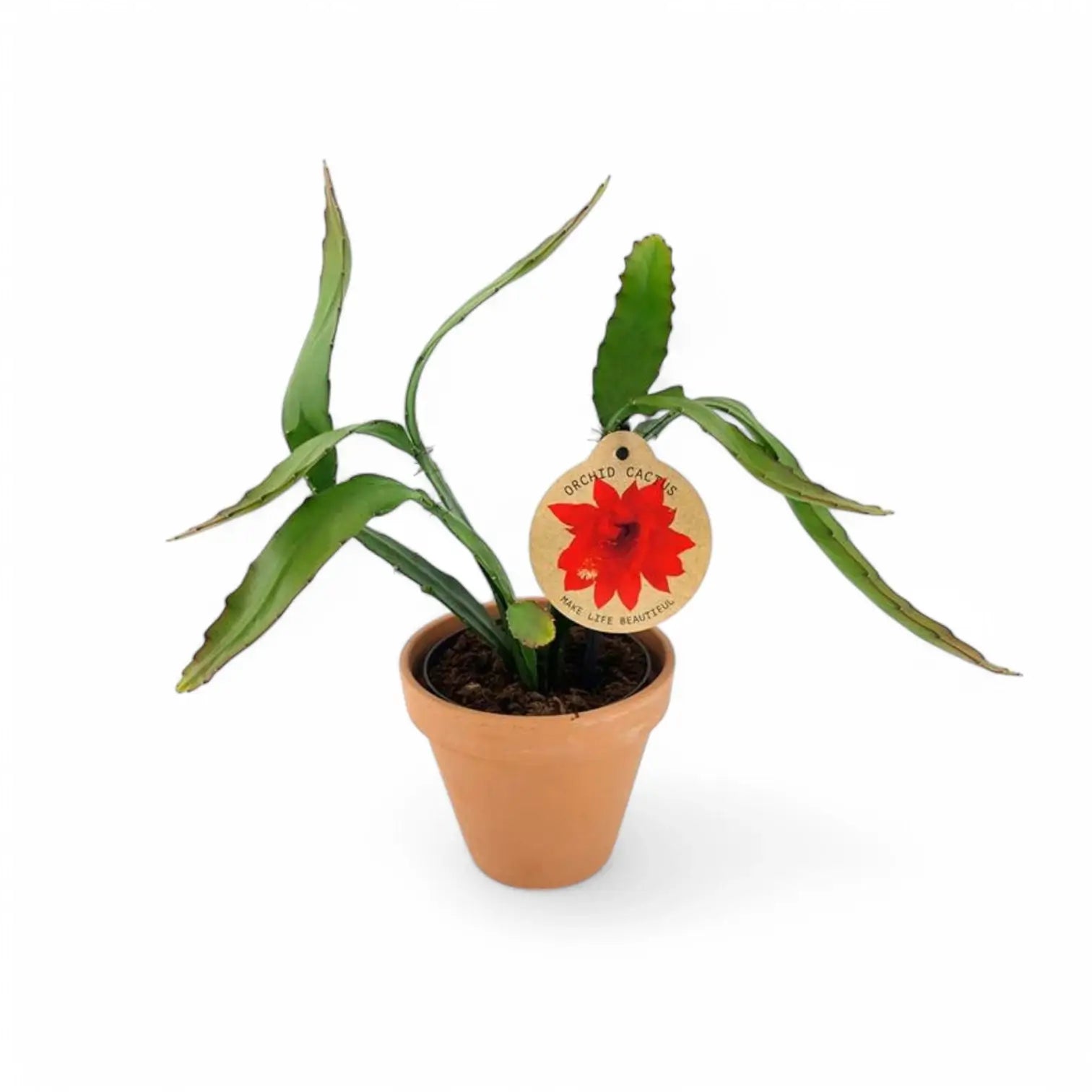
Disocactus ackermannii is a striking epiphytic cactus with dramatic, flattened stems and fiery red flowers. Often mistaken for a type of orchid cactus, it thrives not in desert-like settings but in shaded, humid forests where it clings to trees and rocks. When in bloom, its vivid trumpet-shaped flowers erupt from the edges of the stems, creating a stunning visual contrast. Its trailing growth makes it perfect for hanging planters, and its bold look brings structure and color to plant displays.
This cactus is native to subtropical regions of Mexico, where it grows on tree branches and rock faces in shaded forest environments. Unlike most cacti, it is adapted to more humid conditions and filtered light. The flattened stems help capture light in dense canopies, and its roots are shallow, relying on organic debris rather than mineral-rich soil. It thrives in consistent warmth, with regular periods of dryness between waterings.
This species appreciates good airflow and light without exposure to hot midday sun. Support hanging pots with strong fixtures as mature plants can become heavy. During bloom season, rotate the plant occasionally to encourage even flower formation. Avoid disturbing roots while in bud to prevent drop. With proper care, it blooms generously each year.
The species was first described as Epiphyllum ackermannii by Adrian Hardy Haworth. It was later reclassified under the genus Disocactus by Ralf Bauer in 2003. The name "ackermannii" honors George Ackermann, an early collector associated with the plant’s discovery.
Plant names, growth habits, natural habitats and indoor care guidance are checked against trusted botanical, habitat and horticultural references before publication.View our plant care resources and references.
Sign up for Foliage Factory newsletter for early access to new arrivals and practical care tips that work in real homes.