Piper
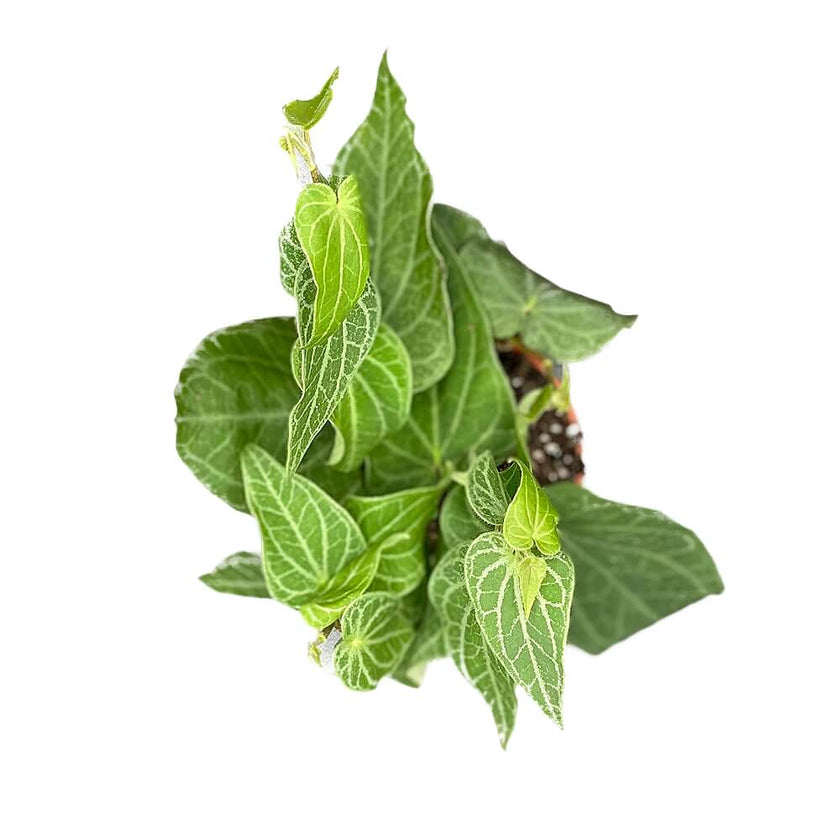
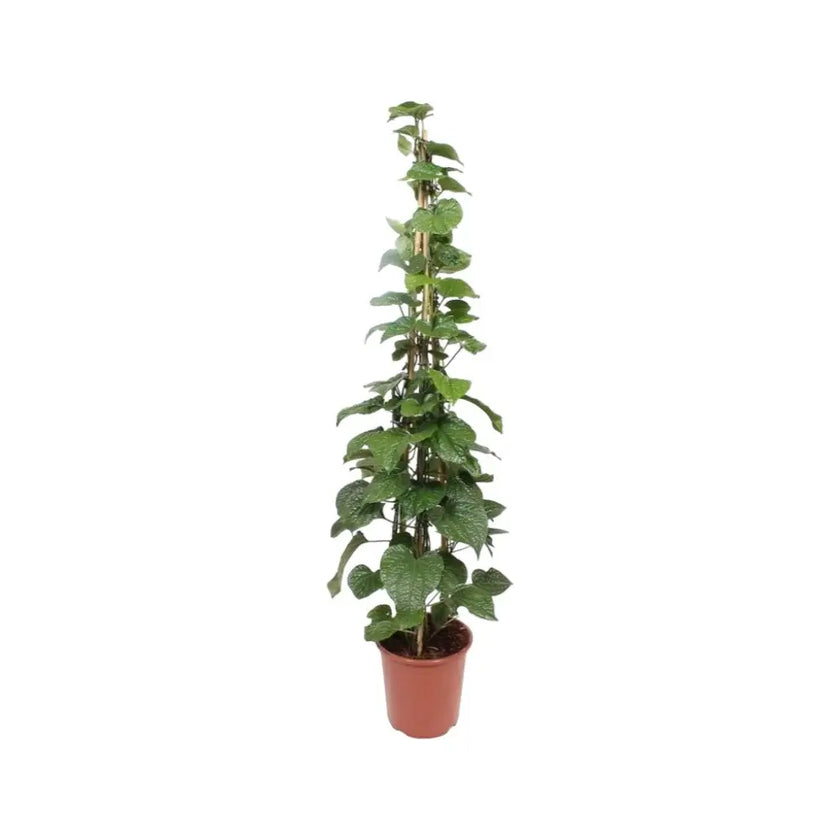
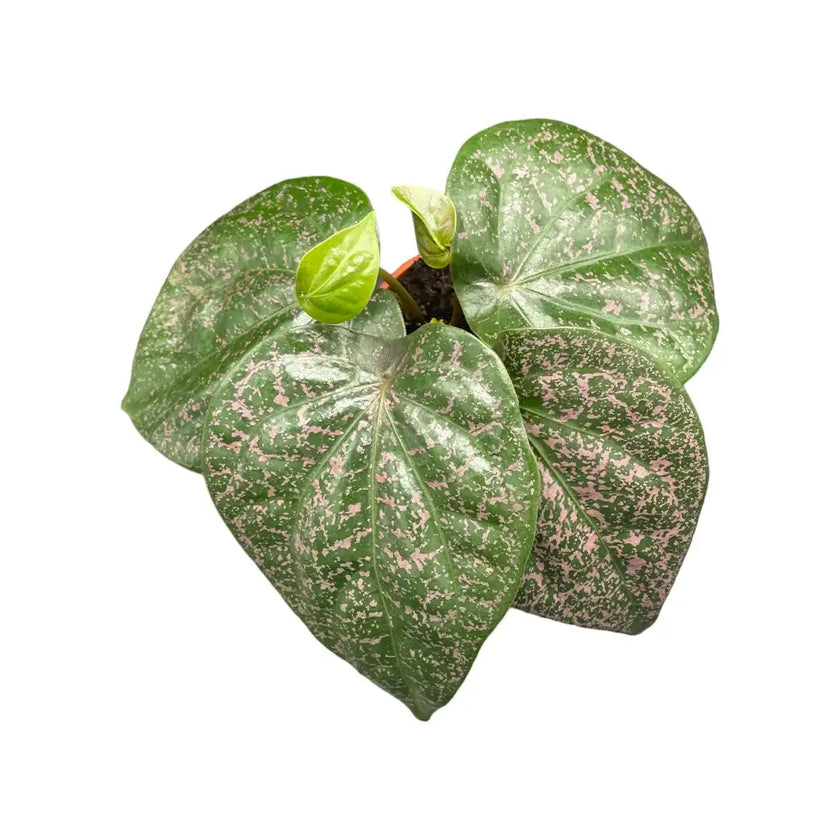
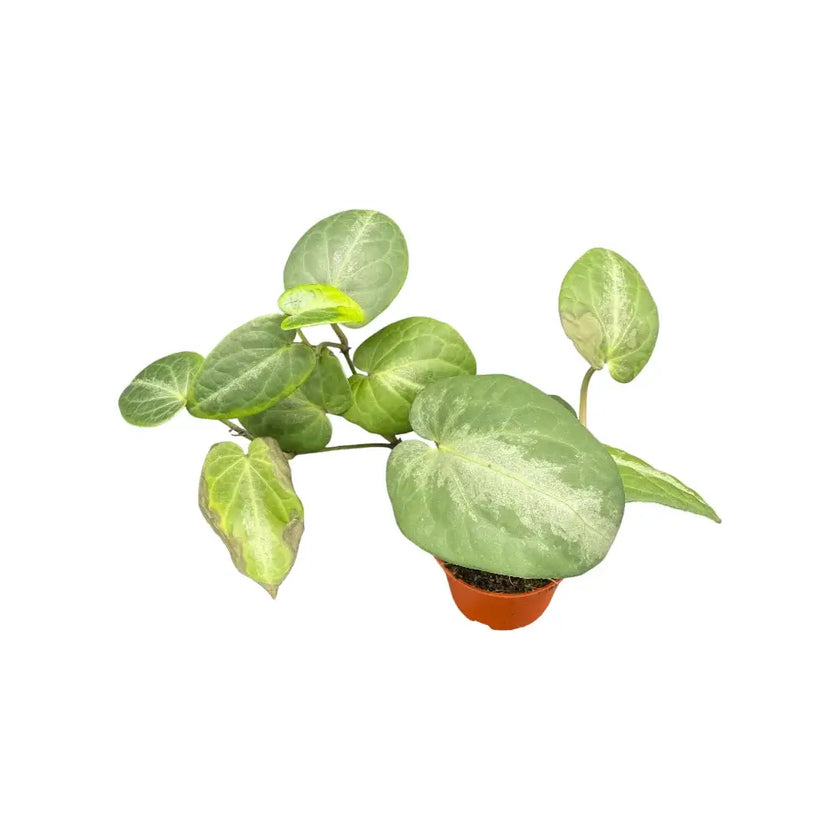
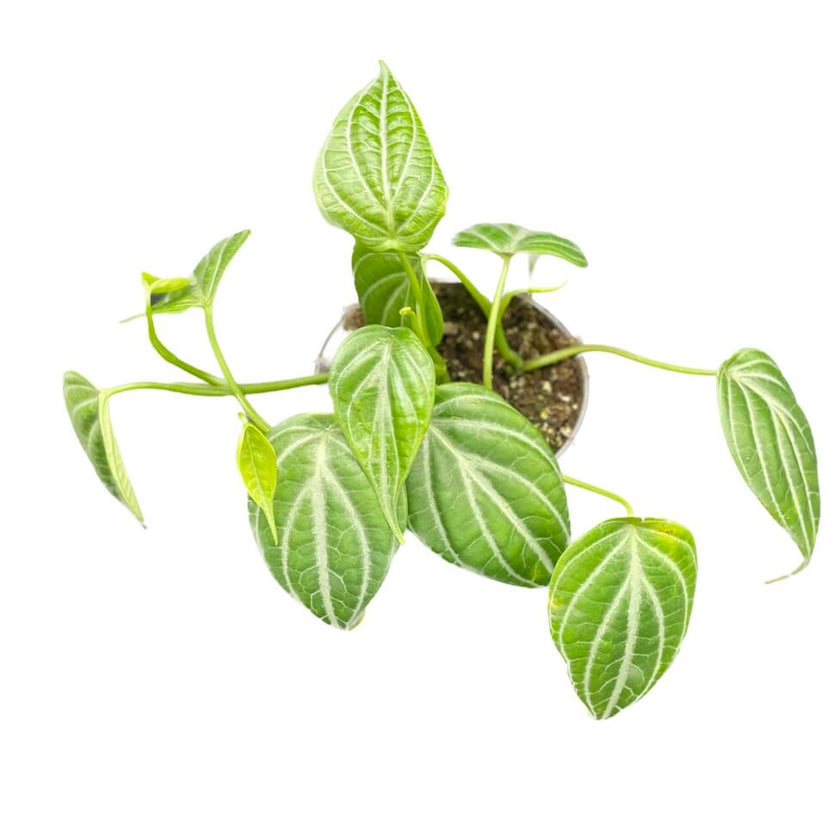
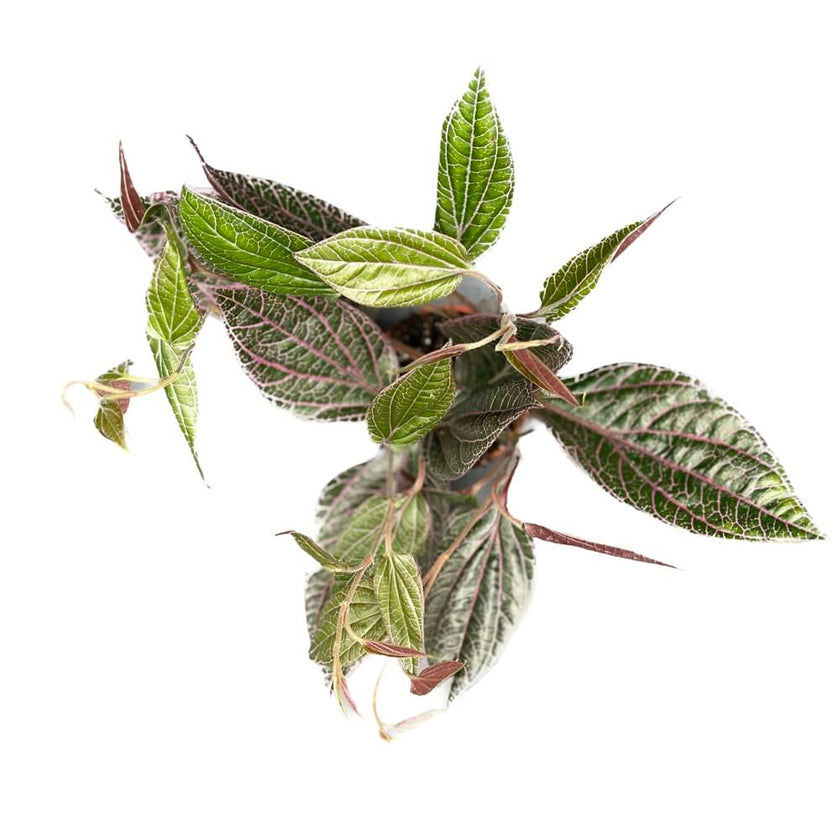
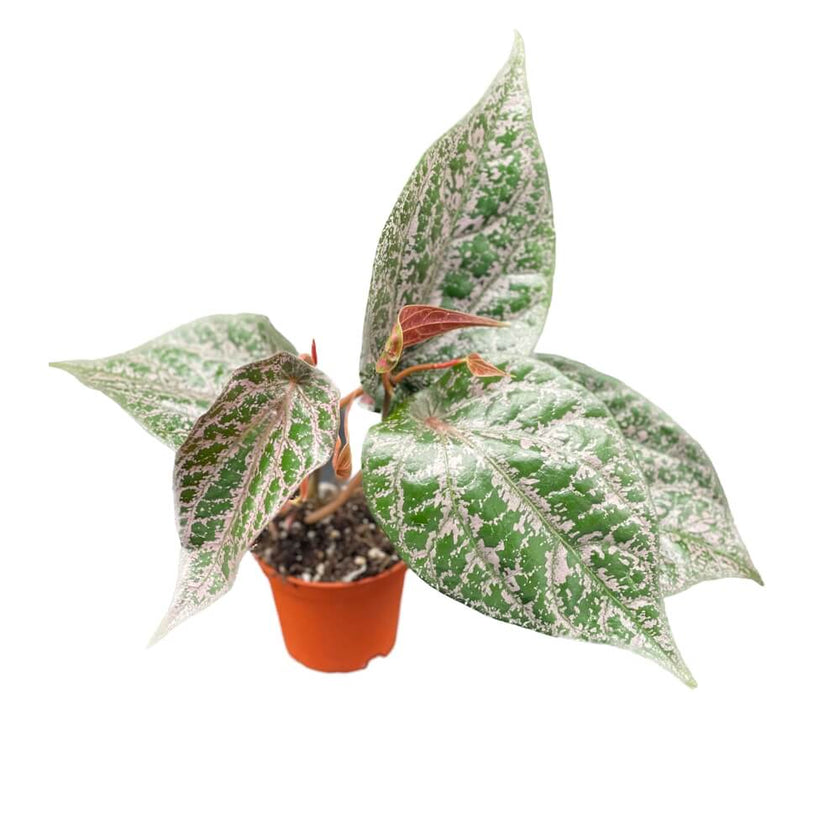
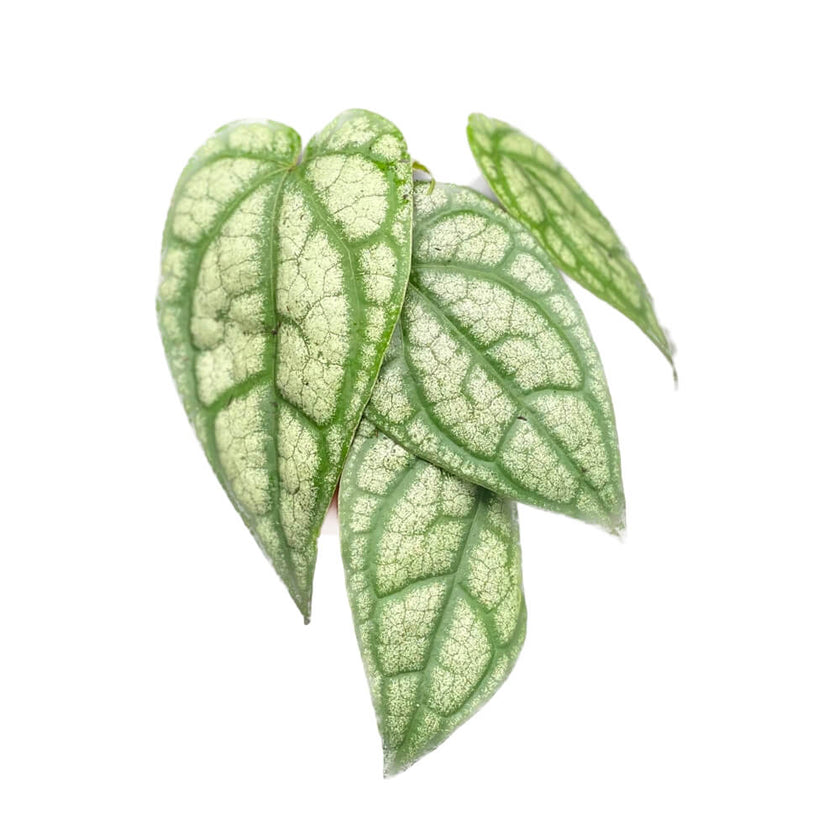
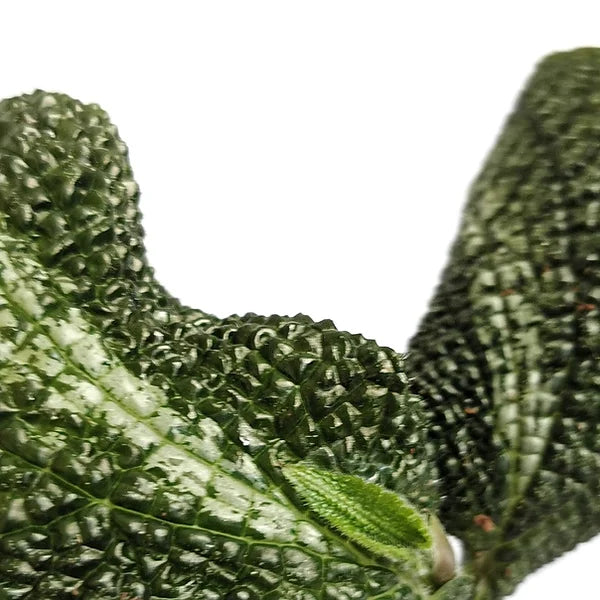
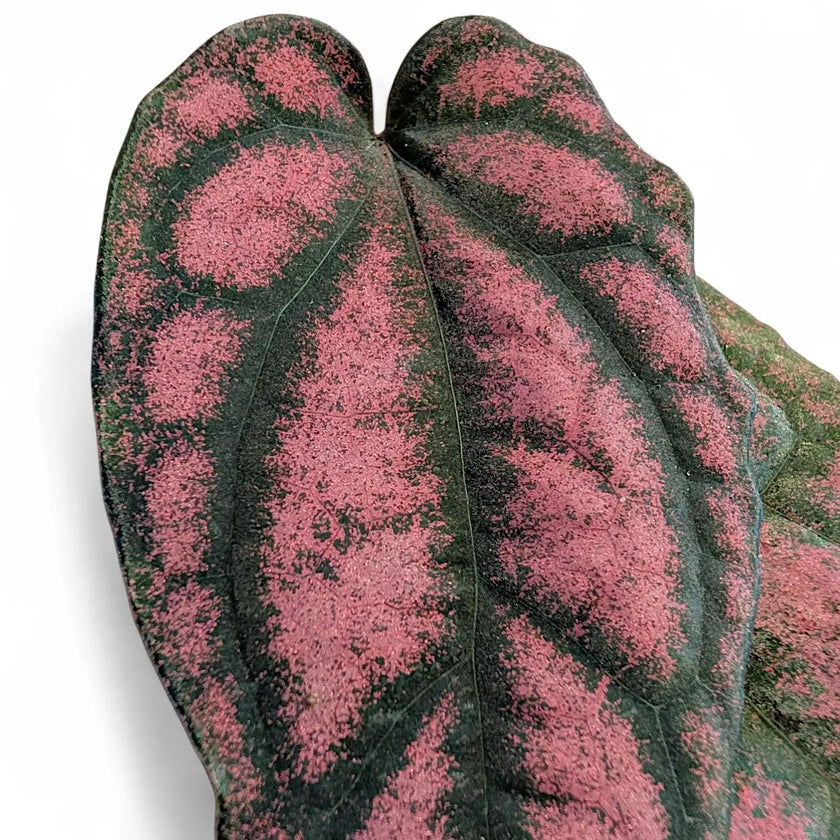
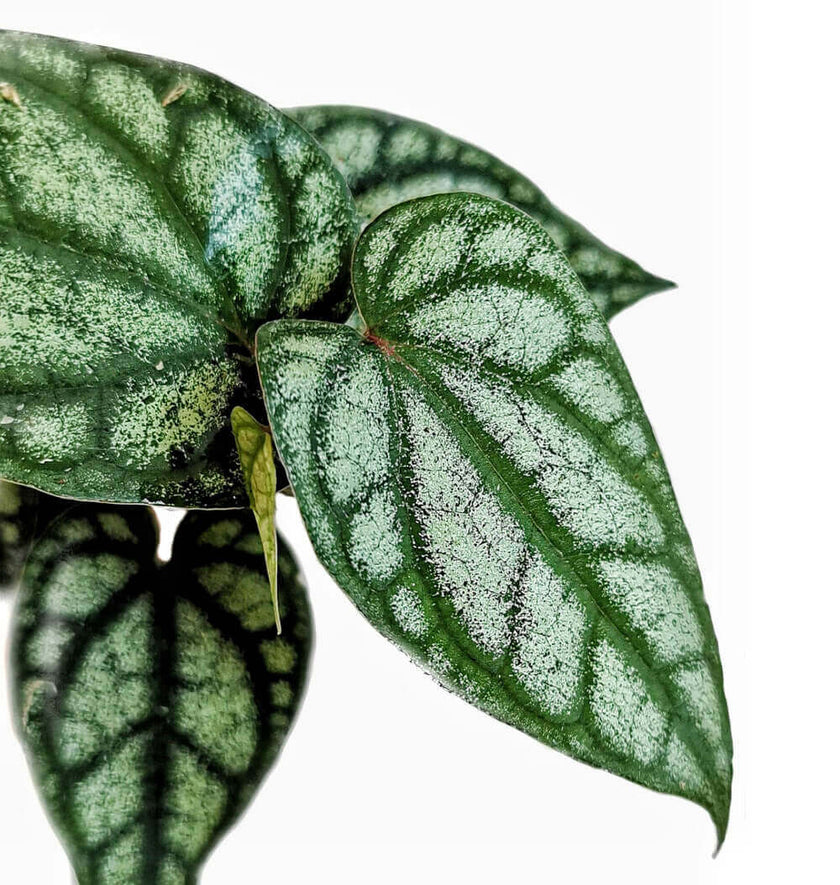
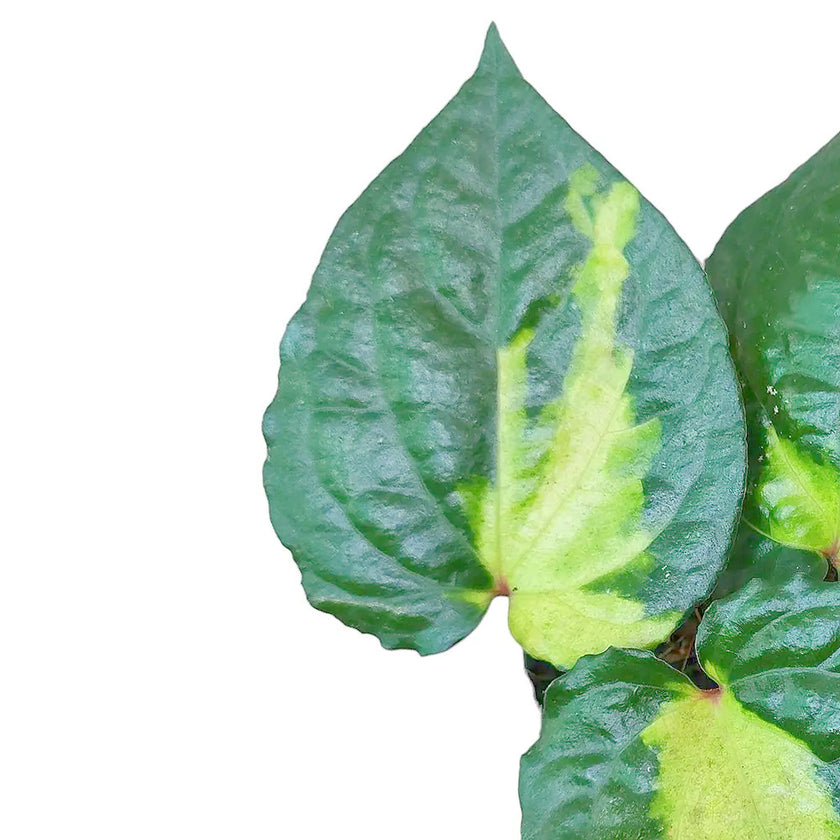
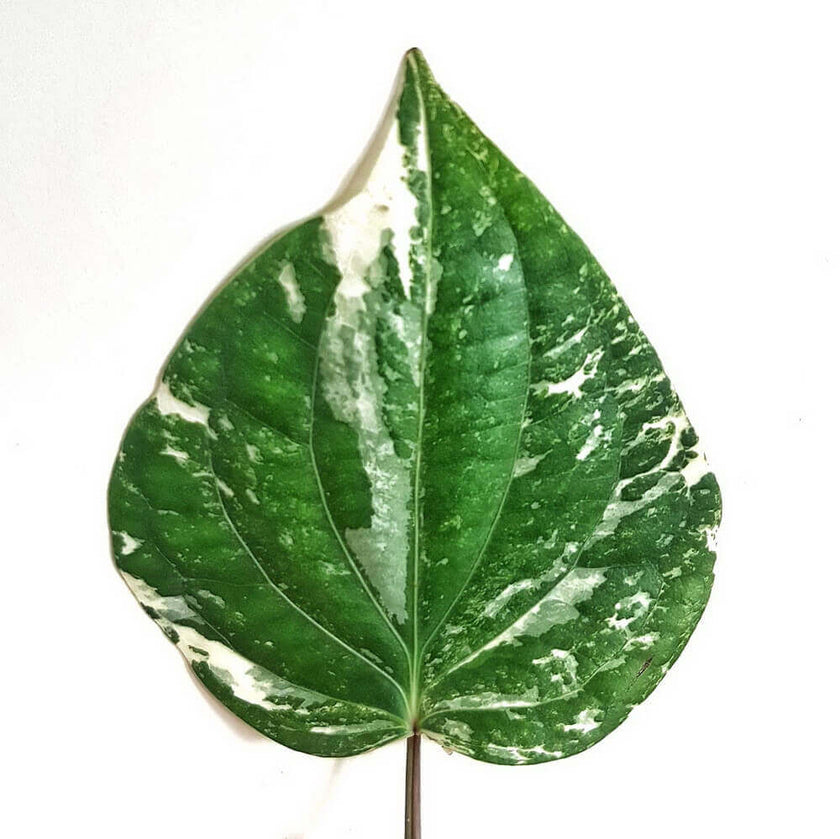
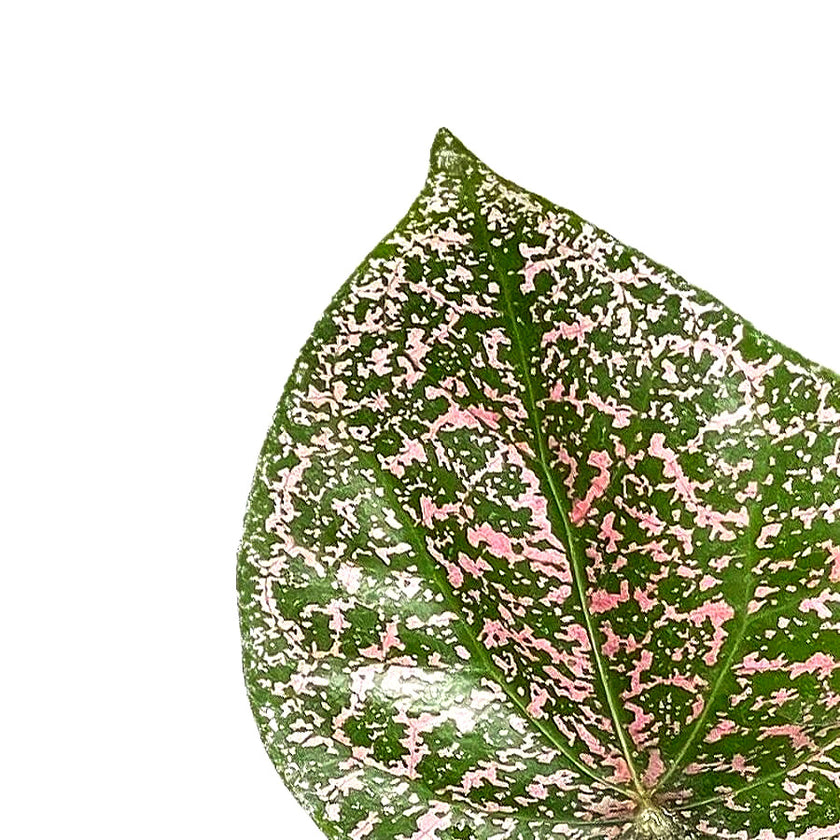
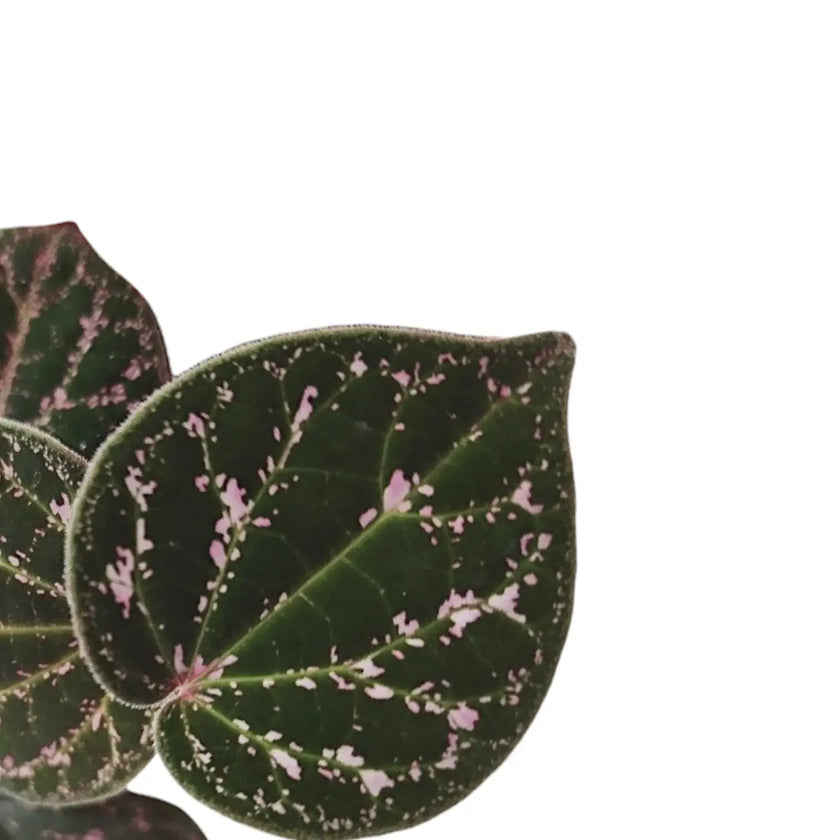
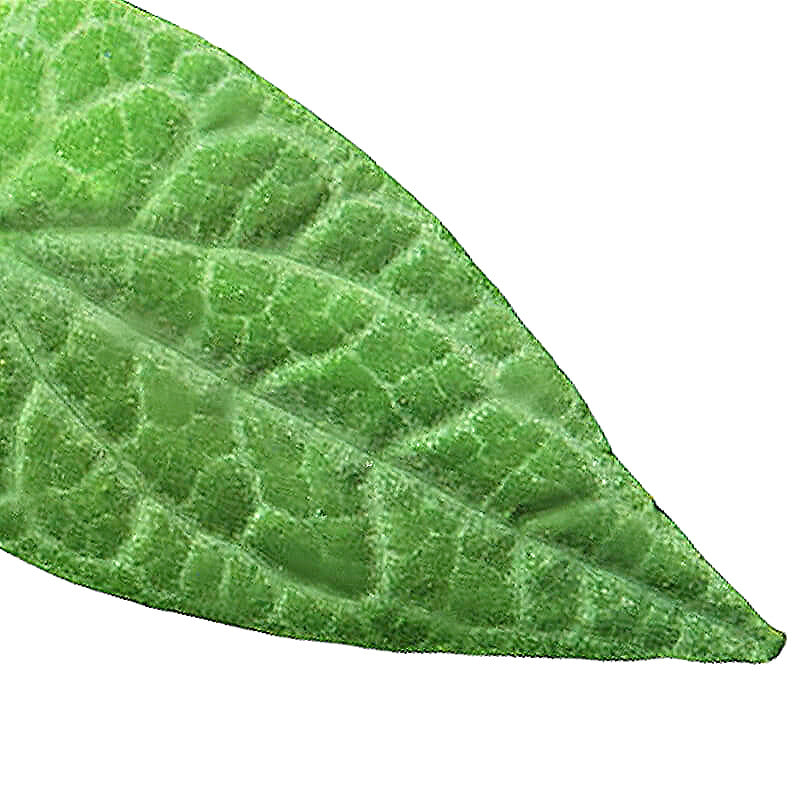
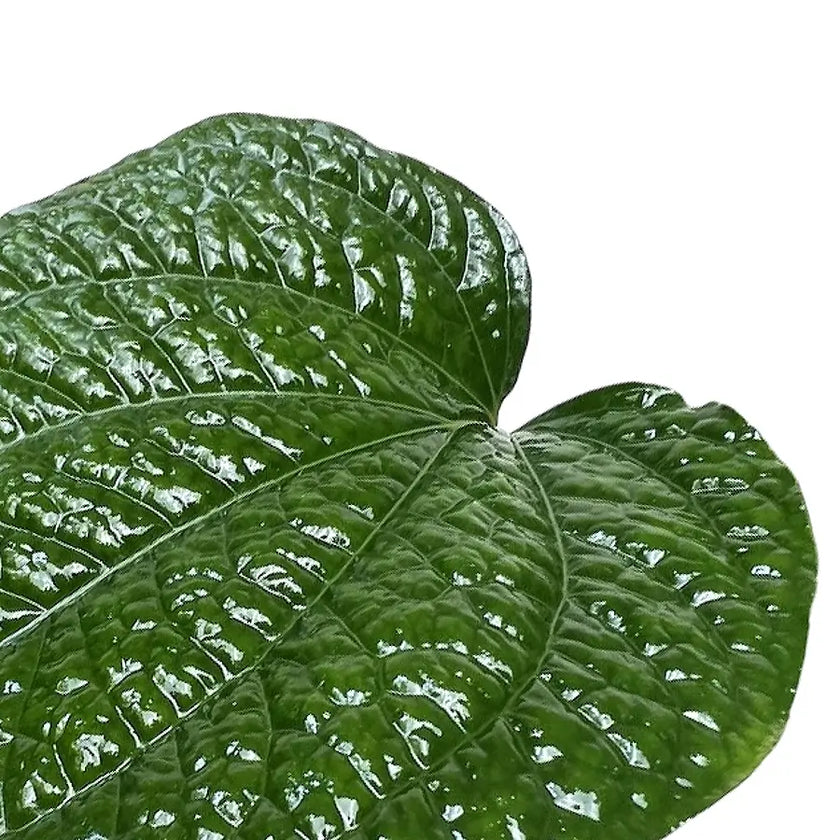
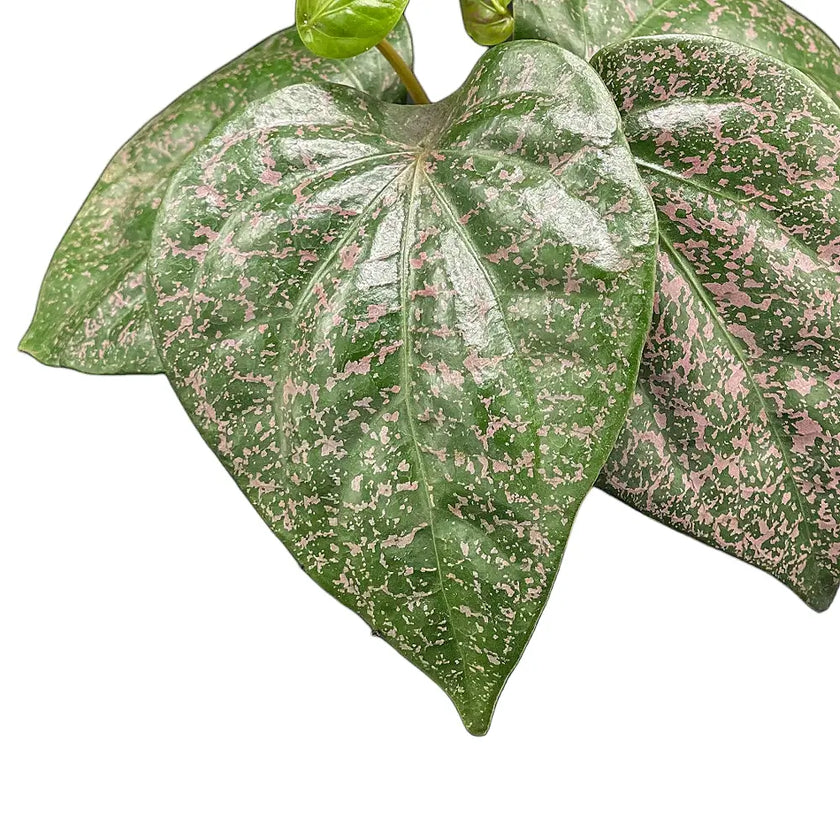
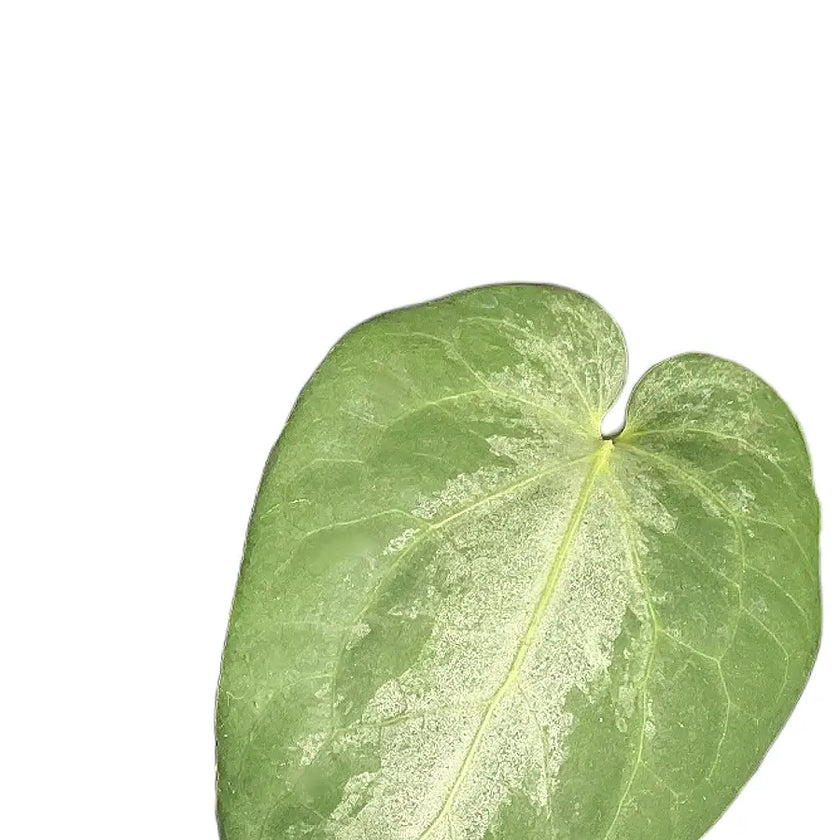
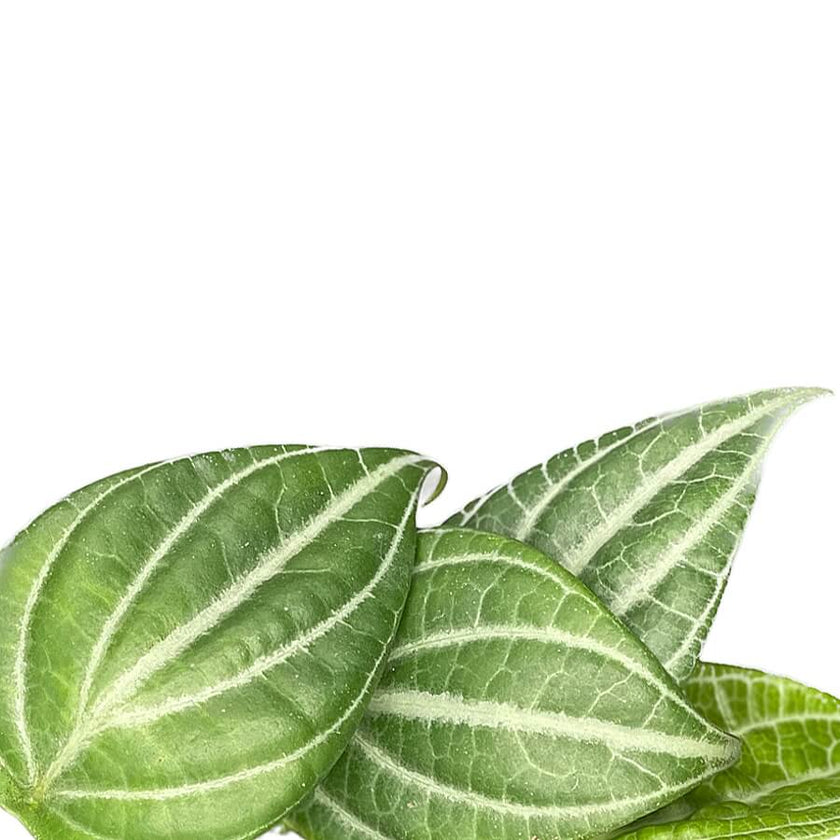
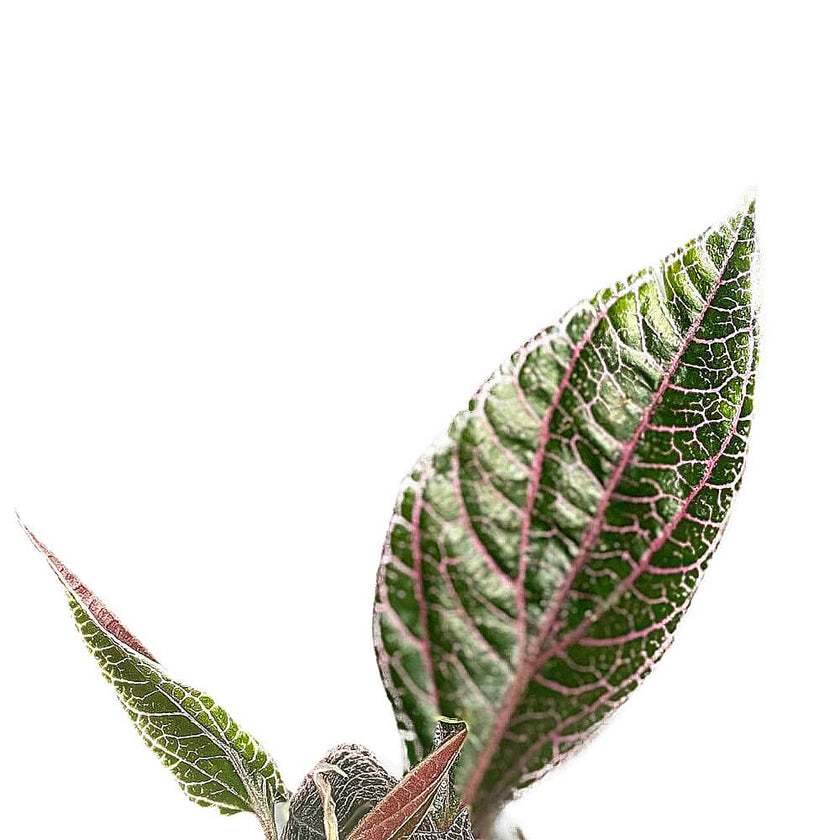
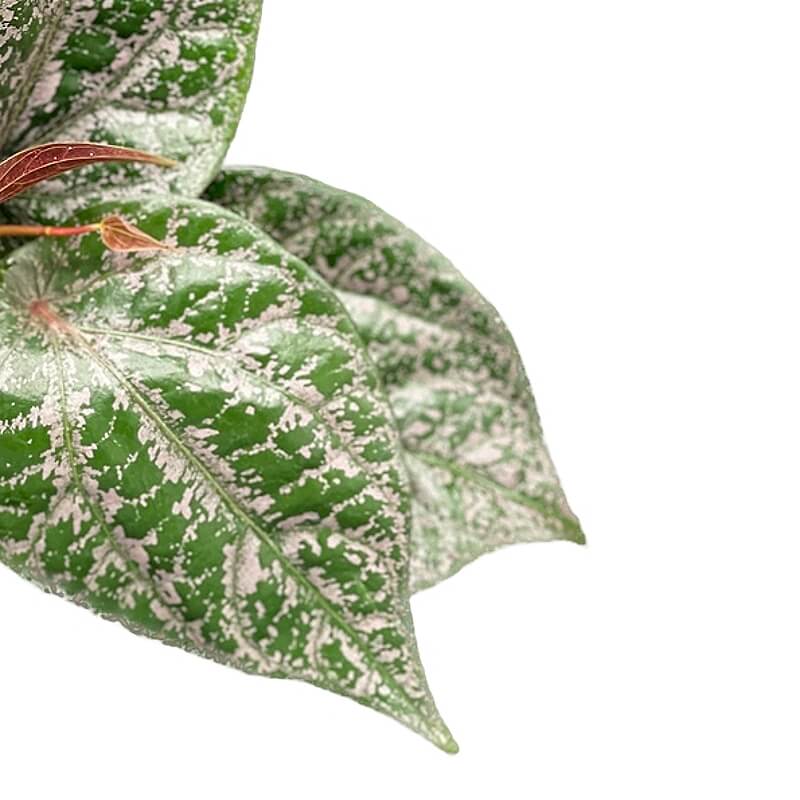
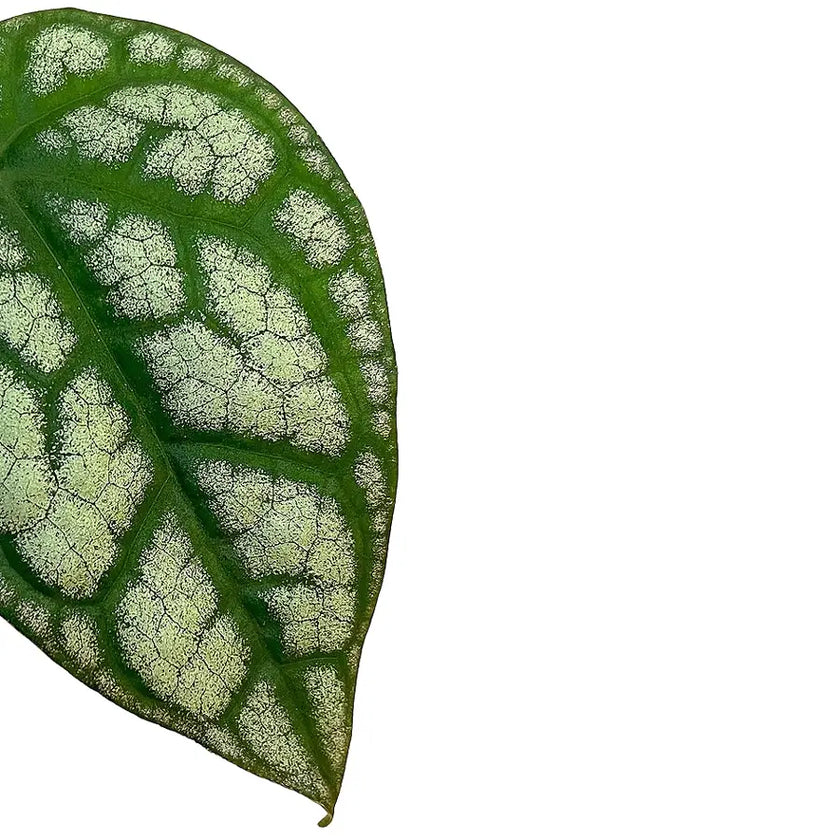
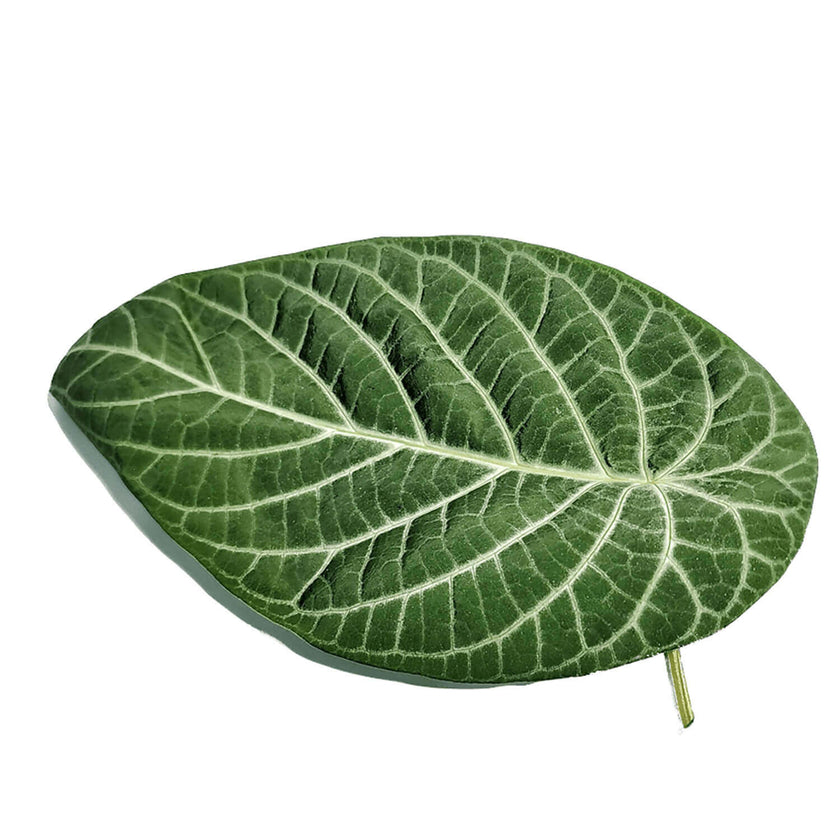
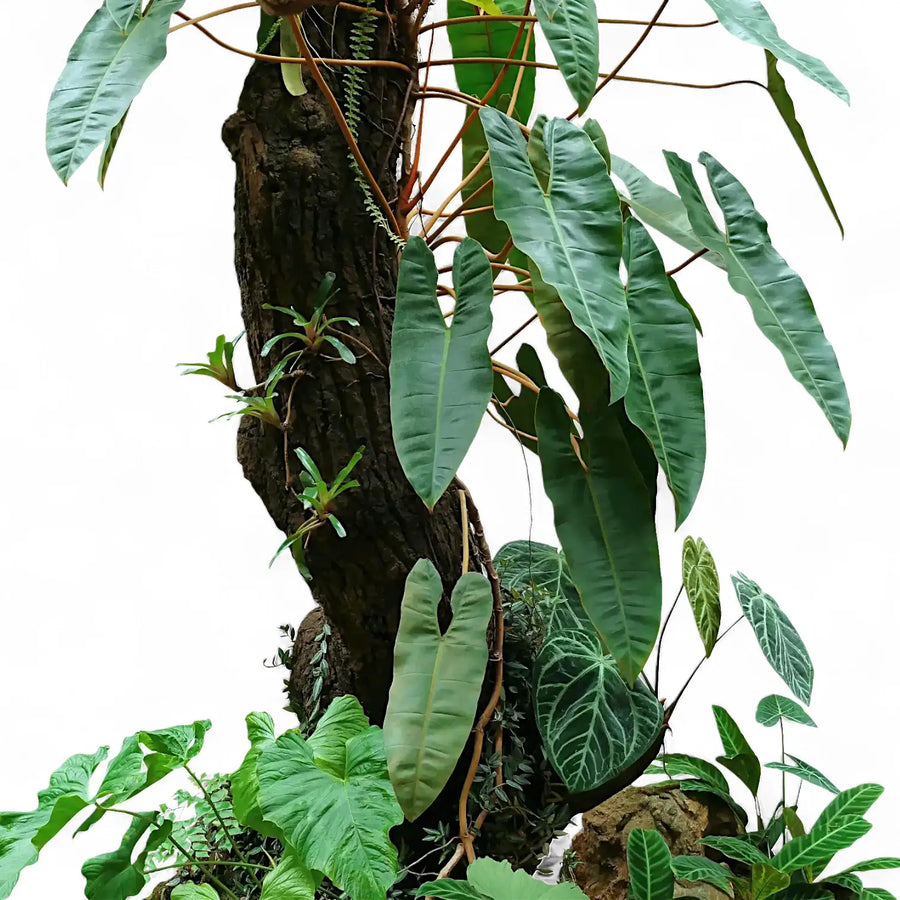
Piper includes ornamental pepper relatives with silvered hearts, bullate textures and patterned vines that feel different from classic aroids. Indoors, many behave as warm-growing understory creepers or climbers that do best in bright shade, higher humidity and loose organic mixes that stay airy with no stagnant pockets.
Piper is striking if you want foliage with finer detail and a slightly more unusual feel than the common indoor vine staples. From across the space it can stay relatively quiet, but up close it has a lot of texture, variation and character.

About Our Filters
Filters help you narrow things down fast and without guessing. We put a lot of time and effort into keeping filter values consistent across the shop by cross-checking references and validating them against real-world indoor growing and handling.
Use them as guidance, not guarantees. Homes vary a lot, so for the full context (and any exceptions), open the product page and read the description.
How filtering works
- Filters stack: each selection narrows results.
- Multiple picks in one filter are usually either/or within that filter.
- Undo anytime: click a selected option again (or clear filters).
Safety
- Non-toxic: not known for relevant chemical toxicity for common pets (chewing can still cause irritation).
- Non-toxic & Pet Friendly: stricter shortlist that also avoids many physical hazards like spines, sharp tips, thorns, and bristles.
Common care filters
- Light level: Low indirect → Full sun/direct.
- Water Needs: Low / Medium / High.
- Humidity Level: Normal (40–50%) / Moist (50–60%) / Humid (60–80%+).
Growth & size
- Growth Habit: climbing, trailing, crawling, upright, self-heading, clumping, rosette.
- Needs support? none / optional / needed.
- Delivered size: pot size + plant height at shipping.
- Max size indoors: realistic long-term height + spread indoors.
Looks & botanical browsing
- Leaf Shape & Size + Foliage Colour: quick visual categories.
- Plant Type / Genus / Family: browse by broad group or taxonomy.
If you want to see the references we use, Plant Care Resources is simply a curated list of source links (POWO, Kew, and more).
Sort by:
Filters
Piperaceae
Piper
Quick Overview
Piper: pepper relatives with bold foliage
- Role: tropical vines and small shrubs with textured or patterned leaves; chosen for close-up foliage interest, not flowers.
- Light: medium to bright, indirect light; low light stretches stems and dulls pattern, direct sun quickly scorches thinner leaves.
- Watering: keep mix evenly moist with a short dry phase at the surface; long droughts and heavy, cold soil both cause leaf loss.
- Substrate: thrives in loose, humus-rich mix with bark and mineral structure so fine roots never sit in compacted compost.
- Climate: prefers warm, sheltered spots with higher humidity; dry or draughty rooms often lead to curled, stressed foliage.
- Safety: ornamental Piper are not grown as edible pepper; treat leaves as potentially irritating and keep out of chewing range.
Botanical Profile
Piper: botanical profile for pepper vines
Piper is the type and largest genus of Piperaceae, described by Linnaeus in 1753 and including the culinary peppers such as Piper nigrum (black pepper). The name derives from Sanskrit “pippali”, used for long pepper. Estimates of species diversity range from about 1 000 to over 2 000 species of shrubs, herbs and lianas, making Piper one of the largest angiosperm genera and a dominant element in many tropical understories.
- Order: Piperales
- Family: Piperaceae
- Tribe: Pipereae
- Genus: Piper L.
- Type species: Piper nigrum L.
- Chromosomes: Chromosome numbers are variable (e.g. 2n ≈ 24-52), reflecting multiple base numbers and polyploidy within the genus.
Range & habitat: Piper has a pantropical distribution, with major centres of diversity in the Neotropics and Southeast Asia. Species typically inhabit lowland to montane rainforest understories, forest edges and second-growth thickets, where they form part of the shrub and liana layer in warm, humid climates with reliable rainfall.
- Life form: Perennial shrubs, subshrubs, herbs and lianas; many species are scandent or climbing, using surrounding vegetation for support.
- Leaf attachment: Alternate, often distichous leaves with sheathing petiole bases; many species have asymmetrical blades and prominent venation.
- Leaf size: Typically 5-20 cm long, with some canopy-climbing species bearing larger leaves in higher light and smaller foliage in shaded juvenile stages.
- Texture & colour: Generally thin to coriaceous leaves with abundant oil cells, giving a resinous or spicy fragrance when crushed; colours are usually uniform green, sometimes glaucous or mottled.
- Notable adaptation: High chemical diversity in essential oils and alkaloids provides defence against herbivores and pathogens and underpins the culinary and medicinal uses of several species.
Inflorescence & fruit: Piper bears simple, often pendent or erect spikes of many tiny, apetalous flowers tightly packed on a fleshy axis. Fruits are small, often aromatic drupes (“peppercorns”) with a thin pericarp around a hard seed, dispersed by birds, mammals and humans.

Details & Care
Piper: patterned pepper vines and shrubs for warm, bright shade
Piper covers a huge group of tropical plants in pepper family (Piperaceae). In houseplant form, Piper is grown for textured, patterned foliage, aromatic stems and a growth habit that can be trained—some stay compact, others climb or sprawl with support.
This is a foliage‑first group: colour contrast sits in veins, marbling and undersides, and the overall look stays fresh when moisture and warmth stay steady.
How Piper grows indoors
Most ornamental Piper keep a jointed stem and leaves with clear venation. Growth is usually medium‑fast in warmth and stable light. Plants respond well to gentle training on a small pole, hoop, stake or branch; early support helps avoid kinked stems and uneven weight.
In terrariums or cabinets, compact species can make dense, layered growth. In open rooms, growth is easier to manage when stems are guided before they harden.
Choosing a Piper that matches your space
- For shelves and small setups: pick compact, slower growers with shorter internodes; they stay tidy and fill out without demanding height.
- For vertical training: choose climbing or scrambling types and plan a support early so stems set in the direction you want.
- For display impact: look for strong top‑side patterning and contrasting undersides; stable bright shade keeps colour crisp.
- For terrariums and cabinets: prioritise compact growth, smaller leaves and steady moisture tolerance.
Light, water and mix that keep foliage crisp
Bright, filtered light suits Piper. Harsh sun can mark tender foliage, while low light softens pattern and stretches growth. Watering works best as a steady rhythm: keep root zone lightly moist, then let the top layer dry a little before topping up again.
A chunky, airy substrate keeps roots oxygenated and helps pots dry evenly. If your mix is fine or compact, Piper tends to react with droop and leaf edge damage after watering swings.
- Water rhythm: check moisture mid‑pot before watering; aim for even moisture without leaving pots saturated.
- Pot choice: a pot with good drainage and a mix that holds air pockets makes watering far more forgiving.
- Temperature: steady warmth keeps uptake reliable; protect from cold windows and drafts.
- Humidity and airflow: moderate humidity plus gentle airflow supports clean leaf edges and steady growth.
Training, pruning and repotting
Guiding stems is part of Piper care. Tie new growth loosely to a support, or pin stems to a ring to build a fuller shape. Light pruning encourages branching; trim above a node and keep a few leaves on each section so regrowth stays quick.
Repot when roots fill the pot and watering becomes hard to judge. A small size‑up plus fresh, airy mix is usually enough; oversized pots stay wet too long for many Piper.
Common issues and what usually solves them
Curling, crisp edges or sudden droop often points to a moisture swing—either a dry‑down that went too far, or a mix that stayed wet and cool. Speckling or dull patches can come from pests; check undersides and stems during watering. If growth turns long‑jointed, increase light and add support so new stems stay compact.
With a stable setup, Piper keeps bold pattern and becomes an easy plant to shape into a tidy shelf specimen or a small climbing feature.
Frequently Asked Questions About Piper
Can Piper grow indoors?
Yes, some can, but Piper is not one simple houseplant type. The ornamental Piper usually grown indoors behave more like warm, moisture-loving tropical foliage plants than tough dry-room plants.
What light does ornamental Piper need indoors?
Bright filtered or bright indirect light is the safest default. That suits most ornamental Piper grown indoors much better than either deep shade or harsh direct sun.
How often should I water indoor Piper?
For ornamental Piper, a sensible starting point is to water when roughly the top 15–25% of the pot has dried. That keeps the root zone evenly moist overall without turning the mix stagnant, and it fits this group better than either constant wetness or a succulent-style full dry-down.
Does Piper like warmth and humidity?
Usually yes. Tropical Piper cope far better with steady warmth and some ambient humidity than with cool rooms, dry air, or repeated stress from draughts.
Is Piper a good plant for dry rooms?
Usually no, not as a first choice. Ornamental Piper tends to look better and stay more stable in warm, humid conditions than in dry indoor air, especially when the plant is also coping with weak light or irregular watering.
Experience you can count on
More than 20,000 customers, rated 4.6 out of 5 stars.
Quality first
Plants are hand-selected and checked before shipping.
Reliable shipping
Safe packaging and tracked shipping from DE and NL.
Small business
Support a small, independent, women-led family business.
Get 10% off your next plant order
Sign up for Foliage Factory newsletter for early access to new arrivals and practical care tips that work in real homes.
Our Customers
★★★★★
I received perfectly heathy and absolutely beautiful plants, even bigger than expected. The delivery within Europe was really fast. I think Foliage Factory has one of the best plant web shops in the internet. It‘s just great to get so much informations about the plants. I will definitely order again :)
Walkerova
★★★★★
Die Pflanzen waren prima verpackt und ein heatpack war im Paket enthalten. Die Lieferzeit hat 2 bis 3 Tagen gedauert, was aus meiner Sicht wirklich gut ist. Alle drei Pflanzen haben die Lieferung gut überstanden. Ich habe mich auf Hoyas spezialisiert und habe schon die nächsten Pflanzen meiner Wunschliste auf der Website gefunden. Daher wird die nächste Bestellung nicht lange auf sich warten lassen.
Marion
★★★★★
Envoie très rapide (2 jours), plantes parfaitement emballées et super offres ! Je suis une habituelle j'ai passé 6 ou 7 commandes et je n'en peut être plus satisfaite du service client et de la qualité et variété des plantes offertes
Iris
★★★★☆
Die Sendung kam leider in keinem guten Zustand bei mir an, kann passieren. Habe mich darauf hin sofort an Foliage Factory gewandt und habe selten einen so guten, schnellen, freundlichen und kulanten Kundendienst erlebt.
Frauke
★★★★★
The plants have arrived in perfect condition, the roots and the foliage so so healthy! I had problem with 1 plant out of 16 and they have responded to my email almost instantly and the issue was resolved straight away. I'm really impressed and satisfied, definitely getting more plants from them again!
Patricija
★★★★☆
Very healthy and well packed plant. Unfortunately there was one plant that ordered couldn’t be delivered as it was out of stock hence 1 star less.
Sam
★★★★★
Everything arrived in good condition and very well packed - it wasn't easy with a fragile plant and a heavy bag of substrate. I recommend it!
Lia
★★★★★
Bester online-Pflanzenhandel den ich kenne (habe davor 4 andere ausprobiert). Eine teure Pflanze wurde beim Transport beschädigt und mir ersetzt. Der Kontakt dabei war auch sehr nett (danke Jan) und hat mir gut geholfen. Die anderen Pflanzen sind in einem sehr guten Zustand, keine Schädlinge, super Bewurzelung. Nur zu empfehlen! :)
C L
★★★★★
Super Service, Gute Auswahl, Preise sind fair. Eine Pflanze kam kaputt an, hab sofort Ersatz bekommen. Danke an den unkomplizierten (und blitzschnellen) Kundenservice!!
Sarah
★★★★★
The plants are carefully packaged and arrive in great conditions (I’m based in Spain) and they’re always there to help in any way they can with your purchase.I have and will always recommend Foliage Factory to every friend I can. I’m not only satisfied with their plants and prices, but their customer service is exceptional.
José
Limited discounts, extras, and bundle deals for subscribers.
Get points with every order to redeem them for discounts.
Give your friends 10 € off and get 200 Foliage Points.
Use your 10% code on plants when you're ready to order.