Skip to content

Cart

Your cart is empty.

Pilea

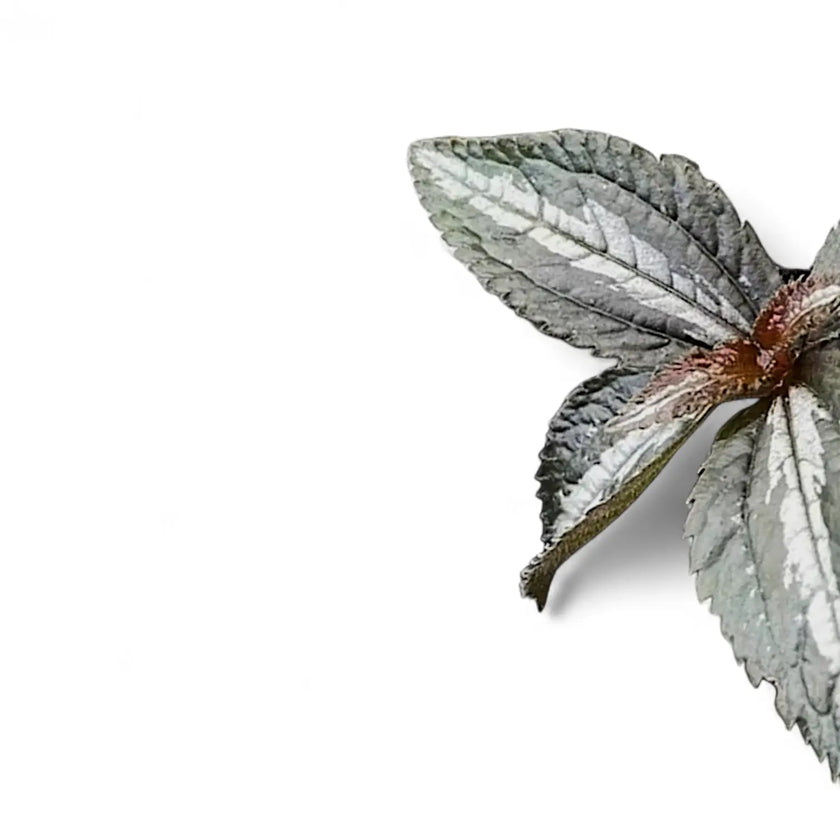
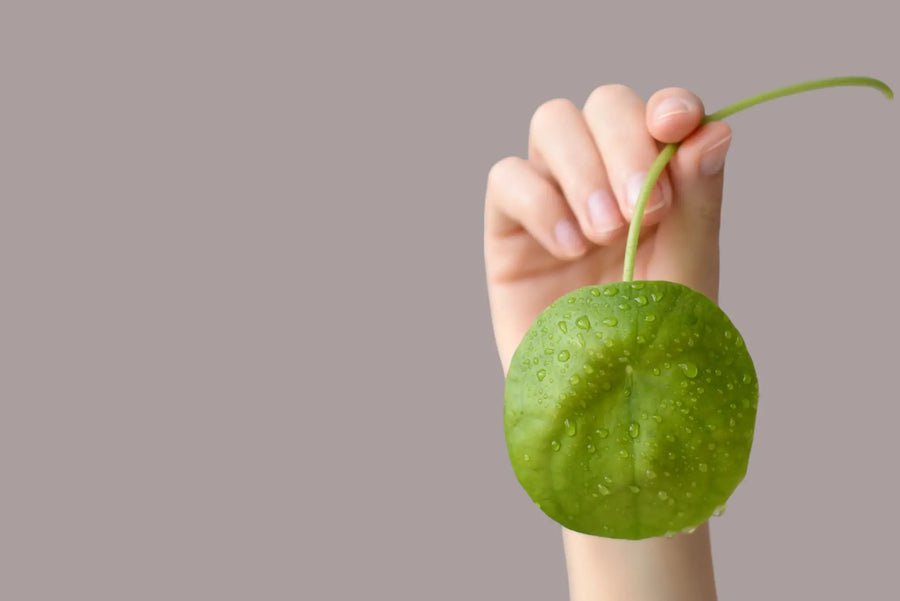
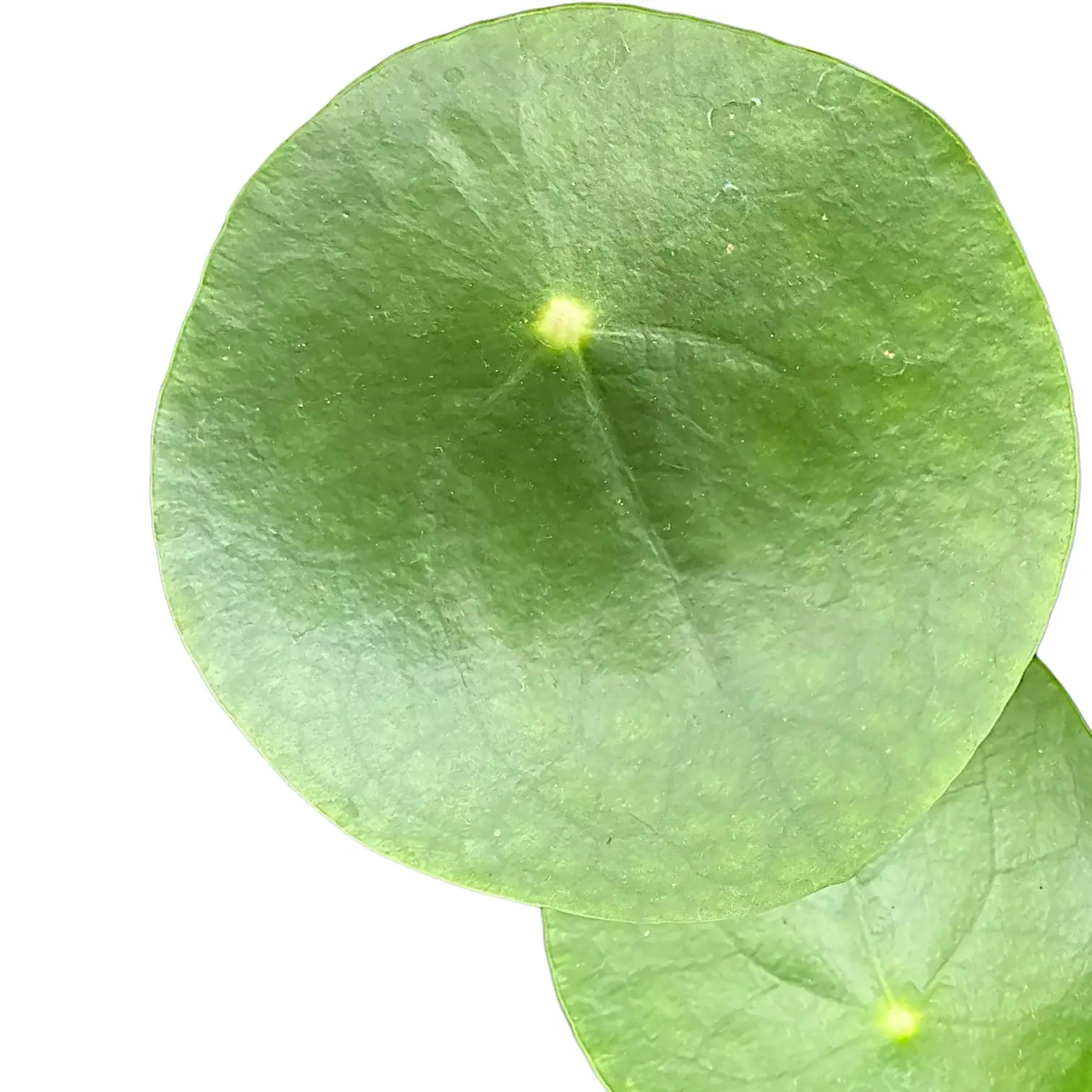
Close up of a round Pilea peperomioides leaf on a white background

Sort by:

Filters

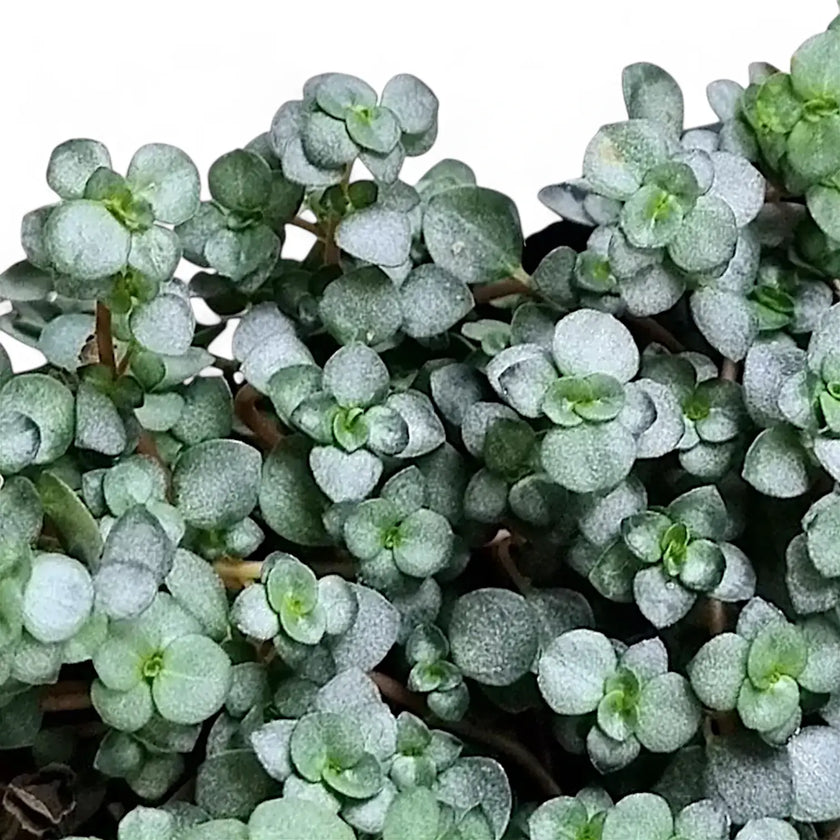
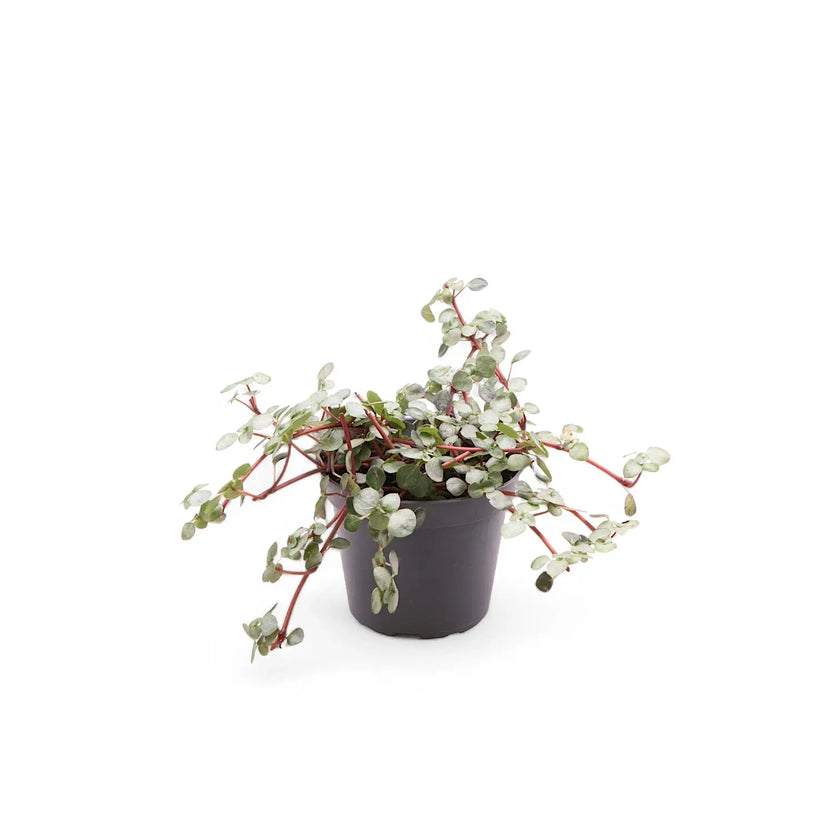
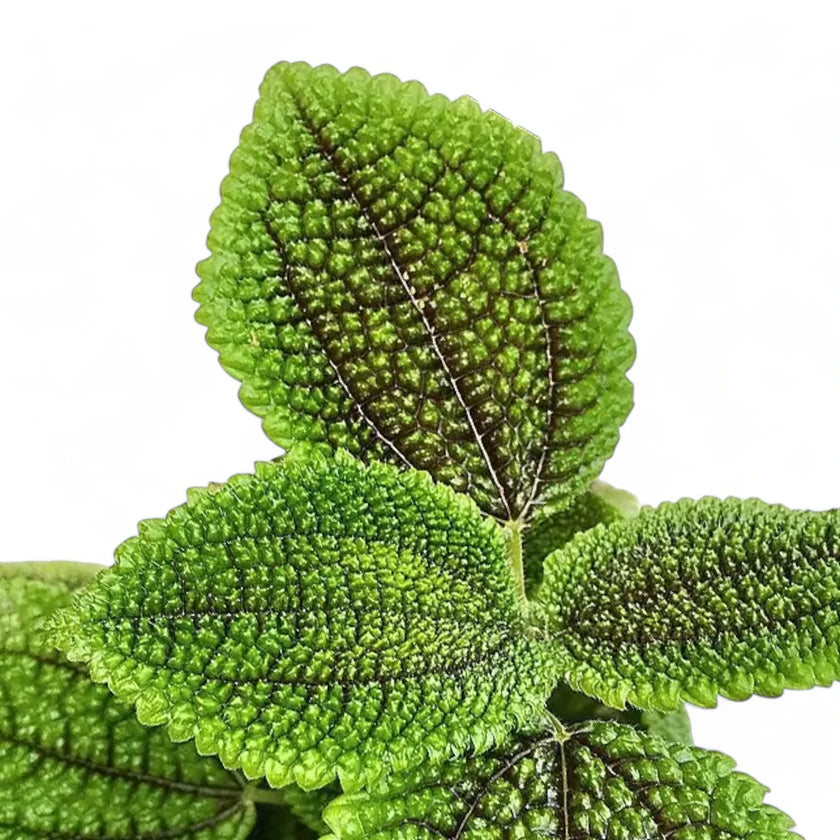
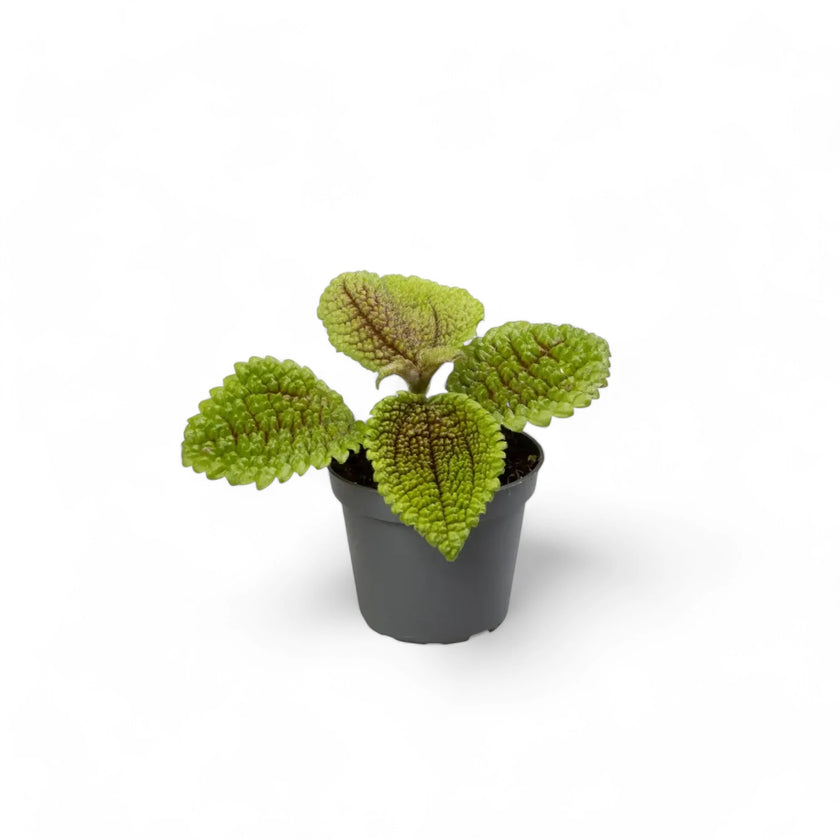
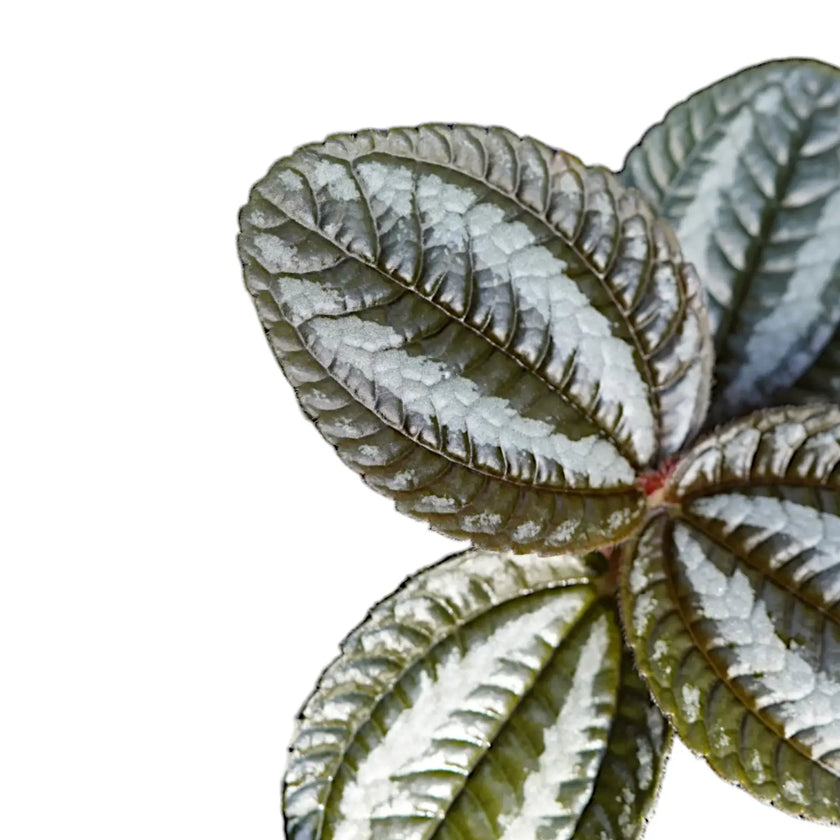
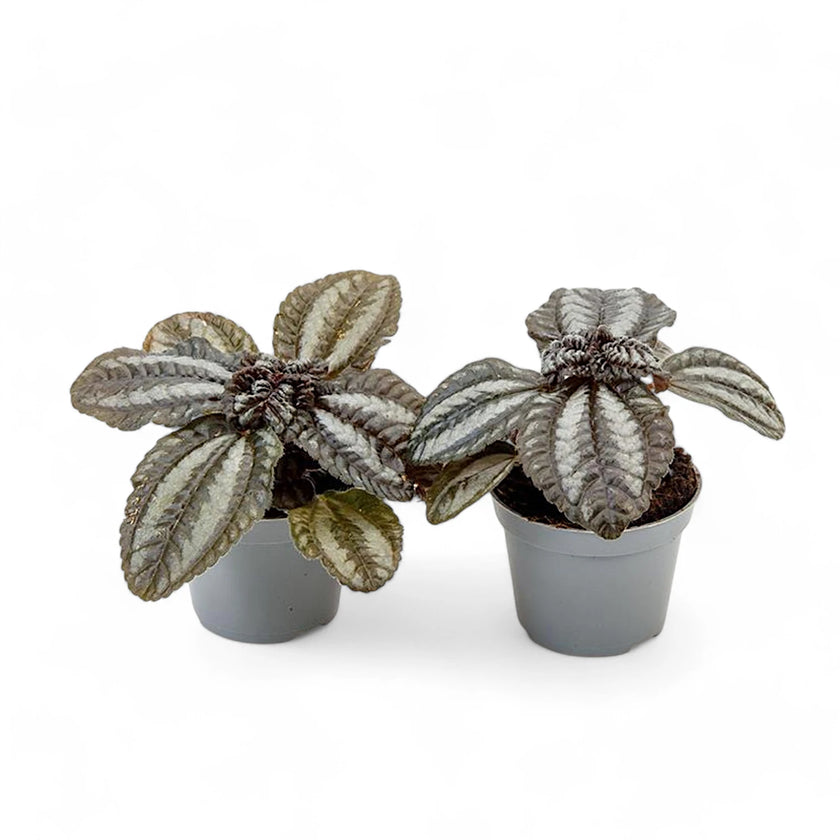
Pilea ovalis 'Moon valley' Regular price €11,00
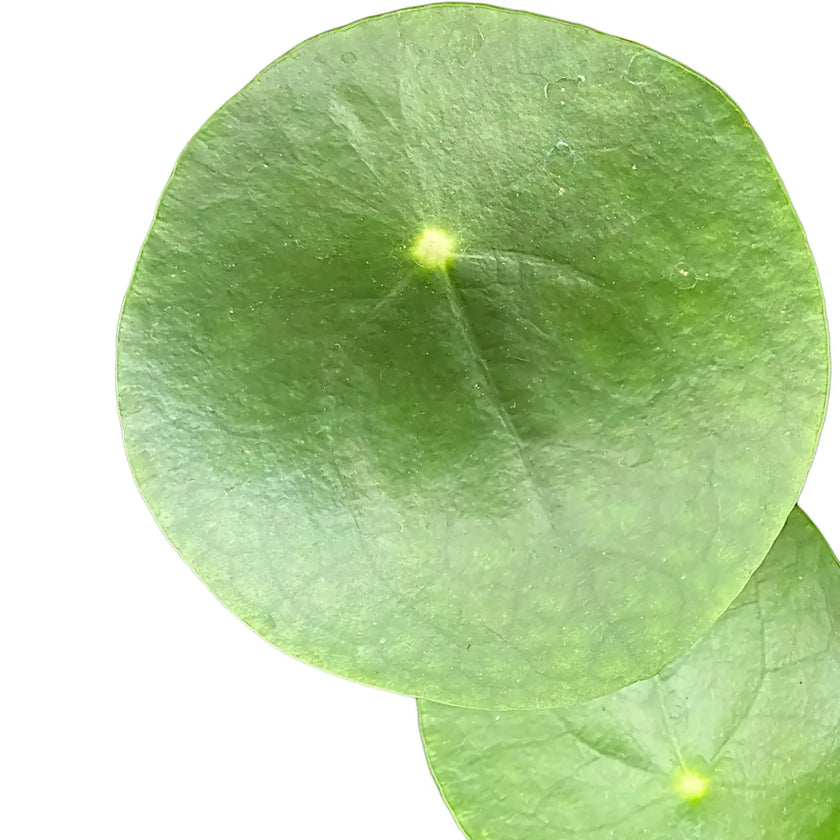
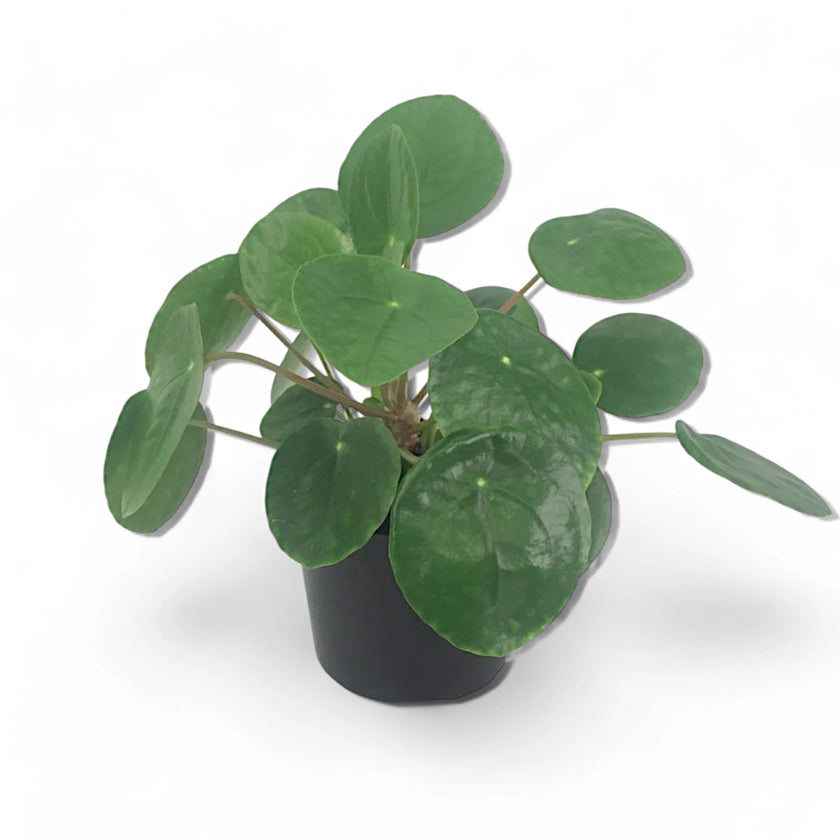
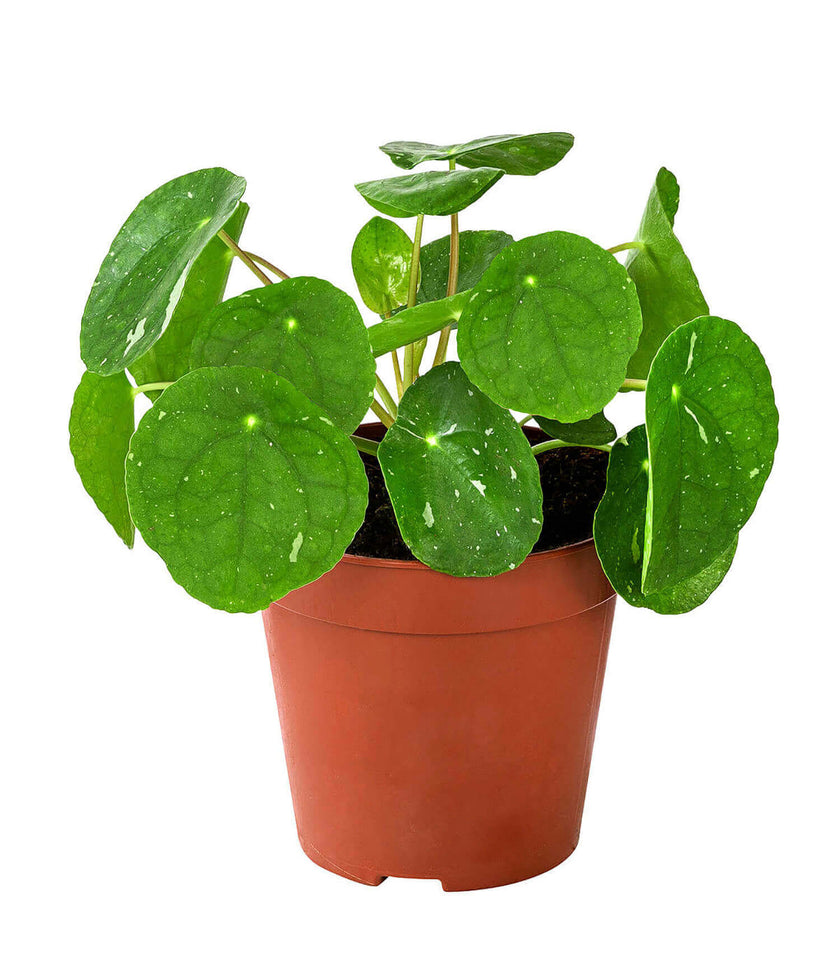
Pilea peperomioides Regular price €16,25
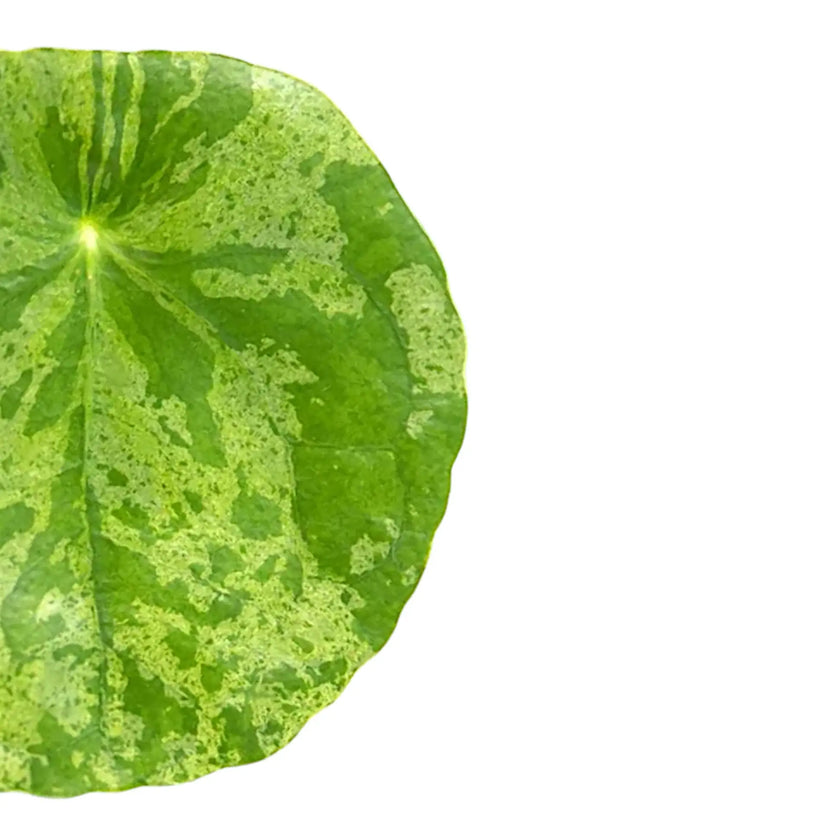
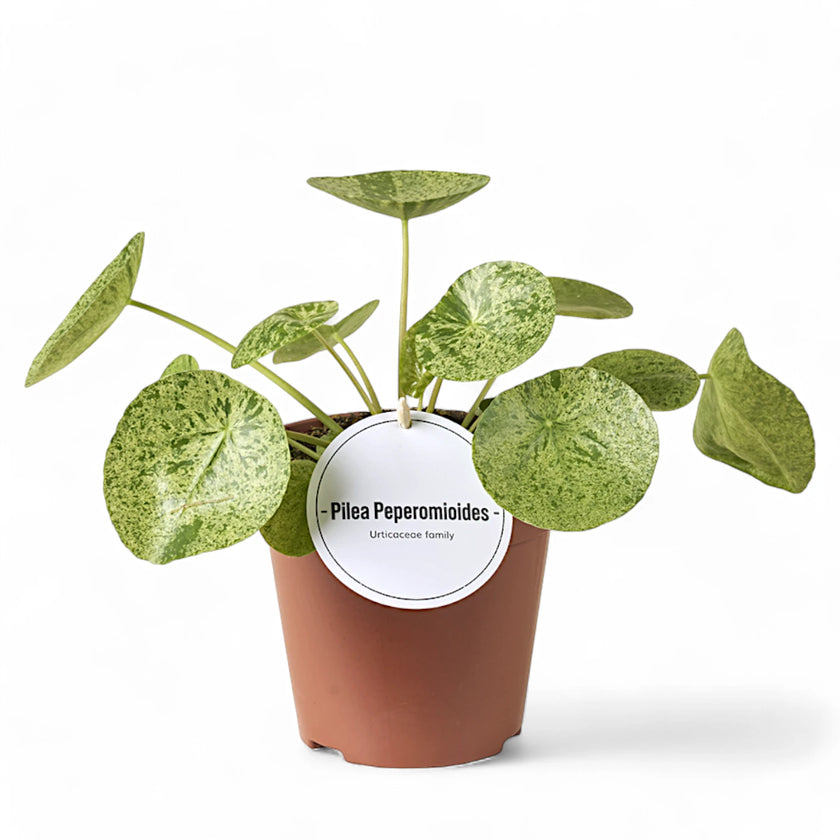
Pilea peperomioides 'Mojito' Regular price €25,50
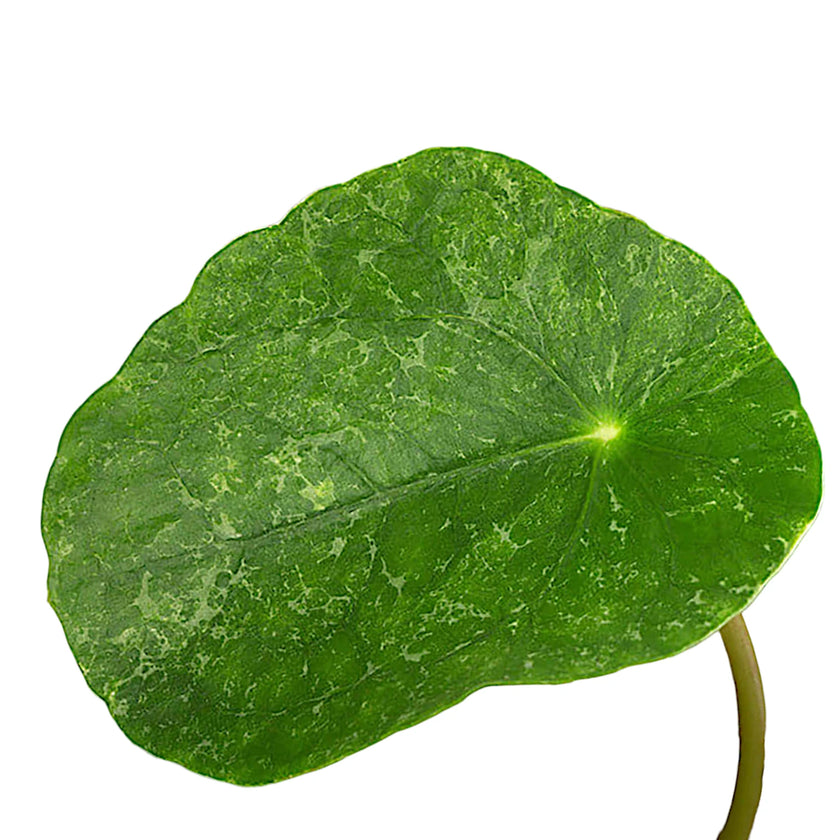
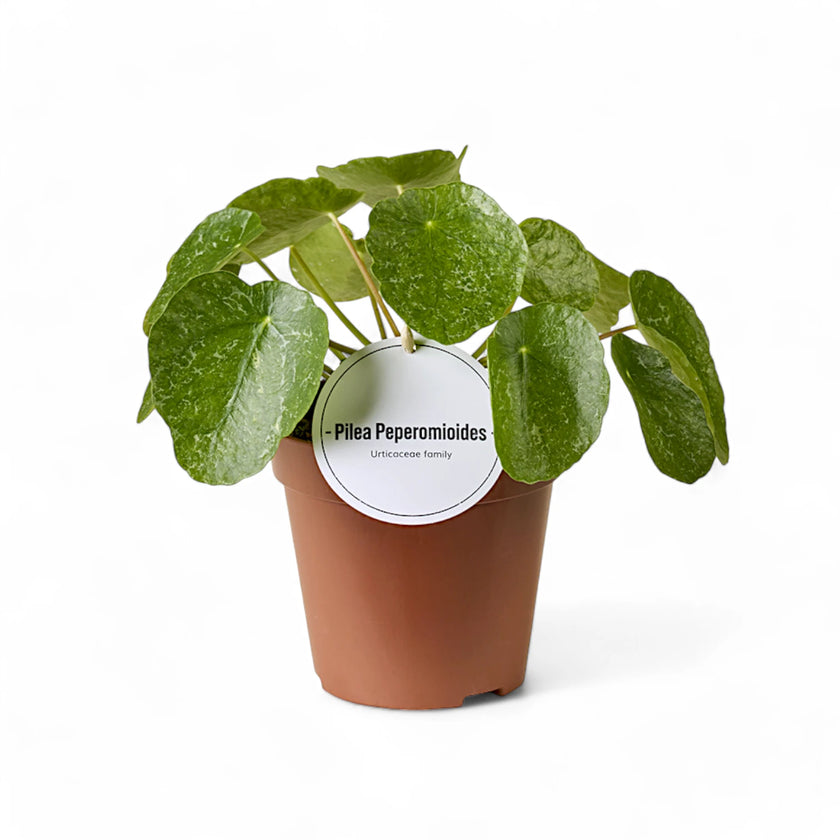
Pilea peperomioides 'Sugar' Regular price €23,00
Urticaceae

Pilea

Quick Overview

Pilea: small-scale texture and form

  • Habit: covers upright rosettes, trailing mats and creeping groundcovers; generally compact and fast to establish.
  • Light: medium to bright, indirect light; low light gives sparse stems, direct sun scorches many fine-leaved species.
  • Watering: likes lightly moist, airy mix with short dry phases; repeated extremes cause leaf drop and weak growth.
  • Substrate: prefers loose, humus-rich soil with mineral structure for drainage; avoids heavy, waterlogged compost.
  • Climate: warm, sheltered spots suit best; large swings in temperature or very dry air roughen foliage.
  • Propagation: most species root easily from stem or plantlet cuttings, so refreshing pots is straightforward.
Botanical Profile

Pilea: botanical profile for nettle-family foliage plants

Pilea is a genus of herbaceous and shrubby plants in Urticaceae, described by John Lindley in 1821. The name comes from Latin “pileus”, a felt cap, referring to the calyx covering the fruit. Current taxonomic syntheses recognise a little over 600 accepted species, making Pilea the largest genus in the nettle family and an important source of compact indoor foliage plants such as Pilea peperomioides.

  • Order: Rosales
  • Family: Urticaceae
  • Tribe: Pileeae
  • Genus: Pilea Lindl.
  • Type species: Pilea muscosa Lindl. (often treated as a synonym of Pilea microphylla)
  • Chromosomes: Base number around x ≈ 11; most species show somatic counts of 2n ≈ 22-44, with local polyploidy.

Range & habitat: Pilea has a near-global distribution in tropical, subtropical and some warm-temperate regions, with strong centres in the Neotropics and East Asia. Many species grow in shaded forest understories, on moist rock faces and along stream banks, often in humus pockets or crevices where soils are periodically moist but well aerated.

  • Life form: Mostly small, fast-growing perennial herbs or subshrubs; some are creeping or tufted, others form loose clumps or mats.
  • Leaf attachment: Leaves usually opposite with a single intrapetiolar stipule in each node, a key diagnostic feature within Urticaceae.
  • Leaf size: From tiny scales a few millimetres across to broad blades 10-15 cm long in robust species; many popular houseplants sit in the 3-8 cm range.
  • Texture & colour: Thin to slightly succulent foliage, often bright to mid-green but in some species metallic, quilted or variegated with silver or bronze patterns.
  • Notable adaptation: Shade-tolerant photosynthesis combined with small stature and rapid clonal spread allows Pilea to exploit small, transient gaps and microhabitats in forest litter and rock crevices.

Inflorescence & fruit: Pilea produces small, often inconspicuous cymose or paniculate inflorescences with unisexual flowers lacking showy petals. The fruits are tiny achenes partially enclosed by the persistent calyx, which can assist in short-distance dispersal by water splash or animal movement.

Details & Care

Pilea: from pancake plants to compact creeping miniatures

Pilea is a broad group with very different looks: upright rosettes, trailing mats, textured leaves, and tiny-leaved miniatures that suit small pots and terrariums. What they share is a generally fast response to light and watering changes, which makes them easy to read once you know the rhythm.

Thin-leaved Pilea appreciate gentle airflow and consistent moisture. In closed containers, choose types that tolerate higher humidity and keep an eye on condensation so stems do not stay wet for long periods.

Choosing by growth habit

  • Upright forms: good for shelves and desks; pinch tips for a bushier silhouette.
  • Trailing types: ideal for planters and edges; allow some room to spread.
  • Miniatures: great in small containers; they dry quickly, so pot size matters.

Care rhythm

Most Pilea prefer bright, indirect light and evenly moist conditions with brief drying near the surface. Water thoroughly, then wait until the upper portion of the pot has dried before watering again. In low light, slow the cycle so roots stay airy.

  • Substrate: light and well-aerated; compacted mixes lead to weak growth.
  • Feeding: regular, gentle feeding supports dense new leaves.
  • Rotation: turn the pot to keep growth balanced toward the light.

Propagation and upkeep

Many Pilea root readily from cuttings or offsets. Removing leggy stems and re-rooting them keeps plants compact and avoids bare lower sections.

What to watch for

  • Stretching: a clear sign of low light; move closer to a brighter window.
  • Leaf drop: often a watering swing or cold draft; stabilise conditions.
  • Pests: check tender new growth for thrips or mites.
  • Crisp edges: dry air and uneven watering can show up on thin-leaved types.

Frequently Asked Questions About Pilea