Skip to content

Cart

Your cart is empty.

Groundcover Plants

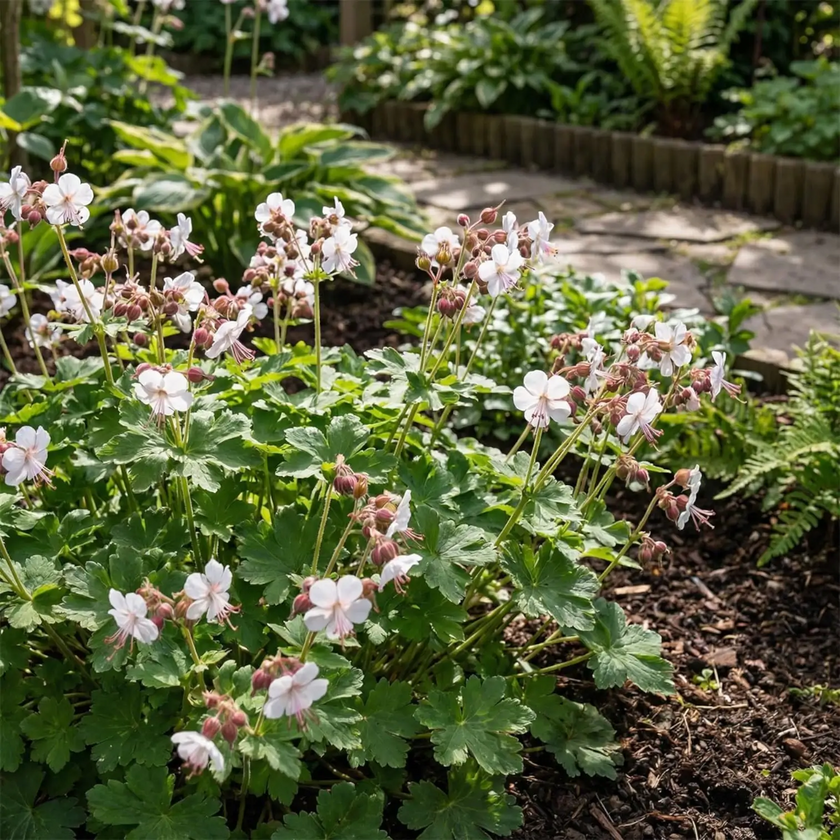
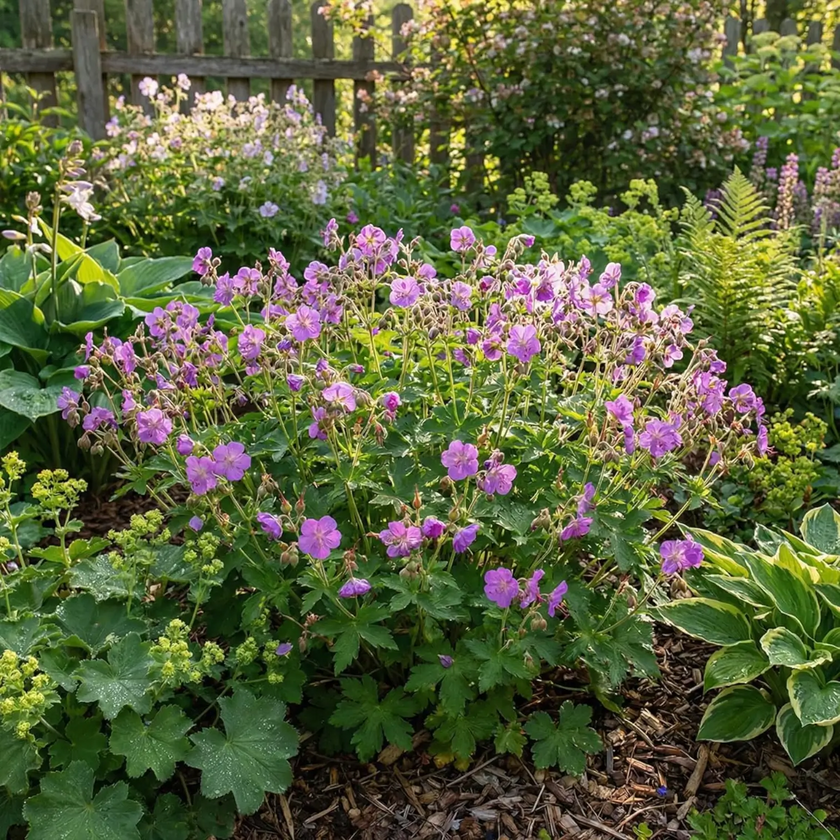
Geranium 'Johnson's Blue' blooming next to a footpath

Sort by:

8 products

Filters

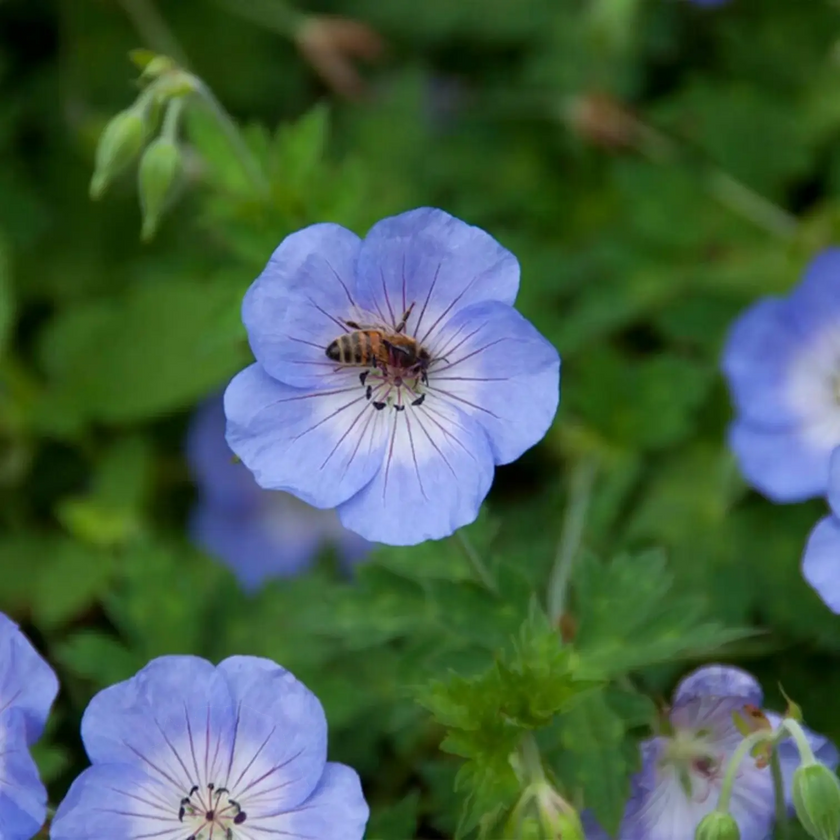
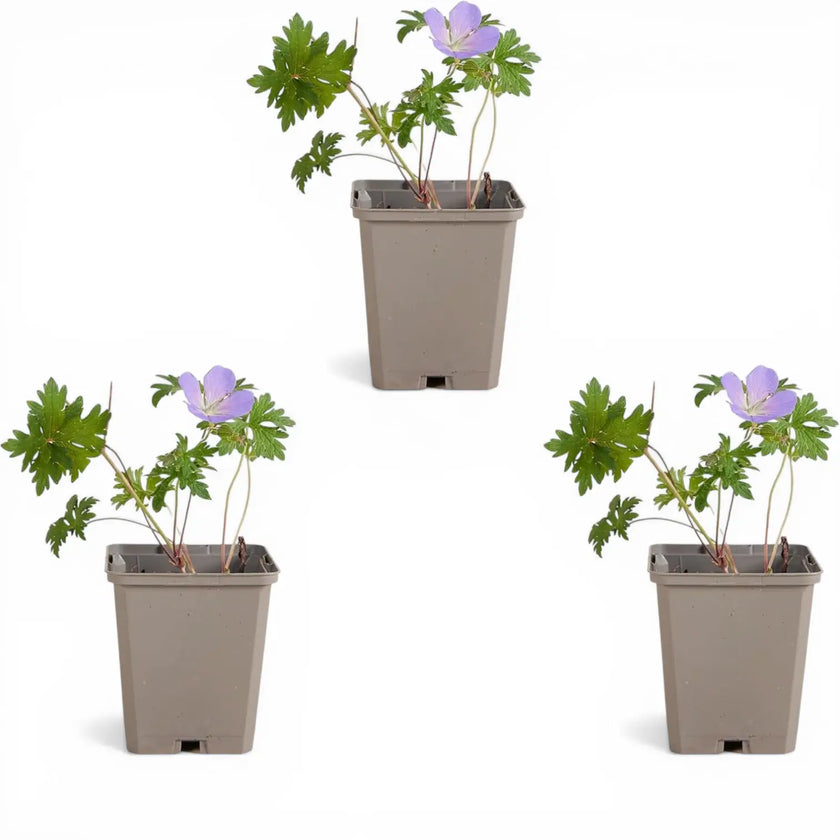
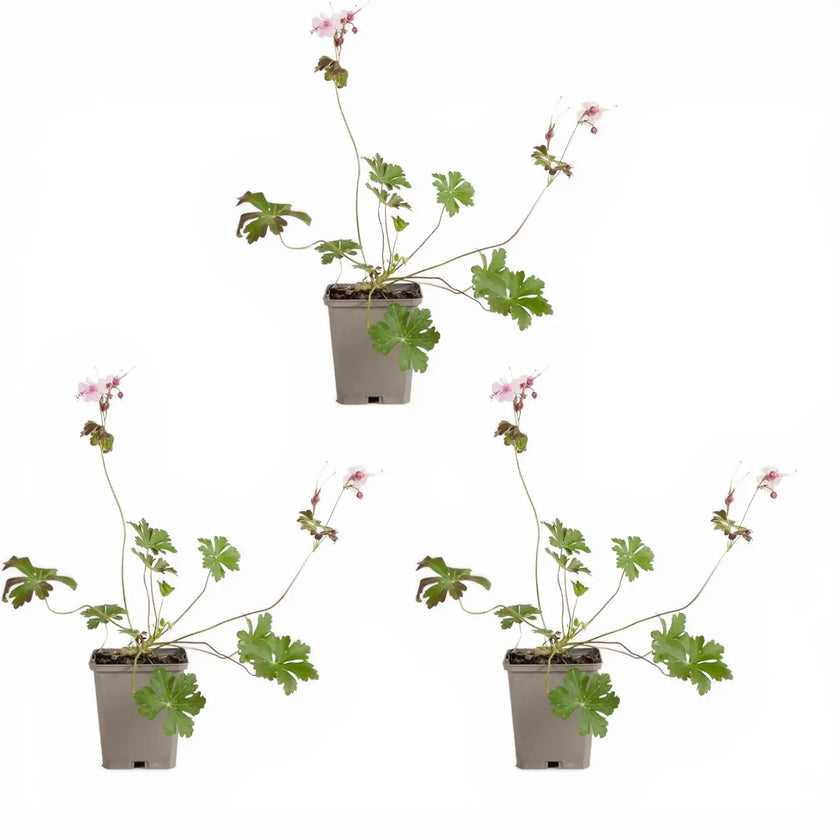
Geranium 'Johnson's Blue' plant detail.
Geranium 'Johnson's Blue' Regular price €13,50
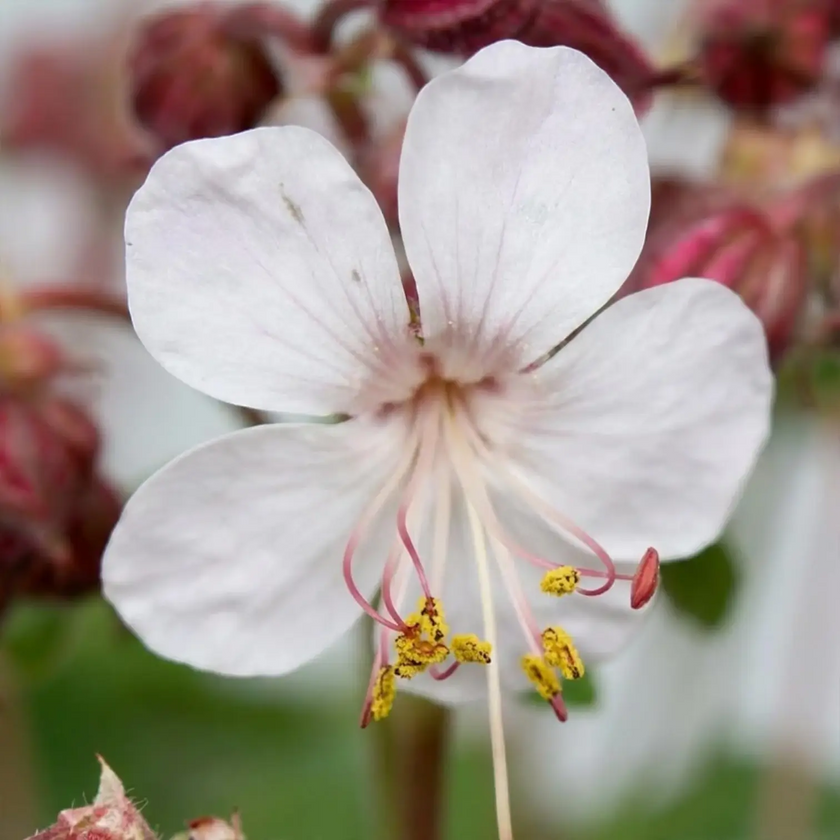
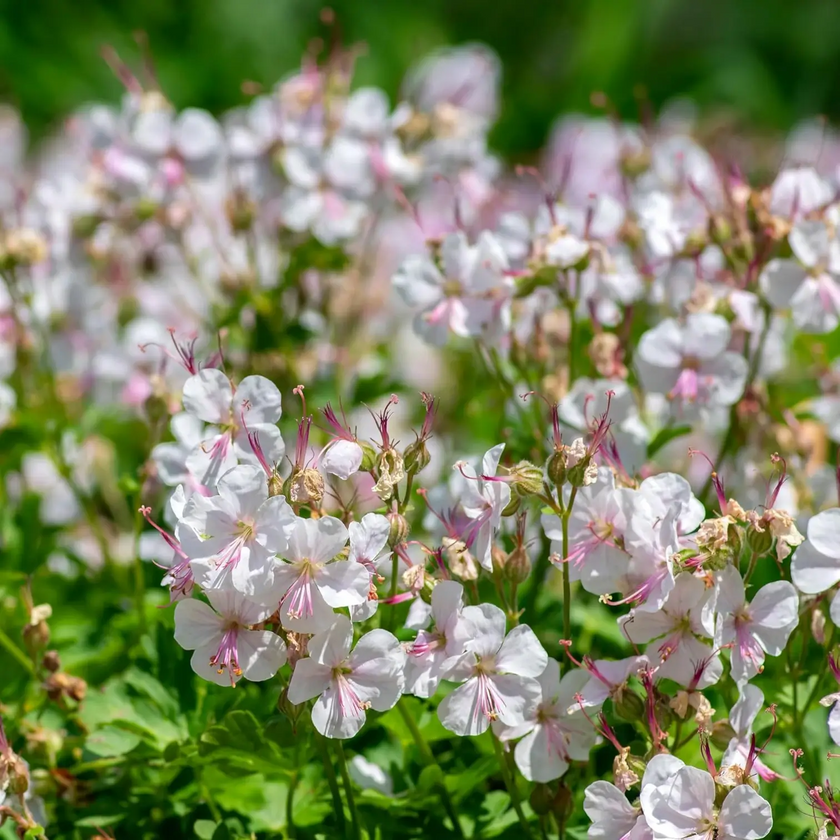
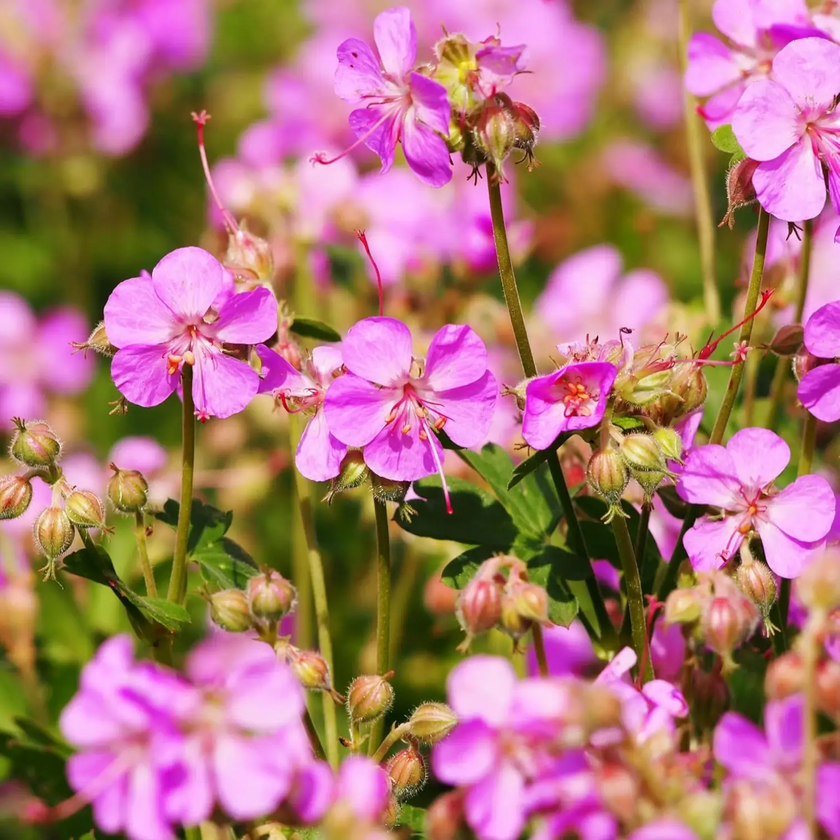
Geranium macrorrhizum 'Spessart' close-up detail.
Geranium macrorrhizum 'Spessart' Regular price €14,75
Geranium × cantabrigiense 'Biokovo' plant detail.
Geranium × cantabrigiense 'Biokovo' Regular price €13,50
Geranium × cantabrigiense 'Cambridge' close-up detail.
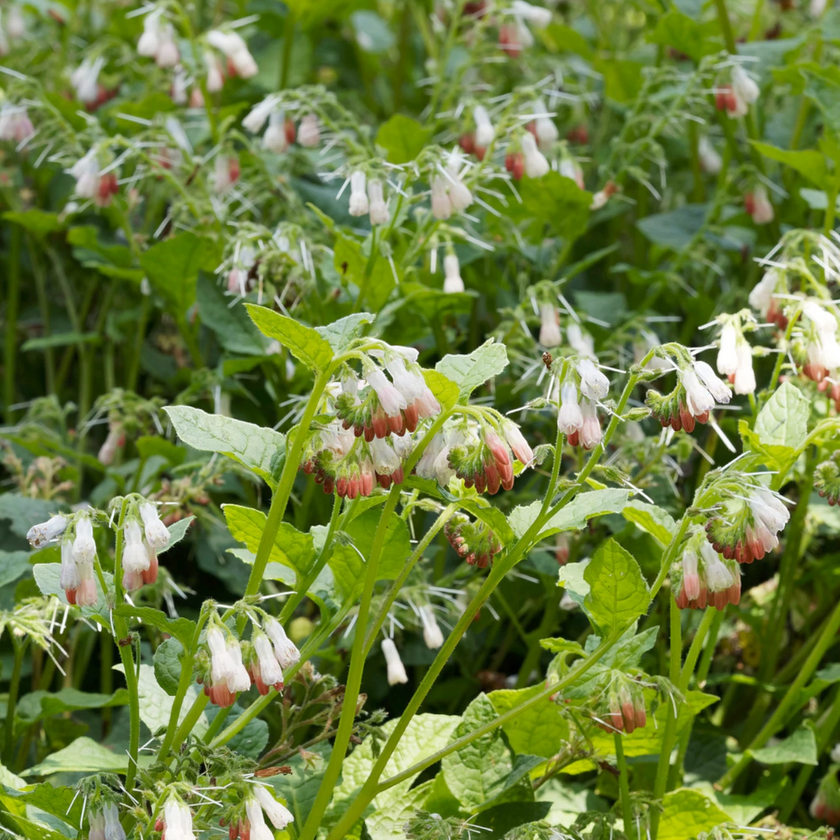
Symphytum grandiflorum close-up detail.
Symphytum grandiflorum Regular price €14,75
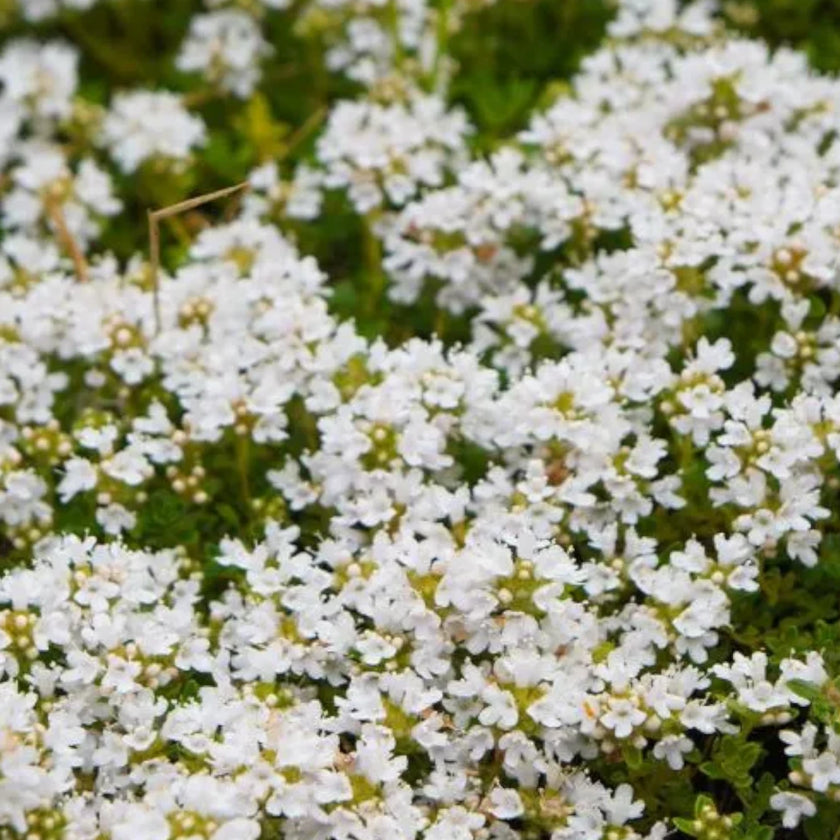
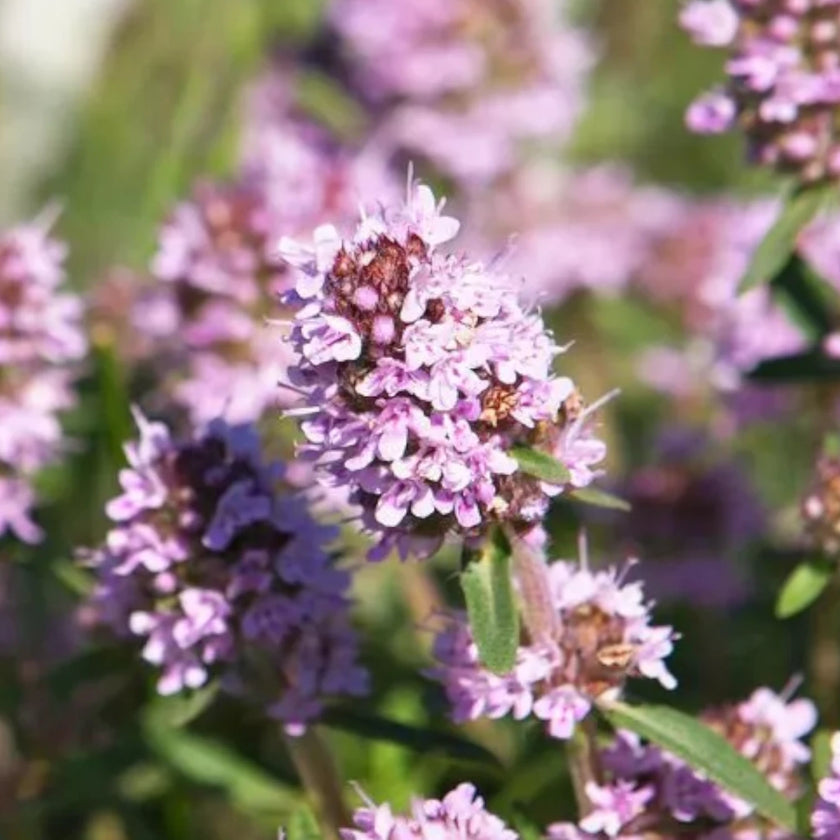
Thymus praecox 'Albiflorus' growing outdoors.
Thymus praecox 'Albiflorus' Regular price €13,50
Thymus praecox 'Red Carpet' growing outdoors.
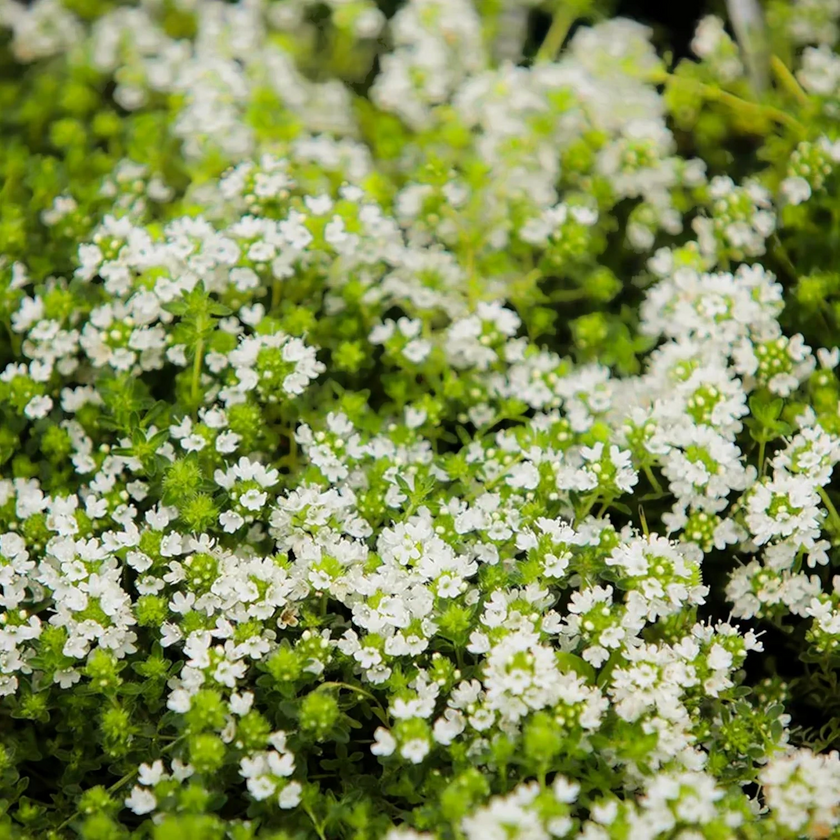
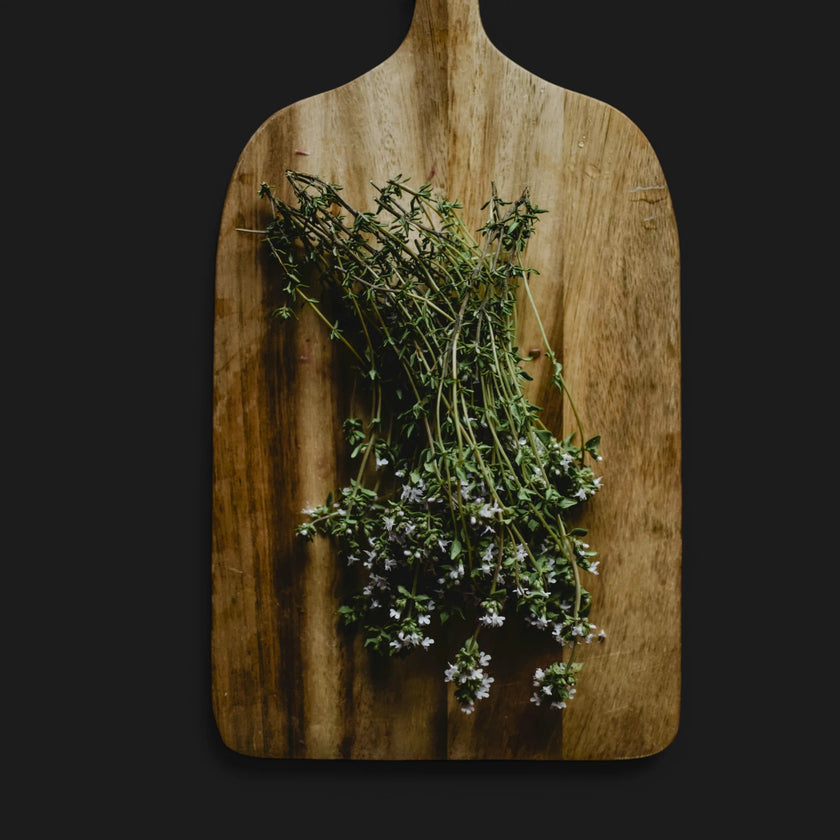
Thymus vulgaris growing outdoors plant photo.
Thymus vulgaris Regular price €12,00

Groundcover Plants

Quick Overview
  • Covers bare soil and helps reduce weeds once plants are established.
  • Check light and moisture first, then decide how fast the planting should spread.
  • Carpet forming groundcover needs clearer edges than clump forming types.
  • Evergreen groundcover keeps beds looking planted through winter.
  • Dense planting can trap moisture, so airflow still matters.
  • Groundcover can soften container edges, but it needs real soil depth to root.
  • Trimming edges is the simplest way to keep spreading types under control.
Details & Care

Groundcover links plants and protects soil

Groundcover Plants spread low across the surface, soften edges, cover bare patches and connect taller planting into a more settled design. They may be evergreen, flowering, mat-forming, creeping or clumping depending on the site.

  • Spread rate: Fast cover suits larger gaps but may need edging.
  • Light level: Sun and shade groundcovers usually need different moisture and heat conditions.
  • Root competition: Under shrubs and trees, choose plants that can handle drier, crowded soil.
  • Foot traffic: Most ornamental groundcovers tolerate light contact only, not regular walking.

Groundcover can lower weeding pressure once established, but young plantings still need watering and weed control until they knit together.

Control, spacing and edges

Spacing changes both cost and speed. Close planting covers faster but can reduce airflow; wider spacing takes patience and leaves soil exposed for longer. Use edging or regular trimming where groundcover meets lawns, paving and paths.

Where groundcover fits

  • Bed fronts: Softens hard edges and covers bare soil.
  • Slopes: Helps stabilise the surface when plants are established.
  • Under shrubs: Creates a living layer below woody structure.
  • Containers: Trailing or low plants soften pot edges when water supply is steady.

The right groundcover is chosen by spread behaviour first. A neat mat, a slow creeper and a vigorous runner create very different maintenance levels.

Groundcover reduces exposed soil once established, but it still needs editing. Vigorous types may creep into paths or neighbouring plants; slower types need closer spacing and weeding while they fill in. Match spread rate to how much control the space needs.

In dry shade, groundcover must handle both low light and root competition. That is a tougher site than ordinary part shade.

Groundcover also changes how water moves across the surface. Once roots have filled in, the soil is more shaded and less exposed to splash, but new plantings need regular care until that cover develops.

For very small gardens, pick groundcover with a clear edge habit so it does not hide paving lines or crowd compact shrubs.