Position
Full sun, Part shade

Symphytum
VAT included · plus
Your outdoor plant has just been packed, transported and unpacked, so give it a calm start before planting or placing it permanently. Remove all packaging carefully, check the pot, stems, visible roots and substrate moisture, and settle any loose growing medium back around the root ball. Water if the root ball feels dry, but do not leave the pot standing in water. For the first few days, keep the plant in a sheltered spot suited to its light needs, away from strong midday sun, heavy wind, frost and heat stress.
Do not move the plant straight into full exposure, especially if it is young, newly flushed, evergreen, recently pruned or greenhouse-grown. Gradually introduce more sun, wind and temperature variation over several days. If cold nights, storms, intense sun or hot dry weather are expected, keep the plant protected until conditions are more stable. Do not fertilize immediately after delivery; let the plant settle first and resume feeding only when it is actively growing and conditions are suitable.
Outdoor plants may arrive in different seasonal stages. Depending on the time of year, your plant may be leafy, flowering, newly sprouting, recently pruned, dormant, partly bare or leafless. Adjust care to what the plant is doing: actively growing plants need closer moisture checks, while dormant plants usually need protection from extremes and only light moisture management until growth resumes.
Plant outdoors when the soil is workable and weather conditions suit the plant type. Avoid planting during frost, heatwaves, waterlogged soil or very dry windy periods. It is better to keep the plant protected in its pot for a short time than to plant into stressful conditions. After planting, water thoroughly so the root ball and surrounding soil connect properly, then monitor moisture while the plant establishes.
Secure shipping, carefully packed orders with safe delivery across the EU, UK and Switzerland.
28-day plant guarantee, if a plant arrives damaged or fails soon after delivery, we help you make it right.
Free returns, simple, cost-free returns according to our policy.
For full details, please see:
Please head to our FAQ Page or Contact us.
Herbaceous perennial
Position
Full sun, Part shade
Moisture
Moist
Drainage
Moisture-retentive, Well-drained
Hardiness
Fully hardy · -20°C
Mature size
30–45 × 60–90 cm
Winter habit
Herbaceous die-back
Bloom time
Spring
Containers
Good in pots
Pruning
After flowering
Woodland margins and moist slopes of the Caucasus and northeastern Turkey.
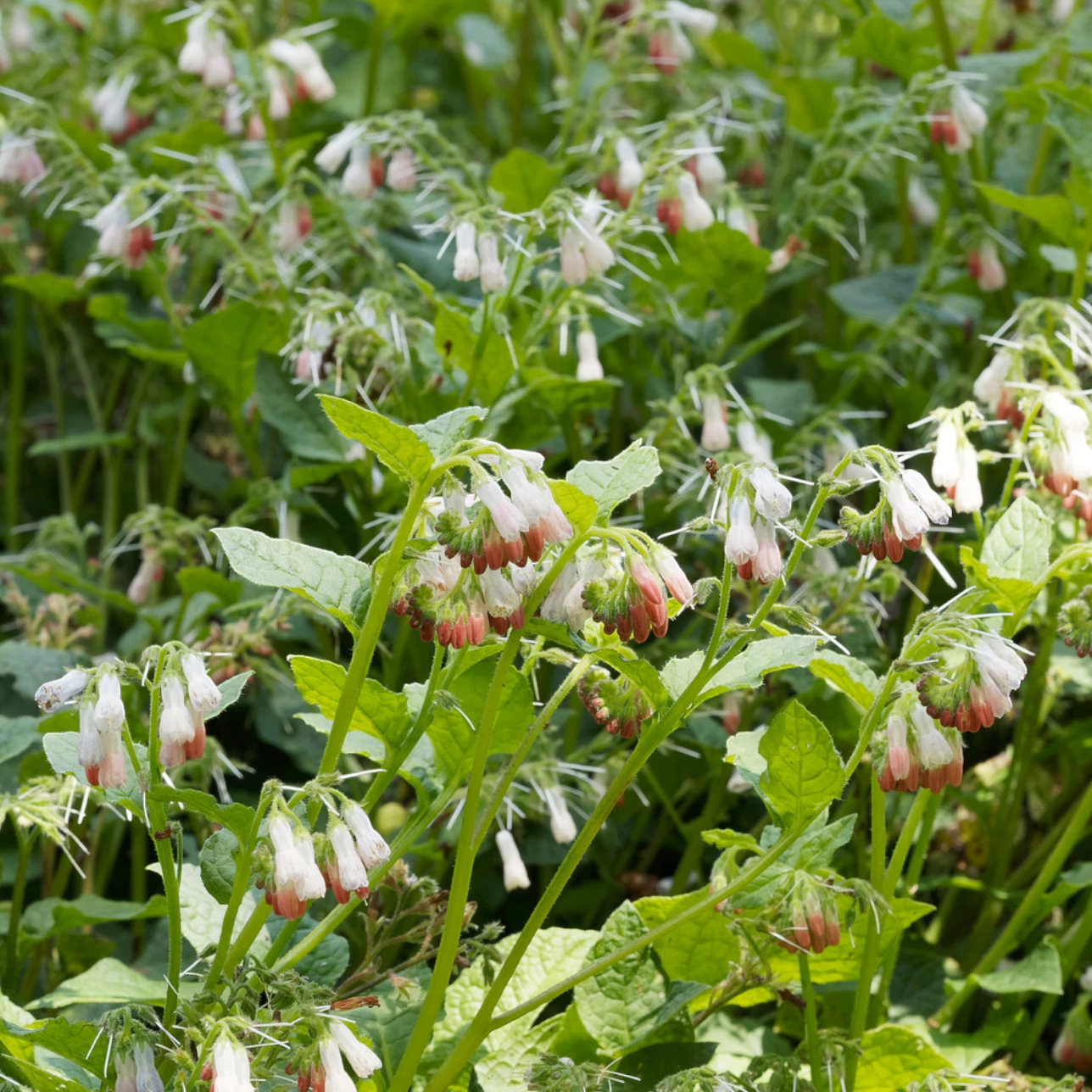
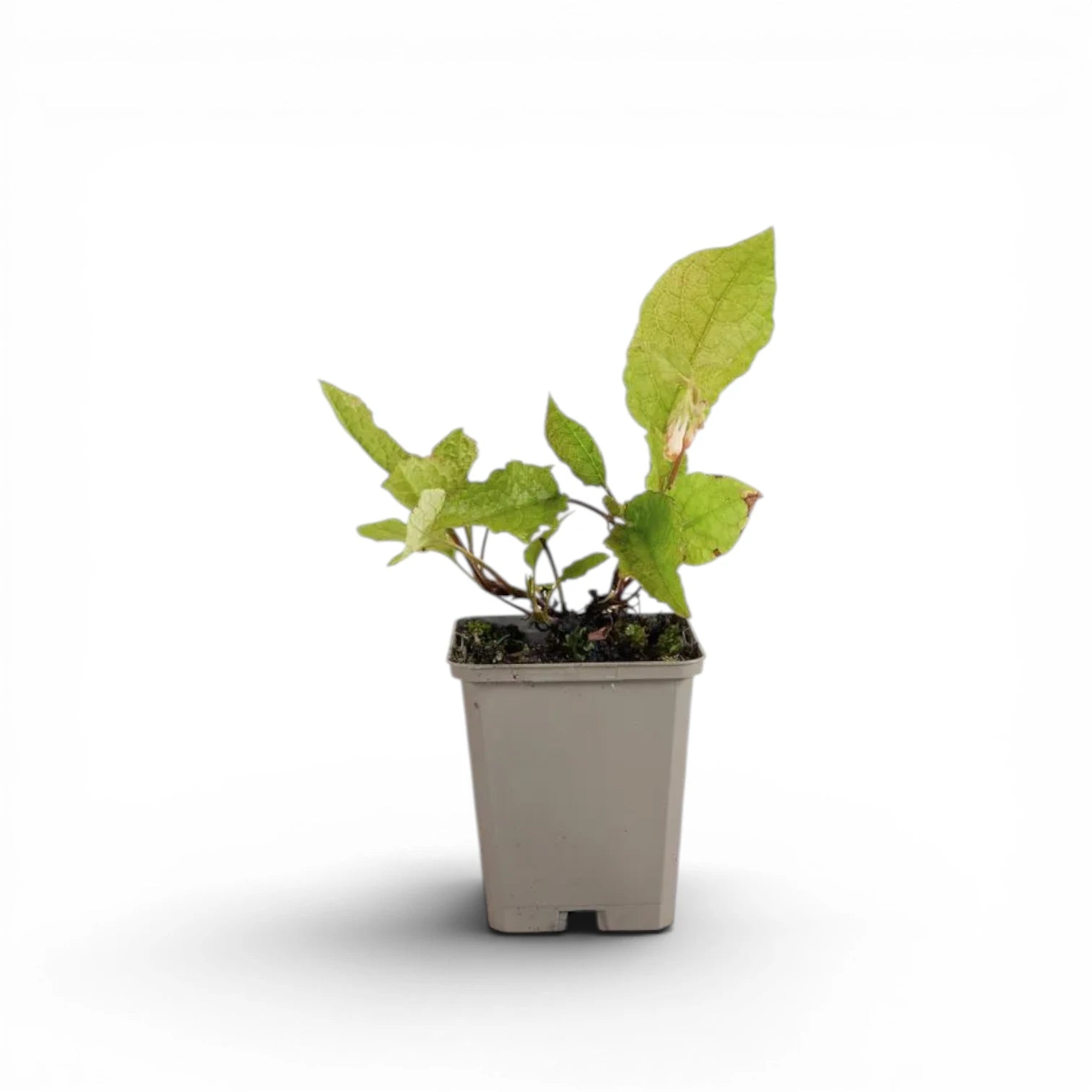
Symphytum grandiflorum, often called creeping comfrey, is a spreading herbaceous perennial grown for leafy cover, spring flowers and its ability to fill relaxed planting spaces. It forms broad green leaves from fleshy roots and carries pale tubular flowers in spring. The plant has a natural, woodland-edge feeling, making it useful below shrubs, along cool borders and in informal areas where bare soil needs living cover.
This is a vigorous groundcover, so site choice matters. Symphytum grandiflorum is most useful where spreading growth is welcome and the planting can settle into a loose, natural pattern. Use it where the roots have room to make a broad, useful patch. Used in the right place, it becomes a practical, resilient carpet with early-season flower interest.
Symphytum grandiflorum grows from a perennial crown and fleshy roots. New shoots rise in spring, broad leaves create groundcover, and flowers appear above the foliage. Mature height is usually around 30-45 cm, with spread often reaching 60-90 cm once the plant is settled. In favourable moist soil, patches can broaden steadily.
In containers, Symphytum grandiflorum stays smaller and grows more slowly than plants in open ground. A container also limits spreading, which can be helpful for gardeners who want to enjoy the plant without giving it a permanent patch of soil. Use a broad, deep pot because the fleshy root system needs volume and moisture. A cramped pot dries quickly and restricts the leafy display.
Symphytum grandiflorum grows in sun or partial shade, with partial shade often giving the freshest leaf quality in warmer gardens. It can also handle cooler, lightly shaded positions below shrubs or open deciduous canopies. Morning sun with afternoon shade is a useful balance where summers are hot or soil dries quickly.
It prefers fertile ground that keeps moisture available while letting winter rain move through. The plant likes steady moisture but still benefits from oxygen around the roots. Heavy clay can suit it when structure is open enough for water movement. Sandy soil needs compost or leaf mould to hold moisture. A mulch in spring helps keep the soil even while new leaves expand.
Water regularly after planting until the root system is established. In open ground, Symphytum grandiflorum copes well once rooted, but leaf quality is strongest where moisture remains available during dry spells. If the plant wilts in summer, water deeply at soil level so moisture reaches the fleshy roots.
For large planters, water when the upper 20-25% of the pot depth feels dry. Containers need closer attention because broad leaves lose moisture quickly in warm weather. Use a moisture-retentive compost with added mineral structure and a pot that drains freely. A saucer can hold water for a short period during hot weather, but the rootball still needs air between watering cycles.
After flowering, tired stems and leaves can be trimmed to refresh the clump. New growth often follows if moisture is available. In late winter, remove collapsed old foliage before spring shoots appear. Where the plant extends beyond its allotted patch, lift edge pieces in spring and replant only the strongest sections where more cover is wanted.
Symphytum grandiflorum is useful below shrubs because its early leaves cover soil before many woody plants are fully active. It also helps soften the base of informal hedges, woodland-style borders and larger cottage-garden plantings. Pair it with sturdy neighbours that share moist soil: hardy geraniums, ferns, hellebores, spring bulbs and shade-tolerant grasses.
Weak growth often means dry soil, poor fertility, or a very cramped root run. Leaf scorch can follow hot sun where soil moisture is low. Excessive spread usually means the site suits the plant very well, so plan its boundary before planting. Root fragments can regrow, making careful lifting important when thinning established patches.
Symphytum grandiflorum is at its best in a garden role with enough room. Give it moisture, fertility and a defined patch, and it becomes a strong groundcover with spring flowers, bold leaves and a relaxed natural look. It rewards realistic placement more than detailed fussing, especially in larger borders and underplanting schemes.
This plant is most useful where its spreading habit has a clear job: covering soil below shrubs, holding a loose bank, filling a cool edge, or linking larger perennials in a natural-style area. Give it room to form a carpet, then edit the edges in spring if the patch reaches beyond the planned outline. Pieces lifted from the edge can be replanted in suitable gaps or removed to keep the shape clean.
Moisture makes a large difference to the quality of the foliage. In open ground, mulch lightly after planting and water during dry establishment periods. In containers, water when the upper 20-25% of the pot depth feels dry, because broad leaves draw moisture quickly. Containers keep plants smaller and slower than open ground, making them useful for large, cool planters where leafy cover is wanted without open-border spread.
After the spring flower display, tired leaves can be cut back to encourage a cleaner second flush when moisture is available. In late winter, clear collapsed foliage before the new shoots emerge. The plant responds best when the soil remains fertile, open and evenly moist.
Choose options


Sign up for Foliage Factory newsletter for early access to new arrivals and practical care tips that work in real homes.