Dischidia
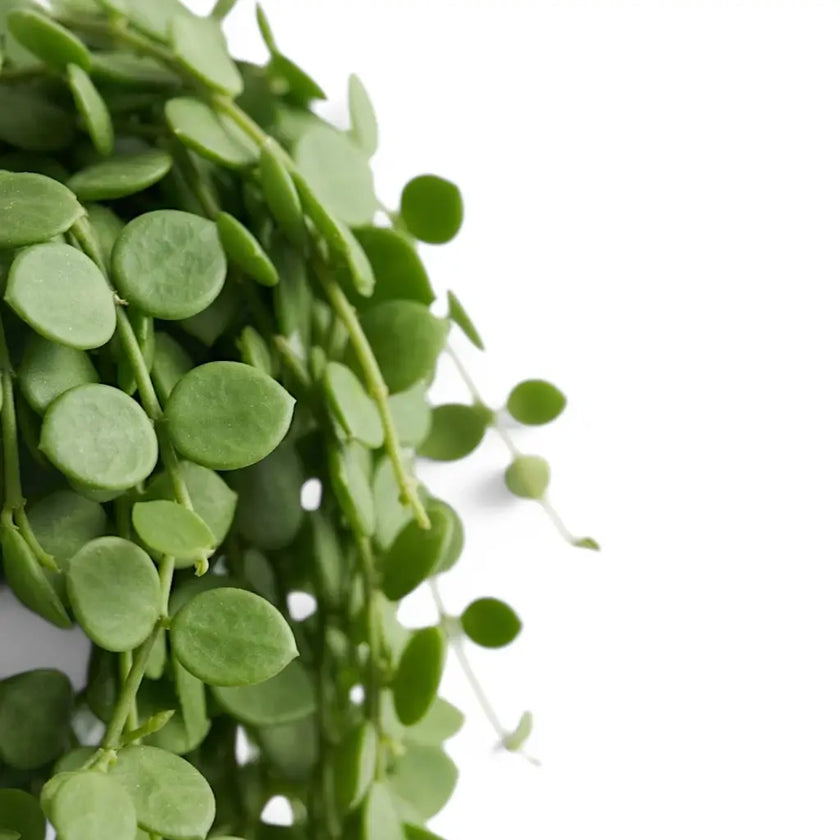
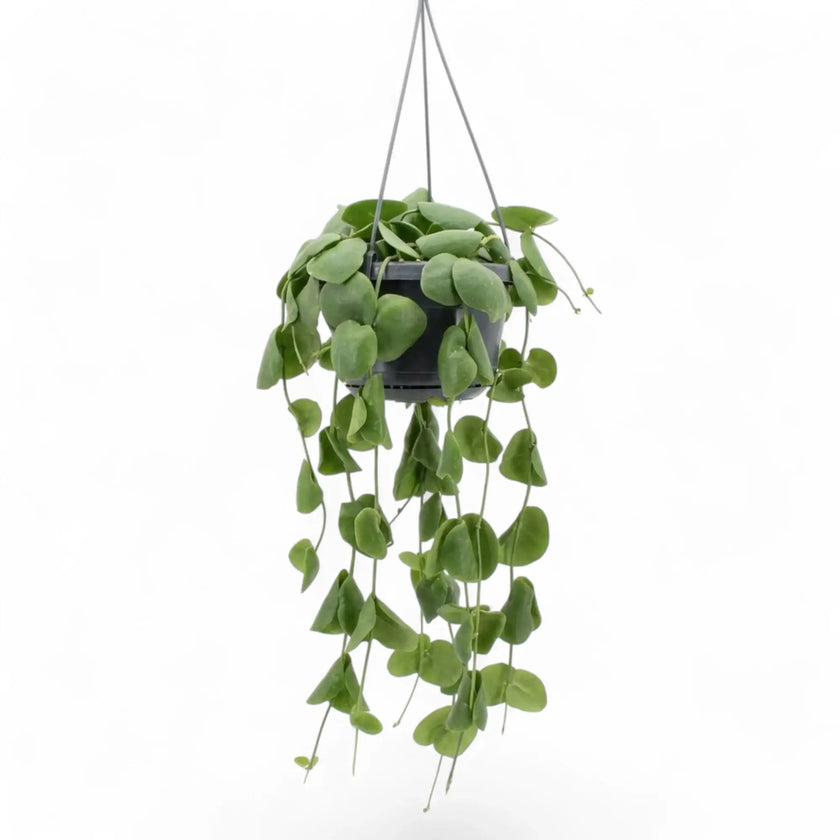
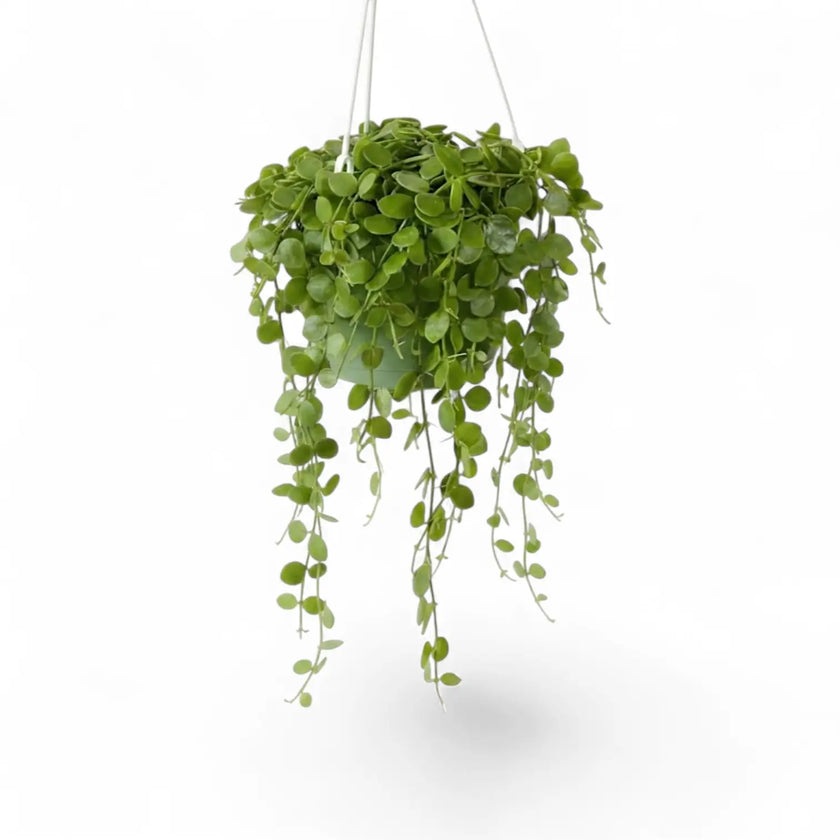
Dischidia grows on trailing or clinging stems with small rounded, veined or overlapping leaves. Several species hang from planters, while others attach closely to textured supports.

Substrate help
An airy mix for Dischidia
About Our Filters
Start with the light and space you can offer, then narrow by the plant’s shape or appearance. Check the individual product page for care and size details.
No filter options are available for this collection right now. Open a product to check its details.
Sort by:
Filters
Apocynaceae
Dischidia
Dischidia grows on trees and sometimes rocks in tropical Asia and the western Pacific. Fine roots form along the stems, letting the plant creep over bark, climb or hang freely.
A few species have remarkable leaves adapted to life with ants. Dischidia major, for example, forms hollow leaf pouches where ants may shelter. Most familiar cultivated Dischidia carry ordinary round, heart-shaped or overlapping leaves.
Dischidia plants
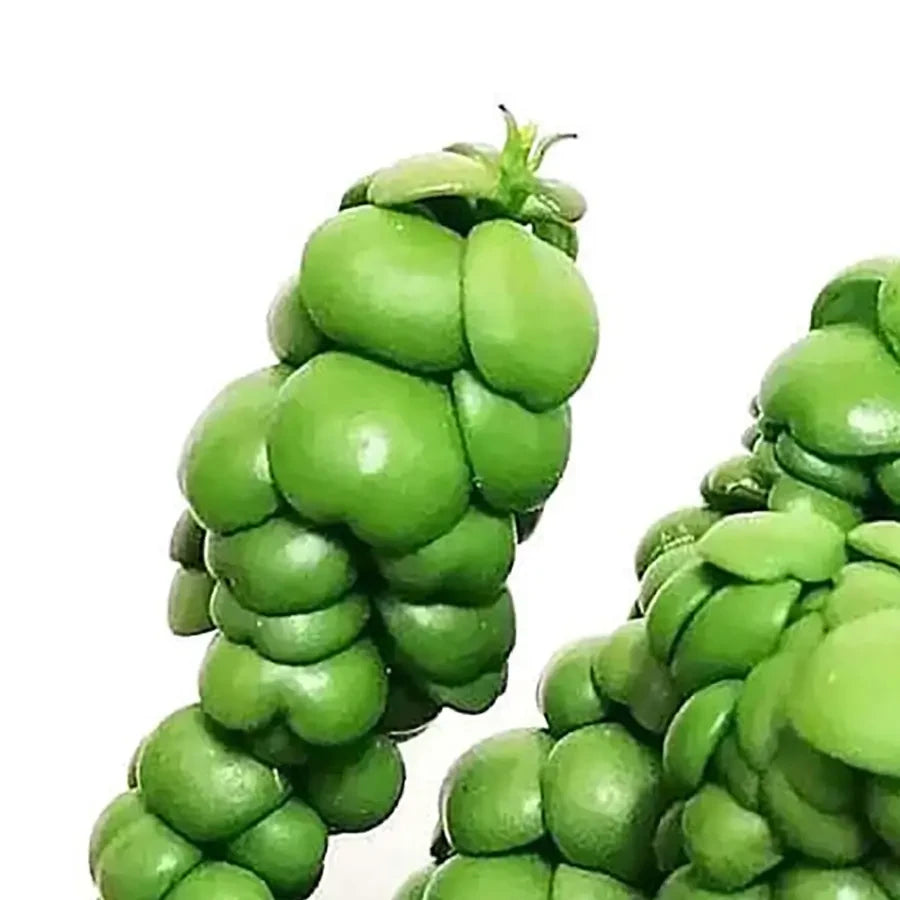
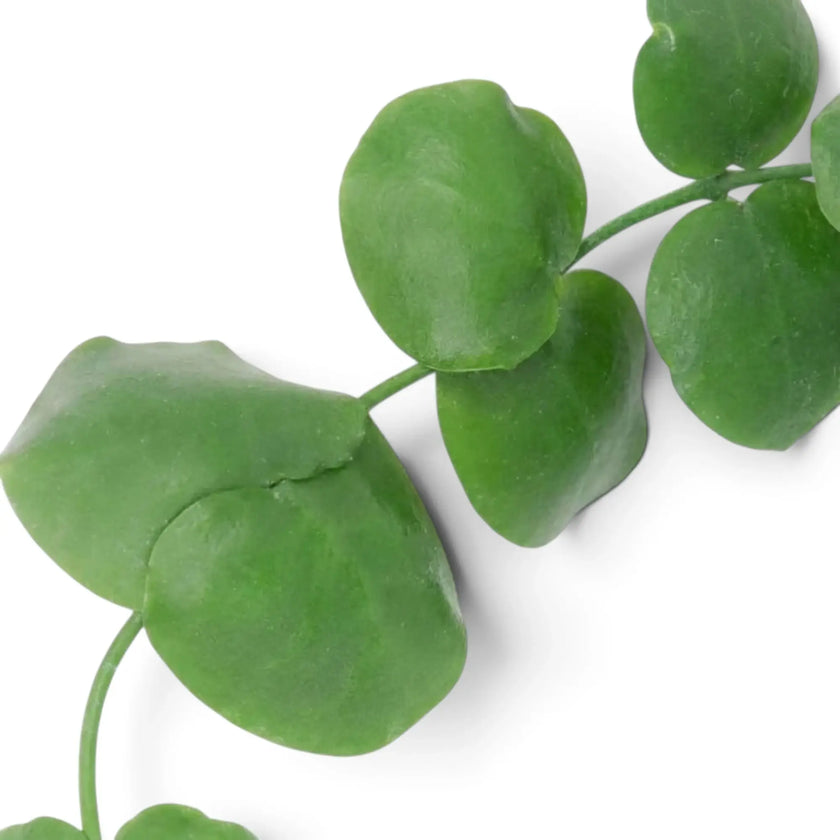
Dischidia nummularia develops long strands of button-like leaves. Dischidia ovata has green leaves marked with a darker pattern, and Dischidia ruscifolia carries little heart-shaped foliage. Dischidia imbricata produces overlapping leaves that lie close against a support as the stems attach.
Many Dischidia grow on branches in tropical forests. Indoors, they appreciate bright indirect daylight and an open growing medium that provides air around the roots. Fleshier-leaved forms generally tolerate more drying; plants on mounts can need closer attention because exposed roots dry quickly.
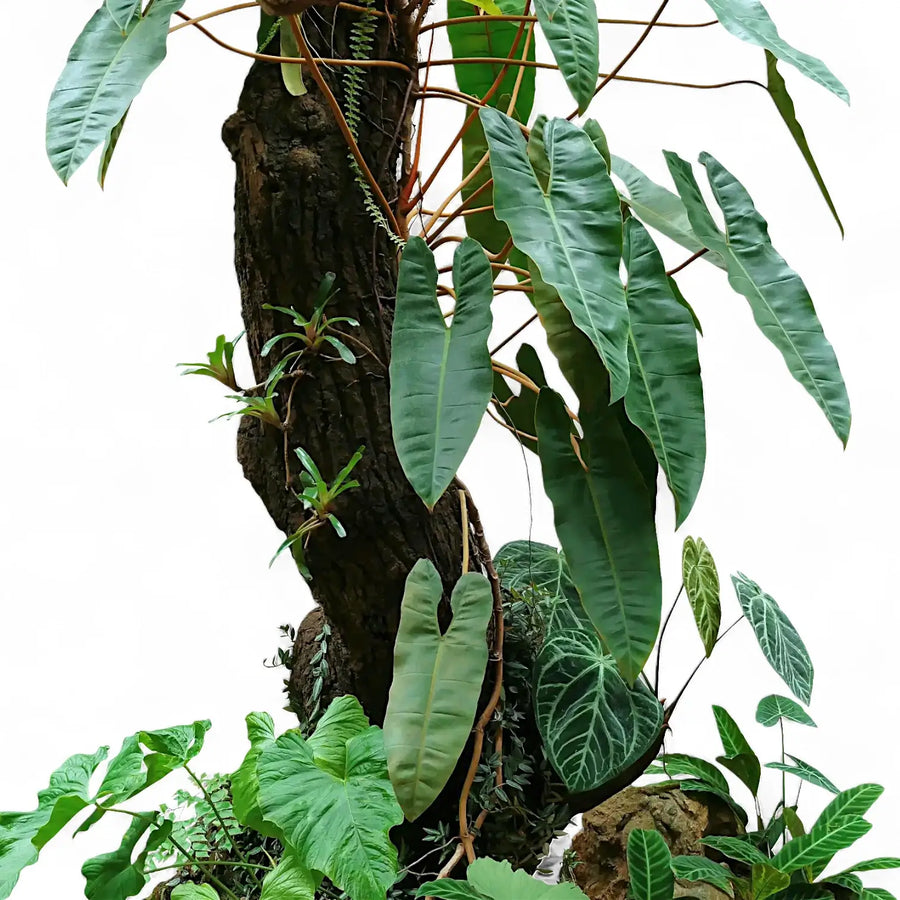
Trailing varieties are attractive from a hanging planter, and clinging species can grow over a piece of bark or a textured board. Healthy stem cuttings often root readily. Pet-safety evidence is incomplete across the genus, so keep Dischidia away from animals that chew foliage.
Botanical Profile
Dischidia grows on trees and sometimes rocks in tropical Asia and the western Pacific. Fine roots form along the stems, letting the plant creep over bark, climb or hang freely.
A few species have remarkable leaves adapted to life with ants. Dischidia major, for example, forms hollow leaf pouches where ants may shelter. Most familiar cultivated Dischidia carry ordinary round, heart-shaped or overlapping leaves.
Details & Care
Dischidia plants
Dischidia nummularia develops long strands of button-like leaves. Dischidia ovata has green leaves marked with a darker pattern, and Dischidia ruscifolia carries little heart-shaped foliage. Dischidia imbricata produces overlapping leaves that lie close against a support as the stems attach.
Many Dischidia grow on branches in tropical forests. Indoors, they appreciate bright indirect daylight and an open growing medium that provides air around the roots. Fleshier-leaved forms generally tolerate more drying; plants on mounts can need closer attention because exposed roots dry quickly.
Trailing varieties are attractive from a hanging planter, and clinging species can grow over a piece of bark or a textured board. Healthy stem cuttings often root readily. Pet-safety evidence is incomplete across the genus, so keep Dischidia away from animals that chew foliage.
Frequently Asked Questions About Dischidia
Is Dischidia a succulent?
Many Dischidia are epiphytic plants with somewhat fleshy leaves that store water. They grow naturally attached to trees and need plenty of air around their roots in cultivation.
How much light does Dischidia need indoors?
Bright filtered daylight works well for many indoor Dischidia. A little gentle sun may be tolerated by established plants, but strong midday exposure can damage delicate foliage.
How often should I water Dischidia?
Water according to the species and its growing medium. Potted Dischidia often need their airy mix to begin drying before watering; plants attached to bark or a mount may dry more quickly. Allow excess water to drain.
What potting medium is suitable for Dischidia?
A loose mix with bark and other open ingredients leaves air around the roots. Mounted species can grow against textured bark with moisture provided according to their root exposure.
Why is my Dischidia rotting?
Root rot can follow prolonged wetness in a dense or poorly drained medium. Check the roots and the moisture within the pot if leaves become soft or stems begin to collapse.