Skip to content

Cart

Your cart is empty.

Aglaonema (Chinese Evergreen)

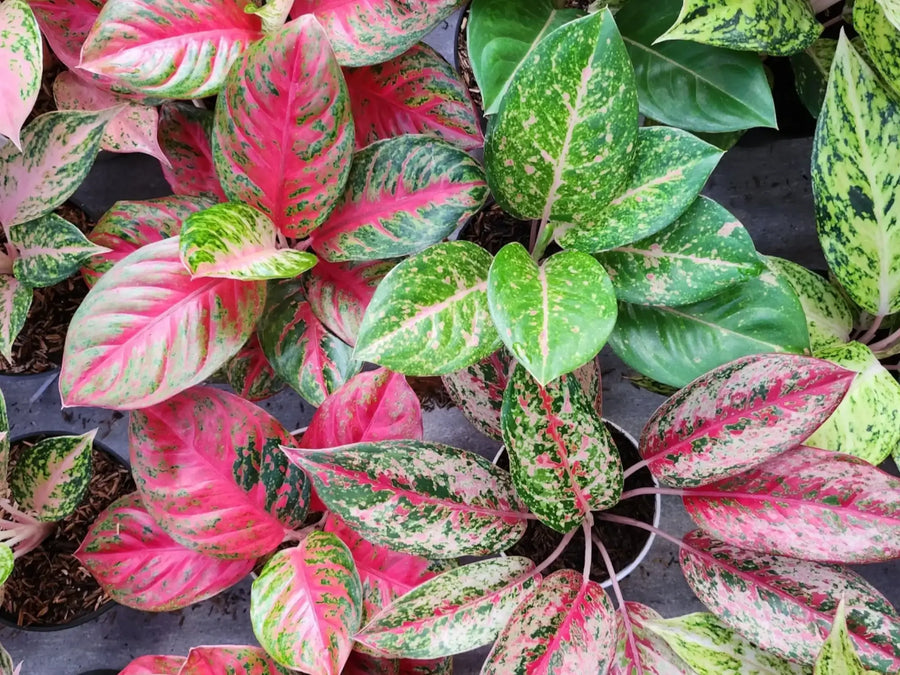
Colourful Aglaonema leaves on white background

Sort by:

Filters

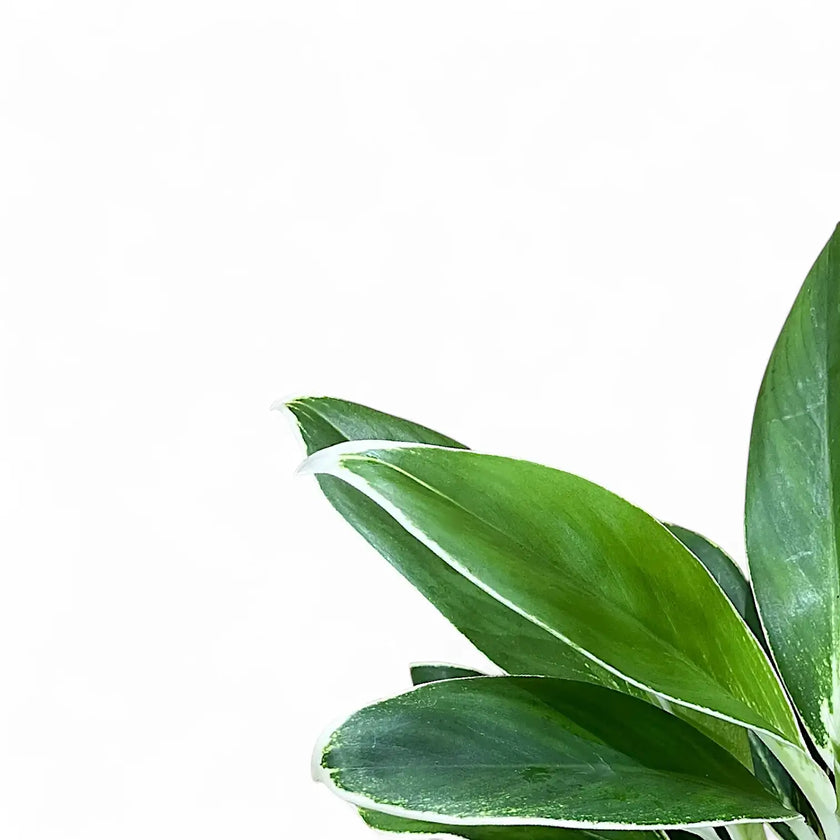
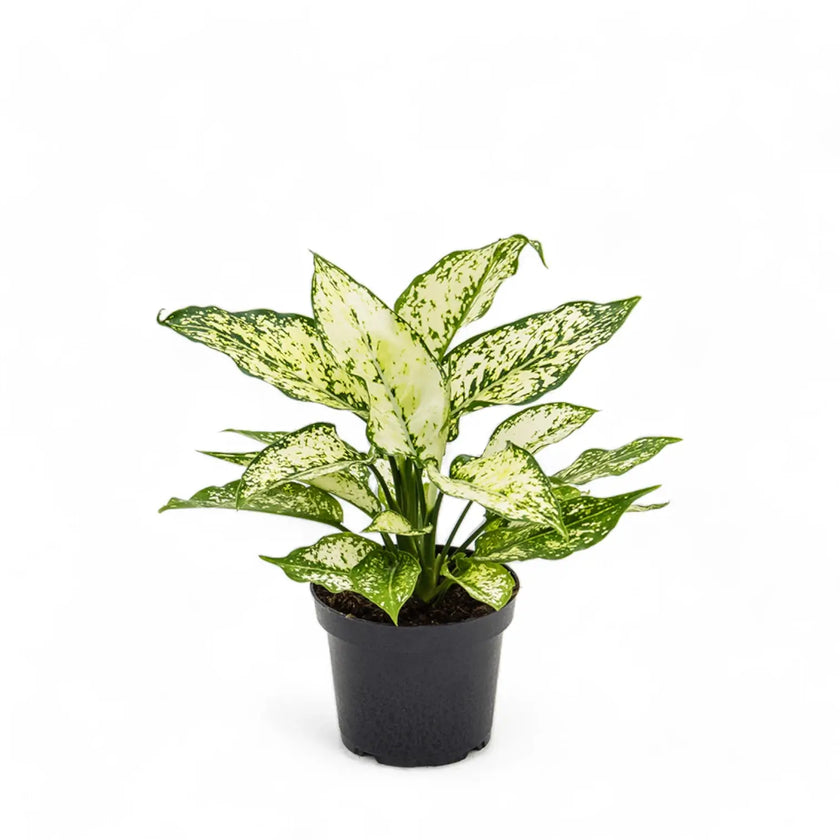
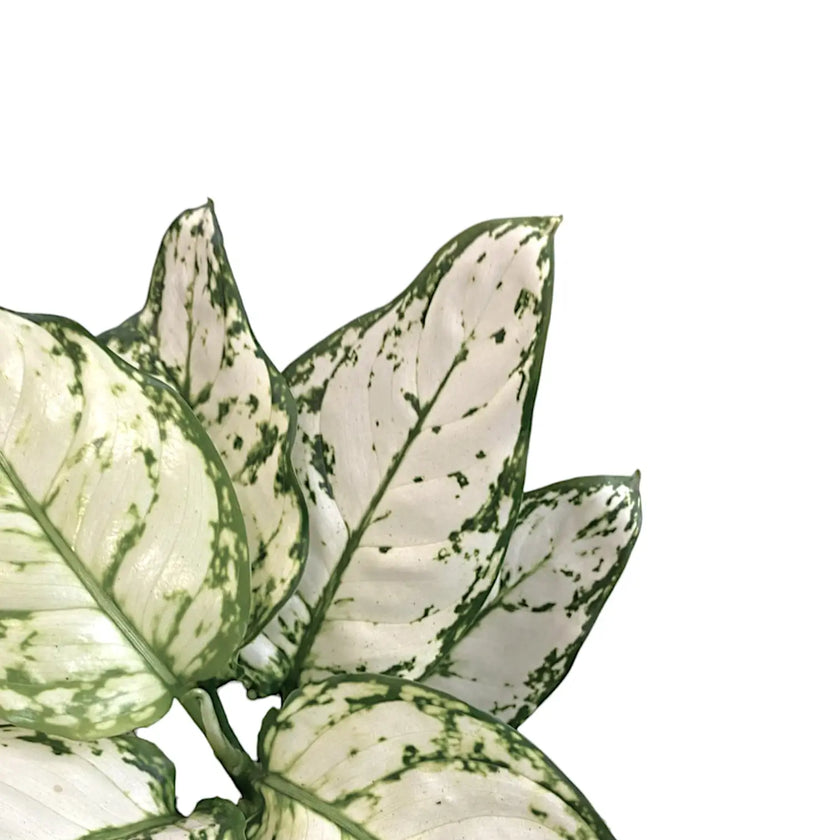
Aglaonema 'White Kiwi' close-up of leaf on white background.
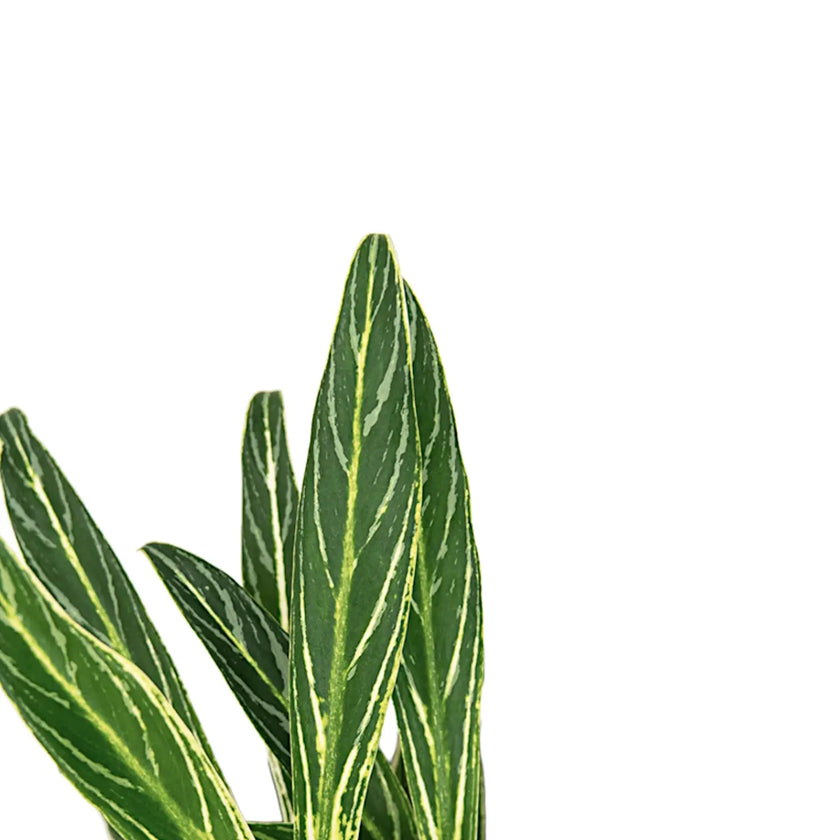
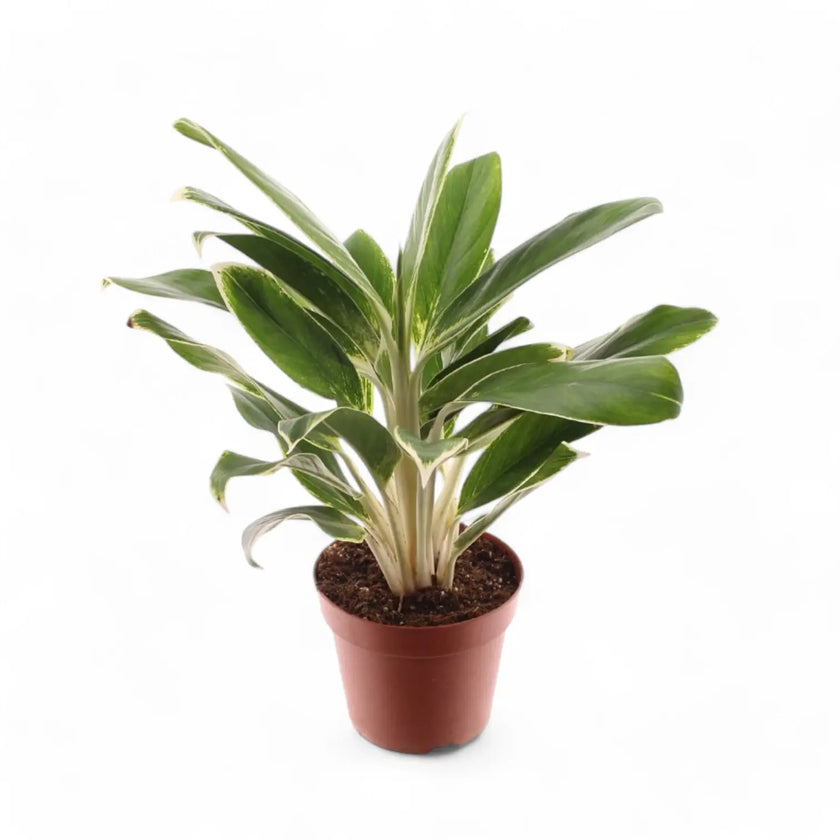
Aglaonema 'White Lime' leaf close-up on white background.
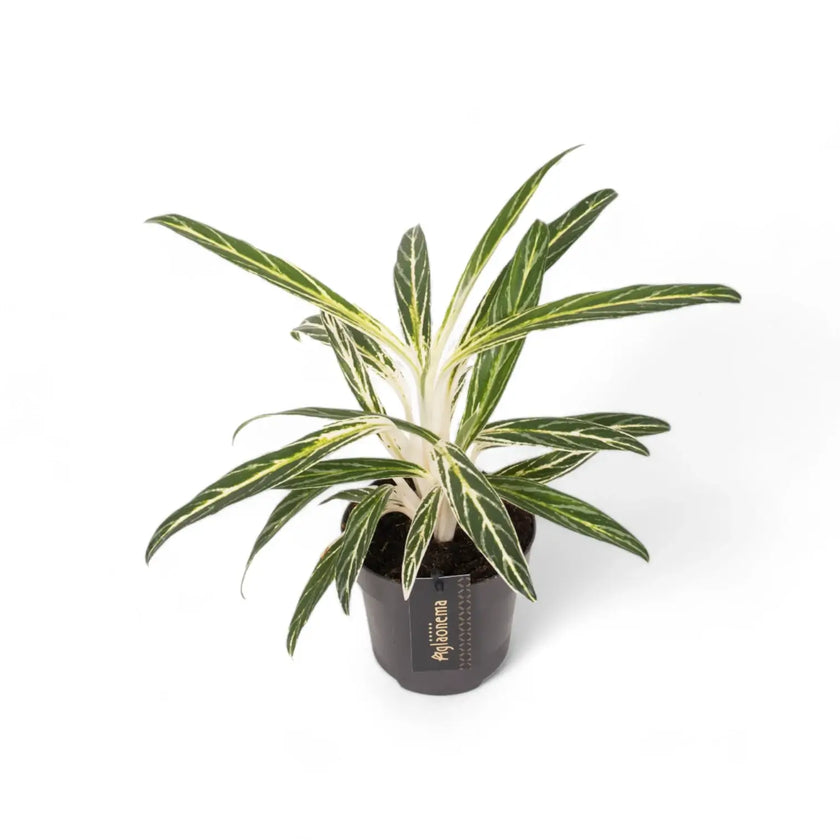
Aglaonema 'Zebra Feathers' leaf close-up on white background.
Aglaonema commutatum leaf close-up on white background.
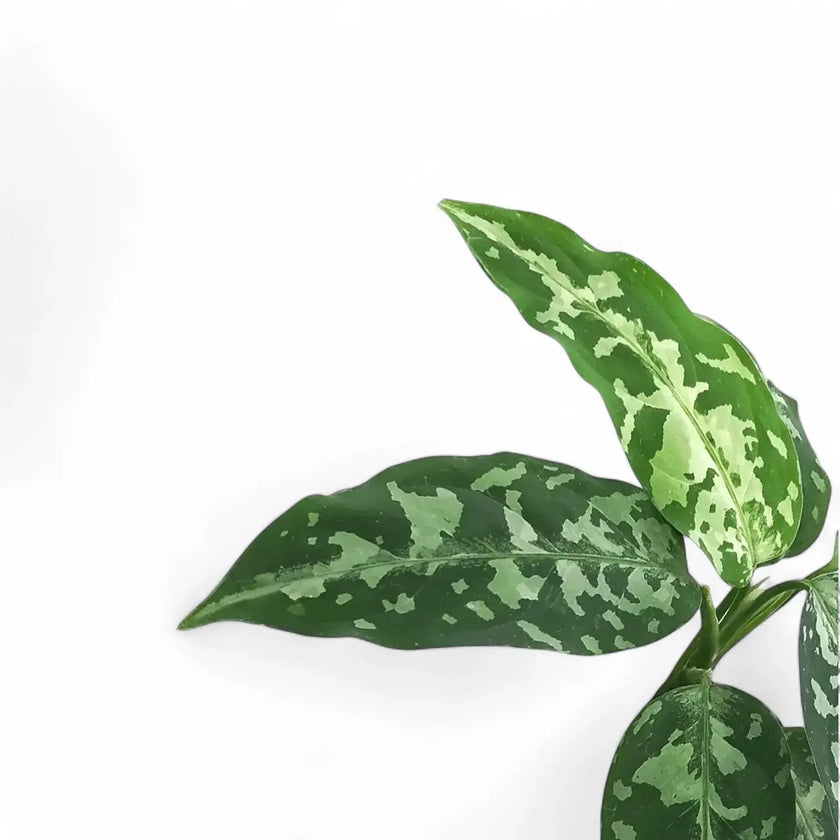
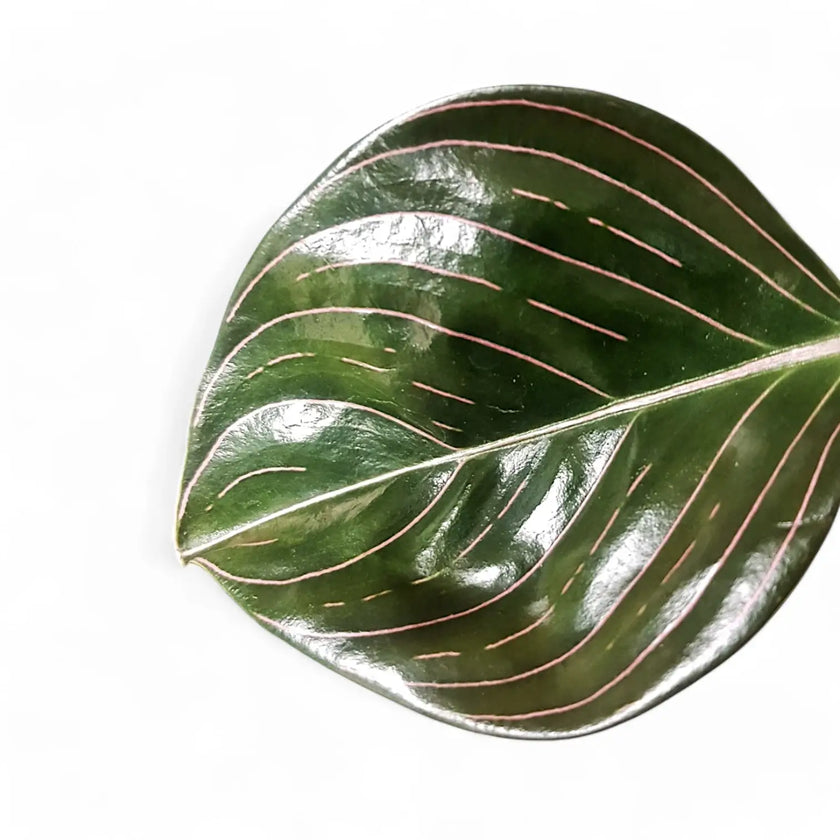
Aglaonema pictum bicolor leaf detail on white background.
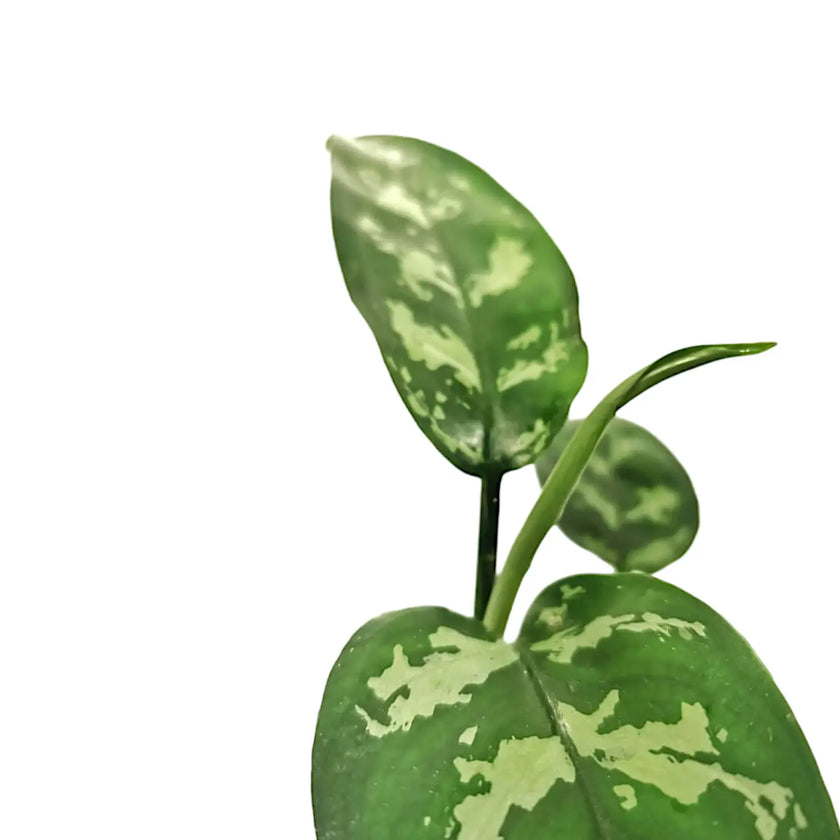
Aglaonema pictum tricolor leaf detail on white background.
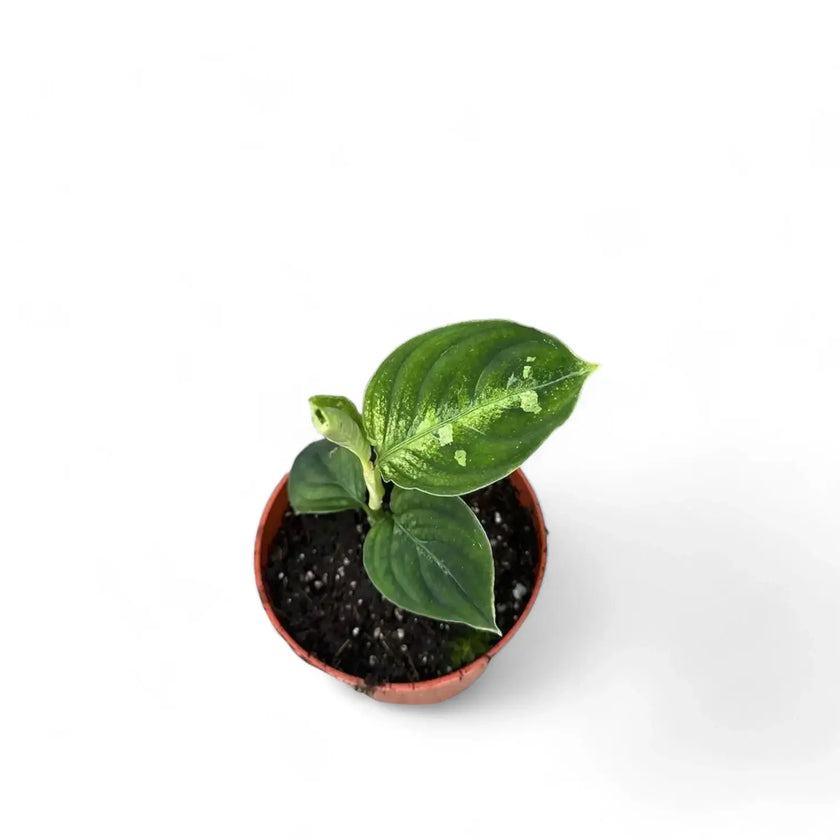
Aglaonema pictum tricolor Regular price From €10,75
Aglaonema pumilum leaf close-up on white background.
Aglaonema rotundum leaf close-up on white background.
Aglaonema ‘Cintho King’ leaf detail on white background.

Araceae

Aglaonema (Chinese Evergreen)

Quick Overview

Aglaonema (Chinese evergreen) - foliage priorities

  • Use indoors: clumping foliage plant for medium to bright shade; tolerant of variable indoor conditions when roots are happy.
  • Light reality: plain green hybrids cope with lower light; strongly coloured cultivars need clearly brighter, indirect light.
  • Moisture level: keep mix lightly moist with a short dry phase at the top; long-term swamp or deep drought both show quickly in leaves.
  • Substrate: prefers a loose, humus-rich mix cut with bark and mineral fraction so fine roots do not sit in compacted soil.
  • Warmth & humidity: likes stable, warm rooms and moderate humidity; cold pots by windows are a classic cause of mysterious yellowing.
  • Toxicity: contains calcium oxalate crystals; treat as toxic and keep away from chewing pets and children.
Botanical Profile

Aglaonema: botanical profile for Chinese Evergreens

Aglaonema is a genus of evergreen terrestrial aroids in Araceae, formally described by H. W. Schott in 1829. The name combines Greek elements often interpreted as “bright thread”, probably referring to conspicuous stamens or venation. Around 20-40 species are recognised, and extensive hybridisation has produced the diverse Chinese Evergreen cultivars used indoors.

  • Order: Alismatales
  • Family: Araceae
  • Tribe: Aglaonemateae
  • Genus: Aglaonema Schott
  • Type species: Aglaonema oblongifolium Schott
  • Chromosomes: Base number around x = 6; reported somatic counts show several polyploid levels across species and cultivars

Range & habitat: Native from northeastern India and southern China across mainland Southeast Asia to Indonesia and New Guinea. Aglaonema occupies humid tropical forest floors, limestone pockets and peat or humus deposits in shaded to deeply shaded sites, often in seasonally saturated but not permanently waterlogged soils.

  • Life form: Clump-forming, evergreen herbs with short, creeping or erect stems that may root along the ground and branch slowly.
  • Leaf attachment: Petiolate leaves arranged in loose rosettes or along short stems, often with sheathing petiole bases clasping the stem.
  • Leaf size: Many species carry blades roughly 10-45 cm long, from narrow lanceolate forms to broad, elliptic leaves in larger taxa.
  • Texture & colour: Firm, often glossy foliage with patterns in silver, grey, cream or light green on a darker ground; midribs and primary veins usually clearly defined.
  • Notable adaptation: Physiology tuned to low photon flux: foliage maintains positive net photosynthesis at light levels typical of deep understory, allowing stable growth where many other ornamentals stall.

Inflorescence & fruit: Compact aroid inflorescences with a pale spathe surrounding a short spadix bearing distinct female and male zones. Fruits are ovoid berries that ripen to conspicuous red tones, each usually containing a single relatively large seed.

Details & Care

Aglaonema: Chinese evergreens built for steady indoor life

Aglaonema is valued for patterned leaves and a calm growth habit that suits everyday rooms. Many forms handle medium light well, and the plants keep their shape without constant pruning or supports.

Within the group, differences are mostly about colour and size. Some cultivars stay compact; others develop thicker stems and a taller profile as they mature.

Aglaonema does best when the pot does not stay cold. A small stand away from chilled floors and night-cold glass often makes growth more reliable.

Picking an Aglaonema

  • Colour intensity: brighter patterns usually hold best in brighter, indirect light.
  • Plant size: compact types suit shelves; taller forms work as floor plants.
  • Room conditions: warm, stable rooms reduce leaf edge damage and slow yellowing.

Care that keeps growth reliable

Aim for bright, indirect light for the strongest colour, but avoid harsh sun. Water thoroughly, then let the upper portion of the pot dry before watering again. Aglaonema prefers an airy mix that stays lightly moist, not saturated.

  • Temperature: protect from cold drafts and chilly nights near glass.
  • Humidity: average indoor humidity is usually fine; steadier humidity keeps leaf edges cleaner.
  • Feeding: moderate feeding during active growth supports fuller new leaves.

Common setbacks

  • Yellow leaves: often linked to slow-drying pots; check drainage and pot size.
  • Brown edges: can come from dry air, salts, or irregular watering; adjust gently and flush the pot occasionally.
  • Soft stems: a sign of prolonged wet roots; improve aeration and reduce watering frequency.
  • Pests: thrips and mites target new leaves; inspect the newest growth.

Aglaonema contains calcium oxalates and can irritate if chewed; keep it away from pets and small children if they mouth plants.

Frequently Asked Questions About Aglaonema