Light
Full sun / direct • approx. 40,000–80,000 lux

VAT included · plus
Your new plant has just travelled a long way and needs a calm start in its new home. For step-by-step unboxing and first-week care, check our after-delivery care guide. For deeper tips on how your plant settles in over the next weeks, read our houseplant acclimatization guide.
Secure shipping, carefully packed orders with safe delivery across the EU, UK and Switzerland.
28-day plant guarantee, if a plant arrives damaged or fails soon after delivery, we help you make it right.
Free returns, simple, cost-free returns according to our policy.
For full details, please see:
Please head to our FAQ Page or Contact us.
Quick Care Guide
Light
Full sun / direct • approx. 40,000–80,000 lux
Watering
Water when ~90–100% dry
Substrate
Airy + gritty • Fast-draining • Mineral-leaning • Medium
Temperature
Ideal: 18–28 °C • Avoid below: 10 °C
Humidity
Normal 40–50 %
Growth habit
Rosette-forming succulent perennial.
Support
not needed
Growth speed
Average
Max size indoors
Max. height: 60 cm • Max. spread: 60 cm
Toxicity & safety
Toxic
Origin & habitat
S. Africa; desert or dry shrubland succulent
These care values are quick reference points for indoor growing. Use them as a guide, then adjust for your space, pot size, substrate, temperature and how quickly the substrate dries.
For more detail, read the full product description or visit our Plant Care Guides.
Move outside once nights stay above
12°C
Bring under cover below
10°C
Best outdoor setting
Warm summer patio, Sheltered balcony
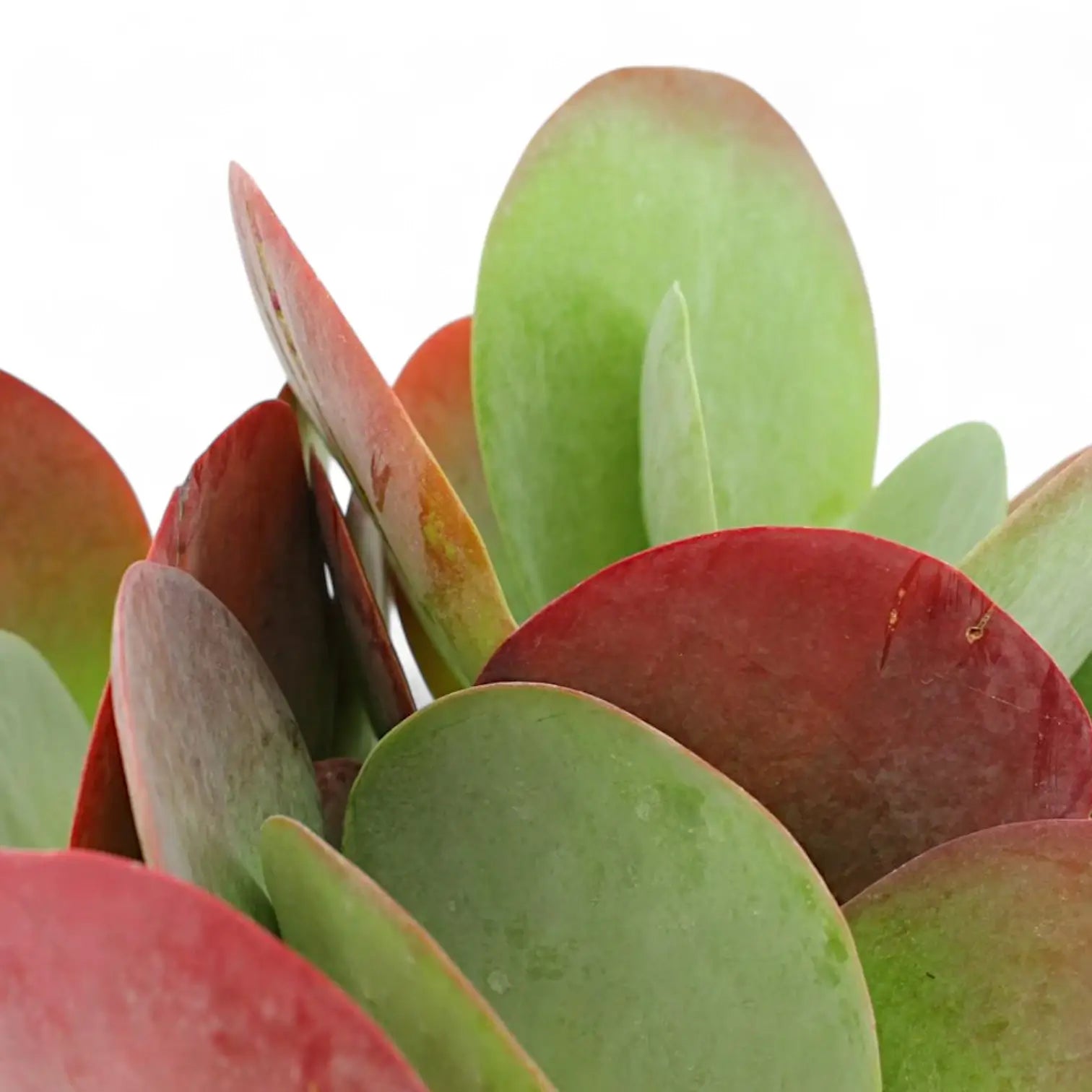
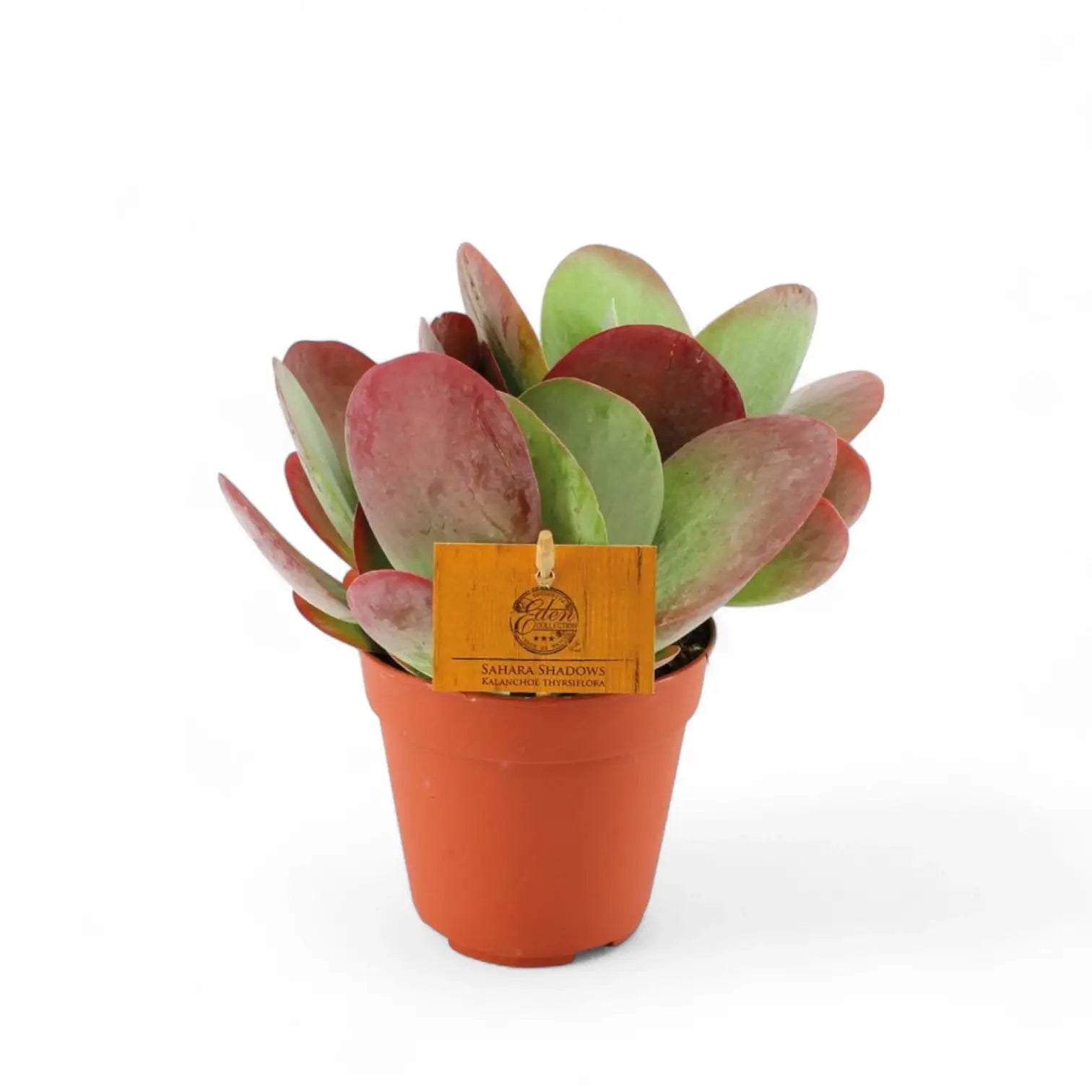
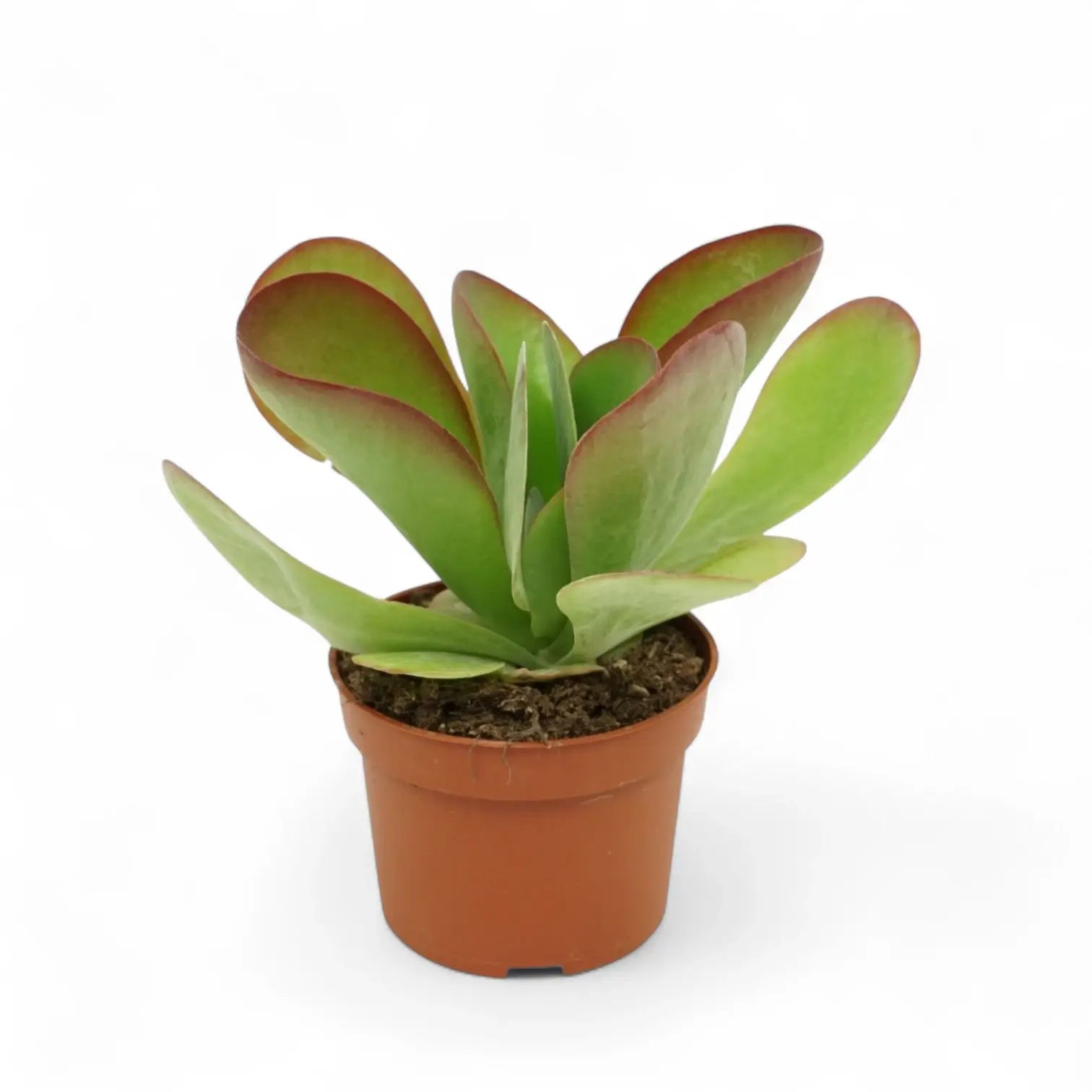
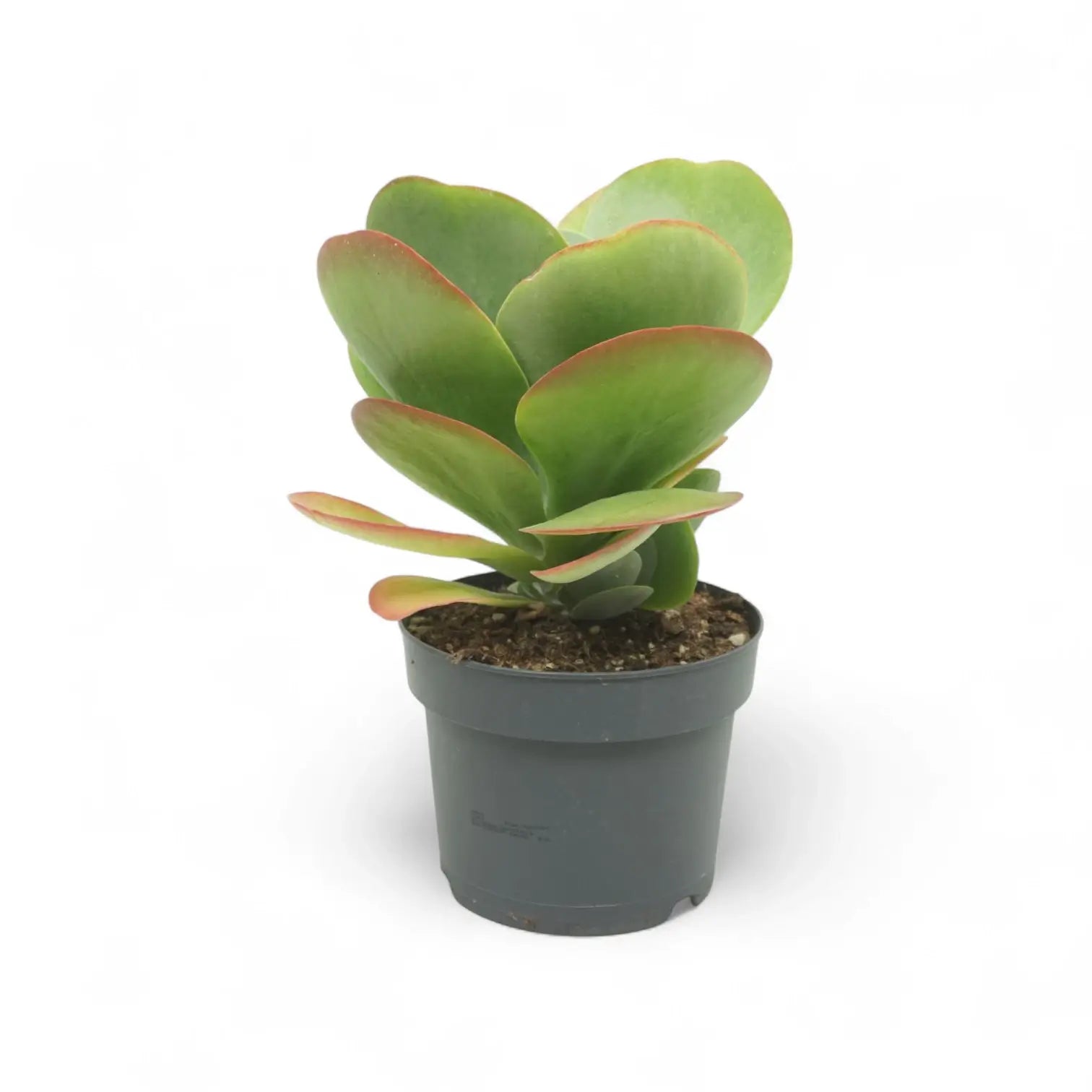
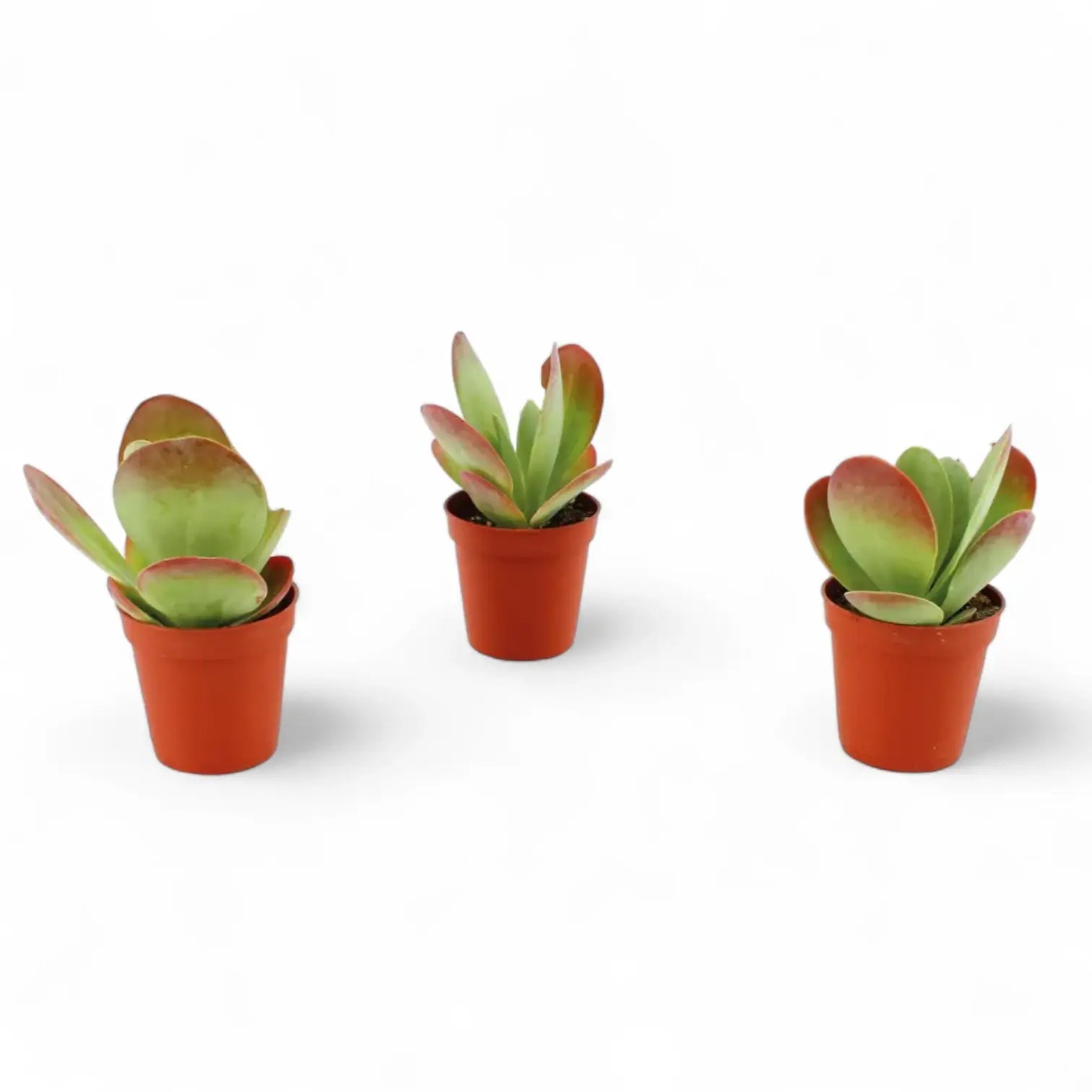
Kalanchoe thyrsiflora is a southern African succulent with thick, rounded leaves arranged in a rosette. The leaves are broad, fleshy and often coated in a pale waxy bloom that helps protect the surface in bright, dry conditions. Young plants form stacked paddles on a short stem and need dry, mineral, well-drained cultivation.
This species stores water in its leaves, reacts badly to heavy wet soil and performs best when the pot dries properly between waterings. Mature plants can produce a tall flower stem, and Kalanchoe thyrsiflora is monocarpic, meaning the flowering rosette can die after bloom while offsets continue the plant.
Kalanchoe thyrsiflora Harv. is accepted as a species native to southern Africa, especially South Africa, Eswatini and Lesotho. The name thyrsiflora refers to the thyrse-like flower arrangement, and the species is described as a succulent with thick, rounded leaves and yellowish flowers. In habitat, it is associated with grassland and bushveld, often in rocky situations on exposed slopes or hilltops.
The pale coating on the leaves is part of the plant’s surface protection. Fingerprints, oils and repeated wiping can mark it permanently, so handle the plant by the pot rather than the leaves. Strong light can bring subtle warmth to the edges, but colour should not be forced with cold stress or extreme water restriction.
Kalanchoe thyrsiflora is often confused in trade with other paddle-type Kalanchoe species, especially when plants are young or not in flower. The care remains strongly succulent-focused: bright light, gritty drainage, full drying between waterings and warm frost-free conditions.
Kalanchoe species are toxic to cats and dogs if ingested. ASPCA lists Kalanchoe spp. as containing bufadienolides, with possible signs including vomiting, diarrhoea and, rarely, abnormal heart rhythm. Keep Kalanchoe thyrsiflora away from pets and children that may chew leaves or flowers.
Kalanchoe thyrsiflora was published by William Henry Harvey in Flora Capensis in 1862. The genus name Kalanchoe was used by Michel Adanson and is usually traced to a Chinese name for one of the species. The epithet thyrsiflora combines thyrsus, a thyrse-type inflorescence, with flora, meaning flower.
Kalanchoe thyrsiflora forms a firm paddle-leaf succulent rosette with a pale waxy surface, dry-rooted care and offsets that continue growth after mature flowering.
Plant names, growth habits, natural habitats and indoor care guidance are checked against trusted botanical, habitat and horticultural references before publication.View our plant care resources and references.
Sign up for Foliage Factory newsletter for early access to new arrivals and practical care tips that work in real homes.