Light
Bright indirect • approx. 10,000–20,000 lux

VAT included · plus
Your new plant has just travelled a long way and needs a calm start in its new home. For step-by-step unboxing and first-week care, check our after-delivery care guide. For deeper tips on how your plant settles in over the next weeks, read our houseplant acclimatization guide.
Secure shipping, carefully packed orders with safe delivery across the EU, UK and Switzerland.
28-day plant guarantee, if a plant arrives damaged or fails soon after delivery, we help you make it right.
Free returns, simple, cost-free returns according to our policy.
For full details, please see:
Please head to our FAQ Page or Contact us.
Quick Care Guide
Light
Bright indirect • approx. 10,000–20,000 lux
Watering
Water when ~30–50% dry
Substrate
Aerated • Moisture-buffered • Balanced organic + mineral • Medium
Temperature
Ideal: 16–24 °C • Avoid below: 10 °C
Humidity
Moist 50–60 %
Growth habit
Upright woody shrub or tree.
Support
not needed
Growth speed
Average
Max size indoors
Max. height: 300 cm • Max. spread: 200 cm
Toxicity & safety
Mildly toxic
Origin & habitat
Native to western and west-central tropical Africa
Outdoor growing
Outside from 15 °C · sheltered spot
These care values are quick reference points for indoor growing. Use them as a guide, then adjust for pot size, substrate, temperature and how quickly the substrate dries.
For more detail, read the full product description or visit our Plant Care Guides.
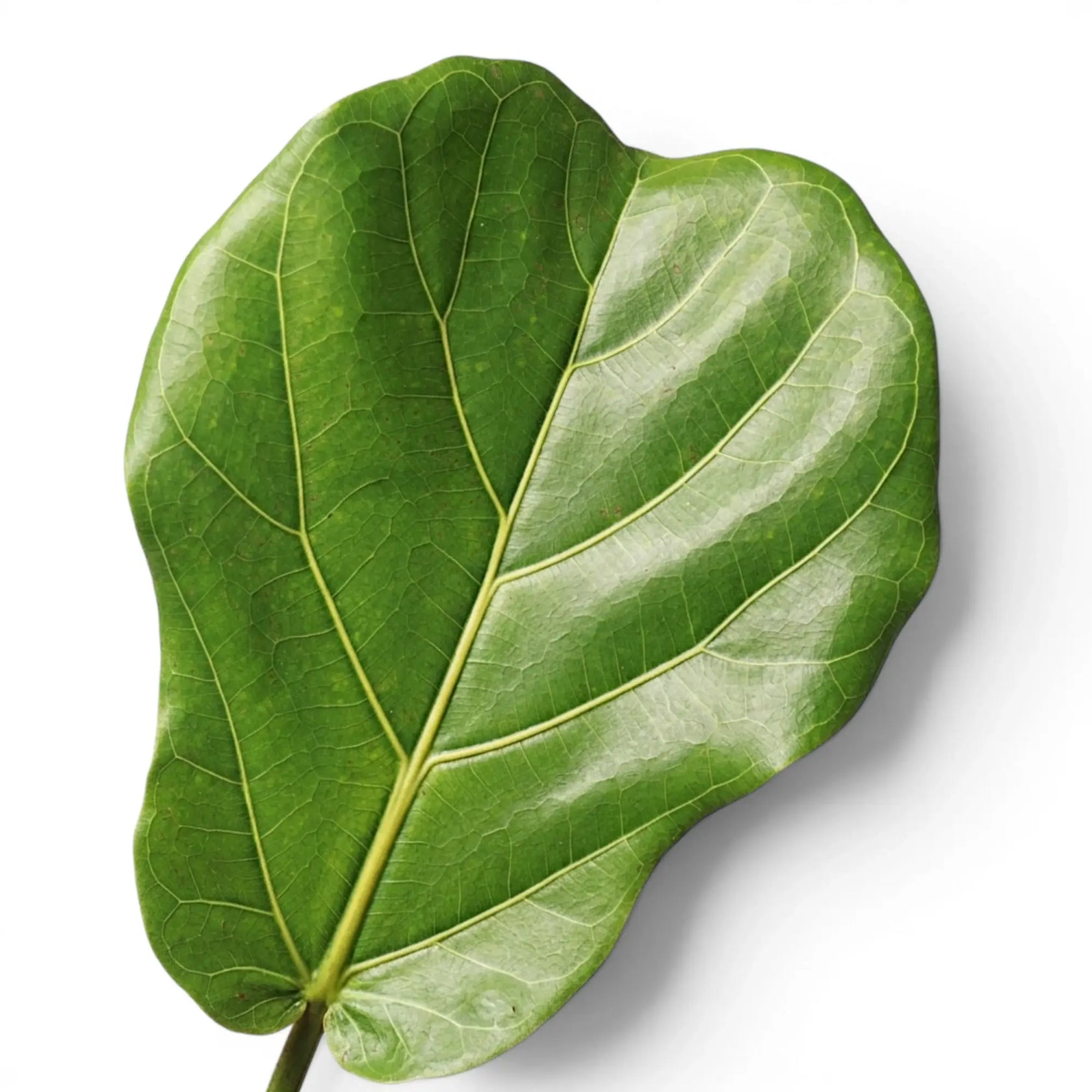
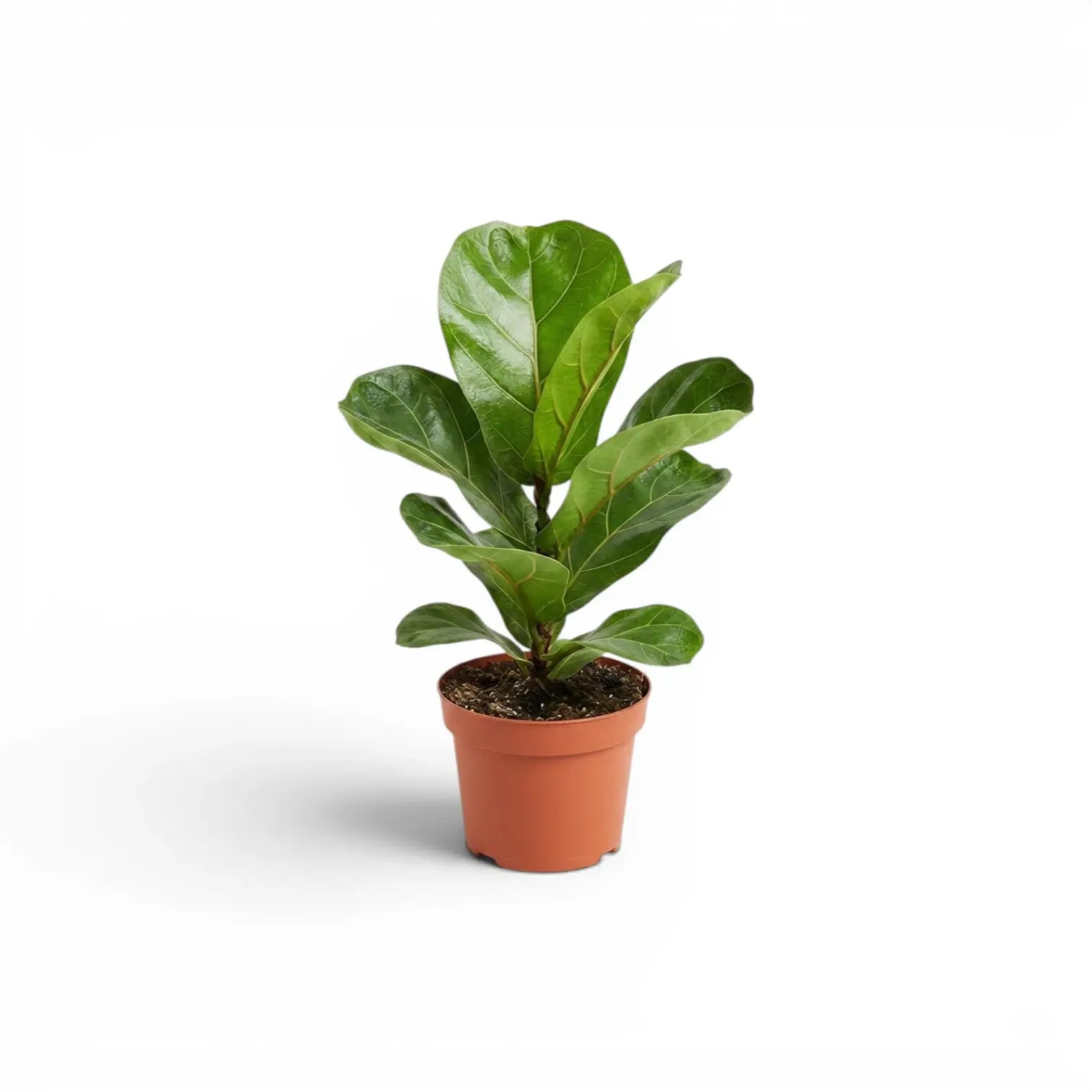
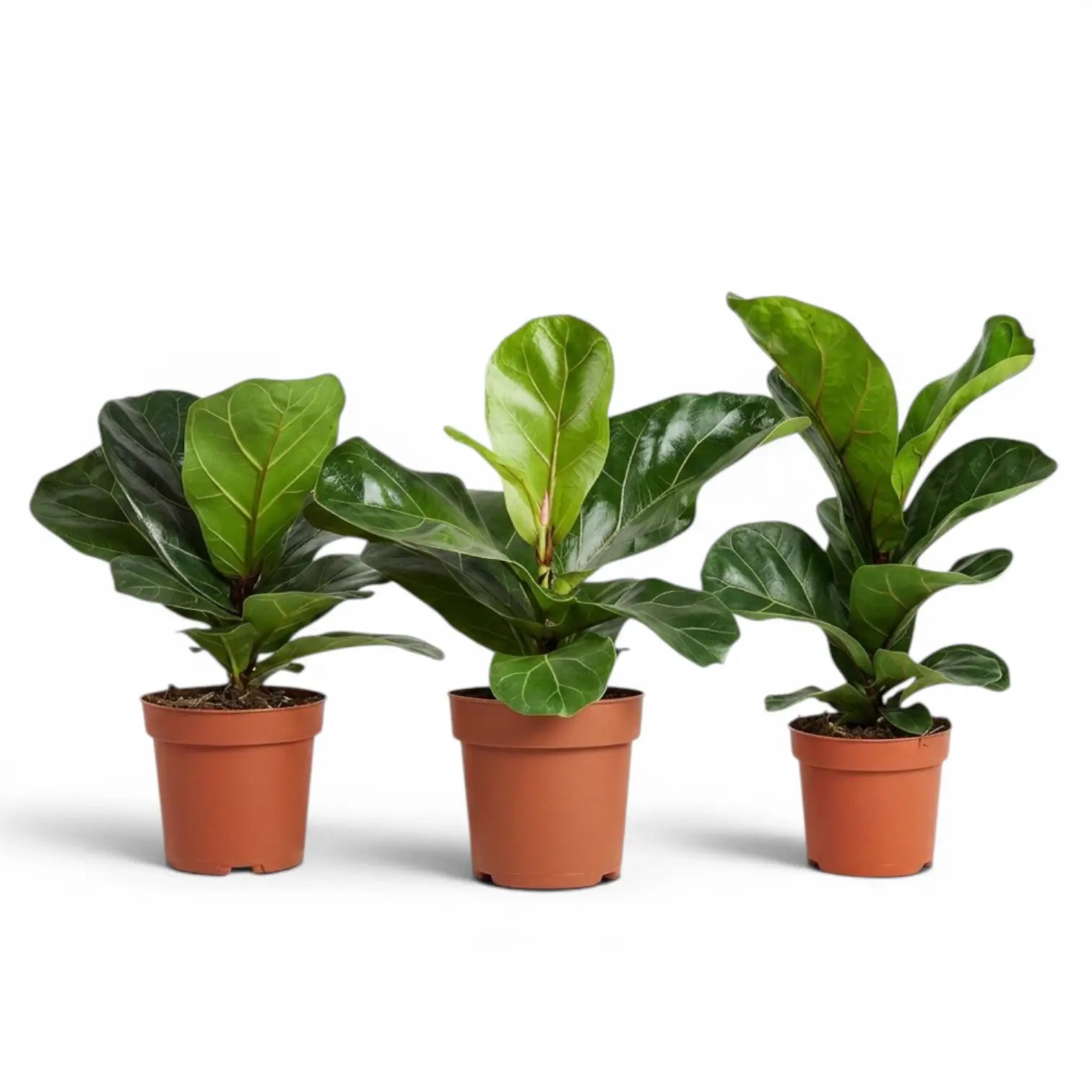
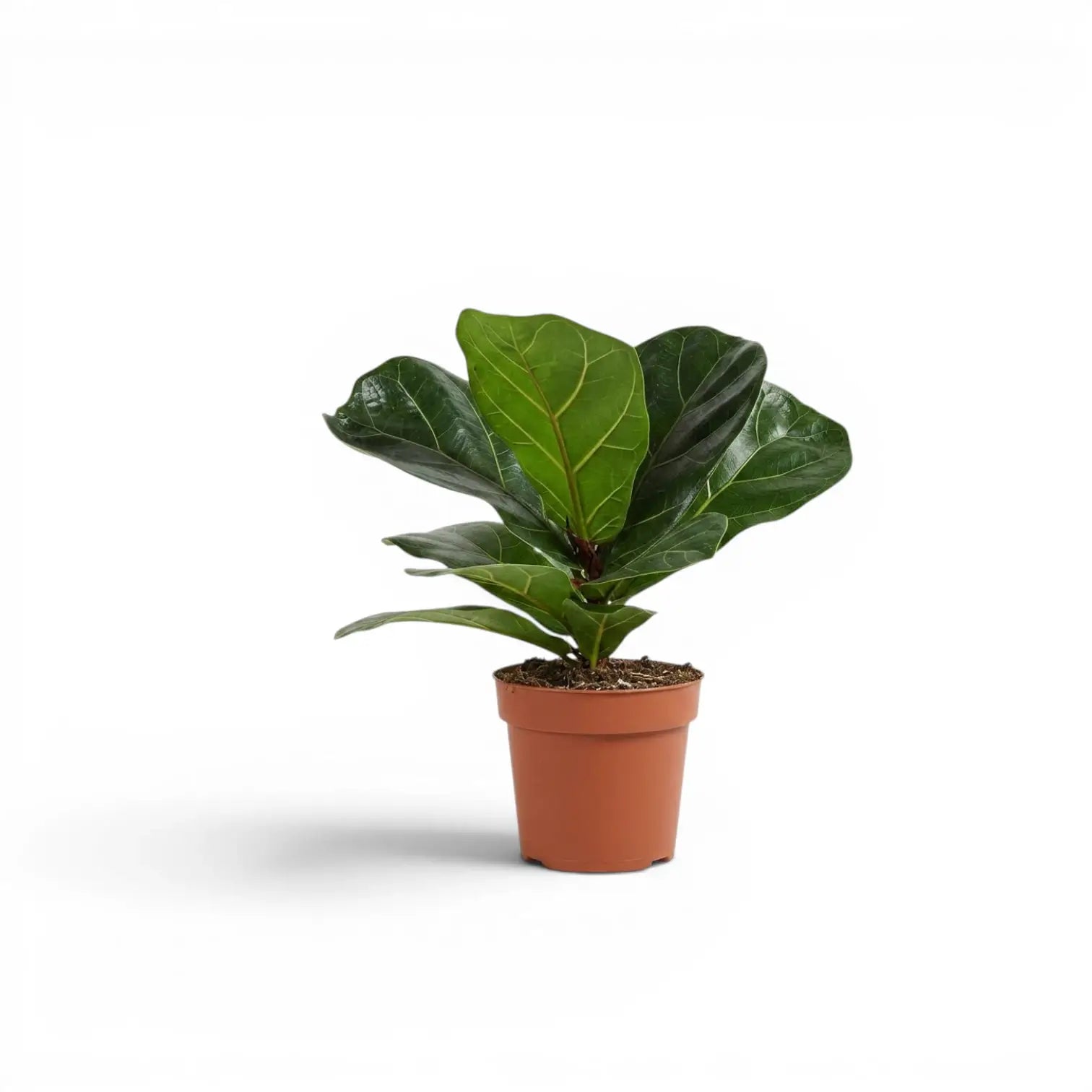
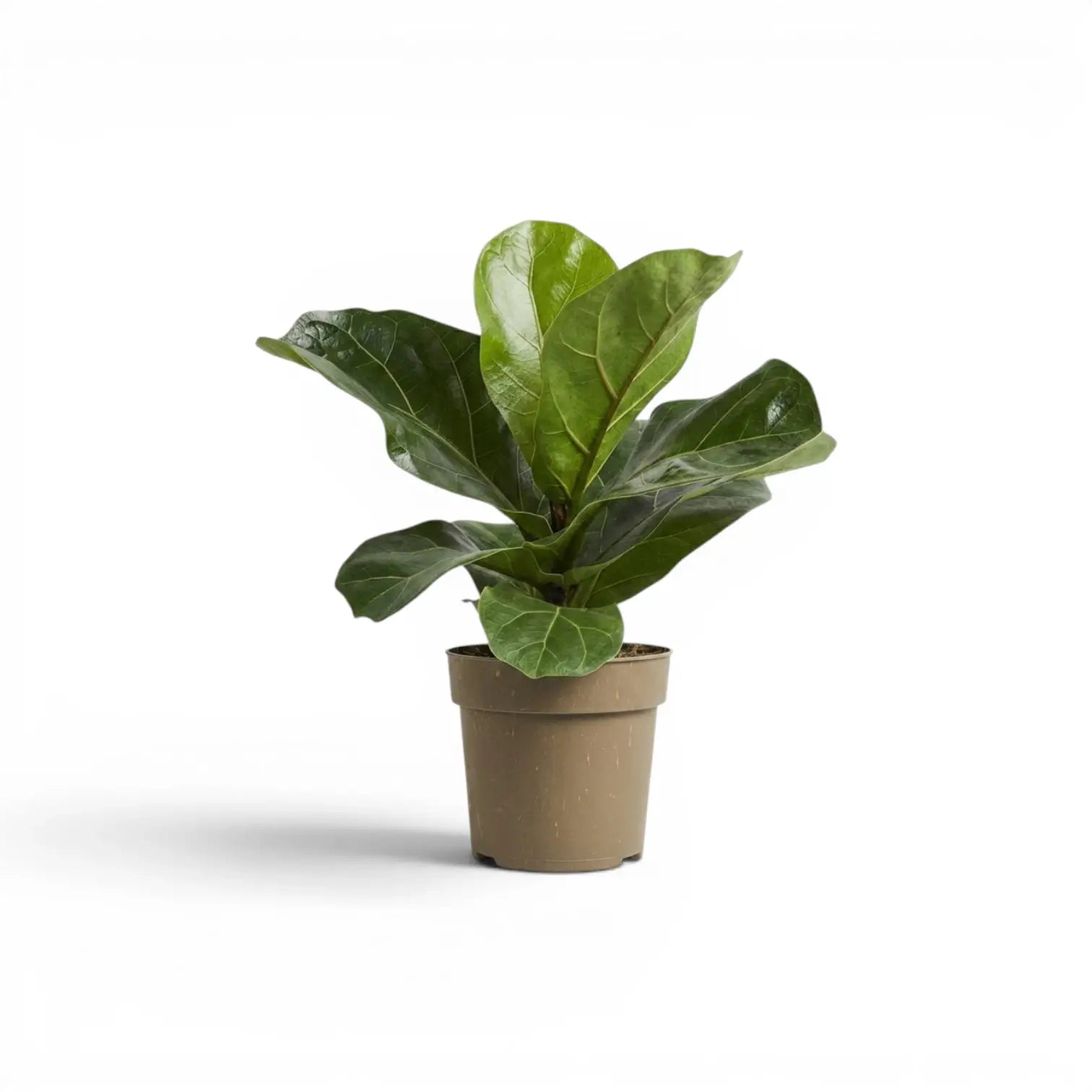
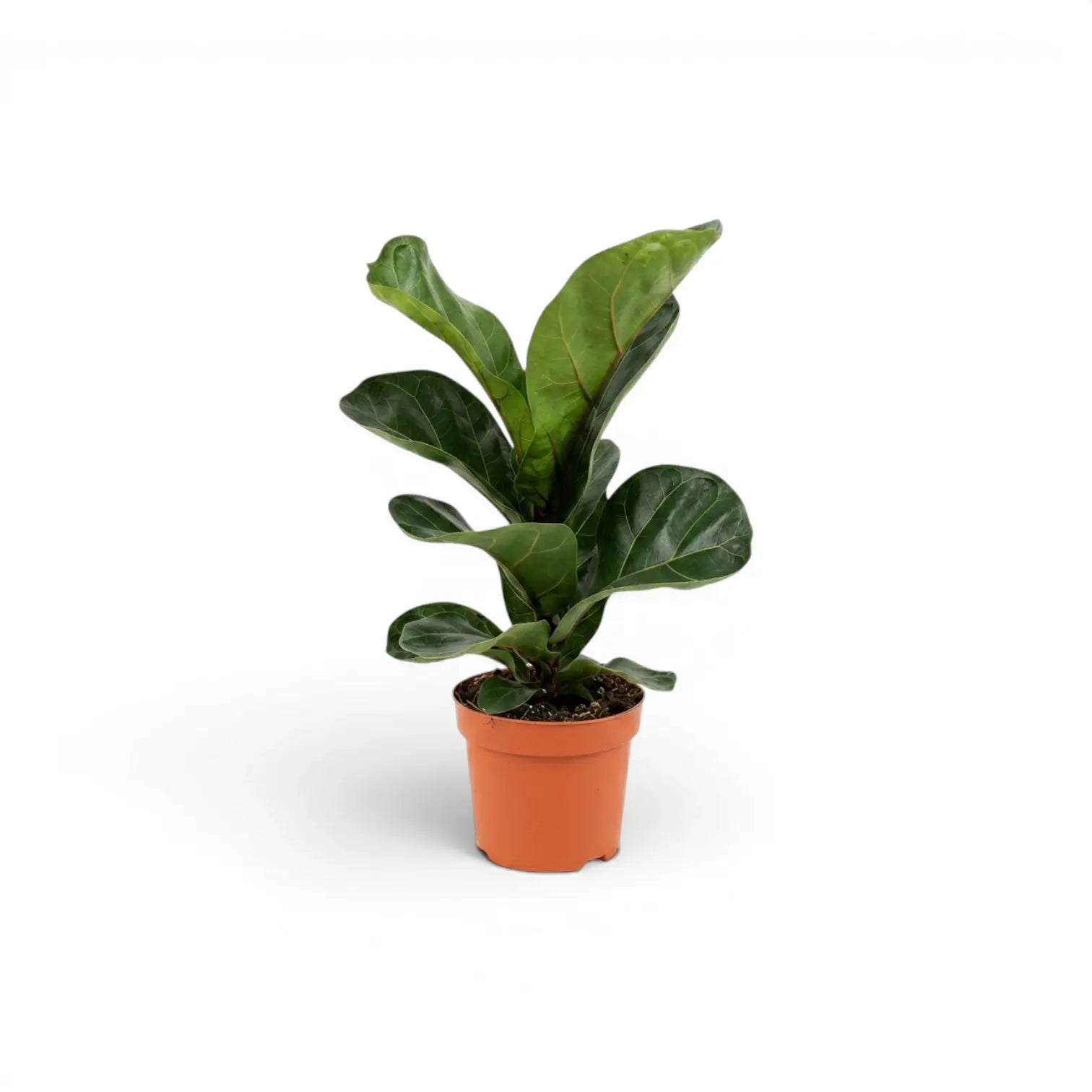
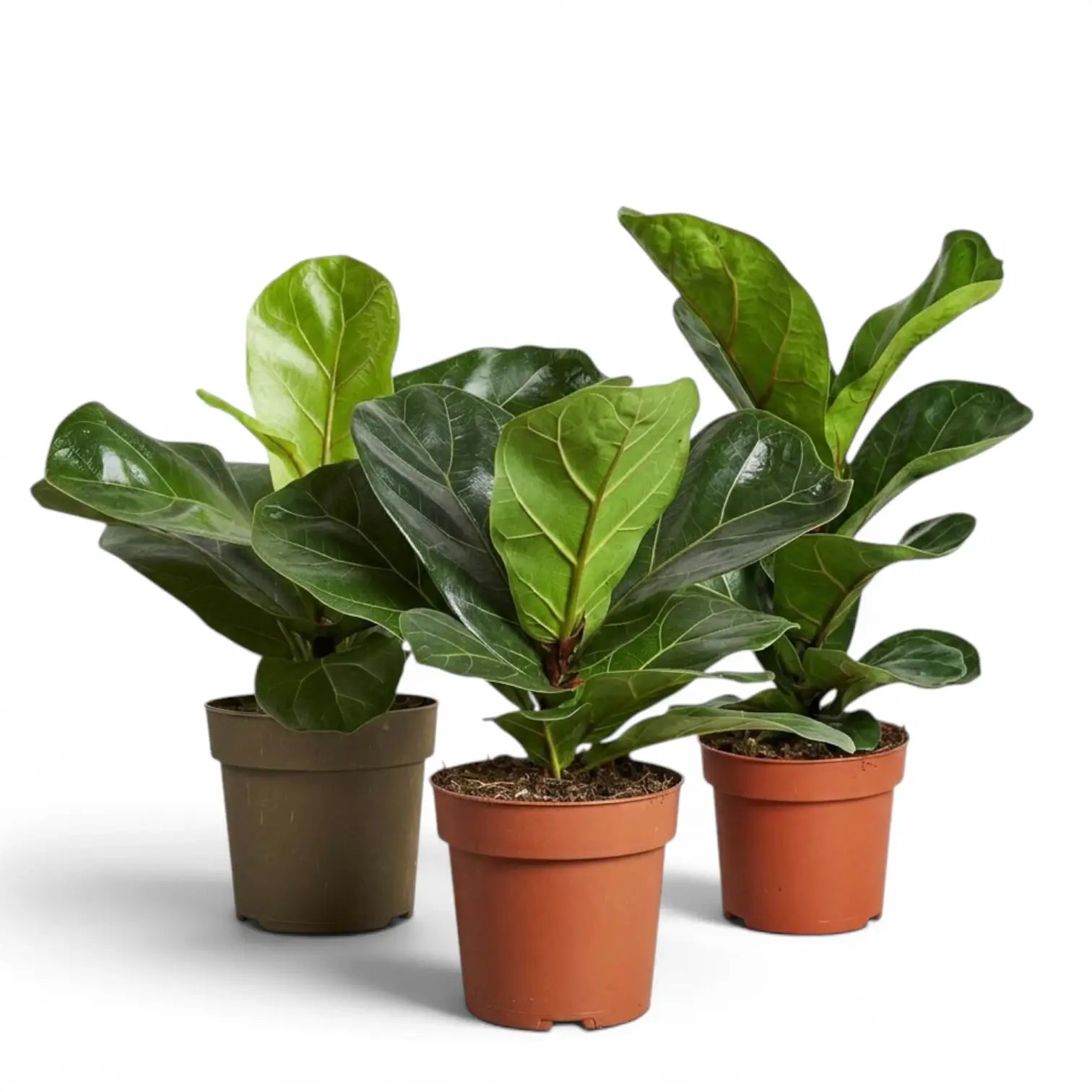
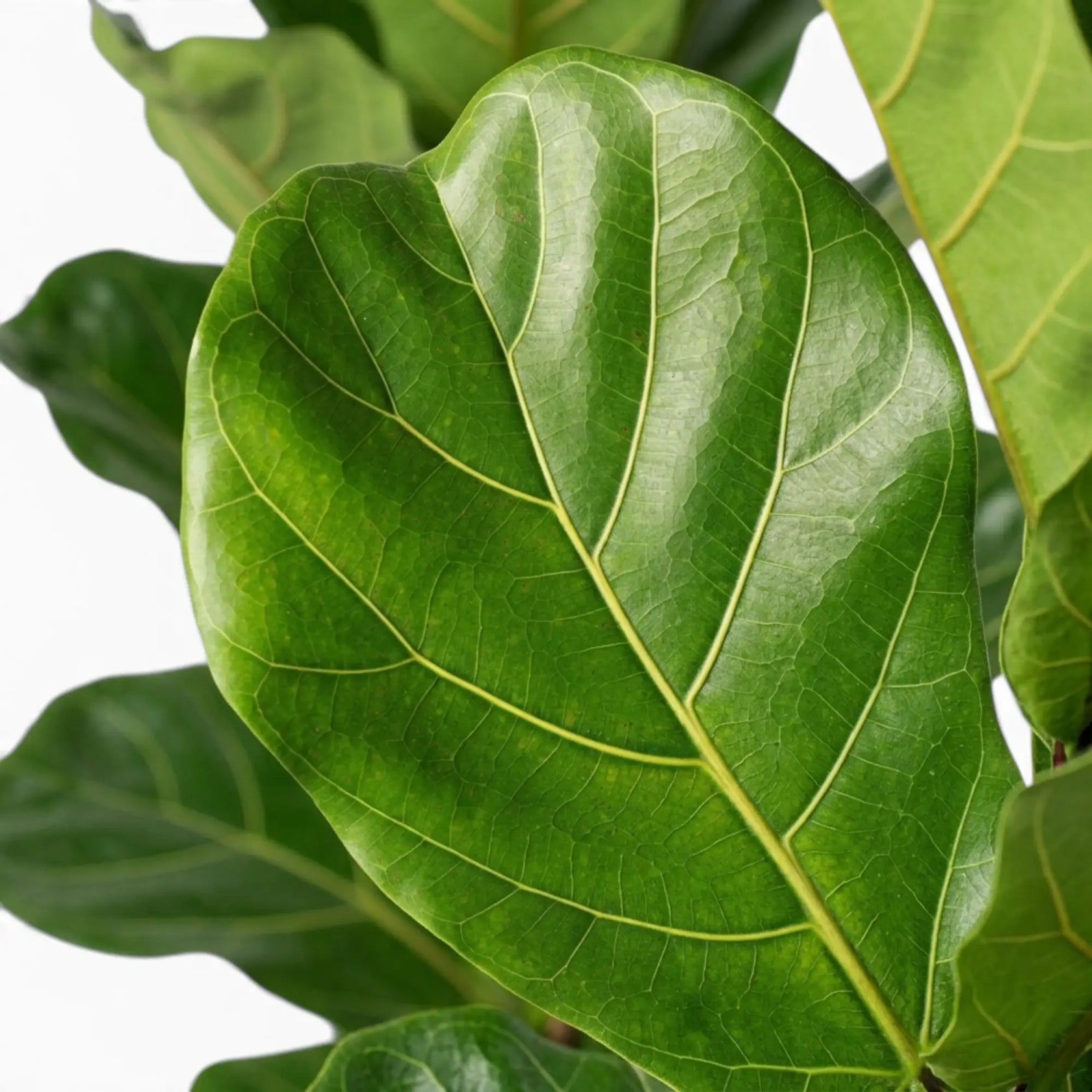
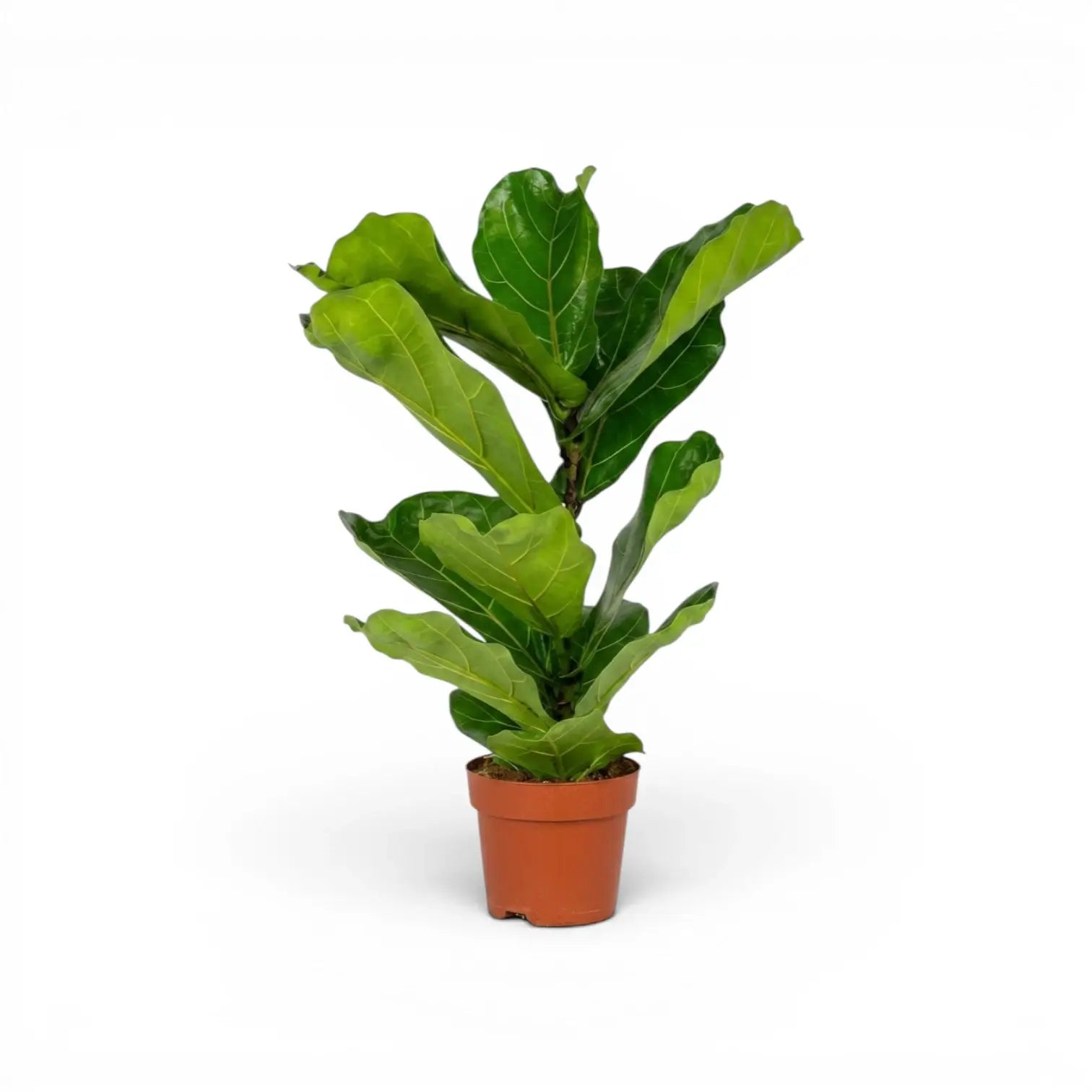
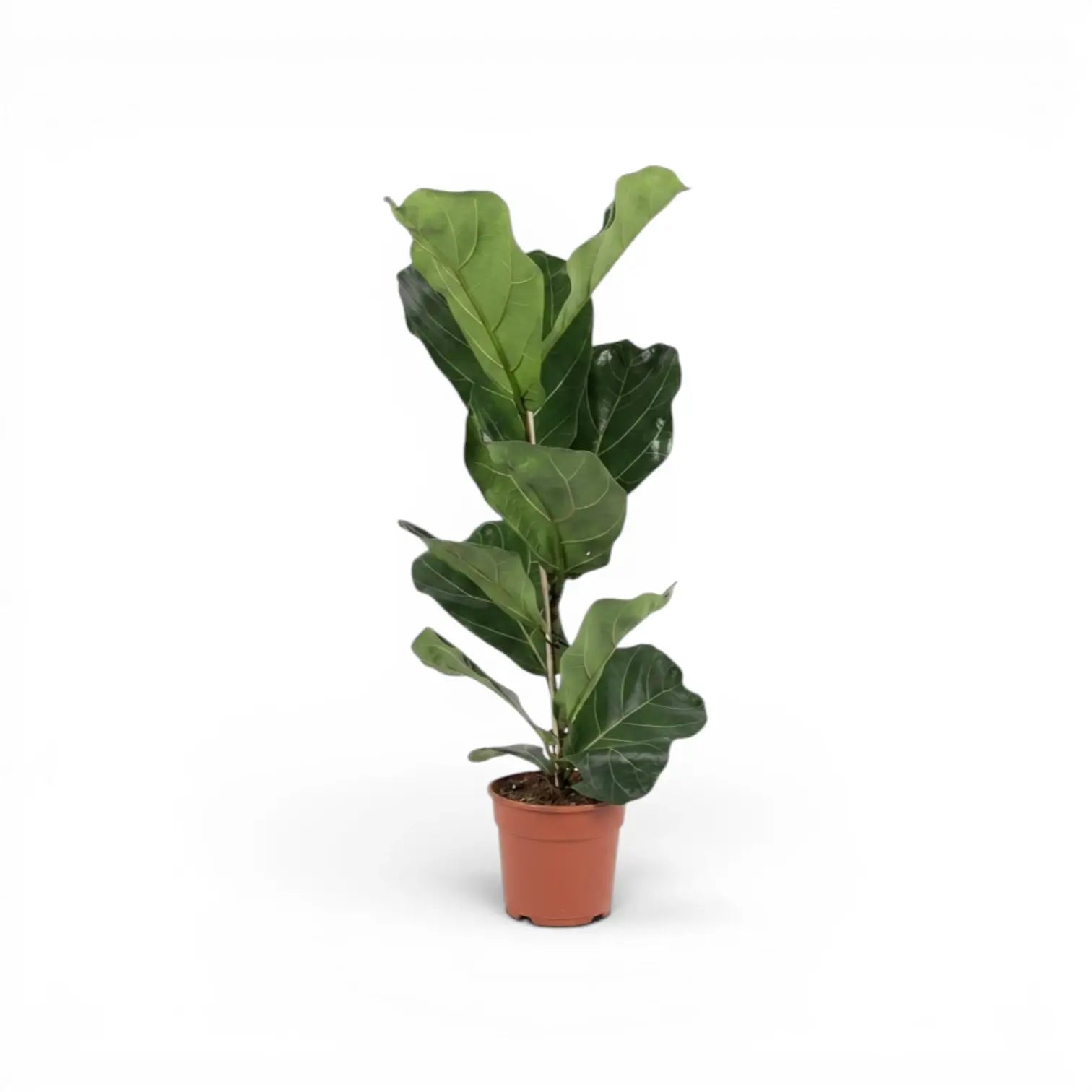
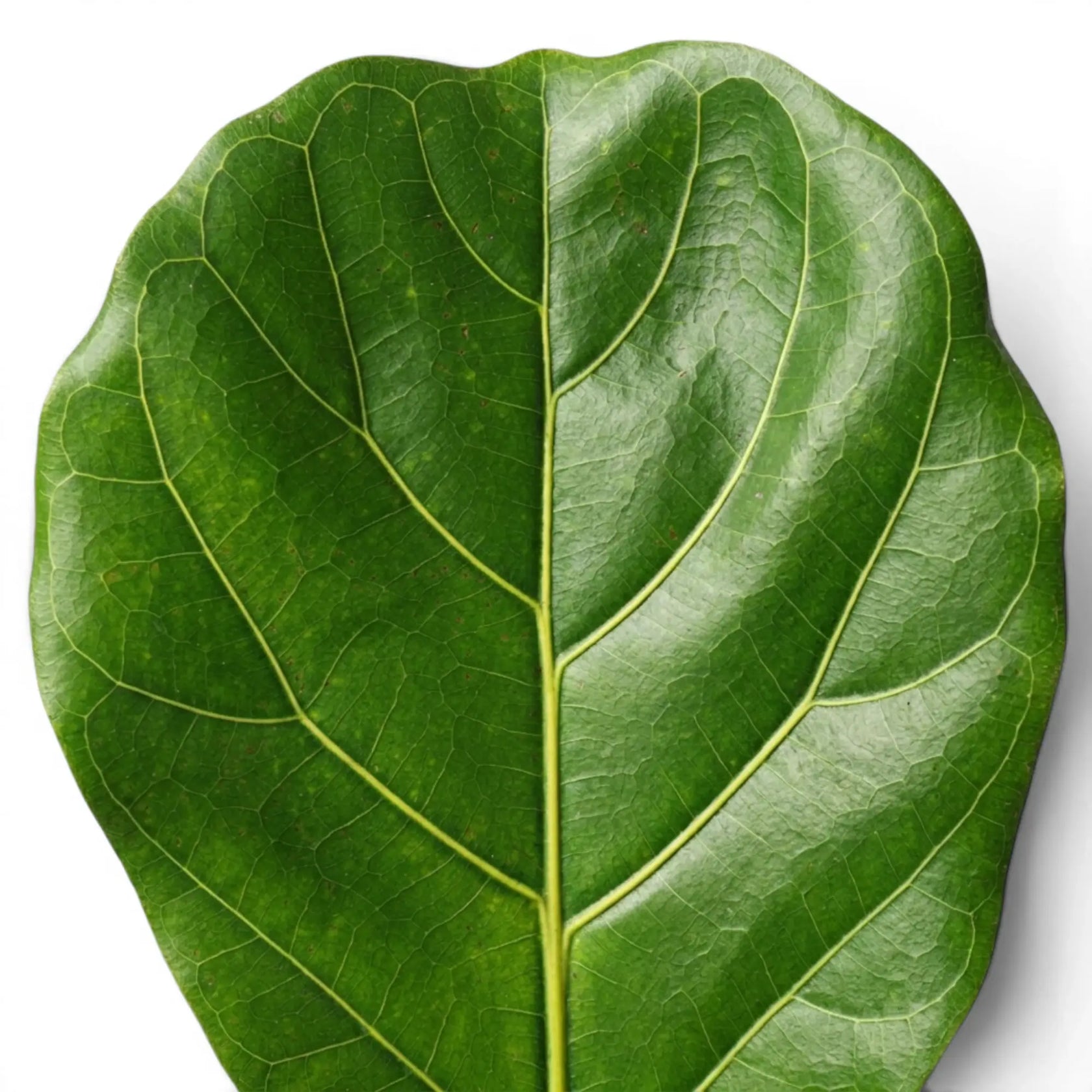
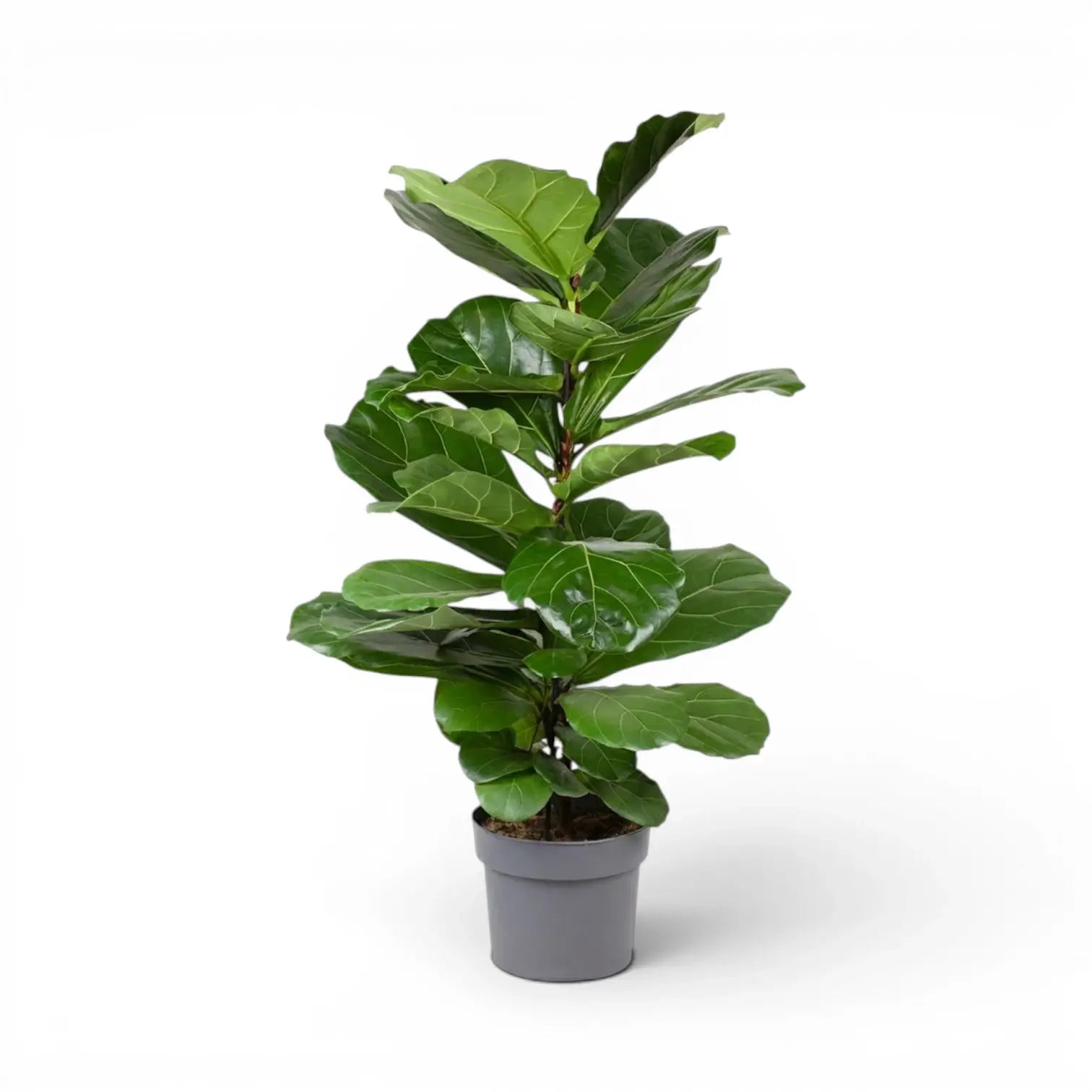
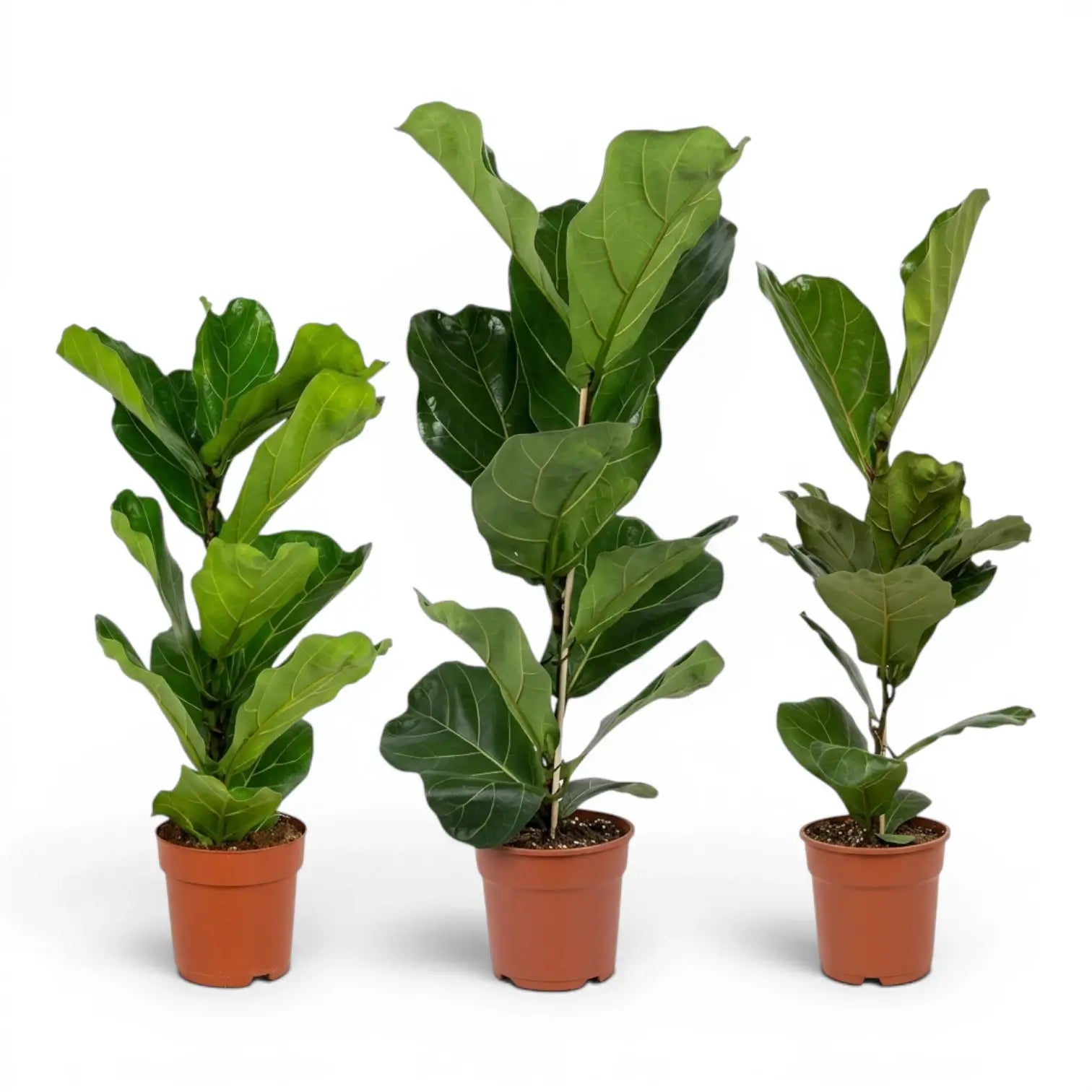
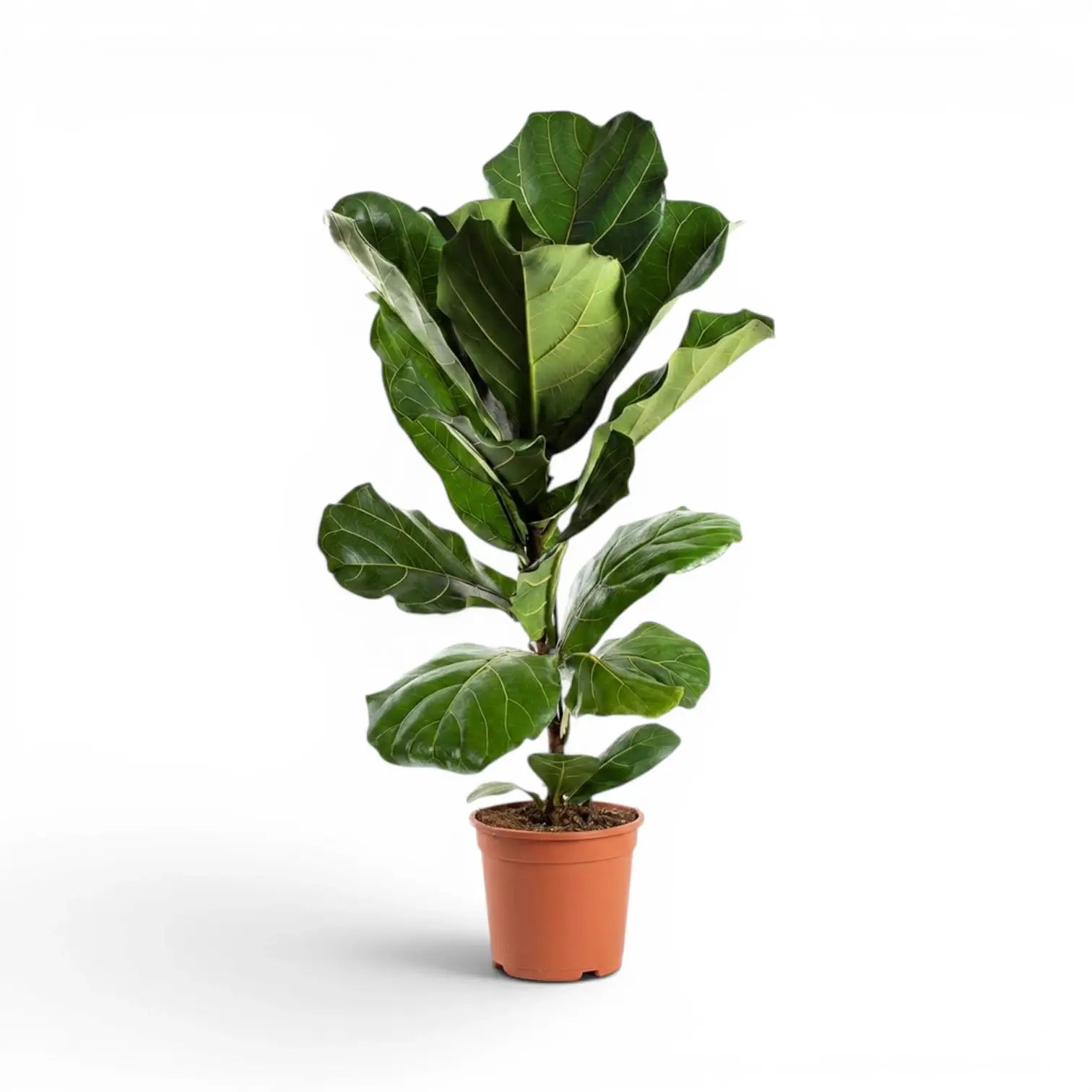
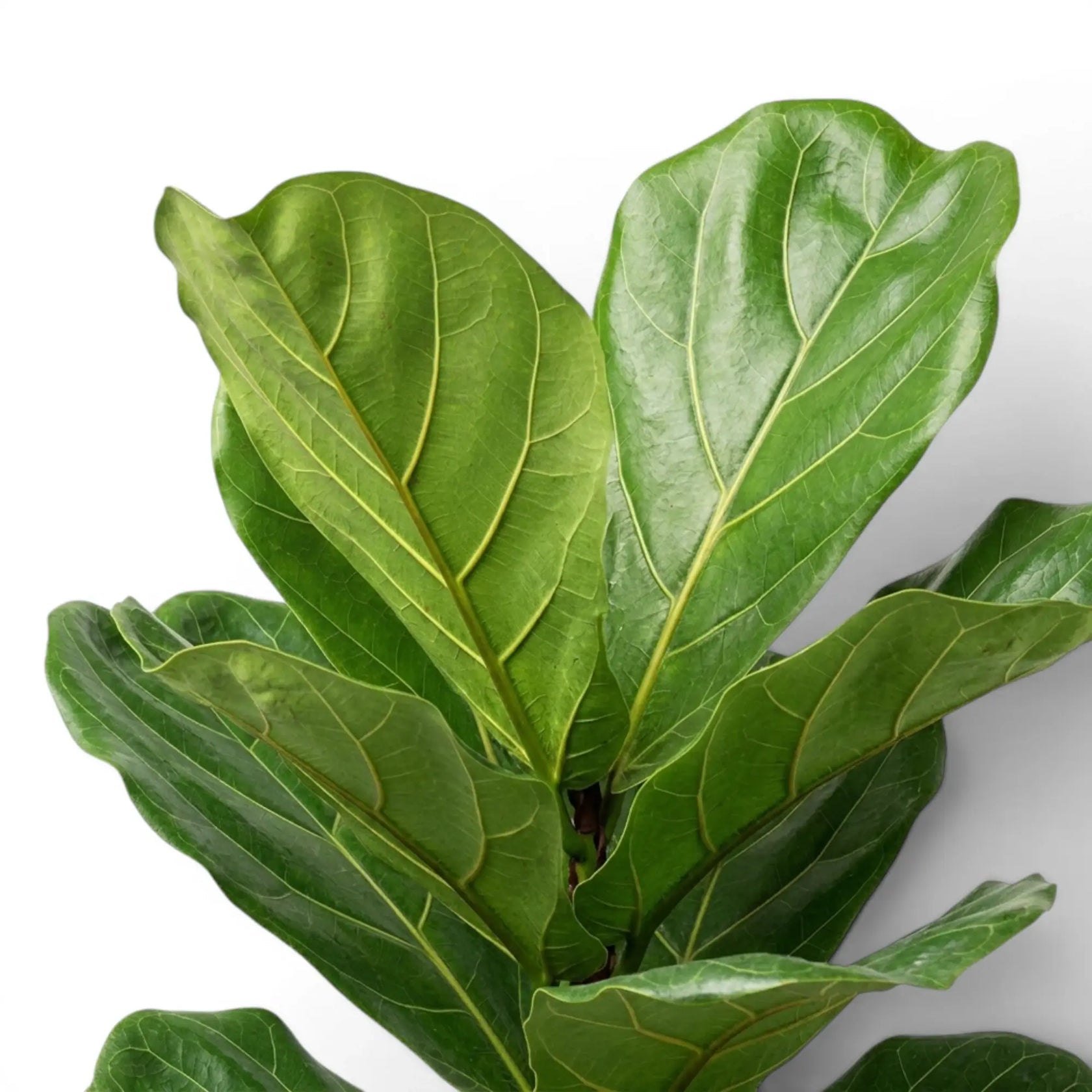
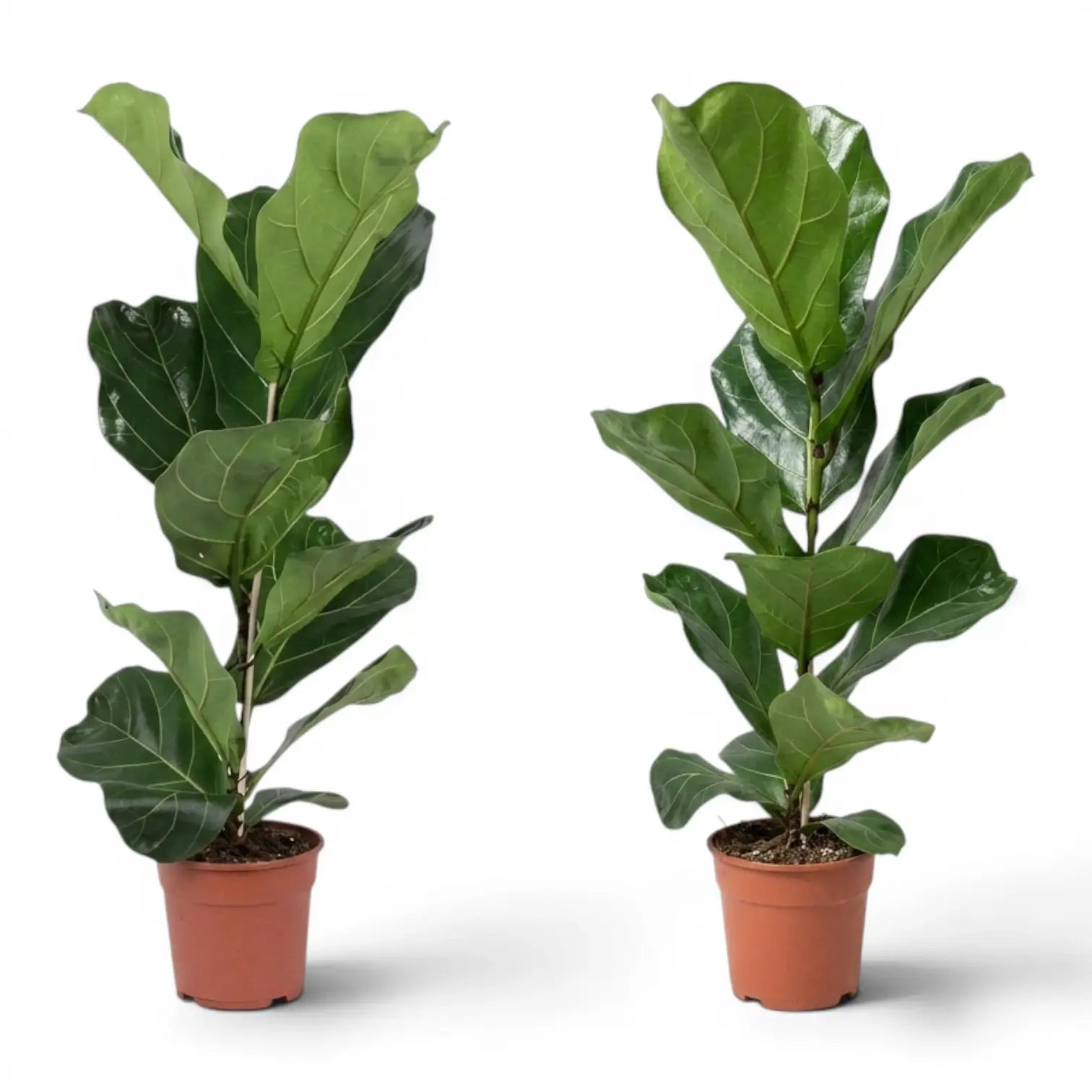
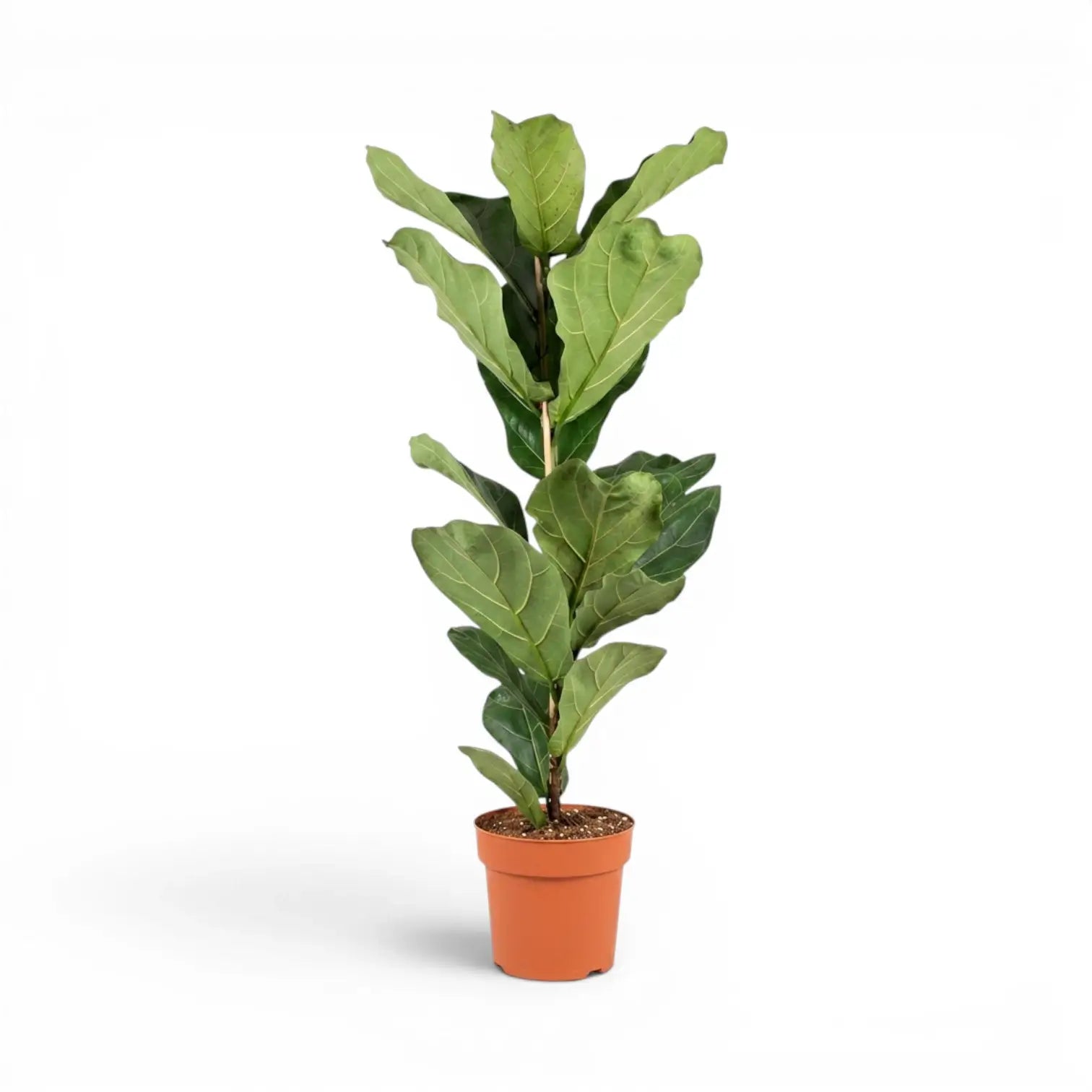
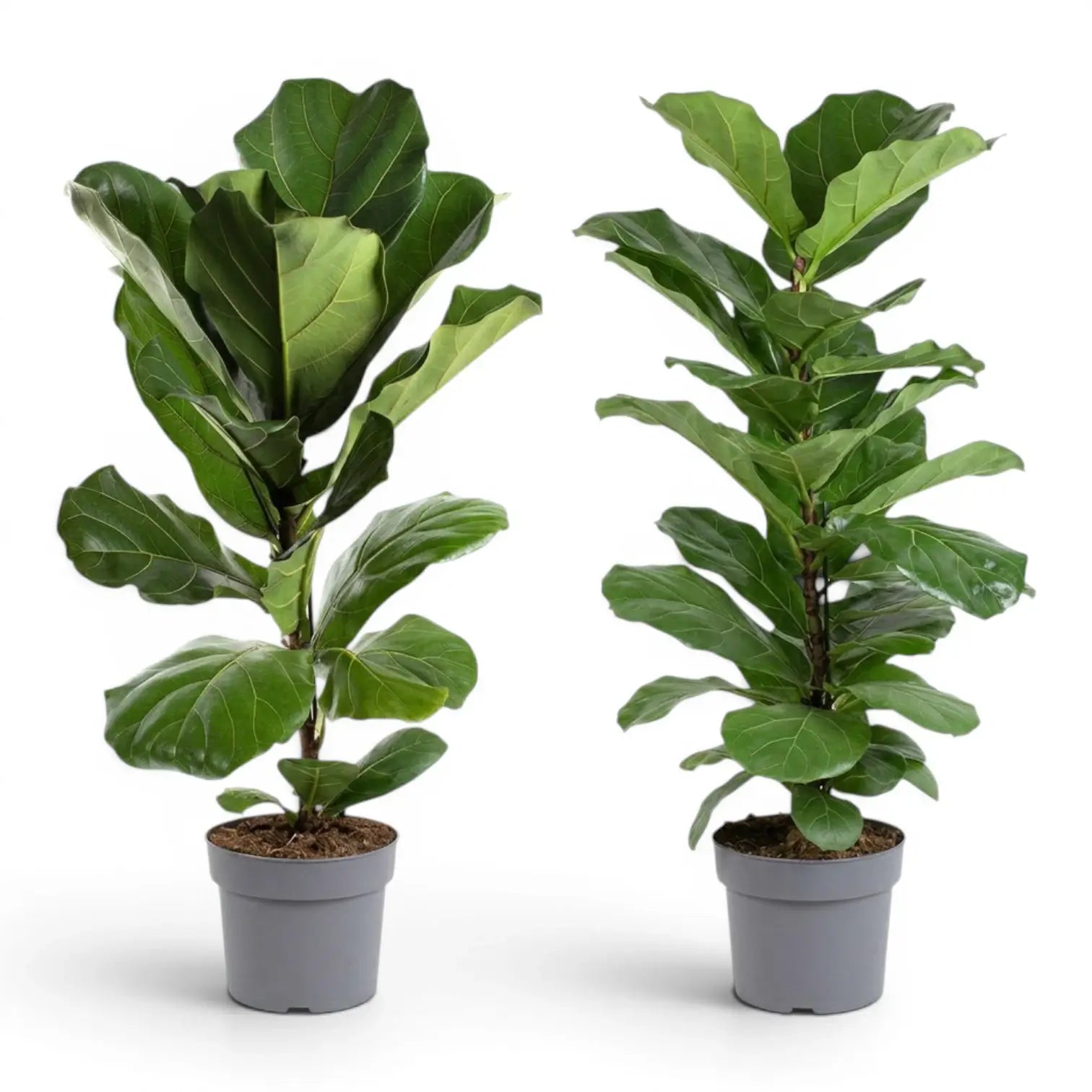
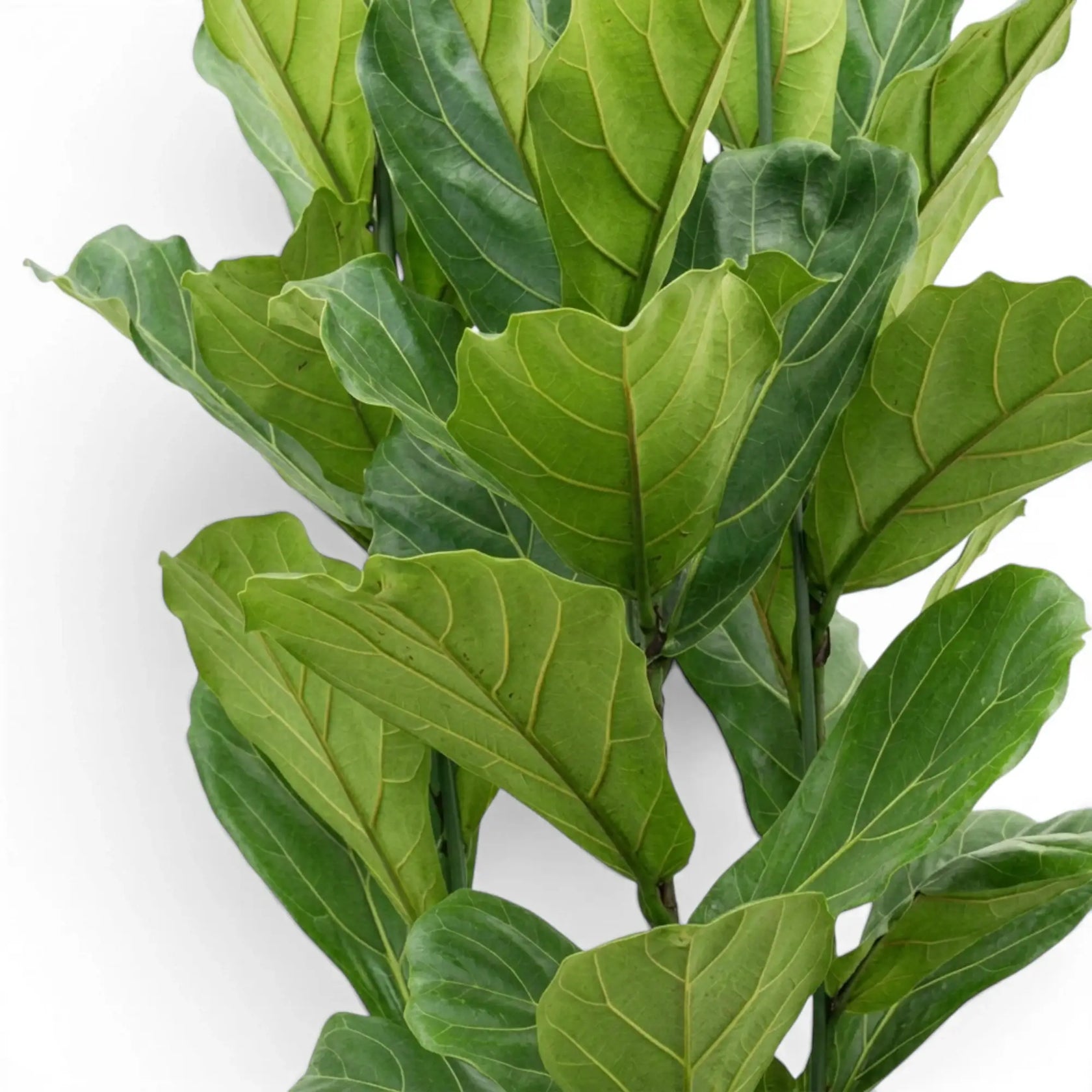
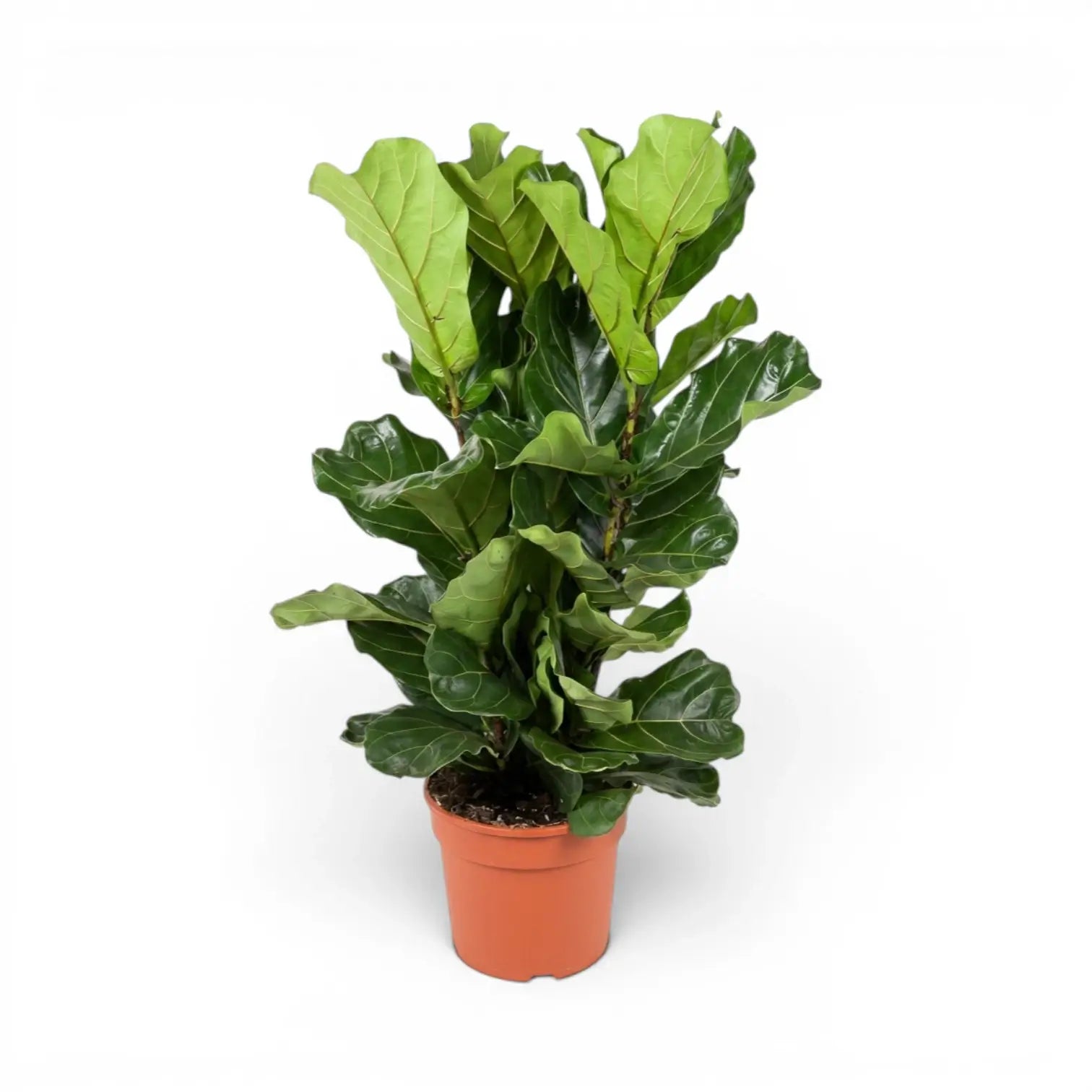
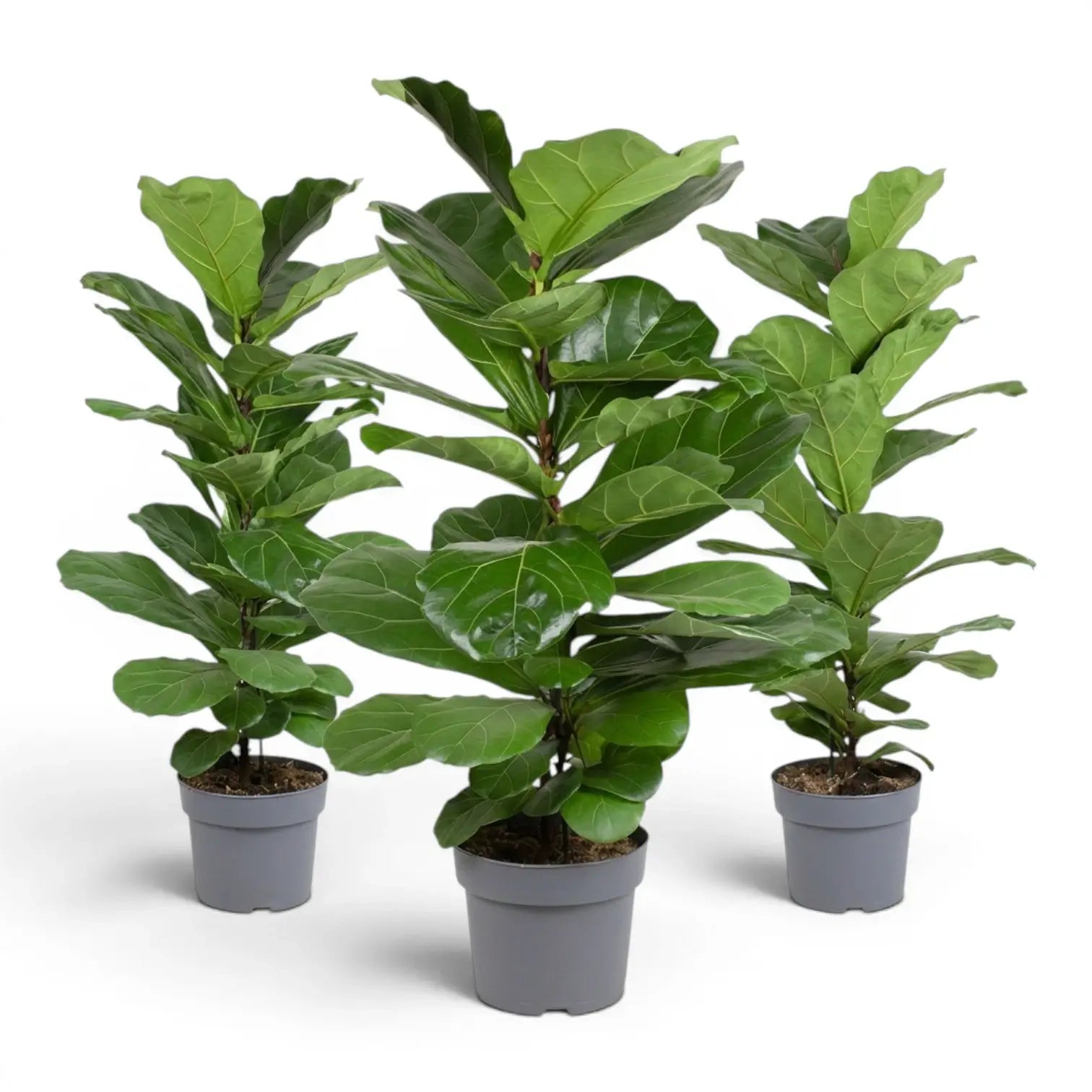
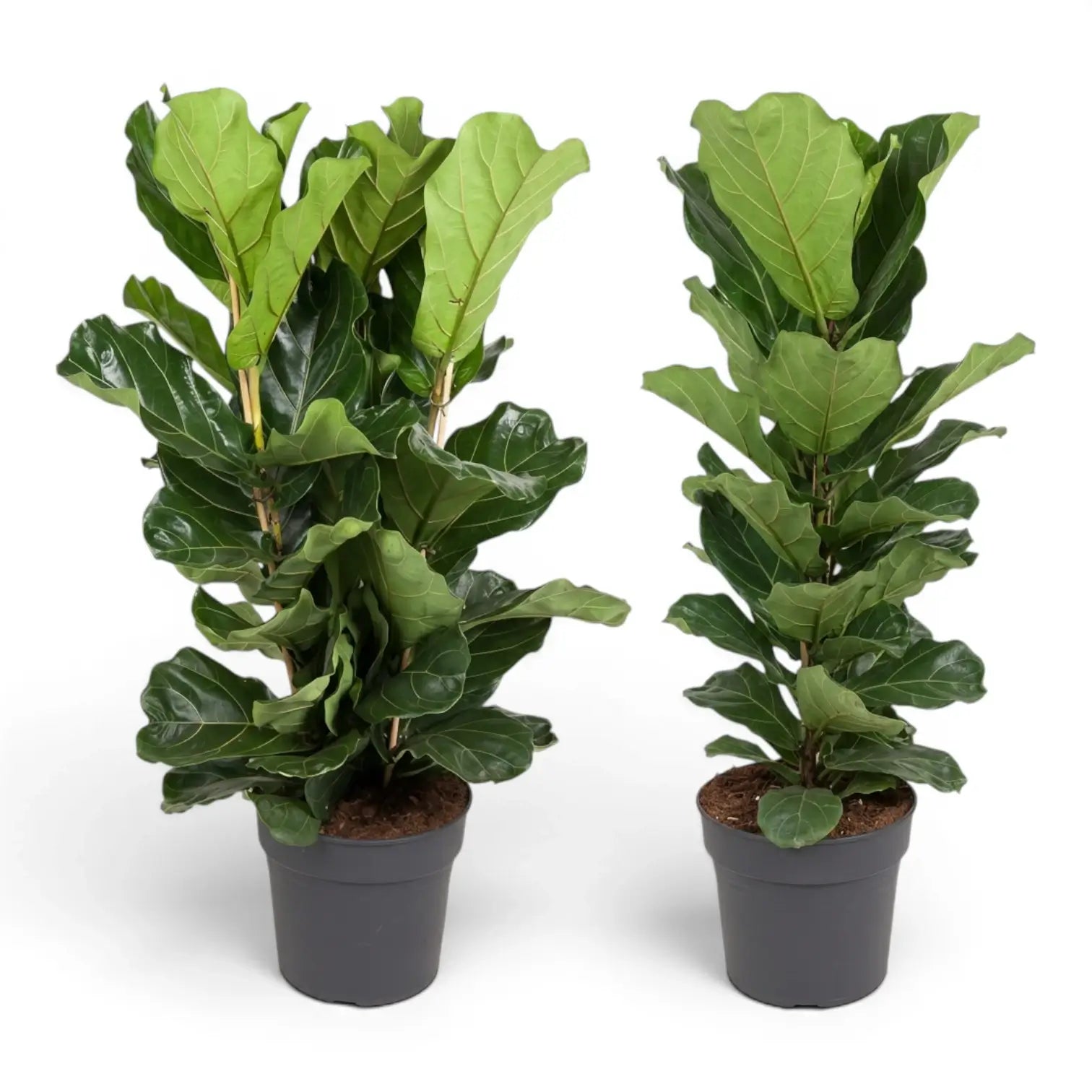
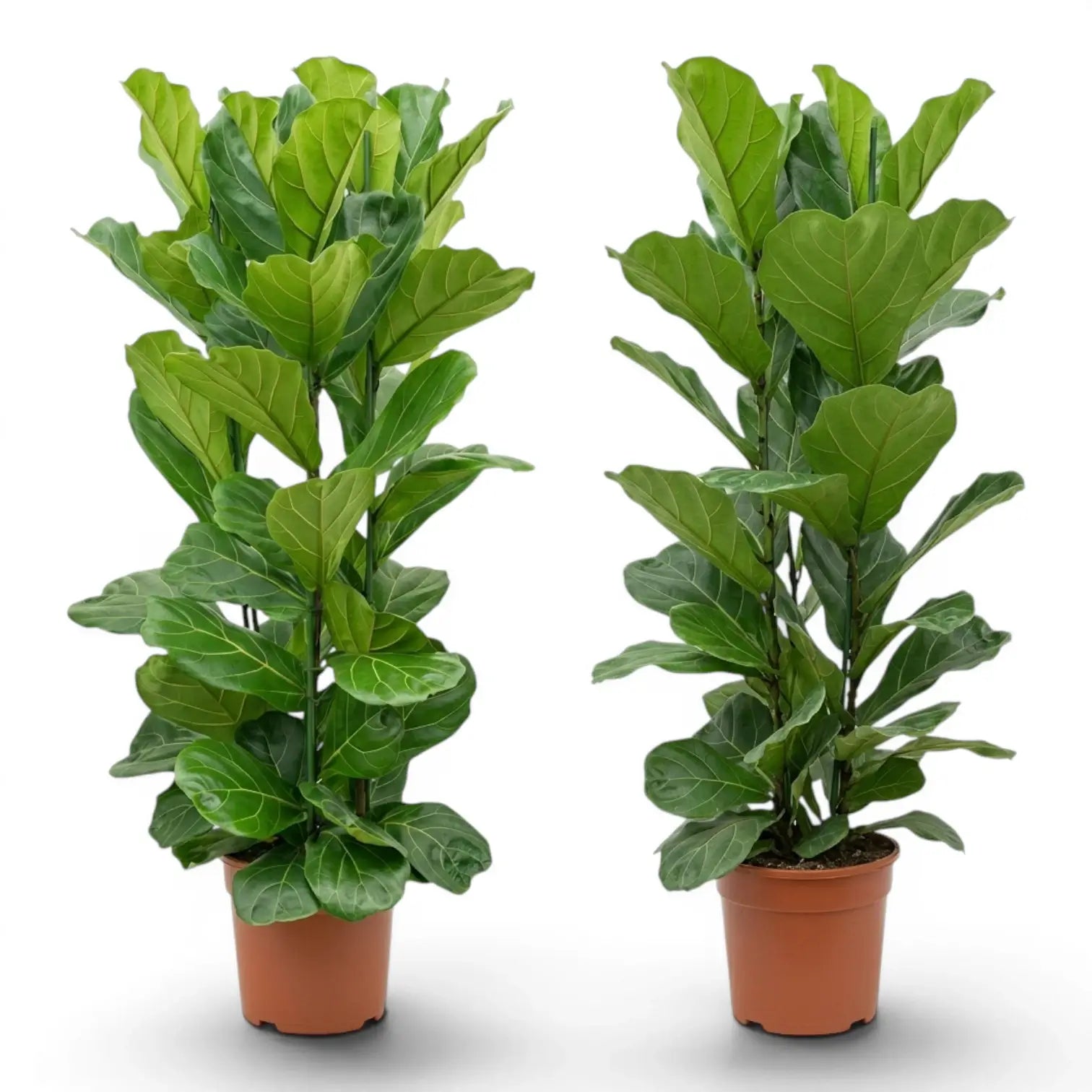
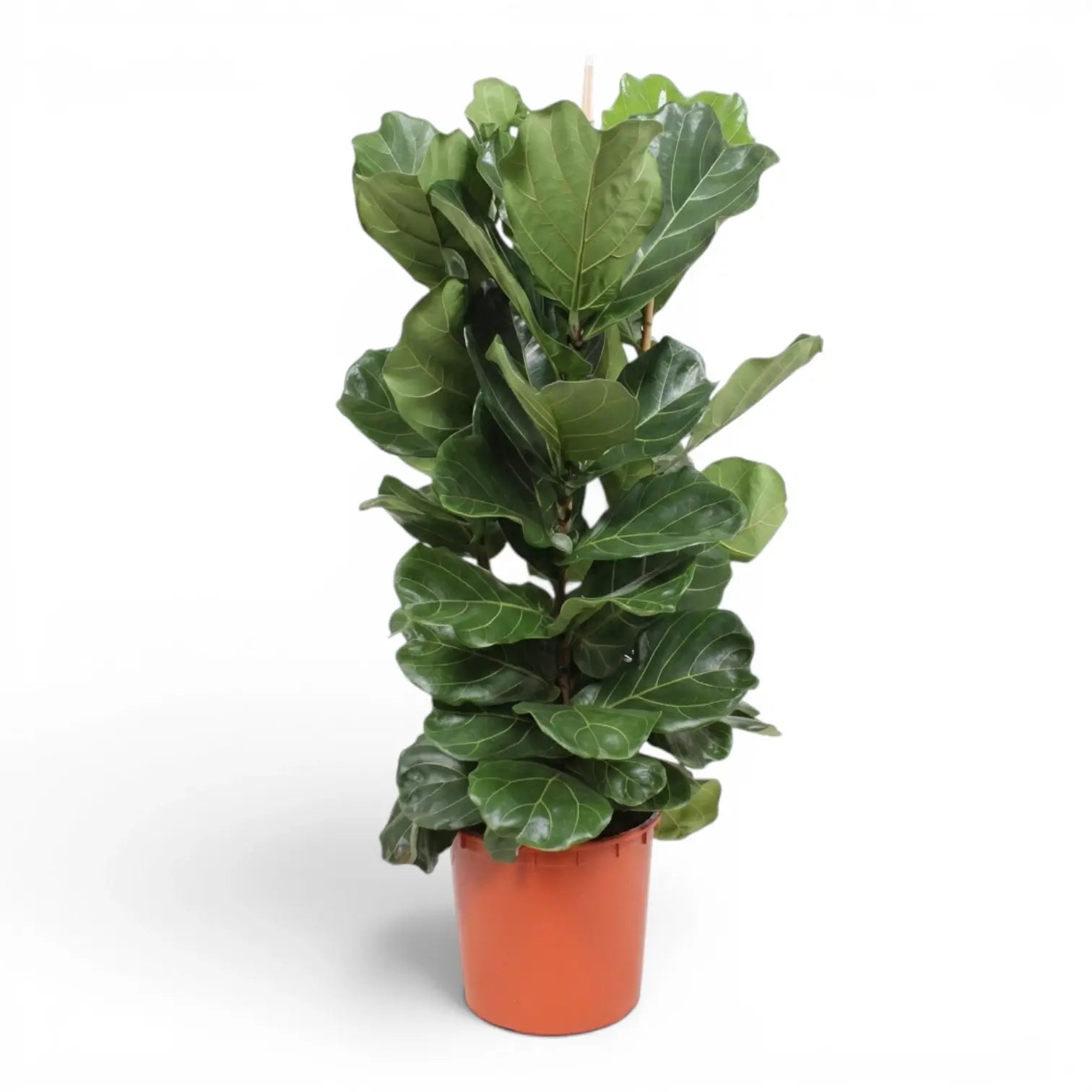
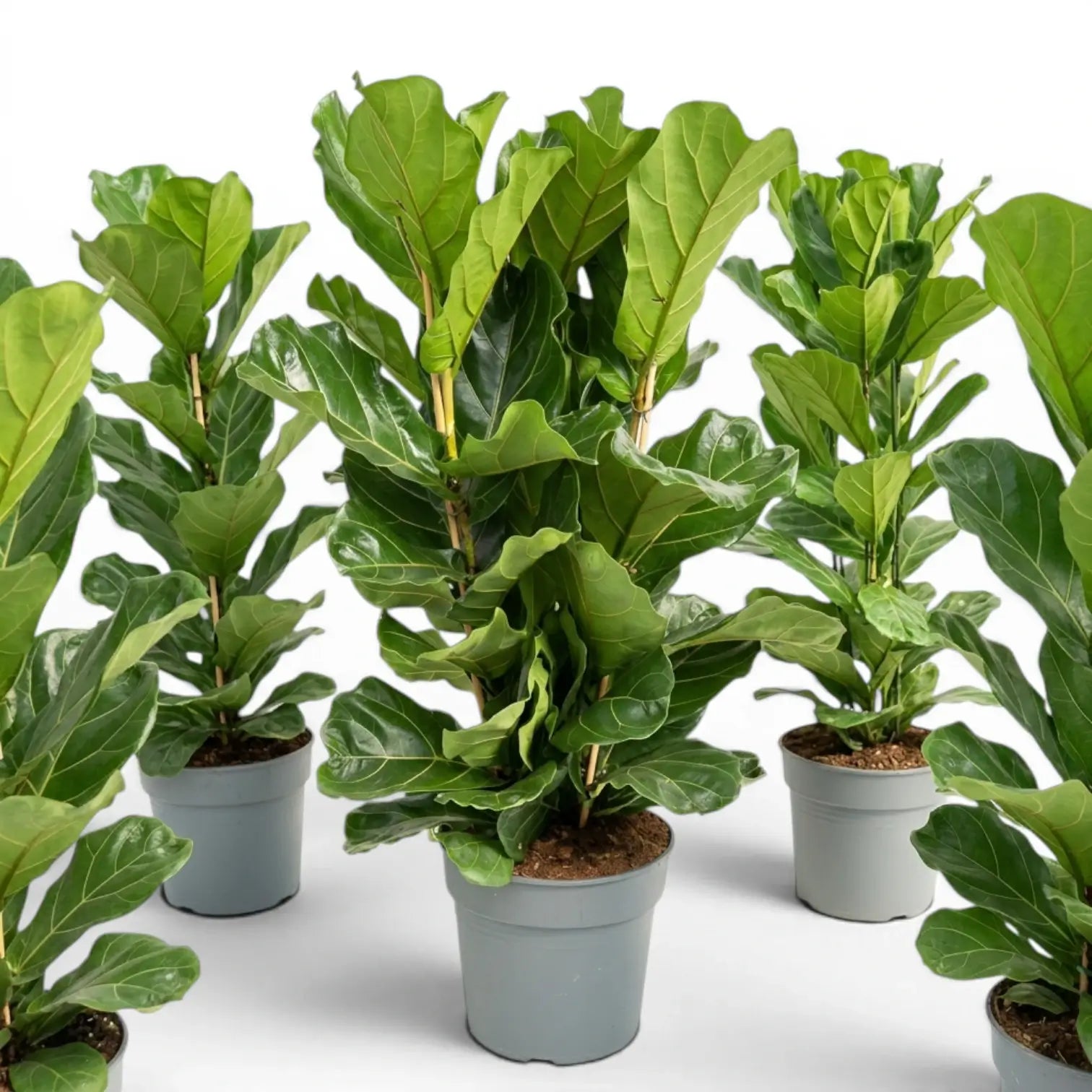
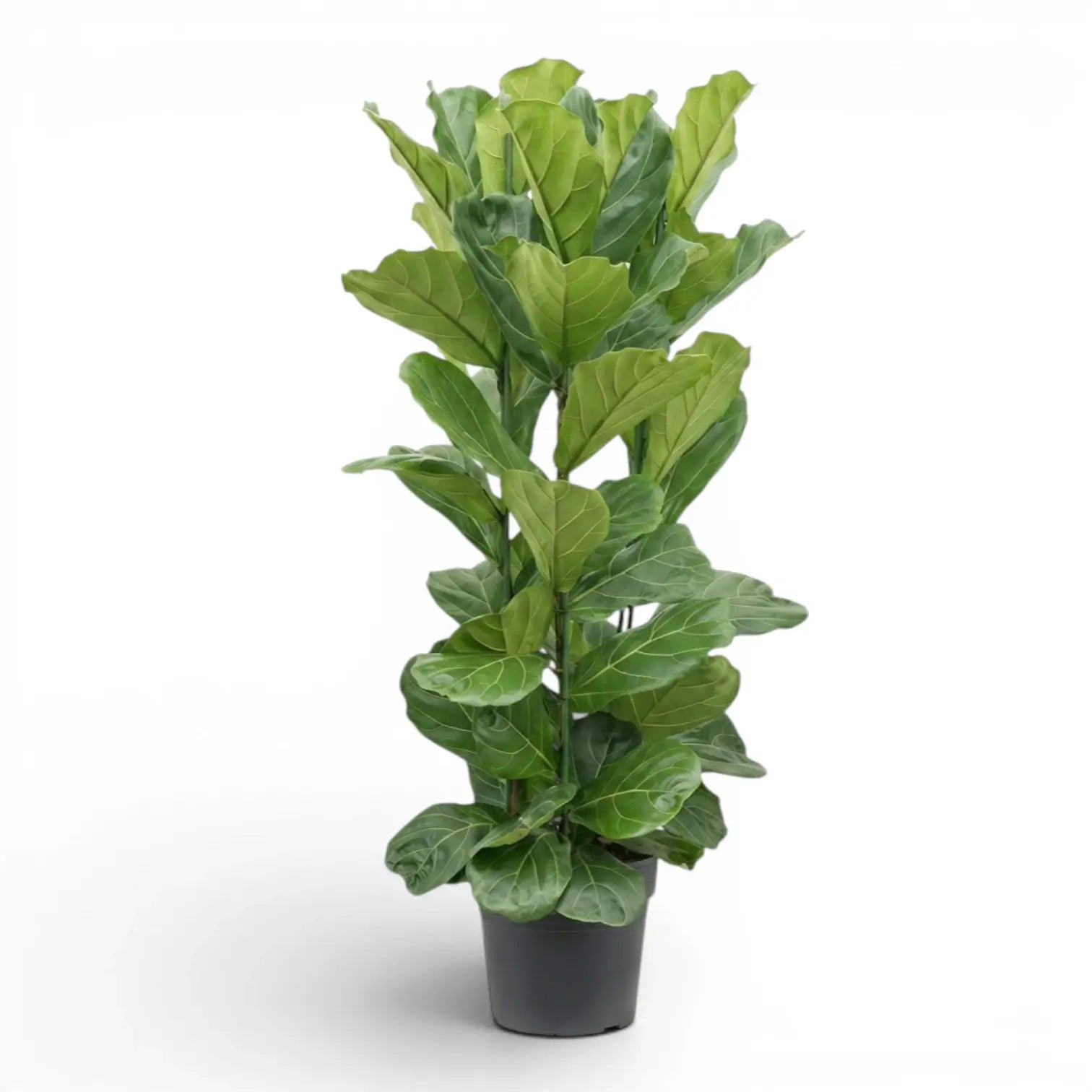
Ficus lyrata, the fiddle-leaf fig, is a large-leaved evergreen fig with a woody trunk and broad, lyre-shaped foliage. Its leaves are glossy, leathery, and strongly veined, often widening toward the tip and narrowing through the middle to create the familiar fiddle outline.
This species is a hemiepiphytic tree from wet tropical West and West-Central Africa. Indoors it is grown as a container tree, where bright filtered light, regular watering and an airy root zone allow new leaves to harden on a woody stem.
In its native range, Ficus lyrata grows in wet tropical forest conditions with warmth, filtered light and steady moisture. The species can begin life above ground level in the forest and later develop woody, tree-forming growth, while indoor plants rely on their container root system for all water and nutrient uptake.
The large leaf surface reacts quickly to changes in light and watering. Leaves that expand in stable bright conditions are usually firmer and more evenly developed, while sudden movement, cold draughts or inconsistent watering can show as spotting, edge damage or leaf drop.
Ficus lyrata is not pet-safe. Leaves and stems contain irritating sap that can cause mouth irritation, drooling, vomiting, or digestive upset if chewed, and the latex may irritate skin during pruning or propagation. Keep it away from pets and small children, and wear gloves when cutting stems.
Ficus is the classical Latin name for the fig. The species name lyrata means lyre-shaped and refers to the outline of the leaves. Ficus lyrata belongs to Moraceae and is accepted as a West and West-Central Tropical African species.
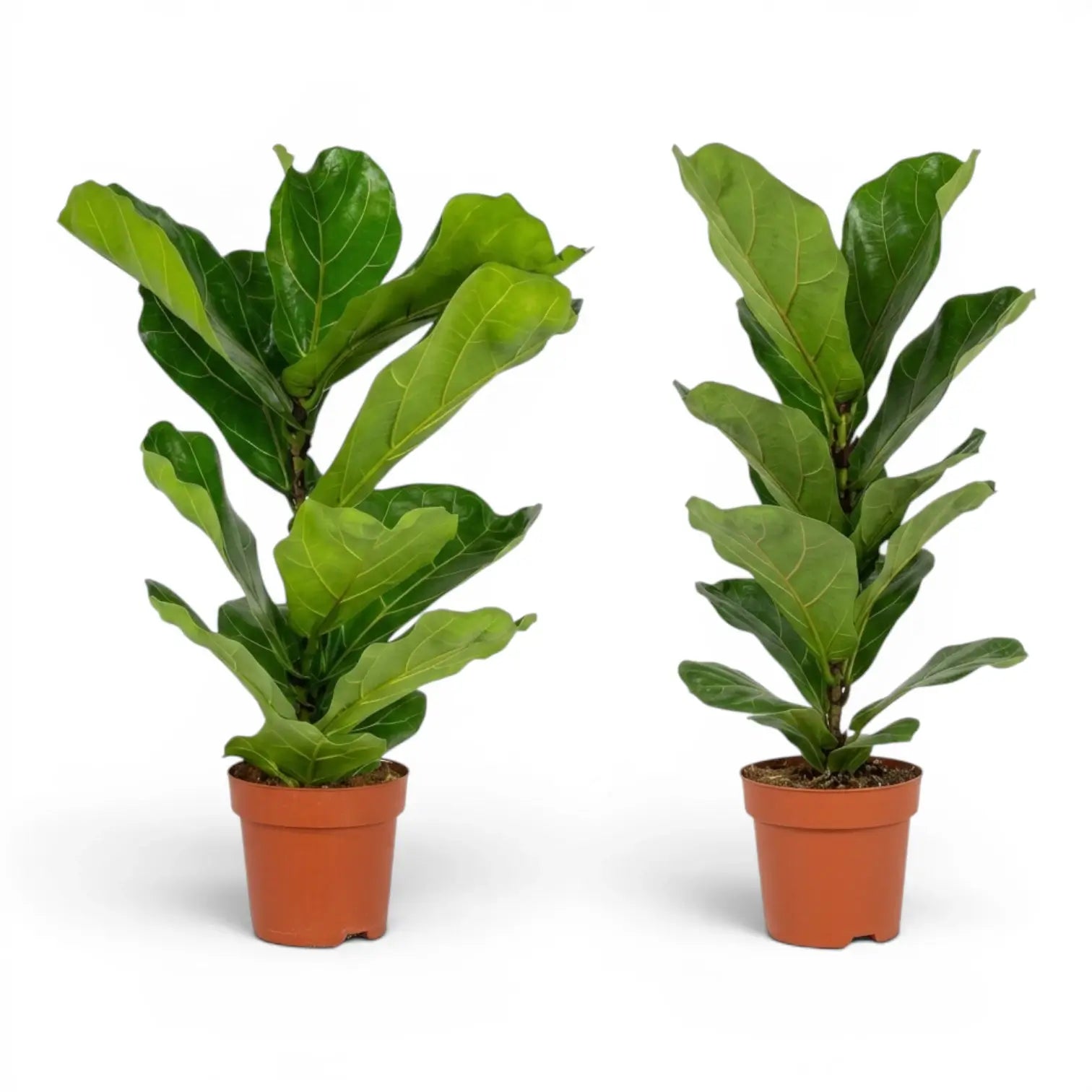
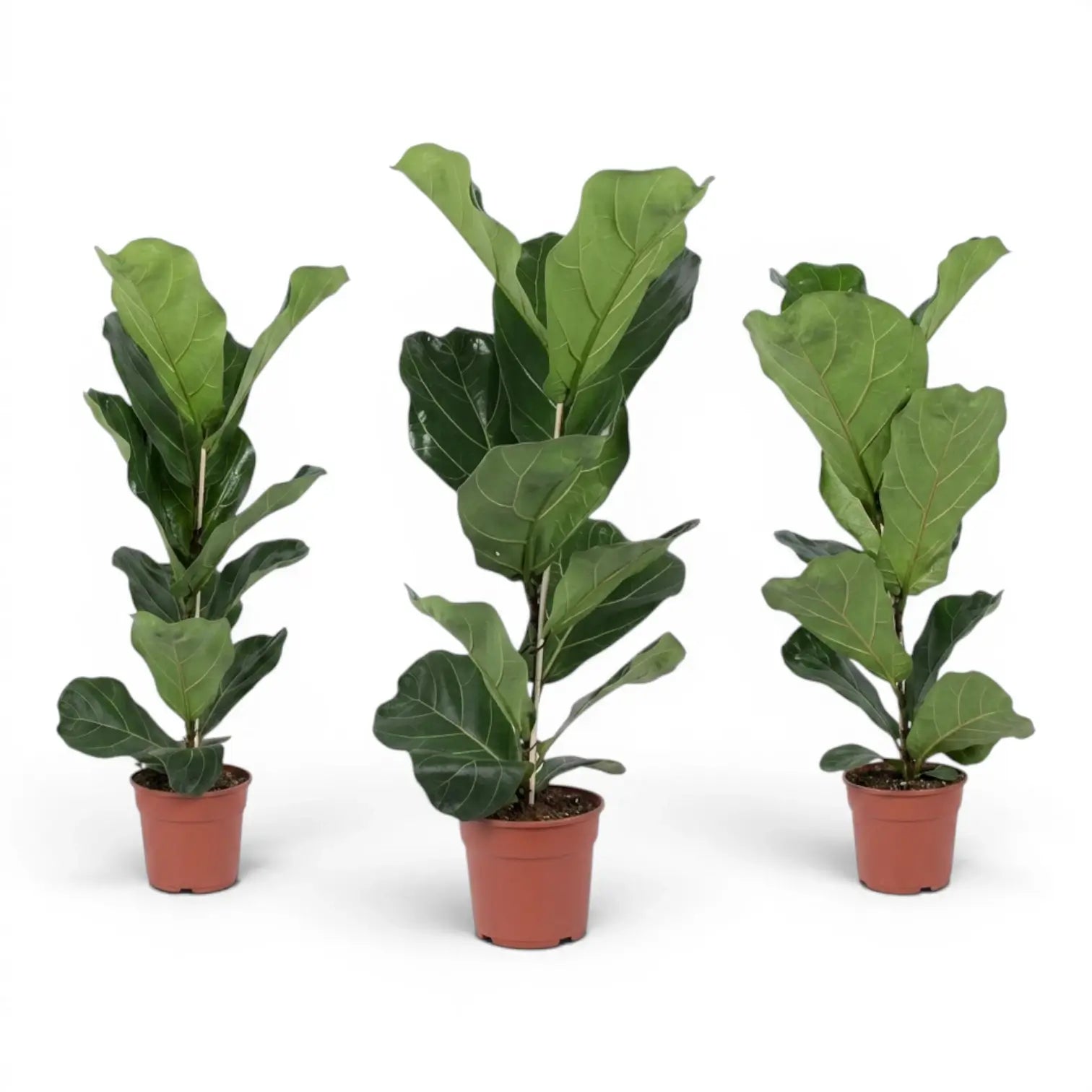
Oversized fiddle-shaped leaves and visible trunk growth give Ficus lyrata its recognisable indoor-tree form.
Plant names, growth habits, natural habitats and indoor care guidance are checked against trusted botanical, habitat and horticultural references before publication.View our plant care resources and references.

Sign up for Foliage Factory newsletter for early access to new arrivals and practical care tips that work in real homes.