
Light
Bright indirect • approx. 10,000–20,000 lux


VAT included · plus
Your new plant has just travelled a long way and needs a calm start in its new home. For step-by-step unboxing and first-week care, check our after-delivery care guide. For deeper tips on how your plant settles in over the next weeks, read our houseplant acclimatization guide.
Secure shipping, carefully packed orders with safe delivery across the EU, UK and Switzerland.
28-day plant guarantee, if a plant arrives damaged or fails soon after delivery, we help you make it right.
Free returns, simple, cost-free returns according to our policy.
For full details, please see:
Please head to our FAQ Page or Contact us.
Quick Care Guide
Light
Bright indirect • approx. 10,000–20,000 lux
Watering
Water when ~90–100% dry
Substrate
Airy + gritty • Fast-draining • Mineral-leaning • Medium
Temperature
Ideal: 15–24 °C • Avoid below: 10 °C
Humidity
Normal 40–50 %
Growth habit
Upright rosette-forming succulent perennial.
Support
not needed
Growth speed
Slow
Max size indoors
Max. height: 100 cm • Max. spread: 50 cm
Toxicity & safety
Toxic
Origin & habitat
Cultivar of Dracaena bacularis; species from DR Congo, seasonally dry tropics
These care values are quick reference points for indoor growing. Use them as a guide, then adjust for your space, pot size, substrate, temperature and how quickly the substrate dries.
For more detail, read the full product description or visit our Plant Care Guides.
Move outside once nights stay above
15°C
Bring under cover below
13°C
Best outdoor setting
Warm summer patio, Covered terrace
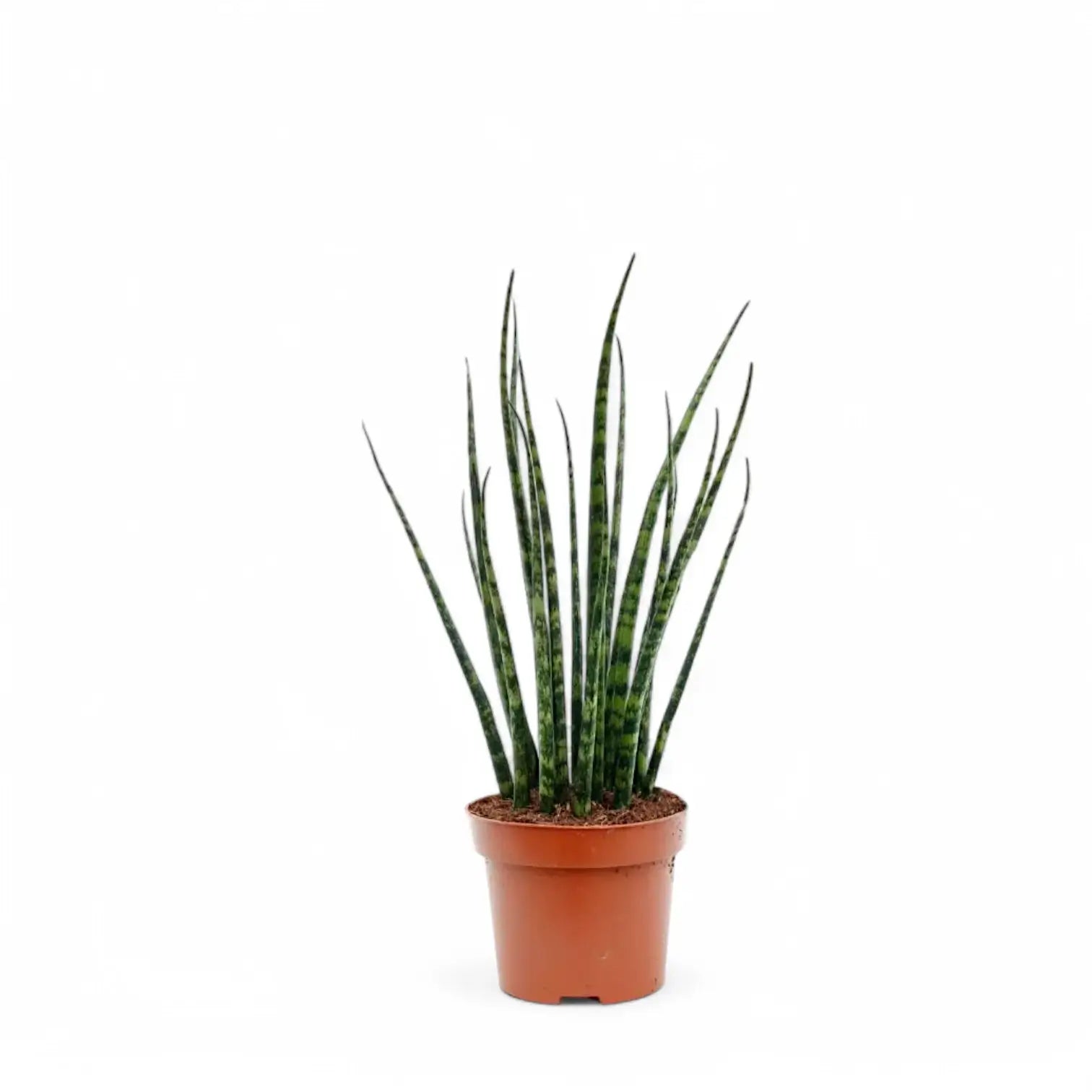
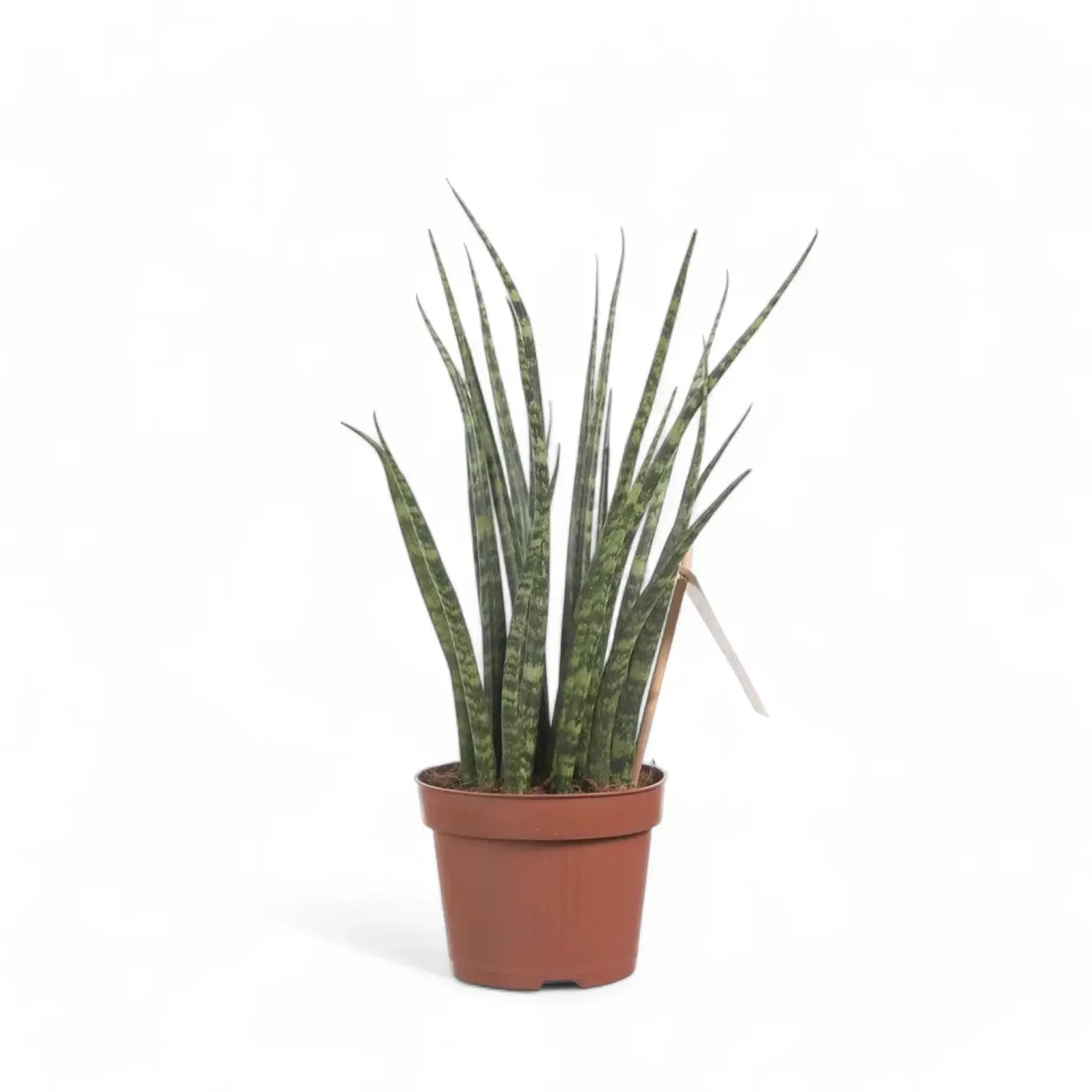
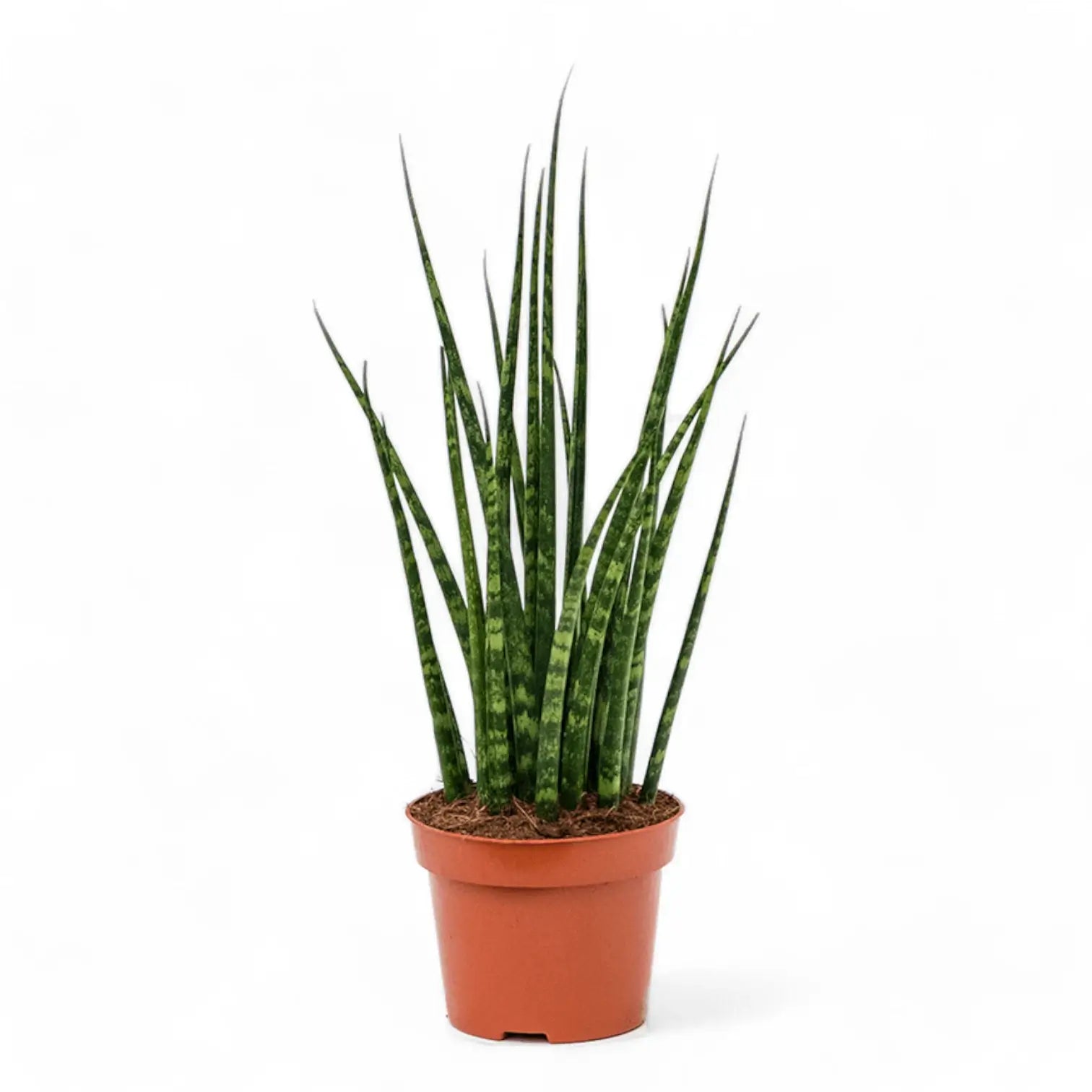
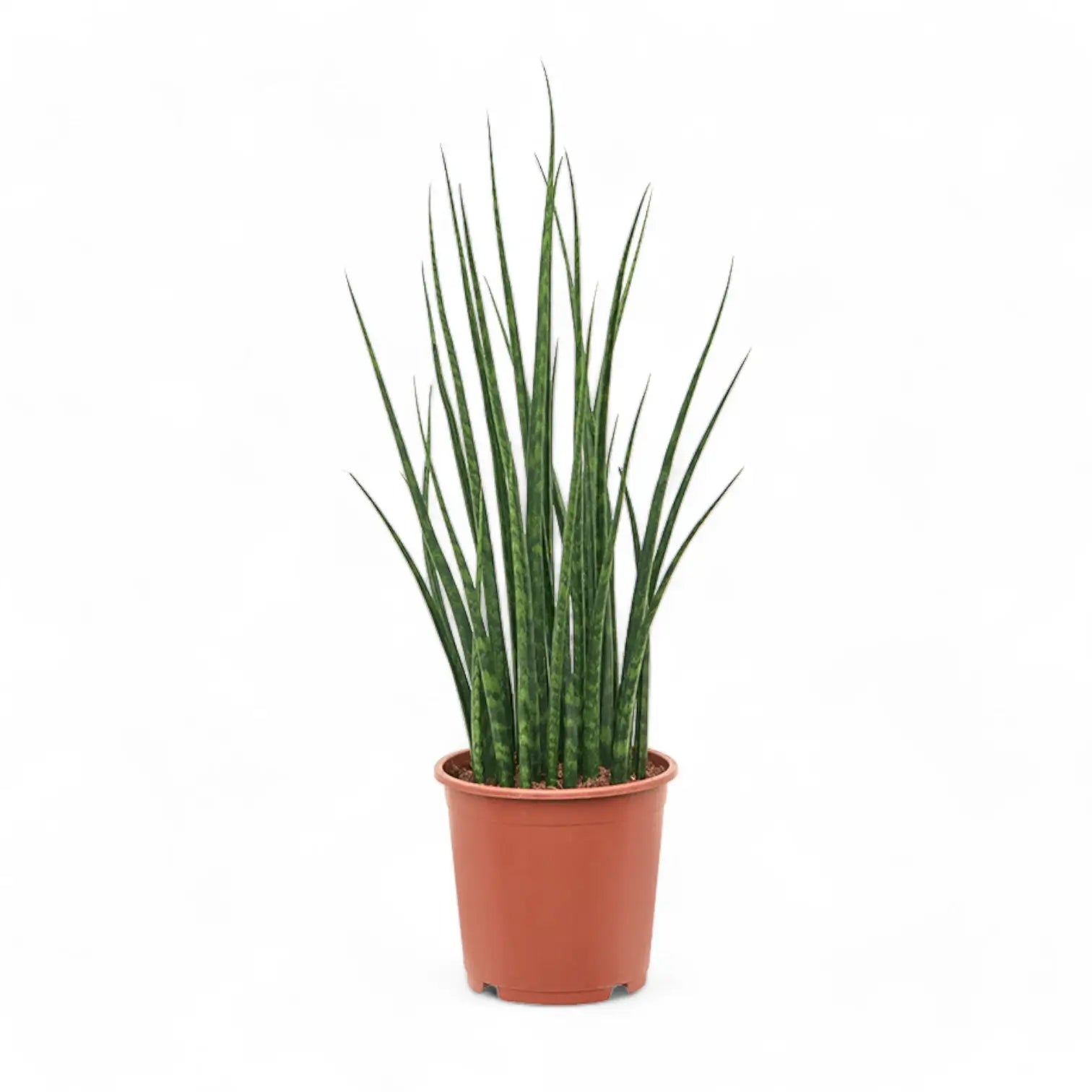
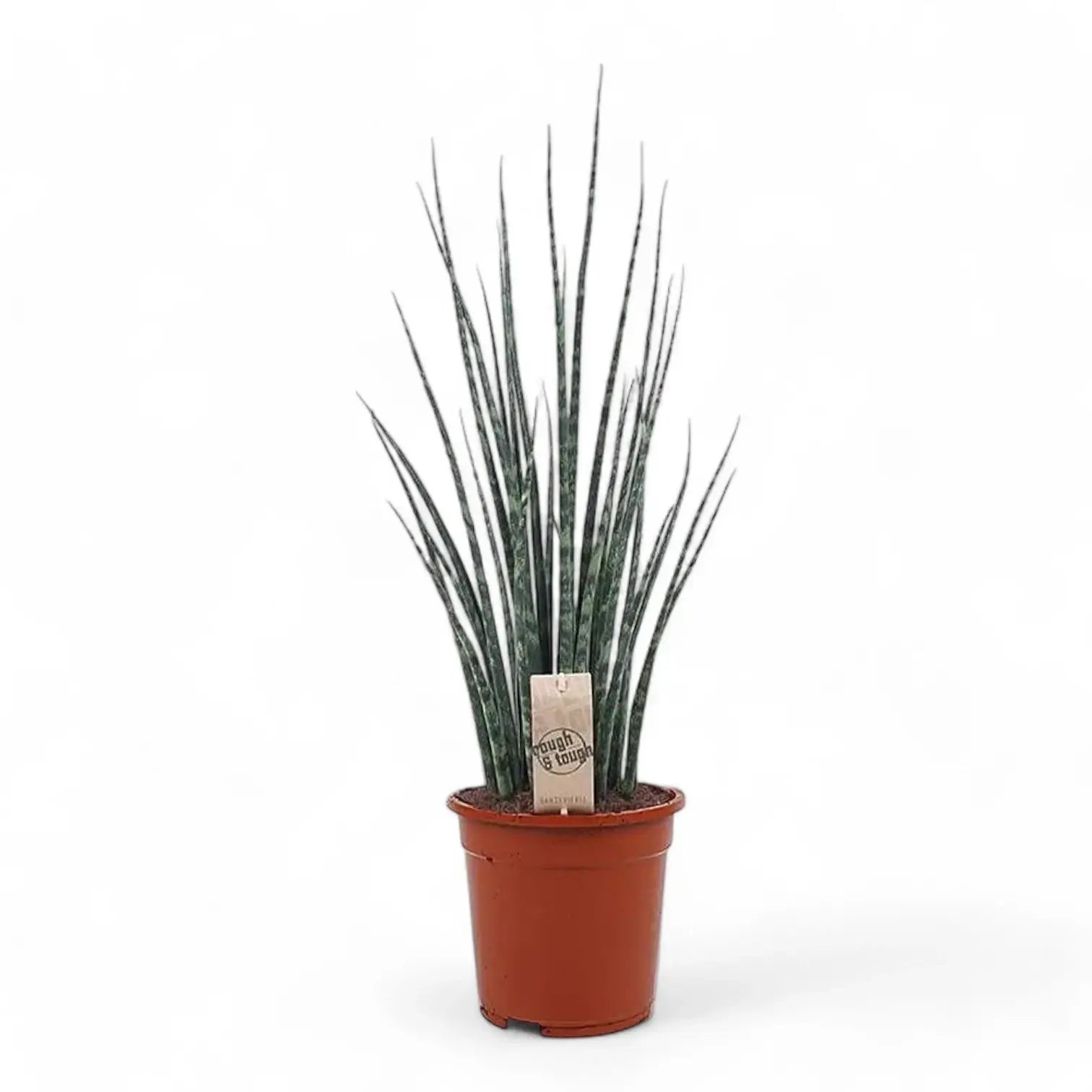
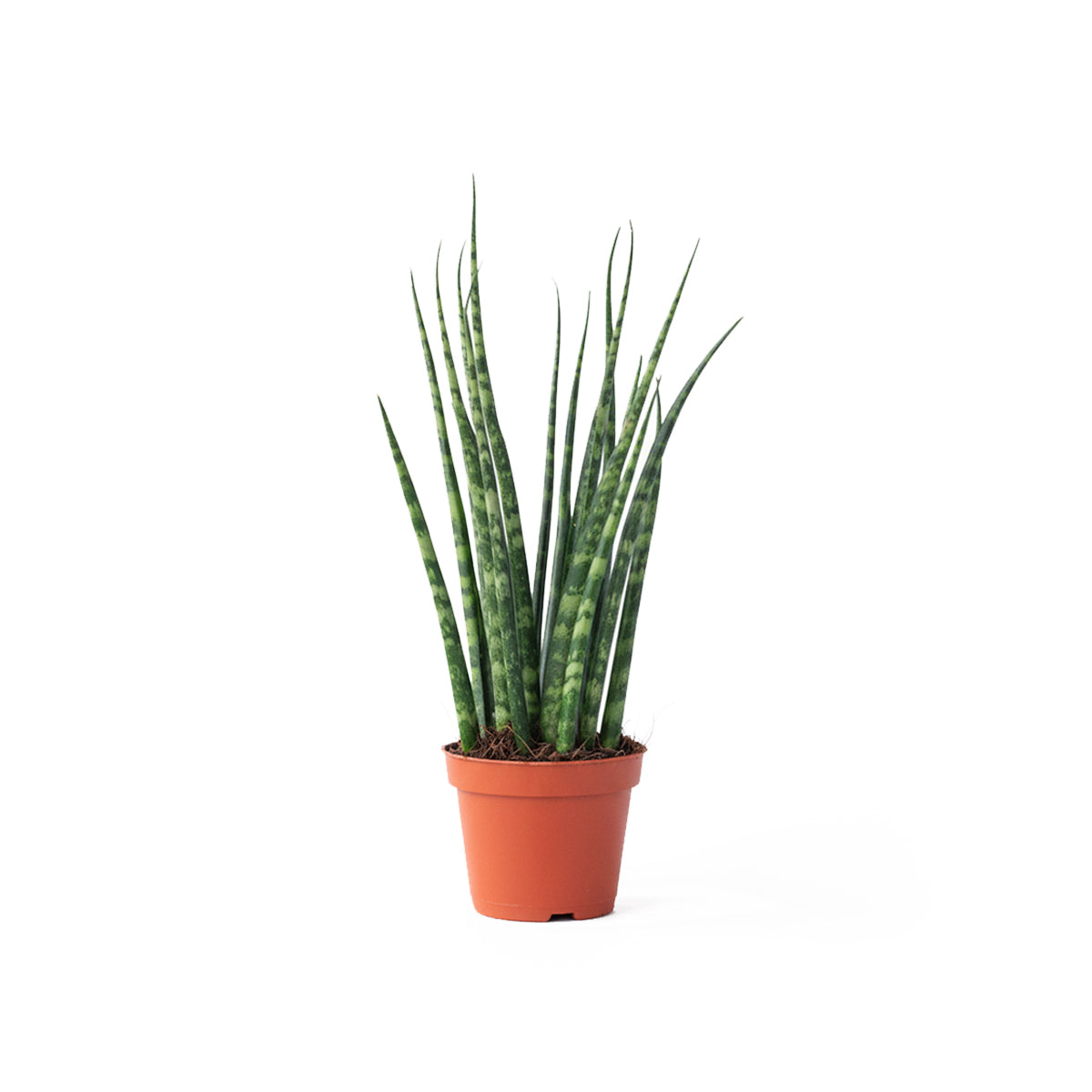
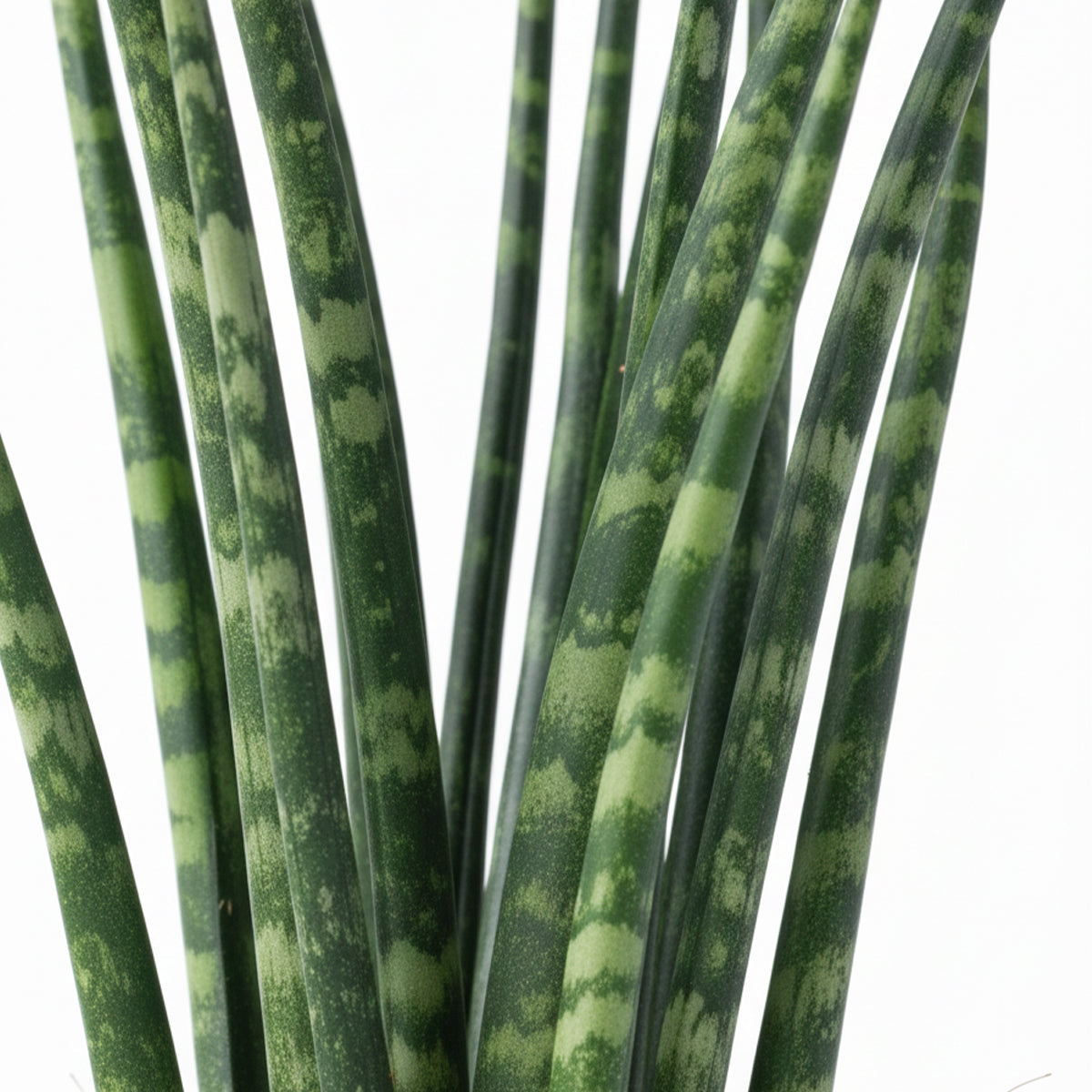
Dracaena bacularis 'Fernwood Mikado' is a narrow, rod-leaved snake plant with cylindrical foliage arranged in tight bundles. The leaves are slim, firm and almost spear-like, with mid to dark green colouring and softer horizontal banding that becomes easier to see as the leaves mature. Young growth can emerge from darker, purplish basal sheaths before settling into the familiar green, stick-like outline.
This plant adds height, fine texture and a clear shape in a small pot. Its growth comes from a rhizome below the substrate, so new leaves appear from the base and slowly fill the container over time. In indoor culture, 'Fernwood Mikado' maintains a slim profile with vertical leaves that stay clear in simple pots and compact grouped pots.
Dracaena bacularis belongs to the group of rhizomatous, succulent Dracaena species long grown under the name Sansevieria. It stores water in firm cylindrical leaves and spreads slowly from an underground rhizome, while the roots perform best when the substrate dries between waterings.
The species is native to DR Congo, where it grows in a seasonally dry tropical biome. Indoors, Dracaena bacularis 'Fernwood Mikado' handles dry intervals well and develops steadily when the potting mix dries properly between waterings. Keep the plant warm, bright and protected from cold, wet conditions.
The narrow leaves can reach impressive height on mature plants, but indoor growth is usually slow and steady. New shoots often appear close together, giving younger plants a bundled look. As the clump develops, older leaves remain firm for a long time, while new leaves add height and density from the base.
Dracaena bacularis 'Fernwood Mikado' belongs out of reach of pets and small children who may chew the firm leaves. Snake plants contain saponins, which can cause nausea, vomiting or diarrhoea in cats and dogs if ingested. A stable position also helps protect the tall leaves from snapping if the pot is knocked.
The accepted botanical name is Dracaena bacularis, while Sansevieria bacularis remains a widely recognised synonym in horticulture. The genus name Dracaena comes from the Greek drakaina, meaning “female dragon”, a reference historically associated with red resin in some dragon tree relatives. The species epithet bacularis comes from Latin baculum, meaning stick, rod or staff, matching the plant’s narrow cylindrical leaves.
Dracaena bacularis 'Fernwood Mikado' has narrow rod-like foliage, slow basal growth and a slim upright profile.
Plant names, growth habits, natural habitats and indoor care guidance are checked against trusted botanical, habitat and horticultural references before publication.View our plant care resources and references.

Sign up for Foliage Factory newsletter for early access to new arrivals and practical care tips that work in real homes.
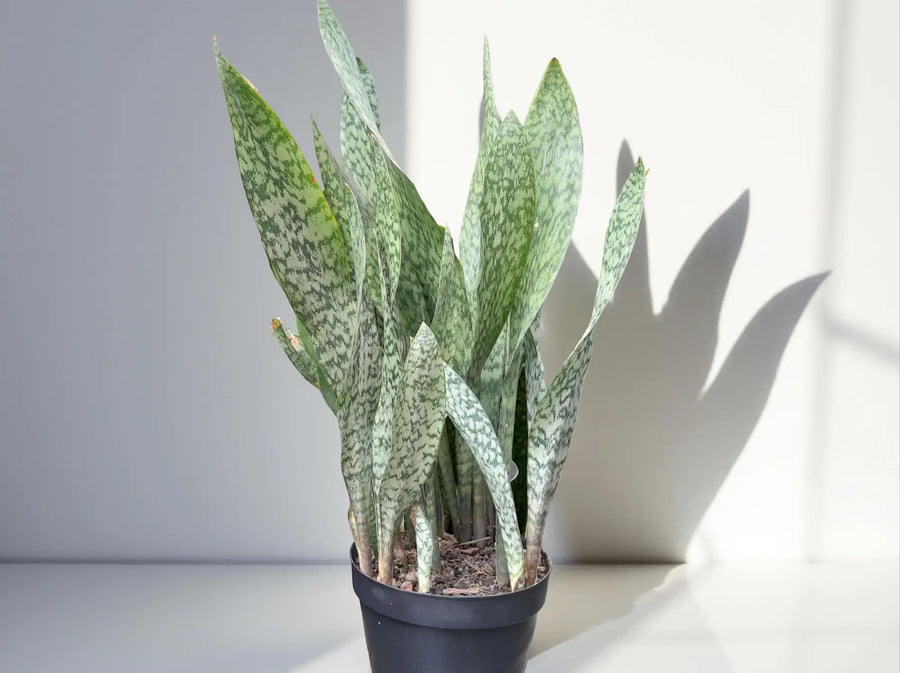


%20bacularis%20'Fernwood%20Mikado'Dracaena%20bacularis%20'Fernwood%20Mikado'%20is%20a%20narrow,%20rod-leaved%20snake%20plant%20with%20cylindrical%20foliage%20arranged%20in%20tight%20bundles.%20The%20leaves%20are%20slim,%20f...)