Light
Full sun / direct • approx. 40,000–80,000 lux

VAT included · plus
Your new plant has just travelled a long way and needs a calm start in its new home. For step-by-step unboxing and first-week care, check our after-delivery care guide. For deeper tips on how your plant settles in over the next weeks, read our houseplant acclimatization guide.
Secure shipping, carefully packed orders with safe delivery across the EU, UK and Switzerland.
28-day plant guarantee, if a plant arrives damaged or fails soon after delivery, we help you make it right.
Free returns, simple, cost-free returns according to our policy.
For full details, please see:
Please head to our FAQ Page or Contact us.
Quick Care Guide
Light
Full sun / direct • approx. 40,000–80,000 lux
Watering
Water when upper 20–30% dry
Substrate
Airy • Fast-draining • Mineral-leaning • Fine-medium
Temperature
Ideal: 18–28 °C • Avoid below: 5 °C
Humidity
Moist 50–60 %
Growth habit
Upright woody shrub or tree.
Support
not needed
Growth speed
Average
Max size indoors
Max. height: 150 cm • Max. spread: 120 cm
Toxicity & safety
Toxic
Origin & habitat
Horticultural Citrus hybrid
Outdoor growing
Outside from 10 °C · sheltered from wind
These care values are quick reference points for indoor growing. Use them as a guide, then adjust for pot size, substrate, temperature and how quickly the substrate dries.
For more detail, read the full product description or visit our Plant Care Guides.
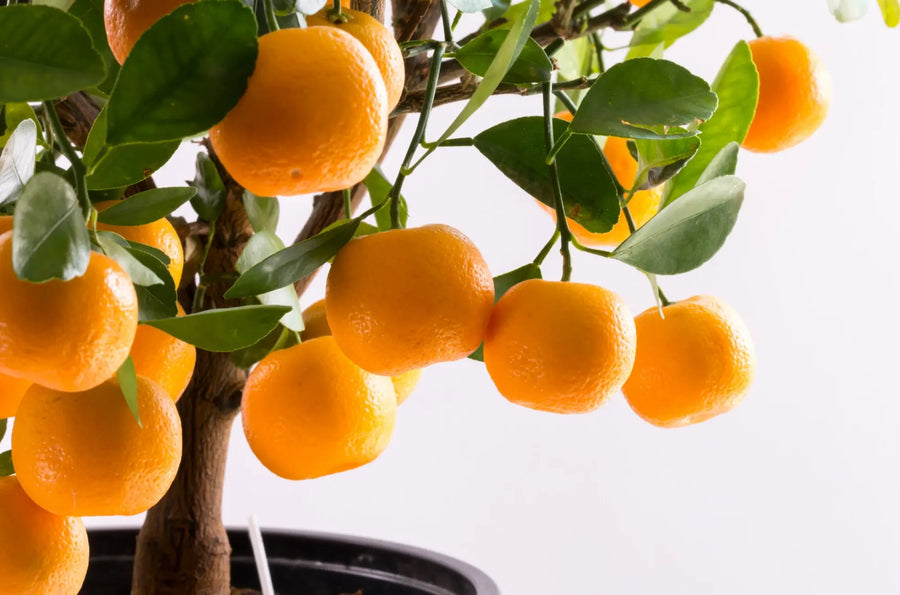
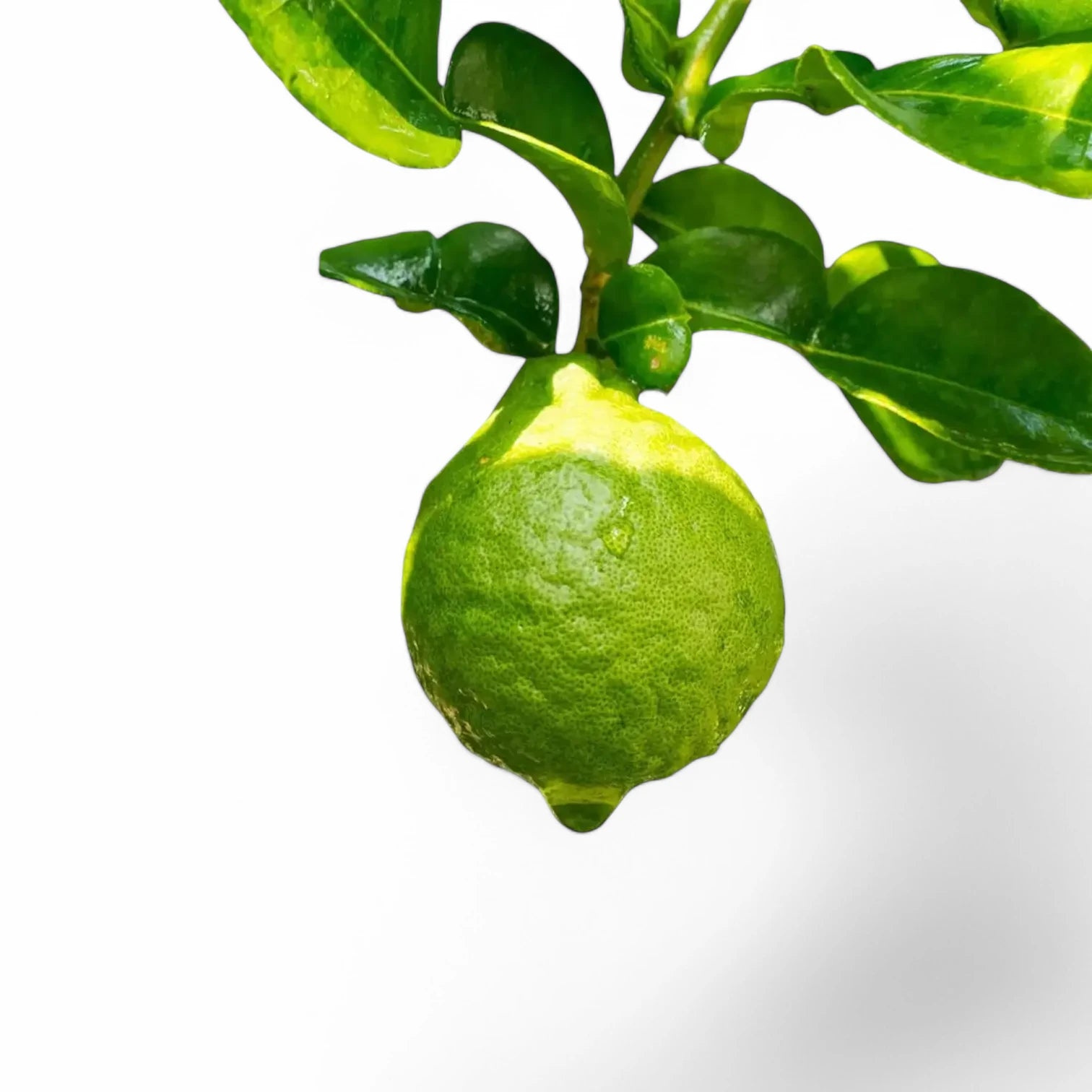
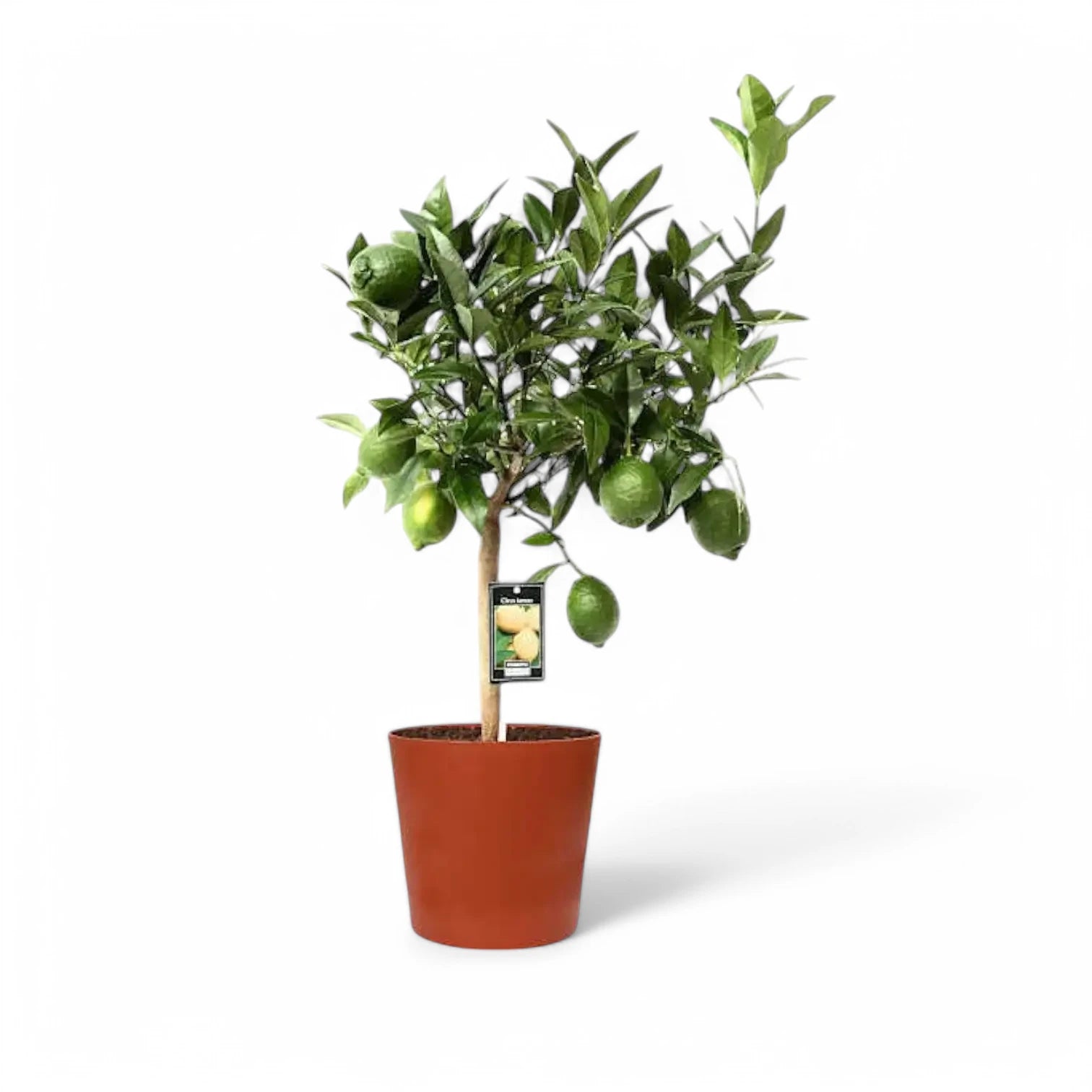
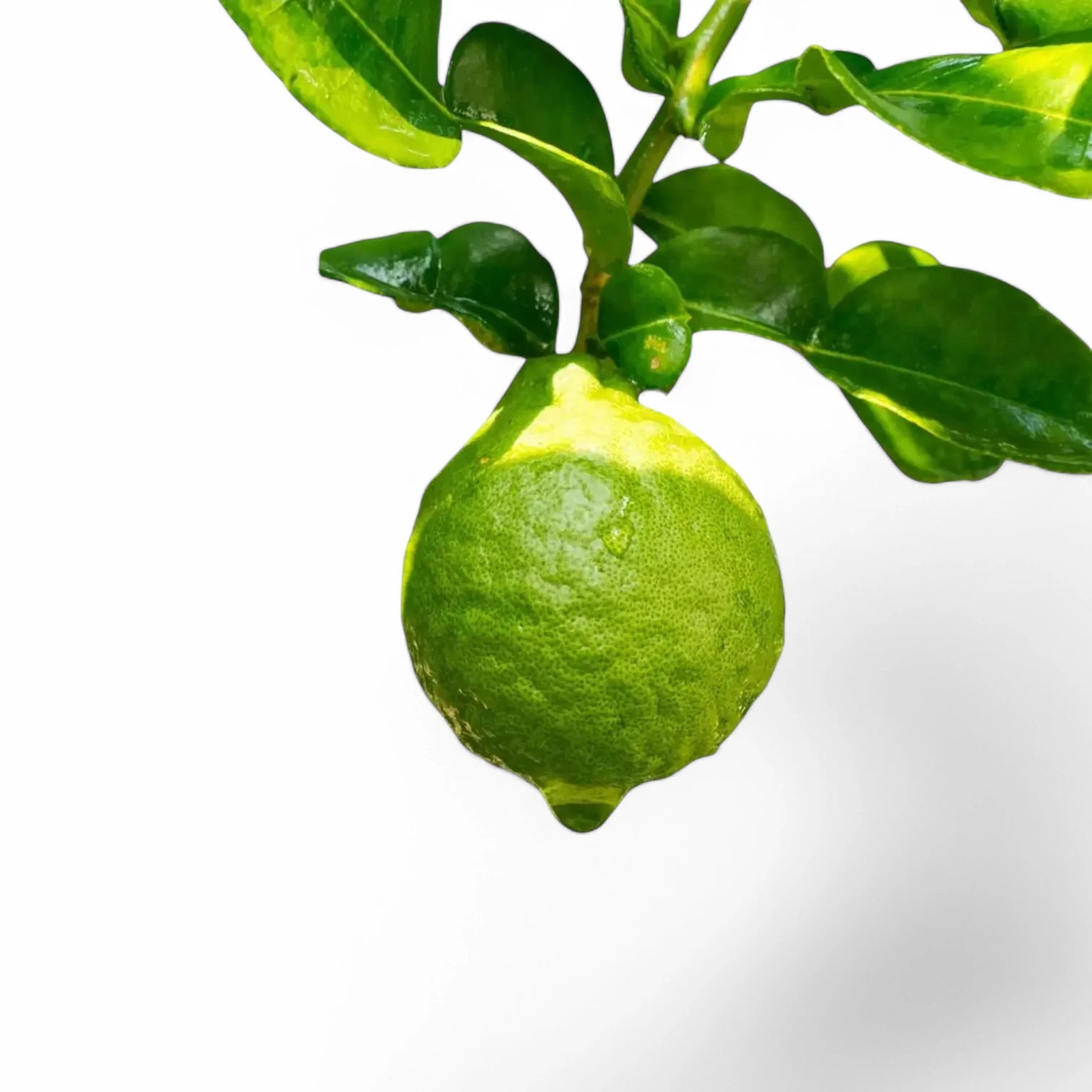
The peel of Citrus × bergamia – Bergamot Orange releases a strong bergamot scent when rubbed or damaged. The plant has glossy evergreen leaves, scented white flowers and fruit that ripens yellow to greenish yellow and can be rounded or slightly pear-shaped.
Bergamot orange grows as a woody shrub or small tree in a pot. Give it outdoor sun in the frost-free months, a draining citrus substrate, steady watering around the roots and a cool, frost-free winter place.
Bergamot is sold under the name Citrus × bergamia and is valued for its peel, which carries the sharp, floral citrus scent associated with bergamot.
Bergamot peel, leaves and aromatic oils can irritate pets if plant material is eaten. Keep peel, fallen leaves and fruit out of reach, and wash hands after handling damaged peel or fresh cuts.
Plant names, growth habits, natural habitats and indoor care guidance are checked against trusted botanical, habitat and horticultural references before publication.View our plant care resources and references.
Sign up for Foliage Factory newsletter for early access to new arrivals and practical care tips that work in real homes.