Light
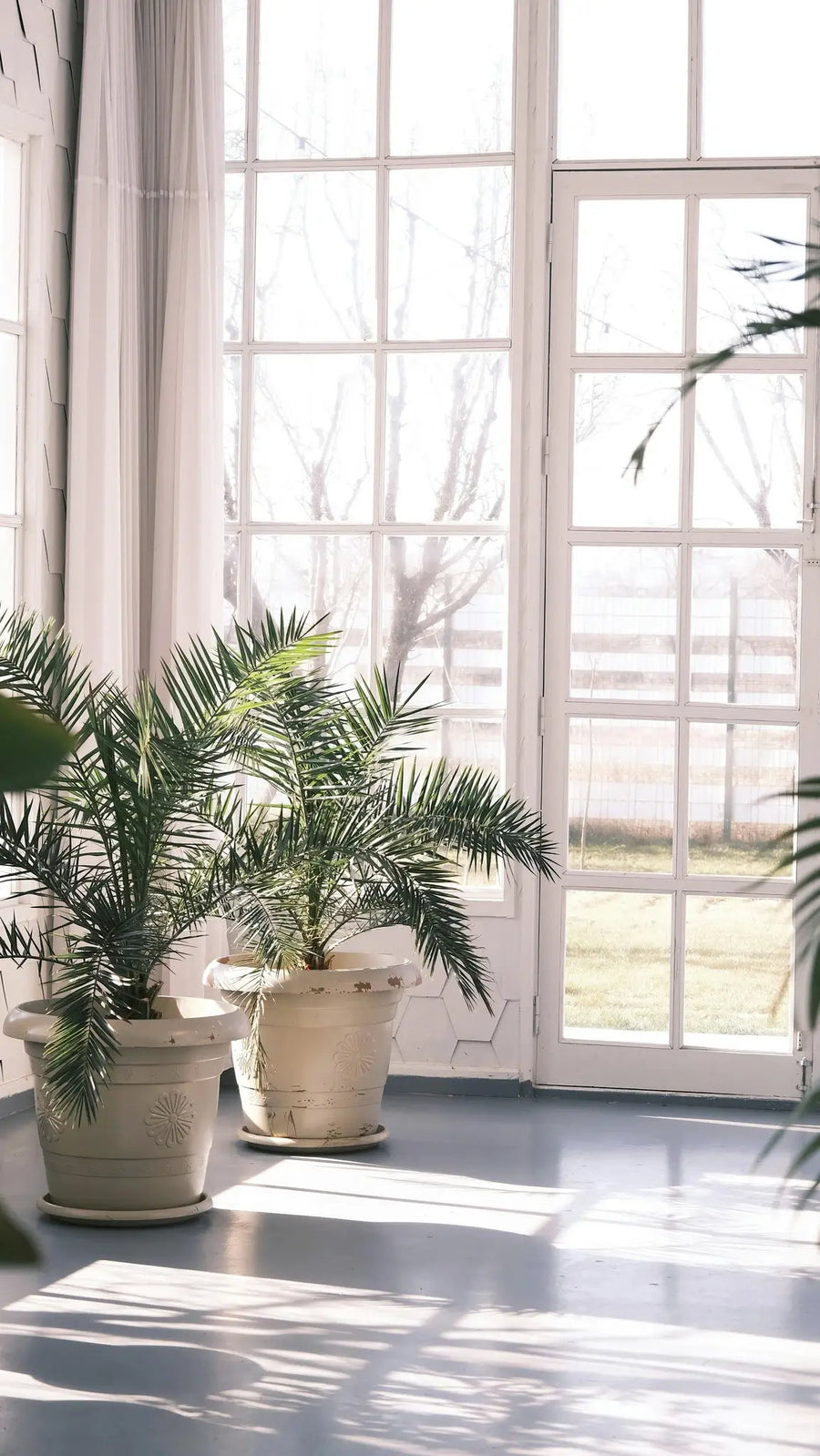
Bright indirect • approx. 10,000–20,000 lux

Buy 4 plants, get 1 free
VAT included · plus
Your new plant has just travelled a long way and needs a calm start in its new home. For step-by-step unboxing and first-week care, check our after-delivery care guide. For deeper tips on how your plant settles in over the next weeks, read our houseplant acclimatization guide.
Secure shipping, carefully packed orders with safe delivery across the EU, UK and Switzerland.
28-day plant guarantee, if a plant arrives damaged or fails soon after delivery, we help you make it right.
Free returns, simple, cost-free returns according to our policy.
For full details, please see:
Please head to our FAQ Page or Contact us.
Quick Care Guide
Light
Bright indirect • approx. 10,000–20,000 lux
Watering
Water when ~25–40% dry
Substrate
Aerated • Moisture-buffered • Balanced organic + mineral • Medium
Temperature
Ideal: 20–27 °C • Avoid below: 15 °C
Humidity
Moist 50–60 %
Growth habit
Upright palm.
Support
not needed
Growth speed
Slow
Max size indoors
Max. height: 180 cm • Max. spread: 90 cm
Toxicity & safety
Non-toxic
Origin & habitat
Native from Mexico to Honduras
Outdoor growing
Outside from 14 °C · rain-sheltered spot
These care values are quick reference points for indoor growing. Use them as a guide, then adjust for pot size, substrate, temperature and how quickly the substrate dries.
For more detail, read the full product description or visit our Plant Care Guides.
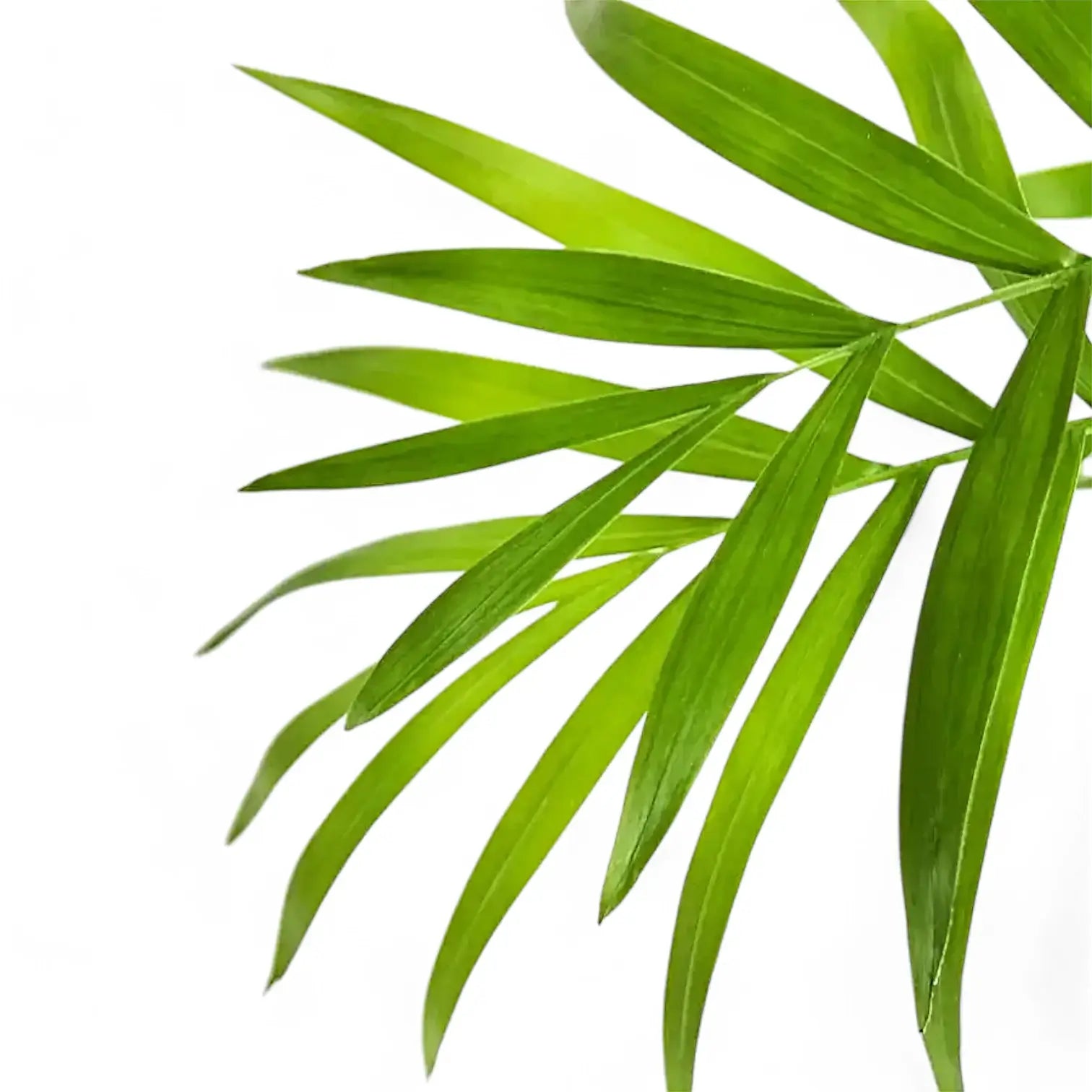
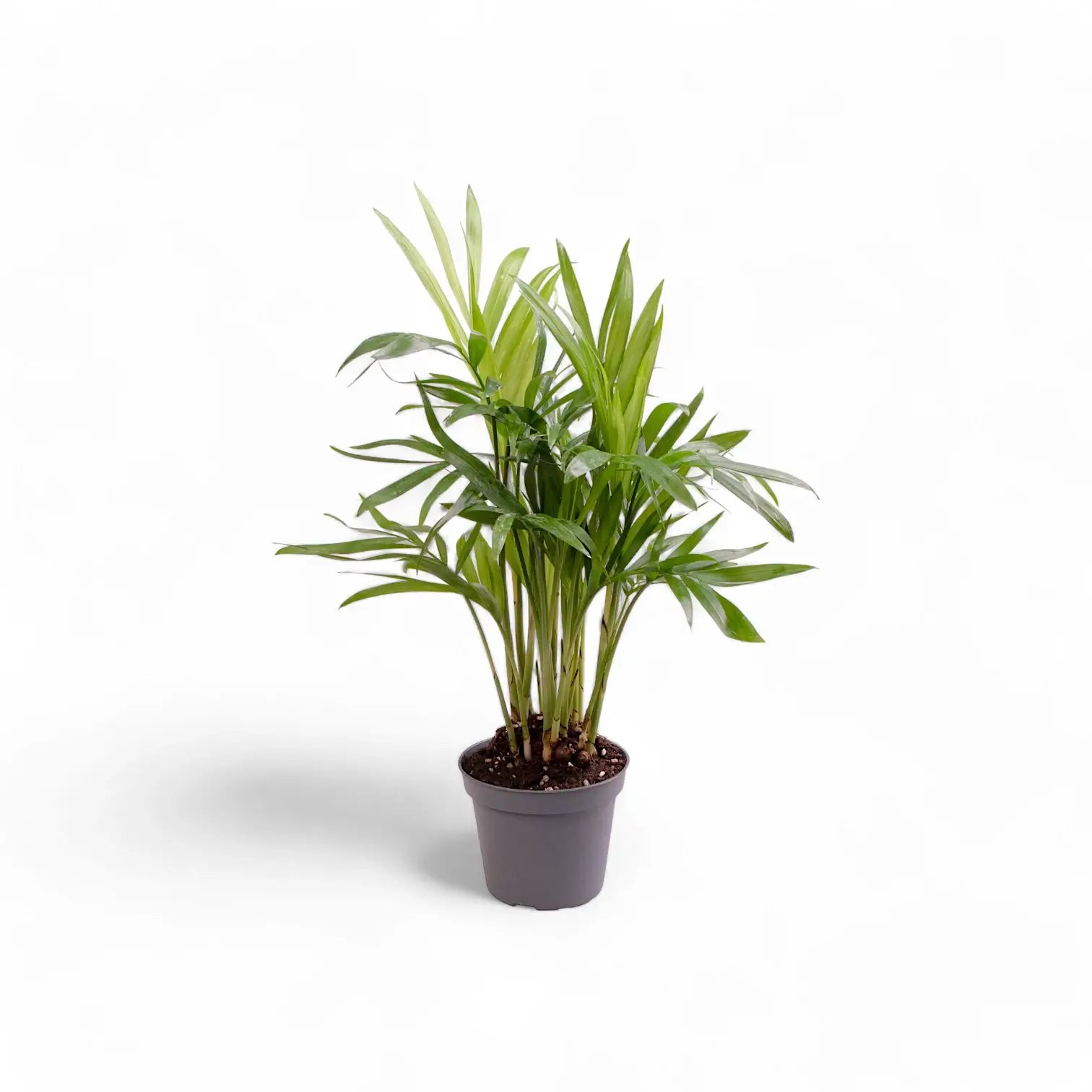
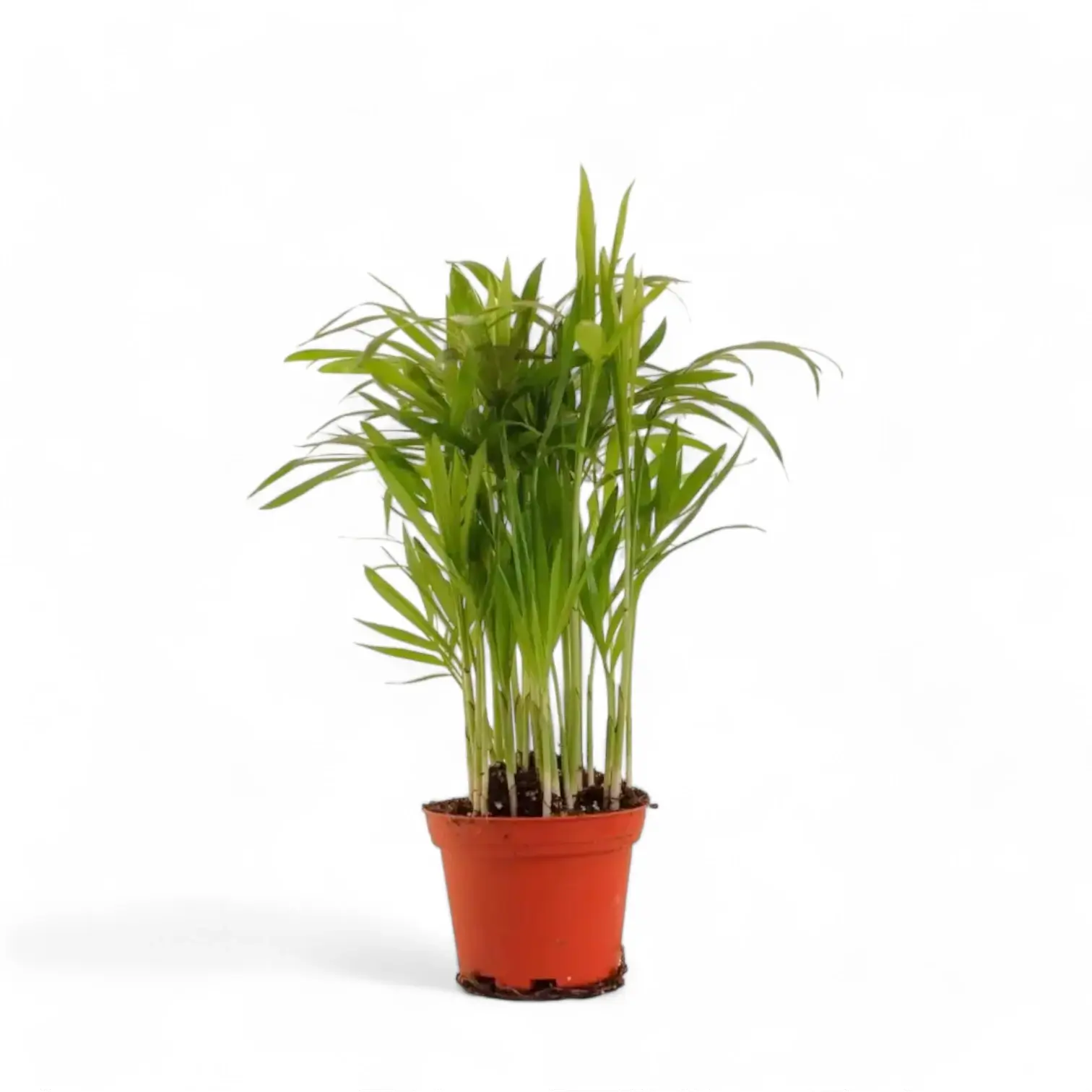
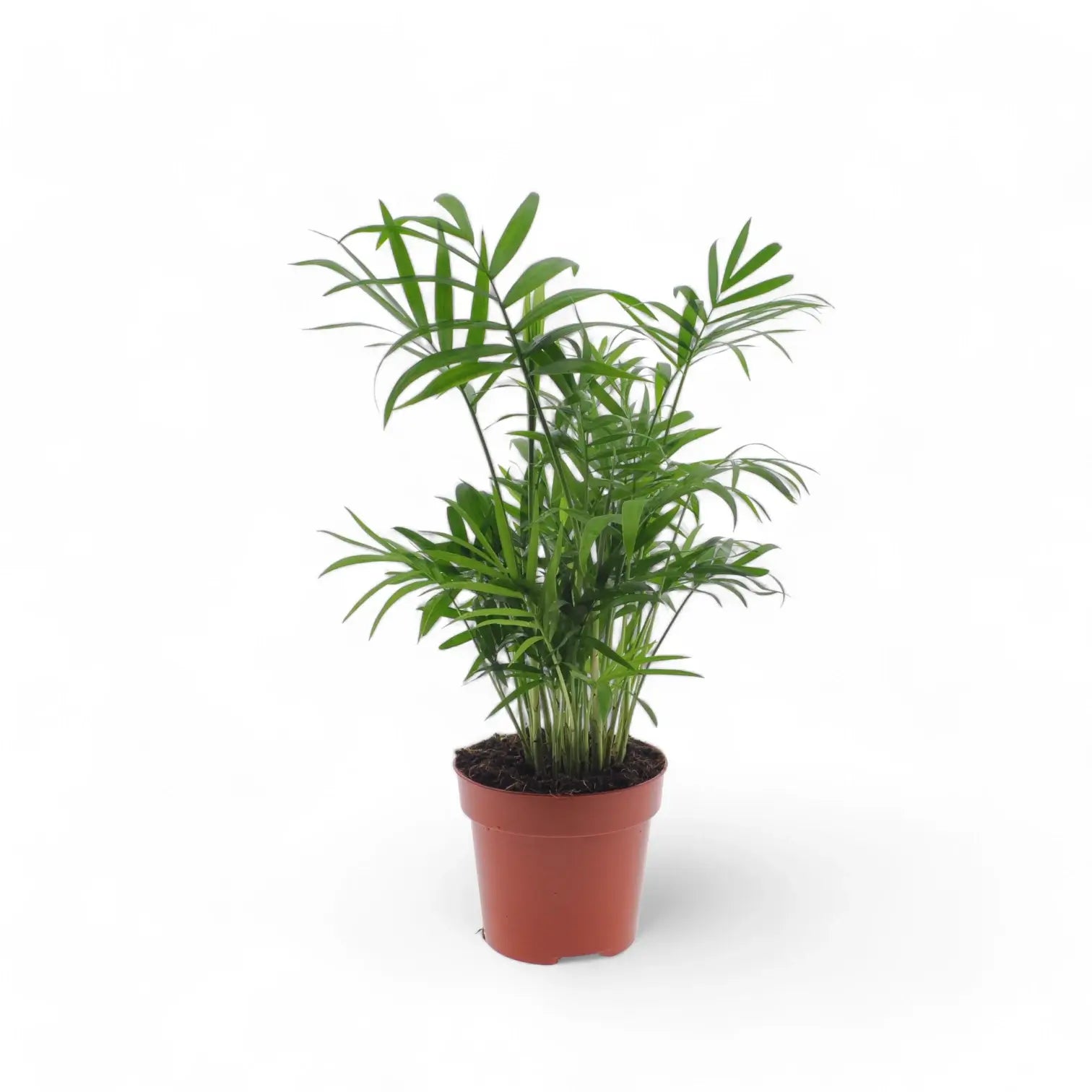
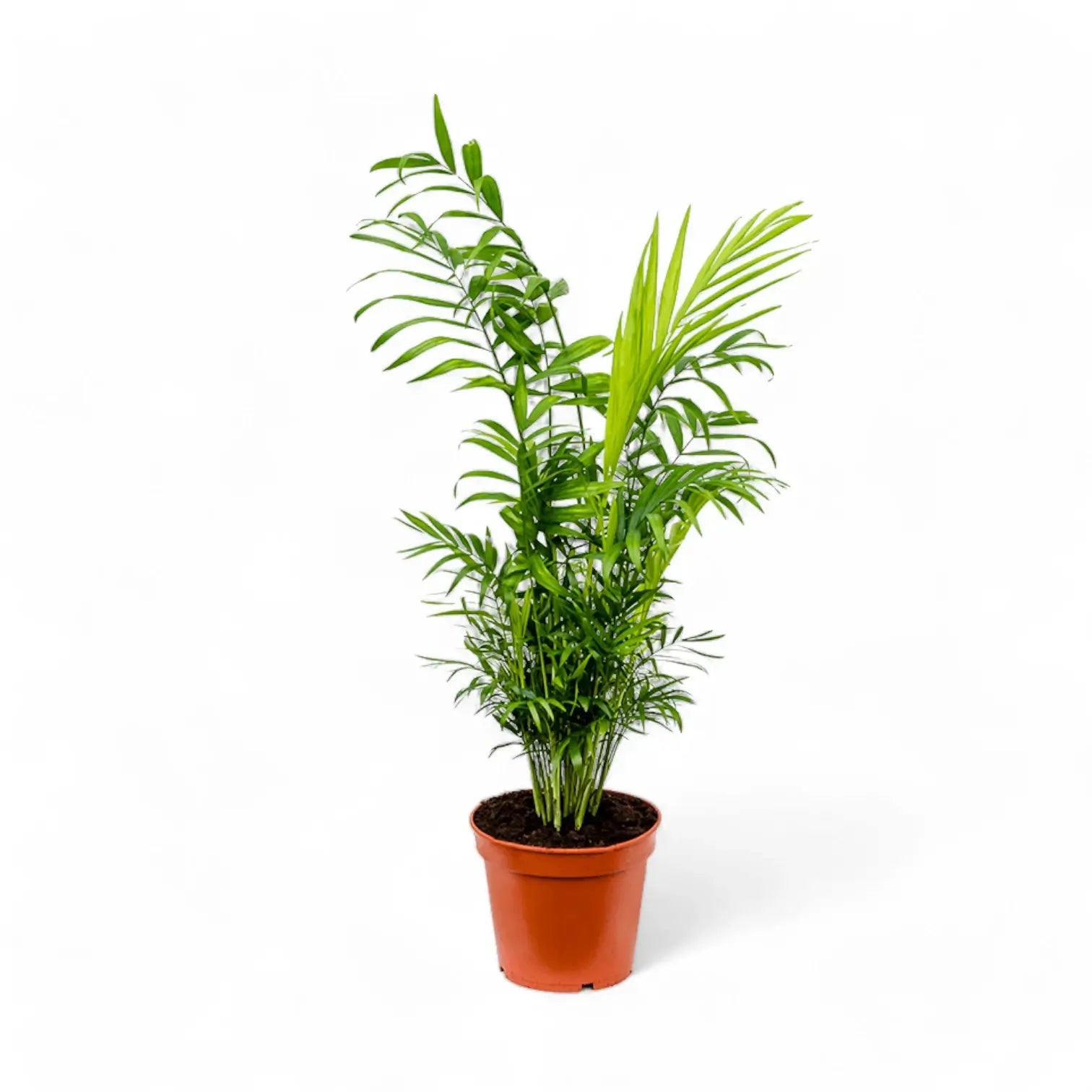
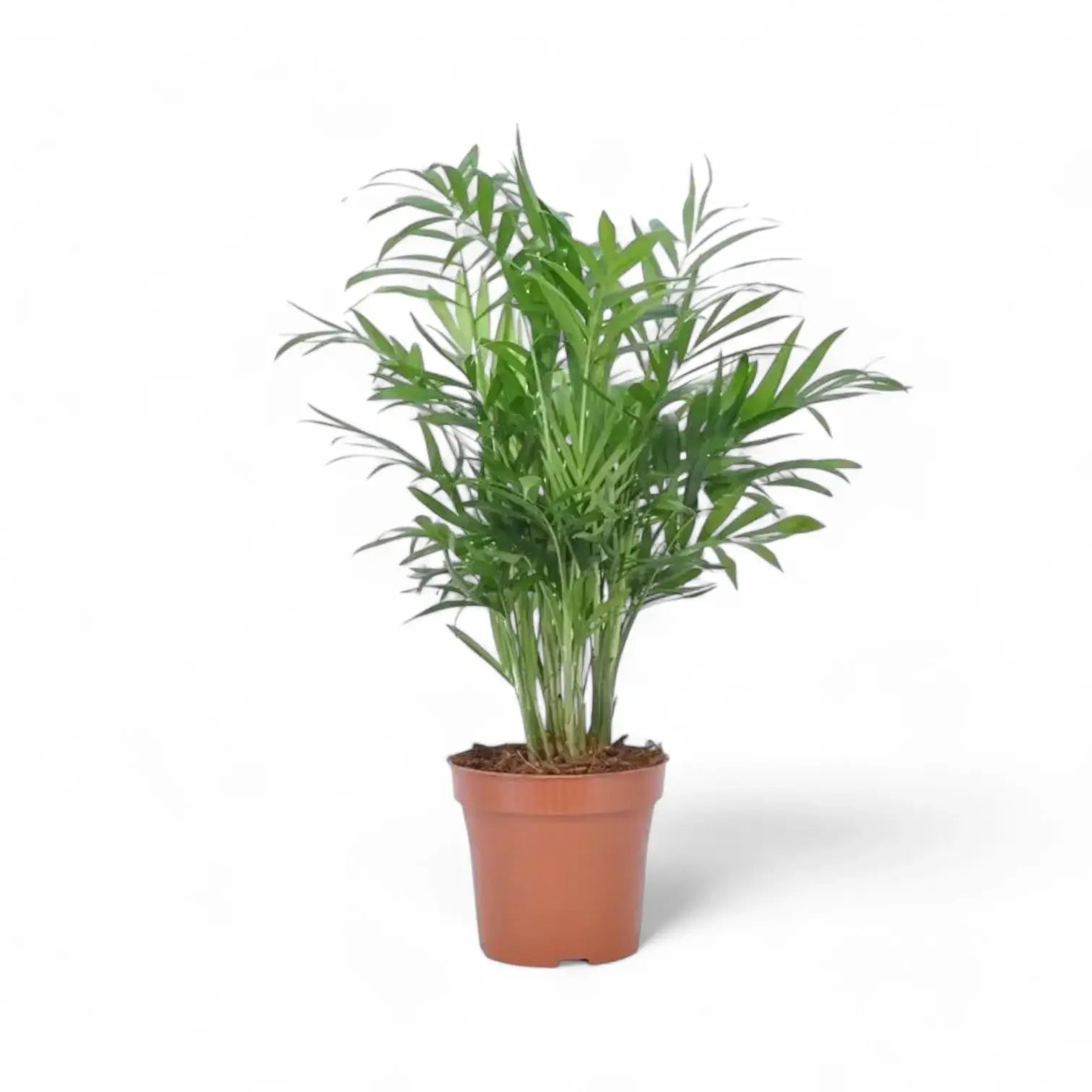
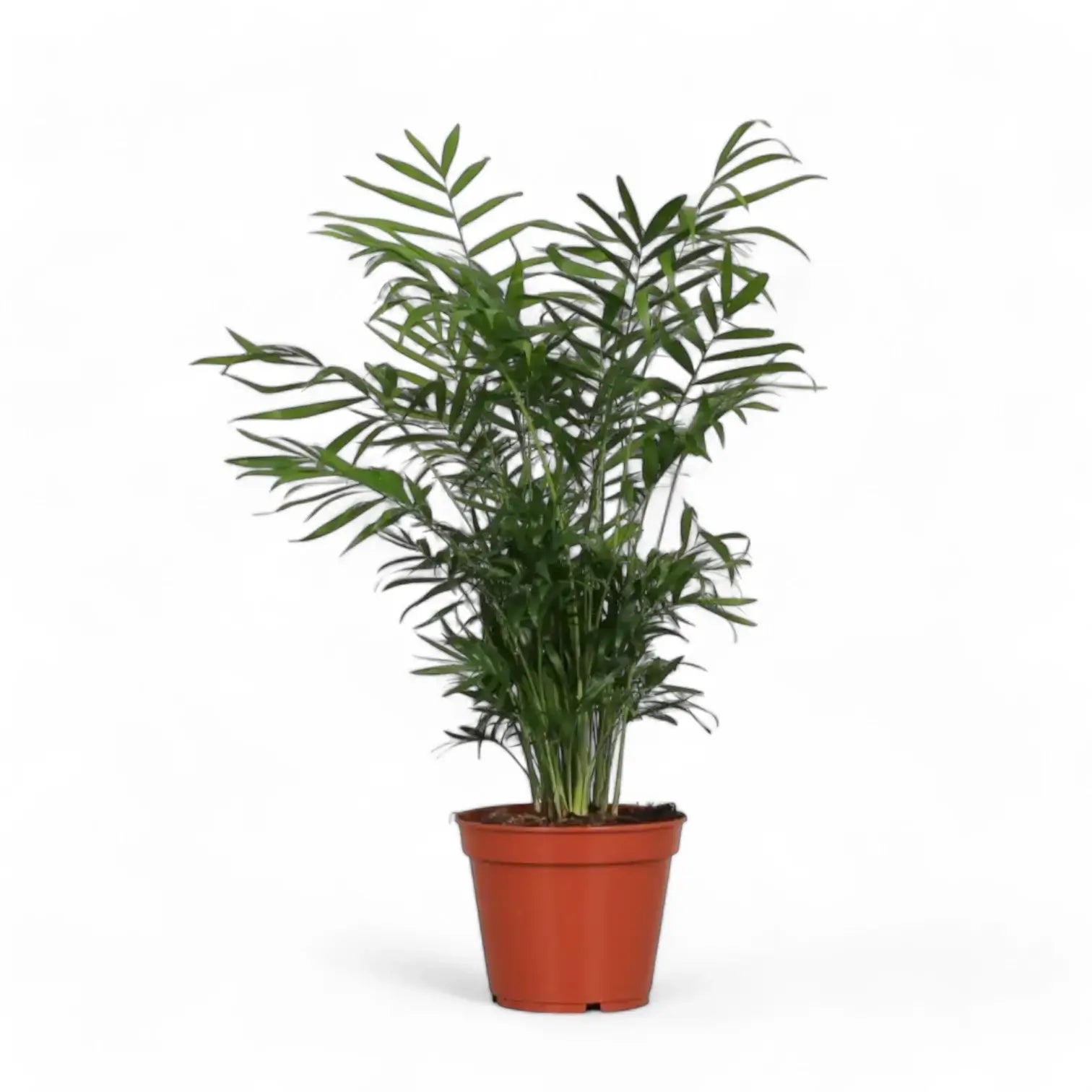
The Parlour Palm, Chamaedorea elegans, is a small, slow-growing palm with fine, feathered fronds and slender green stems. The narrow leaflets sit along each frond, and the plant stays manageable indoors for many years.
Most pots contain several young palms planted together. This makes the pot fuller from the start. Over time, some stems may grow more strongly than others, which is normal in grouped nursery pots.
The native range of Chamaedorea elegans runs from Mexico to Honduras. It grows in shaded forest conditions, and indoors it handles bright indirect light and lighter shade. Filtered light keeps the thin leaflets safer than strong direct sun.
Keep Chamaedorea elegans in bright indirect light or light shade. Water when the top layer of the substrate has partly dried, then water thoroughly and let the pot drain well. Keep the root ball lightly moist between waterings.
Use a loose houseplant mix with fine bark, coco fibre and perlite or other mineral particles. Keep temperatures above 15 °C and protect the plant from cold draughts, cold windowsills and sudden drops. Average indoor humidity is usually enough, though very dry air can increase brown tips.
Feed lightly during the growing period with a diluted balanced fertiliser every few weeks. Repot only when the pot is clearly full of roots, moving up by one size at a time. Remove fully dry fronds at the base, keeping cuts away from the growing point of each stem.
Brown leaflet tips are often linked to dry air, irregular watering, salt build-up or cold exposure. A single yellowing lower frond is normal, but several at once suggest root stress or depleted substrate. Pale, stretched growth indicates too little usable light. Fine webbing or speckled leaves point to spider mites, especially in warm, dry conditions.
Because several palms are often grouped in one pot, divide only when individual plants clearly have their own root systems.
ASPCA lists Chamaedorea elegans as non-toxic to cats and dogs, although eaten plant material can still upset sensitive stomachs.
The accepted name is Chamaedorea elegans Mart., a palm in the family Arecaceae. The genus name is commonly interpreted from Greek elements meaning “ground” and “gift,” and elegans means elegant.
Its slow growth and grouped nursery pots help keep it compact indoors.
Plant names, growth habits, natural habitats and indoor care guidance are checked against trusted botanical, habitat and horticultural references before publication.View our plant care resources and references.
Sign up for Foliage Factory newsletter for early access to new arrivals and practical care tips that work in real homes.