Light
Bright indirect • approx. 10,000–20,000 lux

Buy 4 plants, get 1 free
VAT included · plus
Your new plant has just travelled a long way and needs a calm start in its new home. For step-by-step unboxing and first-week care, check our after-delivery care guide. For deeper tips on how your plant settles in over the next weeks, read our houseplant acclimatization guide.
Secure shipping, carefully packed orders with safe delivery across the EU, UK and Switzerland.
28-day plant guarantee, if a plant arrives damaged or fails soon after delivery, we help you make it right.
Free returns, simple, cost-free returns according to our policy.
For full details, please see:
Please head to our FAQ Page or Contact us.
Quick Care Guide
Light
Bright indirect • approx. 10,000–20,000 lux
Watering
Water when ~30–50% dry
Substrate
Airy + fast-draining • Light moisture buffer • Bark-based • Medium-chunky
Temperature
Ideal: 18–27 °C • Avoid below: 15 °C
Humidity
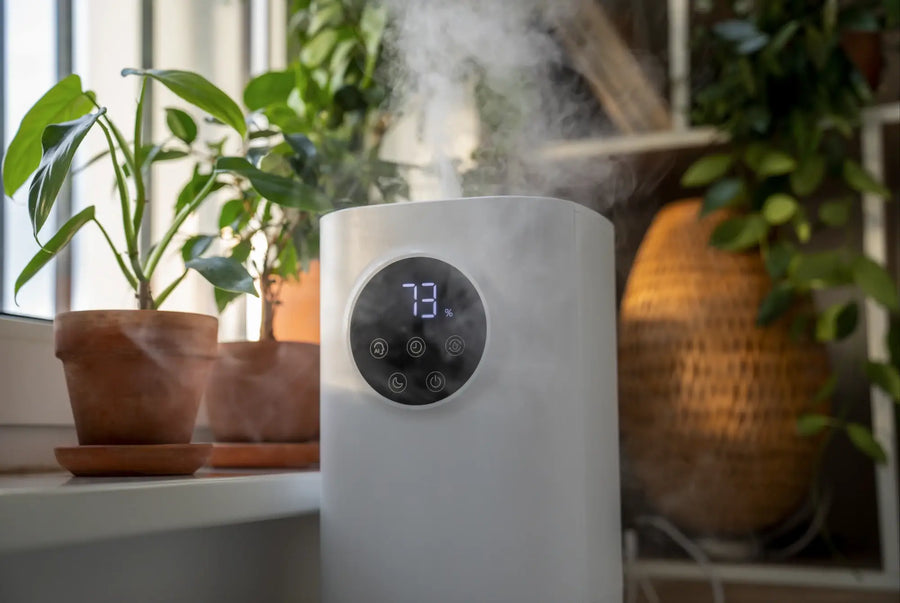
Humid 60–80 % +
Growth habit
Upright clumping epiphytic herbaceous perennial.
Support
optional
Growth speed
Slow
Max size indoors
Max. height: 60 cm • Max. spread: 60 cm
Toxicity & safety
Toxic
Origin & habitat
Horticultural hybrid of Anthurium papillilaminum × Anthurium luxurians
Outdoor growing
Outside from 15 °C · sheltered spot
These care values are quick reference points for indoor growing. Use them as a guide, then adjust for pot size, substrate, temperature and how quickly the substrate dries.
For more detail, read the full product description or visit our Plant Care Guides.
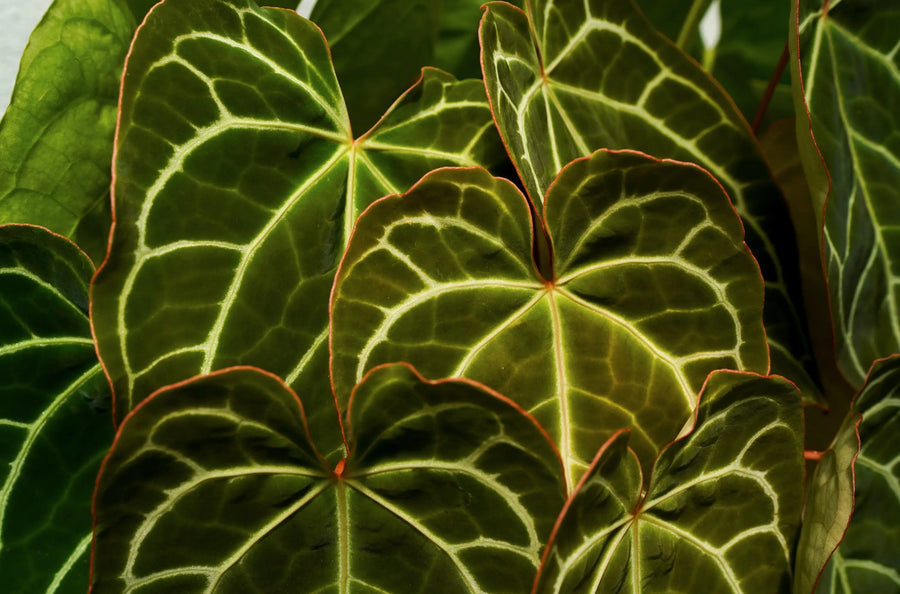
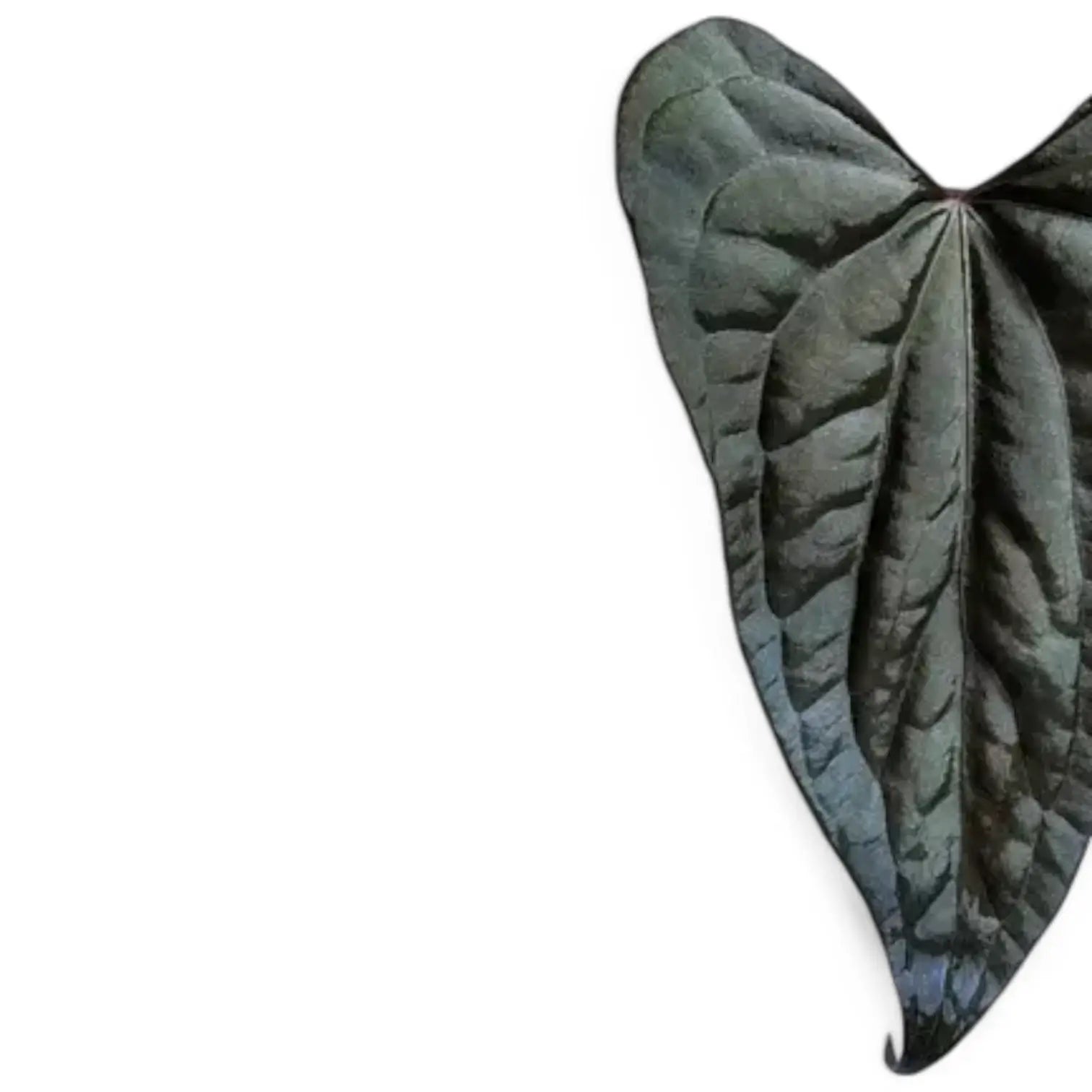
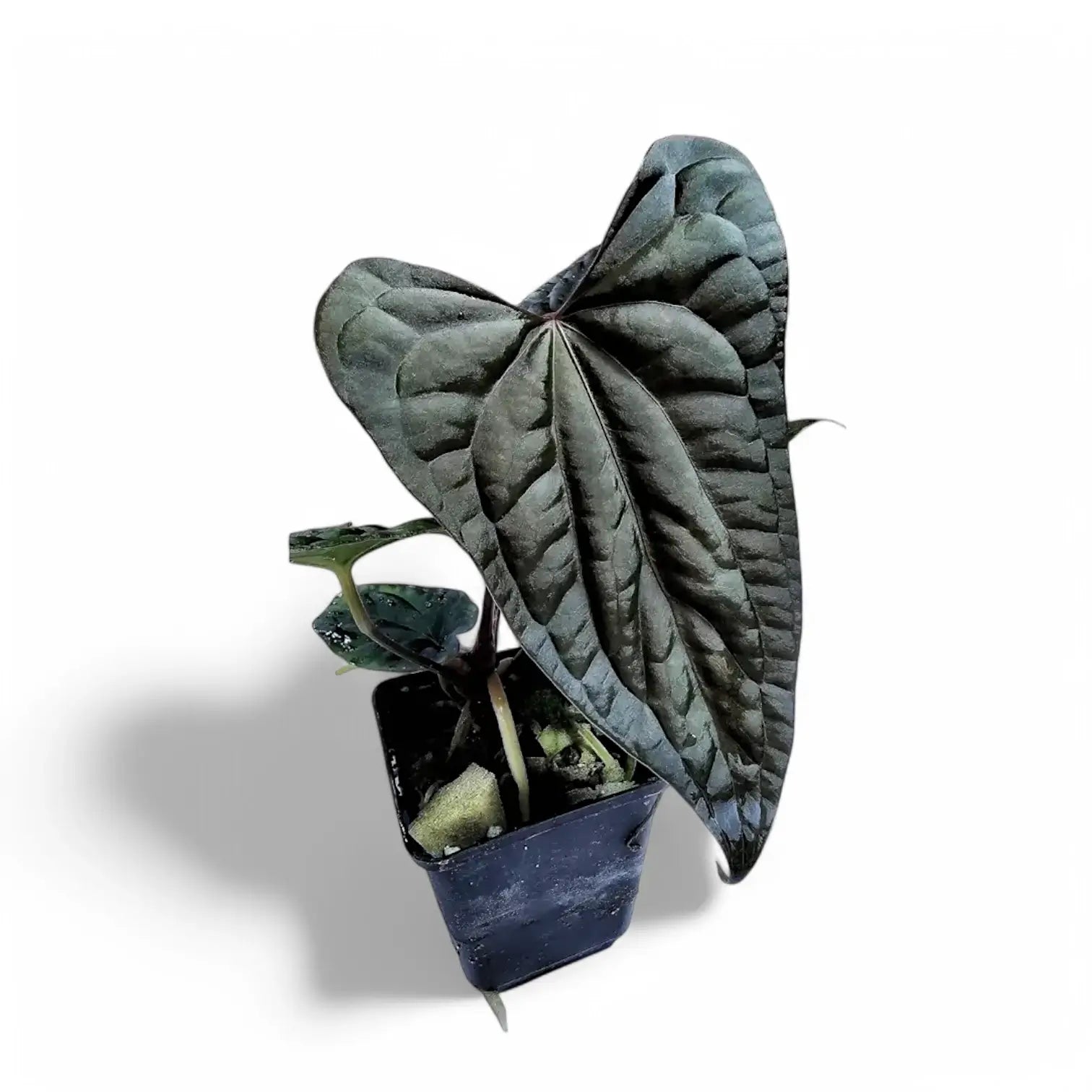
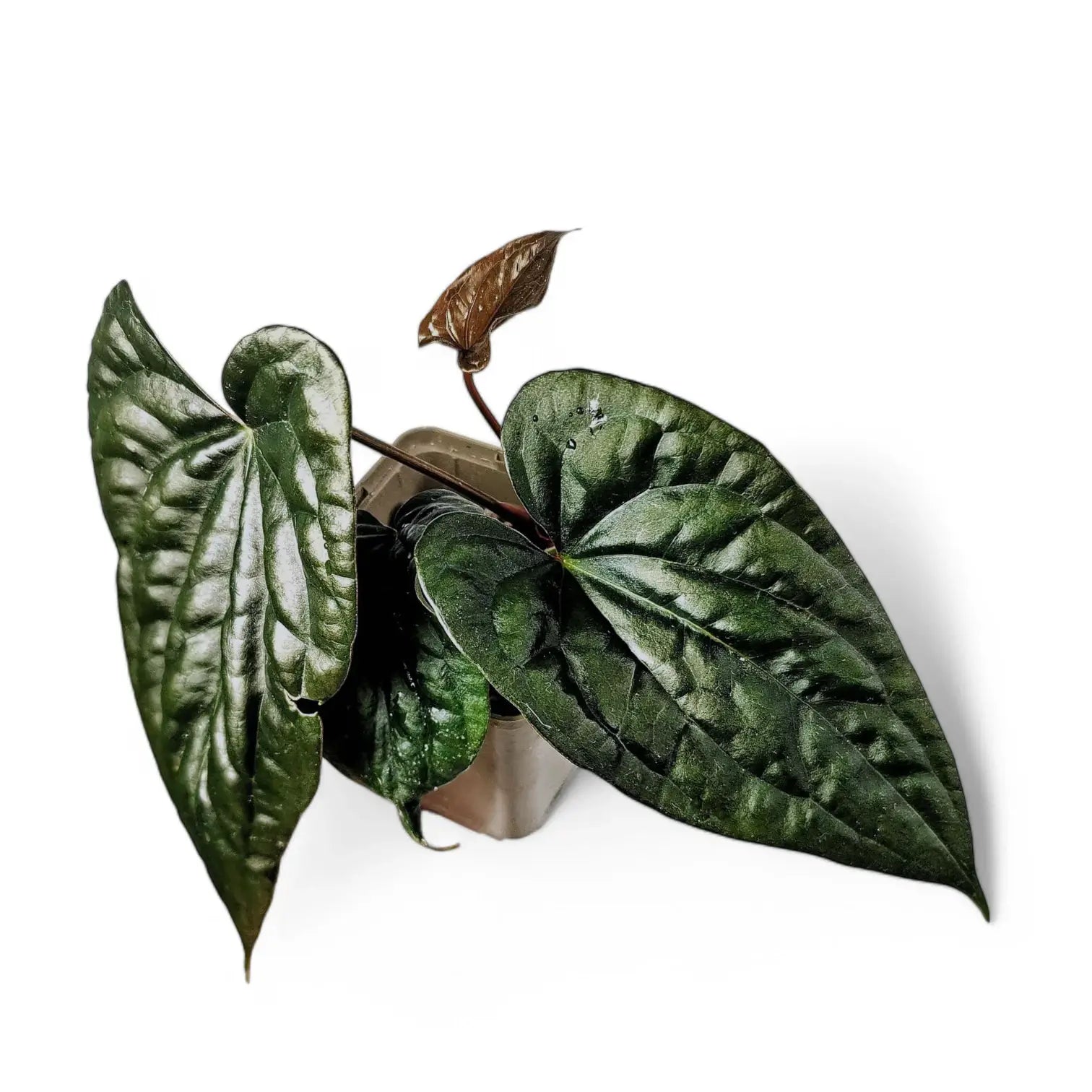
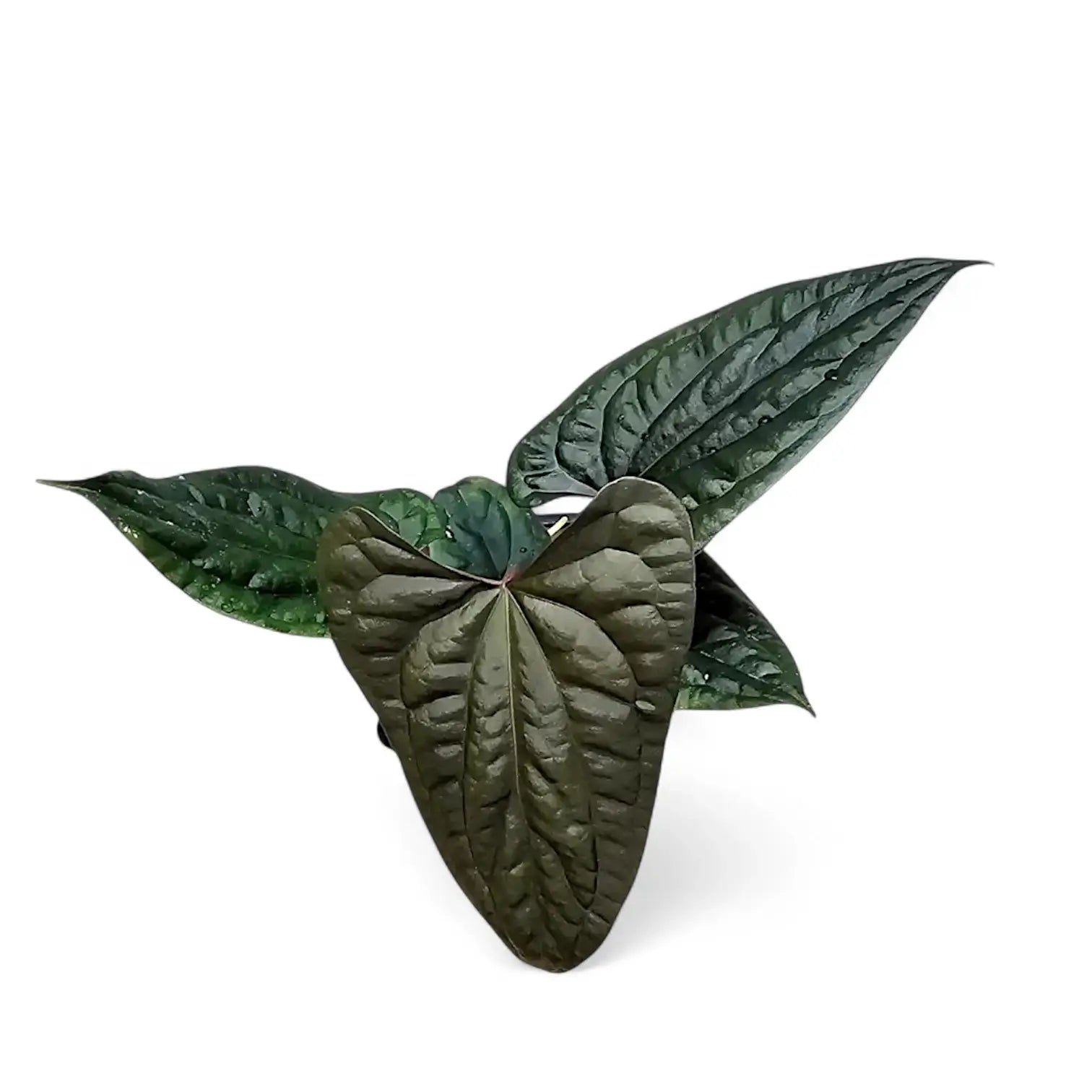
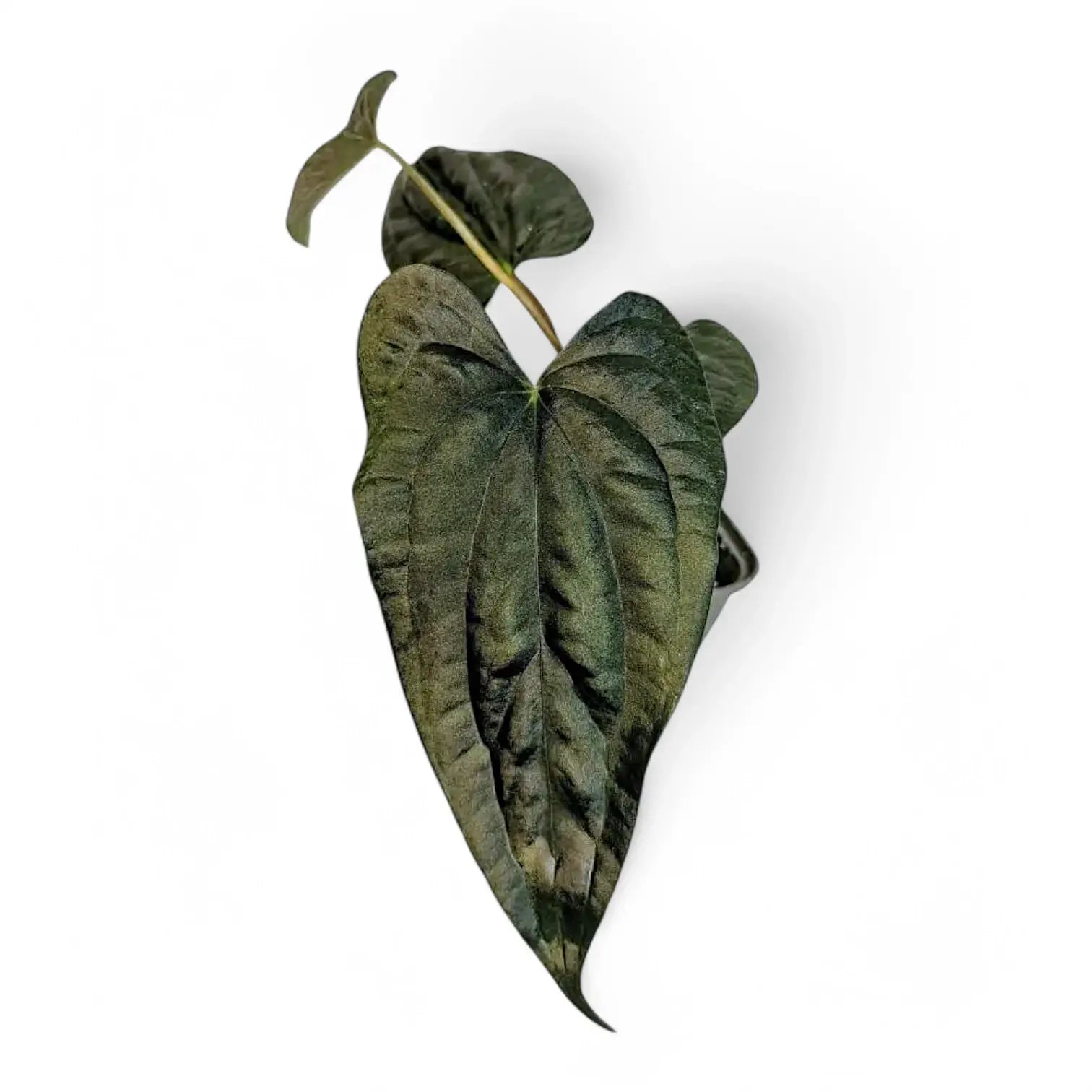
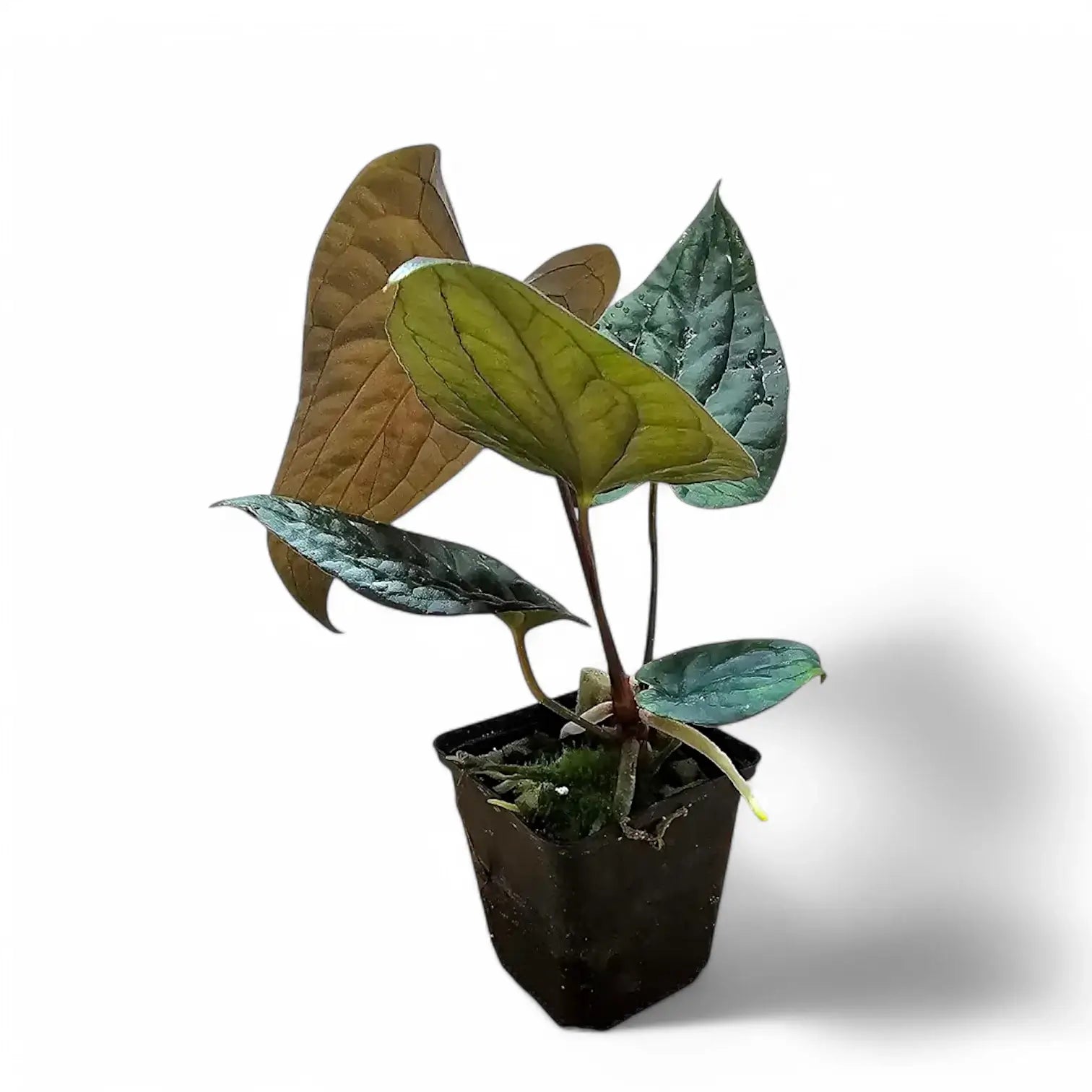
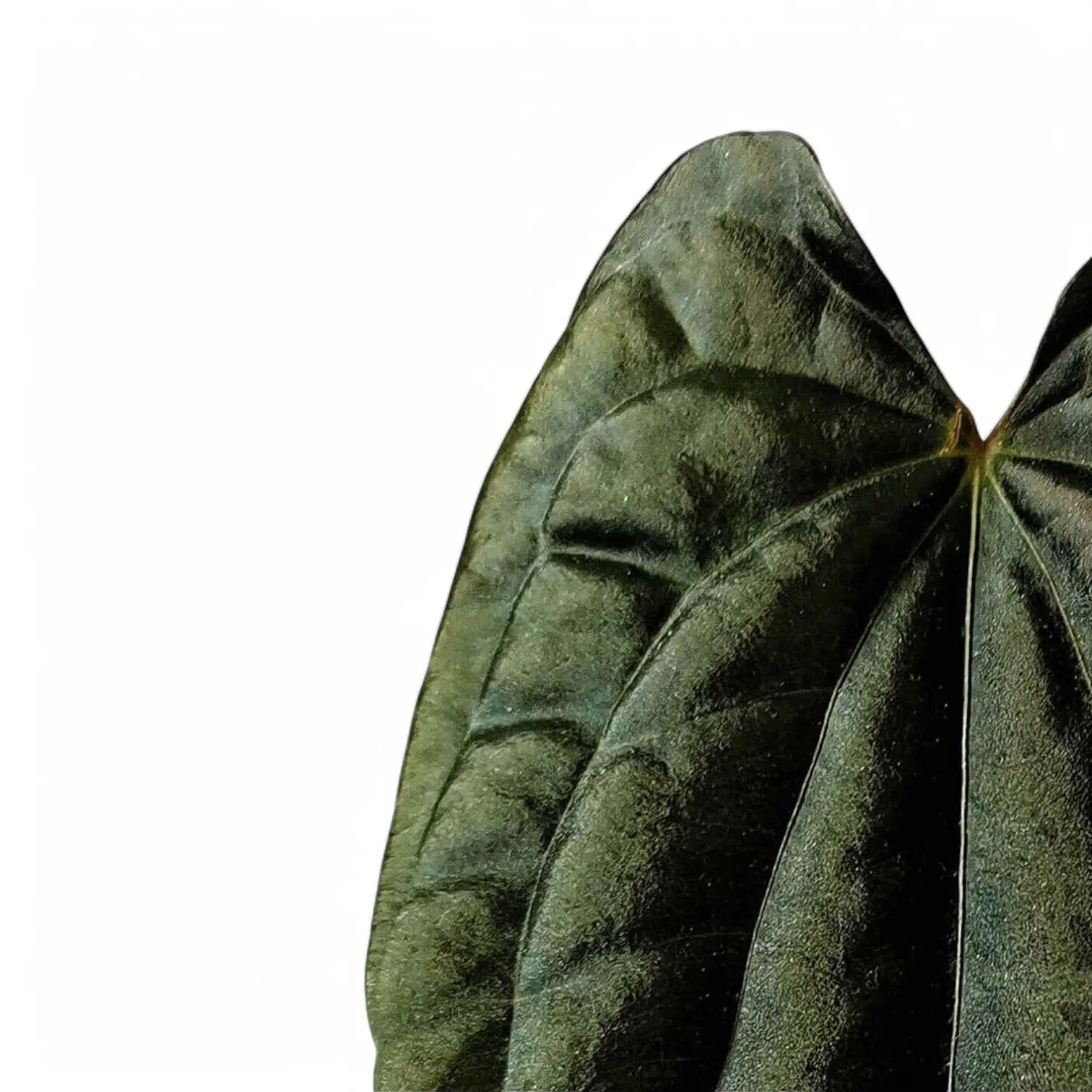
Anthurium papillilaminum × luxurians has dark leaves with raised texture and a thicker surface from the luxurians side. The blades can develop a bullate, blistered or quilted look as they mature, with a firm feel once fully hardened.
New leaves need steady humidity while the textured blade expands and hardens. Once mature, the foliage combines darker colour, raised surface relief and the thick-rooted growth behaviour typical of many cultivated Anthurium hybrids.
The raised leaf surface needs stable moisture and humidity while each new blade expands. If the air is too dry, young leaves can harden unevenly, leaving creases or distorted texture. Once mature, the thicker surface gives the plant a firm, tactile look.
Anthurium papillilaminum is a velvet-leaved species from Panama, while Anthurium luxurians is a Colombian Anthurium known for its bullate leaf surface. Indoors, thick textured leaves expand best with steady humidity, filtered light and a chunky mix around the roots.
This Anthurium contains calcium oxalate crystals. Keep it out of reach of pets and children that chew plants, and avoid touching your eyes after handling cut or damaged tissue.
Anthurium papillilaminum × luxurians is a cultivated hybrid between Anthurium papillilaminum and Anthurium luxurians. The genus Anthurium is named from Greek roots for “flower” and “tail”, linked to the tail-like spadix. The epithet papillilaminum refers to papillae on the leaf blade, while luxurians is a Latin epithet linked to luxuriant or abundant growth.
Anthurium papillilaminum Croat was published in 1986 and is native to Panama. Anthurium luxurians Croat & R.N.Cirino was published in Aroideana in 2005 and is native to Colombia.
Plant names, growth habits, natural habitats and indoor care guidance are checked against trusted botanical, habitat and horticultural references before publication.View our plant care resources and references.
Sign up for Foliage Factory newsletter for early access to new arrivals and practical care tips that work in real homes.