Skip to content

Cart

Your cart is empty.

Scindapsus

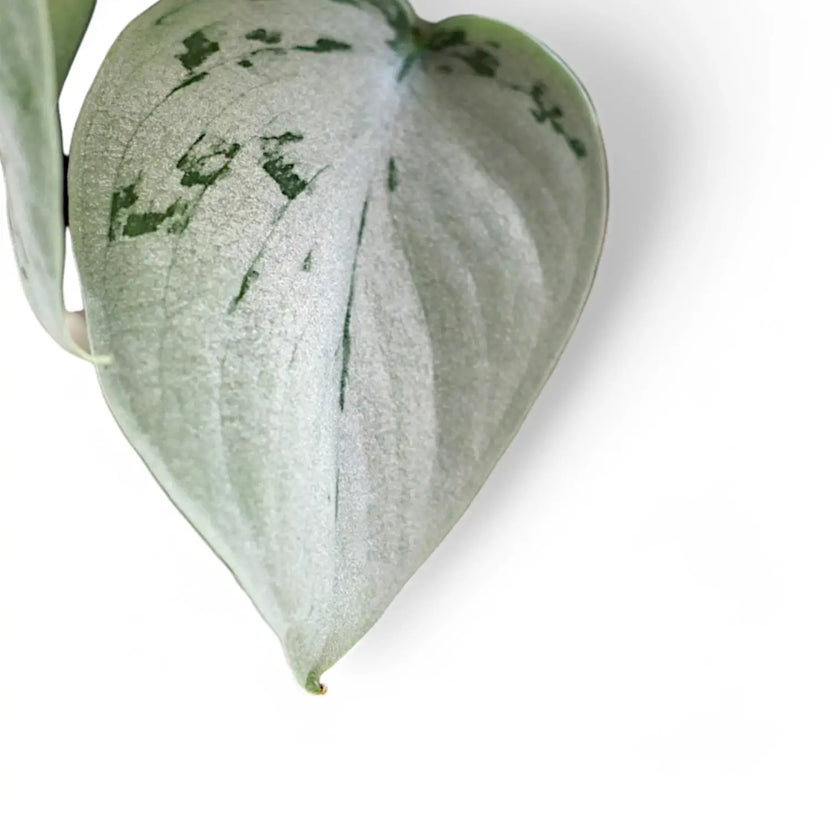
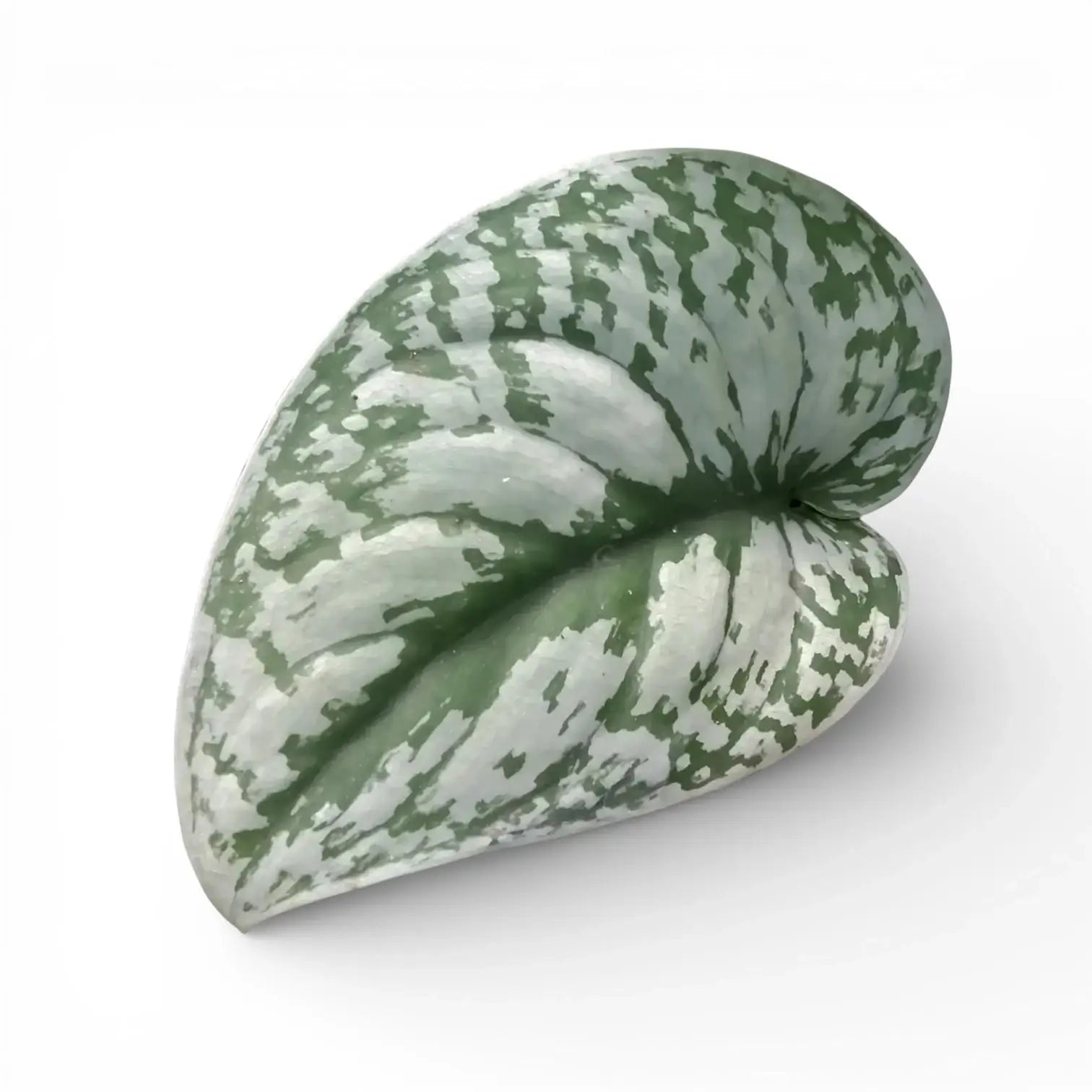
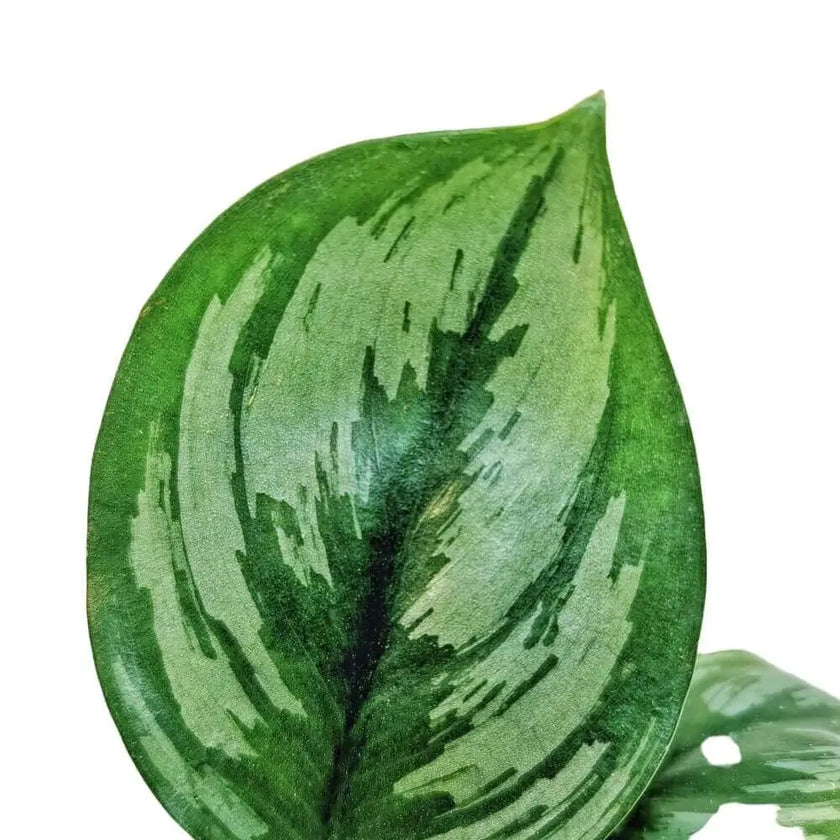
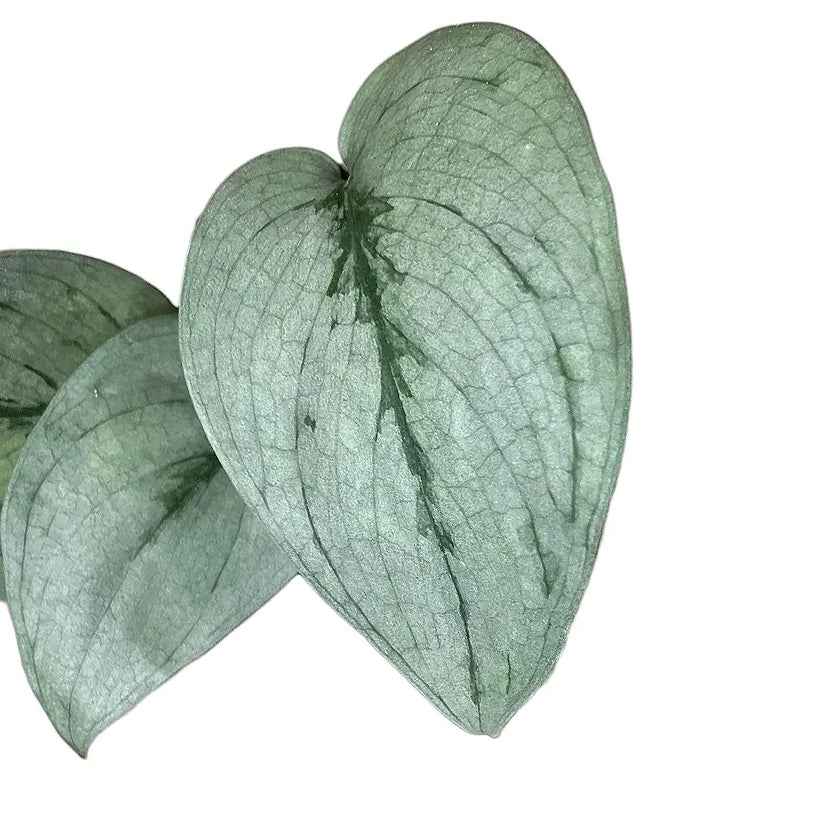
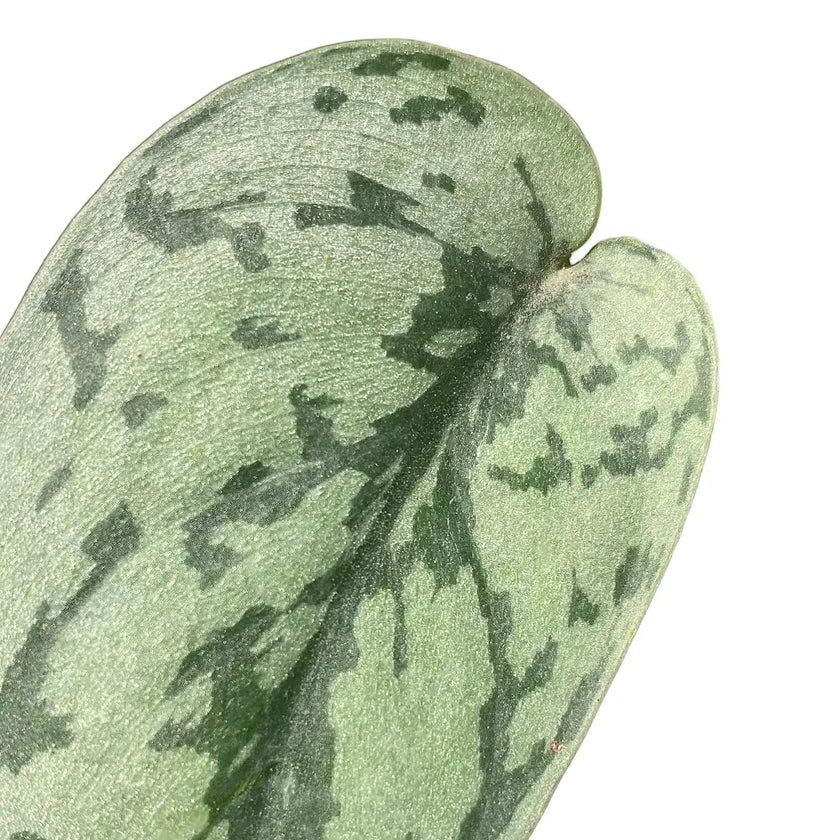
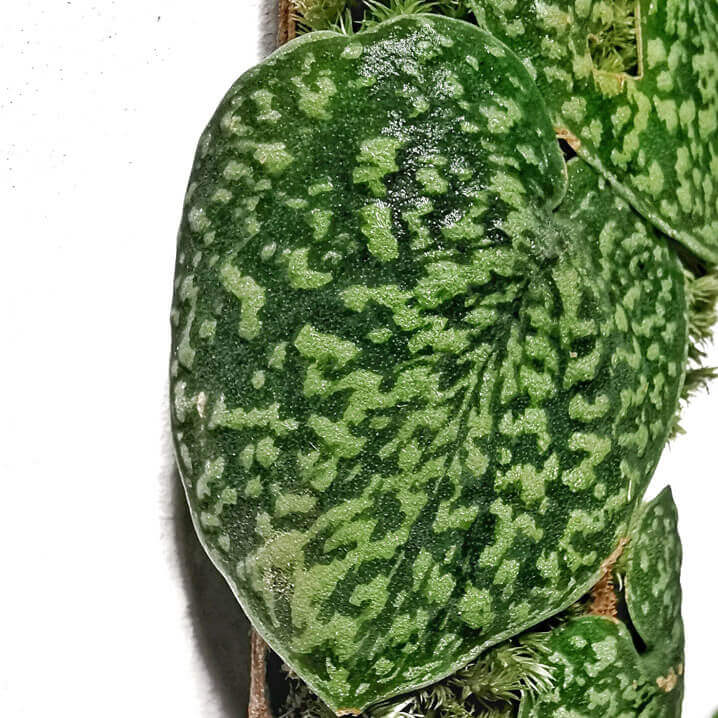
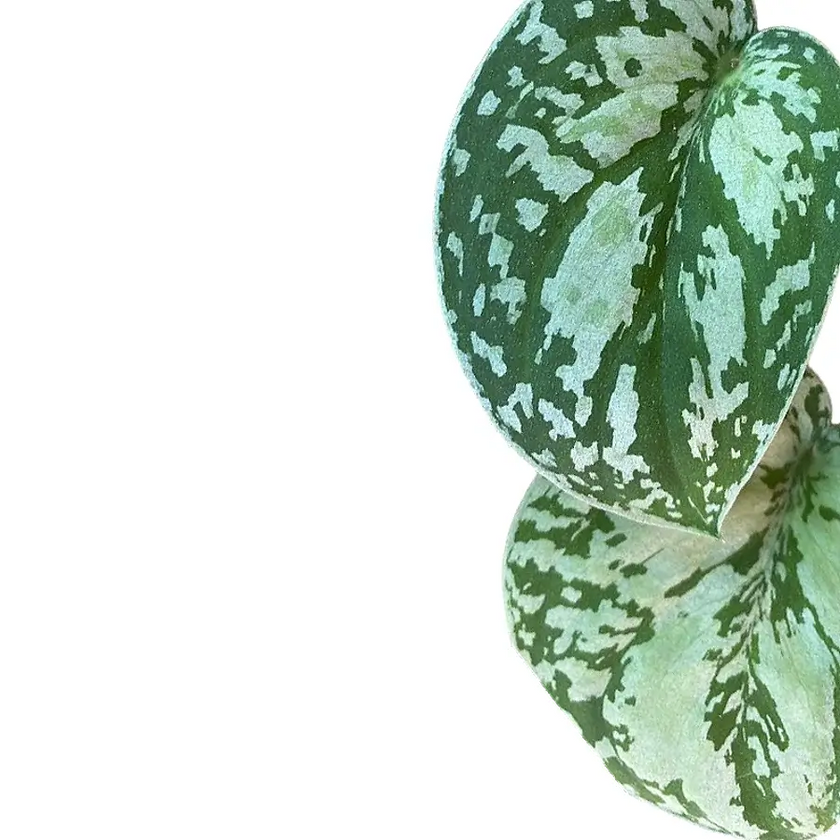
Scindapsus leaf with silver markings on white background

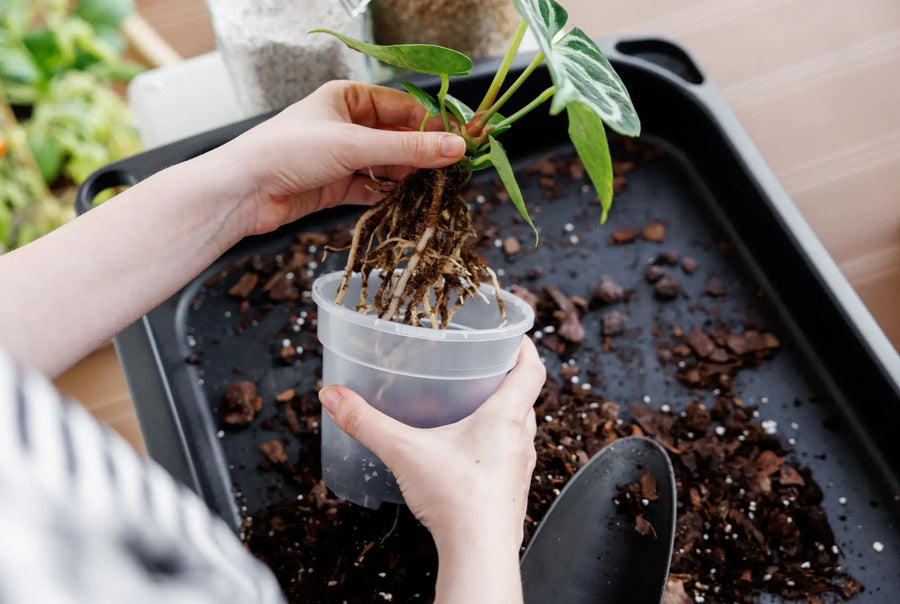
Substrate help

Aroid roots need structure, not dense compost

Choose airy ingredients and ready-to-mix substrate starters for Monstera, Philodendron, Anthurium and related indoor aroids.

Sort by:

Filters

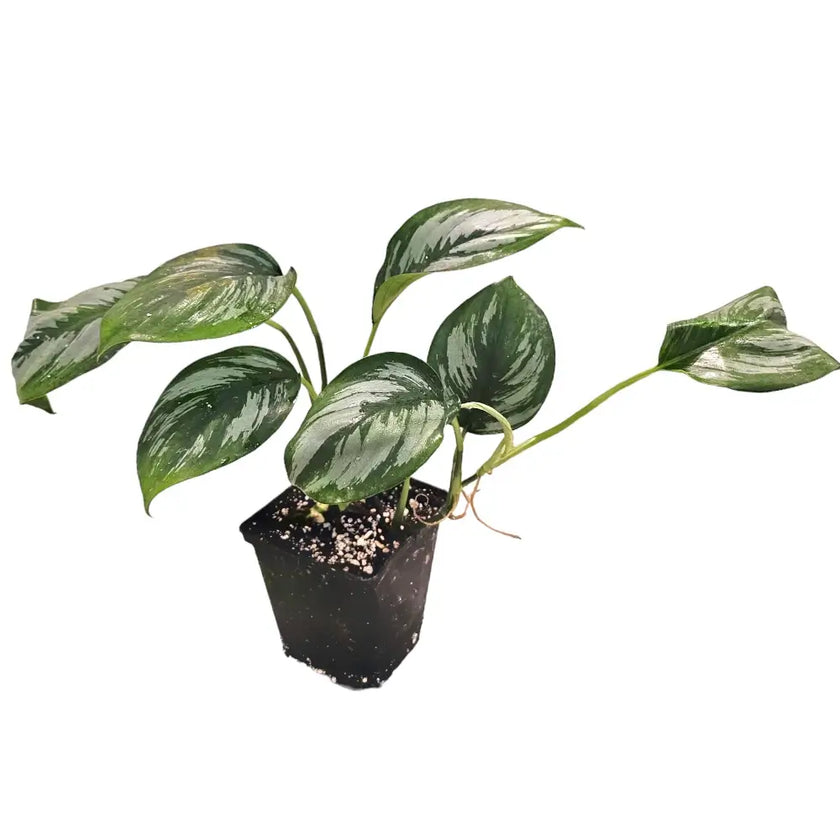
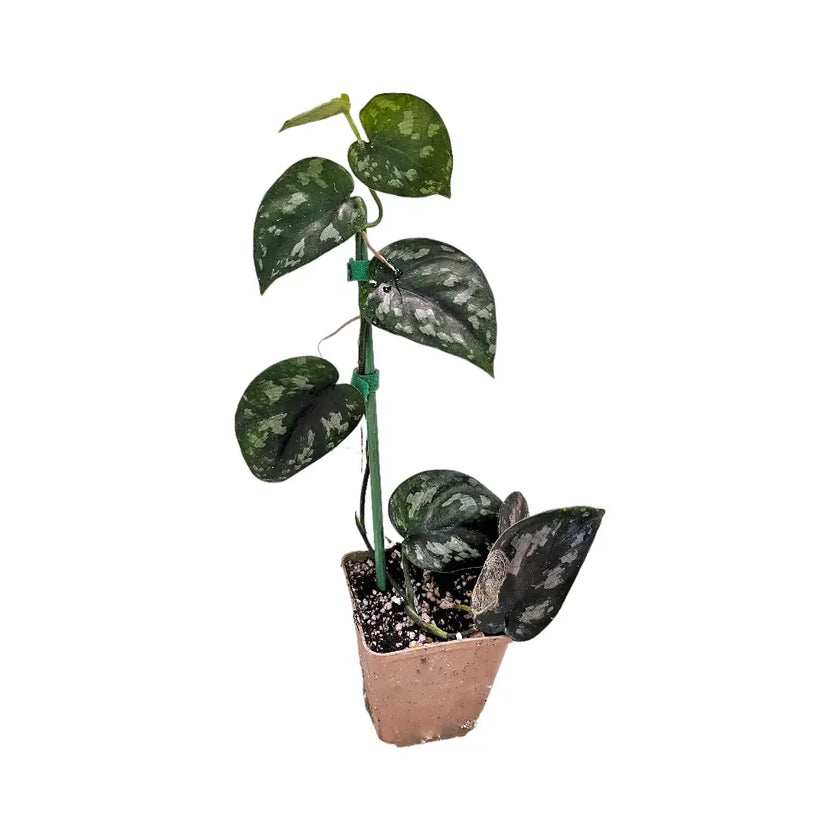
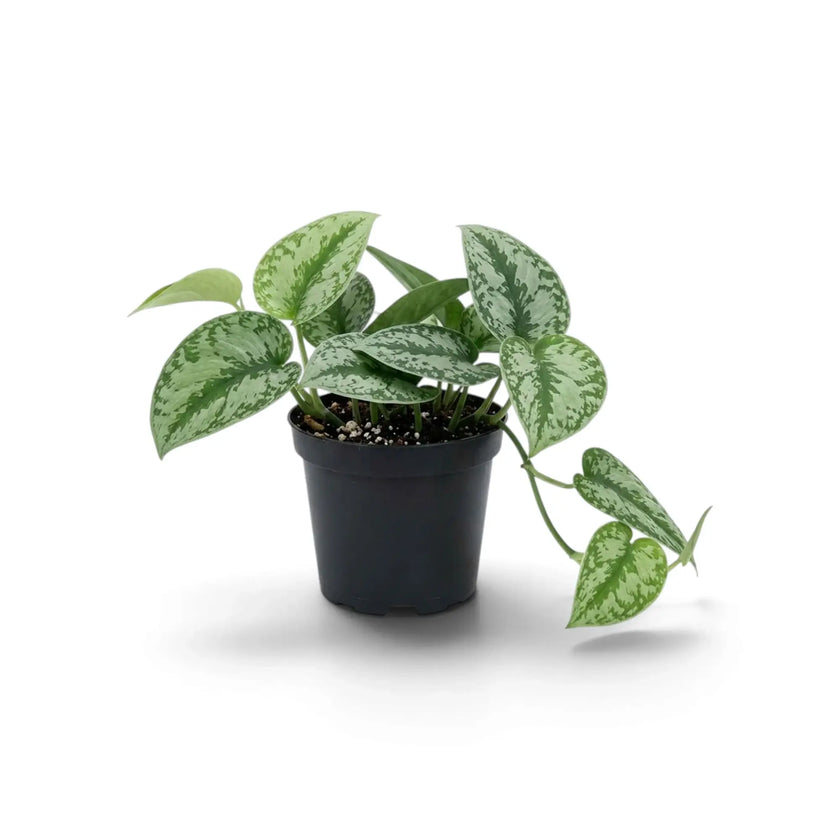
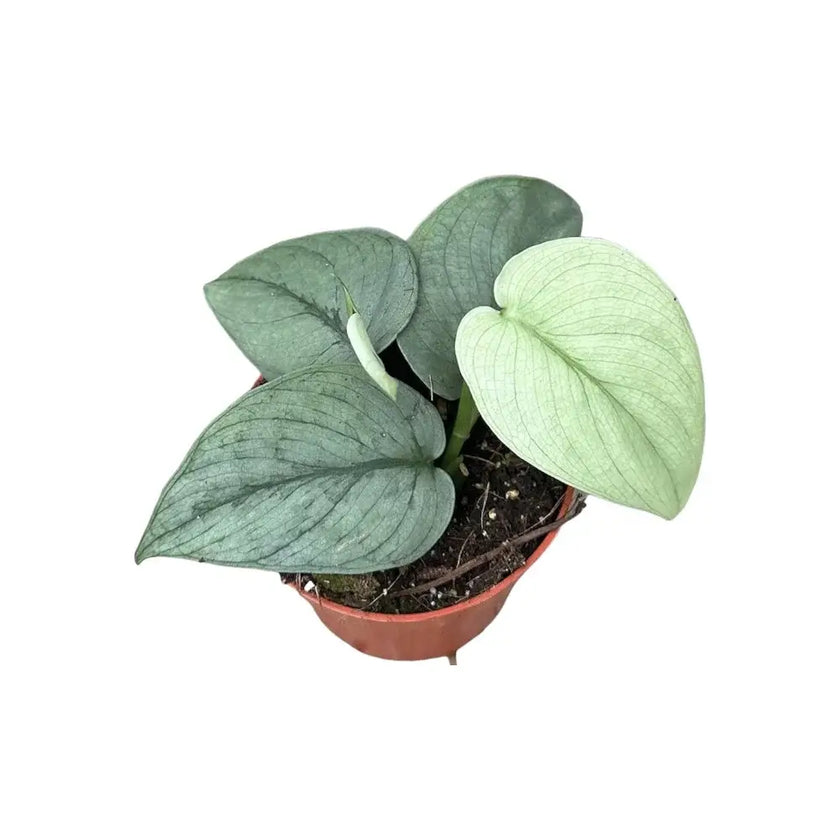
Plant Set: Scindapsus Trio Regular price €59,95
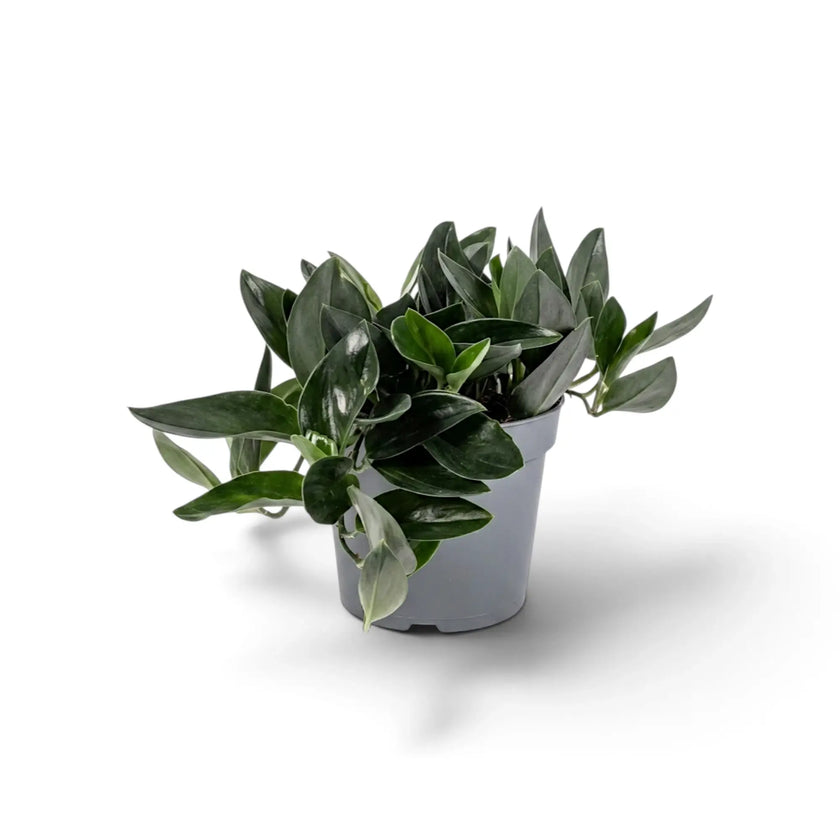
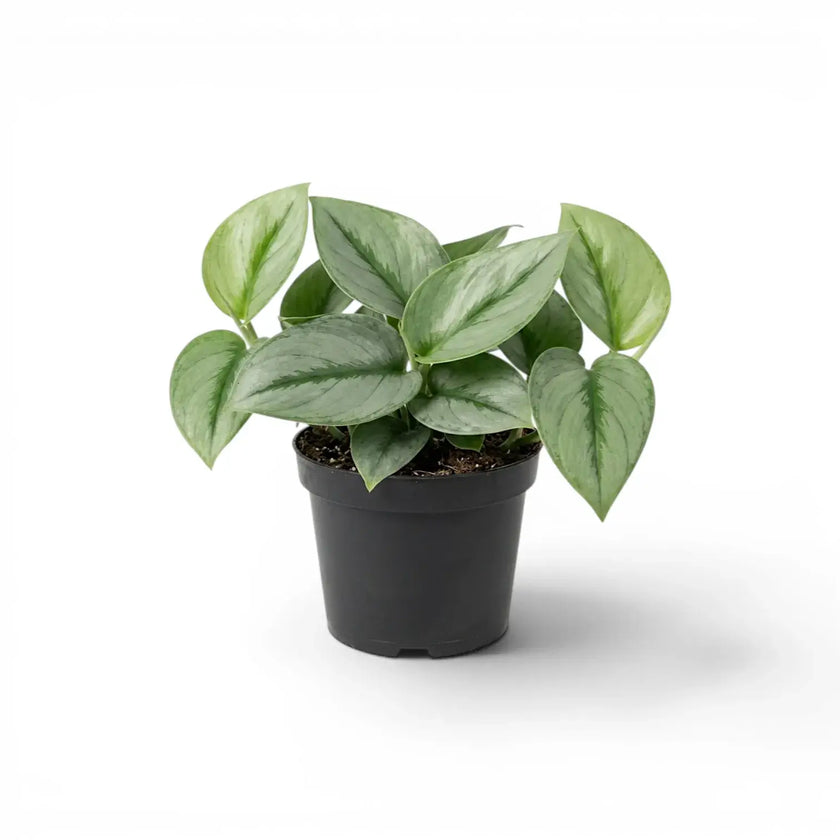
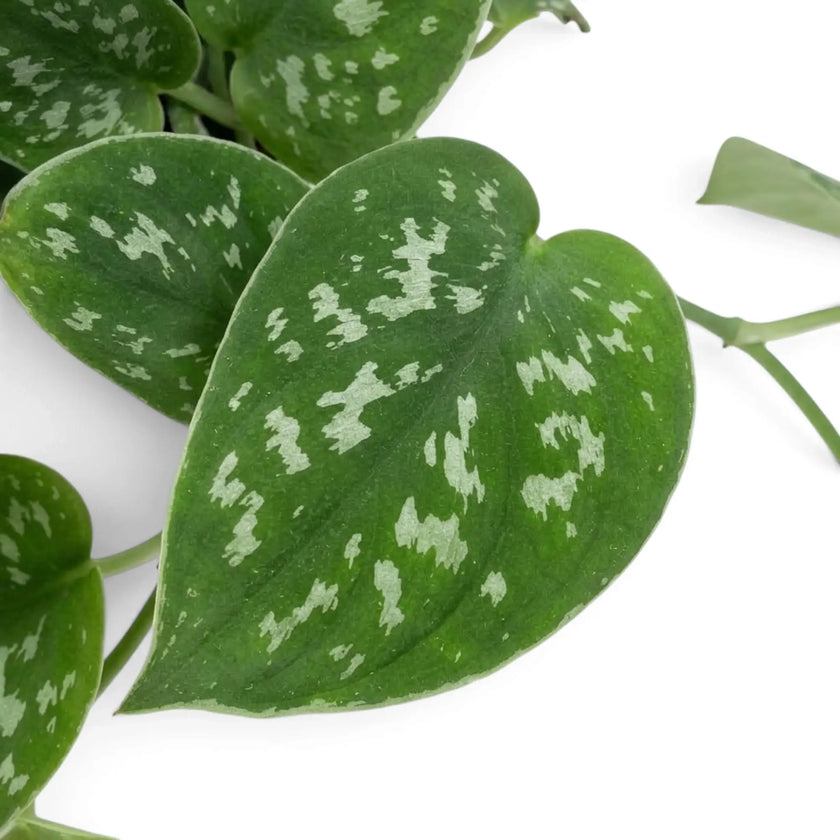
Scindapsus pictus 'Argyraeus' Regular price From €18,50
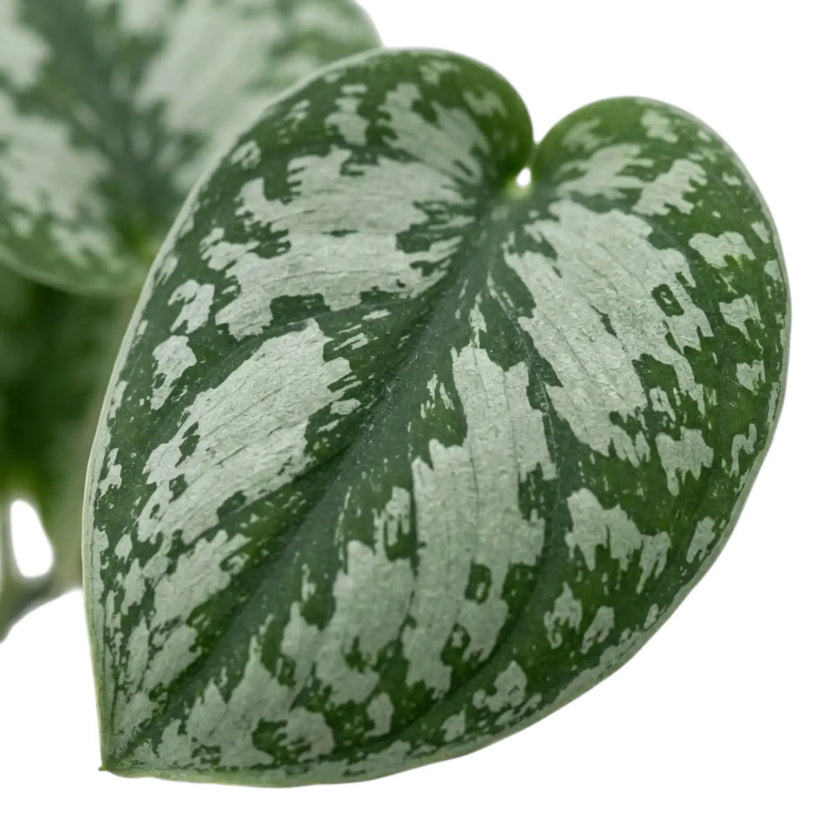
Scindapsus pictus 'Exotica' Regular price From €10,00
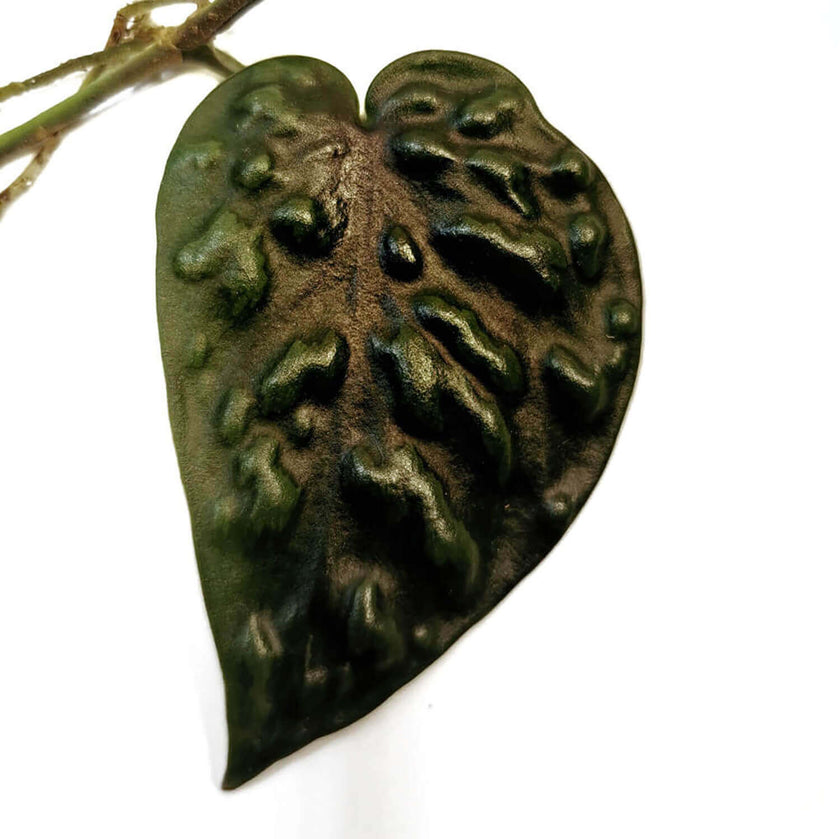
Scindapsus treubii 'Moonlight' Regular price €24,50

Araceae

Scindapsus

Quick Overview

Scindapsus (satin pothos) - silver vine notes

  • Look: vining aroids with thick leaves marked in silver; slower than pothos but more distinctly patterned.
  • Light: medium to bright, indirect light; low light makes pattern less distinct, strong sun burns silvery patches.
  • Substrate: enjoys airy aroid-style compost with bark and mineral fraction; compact peat-only mixes stay too wet.
  • Watering: water when upper mix has dried slightly; keep roots moist, not constantly saturated or completely dry.
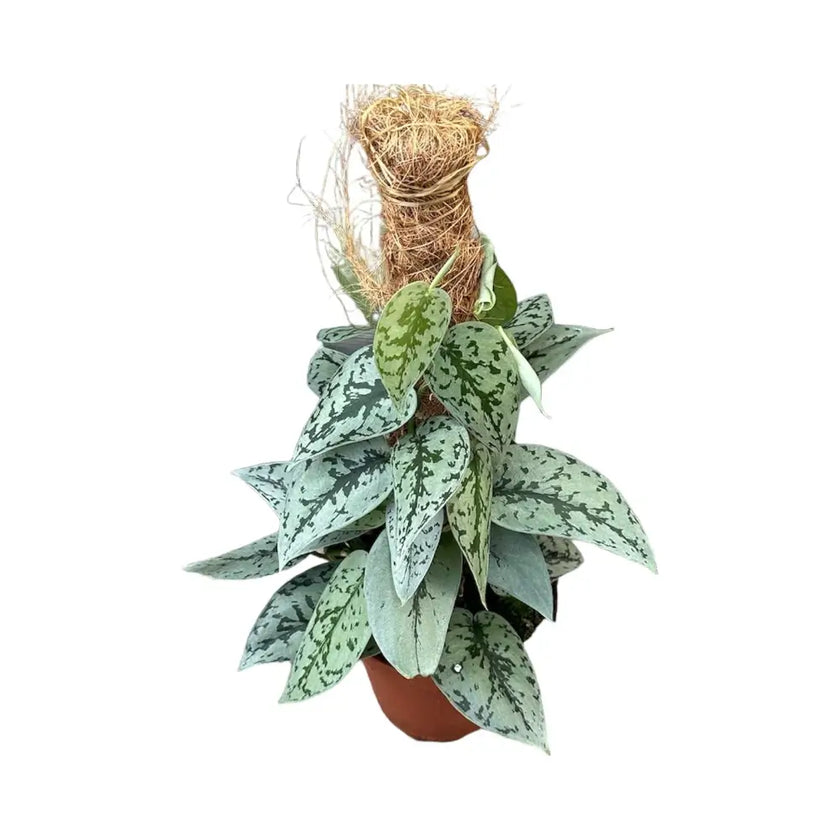
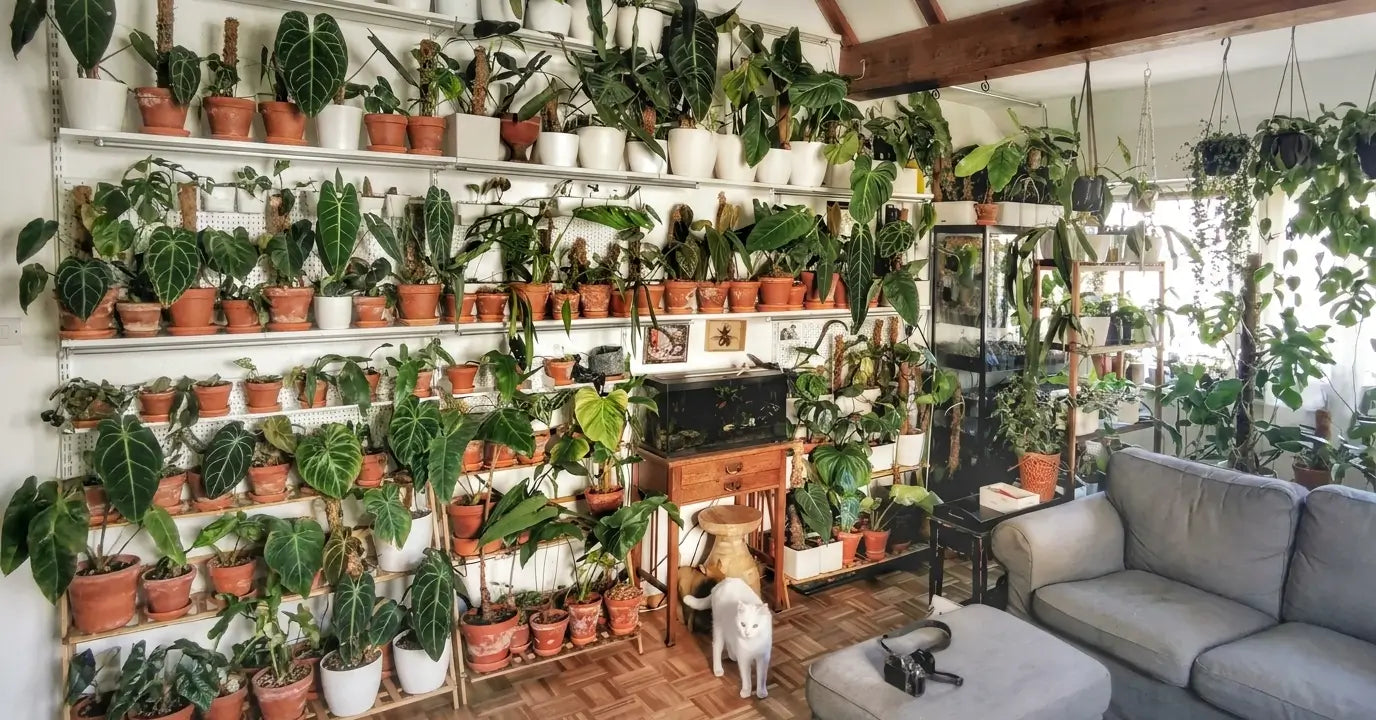
  • Support: climbs readily and produces fuller, larger leaves on poles or boards compared with trailing only.
  • Toxicity: contains calcium oxalate; keep vines out of reach of pets and children.
Botanical Profile

Scindapsus (Satin Pothos) - botanical profile for root-climbing aroids

Scindapsus is a genus of root-climbing aroids in Araceae (subfamily Monsteroideae, tribe Monstereae), described by Schott in 1832. The name is derived from an ancient Greek term associated with an Indian instrument used to calm elephants, later applied to these robust vines. Modern checklists list around 30-40 accepted species, including Scindapsus pictus and Scindapsus treubii, which are widely grown as satin-textured houseplants.

  • Order: Alismatales
  • Family: Araceae
  • Tribe: Monstereae (subfamily Monsteroideae)
  • Genus: Scindapsus Schott
  • Type species: Scindapsus officinalis (Roxb.) Schott
  • Chromosomes: Published counts are limited but generally fall into the moderate polyploid range characteristic of Monstereae.

Range & habitat: Scindapsus is native to tropical Asia, from the Indian subcontinent and Indochina through Malesia and New Guinea to parts of Queensland and western Pacific islands. Species are primarily forest climbers or hemi-epiphytes on tree trunks and large branches, also occurring on limestone cliffs and boulders in humid lowland to lower montane rainforests.

  • Life form: Evergreen, root-climbing lianas with long, often robust stems that adhere to substrates using numerous clasping aerial roots.
  • Leaf attachment: Petiolate leaves borne alternately along the stems; Scindapsus shares the Monstereae pattern of juvenile-adult leaf dimorphism, though many species retain entire or only shallowly lobed blades.
  • Leaf size: Juvenile leaves in cultivation are often 5-15 cm long; in habitat, adult leaves of some species can exceed 30-40 cm when given tall, rough supports and high humidity.
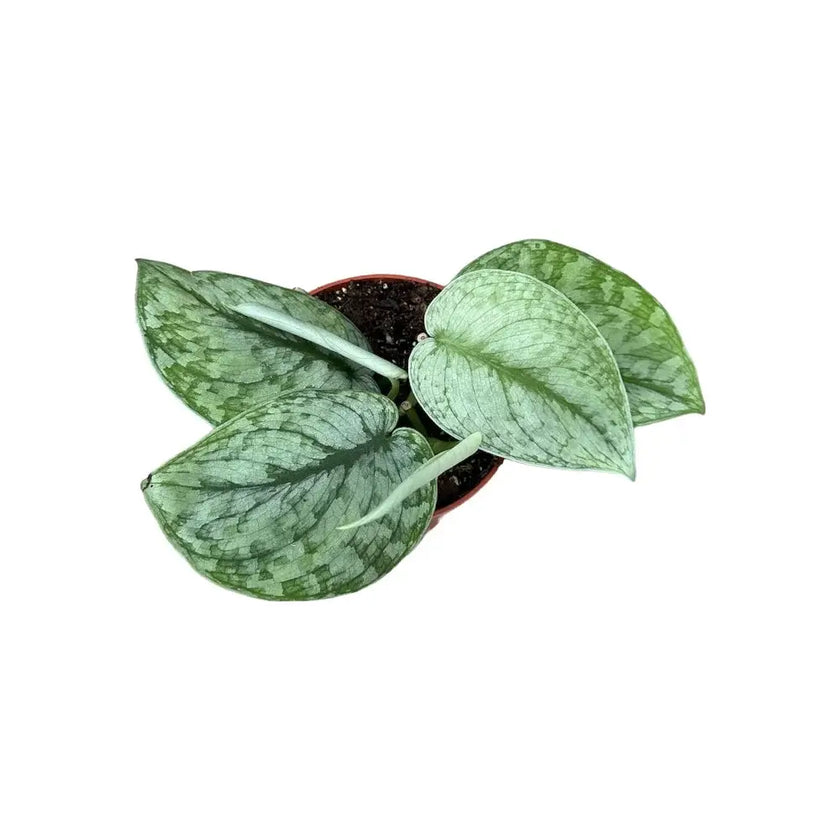
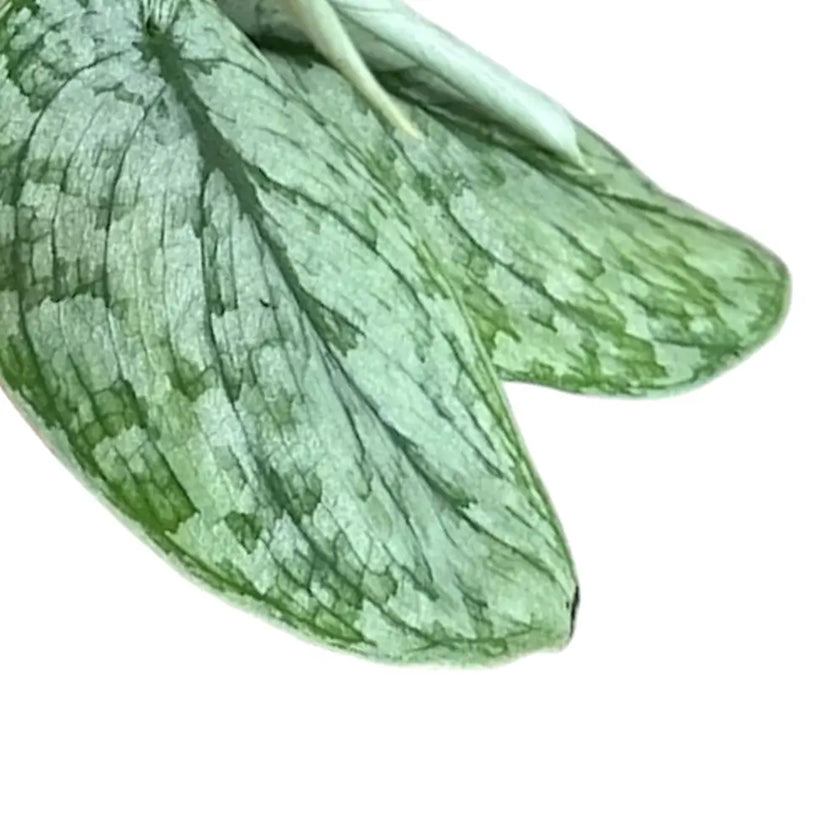
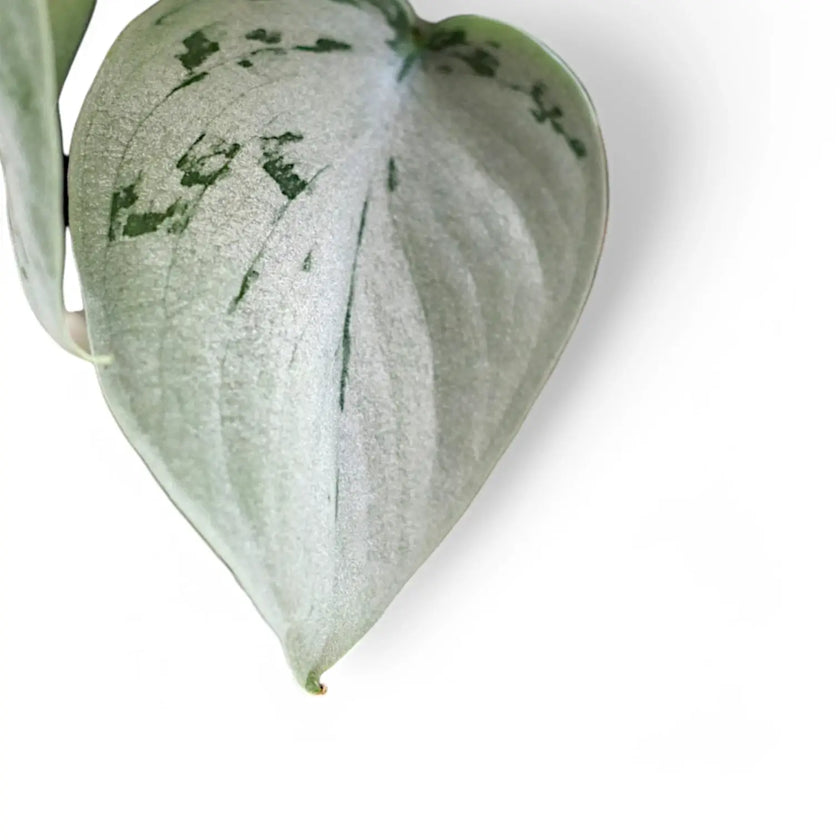
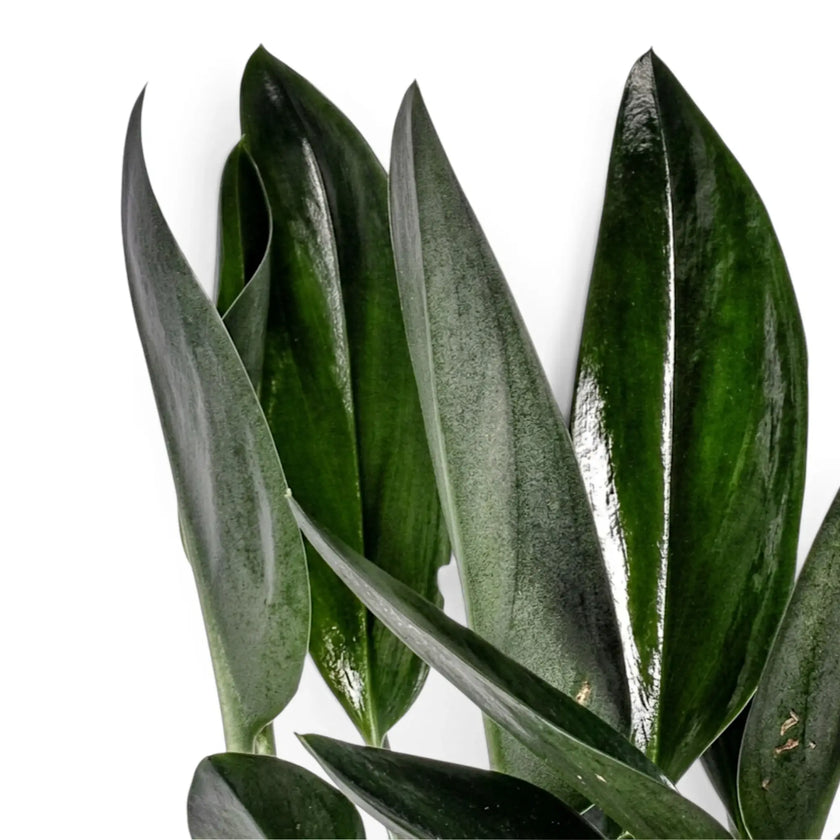
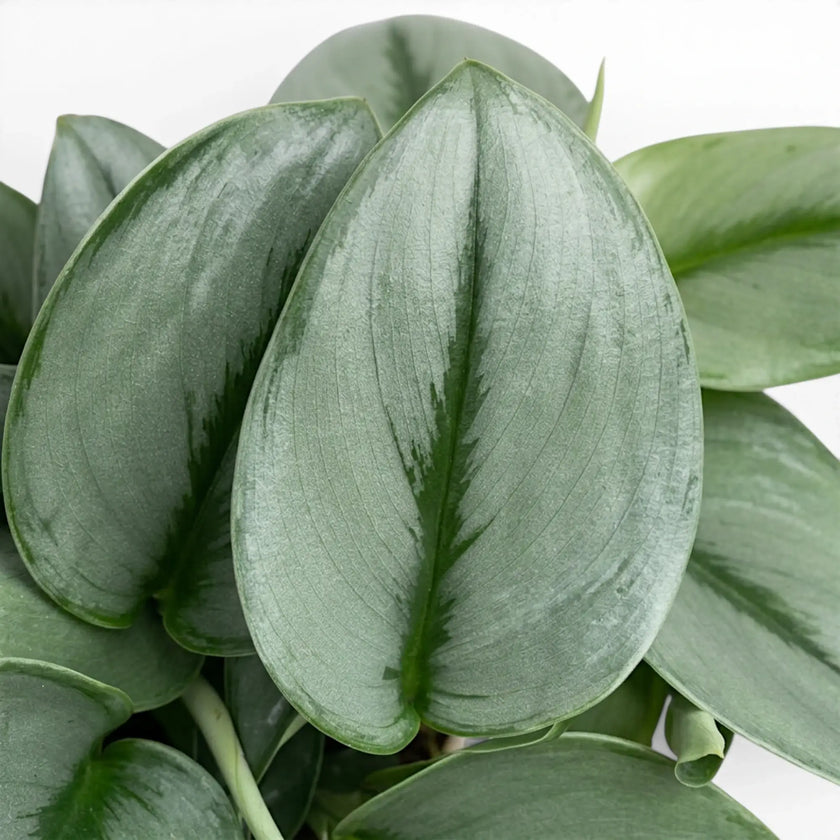
  • Texture & colour: Thick, slightly leathery blades ranging from uniform green to striking silver-mottled or bluish forms; many have a satin or slightly metallic sheen under oblique light.
  • Notable adaptation: A single ovule per locule and the resulting rounded to kidney-shaped seeds distinguish Scindapsus from closely related Epipremnum, which has several ovules per locule; this difference underpins current generic separation.

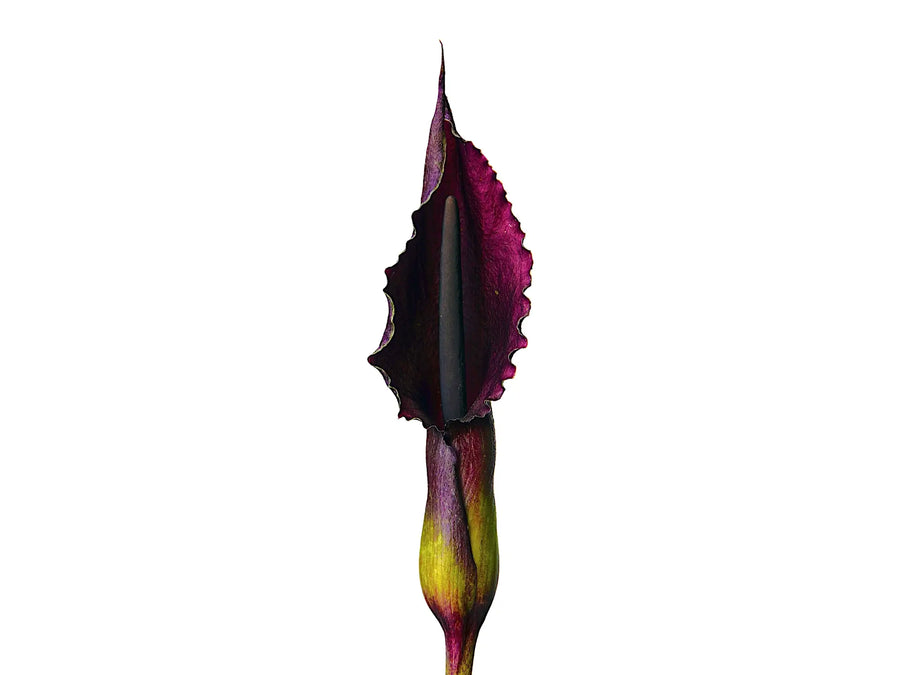
Inflorescence & fruit: Scindapsus bears compact spadix-and-spathe inflorescences similar to other Monstereae, generally produced on mature climbing stems. After pollination, fleshy berries develop along the spadix, maturing into short cylindrical infructescences that are consumed by forest fauna, spreading the single large seeds.

Details & Care

Scindapsus: silver-patterned vines for shelves and poles

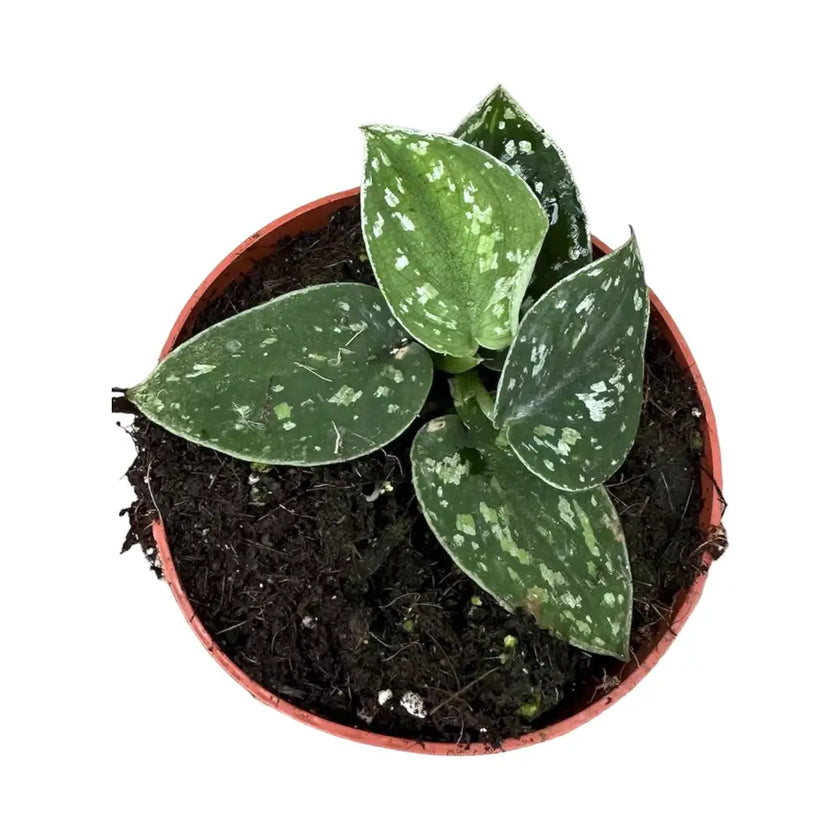
Scindapsus varieties are grown for matte leaves with silver splashes, speckling, or broad shimmer. They trail nicely, and they also climb—given support, leaves can size up and show stronger patterning.

For shopping, pay attention to leaf thickness, node spacing, and how the plant is trained. A pole-grown plant tends to keep tighter growth, while a hanging pot leans into long, draping stems.

Choosing a Scindapsus

  • Pattern density: heavier silver can slow growth slightly; brighter light helps maintain contrast.
  • Leaf thickness: thinner leaves prefer steadier moisture; thicker leaves tolerate longer dry-downs.
  • Growth style: choose trailing types for shelves; pole-grown plants suit corners and vertical space.

Getting larger leaves

  • Support: a pole or plank encourages tighter nodes and bigger foliage.
  • Light: brighter, filtered light keeps pattern crisp and growth steady.
  • Watering: let the top half of the pot dry, then water thoroughly and drain.
  • Substrate: chunky, airy mixes reduce setbacks from slow-drying pots.
  • Warmth: stable temperatures keep roots active; cool, wet pots trigger yellowing fast.

Room-light benchmarks and window placement ideas are in bright indirect light.

Common setbacks

Yellow leaves usually point to roots staying wet too long, especially in cooler rooms. Brown patches can follow direct sun on a warm window. If growth stalls and the pot stays damp for days, treat it as a root-zone issue first.

Root rot help and a faster-drying mix usually reset the plant quickly.

For shape, trim back to a node and re-root cuttings; replanting a few rooted pieces into the same pot quickly builds a fuller look. Check new growth for thrips and mites, especially in warm, dry rooms.

Frequently Asked Questions About Scindapsus