Skip to content

Cart

Your cart is empty.

Screening & Hedge Plants

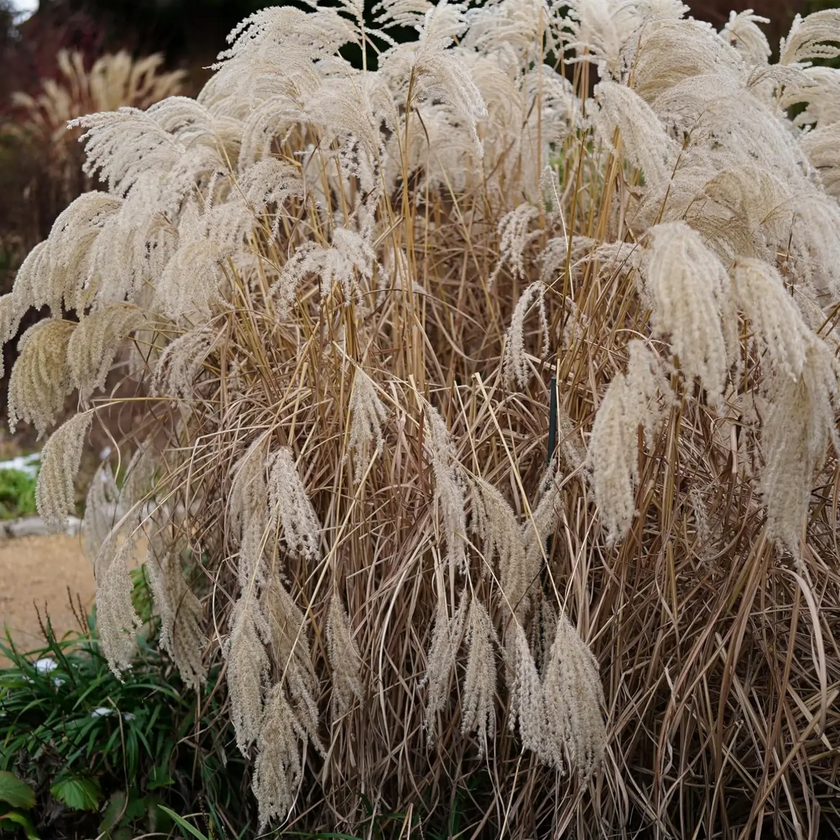
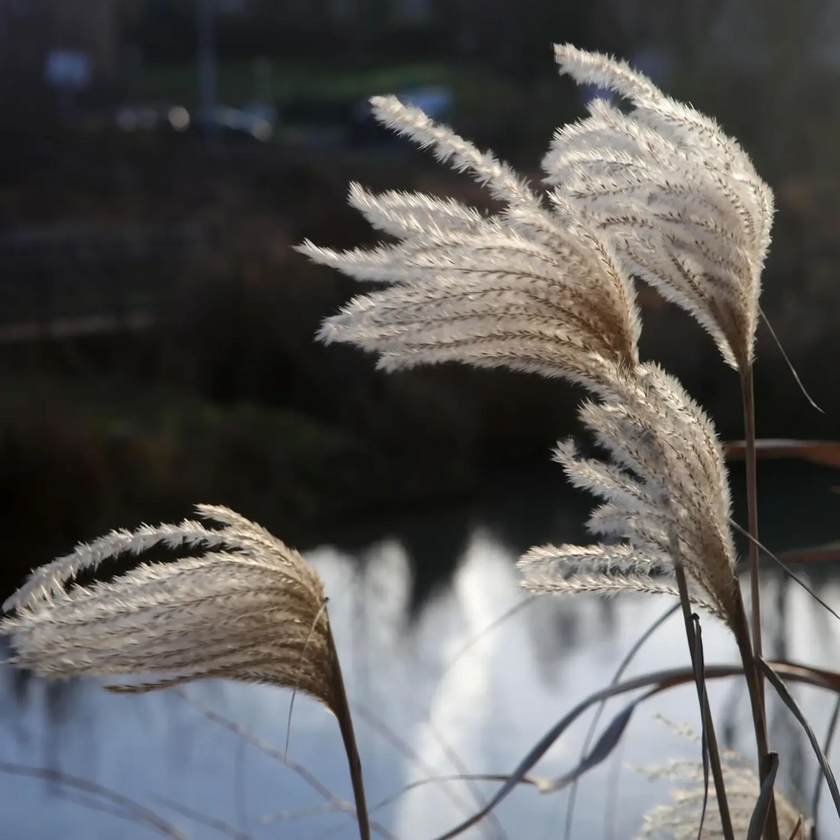
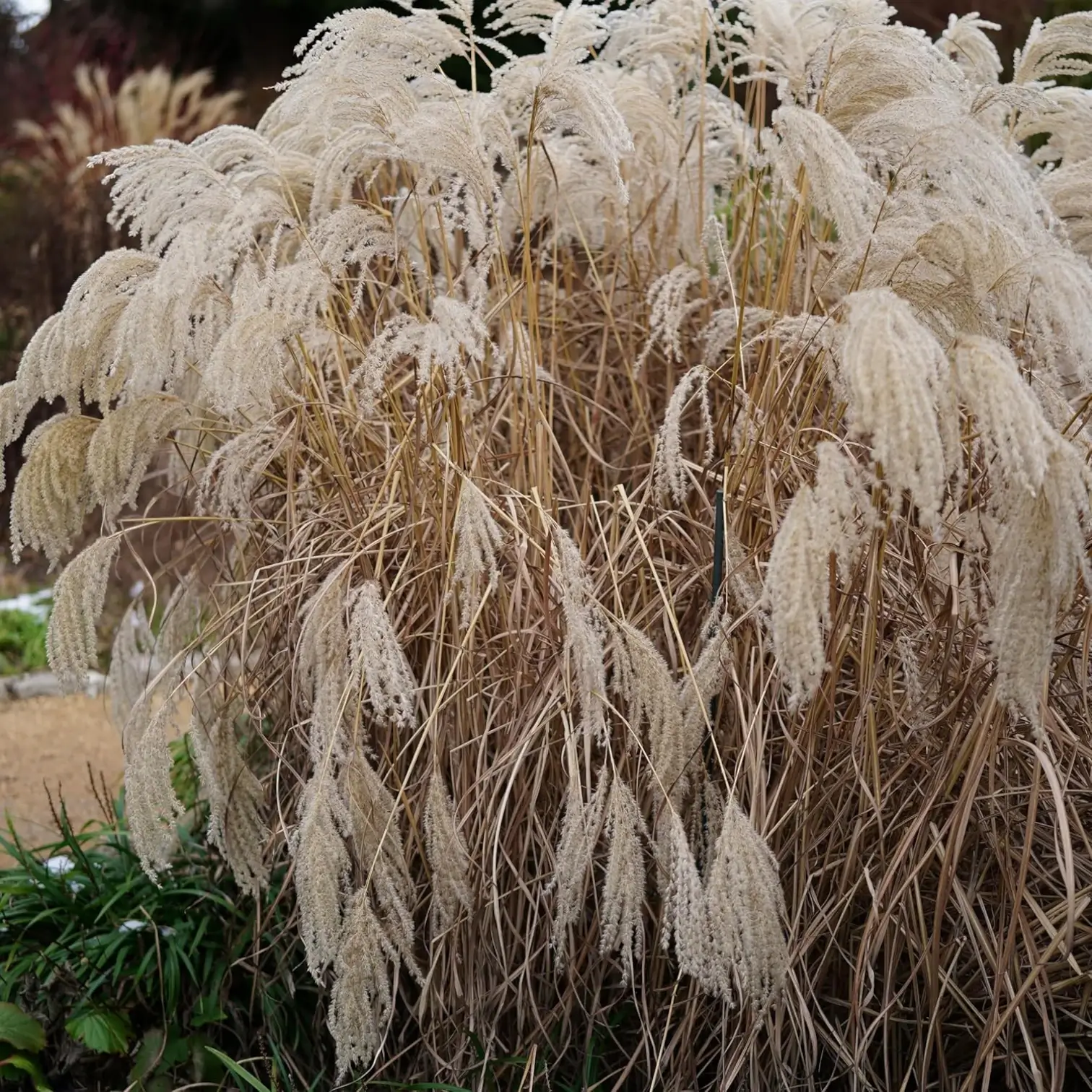
Large Miscanthus sinensis plant

Sort by:

16 products

Filters

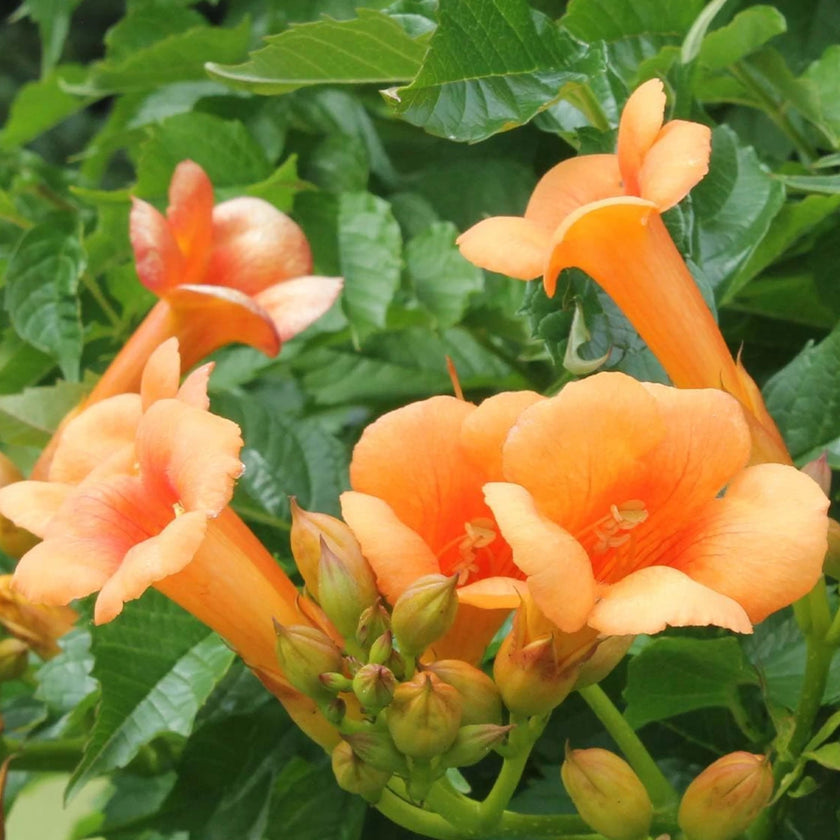
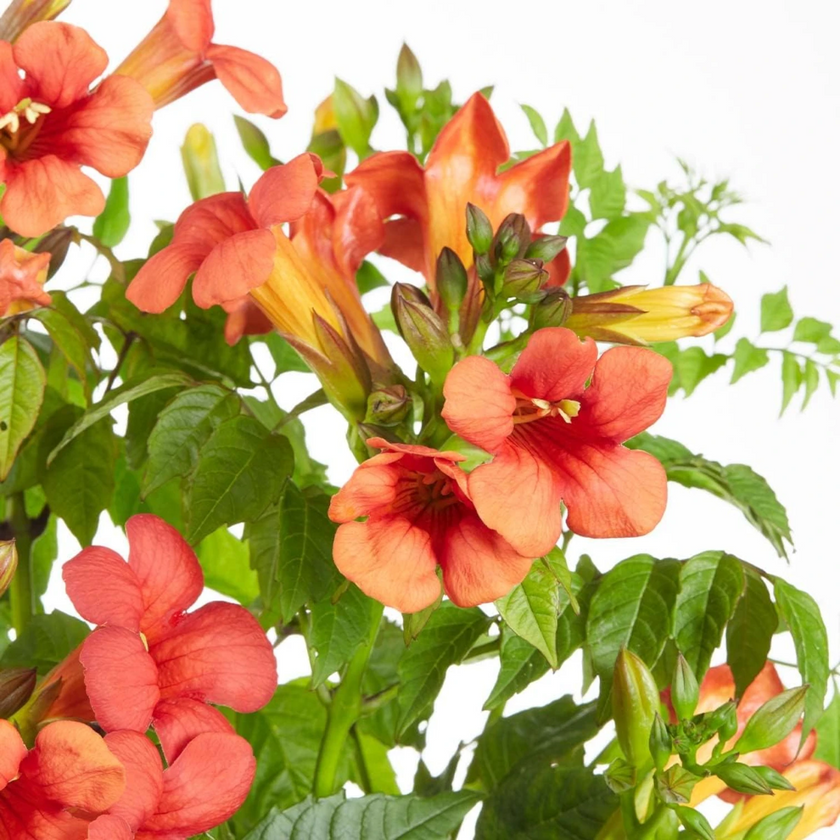
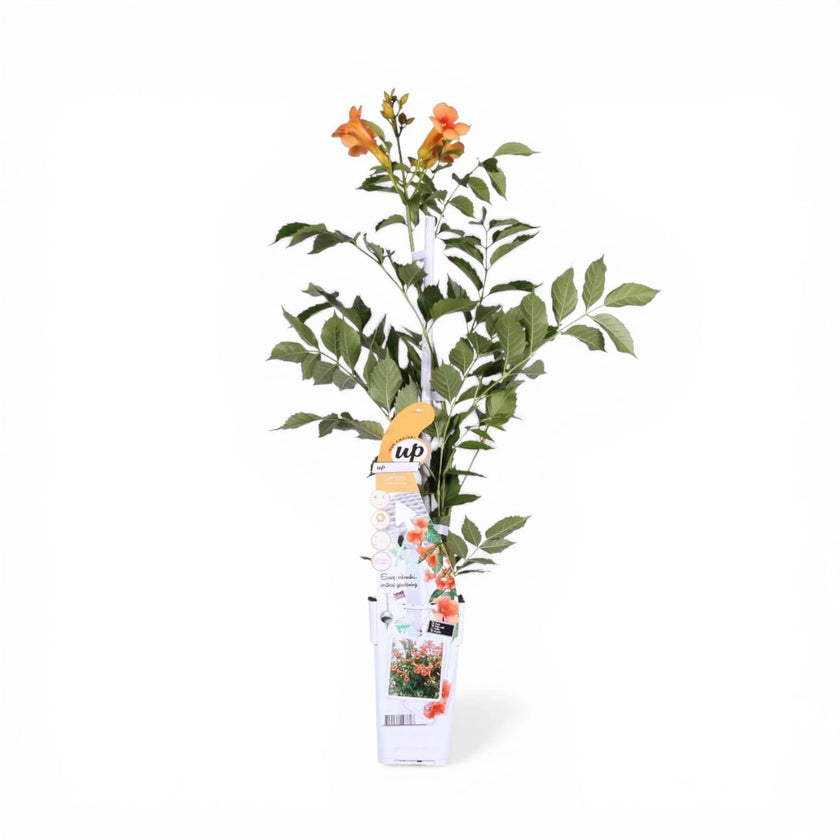
Campsis radicans 'Flamenco' Regular price From €29,50
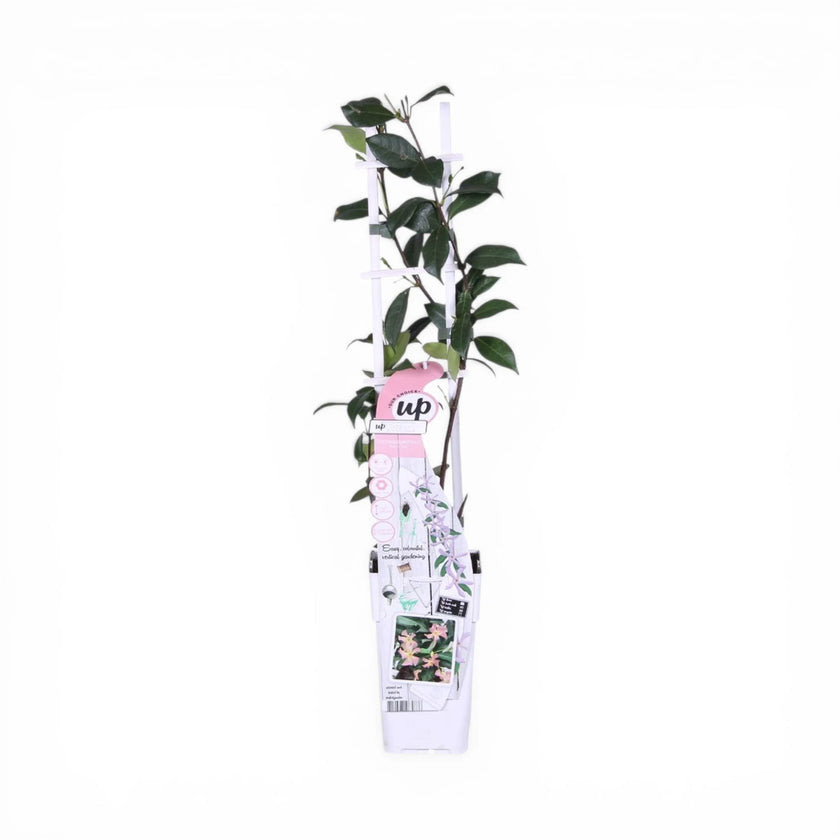
Campsis × tagliabueana 'Madame Galen' Regular price From €29,50
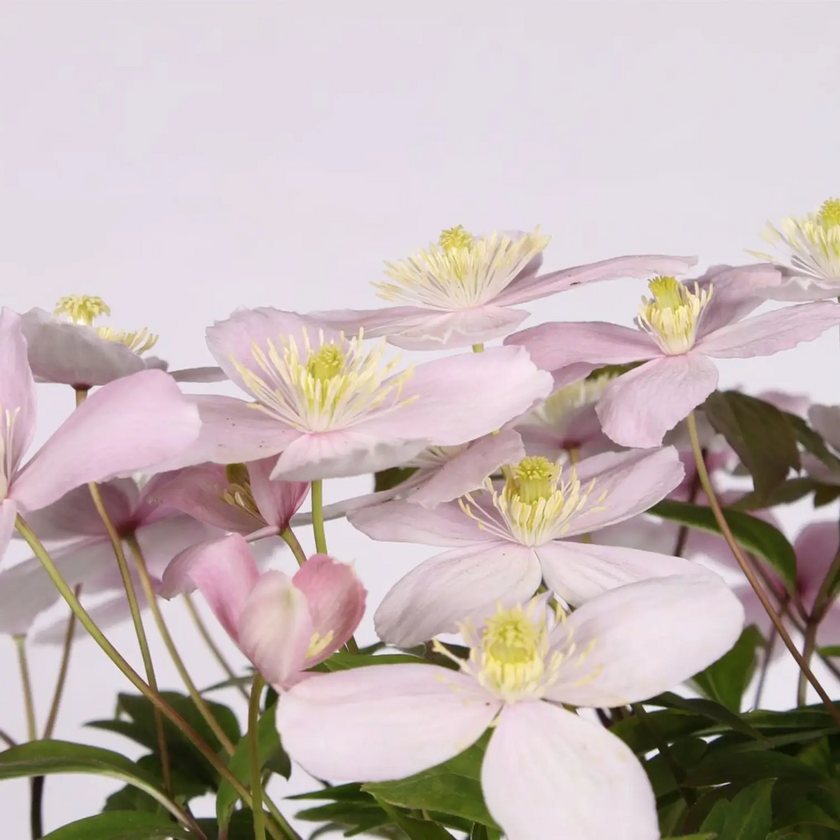
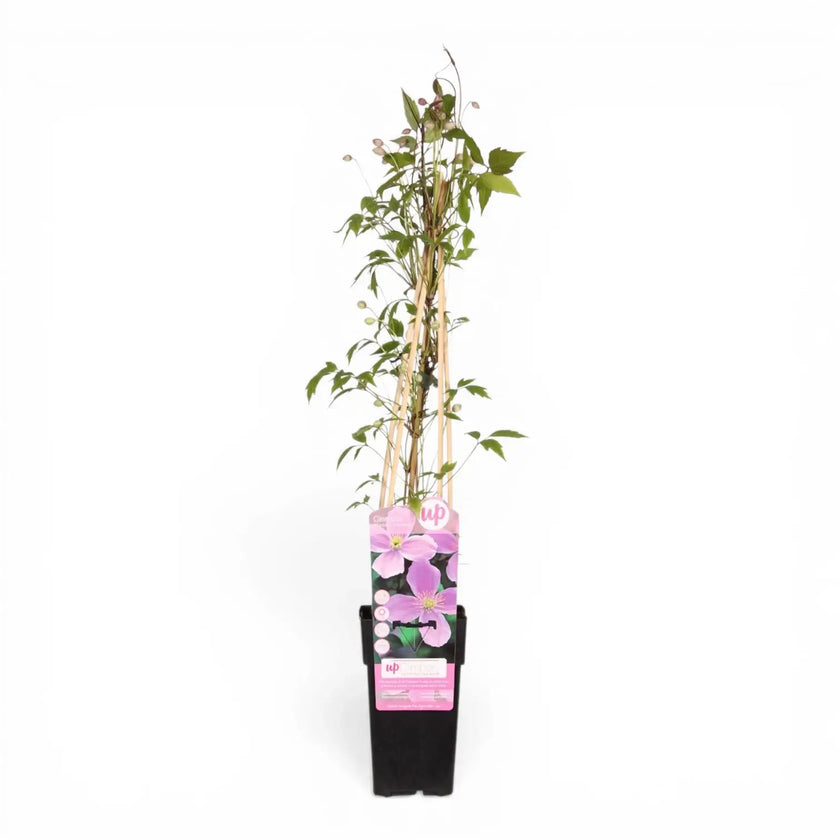
Clematis montana 'Rubens' Regular price From €26,75
Clematis montana 'Tetrarose' Regular price From €20,75
Miscanthus sinensis Regular price €20,25
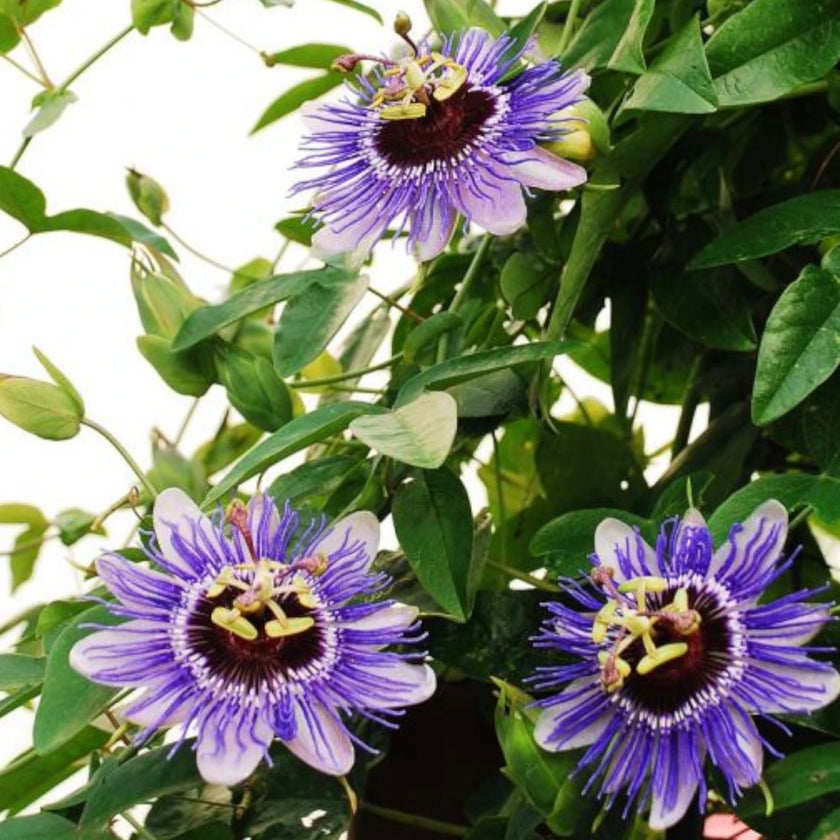
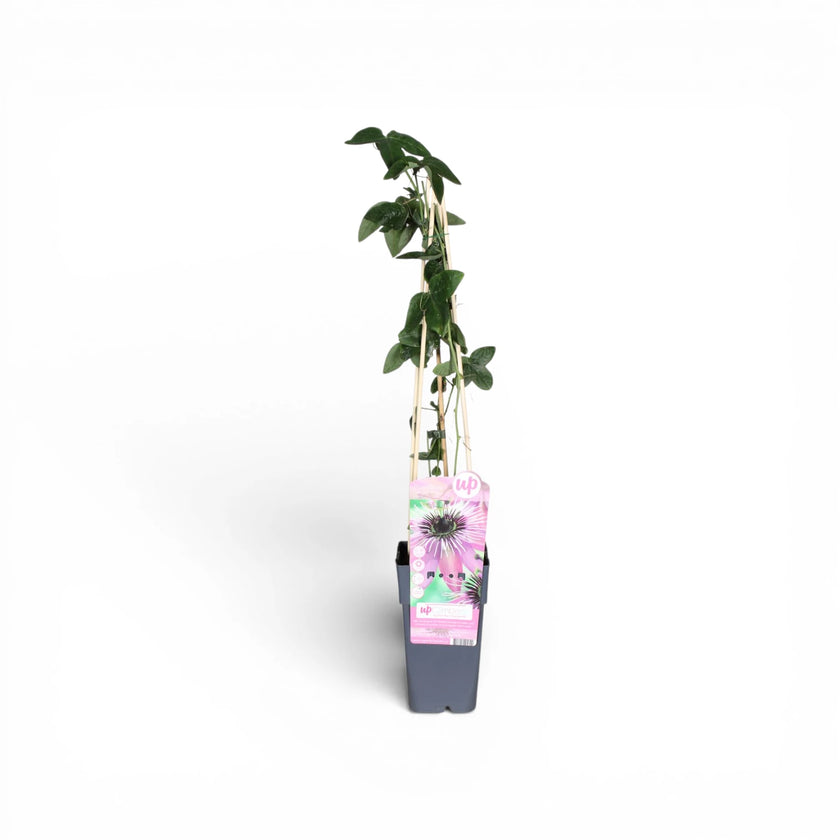
Passiflora 'Purple Haze' Regular price From €26,00
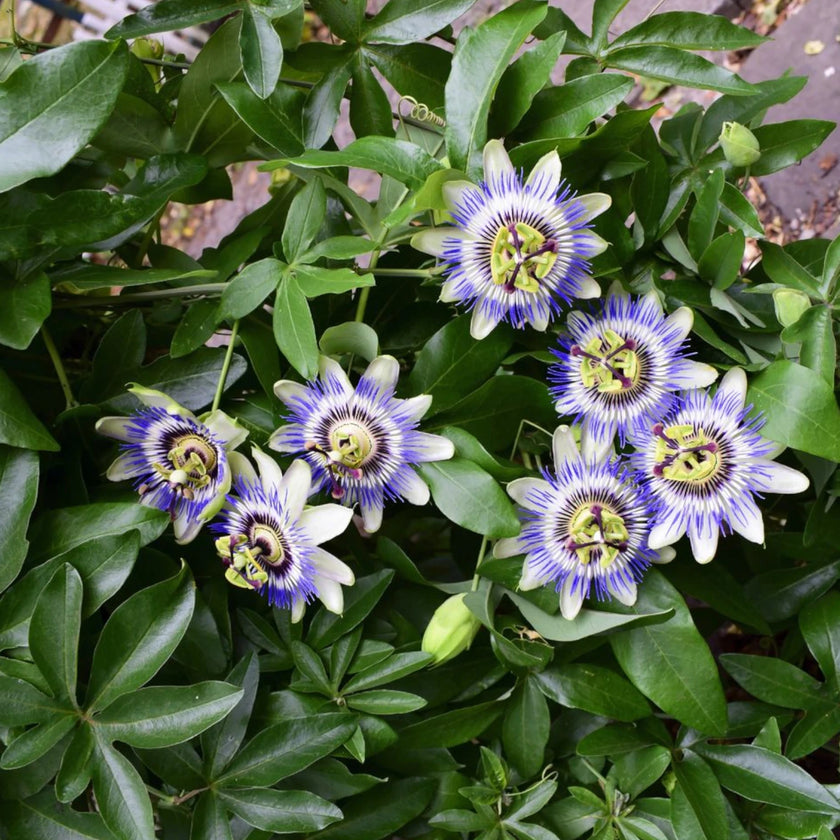
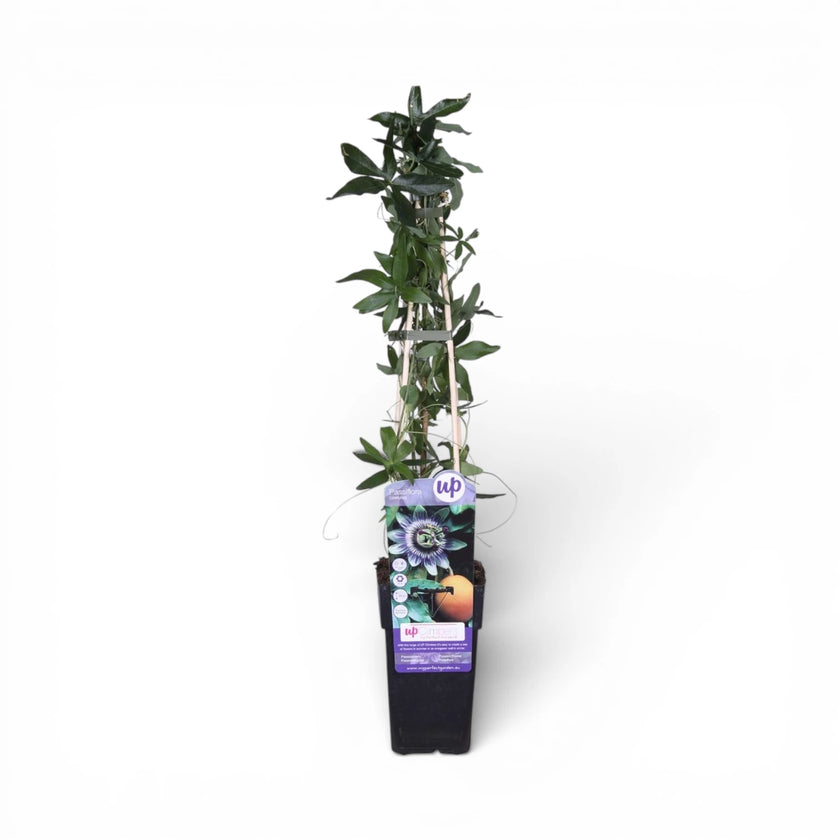
Passiflora caerulea Regular price From €26,00
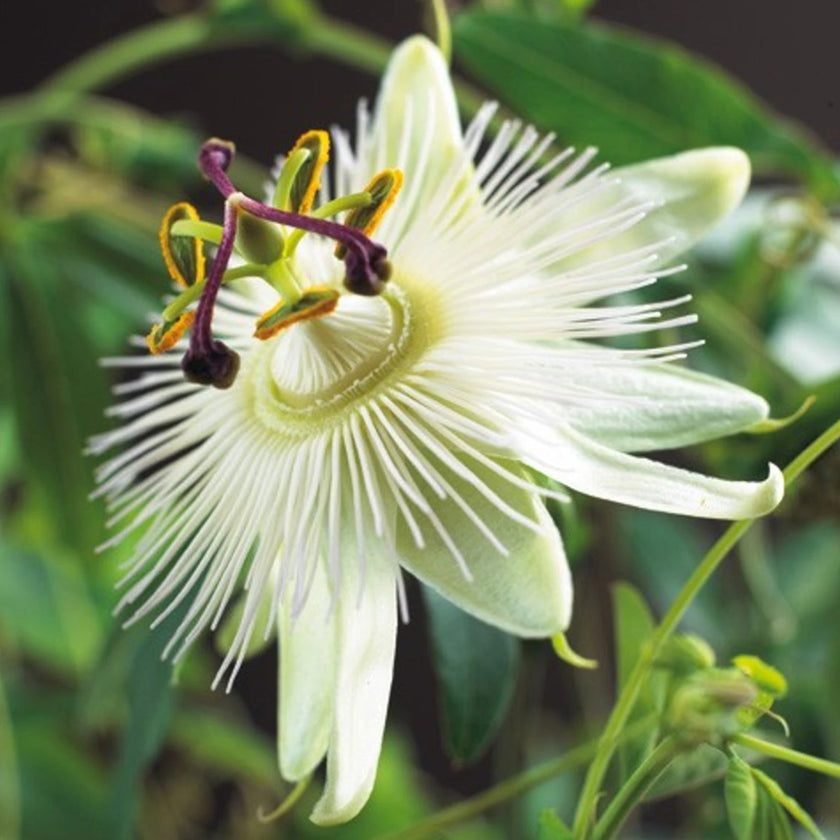
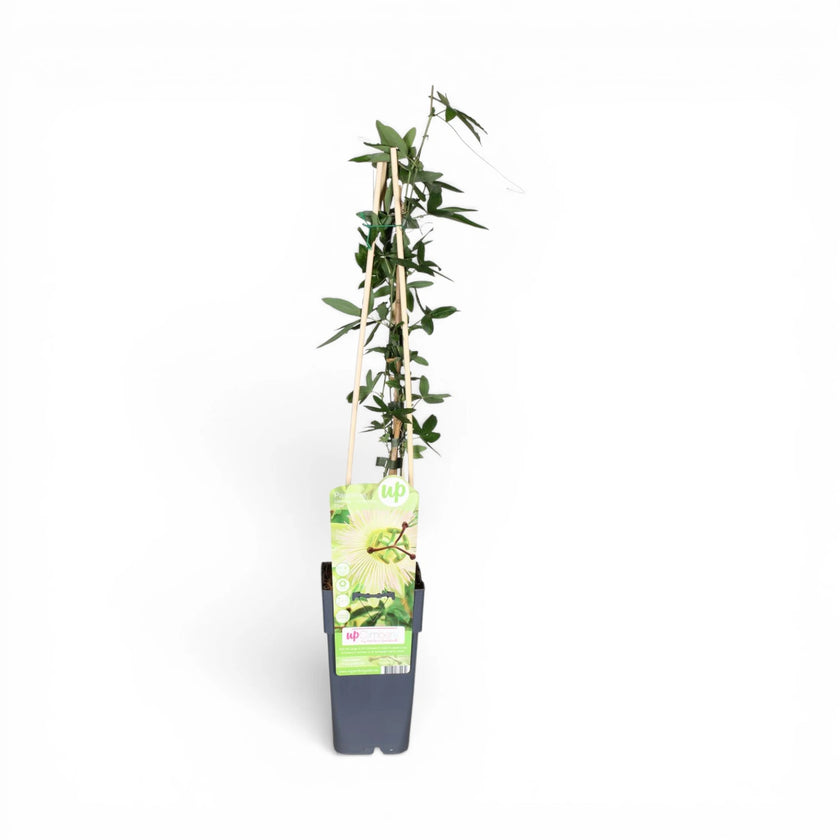
Passiflora caerulea 'Constance Elliott' Regular price From €22,50
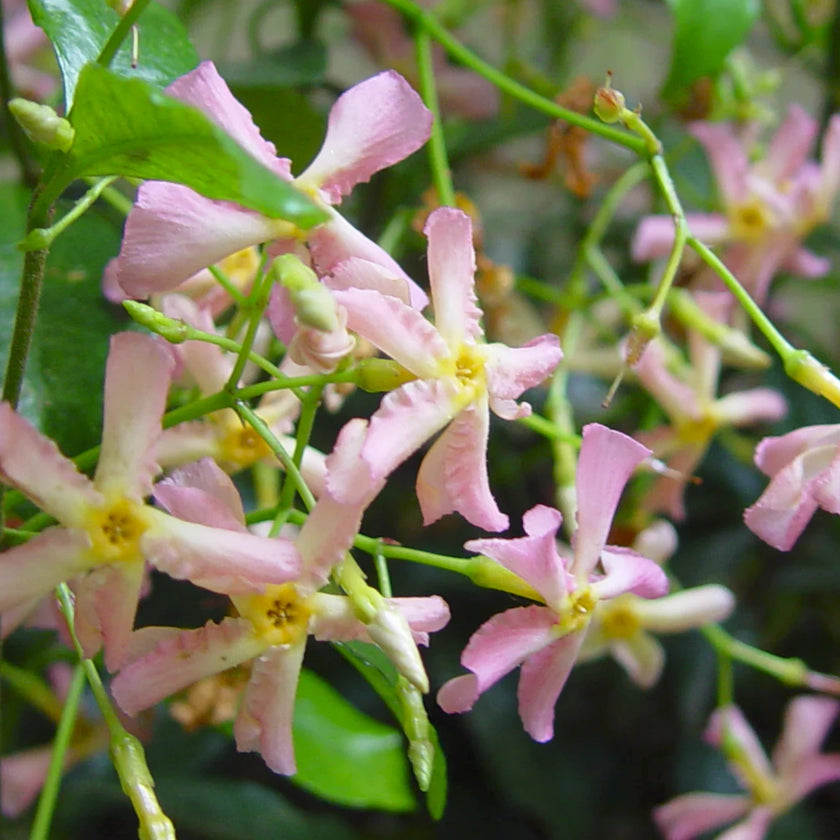
Trachelospermum asiaticum 'Pink Showers' Regular price From €24,00
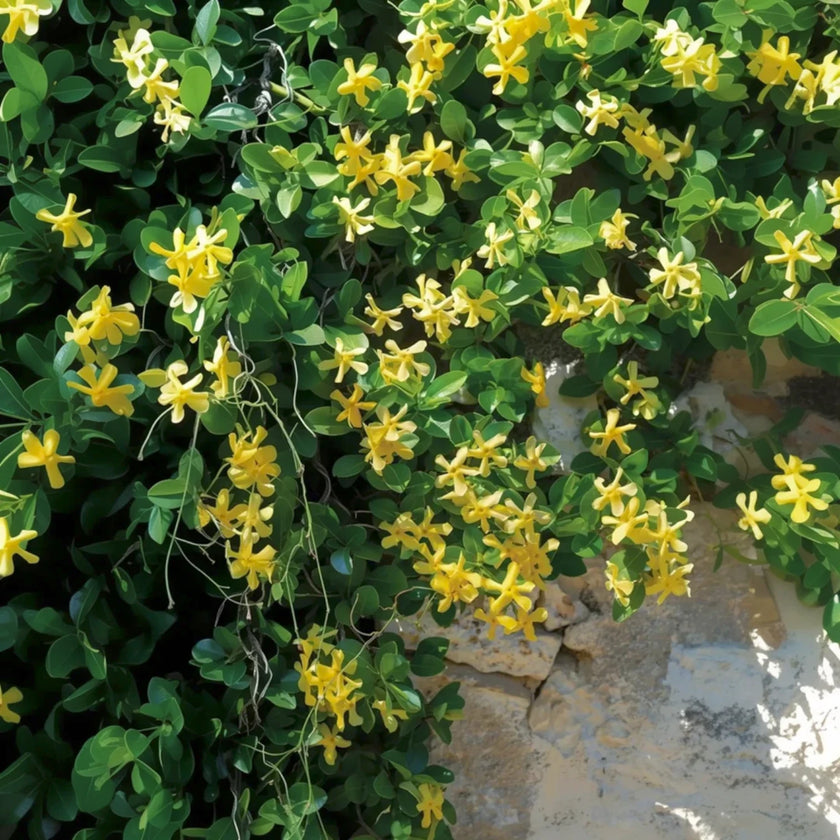
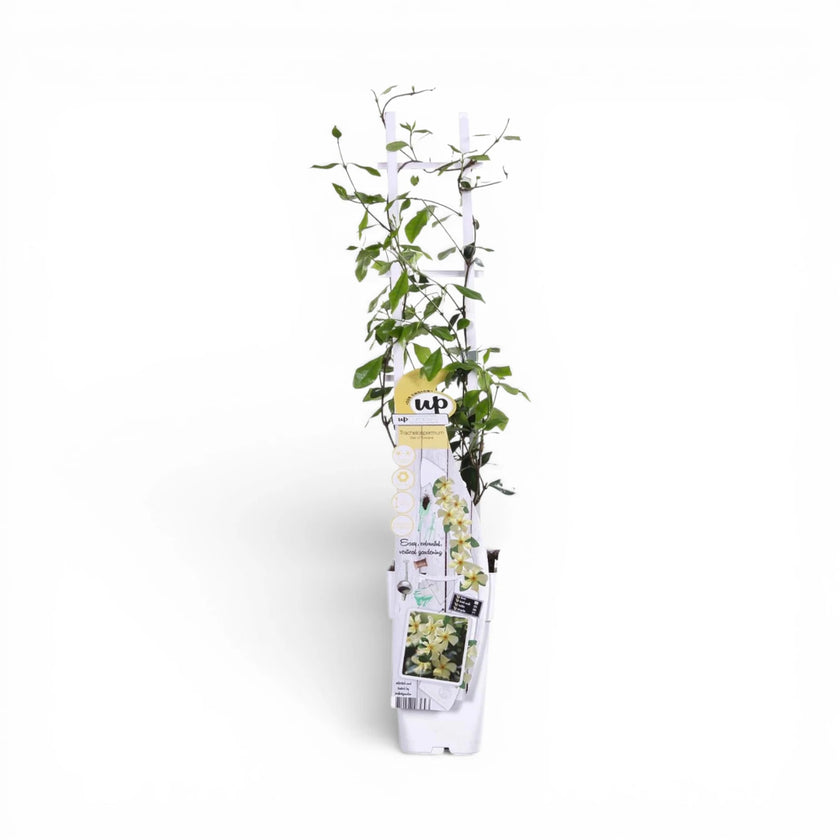
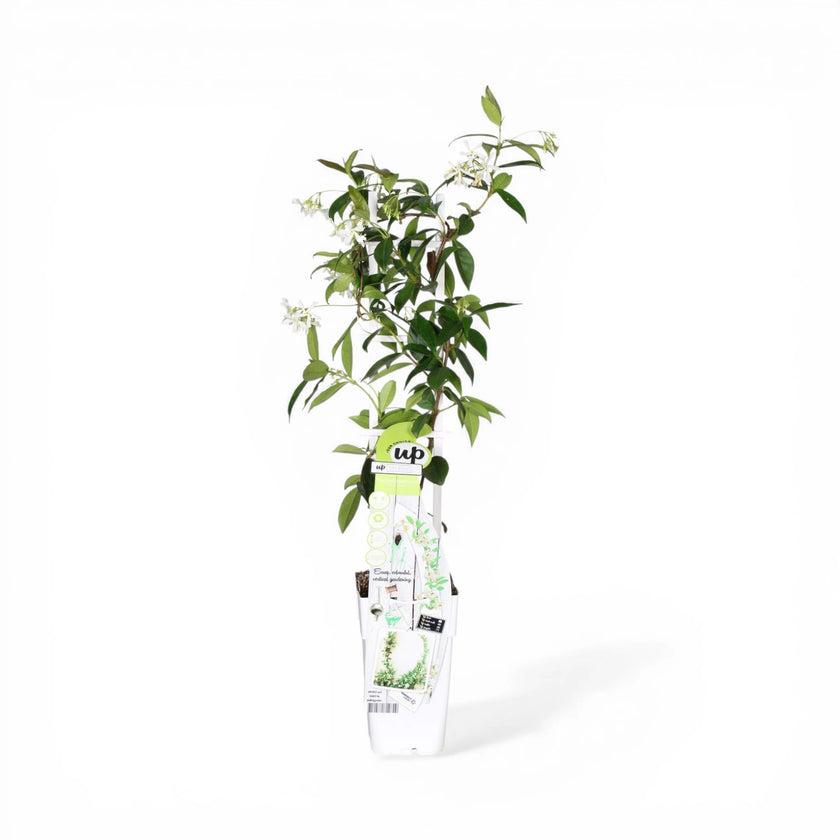
Trachelospermum jasminoides 'Star of Toscana' Regular price From €24,00
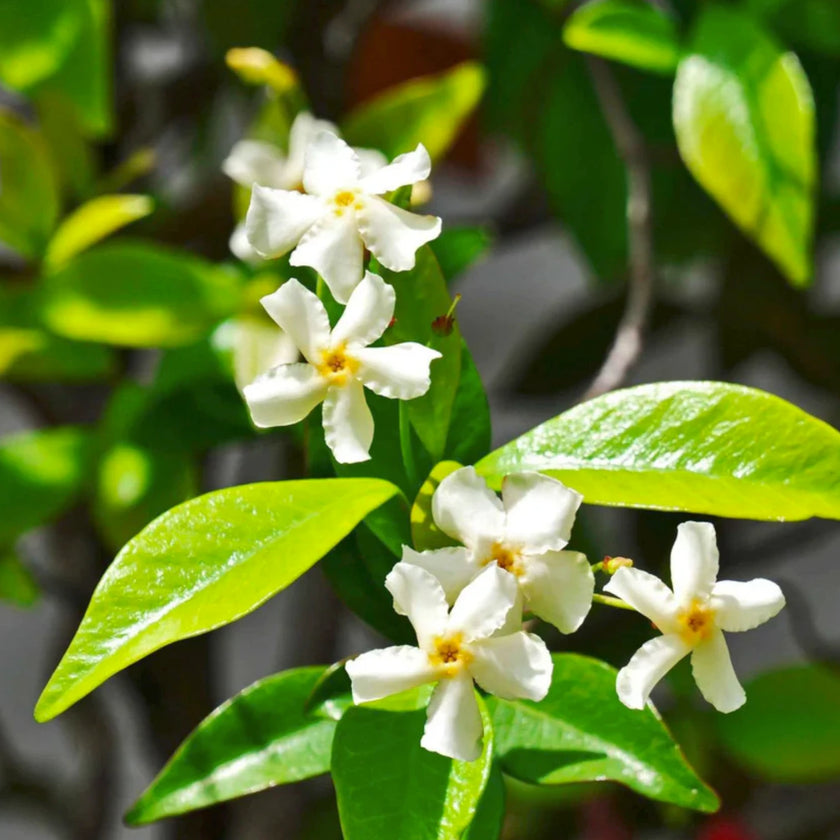
Trachelospermum jasminoides 'Star of Venice' Regular price From €22,25
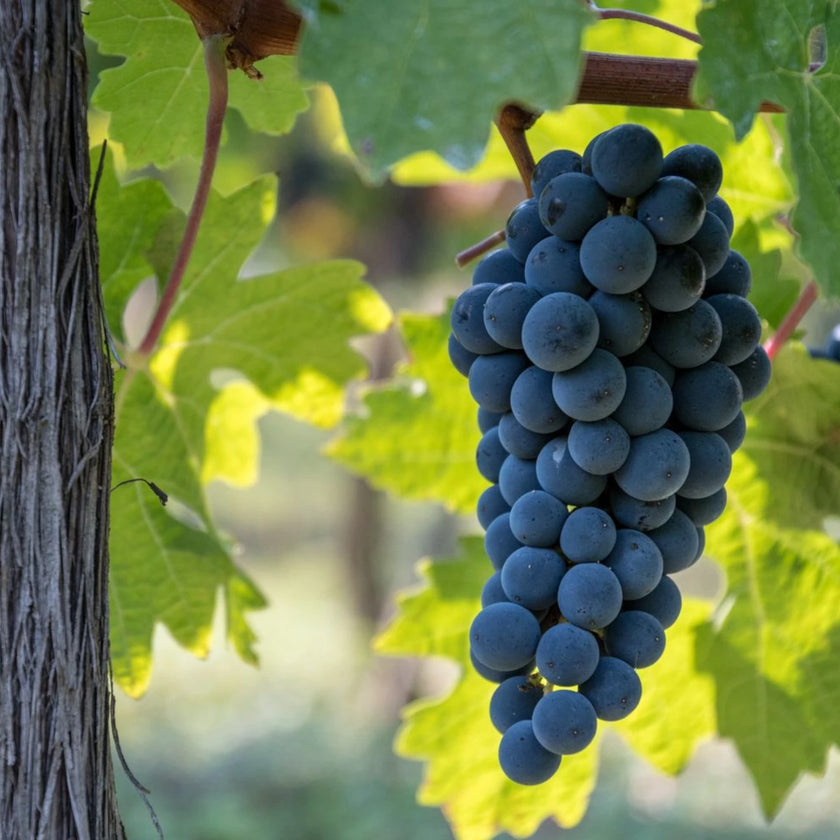
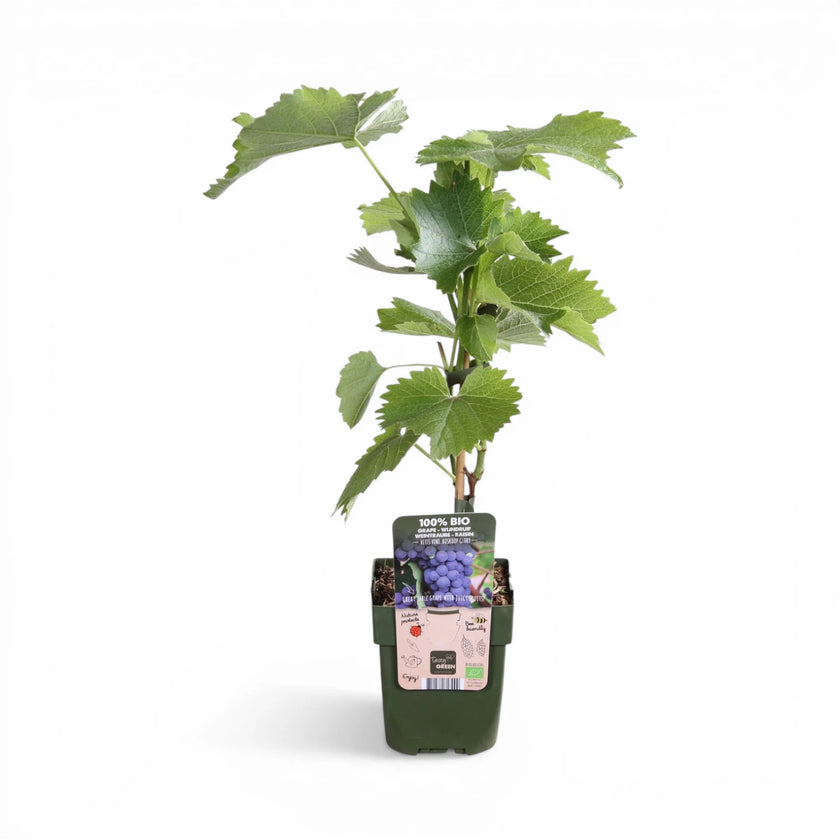
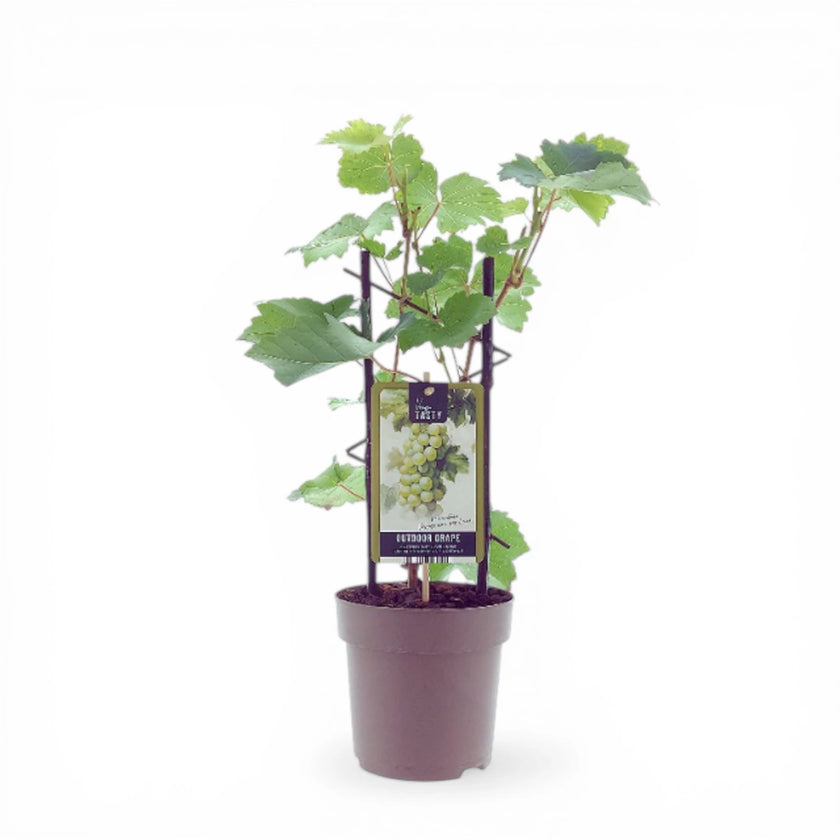
Vitis 'Boskoop Glory' Regular price €18,50
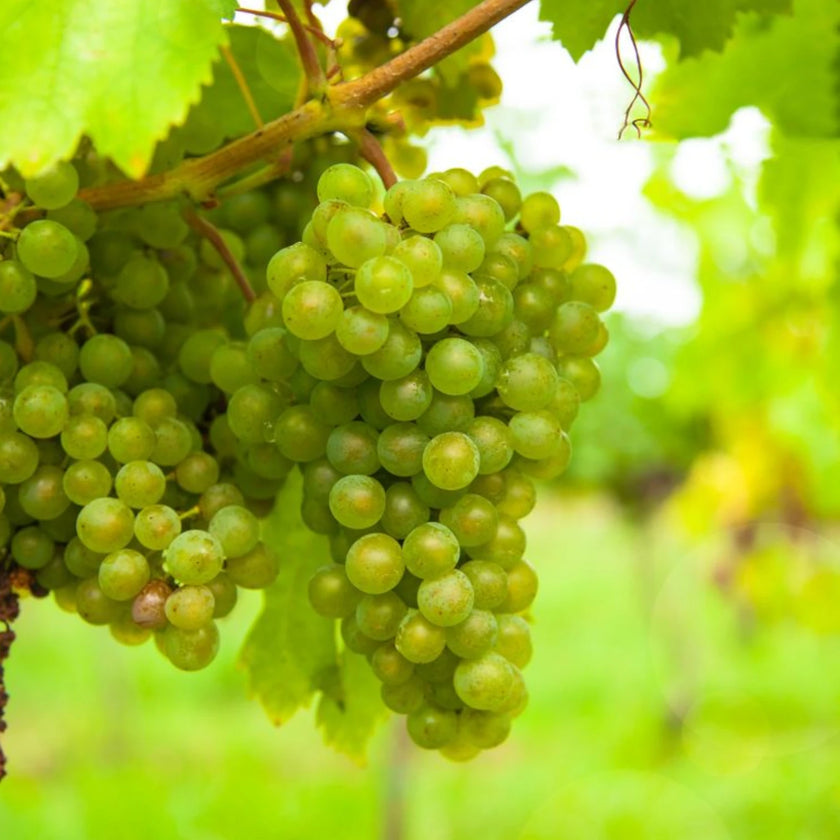
Vitis vinifera 'Vroege van der Laan' Regular price €18,50
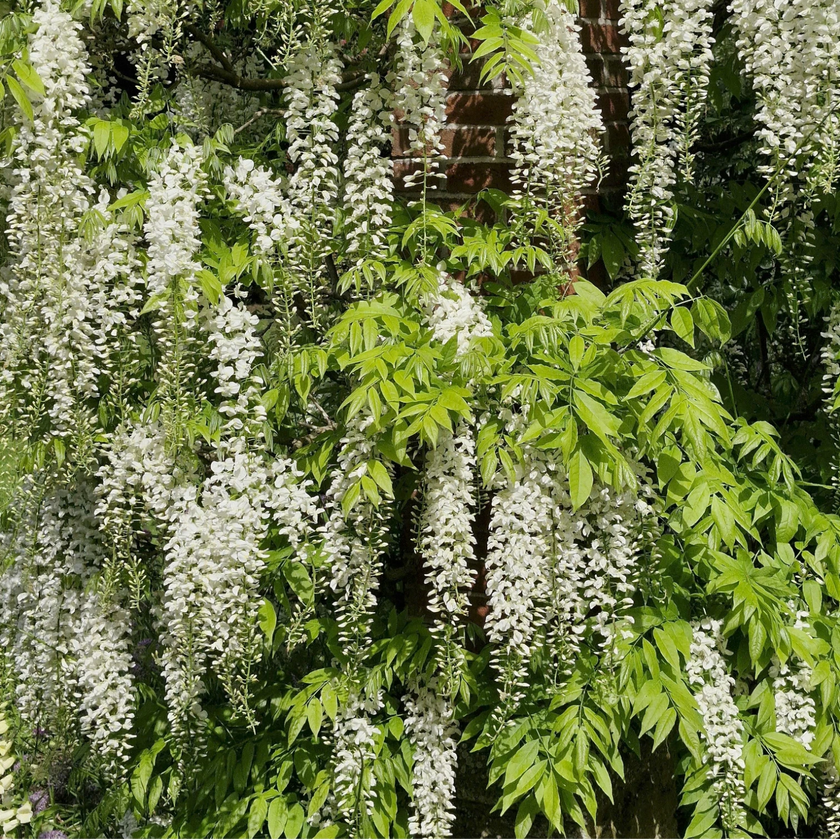
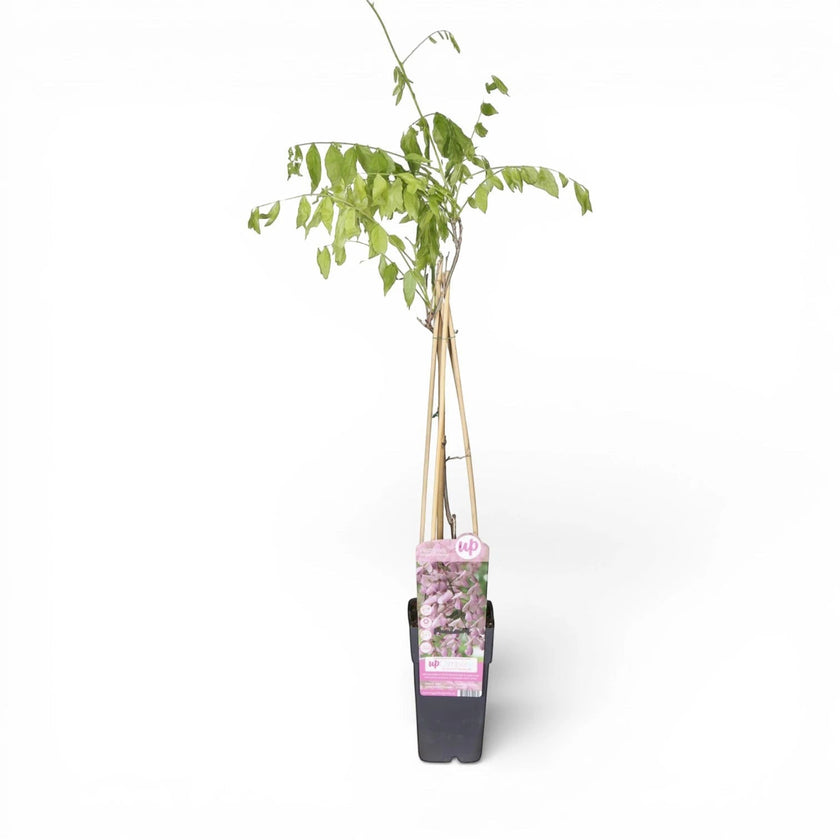
Wisteria 'Alba' Regular price From €33,75
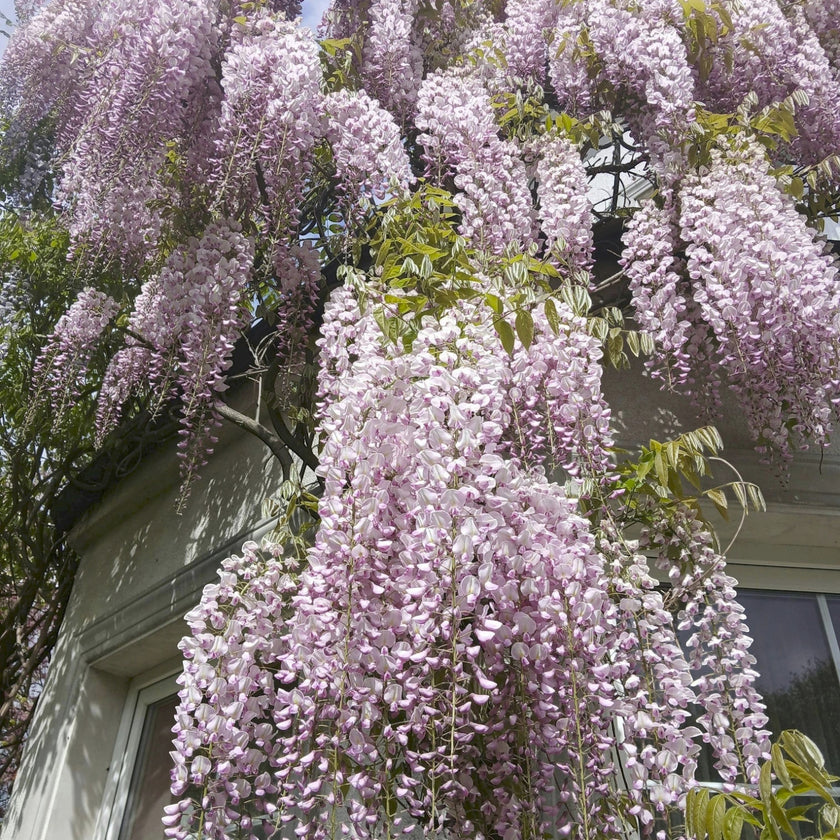
Wisteria floribunda 'Rosea' Regular price From €31,25
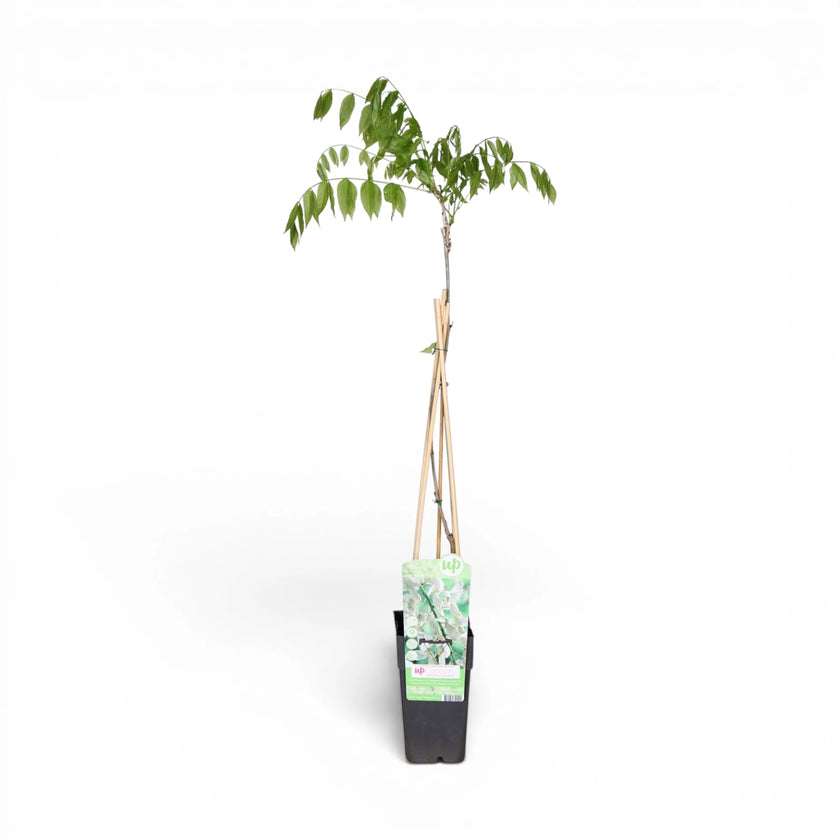
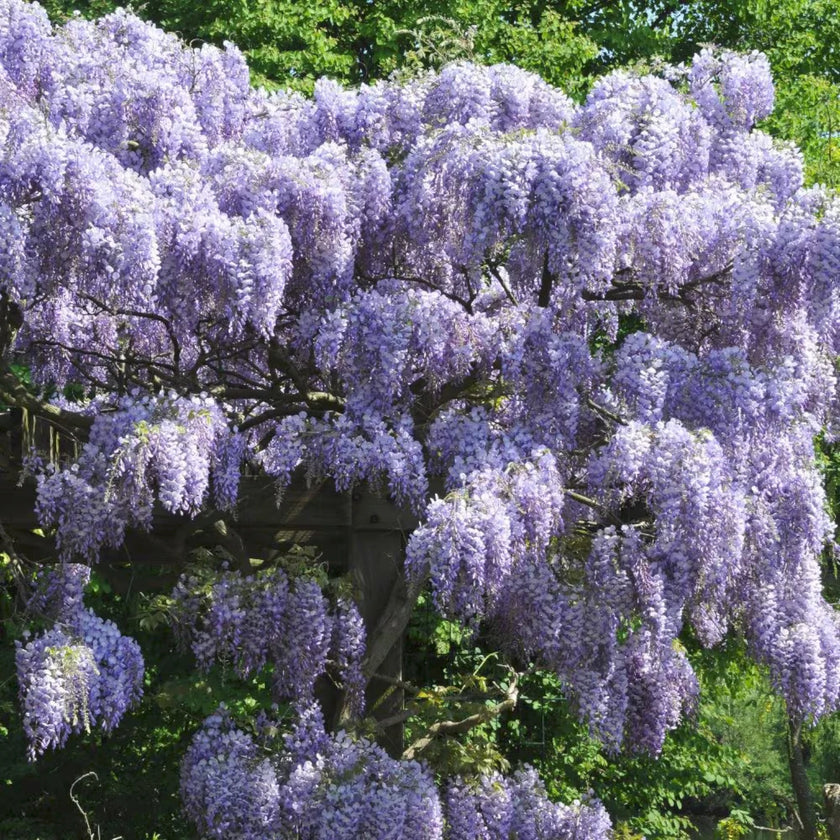
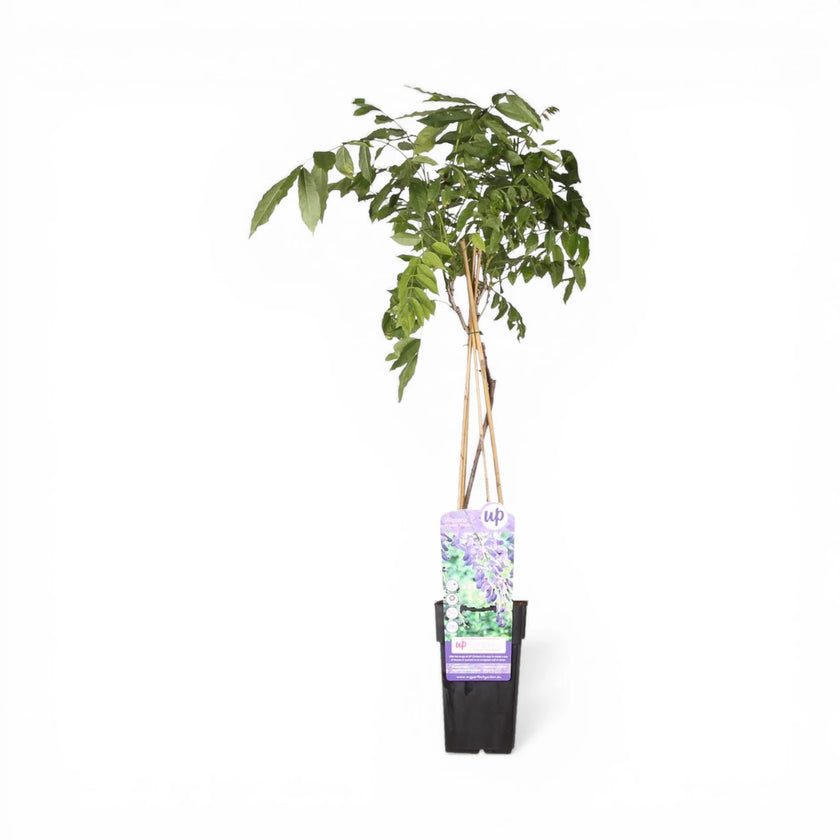
Wisteria sinensis 'Prolific' Regular price From €33,75

Screening & Hedge Plants

Quick Overview
  • Chosen for privacy, boundary definition, and wind buffering.
  • Density matters as much as height, because dense branching blocks sight lines better.
  • Evergreen screens give year round cover, while deciduous screens change with the season.
  • In containers, root space sets the final size and the long term health of the plant.
  • Fast growers fill in quicker but usually need more pruning and more water.
  • Regular trimming keeps screens thick, while irregular cutting can leave gaps.
  • Deep watering supports even growth during warm, dry spells.
Details & Care

Screening starts with final size

Screening & Hedge Plants create privacy, enclosure, wind filtering and a solid garden framework. The first checks are final height, mature width, growth rate and winter cover. A plant that naturally fits the space needs less hard pruning later.

  • Evergreen cover: Keeps privacy through winter but still needs water during dry spells.
  • Deciduous cover: Gives seasonal change and often a softer look in mixed gardens.
  • Growth rate: Fast growers close gaps sooner and need more pruning.
  • Width: A hedge that grows too broad can steal path, patio or border space.

Spacing controls the final effect. Tight planting fills faster but increases competition for water and nutrients. Wider spacing takes longer and can create gaps while plants establish.

Planting and early care

A hedge is a row of competing plants, so first-season watering matters. Water deeply along the whole line, mulch the root zone without burying stems, and protect exposed young plants from wind until roots anchor well.

Maintenance rhythm

  • Pruning: Light regular shaping keeps many hedges denser than occasional hard cuts.
  • Containers: Screening in pots needs very large, stable containers and frequent water checks.
  • Narrow sites: Compact shrubs, trained screens or repeated pots may fit better than a broad hedge.
  • Access: Leave space to clip, water and clear leaves from both sides where possible.

A good screen balances privacy with upkeep. The strongest choice is the smallest plant that can create the cover you need at a maintenance level that fits the space.

Screens change light, airflow and usable space. Before planting, mark the intended height and width so the final hedge does not crowd paths, windows or seating areas. A slightly lower, denser screen can feel better than a tall one that casts too much shade.

For terraces, repeated large containers can create privacy where open-ground planting is not possible, but watering demand is much higher.

Screens planted near boundaries should also respect access for clipping and watering. Dense growth is easier to maintain when both the front and back can be reached.