Skip to content

Cart

Your cart is empty.

Jewel Orchids

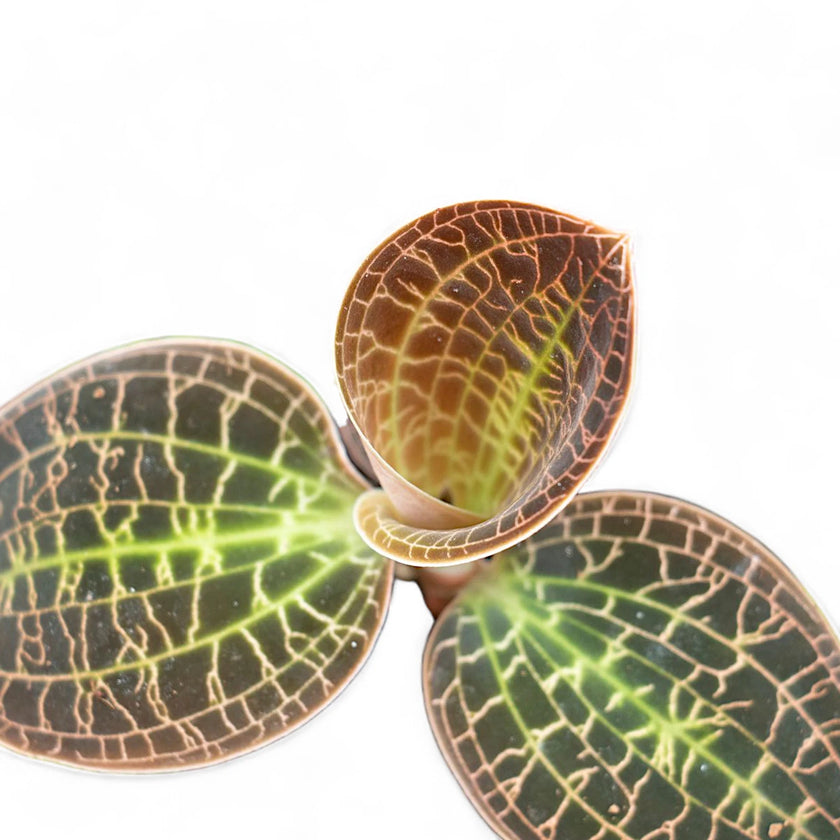
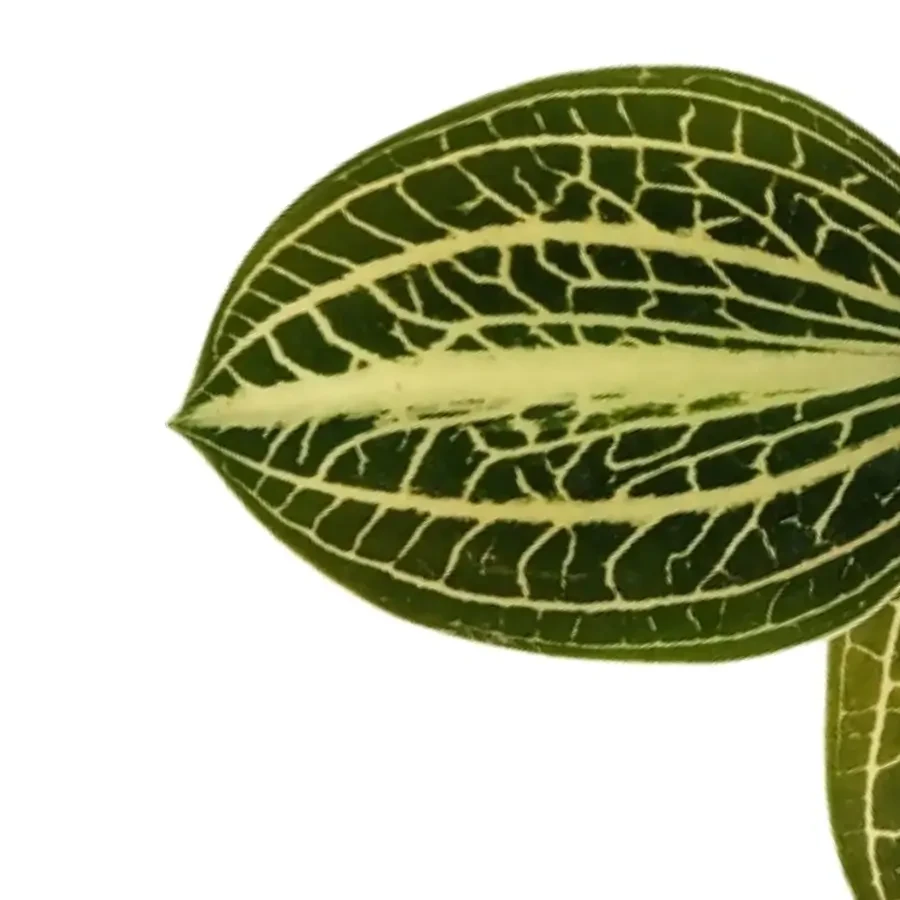
Close up of a highly intricate pattern on a jewel orchid leaf - Anoectoctochilus

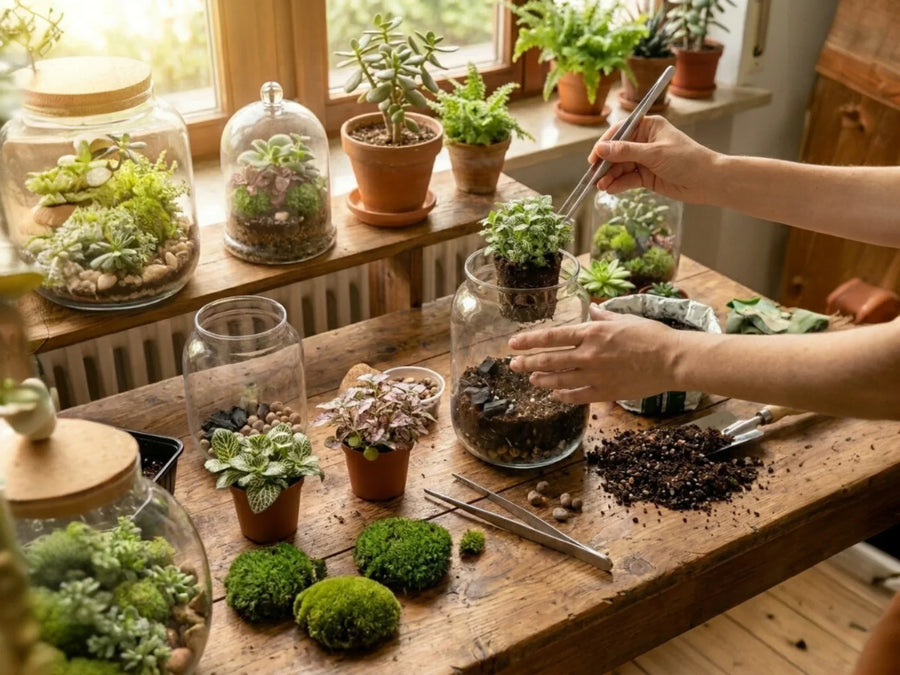
Terrarium setup

Build the right terrarium base layer

Closed terrariums need a stable base that balances moisture, structure and hygiene before the planting layer goes in.

Sort by:

Filters

Anoectochilus albolineatus close-up of leaf on white background.
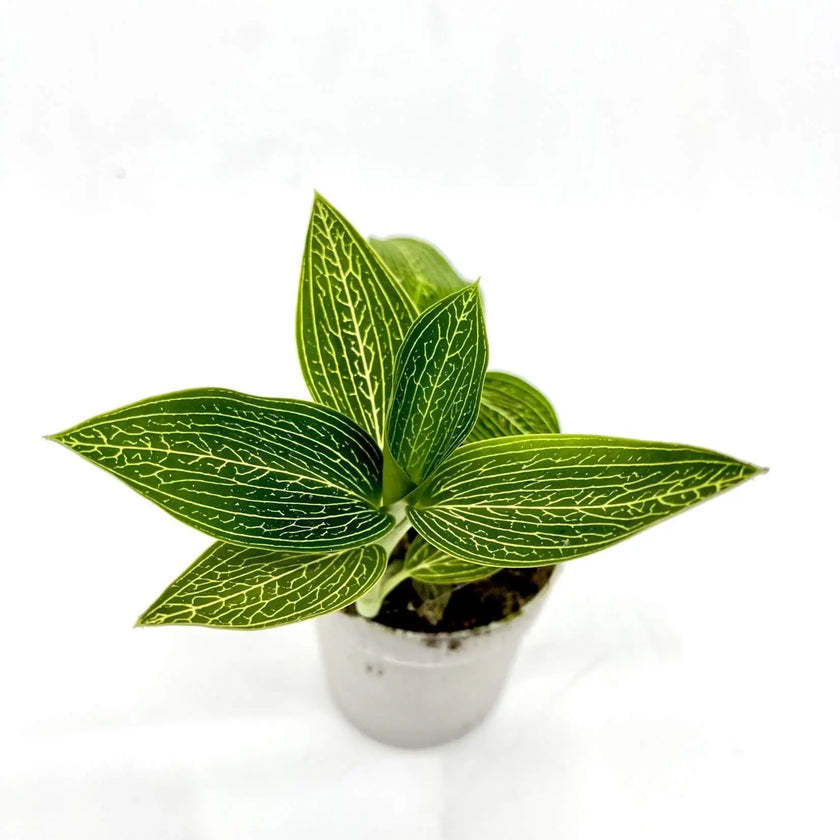
Anoectochilus albolineatus 'White Center' leaf detail on white background.
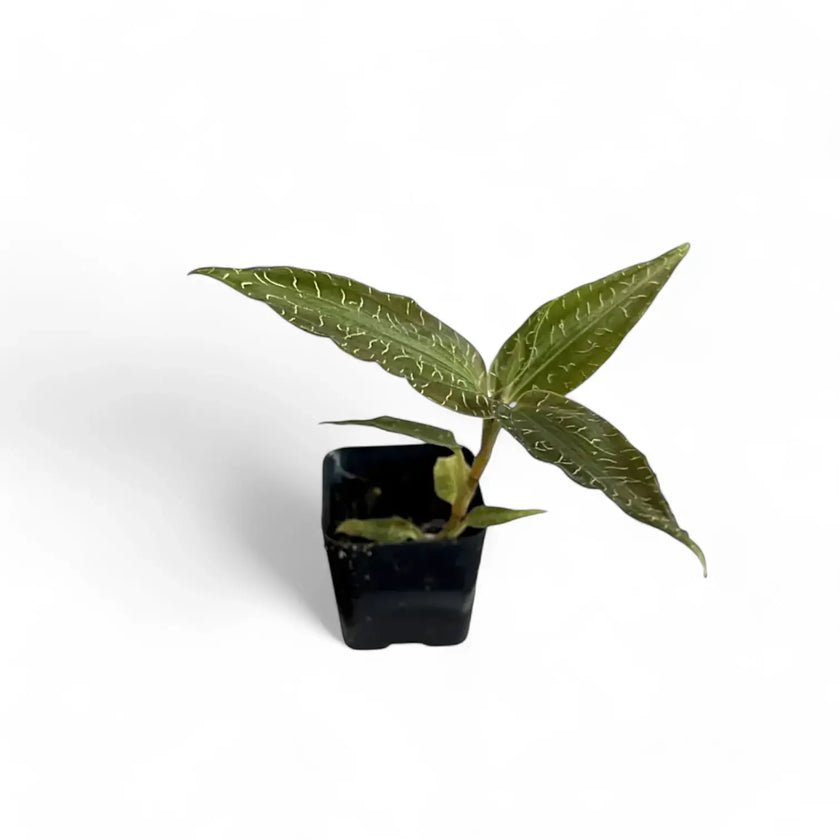
Anoectochilus brevilabris close-up of leaf on white background.
Anoectochilus burmannicus leaf detail on white background.
Anoectochilus lylei close-up of leaf on white background.
Anoectochilus roxburghii 'Dreamcatcher' leaf close-up on white background.
Anoectochilus roxburghii 'Gold Bar' leaf detail on white background.
Anoectochilus roxburghii x Ludisia discolor 'Spiderman' close-up of leaf on white background.
Anoectochilus sikkimensis leaf close-up on white background.
Aspidogyne argentea leaf close-up on white background.
Dossinia marmorata leaf close-up on white background.
Goodyera malipoensis close-up of leaf on white background.
Ludisia discolor 'Alba' leaf close-up on white background.
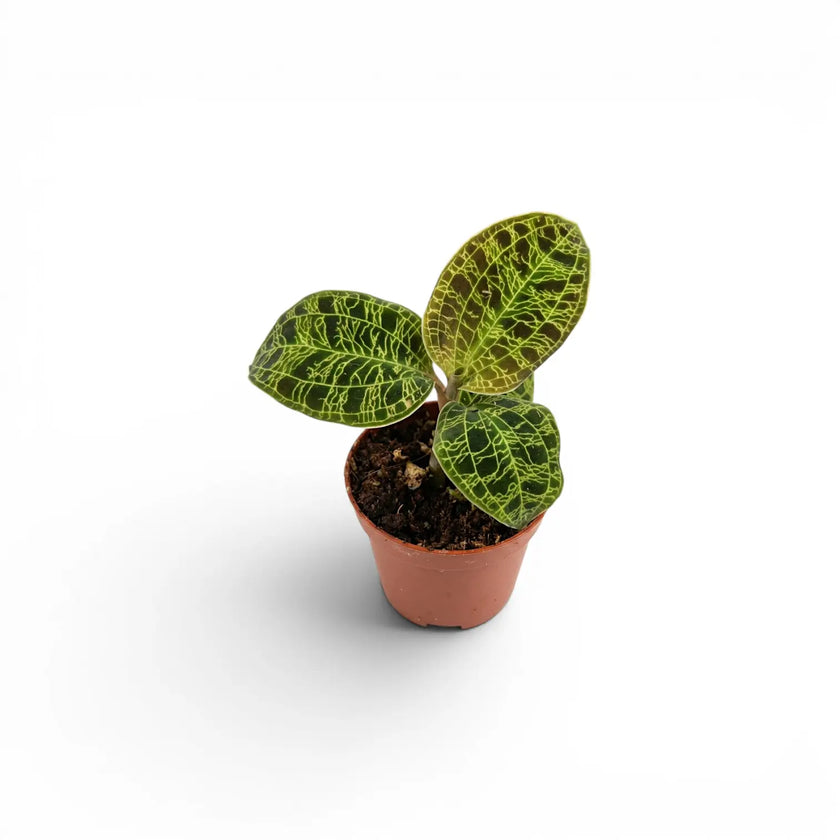
Macodes petola close-up of leaf on white background.
Macodes petola Sold out

Orchidaceae

Jewel Orchids

Quick Overview

Jewel orchids-close-up foliage highlights

  • Focus: Compact plants grown for metallic veining and velvety leaf surfaces, not tall spikes.
  • Light: Gentle, even light; scorch and deep shade both ruin pattern and texture.
  • Moisture: Keep substrate lightly moist and airy; full dry-outs or swampy pots cause fast decline.
  • Placement: Best right at eye level on desks or shelves where leaf detail is easy to see.
  • Best for: Careful growers with stable conditions who enjoy slower, detail-heavy plants.
Botanical Profile

Many jewel orchids kept indoors are terrestrial or litter-growing not epiphytic. That is why they are usually grown in finer, more moisture-retentive mixes than typical bark-grown orchids.

Details & Care

Jewel Orchids: compact terrestrial orchids grown for leaf detail

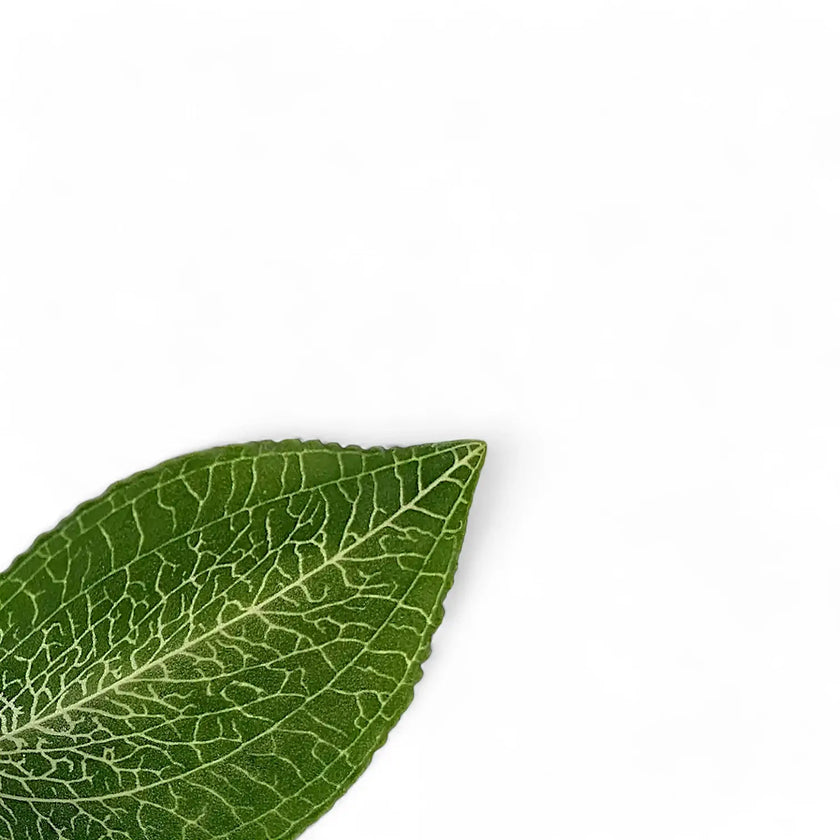
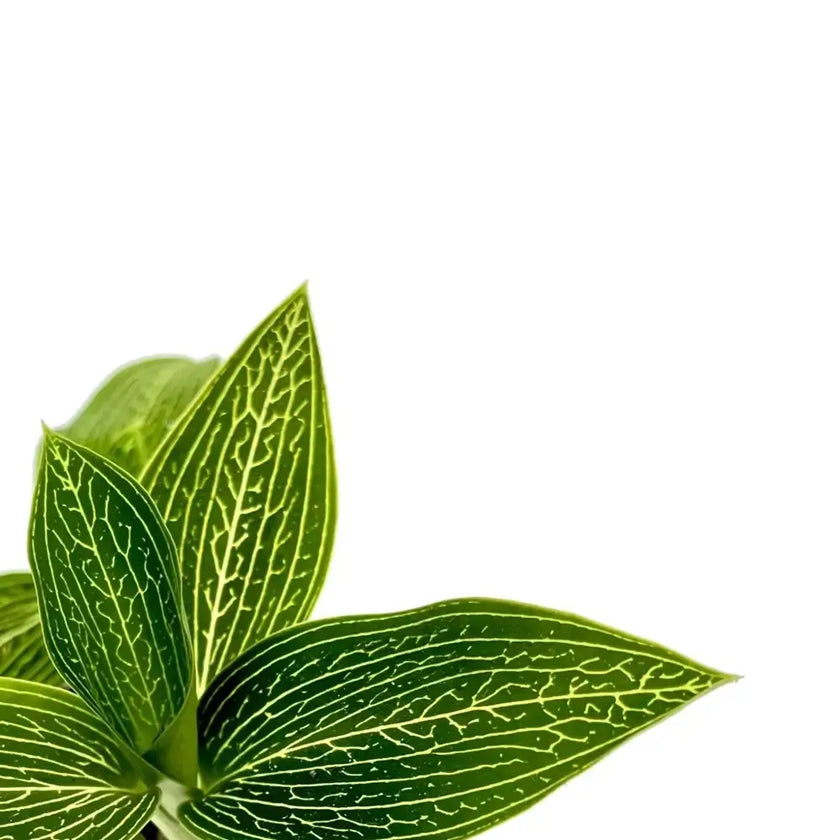
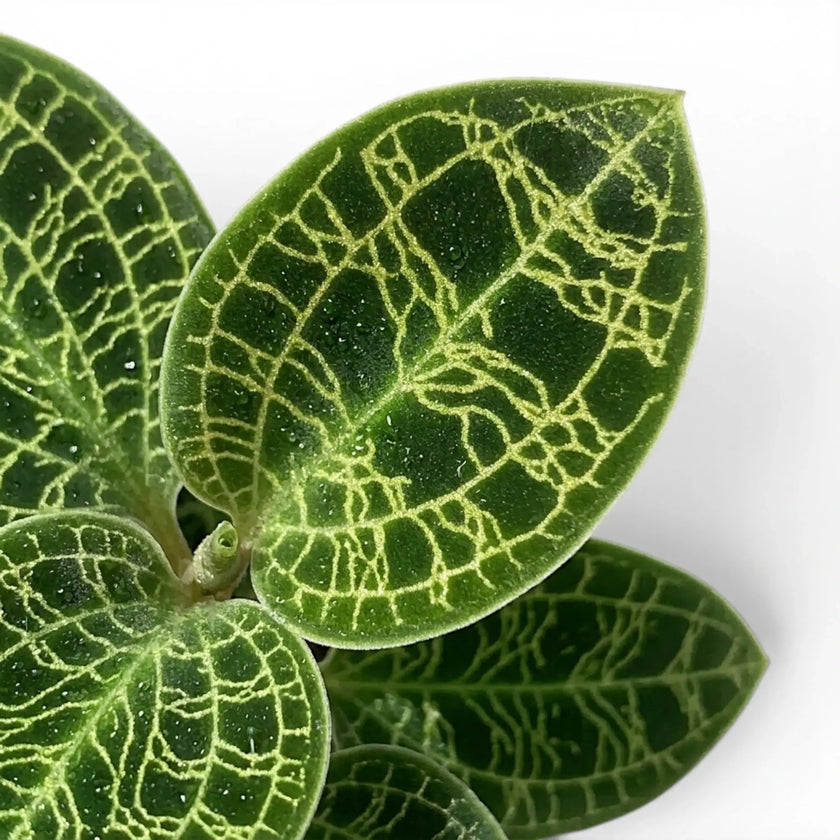
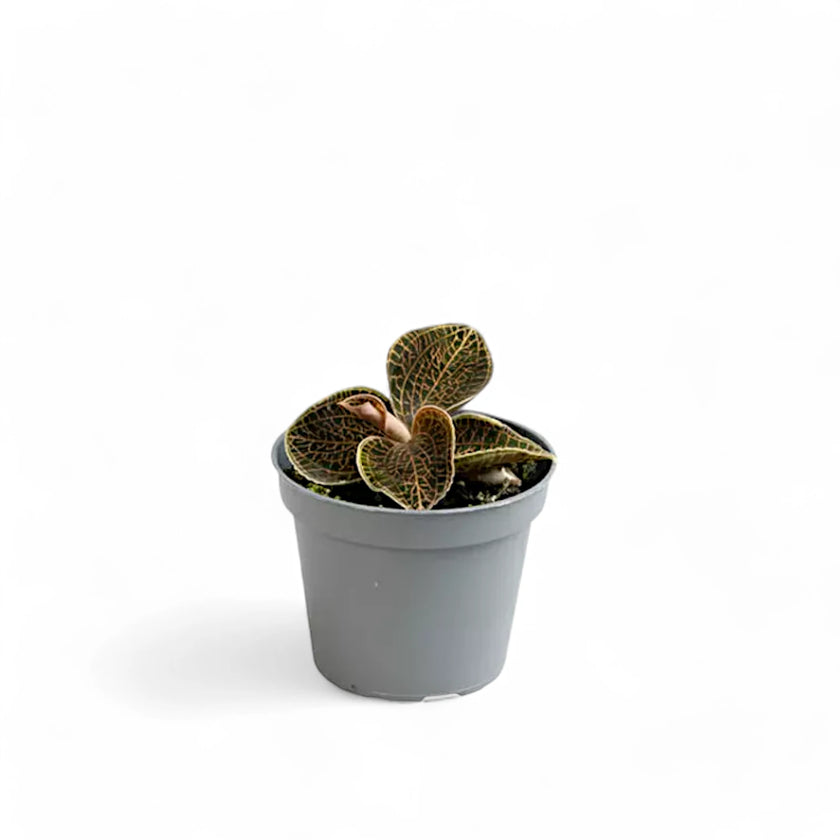
Jewel Orchids are orchids chosen mainly for foliage. Without making large flowers the central feature, these compact plants form low rosettes or creeping stems with satin, velvety or metallic-looking leaves. Veins may flash silver, copper, gold, pink or pale green depending on the genus and cultivar. Ludisia, Macodes, Anoectochilus and related jewel orchids are especially valued because their detail rewards close viewing.

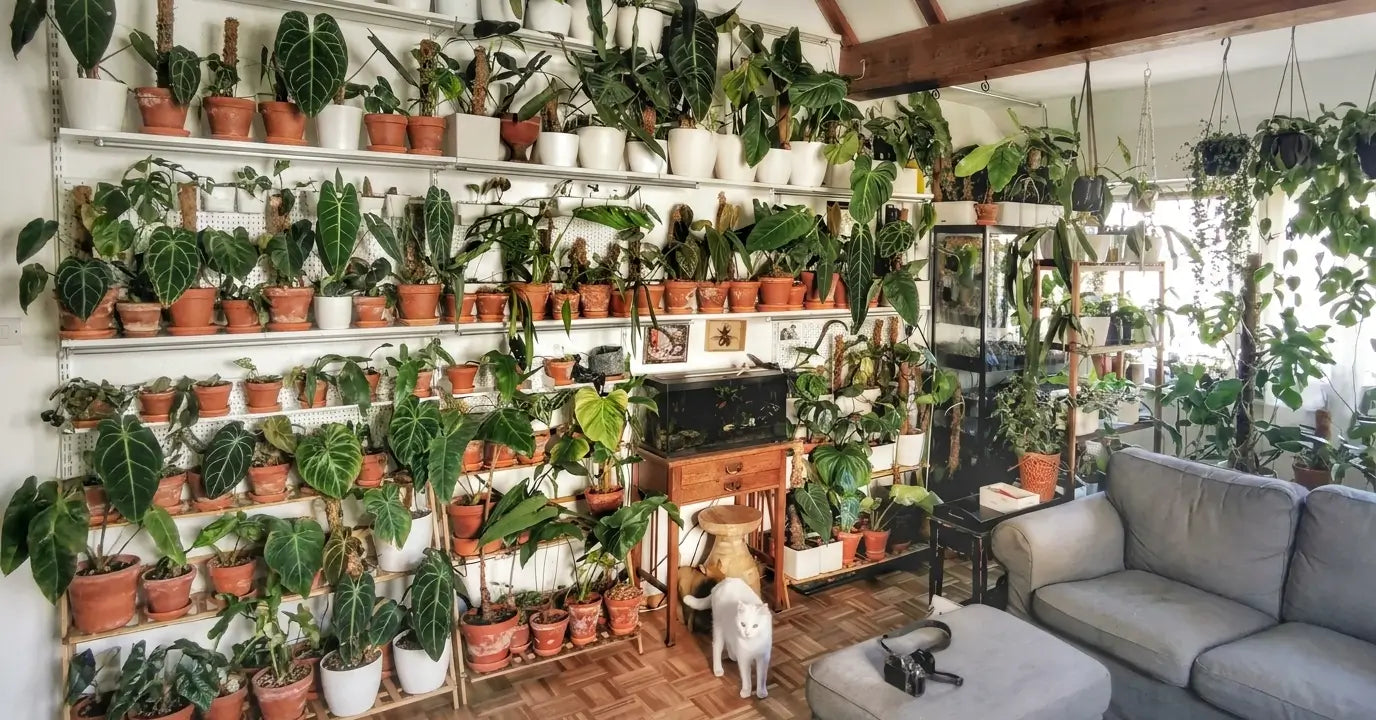
Their growth style is closer to forest-floor foliage than to classic bark-mounted orchids. Many grow in leaf litter, mossy ground layers or humus-rich pockets where light is filtered, moisture is steady and roots are protected from harsh drying. That makes jewel orchids well suited to plant cabinets, terrarium-style displays, eye-level shelves and small curated groups where leaf texture can be seen up close.

Best setups for jewel orchids

  • Plant cabinets: stable warmth, filtered light and controlled humidity support steady growth without pushing plants too hard.
  • Terrarium-style displays: compact jewel orchids suit glass setups when airflow, substrate depth and watering are carefully balanced.
  • Desk and shelf plants: small pots work well where the leaves can be viewed closely and direct sun is avoided.
  • Mixed humidity groups: pair jewel orchids with small ferns, Fittonia, Peperomia or other compact tropical plants with similar moisture needs.
  • Collector trays: shallow, stable containers can show creeping stems and leaf pattern while keeping the root zone evenly moist.

Scale is part of the appeal. Jewel orchids do not need to dominate a room to be effective; they work as close-range plants where texture, vein colour and surface sheen are visible. Some will produce flower spikes when mature, and flowers are usually a bonus alongside the patterned leaves.

Care fit for jewel orchids indoors

Jewel orchids usually prefer soft bright light, warm temperatures, moderate to high humidity and an airy moisture-retentive substrate. Fine bark, coco chips, sphagnum components, perlite or mineral structure can help keep oxygen around roots while holding enough moisture. Water when the upper layer begins to dry, then drain well. Constantly wet, stale substrate can damage roots and stems, especially in closed setups with low airflow.

After flowering, plants continue building stems and new growth points when conditions stay steady. Avoid strong direct sun, cold draughts and repeated full dry-downs. Choose jewel orchids when you want small-scale detail, collector texture and a plant that suits controlled indoor displays better than a sunny windowsill routine.

Because jewel orchids stay small, they are easy to lose visually beside large aroids or palms. They perform best where the viewing distance is short and the container does not overwhelm the plant. A neat pot, shallow tray or glass display can make the vein pattern clearer while still leaving room for new shoots to spread.

Frequently Asked Questions About Jewel Orchids