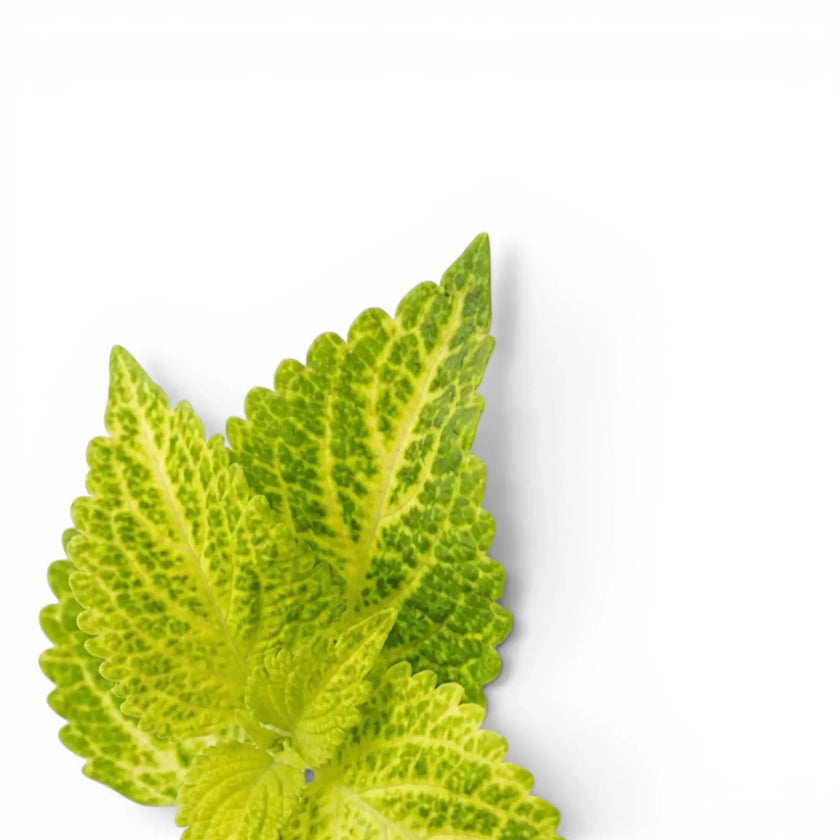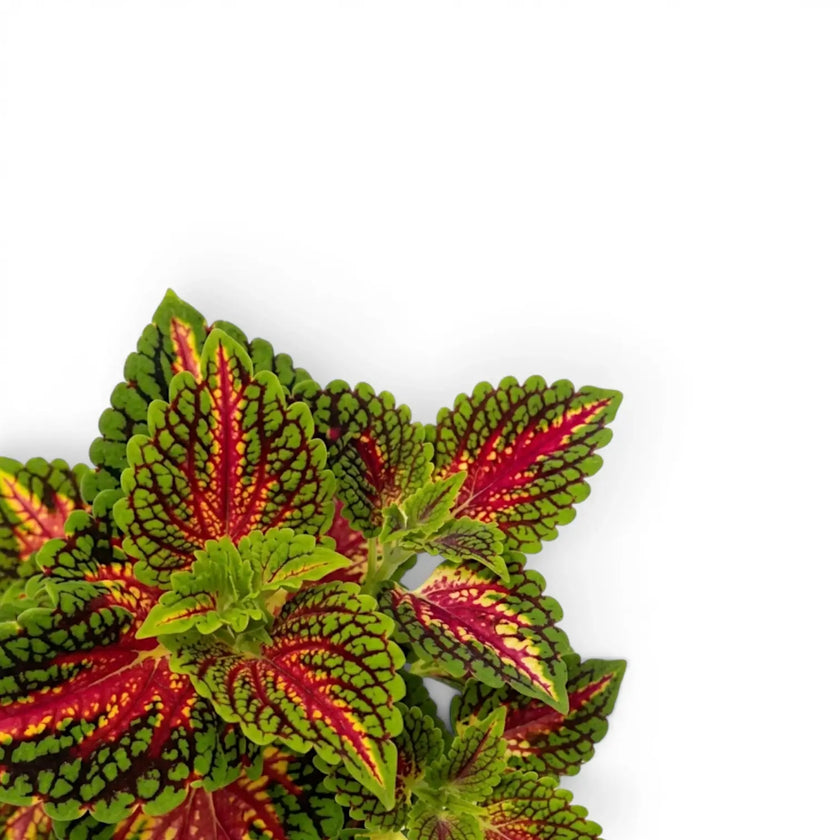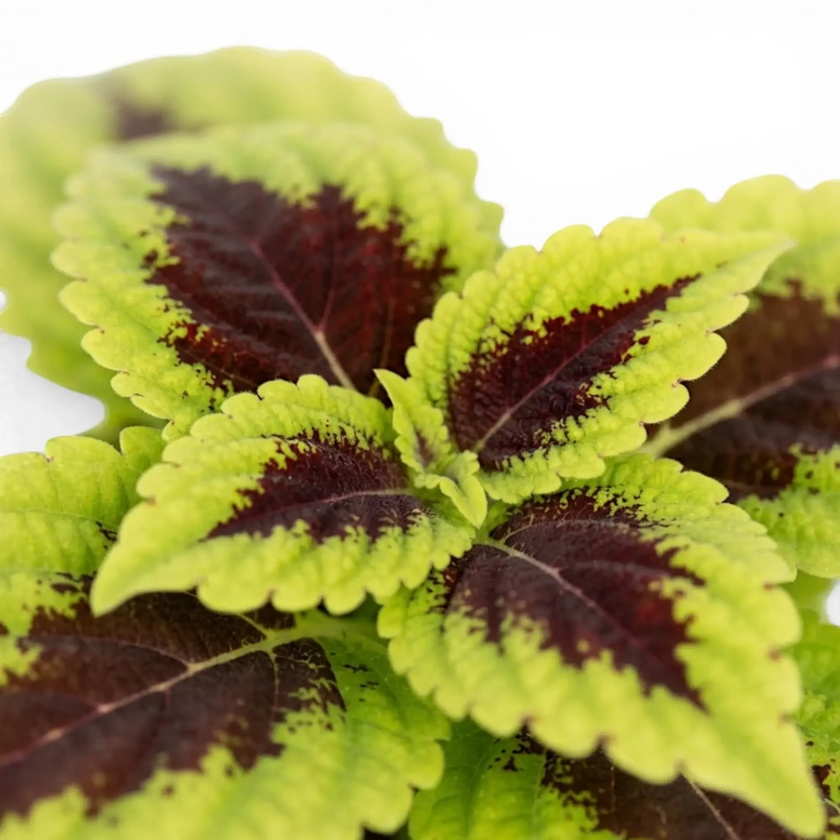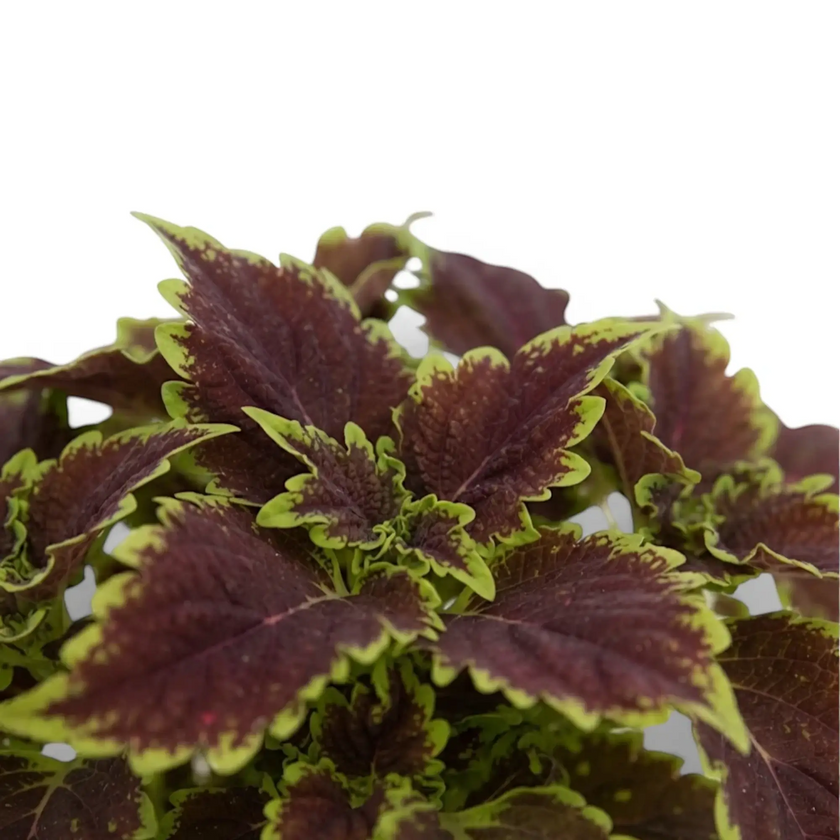
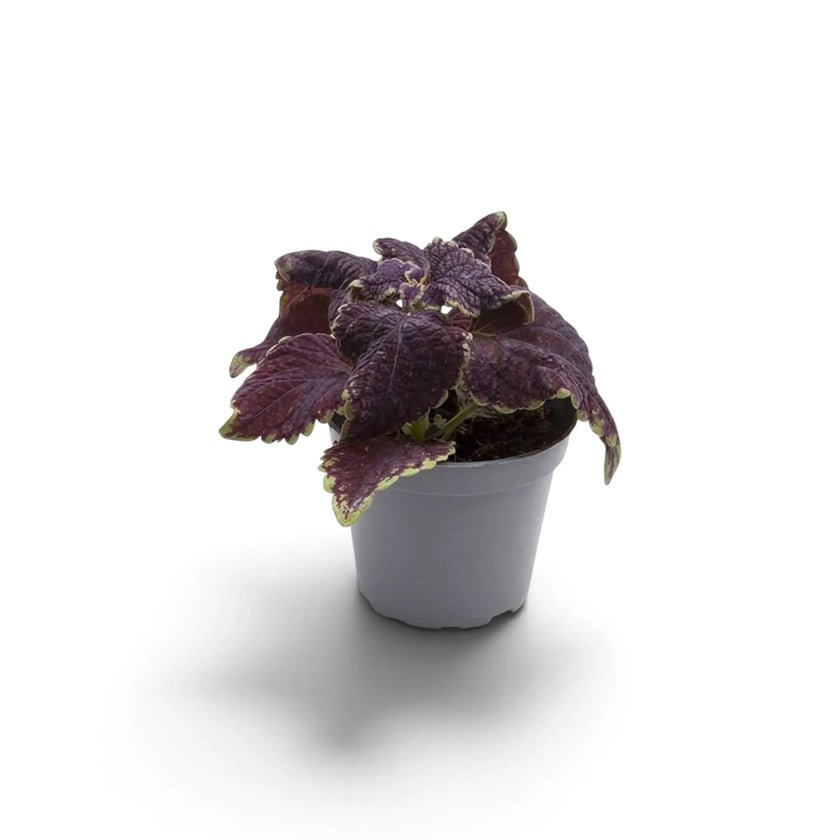
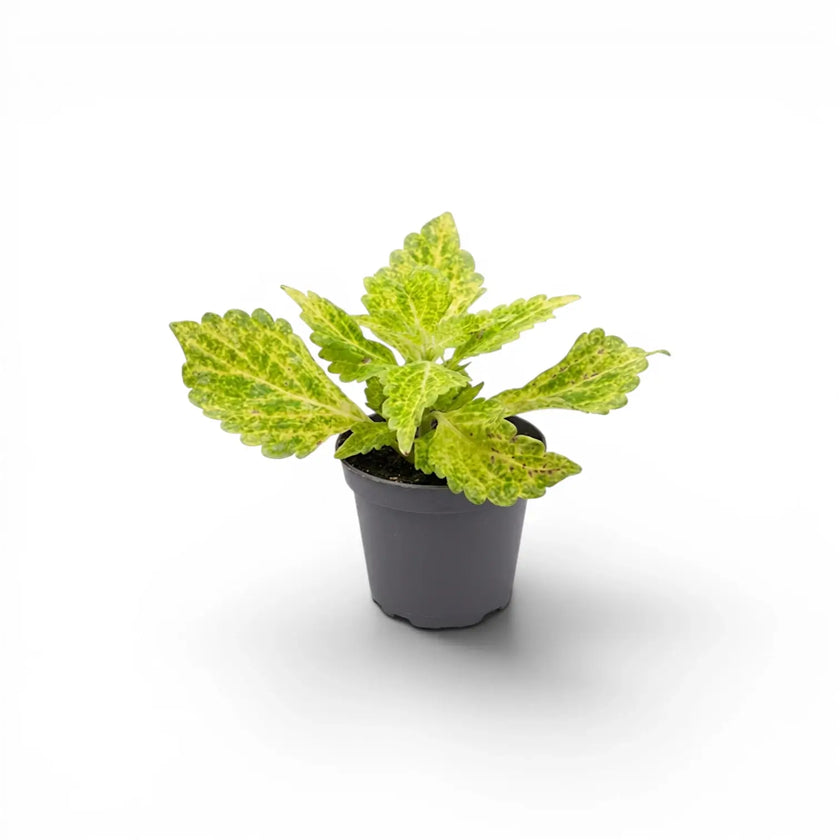
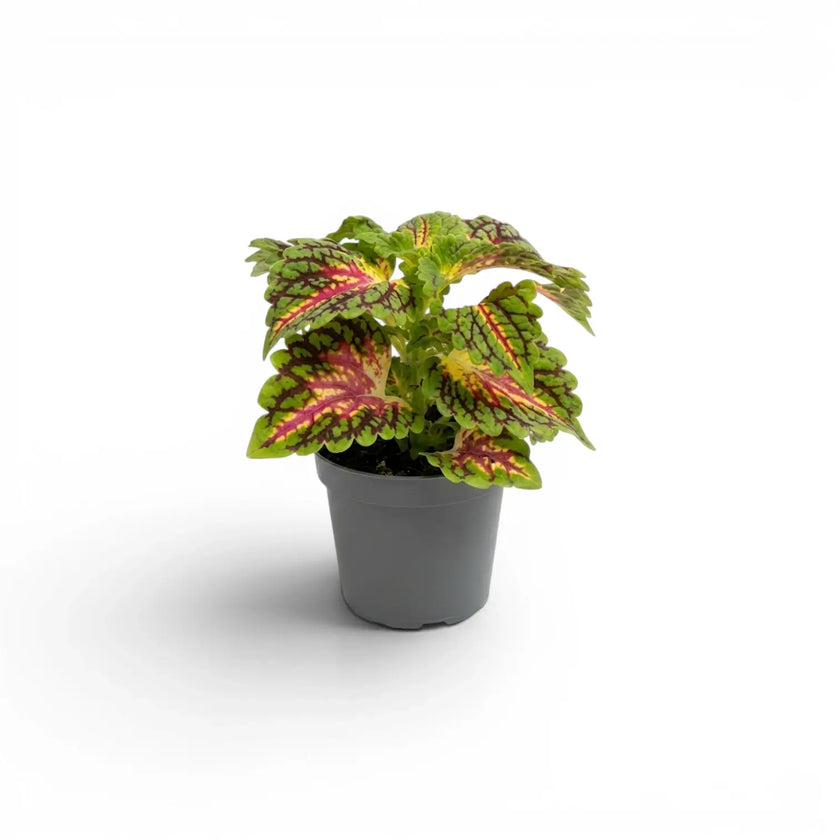
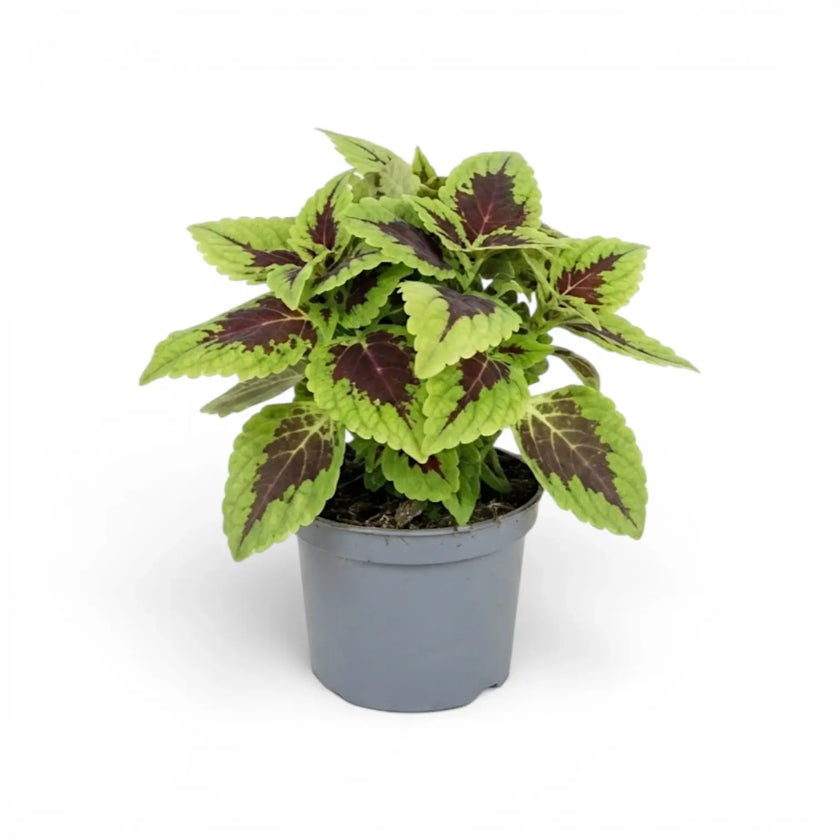
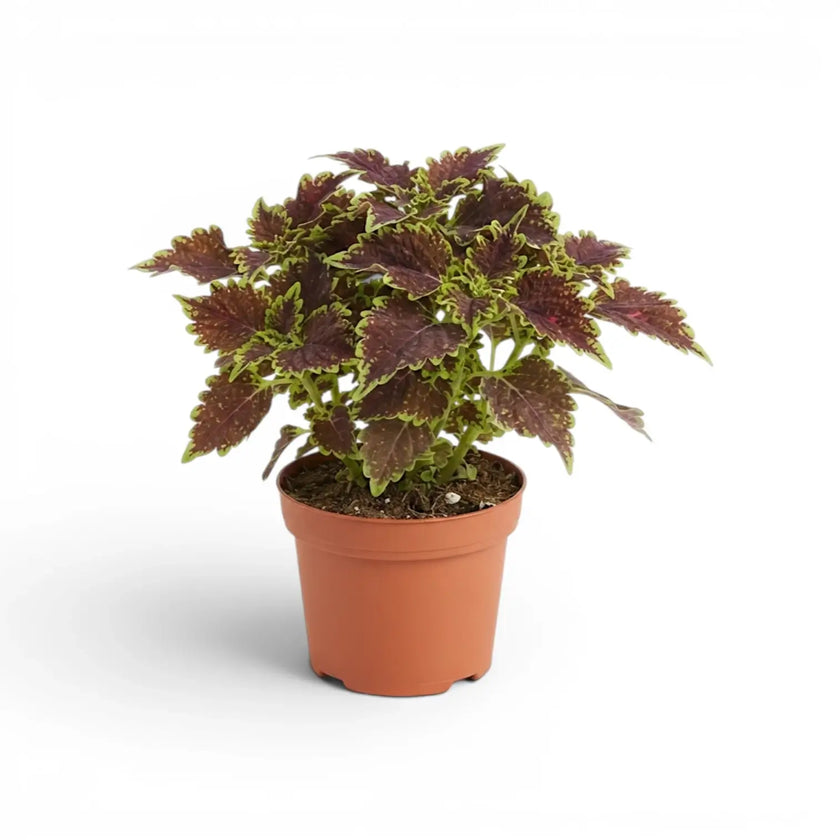
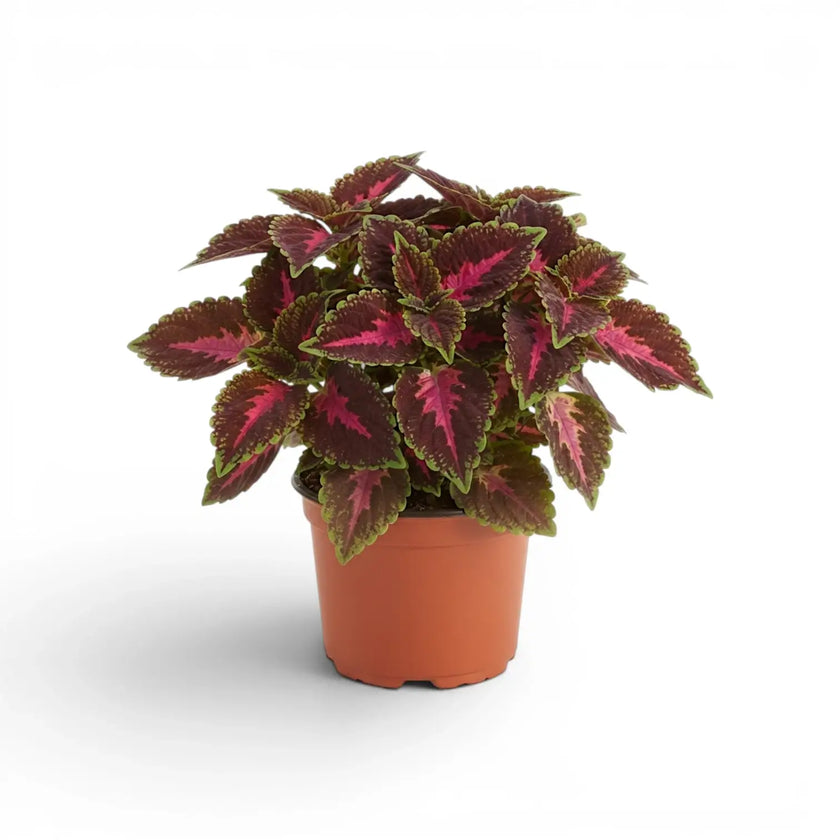
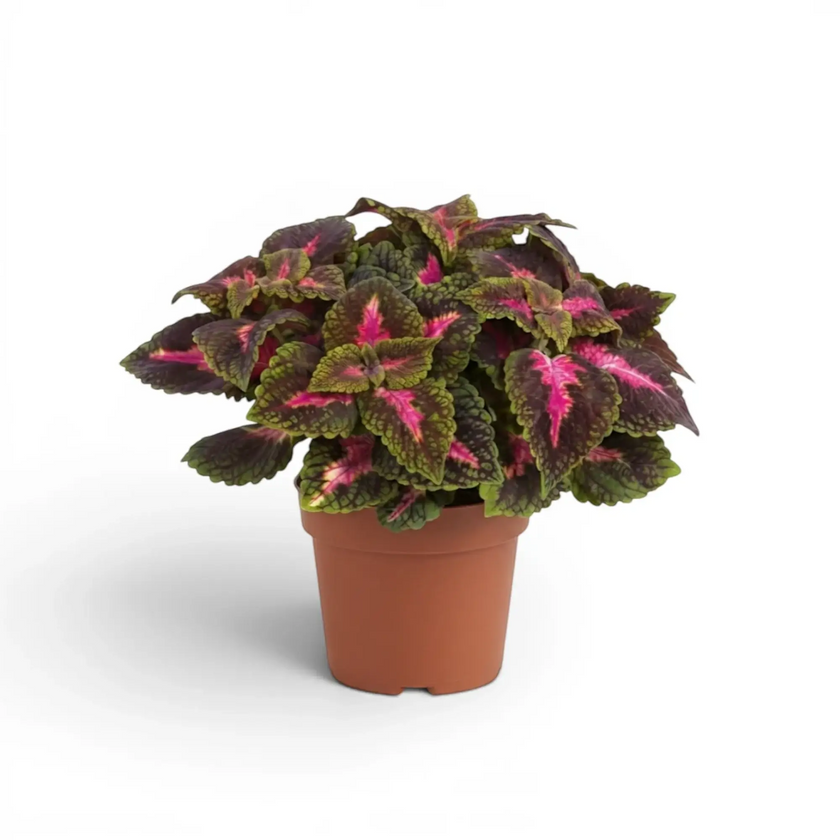
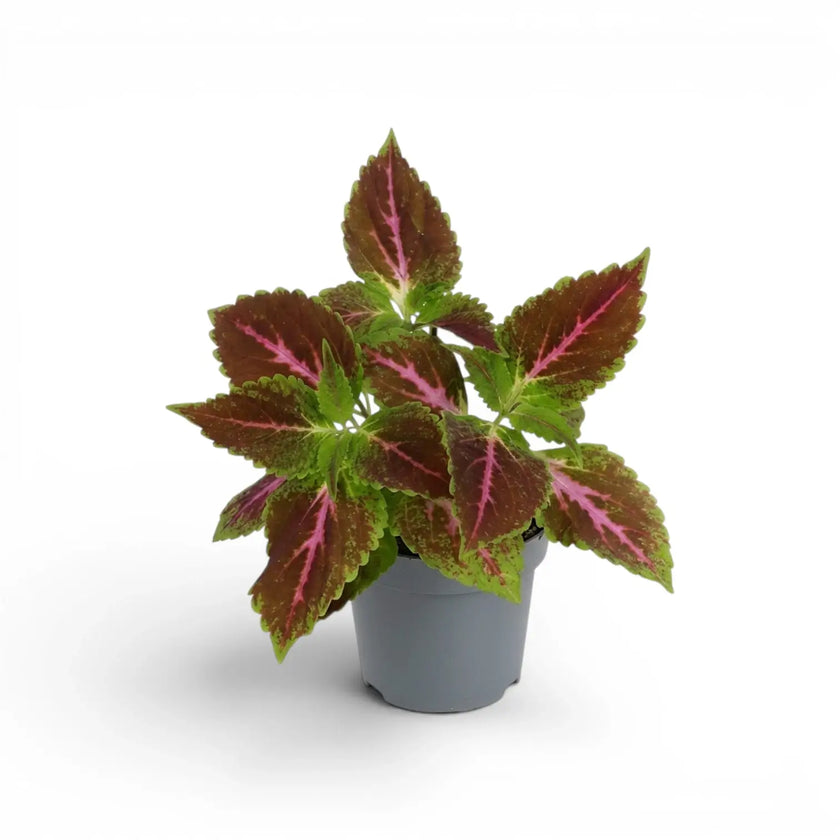
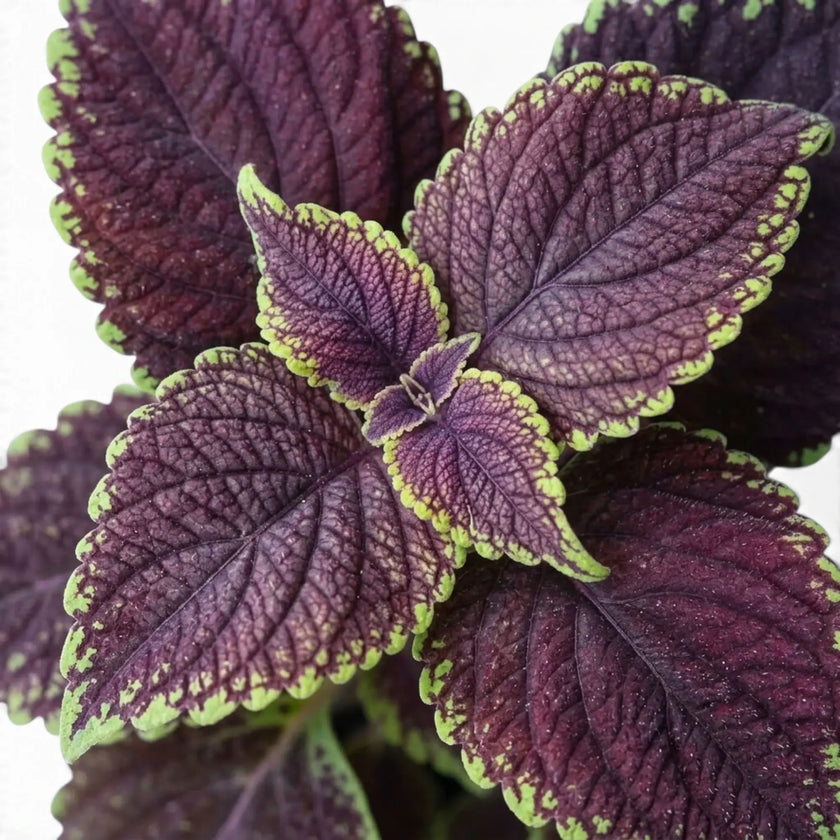
Coleus: fast colour patches for bright indoor spots
Coleus indoors-fast colour blocks, not forever shrubs
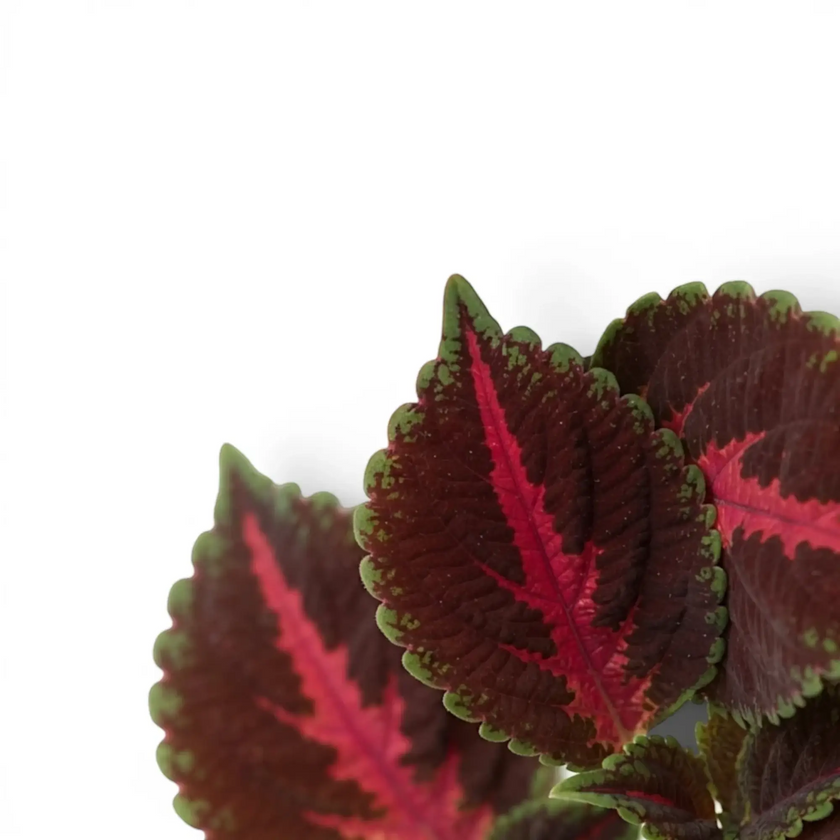
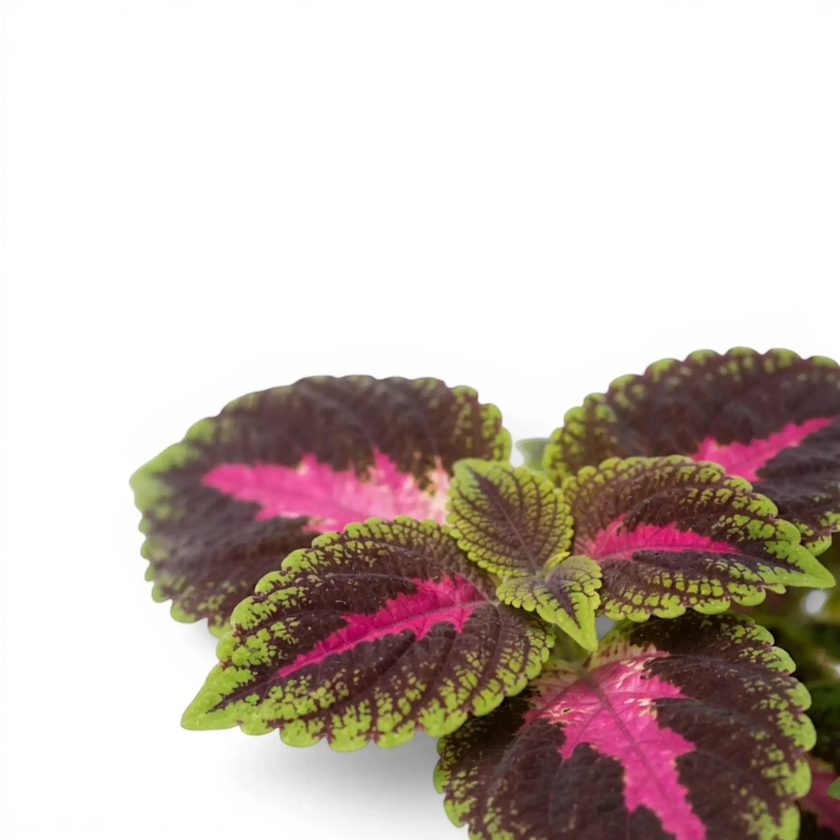
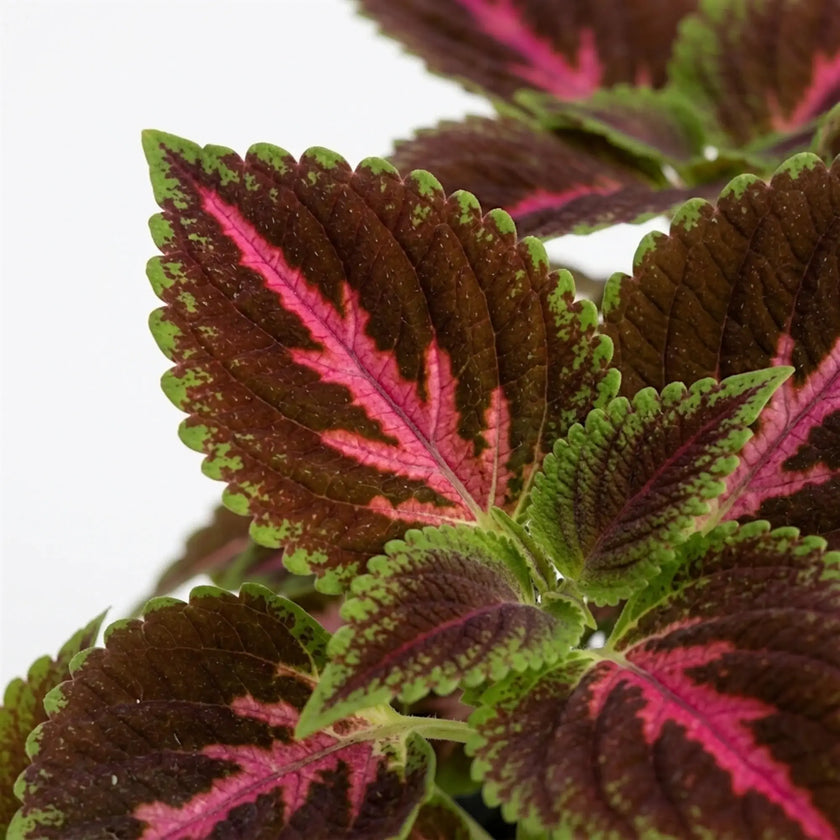
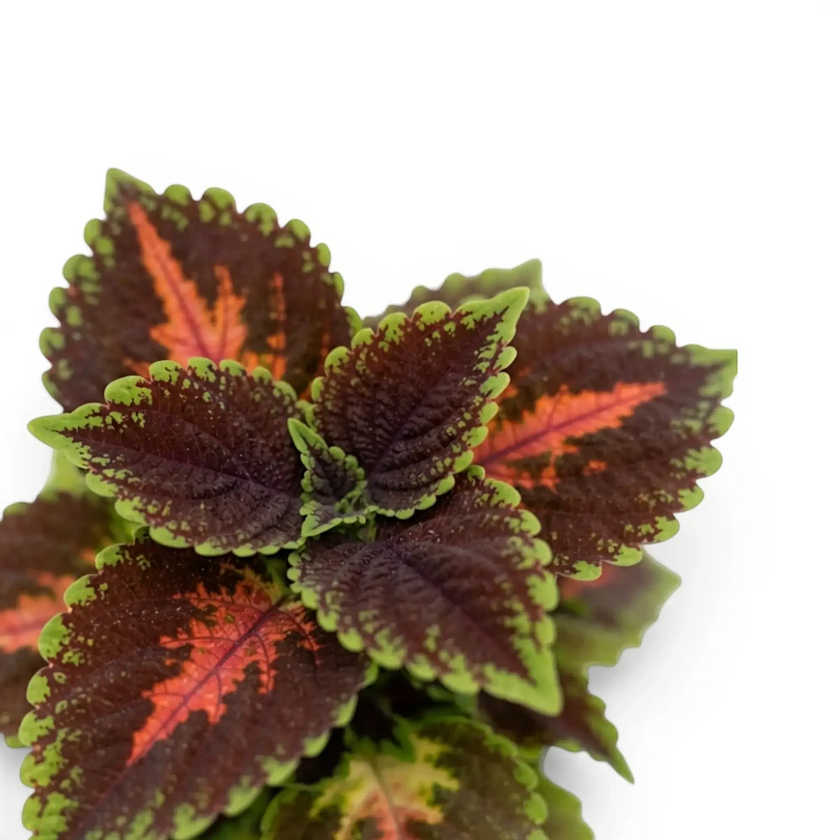
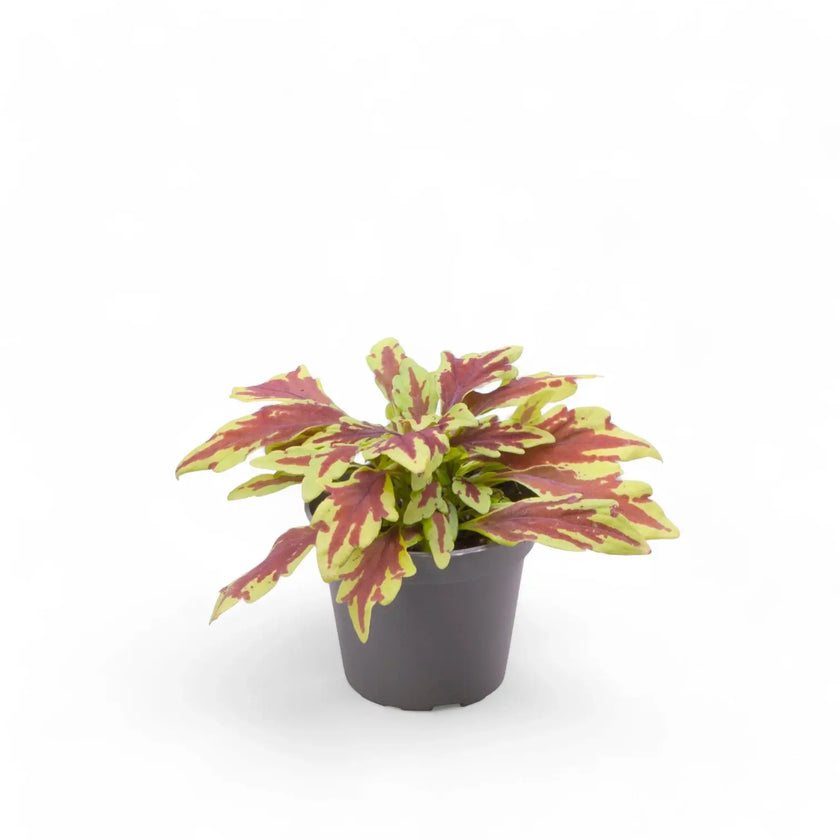
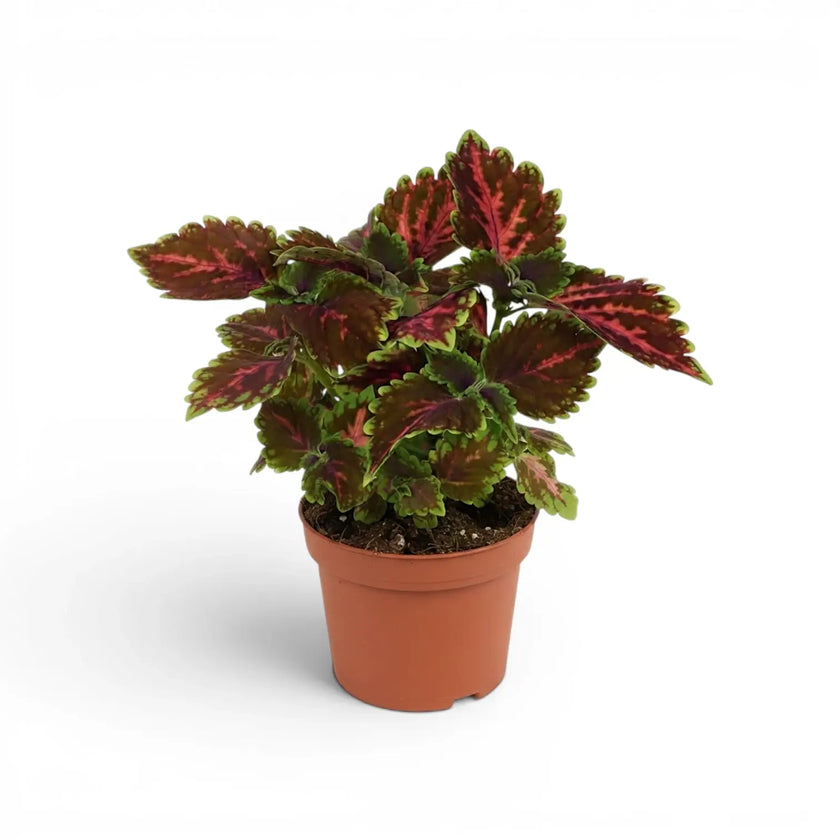
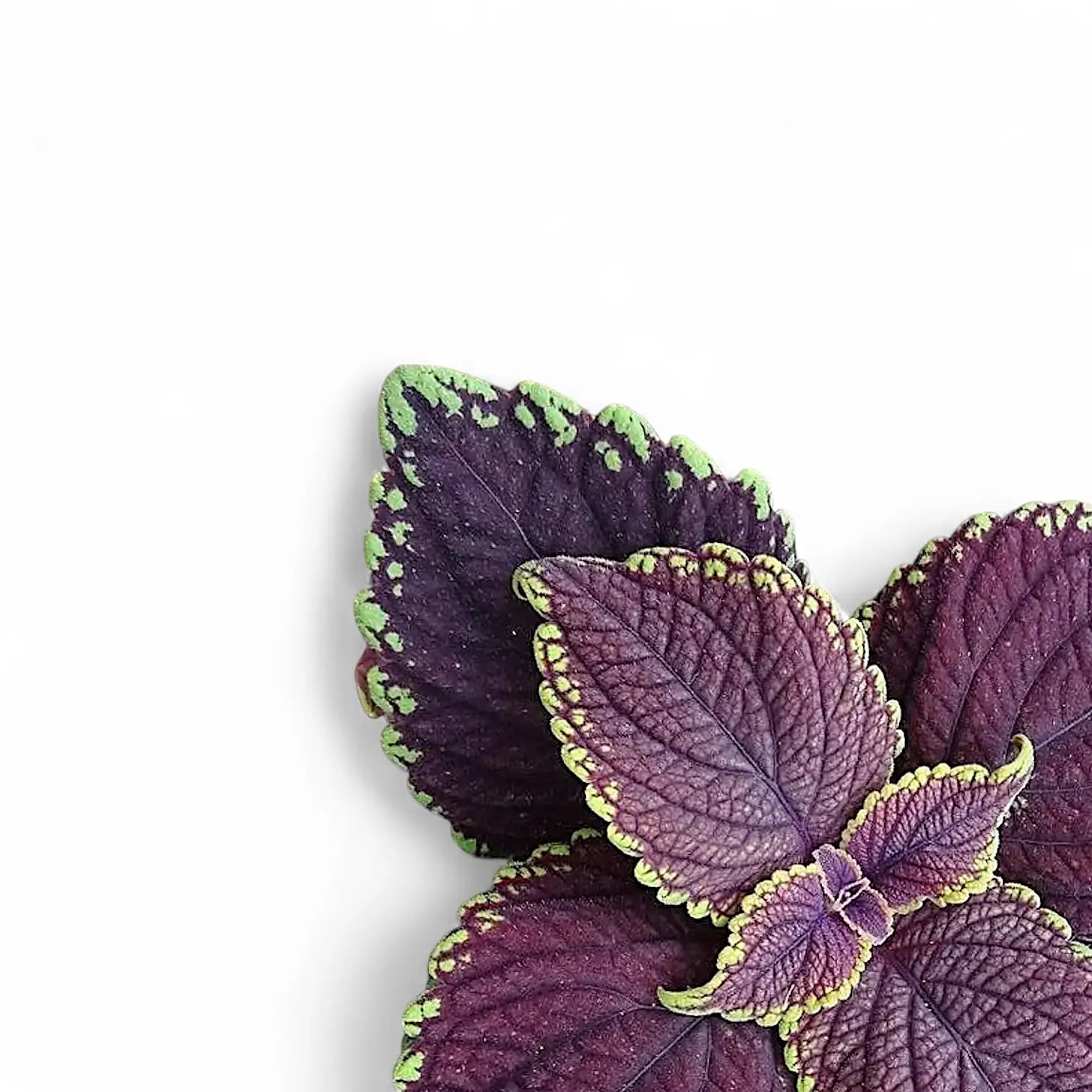
Coleus gives you loud colour with almost no delay: soft stems, big patterned leaves and quick response to light and water. Most modern Coleus houseplants are forms of Coleus scutellarioides, bred for indoor pots and balcony containers rather than long-term woody growth. Think of them as living colour patches you can refresh and reshape whenever you like, not as trees that stay the same for decades.
Once you understand how quickly Coleus drinks, how shallow the roots sit and how much light patterns actually need, indoor Coleus care stops feeling “fussy” and starts behaving like a predictable, flexible paintbox plant.
Coleus types you will see in our range
Most Coleus sold for indoor use fall into three loose groups:
- Compact table-top plants: dense, low varieties that form a bright cushion of leaves and suit windowsills and shelves.
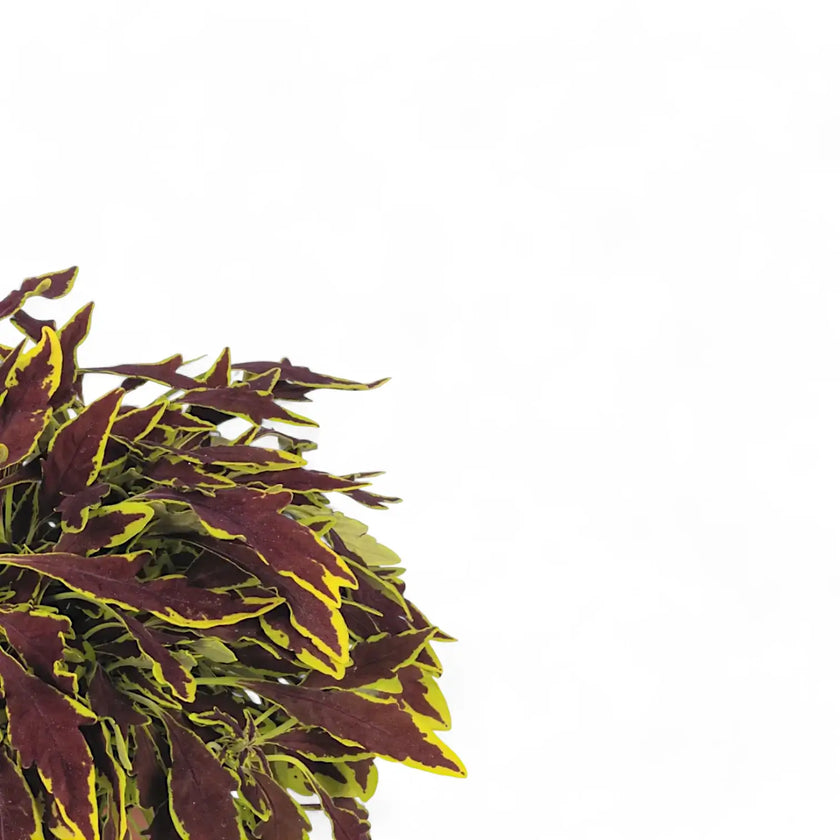
- Taller, branching types: stronger vertical growth that can form small “bushes” with pinching and are easy to shape into small indoor hedges.
- Sprawling mixed pots and cuttings: softer stems that trail over the rim and are ideal sources for constant propagation and seasonal reshuffles.
All of them share the same basic needs. Differences are mostly about how fast they stretch towards light and how often you will want to pinch or re-root stems to keep a neat, colourful outline.
Light for Coleus houseplants-keeping pattern instead of beige
Coleus can survive in moderate light, but pattern and contrast tell you if conditions are good enough. Indoor plants look best where you would happily sit and read during the day without switching on a lamp: near bright windows, on open sills or under strong LED grow lights.
In very soft light, leaves tend to get larger, patterns blur and plants lean towards the nearest window. Too much sudden full sun right against hot glass, especially after time on a dim shelf, leaves dry, bleached patches on the sun-facing side. Shifting Coleus closer to strong light in steps, or softening the harshest midday beam with a thin curtain, gives colours time to adjust. If you want to check how your windows compare, our bright indirect light guide walks through practical examples.
Water, roots and potting mix in practical terms
Roots on Coleus sit fairly high in the pot and hate sitting in stale, cold water. The goal is a mix that can be soaked thoroughly and then relax back to evenly moist, not a dense block that stays soggy for days. A good structure combines a fine, humus-rich base with plenty of perlite, pumice and fine bark so the whole root zone feels springy when you press it, not compacted.
Instead of counting days, let the plant show you when to water:
- Leaves feel cool, firm and carry their own weight → moisture is still present.
- Upper layer looks dry and the pot is clearly lighter than just after watering → time for a slow, deep drink.
- Whole plant droops and stems feel soft → you have waited too long; water thoroughly and tighten the rhythm next time.
Let the pot drain completely after each watering so roots can get air again before the next soak. For the logic behind this style of watering-including how to fix pots that have dried into bricks-see our watering guide for houseplants.
Temperature, growth rhythm and how to keep Coleus compact
Coleus grows fastest in warm rooms around 18-26 °C and slows sharply if temperatures slide into the low teens, especially with wet mix. Cold air sneaking in from tilted winter windows or balcony doors often does more damage than most people realise: stems sulk, colours fade and leaves drop without obvious rot.
Growth comes in clear waves. A flush of new leaves appears, stems lengthen, then the plant pauses briefly before the next push. Pinching out tips while stems are still soft produces more side shoots and a tighter outline. Letting Coleus run tall without intervention gives long, bare stems with a tuft on top-easy to correct, but it costs you some colour while the plant recovers.
Because stems root easily, many people treat Coleus as a rolling project rather than a single specimen: when an older plant becomes woody or tired, they take tip cuttings, root them in fresh airy mix and retire the original. Building this “backup plan” into your routine makes it much easier to keep a bright Coleus corner year-round without wrestling a single ageing plant.
First weeks with a new Coleus: quick checklist
- Unpack and untangle: remove wrapping, gently separate stems and check that substrate is not soaked and cold.
- Choose a bright base spot: pick the best-lit place you have for the first weeks; you can fine-tune position later.
- Check moisture by feel: if mix is still comfortably damp and the pot feels heavy, wait before watering.
- Skip immediate repotting: unless the substrate is clearly collapsing or sour, let roots settle before changing containers.
- Start a pinching habit: once the plant has rested for a week or two, pinch growing tips lightly to encourage branching.
Five Coleus warning signs to act on early
- New leaves arrive dull and stretched: light is not strong enough. Move Coleus closer to a bright window or under a better grow light setup.
- Whole stem flops after watering: roots have been sitting too long in cold, congested mix. Check for mushy tissue, refresh substrate to something more open and let it dry partway between thorough waterings.
- Edges crisp while the centre looks fine: usually a mix of uneven watering and dry air over a warm radiator. Smooth out your watering rhythm and shift the plant away from direct heat sources.
- Fine webbing and speckled leaves: spider mites favour Coleus in dry air. Rinse foliage, increase humidity slightly and work through our spider mite guide before populations explode.
- Plant becomes woody and patchy from below: normal ageing. Take a set of strong tip cuttings into fresh mix, then either cut the old plant back hard or retire it once new plants have rooted.
Safety notes for homes with pets and kids
Coleus is not grown as an edible herb. Leaves and stems can irritate the digestive system if chewed and sap may bother sensitive skin. Treat these foliage plants as “look, don’t taste”: place pots where cats, dogs and small children cannot easily strip leaves or play with fallen pieces. Wash hands after pruning or taking cuttings, especially before touching eyes or face.
Back to top Head back to the collection, match a few Coleus colour schemes to your brightest spots and build a rotating patch of patterned foliage that actually fits your space ↑