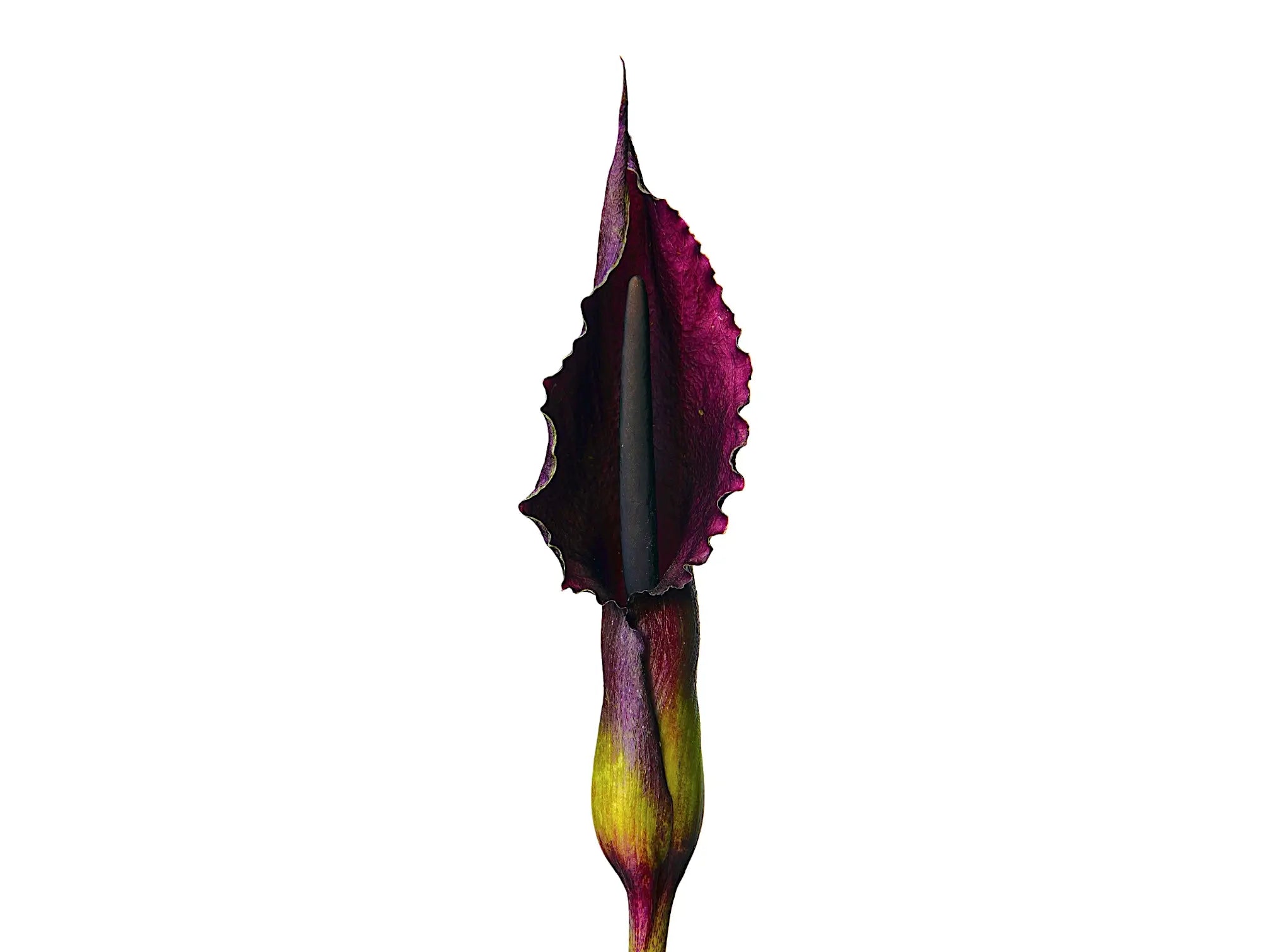
Aroids: The Fabulous Arum Family
Aroids are more than iconic leaves. This deep dive breaks down what defines Araceae, how different aroids grow and reproduce, where they come from, and why some are major food crops. Includes key g...
Read more
Monstera deliciosa is one of the most widely grown houseplants in the world, and one of the most routinely misunderstood. Juvenile plants get sold under overlapping common names, mature plants get expected on day one, and lookalikes get labeled as “Monstera” even when the genus is different. Indoors, that confusion tends to show up the same way: solid leaves that never split, stalled growth, sprawling stems, aerial roots that look “wrong”, and care advice that sounds confident but doesn’t match how Monstera deliciosa actually grows.
Strong indoor results follow a simple pattern: bright, filtered light; a root zone that re-oxygenates between waterings; and firm vertical support that lets vines climb instead of sprawl.

Monstera deliciosa Liebm. is an accepted species in Araceae, the arum family. It is a climbing tropical aroid, not a Philodendron, even though “split-leaf philodendron” still follows it around in plant trade language. That common name works only as shorthand. Botanically, it is misleading.
Common names include Swiss cheese plant, ceriman, Mexican breadfruit, fruit salad plant, and windowleaf. Some are harmless shorthand. Some create confusion. “Swiss cheese plant” is also used for Monstera adansonii, while “split-leaf philodendron” often gets thrown at both Monstera deliciosa and Thaumatophyllum bipinnatifidum. Those are not small differences. Growth habit, size expectations, and training needs are not identical across these plants.
Trade naming adds another layer. “Monstera borsigiana” is still sold as if it were a separate species, especially in variegated plant circles, but major taxonomic references treat Monstera borsigiana and Monstera deliciosa var. borsigiana as synonyms of Monstera deliciosa. The practical indoor distinction that holds up over time is not a “borsigiana versus deliciosa” label. It is juvenile versus mature growth, single vine versus clustered pot, and supported climber versus unsupported sprawl.
Nursery and collector labels often bundle real variation (age, training, internode spacing, leaf size) into names that sound taxonomic. “Small form”, “large form”, and “sierrana” get used loosely in cultivation. Major backbones treat var. sierrana as part of Monstera deliciosa synonymy rather than as a separate indoor-care category. Leaf size and internode length can vary widely with support, light, pot size, and whether a plant is a single trained vine or a cluster of cuttings.
Good identification starts with a few simple points. Mature Monstera deliciosa has broad heart-shaped leaves that become deeply split and internally perforated as vines gain height and stability. Stems are thick compared with many vining houseplants. Aerial roots emerge from nodes. With time and support, leaf size becomes dramatic. Juvenile plants can look plain for a while, which is a big reason misidentification stays common in garden centres and online listings.
One more point matters for buyers: many nursery pots are not one specimen. Several cuttings get planted together for a fuller first impression. That is not automatically bad, but it can change long-term structure. A clustered pot and a single trained climber can both be healthy, but growth habit and training goals differ.
Current major taxonomic references treat Monstera deliciosa as native to southern Mexico and Guatemala. Older horticultural sources often extended that range into Costa Rica and Panama. A big reason is historical confusion with closely related material, especially plants now treated under M. tacanaensis in modern work. That mismatch is why older books and newer taxonomic references do not always agree on distribution wording.
In habitat, Monstera deliciosa is a forest climber. Growth begins low, often in shade, then vines search for something vertical. Once a trunk or rough surface is found, vines climb. Aerial roots help anchor stems, and foliage gradually shifts toward larger, more mature leaves as height and stability increase. Compact, self-supporting “bush” growth is not the natural default. Indoors, a vine with nothing to climb behaves like a climber with nowhere to go.
This growth style is often described as secondary hemiepiphytic. Indoors, the label matters less than the working translation: roots want oxygen, stems want structure, and maturity depends on sustained, steady growth rather than quick inputs.

Habitat also explains why dense, stale, airless substrate causes so many indoor failures. Forest climbers tolerate moisture, but do poorly with long-term root stagnation. A plant can look fine for a while in compacted mix, then shift suddenly into yellowing, limp growth, blackening tissue, or rot once roots run out of oxygen.
Habitat does not mean recreating a rainforest as a room. It means translating the pattern: warm conditions, bright but filtered light, an airy root environment, consistent but not stagnant moisture, and something vertical to climb.
Juvenile and mature growth can look like two different plants. Juvenile leaves are usually smaller and mostly entire, often more obviously heart-shaped. Mature leaves become broader, deeper cut, and internally perforated. As vines strengthen and keep climbing, leaf size can increase dramatically. That transition is normal development, not a sign early leaves were “wrong.”
Fenestration is the term used for the slits and holes that make mature leaves instantly recognisable. Fenestration tracks strongly with maturity, but maturity is not just age. It reflects a combination of climbing support, root health, stable growth, and enough energy to build larger leaves repeatedly. Vines that get cut back hard, re-rooted from small cuttings, kept in dim light, or left to sprawl horizontally for months often keep producing smaller, less mature foliage than similarly old vines climbing steadily upward.
Why fenestration exists is still debated. Several hypotheses have been proposed over time, including mechanical effects, water movement through leaves, and light-related advantages in forest understory conditions. No single explanation has closed the question. The indoor pattern that does hold up is simpler: bigger, better-supported, steadily growing vines tend to produce more strongly fenestrated leaves.
Aerial roots are part of the same pattern. They emerge from nodes as normal structures, not as a defect to correct. Some stay short and dry in room air. Some attach to supports. Some can be directed into potting mix or into a moist climbing pole. Removing all aerial roots for appearance does not improve growth. It mainly removes structures used for anchorage and moisture access.
Growth habit indoors depends heavily on early training. Left alone, vines sprawl, twist, lean, and eventually take up a surprising amount of floor space. Trained upward, vines stay more orderly and often shift into more convincing mature growth. Support is not an accessory. Support is a core part of indoor culture for Monstera deliciosa.
Flowering belongs to the mature end of the life cycle. Monstera deliciosa produces a typical aroid inflorescence: a spadix surrounded by a pale spathe. Fruiting is uncommon in ordinary homes but more realistic in tropical outdoor conditions or controlled greenhouse culture with mature vines and high light. Fruit takes a long time to mature and is only edible when fully ripe. Unripe sections are irritating because of calcium oxalates and should not be eaten.

Indoors, Monstera deliciosa usually grows as a large foliage vine rather than as a fruiting climber. With support and strong light, vines can reach ceiling height over time, and leaves can become broad and deeply fenestrated. Indoor-grown vines often stay less massive than greenhouse or tropical outdoor specimens, even when health is excellent.
Outdoors in suitable climates, growth can be much more forceful. Stems thicken, leaf size increases, fruit becomes more plausible, and vines behave more like forest climbers. Outdoor placement still needs care. Sudden exposure can scorch leaves badly after months in filtered indoor light. Seasonal moves need gradual acclimation and protection from harsh midday sun. Treat the shift like any careful houseplant acclimatization process.
In mild climates where plants can persist outdoors, keep vines contained and avoid disposing of cuttings where they can root. A pot kept on a patio is one thing. A vine released into warm ground is another.
Indoor goals stay realistic when they are specific. A juvenile nursery plant will not jump straight into conservatory-scale leaves. A clustered pot stays wider and messier unless vines are separated or retrained. A hard-pruned vine can temporarily revert to smaller leaves as growth resets. Those are normal growth responses.
Indoor care becomes straightforward when it follows growth habit. Light, moisture, substrate, feeding, and support interact. Strong light with dense, wet mix still causes trouble. A great mix in weak light still slows growth. A support pole without enough root-zone water still fails to build big leaves. Treat conditions as a system.
Monstera deliciosa does best in bright indirect light. East-facing windows, bright rooms near south- or west-facing windows, and filtered light behind a sheer curtain usually work well. Very low light slows growth, reduces leaf size, and delays stronger fenestration. Harsh direct sun, especially after a long indoor winter, can scorch leaves.
If you measure light, aim for consistently bright readings at leaf level for much of the day (often high four digits to low five digits in a strong window spot), while keeping hot direct sun off the foliage.
Light is easiest to judge by growth response. Long, weak internodes and consistently small leaves point toward insufficient light. Bleached areas and crisp sunburn patches point toward exposure that is too harsh or a move that happened too quickly.
Variegated forms often need higher light than deep green forms because pale tissue contributes less to photosynthesis. That does not mean light “creates” variegation or intensifies it on command. Patterning is built into plant tissue and can vary leaf by leaf.
Water thoroughly, then let part of the mix dry before watering again. For established plants, a useful rule is to allow roughly the top quarter to one-third of the potting mix to dry, while also paying attention to pot weight, temperature, and how fast the substrate is actually drying in the current setup. A flat “top 2 cm” rule is often too crude, especially in bigger pots and chunkier mixes.
Signs that often point toward overwatering or poor root aeration include repeated yellowing, soft black tissue near the base, fungus gnats, sour-smelling mix, and a pot that stays wet for too long. Signs of underwatering often include a very light pot, drooping that improves after watering, and a substrate that has pulled away strongly from the sides of the pot.
Water quality can matter in hard-water areas or where salts build up quickly. If margins keep browning and fertiliser practice is already sensible, occasional thorough watering to flush the mix and the use of filtered water can reduce mineral accumulation. For deeper dry-down logic, ultimate guide to watering houseplants covers the framework.
Monstera deliciosa does best in an airy, moisture-retentive but fast-draining mix. A practical indoor substrate often combines a base such as potting mix or coir with chunky bark and mineral components such as perlite or pumice. The goal is not to make mix dry instantly. The goal is stable moisture plus enough air space that the root zone can re-oxygenate between waterings. For component logic and tuning, aroid substrate guide goes deeper.
Repotting is usually needed every year or two for fast-growing juvenile plants, and less often for larger, established vines. Better signals than a fixed schedule are roots crowding the pot heavily, mix drying unusually fast, top-heaviness, instability, or substrate breakdown. If the plant is drying normally and the mix still has structure, early disturbance often adds risk without benefit.
When repotting, move up only slightly in pot size. Oversized pots slow drying, reduce oxygen, and make moisture management harder. Heavy, stable pots are useful for big vines because mature growth becomes top-heavy, especially once a pole or trellis is installed.

Warm indoor temperatures suit Monstera deliciosa well. A comfortable household range is usually fine, with stronger growth in warm, stable conditions than in cool, drafty ones. Prolonged cold slows growth and increases risk if mix stays wet for too long.
Humidity does not need to be extreme, but moderate to higher humidity can help new leaves unfurl more cleanly. Dry air near heating often shows up as crisp margins or slow, stubborn leaf expansion. Grouping plants or using a humidifier can help. Root-zone conditions still stay central: higher humidity does not cancel out compacted, airless mix.
Airflow helps foliage dry after watering splash or leaf cleaning and reduces the “stagnant wet” microclimate that favours spotting problems. Airflow does not mean cold drafts. It means avoiding still, crowded conditions where moisture lingers on leaves.
Feed when growth is active with a balanced fertiliser at a sensible rate. Timing is easiest to read through the plant itself: steady new leaves, expanding petioles, and consistent dry-down usually signal active uptake. When growth slows sharply and dry-down stretches out, reduce feeding or pause rather than loading salts into a root zone that is barely moving.
Overfeeding can show as burnt tips, salt build-up, or root stress just as easily as underfeeding can show as sluggish, pale growth. If light is low and mix stays wet for long periods, adding more fertiliser rarely fixes the problem. It usually worsens it. A clearer breakdown of rates and common mistakes is in the fertilizer guide for houseplants.
Support is one of the most important pieces of indoor culture for Monstera deliciosa. A moss pole, plank, trellis, or other rigid vertical surface gives vines something to orient around. As vines climb and stay stable, leaf size and fenestration often improve.
If using a moss pole, keeping it slightly moist can encourage aerial roots to engage with it. A dry pole can still provide structure, but it often behaves more like a stake than a rootable support. Either way, the goal is upright growth and stable vine positioning.
Pruning is useful for size control, shaping, or removing damaged growth, but heavy pruning has consequences. Cutting back mature vines often resets growth temporarily to smaller, less mature leaves while the vine rebuilds momentum. That shift is a normal growth response.
Wiping dust off leaves helps with light use and pest inspection. It is basic maintenance, not a treatment.
Bigger leaves and stronger fenestration follow a predictable pattern: maturity plus conditions that let vines keep building on previous growth without repeated resets.
Unsupported floor sprawl keeps vines alive, but it often delays the “climbing maturity” look. Support changes geometry, anchorage, and how the vine allocates growth. That difference is why mature greenhouse vines can look so unlike juvenile shelf plants even when species is identical.

Monstera deliciosa is straightforward to propagate when the cutting includes a node. A leaf without a node may stay green in water for a while, but it will not become a new plant. New growth comes from a node with an axillary bud, not from a detached leaf blade and petiole alone.
Stem cuttings are the standard route. Cut below a node, ideally on a healthy section that includes at least one leaf and preferably an aerial root or visible root bump. Water propagation is popular because progress is visible, but solid rooting media such as perlite, airy potting mix, or suitable inert substrates also work well. What matters most is moisture without stagnation and enough warmth for root initiation. Step-by-step options are in the houseplant propagation guide.
Water-rooted cuttings should not sit indefinitely in cloudy containers. Change water when it becomes murky, keep cuttings in bright indirect light, and pot up once a reasonable root system has formed. A practical pot-up point is several roots around 5–10 cm long with at least some branching. After potting, keep the mix evenly moist but airy while new roots transition, then shift into a normal dry-down rhythm.
Air layering is another excellent method for larger vines. A node is wrapped in moist medium, often sphagnum, and enclosed until roots form before the stem is cut. Shock is reduced because rooting begins while the cutting is still attached to the mother vine.

Most problems become easier to solve when symptoms get read alongside pot conditions, root health, light, temperature, and recent changes. Patterns across several leaves usually matter more than a single imperfect leaf.
This usually tracks back to maturity and growth habit rather than to a missing supplement. Common drivers include juvenile growth, insufficient light, lack of support, repeated pruning resets, or recovery after propagation.
A single older leaf yellowing occasionally can be normal turnover. Repeated yellowing, especially with heavy damp mix, points more strongly to root stress or overwatering. Nutrient issues can contribute, but root-zone oxygen and dry-down speed are the first checks.
These often track back to salts, erratic watering, and dry air as a secondary factor. Hard water can worsen the look. Crisp pale patches on exposed leaf surfaces suggest scorch rather than simple dryness.
Thirst and root trouble can both cause drooping. If the pot is very light and the substrate is dry, water thoroughly and watch response. If mix is wet and vines stay limp, suspect root stress instead of adding more water.
This is rot until proven otherwise. Remove the plant from the pot, inspect roots, cut away dead tissue, and restart in fresh airy substrate if needed. A step-by-step rescue sequence is in the root rot treatment guide.
Low humidity during leaf expansion, unstable watering, mechanical damage, and pest pressure can all play a role. When distortion becomes frequent, check carefully for thrips or mites on fresh growth and in petiole joints.
Spider mites, mealybugs, scale, thrips, and aphids are all possible. Spider mites often show as fine stippling and webbing. Mealybugs collect in crevices. Scale appears as immobile bumps. Thrips often scar fresh growth and leave silvery damage or fine black specks.
Bacterial and fungal spotting become more likely in cool, crowded, wet conditions with poor airflow. Remove badly affected foliage, avoid keeping leaves wet for long periods, clean tools, and fix the root environment if it is staying too wet.

Monstera deliciosa belongs to a family known for insoluble calcium oxalates. Leaves, stems, and unripe fruit can cause oral irritation, burning, drooling, vomiting, and discomfort if chewed. Pets are the more common emergency concern indoors, especially cats and dogs that nibble foliage.
Ripe fruit is the exception the species is known for. When fully mature, fruit becomes aromatic and edible, but only the ripe portions should be eaten. Scales loosen as ripening progresses, and only sections that release easily are considered safe. Unripe fruit remains irritating. Ripeness is not a detail. Ripeness is the whole safety boundary.
Indoors, fruiting is unusual. Toxicity concerns revolve much more around leaves and stems than around fruit. If pets or children are likely to chew plants, prevent access rather than relying on supervision.
Variegated forms such as Thai Constellation, Albo Variegata, Aurea, and Mint follow the same basic care logic as green Monstera deliciosa: bright indirect light, an airy root zone, warmth, and real support. What changes is margin for error. With less green tissue, growth often slows and becomes less forgiving, and pale sectors can brown cosmetically more easily.
Thai Constellation entered wider trade through micropropagation, which made it more scalable in production than many cut-propagated variegated Monsteras. Leaf pattern still varies plant to plant and leaf to leaf, but the cultivar is typically sold with a more repeatable “constellation” style of speckling than classic sector-heavy chimeras.
Chimeric variegation behaves differently. Growth points can produce greener or whiter runs depending on which tissues dominate at the meristem. Buying decisions should prioritise a viable growth point and strong roots over a single dramatic leaf. A Monstera-specific follow-up is in the Thai Constellation story.

Before buying Monstera deliciosa, decide what kind of plant fits the goal. A full, multi-cutting nursery pot gives immediate impact. A single vine is better for training a long-term climber. A rooted cutting is cheaper but slower. A highly variegated specimen is a structural gamble unless roots and node quality are excellent.
For green plants, buy health over hype. For expensive variegated plants, buy roots, growth point quality, and active stability over dramatic patterning alone.
Water thoroughly, then wait until part of the mix has dried. For many established plants, that means allowing roughly the top quarter to one-third of the pot to dry, but timing depends on light, temperature, pot size, and substrate.
Juvenile growth, lack of support, insufficient light, or recovery after a reset such as propagation or hard pruning are common reasons.
Aerial roots can be shortened if absolutely necessary, but removing all aerial roots for appearance offers no growth advantage. They are normal and useful structures.
Yes. Support changes how vines grow. Vines climbing steadily often produce larger, more mature leaves over time.
It can survive in lower light than many plants, but survival is not strong growth. Low light usually means smaller leaves, slower growth, and less impressive fenestration.
It can be grown hydroponically or in suitable inert substrates if managed properly, but long-term water culture needs deliberate nutrient and oxygen management.
Heavy pruning can reset maturity. Cut-back vines often rebuild with smaller leaves before mature foliage returns.
Yes. Insoluble calcium oxalates can cause oral irritation, drooling, vomiting, and difficulty swallowing if chewed.
It is unusual in ordinary home conditions. Fruiting is far more realistic in tropical outdoor settings or greenhouse culture with mature vines and high light.
In current major taxonomic references, it is treated as a synonym of Monstera deliciosa, even though trade language still uses the name loosely.
Monstera deliciosa stays popular because maturity is visible. Vines start simple, climb, change form, and become more architectural with time. New leaves show development, not just maintenance.
Strong indoor results come from treating growth habit seriously: bright filtered light, an airy root zone, consistent but not stagnant moisture, and firm support that lets vines climb. When those basics are stable, Monstera deliciosa tends to do the rest.
Aroids: The Fabulous Arum Family
Aroids are more than iconic leaves. This deep dive breaks down what defines Araceae, how different aroids grow and reproduce, where they come from, and why some are major food crops. Includes key g...
Read more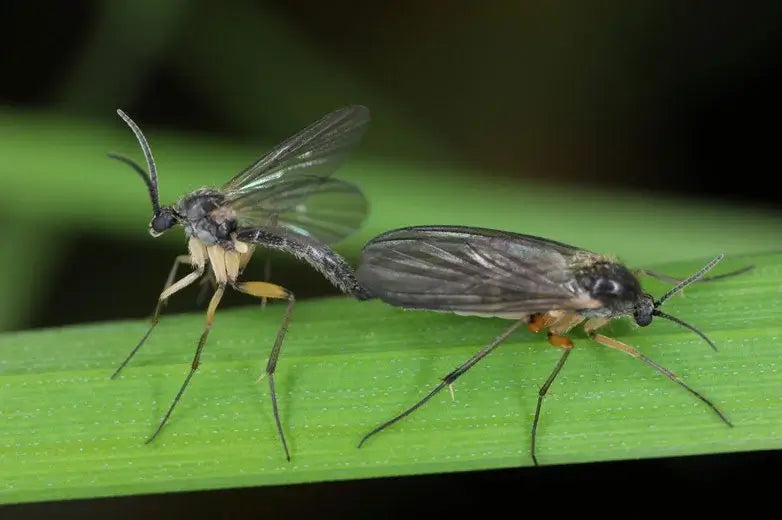
Fungus Gnats in Houseplants: The Ultimate Guide to Identification, Management, and Prevention
Fungus gnats love persistently damp potting mix. This guide helps you identify them, understand the lifecycle, and choose effective fixes—from drying cycles and sticky traps to nematodes, BTI, and ...
Read moreSign up for Foliage Factory newsletter for early access to new arrivals and practical care tips that work in real homes.


Leave a comment
This site is protected by hCaptcha and the hCaptcha Privacy Policy and Terms of Service apply.