Position
Full sun

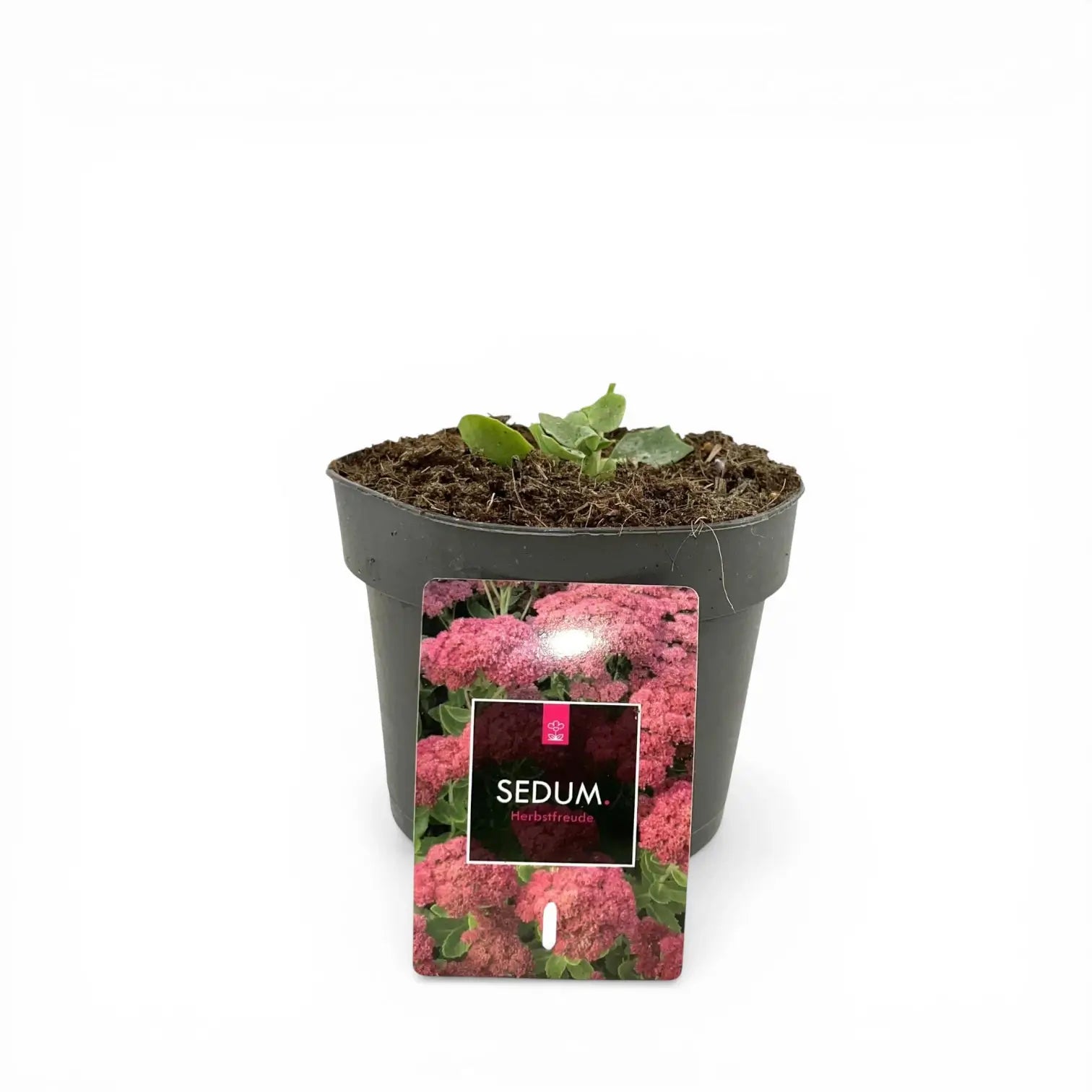
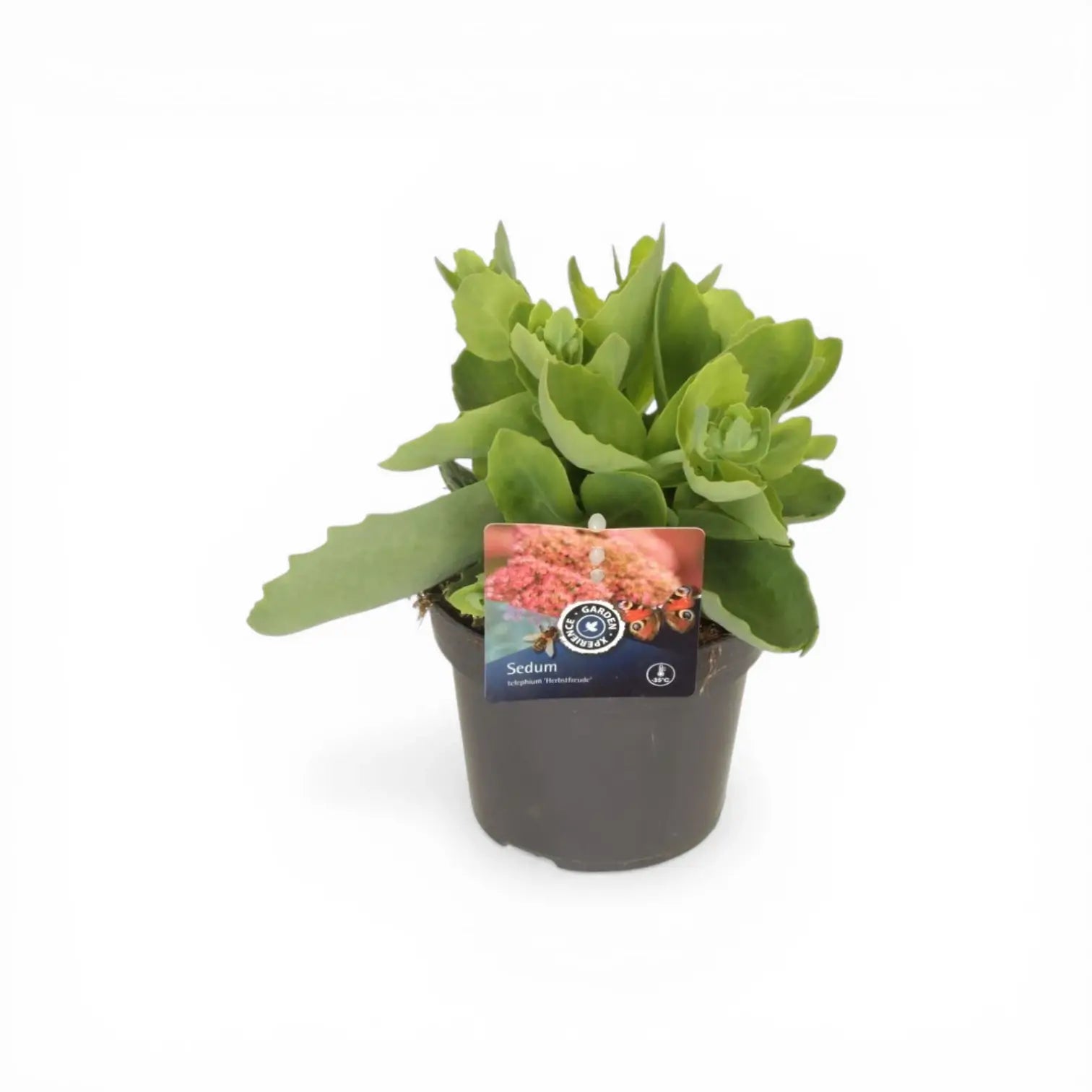
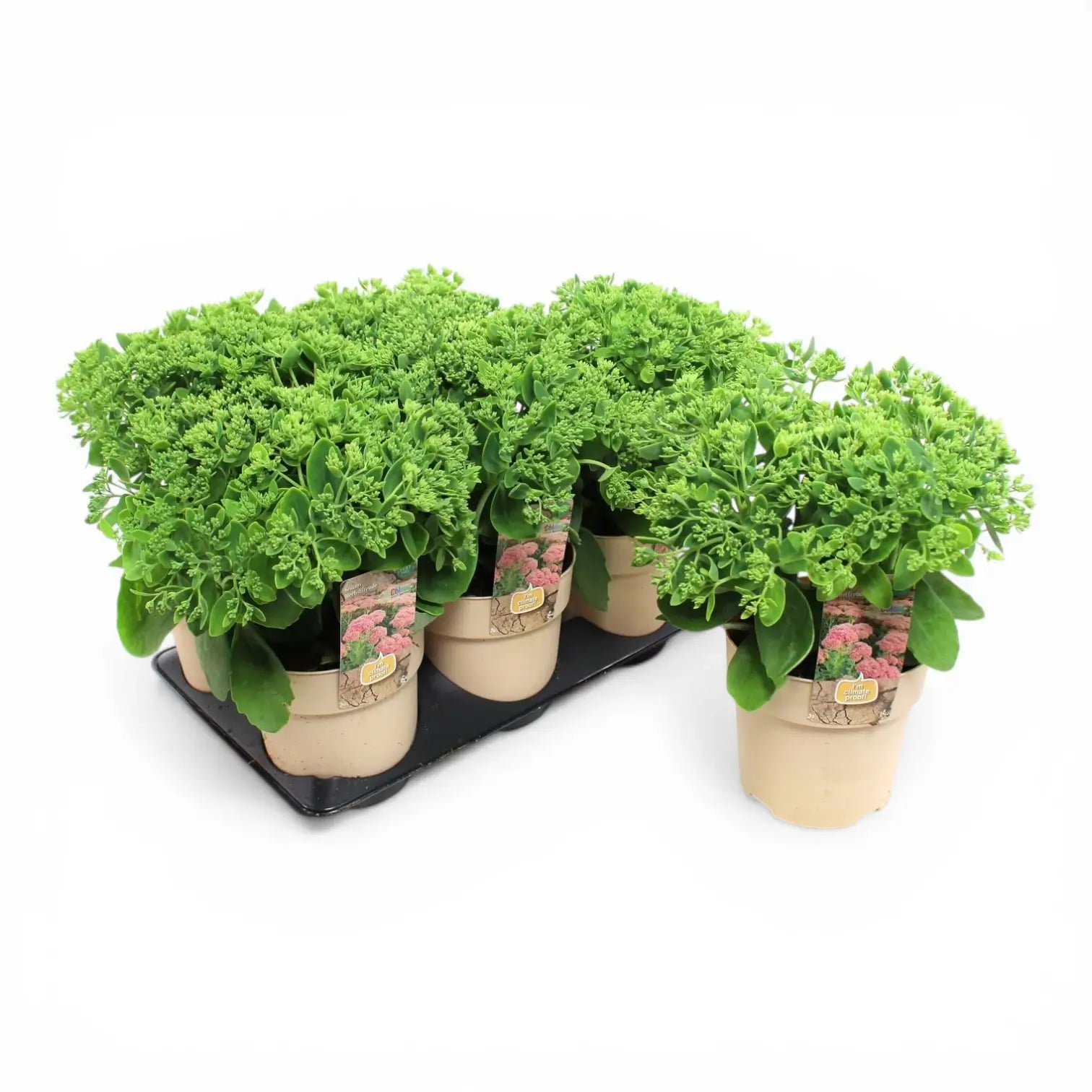
Hylotelephium
VAT included · plus
Your outdoor plant has just been packed, transported and unpacked, so give it a calm start before planting or placing it permanently. Remove all packaging carefully, check the pot, stems, visible roots and substrate moisture, and settle any loose growing medium back around the root ball. Water if the root ball feels dry, but do not leave the pot standing in water. For the first few days, keep the plant in a sheltered spot suited to its light needs, away from strong midday sun, heavy wind, frost and heat stress.
Do not move the plant straight into full exposure, especially if it is young, newly flushed, evergreen, recently pruned or greenhouse-grown. Gradually introduce more sun, wind and temperature variation over several days. If cold nights, storms, intense sun or hot dry weather are expected, keep the plant protected until conditions are more stable. Do not fertilize immediately after delivery; let the plant settle first and resume feeding only when it is actively growing and conditions are suitable.
Outdoor plants may arrive in different seasonal stages. Depending on the time of year, your plant may be leafy, flowering, newly sprouting, recently pruned, dormant, partly bare or leafless. Adjust care to what the plant is doing: actively growing plants need closer moisture checks, while dormant plants usually need protection from extremes and only light moisture management until growth resumes.
Plant outdoors when the soil is workable and weather conditions suit the plant type. Avoid planting during frost, heatwaves, waterlogged soil or very dry windy periods. It is better to keep the plant protected in its pot for a short time than to plant into stressful conditions. After planting, water thoroughly so the root ball and surrounding soil connect properly, then monitor moisture while the plant establishes.
Secure shipping, carefully packed orders with safe delivery across the EU, UK and Switzerland.
28-day plant guarantee, if a plant arrives damaged or fails soon after delivery, we help you make it right.
Free returns, simple, cost-free returns according to our policy.
For full details, please see:
Please head to our FAQ Page or Contact us.
Herbaceous succulent perennial
Position
Full sun
Moisture
Dry to average
Drainage
Free-draining
Hardiness
Fully hardy · -25°C
Mature size
50–100 × 30–50 cm
Winter habit
Herbaceous die-back
Bloom time
Summer, Autumn
Containers
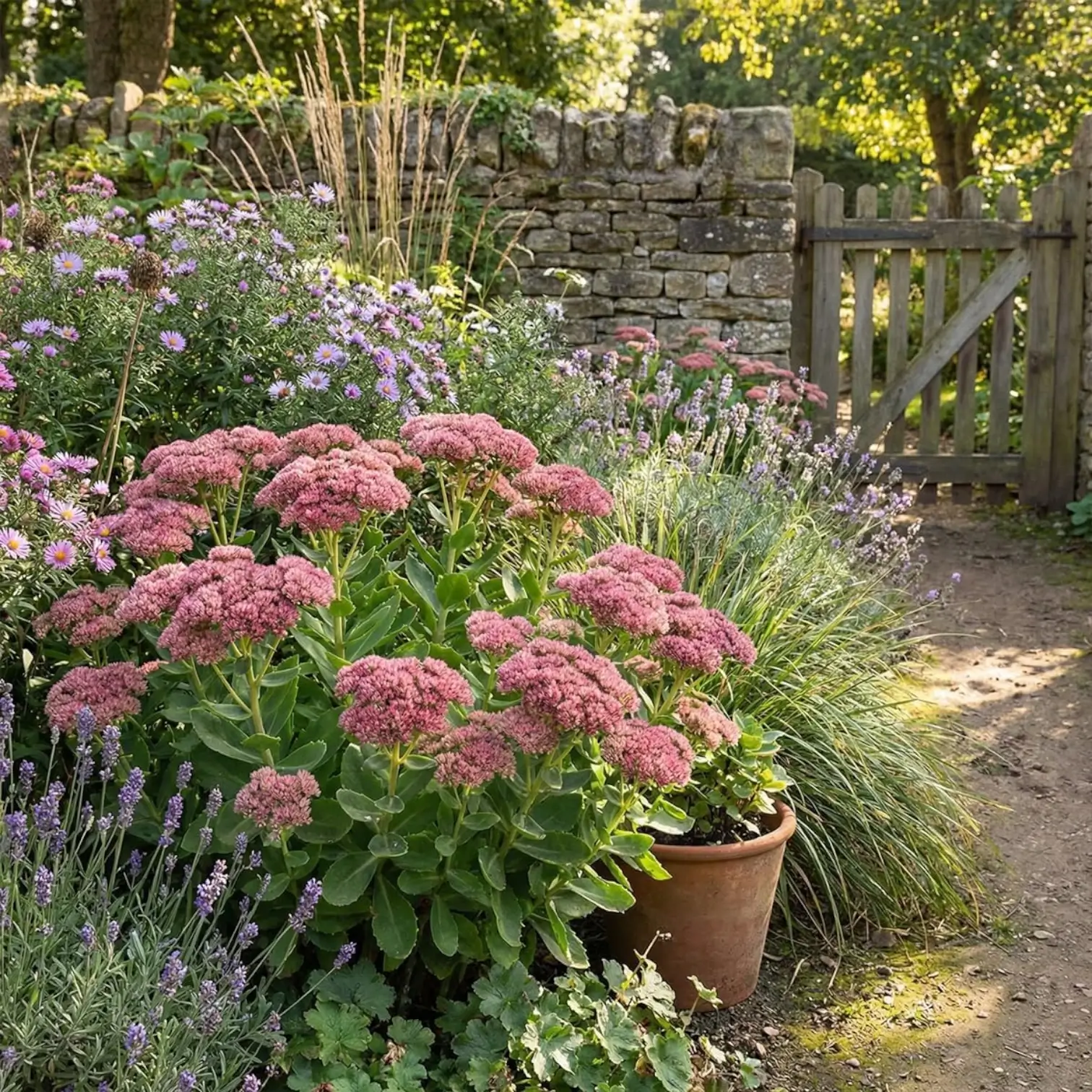
Good in pots
Pruning
Spring
Stonecrop hybrid selection derived from East Asian Hylotelephium lines, grown for late flower heads and winter structure.
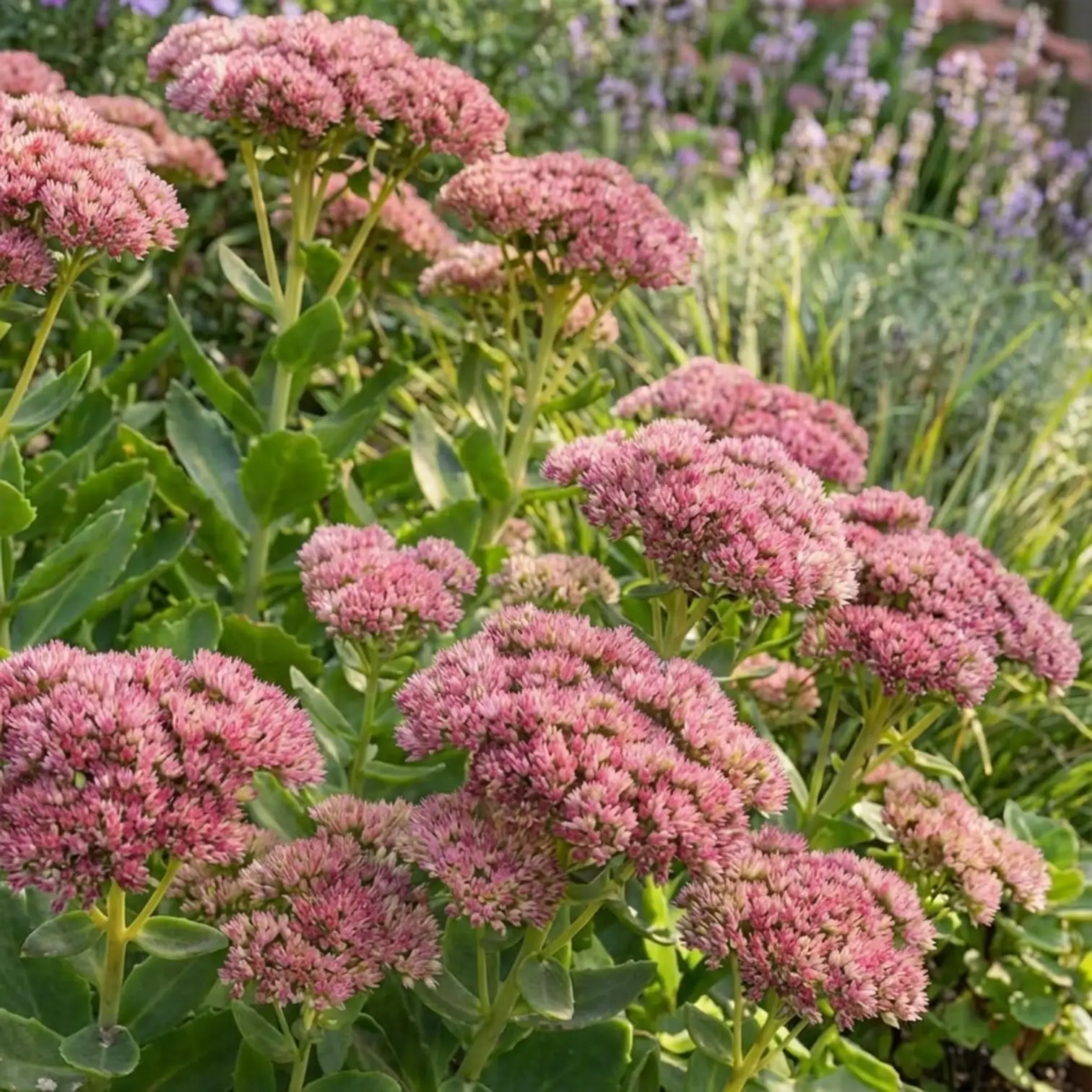
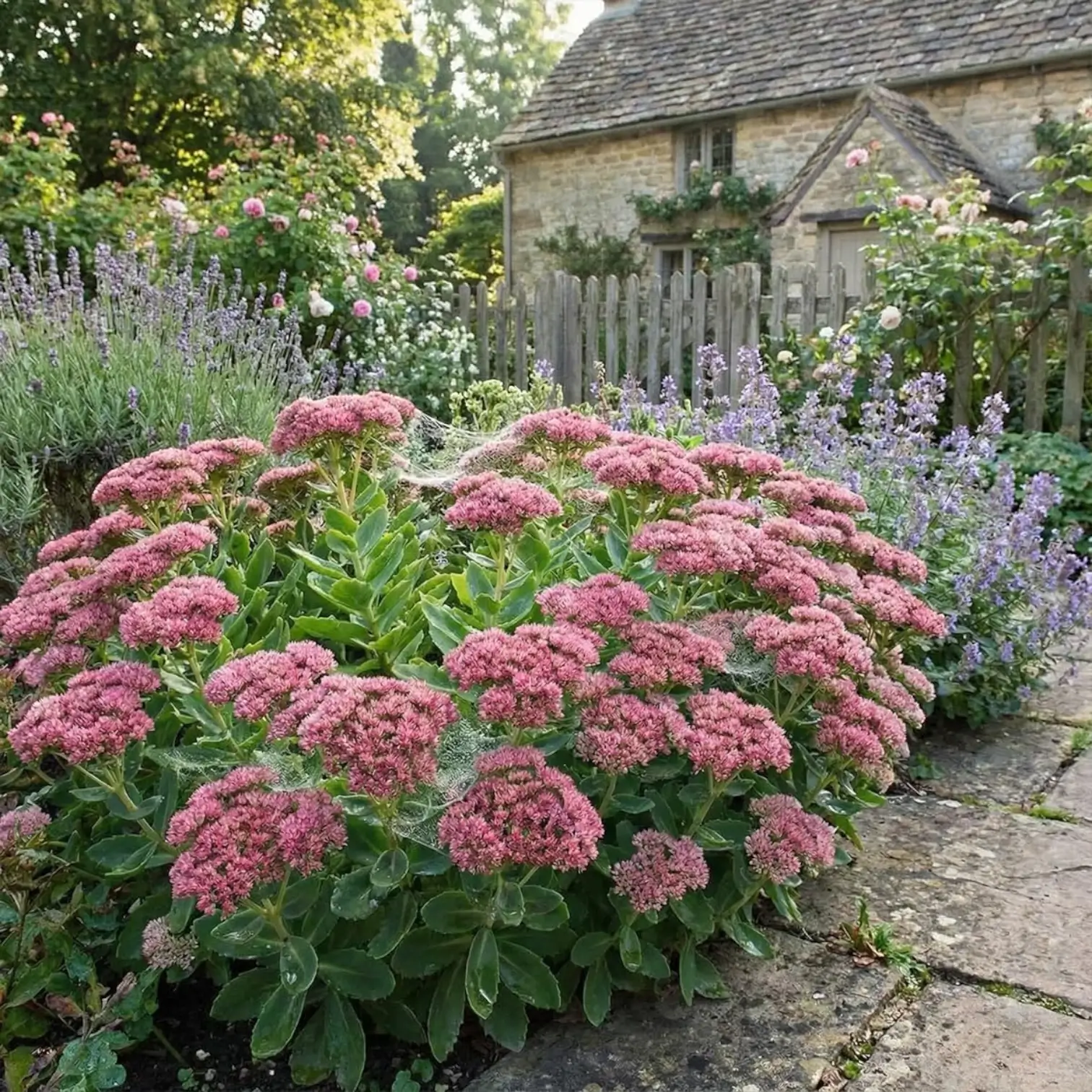
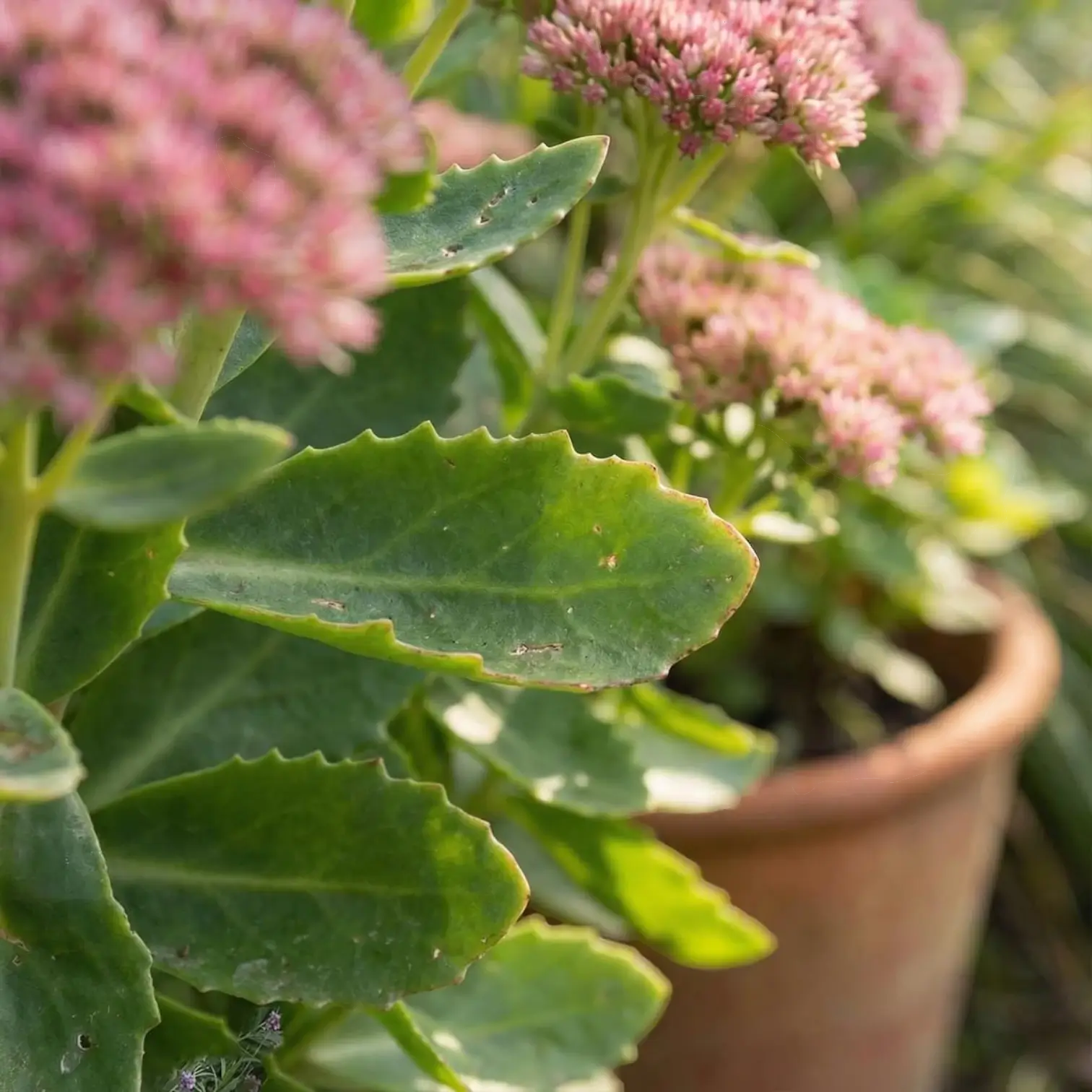
Hylotelephium 'Herbstfreude' is the classic stonecrop often sold under the older Sedum name 'Autumn Joy'. It earns its space through a long seasonal arc: fresh succulent shoots in spring, sturdy blue-green foliage through summer, broad pink flower heads from late summer, then deeper coppery and brown tones as the heads age. Even after flowering, the dry heads can stand well into winter, adding clean shapes to gravel beds, mixed borders and containers.
This is a practical perennial for sunny, well-drained places. It forms a clump with a defined centre, so it is easy to position among grasses, low shrubs, late daisies, salvias and other dry-garden plants. The stems are thick and fleshy, reflecting the plant's ability to store water. That storage makes it tolerant of short dry spells once rooted, but it also explains why heavy, wet soil causes trouble. Roots and crowns need air around them, especially through winter.
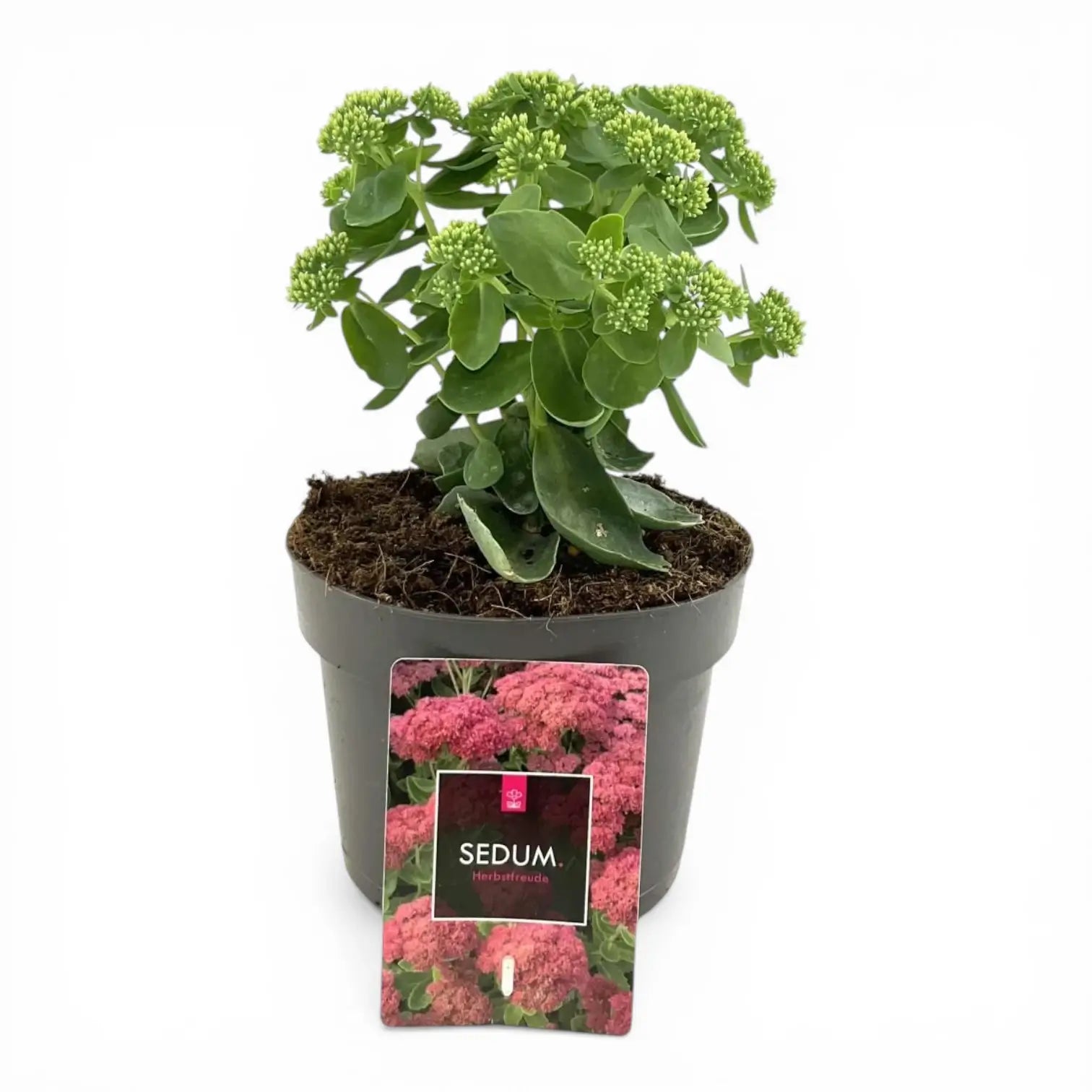
The plant dies back to a crown in winter and returns from the base in spring. New shoots are rounded, firm and pale green at first, then expand into upright stems with oval, succulent leaves. By summer the clump is architectural without being stiff. Flower heads form as rounded clusters, opening gradually so the colour builds over time. Bees and other pollinating insects visit the open starry flowers when conditions are warm and calm.
A mature garden clump usually sits around 50-100 cm high, with a width close to 50 cm. Rich soil and shade can push softer stems, while leaner sunny soil gives a tighter plant. Containers keep Hylotelephium 'Herbstfreude' smaller and slower than open ground, but the plant still needs enough root room to hold its upright framework. A wide, heavy pot gives the rootball stability because mature stems can carry large flower heads.
Full sun is the best position. Strong light supports stocky growth, good flower colour and firmer stems. The soil should be moderately fertile and well-drained, with a neutral to alkaline range suiting the plant well. Sandy, chalky or gritty loam is ideal. Where soil is heavy, planting slightly raised and adding mineral structure around the root zone gives a better root environment.
In containers, use a free-draining mix with mineral content and drainage holes that stay clear. Water when the upper 35-45% of the pot depth has dried, then soak the pot properly and let it drain. Open-ground plants need regular water while establishing; mature plants usually manage normal dry spells when roots can reach deeper moisture. A very rich feed regime produces lush growth, so keep feeding modest.
There are two good ways to handle the flower heads. They can be cut back after flowering if a clean winter border is wanted, or they can be left standing for shape and then removed in early spring as new basal shoots appear. A late-May pinch, often used on tall herbaceous perennials, can make stockier stems on fertile sites; this sacrifices some height and can slightly delay flowering. For most container plants, a simple spring cutback is enough.
In containers, it keeps its late-season colour while staying straightforward to manage once established. The fleshy leaves cope with short dry gaps once roots are established, while the flower heads give several weeks of visual change. Choose a pot with enough weight to balance the flower stems, and refresh the surface with a gritty compost blend in spring as new shoots begin to rise.
Flopping stems usually come from a combination of shade, rich soil, excess nitrogen or a crowded clump. Root and crown rot are linked to wet, airless soil, especially through cold months. Chewed young growth can come from slugs or snails in spring, while vine weevil larvae can damage roots in containers. A pot that suddenly wilts despite moist compost should be checked for root loss, blocked drainage or larvae around the rootball.
Division keeps older clumps vigorous. Lift and split established plants in spring when new shoots are visible, replanting firm outer pieces into fresh, well-drained soil. For spacing, use a 50 cm mature width as the practical guide. In mixed planting, place Hylotelephium 'Herbstfreude' where late flower heads can lean visually into grasses or seedheads, giving the border colour first and structure later. Leave a small open ring around the crown in mixed pots so winter rain can dry away from the base.
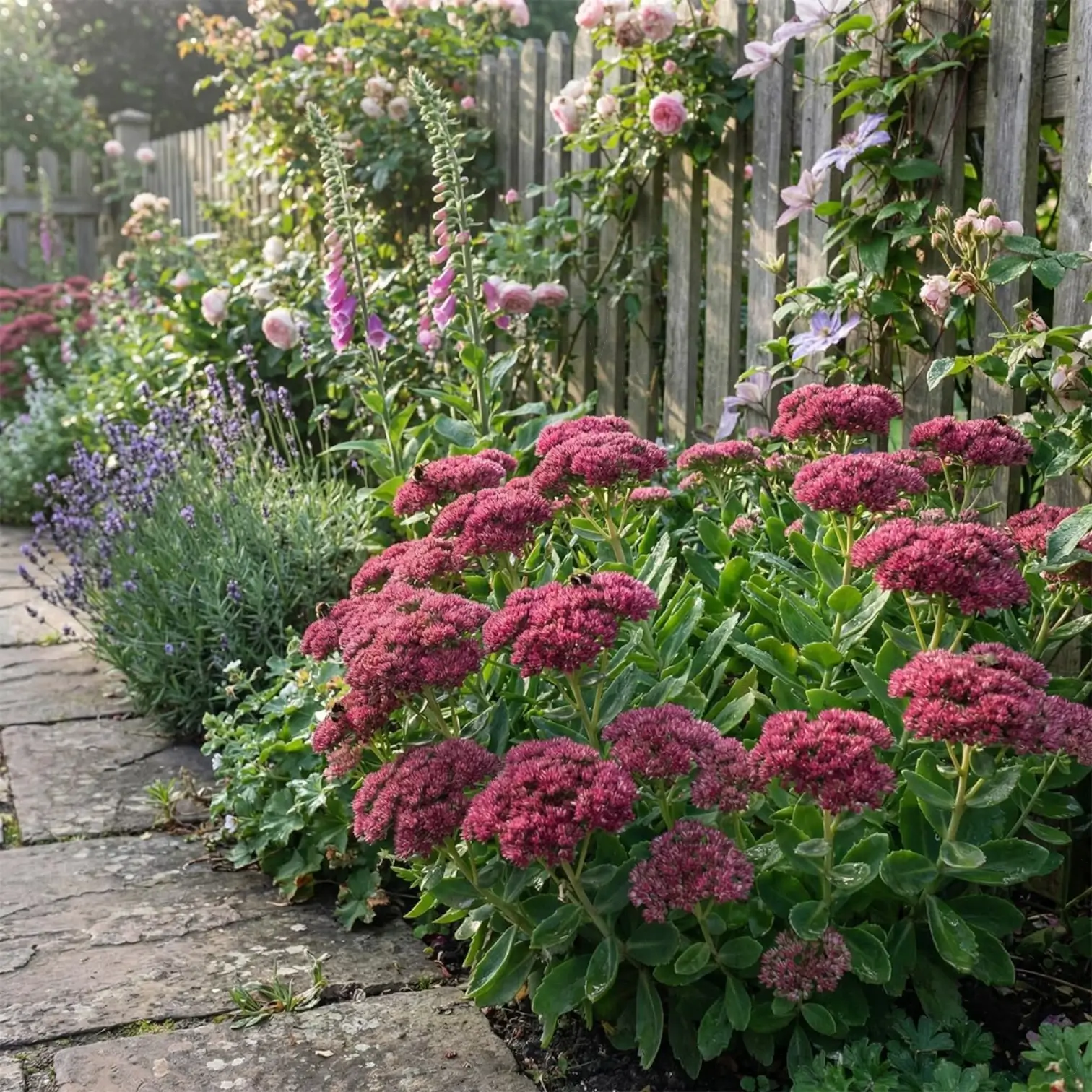
Use this perennial in sunny gravel beds, low-maintenance borders, courtyard pots, wildlife-minded planting and autumn combinations. It pairs well with Nepeta, Salvia, ornamental grasses, compact asters, Echinacea and low evergreens. Its succulent foliage also makes it useful near plants with finer leaves, because the contrast stays visible before flowers arrive. The plant also works as a useful bridge between summer perennials and winter outlines. It has enough leaf mass to hold a border together in July, then enough flower-head weight to remain visible when finer plants start to fade. Choose Hylotelephium 'Herbstfreude' when you want a hardy, late-season perennial with clean structure, restrained water needs and a strong autumn finish.
Choose options


Sign up for Foliage Factory newsletter for early access to new arrivals and practical care tips that work in real homes.