Position
Sun to part shade



Digitalis
VAT included · plus
Your outdoor plant has just been packed, transported and unpacked, so give it a calm start before planting or placing it permanently. Remove all packaging carefully, check the pot, stems, visible roots and substrate moisture, and settle any loose growing medium back around the root ball. Water if the root ball feels dry, but do not leave the pot standing in water. For the first few days, keep the plant in a sheltered spot suited to its light needs, away from strong midday sun, heavy wind, frost and heat stress.
Do not move the plant straight into full exposure, especially if it is young, newly flushed, evergreen, recently pruned or greenhouse-grown. Gradually introduce more sun, wind and temperature variation over several days. If cold nights, storms, intense sun or hot dry weather are expected, keep the plant protected until conditions are more stable. Do not fertilize immediately after delivery; let the plant settle first and resume feeding only when it is actively growing and conditions are suitable.
Outdoor plants may arrive in different seasonal stages. Depending on the time of year, your plant may be leafy, flowering, newly sprouting, recently pruned, dormant, partly bare or leafless. Adjust care to what the plant is doing: actively growing plants need closer moisture checks, while dormant plants usually need protection from extremes and only light moisture management until growth resumes.
Plant outdoors when the soil is workable and weather conditions suit the plant type. Avoid planting during frost, heatwaves, waterlogged soil or very dry windy periods. It is better to keep the plant protected in its pot for a short time than to plant into stressful conditions. After planting, water thoroughly so the root ball and surrounding soil connect properly, then monitor moisture while the plant establishes.
Secure shipping, carefully packed orders with safe delivery across the EU, UK and Switzerland.
28-day plant guarantee, if a plant arrives damaged or fails soon after delivery, we help you make it right.
Free returns, simple, cost-free returns according to our policy.
For full details, please see:
Please head to our FAQ Page or Contact us.
Short-lived perennial / biennial
Position
Sun to part shade
Moisture
Average to moist
Drainage
Moisture-retentive, Well-drained
Hardiness
Fully hardy · -20°C
Mature size
150–250 × 10–50 cm
Winter habit
Herbaceous die-back
Bloom time
Summer
Containers
Good in pots
Pruning
After flowering
Woodland clearings, acidic banks and open ground of western Europe and northwestern Africa.
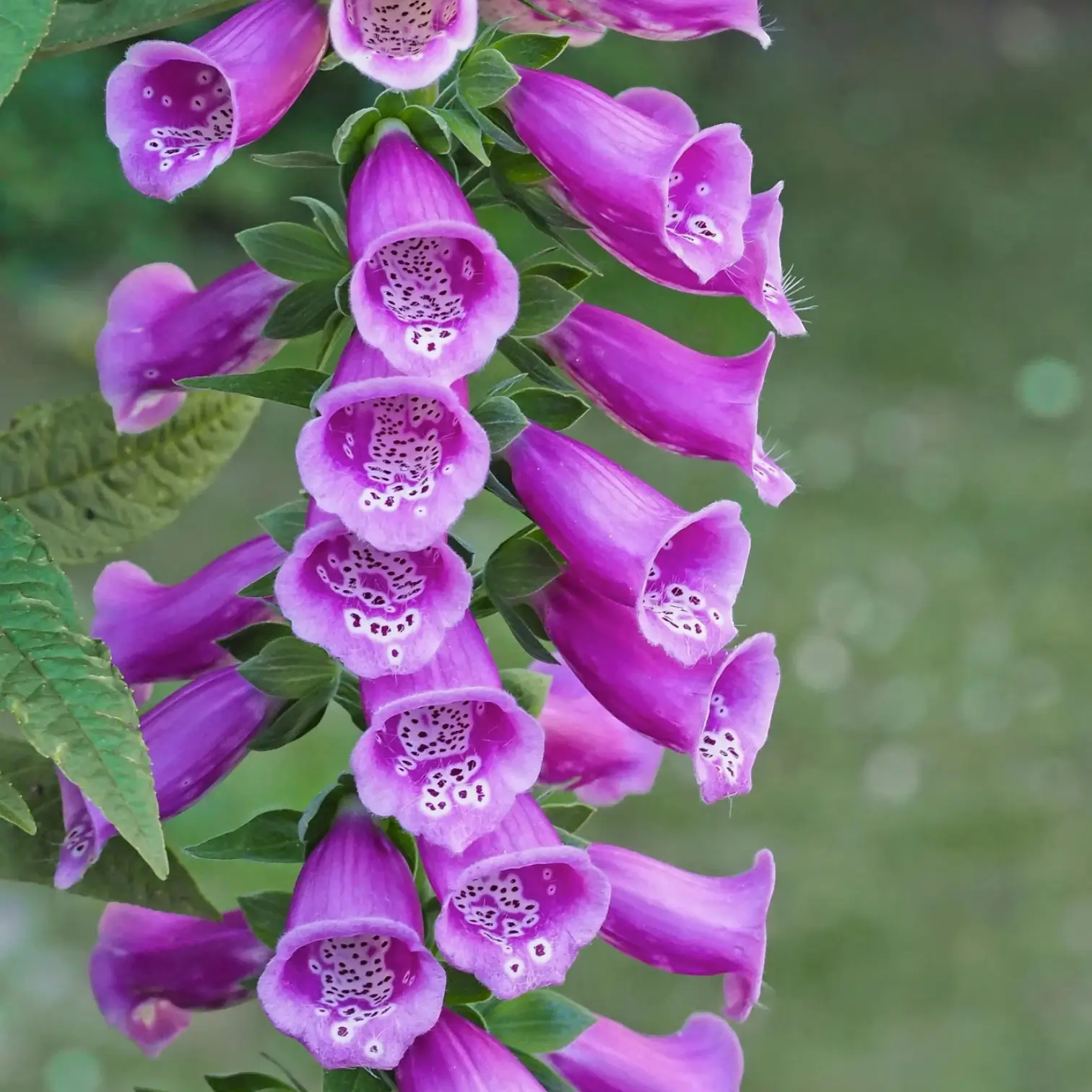
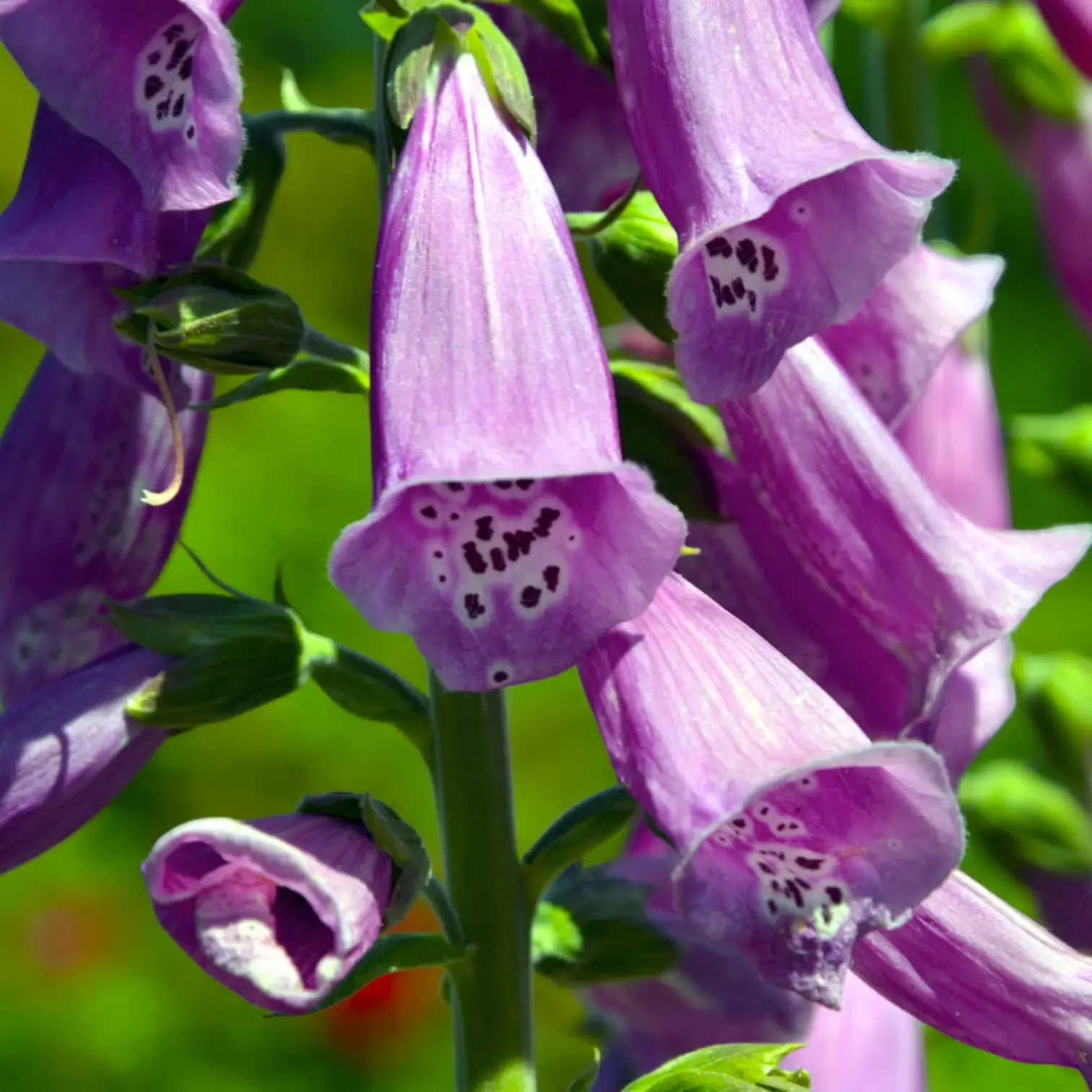
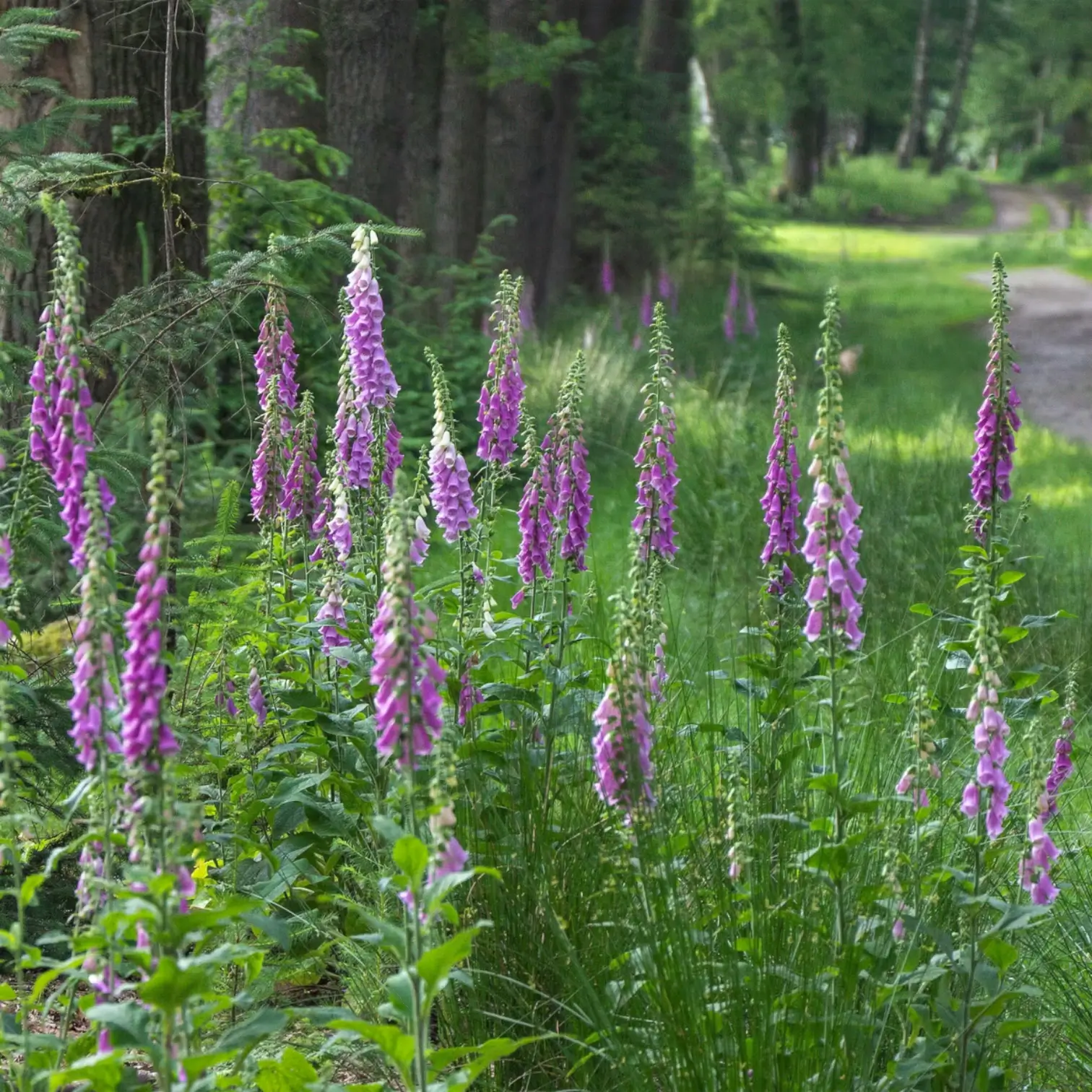
Digitalis purpurea 'Gloxiniiflora' is a large-flowered foxglove group with tall spires of flared, tubular bells above a basal rosette of green leaves. It has the familiar foxglove rhythm: a leafy rosette builds strength first, then upright flowering stems rise in late spring and summer. Flower colours can sit within the classic foxglove range of pink, purple and lighter tones, often with spotting inside the bells.
Mature flowering height is best treated as 150 to 250 cm, with spread around 10 to 50 cm depending on rosette size and site. Containers usually keep plants smaller and slower than open ground, particularly where the pot is shallow or dries quickly during spike formation. Digitalis purpurea 'Gloxiniiflora' may behave as a biennial or a short-lived perennial, and it can maintain itself in suitable gardens by setting seed.
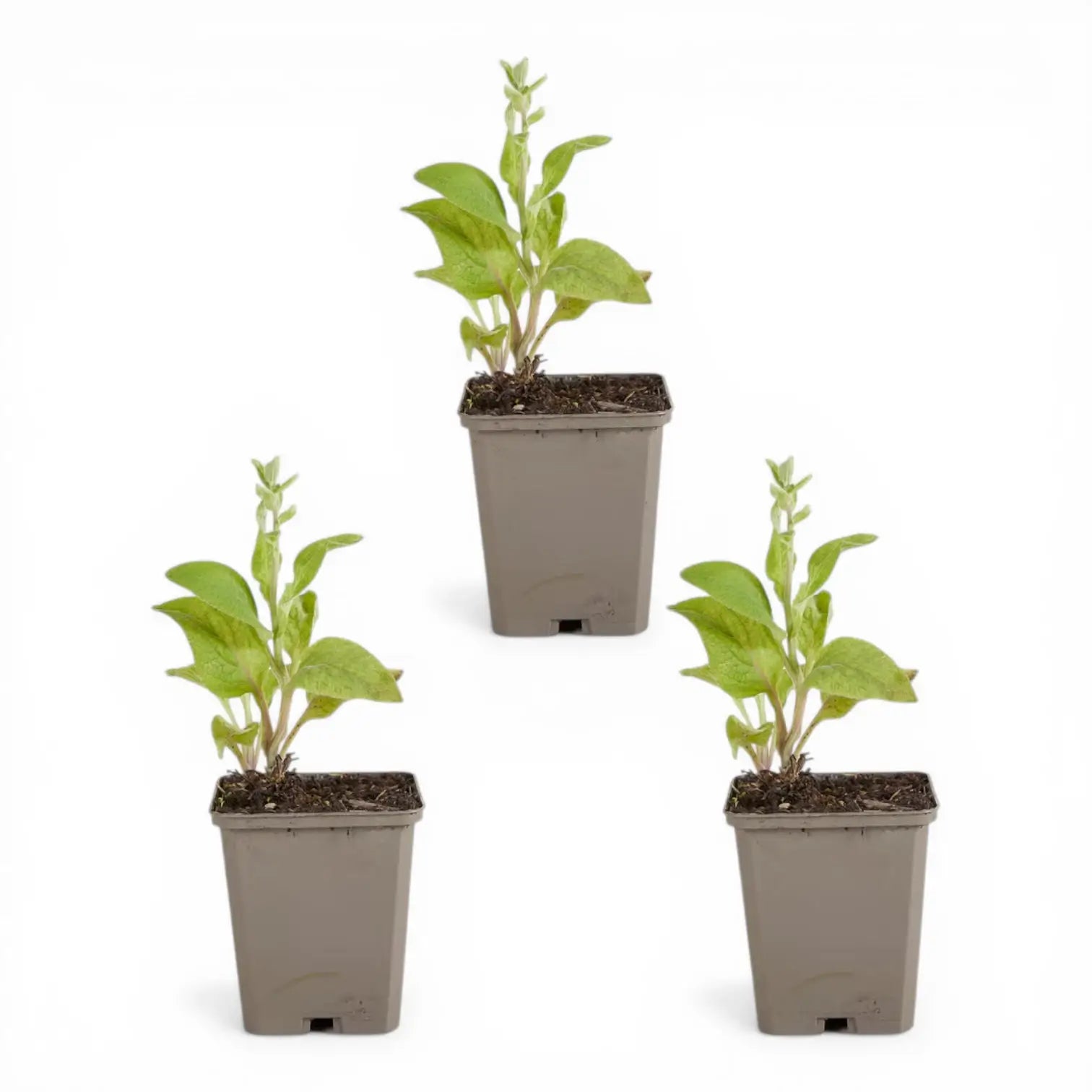
Foxgloves often work on a two-stage cycle. The first stage is a leafy rosette that stores energy. The second stage is flowering, when tall stems rise from the centre and carry bells along the spike. After flowering, seed can ripen and fall around the parent plant. Seedlings then create the next generation if the site suits them.
Digitalis purpurea 'Gloxiniiflora' grows in full sun to partial shade. In cool, moist gardens, sun can give strong flowering. In warmer or drier sites, partial shade helps keep rosettes fresher and reduces water stress. A lightly shaded border edge, open woodland-style bed, cottage border or space between young shrubs can all suit the plant.
Tall spikes need a position where wind will not rock the stems constantly. Planting among sturdier neighbours can support the spires visually and physically. The rosette should still receive enough light to build energy, so deep shade is a weaker option for reliable flowering.
This foxglove is adaptable across chalk, clay, loam and sand when the soil is fertile and drains well. It is also tolerant across acid, neutral and alkaline pH ranges. The best soil is humus-rich, moisture-retentive and well-drained: fresh enough to support tall stems, open enough to move winter rain away from the crown.
Work compost into the planting area before planting. In light soils, compost helps keep moisture available during spike growth. In heavier soils, it improves structure and helps roots move through the ground. A light mulch can help maintain moisture, with the plant crown kept clear.
Water young plants thoroughly after planting and keep the root zone evenly moist during establishment. In open ground, established foxgloves handle ordinary garden conditions well when the soil stays fresh. During a long dry spell, water deeply at the base so the rosette can continue feeding the flower spike.
For containers, water when about 25 to 35% of the pot depth has dried, then soak fully and let the pot drain. A deep pot is valuable because flowering stems draw heavily on stored moisture. Container plants in sun can dry quickly just as spikes are lengthening, so check them more often in warm weather.
Management depends on the desired style. For a natural drift, leave a few seedheads to ripen and thin seedlings later. For a tidier border, cut spent spikes once the flowers fade. Deadheading can also encourage extra side shoots in some seasons. If the rosette remains healthy after flowering, leave it in place until it declines naturally.
Digitalis purpurea 'Gloxiniiflora' can grow in containers, but the pot needs enough depth and weight for the tall flowering stems. Use a moisture-retentive, well-drained mix and place the pot where light is bright but the root zone stays cool. A container display can be impressive in bloom, and pot-grown foxgloves need closer watering because the root zone dries and warms quickly.
For a continuous display, keep a few strong rosettes from self-sown seedlings and thin out weak extras while young. This gives each plant enough space to form a broad crown before flowering. In formal borders, replant young rosettes where height is needed, then remove old flowering stems after seed is collected or shed. Seedlings move best while small, with enough soil around the young roots to reduce stress.
Digitalis purpurea 'Gloxiniiflora' is poisonous if eaten, and all plant parts should be handled as ornamental only. Wear gloves when handling if your skin is sensitive and place it with care in gardens used by pets or children. Its value is visual: tall spires, large flared bells and a natural rhythm that suits cottage borders, light woodland edges and informal mixed planting. Buy Digitalis purpurea 'Gloxiniiflora' for a high vertical flower layer with classic foxglove form and strong early-summer impact.
Choose options


Sign up for Foliage Factory newsletter for early access to new arrivals and practical care tips that work in real homes.