Position
Full sun

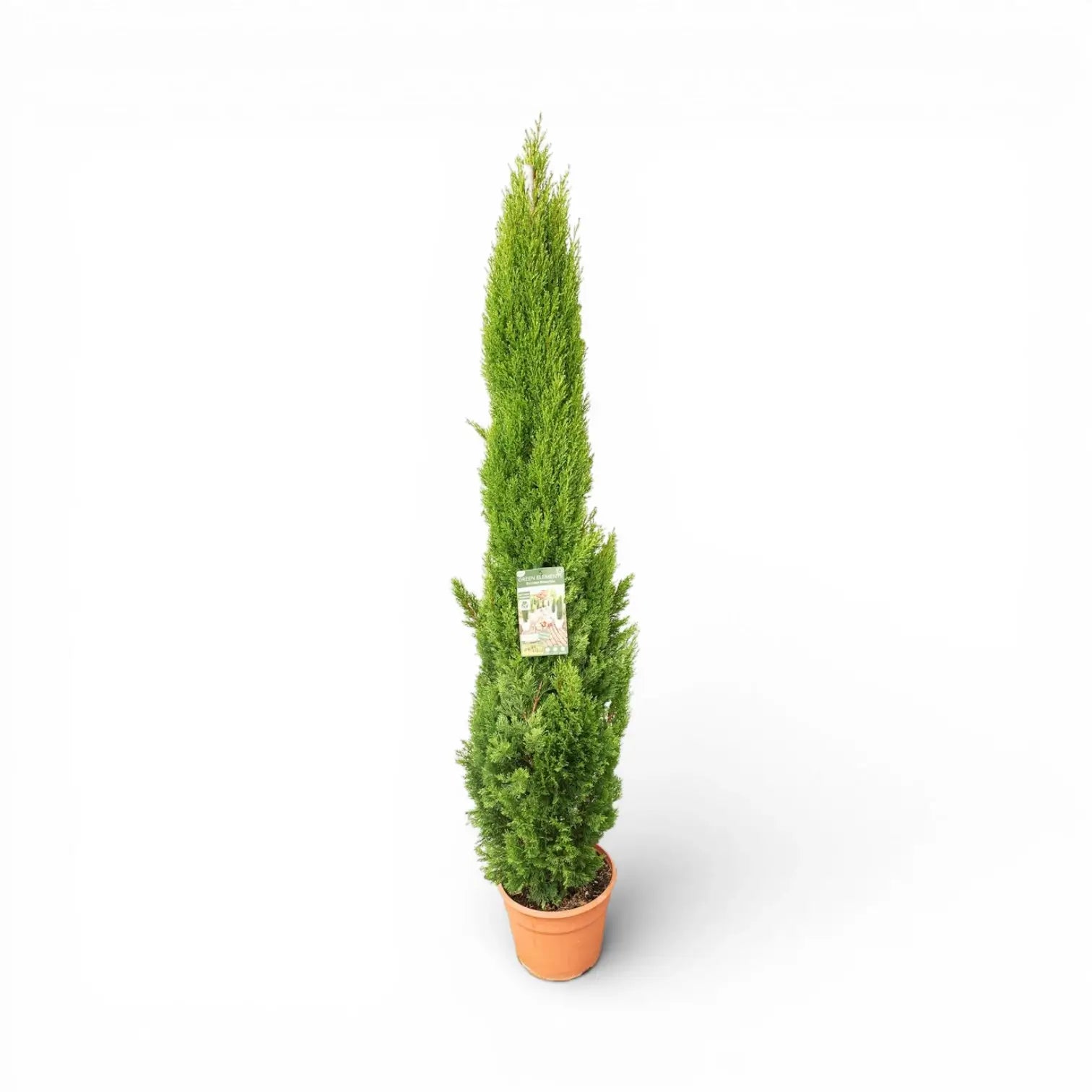
Cupressus
VAT included · plus
Your outdoor plant has just been packed, transported and unpacked, so give it a calm start before planting or placing it permanently. Remove all packaging carefully, check the pot, stems, visible roots and substrate moisture, and settle any loose growing medium back around the root ball. Water if the root ball feels dry, but do not leave the pot standing in water. For the first few days, keep the plant in a sheltered spot suited to its light needs, away from strong midday sun, heavy wind, frost and heat stress.
Do not move the plant straight into full exposure, especially if it is young, newly flushed, evergreen, recently pruned or greenhouse-grown. Gradually introduce more sun, wind and temperature variation over several days. If cold nights, storms, intense sun or hot dry weather are expected, keep the plant protected until conditions are more stable. Do not fertilize immediately after delivery; let the plant settle first and resume feeding only when it is actively growing and conditions are suitable.
Outdoor plants may arrive in different seasonal stages. Depending on the time of year, your plant may be leafy, flowering, newly sprouting, recently pruned, dormant, partly bare or leafless. Adjust care to what the plant is doing: actively growing plants need closer moisture checks, while dormant plants usually need protection from extremes and only light moisture management until growth resumes.
Plant outdoors when the soil is workable and weather conditions suit the plant type. Avoid planting during frost, heatwaves, waterlogged soil or very dry windy periods. It is better to keep the plant protected in its pot for a short time than to plant into stressful conditions. After planting, water thoroughly so the root ball and surrounding soil connect properly, then monitor moisture while the plant establishes.
Secure shipping, carefully packed orders with safe delivery across the EU, UK and Switzerland.
28-day plant guarantee, if a plant arrives damaged or fails soon after delivery, we help you make it right.
Free returns, simple, cost-free returns according to our policy.
For full details, please see:
Please head to our FAQ Page or Contact us.
Evergreen conifer
Position
Full sun
Moisture
Average
Drainage
Well-drained
Hardiness
Hardy with shelter · -15°C
Mature size
800–1200 × 50–100 cm
Winter habit
Evergreen
Containers
Good in pots
Pruning
Late spring, Summer
Eastern Mediterranean to Iran; dry rocky slopes and scrub. Cultivar selected for a very narrow columnar habit.
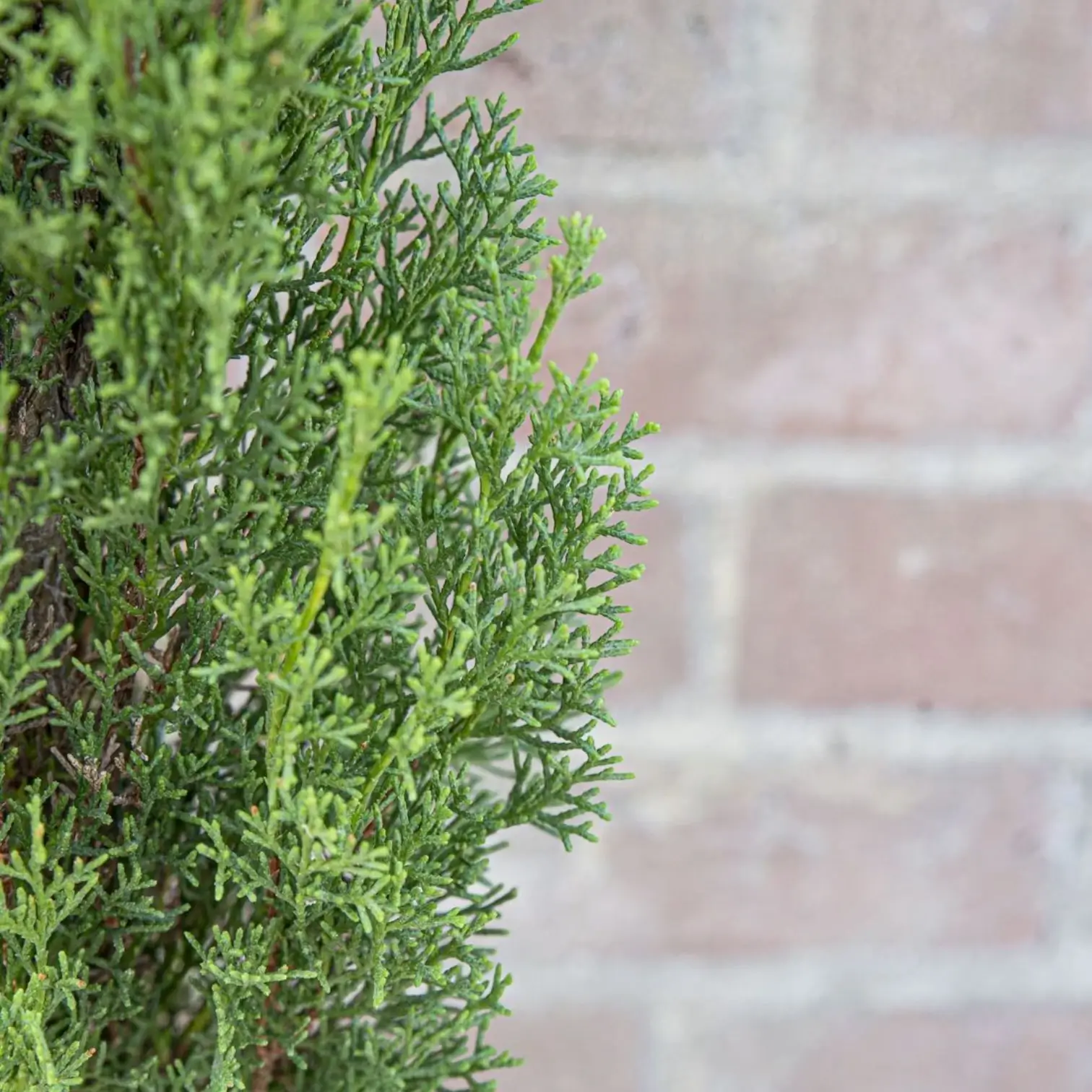
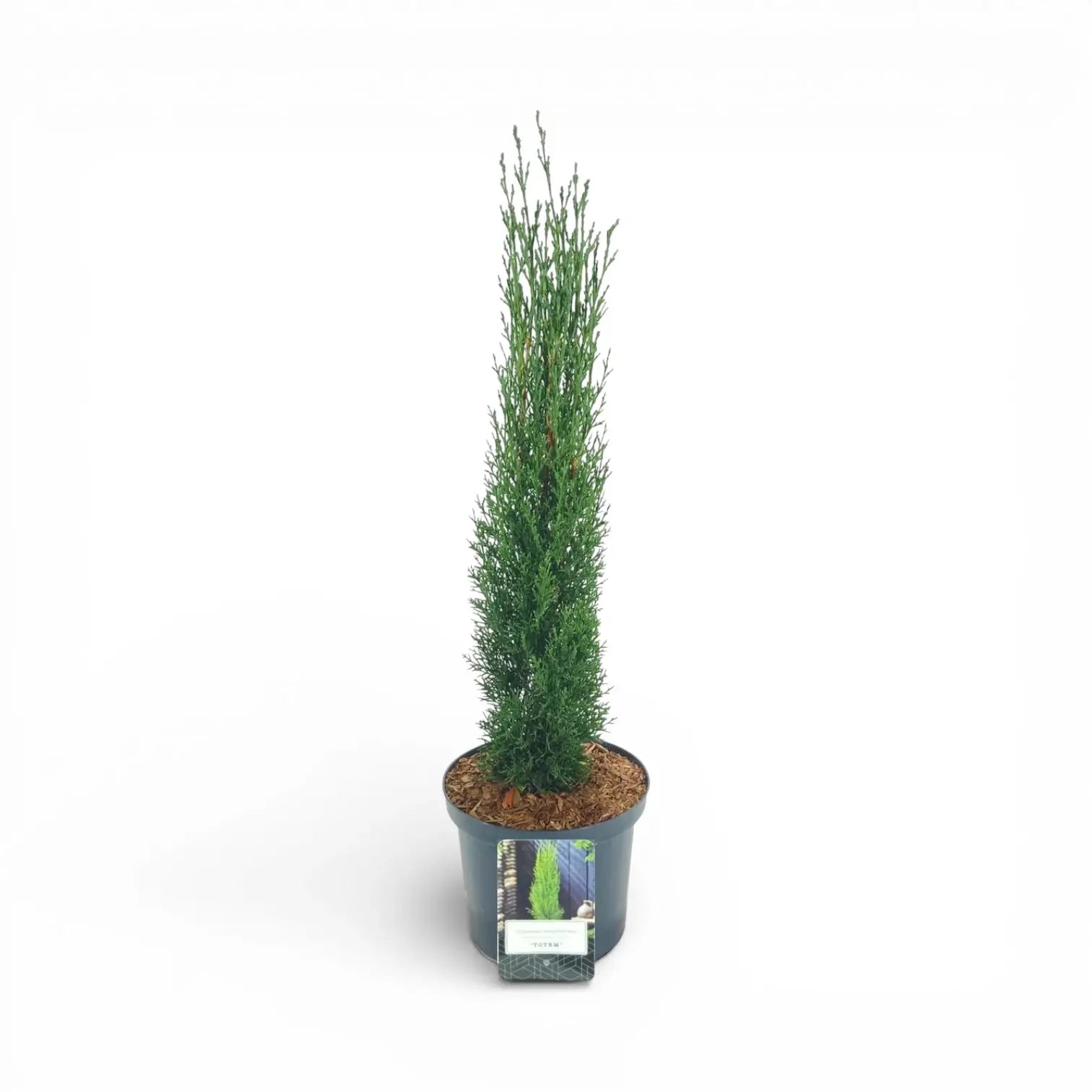
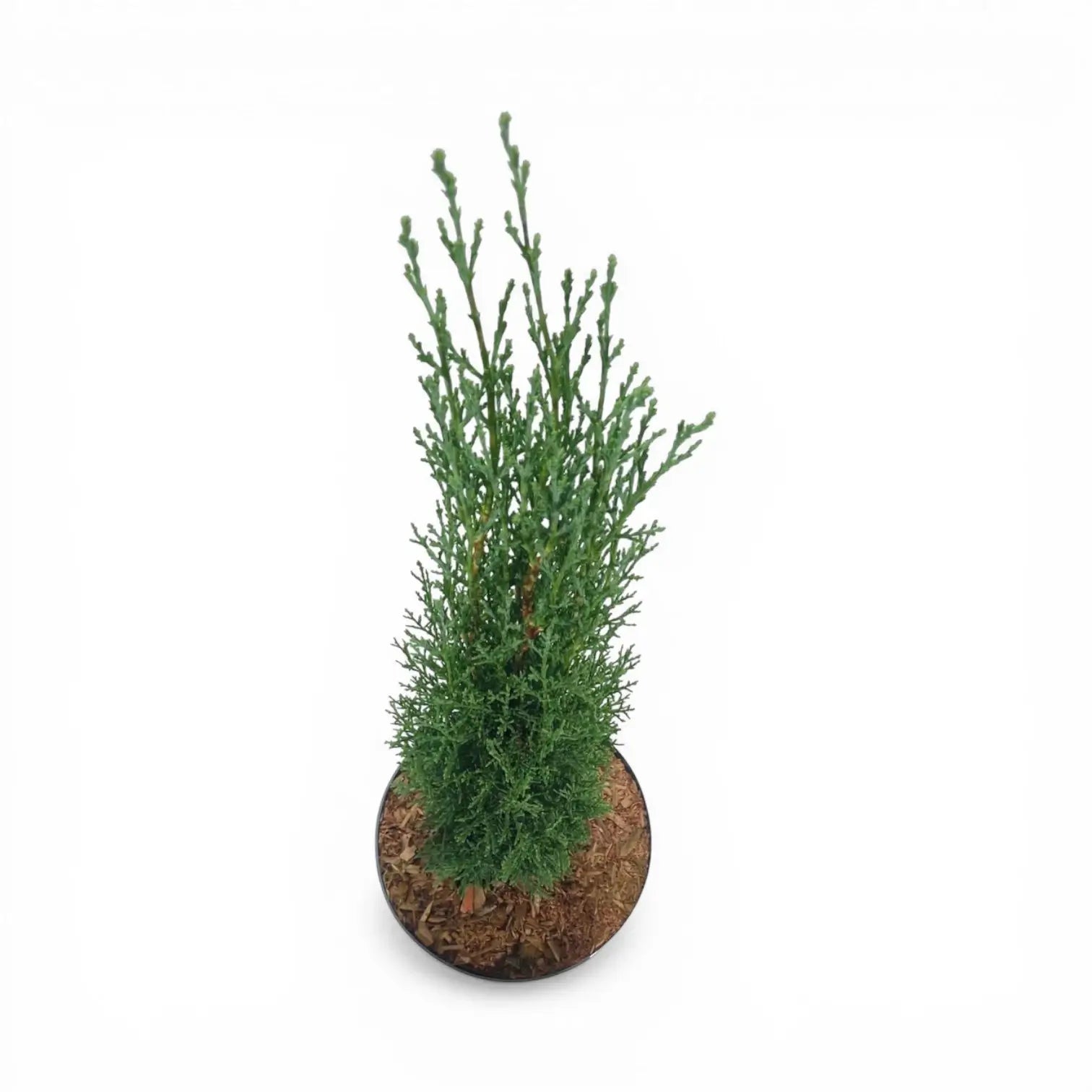
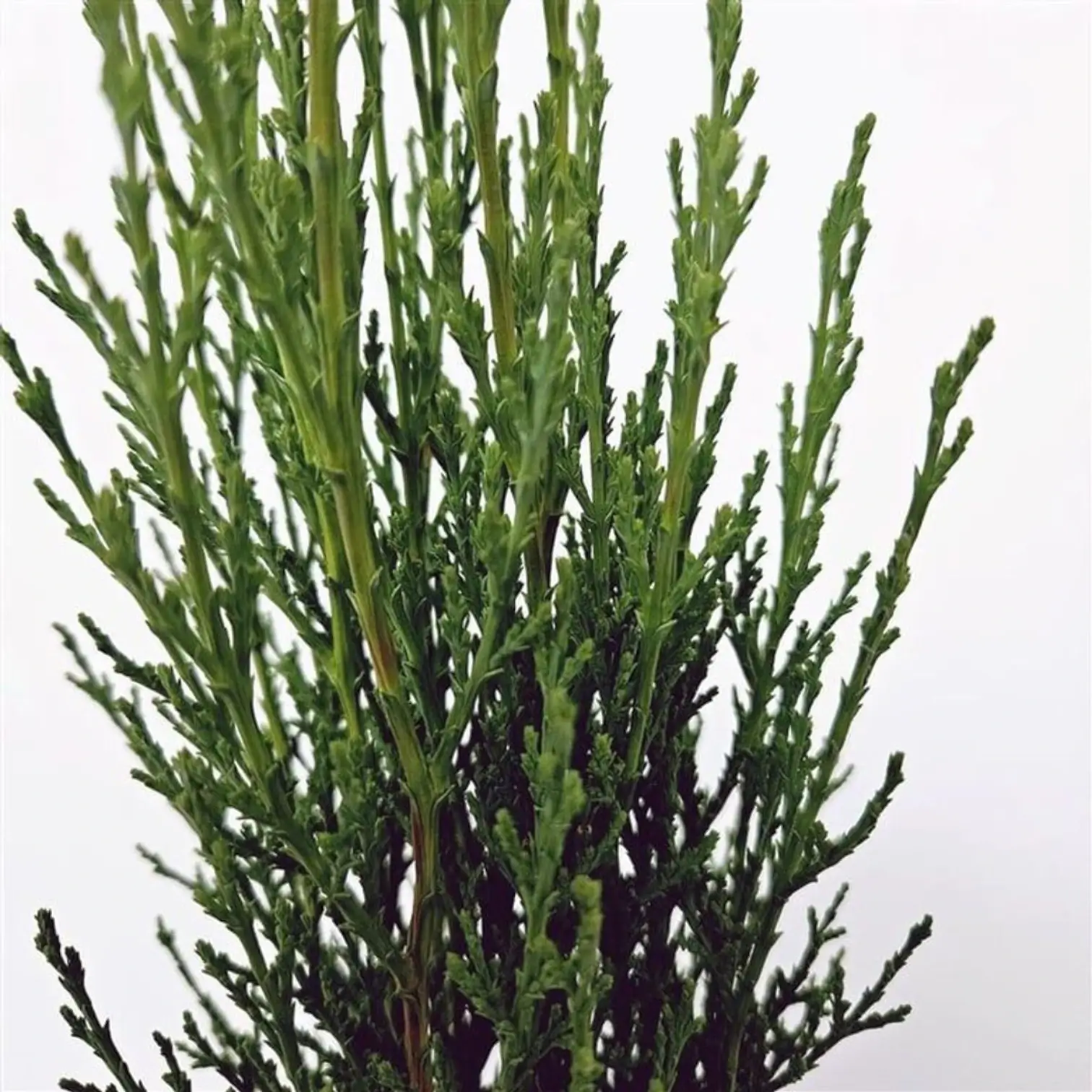
Cupressus sempervirens 'Totem' is a narrow form of Italian cypress grown for vertical evergreen structure. It brings height with a narrow crown, which makes it useful near entrances, on terraces, along boundary lines, beside steps or in formal planting where a strong upright marker is needed. The foliage is dark green, dense and scale-like, held close to the stem for a clean columnar outline.
This is a long-term structural plant. It is especially effective where the garden already has warm stone, gravel, terracotta, clipped shrubs or Mediterranean-style planting. One plant can act as a focal column. A pair can frame a path, doorway or view. In rows, spacing and symmetry matter because the plant has such a precise shape.
In open ground, Cupressus sempervirens 'Totem' can eventually reach 8-12 m tall with a spread of about 50-100 cm. It reaches that scale slowly over many years, but the final size still matters when choosing a site. Plant it where overhead space, root room and long-term height are suitable from the start.
Container culture typically limits size and slows build compared with planting out. A pot-grown Italian cypress needs a very large, stable container because the top growth catches wind. In containers, the root zone warms, cools and dries faster, so watering and winter placement need more attention. Use a pot with real weight, strong drainage and enough width to resist tipping in gusts.
Full sun is best for a dense, even column. Shelter is also important, especially in colder or windy areas. Cold drying winds can mark young foliage and stress container plants. A south- or west-facing aspect with some protection from the harshest wind suits the plant well.
Cupressus sempervirens 'Totem' grows in chalk, clay, loam or sand when drainage is reliable. It prefers moist but well-drained soil and can tolerate drier spells once established. The root zone should release winter rain freely. In pots, water when the upper 30-40% of pot depth has dried, then soak thoroughly so moisture reaches the lower roots.
For a single feature plant, allow at least 100 cm of horizontal room for the mature spread and for maintenance access. In a formal pair, measure carefully so the line feels balanced. When planting near walls, leave enough space for air movement and for the trunk to expand over time. Planting too close to hard surfaces can make watering uneven during establishment.
Prepare a generous planting hole and keep the rootball level with the surrounding soil. Water thoroughly after planting and continue during dry spells in the first growing seasons. Once established, the plant needs less frequent attention, but young roots still need a steady moisture pattern while they move into the surrounding ground.
Cupressus sempervirens 'Totem' naturally forms its narrow column, so routine pruning is minimal. Remove damaged or misplaced shoots while they are young. Any light shaping should stay within green growth. Cutting into old brown wood can leave bare patches that fill slowly.
If several plants are used together, check them once or twice during the growing season for symmetry. Tie in a young leader only if it has been moved by wind or handling. Mature plants usually keep their shape unaided. The main care points are sun, shelter, drainage and enough room for the eventual height.
This conifer is valuable because it keeps its outline through winter. It can carry a terrace or front garden when herbaceous planting is dormant. In mixed borders, it works best with lower, looser planting around the base: lavender, low grasses, Cistus, rosemary, thyme or dry-garden perennials can keep the Mediterranean feel coherent.
Cupressus sempervirens 'Totem' should be positioned where its mature height has a clear purpose. It works well as a vertical marker near steps, gates, terraces and long views, but it needs enough overhead space and a root area that drains freely. Plant it firmly, water deeply through the first growing seasons and mulch the soil surface lightly to reduce drying around the roots. In windy sites, a young plant may need a discreet stake until the root system anchors well.
Pruning should stay light. Cut only into young green growth when shaping is needed, because old bare wood responds poorly. The column is naturally narrow, so regular hard clipping is unnecessary. In a very large container, use a stable pot with weight at the base and a mineral-rich, free-draining mix. Check watering by the upper 25-35% of pot depth and water fully when that layer has dried. A pot will generally keep final size more compact than planting into a bed. Container roots also feel winter cold more sharply, so a sheltered position and steady drainage are important during prolonged wet or freezing weather.
For containers, use a loam-based, free-draining mix and keep the pot raised enough for drainage holes to work. Check moisture regularly in summer and during mild dry winter spells. A container plant in a windy corner may need temporary shelter during severe cold. With careful placement, Cupressus sempervirens 'Totem' gives permanent height in a footprint that stays remarkably slim.
Choose options


Sign up for Foliage Factory newsletter for early access to new arrivals and practical care tips that work in real homes.