Position
Sun to part shade

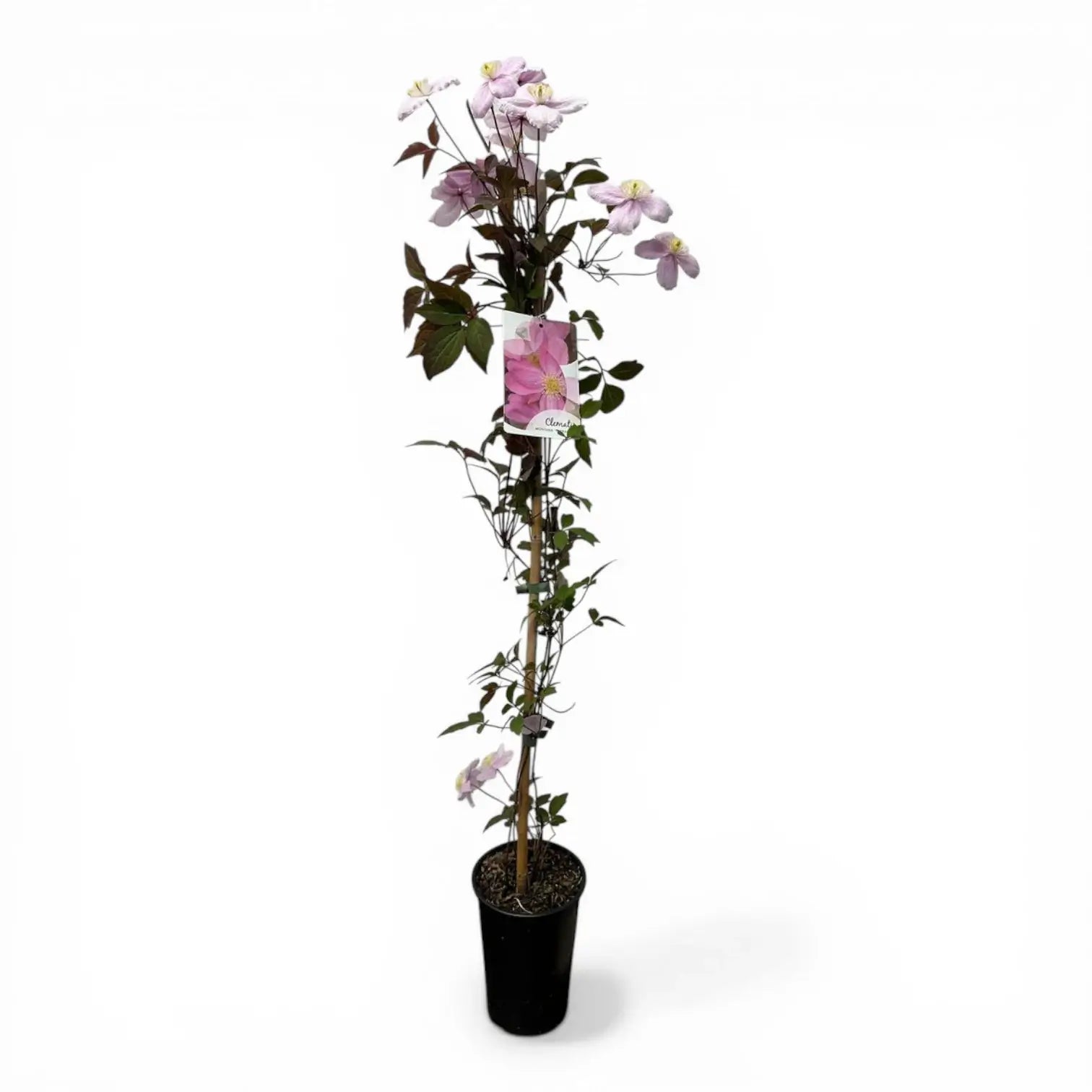
Clematis
VAT included · plus
Your outdoor plant has just been packed, transported and unpacked, so give it a calm start before planting or placing it permanently. Remove all packaging carefully, check the pot, stems, visible roots and substrate moisture, and settle any loose growing medium back around the root ball. Water if the root ball feels dry, but do not leave the pot standing in water. For the first few days, keep the plant in a sheltered spot suited to its light needs, away from strong midday sun, heavy wind, frost and heat stress.
Do not move the plant straight into full exposure, especially if it is young, newly flushed, evergreen, recently pruned or greenhouse-grown. Gradually introduce more sun, wind and temperature variation over several days. If cold nights, storms, intense sun or hot dry weather are expected, keep the plant protected until conditions are more stable. Do not fertilize immediately after delivery; let the plant settle first and resume feeding only when it is actively growing and conditions are suitable.
Outdoor plants may arrive in different seasonal stages. Depending on the time of year, your plant may be leafy, flowering, newly sprouting, recently pruned, dormant, partly bare or leafless. Adjust care to what the plant is doing: actively growing plants need closer moisture checks, while dormant plants usually need protection from extremes and only light moisture management until growth resumes.
Plant outdoors when the soil is workable and weather conditions suit the plant type. Avoid planting during frost, heatwaves, waterlogged soil or very dry windy periods. It is better to keep the plant protected in its pot for a short time than to plant into stressful conditions. After planting, water thoroughly so the root ball and surrounding soil connect properly, then monitor moisture while the plant establishes.
Secure shipping, carefully packed orders with safe delivery across the EU, UK and Switzerland.
28-day plant guarantee, if a plant arrives damaged or fails soon after delivery, we help you make it right.
Free returns, simple, cost-free returns according to our policy.
For full details, please see:
Please head to our FAQ Page or Contact us.
Deciduous climber
Position
Sun to part shade
Moisture
Moist
Drainage
Moisture-retentive, Well-drained
Hardiness
Fully hardy · -15°C
Mature size
400–800 × 150–250 cm
Winter habit
Deciduous
Bloom time
Spring, Summer, Autumn
Containers
Good in pots
Support
TrellisPergolafence
Pruning
After flowering, Late spring
Woodland margins, scrub and forest edges from the Himalaya to western China.
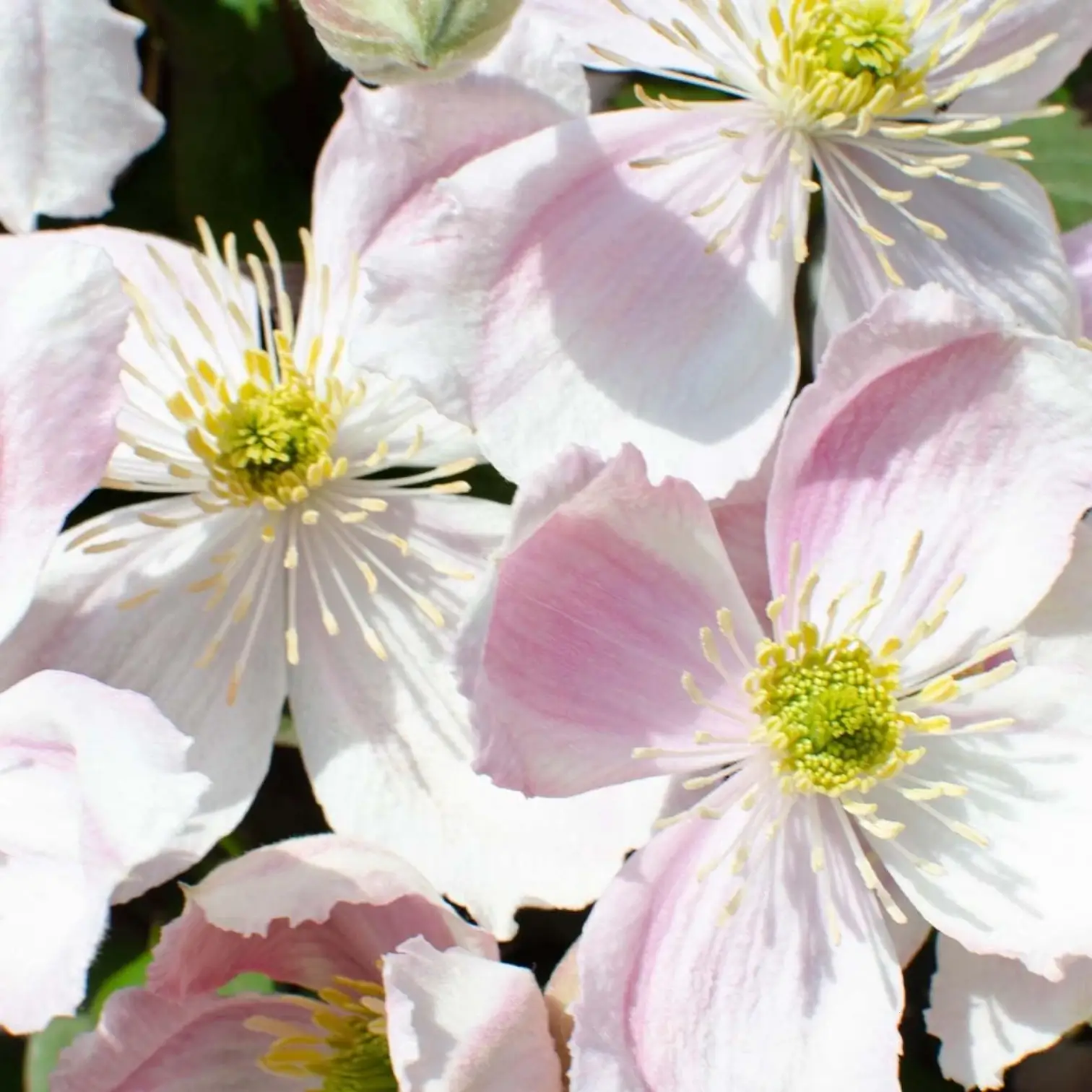
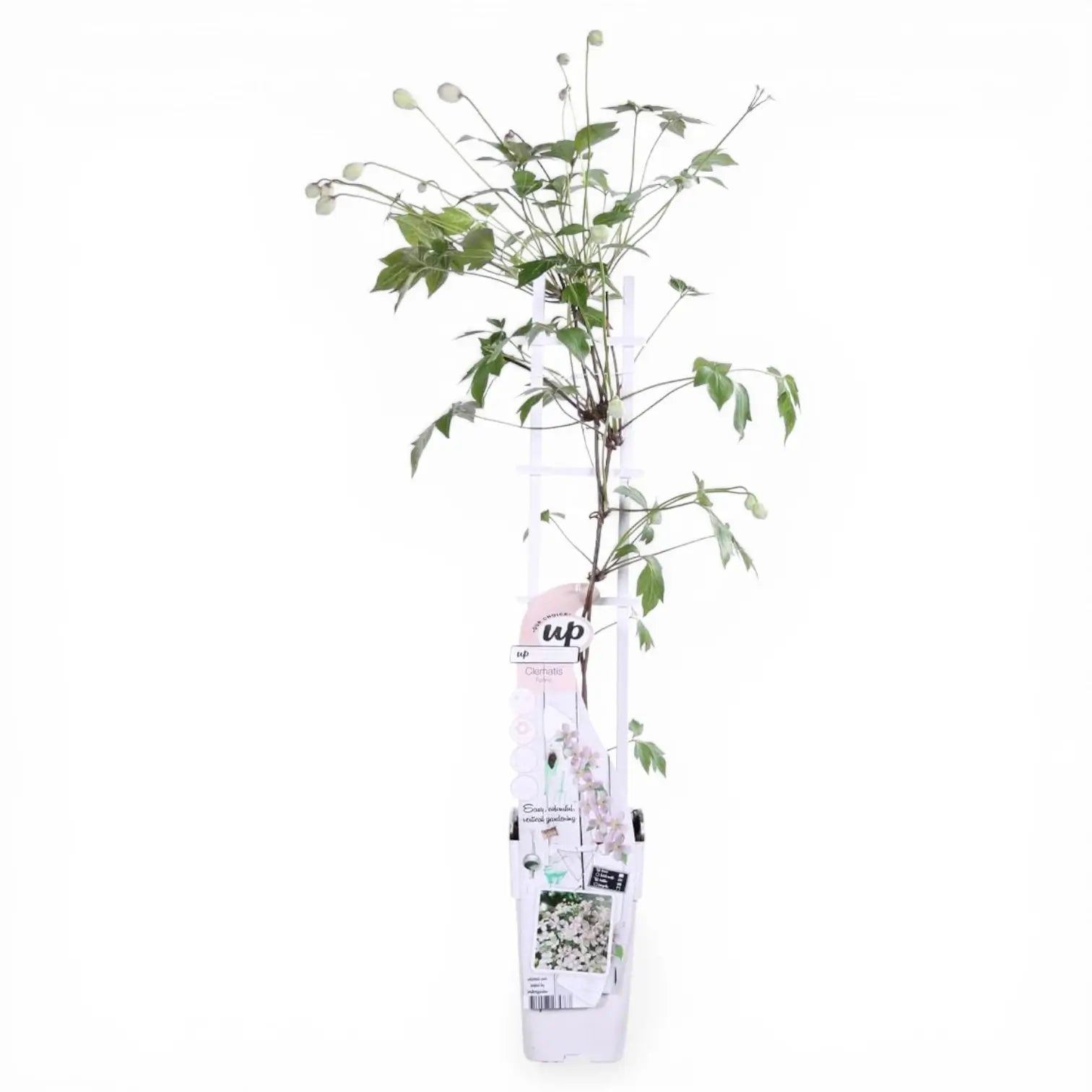
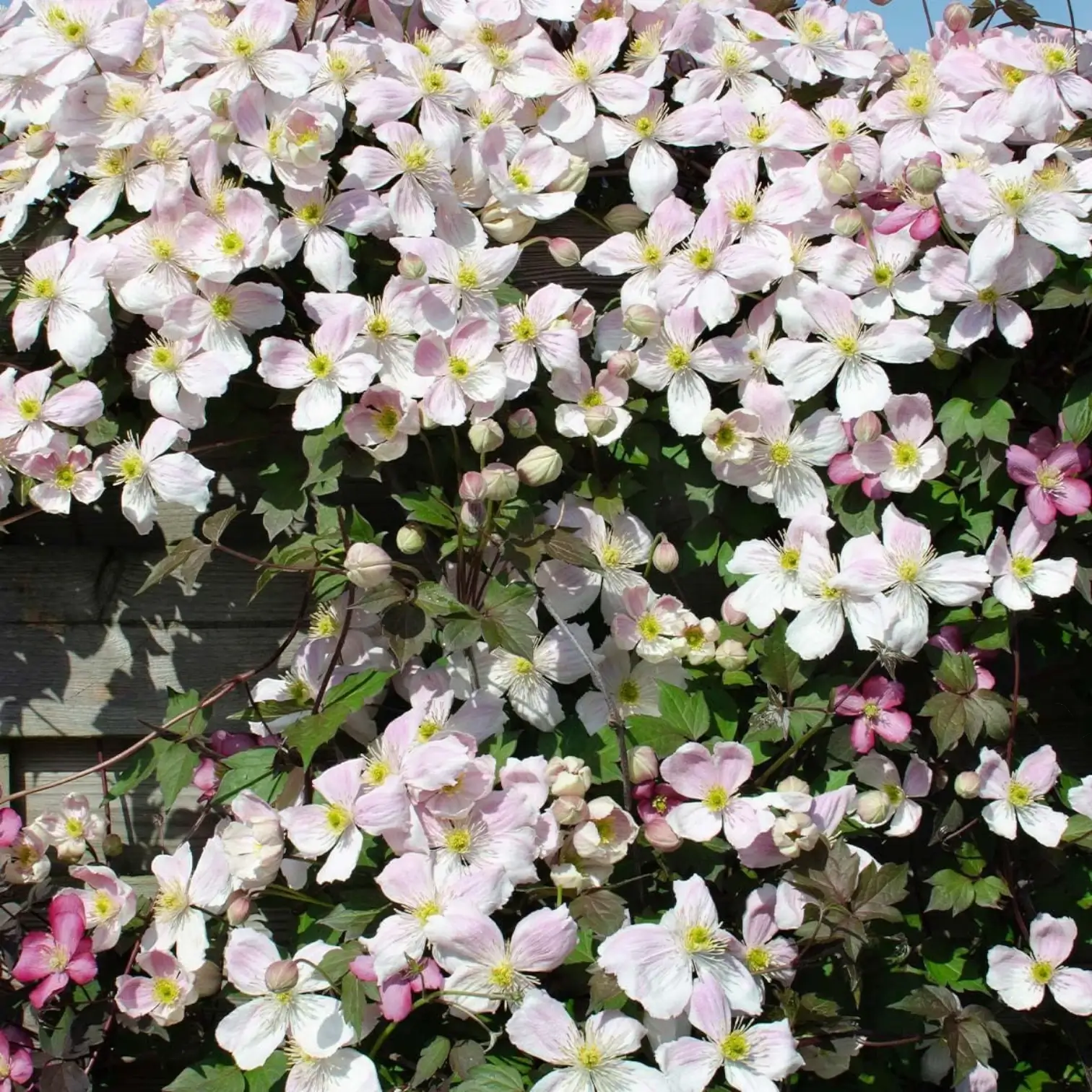
Clematis montana ‘Tetrarose’ is a Montana Group clematis with fragrant, deep pink flowers in late spring to early summer. Blooms are produced in abundance along the previous season’s stems, creating the classic “flower cloud” effect that makes montana clematis so popular for pergolas and fences. New foliage often emerges with a bronze tint, then matures to green, adding extra seasonal interest around the flowering period.
This cultivar is vigorous, typically reaching around 4-8 m in height with an ultimate spread around 1.5-2.5 m. It’s tall enough for large structures, while the spread is a little more contained than some montana forms. In containers, growth stays smaller and slower than in open ground, though the plant still needs a substantial pot and a reliable support.
Sun to part shade suits ‘Tetrarose’, and it can also flower well on cooler aspects where many climbers are less enthusiastic. Bright light is still useful for strong flowering, but this clematis is often grown successfully on north- or east-facing walls where conditions are lighter and cooler.
Because montana clematis can build a lot of leafy growth, choose a support that can carry weight. Trellis panels fixed firmly to a wall, pergola beams, and sturdy fence lines are good options. Plan access for pruning after flowering, since shaping is easiest when you can reach the main stems.
Plant in deep, fertile soil with a moisture-retentive, well-drained structure. Organic matter improves water buffering and supports steady growth, while good drainage keeps the crown and roots well aerated. ‘Tetrarose’ prefers neutral to alkaline soils, yet it is tolerant of many garden soils when structure and moisture are right.
Mulch around the base to reduce summer moisture loss and to keep the root zone cooler than the upper growth. Underplanting with low perennials also helps shade the soil surface and gives a fuller look at ground level. After flowering, silky seedheads may appear and add a softer texture before summer foliage takes over.
Plant the crown slightly below the final soil level and firm in well. Early on, focus on establishing a framework: tie young shoots to the support and spread them out so the plant covers its structure evenly. Once stems are anchored and trained, montana clematis can extend quickly and fill large areas with minimal ongoing intervention.
Give the plant enough room to broaden to its mature spread. A spacing based on the eventual width helps prevent long-term crowding and keeps air moving through the canopy.
‘Tetrarose’ is pruning group 1, flowering on the previous season’s growth. Pruning is done after flowering: shorten overlong stems, thin congested areas, and remove damaged growth. This timing protects next year’s flowering wood and keeps the plant within bounds.
For major size control, staged reduction over two or three seasons is kinder than one heavy cut. Each season, reduce a portion of the longest stems and re-train new growth into gaps. A thinner framework also reduces wind-load on fences and pergolas.
During establishment, consistent moisture supports root growth and helps the plant anchor. Once established, ‘Tetrarose’ is more resilient, but it still performs best when the root zone stays evenly moist through prolonged dry spells. Feed in spring with a balanced fertiliser and refresh mulch with compost.
In containers, watering becomes the main job through summer. A large, heavy pot with a soil-based compost provides moisture reserve and stability for the support. In containers, growth stays smaller and slower than in open ground, and winter protection becomes more important because the root ball cools faster than ground soil. A sheltered corner and some pot insulation keeps temperatures steadier through cold snaps. Keep the compost lightly moist so fine roots stay active.
This is a hardy deciduous clematis. In autumn the foliage drops and the plant rests, leaving the trained stems in place. Pruning after flowering keeps the plant tidy and also reduces weight going into winter storms. Container plants benefit from a sheltered siting because pots experience sharper temperature fluctuations than the ground. In open soil it tolerates typical northern European winters, and a thick mulch around the crown helps buffer temperature swings and protects new buds at the base. For a balanced look, pair it with shrubs or small trees that can carry the stems, then use low perennials at the base to keep the planting full once the clematis has finished flowering.
Aphids can collect on soft new tips; water sprays and beneficial insects usually keep pressure low. Powdery mildew is more likely when the plant is dry-stressed and crowded, so consistent moisture and thinning after flowering supports healthier growth. Clematis sap can irritate skin, so gloves are a sensible habit for pruning and tying-in.
Clematis montana ‘Tetrarose’ is a classic choice for spring fragrance and fast coverage. Give it a strong support, prune after flowering, and enjoy the seasonal curtain of pink blooms. It suits pergolas, long fences, and big trellis panels in one strong season.
Choose options


Sign up for Foliage Factory newsletter for early access to new arrivals and practical care tips that work in real homes.