Position
Full sun

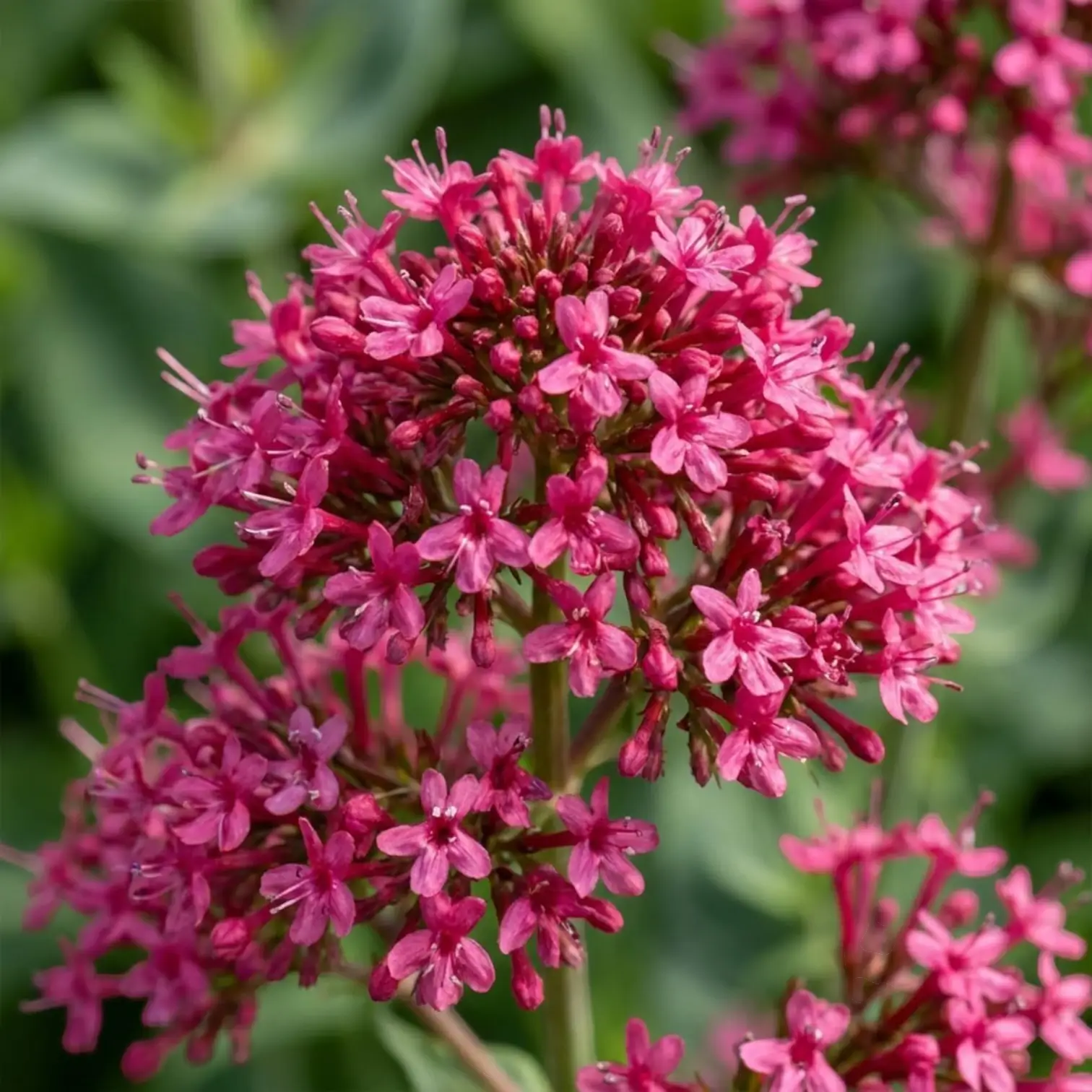
Centranthus
VAT included · plus
Your outdoor plant has just been packed, transported and unpacked, so give it a calm start before planting or placing it permanently. Remove all packaging carefully, check the pot, stems, visible roots and substrate moisture, and settle any loose growing medium back around the root ball. Water if the root ball feels dry, but do not leave the pot standing in water. For the first few days, keep the plant in a sheltered spot suited to its light needs, away from strong midday sun, heavy wind, frost and heat stress.
Do not move the plant straight into full exposure, especially if it is young, newly flushed, evergreen, recently pruned or greenhouse-grown. Gradually introduce more sun, wind and temperature variation over several days. If cold nights, storms, intense sun or hot dry weather are expected, keep the plant protected until conditions are more stable. Do not fertilize immediately after delivery; let the plant settle first and resume feeding only when it is actively growing and conditions are suitable.
Outdoor plants may arrive in different seasonal stages. Depending on the time of year, your plant may be leafy, flowering, newly sprouting, recently pruned, dormant, partly bare or leafless. Adjust care to what the plant is doing: actively growing plants need closer moisture checks, while dormant plants usually need protection from extremes and only light moisture management until growth resumes.
Plant outdoors when the soil is workable and weather conditions suit the plant type. Avoid planting during frost, heatwaves, waterlogged soil or very dry windy periods. It is better to keep the plant protected in its pot for a short time than to plant into stressful conditions. After planting, water thoroughly so the root ball and surrounding soil connect properly, then monitor moisture while the plant establishes.
Secure shipping, carefully packed orders with safe delivery across the EU, UK and Switzerland.
28-day plant guarantee, if a plant arrives damaged or fails soon after delivery, we help you make it right.
Free returns, simple, cost-free returns according to our policy.
For full details, please see:
Please head to our FAQ Page or Contact us.
Herbaceous perennial
Position
Full sun
Moisture
Dry to average
Drainage
Well-drained
Hardiness
Fully hardy · -15°C
Mature size
50–100 × 50–100 cm
Winter habit
Semi-evergreen
Bloom time
Spring, Summer, Autumn
Containers
Good in pots
Pruning
After flowering, Autumn
Dry walls, rocky slopes and coastal ground around the Mediterranean.
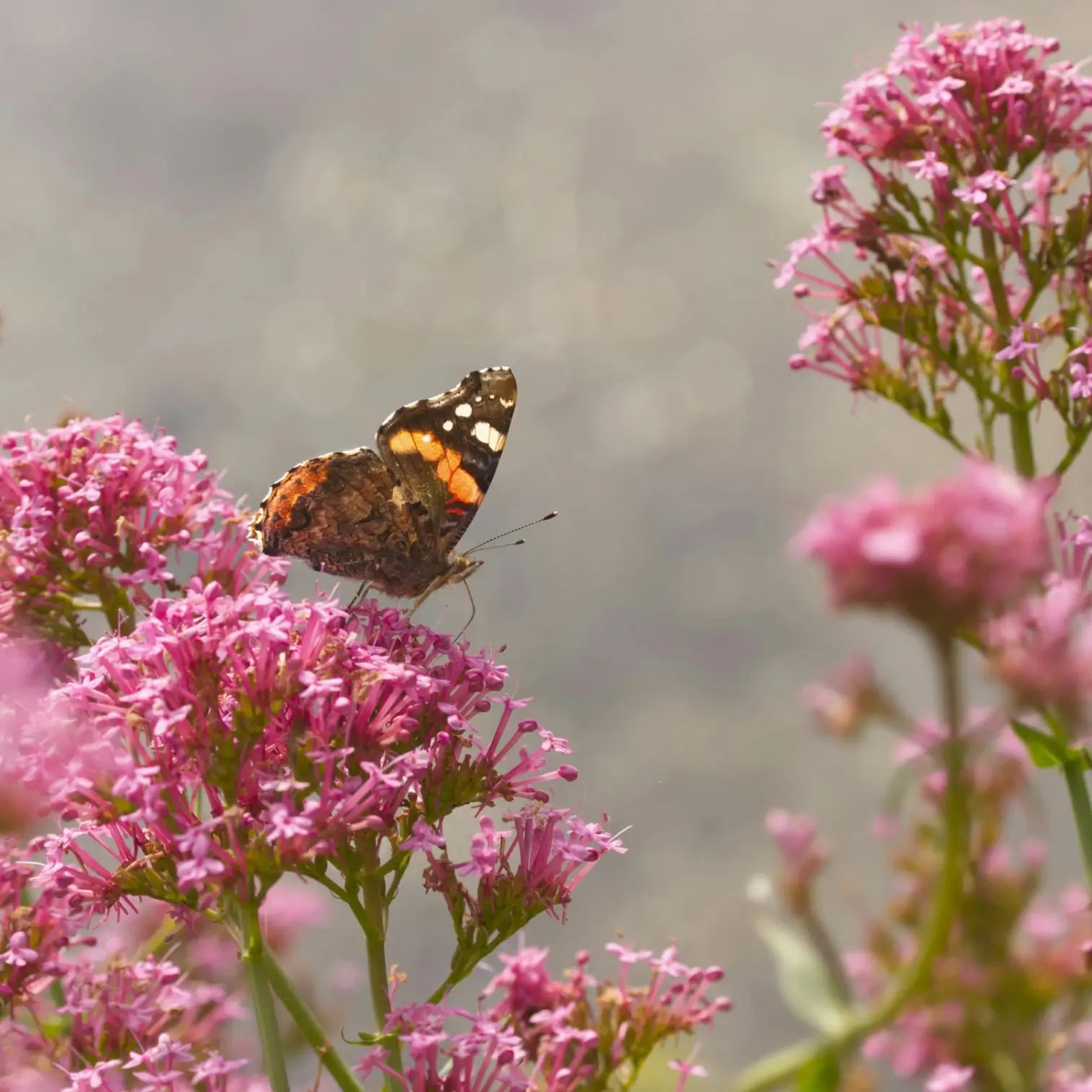
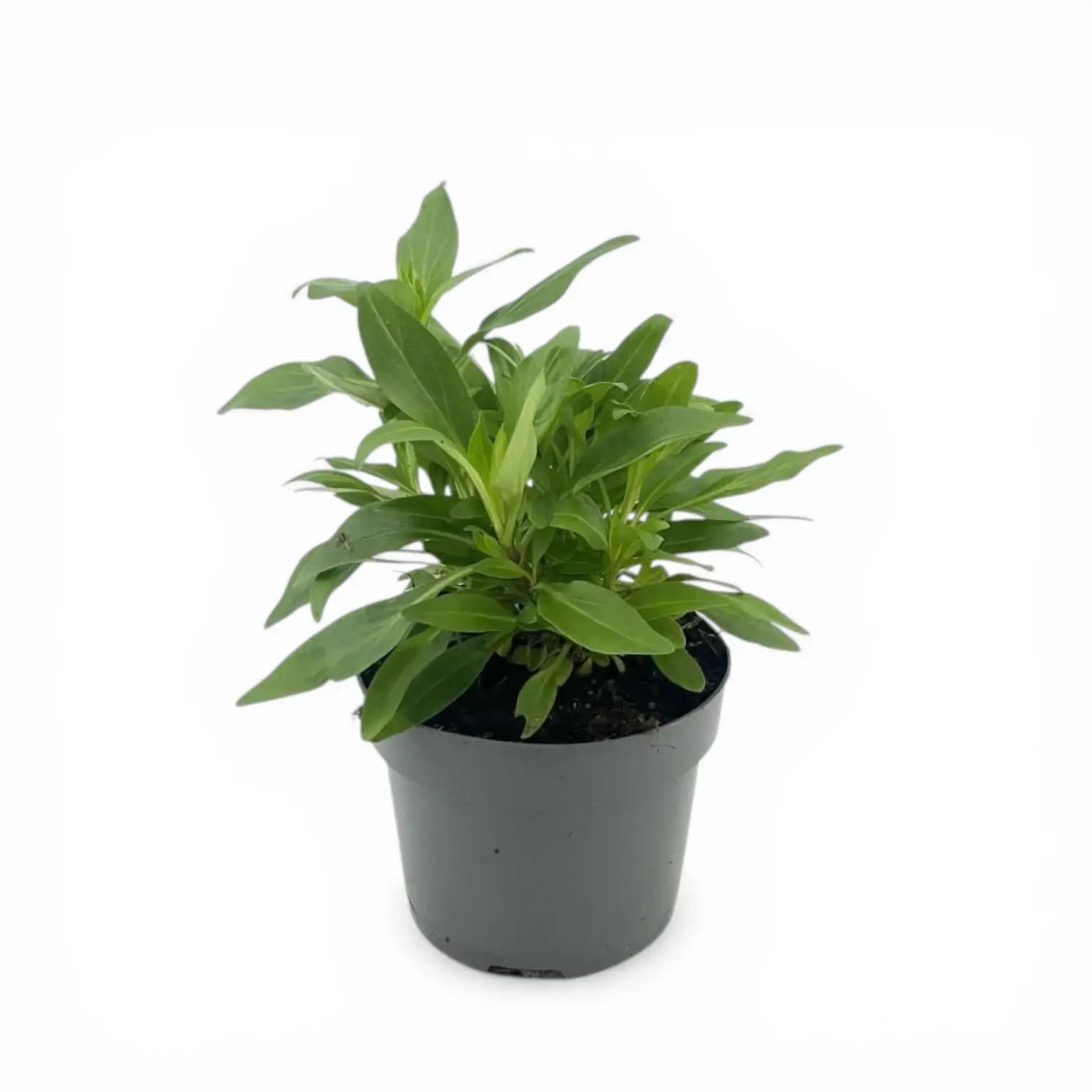
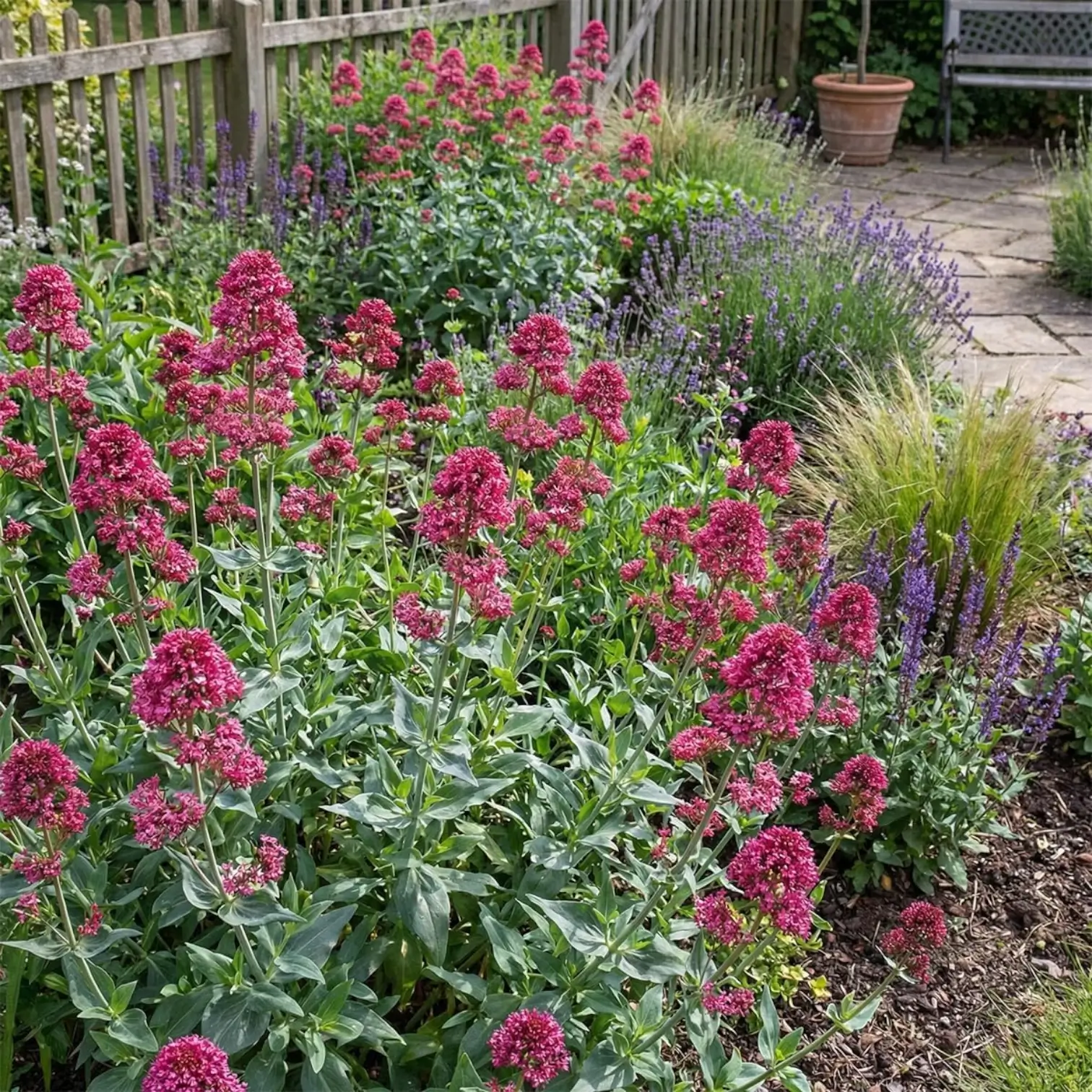
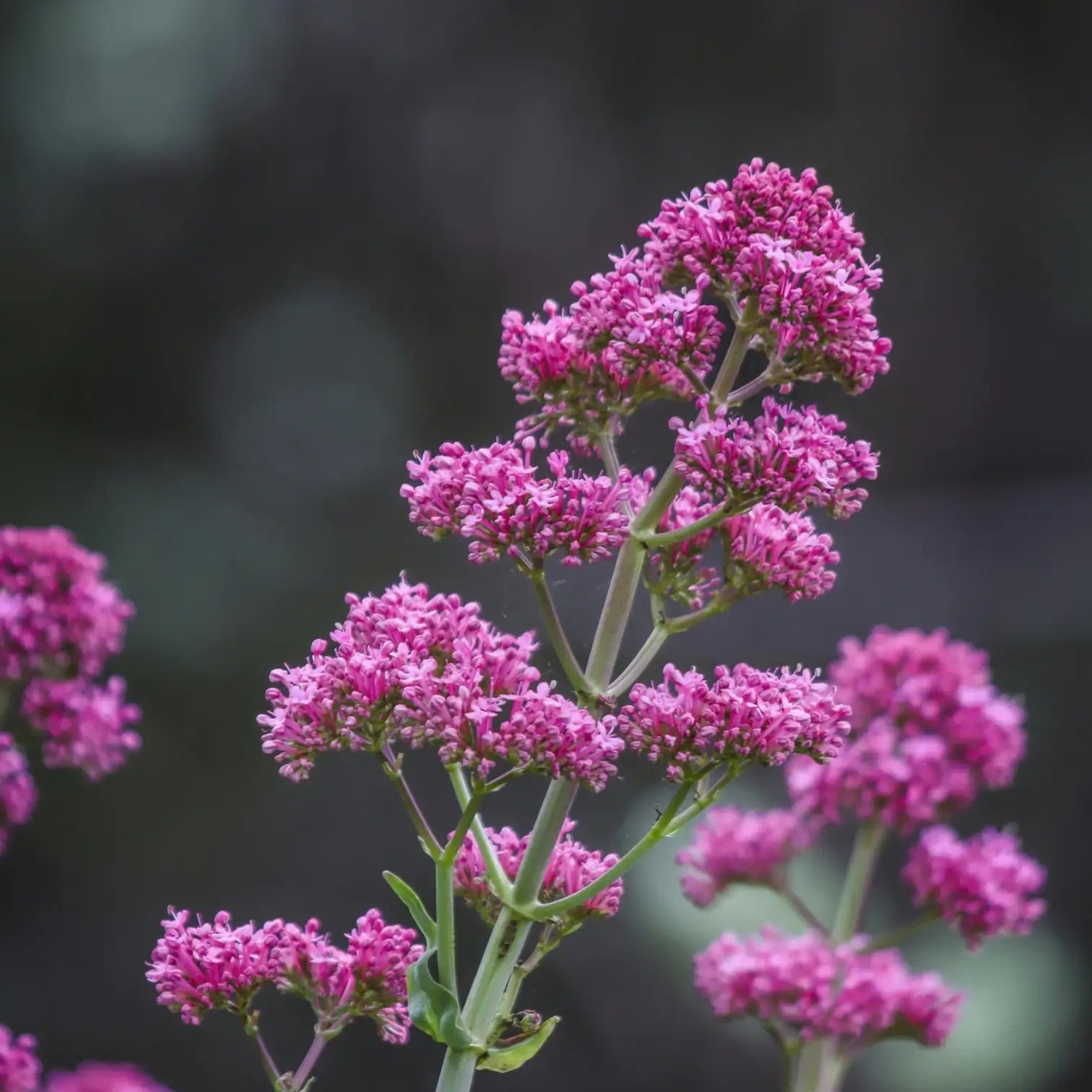
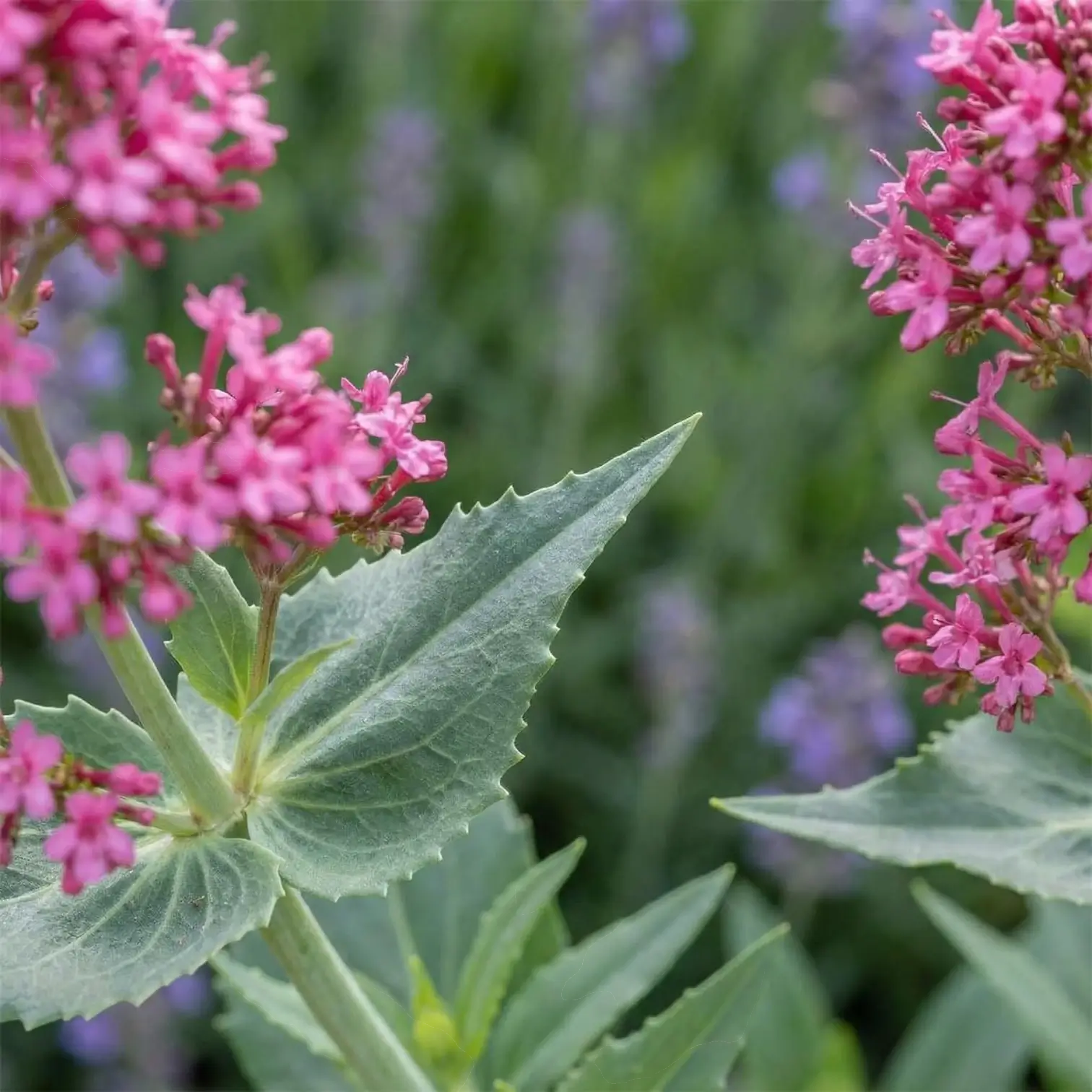
Centranthus ruber 'Coccineus' is a clump-forming perennial known for its long flowering season and its ability to thrive where many border plants struggle. It carries blue-green, semi-evergreen foliage and produces dense clusters of small, funnel-shaped flowers in strong red tones. In the right conditions, it flowers from spring well into autumn, especially when you cut stems back after a main flush.
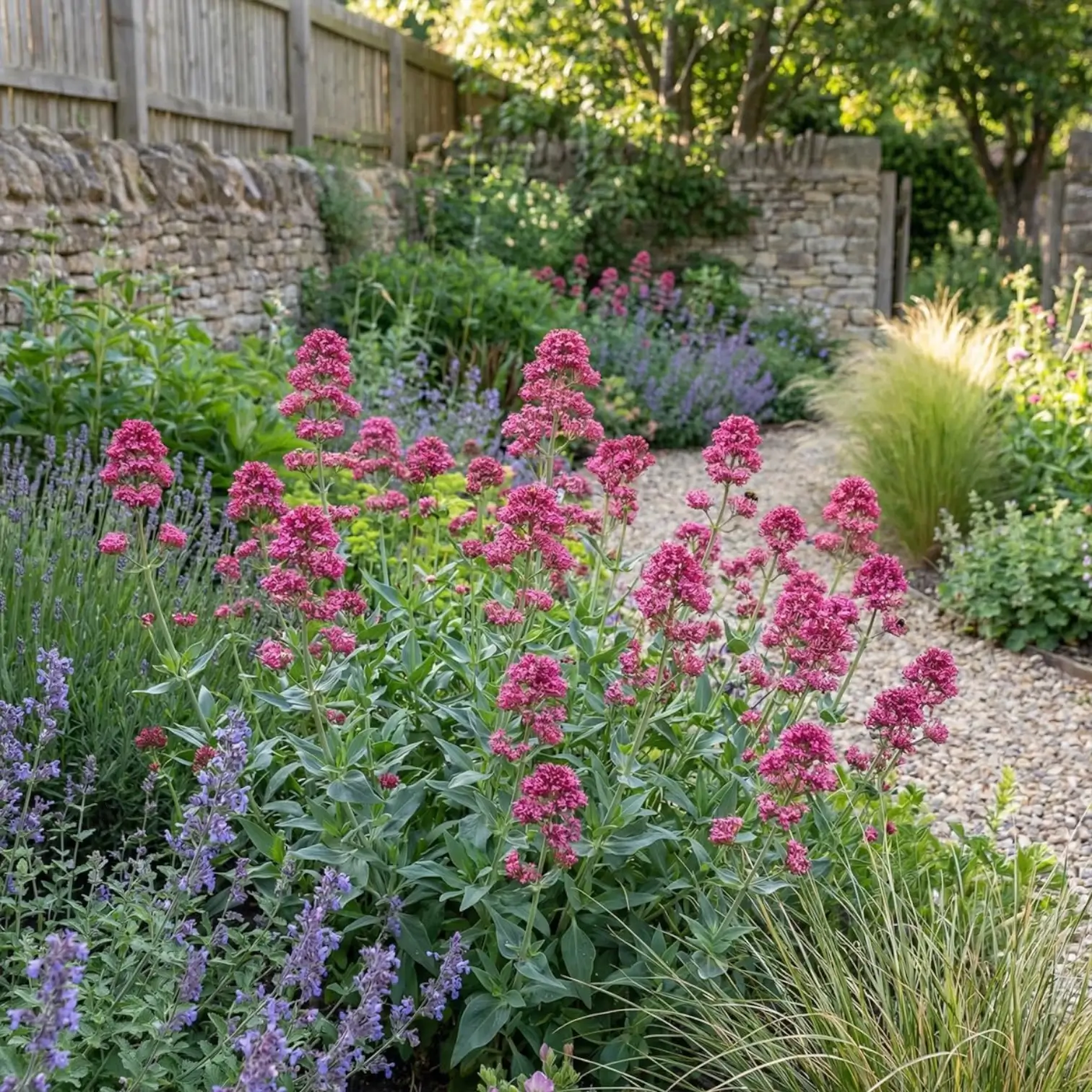
This is a plant for bright, open places: sunny borders, gravel gardens, walls, and coastal sites. It suits gardens where drainage is good and soils are on the lean side, and it responds well to a simple, low-intervention routine.
In open ground, 'Coccineus' typically reaches about 0.5-1 m in height and spreads to a similar width, forming a relaxed, bushy clump. The stems rise above the foliage and carry flower heads that hover and sway above the foliage, giving an airy, informal shape. The overall effect is airy and natural, with colour held at mid-border height.
The foliage is semi-evergreen in mild winters, and in colder conditions it may thin out and then regrow strongly in spring. Either way, the plant is quick to re-establish its clump once temperatures rise.
Full sun is the key to compact growth and heavy flowering. The plant is well suited to exposed or sheltered sites, provided the soil drains well. It grows in chalk, loam, and sand, and it is happiest on neutral to alkaline ground. In richer soils it still grows, but the most stable clumps tend to come from soils that are poor to moderately fertile.
In its first season, water to settle the rootball and encourage deep rooting. After that, Centranthus is naturally drought tolerant and usually needs little supplemental watering in the ground. During prolonged dry spells, a deep soak helps keep flowering steady, particularly on very free-draining gravel or wall-top planting where the root zone dries quickly.
Overwatering is rarely the goal with this plant. The best balance is a soil that drains quickly after rain, with occasional deep watering during extended heat.
The simplest way to keep 'Coccineus' flowering for longer is to cut stems back after a main flush. Once a large portion of the flower heads has finished, shear the stems down to a lower set of leaves. Fresh shoots follow, and new flowering stems often appear a few weeks later.
Centranthus is comfortable on lean soils and rarely needs heavy feeding. A light spring top-dress with compost is enough where the soil is very thin. In rich soils, the plant can produce softer growth; a simpler approach often gives sturdier stems and a longer-lived clump.
Red valerian can set seed readily, especially in warm, dry sites. If you enjoy a naturalised look, that can be a benefit, with seedlings appearing in cracks, gravel, or nearby borders. If you prefer a contained clump, remove most of the spent flower heads before they shed seed. Seedlings are usually easy to lift when small.
In a pot, growth stays smaller and slower than in open ground, and drainage becomes even more important. Use a free-draining mix, choose a container with generous drainage holes, and keep the plant in full sun. Water when the container dries, then let excess drain fully.
Through winter, the main aim is to keep the root zone airy and free-draining. A sheltered position out of persistent winter rain can help, especially in cold regions where wet compost and freezing temperatures are a poor combination.
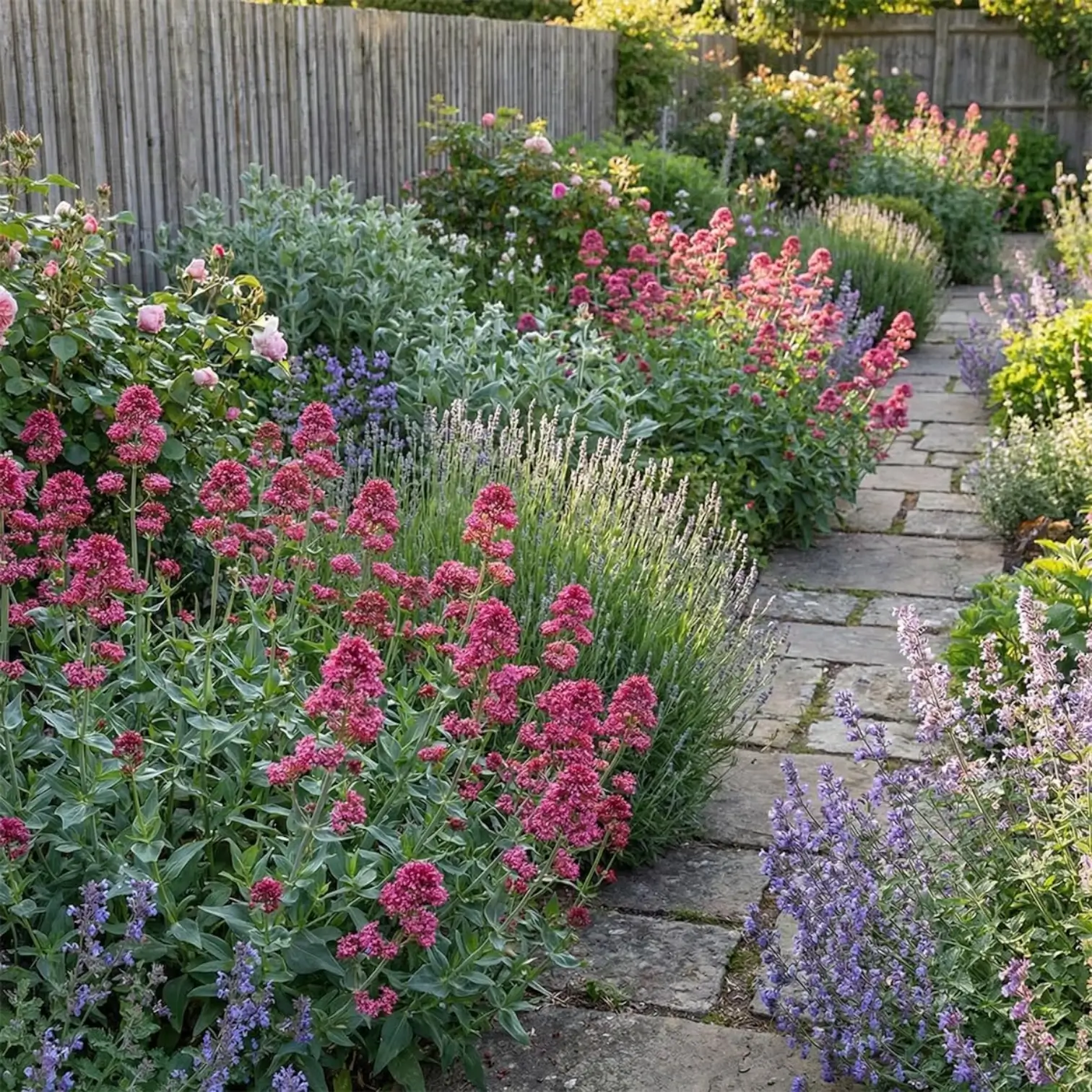
With an eventual spread of up to about 1 m, give the plant space so the clump can broaden naturally. It suits the front to middle of a sunny border, the edge of a gravel path, the top of a dry bank, or pockets in wall planting where drainage is naturally fast. The upright stems and clustered flowers also work well threaded through ornamental grasses or mixed with other drought-tolerant perennials.
In autumn, you can leave a portion of the stems standing for structure, then cut back in late winter or early spring as new growth starts at the base. Removing older stems helps light reach the crown and keeps the clump open and vigorous for the next flowering cycle.
If you want long-lasting colour in a sunny, well-drained spot, Centranthus ruber 'Coccineus' is a reliable perennial with a natural, airy look and a flowering season that can stretch for months.
Choose options


Sign up for Foliage Factory newsletter for early access to new arrivals and practical care tips that work in real homes.