Position
Full sun

Aubrieta
VAT included · plus
Your outdoor plant has just been packed, transported and unpacked, so give it a calm start before planting or placing it permanently. Remove all packaging carefully, check the pot, stems, visible roots and substrate moisture, and settle any loose growing medium back around the root ball. Water if the root ball feels dry, but do not leave the pot standing in water. For the first few days, keep the plant in a sheltered spot suited to its light needs, away from strong midday sun, heavy wind, frost and heat stress.
Do not move the plant straight into full exposure, especially if it is young, newly flushed, evergreen, recently pruned or greenhouse-grown. Gradually introduce more sun, wind and temperature variation over several days. If cold nights, storms, intense sun or hot dry weather are expected, keep the plant protected until conditions are more stable. Do not fertilize immediately after delivery; let the plant settle first and resume feeding only when it is actively growing and conditions are suitable.
Outdoor plants may arrive in different seasonal stages. Depending on the time of year, your plant may be leafy, flowering, newly sprouting, recently pruned, dormant, partly bare or leafless. Adjust care to what the plant is doing: actively growing plants need closer moisture checks, while dormant plants usually need protection from extremes and only light moisture management until growth resumes.
Plant outdoors when the soil is workable and weather conditions suit the plant type. Avoid planting during frost, heatwaves, waterlogged soil or very dry windy periods. It is better to keep the plant protected in its pot for a short time than to plant into stressful conditions. After planting, water thoroughly so the root ball and surrounding soil connect properly, then monitor moisture while the plant establishes.
Secure shipping, carefully packed orders with safe delivery across the EU, UK and Switzerland.
28-day plant guarantee, if a plant arrives damaged or fails soon after delivery, we help you make it right.
Free returns, simple, cost-free returns according to our policy.
For full details, please see:
Please head to our FAQ Page or Contact us.
Evergreen perennial
Position
Full sun
Moisture
Dry to average
Drainage
Moisture-retentive, Well-drained
Hardiness
Fully hardy · -20°C
Mature size
10–15 × 30–50 cm
Winter habit
Semi-evergreen to evergreen
Bloom time
Spring
Containers
Good in pots
Pruning
After flowering
Rocky slopes and mountain ground of southeastern Europe; selected for dense spring cover.
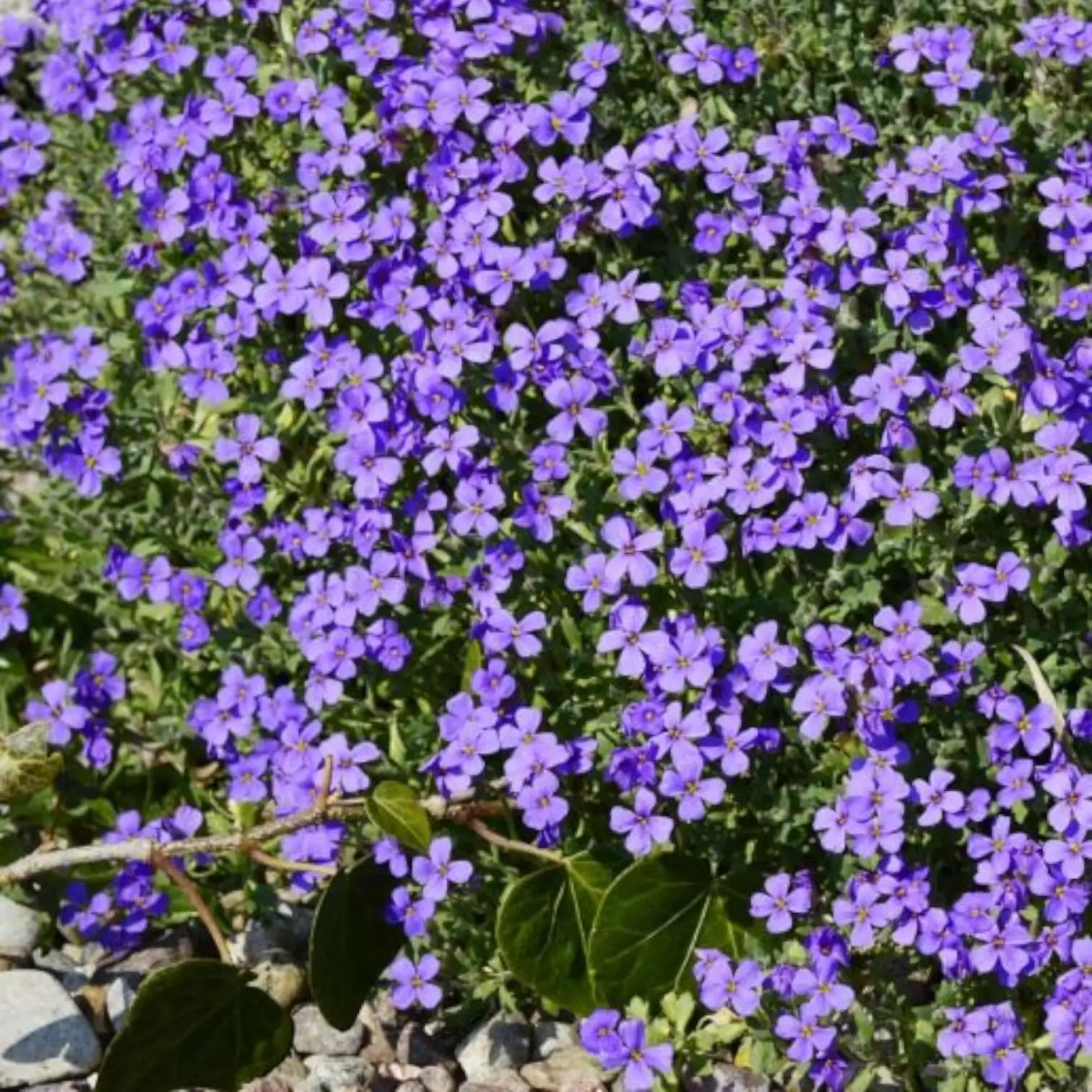
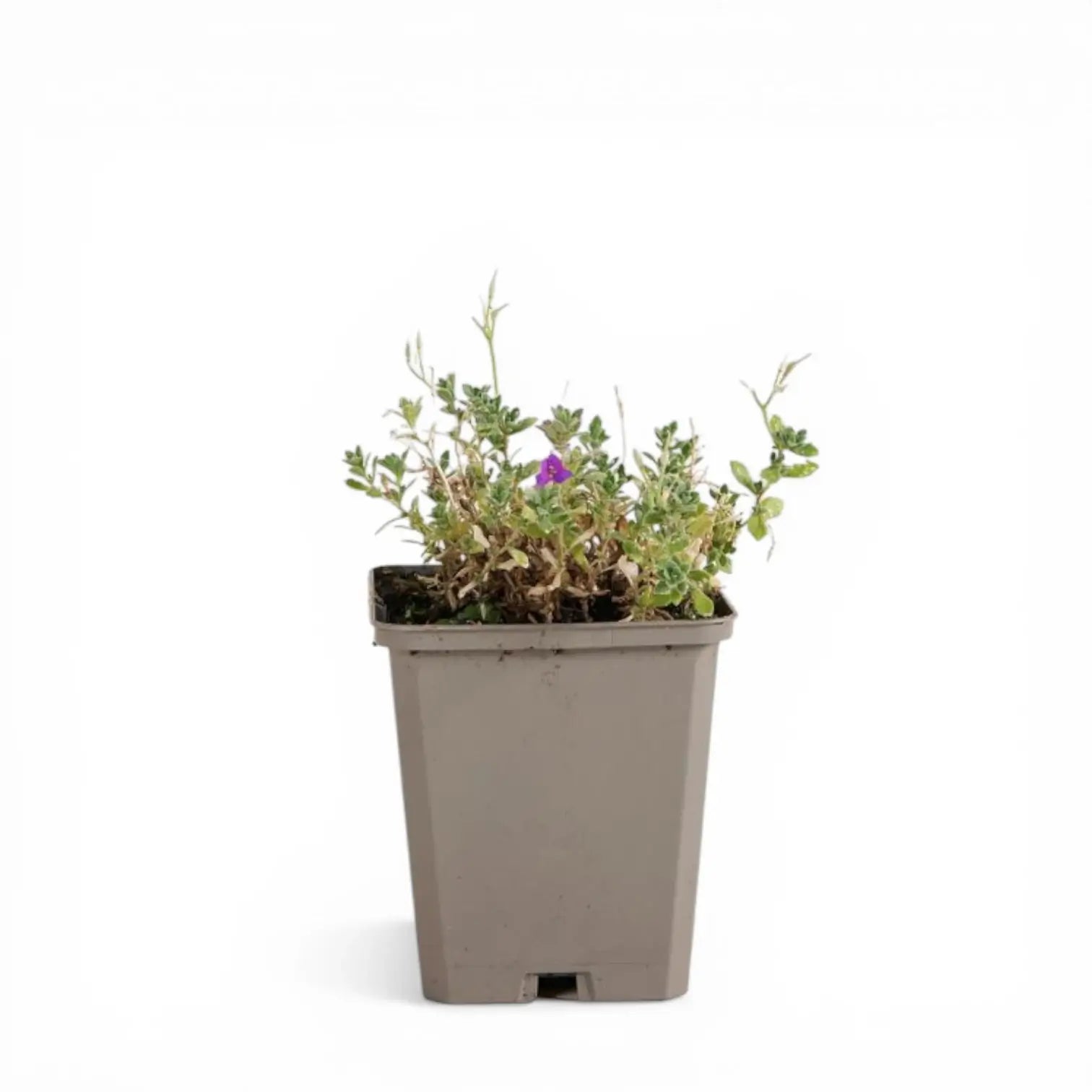
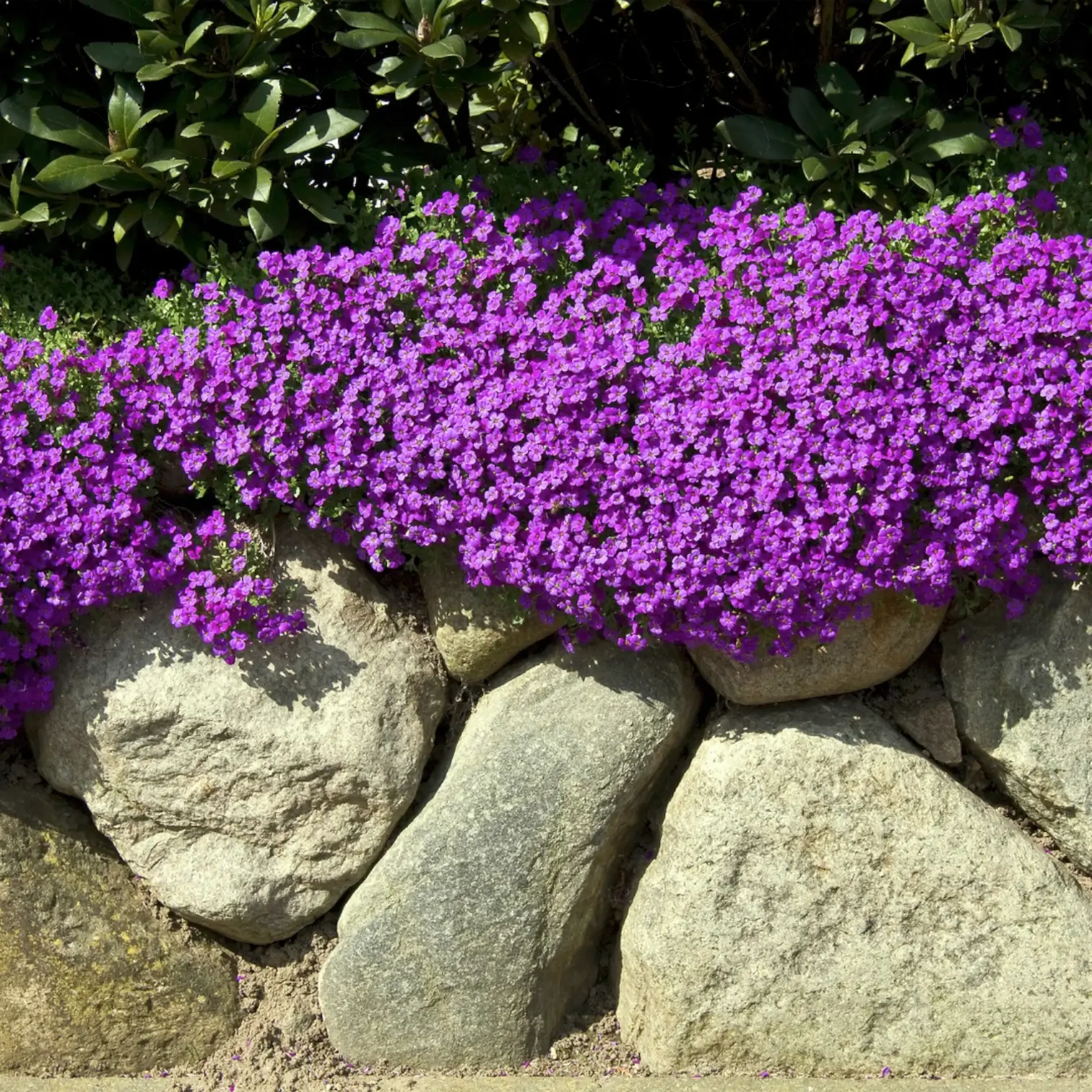
Aubrieta ‘Hamburger Stadtpark’ is a classic rock-garden perennial: low, mat-forming, and evergreen, with a spring flowering peak that can cover the plant in purple. The flowers are small but produced in large numbers, so the overall effect is a bright, early-season sheet of colour. After flowering, the plant settles into a neat cushion of small leaves that stays present through much of the year.
In typical garden conditions it sits around 10-15 cm tall and can spread to roughly 50 cm over time. In containers and troughs, growth is slower and the mat stays tighter than it does in open ground.
This aubrieta excels in sunny, free-draining positions. It works particularly well at the top of a wall where it can trail down, in crevice planting between stones, and in rock gardens where roots run through gritty soil. It is also useful for edging paths in sunny spots, and for filling gaps in gravel borders where you want spring colour without adding height.
Neutral to alkaline soils suit this plant well, including chalky ground. The key is drainage and an open texture. In heavier soils, improving the planting pocket with grit and coarse mineral material helps water move through and keeps the crown healthy. In fertile, moisture-holding beds the plant can lose its tight cushion shape, so leaner, gritty soil tends to produce the cleanest habit.
A shallow mulch of grit around the crown keeps the foliage clean, reduces splash in heavy rain, and helps maintain the compact mat form.
Plant in spring or early autumn. Set the crown level with the surrounding surface and firm in well so the plant sits securely. In wall planting and crevices, aim for a stable pocket of gritty soil and keep the pocket deep enough that moisture reaches the roots.
Once established, aubrieta copes with dry spells well, especially in cooler climates and in mineral soils. In the first season, consistent watering helps the plant root into its new space. In containers, watering needs remain more regular because the root zone is smaller and dries faster in sun.
Feeding can stay light. A small spring top-dressing of compost is enough in most gardens. In very lean rockery mixes, a light balanced feed in spring supports flowering, then the plant can coast through the season.
Aubrieta benefits from a trim once the main flowering flush finishes. Clipping back the spent flowering stems keeps the mat tidy and encourages fresh leafy growth that stays compact. This also helps the plant maintain a neat outline at wall edges and along paths.
The neat, low habit comes from three things: plenty of sun, sharp drainage, and a timely clip after flowering. When the plant sits in richer soil with more shade, stems can lengthen and the mat becomes looser. A gritty top-dress around the crown helps maintain the tight cushion, and occasional lifting and replanting into refreshed, mineral soil can restore an older clump.
Aubrieta is easy to increase when you want to extend a drift. Softwood cuttings taken after flowering root readily in a free-draining mix, and seed is also possible. Many gardeners simply replant a few rooted side pieces when the mat expands beyond its space. In small wall pockets, this is also a practical way to keep the display fresh without disturbing the whole planting.
This plant suits alpine troughs and shallow bowls, where its matting habit and spring bloom read beautifully at close range. Use a gritty, free-draining mix and ensure drainage holes stay open. Containers keep plants smaller and slower than open ground, which helps maintain a tight cushion.
Aubrieta can attract aphids and flea beetles, especially on soft new growth in spring. Leaf and bud eelworms are also noted as a possible issue. White blister can appear in damp conditions. In practice, strong drainage, open air movement, and a tidy clip after flowering help the plant stay cleaner through the year.
‘Hamburger Stadtpark’ works well when repeated in small drifts along a wall or through a rock garden, creating a consistent spring colour echo. Because it stays evergreen, it also provides year-round structure in gravel planting where many perennials disappear completely in winter. If you want a sharper, architectural look, pair it with stones, gravel, and low grasses so the purple spring flush becomes a clear seasonal highlight.
Choose options


Sign up for Foliage Factory newsletter for early access to new arrivals and practical care tips that work in real homes.